
Vital Baby

Keeping Baby Healthy: Simple Hygiene Habits Every Parent Should Know

For new parents, keeping a baby clean isn’t just about bath time. Everyday hygiene routines, from proper handwashing to trimming tiny nails and keeping feeding equipment clean, play a vital role in protecting babies from common infections while their immune systems are still developing. Simple daily habits can make a significant difference in a baby’s overall wellbeing. “Babies are naturally more vulnerable to germs because their immune systems are still maturing,” says Sr Londe, independent midwife and Vital Baby South Africa’s trusted advisor. “The good news is that small, consistent hygiene practices can greatly reduce the risk of common illnesses and help babies stay comfortable and healthy.” Here are some of the key hygiene habits parents can easily incorporate into their daily routines. Handwashing: The First Line of Defence Handwashing remains one of the simplest and most effective ways to prevent the spread of germs. Parents and caregivers should wash their hands before feeding baby, after nappy changes, after using the bathroom, after handling pets and after returning home from outings. “Hands carry a surprising number of germs throughout the day,” explains Sr Londe. “Before handling your baby, it’s always a good idea to wash your hands thoroughly with soap and water.” As babies grow into curious toddlers, parents can start teaching them to wash their hands before meals and after playtime, helping to establish healthy habits early. When soap and water aren’t immediately available, gentle baby-safe wipes can be useful for cleaning little hands and faces while out and about. Nail Care: Small but Important Baby nails grow quickly and can easily collect dirt or bacteria. Because babies often touch their faces, long nails may also lead to scratches that can become irritated or infected. Regular trimming helps prevent this, and many parents find it easiest to trim nails after bath time when they are softer. “Using tools designed specifically for babies can make nail care safer and less stressful,” says Sr Londe. “Parents often feel nervous at first, but with the right tools and a calm moment during the day, it quickly becomes part of the routine.” Baby grooming essentials such as dedicated nail care sets or grooming kits can help make these tasks easier to manage.  Nasal Care: Helping Baby Breathe Comfortably Blocked noses are common in babies, particularly during seasonal changes or colder months. Because infants rely heavily on nasal breathing, congestion can sometimes interfere with feeding and sleep. “Even mild congestion can make babies uncomfortable,” says Sr Londe. “Using saline drops and gentle nasal aspirators can help clear the nasal passages safely and provide relief.” Keeping baby’s sleeping environment well ventilated and free from irritants such as cigarette smoke or strong fragrances can also support healthy breathing.  Preventing Common Infections While it’s impossible to completely avoid germs, parents can take several practical steps to reduce the risk of infection. Keep toys and teethers clean. Babies explore the world by putting objects into their mouths, which means toys and teethers should be washed regularly using warm soapy water and allowed to dry properly. Teething toys such as the Infantino 3 Stage Teether are designed to support babies through different developmental stages and can be easily cleaned as part of a daily routine. Practise safe feeding hygiene. Whether breastfeeding or bottle-feeding, it’s important to ensure bottles, teats and feeding equipment are properly sterilised. Prepared formula should be stored according to guidelines, and unfinished milk should be discarded after feeds to prevent bacterial growth. Keep surfaces clean. Changing stations, highchairs and kitchen counters should be wiped down regularly with baby-safe cleaning products to reduce the risk of cross-contamination. Limit exposure to illness. During flu season or when respiratory infections are circulating, it’s sensible to limit babies’ contact with people who are unwell. Parents can also encourage visitors to wash their hands before holding baby. Building Healthy Habits from the Start Maintaining baby hygiene doesn’t have to be complicated. With consistent routines such as handwashing, cleaning toys, safe feeding practices and gentle grooming, parents can significantly reduce the risk of common infections. Having the right baby care essentials on hand can also make these routines easier. Items such as Vital Baby’s PROTECT Nailcare Set, HYGIENE Hand & Face Wipes, and the new biodegradable and recyclable Vital Baby EarthSmart Baby Care Kit which includes various health and grooming products, can support parents as they establish these daily habits. “Parenthood comes with a lot to learn, but when it comes to hygiene, the basics really do matter. Small everyday habits help protect babies while giving parents confidence that they’re doing the very best for their little ones,” concludes Sr Londe. Vital Baby is a family-run business with over 45 years of experience in the baby industry. Their mission is to create products that make family time effortless and enjoyable for parents. The Vital Baby range, now including biodegradable and recyclable EarthSmart products, is 100% BPA-free and covers every stage of your baby’s development, from feeding and weaning, to hygiene and soothing. Explore the range online at Vital Baby® (vitalbabyshop.co.za) and Amazon, or find at Clicks, Dischem, and selected Woolworths.


Sanosan

Understanding Your Baby’s Sensitive Skin: What Every Parent Should Know

A baby’s skin is one of the most delicate parts of their developing body. Up to five times thinner than adult skin, it loses moisture more easily and is far more vulnerable to irritation, dryness and environmental stressors. For new parents navigating the early months of childcare, understanding how to properly care for sensitive baby skin can make a meaningful difference to a child’s comfort and wellbeing. From nappy rash to dry patches and irritation caused by harsh ingredients, many common skin concerns can be prevented with gentle care and the right skincare choices. Why baby skin needs special care Newborn skin is still developing during the first year of life. Because the protective skin barrier is not yet fully mature, babies are more prone to dryness, redness and reactions to environmental triggers such as heat, friction, or fragranced products. Regular bathing with mild cleansers, followed by moisturising with products formulated specifically for babies, can help support the skin’s natural barrier and maintain hydration. “Parents are often surprised to learn just how sensitive baby skin really is,” says Karen Van Rensburg, spokesperson for Sanosan South Africa. “The products used on babies should be especially gentle and carefully formulated to support the skin’s natural development while helping protect it from everyday irritants.” Common causes of irritation Many baby skin issues arise from everyday factors, including: Being mindful of these triggers can help parents prevent discomfort before it begins. Choosing the right skincare products Dermatologically tested products specifically designed for babies can help reduce the risk of irritation. Parents should look for formulas that are gentle, nourishing and free from unnecessary harsh additives. “Using products designed with babies’ sensitive skin in mind can help parents feel confident they are supporting their child’s skin health from the very beginning,” Van Rensburg adds. Skincare ranges enriched with nourishing ingredients such as natural milk protein, which is known to help support the skin’s protective barrier, can provide gentle care while maintaining moisture balance. Building a gentle skincare routine A simple, consistent routine can help protect delicate baby skin: By understanding how delicate baby skin is and choosing products carefully, parents can help reduce irritation while keeping their babies comfortable and happy. “With so many options out there, we understand how important it is to trust the products used on a baby’s skin,” says Van Rensburg. “Gentle, thoughtfully developed skincare can help support healthy skin while giving parents peace of mind.” Sanosan specialises in baby skincare inspired by the natural nourishing properties of milk protein, formulated to help support the skin’s protective barrier while keeping baby skin soft and healthy. The range is developed specifically for delicate baby skin and dermatologically tested to ensure gentle, effective care. www.sanosan.co.za  

Bonitas – innovation, life stages and quality care

What is HELLP?

Pregnancy and the arrival of a new baby is a time of great excitement and joy for expectant parents.  However, occasionally there can be complications, which is why pregnant moms should have regular health checks and be aware of any unusual symptoms that may develop. Over the past few years, there has been discussion around a condition known as HELLP Syndrome. It’s a life-threatening complication in pregnancy that can be difficult to diagnose. We reached out to Dr Morgan Mkhatshwa, Head of Operations at Bonitas Medical Fund and his clinical team, to get some answers and advice about HELLP. What is HELLP Syndrome? HELLP (Haemolysis, Elevated Liver enzymes, Low Platelet count) Syndrome usually develops before the 37th week of pregnancy but can occur shortly after delivery.  It’s a serious complication that affects the blood and liver. H = Haemolysis is the breakdown of red blood cells that carry oxygen from lungs to the rest of the body. EL= Elevated liver enzymes.  High levels of these chemicals in the blood can be a sign of liver problems. LP = Low platelet count.  Platelets are little fragments of blood cells that help with blood clotting.  A low platelet count can lead to serious bleeding. What causes HELLP? ‘We don’t know what causes HELLP syndrome,’ says Dr Mkhatshwa, ‘however, you are at risk if you have pre-eclampsia or eclampsia.’  About 1 to 2 in 10 pregnant women (10 to 20 percent) with pre-eclampsia or eclampsia develop HELLP.  Pre-eclampsia is caused by high blood pressure. It usually starts after the 20th week of pregnancy or giving birth. Eclampsia is when pre-eclampsia is uncontrolled and causes seizures. Many women are diagnosed with pre-eclampsia before they have HELLP which is a more severe form of pre-eclampsia. What are the symptoms / signs of HELLP?  You may feel tired, have pain in the upper right part of the belly, bad headaches and nausea or vomiting. You may also experience swelling, especially of the face and hands and blurry vision. Some women develop HELLP suddenly, without having any signs or symptoms.  If you have any signs of HELLP Syndrome, call your medical practitioner, emergency services or go to a hospital emergency room for medical care right away. How is HELLP diagnosed? To find out if you have HELLP Syndrome, your healthcare provider will do a physical exam to check  for: Belly pain or soreness, especially in the upper right side An enlarged liver High blood pressure Swelling in your legs Other tests could include: Blood tests to check your liver enzyme levels, lactate dehydrogenase and full blood and platelet count with a peripheral smear Urinalysis to check for protein in the urine A CT scan to see if there’s bleeding in your liver Non-stress test or ultrasound to check your baby’s health. A non-stress test checks your baby’s heart rate, in the womb, to see how the heart rate changes when your baby moves. This test is to make sure your baby’s getting enough oxygen. Ultrasound uses sound waves and a computer screen to show a picture of your baby inside the womb Is HELLP painful? Symptoms of HELLP include serious pain just below the ribs, or the upper right side of the chest area (where the liver is), shoulder pain or pain when breathing. How is HELLP treated? You may be given medication to control your blood pressure and prevent seizures or you may require a blood transfusion to treat anaemia and low platelet levels.  Early birth may be necessary because HELLP complications can get worse and harm both you and your baby – either through an induced labour or by C-Section depending on the health assessment results of the baby.  How does it impact the baby? Infants born to mothers with HELLP Syndrome may have a variety of birth injuries: Intrauterine growth restriction (IUGR) or severe respiratory distress. Are there long term effects of HELLP? A history of HELLP Syndrome means you are at increased risk for recurrent pre-eclampsia and HELLP Syndrome as well as increased long-term morbidities, particularly depression and chronic hypertension. Can HELLP develop after childbirth? Yes, up to 30% of all patients who develop HELLP Syndrome do so after giving birth, typically within 48 hours.  Can I have another baby after HELLP syndrome? If you had HELLP in a previous pregnancy, regardless of the time of onset, you have a greater risk for developing it in future pregnancies. ‘The condition is serious but rare’, stresses Dr Mkhatshwa. ‘Throughout your pregnancy it’s important to understand the changes your body is going through and to discuss any unusual pain or symptoms with your medical practitioner. This will ensure you receive the right help especially if you develop a complication and make the pregnancy and birth the joyous event it should be!’ 

Dalza

Autism Awareness Month: What Acceptance Actually Looks Like at Home

Every April, the world turns its attention to autism. The blue lights come on. The social media posts go up. Schools run assemblies. Companies share infographics. And somewhere in the middle of it all, you’re still trying to get your child’s shoes on before the school run. Autism Awareness Month matters. But for the parents living it every day, awareness was never really the problem. You’re aware. You’ve been aware since the first sleepless Google search, the first assessment, the first time someone said “have you considered…”. What you actually need is acceptance. And not the hashtag kind. The kind that shows up in the small, unglamorous moments of daily life. Awareness vs. Acceptance: What’s the Difference? Awareness says: “I know autism exists.” Acceptance says: “I’m going to make space for what that actually means – for your child, in your home, in your school, in your life.” Awareness is a poster on a wall. Acceptance is the teacher who reads your child’s profile before the first day of term and adjusts without being asked. It’s the family member who stops saying “but they look so normal” and starts asking “how can I help?” It’s the therapist who listens to what’s working at home, not just what’s in the textbook. Acceptance lives in the detail. And it starts at home. What Acceptance Looks Like in Your House Here’s the thing nobody tells you: acceptance isn’t a moment. It’s not a switch you flip after diagnosis. It’s something you build, bit by bit, on the hard days and the good ones. It’s letting go of the timeline. Your child’s milestones won’t always match the chart on the paediatrician’s wall. That’s not failure, that’s their story unfolding at their pace. The comparison trap is real, and stepping out of it is one of the most powerful things you can do. It’s trusting your instincts. You know your child better than any report can capture. When something feels off, or when something is working, that knowledge matters. Don’t let it get drowned out by professional opinions that only see a slice of who your child is. It’s being honest about the hard stuff. Acceptance doesn’t mean pretending everything is fine. Some days are brutal. Meltdowns are exhausting. Admin is relentless. Saying “this is hard” isn’t the opposite of acceptance, it’s part of it. It’s celebrating what others might miss. The first time they made eye contact with the waiter. The sentence that came out of nowhere after months of silence. The fact that they tried the new food, even if they spat it out. These moments are enormous, and you don’t need anyone’s permission to treat them that way. What Acceptance Looks Like Beyond Your Front Door Home is one thing. But your child doesn’t exist in a bubble — they move through schools, therapy rooms, family gatherings, and a care system that doesn’t always join the dots. Real acceptance means the people around your child see the full picture, not just a diagnosis or a set of challenges. It means their teacher knows what lights them up, not just what triggers a meltdown. It means the occupational therapist knows what happened at school last week before the session starts. It means you’re not the only person carrying all of that context in your head. That’s exhausting work. And too often, it falls entirely on you. The Invisible Load of “Awareness” Here’s what Autism Awareness Month rarely talks about: the sheer weight of being the person who holds everything together. You’re the translator between the school and the speech therapist. The administrator who files every report, chases every referral, remembers every medication change. The advocate who has explained your child’s needs so many times you could do it in your sleep, and sometimes you practically do, at 11pm, drafting yet another email. That load is invisible. And in a month dedicated to awareness, it deserves to be seen. Small Shifts That Make a Real Difference You don’t need to overhaul your life this April. But here are a few things worth considering: Share the context, not just the crisis. The people supporting your child do better work when they can see beyond the appointment or the classroom. A short note about what’s changed at home — sleep patterns, a new anxiety, a breakthrough — can shift the quality of support your child receives. Let people in. Not everyone, and not all at once. But the right people — the teacher who cares, the therapist who gets it, the family member who’s willing to learn. Give them the information they need to show up properly. Stop carrying it alone. This one is easier said than done. But if there’s one thing this month could mean for you, let it be this: you were never supposed to be the only one holding the full picture of your child’s world. Your Child’s Story Deserves More Than a Month Autism Awareness Month will end. The blue lights will switch off. The social media posts will slow down. But your child’s story keeps going. It unfolds every single day — at home, at school, in therapy, in the car, at bedtime, in all the places that don’t fit neatly into an awareness campaign. That story deserves to be seen, understood, and supported all year round. Not just by you, but by everyone who plays a part in your child’s life. Dalza gives peace of mind to parents of children who learn, think, move, or communicate a little differently. One shared space where your child’s care team can see the full picture — so you’re not the only one holding it all together. Find out more at dalza.com

Toptots Head Office

Why do I need to stimulate my baby from a young age

Parents to be, have the unique opportunity to create a better brain for their unborn child from day one.  When a baby is born she born with unlimited potential but the experiences she has in her life will determine the outcome of that potential. Experience = learning.  No experience = no learning. Lots of experience = optimal learning. Your unborn children will face many different challenges to you.  In all likelihood they will be working in fields that have not even been developed yet. You will have very little knowledge of what they are doing, as it will not be part of your frame of reference. We as parents need to equip them with the best tool (a ready brain) to deal with this onslaught.  There are very simple things that you as a parent can do to help ensure that your child is equipped to deal with the challenges that may face her.  In order for you to understand this we need to go back and look at the brain. The brain is made up of three layers (Triune model) these layers have a window of opportunity to develop to their full potential.  A window of opportunity is just this brief period that we have for optimum development of that part of the brain.  The first layer is the primal survival brain – the fight or flight centre of the brain.  The next layer is our emotional brain – here we learn to love and care and feel.  The last layer is the thinking brain or the cortex.   The first window of opportunity is during the first 14 months from birth; during this time we need to stimulate the survival brain in order to create strong muscles so that we can send messages to them that they will respond to in the correct way. We do this through encouraging movement. Once we stimulate the senses the message has to travel via neurochemical pathways (roots) to the muscles to react.  How do we create these neurochemical pathways in the brain?  By allowing our babies freedom to move and explore.  Nothing is more detrimental to a child’s development than being cooped up in a chair or stroller for the better part of the day.  Simply by stimulating the senses through massage and exposing them to different experiences during these crucial 14 months, you are creating the networks (roots) that she will need to help her learn and help her reach her full potential.  By repeating the actions you are creating the insulation (myelin) that makes it permanent. Repetition is good for a child, it is how they learn. The next window of opportunity is from 14 months to 4 years and during this time your child will be working on the emotional brain.  This area of the brain processes feelings and emotions. This is the glue that holds the survival brain and the cortex together.  We have to keep our emotional bucket full in order for learning to take place.  Only between 4 and 11 years will the thought processes be laid down.  This is the area of the brain that focuses on language, creativity, thought etc. As parents we can create a whole brain experience with an excellent root system that allows messages to come through easily to the brain just by stimulating our children.  It is imperative to enrich a child’s brain with as much experiences as possible during these windows of opportunity.

Panado®

Panado®’s New Pocket-Sized Power Sachets, Keep Parents Prepared for Pain Or Fever Anytime, Anywhere

Panado® understands that even with the best planning, pain or fever in children can still catch you by surprise.  A fever can spike late at night. Teething pain can strike on a weekend away. A temperature can creep up mid-shop, a headache can hit halfway through a long car trip, or a small burn can turn a relaxed afternoon into a stressful one. Readiness means having a plan in place for when children don’t feel well, wherever they happen to be. Being pain and fever ready isn’t about expecting the worst. It is about knowing that common childhood symptoms are part of growing up, and that understanding how to manage them can take much of the fear and anxiety out of the moment1a. When parents feel calmer and more in control, children feel safer too1b. The calm spreads, easing stress and helping everyone cope better until your little one feels well again1c. To support readiness in everyday family life, Panado® has introduced the perfect backup every parent needs, offering a practical way to manage pain and fever anytime, anywhere – Panado® Strawberry 5 ml Sachets2. Each sachet contains a single 5 ml dose of Panado® Strawberry Syrup2, powered by paracetamol, an ingredient with more than 150 years of clinical experience3. The sachets are sealed, hygienic, compact, simple to store and easy to carry, making them ideal for travel and day-to-day outings.  Containing the same trusted4 formulation, strength and berry nice flavour parents are familiar with, the Panado® Strawberry 5 ml Sachets2 are ready to work immediately5 and are suitable for babies and children from three months and older.   Slip one into a pocket, handbag, nappy bag, backpack, pram organiser, or car console and you’re always prepared. There is no bottle to pack and no risk of spills. When needed, a sachet is torn or cut open, the correct dose is measured using a syringe or medicine measure, and any remaining liquid is discarded.  To help parents feel confident, dosing is based on a child’s age and weight. Clear guidance is available via the panado.co.za/dosage-calculator online or by scanning the QR code on the pack, reducing guesswork at moments when you want reassurance. The sachets are part of the Panado® paediatric range, which includes Panado® Strawberry Syrup2, Panado® Peppermint6, suitable from Day 1 and Panado® Infant Drops7. Panado® Infant Drops were named a Product of the Year 2025 winner in the Child Health category8, based on votes from 2,000 South African consumers in a Kantar survey. When a child has pain or fever, readiness is about having something familiar you can rely on, without scrambling or second guessing. Panado® Strawberry 5 ml Sachets2 supports that peace of mind by fitting into real family life, not just the medicine cupboard at home, so you can focus less on the moment of panic and more on comforting your child. Panado® products are available from Baby City, Pick n Pay, Checkers including Hypers, Shoprite, Clicks, Dis-Chem and independent pharmacies. For more information, visit: https://panado.co.za/ and join the conversations on Facebook.  For references and legal disclaimers, visit https://panado.co.za/references. Approval ticket # 02.20261000004930. February 2026.

be.UP Park

Rediscover Play: March Holiday Fun at be.UP Park

The first term of 2026 has been a marathon of lunchboxes and early mornings, but the break is finally here! While the kids rev up with excitement, parents often feel a sense of “holiday burnout,” wondering how they will find the right school holiday activities to keep everyone engaged. The mental load is heavy. However, as the March holidays approach, there is a shift in the air. We don’t just need a break from school; we need a break from the consistent “no.” No, don’t jump on the couch. No more screen time. No, stay inside. At be.UP Park, we strive to create a space for “yes”—where a family adventure replaces discipline with discovery. We want parents to feel that same sense of confidence and calm that their children find through movement. Read on to see how you can take your kids on a family adventure this holiday. The Hero’s Journey: Discover Shared Bravery  In every great adventure, the hero must leave their “ordinary world” to find their strength. At be.UP, that journey is built into the very architecture of our park. When you watch your child stand at the edge of the zipline, nervously shuffling toward the drop, you are witnessing a transformation. In that moment, they move from fearful and hesitant to the realisation that they can accomplish something that once scared them. As a parent, you are not just a spectator; you are the Mentor. You are the safe guide who allows them to test their limits so they can eventually fly. Consider the impact of your role: This is the heart of March holiday fun: the bridge of trust, connection, and pure joy built between you and your child. The Science Of Play  So why is physical activity, like our March holiday fun, so much better than screen time? Rather than spending the break tethered to a screen, engaging in a family adventure helps your child’s development in the long run. According to the Child Mind Institute, physical play is a primary driver for developing executive function and emotional regulation. When children engage in the “heavy work” of navigating a giant maze or the weightlessness of a trampoline, their brains release a powerful cocktail of endorphins and dopamine. This leads to what we call the “Post-Play Glow,” where: By choosing a high-quality kids holiday program or an active afternoon out, you are investing in your family’s well-being. A Sanctuary for the “Quiet Hero”  But don’t worry, we haven’t forgotten about you, the hero behind the scenes. Every explorer needs a base camp, and the be.UP Café is yours. While the kids are busy conquering peaks and navigating labyrinths, you can decompress in your base camp. At Be.UP Cafe thats why we’ve designed a space where you can transition from “Chaos Manager” to “Quiet Observer.” Find our Menu for some fuel while the kids refuel  Capture The Light Before the New Terms Starts  The 2026 school calendar is short, and the autumn sun will dip lower before we know it. Public schools close on 27 March and reopen on 8 April, with Human Rights Day and the Easter weekend falling right in the mix. These moments of connection are the ones that stick—the stories they will tell at the dinner table aren’t about the levels they reached in a game, but the time they raced you down the slide. Don’t let these holidays slip away into a blur of domestic chores and screen time. Choose a family adventure that leaves you with more than just a receipt; leave with a core memory of triumph and a family that feels truly connected. Your family adventure is waiting, and our sessions fill up faster than a kid down on a zip line. Check our holiday hours and gift your family a day of “Yes” by booking your session here.

Vital Baby

Vital Baby launches EarthSmart – a technology that makes plastic biodegradable

In a world where plastic waste continues to threaten the future of our planet, Vital Baby is proud to announce the launch of EarthSmart, a revolutionary technology that allows plastic to biodegrade in landfill. Designed to work towards helping create a brighter future for generations to come, EarthSmart is set to make a positive impact on the environment while empowering parents with high quality eco-friendly solutions (that don’t break the bank!). A Sustainable Solution to a Global Problem With only 9% of global plastic waste being recycled, and half of it going straight to landfill, EarthSmart steps in as a powerful alternative to your average baby feeding accessory. This new technology is both biodegradable and 100% recyclable and provides peace of mind for families, knowing that even if their products do end up in landfill, Vital Baby have got it covered.  “We’re   all about empowering parents with simple, innovative solutions to make the world brighter for our littlest customers and the planet,” said Dean Tollman, CEO of Vital Baby. “EarthSmart is our back-up plan for the planet and can (should!) be reused over and over again until it’s ultimately recycled. If, for whatever reason, it ends up in landfill, we’ve got it covered. It’s designed to give parents a sustainable option without compromising on style, price, or functionality.” No Compromise, Only Innovation EarthSmart stands out from other solutions with its unique ability to biodegrade in landfill conditions without leaving microplastics or harmful residues behind. What’s more, quality, functionality and price remain at the high standard that we know of Vital Baby.  Dean Tollman says “Why should families have to compromise on style, quality, functionality and price to make more conscious decisions? Now they don’t have to. Our products are still safe for use in the dishwasher, can still be throw on the floor from the heights of a highchair, are still tested to the nines to make sure they’re safe – and they won’t break the bank when you buy them.” Vital Baby’s Commitment to Sustainability Vital Baby is dedicated to creating products that support parents while being conscious of the planet’s future. With EarthSmart and the brand’s efforts to remove plastic from their packaging, the company takes another significant step toward reducing plastic waste and building a more sustainable future for generations to come. A selection of the Vital Baby EarthSmart range is currently available at Woolworths in South Africa, and includes products such as the NURTURE Easy Latch Starter Set, HYDRATE Sippy Straw Cup and Free Flow Cup, as well as a range of cutlery and bowls for weaning and toddler feeding.   For more information about the Vital Baby EarthSmart range, keep an eye on the social media pages – Facebook @Vitalbabysa and IG: vitalbabysa  

Vital Baby

Preparing for Baby: Cutting Through the Noise and Focusing on What Really Matters

In today’s world, preparing for a new baby doesn’t just mean packing a hospital bag and setting up a cot. It often means navigating an overwhelming flood of advice, product lists, online forums and well-meaning opinions – all before your little one has even arrived. For South African moms-to-be, the excitement of pregnancy is increasingly accompanied by information overload. From social media reels to endless “must-have” checklists, it can be difficult to know what’s truly essential and what simply adds to the pressure. “Expectant moms are exposed to more information than ever before,” says Sr Londe, independent midwife and trusted advisor to Vital Baby South Africa. “While access to knowledge is empowering, it can also create anxiety. The key is to simplify and focus on what genuinely supports both mom and baby.” So where should moms-to-be start? 1. Focus on the Fundamentals At its core, preparing for baby comes down to a few key areas: feeding, sleep, hygiene and safety. Instead of trying to buy everything at once, begin with the basics you’ll need in the first few weeks. Think practical: feeding bottles or breastfeeding support items, sterilising solutions, safe sleep essentials, nappies and gentle bathing products. Many items marketed as “must-haves” can be introduced later, once you understand your baby’s unique needs. 2. Create a Calm, Functional Space Pinterest-perfect nurseries are lovely, but they’re not essential. What matters most is creating a safe, calm and functional space. A comfortable chair where mom can sit to feed, accessible storage for daily essentials, and a safe sleeping area are far more valuable than elaborate décor. Preparation should reduce stress, not add to it. 3. Build a Support System No product can replace human support. Whether it’s a partner, family member, friend or antenatal group, having people you can turn to for reassurance makes a significant difference. Information online is abundant, but personalised advice from healthcare professionals remains invaluable. Moms-to-be should feel comfortable discussing concerns with their doctor, midwife or clinic sister. 4. Trust Your Instincts One of the biggest challenges for new moms is self-doubt. Conflicting advice can make even simple decisions feel overwhelming. “Every baby is different, and every mom’s journey is unique,” says Sr Londe. “Preparation isn’t about perfection, it’s about feeling confident and informed. Trusting your instincts is just as important as any checklist.” 5. Plan, But Stay Flexible Birth plans change. Feeding journeys evolve. Sleep routines take time. Preparing for baby should include room for flexibility. Having reliable, thoughtfully designed essentials on hand without overcomplicating the process, can make the transition smoother. Ultimately, preparing for baby isn’t about having everything. It’s about having the right things, the right support and the confidence to adapt along the way. For South African moms-to-be, cutting through the noise and focusing on simplicity may be the most powerful preparation of all. Vital Baby is a family-run business with over 45 years of experience in the baby industry. Their mission is to create products that make family time effortless and enjoyable for parents. The Vital Baby range, now including biodegradable EarthSmart products, is 100% BPA-free and covers every stage of your baby’s development, from feeding and weaning, to hygiene and soothing. Explore the range online at Vital Baby® (vitalbabyshop.co.za) or find at Clicks and Dischem.   

Vital Baby

Top Skincare Tips for Moms-to-Be: How to Nurture Your Changing Skin

Pregnancy is a time of incredible change – not just for your body, but for your skin. Alongside the excitement of preparing for a new arrival, many moms-to-be notice new skin concerns: dryness, itching, stretch marks, and the occasional “mask of pregnancy” – dark patches caused by hormonal shifts. Understanding what’s normal, and how to care for your skin gently, can make all the difference. “Pregnancy skin often feels drier and more sensitive than usual,” says Karen Van Rensburg, spokesperson for Sanosan South Africa. “Keeping skin well-hydrated helps maintain elasticity and comfort as the body grows.” Products formulated for pregnancy, like the Sanosan Mama Anti Stretch Mark Cream, contain natural oils and gentle nourishing ingredients that support the skin as it stretches. Applying moisturiser twice daily, especially after showering, helps lock in hydration and soothe tight, itchy areas. Pregnancy isn’t the time for harsh actives or experimenting with strong skincare ingredients. Instead, focus on gentle, tried-and-tested formulas. “The key is to nourish and protect,” Van Rensburg explains. “Using a pregnancy-safe range like Sanosan Mama ensures you’re giving your skin what it needs without unnecessary additives.” Gentle massage when applying creams or oils not only helps absorption but also encourages mindful bonding time with your growing bump – a small ritual that can make a big difference. Stretch marks are common, and while genetics play a role, consistent skincare can support skin elasticity. Starting a routine early, from the first trimester, and maintaining it daily is often the most effective approach. Products like Sanosan Mama Anti Stretch Mark Oil are designed to nourish the skin deeply, helping it adapt as your body changes. Hormonal shifts can increase the risk of pigmentation, particularly on the face. Daily sun protection is essential, even on cloudy South African days, to prevent dark patches from worsening. Itching and tightness are also common, particularly on the belly and breasts. Replenishing creams with natural oils help restore comfort and strengthen the skin barrier. Beyond protection and nourishment, skincare can be a moment of self-care. A few minutes morning and evening to massage in a cream or oil can be grounding amid the whirlwind of pregnancy. Pregnancy skin deserves understanding and care. With gentle, pregnancy-safe products and a consistent routine, moms-to-be can support their skin’s resilience while embracing the amazing journey their body is on. The Mama Range by Sanosan is carefully tailored to the requirements of skin during pregnancy, pr oviding rich nourishment and feel-good care for expectant mums. These products can help to prevent or treat stretch marks. They accompany you throughout your pregnancy – and the time after. Sanosan truly cares for you and the planet; every product is designed to be as safe and gentle as possible for your baby, and for you. With over 35 years of expertise and a commitment to clinical excellence, Sanosan’s products are rigorously tested and certified under strict European regulations. They are free from parabens, silicones, paraffins, SLS / SLES and phenoxyethanol, and their eco-friendly formulas are 90% natural and use green electricity.  Utilising a high proportion of natural ingredients, Sanosan only use active ingredients that are specially tailored to mom and baby’s skin. Natural milk protein is the central ingredient in Sanosan and is especially nourishing for the skin. Precious substances like organic olive oil and organic olive extract complement these formulations. For more info visit https://sanosan.co.za  Sanosan is available from Clicks Baby and Online stores, takealot.com, Makro Online and Amazon.co.za

Lotus Preschool and Aftercare

Welcome to a New Year at Lotus Preschool | A Nurturing Montessori Preschool in Gallo Manor, Sandton 

As we begin a beautiful new year, we extend the warmest welcome to all our returning families and a very special greeting to new families who are considering or joining our community. At Lotus Preschool, we are truly honoured to walk alongside you during these important early years of your child’s life.  Choosing the right Sandton is one of the most meaningful decisions a family makes. It is not only about academics, it is about finding a place where your child will feel safe, seen, loved, and inspired to grow. As a trusted Montessori preschool in Sandton, we hold this responsibility close to our hearts every single day.  Lotus Preschool proudly serves families in Sandton and surrounding areas, providing a calm, nurturing environment where little learners can truly thrive.  A Gentle and Nurturing Beginning  The start of a new school year can bring many emotions excitement, curiosity, and sometimes uncertainty, especially for first-time parents searching for a safe preschool. Please know that at Lotus Preschool, every child’s transition is handled with patience, empathy, and deep care.  Our environments are thoughtfully prepared to be calm, welcoming, and engaging. As a leading nursery school in Sandton, our educators take time to build trusting relationships with each child, supporting them gently as they settle into their new routine and begin to feel confident and secure.  We understand that when children feel emotionally safe, meaningful learning begins to flourish. Our Montessori-Inspired Approach  At Lotus Preschool, we follow authentic Montessori principles that honour the whole child. Families looking for the best Montessori preschool often choose our school because we recognise that children are naturally curious, capable, and eager to learn when given the right environment and gentle guidance.  Throughout the year, your child will be supported in developing:  Our interactive environments ensures that each child is given the time and space to grow at their own pace, without pressure, while still being lovingly guided toward important developmental milestones. A Place Where Families Belong  For families who are new or exploring preschools in the area, we want you to know that Lotus Preschool is more than just a quality preschool in Sandton — it is a caring community built on respect, communication, and partnership.  We value strong relationships with our parents and believe that when home and school work together, children flourish. Throughout the year, families can look forward to:  Parents searching for a nurturing preschool environment in Sandton often tell us that this strong sense of community is what makes Lotus Preschool feel like home. Looking Ahead With Joy and Purpose  As we step into this new year, we look forward to many meaningful moments — new friendships forming, confidence growing, and joyful discoveries happening each day in our classrooms.  To our returning families: thank you for your continued trust.  To families searching for the best Sandton, we warmly invite you to visit and experience the Lotus Preschool difference, where every child is nurtured with intention, patience, and love.  Here’s to a year filled with growth, happiness, and beautiful learning journeys.

DIBBER SA

Fostering Resilience in Young Children Is Vital to Their Healthy Development

Nurturing resilience in young children is paramount for their growth and development in a country and world filled with challenges. Ursula Assis, Country Director of Dibber International Preschools, sheds light on this crucial aspect of parenting, teaching, and early childhood education and development. As Assis explains, resilience refers to a child’s ability to respond positively to adverse events. While some may perceive resilience as an innate trait, she stresses that it can also be cultivated through cognitive, emotional, and social skills. “Resilience is not just about bouncing back from setbacks; it’s also about equipping children with the tools to navigate life’s uncertainties with confidence and adaptability,” says Assis. Here are nine practical ways parents can foster resilience in their young children, according to Assis: In conclusion, Assis reiterates that parents play a crucial role in modelling resilient behaviour for their children. By incorporating these strategies into parenting practices, parents can empower their children to thrive in the face of adversity. Dibber International Preschools is dedicated to supporting parents in this journey of fostering resilience and nurturing the next generation of confident, resilient individuals.

PregOmega® Platinum

Beyond Pregnancy – The Role of Supplementation in Postnatal Health

The big day has come – baby is here and you’re finally settling in at home.  Did you ever expect to be feeling so overwhelmed, so tired and so drained? With huge emphasis being put on baby and baby’s needs, it’s very easy for mom to slip into the background.  But… taking good care of yourself is so important.   Your body is now, after delivery, going through a major recovery process.  Your uterus is shrinking, your hormones are changing (yet again!), your energy is being depleted at a rapid rate, and your body is producing milk!  This is all happening whilst you’re trying to focus on getting baby fed, endless piles of washing and perhaps even taking care of a toddler – it’s no wonder that you’re placing your health and wellbeing at the bottom of the list! Through your pregnancy, and after childbirth your body’s reserves become depleted.  They become even more depleted as you try to function on very little sleep and interrupted mealtimes.  It’s important to note that key nutrients, such as chromium and iodine, are essential for regulating your blood sugar levels and your metabolism.  Your blood sugar levels directly impact your energy levels.  Iodine is transferred directly from mom to baby through lactation and is vital to support baby’s brain and nervous system function. Calcium, iron and folate are also necessary to combat fatigue, helping to form red blood cells and helping in their proper function, as well as the development and maintenance of bones and teeth.  This is why it is important to continue to supplement your diet with multi-vitamins after having delivered your baby. As this amazing body of yours begins to heal itself, it is advisable for you to supplement your nutritional requirements with a great multi-vitamin supplement for at least the first three months after delivery.  Make sure that you keep all scheduled postpartum visits to your doctor and whilst your body does most of the healing work, be patient, it doesn’t happen overnight. Take a look at what your body needs: It goes without saying that nourishing your body now that your baby has been born, is just as important as it was during your pregnancy.  Great nutrition helps your body to heal, contributes to iron replenishment as well as helping to promote postpartum weight loss.  Just think about it, no need for special diets, just choosing healthy foods and a great multivitamin supplement, to support your nutritional needs! Focusing on your physical health through a nutritional diet and a reliable multivitamin supplement, will help you to sleep better – when you can get it.  Remember to sleep when baby sleeps, especially when you first bring baby home.  Don’t forget about your mental health, which through stress is going to be pushed to its limits.  Again, a balanced and nutritious diet will help to regulate your stress levels. Some key nutrients and food that you can focus on are: This is where a good multivitamin plays a huge role.   Take a comprehensive multivitamin supplement for before, during, and after pregnancy that offers essential vitamins, minerals (like active folate, iron, iodine, calcium), and Omega-3s (DHA & EPA), for mom and baby’s health.  Please note: The information in this article is for general informational purposes only and does not replace professional medical advice. Always consult your doctor or healthcare provider before starting any supplements during pregnancy. References available upon request from Parenting Hub. This article was sponsored by iNova Pharmaceuticals. The views and content are that of Parenting Hub and not necessarily of iNova Pharmaceuticals.

PregOmega® Platinum

Choosing the Right Prenatal Supplement

For the first time in your life you truly know how it feels to be walking on cloud 9!  You’ve just left the doctor’s office, and your pregnancy test is positive! Once the euphoria has calmed a little, the questions start to arise and the first is ‘what’s next?’  “What can I do to keep both myself and my developing baby, at our absolute optimum healthiest throughout this most exciting time?” Of course you know that following a great nutritious diet is best, and perhaps you already do, but is it enough?  How do you find a multi-vitamin supplement that is specially formulated for each stage of your pregnancy but can be taken throughout your pregnancy, with confidence that you are doing what is best for you and baby? These are very important questions to be asking!  Research shows that an adequate intake of micronutrients will support mom’s health before, during and after pregnancy as well as contribute to the development of baby.  Your body’s nutritional needs definitely change throughout your pregnancy and the research shows too, that many of the essential minerals that your body requires during pregnancy, deplete and decrease.  Your pregnancy is divided into three significant trimesters, each requiring nutrients that will assist with the development of that particular stage of your baby’s growth as well as contribute to lowering many of the risks as mentioned above. But, how do you know what to look for when choosing a multi-vitamin supplement to take whilst you are pregnant? Leading OB/GYN’s recommend the same vital nutrients which are required throughout all three pregnancy trimesters. These are: There are specifically formulated multivitamin supplements, containing all the above vitamins and minerals that your body needs for before, during and after pregnancy.  This is why: During the first trimester (week 1 to week 12), rapid cell division happens and major organs, such as the heart, liver, kidneys and lungs, begin to form.  This includes the neural tube which becomes the brain, spinal cord and central nervous system.  This is a crucial period in your pregnancy and forms the foundation for the development of your baby. Folate (Folic Acid) is the most important supplement to take throughout pregnancy. In fact, before, during and after! It is important for the metabolism of several amino acids, and essential for normal cell growth and replication. Folate supplementation during pregnancy is proven to reduce the risk of neural tube disorders and helps to form red blood cells. Choosing a multivitamin supplement that includes chromium, iodine, folate, choline, and omega-3 DHA supports all this vital activity taking place during the first trimester of your pregnancy.  These supplements will also contribute to your physical health. Chromium is essential during both the first and second trimesters. It is a trace element that helps the body use insulin – especially important when hormone changes are increasing insulin resistance.   Whilst iodine is important throughout all three trimesters, it is particularly vital during the first trimester.  Iodine is especially important for the function of baby’s brain.  Baby also relies completely on mom for thyroid hormones during this critical first trimester, developing its own thyroid hormones around week 12. The second trimester (week 13 to week 28) sees significant growth of baby, especially in terms of length and weight, whilst the organs are all continuing to mature.  This is the time when you will get to feel baby moving.  How exciting is that?! Most pregnant women don’t get sufficient iron from their daily diet, so choose a multivitamin supplement that includes iron, particularly during this second and vital trimester of your pregnancy. During pregnancy, more blood is produced to facilitate the growth of baby. This means that more iron is required to help that you don’t feel tired – a sure sign that your iron levels are low. Iron also contributes to normal cognitive function and helps to form red blood cells and their proper function. Iron is an essential nutrient that contributes to the formation and proper function of red blood cells and supports your immune system. Iron is found in red meat, poultry, and seafood, as well as beans, tofu, spinach, nuts, and seeds.  It’s important to note that as mentioned above, chromium is necessary during both the first and second trimesters.  The third trimester (week 29 to birth) is the final stage of development.  Baby gains weight rapidly.  Body fat is added and significant brain development takes place.  Here, Omega 3 Fish Oils are important as they aid in the function of baby’s brain and eyes.  As you move through this last trimester of your pregnancy, calcium and vitamin D become even more important for your nutrition.  Vitamin D is so important for baby’s bone structure and immune function as well as supporting the development and maintenance of bones.  It is important to note the other vitamins that are vital for your baby’s development and your pregnancy health. These include: It is highly recommended for moms to take a comprehensive multivitamin supplement that offers essential vitamins, minerals (like chromium, iodine, active folate, iron, and calcium), and Omega-3s (DHA & EPA), before and after delivery.   It is important to note that from a scientific perspective, prenatal supplements have been developed so that they can complement a balanced diet rich in whole foods, rather than be seen as a replacement. If ever you are in doubt, please do consult your doctor. Please note: The information in this article is for general informational purposes only and does not replace professional medical advice. Always consult your doctor or healthcare provider before starting any supplements during pregnancy. References available upon request from Parenting Hub. This article was sponsored by iNova Pharmaceuticals. The views and content are that of Parenting Hub and not necessarily of iNova Pharmaceuticals.

PregOmega® Platinum

The Science Behind Prenatal Supplementation

How amazing is it that a human body can create another human being? Absolutely perfect, with its own unique personality, beauty, and magnificence! How fortunate too are we to be living in an era where science has advanced to a point where pregnant moms can take absolute care of themselves and their developing babies through supplementing their diets? We all know that great nutrition is derived from a perfectly healthy diet, but we know too that great healthy food is not always available to everyone. Pregnancy increases the body’s needs for certain vitamins and minerals, but it can be difficult to support these nutritional needs through diet alone. The nutrient intake of pregnant moms needs to support both moms health and that of her baby, through: The diet supplement market is so saturated with products, how do you as a pregnant mother, know what you should and shouldn’t be taking? Understanding the science behind prenatal supplements, can go a long way to helping you make the best choice that will benefit not only you and your health, but the health of your unborn baby too. Prenatal supplements have been developed based on nutrition science, developmental biology, and the scientific study of how and why diseases and health conditions occur in populations (epidemiology). The studies have all focused on the healthy development of baby as well as maintaining the health of mothers during pregnancy. Essential minerals are vital for human health, and during pregnancy. They are even more critical to support maternal health and infant development. If not supplemented, the levels of many essential minerals decrease during pregnancy, including calcium, iron, magnesium, selenium, zinc, as well as chromium and iodine. Low levels of minerals are associated with a wide range of maternal and infant health problems worldwide, and appropriate supplementation may help reduce the risk of many maternal and infant health complications. Key Nutrients and their Scientific Roles Chromium Chromium is recommended to help control blood sugar levels.  Low levels of chromium have shown to be associated with diabetes, which may potentially increase the risk of gestational diabetes.   Iodine Low iodine is strongly associated with iodine deficiency disorders, including hypothyroidism in mothers and infants and intellectual disability in infants. Iodine supplementation is strongly recommended for pregnant women to help decrease the rate of hypothyroidism and intellectual impairment for baby, as well as impaired cognitive function of infants. Calcium Calcium is necessary for strong bone and tooth formation.  It is also vital for the well-being of mom, to help the deterioration of her bones.  Calcium is a strong contributor to nerve cell communication and normal muscle function.  For mom, it not only supports bone health, but is also a factor in the maintenance of good health. Magnesium Blood levels of magnesium decrease significantly during pregnancy.  Magnesium is vital for baby’s development, contributing to strong bone and teeth formation.  It also contributes to normal functioning of the nervous system, normal electrolyte balance and tissue formation.  It contributes to a reduction of tiredness and fatigue, normal psychological function and helps to metabolise carbohydrates, fats and proteins. Vitamin D Vitamin D is important for bone growth and immune function. Supplementing with additional vitamin D during pregnancy contributes to the maintenance of normal muscle function.  It also contributes to the normal function of the immune system, helps in the development and maintenance of bones and teeth and contributes to normal cell division.  Vitamin D helps in the absorption and use of calcium and phosphorous and contributes to normal blood calcium levels.  It is a factor in the maintenance of good health. Active Folate Folate is important for the metabolism of several amino acids. It is essential for normal cell growth and replication. Folate supplementation during pregnancy is proven to reduce the risk of neural tube disorders. Active folate is the body’s usable form of folate which is ideal for those who have difficulty in metabolising synthetic folic acid.  It supports red blood cell formation, vital during pregnancy and is readily absorbed by the body. Iron Iron is important and necessary for the production of red blood cells as well as the transportation of oxygen throughout the body.  During pregnancy, more blood is produced to facilitate the growth of baby.  This means that more iron is required to ensure that mom doesn’t feel tired (a sign that iron levels are low).  Iron also contributes to normal cognitive function. Many women start their pregnancy with low iron levels, and iron levels decrease further during pregnancy, especially mid-trimester, because of the production of new red blood cells for the placenta and baby. Zinc Zinc is important for immune function of the body and particularly necessary for mom and baby during pregnancy.  Maintaining healthy zinc levels is vital for a healthy pregnancy. Taking zinc supplements during pregnancy, helps in connective tissue formation. It contributes to the maintenance of normal healthy skin, normal acid-base metabolism, and helps the body to metabolise carbohydrates, fats and proteins.  It contributes to normal cognitive function, normal DNA synthesis and is a factor in the maintenance of good health.  It contributes to normal macronutrient metabolism and metabolism of vitamin A, as well as the maintenance of normal nails, bones and hair. Selenium Selenium has many functions in the body and has been shown to help reduce hypothyroidism.  It has been found that selenium stores in the body are depleted throughout pregnancy, with most depletion occurring at the end of pregnancy.  Selenium contributes to the protection of cells from oxidative stress and is an oxidant for the maintenance of good health.  It contributes to the maintenance of normal hair, nails and the normal function of the immune system.  Selenium also contributes to normal thyroid function.  Vitamin C Vitamin C is an important water-soluble antioxidant, and is a co-factor for many enzymatic reactions, including the production of collagen, carnitine, and neuropeptides. During pregnancy, vitamin C is important in contributing to cell protection from free radical damage.  It contributes to normal collagen formation for the normal function

Aphrodite’s Garden

Love, Connection & Postpartum Reality: Redefining Intimacy

February is often celebrated as the month of love, romance, and connection. But for many new parents—especially mothers in the postpartum phase—this narrative can feel far removed from reality. Postpartum life is intense. Your body is healing from birth, hormones are fluctuating, sleep is fragmented, and much of the day revolves around feeding, changing nappies, soothing, and repeating the cycle again. Many women experience physical discomfort such as muscular aches from breastfeeding positions, constipation, haemorrhoids, lingering postpartum bleeding, or tenderness and healing after a caesarean birth. Add emotional overwhelm, exhaustion, and limited personal space, and intimacy can feel like the last thing on your mind. At the same time, partners are often equally depleted—sleep deprived, adjusting to new responsibilities, and navigating how to support both baby and mother. The result isn’t a lack of love, but rather a lack of energy and opportunity to connect. Why Connection Still Matters in the Postpartum Phase Research into postpartum wellbeing consistently shows that gentle emotional and physical connection between partners supports maternal mental health, relationship satisfaction, and long-term family stability. This doesn’t mean returning to pre-baby expectations of intimacy. Instead, it calls for redefining closeness in ways that are realistic, respectful, and nurturing. Connection in this phase is less about performance and more about presence. Creating Small, Intentional Moments Together One of the most accessible ways to reconnect postpartum is through intentional, pressure-free touch. Even short moments—ten minutes of quiet time—can help calm the nervous system and rebuild closeness. A simple ritual may include: Massage has been shown to support relaxation, reduce stress hormones, and stimulate oxytocin—the hormone associated with bonding and trust.  For couples who feel ready, Aphrodite’s Garden natural Love Balm may be introduced to support comfort and ease during intimate touch. Hormonal changes after birth can contribute to dryness and sensitivity, and supportive lubrication can help intimacy feel more comfortable and less demanding. Reconnecting With the Body—At Its Own Pace Postpartum recovery is deeply individual. Desire may return slowly, and that is both normal and valid. Gentle sensory care—such as massage with Aphrodite’s Garden natural Love Potion massage oil—can help a woman reconnect with her body without pressure, allowing intimacy to unfold naturally rather than being forced. A Gentle Postpartum Reminder Love during the postpartum season is quieter and slower. It lives in shared pauses, supportive touch, and intentional presence. Making space for your relationship—however small that space may be—is not a luxury. It is part of holistic family wellbeing.

Wriggle and Rhyme

Ready, steady, music!

Music stimulates movement! Have you ever thought about the fact that our bodies are naturally rhythmical?  Our hearts have beats and so, a rhythmic pulse is built right into the fabric of our lives. So, what’s happening in our brains when we want to move to music? The answer is, the process of making music, argued by Molnar-Szakacs and Overy (2006).  https://www.ncbi.nlm.nih.gov/pubmed/18985111 Conventional, non-digital music is made with physical vibrations, through various actions. For example, we move the muscle of our vocal cords to sing, we shake our maracas, we hit our drum with a drumstick, etc. These actions activate the pre-motor areas of our brain, specifically the MIRROR NEURON SYSTEM. Mirror neurons fire when we initiate certain actions AND when we see the behaviour performed by someone else. So when we listen to music, our “audio-visual” mirror neurons are activated.  They fire as if we are playing the instruments, and this general activation in pre-motor areas, triggers our desire to move and dance. The existence of “audio-visual” mirror neurons indicates that we are not only in-built dancers, but we are also in-built musicians! Of course, music also stimulates our emotions … the ability to make us feel happy, sad, soulful, joyful, excited, scared etc.  Getting up and moving, stimulates the oxygen supply to our brains and can also trigger the release of endorphins … which in turn contribute to us feeling positive about the experience. At Wriggle and Rhyme, we use music as a catalyst for learning and development.  Some of the ways that we do this, are by encouraging rhythmic movement, actions in our singing and dramatic expression. Rhythmic Movement We actively encourage the children to feel the underlying rhythms and move in time to them.  In the baby classes, this starts with the simple rhythm of a ticking clock. Singing with Actions When singing with children, often the tendency is to think of adding actions to words, only in a way that reinforces the vocabulary of the song.  This can be very effective – for example, in a song like “Head, shoulders, knees and toes”.  By touching the head, when the word “head” is sung, there is an easy association made and the word is reinforced. However, actions to songs can be much broader than that. By adding movement in the form of gentle exercise, we can also stimulate co-ordination, crossing the midline and so much more. Dramatic Expression In our pre-school programmes, we give children the opportunity to express themselves in music – sometimes dramatically, sometimes emotionally. This kind of movement adds another layer of depth too. But, whatever movement is stimulated, there’s no denying it … Music makes us want to move! Whether it’s tapping a foot, swaying along to a rhythm or really getting our groove on, and dancing like no-one’s watching … Musical resources With that in mind, we have some wonderful, uniquely SOUTH AFRICAN musical stories for your little people to enjoy. These are accessible on your favourite streaming platform (Apple music, Spotify etc.) and are a great alternative to screens.  Just go onto the platform for search for “Wriggle and Rhyme”.  There are 4 different albums available. For more info about the W&R musical stories and online resources, have a look at www.wriggleandrhyme.co.za/our-music  Find us on Facebook and Instagram @wrigglerhyme Our Cape Town-based music classes for BABIES and TODDLERS are situated in Claremont, Crawford, Fish Hoek, Meadowridge and Melkbos.   Find out loads more info here – www.wriggleandrhyme.co.za

PowerPlastics Pool Covers

Pool covers have evolved over the years and in particular automatic pool covers

Pool covers have evolved over the years and in particular automatic pool covers, have completely changed the way we use our pools. A PowerPlastics Fully Automatic Roldeck Slatted Cover is driven by design excellence and innovation. These exceptional covers are aligned with the demand for sleek, effortless, beautiful outdoor living in South Africa. “PowerPlastics Roldeck Covers are a real game changer. High-end property owners and establishments require high-end solutions that reflect the style of their surroundings and this range ticks all the boxes. Furthermore, it is a smart investment in the property,” says Roger Bester of PowerPlastics Pool Covers, the sole distributor of Roldeck in South Africa. The cover can be easily incorporated into new pools or approached as a retrofit. It is made up of a series of slats that roll open or closed over a stainless-steel roller. One can choose from a range of quality slats in various colours and materials, each one offering different aesthetics and performance. There is also an option for a solar-powered above-ground installation. Other benefits include PowerPlastics Pool Covers has been covering pools for over 30 years and offers one of the most comprehensive ranges of pool covers. In addition to automatic covers, the range offers child safety covers and thermal covers, as well as a range of accessories. The company has dedicated teams in Sandton and Cape Town, servicing Southern Africa. It has over 50 staff members with corporate structures and governance in place, ensuring a property developer or architectural team has access to our full team and skills, from installers, import expertise, building law contracting, insurance, banking references etc. It is a privately owned Pty company known for excellence in the pool cover marketplace. Learn more at www.powerplastics.co.za

Sanosan

Do Babies Really Need Sunscreen? The Risks of Overuse and Underuse

When it comes to protecting babies from the sun, many parents wonder if sunscreen is safe and necessary. The truth is, experts advise against using sunscreen on infants under six months old as their skin is thinner and more sensitive, leading to greater absorption of chemicals and a higher risk of irritation and rashes. Babies under six months have a higher surface-area-to-body-weight ratio, which increases their exposure to sunscreen chemicals. Some chemical ingredients, like oxybenzone, may cause allergic reactions or disrupt hormones. Sunscreen can also impede a baby’s ability to sweat and regulate their body temperature.  Instead, the best protection for young babies is to keep them out of direct sunlight, dress them in lightweight, long-sleeved clothing, and use hats and shade as natural barriers.  For babies over six months, a gentle, broad-spectrum baby sunscreen with at least SPF 30 can be safely applied. However, using sunscreen should complement, not replace, other sun safety measures, which are vital – especially in our sunny South African climate!  Karen Van Rensburg, spokesperson for Sanosan, explains, “Parents often struggle with knowing how much sunscreen to use on their babies. It’s important to understand that while sunscreen is a helpful tool, relying solely on it, especially for very young infants, can be risky. Using physical barriers like shade and protective clothing alongside sunscreen provides the safest approach to sun care for babies.” To keep babies safe, parents should: This balanced approach highlights that cautious sunscreen use combined with physical protection methods is key to keeping baby skin healthy and safe from sun damage.  Sanosan Baby Sun Cream SPF 50+ is a top-tier sunscreen designed specifically for delicate baby skin including broad range of UVA+UVB protection SPF 50+. With its pleasant texture, this cream absorbs quickly for easy application and delivers 24 hours of nourishing care, making it suitable for babies, children, and adults alike. With its gentle formula, this sun cream helps maintain skin hydration while protecting against sun damage, allowing for worry-free outdoor playtime. Plus, its microplastic-free, and safe for our oceans!  Sanosan focuses on natural ingredients and gentle formulas for healthy skin. Using active ingredients specially tailored to your baby’s skin, natural milk protein is the central ingredient in Sanosan and is especially nourishing. More than 90 % of the ingredients are of natural origin such as organic olive oil, and the formulations are biodegradable. Safety first: all products are clinically tested and are free from parabens, silicones, paraffins, SLS / SLES and phenoxyethanol. For more info visit  sanosan.co.za 

Vital Baby

Silent Night? How to Handle Baby Sleep Disruptions During the Holidays

The holiday season is often filled with joyful gatherings, travel, and festive chaos—all of which can disrupt a baby’s usual sleep schedule. Changes in environment, noise levels, and routines can leave parents struggling to soothe a baby who may have trouble settling down.  Experts recommend maintaining as much of the baby’s regular bedtime routine as possible, even while away from home. Familiar cues like a favourite blanket or toy, consistent feeding times, and calming activities can help ease transitions. When visiting family or traveling, creating a quiet, dark sleep environment can counterbalance the sensory overload. Sr Londe, independent midwife and Vital Baby’s trusted advisor, shares, “Holiday disruptions are inevitable, but parents can take active steps to support their baby’s sleep. Keeping routines flexible yet consistent, prioritising soothing rituals, and planning for naps can make a significant difference. Remember, a well-rested baby means a happier holiday for everyone.” Parents can manage holiday baby sleep by: These strategies empower parents to navigate holiday sleep challenges with confidence, maintaining baby’s comfort and well-being amid seasonal festivities.  Vital Baby is a family-run business with over 45 years of experience in the baby industry. Their mission is to create products that make family time effortless and enjoyable for parents. The Vital Baby range is 100% BPA-free and covers every stage of your baby’s development, from feeding and weaning, to hygiene and soothing. Explore the range online at Vital Baby® (vitalbabyshop.co.za) or find at Clicks and Dischem.   

Sanosan

Baby Skincare Myths Debunked: What Science Says vs. Old Wives’ Tales

When it comes to caring for your baby’s skin, it seems everyone has advice – from well-meaning grannies to social media “experts.” But not all that wisdom holds up under scientific scrutiny. From using olive oil on dry patches to skipping moisturising altogether, there’s plenty of confusion about what’s really best for your baby’s delicate skin. “New parents often feel overwhelmed by conflicting information,” says Karen Van Rensburg, spokesperson for Sanosan South Africa. “But your baby’s skin isn’t just softer; it’s also thinner, more sensitive, and more prone to irritation. That means it needs a different approach to care.” Myth 1: Natural automatically means safe This is one of the most common, and misleading, beliefs. While it sounds wholesome, some natural ingredients, like certain essential oils, can be too harsh for a baby’s delicate skin and should be used with caution or avoided. Always choose products specifically formulated and tested for babies.“Not all natural ingredients are automatically gentle,” explains Van Rensburg. “Products formulated specifically for babies are designed to match the natural pH of their skin and help maintain its protective layer.” Myth 2: Babies should be bathed every day It might feel like good hygiene, but frequent bathing, especially with soap or adult body wash, can strip away essential protective oils leaving baby skin dry and itchy. Experts recommend short baths with lukewarm water and a mild baby cleanser a few times a week, unless there’s a specific reason for daily washing.“Less is often more,” says Van Rensburg. “Your baby’s skin is self-regulating; over-cleansing can do more harm than good.” Myth 3: Babies don’t need moisturizer A baby’s skin is thinner and loses moisture five times faster than an adult’s. Moisturizer is crucial for hydration, especially after bathing or in dry weather, to prevent dryness and irritation.  Myth 4: Fragrance-free always means bette Fragrance-free products can be great for babies with allergies or eczema, but for most babies, a light, hypoallergenic scent formulated for infant skin is perfectly safe and can even make daily care more enjoyable.“The key is to choose gentle, dermatologically tested products from trusted baby care brands such as Sanosan” adds Van Rensburg. “Fragrance isn’t the enemy; harsh ingredients are.” Myth 5: Baby powder is essential This old-fashioned staple has fallen out of favour – and for good reason. Traditional talc-based powders can irritate the lungs if inhaled. Instead, opt for a soothing baby lotion or cream that hydrates the skin and reduces friction naturally. At the end of the day, Van Rensburg says, baby skincare should be simple and soothing. “Your baby’s skin tells you what it needs. Look for signs of dryness or irritation and respond with gentle, scientifically-backed care.”  Sanosan focuses on natural ingredients and gentle formulas for healthy skin. Using active ingredients specially tailored to your baby’s skin, natural milk protein is the central ingredient in Sanosan and is especially nourishing. More than 90 % of the ingredients are of natural origin such as organic olive oil, and the formulations are biodegradable. Safety first: all products are clinically tested and are free from parabens, silicones, paraffins, SLS / SLES and phenoxyethanol. For more info visit  sanosan.co.za 

Vital Baby

Mental Health and the NICU Mom: The Silent Battle Behind the Glass

If you’ve ever walked through a neonatal intensive care unit (NICU), you’ll know the atmosphere – quiet, sterile, filled with tiny machines keeping even tinier lives stable. What you might not see, though, is the emotional toll it takes on mothers standing behind that glass. For many moms of premature babies, the NICU isn’t just a place of healing – it’s a battlefield of fear, hope, and heartache. Studies suggest that up to 70% of mothers with babies in NICU experience symptoms of anxiety or depression, and a significant number show signs of post-traumatic stress disorder (PTSD) even months after discharge. “Having a baby in NICU can be one of the most emotionally isolating experiences a mother faces,” says Sr Londe, independent midwife and Vital Baby South Africa’s trusted advisor. “You’re told to be strong, to hold it together. But inside, you’re scared and feel powerless.” Unlike traditional postpartum depression, which often develops after birth, NICU-related mental health challenges can begin immediately; triggered by medical uncertainty, feelings of guilt, or the inability to bond physically with your baby.“You may only be allowed to touch your baby for minutes at a time,” says Sr Londe. “That separation can deeply impact bonding and confidence.” Feeling numb, struggling to sleep even when your baby is safe, replaying traumatic moments, or feeling disconnected from your child – these are all warning signs of trauma or depression. And yet, many mothers dismiss them.“There’s still a stigma around maternal mental health,” says Sr Londe. “We need to normalise the conversation and remind mothers that they’re not alone.” Talking to your healthcare provider, joining a support group, or connecting with a therapist who specialises in perinatal mental health can make a world of difference. Hospitals are also increasingly introducing peer-support programmes where NICU graduates’ parents help new families navigate the emotional maze. “It’s okay to need help,” says Sr Londe. “You’re not failing as a mother, you’re processing an extraordinary experience.”  As the conversation around maternal mental health grows, brands like Vital Baby are helping raise awareness that caring for moms is as important as caring for their babies. Because behind every incubator, there’s a mother who needs healing too. 

Parenting Hub

The Benefits of PLAYMOBIL – Through the Eyes of a Qualified Play Therapist

As we approach the final month of 2025, many of us are looking forward to slowing down, taking a break from busy routines, and enjoying long-overdue quality time with our loved ones. The festive period gives parents and caregivers the chance to connect with their little ones without the usual rush of work, school, and extra-murals. As an occupational therapist, play therapist, and mom to young children, I’m always searching for Christmas gifts that are durable, well-designed, and genuinely support my children’s development. In a world where screens are everywhere, I want toys that pull my kids into real, meaningful play — toys that encourage creativity, communication, and imagination. When I discovered the PLAYMOBIL range, I knew I had found exactly that. From an OT perspective, I look for toys that naturally support development — and PLAYMOBIL does exactly that. The small pieces and detailed scenes encourage fine-motor skills, hand–eye coordination, and focused attention. Children also practise executive functioning skills like planning, sequencing, and flexible thinking as they explore different storylines and decide what happens next. As a play therapist, I love how PLAYMOBIL supports emotional regulation and social skills. Imaginative play brings up a range of feelings, and it gives parents the perfect chance to guide their children through frustration, excitement, problem-solving, and teamwork. Whether children are acting out everyday scenarios or creating entire worlds, they’re building communication, empathy, and confidence without even realising it. Symbolic or pretend play is one of the richest ways children learn — and every PLAYMOBIL set mirrors real-life experiences. Kids get to make sense of their world through storytelling, role play, and imagination, which is incredibly valuable for emotional and social growth. And then, putting my professional hats aside — what do I look for as a mom? I want toys that last, that excite my kids, that draw them into hours of screen-free fun, and that bring our family together. I want toys that spark creativity, promote role play, and — most importantly — feel like pure joy. PLAYMOBIL ticks every one of those boxes.    PLAYMOBIL toys are made from child-safe, non-toxic ABS plastic and are incredibly long-lasting. A quick browse on the PLAYMOBIL website (www.playmobil.co.za) shows just how many themes and sets there are — something for every child, every interest, and every stage of imaginative play. They’re wonderful for families, and I highly recommend them for therapists looking to add meaningful play tools to their practices. Anyone choosing a PLAYMOBIL gift this Christmas can feel confident that they’re giving a child a fun, engaging, and developmentally supportive play experience. PLAYMOBIL — Inspiring Imagination Through Play. Available at select Toy Kingdom and Hamleys stores, Takealot online, and your favourite independent toy store.For a complete list of stores where you can find PLAYMOBIL visit www.playmobil.co.za/find-a-retailer/Sign up at www.playmobil.co.za for their regular newsletters and get up-to-date information on new product releases. Taryn Schneider has a BSc in Occupational Therapy from UCT and a Master’s degree in Child-Centred Play Therapy from Roehampton University in the United Kingdom. She works in private practice in Gardens, Cape Town. Taryn uses a practical and functional approach to managing emotional and behavioural challenges in children. She aims to empower parents by helping them understand their children holistically, enabling them to support and manage their children more effectively at home. Taryn also enjoys working closely with teachers to support children emotionally in the classroom and to help them understand how emotional well-being impacts school performance. 083 434 0126 / [email protected]

Bill Corbett

Four Questions to Ask Before You Discipline

In my work with parents and teachers on solving behavior challenges with children, I help them identify the problem, possible causes of the behavior, and then possible solutions for eliminating it. My goal is to send the adults away with a few simple step-by-step techniques they can implement immediately to bring about quick change at home or in the classroom. Here are four key questions to ask yourself to help you identify a current behavior issue and some common sense solutions to solve them. QUESTION # 1: Why can’t the behavior occur? Adults react unnecessarily when children behave in ways that annoy or embarrass the adult, or add more chaos to their already stressed state of mind. Adults also react in this manner in response to feelings of fear that the child may fall down or get hurt in some fashion. Stop before you react unnecessarily and ask yourself, “What is the worst that could happen if I don’t react?,” or “Why can’t my child do what she’s doing at the moment?” Let go of the urge to control everything and everybody. Avoid arranging the outcomes of everyone’s behavior. QUESTION # 2: How would the child know not to behave this way? Children see the world from a different perspective than adults, and adults unfairly assume or expect children to see it from theirs. Carefully examine the models that your children have around them to learn from and be sure to set good examples that teach what you want them to learn. Encouraging a child to read frequently, for example, works best when they see the adult reading, too. Create agreements ahead of time and set up rules before activities begin, not in the middle of them. Yes, this will require you as a caregiver to think ahead and predict behavior situations that could be challenging. QUESTION # 3: What unmet needs might the child be demonstrating? In many instances, both children and adults demonstrate surprising behaviors as a way of getting unmet needs satisfied. The little boy constantly drawing may be exhibiting his need to draw and create. Creating appropriate opportunities for him to draw and color may be all that is necessary to eliminate the problem. Giving a bossy child the opportunity to lead family activities may satisfy his need to be in charge. And relaxing over a tween or teen’s experiments with her appearance that doesn’t endanger her will satisfy her need to explore her own identity in a healthy way. Have you ever behaved in curious ways to satisfy any unmet needs of your own? QUESTION # 4: Is there a purpose to this behavior for the child? Both children and adults find ways to act out to create more purpose in their life. The little boy picking the fights with his brother discovered that it brought his busy grandmother into the room in hopes of her taking his side. The little girl who had once again become a baby was most likely responding to the jealousy she may have felt of having to share her parents with her new sibling. And my own son found a new way to annoy others by experimenting with sounds he could make with his voice. Before you get angry and behave badly as a caregiver, step back for one moment, take a deep breath, and ask yourself these four questions. Perhaps the answers they offer may allow you to see the behaviour differently and provide you with an opportunity to choose an alternate response that will get you more effective results.  Behavior is usually a result of what has been learned through imitation or getting unmet needs or purpose satisfied. Avoid the urge to react and think of ways you can be proactive instead to avoid or eliminate challenging behaviours.

Sanosan

Decoding Baby Eczema

For many South African parents, few things are more stressful than watching their baby’s delicate skin flare up with redness, dryness, or tiny itchy patches. Baby eczema, also called atopic dermatitis, affects up to 1 in 5 children worldwide — and while it’s common, it can leave parents feeling worried and overwhelmed. But the good news is, with the right skincare routine, baby eczema is manageable. And no, it doesn’t mean your little one will always struggle with sensitive skin. “Parents are often surprised to learn that baby eczema is not a sign that they’re doing something wrong,” says Karen Van Rensburg, spokesperson for Sanosan South Africa. “It’s a common skin condition linked to an underdeveloped skin barrier, and the key is to protect and strengthen that barrier with gentle care.” Baby eczema usually shows up between two and six months of age. It can appear on the face, behind the ears, on the arms, legs, or even the chest. The skin becomes dry, red, itchy and, in some cases, scaly. “Triggers vary,” explains Van Rensburg. “It could be heat, dry air, soaps with harsh ingredients, or even certain fabrics. Understanding what sparks your baby’s flare-ups is an important step in managing the condition.” So what can parents do at home? Here are some dermatologist-approved tips: 1. Keep baths short and sweet Stick to lukewarm water and limit bath time to 5–10 minutes. Avoid bubble baths and fragranced soaps. 2. Moisturise immediately after bathing Lock in hydration by applying a fragrance-free, gentle moisturiser while your baby’s skin is still slightly damp. 3. Choose your products wisely Opt for creams specifically designed for sensitive baby skin. Look for formulas enriched with natural oils, chamomile, or panthenol — like those found in Sanosan’s baby skincare range. 4. Watch the wardrobe Dress your baby in soft, breathable cotton and avoid scratchy fabrics like wool. Always wash new clothes before wearing. 5. Spot and soothe flare-ups early At the first sign of redness or irritation, apply a gentle, protective cream to calm the skin. 6. Don’t overheat the room Babies with eczema are often sensitive to heat. Keep the nursery cool and use a humidifier if the air feels very dry. 7. See a healthcare professional when needed If the rash is severe, infected, or your baby seems very uncomfortable, always seek medical advice. “Parents sometimes think stronger products will ‘fix’ eczema faster,” says Van Rensburg. “But baby skin is incredibly delicate. Harsh ingredients strip away natural oils and make things worse. Gentle, consistent care is far more effective in the long run.” Baby eczema can feel daunting, but with the right care and patience, most little ones outgrow it as their skin barrier matures. In the meantime, gentle skincare, lots of cuddles, and a watchful eye on triggers can make the world of difference. “Think of it as supporting your baby’s skin while it learns to protect itself,” Van Rensburg adds. “You’re not just treating eczema — you’re helping build a healthy foundation for life.” Sanosan focuses on natural ingredients and gentle formulas for healthy skin. Using active ingredients specially tailored to your baby’s skin, natural milk protein is the central ingredient in Sanosan and is especially nourishing. More than 90 % of the ingredients are of natural origin such as organic olive oil, and the formulations are biodegradable. Safety first: all products are clinically tested and are free from parabens, silicones, paraffins, SLS / SLES and phenoxyethanol. For more info visit  sanosan.co.za 

Parenting Hub

Unlocking Imagination and Development Through Play: Why Parents Love PLAYMOBIL

In a world where screens are everywhere, finding toys that spark imagination and encourage real, hands-on play is priceless. That’s where PLAYMOBIL comes in — a timeless favourite that has been inspiring storytelling and creativity for generations. A World of Imagination in Every Set At its heart, PLAYMOBIL is a system of imaginative, role-playing toys centred around the brand’s signature 7.5 cm smiling figure — perfectly sized for little hands. Each figure’s simple design invites children to project their own emotions and stories, turning playtime into endless adventures. Unlike traditional construction toys, PLAYMOBIL focuses on storytelling and role-playing. Each set, whether it’s a bustling city, a space mission, or a pirate ship, encourages children to dive straight into imaginative worlds. The detailed accessories, working features, and realistic designs make every story feel alive — from a horse galloping across a ranch to a firetruck racing to the rescue. Why PLAYMOBIL Stands Out PLAYMOBIL sets are known for their realistic details and durable quality. Made from child-safe, non-toxic ABS plastic, the figures and accessories are built to last, ensuring years of creative play. Even better, PLAYMOBIL has taken a step toward sustainability — since 2024, PLAYMOBIL Junior toys have been made from 90% plant-based materials, and all packaging uses recycled cardboard and paper. But beyond the quality, what truly makes PLAYMOBIL special is how it nurtures a child’s development through play. The Power of Role Play PLAYMOBIL understands that play is more than fun — it’s how children learn about the world around them. Role-playing encourages children to experiment, express themselves, and build essential life skills. Through imaginative play, kids learn to cooperate, share, and take turns, all while building confidence and problem-solving abilities. Here’s how PLAYMOBIL supports every stage of a child’s growth: By acting out everyday scenarios — from visiting the doctor to having a picnic — children learn how to communicate, cooperate, and lead. Playing together fosters teamwork and empathy as they take on different roles. PLAYMOBIL play promotes language development, logic, and creativity. Whether children are explaining what’s happening in their story or solving a make-believe problem, they’re strengthening key thinking and communication skills. Imaginative play allows children to explore emotions safely. They can act out feelings like excitement, frustration, or kindness — building self-expression, self-control, and confidence along the way. From placing tiny accessories to moving figures around a detailed playset, PLAYMOBIL enhances fine motor coordination and hand-eye precision. Learning Through Everyday Adventures One of the most valuable aspects of PLAYMOBIL is how it lets children act out real-world experiences in a safe, creative way. Pretending to order food at a restaurant, visit the doctor, or call for help in an emergency gives them a sense of understanding and control over their world. For parents, these play sessions can become “incidental learning” moments — gentle opportunities to teach positive behaviours and life lessons. Imagine your child’s PLAYMOBIL figures wanting the same toy: “They both want the same toy — what can they do?” It’s a chance to guide your child through problem-solving, sharing, and empathy in a natural, engaging way. Timeless, Quality Play — Screen-Free In essence, PLAYMOBIL gives children something every parent wants for them — a space to imagine, explore, and grow. With endless themes to choose from and no “right” way to play, kids can create new worlds and stories every single day. It’s creativity without limits — and fun that lasts a lifetime. Because with PLAYMOBIL, the story is always theirs to tell. PLAYMOBIL — Inspiring Imagination Through Play. Available at Toy Kingdom, Takealot, select Hamleys and your favourite independent toy store. For a complete list of stores where you can find Playmobil visit www.playmobil.co.za. Sign up at www.playmobil.co.za for their regular newsletters and get up to date information on new product releases.

Dr Raphaela Itzikowitz

Making Play Meaningful: Simple Ways to Connect and Support Your Baby’s Development Through Everyday Moments

Picture this: the kettle is boiling, your baby is wriggling on the mat, and you start humming a tune without thinking. They look up, catch your eye, and smile. In that tiny moment, something extraordinary is happening inside their brain. What’s happening in that shared glance is pure brain magic. When your baby locks eyes with you and responds to your tune, their brain is busy wiring up networks for language, emotional regulation, and social connection. The rhythm of your voice activates their auditory and emotional centres, while the shared gaze triggers the “social brain” – regions like the prefrontal cortex and temporal areas that help us understand and respond to others. At the same time, tiny bursts of oxytocin (the bonding hormone) strengthen feelings of safety and connection. These repeated micro-moments literally shape how their brain grows – laying the foundations for communication, trust, and learning later on. So that simple sing-song moment isn’t small at all; it’s brain-building in action. The most powerful developmental tools aren’t found in expensive toys or perfectly planned sensory activities. They’re tucked into your daily routines — the nappy changes, the kitchen chats, the songs you hum in the car. As a neurodevelopmental paediatrician, I see it every day: everyday moments build extraordinary children, if they are deliberate and consistent. Its similar to “focusses” on the working muscle group in the gym. Setting an intention for an interaction rather than mindlessly rolling through routines makes all the difference. And with little ones it’s so easy – you just to switch on your awareness.  Why Everyday Moments Matter From birth, your baby’s brain is making millions of new connections every second. These connections strengthen through repeated, emotionally warm experiences. When you respond to your baby’s gaze, mirror their coos, or share a laugh, you’re not just bonding – you’re laying down the neural architecture for everything that follows. These early interactions shape circuits for social connection, language, sensory processing, and self-regulation. They form the brain’s blueprint for how to love, learn, and engage with the world. The Four Developmental Domains Play is not a single skill – it’s the intersection of multiple areas of development. Understanding these domains helps parents notice growth in the everyday. Turning the Ordinary into Extraordinary 1. Talk Your Day Your voice is your baby’s favourite sound. Narrate what you’re doing in a warm, rhythmic tone. “I’m opening the cupboard. Here’s the red cup!” This simple running commentary builds vocabulary and helps your baby make sense of their world. 2. Pause and Wait After a sound, expression, or gesture — stop. Give your baby a beat to respond with a coo, a smile, a gaze. These back-and-forth forms the foundation of conversation. The pause is where the magic happens. 3. Everyday Objects are the Best Toys A spoon becomes a drumstick. A box, a racing car. A towel, a game of peek‑a‑boo. When you follow your baby’s curiosity, you’re sparking problem‑solving, motor skills, and creativity – no batteries required. 4. Engage All the Senses Let your baby feel warm water, smell cinnamon, watch leaves dance in the wind. These safe, predictable sensory adventures teach the brain how to organise information – a critical skill for emotional regulation and attention later on. 5. Routines as Rituals Bedtime, feeding, getting dressed – these can become emotional anchors. A little rhyme, a predictable song, the same gentle sequence each time. Repetition isn’t boring for a baby – it’s how their brain wires for security and learning. When to Play: Natural Windows You don’t need hour‑long sessions or complicated setups. The magic is in short, meaningful bursts sprinkled through the day: Two or three minutes of attuned, joyful interaction repeated throughout the day creates a powerful cumulative effect. Connection Over Perfection Babies don’t need flashcards. They need you. Your face, your voice, your presence. Some days will be messy. You’ll be tired. You’ll miss moments. That’s okay, and it’s the most appropriate developmental mirror for your little one. Through your normal range of emotions, your child will learn to be comfortable with the full spectrum of what it means to be human. What matters is the overall pattern of warmth and responsiveness, even when we are not our best selves.  Regulated variability keeps babies interested. Take-Home Tips In Summary Every cuddle, glance, song, and playful moment is sculpting your baby’s brain. When play is woven into daily life, it becomes effortless, and profoundly impactful. You don’t have to do more. You just have to be present.

Vital Baby

Co-Sleeping, Cribs, or Sleep Training — What Works Best?

If there’s one topic guaranteed to spark debate at every baby shower, moms-and-tots group, or family WhatsApp chat, it’s sleep. Should babies co-sleep in the family bed? Should they start in a crib from day one? And what about sleep training — is it kind, or is it cruel? Ask ten parents, and you’ll likely get ten different answers. But what do the experts say, and how do these choices affect a baby’s development long-term? “Sleep is such an emotional subject because it affects the whole family,” says Sr Londe, independent midwife and trusted advisor to Vital Baby South Africa. “There’s no one-size-fits-all solution. What’s important is balancing safety, bonding, and rest — for both baby and parents.” Option 1: Co-Sleeping Co-sleeping — sharing a bed with your baby — is popular worldwide, especially in cultures that value close family bonds. Many parents say it makes night feeds easier and helps babies feel secure. Pros: Promotes bonding, easier breastfeeding, may help babies settle faster.Cons: Safety concerns (risk of suffocation or overheating), disrupted sleep for parents, harder to transition baby to their own bed later. Sr Londe explains: “If parents choose to co-sleep, it’s vital to follow safety guidelines — like keeping pillows and blankets away from the baby and ensuring no one in the bed has consumed alcohol or medication that causes drowsiness.” Option 2: Crib or Cot Sleeping Many sleep experts recommend placing babies in their own crib or cot in the parents’ room for the first six months. This offers closeness without the risks of bed-sharing. Pros: Lower risk of suffocation, easier for parents to move freely, sets early sleep boundaries.Cons: Night feeds may feel more disruptive, some babies resist being apart from mom. “Room-sharing in a crib is a safe and balanced choice,” says Sr Londe. “It allows for quick response at night while giving baby a dedicated, safe sleep space.” Option 3: Sleep Training Sleep training methods range from gentle routines (like bedtime rituals and gradual settling) to structured approaches (like controlled crying). The goal is to help babies learn to fall asleep on their own. Pros: Can improve sleep quality for the whole family, helps babies develop self-soothing skills.Cons: Controversial, as some parents worry about stress or attachment issues. Sr Londe notes: “When done gently and consistently, sleep training can be effective and doesn’t damage the parent-child bond. It’s about finding the right approach for your baby’s temperament and your family’s values.”  Here’s the secret: there is no single “best” method. What works for one family may be unthinkable for another. The golden rules? “Parents often feel pressured by what they read online or hear from relatives,” says Sr Londe. “But the truth is, the best sleep method is the one that keeps baby safe and allows your family to function with as much rest as possible.” Research shows that babies can thrive whether they co-sleep, crib-sleep, or sleep-train — as long as their emotional and physical needs are met. What matters most is a loving, responsive environment. “Don’t get stuck in the comparison game,” Sr Londe adds. “Your baby’s sleep journey will be unique — and that’s okay.”
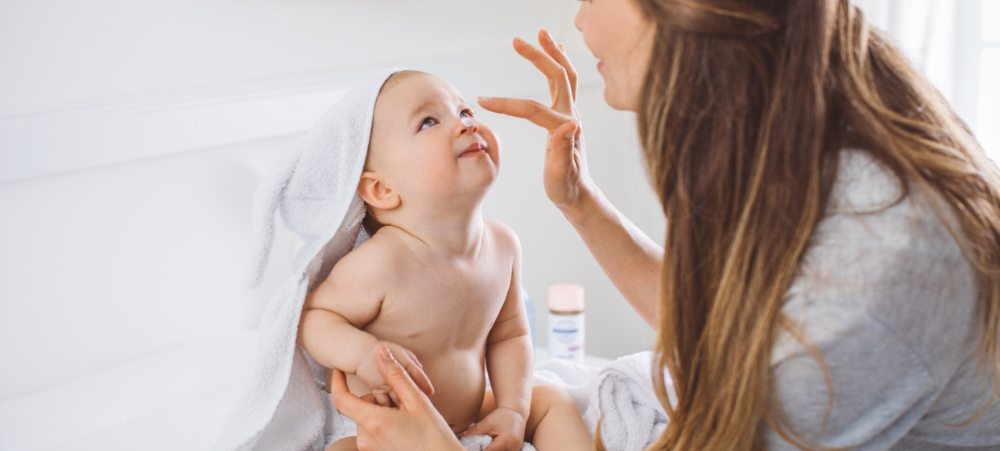
PowerPlastics Pool Covers

Child drowning prevention – using the layers of safety method to prevent accidents

It’s summer and children love nothing more than spending the day in the pool. But while pool time means fun and laughter, it also comes with an important responsibility for parents. Keeping everyone safe is far harder than one would think, as one must be fully focused on the pool at all times with no lapse in supervision. Even being distracted by a phone call or message can make the difference between life and death in a drowning situation.  PowerPlastics Pool Covers promotes the layers of safety method because when it comes to children and water, one layer is never enough. 1. The primary layer: The PowerPlastics Solid Safety Cover This is your number one defence against accidental drownings. The PowerPlastics Solid Safety Cover creates a complete physical barrier over the pool, strong enough to support the weight of two adults and a child. That means even if a little one wanders near the pool, they’re safe from falling in. Your pets are kept safe too.  Unlike nets or fences, this cover completely seals off the water, keeping it out of sight and out of reach. It’s also easy to use thanks to a ratchet fastening system that makes covering and uncovering your pool quick and simple. And if convenience is your thing, the cover can be semi-automated with a motorised VektorPro rollup station.  This safety cover comes with certification, in line with local SABS standards SANS 10134. 2. The Supporting Layers Even with the best child safety cover, it’s smart to add extra barriers. Responsible supervision. No matter how many safety measures you have in place, adult supervision is a non-negotiable. Always know where your children are when the pool is open.  For every two children in the pool, have one adult supervising. The more children, the more supervisors needed. Be aware that children’s pool parties are high-risk events.  Make sure the children know who is supervising, especially when there are multiple people swimming and around the pool. They need to know who to call if anyone is in trouble. Wear a distinctive hat – a good way for a child to find someone in a hurry.  Fencing: A sturdy pool fence and gate around your pool area can form a third layer.  Reminder – installation matters Proper installation of your solid safety cover is key. PowerPlastics Pool Covers has the expertise to ensure the fitted cover performs exactly as it should. So as you plan your summer days and social gatherings around the pool, make sure pool safety is at the top of your checklist. With the right layers in place, you can relax knowing your family is protected. Learn more about South Africa’s leading safety cover here https://powerplastics.co.za/product-category/pool-covers/safety-covers/ 

Sanosan

10 Surprising Uses for Nipple Cream That Moms Swear By

Think nipple cream is only for breastfeeding moms? Think again. Across South Africa, women (and even some men) are discovering that the humble little tube hiding in the baby aisle is actually a multi-purpose lifesaver. The magic ingredient? Lanolin — a natural wax derived from sheep’s wool that locks in moisture and helps skin heal. It’s the powerhouse behind many trusted nipple creams. “South Africans love a product that can do more than one job,” says Karen Van Rensburg, spokesperson for Sanosan South Africa. “Lanolin is one of those ingredients that’s stood the test of time because it’s safe, gentle, and surprisingly versatile. Moms swear by it long after the breastfeeding chapter ends.” So, what else can you do with lanolin nipple cream besides soothing sore nursing nipples? Here are 10 surprising uses that might just make you toss a tube into every handbag, nappy bag, and bathroom drawer. 1. Dry, Cracked Lips Move over lip balm — lanolin is richer and longer lasting. A tiny dab keeps lips soft and flake-free, even in the Highveld’s dry winters, or the Cape’s windy summers.  2. Nappy Rash Relief Gentle enough for a newborn’s skin, lanolin helps soothe redness and creates a protective barrier against wet nappies. 3. Cuticle & Hand Rescue Massage a bit into ragged cuticles or dry hands before bed and wake up with salon-soft results. 4. Stretch Mark Support Regular use can help keep skin supple during pregnancy or weight changes — a must-have for moms-to-be. 5. Cracked Heel Fix Tired feet? Apply before slipping on socks at night. By morning, heels feel noticeably smoother. 6. Sunburn Soother That unexpected Cape Town beach day burn? Lanolin locks in hydration to calm the sting. 7. Chafing Relief Runners, cyclists and gym-goers use lanolin to prevent friction and soothe irritated skin. 8. Eyebrow & Flyaway Tamer A smidge brushed through brows or hair smooths down unruly strands without stiffness. 9. Minor Skin Irritations From windburn on your cheeks to those rough patches on elbows, lanolin helps restore skin’s moisture barrier. 10. Makeup Hack Many makeup artists use lanolin as a dewy highlighter on cheekbones or to revive dry mascara in a pinch. Lanolin is especially loved because it’s gentle, natural, and safe for even the most delicate skin. Unlike many multi-purpose balms, it’s also fragrance-free and hypoallergenic — meaning the whole family can use it. “It’s the ultimate multi-tasker in a tube,” says Van Rensburg. “Once you start experimenting with it, you realise there’s almost nothing it can’t do.” Sanosan Mama Nipple Salve contains just 100% pure, natural Lanolin, without parabens or fragrances. Dermatologically tested, it’s safe for both mom and baby, with no need to rinse before feeding. Available from Clicks Baby and Online stores, takealot.com, Makro Online and medhealthsup.com Sanosan focuses on natural ingredients and gentle formulas for healthy skin. Using active ingredients specially tailored to your baby’s skin, natural milk protein is the central ingredient in Sanosan and is especially nourishing. More than 90 % of the ingredients are of natural origin such as organic olive oil, and the formulations are biodegradable. Safety first: all products are clinically tested and are free from parabens, silicones, paraffins, SLS / SLES and phenoxyethanol. For more info visit  sanosan.co.za 

Scroll to Top