
leading breastfeeding advice
Parenting Hub

The Benefits Of Breastmilk For A Premature Baby

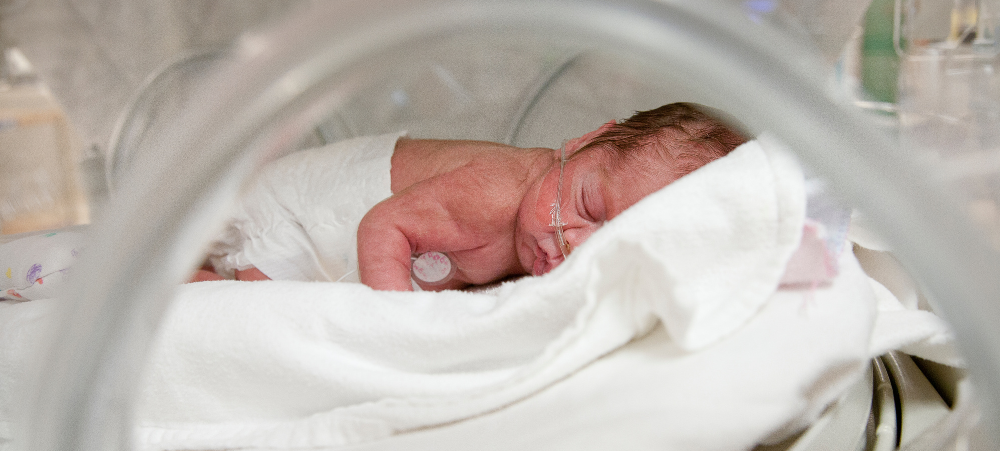
All babies will benefit tremendously from breastmilk. But, for a premature baby, these benefits are so much more important. No other nourishment can compare to breastmilk and your preemie will need all the nourishment he can get. Your breastmilk is tailor made for your baby and for this specific time. What this means is that the milk that you are producing right now is special ‘preemie milk’ formulated just for your premature baby. Preterm milk contains higher concentrations of fat, energy, protein, calcium, potassium, magnesium, sodium, chloride and iron. It is very different to the milk that a mother of a full term infant would be producing, No other milk can come close to what you are making and as your baby grows and develops, so your milk will change and develop too. Even though your baby may have come a little early, your body can and will continue to nurture and nourish him every step of the way. Whats in it? Immunoglobulins: Immunoglobulins are large protein molecules produced in the lymph tissue, these function as antibodies in the immune system. During the last trimester of pregnancy, immunoglobulins cross over the placenta and are stored by your baby. These are then used to protect a newborn against infections for up to 6 months following birth. Now while your prem baby may not benefit from this in utero, you can still provide him with immunoglobulins through breastmilk. Since premature babies are more susceptible to infections and disease, this is a very important benefit. Protein: Protein is vitally important for growth and development in your baby. Babies need protein in order to maintain, repair and make new cells. There are two types of proteins present in breastmilk – Casein (20-40%) and Whey (60-80%).  The remarkable balance of these proteins is what makes breastmilk so easy to digest. This means that your baby is using less energy for digestion and is therefore able to use more energy for growth. Fat:Fat is an absolute necessity for your baby. Fats aid in brain development, absorption of fat-soluble vitamins and this is of course your baby’s primary source of calories. Long chain fatty acids are crucial for brain, retina and development of the nervous system. Carbohydrates:Lactose is the primary source of carbohydrate in human milk. Many make the mistake of assuming lactose is bad for the human body, when it is actually very important – especially for your preemie. Lactose helps to minimise the amount of unhealthy bacteria in the stomach which in turn improves the absorption of minerals such as calcium and magnesium. Lactose will also promote growth of healthy bacteria in your baby’s gut. Minerals: Sodium, potassium, calcium, magnesium, iron and zinc (to mention a few) are all present in breastmilk, the amazing thing is that breastmilk also contains facilitators for each of these minerals making absorption of minerals that much more efficient. Calcium: Builds strong bones, promotes healthy nerve and muscle function, helps blood clot, and helps the body convert food into energy. Iron: Important for healthy brain, cognitive and neurological development. Iron is also a key component of haemoglobin, a protein which helps red blood cells deliver oxygen from the lungs to tissues throughout the body. Magnesium:Keeps bones strong and the heart rhythm steady, supports the immune system, and helps maintain muscle and nerve function. Potassium: Works with sodium to control the body’s water balance, which helps maintain blood pressure. Assists with muscle function and heart rhythm and, in later years, may reduce the risk of kidney stones and osteoporosis. Zinc:Needed by more than 70 enzymes that aid digestion and metabolism, and essential for growth. In summary, breast milk is hugely beneficial for your preterm baby because of its unique protein structure, its ability to promote fat absorption, and its pattern of fatty acids that promote growth and development both physically and neurologically. Unlike any other milk. Some may argue that growth is slower for babies who are fed breastmilk than those who are fed artificial milk, however,  this growth rate is generally extremely close to the rate that a child would continue to grow in utero. Now, while you are focusing on giving your baby the best of the best, you may not realise that you are doing exactly the same thing for yourself. Psychologically, moms who provide breastmilk for their babies feel more connected to them, bond better with them and feel more fulfilled in their role as a mother. You may not be unable to hold or even touch your baby for the time being, but you are still able to feed him. You are still able to provide him with the best possible nutrition, you are able to manufacture food for your child that no other human on earth can replicate. In this way, you are able to bond with your baby, in this way you are able to touch him and impact his life, in this way you are able to give him everything that he needs in this very moment. You are his mom and you are doing a fantastic job!

Good Night Baby

True Or False: You Cannot Breastfeed and Sleep well?

A big resounding FALSE! I recently spoke to 11 beautiful women about teaching their children how to sleep well and I was astounded by how many of them believed that they could not teach their children how to sleep well if they had chosen to breastfeed. Breastfeeding and Good Sleep are not mutually exclusive. You can be successful at both! Breastfeeding and Sleeping: A fresh perspective: You can breastfeed and teach your children good sleeping habits as well. Breastfeeding your baby to sleep ALL the time will make your baby rely on feeding to fall sleep, resulting in them waking up more frequently at night. A baby might be able to drop night feeds (healthily) from as early as between 10 and 12 weeks. Even if you breastfeed, it is advisable that you do not co-sleep with your baby as it increases your baby’s risk of SIDS. Breastfeeding in public is one of the most controversial subjects in our society: Recently Facebook has come under fire for removing photos of mothers’ breastfeeding their children, citing offensive content in violation of the Facebook Terms of Service. Facebook claimed that these photos violated their decency code by showing an exposed breast, even when the baby covered the nipple. This action was described as hypocritical, since Facebook took several days to respond to calls to deactivate a paid advertisement for a dating service that used a photo of a topless model. Dads can make or break breastfeeding: Studies show that the more supportive partners are, the longer the mother is likely to continue. Supplementing or TOP-UP feeding will not make your baby sleep better (insert gasp here!). The amount of lactose in breast milk is not affected by the mother’s diet. This means the mother cannot influence the amount of lactose in her milk by reducing or eliminating dairy foods When it comes to sleep, nutrition plays a vital role in your child’s sleep habits. It isimperative to provide adequate feeding to your baby.  

Parenting Hub

‘White Gold’ – Help Decrease Infant Mortality

In South Africa, one premature infant dies every 20 minutes. In the fight against this unnecessary loss of life, International Breastfeeding Week is calling on mothers to breastfeed their babies and donate breastmilk to help decreasing infant mortality and malnutrition. The South African Breastmilk Reserve (SABR), currently the largest human-milk-banking partner of the South African Department of Health, warns that breastfeeding rates in South Africa are dangerously low with only 7,2% of South African women breastfeeding. These low rates result in the loss of the most vulnerable members of our society, including 20,000 babies under 1,8kg and 70,000 babies under 5kg annually. The International Baby Food Action Network (IBFAN) of Africa credits breastfeeding as the single biggest influence on decreasing infant mortality and malnutrition, especially in the least developed countries of Africa. Based on this core belief, SABR is urging mothers to breastfeed their own babies for at least the first six months of their lives, to ensure optimum growth and development. “We believe that breastfeeding, access to mothers-own-milk, donated breastmilk and education are the keys to unlocking infant survival”, says Stasha Jordan, breastfeeding activist and executive director at SABR. “We are calling on all mothers to donate breastmilk at local breastmilk-banks to ensure that the young lives that do not have access to their mothers’ breastmilk get the best chance of a healthy start to life.  Not just during International Breastfeeding Week but on an ongoing basis. Whilst International Breast-feeding Week reminds us of the importance of ‘promoting, protecting and supporting breast-feeding’ we should live every day to ’empower inspire and counsel’ mothers and communities in breastfeeding and ‘baby-friendly’ care for the most vulnerable. Educating mothers living in poverty and with HIV and AIDS about safe infant feeding practices is also a key focus for the SABR, to ultimately avoid vertical transmission (from mother to baby) of HIV and AIDS. “We invite mothers with babies to visit our milk-banks across the country to learn more about home-methods for heat treatment of breastmilk and through this, promote food security in a continent where poverty and malnutrition are rampant,” says Jordan. In the previous financial year, the SABR had 889 donors and supplied breastmilk to 1295 infants, which contributed to saving an average of 5,000 premature infants from infection and mortality associated with lack of breastfeeding, since its inception in 2003. “Health care professionals and mothers are becoming increasingly sensitised to the importance of the use of breastmilk in perinatal care, which is in turn increasing the need for more breastmilk-banks across the country,” says Jordan. In realising the value this ‘white gold’ holds, the SABR, in partnership with the Free State Department of Health, has recently expanded human-milk-banking to a further four provincial hospitals, bringing the countrywide total 44 human-breastmilk-bank facilities. “Despite great success over the past ten years, the lives that need to be saved remain many, says Jordan. “We have a mammoth task ahead of us to turn around infant mortality rates in Africa, therefore we need the support from the breastfeeding community to help drive the change toward higher breastfeeding rates and ultimately lower infant mortality.” In reducing premature infant mortality rates, over-stretched hospitals also save millions of Rands annually, which advances the healthcare of the entire nation over the long run. To get involved and alleviate the challenges faced by the SABR, including low breastfeeding rates in South Africa, sourcing donor mothers when so many women are HIV positive, and funding for the operation of the milk-banks, please visit www.sabr.org.za or call 011 482 1920 or e-mail: [email protected]. About South African Breastmilk Reserve The South African Breastmilk Reserve (SABR) was founded in 2003 as the first registered human-milk-bank in South Africa. The main objective of the SABR is to facilitate the establishment of human-milk-banks in as many communities as possible, with the aim of providing human milk (and the necessary equipment and funding) to babies in need, particularly babies orphaned as a result of AIDS. Today the SABR supplies in excess of 60 hospitals and is constantly working to gain favour for human milk banking in these hospitals, including: Bloemfontein Universitas, Bloemfontein Pelonomi; Boitumelo Hospital; Bongani Hospital, Dihlabeng Hospital; Edenvale (cnr); Kalafong Hospital; Kimberley Hospital; Manapo Hospital; Netcare Alberlito (cnr); Netcare Blaauwberg; Netcare Cuyler PE; Netcare Femina; Netcare Kuils River (cnr); Netcare Olivedale; Netcare Parklane; Netcare Parklands; Netcare St Augustine’s (cnr); Netcare The Bay; Newcastle Provincial H; Northdale (cnr); Pietermaritzburg H Complex; Potchefstroom Hospital; SABR Head Office; Sandton MediClinic; Tembisa Hospital; Witbank Hospital.

Parenting Hub

Perception vs Reality Of An Insufficient Milk Supply

There are many reasons that a mother may believe there is a problem with her breast milk. You may worry that your milk is not rich or satisfying enough. Perhaps it is causing excessive gas or even an allergic reaction in your baby. But by far, the most common concern when it comes to breastfeeding is that you simply do not have enough milk. This is universally the most typical reason for a mother to give up breast-feeding just a couple of weeks after her baby’s birth. But, studies show that a very limited number of women who terminate breast feeding for this reason actually have a low milk supply. One may suspect a low milk supply when you lose the feeling of ‘fullness’ in your breasts or when your breasts stop leaking. This usually happens at around 6 weeks post birth and is simply a sign that your breasts are adapting to meet the demands of your baby. Often, this coincides with your baby’s first growth spurt. A baby who is going through a growth spurt will want to feed more frequently leaving your breasts feeling less full than normal. This again may cause a mother to believe that she does not have enough milk for her child and she may want to supplement feeds. The key to determining whether your baby is getting enough milk or not is learning about and recognising normal newborn behaviour. Breastfeeding is going well and your baby is getting enough milk if: By day 4 your baby is producing at least six wet nappies in a 24 hour period Your baby is producing pale, diluted urine By day 4 your baby is producing three or more stools in a 24 hour period that are yellow or at least turning yellow Your baby is feeding 8 – 12 times in a 24 hour period Your breasts feel softer after a feed You are not experiencing pain during or after a feed Your baby regains his birth weight after 10 – 14 days Your baby is gaining 150g – 240g per week You can hear your baby swallowing during a feed Your baby is alert during awake times Your baby is content between feeds Genuine Low Milk Supply A genuine low milk supply does and can occur at any time in your breastfeeding journey but can usually be corrected. This is often caused by an incorrect latch, limited time at the breast, improper positioning, illness, a baby’s inability to suck properly or supplemented feedings. A mother may also notice a drop in her milk supply if she is particularly tired, stressed or simply not consuming enough calories in her daily diet. Many second or third time moms will experience a low supply at some point and this is largely due to the fact that life is much busier than it was when you had just one baby to look after. The first thing that one must look at when it comes to increasing your supply is to find the cause of insufficient production and to fix it. Many mothers may be able to increase milk production by simply altering your pattern of feeds and increasing the number of times that you feed in a 24 hour period. However, if your baby is not latching correctly or if she is unable to remove milk from your breast optimally, this will need to be corrected before you can begin to breast-feed successfully. It is a good idea to visit your local well baby clinic or to contact a breastfeeding consultant if you are at all worried that your baby is not getting enough milk. Once you have eliminated causes such as an incorrect latch or illness you can focus on upping your supply. Actions for increasing milk production: Rest as much as possible. relax during feeds as this will encourage milk flow Take a ‘baby break’ and spend 100% of your time with your baby for 48 hours. use this time to focus on increasing feeds and resting. Take special precautions to prevent sore nipples (use a pure form of lanolin, check latch, air dry nipples) Use galactagogues – foods, drinks or herbs used to increase production Use a hospital grade electric breast pump to provide additional stimulation for your breasts – pump for 10 minutes per side after each feed Improve your diet – focus on eating protein with every meal and snack of the day and try to include a breastfeeding or pregnancy specific shake in every 24 hour period Feed your baby at a time when he is alert and hungry to optimise milk removal Resume night feeds if they have been dropped Nurse for comfort if your baby is fussy Encourage your baby to feed more frequently and for longer time periods On the rare occasion even after trying all of the above, a mother may still be struggling. In this case, it may be worth asking your doctor about various drugs that one can safely take to encourage milk production.

Multiple Blessings

How I breastfed My Twins

Our twins were in the NNICU when they were born because they needed to develop the sucking reflex which comes in after 36 weeks. They were a bit small and were tube fed until they gained a bit of weight. I expressed milk for them into bottles which the nurses fed to them via the tube. They soon put on weight and developed a bit so that I could breast feed them. There are a few different positions you can use but the most comfortable one for me was the “rugby hold”. One baby under each arm with a pillow under them to raise their heads a bit. The babies lie on their side facing you.  I would attach one baby and then the other. I found the best place to feed them was on the bed. It gives you the space to handle them and is more comfortable for you too. Deciding which baby got which breast was easy enough as the one baby preferred the left, so I left it like that. Baby A got the left and baby B got the right. The more I tried to make one baby feed on the other side the more stressed out we all got. They say you could get lopsided breasts as one baby might feed more than the other , but that didn’t happen with us.  I fed on demand and they were happy enough. I did have to eventually stop breast feeding because they were both reflux babies and they had to have formula to help with that. Finding a comfortable feeding cushion will help but there are not many twin feeding cushions in SA. Make sure you are comfortable, there is nothing worse than when you have successfully attached both babies and now you have to move because you are uncomfortable. Turn off your phone and try relax. Feeding your babies is all you need to worry about. Stress will affect your milk supply. Have a glass of water within arm’s reach in case you get thirsty. They say when you feel thirsty you are already dehydrated. Make sure you look after yourself. There are different products on the market but I used the Schlein Blackberry Elixer. It tasted good and it helps with milk too. As soon as your babies are born , and you are able , start pumping. It will help your body start producing milk and keep the supply up. Even if your babies are in NICU , you can still feed them your milk and it will go a long way to give your babies that boost. You can get great double pumps that will save you time and a lot of effort. Ask for help when you are in the hospital. If you battle to latch them at first, don’t give up. It may take a few feeds before you all know what you are doing. Both you and the babies are learning what suits you best. The nurses in the hospital should be able to give you contact details for a lactation specialist near you. My number one tip and something I try to always do is LISTEN TO YOUR GUT!! No one will know your babies as well as you do. Being a mother of multiples is not easy. Don’t sweat the small stuff and do what suits you. It doesn’t matter what your friend, auntie, neighbour says . Take the info you want and ditch the rest. If you need any advice or support SAMBA- The South African Multiple Birth Association is a great place to get much needed advice, support and to meet other families with multiples. SAMBA does a fantastic expectant parent seminar, you can check on the next date on their website. Well done and enjoy this amazing journey with your multiples.

Parenting Hub

Breast Milk vs Formula – What are the differences?

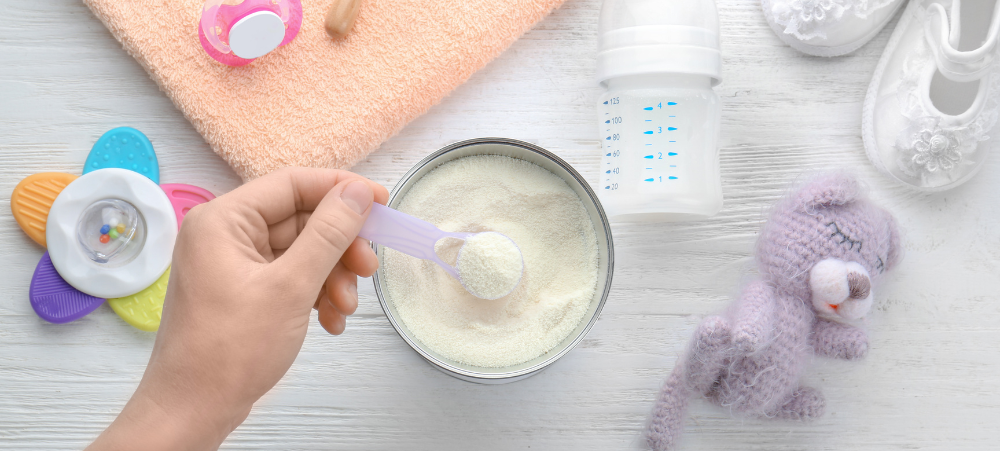
Undoubtedly we all want what is best for our newborn baby’s, so what are the benefits surrounding breast-milk and commercial formula? Even the most prepared mother who has opted to breastfeed can land up by not being able too. Therefore if you are pregnant and considering your options then this certainly will be a read for you. First we will look at breast milk – we all know that breast is best, so taking a look at why this is so is also important. Breast milk is amazing simply because it can change in composition depending on your baby’s needs. Breast milk is a fully comprehensive meal in liquid form and is made up of many components: Fat – If you were to remove all the water from breast milk, half of what is left behind is fat including a high level of cholesterol. These fats and cholesterol are vital because unlike adults, babies, toddlers and young children need high levels of fats for the development of the nervous system. These essential fats are needed to cover & protect nerve cells and are a crucial component of brain development. Carbohydrates – About 37% of breast milk is made up of carbohydrates. While we often think of carbohydrates as bread, pasta and rice, in actual fact all sugars are carbohydrates. In breast milk, most of the carbohydrates are in the form of lactose, which is a milk sugar. Lactose provides your baby with energy so that she can do the things that babies do: breathe, eat, cry, wriggle, pass stools, learn, grow, and develop. Proteins – Breast milk contains protein, which is essential for your baby’s growth. Colostrum is particularly high in protein, to stabilise your newborn’s blood sugar whereas mature milk has a slightly lower but consistent level of protein (1g per 100ml). As your baby grows her protein needs increase, so by six months of age, your baby will need to have protein from sources other than milk, in other words from solid foods. Vitamins, Minerals, and More – Breast milk contains vitamins and minerals, which formula’s attempt to simulate. However, the nutritional composition of breast milk includes over 100 different components the effect and importance of which will be established in years to come. Mature milk has many different kinds of proteins but the two major proteins are whey and casein. Whey is a smooth, liquidly-type of protein whereas casein is a coarse protein that tends to curdle. In breast milk, 60% to 80% of the proteins are of the whey type. Whey is easier to digest and it is absorbed well in your baby’s stomach, which is why breastfed babies will be hungry more often. Reasons to breastfeed Breast milk is the gold standard against which all formulas are measured for good reason: Breast milk is the most complete form of nutrition for young babies. Your breast milk has just the right amount of fat, energy, water, and protein that is needed for a baby’s growth and development. For most babies breast milk is easier to digest than other alternatives. Breast milk is the only milk that contains antibodies, which help to build your baby’s immune system. Breastfed babies are able to fight off infections and disease easier and are sick less often. Exclusive breastfeeding for the first 4 months of life has been found to lower the risk of childhood obesity as well as Type 2 diabetes. Exclusive breastfeeding for the first 4 months of life may also protect your child against allergies, especially allergic skin conditions like eczema. Breastfeeding also has many benefits for you. Breastfeeding uses up some fat stores and helps you get back into your jeans. It also helps your uterus to return to its original size a lot sooner and lowers the risk of breast and ovarian cancers. On a more practical level breastfeeding is convenient, it saves time and money. It is always available, at the right temperature and in a sterile ‘container’. What is important to remember is that even if you are able to breastfeed for only a short period of time, your baby will experience numerous benefits from breast milk. What about bottle-feeding? Taking the decision to bottle-feed will be the right choice for you and your baby if thought through carefully and upon advice of a medical professional. When it comes to parenting you are the only expert on your baby and although you must heed advice, ultimately a choice that makes you feel most comfortable and relaxed is the right choice for you and your baby. Feeding your baby expressed breast milk in a bottle will have the same benefits as breastfeeding and modern infant formula preparations are an excellent source of nutrition for your baby. For mothers who are unable to breastfeed or who decide not to, infant formula is a good alternative. If you feed your baby with a commercially prepared formula, be assured that your baby’s nutritional needs will be met. Things to consider when choosing your baby’s formula: While breastfeeding is the best nutrition for babies, commercially prepared infant formulas are a nutritious alternative to breast milk. Manufactured under sterile conditions, commercial formulas attempt to duplicate mother’s milk using a complex combination of proteins, sugars, fats, and vitamins that would be virtually impossible to create at home. So, if you don’t breastfeed your baby, it’s important that you use only a commercially prepared formula. If your baby is very irritable, has excessive gas, diarrhoea (which may be bloody), spitting up, vomiting, and poor weight gain she may be intolerant to the formula she is on. Choosing another type of baby formula, in consultation with a dietician, nursing sister or paediatrician may help alleviate the symptoms. Simply changing brands, unless you also change formula types, does not usually make a difference. You should not self diagnose your baby’s problems and decide to simply switch formula. You are more likely to create problems by uninformed formula switching. If you have a problem you think

Sidebar Image

Scroll to Top