


Advice from the experts
Parenting Hub

Keeping Siblings Connected (Without Constant Fights)

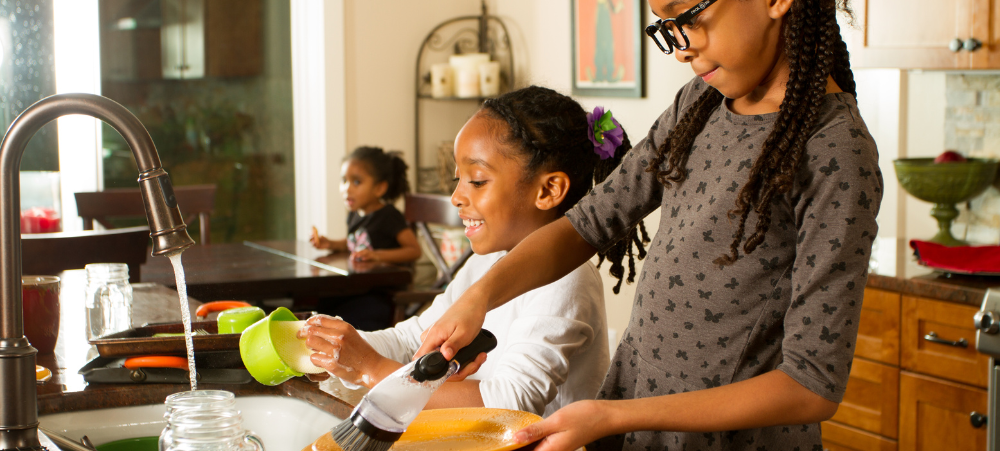
Siblings can be some of the closest friends we have—or the biggest sources of frustration! It’s normal for brothers and sisters to have disagreements, but constant fighting can wear down the whole family’s peace. The good news? There are plenty of ways to encourage strong sibling connections while reducing conflict. With patience, consistency, and a few simple strategies, you can help your children build respectful, loving relationships that last a lifetime. Here are practical tips for keeping siblings connected—without the constant battles. 1. Set Clear Boundaries and Expectations Establish house rules about respectful communication and consequences for aggressive behaviour. Consistency helps kids know what’s acceptable and what isn’t. 2. Encourage Teamwork Give siblings opportunities to work together on shared tasks, games, or projects. Cooperative activities promote bonding and teach problem-solving skills. 3. Celebrate Individuality Recognise that each child has their own personality and needs. Avoid comparing siblings and instead celebrate their unique strengths. 4. Create Special Time Spend one-on-one time with each child regularly. Feeling individually valued reduces jealousy and rivalry. 5. Teach Conflict Resolution Skills Help children express their feelings calmly and listen to each other. Guide them in finding solutions rather than just punishing fights. 6. Model Positive Behaviour Demonstrate respectful communication and empathy in your interactions. Children learn a lot by watching adults. 7. Praise Positive Interactions Catch siblings being kind, cooperative, or supportive and praise those moments to encourage more of the same. Final Thought: While sibling fights are a normal part of growing up, they don’t have to define your family dynamic. With intentional guidance, you can nurture strong sibling bonds that bring joy and support for years to come. 📚 Sources:

Parenting Hub

Learning Through Play: Why It Matters More Than Ever

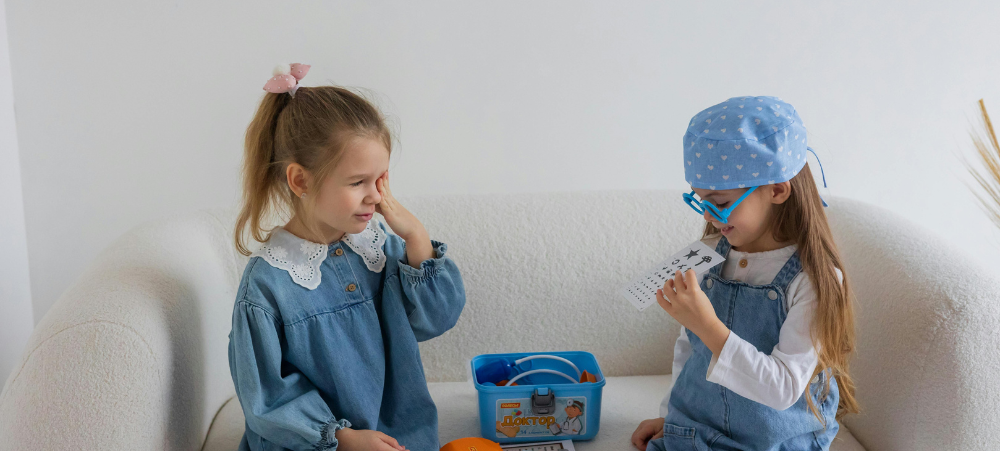
Play is often seen simply as a way for children to have fun, but research shows that it is actually a vital part of healthy development. Through play, children explore the world, build essential skills, and make sense of their experiences. Especially in today’s fast-paced, technology-driven world, learning through play is more important than ever. Here’s why play is so crucial for children and how you can support it at home. The Power of Play in Child Development Why Play Matters More Today With more screen time and structured activities, children often have fewer opportunities for free, imaginative play. This shift can impact creativity, problem-solving, and social skills. Emphasising play helps balance technology use and supports holistic growth. Tips to Encourage Learning Through Play Final Thought: Learning through play isn’t just about keeping kids busy—it’s a foundational way they grow intellectually, socially, emotionally, and physically. Prioritising playtime today sets the stage for confident, creative learners tomorrow. 📚 Sources:

DIBBER SA

The Power of Family: Why Strong Connections Shape a Child’s Future

In the earliest years of life, a child’s world is shaped not only by milestones like first words or first steps but also by the relationships and emotional bonds surrounding them. From grandparents and siblings to aunties and family friends, these connections create the first classroom of a child’s life—teaching love, security, identity, and resilience. “Family is a child’s first source of safety and learning. The warmth, stories, and routines shared at home form the emotional and social foundation for everything that follows,” says Ursula Assis, Country Director at Dibber International Preschools. “In the South African context, where community and extended families are often deeply involved in a child’s upbringing, this collective care is incredibly powerful.” Family in the South African Context In South Africa, the spirit of ubuntu—”I am because we are”—remains central to how children are raised. It is common for a child’s earliest memories to be filled with interactions with parents and grandparents, older siblings, cousins, and neighbours, who all play a guiding role. Whether it’s a bedtime story from Ouma, learning to dance with cousins, or helping Oupa plant vegetables, each shared experience reinforces belonging, self-worth, and empathy. These everyday interactions are far more than heart-warming moments; they are critical to development. Research shows that emotionally supportive family environments are strongly linked to higher levels of self-confidence, stronger language skills, and improved emotional regulation in young children. Why Emotional Security Begins at Home Children who experience unconditional love and care at home are more likely to approach the world with confidence and trust. In these emotionally responsive environments, toddlers learn that they are valued, safe, and supported—even when mistakes happen. This sense of security gives them the courage to explore, take risks, and interact with others in meaningful ways. At Dibber, this emotional foundation is nurtured in every classroom. Educators create warm, relationship-driven environments that mirror the care and consistency children receive at home. It is this alignment between home and school that supports healthy, whole-child development. The Role of Elders and Extended Family In many South African households, grandparents and elders are central figures in children’s lives. Their presence provides stability and anchors children to their culture, language, and traditions. Teaching isiXhosa greetings, preparing traditional meals, or telling folk stories by candlelight—these interactions pass down wisdom while fostering identity and pride. “Every family has a unique rhythm,” says Assis. “By recognising and respecting the role of extended family members in a child’s life, we can better support the emotional and social wellbeing of every learner.” Learning Through Everyday Family Life Children don’t just learn in formal lessons—they absorb lessons daily. Mealtime conversations teach vocabulary and turn-taking. Conflict resolution among siblings encourages empathy. Helping pack a lunchbox builds responsibility. These seemingly small moments are powerful cognitive, social and emotional growth opportunities. When families model collaboration, patience, and shared responsibility, children are more likely to develop the same values. Strong family units—where members support one another and work together—create the conditions for children to thrive, both at school and beyond. Family Partnerships at Dibber Recognising the critical role of families, Dibber International Preschools works closely with parents and caregivers to ensure each child’s development is supported both at home and in the classroom. Educators maintain open communication with families, provide insights into children’s progress, and create opportunities for shared learning. “Our families are our partners,” notes Assis. “Whether it’s a parent, a sibling, or a grandparent, everyone plays a part in a child’s growth journey—and we welcome them all into the learning process.” Where Love Begins, and Learning Never Ends At the heart of every thriving child is a web of meaningful relationships. Whether through a hug, a story, or a playful moment in the garden, the presence of family members—biological or chosen—has a lasting impact. In the early years, love is not just felt; it is formative. And when that love is shared by a circle of caring adults, it becomes the strongest foundation for lifelong learning, confidence, and belonging.

Parenting Hub

Navigating Nighttime Fears and Bedtime Battles

For many parents, bedtime can be a challenging time filled with resistance, tears, and fears. Nighttime fears and bedtime battles are common among children, but they can be distressing for the whole family. Understanding the root causes of these fears and establishing comforting routines can transform bedtime into a calm, reassuring experience. Here are practical tips to help your child feel safe and ease bedtime struggles. 1. Create a Consistent Bedtime Routine A predictable sequence of calming activities—like a warm bath, story-time, and gentle music—helps signal to your child that it’s time to wind down and feel secure. 2. Address Fears Openly Talk with your child about their fears in a gentle, validating way. Avoid dismissing their feelings and instead offer reassurance and solutions like a nightlight or a favourite toy. 3. Limit Stimulation Before Bed Reduce screen time and energetic play at least an hour before bedtime. This helps your child’s body and mind prepare for rest. 4. Keep the Bedroom Environment Comfortable Ensure the room is cozy, with comfortable bedding, soft lighting, and minimal noise. A familiar scent, like a favourite blanket, can also provide comfort. 5. Use Positive Reinforcement Celebrate small victories like staying in bed or falling asleep quickly. Praise encourages your child and builds confidence. 6. Set Clear Boundaries with Warmth Be firm but loving about bedtime rules. Consistency helps children understand expectations while feeling supported. 7. Seek Professional Help if Needed If fears or sleep difficulties persist and significantly impact daily life, consider consulting a paediatrician or child psychologist. Final Thought: Navigating nighttime fears and bedtime battles takes patience and empathy. With a nurturing routine and open communication, you can create a bedtime environment where your child feels safe, loved, and ready for restful sleep. 📚 Sources:

Parenting Hub

Organising a Kid-Friendly Space That Still Looks Grown-Up

Creating a home environment that balances the needs of kids with a grown-up aesthetic can be a challenge. You want a space that’s fun and safe for children but also stylish, organised, and welcoming for adults. With thoughtful planning and smart solutions, you can design a kid-friendly space that looks polished and works for the whole family. Here are practical tips to help you organise a space that blends kid-friendly functionality with grown-up style. 1. Choose Multi-Functional Furniture Opt for pieces that double as storage, like ottomans with hidden compartments or benches with built-in bins. These keep toys tucked away while providing seating or surfaces for adults. 2. Use Stylish Storage Solutions Invest in attractive baskets, bins, and shelving that fit your decor but also provide easy access for kids. Label containers with words or pictures to encourage tidiness. 3. Designate Specific Zones Create clear areas for play, study, and relaxation. Use rugs or furniture placement to define zones, making it easier for kids to understand boundaries. 4. Incorporate Durable, Easy-to-Clean Materials Choose fabrics and surfaces that withstand spills and rough play but still look elegant—think washable slipcovers, wooden tables, or wipe-clean paint. 5. Display Art and Toys Thoughtfully Frame your child’s artwork or use stylish shelves to showcase favourite toys. This celebrates their creativity without cluttering surfaces. 6. Keep Decor Simple and Cohesive Stick to a neutral or coordinated colour palette with pops of fun in accessories or artwork. This keeps the space feeling calm and grown-up. 7. Involve Kids in Organising Teach children to put away their belongings by making clean-up easy and fun. Involving them creates a sense of responsibility and pride. Final Thought: With a bit of creativity and planning, your home can be a beautiful, organised haven that welcomes both playfulness and sophistication. A kid-friendly space that looks grown-up is within reach! 📚 Sources:

Parenting Hub

Parenting Styles: What’s Yours and Why It Matters

Parenting is one of the most important and challenging roles we undertake. How we guide, discipline, and support our children can have a lasting impact on their emotional wellbeing, behaviour, and success. Psychologists have identified several common parenting styles, each with its own effects. Understanding your style can help you reflect on your approach and make adjustments that benefit your family. Here’s a breakdown of the main parenting styles and why they matter. 1. Authoritative Parenting This style combines warmth and structure. Parents set clear rules but are also responsive and supportive. Children raised by authoritative parents tend to develop strong social skills, confidence, and self-discipline. 2. Authoritarian Parenting Characterised by strict rules and high expectations with less warmth or flexibility. This approach may lead to obedient children, but sometimes at the cost of self-esteem and independence. 3. Permissive Parenting Permissive parents are warm and accepting but set few boundaries or rules. While this creates a nurturing environment, it can sometimes result in children struggling with self-control and authority. 4. Uninvolved Parenting Also called neglectful parenting, this style involves low responsiveness and few demands. It can negatively affect a child’s emotional development and attachment. Why It Matters Your parenting style influences your child’s emotional health, behaviour, academic success, and relationships. Being aware of your approach helps you create a balanced environment where children feel loved yet guided. Tips for Positive Parenting Final Thought: No parenting style is perfect, and every family is unique. Understanding your style empowers you to nurture your child’s potential while building a strong, trusting relationship. 📚 Sources:

Parenting Hub

School Readiness: What Skills Really Matter?

Starting school is a big milestone for children and parents alike. Beyond learning ABCs and 123s, school readiness involves a broad range of skills that help children adapt, learn, and thrive in their new environment. Understanding which skills matter most can help parents and caregivers better prepare their little ones for this important transition. Here’s a guide to the essential skills for school readiness. 1. Social and Emotional Skills Being able to interact positively with peers and adults, manage emotions, and follow routines is critical. These skills help children adjust to the school environment and build friendships. 2. Communication and Language Skills Strong vocabulary, the ability to express needs, and listening skills are key to learning and participating in class activities. 3. Basic Cognitive Skills Early literacy and numeracy concepts like recognising letters, numbers, shapes, and patterns lay the groundwork for academic success. 4. Fine and Gross Motor Skills Skills such as holding a pencil, using scissors, running, and jumping support classroom tasks and play. 5. Independence and Self-Care Being able to manage personal needs like dressing, toileting, and eating helps children feel confident and ready for school routines. Tips to Support School Readiness Final Thought: School readiness is about more than academics; it’s about nurturing the whole child. Focusing on social, emotional, cognitive, and physical skills will help your child step into school feeling prepared and confident. 📚 Sources:

Parenting Hub

Raising Resilient Kids in an Uncertain World

Today’s world presents children with unique challenges—rapid change, global events, and constant information can be overwhelming. Resilience, the ability to adapt and recover from adversity, is a crucial skill for kids to thrive. Raising resilient children doesn’t mean protecting them from difficulties but equipping them with tools to face life’s uncertainties confidently. Here’s how parents can foster resilience in their children. 1. Encourage Problem-Solving Skills Allow children to face age-appropriate challenges and guide them to find solutions rather than immediately stepping in. This builds confidence and independence. 2. Promote Emotional Awareness Teach kids to identify and express their feelings. Validating emotions helps children cope better and develop empathy. 3. Model Resilience Yourself Children learn by example. Show how you handle stress, setbacks, and change with calmness and positivity. 4. Build Strong Connections A supportive network of family, friends, and mentors provides a safety net during tough times. 5. Foster a Growth Mindset Praise effort over innate ability and frame mistakes as learning opportunities to help children persevere. 6. Establish Routines and Stability Consistent routines create a sense of security, helping kids feel grounded amid uncertainty. Final Thought: Raising resilient kids equips them with the strength to navigate life’s twists and turns. With love, guidance, and patience, parents can nurture a generation ready to face the future with courage and hope. 📚 Sources:

Parenting Hub

From Toddler to Teen: Teaching Financial Responsibility at Every Age

Teaching financial responsibility is a vital life skill that parents can start fostering from a young age. By introducing money concepts appropriate to each stage of development, you empower your child to make smart financial decisions as they grow. Here’s a breakdown of how to nurture financial responsibility from toddlerhood through adolescence. 1. Toddlers (Ages 2-4): Introducing Basic Concepts At this stage, children begin to understand the idea of exchange. Use simple play activities like “shopping” with toy money or sorting coins to build awareness. 2. Preschoolers (Ages 4-6): Understanding Needs vs. Wants Help your child distinguish between necessities and desires. Use real-life examples during shopping or at home to discuss choices. 3. Early School Age (Ages 6-9): Earning and Saving Introduce a small allowance for chores to teach earning. Encourage saving with a clear jar or piggy bank to visualise money growth. 4. Tweens (Ages 9-12): Budgeting Basics Teach simple budgeting skills, like dividing money into spending, saving, and sharing categories. Discuss the value of delayed gratification. 5. Teens (Ages 13-18): Managing Money Independently Encourage teens to manage a bank account or digital wallet. Talk about responsible credit use, needs vs. wants, and setting financial goals. Tips for Parents Final Thought: Financial responsibility is a journey, not a one-time lesson. By guiding your child through age-appropriate money lessons, you lay the foundation for confident, informed money management throughout life. 📚 Sources:
Parenting Hub

Your Self-Care Matters: How to Avoid Parental Burnout

Parenting is one of the most rewarding yet demanding roles in life. Between juggling work, household duties, and children’s needs, parents often put their own well-being last. This can lead to parental burnout—a state of physical, emotional, and mental exhaustion that affects your health and your ability to care for your family. Prioritising self-care is not selfish—it’s essential. When you care for yourself, you’re better equipped to support your children and maintain a healthy family dynamic. Here’s how to recognise burnout and practical tips to prevent it. Recognising Parental Burnout Tips to Prevent and Manage Burnout 1. Prioritise “Me Time”Schedule regular breaks, even short ones, to recharge. It can be a walk, reading, meditation, or a hobby you enjoy. 2. Set BoundariesLearn to say no and delegate tasks. It’s okay to ask for help from partners, family, or friends. 3. Practice Mindfulness and RelaxationTechniques like deep breathing, yoga, or mindfulness can reduce stress and improve emotional balance. 4. Maintain a Support NetworkConnect with other parents or support groups who understand your challenges. 5. Take Care of Your Physical HealthEat well, exercise, and get enough sleep to keep your energy levels up. Final Thought: Self-care is a vital part of parenting. By recognising signs of burnout early and prioritising your well-being, you can be the calm, loving presence your family needs. 📚 Sources:

NB Hearing & Balance

Winter Listening: Outdoor Sound Play for Children’s Growth

When we think of listening, we often imagine quiet, focused moments indoors — reading a story, following instructions, or singing a lullaby. But in reality, the world outside offers one of the richest soundscapes for nurturing a child’s listening development. Even in winter, perhaps especially in winter, nature becomes an immersive sensory classroom. It’s just a matter of tuning in. Winter is not silent. It whispers and whooshes. It crunches and drips. It hums, howls, and hovers with stillness, all of which offer rich opportunities for children to engage in listening, sensory play, and early auditory training. At NB Hearing and Balance, we believe in supporting children’s hearing health in a holistic way, and the outdoor environment provides a meaningful, natural space to help develop listening skills while encouraging curiosity and movement. Why Listening is More Than Hearing For young children, listening is an active process. It involves detecting sounds, distinguishing between them, interpreting what they mean, and learning to respond appropriately. These skills form the foundation of communication, learning, and social development. In children with normal hearing and those using hearing aids or cochlear implants, auditory training supports the brain’s ability to process and make sense of sound. One powerful way to build these skills is through sensory-rich environments, and winter landscapes, despite the chill, are full of unique sensory invitations. From the sound of boots crunching on frosted grass to the distant rumble of thunderclouds, every auditory encounter is a chance for growth. The Soundscape of Winter: A Natural Playground for the Ears Let’s take a closer (or rather, a deeper) listen to the sounds of winter. You may be surprised how much is happening when you pause to hear it: When we frame these everyday moments as meaningful listening experiences, we’re not just going for a walk; we’re participating in auditory learning. Linking Nature Sounds to Sensory Play Sensory play is essential to early development. It helps build nerve connections in the brain, supports language development, and promotes fine and gross motor skills. Importantly, it also fosters mindfulness and emotional regulation. By incorporating listening into sensory play outdoors, parents and educators can encourage whole-child development. Try some of these activities: The Role of Listening in Auditory Training Children with hearing difficulties, whether permanent or temporary, benefit greatly from intentional auditory training. Outdoor sound-based play can be part of a structured approach to developing these skills. The unpredictable nature of outdoor environments challenges children to listen carefully and adapt to new sound patterns, supporting the development of auditory memory and attention. For children using hearing aids or cochlear implants, caregivers can: At NB Hearing and Balance, we work closely with parents to personalise listening goals based on each child’s developmental needs and hearing profile. The environment,  indoors and out, becomes part of the therapeutic toolkit. Tips for Safe and Successful Winter Listening Play Listening is Learning — Wherever You Are Winter’s soundscape may be subtle, but it’s filled with opportunity. When we bring children outside and guide them to listen with curiosity, we’re nurturing not just hearing, but awareness, attention, language, and joy. At NB Hearing and Balance, we advocate for natural and engaging ways to support your child’s auditory development. If you have concerns about your child’s hearing, speech, or sensory responsiveness, contact our team — we’re here to help you navigate the journey toward stronger listening, inside and out.  Give us a calll, we are conveniently located in Cape Town, we help families connect through sound from Fish Hoek, to Hout Bay, Wynberg, to Sea Point, and the Durbanville surrounds.

Parenting Hub

Helping Your Child Handle Disappointment in a Healthy Way

Disappointment is a natural part of life, and learning to cope with it is a crucial emotional skill for children. Whether it’s not winning a game, missing out on a playdate, or facing everyday setbacks, how children handle disappointment shapes their resilience and emotional health. Parents play a key role in guiding children through these feelings with empathy and strategies that build emotional strength. Here are ways to help your child manage disappointment constructively. 1. Validate Their Feelings Acknowledge your child’s disappointment without minimising it. Phrases like “I can see you’re upset” show that it’s okay to feel sad or frustrated. 2. Model Healthy Reactions Children learn by example. Demonstrate how you handle setbacks calmly and positively to teach coping skills. 3. Teach Problem-Solving Encourage your child to think of ways to improve or try again. This builds a growth mindset and perseverance. 4. Help Them Express Themselves Encourage talking, drawing, or other outlets to express feelings instead of bottling them up. 5. Focus on the Positive Highlight lessons learned or new opportunities that come from disappointment to foster optimism. Final Thought: Helping children handle disappointment healthily sets the foundation for resilience and emotional intelligence that will support them throughout life’s ups and downs. 📚 Sources:

DIBBER SA

Five Simple Ways to Make Toddler Routines Easier and More Joyful

Life with a toddler can be a whirlwind of energy, questions, and unexpected moments – but it’s also a stage rich in opportunity for connection and growth. Dibber International Preschools, which supports South African families from as early as six weeks to six years, offers practical ways to bring structure, joy, and learning into daily routines. “Toddlers are naturally curious and enthusiastic about the world around them. With the right support and structure, these early years can be a time of great confidence-building and emotional development,” says Ursula Assis, Country Director of Dibber South Africa. “Simple, consistent routines give young children a sense of safety while also helping parents feel more grounded and connected.” Here are five toddler-friendly strategies to make everyday routines smoother, more meaningful, and developmentally enriching: 1. Boost Communication with Everyday Conversations Toddlers are constantly absorbing language—even when they’re not speaking much yet. Chatting during car rides, reading together, singing songs, or simply describing what you’re doing helps to build their vocabulary and lay the foundation for future literacy. This early communication also fosters social confidence, a crucial life skill that is essential both at home and in preschool. 2. Teach Listening as a Gentle Skill Helping a child learn to pause and listen isn’t about demanding silence—it’s about modelling calm, focused attention. Whether you’re asking them to tidy up or inviting them to a shared activity, pausing to make eye contact and using simple, clear language teaches them how to listen and respond. Over time, this skill supports better emotional regulation and classroom readiness. 3. Encourage Small Acts of Independence Giving toddlers age-appropriate responsibilities—such as putting on their own shoes, washing their hands, or choosing their own clothes—helps build independence. “When children are trusted with small tasks, they begin to feel capable and in control,” explains Assis. “This sets the stage for self-reliance and resilience later on.” These early routines also teach responsibility in ways that feel playful and achievable. 4. Build a Predictable Daily Rhythm Children thrive with predictability. A consistent routine helps toddlers know what to expect and reduces anxiety associated with transitions, such as mealtime, naptime, or bedtime. Creating a visual schedule or repeating simple rituals—such as a bedtime story every night—helps children feel secure while also supporting their emotional regulation. 5. Let Them Be Little While it’s natural to want toddlers to follow directions quickly or behave like older children, it’s important to remember their world is still brand new. Mistakes, messiness, and mood swings are all part of the learning process. Give your child space to grow at their own pace—and celebrate their efforts rather than perfection. “Our job as adults is to meet children where they are, not rush them forward,” says Assis. “When we respond with empathy and patience, children flourish.” A Season of Growth for Parents, Too The toddler years are filled with discovery—for both children and parents. At Dibber, the focus is not just on developmental milestones but on making each stage of early childhood a joyful, shared journey. With thoughtful routines, consistent emotional support, and everyday play-based learning, families can turn small moments into lasting bonds.

Parenting Hub

Why Boredom Is Actually Good for Kids

In today’s fast-paced world filled with screens and constant entertainment, boredom often gets a bad rap. Many parents rush to keep their children busy with activities, fearing that downtime is unproductive or harmful. However, research shows that boredom is actually an important part of childhood development. It encourages creativity, problem-solving, and emotional resilience. Here’s why boredom is beneficial and how you can help your child embrace it positively. 1. Sparks Creativity and Imagination When kids are bored, they learn to entertain themselves by imagining new scenarios, inventing games, or creating stories. This free time fuels their creative thinking and innovation. 2. Builds Problem-Solving Skills Boredom encourages children to find ways to engage themselves independently, promoting resourcefulness and decision-making. 3. Promotes Emotional Regulation Learning to cope with boredom helps kids manage frustration and develop patience, important skills for emotional maturity. 4. Encourages Self-Discovery Without constant stimulation, children have space to reflect on their interests and preferences, aiding in identity formation. How to Support Healthy Boredom Final Thought: Boredom isn’t the enemy—it’s a gateway to growth. Embracing boredom helps children develop creativity, independence, and emotional strength that will serve them throughout life. 📚 Sources:

Parenting Hub

Understanding Your Child’s Emotional Development

Emotional development is a crucial part of a child’s overall growth. It shapes how children understand, express, and manage their feelings, and how they build relationships with others. As parents, understanding the stages of emotional development helps us provide the right support to guide children towards healthy emotional well-being. Here’s an overview of key emotional milestones and tips to nurture your child’s emotional growth. 1. Infancy (0-2 years): Building Trust and Attachment Babies begin to recognise caregivers and develop trust through consistent, loving care. They start to express basic emotions like joy, anger, and fear. 2. Early Childhood (2-6 years): Exploring Emotions Toddlers and preschoolers become aware of different emotions and start naming their feelings. They may have tantrums but also begin learning self-regulation skills. 3. Middle Childhood (6-12 years): Developing Empathy and Social Skills Children understand others’ feelings better and develop friendships. They learn to manage emotions in social settings and cope with disappointment. 4. Adolescence (12+ years): Identity and Emotional Independence Teens experience complex emotions and seek independence. They refine emotional regulation and form deeper relationships. How Parents Can Support Emotional Development Final Thought: Understanding and supporting your child’s emotional development builds a strong foundation for resilience, empathy, and healthy relationships that last a lifetime. 📚 Sources:

Parenting Hub

X-Factor Skills: Encouraging Curiosity and Confidence

Every child has unique strengths, but two key “X-factor” skills that set kids up for success are curiosity and confidence. These traits fuel learning, resilience, and creativity — vital ingredients for thriving in today’s ever-changing world. As parents and caregivers, we can cultivate these skills to help children explore their potential and face challenges boldly. Here’s how to encourage curiosity and build confidence in your child. 1. Foster a Curious Mindset Encourage your child to ask questions, explore new ideas, and try different activities. Show excitement about discovery and model curiosity yourself. 2. Provide a Safe Space for Exploration Create an environment where children feel comfortable experimenting and making mistakes. Celebrate effort, not just success. 3. Encourage Independent Thinking Allow kids to make choices and solve problems on their own. This autonomy strengthens their decision-making and belief in their abilities. 4. Offer Positive Reinforcement Praise your child’s efforts and progress genuinely. Focus on what they can do and how they try, which boosts self-esteem. 5. Expose Children to New Experiences Travel, books, arts, nature, and diverse social settings expand horizons and spark curiosity. Final Thought: Curiosity and confidence are powerful tools that help children become lifelong learners and resilient individuals. By nurturing these X-factor skills, you give your child a head start toward a bright and empowered future. 📚 Sources:

EduHelp

Discussing Your Child’s Exam Results

How you talk to your child about their report affects their confidence. How do you talk to your child about a less-than-stellar report? Parents are understandably invested in their children’s results and may be disappointed when these are not up to their expectations. Often, the arrival of reports is met with some tension. However, how we approach the subject of reports with young learners may make or break their motivation for the next term.  Why Discuss Reports with Learners? Have the report conversation as soon as possible. It’s tempting to avoid discussing results before the school holidays kick off. Learners are frazzled from exams, parents are exhausted and everyone feels they need a break. The temptation to sweep any feelings about reports under the rug may be real, but that simply leaves everyone carrying this uncertainty and stress with them into the holidays. On the other hand, unsatisfactory results may lead to arguments and unhappiness that can spiral out of control, exactly because everyone is so tired. So, how should parents and guardians approach this thorny subject? A helpful starting point is to think clearly about the reasons for discussing the learner’s results with them. In an interview with Zain Johnson on Cape Talk, Melissa van Hal of EduHelp Support Learning said that results indicate what needs to be changed, not what the learner is capable of. This shifts the focus from the results themselves to what they reveal about the learner’s current stage in their academic journey. Instead of the results being the major discussion point, parents and guardians can shift the conversation to the bigger picture.  There are three main reasons for parents or guardians to discuss reports with learners. Firstly, comparing your child’s marks with the class or grade average shows how they measure up against their peers. This is useful as it shows both parents and learners where they match or fall short of the expected knowledge gained in the academic year. Secondly, results and teachers’ comments will indicate each learner’s strengths and weaknesses, and where they need to focus their attention and efforts in the next term. Thirdly, getting an overview of their achievements and shortfalls builds resilience in children, as it prepares them for what is ahead and allows them to regroup and try again. The secret to a fruitful and mutually satisfying conversation is in how parents and guardians approach the subject.  How to Speak About Results Create the right atmosphere for discussing results The most important thing to remember is to avoid allowing negative emotions to colour your approach. If you feel anger, disappointment, frustration, etc., acknowledge and accept these emotions and get them under control before talking to your learner. Maintain a neutral, warm and encouraging tone throughout, asking them how they feel about their tests (not just the results they got), and acknowledging and respecting their feelings. Focus on the effort they put into their studies and the areas in which they have grown and improved. Instead of being fixated on their marks, also spend time going over the teachers’ comments. These can add a lot of value and provide a broader perspective. Take a holistic, long-term view and talk to your learner about how they apply themselves throughout the term, the quality of their study time, things they did well and areas they can improve upon.  Practically Applying Feedback Decide what help your child needs in the year ahead If your learner has some areas for improvement in the next academic term, it is important to identify exactly what type of assistance they need. Do they require academic support, or simply help with memorising content? Do you need to focus on how they manage their study time or their stress? Should they learn relaxation techniques or study methods? Do they need the services of an occupational therapist or a physio? Or would they benefit most from an integrated approach, where they are taught study methods as well as coping skills?  By having an open, non-judgmental conversation, parents and guardians can gauge how much effort their learners really put in and whether the methods they are using are bearing fruit. Many parents say that their children spend HOURS in front of their books. However, not everyone knows that up to 16, learners’ optimal concentration span equals their age in years. In other words, the quality of focus and time spent is much more relevant than the quantity. Taking a perspective on the whole report, giving equal consideration to the marks and the teachers’ comments, will set parents and learners up for a more fruitful and satisfying term ahead.  Ultimately, what we want to achieve by discussing children’s reports is to get a clear picture of where they are in terms of their academic development. We want to know what changes they can implement themselves and what they need from us as parents, guardians and educational specialists. If your child could benefit from academic or emotional support, like coaching in study methods and coping skills, contact us at EduHelp. We will design a holistic approach based on your learners’ strengths and needs, and advise you on how best to support them on their academic journey.  This article was originally published on the EduHelp website.  By Loudine Heunis

Softlips® South Africa

Softlips® Introduces Magic Colour – Lip Care That’s Uniquely You

Softlips® Introduces Magic Colour – Lip Care That’s Uniquely You Softlips®, the trusted name in lip care, is proud to unveil its latest innovation: Softlips Magic Colour – a revolutionary lip balm that merges deep hydration with a personalised beauty experience. At the heart of Softlips Magic Colour lies a unique colour-transforming technology that reacts to your lips’ natural pH to reveal a custom lip colour tailored just for you. No two shades are ever exactly the same—because beauty shouldn’t be one-size-fits-all. “Today’s beauty consumer is looking for more than just hydration—they want smart, fuss-free products that enhance their natural features,” says  Angelica Hendricks, Brand Manager of Softlips® South Africa. “Magic Colour delivers all that and more—it’s the perfect balance between science, skincare, and self-expression.” The Magic in Every Swipe In a world where self-care meets self-expression, Softlips Magic Colour invites users to experience lip care in a whole new way—where the shade is as unique as your fingerprint. Softlips Magic Colour is now available exclusively at Dis-Chem nationwide

DIBBER SA

From Hadeda to Heartbeat: Raising Wild-Aware Children in the South African Way

Long before we teach our children the word “wildlife,” they know the Hadeda. It’s not something we plan—it just happens. That raucous, unmistakable call at dawn becomes part of their world before they even understand what a bird is. Here in South Africa, nature is not a novelty. It’s not a curated, boxed-in activity. It’s the backdrop to our everyday lives. That’s why the idea of a “safari” can feel strangely foreign when spoken about in international terms—as though it’s something you have to fly halfway across the continent to experience. For many of us, it’s simply the way we grew up. Dirt roads, cooler boxes, the dusty smell of summer storms, the thrill of spotting something moving in the bushes before anyone else sees it. It’s memory, it’s rhythm, it’s home. When you become a parent, the world reshapes itself. Suddenly, you’re not just looking at wildlife—you’re watching your child look at wildlife. You’re seeing, through their small and curious eyes, what it means to encounter wonder for the first time. And while it might seem daunting to take a toddler into a game reserve or national park, the rewards are immeasurable. These early years are where the roots of connection to the earth are planted. It doesn’t have to be dramatic. In fact, it shouldn’t be. A slow drive through a quiet reserve, a pause to watch a dung beetle roll its treasure across the path, a moment of stillness as impala flick their ears in the long grass—this is where the magic lives. There are places across South Africa that truly understand what it means to travel with small children. They’re not trying to make the bush fancy or fast-paced. They allow for naps, for early dinners, for flexibility. In the Eastern Cape, the Waterberg, the vast quiet of the Kalahari—there are malaria-free areas where toddlers are welcome, not just tolerated. Some lodges even offer little explorer programs with soft-footed rangers who speak gently and know that wonder can live in a feather, not just in a lion’s roar. But perhaps the most beautiful thing is that you don’t need luxury to create lasting memories. Some of the most heartfelt moments happen in self-drive parks, with picnic eggs and flasks of coffee, where the kids fall asleep in the backseat, and you just sit, watching the bush breathe. It’s not about ticking boxes. It’s about watching your child learn to be patient. It’s about showing them how to be quiet—not because they must, but because something is approaching and you want to honour its space. It’s about pointing out the difference between a hornbill and a hoopoe. It’s about waiting for the giraffe to step fully into view and seeing the quiet awe on your child’s face when it does. And yes, sometimes they’ll fall asleep just before the elephants cross the road. Sometimes, they’ll cry because they’re hot or hungry. But they’ll also laugh when a monkey steals a roll off the table and squeal with joy when they spot zebra for the first time— “stripy horses!” they might shout. And you’ll laugh too because, for them, it’s all new. We raise children not by shielding them from the wild, but by guiding them gently through it, by letting them experience both its power and its peace. And while the brochures might talk about game drives and lodges, what you’re really doing is giving your child the chance to fall in love with something greater than themselves. Safari doesn’t have to be far or fancy. Sometimes it’s just a long weekend away with sticky fingers, binoculars, and a shared sense of adventure. It’s a small hand reaching for yours as a bird of prey circles overhead. It’s watching your child squat down to look at a track in the sand and whisper, “What made this?” It’s something sacred. Because long after they’ve forgotten the names of the reserves or which lodge had the best pudding, they’ll remember how it felt to be outside with you. To listen for sounds that didn’t come from a screen. To be still enough that a butterfly landed on their sleeve. And they’ll always remember the Hadeda. The bird that welcomed them to the world of the wild from right outside their bedroom window. By Kelly Eyre, Quality and Pedagogy Lead, Dibber South Africa

Parenting Hub

The Power of Routine: Why Kids Thrive with Structure

Children flourish in environments where they know what to expect. Establishing consistent routines offers them a comforting sense of stability and security, helping them manage daily transitions and challenges with ease. Routines are more than schedules — they provide a framework that supports emotional, social, and cognitive development. Here’s why routines matter and how to create them effectively for your family. 1. Provides Predictability and Security Knowing what comes next reduces anxiety and helps children feel safe. This stability encourages confidence in exploring new activities and learning. 2. Supports Healthy Habits Routines establish regular sleep, meal, and hygiene habits — all crucial for physical and mental well-being. 3. Enhances Behaviour and Cooperation Children in structured environments tend to follow rules better and show less behavioural issues because they understand expectations clearly. 4. Builds Independence and Responsibility Daily routines give children opportunities to take charge of tasks, boosting their autonomy and self-esteem. 5. Helps Parents Manage Time and Stress Predictable routines streamline family life and reduce daily conflicts, making parenting less stressful. Tips for Creating Effective Routines Final Thought: A well-established routine is a powerful tool that helps children thrive emotionally, socially, and physically. With patience and consistency, routines create a nurturing environment where kids can grow confidently. 📚 Sources:

Parenting Hub

Traveling with Kids: Sanity-Saving Tips for Holidays

Traveling with children can be both exciting and challenging. While holidays create wonderful memories, long journeys, unfamiliar places, and packed schedules can test even the most patient parents. With a little preparation and smart strategies, you can keep your sanity and enjoy your family adventures to the fullest. Here are essential tips for traveling with kids that make holidays smoother for everyone. 1. Plan Ahead and Pack Smart Create a checklist for essentials including snacks, entertainment, medications, and comfort items like favourite toys or blankets. Packing light but thoughtfully helps reduce stress. 2. Stick to Routine When Possible Try to maintain regular meal and sleep times, especially for younger children. Familiar routines can provide comfort in new environments. 3. Keep Kids Entertained Bring books, games, tablets with headphones, and travel-friendly activities. Break up long trips with stops to stretch and play. 4. Prepare for Delays and Changes Pack extra snacks, clothes, and patience. Being mentally prepared for hiccups helps reduce frustration. 5. Involve Kids in the Journey Give children simple responsibilities like holding tickets or choosing snacks. This engagement keeps them interested and cooperative. 6. Prioritise Safety and Comfort Use appropriate car seats or carriers, ensure sunscreen and hydration, and pack a first-aid kit. Comfort and safety help keep everyone happy. 7. Be Flexible and Patient Accept that things may not go perfectly. Flexibility and a positive attitude help you handle unexpected challenges calmly. Final Thought: Traveling with kids doesn’t have to be stressful. With these sanity-saving tips, you can create smooth, enjoyable holiday experiences that your whole family will cherish. 📚 Sources:

Sanosan

Seasonal Skin Challenges for Newborns: What Every New Mom Should Know

Becoming a mom is a beautiful experience – but it can also be overwhelming, especially when your newborn’s soft, delicate skin suddenly starts to act up. From dry patches and heat rash to unexplained redness, seasonal changes can bring a whole new set of skin challenges for your little one. According to Sanosan, a skincare brand specially formulated for babies, understanding how the different seasons affect your baby’s skin is the first step to keeping them comfortable and protected all year round. A newborn’s skin is about 30% thinner than adult skin. That means it loses moisture more easily and reacts faster to environmental changes like cold, heat, humidity, and even the wind. Each season comes with its own challenges – but the good news is that there are simple ways to protect your baby’s skin through it all. In colder months, the drop in humidity and the use of heaters can strip your baby’s skin of its natural moisture, leading to dry, flaky, or even cracked skin. Babies may also experience chapped cheeks or lips, especially if exposed to cold winds. What helps: When temperatures rise, so do the chances of heat rash – those tiny red bumps that show up in the folds of your baby’s skin. This is caused by blocked sweat glands and is most common in the neck, armpits, and nappy area. What helps: The in-between seasons can be tricky. One day it’s sunny and dry, the next it’s windy and cool. Pollen, dust, and other allergens are also more active in spring, which may cause mild skin irritation or flare-ups in babies with sensitive skin. What helps: Sanosan emphasises the importance of using skincare products that are specifically made for babies.  “Adult lotions or harsh soaps can do more harm than good. Look for dermatologically tested, pH-balanced baby products that are free from parabens, silicones, and artificial fragrances. Sanosan products, for example, are formulated with natural ingredients like hydrolysed milk protein and organic olive oil to nurture and protect delicate baby skin.” Most skin concerns in newborns are harmless and will clear up with proper care. But if you notice signs of infection, persistent rash, swelling, or your baby seems unusually fussy or uncomfortable, it’s best to check with your paediatrician. As a new mom, it’s easy to second-guess yourself, especially when your baby’s skin doesn’t look picture-perfect. Just remember – a few bumps, flakes, or rashes are completely normal. With the right knowledge and gentle care, you can help your baby stay happy and comfortable in every season.

DIBBER SA

Benefits of Learning Multiple Languages: A Parent’s Role in Language Development

In an increasingly connected world, multilingualism is emerging as one of the most valuable skills a child can develop. At Dibber International Preschools, language learning is seen not only as a tool for communication but as a vital pathway to cognitive, social, and cultural development – beginning in the early years of life. “Children have a natural ability to absorb language from a very young age,” says Ursula Assis, Country Director of Dibber International Preschools. “When families and educators support this journey together, children not only learn to speak more than one language, but also gain confidence, empathy, and cognitive flexibility that stays with them throughout their lives.” The Cognitive Edge Research consistently shows that children who are exposed to multiple languages benefit from improved memory, problem-solving skills, and mental agility. Switching between languages encourages cognitive flexibility and enhances the brain’s executive function – an ability linked to academic success. Cultural Understanding Through Language Language is deeply tied to culture, and learning more than one language offers children a window into other ways of life. Bilingual children often display a heightened sense of empathy and understanding. “By encouraging language learning, we also nurture children’s appreciation for diversity. This is especially important in South Africa, where embracing cultural richness is part of our national identity,” says Assis. Long-Term Academic and Career Benefits Multilingualism has been linked to better literacy, stronger academic performance, and improved writing and reading comprehension. In the long term, bilingual individuals are more competitive in the global workforce. “Whether our children become doctors, designers, or diplomats, knowing more than one language gives them a powerful advantage,” Assis adds. Supporting Language Development at Home Parents play an essential role in fostering language development. Reading bilingual books, singing songs, and conversing in both languages are simple yet effective ways to reinforce language learning. “Consistency, encouragement, and playfulness are key. Children learn best in environments where language is part of daily routines and joyful moments.” Dibber’s Commitment to Language-Rich Learning Language learning is embedded in a play-based, holistic approach at Dibber International Preschools. Through songs, storytelling, and culturally inclusive practices, children are supported in their language acquisition journey while developing emotionally, socially, and intellectually. “The ability to understand and speak more than one language gives children the tools to thrive in a multicultural world. It’s a gift that empowers them for life,” concludes Assis. For more information about Dibber International Preschools and how we support language learning in early childhood, visit www.dibber.co.za.

Vital Baby

How Social Media is Changing the Way South African Parents Raise Their Babies

The impact of Instagram and TikTok parenting trends on real-life parenting It used to be that new parents turned to their own moms, a baby book, or the clinic sister for advice. Today? It’s more likely they’re scrolling Instagram or TikTok for tips on breastfeeding, sleep training, or that oh-so-perfect nappy caddy. While social media has opened up a world of support and information for new moms and dads, it’s also changing the parenting landscape – sometimes for better, and sometimes for worse. “We’re seeing a shift in how South African parents approach raising their babies,” says Sr Londe, independent midwife and spokesperson for Vital Baby, a brand focused on supporting real, everyday parenting. “Social media gives parents access to a global village of advice, hacks, and product recommendations – but it can also lead to comparison, pressure, and even confusion about what’s best for their baby.” Platforms like Instagram and TikTok are full of aesthetic nursery tours, toddler lunchbox ideas, and clever parenting hacks. Hashtags like #newmomlife, #gentleparenting, or #mumtok generate millions of views. While many of these videos are made by well-meaning parents sharing what works for them, they can unintentionally set unrealistic expectations. “There’s nothing wrong with watching other moms for inspiration,” says Sr Londe. “But every child – and every parent – is different. Social media doesn’t always show the tough moments: the sleepless nights, the tantrums, or the mental load of parenting.” Not all of it is negative. For many new parents, especially in isolated or rural areas, parenting influencers and online groups provide a vital sense of community. From breastfeeding tips to baby-led weaning videos and postpartum mental health discussions, social media has helped normalise many once-taboo parenting topics. It’s also allowed South African parents to learn from others around the world – and realise that challenges like colic, sleep regression, or picky eating are universal. “We love how social media has helped parents feel less alone,” adds Sr Londe. “With our monthly collaboration ‘Ask The Midwife Live’ on Vital Baby’s Instagram, we are creating a great platform for expecting and new parents to get reliable advice and support.”  The constant highlight reel of perfectly dressed babies and spotless homes can leave new parents feeling like they’re falling short. It’s easy to forget that behind every adorable baby milestone video, there may be a mountain of laundry, a crying fit, or a mom who hasn’t had coffee yet. Social media can also lead to information overload, with conflicting advice on everything from sleep training methods to first foods. “As a brand, Vital Baby always encourages parents to do what feels right for them,” says Sr Londe. “There’s no one-size-fits-all when it comes to raising babies. Trust your instincts and don’t let social media make you feel like you’re not enough.” So how can parents benefit from social media without letting it overwhelm them? Vital Baby, known for its award-winning range of weaning, feeding, hygiene, and sleep products, believes in supporting real parenting – messy, beautiful, exhausting, and rewarding. Whether you found them in a shop or saw them in a mom’s TikTok video, the focus remains the same: practical products for real families. “We believe there’s no right way to parent, just your way,” Sr Londe concludes. “And no matter what the algorithm says – you’re doing just fine.”  Catch Sr Londe live monthly on @vitalbabysa

Parenting Hub

How to Build Your Child’s Confidence Without Creating Pressure

As parents, we all want our children to feel confident, capable, and proud of themselves. But in a world that often rewards achievement over effort, it’s easy to unintentionally place pressure on our kids—sometimes even in the name of encouragement. So how do we help build authentic confidence in our children without overwhelming them? Here are a few research-backed, emotionally healthy ways to do it: 1. Praise Effort, Not Outcome Instead of saying “You’re so smart,” say “You worked really hard on that.” Praising effort fosters a growth mindset, where children believe their abilities can improve with time and practice. This encourages resilience rather than perfectionism. 🧠 “When we praise children for being smart, we teach them to value performance over learning,” says Dr. Carol Dweck, Stanford psychologist and author of Mindset. 2. Let Them Make Choices Allowing your child to make age-appropriate decisions—like choosing their clothes or what to eat for a snack—helps them trust their instincts and feel in control. This autonomy fosters confidence and reduces anxiety. 3. Celebrate Mistakes as Learning Opportunities Normalise failure as a natural part of learning. If your child feels safe making mistakes, they’ll be more willing to try new things without the fear of judgment or disappointment. You could say: “What do you think you learned from this?” or “I love how you didn’t give up!” 4. Be Their Safe Space Your child should feel unconditionally accepted by you, regardless of how they perform in school, sports, or other areas. Avoid tying praise or attention only to achievements. A consistent, warm relationship gives them the security to explore the world confidently. 5. Model Confidence (and Humility) Children learn more from what we do than what we say. Let them see you try new things, speak kindly to yourself, and admit when you don’t know something. Modelling this balanced confidence shows them that it’s okay to be a work in progress. 6. Encourage Their Interests (Not Yours) Every child has their own passions and strengths. Support what they love—even if it’s different from what you enjoy or excelled in. This gives them the freedom to develop a true sense of identity and confidence in who they are. Final Thought: Confidence isn’t about being the best—it’s about believing you can try, should try, and that you are worthy no matter the result. By providing support without pressure, we allow our children to grow into capable, emotionally healthy individuals who thrive in their own skin. 📚 Sources:

Parenting Hub

How Parenting Has Changed Since the 90s (and What’s Stayed the Same)

Parenting in the 1990s looks quite different from the experience of today’s moms and dads, yet some core values remain timeless. From the rise of technology to evolving social norms, the journey of raising children reflects both dramatic changes and enduring constants. 📺 What’s Changed Since the 90s? ⏳ What’s Stayed the Same? 🛠️ Tips for Modern Parents Sources:

Parenting Hub

Parenting Wins That Deserve More Celebration (Like Surviving the Supermarket)

Parenting is a marathon filled with countless small victories — some so big they change your life, and others so everyday they can easily be overlooked. From getting your toddler to eat a vegetable to making it through a supermarket trip without a meltdown, these wins deserve a little more spotlight. 🎉 Why Celebrate Small Wins? Parenting can often feel like a series of challenges. Celebrating even the smallest successes boosts parental confidence, reduces stress, and encourages positive habits. Psychologists note that recognising progress helps build resilience and motivation, especially in high-pressure moments. 🛒 Supermarket Survival: A Case Study Anyone who’s braved a grocery store with young kids knows it’s a test of patience and strategy. When you exit with everyone intact, a full cart, and (mostly) calm kids, that’s a win worth cheering. Techniques that help include: 🏆 Other Parenting Wins Worth Celebrating 🌟 Tips to Celebrate Your Wins More Often Sources:

Parenting Hub

Raising Readers: Not Just for Bookworms

Raising a reader isn’t just about creating bookworms; it’s about nurturing lifelong learners and curious minds. Reading from an early age builds language skills, empathy, creativity, and academic success. Even if your child isn’t naturally drawn to books, there are ways to foster a love of reading that fits every personality. 📚 Why Raising Readers Matters Reading shapes brain development, vocabulary, and comprehension. According to research by the National Literacy Trust, children who enjoy reading tend to perform better academically and show greater emotional intelligence. Plus, reading together strengthens parent-child bonds and opens windows to new worlds. 🤔 It’s Not Just About Books Reading doesn’t have to mean sitting quietly with a novel. It can include: This variety helps kids engage in ways that suit their interests and learning styles. 🛠️ Tips to Raise Readers 💡 For Reluctant Readers Encourage short reading sessions, offer choice, and don’t pressure. Celebrate small successes to build confidence. Sources:

Parenting Hub

Lunchbox Love: Easy Notes That Make a Big Difference

In the daily hustle of parenting, small gestures can make a big impact on your child’s day. Lunchbox notes — simple messages tucked into their lunch or snack — are a powerful way to boost your child’s mood, confidence, and connection with you during their school day. 💌 Why Lunchbox Notes Matter Research in positive psychology shows that little acts of kindness and encouragement increase emotional wellbeing. For kids, finding a loving note can brighten their day, reduce anxiety, and remind them they’re cared for even when you’re not around. ✏️ What to Write in a Lunchbox Note 🛠️ Easy Tips for Making Lunchbox Notes a Habit 💡 Beyond the Lunchbox Notes can be added to backpacks, water bottles, or even sent as quick texts for older kids — extending the love and support beyond lunchtime. Sources:

Parenting Hub

Teaching Gratitude in a ‘Gimme More’ World

In today’s fast-paced, consumer-driven culture, teaching kids gratitude can feel like swimming upstream. From constant advertising to peer pressure, children often grow up in an environment that encourages “more is better.” Yet gratitude is a vital life skill that fosters happiness, empathy, and resilience. 🌟 Why Gratitude Matters Research shows that practicing gratitude boosts emotional wellbeing for both children and adults. According to a study published in the Journal of Positive Psychology, grateful kids tend to have better mental health, stronger relationships, and a more optimistic outlook. 🎯 Challenges in a ‘Gimme More’ World 🛠️ Practical Ways to Teach Gratitude 💡 Turning Gratitude into Habit Consistency matters. Over time, gratitude can become a natural part of children’s mindset, helping them navigate life with greater contentment and kindness. Sources:

Sidebar Image

Scroll to Top