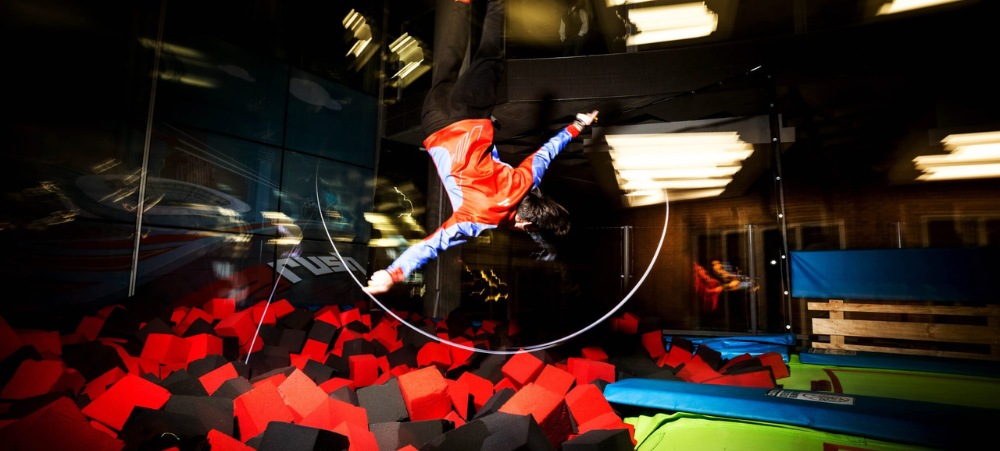
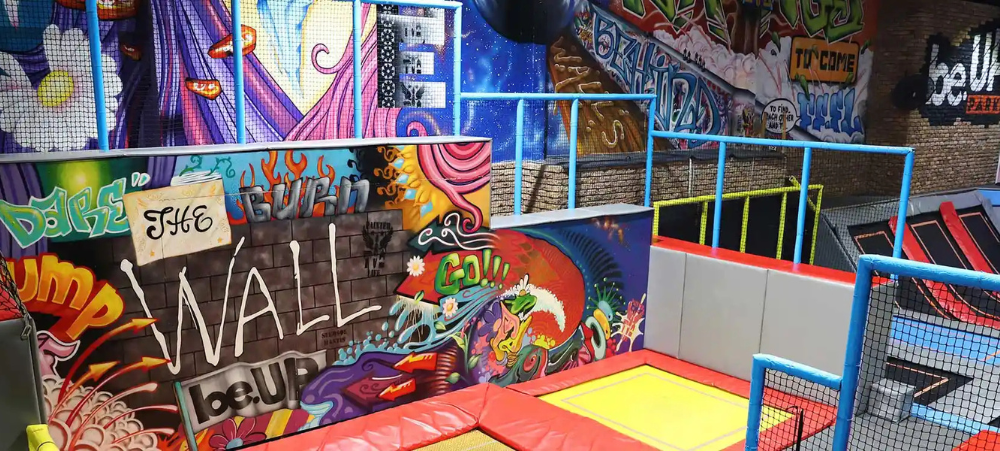
School’s out, and the screens are on It happens every year. The holidays arrive, and within a day or two, your teen has vanished behind a screen. Between TikTok, Netflix, and gaming marathons, it’s easy for the days to blend into one long scroll. But what if you could offer something that’s just as exciting, and a lot more active? That’s where Rush Indoor Trampoline Park comes in. With parks in Claremont, Cape Town and Greenstone, Johannesburg, Rush gives teens a reason to get off the couch and back into the real world. It’s the kind of fun that gets their heart racing, boosts their mood, and keeps them smiling all day. Why teens love Rush It’s real-world fun again At Rush, it’s all about movement and laughter, no filters, no screens, just real fun. The parks are packed with interconnected trampolines, foam pits, climbing walls, and dodgeball courts that give teens space to jump, flip, and move freely. Whether they’re learning a new trick, challenging friends to a jump-off, or just bouncing for the pure joy of it, Rush helps them rediscover how good it feels to actually move. And let’s be honest, it’s hard to check your phone while mid-air. It’s the perfect hangout spot Rush isn’t just for jumping, it’s a social space too. Teens can come in groups, meet up with friends, and spend the day doing something fun together. The vibe is always upbeat, the music’s good, and the atmosphere is full of energy. It’s the kind of place where friendships grow, laughter echoes, and memories are made without anyone staring at a screen. Plus, parents can relax knowing it’s a safe, supervised space with friendly staff always on duty. It’s great for body and mind We all know how easy it is to fall into a holiday slump. Too much sitting around can leave teens tired, restless, and disconnected. Trampolining is a fun, low-pressure way to get moving again. It improves balance, coordination, and fitness without feeling like exercise. More importantly, it releases endorphins, those natural feel-good chemicals that lift your mood and reduce stress. According to research published by the British Journal of Sports Medicine, just 30 minutes of moderate physical activity a day can significantly improve mental health and overall wellbeing. source So yes, a jump session at Rush can do wonders for both body and brain. Why parents love it too As much as teens need a break, parents do too. Rush makes it easy to keep everyone happy. You can grab a coffee at the on-site café or join in for a bounce (yes, parents are welcome too). It’s a win-win for the whole family. Simple ideas for a screen-free holiday If you’re trying to cut down on screen time these holidays, here are a few easy ideas to mix things up: A few hours of jumping can turn any slow day into an instant mood booster. Two cities, same great energy Rush Claremont (Cape Town)A vibrant, all-weather venue with trampolines, foam pits, and climbing walls, perfect for groups of teens and families. Rush Greenstone (Johannesburg)A spacious park packed with high-energy zones, ideal for older teens who love competition, games, and showing off new tricks. Both parks are open throughout the holidays and are ready to keep the fun going from morning till evening. Ready to make the holidays fun again? Screens will always be there, but the laughter, excitement, and memories your teen makes at Rush will stick around much longer. So, this holiday season, swap endless scrolling for jumping, movement, and real connection. Whether it’s a spontaneous day out or a planned group hangout, Rush Indoor Trampoline Park is the ultimate way to keep teens active and happy. Unlimited Rush – Holiday Special Make the most of the school holidays with Rush’s Unlimited Rush special – the perfect blend of fun for the kids and flexibility for parents. For just R215 per person, kids can enjoy unlimited weekday jumping and play sessions throughout the holidays, giving them hours of safe, high-energy entertainment while parents catch up on work or relax at the park café. It’s unbeatable value for an entire day of excitement, laughter, and movement. Find out more at Rush Unlimited Rush. Plan your visit today: https://www.rushsa.co.za/activities/