Advice from the experts
Bonitas – innovation, life stages and quality care

The common cold in babies

With COVID19 prevalent globally, the thought of your baby catching a cold could be one to send shivers down your spine. But don’t fret, here are the symptoms of the common cold, what is considered normal and what is cause for concern. What is a cold? The common cold is caused by a variety of different viruses, and is an infection of the throat and nose. When a baby is born they have a weaker immune system, which develops as they grow older. Understandably though, this makes it easier for them to catch a cold. Babies do build up antibodies when they are exposed to germs, however, it takes 2 to 3 months for their immunity to fully develop. There are many types of viruses that are the cause of colds, but luckily most colds will help increase your little one’s immunity against other another nasty germs.  What is normal and what can I do to prevent my baby catching a cold? Unfortunately, as the cold is caused by viruses there is no cure for it, but you can try naturally calm your baby’s symptoms. Unfortunately antibiotics won’t work as viruses are the culprit. It is normal for a cold to last 7 to 10 days. Symptoms include a runny nose, cough and low grade fever. Although alarming, fever is your baby’s natural response to the virus. Don’t give over the counter medication to your baby as these can cause dangerous side effects in young children, but extra fluids, saline spray and air humidifiers are all things you can use to help your baby. When a cold causes your baby to have trouble breathing, a high fever or dehydration it is time to consult with a doctor. Additionally, if the cold lasts for an extended period of time without getting better it is also best to seek professional help. Babies often catch the virus from older siblings or daycare, so if you can limit your baby’s exposure to other people this will help prevent them picking up unwanted viruses. Ask visitors to wash their hands before touching your little one and make sure to keep the baby’s utensils and towels separate from the rest of the household. Keeping your baby up to date with vaccinations is also a very important action that can help protect your them. 

Parenting Hub

Lagging concentration? Natural ways to boost children’s brains

Many parents find their children lagging in focus and mental energy around the end of the second school term.  This may well be exacerbated in 2022, as the first full year after intense COVID disruptions unfolds.  It’s not just the South African winter blues, kids, worldwide, have felt the stresses and strains of the upheaval of the global pandemic which didn’t just upend going to school but is believed to have hampered children and teens’ normal development. Like us adults, our children are still adjusting to a ‘new normal’ that remains fraught with uncertainty and the myriad of anxieties that come with the convergence of tough economic times, serious geo-political clashes and the climate crisis.    If you are one of those parents who have recently experienced concerning parent-teacher chats or your child hasn’t had great mid-year academic results, you may want to consider giving your child some extra well-being support.  Restlessness, poor concentration and focus at school may be caused by anxiety or depression, which have risen in those under 17 years of age so significantly over the last years that we are increasingly hearing warnings of the global ‘youth mental health crisis’.  In addition, diagnoses of ADD (Attention Deficit Disorder) and ADHD (Attention Deficit Hyperactivity Disorder) are ever-increasing. According to Michele Carelse, CEO of Feelgood Health, one of the country’s pioneering online health and wellness stores, whether or not your child has received a diagnosis of neurodiversity, there are natural steps parents can take to help their child improve concentration and focus.  She says, “More and more families are looking for safe and holistic solutions to help support their children’s mental wellbeing.  They want options that nourish the brain, calm emotions, improve concentration and help children focus naturally.  Medicinal herbs such as Gingko Bilboa, amongst others have proven capabilities in this regard.  However, it is important to remember that there are also lifestyle strategies that work hand-in-hand to strengthen your child’s resilience and help them perform optimally.” Having started her career as a Clinical Psychologist helping families deal with issues such as ADHD and ADD, Michele recommends: Embrace a healthy family diet – “You can’t underestimate the importance of healthy eating when it comes to children’s brain development and brain power.  Reducing sugar intake, avoiding food additives and focusing on fresh, wholefoods makes a real impact.  You want to make sure your child has a good intake of Omega-3 fatty acids from foods such as avocado, tuna, nuts and olive oil, as well as a variety of vegetables and fruit that provide a wide spectrum of vitamins and minerals.” Get physically active – “Research has shown that outdoor exercise, whether that’s organised sports or rambling family walks and bike rides helps both children and adults to calm the mind, regulate emotions more effectively and release stress.  Plan out your weekdays as well as the weekends to make sure you have time for daily physical activity.  Getting out together as a family is also fun and it builds bonds, improving emotional well-being and enhancing resilience.” Limit screen time – “With so much time spent online and so much entertainment easily available on-screen, our children need breaks every day from their devices.  Set screen limits for the whole family and stick to them.” Implement sleep hygiene – “There’s a lot of research showing that children today are not getting enough quality sleep. Problems with concentration and focus, as well as feeling moody, anxious or depressed can be attributed to, or worsened by inadequate sleep.  Keep your children’s bedrooms free of devices and screens; find a calming bedtime routine that works for your family and make a good night’s rest for everyone a priority in your home.” Find support in natural remedies – “Explore a holistic approach to your family’s health to help support improved concentration and focus, and a calmer outlook in children.  The advantage of natural remedies is that they are effective, free of nasty ingredients and non-addictive.  This was my driving force as a Clinical Psychologist that led me to formulating specific Feelgood Health products that have helped many thousands of families over the past decades.  Popular holistic solutions include our Focus & Calm natural remedy which includes herbs such as Gingko Bilboa, and BrightSpark, which is 100% homeopathic remedy for hyperactivity. For teenagers and adults, we also have a natural study aid called BrainShine, to promote concentration, mental focus, memory and reduce stress.” What’s important to remember is that we are all living through tumultuous times.  A less than stellar performance at school or an increase in issues such restlessness and poor concentration can stem from a number of converging causes.  Taking charge of well-being and actively building resilience will help both the children and the adults in the family to cope better with the stresses and strains in the world that are out of our control.

Elana Afrika-Bredenkamp

Xola Ntshinga the Co-Parent – Fatherhood, Fairness & Fun

Xola Ntshinga is a familiar voice and face on our radios and televisions, from breakfast and afternoon drive shows to sports anchoring – but this week he joins Elana Afrika-Bredenkamp as a guest and as a dad! Join Elana and the Parent + Baby Brunch podcast as they delve deeper into how parenting turns into co-parenting after a divorce, how being a dad feels during a pandemic, how Xola practices being a ‘present parent’, and much more! Listen here: https://www.babybrunch.co.za/practical-parenting-tips/xola-ntshinga-co-parenting Parent + Baby Brunch was founded by Elana Afrika-Bredenkamp. The content portal is best known for its parenting podcasts, regularly ranking as the number one locally-produced parenting podcasts in South Africa.  “The concept was born shortly after I had my first daughter”, says Elana. “Like the adage write what you know, “I created the Parent + Baby Brunch community after experiencing first-hand what mothers and fathers of newborn children were experiencing. I was on a whatsapp group with my just-turned-parent girlfriends at 2am, everyone complaining about anything from sore nipples to back-aches. I knew there weren’t sufficient support groups out there, and so I started one!” Several years later with over 200 000 total lifetime channel listens under her belt, the popularity of the Parent + Baby Brunch podcasts continues to grow from strength to strength with thousands of streams per month across South Africa, Nigeria, Zimbabwe, Israel and many more nations.

Exigo Care

Celebrating young women: Positive daily affirmations

When I think of Youth Day, I think of how resilient the youth of our country have been since the start of the pandemic! So much as changed! How we learn, how we interact, social events… everything. Everything has changed. In the middle of last year I had to go to the university in my area to drop off paperwork. My heart was broken. It looked like a ghost town.  I thought back tomy student days and saw shadows of the past, remembering how it was when I was a student…  Social groups on the lawn chatting and eating their lunch, corridors abuzz with students rushing to get to their various classes on time… Back to reality… quiet. Just the squeaking of my shoes on the sparkly floors as I made my way to the relevant department with only the occasional student that walked past. Unsure if they were smiling behind their mask, we greeted each other and continued. I remember thinking that day… how are these poor young people supposed to find the love of their life at ‘varsity, when they can’t even see each other’s faces… (there goes love at first sight). I giggled as I imagined all students walking around with a QR code, to their social media handles, hanging around their necks… (OK it was a long corridor… too much time to think). It has been hard, but we always need to look for the silver lining, as most South Africans are able to do in the hardest of times.  I would like to commend the youth of today for their resilience. For being masters of their own destiny. For accepting the things they cannot change and making the most of the opportunities that come to light. Anna Louise Pickens compiled a list of Positive Affirmations. We should imprint these in our minds, and the minds of the younger generation: “I am capable.” “I am intelligent.” “I am innovative.” “I am brave.” “I am confident.” “I stand up for myself.” “I can do hard things.” “I am in charge of my own identity.” “I have faith in myself.” “My ideas are powerful.” “I am allowed to change my mind.” “This is my time.” “I am articulate.” “I know myself.” “I am an independent person.” “I am good at many things.” “Anything is possible in my life.” “I have faith in my own abilities.” “I am qualified to be where I am.” “I make good decisions.” Wake up “Everyday” and know that you are of “Premium” quality. Your “Destiny” is not written for you, but by you! Until next time Sr Jessica Bredenkamp (Registered Midwife (BCur) & Mom)

Parenting Hub

TELLING OUR OWN STORIES TO IGNITE A LOVE FOR READING

Former secretary general of the United Nations, Kofi Annan, once said that “Literacy is a bridge from misery to hope. It is the road to human progress and the means through which every man, woman and child can realise his or her full potential,’’ yet for millions of South African children, that bridge seems inaccessible. While the literacy crises in South Africa continues, many experts agree that learning to read in one’s mother tongue can helps combat this issue. According to early literacy specialist, author, and translator, Dr Xolisa Guzula, ‘’Research shows that children learn better when they are grounded in their mother tongue.’’ However, what exacerbates the problem is that most kids only have access to books that are not in their home languages. Only 2% of children’s books published commercially in South Africa* are in local African languages. In a country where approximately eight out of ten people speak a home language other than English, creating relatable stories in indigenous languages is critical if we hope to improve childhood literacy. Cadbury Dairy Milk has always been a brand steeped in the spirit of generosity and pioneering social impact. Cadbury remains committed to its mission of igniting a love for reading in the next generation by making homegrown stories more accessible in their home language. The Homegrown Stories initiative is the latest step in a long-term social mission to grow, co-author, distribute and inspire relatable children’s stories in all 11 official South African languages. Last year, Cadbury Dairy Milk asked the public to translate words into their mother tongue. A team of young local authors then weaved these words into exciting new stories. To date over 500 stories have been translated and made available for download from the Cadbury Digital Library with an additional 45 000 books printed and distributed directly to the children who needed them the most.  South Africa is a nation of natural storytellers, crafted through our shared experiences and diversity. This year, Cadbury is encouraging South Africans to tap into their innate storytelling abilities and, by using their everyday interests and experiences as inspiration, generously share a homegrown story in their beloved home language. ‘’With a goal to increase the number of homegrown stories, available in all local African languages, to 1,000 by the end of the year. What better way to advance this mission than by bringing South Africans from all walks of life together to participate in a collective labour of love. Together a small generous act of sharing a story can create lasting impact on a child’s life. An authentic story can encourage a child to want to read more, which in turn can open new worlds and introducing opportunities for the next generation. By sharing our own homegrown stories, we are hoping to create a space where our children can see themselves reflected in the books that shape their childhood.”  Lara Sidersky, Mondelez SA Category Lead for Chocolate. Telling our own stories Representation and resonance are important aspects in the literacy journey. When children can see themselves reflected in stories it aids comprehension and encourages enjoyment of the reading journey, which in turn promotes a culture of reading.  Professional storyteller and author Baeletsi Tsatsi agrees, ‘’By telling relatable stories to our children, we give them a sense of their place in the world and let them know that they matter and their experiences matter. If we want children to fall in love with reading and themselves, then it is paramount that they see themselves in the stories they read, and this is a beautiful way to do that.” Dr Guzula continues, “The importance of children being able to relate to the stories we tell them cannot be overstated when it comes to developing a love for reading. Nurturing the enjoyment of reading also puts a child at an advantage when they reach school going age.” To amplify this enjoyment Cadbury commissioned local illustrator, Russel Abrahams aka Yay Abe, to incorporate his contemporary design style into creating engaging, impactful Cadbury Story Edition packs to launch the Homegrown Stories journey. Creating Impact through accessibility Cadbury Dairy Milk has partnered with several like-minded organisation and distributors to ensure these stories reach all children, both physically and virtually, in languages that they understand. Alongside community radio stations, who provide an ideal storytelling platform, Cadbury has also partnered with Qualibooks, a leading provider of curriculum-based library and other educational resources to schools and communities. Chris De Beer, a director at Qualibooks, adds, “There is clearly a demand for literature in African languages that needs to be provided for. The number of stories being read after school via our KiBooks online platform clearly shows that we are helping children develop a love of for reading in their spare time. If we can help cultivate that by providing them with more titles that speak to their lived experiences, we have no doubt that we can do our bit to improve childhood literacy in this country.” How South Africans can play a role Cadbury Dairy Milk is asking the public to join them and help children fall in love with reading by sharing an authentic Homegrown Story. Look out for the Cadbury Homegrown Story Edition packs for all the details on how to unlock your stories. Simply scan the QR code on pack to open WhatsApp and follow the prompts to share a story in your beloved home language either via voice notes, typing your story ending or uploading a PDF. You can also visit the Cadbury Digital Library or see your story brought to life through the interactive AR lens. Visit cadbury.co.za and join the #CadburyHomeGrownStories conversation: @CadburyDairyMilkSA (Facebook)  @Cadbury_SA (Twitter and Instagram) Scan QR code to access Cadbury Digital Library:

Fundamentals Skincare

HOW TO CHOOSE THE BEST MOISTURISER FOR YOUR SKIN

New generation skincare is smart, well-tested and researched, aimed at improving your skin concerns through using the right active ingredients. Looking like a glazed donut before bed is the new skincare ‘must-do’ with the idea of applying active ingredients on your skin at night letting them seep into your pores overnight leaving you glowing in the morning when you rise. Which is true – but you can get this by using one or even two products instead of your entire skincare vanity. It’s time to practice smart skincare.  A moisturiser by definition is used on the skin to prevent dryness. Then – how do you filter through the million different moisturisers on the market and choose the best one for your skin? The answer is simple – know your skin type and skin concerns. Once you know this, its as easy as hop skip and jump right onto the perfect formulation of moisturiser for you!  The ART of being SMART  There are two active ingredients you need in your moisturiser – Ceramide and Raspberry Extract. Here’s the tea on these two smart ingredients:  Ceramides are a class of fatty acids called lipids. They’re naturally found in skin cells and make up about 40 to 50 percent of the outer layer of your skin (epidermis). Ceramides are important for retaining your skin’s moisture and preventing the entry of germs into your body. Ceramides are produced naturally by the body in the sebaceous glands but sometimes our body can run short of of them – especially as we age. Therefore, we need this ingredient in our creams and moisturisers to help pick us up where needed. It’s a skincare fundamental and suitable for all skin types. Shop the Ultra Hydrating 1% Ceramide Cream. A ceramide cream can be used morning but recommended for night after your serums as a last step in your skincare routine. Remember to cleanse, tone and apply those serums before moisturising.  Raspberry Extract – yes you heard right! Extract from the raspberry plant has been studied and shown to promote skin hydration and cell protection as well as provide anti-oxidnt protection when used in skincare. The red extract from the raspberry plant prevents cells from losing excessive water, therefore providing anti-ageing properies and dryness prevention. It can also alleviate direct photodamage to the skin caused by UVB exposure in turn also protecting against inflammatory responses. Another skincare fundamental that is lightweight, moisturising, suitable for skin types and can be used day or night. Apply before your SPF and after your serums. Shop the 1% Rasberry Extract moisturiser.  Choose these active ingredients in your moisturisers and you won’t go wrong.  Tumi Lehutso at Fundamentals Skincare said: “Smart skincare is vegan, fragrance-free, cruelty-free, cosmeceutical grade and a fraction of the price with absolutely no compromise on formuation and ingredient quality. Skincare is for everyone and should be inclusive. The trick to effective skincare is knowing what type of skin you have and then using the correct products, with the correct ingredients and formulations to accurately treat your skin concerns that is also friendly to your specific skin type. When visiting the Fundamentals Skincare website you will have access to a skincare questionnaire that helps you figure out your skin type and further help is available through the Free consultation booking form. Its all about giving your skin the essentials it needs for good health.”  For more information:  Shop: https://fundamentals-skincare.co.za  Instagram: @fundamentals_skincare Tik Tok: @fundamentals_skincare Facebook: @FundamentalsSkincare

Parenting Hub

Estate Planning: Caring For children with special needs

Proper estate planning is one of the most important things you can do for your children. Not only does it spare them the anxiety of having to tussle over your estate while mourning your loss, but it can also serve as a final parting gift from one generation to the next. Despite this, 70% of South Africans still do not have a will in place. This is especially concerning for the parents of the roughly 3 million South Africans who live with disabilities.  Louise Danielz, Chief Operating Officer of Sanlam Trust says, “Regardless of your income bracket, it is important to get a professional to help you draft a will. For parents who have children with serious disabilities, estate planning is even more crucial as these children may not ever be able to work and provide for themselves. In these scenarios, trusts are key to ensuring your loved ones are properly provided for, for the rest of their lives, should you not be there to do so in person.” Providing for your disabled beneficiaries after you are gone The most important thing about planning for your child’s future in the event of your passing is making sure that their unique needs are considered. Putting measures in place while you are still alive, and understanding the practical implications of those arrangements, is very important. Danielz suggests doing the following as soon as possible: Ensure you have a valid will: Passing away without a valid will that makes provision for your minor children runs the risk of having their inheritance paid over to the Master of the High Court until they turn 18. This could potentially put their standard of care at risk Nominate a guardian for your minor child(ren): Choose someone you trust to carry out your wishes and care for your child in the best way possible. This can become tricky and time consuming if you have not made adequate plans or had the proper guidance. Above all, get expert advice: If you do not do adequate planning, funds due to minor beneficiaries could be paid to the Master’s Guardian Fund. To avoid this, it is best to set up a testamentary trust in your will to cater for them. Why you need a trust Having a trust is key if you want your estate to be administered, managed, and executed in the best way possible for the beneficiary. Being part of a trust ensures that a dedicated administrator, in conjunction with an elected guardian, acts with due care and diligence in administering the funds in their capacity as trustees. This means that the administrator will consider the maintenance needs of the beneficiary, engage with the guardian, and invest the funds appropriately.  Danielz says, “With Sanlam Trust, a dedicated administrator is appointed to engage with the guardian, so that they work together within agreed guidelines to take care of the beneficiary’s immediate and future educational needs if possible. If there is a need to consult with a caregiver, for example an occupational therapist, to make the best decision for the beneficiary, then this will be done.” With the right planning, parents can take care of their disabled loved one long after they have passed on. Danielz concludes, “Planning gives you peace of mind and it also creates continuity and support for your loved ones. It is all about understanding what you want and how this can be achieved.”

Disney Junior

ALICE’S WONDERLAND BAKERY,’ A DELICIOUSLY FANTASTICAL ANIMATED SERIES FOR PRESCHOOLERS, PREMIERES THIS JUNE

Disney Junior’s ‘Alice’s Wonderland Bakery,’ Inspired by the Beloved Classic, Premieres Saturday, 4 June 2022 on Disney Junior Craig Ferguson, Eden Espinosa, Jon Secada, Bobby Moynihan, Ana Gasteyer, Donald Faison, Yvette Nicole Brown and Vanessa Bayer Among All-Star Guest Voice Cast Disney Junior’s “Alice’s Wonderland Bakery,” a fantastical animated series for pre-schoolers and their families inspired by the world of “Alice in Wonderland,” premieres this Saturday, 4 June 2022 on Disney Junior, DStv channel 309 at 08:30.   A vibrant new take on the classic 1951 film, the series centres on Alice, the great-granddaughter of the original heroine and a budding young baker at the enchanted Wonderland Bakery, where her magical treats help bring a new generation of friends and families together. Featuring reimagined versions of familiar iconic characters and introducing memorable new ones, the series stars newcomer Libby Rue as the voice of Alice as well as a slew of celebrity guest stars. See the trailer to the series here. Each episode of “Alice’s Wonderland Bakery,” comprised of two 11-minute stories, centres on Alice’s magical recipe adventures with her best pals, who join her in the bakery to whip up whimsical cakes and treats for friends and neighbours with enchanted kitchen tools and ingredients to help them.  “With so many already familiar with the magic and whimsy of the classic story of Alice in Wonderland – we are sure that this wonderful new series will delight and captivate a new generation of fans,” says Christine Service, Senior Vice President and General Manager of The Walt Disney Company Africa. “Disney Junior is delighted to introduce this series that celebrates the culture and creativity of food, highlights self-expression, and imparts age-appropriate social and emotional lessons about friendship, collaboration, and the importance of community,” she adds.   Geared to kids ages 2-5 and their families, “Alice’s Wonderland Bakery” features Alice’s recipe adventures with her best pals—Fergie, a white rabbit; Hattie, her madcap friend; and Rosa, the Princess of Hearts, as well as her great grandmother’s magical cookbook, Cookie. Alice is inquisitive, persistent and resourceful as she experiments with her baking and invents out-of-the-box solutions for problems that arise. Food is an important part of Alice’s identity, connecting her family from generation to generation and allowing her to discover the distinct family heritages of her friends, each with a wide array of tastes and traditions. In addition to Rue, the lead voice cast includes Abigail Estrella (“How the Grinch Stole Christmas!”) as Princess Rosa, the Princess of Hearts and Alice’s most artistic friend; CJ Uy (“The Ball Method”) as Hattie, a “mad-hatter” boy and Alice’s silliest friend; Jack Stanton (“Outmatched”) as Fergie the White Rabbit, Alice’s best friend and biggest fan; Secunda Wood (“Jurassic World: Camp Cretaceous”) as Cookie, the magical cookbook that once belonged to Alice’s great grandmother; and Audrey Wasilewski (“Mad Men”) as Dinah, Alice’s pet cat who is always at her side. Max Mittelman (“Spider-Man”) recurs as Cheshire Cat, Alice’s mysterious and playful friend and one of the most iconic Wonderland characters. “Alice’s Wonderland Bakery” is produced by Disney Television Animation. Emmy® Award-nominated Chelsea Beyl (Peabody Award-winning “Doc McStuffins”) is executive producer, and Frank Montagna (“Elena of Avalor”) is co-executive producer and art director. Ciara Anderson (“Harley Quinn”) is producer, Lisa Kettle (“Mira, Royal Detective”) is story editor, and Emmy-nominated Nathan Chew (“Elena of Avalor”) is supervising director. The writing team consists of Melinda LaRose (“Vampirina”), Michael Rodriguez (“Sharkdog”), Marisa Evans-Sanden (“Fancy Nancy”), Stuart Friedel (“Clifford the Big Red Dog”) and Sara Karimipour (“Ryan’s Mystery Playdate”), and episodic directors are Steven Umbleby (“Monsters at Work”) and Arielle Yett (“The Chicken Squad”). Emmy winner John Kavanaugh (“Sofia the First,” “Elena of Avalor”) serves as the series’ songwriter/music director and Matthew Margeson (“Rocketman”) is composer.

PowerPlastics Pool Covers

Drownings are not seasonal! Cover your pool year-round to avoid accidents

Child drownings happen year-round and PowerPlastics Pool Covers, is on a fresh drive to remind parents that these drownings are entirely preventable with multiple layers of safety applied to the pool. The PowerPlastics Solid Safety Cover and adult supervision at all times should be included in these layers of safety at all times.  The PowerPlastics Solid Safety Cover offers parental peace of mind as it completely seals off the entire pool. The PVC cover is drawn over strong aluminium batons that rest on the coping, and a tamperproof ratchet fastening system makes it impossible for a small child to access the water. Small drainage holes prevent rain or sprinkler water from collecting on the cover as just a few millimetres of water can be fatal to a curious child. The cover withstands up to 220kg and is easily deployed by two people, or it can be semi-automated for single person usage. The PowerPlastics Solid Safety Cover is available in a range of colours, allowing it to blend into the outdoor area.  Importantly, the cover complies with the recommended guidelines (SANS 10134) for pool safety, set by the SABS who oversees pool safety compliance in SA.  Thermal pool covers or ‘bubble’ covers that lie directly on the water should never be considered as child safety pool covers as they do not bear weight.  As part of the education drive, PowerPlastics Pool Covers is reminding parents about its educational resource TopStep, the home of pool safety. This educational website offers great tips and advice on preventing drownings.  Aside from covering the pool, every adult in the home needs to know what a drowning in progress actually looks like as TV has created wide misconceptions around this. There is no noise or splashing nor calls for help. Drowning is quick and silent. Visit www.topstep.co.za to learn more about this. Even if one doesn’t have children, it is still necessary to consider safety for visitors. Families living in residential complexes with a communal pool should insist that their body corporate install a solid safety pool cover.  PowerPlastics Pool Covers has also created a Safety Monitor system. Based on the principle that adult supervision is key to avoiding drownings, it allows children to quickly identify the adult in charge should there be a safety issue among the children in the pool. When there’s a larger number of children in the pool, e.g at pool parties, it is advisable to have two or more supervisors each wearing a tag. A busy pool is high risk. You can download it here here and print at home. Laminate it if possible (to prevent water damage) and then add a lanyard or tie it on a loop of string and wear around the neck. The bottom line is that children need to be supervised around pools, and as long as the pool is covered and other layers of safety are in place, the likelihood of a tragedy occurring in your pool is greatly reduced. To learn more about child drowning prevention and swimming pool safety, visit educational blog TopStep, the home of pool safety. www.topstep.co.za. Your best protection against drowning is to have a PowerPlastics Solid Safety Cover properly secured over the pool at all times.  Practical tips for pool safety Don’t let your pool’s water levels drop. Keeping the pool topped up allows for small arms to easily grab the edge if needed.  For every two children in the pool, have one adult supervising and use the Safety Monitor tag system. The more children, the more supervisors needed. Be aware that children’s pool parties are high risk events.  Turn off fountains and water features. Not only do they waste water and power, they can cause ripples and splashing, making it harder to see when a child has encountered difficulty in the pool or has sunk to the bottom.  Ensure that every adult in the home knows CPR, including domestic workers. Never hire a baby sitter or au pair who can’t swim. Don’t let anyone who has been drinking or on sedative medication supervise children in a pool.  Don’t leave toys in or near an open pool as children will be tempted to retrieve them. Teach your child to swim fully clothed and with shoes on. If your child develops a fear of water, don’t ignore this – a child who panics is at greater risk of drowning. Never allow swimming after dark. Discourage your dogs from swimming. Children and pets in a pool are not a good mix. Never leave the pool without securing it with your PowerPlastics Solid Safety Cover. Never design / build a pool that cannot be secured for child safety. 

Parenting Hub

THE RISKS AND REWARDS FOR KIDS IN THE DIGITAL WORLD

Most of our children are online every day.  The number of mobile devices in the hands of South African children rises year on year at almost every age point between 8 and 18 years of age.  None of this is surprising; the digital component of all our lives is ever-increasing and expanding – from work and school to leisure and socialising.  This powerful wave of digitalisation brings enormous potential for improving lives and opening up opportunities; but it is also ushering in significant risks.  As parents, the risks presented to our children can feel overwhelming to manage. One of the greatest challenges of keeping our children safe online is how quickly the digital landscape changes.  There are new games, new apps, new social media platforms targeted at children constantly coming and going.  There are always new ways around parental controls and new trends emerging.  It’s as easy as typing in a false birth year to sign up to any social media account under the parental radar.  Parents cannot rely on age limits on sites and apps anyway, as they are there to ensure the developers are compliant with privacy laws, not to protect children. Yet, the rewards of digital exposure and interactions are great, and parents want to balance protecting their children with giving them space to explore an incredible realm that’s packed with learning, supportive connections and endless opportunities to gain digital experience and proficiency, which is so important to their future.  How to find the sweet spot amidst the risks and rewards is the subject of an upcoming FYI play it safe webinar for parents on 9 June 2022 from 11:00 to 12:00; or 19:30 to 20:30.  FYI play it safe is a South African-developed app for families that’s gone global.  It’s not a parental control but adds an extra layer of security to children’s devices through AI-powered monitoring of all their screens and generating alerts for parents if their children are engaging with inappropriate content or threatening contacts. Mother of a teen daughter and the CEO/Founder of FYI play it safe, Rachelle Best will be updating South African parents on the latest data regarding children’s use of the internet and social media; their exposure to harmful and inappropriate content, and she will be demonstrating some of the dangerous apps families need to avoid.  Rachelle says, “As parents, we need information and tools to help us enable our kids to build online resilience while they are developing their essential digital skills.  There’s no one single action that we can take to keep our kids safe online while they do this.  Parents need up-to-date information, use the resources in the ecosystem of online safety and have open, trusting relationships with their children so that they can help them safely navigate the risks.” All too often, when it comes to risks, parents can unknowingly fall into the trap that’s dubbed the ‘not my child syndrome’.  An example of this is when a parent sees the data showing that sexting has become alarmingly ‘normal’ and super-trendy for teens, and even tweens; they might believe it about other children but assert that their child is ‘more naïve’ or ‘less developed’ or ‘still not interested or even curious’.  “Unfortunately, this kind of knee-jerk denial and disbelief that ‘my child would never do this’, actually raises the risks for the child,” says Rachelle.  “As parents today, more than ever, we have to confront our blind spots when it comes to our beloved children and realise that they are engaging in a world where sexting is pervasive, and pornography is everywhere.  Latest research shows that while 75% of parents say that they believe their child has never been exposed to pornography, 53% of children admit they have.  We can expect there’s a sizeable percentage who also have, but don’t admit it, which is a significant reality check for all parents.” On the positive side, the increasing focus on online safety for kids is igniting the development of improved tools such as the FYI play it safe app.  “What’s important is that parents are active in understanding online risks and the digital spaces that are threats to children’s safety, mental health and well-being,” Rachelle concludes. “It certainly is the case that knowledge is power, and there are solutions that enable our kids to gain the rewards from their digital explorations and connections while mitigating the risks.” Join Rachelle Best for the FYI play it safe webinar – Our Youth and Social Media; Uncensored – What your child is really exposed to online.  Thursday, 9 June 2022 from 11:00 to 12:00 or 19:30 to 20:30.  Tickets are R80 and can be booked via Quicket here

Hilary Smith

HOW TO PROTECT YOUR CHILD FROM EMOTIONAL ABUSE

It’s no great secret that we want to keep our kids safe and raise them in a supportive environment. Unfortunately, this is easier said than done. Our sons and daughters are growing up in a world that is full of lurking threats that range from anywhere from predators to cyberbullies. These pitfalls make our parenting jobs more arduous, especially when it comes to unseen dangers like emotional abuse. Unlike physical abuse, emotional abuse leaves no marks or bruises which makes detecting it difficult.Emotional abuse, like other forms of abuse, can cause degradation or take a child’s pride away. This can take the form of threats, rejection, ignoring, isolating, criticism, corrupting, swearing, and lying or any verbal patterns that harms a child’s emotional well-being, development, or self-worth. Unfortunately, emotional abuse often involves an ongoing relationship and occurs over time, and is not just one isolated incident. The Prevalence of Emotional Abuse For years, experts and researchers have been plagued with problems about defining emotional abuse and tracking its prevalence.The precise numbers of children suffering this abuse is hard to know, because many incidents go unreported or fly under the radar of caregivers, parents, or the authorities. Occasionally, there are cultural factors that influence how a parent disciplines or interacts with a child. For example, there is solid evidence from the World Health Organization that found most cultures yell at children, while cursing, calling names, and threatening abandonment vary greatly around the world. Childline receives around 4,827 calls from kids who were emotional abuse victims. This data lets us know that emotional abuse is a very real threat to our kids. In fact, some experts suggest that emotional abuse appears to be the the most prevalent form of maltreatment and abuse of children. There are a variety of reasons suspected of causing kids to experience emotional abuse that include: poverty, unemployment, overcrowding in the home, substance abuse, alcohol abuse, and more. But, far too often kids are vulnerable just because they are children and easily become scapegoats for an adult’s anger or frustration. Warning Signs of Emotional Abuse in Kids Like we mentioned earlier, recognising emotional abuse is difficult. That makes it essential that we know what behaviours to look for so we can put a halt to the verbal abuse. Listed below are possible warning signs. of emotional abuse kids: Withdrawal from activities or friends Poor concentration Bed-wetting Difficulty sleeping Changes in eating habits Increased anger or aggression Acting out  Sadness Feeling ashamed Obsessed over doing things a certain way or meeting expectations Fear Anxiety Suicidal or self-harming behaviours How to Protect Your Kids From Emotional Abuse Even though this topic is frightening, there are a few simple steps we can take to protect our kids from suffering emotional abuse. To help keep our boys and girls safe, scroll through the list of safety suggestions: Believe children when they tell you they are experiencing emotional abuse.Listen, reassure them, and report the abuse to the right authorities. Good support is vital when it comes to giving kids hope and encouragement while they rebuild their lives, ability to trust, and move forward. Find child caregivers you trust.It’s obvious that we can’t always be with our kids. Reduce the chance of emotional abuse by finding a reliable caregiver you trust. Begin ongoing conversations about the power of words.All children, and even a few adults, need to be reminded how words can hurt. This will open the lines of communication and encourage kids to share when they have experienced emotional abuse. Teach relaxation techniques to combat anxiety. Inevitably, there will be times when a child encounters unkind words or mean people. Whether it’s a bully at school or a narcissistic boss at work, teach kids coping methods, deep breathing, or yoga moves to combat emotional abuse. Model healthy relationships with partners, friends, family, and children.We are our child’s first teachers and we must lead by a good example. If we want our kids to respect themselves and be in healthy relationships, we must pave the way by showing them acceptable ways for talking about our feelings, communicating, disagreeing, saying we are sorry, and making-up after an argument. Avoid name calling, harsh judgments, and create a safe home environment. As parents, we need to be the safe place to fall. This doesn’t mean we can’t discipline or enforce house rules. However, we need to be mindful of how our words and phrases can impact our child’s development, either setting them up for a lifetime of grief or acceptance.  

Doug Berry

CHOOSING PARENTHOOD

Speak to other parents: Leading up to the birth of my child, there was much in the way of warnings and serious advice to the tune of “You’d best start getting your sleep in now” and “Oh boy, your life is over!” I can recall turning to a colleague who gave warnings in this vein and suggested she keep all the negative warnings away from me, as I was looking forward to being a dad. There will undoubtedly be horror stories of projectile bodily fluids and endless nights of sleep, but I’ll never forget the moment a friend asked me what it felt like, the day my child was born. I found it so difficult to put into words, but I was a different person from just 24 hours before. My whole being felt full. I wanted to burst with a mixture of pride and newfound love for this little person who had entered my wife. I found myself willing to threaten and argue with nurses who were just trying to do their job. The instinct to protect was strong, to say the least. In discussion with other fathers my age, friends who have moved away and with whom I don’t often get to speak, sometimes a different story is told. From having to work longer and harder to support the new family, not being able to connect very well with a burping, eating and excreting machine to finding their children an unexpected inconvenience, I wondered how their experience could be so different! Here are some factors to consider when deciding whether or not this is the right time to be a parent. Why would you like to have a child?  What reasons have motivated your decision to start a family? Are you internally or externally motivated? In other words, are you doing this for your own reasons or because you are expected to by your partner, family or society? When we are motivated internally, it can make the role of parenting so much easier, as you have chosen this for yourself. Too many people believe that it is simply the next logical step or will be the factor that saves a struggling relationship. Too often this will lead to resentment of the child and the family unit. Are you on the same page as your partner?  Do you both want a child for the same reasons, or are your motivations slightly different? If you are good at problem solving together and keeping the wellbeing of your relationship and potential family as your primary concern, the new challenges posed by a child should be surmountable! Are you financially ready to have a child?  A baby brings new financial responsibilities and stressors. Do your homework long before a pregnancy. From gynaecologist visits to a stay in hospital, the costs start to add up significantly before the child is even here! Find out about what basic commodities like nappies and formula cost and how often you’ll be replacing them. Children get sick easily as their immune system begins to develop and paediatrician visits can sting the back pocket. Knowing what you’re in for financially can help you to make the decision and begin to budget for a child, long before they are even conceived. Are you prepared for the lifestyle changes?  Having a new baby means that life is going to change in a major way. Have you come to terms with this? It could mean substantially less leisure time, which we often become accustomed to as part of our routine. Weekends are notably determined by the nature of your partner and your relationship with them. Decide long before if you are ready to go from being a couple to a family! Do you have support?  Having a child when you know that it will only be youand your partner, with no familial assistance or external help in the form of carers and babysitters, means that your free time will be close to nil. This may mean that at some point, there will be a sort of burnout, which will have wide repercussions. If you aren’t likely to have help, set an agreement with your partner about offering each other free time, by looking after your child while the other has a chance to go out and recharge!

Mia Von Scha

HOW TO PREVENT EMOTIONAL DAMAGE DURING SEPARATION?

There may come a time in your marriage where you realise that your partner’s negative behaviour is becoming detrimental to both you and your children. What do you do in a situation like this? What if your partner won’t accept getting divorced? What if you are not working or are afraid to work longer hours because you’ll lose quality time with your kids? How do you prevent emotional damage to yourself and your children? Here are some practical guidelines to navigating this very difficult and stressful situation… Firstly, our law does make allowances for one person in the marriage to insist on a divorce proceeding. I’m not a lawyer, but I do know that you can go ahead with a divorce proceeding from your side whether your partner wants it or not, particularly if you can show that you have real grounds for wanting this – if your partner had an affair, if you have a report from a psychologist regarding any abuse etc. It might help to get some professional advice and there are companies like The Family Law Clinics who offer free legal advice. It is definitely important, for both you and your children, for you to resolve the situation as quickly as possible. Please be aware that it is absolutely normal for children to act up in situations like this. They will tend to play out the aggression and negativity they experience at home, but also an aggression and negativity that is repressed in the home. Think of their behaviour as a barometer for the emotional environment that they come from. You or your child’s teacher may even notice some aggressive play and pictures. Please remember that kids process their worlds through play and creativity. It might look negative right now, but they are actually working through their issues and helping to resolve them in their own mind through these actions. This is healthy and necessary and will subside once things settle down. When wondering how to deal with any aggressive behaviour please keep in mind that all emotions are acceptable, but some behaviours may need to be addressed. First allow your child the space to feel the intensity of the emotion and once calm you can discuss different ways to express this that don’t hurt others. You don’t need to worry that they will be permanently like this though. Children adapt very quickly and they respond well to improvements in their situation and environment. What you can do in the meantime is to give them lots of space and support to express their emotions. There is a saying that goes “for the good feelings to come in, the bad feelings first have to come out”. They act out their negative state because they either don’t have the capacity yet to express themselves verbally and have someone understand what they are going through, or because they feel they are not allowed to express it in a safe way. Sometimes, as the parent, we are not the best person for them to chat to, as they are also trying to protect us and our emotions, or they may be angry with us or have some other emotion that they feel they’re not supposed to have. It can be very helpful to have somebody else involved in their lives that they can trust, but who is removed from the situation. Ideally, this would be in a play therapy environment, where they are taught not only that it is safe to express whatever they are feeling (and so don’t have to express it behaviourally) but also coping techniques that they can use throughout their lives when some challenge comes along. Often in divorce proceedings you are already finically stretched. If you have medical aid or the financial resources to manage it, find a great play therapist that you trust. Alternatively, you can contact an organisation like FAMSA who offer reduced rate or free therapy for kids depending on your situation. The next thing to look at is the kids’ routine. If you’re having to start a new job or work longer hours you may need to make arrangement for your kids like aftercare or lift schemes. If at all possible, try to get some of their homework, bathing etc done before you get home. Perhaps even chat to the teacher about helping with this during school time to alleviate some of the pressure on you. I wouldn’t worry about playtime with the kids in the evening. It is more important for them to have a good routine (this helps kids particularly in times of change to feel that the whole world is not falling apart) and sleep is essential for anyone trying to deal with stress. Of course you will want some quality time with the kids in the day, and if you can manage this it will definitely help. Keep in mind, though, that quality time doesn’t need to be a lot of time. It can be five minutes of connecting at bedtime, it can be the conversation you have over dinner, or the wet hug as they get out of the bath. You can also make sure that you maximise on the weekends in terms of fun things that you do together. Just be careful of alleviating any guilt you may have by keeping them up later so that you can spend time with them. That evening time may actually add additional stress, in which case they would be better off with a bit more sleep. The one other thing that you can do to help while this situation gets resolved is to manage your own stress levels. Focus on deep breathing, make sure you connect with people and experiences that support and nurture you, get enough sleep yourself, and be patient and kind to yourself. You are in a very intense situation, and you need to give yourself some credit for where you are handling it well. Also give yourself some credit for what you know

Bill Corbett

HOW TO RAISE A GRATEFUL CHILD

It can be real frustrating raising kids today. It seems as if we do so much more for them than what our parents did for us. In many cases parents CAN do more for their kids because they can afford to do more; Disney trips, a vacation home, providing them with the latest toys or electronic gadgets, and so much more than what many of us had as children. When our children throw fits to get more, it can bring on feelings of resentfulness toward our children. We desperately want to say to them, “Do you even care about all that I’ve done for you up to this point? Do know how hard I had to work to earn the money I’ve spent on you to get you what you want? Do you know how many children there are who have very few clothes and are starving in [insert foreign country here]?” But if we go on in this way, nothing positive will come from it. They won’t understand lack if they’ve never experienced it. And it’s even more difficult for them to be appreciative of what they have when they see other children on television and around them with plenty of ‘stuff.’ So what can parents do to raise more appreciative children? Here are four things to get you started. Thin out your children’s ‘stuff.’  Reduce the amount of toys your children have by donating what you can to thrift stores or donation centers. Have your child help you every step of the way, from the culling process to the delivery of the items. Then commit to reducing the amount of toys and gadgets they will receive, from you and from relatives. Give to others less fortunate.  Have the whole family get involved in an activity that provides a service to those in need. Some families I know volunteer at a local soup kitchen serving those who line up for a free meal. I led my own family to deliver meals to shut-ins and those less fortunate. The experience of giving to those in need will help your children see how much they have, themselves. Refrain from rescuing them.  Experiences of failure, mistakes, and being left out are all valuable life lessons that can lead to a greater sense of appreciativeness. When your child has a negative experience, don’t swoop in and make everything all better for them. If one of your children gets an opportunity or receives a gift that triggers envy in your other child, do not ease the envious child’s pain by buying them something or creating an equal experience for them. Instead, let your child just feel what they’re feeling and encourage them to talk about it. Finally, demonstrate what appreciation looks like. You are your child’s greatest teacher so why not teach them through your own words and actions. Let them hear and see you being grateful and being thankful for something you (or the family) recently received. Lead the family in writing thank you notes or start off family meals by having everyone share what they are thankful for.

Bill Corbett

FOUR STEPS TO BECOMING A HAPPIER PARENT

Do you consider yourself to be a happy parent? Have you ever asked another adult in your life if they think you are? It might be interesting to see how others perceive you. What about your children, would they say that you’re a happy parent? Many parents are not happy, just look around you at the grocery store or at the playground. You may even have noticed parents in your own extended family, snapping at their children or speaking to them in a demanding tone. And many may have good reason to act this way, with heavier demands from their jobs, difficulty paying bills, or additional pressures taking care of other family members. Unhappy parents end up raising unhappy children, so there is an impact to others from your own unhappiness. If you feel that you could use a HAPPINESS TUNEUP as a parent, here are 4 things you can begin doing immediately to bring on a more positive change. STOP CONTROLLING THE OUTCOME. It can become too easy to over extend your reach in ensuring that everything about your child turns out perfect, such as homework, school work, attire, friendships, play activities, how they eat their meal, arrangement of their bedroom, and more. Resist the urge to create perfect outcomes every time and believe in the LAW OF ALLOWING others be who they are and do what they want. TAKE CARE OF YOURSELF. When was the last time you went to a movie by yourself in the middle of the afternoon, just because? Or how long ago did you buy yourself a brand new set of sheets for your bed? In my parenting class, I sometimes offer my parents a handout that lists 100 nontraditional ways of taking care of yourself. Author Cheryl Richardson often writes about the ART OF SELF-CARE and how we sometimes avoid doing it because it would make someone else unhappy. LISTEN MORE THAN SPEAK. One of the most powerful methods for living a more peaceful life and creating stronger relationships is to speak less and listen more. Let’s face it; unhappy parents talk too much. They are too quick to answer their children’s questions, tell loved ones what to do, and bark orders to get things done quickly or efficiently. When one takes the time to pause before responding, magic happens: we actually get to hear what the other person says, the other person feels loved and heard, and the energy in the space at that moment subsides. DON’T TAKE ON SOMEONE ELSE’S BURDENS. Every problem that arises has one owner. When a problem appears, ask yourself, “Who REALLY owns this problem?” If your child owns it, be ready to listen and help them problem solve. If you own the problem, be ready to act. We were created to solve our own problems. Taking on someone else’s problem overburdens us and weakens them.

Parenting Hub

Barbie® Reveals its First Doll with Behind the Ear Hearing Aids and Ken doll with vitiligo

New dolls are part of the Barbie Fashionistas line where the Barbie brand delivers the most diversity and inclusion, where 175+ looks have been introduced Mattel, Inc. and its iconic Barbie® brand announced its first Barbie doll to be introduced with behind-the-ear hearing aids, as part of its latest offerings in the most diverse and inclusive line of Fashion dolls on the market.  Continuing the brand’s journey to represent global diversity and inclusivity in the fashion doll aisle, and to allow kids to play out even more stories they see in the world around them, the new Fashionistas line-up includes Barbie with behind the ear hearing aids, Ken doll with vitiligo, new Fashionista doll with a prosthetic leg and Ken options with rooted short hair.  The Barbie Fashionistas line is where the Barbie brand delivers the most diversity and inclusion, and since its inception, 175+ looks have been introduced, offering girls a variety of skin tones, eye colours, hair colours, and textures, body types, disabilities, and fashions to choose from. In 2021, eight of the top ten most popular dolls in the line globally were diverse, inspiring girls to tell more stories and find a doll that speaks to and represents them.   Dr. Jen Richardson, a leading authority in educational audiology adds “I’m honored to have worked with Barbie to create an accurate reflection of a doll with behind-the-ear hearing aids. As an educational audiologist with over 18 years of experience working in hearing loss advocacy, it’s inspiring to see those who experience hearing loss reflected in a doll. I’m beyond thrilled for my young patients to see and play with a doll who looks like them.” “Barbie wholeheartedly believes in the power of representation, and as the most diverse doll line on the market, we are committed to continuing to introduce dolls featuring a range of skin tones, body types, and disabilities to reflect the diversity kids see in the world around them. It’s important for kids to see themselves reflected in product and to encourage play with dolls that don’t resemble them to help them understand and celebrate the importance of inclusion.” — Lisa McKnight, Executive Vice President and Global Head of Barbie and Dolls, Mattel. Barbie and Ken Fashionista assortment dolls will be sold in toy stores with SRP of R249.99 starting in June 2022 Barbie Fashionistas 2022 – NEW in the line… Barbie with behind-the-ear hearing aids:   This is the first Barbie doll to be introduced with behind-the-ear hearing aids, further expanding the Fashionistas line to reflect people with disabilities, such as hearing loss.   In addition to the doll with behind-the-ear hearing aids, this year’s Fashionistas lineup includes new dolls in a variety of body types including smaller bust, curvy and original, as well as a new Fashionista doll with a prosthetic leg.  Ken doll with vitiligo:  In 2020, we introduced Barbie with vitiligo into our Fashionistas line to allow kids to play out even more stories they see in the world around them. It was one of the top five Fashionistas’ best sellers in the U.S. that year.   This year, we have expanded the offering to include a Ken doll with vitiligo to allow more storytelling.   In addition to the new Ken doll with vitiligo, this year we are introducing new Ken options with rooted short hair and slender body type.   See full details below on the new Fashionistas dolls and image assets of the 2022 line

Parenting Hub

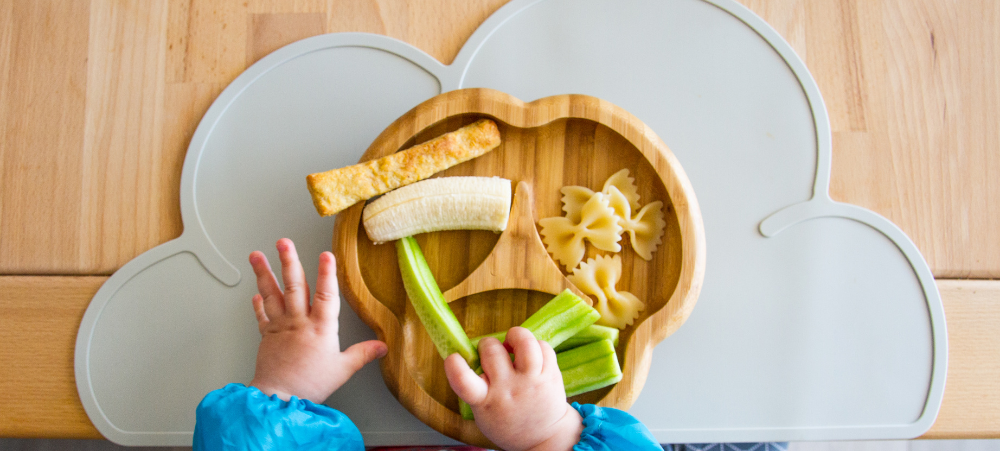
HOW TO MANAGE YOUR BABY’S PORTION CONTROL

Managing a baby’s portion control can be tricky, especially if you are a new parent. However, this can be made easy if you have the right equipment in your feeding arsenal! Take a look at why portion control is important for your child, and how to get it right with the perfect plate. Developing Healthy Habits Through Baby Portion Control From an early age, your child is picking up on how to interact with the world. Therefore, instilling a healthy relationship with food is vital for your baby. Portion control can help your child avoid: Diabetes Obesity Anorexia Bulimia  All of the above mentioned health problems can be linked to the practice of overeating – which is scary.  The Do’s And Don’ts Of Baby Portion Control Below are a number of suggested habits to get yourself into to strengthen your baby’s portion control: Do Allow Self Feeding: This will help your baby develop not only a good relationship with food, but also the ability to determine when he or she is satisfied. Do Try Various Flavours: This will allow you to suss out which are your little one’s favourites, and will allow your baby to widen their pallet. Do Make Use Of A Divide Plate: If you don’t know the first thing about baby portion size, get something to guide you along the way. Don’t Encourage Plate Completion: This is a grave mistake made by many parents. Encouraging your child to finish a whole plate of food may give them a poor relationship with food, as they are being forced to continue eating even once they are full. Rather ask them if they are satisfied and have had enough. If they say yes, trust them on this.  Don’t Use Food As A Rewards System: This will also deepen an unhealthy relationship with food. Rather than coaxing them into doing something with the promise of a sweetie, reward them in other ways.

Bonitas – innovation, life stages and quality care

NEW PARENTS AND YOUR BABY’S HEALTH

Becoming a parent is a joy but it can also be overwhelming and just a little daunting. There is no degree or diploma, you are simply propelled into it. It’s a steep learning curve. You instantly have a new life depending on you and, combined with sleep deprivation, the challenges of adjusting to being a parent and wanting to do the best for your child, you need all the help you can get.Becoming a parent is a joy but it can also be overwhelming and just a little daunting. There is no degree or diploma, you are simply propelled into it. It’s a steep learning curve. You instantly have a new life depending on you and, combined with sleep deprivation, the challenges of adjusting to being a parent and wanting to do the best for your child, you need all the help you can get.

Parenting Hub

How to help your adult kids to become financially independent

Many adult children in South Africa live with their parents, for both cultural and financial reasons. This can suit both parties for a time – but how do you encourage your grown-up kids to become self-sufficient when this is clearly needed? Are there ways to nudge them towards financial independence, both for their sake, and for yours? These are undoubtedly challenging times for young people. Many South Africans lack education, skills and basic means of support. Nearly two-thirds of young adults aged 15-24 years are unemployed, along with close to 43% of those aged 25-34 years. The pandemic and state of disaster have also affected those who were on the first rung of independence. Traditional students’ jobs such as waitering, bar-keeping and babysitting fell away, while young people already in the job market faced retrenchment. Home became a welcoming haven and helped many to cope. While keeping these difficulties in mind, how do you encourage your adult children to leave the family nest when the time comes? JustMoney.co.za gives some advice on how to put adult children on the path to financial independence. 1. Explain your motivation: Clarify that you are encouraging your kids to become self-sufficient because this will ultimately help them in life. You are doing so because you love and care for them. 2. Set a deadline: If your adult child has recently qualified, it helps to set a date for when you will no longer pay for their phone bill or provide a monthly allowance. This gives them time to prepare emotionally and practically and is preferable compared to abruptly cutting off their money supply. 3. Put their skills to work: If your child already has a skill, such as coding, they need to make an active effort to land a job, such as web development. They can build confidence and networks by contributing to open-source projects and joining hackathons, usually hosted by tech companies, to collaborate with other programmers over a short period on a project. 4. Teach budgeting: Involve your adult child in the household planning so that they are fully aware of what it costs to run a home. Young adults are often more technically adept than their parents. There are plenty of free budget calculators and other financial tools online. 5. Pass on basic savings and investment rules: Teach children about key concepts such as compounding, so that they understand how investment earnings are reinvested over time to generate more money. They can also create a mock investment account on an app. Read a JustMoney article about investing in unit trusts. 6. Cultivate positive values: Research shows that fostering an attitude of gratitude helps one to feel more positive and upbeat. Volunteering their time teaches children the benefits of helping other people, and reminds them of the many advantages they enjoy compared to those who are less fortunate. 7. Set goals: Encourage your children to think about their goals and what is important to them. What lifestyle do they aspire to and what practical steps do they need to take to get there? Discuss good role models and how these people have achieved their dreams.  Find out more about saving for a deposit on a car. 8. Prepare for your own retirement: Actions speak louder than words. Discuss your own hopes for the future and how you are preparing for when you are no longer working. Ensure that you have an up-to-date will. Learn how inflation impacts retirement savings. “A parent’s duty to support a child does not stop when they reach a particular age. They may be older than 18 years but still studying and gaining a qualification. A parent is obliged, for example, to pay maintenance until a child is self-sufficient, and we are all aware of the rising cost of living.” says Shafeeka Anthony, Marketing Manager of JustMoney. “Nonetheless, becoming financially independent brings greater confidence and autonomy for the adult child. It also enables the parents to prepare for when they can no longer work. It is never too early to start educating a child about money matters and, in due course, setting boundaries. While it’s acceptable to help adult children occasionally or on a short-term basis, the bank of mom and dad cannot remain open forever.”

Parenting Hub

ABOUT BABY & I MELROSE

The inspiration for our children’s clothing shop began when I started my 1st job at one of the major SA Retail Head office in the late 90’s. I have experience in the setting of specifications on the technical requirements of the production of garments. And my experience includes the development of innovative standards and methods of solving and managing quality related problems. I have gathered extensive experience in Garment Technology. I was also involved in the effective planning and efficient execution of standards development projects.  With such an experience in the clothing industry came the decision to venture into Retail.  The decision was inspired by an ambition to deliver high quality clothing at a reasonable price. I have a passion and enthusiasm for the baby industry and want to bring innovation in the sector.  In this space we only want to attract business partners (i.e manufactures, suppliers) with the same values, ethics, and will provide the best customer service to. Quality and comfort are paramount in decision making of what we want to offer to our customers. At Baby and I Melrose we want to create a shopping lifestyle to suit both parents and their little angels. We will focus on offering exceptional products with attention to detail and providing quality items. Our product selection and service excellence is motivated by passion to be the best and most valued choice for parents, babies, and toddlers when it comes to quality, price and service.     We will work hard and build a team that will take the brand to reach its milestones of opening more stores into other provinces. Customer satisfaction is what we are all about.  Our friendly staff is always at hand to help. They will find the perfect baby items for your needs. We will help guide you through all the product choices available, making sure you select the right products and brands for your lifestyle.  We want to stock the latest ranges across all departments namely children swear, essentials, travel systems and accessories, nursery furniture and accessories, toys, and gifts. We have launched our website for our customers to be able to shop from the comfort of their own home and for an exclusive shopping experience.   Our Vision  To lead in the children’s industry and strengthen brand recognitionTo be accessible to parents based on trust, quality, and innovation To build a strong and loyal consumer base  To maintain the highest customer service level standards   You can shop for the following with us: Travel system i.e. Pram, strollers & car seat.  Baby essentials i.e. shoes, clothes, baby food and nappies. Nursery décor, essentials and furniture. 

Wingu Academy

Problem Based Learning, why do we need this in schools today?

Researchers have been hypothesizing and theorizing about Problem Based Learning (PBL) for decades. It came to life in the mid 60s when a group of scientists and physicians all had a similarly negative view of their undergraduate degrees and felt they could find a better way to present it. They developed the notion that students will understand their work better if their learning is driven by open-ended problems that challenge their way of thinking. Today, universities across the world implement Problem Based Learning in their courses to encourage students to critically engage with their subject content. Few schools have, however, implemented this learning method and the question begs to be asked, why? With the shift in education from Teacher-centeredness to Learner-centeredness, today’s educational landscape is the ideal place to implement PBL.  What does Problem Based Learning entail? Problem Based Learning is a method of learning where learners are presented with an open-ended problem and they must acquire the knowledge and skills necessary to solve it. It is necessary for the learners to first identify what skills will be needed to solve the problem and thereafter they must learn and use these skills to solve it. They move through a set sequence of in-context problems by acquiring the necessary skills and knowledge. The learners are guided by their learning material and assisted by teachers throughout. They work in small groups and are constantly learning from each other. Group members teach each other, rather than a teacher teaching the content at the front of the class. Why implement Problem Based Learning in schools?  Since many universities have started implementing Problem Based Learning, it may seem unnecessary for schools to implement it as well. That is the exact reason why this method of learning should be more commonly implemented in schools: to prepare learners for their tertiary studies and careers. Learners already face a seemingly insurmountable task of adjusting to university life without having to struggle to adjust to new learning methods as well. Equipping learners with the skills needed to complete a university degree makes the likelihood of learners succeeding in these degrees much larger. Equipping learners with the skills they need to succeed in University and in their careers one day should be paramount to high schools across the world and it should precede content recitation.  Some of the skills acquired through the PBL approach include: Flexible knowledge base: Problem Based Learning teaches learners the subject content in a way that moves beyond merely learning the facts of the subject. They are required to integrate the knowledge gathered from different subjects as well as from their own experiences. They have to use these skills and build upon them to solve the problems they are faced with. These skills and knowledge are organized around the deep principles in a subject. Learners use previous knowledge to evaluate the problem they are faced with and build upon this knowledge when they attempt to solve it. This means that their knowledge is continuously restructured and adjusted. This knowledge is not centred around one single point of reference and this grants learners the chance to adapt and apply it to many different scenarios.  Problem-solving skills: In Problem Based Learning, learners are presented with a scenario and they must evaluate and formulate the problem by studying the facts of the scenario. This helps learners understand the problem better and they can start hypothesising possible solutions. Learners must then identify where they have gaps in their knowledge to solve the problem and acquire these skills through research. These reasoning strategies are fundamental in any problem-solving scenarios learners may be faced within their lives and studies ahead. It builds the meta-cognitive skills that allow learners to executively plan their problems and evaluate their progress and whether their goals have been met. Self-directed learning skills: Learners are forced to identify the gaps in their knowledge in Problem Based Learning. They must identify where they lack the skills necessary to solve the problem they are faced with and must then research these skills. They are required to evaluate and direct their learning themselves, with only the occasional guidance from their teacher. This wakes the natural curiosity in learners to find the answers and skills they are requiring. These self-directed learning skills become an intrinsic part of a learner’s studies and will stay with that learner through his/her life, motivating them to become life-long learners. The curiosity they learn through these problems motivates them to explore and this in turn intrinsically motivates them to learn. This is a crucial skill for the Fourth Industrial Revolution as the learners are internally motivated to discover and this is not a skill that can be replaced by a robot. They do not have to be instructed to study certain things, they will be motivated to do so on their own. Teamwork: To implement PBL effectively, learners must work in teams to solve the problems they are faced with. Learners must learn how to function as part of a team by establishing shared goals, resolving conflict situations, deciding on the actions the group should take and coming to an agreement on the plan of action. These are essential skills for any well-rounded learner that they must acquire for the innumerable tasks that they will have to complete through teamwork. By learning these skills early in life, they have a head start on many colleagues. Conclusion Problem Based Learning prepares learners for their future by equipping them with a flexible knowledge base, life-long learning skills, teamwork skills and self-directed learning skills. They will be able to adapt to life after school much better when they learn these skills early in life as universities and most careers require them to apply the skills every day. These skills are, furthermore, essential for the Fourth Industrial Revolution where artificial intelligence will replace the majority of tasks in the workforce. The intrinsic curiosity to learn will distinguish learners from the competition in the workplace one day, both human and artificial

Panado®

HAPPY TRAVELLING HACKS WITH PANADO® PAEDIATRIC SYRUP, PEPPERMINT 5 ML SACHETS

Even seasoned travellers may find car and plane trips with infants or toddlers daunting. How will you entertain your child while on the road? What if your child experiences earache or a fever during the plane flight? How can you ensure that your entire family arrives safely and in good spirits? Do not fear, fellow parents!  These suggestions for travelling with a baby or toddler will ensure that everyone has a pleasant experience. Headaches Regrettably, airplane travel may be a headache generator, especially for pint-sized passengers.  Airplane Headache (AH) is exclusively related to airplane travels, and although may occur at any time during a flight; there is a higher incidence during the take-off and landing phase.1  Motion Sickness Headaches arising due to motion sickness from riding in cars can also make your child miserable. Symptoms such as nausea, dizziness and headache are common to motion sickness.2 Encourage your child to look outside the window of the car rather than putting their head down and focusing on books, games or screens.  If your child is prone to motion sickness, don’t forget to pack recently launched and conveniently packaged, Panado® Paediatric Syrup, Peppermint 5 ml Sachets, for the symptomatic treatment of pain and fever for kids on the move.  Panado® Paediatric Syrup, Peppermint 5 ml Sachets contain paracetamol, which is included in the List of Essential Medicines for Children of the World Health Organization.3 Avoid Overdoing It Bear in mind that babies and toddlers lack the tolerance that you do for lengthy road trips. If your car trip will take several hours or days, break it up with pauses for playing, eating, and sleeping.  Plan Trips Around Your Child’s Sleep Time Your infant or toddler may slumber during your road trip if you’re fortunate! Some experts encourage driving at night when travelling with toddlers or infants. However, arriving in the middle of the night may rouse your children and disrupt their circadian patterns as well. Provide Lots (and Lots) Of Snacks Pack some nutritious travel snacks for children. Consider whole-grain cereals, fruit chunks, and cheese cubes. To ensure food safety, keep refrigerated items in a cooler bag. If your child is prone to choking, serve snacks and meals at a rest stop, park, or restaurant. Ensure That Your Child Is Properly Secured Make sure children are properly buckled in a car seat, booster seat, or seat belt – whichever is appropriate for their age, height, and weight.4a The Centre for Disease Control and Prevention says that data shows the correct use of a car seat reduces the risk for injuries in crashes by 71% – 82% for children, when compared with seat belt use alone, while booster seats reduce the risk for serious injury by 45% for children aged 4-8, when compared to seat belt use alone.4b  Other Panado® Products Suitable for Your Child  In addition to Panado® Paediatric Syrup, Peppermint 5 ml Sachet, Panado’s range for children include Panado® Paediatric Syrup, Strawberry (50 ml | 100 ml),5 Panado® Paediatric Syrup, Peppermint Alcohol and Sugar-Free (50 ml | 100 ml),6 and Panado® Infant Drops 20 ml.7 Make pain and fever care easy by shopping for Panado products from independent pharmacies and selected Clicks, Dis-Chem, and Pick ‘n Pay stores. For more information, visit https://panado.co.za/and join the conversations on Facebook. #Panado #ADoseOfCare 2022040110194118 References: 1. Headache Classification Committee of the International Headache Society (IHS) (2013) The International Classification of Headache Disorders, 3rd edition (beta version). Cephalalgia 33:629–808. [Cited 2022 March 29]; Available from https://thejournalofheadacheandpain.biomedcentral.com/articles/10.1186/s10194-016-0628-7 2. Cuomo-Granston A, Drummond PD. Migraine and motion sickness: what is the link? Prog Neurobiol. 2010 Aug;91(4):300-12. doi: 10.1016/j.pneurobio.2010.04.001. Epub 2010 Apr 21. PMID: 20416353. [Cited 2022 March 29]; Available from https://pubmed.ncbi.nlm.nih.gov/20416353/ 3. de Martino M, Chiarugi A. Recent Advances in Pediatric Use of Oral Paracetamol in Fever and Pain Management. Pain Ther. 2015;4(2):149-168. doi:10.1007/s40122-015-0040-z. [Cited 2022 March 29]; Available from https://www.ncbi.nlm.nih.gov/pmc/articles/PMC4676765/ 4a,b. Centers for Disease Control and Prevention, National Center for Injury Prevention and Control.  [Cited 2022 March 29]; Available from https://www.cdc.gov/injury/features/child-passenger-safety/index.html 5. Panado® Paediatric Strawberry Approved package insert March 2002. 6. Panado® Paediatric Syrup Alcohol and Sugar-Free & Panado® Paediatric Syrup package insert. April 2010. 7. Panado® Infant Drops (Drops) approved professional information, August 1990.

Pampers South Africa

Grace Matlhape’s SmartStart partners with Pampers to keep children learning

Access to early childhood learning has a lasting positive impact on educational and life outcomes for children With more than 1 million preschool children from disadvantaged communities in South Africa not having access to quality early childhood learning opportunities, Pampers has committed to supporting access to early learning through its partnership with SmartStart, following its recent R1million donation.  “With our focus on children from disadvantaged homes, SmartStart, with the support of partners such as Pampers, aims to address inequality in education from an early age,” said SmartStart’s CEO, Grace Matlhape. Research has shown that the brain grows most rapidly during the first five years of childhood, together with other significant developmental changes. As a result, learning capabilities are primarily formed during these years, which are critical in laying the foundation for a child’s future. Like so many moms in South Africa, Mpho Zwane is currently an unemployed single mother, struggling to raise her three-year-old daughter, Mpilo, while job hunting and facing economic and social challenges. Being able to provide a good early-childhood education for her child with the help of a Pampers scholarship, means her child can have access to life-changing opportunities.  “At a SmartStart centre, Mpilo is learning skills that are preparing her for future success at school,” said Mpho. “I’ve seen Mpilo develop so quickly since attending the lessons. She is curious and bubbly! At three-years-old she is already counting to 10, says her prayers confidently and knows the different colours. Not only is she learning, but she is in a safe and secure environment too and enjoys making new friends. There is not much support structurally for single mothers, so this Pampers scholarship has really been a godsend to us.” 40% of South African moms are single moms. The extent of the stringent lockdowns hit women badly as they saw an increase in roles and an extra burden of family care, but they fell disproportionately on single mothers, many of whom were already facing hidden challenges – such as unemployment or job stress. The South African Depression and Anxiety Group (SADAG), said parental stress and anxiety increased during the lockdown. The call volume of people seeking help doubled during the lockdown with up to 1 400 calls a day. About 85% of these calls came from women – single mothers making up the majority. This very real stress and unequal share of childcare responsibilities was a crisis that affected almost half of the moms in South Africa is coupled with social stigma and discrimination that only increases the anxiety. Pampers believed that they must play a strong role in alleviating this parental stress and champion the healthy and happy development of South African children through early learning initiatives that support both child and mother. “We are presented with a unique opportunity to come alongside parents to support the holistic development of children by creating greater access to the critical development resources they need to have a brighter future,” said Rajat Gupta, Pampers Senior Marketing Director. Statistics South Africa General Household Survey for 2019 revealed that the proportion of children up to four years old attending an early childhood development programme declined between 2018 and 2019 from 43.9% to 40.7%. Having supported some 5500 playgroups and disadvantaged communities in South Africa since it started in 2015, SmartStart has some skin in the game when it comes to championing childhood learning. The organisation has enabled more than 120 000 preschool children to enjoy the benefits of high-quality early learning programmes, which they would otherwise not have had access to. In addition, it has provided opportunities to unemployed women and men across the country. “Recognising this decline and the lack of access to ECDs, particularly among the poorest, expanding the availability of quality early learning is part of the South African Government’s National Development Plan Vision 2030. We, along with our partners, are keen and proud to be able to support the government in achieving this,” said Grace. SmartStart playgroups and ECD centres follow a structured programme based on South Africa’s National Early Learning Standards (NELDS), and take a holistic approach to child development, covering emotional, social, cognitive, physical and language skills. Emphasis is also placed on partnering with parents and caregivers, providing guidance and the resources, for example reading material, for them to continue their child’s learning experience at home. “We believe in providing a nurturing environment and playful learning opportunities to provide our pre-schoolers, not only with the skills, but also with the enthusiasm, for lifelong learning,” Grace concluded.

Parenting Hub

Positive Encouragement and Engagement for Your Baby

Being a parent is doing the most important job in the world – raising a human being. A life is entrusted to parents and it is expected that they raise a healthy, well-rounded adult. This is no small task! How can we make sure that our precious baby will grow up to be a successful, confident adult? Positive encouragement and engagement are two very important tools that should be in every parenting toolkit. What does positive encouragement entail? The sense of hearing is the most important source of input in your baby’s development. Therefore, whatever parents say to their baby will have a profound impact on their little one. There is a saying that the way we talk to our children becomes their inner voice. Babies already know their parents’ voices while in the womb and from a very young age babies want to please their parents. Research shows that already before birth, we can positively shape our baby’s emotional development by speaking loving and nurturing words to our unborn. Even saying something like: “I hope it is a girl” can make an unborn baby boy feel very unwanted and vice versa. Parents are ultimately responsible for the development of their baby’s sense of self-worth. How do I build my baby’s sense of self-worth? This is where positive encouragement is key. I am talking of going beyond parenting where you respond immediately to your baby’s needs, Responsive parenting is the basis of feelings of love and self-worth in your baby and the pattern of responding on cue hundreds of times, makes your baby feel valued. I have often mentioned the importance of repetition for forming networks in your baby’s brain. A pattern of responsive parenting will store mental images in baby’s brain of what to expect in a certain situation. But… and here is the big BUT, tending to baby’s needs on cue is not enough! Every responsive action needs positive verbal encouragement to build the emotional bond and to develop baby’s EQ. Actions without words to sooth and comfort, to encourage and praise, are like bricks stacked on top of each other without cement. Talk to baby in a loving positive way using every opportunity and situation. Skin-to-skin touching, singing and whispering comforting words are essential for baby. Encourage baby to try something new. Praise baby for every effort and little miracle he masters, A baby who receives encouragement and praise feels loved, appreciated and valuable. These feelings are established and integrated into your baby’s sense of self and your baby is able to draw on these feelings of “I am a worthy, valuable person” in times of challenge, your baby is able to and will always want to apply that which he has learned during his early life, to relationships and situations. Make sure it is positive! Allow your baby to express all emotions – even anger.  Babies usually seem angry when they are frustrated, which is caused by something that is upsetting them. Babies cannot verbalise that which is upsetting them and this leads to frustration and perceived anger.  If this frustration is met with a negative response from a parent, such as frowning, scolding, shushing or ignoring, a baby may suppress the feeling of anger in order to please the parents. If this happens often, the suppressed feelings may later manifest in some other negative way, it can even make your child physically ill. Always use positive words, such as: “It’s OK, my baby.  Mommy/Daddy is here.” Try to avoid “no” as much as possible and replace it with a positive statement. How do I engage with my baby? It is very important that both parents engage with baby. Everything listed below can be done by both Mom and Dad. Talk lovingly or sing to baby in all situations and at every opportunity Read to baby and dramatise all the voices and sounds of the characters Play games with baby, such as peek-a-boo Use puppets and put on a show for baby with different voices and songs Babble with baby and mimic baby’s cooing and gurgles Laugh and giggle with and tickle baby Hold baby skin-to-skin while singing a lullaby Take baby’s hands and encourage baby to explore your face, telling baby what he is touching Encourage baby to do things over and over. Remember, repetition builds networks Explore everyday situations like eating and bath time, by talking about what is happening and make it fun Encourage baby to explore situations and objects and create similar situations or give baby similar objects if baby is very interested in something. You are nurturing a natural interest which may lead to a passion, e.g.: If baby loves to finger paint provide opportunities to do this. Add sponges and brushes as baby gets older Encourage baby to try to do something by himself. As parents we have a natural inclination to help, but encouraging baby to do it all by himself, gives baby a sense of achievement and teaches baby problem-solving, like fitting a puzzle piece into its slot. This builds self-confidence Praise baby when he has put in effort, not only when he has succeeded. This will teach baby that trying is important and not to give up The first 1000 days are the most important in a child’s development. Make it count. Get down to your baby’s level and really engage with your baby. It is so worth it!

Cambrilearn Online School

Future-Proof Education

As adults we often find ourselves asking children, “what do you want to be when you grow up?”. We are usually quite pleased to hear answers like “a vet, a doctor or a teacher”. Years of conditioning and upbringing have led us to believe that these careers are aspirational and that our kids will be “successful” if they finish school, get a degree and work in a respected profession.  What we sometimes forget is that the job landscape in 10 years’ time is going to look quite different to the one that we are used to. As new industries emerge and existing industries start to dwindle there is an entire new pool of occupations that our kids can explore.  In this article, we will take a detailed look at the job landscape of the future in an attempt to understand how parents can better prepare their children for a technology-driven career.  Back to the future From self-driving public transport to customer service chatbots, the world as we know it is developing at a rapid pace. Robots, artificial intelligence and other technologies are poised to radically change the future of work and improve our lives through automation. Staying abreast of these technologies will be of great value for future employability.  A 2017 McKinsey & Company report estimates that AI and robotics could eliminate about 30 percent of the world’s workforce by 2030. The truth is whilst technology could displace 75 million jobs, it will also create 133 million new ones. According to a Dell Technologies report, 85% of the jobs that will exist in 2030 haven’t been invented yet.  It is worth noting that occupations have been coming and going for centuries. We no longer have milkmen or switchboard operators. Around 85% of the job roles from 1900 were obsolete by the year 2000, and the number one cause for these jobs becoming obsolete is technology.  The jobs of the future Let’s take a look at some of the popular jobs of today that didn’t exist 20 years ago. From Digital Marketing Managers to Social Media Content Creators and App Developers, these have fast become highly sort after and well-respected professions, and we can assume that new professions will continue to emerge as society continues to evolve and advance.  Many respected professions will continue to exist but they will morph into new versions of the roles as we know them. For example, we will always need doctors, but instead of these physicians spending days, weeks or months running tests in an attempt to accurately diagnose a patient, a supercomputer can process patient data and provide a diagnosis in seconds.  When it comes to prescribing medications, doctors won’t need to stay abreast of new drugs and advances in medicine, instead, AI will cross-check a patient’s medical records with a pharmaceutical database to come up with a personalised treatment plan.  Preparing your child for an unpredictable future The key to future success is ensuring that our children are equipped with the innovative skills necessary to navigate a disruptive job space. Understanding that the world is constantly changing, evolving and innovating will help our children become adaptable to the unpredictable industries of the future.  More than ever, parents need to be thinking about how and what their kids are being taught and whether schools are adequately preparing children for the future. Schools systems and curricula are very often outdated and the subject matter and course content are no longer relevant.  Robotics, Coding and Artificial Intelligence Courses Courses like Robotics, Coding and Artificial Intelligence are fundamental to a child’s education. Not only do these courses teach children technological foundations and principles, they also teach children important problem-solving skills in a more meaningful and interactive way. CambriLearn offers a range of supplementary learning courses designed to complement a traditional education to provide a child with the necessary skills to better understand these key learning areas.  The benefits of enrolling a child in a Robotics, Coding or Artificial Intelligence course include: Improved creativity and problem-solving abilities: Robotics and Coding promote an environment for children to think freely and creatively. Whilst brainstorming programming concepts children will be faced with obstacles in their creation process that will encourage them to come up with solutions to overcome these challenges. Robotics and coding teach children to work through complex problems, to see things analytically and improve problem-solving abilities. Technological career development: The demand for STEM-related jobs will remain strong in the future. Programmers are required in almost every field and coding is a valuable skill set to introduce children to a digital career pathway. Being computer literate is now mandatory in many job roles and it has become a necessity for children to learn essential computer skills. Science and math concepts: Coding takes a different approach to teaching children science and math concepts that would otherwise be difficult for them to understand. These concepts give children practical examples of lessons that were previously learnt from a textbook and help promote a more hands-on learning environment. Promotes a love of learning: Children learn better when they have an active interest in the subject matter. Coding is FUN and therefore assists in promoting an environment where children want to learn. This helps destigmatise science and math education concepts. Coding isn’t only about the app, software, robot or digital solutions, coding is a multidisciplinary field where students will gain knowledge and tools that go way beyond the pure line of code. Enrolling your child in a robotics or coding course teaches them to become more comfortable and confident in a field of technology. This helps promote critical thinking skills, boosts self-confidence and sets them up to explore a career in technology Social and emotional skills Building a robot is a complex task that takes patience and courage. Coding provides an ideal environment for a child to work through complex puzzles and teaches them how to handle making mistakes. In Coding, mistakes are welcomed as they usually reveal crucial information that is needed to

The Bridge Assisted Learning School

The impact of poorly developed visual perception skills on reading and learning

Many educators would agree that there is a close connection between vision and learning.  Much of what a child learns is through the visual system, as this is our most influential sense. If we consider that reading and writing, along with using computers and problem solving are all visual tasks that children perform daily, one could agree that much learning takes place through our eyes. Coupled with letter recognition and retention and handwriting, it becomes clear how a poorly developed vision system can impact on what and how a child learns.  Visual processing issues present with life-long challenges; however, it is not considered a “learning disability”.  It not only affects what a child learns, but also the capability to execute commonplace tasks such as sorting a variety of objects or playing a soccer game.  This may lead to socialisation problems or frustration and withdrawal.   Most children are very excited about learning to read.  Visual processing is one of the most important cognitive skills and it includes the ability to discriminate between foreground and background, position in space and size, shape and colour.  Children who have visual processing issues find it difficult to see the difference between letters.  These letters may also appear in the wrong sequence.  Research has found that between 2 and 20 percent of U.S. school going children have some type of reading disorder.  This has been linked to an immature visual system.  When a child is learning to read letters, numbers and words, these are seen through the eyes, but processed through the brain.  So, the visual system does not only refer to the eyes, but includes the brain too.   The vestibular system, which is like an internal GPS system, works hand-in-hand with the visual system.  If the vestibular system is underdeveloped, letters and numbers may appear to dance around on the page or even appear backwards.  This may hamper reading progress and may, initially, be interpreted as a ‘reading problem’. It could also be confused with an eye sight problem, yet the child has perfect 20/20 vision.  The real problem is one of visual processing.  In order to support information recall and retention, visual processing needs to be strengthened.  This would be done by including movement into a child’s daily routine.  Movement builds eye-hand co-ordination, core muscles and gross motor, which in turn supports the vestibular system.  This in turn strengthens their visual memory and visual motor skills. Because a child uses visual processing daily for reading, writing and mathematics, experiencing difficulties may result in poor attention in class or a lack of self-confidence. So what can we as teachers and parents do to help children who have a poorly developed visual system?  Torch Tag can be played at home just before bedtime.  In the dark bedroom, shine a torch light on the wall, moving in haphazard patterns.  The child must follow this pattern, using their own torch.  This activity is fun and will strengthen eye tracking as well as visual motor skills.  Swing Toss is a game played while the child is swinging.  While holding a hula hoop, stand in front of the child a short distance away.  As the child is swinging, they throw a fluffy toy, bean bag or such like toy into the hoop. This will boost balance, core strength, sensory integration and visual motor skills. By Michelle Rowland (Grade 1 Teacher at The Bridge Assisted Learning School in Lonehill)

Cambrilearn Online School

Which learning environment best suits your child?

A child’s learning environment has a direct and lasting impact on the way in which they absorb and retain information. Children learn better when they want to learn… when they have an active interest in the subject matter and when they are self-motivated.  Parents need to consider which learning environment best suits their child’s unique needs in order to harness their love for learning. This liberates them to pursue their own interests and teaches them how to manage themselves throughout their education journey.  We have created this short online quiz to help parents and guardians better understand the different learning environments and to try to shed some light on which environment is better suited to your unique needs.  Knowledge Retention One of the most important factors to consider when deciding on your child’s learning environment is, how does your child best absorb and retain information? And, if they struggle with a particular topic, what is the best way to guide them through these difficulties? Is the child more susceptible to learning in a large classroom environment or are they better able to comprehend difficult topics through one-on-one tutoring and interactive online resources?  Socialisation Many parents opt to send their children to a traditional school as they fear homeschooling may lead them to miss out on key peer interaction. In this instance, parents should consider what kind of social interaction is most valuable to their child. Does your child thrive in a large group setting with children of the same age or are they better suited to a smaller class environment with students of all ages? Whilst traditional schooling does offer great benefits to socialisation, many homeschooling parents feel that the freedom and flexibility of a homeschooling schedule allows their children more time to pursue their passions and extramural activities where they can socialise with children with similar interests.  Key motivators Another important factor to consider is what are your child’s key motivators? Do they thrive in a nurturing one-on-one environment or are they motivated through praise and recognition. The best approach to education is one that teaches a child to be self-motivated through goal setting and goal smashing. By achieving clearly defined objectives, children learn to love the feeling of accomplishment rather than to wait for someone to give them a pat on the back.  Flexible schedules Whilst the Covid-19 pandemic flung us into lounge-wear and at-home working environments, it also opened our eyes to the possibilities of interacting and learning through online resources. Online learning and homeschooling allow families the freedom to structure their schedules according to their unique needs. For families who want to travel or for children who excel in a particular sport or cultural activity, homeschooling provides the ability to structure your day around your unique needs with the opportunity to learn from anywhere in the world.  The different types of learning environments The three main learning environments to consider are; traditional schooling, hybrid learning and homeschooling or online schooling.  Traditional Schooling The traditional schooling environment has been around for centuries and it is the most common schooling environment. Many parents opt to send their child to a traditional school for the mere fact that this is how everyone else does it. A traditional schooling environment involves sending your child to a brick and mortar school where they will be placed in a classroom environment with allocated teachers. In this environment students generally follow a structured lesson timetable and work through the course content according to the planned schedule and school calendar.  A traditional schooling environment is great for students who learn best in a large group setting. In this environment, children are motivated through the recognition of awards and badges. This learning environment is best suited for families who prefer a more disciplined and structured approach to their studies and schedule and who would prefer their child to socialise with peers of the same age group in a traditional classroom environment. Homeschooling or Online Learning Homeschooling or online learning involves educating a child at home, usually through the assistance of an online learning platform, like CambriLearn. In this environment, parents are usually responsible for ensuring the child completes the necessary coursework. Students have teachers, virtual live lessons and an on-demand lesson library. This approach to learning has become a popular alternative for parents who are looking for a more flexible and self-paced education solution.  The onset of the Covid-19 pandemic saw many families in a homeschooling/online learning environment. Whilst pandemic parenting and online learning isn’t necessarily a true reflection of what homeschooling entails, many parents have seen firsthand the benefits of allowing their children the freedom to navigate their coursework at their own pace through the use of online resources.  A homeschooling or online learning environment is great for students who learn best through online resources that they can work through at their own pace. This environment is best suited for families who want to follow a flexible schedule. Homeschooled students generally have more time to pursue their passions and are able to socialise through planned events and extra-curriculum activities like soccer and horse riding. Students who are homeschooled tend to be self-motivated through goal setting and achievement.  Hybrid Learning Hybrid learning involves making use of a tutor or educator to assist in guiding a child’s education, usually with the assistance of an online learning platform. In this instance, students enrol with a particular online learning provider whilst also being able to get one-on-one assistance on their coursework through a tutor. When making use of a local tutor, students are able to gather for in-person support or meet up with other students for events and extramural activities. Hybrid learning combines the freedom and flexibility of online learning with the support and social interactions of studying alongside a group of peers.  A hybrid learning environment is best suited to children who like to get on with their work independently whilst asking for help from a dedicated tutor when required. Students who study through a tutor

Cambrilearn Online School

Social and Emotional Development

The term ‘Social and Emotional Development’ has become a hot parenting topic over the last few years… and quite rightly so! Since the onset of the worldwide COVID-19 pandemic, we have become more attuned to the emotional well-being of not only ourselves but also, and more importantly so, the emotional well-being of our children. If there is one thing that we can thank the pandemic for, it is being more aware of the need to provide our children, and ourselves, with an increased focus on social and emotional development, self-care, listening with empathy, being empathetic to those around us and having perspective. What is social and emotional development? Social and emotional development is a broad umbrella term that encompasses many facets of our general well-being and development areas such as: peer pressure,  how children form friendships and relationships and how they maintain them,  how we interact with one another,  how we express and show emotions. Children growing up today are bombarded with so many messages, some of them conflicting, on how one should behave, speak or dress. Children are exposed to so much information that it is often difficult for them to manage the big emotions and behaviours that accompany society’s expectations. Social and emotional learning at home Social and emotional development starts in the home, where a child’s first and most important role models, their parents, are modelling the behaviours that they want to see in their children. In the home environment, parents should focus on teaching their children sharing, caring, affection and nurture. Children should be encouraged to say how they feel, be respectful, listen for understanding and empathy, caring not only for themselves but for the world around us.  Young children look to their family members as role models. How we speak, how we interact, how we support and listen to our children has an incredible impact on their development, particularly in the key stages of early childhood development (ECD). Underpinning this is helping our children to eventually become independent, solution-driven, thinking adolescents and adults.  Social and emotional development is providing children with a safe, non-confrontational space to express their emotions and unpack the overwhelming feelings they are trying to process. To gently guide and provide opportunities for them to develop positive behaviour and a positive image of themselves so that they grow into well-adjusted, socially conscious human beings. EQ vs. IQ You may have heard the saying, ‘EQ is equally as important as IQ’, if not more so. An unhappy child will struggle to learn. So it is equally as important to attend to the emotional well-being of a learner, as to their academic needs. Social-emotional learning should be integrated into every subject area as it is an integral part of us as human beings – developing self-awareness, self-control and interpersonal skills that are not only important for learning but also vital to succeed as adults in a workplace environment.  Online social emotional learning course CambriLearn offers an in-depth social emotional learning course to help children navigate these key developmental areas. The course is completed online through interactive lessons and group projects to help learners discover constructive ways to process their emotions and interact with others in a respectful way.  In this course, students learn to:  Recognise and practice character strengths, like curiosity, persistence, and collaboration. Understand and manage their emotions, like fear and anger. Work in a team, listen and appreciate each other. Understand the consequences of their actions to others.  Students who have completed the social emotional learning course with CambriLearn have shown improved:  self-esteem and self-awareness attitude and relationships ability to cope with social and peer pressures learning outcomes 16 Habits of Mind The 16 Habits of Mind, originally developed by Art Costa and Bena Kallick, are “thinking dispositions that are committed to growing individuals who are more thoughtful, responsive, and innovative”. These 16 habits encourage students (and adults!) to have a positive growth mindset; to be persistent when faced with challenges; to respond with wonderment and awe to the world around them. When this framework is applied consistently and children are provided with opportunities to link the 16 habits to their everyday life, the habits will soon become second nature. These 16 habits or thinking dispositions essentially, lay the foundation for all social, emotional and cognitive behaviour. Developing social-emotional skills is a crucial task that every person will face at some point in their life. By focusing on these skills as early as possible and systematically continuing learning through the school years, we provide our children with a critical toolset to navigate life successfully, happily, and healthily. 

The Bridge Assisted Learning School

Dissecting Dyspraxia

Dyspraxia is a disability that is believed to affect 2 – 10% of the population.  This disability can be defined as “a development disability of organisation of movement.  It is caused by an immaturity of the brain resulting in messages not being properly transmitted to the body.” [1] In laymen’s terms, dyspraxia affects motor planning.  Before looking further at how this happens, let’s first look at what motor planning is. ‘Motor planning is the ability to conceive, plan and carry out a skilled, non-habitual motor act in the correct sequence from beginning to end…. The child with motor planning difficulties may be slow in carrying out verbal instructions and often appears clumsy in new tasks.” [2]   For motor planning to be effective, all sensory systems of the body need to be working correctly.  With dyspraxia, the messages that are being sent from the brain are not being reliably transmitted to the rest of the body.  Dyspraxia does not change intelligence, but it does change how the child learns. Children with dyspraxia are seen to be clumsy, accident prone and extremely messy.  They will take time and repetition to master a new skill.  Dyspraxia can hinder thought processes and these children will often experience difficulty with planning and personal organisation.  Time management concerns arise, as well as difficulties in memory, perception and processing. Some other issues that arise are poor co-ordination, immature speech, poor attention and social and emotional difficulties.  Self-belief and confidence are affected, and the child often experiences anxiety and stress.   In order to help a child with dyspraxia, it is imperative that the teacher, school and parents work together in order to best facilitate the child to reach his or her full potential.  Regular meetings must be held between teacher and parents in order to ensure that the child is receiving all the support needed and achieving the goals that he / she is capable of. As a teacher and in order to obtain optimal performance, it is imperative that the child’s confidence is developed.  Always motivate the child and focus on what they can do.  Goals must be within the child’s reach.   The following steps can be taken in order to further benefit the child: Verbal instructions are to be given slowly and are to be kept short and simple.  Ideally, only one instruction should be given at a time. Minimalise distractions for the child. The child should be placed close to the front of the class. When setting work, this child requires work of a shorter length, that he / she will be able to complete in the allocated time, thus feeling the success of completing a task.  This can be done by creating worksheets for the child which require minimal handwriting (e.g. fill in the missing word) Work that needs to be written can be printed out for the learner beforehand, giving the child time to focus on the actual work, rather than the pressure of copying it down. In order to help with handwriting, it is suggested that the child is given books with larger lines to accommodate for writing, as well as larger quad paper, to facilitate in mathematics. During examinations, this child will require certain concessions, such as additional time, rest periods, a reader and perhaps amanuensis. Homework can be scribed by parents in order to take pressure off of the child. The optimal learning environment for a child with dyspraxia would be a one on one learning environment, but with the correct support and intervention, will thrive in a small, nurturing environment where he / she can reach his / her potential, as well as helping him / her with social skills and development. By Linda Langefeld, Grade 4 Teacher at The Bridge Assisted Learning School 

Cambrilearn Online School

From “below average” to CEO

Meet Claudia Swartzberg, co-founder and CEO of CambriLearn and Top Dog Education. We sat down with Claudia to hear about how she went from “a below average” learner in primary school to graduating top of her class with a degree in actuarial science. Not every child fits the mould of traditional schooling, and Claudia explains why… Traditional schooling looks at achievement in terms of test scores, in a very limited number of academic areas. The problem with this approach is it doesn’t take into account problem-solving ability, motivation levels, perception or social intelligence.  A child who couldn’t cut straight When I was five years old, the school that I was at didn’t want to progress me to grade one because I couldn’t cut straight. Coming from a family of rocket scientists, my father wouldn’t hear any of it and put me straight into grade one – despite the advice of my teachers. I wasn’t a great performer in primary school and this led me to become very anxious. I began doubting my academic abilities and started to dislike school.  My father recognised this and started to spend his evenings taking me through my coursework, creating practice material in a way that felt relevant to me. Soon my grades began to pick up and that feeling of success became addictive. My goals grew not only to wanting to perform but wanting to be the best. I had a new sense of confidence and purpose. In high school, I graduated top of my class I went on to study actuarial science specialising in data science.  Breaking the mould of average One of the first things we teach people in stats is how to eliminate the outliers so that we can find the average. This is fantastic if I’m trying to find out the average amount of sugar a person consumes, but when I am looking at a child’s true potential then this approach falls short. If I asked the question, how fast can a child learn to read in a classroom? Scientists would change this question to how fast does the average child learn to read in a classroom?  If we study what’s merely average, we are going to remain merely average. So instead of trying to fit all students into the mould of average, at CambriLearn, we try to deeply understand what makes each student perform and we nurture that.  In a typical classroom environment, with a 1:25 teacher to learner ratio, a teacher isn’t able to tailor-make each lesson to suit each individual child. Most teachers will pitch the coursework to the average student. This approach can lead to many children feeling left behind as they struggle to keep up with the coursework. It can also lead to many students feeling bored and disinterested as they may comprehend the lesson quickly and feel frustrated at the pace of average.  At CambriLearn, we provide an intelligent learning system that makes it possible for an educator or parent to teach individuals and not classes. This approach not only moves students above average but moves the entire average up.  It’s about perspective It is not reality that shapes learning, but the lens through which your brain views information that shapes your reality. In other words, it’s about perspective. We optimise a child’s perspective by promoting social and emotional intelligence in every class that we teach.  Most people think that the more gifted you are academically, the more successful you’ll be in life. Studies have shown that only 25% of your success is determined by IQ, whereas 75% of your success is determined by your perception, your optimism levels, your social support and your ability to see stress as a challenge rather than as a threat. This is why we put a lot of focus on social and emotional intelligence.  The absence of failing is not success If your child is getting good grades, it’s not a guarantee they will be successful. If they have the right perception, not only will their performance improve, but they will harness an essential lifelong tool – resilience. At CambriLearn, we focus on driving positive perception, self-regulation, and confidence in our students.  I often hear from parents, “I’m sending my kids to the best schools in the country with the best teachers, how can they still not be doing well emotionally or academically?” Embedded in that question is the key to understanding the science of learning. What the question assumes is that our external learning environment is predictive of our academic success. When in reality 15% of your long term academic success is determined by your external environment. 85% is determined by the way your brain processes information.  According to the World Economic Forum, some of the skills a child needs in order to be successful in the future include; judgement and decision making, active learning, evaluation, deductive reasoning and complex problem-solving. The fear of isolation The number one concern that we hear from parents who wish to move away from a physical school is the fear of less social interaction. They worry that their child will be at home all day with no outdoor activities or group interaction. What they struggle to realise is that our students actually have more time and energy to participate in a schedule that is flexible and more effective.  We have top athletes studying with us and the very reason why they study with CambriLearn is so that they can optimise their day. Also, not one of our sports stars did sports at school as the schools were simply not specialised enough and they needed more specialised training and support.   Another contributing factor to success is your network and your support system. Our students form part of a powerful global network, they are able to connect and interact with students from across the world through our online forums or through face to face interactions at one of the planned events. CambriLearn has students in over 50 countries and almost all

Sidebar Image

Scroll to Top