


Advice from the experts
School of Rock Parktown North

Unlock Your Child’s Potential Through Music: Why School of Rock Parktown North Is More Than Just Lessons

While traditional lessons have their place, they’re not always the most engaging or inspiring, especially for kids. At School of Rock Parktown North Parktown North, we do things differently. Our unique, performance-based approach teaches children to play instruments by putting them in a real band, playing real music, and performing live on stage. It’s exciting, empowering, and packed with lifelong benefits, both musical and personal. If you’re looking for an activity that builds confidence, inspires creativity, and helps your child thrive, read on to see how School of Rock Parktown North Parktown North can change their tune. Music Lessons Reimagined At School of Rock Parktown North, we believe that kids learn best when they’re having fun, and nothing’s more fun than being in a band. Instead of only learning in isolation, our students take part in weekly individual lessons and band rehearsals, where they learn to play alongside others and prepare for a live rock concert. This hands-on, high-energy approach keeps students motivated and helps them progress faster than traditional methods. Learning becomes purposeful, social, and something they truly look forward to. Whether your child wants to play guitar, bass, drums, keyboards or sing, they’ll be part of a supportive, exciting environment that builds confidence. Why Performance Makes All the Difference We place a strong emphasis on live performance because it brings out the best in young musicians. When children know they’re working toward a real show, they become more engaged, disciplined, and excited to practise. But the benefits go far beyond musical skill: For many children, that moment on stage is life-changing. Experienced Musicians Who Inspire Our teachers are working musicians with real-world experience. From gigging and recording to touring, they bring music to life in a way that resonates with students. Importantly, they’re also trained in School of Rock Parktown North’s teaching approach, making them excellent mentors who know how to connect with children and keep them engaged. They meet each student where they are, tailoring lessons to individual interests and learning styles. A Curriculum That Strikes the Right Chord We follow a structured yet flexible curriculum that teaches kids the foundations of music, technique, theory, rhythm, and more, through the lens of songs they love. Whether your child is into classic rock, pop, punk, or indie, they’ll be learning music that excites and challenges them. This balance of structure and creative freedom helps children develop a solid musical base while exploring their individuality. More Than Just Music At its core, School of Rock Parktown North is about helping young people grow, not just as musicians, but as confident, capable individuals. Parents often tell us about the transformation they see: Music is an incredible outlet for self-expression, emotional regulation, and social connection. And when it’s taught in an environment that’s fun, dynamic, and nurturing, the results are powerful. For Kids of All Ages and Abilities One of the best things about School of Rock Parktown North is that it’s inclusive. Whether your child is just picking up an instrument for the first time or has been playing for years, there’s a place for them here. We welcome children of all skill levels and help them grow at their own pace, in a setting that values effort, creativity, and collaboration. It’s not about being the best, it’s about enjoying the journey and learning to shine in your own way. What Parents Are Saying “Our son found his confidence at School of Rock Parktown North. He used to be nervous in front of people, now he’s the one volunteering to play solos!”– Jess, Parktown North mum “It’s the highlight of the week for both our kids. They’ve learned so much musically, but more than that, they’ve found their tribe.”– Thabo, father of two Ready to Rock? At School of Rock Parktown North Parktown North, we do more than teach music, we help children find their voice, build self-belief, and experience the joy of creative expression. From the very first lesson to their moment on stage, we’re with them every step of the way. If you’re looking for an enriching activity that nurtures your child’s growth while being fun, engaging, and totally unforgettable, this is it. Book a Free Trial  WhatsApp: 074 322 2000 Email: [email protected] Website: www.schoolofrock.com
St Teresa's School

Boredom: The Secret Ingredient to Raising Resilient, Innovative Thinkers

Lessons from a mother, educator, and principal of St Teresa’s Junior Primary School on the quiet power of unstructured afternoons, cardboard castles, and the early roots of entrepreneurial thinking. In a world filled with instant entertainment, glowing screens, and tightly packed schedules, the idea of letting a child be “bored” might sound strange, or perhaps even unkind, to many parents. However, boredom is not something to be feared. In fact, it might just be one of the greatest gifts we can give our children. As a mother of four and the principal of St Teresa’s Junior Primary School, I’ve seen the power of boredom in action in both my own home and in our school environment. When my children were younger, our afternoons weren’t scheduled with endless activities, extra lessons, or screen time. They were filled with cardboard boxes, paper scraps, masking tape, crayons, and other ‘junk’ items. The crafts created were not Pinterest-worthy masterpieces, but rather messy, genuine, and joyful expressions of creativity. My children spent a great deal of time outdoors – they were blessed with a garden and Johannesburg’s beautiful weather. Sticks, stones, mud, water and various other natural elements were readily available for their imaginative play.  My house was often filled with blankets, cushions, and sheets that were constantly being turned into tents, castles, and pirate ships. There was noise and a touch of chaos, but also concentration, collaboration, and innovation. Those hours of unstructured time contributed to the confident, resourceful adults my children have become. Three of my children are now working, finding success and fulfilment in their various fields: medical, financial, and engineering. My youngest is at university, studying engineering. He is what we affectionately call a ‘laat-lammetjie’. Due to the age gap and my own demanding work schedule, he has spent many hours entertaining himself. I smile when I see how easily he generates ideas, tackles new challenges, and sees opportunity where others might see boredom. In fact, in his first year at university, he’s already launched one small business and is working on a second. That kind of entrepreneurial drive doesn’t come from being spoon-fed entertainment; instead, it comes from having time and space to explore, experiment, and fail. From boredom came creativity. From creativity came confidence. From confidence came a young entrepreneur. When children are bored, their minds are given the space to wander, wonder, imagine, and create. It is in these moments that creativity and innovation begin to bloom. A cardboard box becomes a spaceship. A stick transforms into a wizard’s wand. A blank page turns into a comic book, a board game, or an invention. Boredom encourages children to solve problems, generate ideas, and direct their own play. I was watching a little girl in our school’s mud kitchen just the other day. She had “baked” chocolate cupcakes (a clever mix of mud and water) and was decorating them with “sprinkles” made of dry soil. No adult told her what to do, she invented it all by herself. When children are left to decide what to do next, without step-by-step instructions, they are practising planning, organising, and thinking ahead. These executive function skills underpin academic success and emotional regulation. They are learning how to break a big idea into small steps, how to persevere when things go wrong, and how to keep going when there is no immediate feedback or applause. These are the building blocks of resilience, adaptability, and internal motivation – qualities that help children grow into capable, confident adults. Allowing your child to be bored is not neglect: It is allowing your child to grow in confidence, It is saying that what they initiate and do has value This is one of the best ways to boost self-esteem As parents, we have an important role to play in this. We need to create an environment that allows this free play to take place. We need to allow certain sections of our houses, classrooms, gardens, and playgrounds to be a little ‘messy’ because children are allowed to play freely and without concern in them.  At our school, we use large foam blocks, ribbons, fabrics, masking tape, and other items that the girls use to build shops, animal clinics, homes, or whatever their imaginations inspire. During this type of play, the girls collaborate, create, and take ownership of their learning. Over-scheduling children and constantly rescuing them from boredom can rob them of important developmental experiences. Many children today are overstimulated but underdeveloped in terms of problem-solving, patience, and emotional regulation. We should allow them to have unstructured, adult-free play to learn to negotiate, listen, debate, collaborate, lead, and follow. They become more emotionally resilient, socially skilled, and cognitively curious. These soft skills are essential in adulthood for building healthy relationships in the workplace and community. When we stop filling every moment, our children start filling it with their own brilliance. So, the next time your child sighs and says, “I’m bored,” try smiling and replying, “That’s wonderful.” Let them know that boredom is not something to be feared or a problem to be solved by an adult. It is something to be solved by their imagination. In the quiet spaces where nothing is planned, skills are being developed, and something extraordinary is waiting to be discovered! Lynne Elfick  St Teresa’s School  Junior Primary Principal

Cartoon Network Africa

🚨 Spy Girls Save the Day! Why Your Kids Will Love the New Season of Totally Spies in Singapore 🌆✨

If your kids love adventure, friendship, and a little high-tech mystery, there’s a brand-new season of Totally Spies they won’t want to miss! Sam, Alex, and Clover are back — and this time, they’re landing in Singapore, one of the most high-tech cities in the world! 🌍💻 With new gadgets, new missions, and a new friend named Mei Lin, the trio is taking their spy skills to the next level at the AIYA (Asian-International Youth Academy), while living above the coolest bubble tea café in town. But it’s not all fun and frappés… While they follow the elite training program of the WOOHP (World Organisation of Human Protection), the city faces unexpected threats: digital monsters, rebellious household appliances, and an even darker mystery lurking beneath the surface. It’s a fast-paced, gadget-filled adventure that keeps tweens hooked — and parents happy knowing their kids are watching action-packed stories with strong, clever female leads. Why Parents Will Love It Too: ✅ Promotes teamwork and problem-solving✅ Features positive role models and strong friendships✅ Packed with imaginative, tech-savvy fun✅ Safe, age-appropriate entertainment for older kids and tweens Whether your child is a long-time fan or totally new to the series, this season of Totally Spies blends thrilling plots with laugh-out-loud moments — and a dash of bubble tea charm. 🍵🕵️‍♀️ 📺 Premiere: Monday 4 August 2025 ⏰ Tune-In: Monday to Friday 16:50 CAT

Cartoonito

🎉 Happy 15th Birthday, Zig & Sharko! Let the Festivities Begin on Cartoonito!

It’s party time under the sea — because Zig & Sharko are turning 15! 🎂🌊 To celebrate this fin-tastic milestone, Cartoonito is throwing a birthday bash like no other, with a daily special block packed full of laugh-out-loud episodes, slapstick antics, and all the over-the-top fun your kids love! From sun-soaked beach mayhem to hilarious underwater showdowns, this birthday celebration includes a handpicked selection of 80 episodes from seasons 1 to 4 of Zig & Sharko, PLUS a bonus treat: The Adventure of Bernie — with 30 episodes from season 1! Whether your child is already a superfan or just diving into the fun, this celebration is the perfect chance to get hooked on the wacky world of Zig, Sharko, Marina, and their crabby little buddy Bernie. Why Parents Will Love It: ✅ Safe, silly, and screen-worthy fun✅ Slapstick humour that gets the whole family laughing✅ Great way to celebrate a beloved classic together✅ A feel-good daily treat for winding down or perking up the day So mark the calendar, grab some birthday snacks, and settle in for nonstop laughs and birthday cheer — because Zig & Sharko’s big celebration is one your kids won’t want to miss! 📺 Premiere: Monday 4 August 2025 ⏰ Tune-In: Monday to Friday at 16:00 CAT 🎈 80 episodes + The Adventure of Bernie (Episodes 1–30) 🗓️ Daily fun, festive vibes, and underwater chaos!

DIBBER SA

The Power of Doing Less: How Stepping Back Builds Child Confidence and Independence

For many parents and caregivers, the instinct to help a child with every challenge is a deeply loving one. Yet research and experience show that allowing children to do more for themselves – at their own pace and in their own way – can be one of the most powerful ways to support their development. “At Dibber, we believe that confident, capable children aren’t created by removing all obstacles. They grow when they are allowed to try, to stumble, and to try again—with the steady presence of an encouraging adult nearby,” says Ursula Assis, Country Director of Dibber International Preschools. From learning to tie shoelaces to helping set the table for a family braai, the moments where a child is encouraged to persist and take ownership are the ones that build resilience, problem-solving ability, and lasting self-belief. Doing Less Doesn’t Mean Doing Nothing Parents are not being asked to step aside but rather to step back—just enough to let children engage in manageable challenges, known in educational psychology as the “Zone of Proximal Development.” This is the space where children learn most effectively: the task is challenging enough to require effort, yet still within their reach. When adults overstep this zone by intervening too quickly, they risk sending the message: “You can’t do this without me.” Small Shifts That Make a Big Difference Here are four practical ways families can support their children’s independence while still offering loving guidance: 🔹 Encourage Constructive Struggle Whether it’s a tricky puzzle or putting on shoes, children benefit from the opportunity to try before being helped. Instead of stepping in immediately, offer encouragement and ask, “What could you try next?” These moments teach perseverance and self-trust. 🔹 Assign Age-Appropriate Responsibilities Involving toddlers in daily routines—such as watering plants or packing their own snacks—helps build confidence and a sense of ownership. “Even small acts, like wiping the table or choosing what to wear, offer valuable life lessons,” says Assis. 🔹 Let Natural Consequences Teach Forgetting a toy at home or skipping lunch prep can become teachable moments. As children connect their choices to outcomes, they develop accountability and problem-solving skills—without needing a parent to lecture or rescue them. 🔹 Motivate Rather Than Do Create space for imagination and independence by resisting the urge to do things ‘better’ or ‘faster’ for them. Children who explore solutions on their own develop initiative, creativity, and pride in their abilities. Raising Capable, Confident Children Starts Early By adopting a “less is more” approach to parenting, caregivers foster vital attributes in young children—many of which are foundational for success in both school and life. These include: “Struggle isn’t a sign of failure- it’s part of the learning process,” says Assis. “When we step back just enough, we give children the space to realise how capable they truly are.” In a world where parents are under pressure to do more and be more, the invitation to do less may feel counterintuitive. However, as families continue to nurture the next generation of leaders, thinkers, and doers, this approach may offer exactly what children need most: the freedom to grow into their own potential.

Parenting Hub

Brand-New Family Touring Production, CoComelon: Sing-Along Live, with Special Guest Blippi, Set to Tour Globally with a Stop in Johannesburg

Big Firsts. Big Memories. International sensations to appear together on stage for the first time in Johannesburg, South Africa on 10 – 12 October 2025 in ultimate live show experience for the littlest fans of the global phenomenons CoComelon and Blippi.  Tickets now on sale at www.blublood.com  The international hit kids show CoComelon is coming to life on stages across the world and by popular demand, CoComelon: Sing-A-Long LIVEreturns to capture the hearts of families in Johannesburg at Theatre of Marcellus, Emperors Palace from 10 to 12 October 2025. Fans who experienced the magic of last year’s shows can expect even more joy, more unforgettable memories and a fun surprise when JJ, Cody, Nina, Cece, Ms. Appleberry, and all their friends, with a special guest appearance by Blippi, come to life for a lively Melon Patch musical journey. This interactive live show brings CoComelon’s vibrant world to life, inviting families to sing, dance, and play together. With beloved characters, delightful surprises, and favourite songs like “Wheels on the Bus,” “Animal Dance,” and “If You’re Happy and You Know It,” as well as Blippi singing “The Excavator Song,” it’s a celebration of connection and childhood wonder.  Brought to you by Blu Blood in partnership with Round Room Live and Moonbug Entertainment, this spectacular tour brings the worlds of CoComelon and Blippi from screen to stage in an unforgettable way.  The character of Blippi will be played by a professional stage performer. “All the fun, music, and adored characters your child loves – now brought to life in a real-world interactive setting that invites young fans and their families to connect, sing, and play together!  CoComelon: Sing-A-Long LIVE is specially designed to be a true ‘first’ for little ones and their families and is the perfect way to make memories you’ll cherish for years to come,” shares Osman Osman and Shaaista Khan Osman, co-founders of Blu Blood. “We are absolutely thrilled to continue bringing joy to international audiences through our global tour of CoComelon: Sing-A-Long LIVE – now featuring a special appearance by Blippi,” said Stephen Shaw, Founder and Co-President of Round Room Live. “Blippi’s addition to the show makes this production even more exciting for families, combining two of the most beloved preschool brands in one unforgettable experience.” “This tour has captured so many hearts around the world, creating bonding moments for families,” said Susan Vargo, Head of Experiences, Moonbug Entertainment. “We’re excited to add Blippi’s voice and spirit of curiosity to the tour for the first time ever. It’s a live musical experience families won’t want to miss.”      With engaging moments, playful surprises, and nonstop fun, the show delivers a perfect introduction to the magic of live entertainment – creating big smiles for little ones and unforgettable memories for their grown-ups. Tickets for CoComelon: Sing-A-Long LIVE can be purchased via www.blublood.com.   For group bookings of 20 or more, please email [email protected].   COCOMELON: SING-A-LONG LIVE! EVENT INFORMATION Venue: Theatre of Marcellus, Emperors Palace, Kempton Park, Johannesburg (near OR Tambo) Performances: Friday, 10 October 2025: 13h00, 16h00 Saturday, 11 October 2025: 10h00, 13h00, 16h00 Sunday, 12 October 2025: 10h00, 13h00, 16h00 Ts & Cs: Babes in arms / infants under 12 months do not require a ticket but will be required to sit on a parent’s lap.  Only one babe in arms per adult.  Adults will require their own show ticket.  No children will be allowed to be left unsupervised. Running time: 70 minutes including intermission Age restriction:  Suitable for all ages Bookings: www.blublood.com or www.ticketpros.co.za.  Tickets purchased via unauthorised websites will not be accepted.   Meet and Greet:  R299 per ticket (only children will require ticket).  Limited availability for a post-show photo opportunity with one of the CoComelon characters & Ms. Appleberry.  About Blu Blood: Blu Blood is a leading entertainment and events company based in South Africa and the UAE, dedicated to delivering exceptional live experiences and premium productions across the regions. With an expansive portfolio, Blu Blood has become synonymous with world-class entertainment, representing a diverse range of international and local artists, as well as producing standout events in music, theatre, comedy, and lifestyle. The company prides itself on its innovative approach to event creation and its commitment to excellence in every aspect of production. By continually pushing the boundaries of what is possible, Blu Blood has solidified its reputation as a trusted partner in the entertainment industry. Whether bringing globally renowned artists to the stage like Enrique Iglesias, Ricky Martin, Atif Aslam, Russell Peters to world-class family productions like Dora the Explorer, Smurfs, PAW Patrol and Blippi, Blu Blood’s passion for storytelling and audience engagement ensures unforgettable moments that resonate long after the curtain falls. About CoComelon & Blippi: CoComelon: Sing-A-Long LIVEpremiered in South Africa in November 2024, with stops in Cape Town, Johannesburg and Durban.  In addition to the US and Canada, the tour will visit many more new countries, including India, Indonesia, and the Philippines in 2025. Additionally, Blippi on Tour has traveled the globe multiple times and has delighted millions of international fans throughout North America, the United Kingdom, Mexico, Africa, Asia, and the Middle East. CoComelon is one of the biggest kids’ entertainment franchises in the world, with more than 4 billion average monthly views across platforms like Netflix and YouTube. It follows JJ and his adorable siblings and friends as they go on adventures to explore and learn about the world around them. CoComelon helps kids relate to their earliest experiences, equipping them with skills to embrace life’s earliest lessons, like recognizing shapes, learning to use the potty, or wearing a silly hairstyle for fun. Early learning principles are at the brand’s core, and the show is developed with insights and expertise from child development experts.  Blippi turns the world into a playground for preschoolers everywhere.  The brand encourages a lifelong love of learning which helps to instill confidence and curiosity at a young age. Blippi has become a worldwide sensation with more than two billion average monthly views across YouTube, Netflix,


Parenting Hub

Calming Eczema-Prone Skin

Whether you’re an eczema veteran or newbie, E45 – an expert in dry, itchy skin – has a tailored solution to keep your body feeling calm, hydrated, and comfortable. What is Eczema? Eczema is a family of inflammatory skin conditions that bring along itchiness, dryness, rashes, scaly patches, blisters, and even skin infections.1a There are seven types of eczema: atopic dermatitis, contact dermatitis, dyshidrotic eczema, nummular eczema, seborrheic dermatitis, and stasis dermatitis.1b For many people with eczema, the term “flare-up” is all too familiar. It’s used to describe those frustrating periods when symptoms intensify and are prolonged.1c Atopic Eczema  Atopic eczema is the most common type of eczema and can be persistent and frustrating to manage.2a It’s especially common in children, often making an appearance before their first birthday, although adults can develop it for the first time later in life as well.2b While atopic eczema is a long-term (chronic) condition, there’s good news – it doesn’t always stick around forever. Many children experience significant improvement as they grow, and in some cases, eczema may even clear completely over time.2c  How to Treat Eczema-prone skin Eczema is like that overdramatic friend who insists on making everything about them. Change your laundry detergent? Cue the full-blown tantrum. Step outside on a breezy day? Here comes the fiery protest. Dare to enjoy a long, steamy shower? Unacceptable! While it is true that eczema can be unpredictable, keeping your skin moisturised can make all the difference.6 The Link Between Eczema and Skin Hydration Healthy skin feels soft and supple thanks to its water content.3aTo maintain that smooth, hydrated feel, the top layer of skin needs at least 10 % water, with an ideal range of 20 – 35 %.3b To lock in moisture, the skin’s sebaceous glands produce sebum – a natural mix of fatty acids, sugars, and waxes – which forms a protective barrier against water loss.3c  People with eczema have a weakened skin barrier, making their skin more prone to dryness, irritation, and allergens.4a This barrier weakness is partly due to lower levels of ceramides, natural lipids that help lock in moisture and protect against irritants.4b When the skin’s barrier is compromised, allergens and irritants can penetrate more easily, triggering inflammation, itchiness, and flare-ups.4c E45 Cream5a, with its rich emollient action5b, is more than just a moisturiser – it’s an intensely hydrating solution for managing a wide range of dry skin conditions, including eczema.5c Suitable for the whole family (including babies and children5d). This fragrance-free and non-greasy formula5e contains Medilan,5f a medical grade, highly purified and hypoallergenic form of lanolin, light liquid paraffin5g, and white soft paraffin5h that work together to lock in moisture and keep skin hydrated. E45 Cream is available in 50g, 125g, 500g tub, and 500g pump, simply apply twice a day or as needed for relief.5 Final Thoughts  With daily use of E45 Cream, you can soothe, protect, and strengthen eczema-prone body skin. Stick to the routine, and you’ll be well on your way to keeping flare-ups at bay and feeling more comfortable in your skin every day. For more information and references, visit E45 and join the conversations on Facebook, YouTube, Tik Tok and Instagram. E45’s range of products are available from selected independent pharmacies, Clicks and Dis-Chem stores. The range is also available from Takealot. Keep a look out for the new packaging designs which will be filtering into stores shortly. 17.02.2025.1000001298. February 2025.

Twinkl

Women Who Shaped Our Heritage: Helping Children Learn Through Powerful Stories

When children learn about history, it often starts with dates, flags, and major events. But the heart of our heritage lies in the people behind those events—the leaders, thinkers, artists, and everyday individuals who played pivotal roles in shaping the world we live in today. There are incredibly powerful stories of South African women who stood up, spoke out, and sparked change. The reality is, we don’t always hear enough about them when our kids are learning. But Heritage Month? That’s the perfect time to really celebrate what these South African heroines did and show our children that courage, leadership, and resilience come in all sorts of shapes and sizes. Think about women like Charlotte Maxeke, the very first Black South African woman to get a university degree. Or Albertina Sisulu, who was central to the fight for democracy. Mia Le Roux, the first Miss South Africa with a cochlear implant, and Major Mandisa Mfeka, South Africa’s first black female combat pilot. Their stories aren’t just for history books; they teach our children about standing up for what’s right, chasing after education, and using their voices to truly make a difference. How can we introduce our children to these historical figures in an engaging way? It can be super simple! Just a chat, or even a bedtime story inspired by these real-life heroines. For the little ones, using pictures, colouring pages, and fun themed activities makes it all relatable and enjoyable. Older children might love researching a specific figure and presenting what they’ve learned in a mini project or a speech. When children see role models who look like them or share similar backgrounds, it’s an affirmation of their potential, showing them what they’re capable of. It whispers, “You belong here too.” And, for all children, learning about women from different cultures just builds empathy, respect, and a much deeper appreciation for South Africa’s incredibly diverse heritage. So, how can parents and teachers practically weave these stories into everyday learning? Easy! Just blend them into reading time, creative writing, or even special themed lessons in class. Learning about the women who shaped our nation isn’t just about knowing history; it’s about building character. If you’re unsure where to begin, look for resources that fit your child’s age, are relevant to South Africa, and are easy to include in their daily routines. This Heritage Month, let’s make space for the stories that deserve to be told—and celebrated. Looking for South African-themed resources to introduce your kids to our national heroines? Visit twinkl.co.za. You’ll find posters, PowerPoints, writing templates, and more, created to support learning both at home and in the classroom.

Wingu Academy

The Human Touch in a Digital World: Why Real Teachers Matter at Wingu Academy

In an era of rapid automation, AI bots, and pre-recorded content, many online platforms have forgotten the power of human connection. At Wingu Academy, we’re going against that trend — and with good reason. Every Wingu class is taught live by a qualified, human teacher. These aren’t just subject experts — they’re passionate educators who guide, encourage, and challenge learners in real time. That live presence means our students can ask questions, participate in discussions, and build relationships, just like in a traditional classroom. Why does this matter? Research shows that students learn better when they feel seen and supported. Human interaction improves retention, motivation, and confidence. At Wingu, it’s not just about getting through a syllabus — it’s about growing every learner’s potential, with people who genuinely care about the outcome. When we say “real learning,” we mean it — and it starts with real teachers.

Parenting Hub

Curro Durbanville Preschool’s revamp creates a space where little ones feel right at home

For little learners, the early years are all about exploration, discovery, and feeling safe and cared for. At Curro Durbanville Preschool, we’ve redesigned our setting to support children not just in their learning journey, but as individuals growing in confidence and independence. Here, learning happens naturally through play, creativity, and meaningful connections, all within an environment that nurtures curiosity. We’ve reimagined every corner to inspire young learners while providing the security and warmth they need to take their first steps into early development. Our preschool is not merely a place to learn; it’s a place where every child feels valued, respected, and supported. With careful attention to every detail from the classroom layout to the choice of materials being used by the little ones, we’ve designed it with the intent to foster independence, creativity, and confidence. “We’ve seen that the best learning happens when children feel completely comfortable,” says Riaan Stroebel, Executive Head at Curro Durbanville. “Not only physically safe, but emotionally at ease. When they’re relaxed, that’s when the magic happens.” The layout and design of the preschool play an active role in teaching, with thoughtfully crafted areas that respond to each child’s needs, from floor plans to furnishings. Every element in our classrooms is built with the purpose of sparking inquisitiveness and supporting young learners as they take their first steps in education. We know how hectic mornings can be, which is why our newly revamped preschool is designed with busy parents in mind. From dedicated drop-off zones and separate entrances that make arrivals quick and stress-free, to upgraded security and spotless facilities that offer comfort and peace of mind, every detail helps make your day a little easier. And when it is time for your child to move on to Grade R, the transition is smooth and reassuring, with the primary school steps away on the same premises. From their very first splash to becoming confident swimmers, our lessons for 4- and 5-year-olds and Grade R learners build self-trust while keeping safety a top priority. Guided by experienced instructors, children learn in a supervised environment that encourages both skill development and joyful movement. Our music lessons and GROW physical development sessions aren’t simply extras; they’re part of the daily rhythm that shapes each child’s growth. Alongside swimming, these activities nurture more than skills; they foster body awareness, confidence, and a spirit of discovery – all within a safe and caring setting where learning feels like an adventure. “Learning is about more than simply gaining knowledge; it’s about creating a place where children feel safe, inspired to explore, and empowered to discover the world around them,” says Stroebel. “Every corner of our preschool has been designed with love and care, ensuring that our young learners experience the joy of discovery while feeling a true sense of belonging.” At Curro Durbanville Preschool, we believe that every child deserves a nurturing environment that supports their growth, celebrates their unique abilities, and helps them feel loved and at ease. Our preschool is more than a place to learn; it’s a community where children grow, thrive, and feel truly welcomed and cared for.

Parenting Hub

Balancing Screen Time Without the Battles

In a world where devices are part of learning, play, and socialising, setting boundaries around screen time has become one of parenting’s trickiest tasks. For many families, it’s a daily negotiation—or worse, a meltdown. But here’s the good news: with the right mindset and tools, you can guide your child’s screen use in a way that supports their development without the constant conflict. 1. Start With a Family Plan, Not a Punishment Rather than issuing limits as strict rules, try building a family media plan together. Involve your child in setting expectations—they’re far more likely to follow boundaries they helped create. Include things like: 💬 Tip: The American Academy of Pediatrics offers a free online Family Media Plan tool to help guide this conversation. 2. Be Clear—and Consistent Kids do best when they know what to expect. If your rule is “30 minutes of games after homework,” then stick to it. When limits constantly shift, it opens the door to arguing or negotiating. Use timers if needed—and let the timer be the “bad guy,” not you. 3. Model the Behaviour You Want to See Children often mimic adult habits. If you’re checking your phone during meals or scrolling in bed, it becomes harder to explain why they shouldn’t do the same. Show them what healthy tech boundaries look like by practising them yourself. 4. Shift the Focus From Control to Connection When kids resist turning off a screen, it’s often because they’re deeply engaged. Rather than issuing a cold “time’s up,” try to connect first: This helps them transition more smoothly and feel respected. 5. Offer Engaging Alternatives Instead of just taking the screen away, replace it with something. Keep puzzles, art supplies, books, or outdoor toys easily accessible. Sometimes boredom sparks creativity—especially when screens aren’t the fallback. 6. Be Flexible, Not Fearful Not all screen time is bad. Educational games, connecting with family via video chat, or making digital art can be valuable experiences. Focus on what they’re doing, not just how much. Final Thought: Balancing screen time doesn’t have to feel like a constant tug-of-war. With a thoughtful approach that includes structure, empathy, and flexibility, you can turn screen-time struggles into healthy digital habits—without the drama. 📚 Sources:

Hatfield Online School

How to Make a Success of Online Schooling – Time Management

At Hatfield Online School we place most of the responsibility on the shoulders of our students, to ensure that they manage their time and their schooling well. And that’s a good thing! Our vision is to produce young adults who are confident and responsible, and who will go out and impact the world for the better! One of the key aspects for thriving in an online setting is time management. You may think that being in Hatfield Online School means you can work flexibly anywhere and at any time. That is true! However, this doesn’t mean you will work any less than in a “normal” school… In fact, you are expected to put in the same number of hours that you would if you were enrolled in a brick-and-mortar school – roughly 7 to 8 hours of “class time”, followed by extra homework time each day.  It can be difficult to make sure you work enough, but also to not overwork yourself, if you don’t follow a timetable. Therefore, we recommend that you use a timetable (in fact – we provide some templates) to ensure that you spend enough time each week going through your lessons and activities. As well as using a timetable to structure your day, we recommend that you keep a diary / online calendar for managing deadlines for your activities. Each subject you take will have at least one activity per lesson which needs to be submitted each Friday. This can result in a LOT of activities to keep track of. Therefore, it is important for you to list these deadlines at the start of every week, so that you can keep track of your progress. Does your child need the kind of education that surpasses, and escapes the confines of the traditional classroom? Hatfield Online School not only bridges the gap between the present and the future, but also the gap between a world-class education and affordability. Please contact us to find out more about world-class online IEB education for your child, from as little as R2 295 per month for full time tuition, or from R590 per month per single subject: [email protected]. 

Parenting Hub

Early Education Milestones Every Parent Should Know

Watching your child grow and learn is one of the most rewarding parts of parenting. Early education milestones provide helpful markers to understand your child’s development and ensure they’re on track with skills they’ll need in school and life. While every child develops at their own pace, knowing typical milestones can guide you in supporting your child’s learning journey—and alert you early if extra help is needed. Here’s an overview of key early education milestones from birth to age five: Birth to 12 Months: Foundations of Learning 1 to 2 Years: Exploring and Communicating 2 to 3 Years: Building Independence 3 to 4 Years: Developing Skills 4 to 5 Years: Ready for School Tips for Supporting Milestones at Home: When to Seek Help If you notice your child is consistently missing several milestones or seems to struggle with basic skills, consider discussing your concerns with a paediatrician or early childhood specialist. Early intervention can make a significant difference. Final Thought: Knowing early education milestones empowers you as a parent to provide the best support for your child’s growth. Celebrate their unique journey, and enjoy the adventure of learning together! 📚 Sources:

Parenting Hub

Creating Calm: Mindfulness Activities for Children

Life can feel overwhelming—not just for adults, but for children too. From school pressures to overstimulating environments, kids are often carrying more stress than we realise. The good news? Mindfulness can help children feel more grounded, focused, and emotionally aware. And it doesn’t have to mean sitting in silence for 20 minutes. In fact, the most effective mindfulness activities for children are simple, playful, and age-appropriate. Here are some practical ways to help your child build calm from the inside out. 1. Belly Breathing with a Soft Toy Ideal for toddlers and young children, this activity teaches basic deep breathing in a visual and tactile way. How it works:Have your child lie down and place a soft toy on their belly. Ask them to slowly breathe in and out, watching the toy rise and fall. 🗣 Try saying: “Let’s see if we can rock your teddy to sleep with your breath.” 2. Glitter Jar for Calming Big Emotions A classic mindfulness tool that gives kids a way to see their feelings settle. How it works:Fill a jar with water, glitter glue, and loose glitter. When your child feels upset or overstimulated, let them shake the jar and watch the glitter slowly fall. This creates a calming pause and teaches patience. 3. Five Senses Grounding Exercise Perfect for older children and tweens, this technique helps bring attention to the present moment. Ask your child to name: This is especially helpful during moments of anxiety or restlessness. 4. Mindful Nature Walks Turn a simple walk into a mindfulness adventure. Encourage your child to walk slowly and notice the little things—how the leaves crunch, what birds are singing, what the air smells like. You can even turn it into a game: “Can you find something red, something smooth, and something that moves?” 5. “Feelings Check-In” Chart Giving emotions a name helps kids process them better. A simple daily check-in encourages emotional intelligence and communication. You can use a printed emotion wheel, or simply ask:“How are you feeling today, and where do you feel it in your body?” 6. Guided Visualisations Children have strong imaginations—guided visualisation taps into this to help them relax. Try short audio meditations where they imagine floating on a cloud, lying in a meadow, or traveling to a peaceful island. There are plenty of free options on YouTube and child-friendly apps. Final Thought: Mindfulness isn’t about perfection or long periods of silence—it’s about helping children notice their inner world with kindness and curiosity. With gentle guidance and a bit of creativity, these simple tools can create a powerful foundation for calm, confidence, and emotional resilience. 📚 Sources:

Parenting Hub

Family Fitness: Easy Workouts You Can Do Together

In today’s busy world, carving out time for fitness can be a challenge—especially when you want to involve the whole family. But staying active together is one of the best ways to build healthy habits, strengthen bonds, and have fun. The good news? Family workouts don’t need fancy equipment or hours of time. Simple activities that get everyone moving are all it takes to boost health and happiness. Here are some easy, enjoyable workouts the whole family can do—whether you have toddlers or teens. 1. Family Walks or Hikes A classic for a reason! Walking together after dinner or on weekends is great low-impact exercise. For more adventure, find nearby nature trails or parks to explore. Tip: Make it fun by turning it into a scavenger hunt or a photo challenge. 2. Dance Party Put on your favourite music and have a dance-off in the living room. Dancing is fantastic cardio and great for coordination—and kids love it! 3. Yoga for All Ages Yoga improves flexibility, balance, and mindfulness. Use kid-friendly yoga videos online and do short sessions together. It’s calming and builds strength. 4. Obstacle Course Challenge Set up a simple indoor or outdoor obstacle course using cushions, chairs, cones, or ropes. Time each other and cheer on every attempt. 5. Family Sports Play simple sports like soccer, basketball, or frisbee in your backyard or local park. Even a game of catch gets everyone moving and laughing. 6. Strength Circuit Create a fun circuit with easy exercises like jumping jacks, wall sits, planks, and lunges. Do each activity for 30 seconds with breaks in between, then repeat. 7. Bike Rides If you have bikes, family rides around the neighbourhood or park combine exercise with exploration and fresh air. Benefits of Family Fitness Final Thought: Fitness doesn’t have to be a chore or solo struggle. Making movement a family affair brings joy, health, and connection—all while creating habits that last a lifetime. 📚 Sources:

Parenting Hub

Discipline vs. Punishment: What Works Best Today?

The words discipline and punishment are often used interchangeably—but they’re not the same. While both aim to address unwanted behaviour, one focuses on learning and growth, the other on control and consequence. In today’s parenting world, there’s a powerful shift happening: from punishment toward positive discipline. Why? Because research shows that children learn more effectively when they’re guided with respect and empathy—not fear. Let’s break down the difference and explore what works best for raising emotionally healthy, well-behaved kids. 🧩 What’s the Difference? Punishment is reactive. It’s a consequence imposed on a child—often with the intent to make them feel bad for what they did (e.g. spanking, yelling, time-outs without explanation). Discipline, on the other hand, is proactive. It teaches children why their behaviour was harmful and what they can do instead. The goal is not to hurt or shame—it’s to help them learn. 💡 Think of it this way: Punishment makes a child pay for a mistake. Discipline helps them understand and correct it. ⚠️ Why Punishment Falls Short Punishment might stop behaviour in the moment, but it often: Children learn best when they feel safe, connected, and understood—not when they’re scared or ashamed. ✅ Why Positive Discipline Works Positive discipline is about: This approach fosters cooperation, resilience, and better long-term behaviour—without crushing a child’s confidence. 🧠 Real-World Examples Situation Punishment Approach Discipline Approach Child hits sibling “Go to your room!” “Hitting hurts. Let’s take a break and talk about what happened.” Child refuses chores “No TV for you!” “I see you don’t feel like helping. Let’s figure out a better time that works for both of us.” Toddler throws food “You’re in trouble!” “Food stays on the table. If you throw it again, mealtime will be over.” 🛠 Tips for Using Positive Discipline at Home Final Thought: Discipline rooted in respect, guidance, and empathy doesn’t make you a permissive parent—it makes you an intentional one. When we trade punishment for meaningful teaching moments, we raise kids who don’t just behave, but understand why it matters. 📚 Sources:

Educ8 SA

Career Development and Planning for the Future: Navigating Your Path to Success

In today’s fast-paced and ever-changing job market, career development and planning have become essential for professionals looking to stay ahead of the curve. With technological advancements, shifting industry landscapes, and evolving job roles, it’s crucial to have a clear understanding of your career goals and a strategic plan to achieve them. In this advertorial, we’ll explore the importance of career development and planning, and provide insights and tips to help you navigate your path to success. Why Career Development and Planning Matter Career development and planning are critical for several reasons: Steps to Career Development and Planning Tips for Effective Career Development and Planning Benefits of Career Development and Planning The benefits of career development and planning include: Overcoming Career Development Challenges Conclusion Career development and planning are essential for professionals looking to stay ahead of the curve in today’s fast-paced job market. By understanding the importance of career development and planning, and following the steps and tips outlined above, you can navigate your path to success and achieve your career goals. Call to Action If you’re ready to take your career to the next level, here are some steps you can take: By taking these steps, you can start building a successful and fulfilling career that aligns with your goals and aspirations.

Parenting Hub

Gratitude Practices for the Whole Family

In today’s fast-paced world, teaching gratitude is more important than ever. Practicing gratitude as a family not only fosters kindness and positivity but also strengthens emotional bonds and boosts mental well-being for both kids and adults. The good news is that gratitude doesn’t have to be complicated or time-consuming. Simple, consistent practices can create a warm, connected family culture where everyone feels seen and appreciated. Here are some easy and meaningful gratitude practices your whole family can start today. 1. Daily Gratitude Sharing Set aside a few minutes each day—perhaps at dinner or bedtime—for everyone to share one thing they’re thankful for. This simple ritual helps children focus on the positive and appreciate the small joys. 2. Gratitude Jar Place a jar in a common area and encourage family members to write down things they’re grateful for on slips of paper. Read them together at the end of the week or month for a joyful reminder of blessings. 3. Thank You Notes Encourage children to write or draw thank you notes for family members, friends, or teachers. This practice teaches appreciation and thoughtful communication. 4. Gratitude Walks Take a family walk and invite everyone to notice and name things around them that inspire gratitude—like birdsong, sunshine, or friendly neighbours. This combines mindfulness with thankfulness. 5. Bedtime Reflection Before sleeping, ask your child what made them happy or grateful that day. This helps end the day on a positive note and promotes restful sleep. 6. Model Gratitude Children learn by example. Share your own gratitude openly, thanking others and appreciating daily blessings aloud so your kids absorb this attitude naturally. Why Gratitude Matters for Families Final Thought: Gratitude is a gift that keeps on giving—cultivating it as a family lays a foundation for lifelong happiness and connection. Starting small and staying consistent can turn gratitude from a practice into a way of life. 📚 Sources:

Cartoon Network Africa

🐻 Cartoon Network’s We Baby Bears Season 2: The Adorable Adventures Continue!

Get ready for twice the fun and triple the cuteness with We Baby Bears Season 2, premiering this July on Cartoon Network! Join Grizzly, Panda, and Ice Bear — three baby bears on a heartfelt and hilarious journey as they awkwardly try to find their place in the big, wide world. From navigating new environments to facing everyday challenges, these three brothers show that growing up is an adventure best shared together. 🎉 What’s New in Season 2? This season, expect more wild escapades, laughs, and unexpected friendships as the baby bears explore everything from bustling cities to mysterious forests. Their clumsy but lovable antics and unique personalities make every episode a joy for kids and parents alike. With two brand-new episodes every weekend, We Baby Bears offers the perfect dose of family-friendly fun to brighten your weekends. 📺 Programming Details 👨‍👩‍👧 Why Watch We Baby Bears Together? We Baby Bears is more than just adorable animation — it’s a story about family, friendship, and discovering who you are. Watching these charming brothers tackle life’s ups and downs together makes for perfect bonding time and plenty of laughs with your little ones. So set your alarms, snuggle up, and get ready for a weekend treat that’s as heartwarming as it is entertaining!

Parenting Hub

Jumpstart Your Child’s Love of Reading at Any Age

Fostering a love of reading is one of the greatest gifts you can give your child. Reading opens doors to new worlds, fuels creativity, and builds critical thinking skills—benefits that last a lifetime. The best part? It’s never too early or too late to encourage your child to enjoy books. Whether you have a toddler just discovering picture books or a teen navigating novels, there are ways to ignite their passion for reading. Here are practical tips to jumpstart and nurture your child’s love of reading at every stage. Toddlers and Preschoolers Early Elementary (Ages 5-8) Tweens and Teens Tips to Keep the Spark Alive for All Ages: Final Thought: Jumpstarting your child’s love of reading is a journey filled with discovery and connection. With patience and encouragement, you can help them become lifelong readers who see books as friends, guides, and adventures. 📚 Sources:

Parenting Hub

Internet Safety 101: A Parent’s Guide to Digital Boundaries

The internet offers incredible opportunities for learning, creativity, and connection—but it also comes with risks, especially for children and teens. As a parent, setting clear digital boundaries is essential to help your child navigate the online world safely and responsibly. Creating a healthy balance between screen time and offline life, understanding potential dangers, and fostering open communication can protect your child and empower them to make smart choices. Here’s your practical guide to establishing internet safety at home. 1. Set Clear Rules and Expectations Discuss together what is allowed and what isn’t. Examples include limits on screen time, appropriate websites, and rules about sharing personal information. Writing down a family digital contract can help everyone stay accountable. 2. Use Parental Controls and Privacy Settings Most devices and apps have built-in parental controls to filter content and limit usage. Familiarise yourself with these tools and adjust settings based on your child’s age. Regularly review privacy settings on social media to ensure your child’s profile is protected. 3. Teach Critical Thinking Encourage kids to question what they see online. Talk about fake news, scams, and why not everything on the internet is trustworthy. Help them recognise safe websites and how to identify suspicious messages or links. 4. Keep Devices in Shared Spaces Have a rule that devices are used in common areas of the home rather than bedrooms. This makes it easier to monitor online activity and encourages healthier habits. 5. Promote Balanced Screen Time Set reasonable daily limits that include time for outdoor play, homework, and family interaction. Use timers or apps to help manage usage without constant reminders. 6. Foster Open Communication Make sure your child knows they can come to you with questions or concerns without fear of punishment. Discuss online experiences regularly to stay aware of any challenges or cyberbullying. 7. Lead by Example Model good digital habits yourself. Show balanced use of technology and respect for others online. Final Thought: Internet safety isn’t about restricting your child but empowering them. By setting clear boundaries, staying involved, and keeping conversations open, you help your child grow into a confident, responsible digital citizen. 📚 Sources:

Wingu Academy

Live Learning, Real Results: How Wingu Classes Keep Learners Engaged and On Track

Wingu Academy isn’t a place where students are left to “self-teach” with YouTube videos or faceless tutorials. Every learner is part of a live, structured school day, with real-time classes that mirror the discipline and engagement of traditional schooling. What sets our model apart? Whether students are preparing for their final IGCSE or navigating the foundational stages of learning, our classes are built to challenge, support, and inspire. Combined with real assessments and the option to revisit lessons via recordings, this hybrid structure provides the best of both worlds: the discipline of school with the freedom of online learning.

Parenting Hub

Meal Planning Hacks for Busy Parents

For busy parents, mealtime can often feel like a stressful scramble. Between work, school runs, activities, and household chores, finding time to plan and prepare nutritious meals can seem overwhelming. However, with some smart meal planning hacks, you can simplify your routine, reduce stress, and still serve delicious, balanced meals your family will love. Here are practical tips to help busy parents master meal planning without the hassle. 1. Plan Ahead for the Week Set aside time once a week—Sunday afternoon or Monday morning—to map out your family’s meals. Creating a weekly menu helps you shop efficiently and avoid last-minute takeout. 2. Batch Cooking and Freezing Cook large portions of staples like soups, stews, pasta sauces, or casseroles, then freeze individual servings. On busy days, simply reheat for a quick and nutritious meal. 3. Use a Slow Cooker or Instant Pot These appliances are lifesavers for busy parents. Prep ingredients in the morning, and dinner is ready when you walk in the door. 4. Keep a Well-Stocked Pantry Having essentials like canned beans, rice, pasta, and frozen vegetables on hand allows for easy meal assembly without emergency grocery runs. 5. Get the Family Involved Assign simple tasks to kids—like washing veggies or setting the table—to make mealtime a team effort and teach valuable skills. 6. Double Up Recipes When cooking dinner, make extra portions for lunch the next day. This saves time and reduces food waste. 7. Embrace Simple, Balanced Meals Meals don’t have to be complicated. Focus on quick, balanced dishes with protein, veggies, and whole grains. Final Thought: Meal planning doesn’t have to be stressful or time-consuming. By adopting these hacks, busy parents can streamline cooking, reduce mealtime chaos, and create more opportunities for family connection around the table. 📚 Sources:

Parenting Hub

Keeping Siblings Connected (Without Constant Fights)

Siblings can be some of the closest friends we have—or the biggest sources of frustration! It’s normal for brothers and sisters to have disagreements, but constant fighting can wear down the whole family’s peace. The good news? There are plenty of ways to encourage strong sibling connections while reducing conflict. With patience, consistency, and a few simple strategies, you can help your children build respectful, loving relationships that last a lifetime. Here are practical tips for keeping siblings connected—without the constant battles. 1. Set Clear Boundaries and Expectations Establish house rules about respectful communication and consequences for aggressive behaviour. Consistency helps kids know what’s acceptable and what isn’t. 2. Encourage Teamwork Give siblings opportunities to work together on shared tasks, games, or projects. Cooperative activities promote bonding and teach problem-solving skills. 3. Celebrate Individuality Recognise that each child has their own personality and needs. Avoid comparing siblings and instead celebrate their unique strengths. 4. Create Special Time Spend one-on-one time with each child regularly. Feeling individually valued reduces jealousy and rivalry. 5. Teach Conflict Resolution Skills Help children express their feelings calmly and listen to each other. Guide them in finding solutions rather than just punishing fights. 6. Model Positive Behaviour Demonstrate respectful communication and empathy in your interactions. Children learn a lot by watching adults. 7. Praise Positive Interactions Catch siblings being kind, cooperative, or supportive and praise those moments to encourage more of the same. Final Thought: While sibling fights are a normal part of growing up, they don’t have to define your family dynamic. With intentional guidance, you can nurture strong sibling bonds that bring joy and support for years to come. 📚 Sources:

Twinkl

Turning Everyday Moments into Maths Lessons at Home

As a parent, you’re your child’s first and most important teacher — and the good news is, you don’t need fancy equipment or complicated lessons to help your child build strong maths skills. In fact, some of the best maths moments happen in simple, everyday life. From counting change at the shop to measuring ingredients in the kitchen, every day is full of opportunities to show your child that maths is all around them — and that it can be fun, too! Everyday Ways to Weave Maths Into Home Life 🛒 At the Shops: Ask your child to help you count coins or compare prices. Older children can estimate the total cost or check the change you get back. 🍳 In the Kitchen: Cooking is full of maths! Let your child measure out flour or milk, count spoonfuls, or help you double or halve a recipe. 🎲 Play Together: Board games and card games help children practise counting, adding, and recognising numbers — all while having fun. Have you played Mathopoly Times Tables Game yet? The Mathopoly Times Tables Game for the Foundation Phase is a printable, engaging, educational twist on the classic board game that helps young learners master their times tables in a fun and interactive way.  🧺 Laundry Time: Sorting clothes? Ask them to match socks in pairs, count items in groups, or spot patterns like stripes and spots. 🕰️ Planning the Day: Use clocks and calendars to talk about time — “If it’s 3:00 now, what time will it be in an hour?” or “How many days until your birthday?” The best part? Children learn that maths isn’t just something that happens in a workbook — it’s a skill they use every single day. Adding a Little Extra Magic: Twinkl’s Engaging Resources While everyday moments are powerful, sometimes children need a bit more structure — and a dash of excitement — to keep them interested. That’s where Twinkl’s co-branded resources come in. Twinkl has teamed up with beloved brands like Mattel to bring you creative, themed activities that make maths feel fresh and fun. One favourite for parents and teachers alike is the Barbie: Magnificent Maths Activities Pack. Bring Barbie Into Maths Time Designed for children aged 5–9, this special pack was developed in partnership with Mattel. It includes two handy folders of activities — one for younger children and one for slightly older learners. Inside you’ll find: With Barbie’s inspiring “You Can Be Anything” theme woven through every page, these colourful, ready-to-print activities make practising maths feel like an adventure, not a chore. Why Parents Love It ✅ Easy to download and print — no fuss, no extra prep. ✅ Fun, familiar characters help keep children motivated. ✅ Designed by real teachers who know how to keep children engaged. Download the Barbie pack today and help them discover that numbers really can be fun! So next time you’re out shopping, baking, or playing a game together, remember: every moment can be a maths moment. And when you want to add a little extra sparkle, simply log in to your Twinkl account and download the Barbie: Magnificent Maths Activities Pack to keep the fun going at home.

Parenting Hub

Navigating Nighttime Fears and Bedtime Battles

For many parents, bedtime can be a challenging time filled with resistance, tears, and fears. Nighttime fears and bedtime battles are common among children, but they can be distressing for the whole family. Understanding the root causes of these fears and establishing comforting routines can transform bedtime into a calm, reassuring experience. Here are practical tips to help your child feel safe and ease bedtime struggles. 1. Create a Consistent Bedtime Routine A predictable sequence of calming activities—like a warm bath, story-time, and gentle music—helps signal to your child that it’s time to wind down and feel secure. 2. Address Fears Openly Talk with your child about their fears in a gentle, validating way. Avoid dismissing their feelings and instead offer reassurance and solutions like a nightlight or a favourite toy. 3. Limit Stimulation Before Bed Reduce screen time and energetic play at least an hour before bedtime. This helps your child’s body and mind prepare for rest. 4. Keep the Bedroom Environment Comfortable Ensure the room is cozy, with comfortable bedding, soft lighting, and minimal noise. A familiar scent, like a favourite blanket, can also provide comfort. 5. Use Positive Reinforcement Celebrate small victories like staying in bed or falling asleep quickly. Praise encourages your child and builds confidence. 6. Set Clear Boundaries with Warmth Be firm but loving about bedtime rules. Consistency helps children understand expectations while feeling supported. 7. Seek Professional Help if Needed If fears or sleep difficulties persist and significantly impact daily life, consider consulting a paediatrician or child psychologist. Final Thought: Navigating nighttime fears and bedtime battles takes patience and empathy. With a nurturing routine and open communication, you can create a bedtime environment where your child feels safe, loved, and ready for restful sleep. 📚 Sources:

Parenting Hub

Learning Through Play: Why It Matters More Than Ever

Play is often seen simply as a way for children to have fun, but research shows that it is actually a vital part of healthy development. Through play, children explore the world, build essential skills, and make sense of their experiences. Especially in today’s fast-paced, technology-driven world, learning through play is more important than ever. Here’s why play is so crucial for children and how you can support it at home. The Power of Play in Child Development Why Play Matters More Today With more screen time and structured activities, children often have fewer opportunities for free, imaginative play. This shift can impact creativity, problem-solving, and social skills. Emphasising play helps balance technology use and supports holistic growth. Tips to Encourage Learning Through Play Final Thought: Learning through play isn’t just about keeping kids busy—it’s a foundational way they grow intellectually, socially, emotionally, and physically. Prioritising playtime today sets the stage for confident, creative learners tomorrow. 📚 Sources:

DIBBER SA

The Power of Family: Why Strong Connections Shape a Child’s Future

In the earliest years of life, a child’s world is shaped not only by milestones like first words or first steps but also by the relationships and emotional bonds surrounding them. From grandparents and siblings to aunties and family friends, these connections create the first classroom of a child’s life—teaching love, security, identity, and resilience. “Family is a child’s first source of safety and learning. The warmth, stories, and routines shared at home form the emotional and social foundation for everything that follows,” says Ursula Assis, Country Director at Dibber International Preschools. “In the South African context, where community and extended families are often deeply involved in a child’s upbringing, this collective care is incredibly powerful.” Family in the South African Context In South Africa, the spirit of ubuntu—”I am because we are”—remains central to how children are raised. It is common for a child’s earliest memories to be filled with interactions with parents and grandparents, older siblings, cousins, and neighbours, who all play a guiding role. Whether it’s a bedtime story from Ouma, learning to dance with cousins, or helping Oupa plant vegetables, each shared experience reinforces belonging, self-worth, and empathy. These everyday interactions are far more than heart-warming moments; they are critical to development. Research shows that emotionally supportive family environments are strongly linked to higher levels of self-confidence, stronger language skills, and improved emotional regulation in young children. Why Emotional Security Begins at Home Children who experience unconditional love and care at home are more likely to approach the world with confidence and trust. In these emotionally responsive environments, toddlers learn that they are valued, safe, and supported—even when mistakes happen. This sense of security gives them the courage to explore, take risks, and interact with others in meaningful ways. At Dibber, this emotional foundation is nurtured in every classroom. Educators create warm, relationship-driven environments that mirror the care and consistency children receive at home. It is this alignment between home and school that supports healthy, whole-child development. The Role of Elders and Extended Family In many South African households, grandparents and elders are central figures in children’s lives. Their presence provides stability and anchors children to their culture, language, and traditions. Teaching isiXhosa greetings, preparing traditional meals, or telling folk stories by candlelight—these interactions pass down wisdom while fostering identity and pride. “Every family has a unique rhythm,” says Assis. “By recognising and respecting the role of extended family members in a child’s life, we can better support the emotional and social wellbeing of every learner.” Learning Through Everyday Family Life Children don’t just learn in formal lessons—they absorb lessons daily. Mealtime conversations teach vocabulary and turn-taking. Conflict resolution among siblings encourages empathy. Helping pack a lunchbox builds responsibility. These seemingly small moments are powerful cognitive, social and emotional growth opportunities. When families model collaboration, patience, and shared responsibility, children are more likely to develop the same values. Strong family units—where members support one another and work together—create the conditions for children to thrive, both at school and beyond. Family Partnerships at Dibber Recognising the critical role of families, Dibber International Preschools works closely with parents and caregivers to ensure each child’s development is supported both at home and in the classroom. Educators maintain open communication with families, provide insights into children’s progress, and create opportunities for shared learning. “Our families are our partners,” notes Assis. “Whether it’s a parent, a sibling, or a grandparent, everyone plays a part in a child’s growth journey—and we welcome them all into the learning process.” Where Love Begins, and Learning Never Ends At the heart of every thriving child is a web of meaningful relationships. Whether through a hug, a story, or a playful moment in the garden, the presence of family members—biological or chosen—has a lasting impact. In the early years, love is not just felt; it is formative. And when that love is shared by a circle of caring adults, it becomes the strongest foundation for lifelong learning, confidence, and belonging.

Parenting Hub

Organising a Kid-Friendly Space That Still Looks Grown-Up

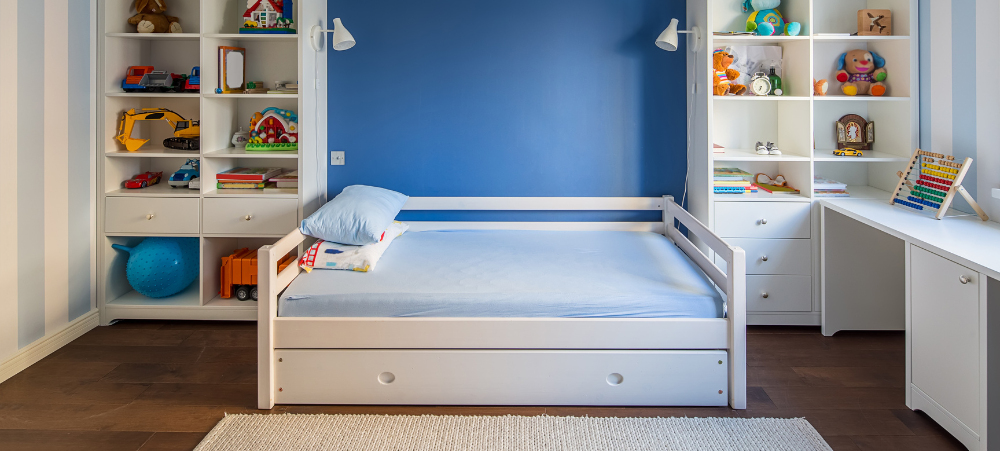
Creating a home environment that balances the needs of kids with a grown-up aesthetic can be a challenge. You want a space that’s fun and safe for children but also stylish, organised, and welcoming for adults. With thoughtful planning and smart solutions, you can design a kid-friendly space that looks polished and works for the whole family. Here are practical tips to help you organise a space that blends kid-friendly functionality with grown-up style. 1. Choose Multi-Functional Furniture Opt for pieces that double as storage, like ottomans with hidden compartments or benches with built-in bins. These keep toys tucked away while providing seating or surfaces for adults. 2. Use Stylish Storage Solutions Invest in attractive baskets, bins, and shelving that fit your decor but also provide easy access for kids. Label containers with words or pictures to encourage tidiness. 3. Designate Specific Zones Create clear areas for play, study, and relaxation. Use rugs or furniture placement to define zones, making it easier for kids to understand boundaries. 4. Incorporate Durable, Easy-to-Clean Materials Choose fabrics and surfaces that withstand spills and rough play but still look elegant—think washable slipcovers, wooden tables, or wipe-clean paint. 5. Display Art and Toys Thoughtfully Frame your child’s artwork or use stylish shelves to showcase favourite toys. This celebrates their creativity without cluttering surfaces. 6. Keep Decor Simple and Cohesive Stick to a neutral or coordinated colour palette with pops of fun in accessories or artwork. This keeps the space feeling calm and grown-up. 7. Involve Kids in Organising Teach children to put away their belongings by making clean-up easy and fun. Involving them creates a sense of responsibility and pride. Final Thought: With a bit of creativity and planning, your home can be a beautiful, organised haven that welcomes both playfulness and sophistication. A kid-friendly space that looks grown-up is within reach! 📚 Sources:

Cartoonito

🚧 Let’s Get Building with Bugs Bunny and the Looney Crew!

Looking for a show that brings laughter, teamwork, and a dash of classic cartoon chaos to your child’s screen time? Say hello to Bugs Bunny Builders — where construction meets comedy, and every job site is packed with fun! At ACME Construction Company, Bugs Bunny leads a hilarious (and occasionally hopeless!) team of beloved characters like Lola Bunny, Daffy Duck, Porky Pig, Tweety, and more. 🛠️🐰 Whether they’re building playgrounds, zany zoos, or sky-high towers, this crew shows that with teamwork, creativity, and a few wild tools, anything is possible — even if things don’t always go as planned! 💥 Expect looney inventions, wild vehicles, and laugh-out-loud moments that kids will love and parents will appreciate. Not only does the show entertain, but it also gently reinforces the importance of collaboration, problem-solving, and never giving up — even when your blueprint gets chewed up or your bulldozer goes rogue! Why Parents Should Watch Too Sharing shows like Bugs Bunny Builders with your little ones is more than just screen time — it’s quality bonding time. Talk about the importance of helping others, being creative under pressure, and turning mistakes into learning moments. Plus, who doesn’t love seeing classic Looney Tunes characters in brand-new adventures? 🛠️ Tune in and build some memories with your kids — one laugh at a time! 📺 Premiere: Monday 21/07/2025 ⏰ Tune-in: Monday to Friday @ 17:35 CAT

Sidebar Image

Scroll to Top