
Advice from the experts
St Teresa's School

A Parent’s Educational Journey: From Uncertainty to Understanding

As an educator, I’ve spent years helping children learn, grow, and overcome barriers in the classroom. I’ve supported learners through academic struggles, celebrated their milestones, and guided parents through their educational concerns. But nothing quite prepared me for the moment I found myself on the other side of the table, when the concerns were about my child.  My journey as a parent navigating the education system began in pre-school, when Occupational Therapy was first recommended for my only son. It started with what felt like a minor concern, something that could be resolved with a few therapy sessions. Like any parent, I wanted to be proactive, so we began Occupational Therapy, attending weekly sessions and putting our trust in the professionals. But as time went on, the journey became far more complex than I had anticipated. In Grade 0, shortly after the school year began, our son was referred to a remedial school. The news hit us like a tidal wave. It felt as though the rug had been pulled out from under us. As both a parent and an educator, I was blindsided and ashamed. How had I not seen the signs? How had I, someone trained to spot developmental and academic concerns in other children, missed them in my own? That question haunted me for a long time. I wrestled with guilt and sadness. I felt like I had failed my child. But amid all the confusion, a wise colleague reminded me of something profoundly simple: “You’re his mother, not his teacher.”  And it was true. In my eyes, my child was perfect, brimming with potential, full of joy and personality. I wasn’t looking for signs; I was looking at him. After a few sleepless nights and much soul-searching, I decided to shift my focus from what I had missed to what needed to be done. My husband and I agreed that our son would finish the year at his current school while we began putting the necessary support systems in place. He started Speech Therapy and began seeing an optometrist, who prescribed glasses with added Eye Therapy. Eventually, he was also diagnosed with ADHD and started on medication. I was terrified of the diagnosis, of the unknown, of what all of this meant for his future. But through the fear, a quiet determination began to take root. I reminded myself that I wanted what was best for him, not what looked or felt comfortable for me. I had to let go of preconceived ideas about what a “successful” educational journey looked like and embrace what was right for my child. With the support of medical professionals, family and some truly incredible colleagues, we forged a new path. Our son started Grade 1 at a remedial school with all the recommended interventions in place. There was finally a glimmer of hope, but then, just a few months in, the pandemic hit. Lockdowns, remote learning, isolation. Suddenly, the carefully crafted plan we had relied on seemed to fall apart, and once again, we were thrown into survival mode. That year was incredibly tough. Remote learning for a child who thrives on structure and in-person support was nothing short of a nightmare. As parents, we tried to juggle everything: his emotional well-being, the uncertainty of the pandemic, and the ongoing demands of work and home life. And yet, we pushed through. It wasn’t always graceful, but it was real. It was honest. It was parenting in the trenches. Looking back now, as I watch my son thrive in Grade 6, still at a remedial school, still supported by the tools and interventions put in place years ago, I am overwhelmed with pride. He has blossomed into a confident, articulate and self-aware young man. He’s excelling academically, emotionally and socially. The most important lesson I’ve learned through all of this is one I remind myself of often: this is his journey, not mine. As parents, we often feel the pressure to control, direct, and “fix” our children’s paths. But what I’ve come to understand is that while we are part of their story, we are not the authors. We are their guides, their cheerleaders, their safety nets. Our job is to walk alongside them, not ahead of them, not dragging them behind, but right beside them, holding their hand and whispering, “I believe in you.” To any parent currently facing a similar journey, I offer this heartfelt advice: listen to the professionals. They are trained to see what we, as loving and emotionally involved parents, sometimes cannot. Observe your child closely, their behaviours, reactions, and needs and respond with empathy rather than panic. Trust the process, even when it feels like everything is falling apart. You don’t have to have all the answers; you need to be present, consistent, and willing to adapt. Most importantly, let your child know that they are not alone. Reassure them that they are loved and accepted exactly as they are, and that support is not a sign of weakness but a bridge to becoming the best version of themselves. This journey has changed me, not just as a parent, but as an educator and a person. It has softened my judgments, deepened my compassion, and taught me that success doesn’t always look the way we expect it to. And while there are still bumps along the road, I now see them not as obstacles, but as opportunities to grow together. So to every parent out there navigating the unexpected: buckle up, take a deep breath, hold your child’s hand and enjoy the ride. It’s not always smooth, but it’s yours, and it’s worth every step. Nicole Kruger -St Teresa’s school -Grade 2 Teacher

Parenting Hub

Tips for Sibling Bonding: Helping Kids Get Along

Siblings can be a child’s first lifelong friends, but they can also be a source of rivalry and tension. Helping kids build strong, positive relationships takes intention, patience, and guidance from parents. With the right strategies, siblings can learn to support, understand, and enjoy each other’s company, creating bonds that last a lifetime. 1. Encourage Shared Activities Spending quality time together strengthens connections: 2. Promote Teamwork, Not Competition While a little healthy competition is fine, focus on collaboration: 3. Teach Conflict Resolution Skills Arguments are natural, but teaching kids to handle them constructively is key: 4. Foster Individuality Respecting each child’s unique interests and personality reduces rivalry: 5. Model Positive Behaviour Children learn by observing adults: 6. Create Family Rituals Rituals give siblings shared memories and a sense of connection: 7. Reinforce Empathy and Kindness Teaching empathy encourages understanding and reduces conflicts: Final Thoughts Sibling relationships are complex, but with patience, encouragement, and consistent guidance, children can develop strong, lifelong bonds. By promoting shared experiences, teamwork, empathy, and individuality, parents can help their children navigate sibling dynamics with confidence and create a loving, supportive home environment. Sources:

Rush Extreme Sports

Why Rush Extreme Is the Best Place for Parents to Work During School Holidays

School holidays can be a challenge for working parents. Between juggling deadlines and keeping the kids entertained, finding a balance often feels impossible. But what if there was a place where your kids could play safely and you could get work done in peace? Welcome to Rush Extreme – the ultimate indoor adventure park that’s not just for kids. With free high-speed WiFi, a cosy on-site Halaal-certified café (at our Cape Town venue), and a safe, supervised play environment, Rush Extreme is the best play park for parents to work during school holidays in both Cape Town and Johannesburg. Work While They Play Rush isn’t your average indoor play park. While the kids are busy bouncing on trampolines, navigating ninja-style obstacle courses, or battling it out in dodgeball, parents can relax and get productive in the seating area – just steps away from the action. Whether you’re finishing emails, attending Zoom meetings, or diving into deep work, you’ll have everything you need to stay connected and focused. Free High-Speed WiFi At Rush, we know how important it is to stay online. That’s why we offer complimentary high-speed WiFi to all our guests. Whether you’re catching up on emails, putting together presentations, or attending online meetings, our network is built to support your workflow while the kids are kept happily engaged. You can bring your laptop, plug in, and tick off your to-do list – knowing your kids are having the time of their lives in a safe, indoor environment. Comfortable Seating and Charging Points We’ve created a parent-friendly environment with comfortable seating, accessible charging stations, and excellent visibility of the play areas. Whether you’re set up for a few hours or the full day, our facilities are designed with your comfort and productivity in mind. On-Site Café and Great Coffee Need a caffeine fix or a bite to eat? Our on-site Halaal-certified café in Cape Town serves a selection of coffees and snacks to keep you fuelled throughout the day. If you’re in Johannesburg, feel free to enjoy a meal from the restaurants surrounding. Grab a latte and settle in while your children explore the trampolines, foam pits, and obstacle zones. Plus, our child-friendly menu ensures that your little ones stay energised with delicious, nutritious options available all day. Safe, Supervised, and Stress-Free Our trained staff ensure that all areas are closely monitored, providing a secure space for kids of all ages to explore independently. With fun for everyone from toddlers to teens, Rush makes sure everyone is active, happy, and entertained – giving you the peace of mind to work worry-free. The Perfect Work-and-Play Combo in Cape Town & Johannesburg Looking for the perfect way to keep the kids active and entertained this winter holiday? Unlimited Rush has you covered! This weekday special offers hours of indoor adventure that’s energetic, engaging, and completely weather-proof. For just R215 per person per session, children can enjoy extended playtime across our trampolines, dodgeball courts, ninja warrior course, basketball lanes, and more – all in a safe, supervised space. It’s the ultimate screen-free escape for the school break. Available Monday to Friday at Rush Claremont (Cape Town) and Rush Greenstone (Johannesburg). Book your visit for Rush Cape Town here and for Rush Johannesburg here.

Hatfield Online School

Some FAQs Regarding Online Schooling – Answered 

Hatfield Online School is one of the oldest online schools in the country – we have been in operation since 2008. Some might say, then, that we have been around the block. Therefore, we consider ourselves experienced enough to answer the following FAQs. Does your child need the kind of education that surpasses, and escapes the confines of the traditional classroom? Hatfield Online School not only bridges the gap between the present and the future, but also the gap between a world-class education and affordability. Please contact us to find out more about world-class online IEB education for your child, from as little as R2 295 per month for full time tuition, or from R590 per month per single subject: [email protected]. 

Parenting Hub

How to Maintain a Healthy Routine During Pregnancy

Pregnancy is a transformative journey, bringing excitement, anticipation, and new responsibilities. Maintaining a healthy routine during this time not only supports your physical and mental well-being but also promotes optimal growth and development for your baby. A balanced routine helps manage energy levels, mood swings, and common pregnancy discomforts. Here’s a guide to creating a sustainable and nourishing routine throughout your pregnancy. 1. Prioritise Balanced Nutrition Eating well is foundational: 2. Incorporate Regular, Safe Exercise Exercise has physical and mental benefits during pregnancy: 3. Establish a Sleep Routine Quality sleep supports both mother and baby: 4. Manage Stress and Mental Well-being Pregnancy hormones can intensify stress and mood changes: 5. Routine Medical Checkups Regular prenatal visits are critical: 6. Organise Your Day Structure creates balance and predictability: 7. Stay Educated and Inspired Knowledge empowers confident parenting: Final Thoughts A healthy routine during pregnancy is about balance, not perfection. Prioritising nutrition, gentle movement, quality sleep, stress management, and medical care ensures both mother and baby thrive. By creating a structured yet flexible routine, expectant parents can navigate pregnancy with confidence, comfort, and joy. Sources:

St Teresa's School

Music is the Middle Ground Where Relationships are Built

“Art is how we decorate space, music is how we decorate time.” – Jean-Michel Basquiat Music follows our progress, it punctuates our moments and creates a soundtrack of our lives. People are generally fond of consuming it (live or recorded), and I’d hazard a guess and say that most prefer it to silence. Music will mark most of your child’s social life-cycle events (including an annual rendition of ‘Happy Birthday’, which, conversely, is now in the public domain and no longer subject to copyright), and will eventually become a regular part of their school week. As a music teacher, I believe that a large part of my role is to design music classes that students anticipate with excitement. Do you remember that feeling of excitement about an upcoming music class? In thinking of your own classroom music experiences, are you filled with a sense of happy nostalgia? Many of the musicians that I’ve spoken to say otherwise, reporting either negative associations towards their music education (citing memories of rote learning, prescriptive repertoire and a recognition of only one style of ‘gifted’ musicianship) or no particular memory of music classes at all. I’ve lost count of the number of discussions I’ve had with adults who no longer sing, often recalling disparaging music teachers. You may be wondering why it matters whether your perception of music education is positive or negative. Yet, in a purely academic sense, simply being able to keep a steady beat is linked to improved reading and language development1, as well as countless other physical, emotional and cognitive benefits that are inherent in learning to make music. More importantly, though, experiences in music are an invitation into the bigger picture of what it means to be human.  Underpinning every musical game in the classroom is an invisible world of learning. Beyond the obvious focus on developing musical skills, such as singing in tune, keeping a steady beat, and preparing or practising a musical concept, lies the development of interpersonal skills. These include choosing a partner, working in a team, listening to each other, and learning to lose (or win!) gracefully.  From experience, I can attest to the exponential emotional growth of the children who sign up for choir and extra-mural xylophone. When we come together to play in an ensemble, we are practising listening to each other, refining fine motor skills (which increase self-confidence), building relationships and discovering what it means to ‘belong’ to something (and further to that, what it means to commit to it).  In the Junior Primary phase, our goal is not necessarily to grow musicians, but to nurture empathic humans who can play together with kindness, attention and joyful abandon. To achieve this, it is imperative that we foster experiences in music that are positive and playful, promoting active engagement. Current trends in music education tend towards a child-centred approach2 that gives students a sense of personal autonomy, and a voice in their own learning.  In her book ‘Compassionate Music Teaching: a Framework for Motivation and Engagement in the 21st Century’, Karin Hendricks (2018) 3 expounds on the value of dissolving the traditional hierarchical structures in the classroom, positioning teacher and students as equals and co-learners, creating space for the child to arrive exactly where she/he is. The beauty of this approach to music education is that ultimately, when children feel seen, heard, and safe, they are free to express themselves honestly, without fear of prejudice, and it is here that they ‘show up’. And so, when I ask for a song suggestion to end a class with, I’m simply beginning a dialogue. Together, we will build bridges between the music I’d like to introduce (western art music, Louis Prima or local South African bands) and the (mostly pop) tunes that the students are currently obsessing over. We will meet each other halfway, and they will sing so-mi songs (‘Rain, rain, go away, come again another day’) and I will create a xylophone arrangement of ‘Belong Together’ by Mark Ambor (because I said I would); and I will teach them new rhythms, designing games that give them a chance to practise them; and on a dime we’ll change the direction of the planned class so a Grade 1 can sing a song she wrote, because in that moment, nothing else matters quite as much as that. And somewhere in this middle ground, relationships are built and modelled.  From a parent’s perspective, music is an excellent way to get to know your children. Give them a chance to curate the playlist for your car drives, but don’t be afraid to drop some of your favourite music in there too. On an extra-musical level, you’re modelling fairness and taking turns, whilst simultaneously giving your children a chance to practice patience while waiting for their songs. Discover who your children are, and let them know you, because the music you love is a window into who you are. And so, whilst instrumental education is important (everyone should know how to play something pretty on the piano, right?), first let your children be children. Let them play. Let them make music because they’re pulled to it, because it’s joyful. After all, it makes them feel good. And above all, allow them to build a relationship with music on their own terms… For it is in this fertile ground that their love for it will flourish. Victoria de La Harpe– St Teresa’s School Music Teacher References

Sanosan

Why Less Is More When It Comes To Understanding Newborn Skin

A baby’s skin is delicate, unique, and still developing — and sometimes, too much care can do more harm than good. Newborn skin: soft, squishy, and oh-so-kissable. But behind that perfect glow is something many new parents don’t know — a baby’s skin barrier is still a work in progress, and it needs a very different kind of care from ours. “People assume baby skin is just miniature adult skin — but that couldn’t be further from the truth,” says Karen Van Resnburg, brand manager at Sanosan South Africa. “It’s thinner, more sensitive, and far more vulnerable to damage.” Understanding how baby skin functions is the first step to protecting it — and when it comes to keeping it healthy, the golden rule is simple: less is more. At birth, a baby’s skin is still adjusting to life outside the womb. For nine months, they’ve been cocooned in a perfectly warm, moist environment. Once exposed to air, their skin must start regulating temperature, absorbing moisture, and defending against germs — all on its own. Here’s what makes baby skin so different: Newborns don’t get dirty the way adults do. They’re not running around, sweating, or exposed to pollution. Yet many parents instinctively reach for soaps, bubble baths, and wipes multiple times a day — thinking more cleaning equals better care. “The truth is, over-washing can strip a baby’s skin of natural oils and disrupt the protective barrier,” explains Karen. “This can lead to dryness, irritation, and in some cases, conditions like eczema.” Moisturising can be helpful — especially if the skin is dry or flaky — but it’s easy to overdo it. Slathering on thick lotions too often can clog tiny pores or interfere with the skin’s natural development. “Unless your baby’s skin is visibly dry or a healthcare professional has advised it, daily moisturising isn’t always necessary,” says Karen. “The key is to be gentle, responsive, and not overly reactive to every change in your baby’s skin.” How to support the skin barrier — simply and safely Most importantly, parents should know that a little goes a long way. Newborn skin is designed to adapt and strengthen over time. In many cases, it simply needs space to do what it’s naturally built to do. “So much of early parenting is driven by love and a desire to protect,” says Karen. “But when it comes to your baby’s skin, protection sometimes means stepping back — and letting nature take the lead.” Newborn skin care doesn’t need to be complicated. With a bit of knowledge and a less-is-more approach, you can help your baby develop strong, healthy skin — one gentle step at a time. Sanosan focuses on natural ingredients and gentle formulas for healthy skin. Using active ingredients specially tailored to your baby’s skin, natural milk protein is the central ingredient in Sanosan and is especially nourishing. More than 90 % of the ingredients are of natural origin such as organic olive oil, and the formulations are biodegradable. Safety first: all products are clinically tested and are free from parabens, silicones, paraffins, SLS / SLES and phenoxyethanol. For more info visit  https://sanosan.co.za Sanosan is available from Clicks Baby and Online stores, takealot.com, Makro Online and https://medhealthsup.com

Parenting Hub

How to Handle Tantrums Without Losing Your Cool

Toddlers are notorious for their big emotions and occasional meltdowns. Tantrums are a normal part of development, as children learn to navigate frustration, independence, and communication. While they can be stressful for parents, responding calmly and strategically helps toddlers feel understood and supported, and prevents escalating the situation. 1. Stay Calm Yourself Children take emotional cues from adults: 2. Understand the Trigger Identifying the root cause of a tantrum is crucial: 3. Offer Choices and Control Giving toddlers a sense of autonomy reduces power struggles: 4. Use Distraction and Redirection Sometimes the best way to de-escalate is redirecting attention: 5. Set Clear, Consistent Limits Boundaries help children feel safe and learn expectations: 6. Praise Calm Behaviour Positive reinforcement encourages self-regulation: 7. Practice Self-Care as a Parent Handling tantrums is easier when you’re supported and rested: Final Thoughts Tantrums are a natural part of toddler development, but they don’t have to derail your day. By staying calm, understanding triggers, setting clear limits, and modelling healthy coping strategies, parents can guide their children through emotional outbursts with patience and compassion. Remember, it’s not about eliminating tantrums—it’s about teaching children how to manage emotions effectively. Sources:

Parenting Hub

Booster Seats – The Forgotten Step in Child Passenger Safety

Too Big for a Car Seat? Not Yet. The Safety Step Parents Are Skipping They may look big enough to drive around like the grown-ups – but children aged 4 to 12 are often driving unprotected. As South Africa marks Child Passenger Safety Week from 21 to 27 September, experts are urging parents not to skip one of the most crucial, and often overlooked, stages of car safety: the booster seat. “Many parents see the move from a car seat to a seatbelt as a milestone of independence,” says Debbie Billson, from Maxi-Cosi. “But the reality is, a standard seatbelt is not built for a child’s body. Skipping the booster step puts children at serious risk.” South African law currently mandates car seats only for children under the age of 3. But that leaves a dangerous gap. Children between ages 4 and 12, who are too big for toddler seats but too small for adult seatbelts, are often left unprotected. Booster seats are specially designed to fill that gap. They lift the child up so that the vehicle’s seatbelt sits correctly across the hips and shoulder – not dangerously across the stomach or neck. “A poorly positioned seatbelt can cause devastating internal or spinal injuries in a crash,” explains Billson. “With a booster, the same belt becomes a life-saving safety feature.” The Numbers Speak for Themselves Despite this, booster seat usage remains low in South Africa – largely due to lack of awareness and outdated assumptions that seatbelts alone are “good enough.” Children should continue to use a booster seat until they reach a height of 150 cm – typically around 10 to 12 years old. Many children under this height are simply not developed enough for a seatbelt to fit safely on its own. If the lap belt rides up on the tummy or the shoulder belt cuts across the neck, your child still needs a booster seat! Modern vehicles are built with safety in mind, but they’re designed around adult bodies. That’s why Kelston Motor Group, a proud campaign partner, is raising awareness about the importance of proper child restraints – even in the safest cars. “Booster seats aren’t optional; they’re an essential step in every child’s journey to safer travel,” says Peter McNaughton, Managing Director of Kelston Motor Group. “Any child under 150 cm tall still needs a booster seat – no matter how grown-up they look.” Child Passenger Safety Week (21–27 September) is the perfect time to check your child’s car seat setup. Because when it comes to keeping your child safe on the road, there’s no such thing as skipping a step. For more information, please visit: https://maxicosisa.co.za/news/child-passenger-safety/

Kumon

Why Developing Reading Skills May Help Your Child’s Fear of Maths Word Problems

Can you solve this word problem? A pen and a pencil cost one Rand and twenty cents in total. The pen costs one Rand more than the pencil. How much does the pencil cost? The answer is 10 cents. Did you get it right? If you broke out in a cold sweat at the mere suggestion of having to solve this, you’re not alone. There is little that kids dread more than word problems. Even the strongest maths students can struggle when it comes to solving these puzzles. But did you know that having difficulty solving word problems often indicates gaps in reading ability, rather than a deficiency in maths? When solving a word problem, we must: That’s a lot to worry about, and the actual maths part doesn’t come until the very end. Let’s return to the word problem we started with. Did you answer 20 cents? That’s no surprise! When reading the question quickly, we conclude that all we must do is add 1 Rand to 20 cents. Yet, the question specifies that the pen costs a full Rand more than the pencil. If the pencil costs 20 cents and the pen costs 1 Rand, the difference between the two is only 80 cents. Thus, the correct answer is 10 cents. If the pencil costs 10 cents, and the pen costs 1 Rand more (R1.10,) the total cost is R1.20. R0.10 + R1.10 = R1.20 The arithmetic in the word problem isn’t particularly difficult. Understanding the question is. Without strong reading skills, we would be unable to solve this – or any – word problem. Beyond Word Problems Word problems aren’t the only area of maths where reading ability helps. Researchers are increasingly finding a connection between reading and maths skills across the board. To understand this, consider the following factors. Maths vocabulary is very specialised. Take the word division, for example. In everyday speech division has many different definitions, but in maths it is simply “the opposite operation of multiplication.” However, if a student only understands division to mean “something that separates,” it could cause confusion in maths class. School instruction requires that students understand written directions and explanations. Literacy skills are important for understanding everything from what the teacher writes on the board, to what the instructions mean on a worksheet. Students may struggle in maths class simply because they have difficulty reading directions. The very processes that help students become strong readers are just as important in maths. Studies have shown that phonological processing, for example, is a key factor in maths success. Students who regularly read for pleasure had almost a 10% advantage in their maths skills. This was shown in a study conducted by the Institute of Education at London University2. The study’s author argues that “strong reading ability will enable children to absorb and understand new information.” This ability can help in any subject, including maths. Clearly, the connection between reading comprehension and maths skills is significant. Developing reading ability will benefit your child far beyond English class.  With a solid foundation in reading ability your child will be on the path to success in maths and beyond. The Kumon English Programme can help your child to develop a love of reading and enhanced comprehension. Find out more about the Kumon English Programme by visiting www.kumon.co.za/english.  This article is courtesy of the Kumon North America website1 1 https://www.kumon.com/resources/fear-of-word-problems/  2  https://www.bbc.com/news/education-24046971 
Wingu Academy

Academic Accountability Partnership

More Than Support—A Trusted Guide for Every Learner In many traditional schools, it’s easy for learners to become just another name on a register. They may sit in a classroom filled with dozens of students, moving at the pace of the group rather than one that suits their individual needs. At Wingu Academy, we believe education should feel personal and that every learner should be seen, supported, and guided in a way that reflects who they are and where they’re going. That’s why we created the Subject Support Advisor (SSA) Programme—a cornerstone of personalised support at Wingu. Each learner is matched with a dedicated SSA who acts as their academic accountability partner, ensuring they never have to navigate their studies alone. This partnership goes beyond reminders and to-do lists. SSAs check in regularly, track progress, encourage consistency, and offer real guidance. They are there not only when a student falls behind but also to help learners stay on pace, set achievable goals, and celebrate academic wins, big or small. But most importantly, SSAs help learners build lasting habits for success. From the early stages of the school year, they work with students to: This structured approach not only supports academic achievement but also nurtures life skills that learners carry well beyond school. Parents often describe the SSA as a kind of academic coach—someone who keeps their child motivated, engaged, and focused, especially during high-pressure periods like assessments or term-end deadlines. It’s a layer of support that lifts the weight from parents’ shoulders, while still keeping them informed and included in the journey. At Wingu, we know that true progress comes from consistent guidance, positive accountability, and a learning environment built on care. The SSA Programme ensures that every learner walks their path with confidence—and never walks it alone.

Educ8 SA

Educ8 SA: The Role of Parents in Education

Parental involvement is a crucial factor in a child’s educational success. When parents are actively engaged in their child’s learning, it can have a positive impact on their academic performance, motivation, and overall well-being. In this article, we will explore the importance of parental involvement in education and provide tips for parents to support their child’s learning. Why Parental Involvement Matters Tips for Parents to Support Their Child’s Learning Benefits of Parental Involvement Challenges and Solutions By being actively involved in their child’s education, parents can play a critical role in their child’s academic success and overall well-being. By following the tips outlined above and overcoming potential challenges, parents can help their child thrive in school and beyond. Contact us today for amazing online options for online resources and for home schooling on www.educ8sa.com [email protected] 084 685 2138

Cartoonito

Celebrate Heritage Day With Cartoonito! 🎉🌍

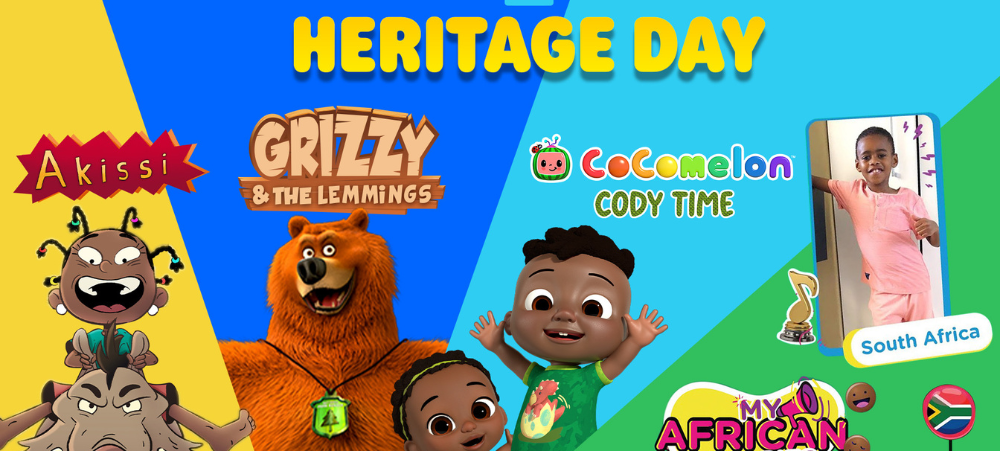
This Heritage Day, gather the family and join Cartoonito for a special line-up of shows that celebrate Africa’s stories, sounds, and culture. It’s the perfect way to enjoy quality time together while embracing the richness of our heritage. The exciting programming includes: It’s a day filled with fun, laughter, and learning for the whole family. Don’t miss this special celebration — tune in to Cartoonito this Heritage Day and celebrate Africa with us! 📺 Premiere: Wednesday 24 September 2025 ⏰ Tune-In: Wednesday at 16:00 CAT

Cartoonito

Why Your Family Will Love the New Episodes of Mr. Bean

There’s something wonderfully timeless about Mr. Bean — that clumsy, quirky character who manages to turn even the simplest tasks into full-blown disasters. Whether he’s getting himself stuck in a ridiculous situation, confusing everyone around him, or teaming up with his loyal teddy bear (aptly named Teddy), Mr. Bean never fails to bring laughter to the whole family. And now, he’s back with brand-new episodes! This season, you can expect even more absurd adventures, plenty of laugh-out-loud moments, and the usual chaos that follows whenever Mr. Bean crosses paths with his grumpy landlady, Mrs. Wicket. It’s the perfect after-school or after-work treat for parents and kids alike — a chance to sit down together and enjoy some light-hearted fun that will have the whole family giggling. Don’t Miss It: 📺 Premieres Monday, 29 September 2025⏰ Tune in Monday to Friday at 16:30 CAT So, grab the popcorn, gather the family, and get ready for a good dose of silliness. Mr. Bean is guaranteed to turn your weekday afternoons into a comedy event!

Parenting Hub

Sleep Solutions for Newborns and Parents

Sleep is one of the biggest challenges new parents face. Newborns have tiny stomachs, unpredictable schedules, and developing circadian rhythms, which means sleepless nights are normal—but there are strategies that can make a difference for both baby and parents. Here’s a practical guide to help your family get more rest while keeping your newborn safe and content. 1. Understand Newborn Sleep Patterns 2. Establish a Safe Sleep Environment 3. Encourage Day-Night Awareness 4. Feeding and Sleep 5. Create a Bedtime Routine Even in the first months, gentle routines can signal sleep: 6. Parents’ Sleep Strategies 7. When to Seek Help Some sleep difficulties may need guidance: Final Thoughts Newborn sleep is unpredictable, but understanding patterns, creating a safe environment, and establishing gentle routines can make a significant difference. Remember, short stretches of sleep are normal in the early months—focus on consistency, safety, and self-care. Over time, both babies and parents can enjoy more restful nights. Sources:

Parenting Hub

Encouraging Independent Play in Toddlers

Independent play is a vital part of toddler development. It helps children build creativity, problem-solving skills, and confidence, while also giving parents a little breathing room. Encouraging toddlers to play independently doesn’t mean leaving them completely unsupervised—it means creating an environment where they feel safe, engaged, and empowered to explore on their own. 1. Create a Safe Play Space Toddlers are curious and mobile, so safety is key: 2. Offer Open-Ended Toys Toys that encourage creativity foster independent thinking: 3. Set Clear, Simple Expectations Toddlers thrive on routine and guidance: 4. Rotate Toys and Activities Keeping play fresh encourages sustained engagement: 5. Join Then Step Back Support independence without hovering: 6. Incorporate Independent Play Into Daily Routine Consistency builds confidence: 7. Celebrate Creativity and Progress Independent play strengthens a toddler’s sense of accomplishment: Final Thoughts Encouraging independent play helps toddlers develop autonomy, creativity, and problem-solving skills while giving parents a structured way to support their growth. By providing a safe environment, age-appropriate toys, and consistent routines, toddlers can explore confidently and enjoy the pride of self-directed play. Sources:

Parenting Hub

How iron deficiency fuels exam stress and compromises learner performance

As exam season approaches, students across the country prepare for one of their most challenging academic periods. Research reveals a critical yet overlooked element affecting student performance: low iron stores and anaemia and their profound impact on cognitive function and stress management, especially amongst school-going teens. As part of the “Iron It Out” awareness campaign currently being rolled out across Cape Town schools, Cape Town Infusion Centre’s Sister Karin Davidson, the Infusion Room’s Sister Pippa Hime and dietitian Kath Megaw are highlighting the symptoms of low iron stores and/or anaemia and offering practical advice on how to combat and manage this common condition. The global iron pandemic One in four people globally may be experiencing the effects of anaemia during their most critical learning years, according to a 2021 study published in the medical journal, The Lancet. The World Health Organisation reports that the impact is particularly severe across African nations where an estimated 103 million children are affected by anaemia. In addition, in sub-Saharan Africa, the prevalence of anaemia has risen to 41.5% amongst non-pregnant women. Iron deficiency and exam stress The physiological impact of iron deficiency creates a perfect storm for academic underperformance amongst school-going children. Several factors compound exam stress: sleep deprivation during intensive study periods, poor nutrition as students prioritise study time over balanced meals, increased caffeine consumption which interferes with iron absorption, heightened anxiety about academic performance, and social isolation reducing support systems. Iron deficiency compounds each of these stressors through direct neurological pathways: Cognitive impact: Low iron stores with or without anaemia can cause a decrease in attention span and cognitive processing, poorer sensory perception functions and decreased emotional regulation. “The most common symptom is fatigue, but difficulty concentrating and mental fog are symptoms we see often in our practice,” says Sister Davidson. Anxiety connection: There is a direct link between low iron stores/anaemia and increased anxiety levels. Iron plays a crucial role in producing neurotransmitters like serotonin and dopamine, which regulate mood. “Since launching the “Iron It Out” campaign two months ago, every time we pose our questions about symptoms, we see a sea of hands raised – up to 50% of our audience,” says Sister Davidson, whose work encourages advocacy from teens to their parents, teachers and caregivers. Physical symptoms include: Persistent fatigue and weakness, shortness of breath during normal activities, poor sleep, cold hands and feet, brittle nails and/or hair loss, and pica (unusual cravings for non-food items). Cognitive and emotional symptoms include: Brain fog, difficulty concentrating, poor memory retention, increased anxiety and irritability, and feeling overwhelmed by previously manageable tasks. Expert nutritional advice for high-stress periods Kath Megaw, registered dietitian and founder of the paediatric practice, Nutripaeds, emphasises the necessity for robust nutritional support during exams. “Having a stress-responsive nutrition strategy is as crucial to preparing for exams as revision,” she says.  Key strategies include: Supplementation and treatment Both Sister Davidson and Megaw agree that iron supplements and infusions can be life-changing when administered after conclusive blood tests. “Medical grade iron infusions effectively treat anaemia, while low iron stores can be corrected using supplementation once levels are above a certain threshold,” says Sister Davidson. Oral Iron supplementation tips: “Our work advocates for patients to be aware of the value of healthy iron stores, to act when intervention is needed, and to maintain optimal levels thereafter, for both everyday life and during times of increased stress,” concludes Sister Davidson. SIGN UP TODAY – IT’S 100% FREE Know a school or organisation that would benefit from engaging in the Iron It Out campaign? email [email protected] or [email protected] to enquire and to book a workshop.

Cartoon Network Africa

Celebrate Holiday Braai Day on Cartoon Network! 🍖🎉

This holiday, gather the family and join Cartoon Network for a special Braai Day celebrating the diversity of cultures and the joy of sharing good food, fun, and laughter together! Enjoy a fantastic block of family-friendly shows packed with adventure, games, and plenty of laughs: It’s the perfect way to celebrate holiday traditions with fun, excitement, and lots of family bonding. Don’t miss the fun — tune in to Cartoon Network for Braai Day and celebrate together! 🌟 📺 Premiere: Wednesday 24 September 2025 ⏰ Tune-In: Wednesday at 08:25 CAT

DIBBER SA

Five Creative Ways for Young Children to Celebrate Diversity

Children are born curious. As they explore the world around them – filled with different people, sounds, tastes, and traditions- they begin forming ideas about themselves and others. In South Africa, where cultures weave a rich and colourful national identity, early childhood offers a beautiful opportunity to instil openness, acceptance, and pride in diversity. “At Dibber International Preschools, we believe that teaching children to value diversity starts long before they enter a formal classroom. It happens not just through books and lessons but through the lived experiences, celebrations, and connections they see around them. “Diversity is not something we teach in a single lesson. It’s something we live, every day, in how we talk, play, eat, and include,” says Ursula Assis, Managing Director of Dibber International Preschools South Africa. “Our children are growing up in a world where cultural awareness is a superpower, and it’s our responsibility to help them embrace difference with joy, curiosity, and empathy.” Five Meaningful Ways to Nurture Diversity in Young Children 1. Celebrate Traditions Together From Diwali to Eid, Chinese New Year to Heritage Day, every celebration is an opportunity to learn about customs, symbols, and stories from around the world. Dressing up in traditional attire, preparing cultural meals, and hearing the stories behind each holiday helps children connect emotionally and visually with cultures beyond their own. 2. Music and Art as Cultural Bridges Children naturally respond to rhythm, melody, colour, and pattern. Exploring diverse music and art introduces them to new perspectives and creative expressions. Whether they’re learning to play a djembe drum, creating Zulu beadwork, or singing lullabies in isiZulu, these activities lay the foundation for cultural appreciation. 3. Visit Cultural Spaces and Museums Family outings to places like the Ditsong National Museum of Cultural History in Pretoria or local libraries with multicultural children’s books allow young learners to understand how history, struggle, and celebration shape identity. These visits can spark deeper conversations and help children connect local stories to their own lives. 4. Embrace Differences Through Stories Storytelling is a powerful tool for empathy. Reading books about children from different backgrounds, abilities, and experiences teaches preschoolers to appreciate differences and recognise common humanity. Conversations around what makes each person special help children grow more compassionate and inclusive. 5. Model Inclusive Behaviours Children mirror the actions of the adults around them. They learn to do the same when parents, teachers, and caregivers speak respectfully about all cultures, use inclusive language, and build diverse friendships. At Dibber, this is embedded in our daily practices—from how we greet one another to the languages we celebrate in our classrooms. Heritage Day: A Celebration of Unity in Diversity In South Africa, Heritage Day on 24 September is more than just ‘Braai Day’. It is a tribute to the people, cultures, and histories that make this country unique. Families come together to share meals like pap and chakalaka, Shisanyama, and milk tart. Communities organise parades and storytelling sessions, honouring traditions passed down through generations. “When children grow up in spaces that celebrate culture, they grow up with confidence, respect, and a strong sense of belonging. At Dibber, we are proud to walk alongside families in creating a generation that not only learns about the world—but welcomes it with open arms,” concludes Assis.

Vital Baby

Lesser-Known Pregnancy Risks That Need To Be Discussed

Pregnancy is often painted as a glowing, joyful time — but behind the baby bump and excitement, many expectant mothers in South Africa are quietly facing health risks that go unnoticed, undiagnosed, and untreated. “While most women know the basics of pregnancy care, there are lesser-known risks that can have serious consequences for both mom and baby,” says Sr Londe, an independent midwife and Vital Baby’s trusted advisor, working with families across South Africa. “And too often, they’re only picked up when things go wrong.” From vitamin deficiencies to high blood pressure and undetected anaemia, these “silent risks” are more common than you might think — and they’re especially relevant in the South African context. 1. Vitamin D Deficiency – The Hidden Threat You’d think a sunny country like South Africa wouldn’t have to worry about Vitamin D levels — but studies show that up to 80% of South African women are deficient during pregnancy, especially those with darker skin tones or limited sun exposure. Vitamin D is essential for calcium absorption and foetal bone development. Low levels have been linked to gestational diabetes, low birth weight, and even developmental delays after birth. Most women don’t know they’re deficient because symptoms like fatigue and mood swings are brushed off as ‘normal pregnancy symptoms’, but it’s worth testing and supplementing if necessary. 2. Pregnancy Hypertension – Not Just a Late-Pregnancy Problem High blood pressure in pregnancy (also called gestational hypertension or pre-eclampsia) is a growing concern, especially in women over 35, first-time moms, or those with underlying conditions. In South Africa, pre-eclampsia is one of the leading causes of maternal mortality, according to data from the Department of Health. Symptoms can include swelling, headaches, or visual disturbances — but often, there are no early warning signs at all. That’s why regular blood pressure checks at every antenatal visit are so critical. “Hypertension doesn’t just affect the mother,” warns Sr Londe. “It can limit blood flow to the baby, leading to premature birth or growth issues.” 3. Anaemia – Common, but Often Ignored Iron-deficiency anaemia is one of the most prevalent nutritional conditions in pregnant South African women — yet it’s often overlooked as just being “tired” or “run-down.” Anaemia can increase the risk of preterm labour, low birth weight, and even postnatal depression. “Many women assume exhaustion is just part of pregnancy,” says Sr Londe, “but if you’re struggling to get through the day, can’t catch your breath, or feel dizzy often — it’s worth checking your iron levels.” While some of these risks may sound worrying, the good news is they are easily manageable with the right support. The key is awareness, routine checks, and not brushing off how you feel. Pregnancy isn’t just about baby scans and cravings — it’s also a time of massive change for a woman’s body. And while many risks fly under the radar, they don’t have to be scary. “When moms are informed, they’re empowered,” says Sr Londe. “A healthy pregnancy starts with understanding your body, trusting your instincts, and never being afraid to ask questions.” Because when it comes to pregnancy health in South Africa, it’s not just about what’s obvious — it’s about what’s overlooked, so discuss any changes and concerns with your healthcare provider to ensure a healthy, safe pregnancy.  Join Sr Londe for the monthly Ask The Midwife Live on Vital Baby South Africa’s Instagram account to get support and advice on pregnancy, birthing, and the postpartum time. 

Cartoon Network Africa

Gumball’s on the Move: Coming to a City Near You!

Five Cities. One Van. Unlimited Fun. Gumball’s Van Tour hits South Africa’s biggest cities to celebrate the launch of Cartoon Network’s brand-new series, The Wonderfully Weird World of Gumball, on 6 October.  Elmore’s quirkiest duo is packing their bags, loading up the van, and heading to South Africa for a road trip bursting with fun, mayhem, and wonderfully weird Gumball mischief!  To celebrate the arrival of Cartoon Network’s brand-new series, The Wonderfully Weird World of Gumball (premiering 6 October), our favourite 12-year-old and his brother are hitting the road, bringing a truckload of games, laughter, and Elmore-style chaos with them.  Tour Dates  Catch the Gumball Van in these cities:  Wonderfully Weird Fun at Every Stop Each city will get a full dose of Elmore energy, with activities only Gumball and Darwin could dream up:  Whether it’s selfies with Gumball, cheering on your teacher in a dance-off, or winning prizes cooler than a Watterson family dinner, there’s no telling what wonderfully weird fun will unfold when the van pulls up.  Welcome Back to Elmore, Where Weird Is Wonderful The Wonderfully Weird World of Gumball picks up where The Amazing World of Gumball left off, but cranks the chaos to eleven. Back in Elmore, the laws of reality are a joke and family life is anything but ordinary. Whether battling an evil fast-food empire, fending off a lovelorn AI who won’t stop texting his mom, or trying to convince Banana Joe that pants are, in fact, mandatory, Gumball Watterson drags Darwin, Anais, and the rest of the gang into adventures that defy logic.  With bigger twists, bolder stories, and the same surreal humour that made them global fan favourites, this spin-off is weirder, wilder, and more inventive than ever.  Join the Chaos This is your chance to step inside Gumball’s wonderfully weird universe, meet your favourite characters, play, laugh, and maybe even cause a little mayhem of your own. And don’t forget: The Wonderfully Weird World of Gumball premieres Monday, 6 October 2025, on Cartoon Network Africa, DStv channel 301.  It’s not just TV, it’s a wonderfully weird adventure. 

Lotus Preschool and Aftercare

Gently Preparing Your Little One for a Montessori Journey: A Parent’s Guide

Starting Montessori school is a beautiful milestone – not just for your child, but for your whole family. At Lotus Preschool, we understand that this transition can come with a mix of emotions. The good news is, with a little preparation, your child can step into this new world. They can do so with confidence and joy. One mum, Sarah, told us: “I was so nervous about Theo starting school. But when I saw how excited he was to put on his own shoes. He carried his bag like a big boy. I realized he was more ready than I thought. Montessori gave him that spark.” Here are some gentle tips to help prepare your little one – and yourself – for a Montessori beginning. Foster Independence in Everyday Routines Montessori education is built on the belief that children are capable and competent. Encourage independence in small but meaningful ways: Parent Testimonial: “Ellie takes so much pride in making her own sandwich. It’s messy, but you can see her confidence growing every time she tries.” – Louis, dad of a 4-year-old Create Calm, Predictable Mornings Montessori classrooms are calm and ordered – and your mornings can be too: Common Challenge: “My child is slow to get ready and we end up rushing.”Solution: Try using a picture-based morning schedule to make each step fun and clear. Nurture Natural Curiosity Montessori embraces the magic of a curious mind. You can do this at home by: Parent Story: “Zara became obsessed with snails after we found one in the garden. She made a little notebook and drew ‘her snail’ every day. That spark of curiosity started with a walk around the block.” – Tara, mum of two Practise Grace and Courtesy Montessori education gently teaches social skills through respectful interaction: Tip: Role play what a first school day might look like. Start from greeting the teacher and continue packing up at home time. Talk About School with Positivity and Reassurance How you talk about school will shape how your child feels about it: Real Moment: “We created a special goodbye rhyme that we say every morning. It became our little tradition and helped Charlie feel secure walking into school.” – Joanne, mum of a first-year student Overcoming Common Worries Many parents share similar concerns. Here’s how we can ease them: “Will they be okay without me?” Montessori environments are nurturing and supportive. Staff are trained to help children settle in gently.Tip: Practise short separations in advance and always say goodbye – never sneak away. “My child doesn’t like change.” Routine helps children feel safe. Visit the school together, meet the teacher, and talk about what they can expect.Tip: Read picture books about starting school to build familiarity. “They’re shy around other kids.” Montessori settings encourage peaceful, one-on-one interactions and small group activities.Tip: Arrange a few play dates before school starts to build social comfort. Further Reading for Curious Parents If you’re keen to explore more about Montessori education, we recommend: Final Thoughts Preparing for Montessori isn’t about buying special materials or mastering skills before day one. It’s about offering your child trust, respect, and the chance to grow into themselves. You’re already doing that by reading this. We’d love to hear from youWhat’s helped your family get ready for schoolDo you have a favourite routine or goodbye traditionShare your tips and stories in the comments below – you may inspire another family If you’d like to learn more about Lotus Preschool, we’d be delighted to welcome you. You can also visit our Montessori environment. Just get in touch.



Parenting Hub

Growing up strong: Why milk and dairy matter for teenagers

The teenage years are a once-in-a-lifetime window to build strong bones, a bright mind and a healthy body for life. As parents, we’re laser-focused on nutrition for our babies and young children, making sure they get every nutrient needed for healthy growth. But once our children reach adolescence, our focus tends to shift. We’re more concerned about how they are navigating puberty, their social lives, their emotions and the general ups and downs of tween and teenage life. However, between 10 and 19 years, our children are still undergoing remarkable physical changes. In fact, adolescence is when up to half of their adult bone mass is formed, which makes this life-stage the once-in-a-lifetime chance to build the foundation for strong, healthy bones that will carry them for the rest of their lives. Tereza Hough, CEO of the National Osteoporosis Foundation of South Africa (NOFSA) says, “You have until the age of 25-30 years to put as much bone in your bone bank as possible. This is called peak bone mass. After the age of 35-40, everyone starts losing bone at a steady rate. This occurs slowly and is a natural process. So, the more bone there is, the better! The most important time to stash as much bone as possible is during the teenage years when you have a growth spurt. It’s a life stage when you need extra calcium and exercise to ensure maximum benefit to your bones” Why milk and dairy are great for your body, brain and bones According to Maretha Vermaak, Registered Dietitian at Rediscover Dairy, encouraging our tweens and teens to have three to four servings of milk or other dairy foods daily, is a great way to build a healthy body. She says, “Because these foods are rich in good-quality protein, milk and dairy help muscles to grow well, and the significant amount of calcium in milk helps to form strong bones. Adding milk and dairy to a teenager’s diet can also help with weight control. Milk and other dairy foods are packed with good quality protein and slow releasing carbohydrates, so they keep energy levels up and help with feeling fuller for longer. This way, teenagers can stave off the munchies and avoid having too many high-energy but nutrient-poor snacks. The protein and vitamin B12 in milk can also help to keep nerve and brain cells healthy – essential for a fast-thinking, sharp mind.” How much calcium do teens need for bone health? Teenagers’ bodies need about 1300 mg calcium per day to support the growth and development that takes place during this life stage. Unfortunately, the calcium intake of many teenagers – especially girls – is well below the recommended daily amount (RDA). South African research has shown that adolescents’ calcium intake ranges from 303 mg to 642 mg per day. Not having enough dairy during times of active growth, and especially if someone is not physically active, compromises optimal bone formation. Building strong bones during the teenage years is the best way to protect against fractures and osteoporosis later in life. How dairy helps with muscle development, weight management and body composition  Maretha explains, “The high-quality protein in milk and dairy foods, consisting of both casein and whey, is a source of essential amino acids. These are building blocks of protein which contribute significantly to lean body mass and help regulate fat mass. This is especially important during adolescence, a time of increased muscle development, linear growth and physical activity. Milk is therefore an excellent complement to lysine-deficient staple foods such as maize and wheat i.e. pap and bread, and can help to create a complete amino acid profile that supports healthy muscle growth and development.” Dairy also helps to promote satiety, and research shows that including milk and dairy in the diet – even full-cream options – is positively linked with keeping body weight in check. Several studies have shown that milk intake generally has neutral or even protective effects on body weight and metabolic health in children and adolescents when part of a well-balanced diet. Why dairy supports cognitive development Nutrition and dietary behaviours have a key role in brain and nerve development, and the nutritional profile of milk and dairy foods supports healthy growth, active lifestyles and brain development. Specifically, the high-quality protein and vitamin B12 found in milk contribute to cell replication and nerve function, which are essential for cognitive processes.  It’s easy to make the most of dairy everyday Maretha says, “To meet approximately 70% of their daily calcium requirements, teenagers should consume three portions of dairy per day. This can include: 250 ml of milk (fat-free, low-fat or full-cream); 200 ml of amasi; 200 ml of yoghurt; or 40 g of cheese per portion. The choice between full-cream, low-fat or fat-free dairy should be guided by personal preference and individual energy intake goals.” The following practical recommendations can help your teen achieve this dairy intake: Of course, adolescence brings on more independent behaviour, including when it comes to food choices and dietary habits. With busy schedules, filled with academic, social and after-school commitments, many teenagers develop irregular eating habits. They may frequently skip meals and opt for quick food options, often displacing nutrient-rich foods with highly processed convenience choices, which can significantly lower dietary quality.  Maretha concludes, “While it may be challenging to have a direct, daily influence on your teen’s food choices, parents can be highly effective when it comes to stocking the fridge and the pantry with healthy choices, including lots of favourite dairy options. If your teen is often pressed for time, buy smaller sized on-the-go dairy products that are easy to pack in lunchboxes or consume on the ride to school. For family meals, experiment with delicious recipes that include dairy as an ingredient such as smoothies or adding cheesy toppings to baked dishes and creamy yoghurt to curries. Luckily, dairy foods are generally popular across all age groups, and to get your teen to have three to four servings a day can

EduHelp

Parent Wellness and Its Impact on Child Well-Being

A parent’s wellness plays a significant role in that of their child. The parent’s whole-person health and their child’s development are heavily interconnected. When parents focus on maintaining their wellness and whole-person health, it builds a healthy foundation for a supportive and nurturing environment in which their children can thrive. In this blog post I explore five reasons why parent wellness is essential and provide practical tips to implement positive change. Understanding Parent Wellness: The Wellness Wheel Parent wellness goes beyond physical health; it involves a harmonious approach across several dimensions. The Wellness Wheel is a tool that illustrates these interconnected dimensions of wellness: emotional, physical, intellectual, social, occupational, spiritual, financial, and environmental. Each dimension is invaluable for holistic health, showing how different areas contribute to overall well-being. When one area is lagging, it can create dissonance affecting other areas, impacting both the parent and the family as a whole. Embracing the Wellness Wheel supports a more holistic, resilient approach to family life. Why is Parent Wellness so Important? Parent wellness is essential because it lays the foundation for a healthy, supportive family environment. When parents prioritise their well-being across all the dimensions, they’re better equipped to manage stress, model healthy habits, and support their children’s development. By nurturing their wellness, parents can create a harmonious, resilient family dynamic that influences their children’s emotional health, confidence, and growth. Awareness of the Impact  Children are perceptive and frequently absorb their parents’ moods, energy, and stress levels. Parents may be surprised at how deeply their own wellness affects their children’s emotional state and well-being. Tip: Set aside a few moments each day to reflect on your emotions and stress levels. Noticing fluctuations in your own wellness helps you take proactive steps to create a centred and supportive atmosphere for yourself and your child. Enhanced Parenting Effectiveness Parents who feel harmonious and healthy are more patient, empathetic, and resilient when managing family dynamics. This emotional awareness allows them to respond in a centred manner and create a secure environment for their children. Tip: Make self-care a priority by practising mindfulness, engaging in regular movement, or taking breaks when needed. The healthier you are, the better equipped you’ll be to provide calm and consistent support for your child. Systemic Wellness Wellness within a family is not just individual; it’s systemic. When one person prioritises their health, it positively influences the dynamics and well-being of everyone in the household. Tip: Create an open dialogue with family members about wellness. Setting shared wellness goals or scheduling family check-ins can help establish a supportive and harmonious environment for everyone. Quality Time for Wellness Spending quality time is key for wellness, whether alone, as a couple, with each child, or as a whole family. Each type of quality time strengthens relationships and nurtures each person’s emotional health. It is important to spend quality time in all the different networks that create your inner family dynamic: the individual intrinsic network, the couple relationship, the parent-child network (quality time with each child individually is essential), and the family network.  Tip: Be intentional with your time—plan individual moments with each family member, take regular couple time, and organise family activities that everyone enjoys. Quality time deepens connections and enhances emotional well-being. Children Emulate Healthy Habits  Children learn by observing, so modelling healthy habits can positively shape their behaviour. When parents engage in regular self-care and wellness habits, children are likely to adopt these habits and develop similar healthy practices. Tip: Let your children see you practising wellness habits, such as eating nutritious meals, taking time for mindfulness, or moving and stretching. These visible habits help them understand the importance of self-care and encourage them to make similar choices. Conclusion Parent wellness is the foundation of a healthy family environment. By prioritising their own health, parents not only improve their well-being but create a nurturing atmosphere where children can thrive. When parents approach their wellness intentionally, they can support their children’s growth, happiness, and resilience through everyday actions. Remember, a parent’s health and harmony often become a child’s example. Visit our Content Page for beneficial interviews and blogs! Visit our shop to see some of the amazing products and support services available to you! Previously published on Holistic Awareness and EduHelp.  Resources: Cape Talk Parent Wellness

Wingu Academy

Future-Proof Learning for Future-Ready Leaders

Why Wingu Academy Is South Africa’s Most Forward-Thinking Online School In an era where the world is changing faster than ever, education needs to do more than just follow a curriculum—it needs to prepare learners for the realities of tomorrow. At Wingu Academy, we don’t just teach; we equip learners to lead. Our approach to education blends academic excellence with future-focused skills, ensuring every learner leaves with more than a certificate—they leave with confidence, competence, and the tools to thrive. A Curriculum Built for the 4IR World Wingu Academy delivers an internationally accredited curriculum that goes beyond textbook learning. Backed by respected global partners such as Pearson, Oxford International, and SACAI, we offer a rigorous academic programme that meets global standards while remaining relevant to South African learners. But what truly sets Wingu apart is how we integrate 4IR (Fourth Industrial Revolution) skills directly into the learning journey. Students are introduced to and actively engage in: These aren’t just “nice-to-haves”—they are core competencies in today’s digital-first world, and Wingu makes them accessible and meaningful at every stage of development. Personalised Support, Real Results Academic content is only one piece of the puzzle. At Wingu, we know that true success happens when students feel supported—and that includes parents too. Through our Subject Support Advisor (SSA) Programme, learners have access to consistent, personalised academic guidance. Each student’s learning journey is carefully monitored and adapted where needed, ensuring they stay on track and engaged. Parents are kept informed with weekly check-ins, progress reports, and termly feedback that offers full visibility and peace of mind. This partnership-driven model means that no one is left behind—and every learner has the space to grow confidently at their own pace. Flexibility That Empowers, No Compromises One of the defining strengths of Wingu is flexibility without the loss of structure. Live classes with qualified educators are paired with self-paced tools and resources, allowing learners to shape a timetable that suits their lifestyle and learning rhythm. Whether a student needs time to focus on a passion, travel with family, or simply learn in an environment that respects their individuality, Wingu adapts. And yet, the structure remains clear through assessments, schedules, academic check-ins, and direct teacher engagement. This is online schooling with support, not solitude. Prepared for University. Ready for the World. Wingu learners graduate with more than just academic knowledge—they gain the digital literacy, academic habits, and global competencies required to thrive at leading universities and in the modern workplace. Our alumni are already taking the next steps into tertiary education and professional pathways, equipped with confidence in both academics and soft skills. They’ve learned to manage time, think critically, communicate effectively, and adapt quickly—skills that serve them in any future they choose. Why Wingu? Wingu Academy offers something few others do: ✔ A world-class curriculum grounded in global best practice ✔ A future-ready skillset developed through hands-on learning ✔ A personalised support system for learners andparents ✔ The flexibility to learn from anywhere without sacrificing structure or quality ✔ A track record of academic achievement and learner confidence 📣 Don’t Wait for the Future—Create It If you’re looking for a school that sees your child’s potential, adapts to their needs, and prepares them for a world of change—you’ve found it. Experience what it means to be part of the Wingu Way. Enrol today. Future-ready starts now.

Cartoon Network Africa

Celebrate Batman Day on Cartoon Network! 🦇🎉

Get ready, superhero fans! Cartoon Network is celebrating Batman Day with an action-packed lineup featuring a Teen Titans Go! marathon and exciting LEGO DC movies — perfect for the whole family. Here’s what’s in store: Packed with heroics, laughs, and thrilling adventures, this Batman Day celebration is one not to be missed. Tune in to Cartoon Network and join the fun — it’s a Batman Day to remember! 🦇🌟 📺 Premiere: Saturday 20 September 2025 ⏰ Tune-In: Saturday from 08:25 CAT

Cartoonito

Heartwarming Fun With Sonia, Hugo, and Mel 🌟

In this delightful feel-good comedy series, siblings Sonia, Hugo, and Mel spend their days creating full-of-heart memories with Mom, Dad, and Granny. Whether it’s tackling playful adventures in the backyard, enjoying silly games with friends, or sharing those little everyday moments that mean so much, this show captures the joy of family life in the most heartwarming way. Each episode highlights the laughter, love, and lessons that come with spending time together. From giggles at the dinner table to fun-filled outings with Granny, Sonia, Hugo, and Mel remind us how special family and friendship truly are. It’s the perfect series for families who want to watch, laugh, and celebrate the magic of being together. Don’t miss it — tune in and join the fun! 📺 Premiere: Saturday 20 September 2025 ⏰ Tune-In: Weekends at 16:00 CAT 2 new episodes per day

Parenting Hub

Bonding with Your Baby: Tips for New Moms and Dads

The early days of parenthood are filled with awe, excitement, and sometimes uncertainty. Bonding with your baby is more than just cuddles—it’s the foundation for a secure attachment, emotional development, and long-term well-being. Both moms and dads play a critical role in creating strong, nurturing connections with their little ones. Here are practical ways to strengthen that bond while supporting your baby’s growth. 1. Skin-to-Skin Contact Skin-to-skin contact is one of the most effective ways to bond with your newborn: 2. Eye Contact and Talking Even newborns benefit from verbal and visual interaction: 3. Gentle Touch and Massage Touch is a powerful bonding tool: 4. Shared Activities Both parents can participate in activities that strengthen connections: 5. Create a Routine Babies thrive on predictability, and routines foster secure attachment: 6. Include Both Parents Bonding is not limited to moms: 7. Mind Your Wellbeing A happy, healthy parent is better able to bond: Final Thoughts Bonding with your baby is a journey that grows every day. Through touch, eye contact, routines, and shared activities, both moms and dads can create a secure foundation for emotional and social development. Remember, it’s not about perfection—small, consistent acts of love, attention, and presence make the biggest impact. Sources:

Parenting Hub

Screen Time Tips: Balancing Technology and Play

In today’s digital age, screens are everywhere—from tablets and TVs to phones and computers. While technology can be educational and entertaining, too much screen time can interfere with sleep, physical activity, and social development. Learning to balance screen time with active play is essential for raising healthy, well-rounded children. 1. Set Clear Boundaries Children thrive on structure, even when it comes to screens: 2. Choose Quality Content Not all screen time is created equal: 3. Encourage Active Play Balance screen time with movement and exploration: 4. Model Healthy Habits Children learn by example: 5. Integrate Technology Mindfully Use screens as a tool, not a babysitter: 6. Watch for Warning Signs Excessive or unhealthy screen time can impact children: Final Thoughts Technology is an integral part of modern life, but moderation is key. By establishing limits, choosing quality content, encouraging active play, and modelling healthy habits, parents can ensure children enjoy the benefits of screens while still engaging in meaningful, real-world experiences. Balance isn’t about eliminating screens—it’s about integrating them thoughtfully into daily life. Sources:

St Teresa's School

Habits of Mind – A Critical Thinking Programme

I am excited to share the Habits of Mind programme, an integral part of our educational approach here at St. Teresa’s School. As we strive to provide our children with a well-rounded education, we not only cover our academic syllabus but also incorporate the Habits of Mind programme aimed at nurturing critical thinking and problem-solving skills. While we still maintain a strong academic focus on Literacy and Numeracy in our Junior Primary phase, we recognise the equal importance of developing critical thinking skills. Our goal is to equip our children not only with foundational knowledge but also with the tools necessary to navigate an ever-changing world with confidence and resilience. In today’s rapidly evolving world, the ability to think critically and creatively is more important than ever. Children are no longer merely expected to regurgitate information; now, they are challenged to be actively involved in the process of knowledge production. The Habits of Mind programme, which emphasises the development of key cognitive skills, is essential for success in the 21st century. The Habits of Mind programme, comprising 16 core habits, empowers children to approach questions and problems with intelligence and creativity. Rather than focusing solely on providing correct answers, we are interested in how children respond when faced with uncertainty or unfamiliar challenges. By developing these habits, children learn to persevere, think flexibly, and collaborate effectively, equipping them with invaluable skills for lifelong learning. At St Teresa’s School, each week, we focus on a different Habit of Mind, guiding children through activities designed to foster critical thinking and problem-solving abilities. We have adapted the Habits of Mind terminology to make it more accessible and age-appropriate for our younger children. For example, the Habit of Mind “Thinking Interdependently” has been simplified to “Work Together”, making it easier for our young children to understand and apply. Other examples of the 16 Habits of Mind, using our child-friendly language, include: “Try New Things”, “Use What You Know”, “Ask Questions”, “Try a Different Way”, and “Understand Others”. “Persistence: Stick to It!” is a Habit of Mind that we have recently explored. This Habit of Mind emphasises the importance of embracing challenges and learning from mistakes, instilling a growth mindset and a determination to overcome obstacles.  Here are some self-reflective thoughts from a few of our Grade 3 children on this Habit of Mind:  “When I started hip hop, I didn’t like it, but I kept at it and now I might go to Nationals!” – Sibane “I stuck to reading a chapter book for the first time when I was five!” – Emma “When I kept getting things wrong in Matific, I started over and over, and then finally I made it to the end and got five stars.” – Lilith  “When I was at a horse riding show, it was my turn to do the course. I was about to jump the last jump, but I was very scared. But I tried and it was worth it!” – Scarlette  “When I was playing, it was very hard, but I kept going”. – Zaneerah We also encourage our children to adopt the power of “yet.” Rather than saying, “I can’t,” we encourage them to acknowledge that they may not have mastered a skill “yet,” emphasising the potential for growth through perseverance and effort. I encourage you to explore and learn more about the Habits of Mind programme by accessing the following link:  Introducing the Habits of Mind For those interested in reading further on this topic, I highly recommend the work of Carol Dweck, who has written several influential books on the concept of Growth Mindset. Together, let us continue to support our children in becoming confident, independent, critical and creative thinkers who are ready to tackle the challenges of tomorrow. Carol Goosen St Teresa’s School Head of Academics

Sidebar Image

Scroll to Top