Advice from the experts
DIBBER SA

Helping Children Navigate Change: Dibber Shares Guidance for Smooth School Transitions

As the school year winds down across South Africa, parents often reflect on their child’s growth while preparing for the next phase of their learning journey. Transitions – from one class to another, or from preschool to Grade R – can bring a mix of excitement, nervousness, and uncertainty for young children. According to Ursula Assis, Country Director of Dibber International Preschools South Africa, helping children through these changes requires a balance of stability, empathy, and celebration. “Transitions are a natural part of growing up, and when handled with patience and consistency, they help children build confidence and adaptability,” says Assis. “At Dibber, we guide families to embrace change as an opportunity for growth rather than disruption.” Here are six simple yet effective ways parents and caregivers can support their children as the academic Year comes to a close: 1. Keep Routines Steady Children thrive on predictability, especially when everything else feels uncertain. Maintaining regular mealtimes, nap schedules, and bedtime routines provides a sense of security. “Simple routines like morning walks, watering the garden, or reading before bed offer structure and reassurance,” says Assis. 2. Celebrate the Season The South African summer brings sunshine, holidays, and togetherness. Families can mark the transition from school to vacation with meaningful rituals, such as a braai, a visit to grandparents, or a picnic in the park. Talking about upcoming holidays helps children connect change with something positive and familiar. 3. Reflect on the Year Together Encouraging reflection builds emotional awareness. Parents can ask gentle questions such as, “What was your favourite part of school?” or “What new things did you learn?” Creating a scrapbook or drawing favourite school memories makes this reflection visual and fun. “Acknowledging how far children have come fosters pride and resilience,” adds Assis. 4. Show Appreciation for Teachers A simple act of gratitude – like a handmade card, drawing, or small bunch of flowers -can mean the world to educators. “Expressing thanks teaches children empathy and appreciation,” says Assis. “It also strengthens the bond between families and educators, which is central to a child’s sense of belonging.” 5. Celebrate Achievements, Big and Small Recognising milestones, whether learning to count, tie shoelaces, or make a new friend, helps children feel capable and confident. Parents can create a ‘Proud Board’ at home, displaying drawings, photos, or small notes celebrating the Year’s successes. 6. Partner with Teachers for a Smooth Transition Before term-end, parents are encouraged to connect with teachers for feedback on both social and academic progress. “Teachers can highlight areas to support over the holidays,” says Assis. “This partnership ensures continuity and prepares children emotionally and developmentally for the next stage.” As the Year concludes, Dibber reminds parents that transitions are not just about change; they’re about growth, reflection, and connection. “When families slow down and engage meaningfully in this process,” concludes Assis, “children not only adjust more easily but carry forward the confidence and curiosity they need for lifelong learning.”

Dr Raphaela Itzikowitz

Making Play Meaningful: Simple Ways to Connect and Support Your Baby’s Development Through Everyday Moments

Picture this: the kettle is boiling, your baby is wriggling on the mat, and you start humming a tune without thinking. They look up, catch your eye, and smile. In that tiny moment, something extraordinary is happening inside their brain. What’s happening in that shared glance is pure brain magic. When your baby locks eyes with you and responds to your tune, their brain is busy wiring up networks for language, emotional regulation, and social connection. The rhythm of your voice activates their auditory and emotional centres, while the shared gaze triggers the “social brain” – regions like the prefrontal cortex and temporal areas that help us understand and respond to others. At the same time, tiny bursts of oxytocin (the bonding hormone) strengthen feelings of safety and connection. These repeated micro-moments literally shape how their brain grows – laying the foundations for communication, trust, and learning later on. So that simple sing-song moment isn’t small at all; it’s brain-building in action. The most powerful developmental tools aren’t found in expensive toys or perfectly planned sensory activities. They’re tucked into your daily routines — the nappy changes, the kitchen chats, the songs you hum in the car. As a neurodevelopmental paediatrician, I see it every day: everyday moments build extraordinary children, if they are deliberate and consistent. Its similar to “focusses” on the working muscle group in the gym. Setting an intention for an interaction rather than mindlessly rolling through routines makes all the difference. And with little ones it’s so easy – you just to switch on your awareness.  Why Everyday Moments Matter From birth, your baby’s brain is making millions of new connections every second. These connections strengthen through repeated, emotionally warm experiences. When you respond to your baby’s gaze, mirror their coos, or share a laugh, you’re not just bonding – you’re laying down the neural architecture for everything that follows. These early interactions shape circuits for social connection, language, sensory processing, and self-regulation. They form the brain’s blueprint for how to love, learn, and engage with the world. The Four Developmental Domains Play is not a single skill – it’s the intersection of multiple areas of development. Understanding these domains helps parents notice growth in the everyday. Turning the Ordinary into Extraordinary 1. Talk Your Day Your voice is your baby’s favourite sound. Narrate what you’re doing in a warm, rhythmic tone. “I’m opening the cupboard. Here’s the red cup!” This simple running commentary builds vocabulary and helps your baby make sense of their world. 2. Pause and Wait After a sound, expression, or gesture — stop. Give your baby a beat to respond with a coo, a smile, a gaze. These back-and-forth forms the foundation of conversation. The pause is where the magic happens. 3. Everyday Objects are the Best Toys A spoon becomes a drumstick. A box, a racing car. A towel, a game of peek‑a‑boo. When you follow your baby’s curiosity, you’re sparking problem‑solving, motor skills, and creativity – no batteries required. 4. Engage All the Senses Let your baby feel warm water, smell cinnamon, watch leaves dance in the wind. These safe, predictable sensory adventures teach the brain how to organise information – a critical skill for emotional regulation and attention later on. 5. Routines as Rituals Bedtime, feeding, getting dressed – these can become emotional anchors. A little rhyme, a predictable song, the same gentle sequence each time. Repetition isn’t boring for a baby – it’s how their brain wires for security and learning. When to Play: Natural Windows You don’t need hour‑long sessions or complicated setups. The magic is in short, meaningful bursts sprinkled through the day: Two or three minutes of attuned, joyful interaction repeated throughout the day creates a powerful cumulative effect. Connection Over Perfection Babies don’t need flashcards. They need you. Your face, your voice, your presence. Some days will be messy. You’ll be tired. You’ll miss moments. That’s okay, and it’s the most appropriate developmental mirror for your little one. Through your normal range of emotions, your child will learn to be comfortable with the full spectrum of what it means to be human. What matters is the overall pattern of warmth and responsiveness, even when we are not our best selves.  Regulated variability keeps babies interested. Take-Home Tips In Summary Every cuddle, glance, song, and playful moment is sculpting your baby’s brain. When play is woven into daily life, it becomes effortless, and profoundly impactful. You don’t have to do more. You just have to be present.

Vital Baby

Co-Sleeping, Cribs, or Sleep Training — What Works Best?

If there’s one topic guaranteed to spark debate at every baby shower, moms-and-tots group, or family WhatsApp chat, it’s sleep. Should babies co-sleep in the family bed? Should they start in a crib from day one? And what about sleep training — is it kind, or is it cruel? Ask ten parents, and you’ll likely get ten different answers. But what do the experts say, and how do these choices affect a baby’s development long-term? “Sleep is such an emotional subject because it affects the whole family,” says Sr Londe, independent midwife and trusted advisor to Vital Baby South Africa. “There’s no one-size-fits-all solution. What’s important is balancing safety, bonding, and rest — for both baby and parents.” Option 1: Co-Sleeping Co-sleeping — sharing a bed with your baby — is popular worldwide, especially in cultures that value close family bonds. Many parents say it makes night feeds easier and helps babies feel secure. Pros: Promotes bonding, easier breastfeeding, may help babies settle faster.Cons: Safety concerns (risk of suffocation or overheating), disrupted sleep for parents, harder to transition baby to their own bed later. Sr Londe explains: “If parents choose to co-sleep, it’s vital to follow safety guidelines — like keeping pillows and blankets away from the baby and ensuring no one in the bed has consumed alcohol or medication that causes drowsiness.” Option 2: Crib or Cot Sleeping Many sleep experts recommend placing babies in their own crib or cot in the parents’ room for the first six months. This offers closeness without the risks of bed-sharing. Pros: Lower risk of suffocation, easier for parents to move freely, sets early sleep boundaries.Cons: Night feeds may feel more disruptive, some babies resist being apart from mom. “Room-sharing in a crib is a safe and balanced choice,” says Sr Londe. “It allows for quick response at night while giving baby a dedicated, safe sleep space.” Option 3: Sleep Training Sleep training methods range from gentle routines (like bedtime rituals and gradual settling) to structured approaches (like controlled crying). The goal is to help babies learn to fall asleep on their own. Pros: Can improve sleep quality for the whole family, helps babies develop self-soothing skills.Cons: Controversial, as some parents worry about stress or attachment issues. Sr Londe notes: “When done gently and consistently, sleep training can be effective and doesn’t damage the parent-child bond. It’s about finding the right approach for your baby’s temperament and your family’s values.”  Here’s the secret: there is no single “best” method. What works for one family may be unthinkable for another. The golden rules? “Parents often feel pressured by what they read online or hear from relatives,” says Sr Londe. “But the truth is, the best sleep method is the one that keeps baby safe and allows your family to function with as much rest as possible.” Research shows that babies can thrive whether they co-sleep, crib-sleep, or sleep-train — as long as their emotional and physical needs are met. What matters most is a loving, responsive environment. “Don’t get stuck in the comparison game,” Sr Londe adds. “Your baby’s sleep journey will be unique — and that’s okay.”

Cartoonito

Story Time Sundays: Cartoonito’s Marathon of Fun for the Whole Family!

Get ready for non-stop fun every Sunday with Story Time on Cartoonito! 🎉 Join your favourite characters—Mr. Bean, Zig & Sharko, Masha & the Bear, Grizzy & the Lemmings, and Lamput—for a marathon of laughter, adventures, and heartwarming moments that the whole family can enjoy together. From silly antics to exciting escapades, every episode is packed with fun that preschoolers and kids of all ages will love. Make Sunday afternoons special with Story Time—perfect for family bonding over shows everyone can enjoy. Premiere: ⏰Sunday, 9 November 2025Tune-In: 📺 Sundays @ 13:30 CAT on Channel 302

Wingu Academy

Live Learning, Real Progress — Why Qualified Teachers Matter

In virtual classrooms, it’s tempting to think that technology alone can deliver quality education. But mounting evidence shows that the teacher remains central—not only for content delivery but for mentorship, critical thinking, ethics, and motivation. A meta-analysis of several studies during the COVID-19 period found that students value live interaction with teachers more than pre-recorded material when it comes to teacher-student connection, peer interaction, engagement, and academic performance. In a sample of undergraduate students from Korea, those who experienced live online lectures rated them higher for learning efficiency, academic performance, and connection to instructors than did pre-recorded formats. Wingu’s approach ensures that all core content is delivered by qualified human teachers with strong pedagogical training. These educators bring not just subject knowledge, but also emotional intelligence and adaptability. They can respond in real time, explain difficult concepts, and foster an environment where questions are welcome—and where mistakes become learning moments. Live classes allow immediate feedback and peer interactions. Studies show that live feedback mechanisms increase course completion rates, student performance, and engagement. Additionally, having a live teacher makes students more accountable: attendance, participation, and understanding are visible and reinforced. However, live classes alone are not enough. We know from the research that combining live learning with recorded content produces strong outcomes: students can revisit lessons, review complex segments, and consolidate understanding. In the study of EFL (English as a Foreign Language) online teaching in China, nearly half of teachers used a blend of live and recorded content; students appreciated the chance to pause, replay, and review. Real tests and examinations are still essential. They provide structured assessment, measurable achievement, and can be used to guide future learning. Wingu designs assessments that go beyond basic recall—into higher-order thinking, problem solving, analysis, and application. By doing so, we align with global research that shows assessments of higher-order thinking contribute more to long-term learning outcomes. Moreover, qualified teachers are key to designing good assessments and interpreting results. They give meaningful feedback, help students see gaps, and develop strategies to improve—rather than simply assigning scores. Live learning guided by capable teachers is more than the sum of its parts. It produces learning that sticks, learners who are confident, and graduates who are prepared for complex challenges.

Cartoon Network Africa

Pokémon Horizons: Season 2 – Race to the Legendary Land of Laqua!

The adventure heats up in Pokémon Horizons: Season 2 – Race to the Legendary Land of Laqua! 🌟 Join Liko, Roy, and Dot as they travel the world in search of the remaining Six Hero Pokémon and the mythical land of Laqua. Along the way, they’ll master the art of Tera Training, sharpen their Terastallization skills, and take on powerful Gym Leaders and the Elite Four. But the excitement doesn’t stop there! The Rising Volt Tacklers and the Explorers are on a thrilling chase after the black Rayquaza, uncovering secrets of Terapagos. Packed with epic Pokémon battles, new friends, and mysteries to solve, this season is perfect for family viewing—fun, action, and adventure for everyone! Premiere:⏰ Saturday, 8 November 2025Tune-In: 📺 Weekends @ 10:15 CAT on Channel 301

Lotus Preschool and Aftercare

5 Minute Learning Games for Busy Parents

Fun and educational ideas that need no prep Introduction As a parent of a preschooler, finding time for learning can feel impossible when you’re juggling work, routines, and daily life. The good news is that meaningful learning doesn’t require long sessions or special materials. Short, playful five-minute activities can help children build essential skills in language, mathematics, memory, and social interaction. Research confirms that play is one of the most powerful ways children learn and grow both intellectually and emotionally.  👉Learn more about the power of play from HealthyChildren.org Below you’ll find six quick, fun learning games that need no prep and no pressure — perfect for busy parents. 1. I Spy the Letter Supports: Letter recognition, sound awareness, and vocabulary How to Play: Why It Works: Spotting beginning sounds strengthens early reading skills.  Tip: Stick to simple, familiar sounds like /b/, /s/, or /m/. 2. Count the Steps Supports: Number sense, counting, and coordination How to Play: Why It Works: Everyday movement builds number awareness.  👉MIT study on preschoolers learning from math games Tip: Add fun by counting jumps, hops, or claps. 3. Sound Hunt Supports: Listening skills, sound recognition, and vocabulary How to Play: Why It Works: Focusing on beginning sounds helps children tune into how words are built.  👉More preschool games on CLCFC.org Tip: Challenge older children to find as many items as they can in 30 seconds. 4. Messy Memory Supports: Memory, attention, and observation How to Play: Why It Works: Recall games strengthen short-term memory and focus.  👉Cambridge University: The importance of play and games Tip: Use everyday items to make the activity familiar and easy. 5. Rhyme Time Rapid Supports: Language development and early reading skills How to Play: Why It Works: Recognizing rhymes builds a foundation for phonics and reading success.  Tip: Begin with easy pairs like “sun/fun” and celebrate all attempts. 6. The Big Talk Box Supports: Vocabulary growth, confidence, and communication How to Play: Why It Works: Meaningful talk helps children expand vocabulary and develop social-emotional understanding.  Tip: Use open-ended questions like “Why do you think that?” Why These Mini Games Work Tips for Parents Final Thoughts You don’t need fancy materials or long lessons to help your child learn. With just a few minutes of play each day, you can nurture curiosity, strengthen your bond, and build the foundation for lifelong learning. Each giggle, rhyme, and “I Spy” moment you share helps your child grow in confidence, creativity, and joy.

Cartoonito

Barney’s World: Dino Adventures Full of Fun, Friendship & Family!

Step into Barney’s World and join Barney, Billy, Baby Bop, and their three kid best friends for playful adventures in the local playground! 🦖✨ Through silly, imaginative escapades, Barney helps preschoolers explore big emotions, learn to love themselves, and understand the importance of friendship and community. Each episode is filled with fun, laughter, and heartwarming lessons—perfect for family viewing! With themes of love, encouragement, and teamwork, Barney’s World is an exciting way for little ones to learn and grow while parents and kids enjoy the fun together. Premiere: ⏰Saturday, 8 November 2025Tune-In: 📺 Weekends @ 13:20 CAT (2 new episodes per day) on Channel 302

Acrobranch

Take Family Fun to New Heights with Acrobranch

If you’re looking for a way to swap screen time for real-life adventure, Acrobranch is your ticket to an unforgettable outdoor experience for the whole family. Set among the trees in scenic natural locations across South Africa, Acrobranch offers a chance for kids (3 yrs+) and adults to climb, swing and zipline their way through thrilling obstacle courses – all while surrounded by fresh air, laughter, and nature. It’s not just playtime – it’s confidence-building, team-strengthening and memory-making all-in-one. What Is Acrobranch? Acrobranch is South Africa’s ultimate treetop adventure park, with over 15 years of experience bringing families closer to nature in the most exciting way possible. With 12 parks across Gauteng, KwaZulu-Natal, the Western Cape and the North West, each site offers unique obstacle courses designed for different ages and ability levels. Why Parents Love It In a world where kids are glued to screens and parents are constantly looking for ways to encourage outdoor play, Acrobranch is a breath of fresh air – quite literally. It’s an outing that gets the entire family active and laughing together. Here’s why it’s become one of South Africa’s most-loved family activities: What to Expect Each Acrobranch park features a variety of adventure courses suspended between trees, offering 2 hours of heart-pumping excitement. You’ll climb rope ladders, balance across bridges and fly through the air on zip lines – all safely harnessed and supervised. The courses are colour-coded to suit different ages and comfort levels: Safety First, Always Acrobranch takes safety seriously. Each visitor is fitted with a certified harness and connected to a continuous belay system – meaning you’re securely attached to the safety line, from start to finish. Before starting, instructors guide everyone through a detailed safety briefing and demonstration. Staff are stationed on every course, ready to assist and cheer you on when you need it most. The Perfect Spot for Parties and Events Beyond family outings, Acrobranch has become a popular venue for kids’ birthday parties, school outings, and corporate team-building days. Parks offer picnic spots and shaded areas where groups can relax and celebrate after their adventure. Some locations even have nearby cafés or catering options for added convenience. Popular events include: Find a Park Near You You’ll find Acrobranch parks scattered across South Africa’s most beautiful settings – from lush forests to scenic gardens and farms: Gauteng: Melrose | Centurion (Big Red Barn) | Modderfontein | Casalinga | Garsfontein (Tierpoort) | Pretoria NorthKwaZulu-Natal: Hillcrest (Morewood Farm & Activity Centre) | Pietermaritzburg (KZN Botanical Gardens)Western Cape: Constantia | Stellenbosch (Klein Joostenberg Farm) | Garden Route (Timberlake Village)North West: Rustenburg (The Rainhill Farm) Adventure Awaits So, if you’ve been searching for a family activity that’s exciting, safe and completely unique, Acrobranch is the perfect fit. It’s where kids discover bravery, parents reconnect with their inner child and everyone leaves with that unbeatable “I did it!” feeling. Special – Acrobranch Family Package at R 800 in total What the deal includes:– Any course selection for up to 4 people (Min. 1 Adult & 1 x Child under 18 yrs)– Climbing gloves for 4 More kiddos? No problem – add them at the normal p/p rates Book your next adventure today and experience South Africa’s most thrilling treetop playground.  Call 021 201 1121Visit www.acrobranch.co.za

Bridge House School

Boarding Reimagined: The Evolving World of Modern Boarding Schools

There was a time when “boarding school” brought to mind draughty dorms, squeaky floors, and a stern matron ringing a bell for lights out at precisely 20h30. Back then, boarding wasn’t really a choice but a necessity. Children from farms or distant rural areas packed their trunks and travelled into towns or cities to attend school. Boarding was about geography and access, a time-gone-by version of distance learning. Fast forward a few decades, and the educational landscape looks very different. Great schools have sprung up across the country, even in smaller towns. Families no longer have to send their children hundreds of kilometres away to find quality education. As a result, many parents now choose to keep their children in local schools for the primary years and only consider boarding for high school, as evident with the number of stand-alone Prep schools closing their boarding options. So, if distance is no longer the deciding factor, why does boarding still hold such appeal? Modern boarding houses have moved far beyond the cold halls and rigid routines of the past. Today, they are warm, welcoming environments that feel like home. Smaller dormitories or private rooms, cosy lounges, and caring house parents help create a nurturing atmosphere that supports both learning and personal growth. For many children, boarding offers something unique; a close-knit community where friendships run deep and experiences are shared. Boarders learn independence, time management, and responsibility, all within a supportive framework that helps them balance academics, sports, and social life. As one long-time boarding parent put it, “Boarding gives children the gift of independence, but in an environment where they are never truly alone.” Another added, “My son is busy at school until late afternoon, so he’s more settled staying there, rather than facing the stress of rush-hour traffic twice a day!” While proximity to good schools may no longer be the driving force, new reasons for choosing boarding have emerged. Particular schools offer different areas of focus; whether academic excellence, sporting strength, cultural enrichment, or a strong sense of tradition. These are often the driving forces behind a parents’ choice of school for their child. In addition to this, with many households having both parents working full time, balancing homework, transport, and after-school activities can become a logistical challenge. Boarding often provides a sense of structure and support that brings peace of mind to parents and consistency to children. In a boarding environment, children have access to teachers, mentors, sports, and cultural opportunities long after the school bell rings. The routine and stability help them develop a sense of belonging and purpose that enables them to thrive. Of course, being away from family can be emotionally challenging, especially for younger pupils. But modern boarding houses work hard to keep connections strong, encouraging regular communication, visits, and digital check-ins to maintain family closeness. Even in an age of choice and convenience, boarding remains relevant, not as a last resort, but as an intentional choice. For some, it provides the focus and independence they need to flourish; for others, it offers the structure, community, and care that can be hard to maintain at home. Boarding schools are no longer relics of the past but vibrant parts of modern education. They continue to evolve to meet the needs of today’s families while preserving the timeless values that have always defined them; friendship, independence, and belonging. The time spent at school is a vital chapter in a young person’s life, one that shapes character, builds confidence, and creates lifelong memories. Boarding offers students the opportunity to experience this chapter to its fullest, immersing themselves in every aspect of school life –  academic, social, cultural, and personal. By Mr Allan Wells

PowerPlastics Pool Covers

Child drowning prevention – using the layers of safety method to prevent accidents

It’s summer and children love nothing more than spending the day in the pool. But while pool time means fun and laughter, it also comes with an important responsibility for parents. Keeping everyone safe is far harder than one would think, as one must be fully focused on the pool at all times with no lapse in supervision. Even being distracted by a phone call or message can make the difference between life and death in a drowning situation.  PowerPlastics Pool Covers promotes the layers of safety method because when it comes to children and water, one layer is never enough. 1. The primary layer: The PowerPlastics Solid Safety Cover This is your number one defence against accidental drownings. The PowerPlastics Solid Safety Cover creates a complete physical barrier over the pool, strong enough to support the weight of two adults and a child. That means even if a little one wanders near the pool, they’re safe from falling in. Your pets are kept safe too.  Unlike nets or fences, this cover completely seals off the water, keeping it out of sight and out of reach. It’s also easy to use thanks to a ratchet fastening system that makes covering and uncovering your pool quick and simple. And if convenience is your thing, the cover can be semi-automated with a motorised VektorPro rollup station.  This safety cover comes with certification, in line with local SABS standards SANS 10134. 2. The Supporting Layers Even with the best child safety cover, it’s smart to add extra barriers. Responsible supervision. No matter how many safety measures you have in place, adult supervision is a non-negotiable. Always know where your children are when the pool is open.  For every two children in the pool, have one adult supervising. The more children, the more supervisors needed. Be aware that children’s pool parties are high-risk events.  Make sure the children know who is supervising, especially when there are multiple people swimming and around the pool. They need to know who to call if anyone is in trouble. Wear a distinctive hat – a good way for a child to find someone in a hurry.  Fencing: A sturdy pool fence and gate around your pool area can form a third layer.  Reminder – installation matters Proper installation of your solid safety cover is key. PowerPlastics Pool Covers has the expertise to ensure the fitted cover performs exactly as it should. So as you plan your summer days and social gatherings around the pool, make sure pool safety is at the top of your checklist. With the right layers in place, you can relax knowing your family is protected. Learn more about South Africa’s leading safety cover here https://powerplastics.co.za/product-category/pool-covers/safety-covers/ 

EduHelp

Regulation as the Foundation of Wellness

I recently presented a series of micro-workshops on educational wellness and study methods to the Grade 9 cohort. I told them that out of everything I had to teach them that day, nothing is more important than regulation. I’ve realised that regulation forms the foundation of everything we do at EduHelp. Regulated individuals are calm, centred and ready to learn and assimilate new information. Conversely, we cannot learn, think clearly and act with integrity and wisdom when we are dysregulated.  Think about this: How many crimes are committed in the heat of the moment that would have been prevented if that person knew how to self-regulate? If they had learned the skill of pausing, taking a breath and considering the consequences before they acted? A lot of research has been done that indicates a strong link between criminality and a lack of impulse and self-control. Learning to self-regulate, be more in tune with our own bodies and knowing the impact of stress on good decision-making enables us to be more in control of our thoughts and actions. But it goes much deeper than that. As Melissa says in her new micro booklet, Working with Regulation, regulation is “the ability to understand, process, and manage emotions, energy, and behaviour so that we can function optimally in daily life” (Van der Hal, 2025). The central idea is to be able to move through our days, going about everything we need to do, without losing control over our thoughts, feelings and actions. For children, dysregulation can show up as being overwhelmed, stressed, shut down, anxious, distracted or combative.  In these states, it is impossible for them to think clearly, make good decisions or assimilate any new information. Any parent who has tried to reason with a toddler mid-tantrum will be able to relate. We have to learn to calm ourselves, breathe deeply and mindfully, and consciously control our own emotions. And once we know how to do this, we can teach our children to do the same.  At EduHelp, we coach our clients in many different ways to self-regulate. Here are two easy, practical tips for parents and children: When we take a moment to breathe deeply, we work with our bodies to lower stress hormones and flood the brain with fresh oxygen, which enhances clarity and focus. By taking that moment to pause, we mentally regroup, lower the tension in our bodies, and allow ourselves to come back to our centre. By practising mindful breathing, or incorporating other ways of self-regulation, we reset both mind and body and give ourselves a chance to approach the situation at hand with all our mental and physical resources. 

Be a Boffin

Discover the Future of Kids’ Safety and Connectivity — Meet the Freedom 2

It’s a Saturday morning at a bustling shopping mall in Johannesburg. Little Thando, full of curiosity, wanders off while his mom browses the toy aisle. In seconds, panic sets in — that heart-stopping moment every parent dreads. But unlike most stories, this one ends differently. Thando’s mom opens the Freedom 2 app, taps “Locate”, and within moments, she sees his exact position — just outside a nearby store. Relief floods over her as she spots him, still holding his ice cream, completely unaware of the worry he caused. In a country like South Africa, where safety is always top of mind, the Freedom 2 isn’t just a gadget — it’s peace of mind on your child’s wrist. With increasing concerns about public safety, this smartwatch gives parents a practical way to stay connected and prevent tragedy before it happens. ✅ Why the Freedom 2 is a Must-Have If you’re looking to give your child both freedom and safety, the Freedom 2 by Fabulously Fit is a standout. Designed with parents and kids in mind, this smart watch blends advanced technology with kid-friendly features — providing peace of mind for you and fun for them. 1. Stay Connected Anytime, Anywhere With full 4G support, the Freedom 2 enables 2-way voice calls, video calls, text messaging, and even WhatsApp — letting your child reach you instantly, and you keep tabs on them with ease.  2. Precision GPS Tracking for Added Safety This smartwatch uses GPS + AGPS + LBS + WiFi to track your child’s position with 5–15 metre accuracy. Set up geo-fences — get alerts when your child enters or leaves a safe zone. Review their route playback. Activate an SOS alert if they need help. All this gives you real-time confidence.  3. Dual Cameras, Smart Tools & Kid-Friendly Features Your child can snap photos or make video calls with a dual-camera setup. The watch also includes smart tools: WhatsApp, MP4 player, voice recorder, class-schedule tracker, math games — blending safety with learning and fun.  4. Durable Performance & Long Battery Life Built on Android 4.4 with 2 GB RAM + 4 GB ROM, a Nano-SIM slot for connectivity, and a robust 1 000 mAh polymer battery. It also features a 1.69″ IPS colour touchscreen (240×280 pixels) and modes for vibration, voice or silent notification — ideal for in-class use without distraction.  5. Designed with Kids in Mind A “No Disturb” mode ensures the watch won’t interrupt learning time. A pedometer and sleep monitor support wellness tracking. Remote monitor and remote shutdown features let you discreetly check that everything’s okay.  🎯 Why It Matters for Your Family Modern parenting comes with a tough dilemma — you want your child to stay connected and safe, but you don’t want to hand them a smartphone too soon. Too much screen time, access to social media, and unrestricted internet exposure can harm focus, sleep, and emotional wellbeing. The Freedom 2 offers the perfect balance. It gives parents the ability to call, message, and locate their child instantly — without placing a smartphone in their hands. Your child gets independence and responsibility; you get reassurance and control. It’s connection with boundaries — the healthy middle ground every family needs. 🛍 Get Yours Now Available in Blue, Pink, and Black, the Freedom 2 is ready to become your child’s everyday companion. Shop now at Be a Boffin 

Parenting Hub

Bring Christmas Magic Home: How Elf on the Shelf Turns Every Morning Into a Little Adventure

Christmas is almost here, and with it comes the excitement of twinkling lights, sweet treats, and little giggles echoing through the house. But what if this year, you could sprinkle a little extra magic—and a whole lot of mischief—into your home? Enter Elf on the Shelf, Santa’s mischievous little scout, ready to make your holiday season unforgettable. The Elf That Brings Joy (and Giggles!) Elf on the Shelf isn’t just a decoration—it’s a tiny magical friend with one very important job: reporting back to Santa each night. But unlike a toy, this Scout Elf comes to life in your home, encouraging your little ones to be kind, thoughtful, and playful, all while keeping the magic alive. Every morning, the elf appears somewhere new: perched on the mantle, tucked into the cookie jar, hanging upside down from the Christmas tree. And here’s where the fun really begins… it’s up to you to create the mischievous scenarios! A Tradition Parents Love to Play Picture this: you wake up before the kids and set up a little scene—maybe your elf is building a tiny snowman out of marshmallows in the kitchen, or reading a bedtime story to their stuffed animal friends. Perhaps they’ve left a cheeky note encouraging your kids to leave carrots for Santa’s reindeer, or maybe they’re caught “sneaking” chocolate from the pantry. These little surprises spark laughter, curiosity, and imagination every single day. Parents rave that the joy isn’t just for the children—it’s a chance for the whole family to get playful, creative, and share in the magic of the season. Endless Ideas, Endless Fun The beauty of Elf on the Shelf is that no two days need ever be the same. Make a game out of it: see who can find the elf first, create tiny obstacle courses, or invent new hiding spots. Encourage your kids to talk to the elf, share their wishes, and even help them plan fun surprises for the elf itself. The possibilities are endless—and every idea adds a spark of Christmas magic that your family will remember for years. It’s More Than Just an Elf Elf on the Shelf comes in boy and girl elves, with charming outfits and accessories from the Claus Couture Collection, and even little beds and teddy companions for when they need to rest. These tiny touches keep the magic alive, letting your children feel like they’re part of a secret, festive world where Santa is watching and fun is around every corner. Start Your Magical Tradition Today This year, bring a bit of North Pole mischief into your home and create mornings full of laughter, wonder, and surprise. Let Elf on the Shelf inspire your family to craft stories, make memories, and celebrate the season in a truly magical way. Adopt your Elf on the Shelf at Toy Kingdom, Takealot, Exclusive Books, select Hamleys and your favourite independent toy store. Watch as every morning becomes a little adventure your kids—and you—will never forget.

NB Hearing & Balance

Supporting Balance Health Across the Lifespan: Why It Matters

Staying steady on your feet may be something you don’t think about until you begin to notice wobbles, dizziness, or even a fall. Balance is one of those invisible skills we rely on daily, from learning to walk as toddlers to maintaining independence in our senior years. Yet, balance health doesn’t maintain itself; it requires attention, care, and, when needed, professional support. Balance is more than just being able to stand still or walk straight; it’s a complex system that involves the brain, eyes, muscles, joints, and the inner ear (vestibular system). When any part of this system is disrupted, you may experience: Falls are a leading cause of injury in older adults, but balance problems can affect anyone at any age. That’s why supporting balance health across the lifespan is so important; it helps children develop, adults remain active, and seniors stay safe and independent. Supporting Balance in Every Stage of Life Children & Teens Developing balance skills in early life is essential for coordination, physical activity, and confidence. Sports, playground activities, and simple exercises like hopping or balance games help strengthen the balance system. Persistent dizziness, frequent falls, or delayed motor skills in children may indicate a vestibular issue that requires assessment. Adults For adults, maintaining balance is tied to staying active and preventing injury. Work, exercise, and daily life often demand quick movements and steady footing. Incorporating balance exercises like yoga, tai chi, or heel-to-toe walking can strengthen stability. It’s also important to manage health factors such as vision, joint strength, and hearing. Older Adults As we age, natural changes in muscle strength, vision, and the inner ear can affect balance. Falls are a serious health risk, often leading to fractures and loss of independence. However, taking proactive steps like keeping the home environment safe, engaging in regular balance and strength training, and scheduling regular check-ups can make a difference. Our Role in Balance Health as Audiologists Many people don’t realise that balance is closely linked to the inner ear. The vestibular system, housed within the inner ear, provides the brain with information about motion and spatial orientation. When this system is affected, it can lead to dizziness, vertigo, or unsteadiness. This is where our audiologists play a critical role. Beyond hearing care, audiologists are trained to: By evaluating both hearing and vestibular health, our audiologists help patients regain stability, confidence, and independence. Steps You Can Take to Support Balance Health We Are Here to Help You Find Your Balance Balance health is a lifelong journey. By taking small, proactive steps and recognising when professional care is needed, you can protect your independence, confidence, and overall well-being. If you or a loved one notices balance changes, our audiologists at NB Hearing and Balance are here to support you with patient-centred hearing and vestibular care. Contact any of our Cape Town offices to schedule a balance assessment.

DIBBER SA

What Parents Should Look for in a Preschool: The Power of Play-Based Learning

“As the year draws to a close, parents face the significant decision of choosing the right preschool for their child in 2026. This choice lays the foundation for your child’s early learning journey, and it deserves careful thought. As a preschool educator, I believe parents should prioritise a nurturing, safe, and developmentally appropriate environment that fosters growth through play-based learning. Here’s what every parent should consider when selecting a preschool and why play-based learning is so vital at this stage. What parents want and need from a preschool  “Parents of preschool-aged children share common priorities when choosing a school. Above all, they seek a safe and secure environment where their child feels cared for and protected. This includes a clean facility, vigilant supervision, and protocols that prioritise child safety. Equally important is a nurturing atmosphere with qualified, compassionate teachers who understand the unique needs of young learners. Parents also value a curriculum that balances fun with foundational skills, preparing children for future academic success while fostering their individuality.  “Clear communication between the school and families, affordability, and a convenient location are practical considerations that ease the daily demands of parenting. Ultimately, parents want a preschool that aligns with their values and supports their child’s social, emotional, and intellectual growth. The Importance of Play-Based Learning  “At the heart of an exceptional preschool experience lies play-based learning, a cornerstone of early childhood development. Play is not just fun; it’s how young children naturally explore, learn, and grow. Research, including studies from the American Academy of Pediatrics, underscores that play-based learning supports brain development, executive function, and long-term academic and social success far more effectively than overly academic approaches in the early years. “Through play, children develop cognitive skills by engaging in activities like building structures, solving puzzles, or pretending in imaginative scenarios, which introduce concepts like math, spatial awareness, and problem-solving.  “Socially and emotionally, play teaches children to share, collaborate, and navigate conflicts, helping them build empathy and resilience. Physically, active play – whether climbing, drawing, or manipulating objects – hones motor skills and coordination. Language skills flourish as children engage in storytelling or conversations during play, laying the groundwork for literacy.  “Most importantly, play fosters confidence and independence, allowing children to make choices, take risks, and learn from mistakes in a supportive setting. This joyful approach to learning sparks a lifelong love for discovery, ensuring children enter formal schooling with enthusiasm and curiosity. Choosing the right preschool  “As you visit preschools this season, look for environments where play is central to the curriculum. Observe whether teachers encourage creativity and exploration, whether the space feels warm and inviting, and whether the school communicates openly about your child’s progress. Ask how the programme supports your child’s unique needs and fosters their social and emotional growth alongside early academics. A great preschool will feel like a second home for your child – a place where they are safe, valued, and inspired to grow through the magic of play. “Choosing a preschool is a deeply personal decision, but by focusing on safety, nurturing care, and the proven benefits of play-based learning, you can feel confident in setting your child on a path to thrive. Take the time to explore your options, trust your instincts, and choose a school that feels right for your family. Your child’s early years are a precious opportunity to build a strong foundation for their future”. Ursula Assis is the Country Director for Dibber International Preschools, with extensive experience in early childhood education.

Parenting Hub

Bonitas and partners drive family health access at Mpumalanga Family Health Day

Access to healthcare is one of South Africa’s most pressing public health challenges, with many families still facing barriers such as long travel distances, overburdened clinics and limited screening opportunities. These realities mean preventable or manageable conditions often go undetected until they become serious. Against this backdrop, Bonitas Medical Fund’s recent Family Health Day in Mpumalanga demonstrates how targeted partnerships can help bridge the gap between available healthcare and real access. In partnership with the Gift of the Givers Foundation, the Rotary Action Group for Family Health & AIDS Prevention (RFHA) and the South African Department of Health (DoH), Bonitas Medical Fund hosted a Family Health Day at Elukwatini Stadium in Mpumalanga on 30 October 2025. The initiative formed part of the national Close the Gap campaign, which aims to place one million additional people on antiretroviral therapy (ARVs) by December 2025. “Our goal is to take healthcare to where people are,” says Dr Themba Hadebe, Clinical Executive at Bonitas Medical Fund. “When families have easy access to screening and counselling, they’re more likely to seek help early to ensure preventable health issues do not become life-threatening illness and disease.” Bringing family healthcare closer to home The Family Health Day offered an integrated package of services, including HIV testing and counselling, TB screening, vital-signs and diabetes checks, STI testing and immunisations through the Department of Health and RFHA. Communities were also provided access to optometry and audiology screening, dental care, mental-health support, menstrual-health education and hygiene pack distributions through Gift of the Givers. “Families were able to have several checks done in a single visit thanks to multiple services being clustered under one roof, on a single day,” says Hadebe, adding that this approach tackles three core barriers to care: cost, travel distance and lack of coordinated services. A recent study on healthcare access and the relation to deprivation in low-income urban households found that among low-income households in Gauteng, access to healthcare was significantly influenced by multiple deprivation factors. These included the availability, quality and proximity to healthcare facilities.  Vision, hearing and dental issues often go untreated as people living under challenging socio-economic conditions tend to prioritise immediate survival needs. Providing access to these essential services helps restore dignity and confidence, while creating opportunities for early intervention. “We know that good health begins with access,” says Hadebe. “When the private and public sectors collaborate, we can reduce the inequalities that hold families back from living healthier lives.” Supporting national goals The Mpumalanga Family Health Day directly contributes to South Africa’s “Close the Gap” campaign by increasing testing, treatment referrals and health education. Beyond HIV and TB, the initiative addresses broader determinants of health, such as vision, hearing, dental and mental well-being, which are critical to family stability and productivity. Family health must not be a once-off intervention, but an ongoing commitment to ensuring that everyone, regardless of where they live, can access the care that helps them thrive. “A project like this is a great example of how our partnership with GOTG is perfectly aligned as both GOTG and Bonitas have the drive to help others. And, in terms of the Scheme, it’s our way of moving a step closer to providing quality healthcare for all South Africans,” Hadebe concludes.

Parenting Hub

Encouraging Curiosity: Helping Kids Explore and Learn Through Questions

Curiosity is a powerful driver of learning and development. Children who are encouraged to ask questions, explore, and investigate the world around them develop critical thinking skills, creativity, and a love for learning. Parents can nurture curiosity by creating a supportive environment, modeling inquisitiveness, and celebrating exploration. 1. Encourage Questions Welcome your child’s questions, no matter how simple or complex. Respond with interest and curiosity rather than dismissing their inquiries. Questions help children develop thinking skills and a desire to explore. 2. Provide Opportunities for Exploration Offer experiences that spark curiosity—nature walks, museum visits, science experiments, or hands-on crafts. Exposure to new environments and activities encourages discovery and independent thinking. 3. Model Curiosity Yourself Children learn by observing adults. Show your own interest in learning, whether reading, researching, or asking questions. Modeling curiosity demonstrates that learning is a lifelong adventure. 4. Foster a Safe Learning Environment Create a space where children feel comfortable experimenting, making mistakes, and asking “why.” Encouragement and patience during exploration build confidence and resilience. 5. Encourage Problem-Solving When children encounter challenges, guide them to explore solutions rather than providing immediate answers. Asking, “What do you think might happen if…?” helps develop critical thinking and analytical skills. 6. Celebrate Discovery Acknowledge your child’s efforts to learn and explore, even if outcomes aren’t perfect. Celebrating curiosity reinforces a love of learning and motivates continued exploration. 7. Limit Over-Scheduled Time Free time is essential for curiosity to flourish. Allow unstructured periods where children can follow their interests, play creatively, and ask questions about the world around them. 8. Connect Learning to Real-Life Experiences Linking concepts to daily life helps children see relevance and sparks curiosity. Cooking, gardening, or observing nature are simple ways to integrate learning into everyday activities. Nurturing curiosity equips children with essential skills for lifelong learning, problem-solving, and creativity. By encouraging questions, exploration, and independent thinking, parents help children develop confidence, curiosity, and a love for discovery. SourcesAmerican Academy of Pediatrics – Encouraging Curiosity in ChildrenChild Mind Institute – Fostering Exploration and LearningHarvard Graduate School of Education – Nurturing Curiosity in Kids

Cartoon Network Africa

Get Spooky This Halloween on Cartoon Network! 🎃👻

This Halloween, Cartoon Network is serving up a frightfully fun lineup of your favourite shows! From silly scares to laugh-out-loud adventures, it’s the perfect way for families to celebrate together. 🎬 Halloween Programming Includes: 📺 Premiere: Friday, 31 October 2025⏰ Tune-In: from 15:55 CAT So grab your costumes, stock up on candy, and get ready for a spook-tacular afternoon of chaos, comedy, and Halloween fun for the whole family!

Cartoonito

Celebrate Halloween with Brand-New Scooby-Doo Movies! 🎃🐾

This Halloween, Mystery Inc. is bringing the spooky fun straight to your living room! Join Scooby-Doo, Shaggy, and the gang for two brand-new movies packed with thrills, chills, and lots of Scooby Snacks. 👻 Happy Halloween, Scooby-Doo! Scooby and the gang team up with science legend Bill Nye and the spook-tacular Elvira, Mistress of the Dark, to solve a mystery of gigantic proportions and save Crystal Cove before it’s too late! 🍬 Trick or Treat, Scooby-Doo! It’s Halloween night, and Mystery Inc. faces a vengeful enemy. This time, they’ll need to team up with their arch nemesis and even don the outfits of their most famous foes to save the day — and the holiday! 📺 Premiere: Friday, 31 October 2025⏰ Tune-In: 16:00 CAT Gather your little monsters, stock up on candy, and get ready for a frightfully fun movie marathon. It’s the perfect way to celebrate Halloween night together!

Parenting Hub

When a Limp Isn’t Just a Sprain in Adolescents: A Timely X-Ray Can Save Young Hips

Slipped Capital Femoral Epiphysis (SCFE) is the most common adolescent hip disorder. It occurs when the ball at the top of the thigh bone (femoral head) slips off the neck of the bone through the growth plate (physis). A bit like an ice cream sliding off a cone… Dr Ryno du Plessis, a renowned orthopaedic and joint replacement surgeon in the Western Cape, talks about what it is and why it is often misdiagnosed.  SCFE usually happens during growth spurts in children aged 9 to 16 years and is more common in boys and in children with obesity, endocrine disorders, or other risk factors.  Why is this problem often missed? Despite its frequency, SCFE is routinely misdiagnosed or diagnosed late – unfortunately, sometimes months after symptoms start. Studies show that over 50% of SCFE cases are not diagnosed at the first medical visit. Here’s why: Why does delay matter? The longer the slip is left untreated, the more serious the outcome. Every week or month of delay increases the severity of the deformity, often silently. Late diagnosis risks: Children diagnosed early often need just one screw to stabilise the hip. Those who are diagnosed late may face major reconstructive surgery, longer recovery, and reduced hip function for life. Red flags for parents, teachers and coaches If you notice any of the following signs in a child or teen – especially those who are overweight – take it seriously and ask for a hip X-ray: Radiology – diagnostic challenges Dr Jaco Greyling, a radiologist from SCP Radiology, says SCFE diagnoses can be delayed due to several factors, including He says, the recommended imaging is an anterior-posterior pelvic view which shows malalignment and widening of the growth plate and a frog-leg lateral view, the most sensitive for detecting early or subtle slips.’ ‘Key radiological signs,’ says Dr Greyling are: Follow-up recommendations: Dr Greyling suggests repeat imaging within two weeks if symptoms persist, and an early referral to a paediatric orthopaedic surgeon and an MRI for patients with risk factors and ongoing pain. Who’s at risk? Treatment Early SCFE is usually treated with in-situ fixation using one or two screws. The goal is to stabilise the rounded end of a long bone to prevent further slippage. In cases where both hips are at risk (especially in young or overweight patients), pinning of the opposite hip as well is sometimes recommended to prevent it from occurring. Severe or late cases have a high risk of AVN, which is the death of bone tissue caused by a disruption in its blood supply, leading to pain, stiffness, and potential bone collapse or joint destruction over time and permanent disability. The take-home message SCFE is treatable and preventable if recognised early. If a child has an unexplained limp, especially with thigh or knee pain, don’t assume it’s just a strain. Ask the doctor directly: “Could this be SCFE? Should we get hip X-rays done?” One simple question. One X-ray. It could save a child’s hip.

Parenting Hub

Helping Children Develop Patience in a Fast-Paced World

In today’s fast-moving world, children are often used to instant gratification—from streaming videos to instant snacks and quick answers. Learning patience is an essential life skill that helps kids manage frustration, make thoughtful decisions, and build emotional resilience. Parents can guide children in developing patience through everyday experiences and consistent modeling. 1. Model Patience Yourself Children learn by observing adults. Demonstrate calm behavior in situations that require waiting or problem-solving. Whether it’s waiting in line, dealing with traffic, or completing a project, showing patience sets a powerful example. 2. Teach Waiting Skills Gradually Start with small opportunities for waiting. Ask children to wait a few minutes for a snack or pause before opening a present. Gradually increase waiting times to help them tolerate delay and build self-control. 3. Use Timers and Visual Cues Timers or hourglasses can help children understand how long they need to wait. Visual cues make the concept of time more concrete, reducing frustration and helping kids focus on the passage of time. 4. Encourage Mindful Activities Activities like coloring, puzzles, building blocks, or simple breathing exercises help children practice patience in a focused, calm way. Mindfulness encourages awareness, attention, and the ability to stay present while waiting. 5. Praise Effort and Self-Control Recognize moments when your child waits patiently or handles a delay well. Praise reinforces positive behavior and motivates children to continue practicing patience. 6. Share Stories and Lessons Books, stories, and real-life examples about characters or people who show patience can help children understand its value. Discuss how patience led to rewards, problem-solving, or personal growth. 7. Provide Choices and Involvement Offering children choices while waiting can give them a sense of control and reduce frustration. For example, “You’ll have your snack in five minutes—would you like to read or draw while you wait?” 8. Teach Problem-Solving During Delays When waiting leads to frustration, help children explore solutions or alternative activities. Guiding them in managing impatience builds resilience and coping skills. Developing patience equips children with an essential tool for navigating life’s challenges, building emotional regulation, and making thoughtful decisions. By modeling patience, offering gradual opportunities, and reinforcing positive behaviors, parents can help children thrive in a fast-paced world. SourcesChild Mind Institute – Teaching Patience and Self-Control to ChildrenAmerican Academy of Pediatrics – Helping Children Build ResilienceParenting Science – Developing Patience in Kids

Cartoonito

Cartoonito’s Spooky Halloween Celebration! 🎃👻

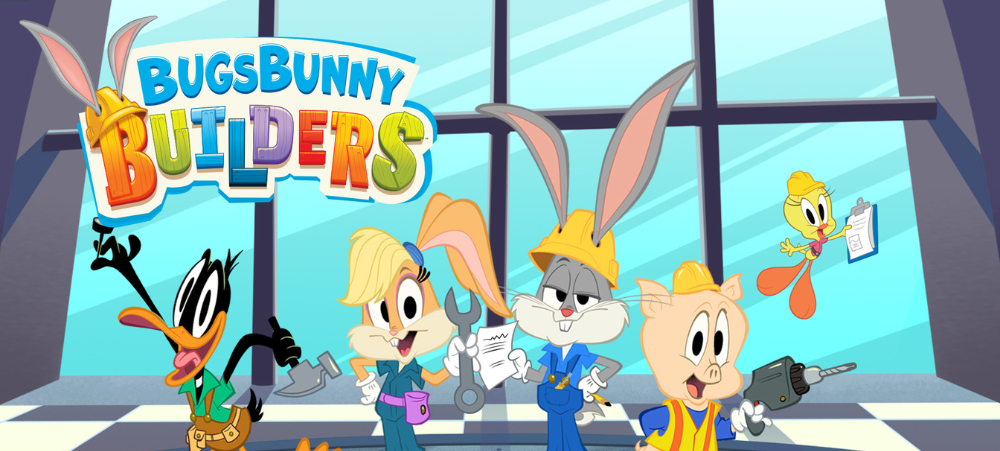
This Halloween, Cartoonito is bringing your little ones a day full of giggles and goosebumps with a special line-up of spooky episodes! From playful pumpkins to silly scares, your favourite characters are ready to make Halloween magical. 🕸️ Spooky Programming Includes: 🎶 Cocomelon & Cocomelon: It’s Cody Time🤣 Mr Bean🦈 Zig & Sharko🐻 Masha and the Bear🛞 Batwheels🐰 Bugs Bunny Builders🚂 Thomas & Friends🕷️ Lucas the Spider👶 Baby Looney Tunes🎩 Looney Tunes Cartoons🐻 Grizzy & the Lemmings… and more! 💥 Don’t miss the brand-new EXCLUSIVE episode:Grizzy & the Lemmings: Monstrous Costumes (S4, Ep. 470) – it’s a Halloween special that promises mischief, costumes, and chaos! 📺 Premiere: Friday, 31 October 2025⏰ Tune-In: from 06:00 CAT So grab the popcorn (or the candy bucket!) and join Cartoonito for a spook-tacular day of fun the whole family will enjoy.

Parenting Hub

Mindful Eating for Kids: Teaching Healthy Habits Without Stress

Developing a healthy relationship with food starts early. Mindful eating teaches children to pay attention to their hunger, fullness, and enjoyment of meals, helping them make balanced choices and develop lifelong healthy habits. Parents can guide this practice in ways that are supportive, stress-free, and age-appropriate. 1. Encourage Awareness of Hunger and Fullness Teach children to recognize their body’s signals. Ask questions like, “Are you still hungry?” or “Do you feel full?” This helps them develop self-awareness and prevents overeating. 2. Make Mealtimes Calm and Focused Create a mealtime environment free from distractions such as TV, phones, or tablets. Sitting together and focusing on food and conversation encourages mindful eating and strengthens family connections. 3. Offer a Variety of Foods Expose children to different tastes, textures, and colors. Encourage them to explore new foods without pressure, fostering curiosity and a willingness to try healthy options. 4. Involve Kids in Meal Preparation Allowing children to help wash vegetables, stir ingredients, or set the table makes them more invested in meals. Participation encourages appreciation for healthy foods and develops cooking skills. 5. Model Mindful Eating Children learn by observing adults. Show them how to eat slowly, enjoy flavors, and listen to your own hunger and fullness cues. Modeling mindful eating reinforces the behaviors you want your child to adopt. 6. Avoid Using Food as a Reward or Punishment Associating food with rewards or punishments can create unhealthy habits. Focus on balanced nutrition and enjoyment rather than linking food to behavior. 7. Talk About Nutrition Positively Highlight the benefits of different foods in an encouraging way. Explain how fruits, vegetables, grains, and proteins help the body grow, give energy, and stay strong. 8. Be Patient and Supportive Developing mindful eating habits takes time. Encourage small steps, celebrate successes, and offer gentle guidance when challenges arise. Avoid pressuring children, as this can lead to resistance or negative associations with food. By introducing mindful eating early, parents can help children develop a balanced relationship with food, build healthy habits, and enjoy mealtimes without stress. Mindful eating not only nurtures physical health but also supports emotional well-being and family connection. SourcesAmerican Academy of Pediatrics – Healthy Eating for ChildrenHarvard T.H. Chan School of Public Health – Mindful Eating for KidsChild Mind Institute – Teaching Healthy Eating Habits

Parenting Hub

Helping Tweens and Teens Manage Stress: Strategies for a Balanced Life

Tweens and teens face a unique set of challenges—from school pressures and extracurricular activities to social dynamics and personal identity development. Learning to manage stress is crucial for their emotional well-being, resilience, and overall health. Parents can support their children by providing tools, guidance, and a safe space to navigate these pressures. 1. Encourage Open Communication Create an environment where your child feels comfortable talking about their worries or frustrations. Ask open-ended questions like, “How was your day?” or “What’s on your mind?” Active listening and validation of their feelings help them feel understood and supported. 2. Teach Healthy Coping Strategies Guide tweens and teens in coping mechanisms such as deep breathing, journaling, meditation, or physical activity. Practicing these skills regularly equips them to handle stress more effectively. 3. Promote Time Management and Organization Balancing school, hobbies, and social life can be overwhelming. Help your child create schedules, prioritize tasks, and break assignments into manageable steps. Good time management reduces anxiety and fosters a sense of control. 4. Encourage Physical Activity Exercise is a natural stress reliever. Sports, dancing, walking, or even active household chores can help release tension, boost mood, and improve focus. 5. Support Healthy Sleep Habits Adequate sleep is essential for emotional regulation and cognitive functioning. Encourage a consistent sleep schedule, limit screen time before bed, and create a calming nighttime routine. 6. Foster Social Support Peer relationships are increasingly important during these years. Encourage positive friendships and maintain open dialogue about social challenges. Remind your child that it’s okay to ask for help or guidance from trusted adults when needed. 7. Model Stress Management Yourself Children observe how adults handle stress. Demonstrate healthy coping strategies, self-care routines, and balanced decision-making. Modeling calm responses to challenges teaches them by example. 8. Encourage Creative Outlets Creative activities like drawing, music, writing, or DIY projects provide emotional expression and mental relaxation. Encouraging hobbies allows teens to channel stress in productive and enjoyable ways. Helping tweens and teens manage stress builds resilience, emotional intelligence, and confidence. By providing support, modeling healthy habits, and encouraging coping strategies, parents empower their children to navigate challenges and maintain balance in their lives. SourcesAmerican Academy of Pediatrics – Stress Management for TeensChild Mind Institute – Helping Teens Cope With StressMayo Clinic – Teen Stress: Tips for Parents

Parenting Hub

The Role of Responsibility: Age-Appropriate Chores That Teach Life Skills

Assigning chores to children is more than just keeping the house tidy—it’s a way to teach responsibility, independence, and essential life skills. Age-appropriate tasks help children understand accountability, develop self-confidence, and learn that their contributions are valuable to the family. 1. Start Small and Simple For younger children, begin with easy tasks such as putting toys away, setting napkins on the table, or feeding a pet. Simple chores teach routine and the concept of contributing to the household. 2. Match Tasks to Age and Ability Choose chores that are suitable for your child’s age and skills. Toddlers can help sort laundry, preschoolers can water plants, and older children can load the dishwasher or take out the trash. Tasks should be challenging enough to teach skills without causing frustration. 3. Explain the Importance of Each Task Help children understand why chores matter. Explaining that cleaning up prevents accidents or setting the table helps the family enjoy meals together gives meaning to the task and encourages engagement. 4. Use Routines and Schedules Consistency reinforces responsibility. Assign chores at regular times—daily, weekly, or as part of specific routines—so children know what to expect and develop habits over time. 5. Teach, Don’t Do Show children how to complete tasks step by step, then allow them to try independently. Offer guidance as needed but resist taking over. This approach builds competence and confidence. 6. Encourage Teamwork Family chores can be completed together, fostering cooperation and communication. Working alongside siblings or parents reinforces collaboration and shows that everyone’s contribution matters. 7. Celebrate Effort and Completion Praise children for their effort and accomplishments, even if the task isn’t perfect. Positive reinforcement builds motivation and reinforces the value of responsibility. 8. Gradually Increase Responsibility As children grow, gradually assign more complex tasks and allow them to manage their own routines. This progression develops independence, time management, and problem-solving skills. Incorporating chores into family life teaches children responsibility while strengthening their confidence, self-discipline, and appreciation for teamwork. Age-appropriate chores are an investment in skills that will serve them well throughout life. SourcesChild Mind Institute – Teaching Responsibility to ChildrenAmerican Academy of Pediatrics – Encouraging Life Skills in KidsParenting Science – Age-Appropriate Chores for Children

Parenting Hub

Celebrating Small Wins: Building Motivation in Children

Celebrating small achievements is a powerful way to boost children’s motivation, self-esteem, and confidence. Recognizing progress rather than only focusing on big accomplishments encourages perseverance, effort, and a positive mindset. Parents can help children learn that consistent effort and dedication are just as important as the final outcome. 1. Acknowledge Effort, Not Just Results Praise your child for trying, practicing, and working hard, even if the result isn’t perfect. Statements like, “I’m proud of how much effort you put in” reinforce the value of persistence and resilience. 2. Break Big Goals into Smaller Steps Large tasks can feel overwhelming. Help children set small, achievable milestones. Celebrating each completed step gives a sense of progress and makes long-term goals more attainable. 3. Use Positive Reinforcement Recognize achievements with words of encouragement, high-fives, or small rewards. Positive reinforcement motivates children to continue working toward goals and reinforces the connection between effort and success. 4. Encourage Self-Reflection After completing a task, ask your child to reflect on what went well and what they learned. This reflection helps them appreciate progress, identify growth areas, and feel a sense of accomplishment. 5. Make Celebrations Meaningful Celebrations don’t need to be extravagant. Simple recognition, like a verbal compliment, a sticker, or a special activity, can make children feel valued and motivated to keep trying. 6. Foster a Growth Mindset Teach children that mistakes and challenges are opportunities for learning. Emphasizing improvement over perfection encourages persistence and a love for learning. 7. Share Success Stories Highlight times when your child overcame challenges or improved a skill. Sharing successes helps them see tangible results of their hard work and motivates them to continue striving. 8. Encourage Peer Recognition Allow children to celebrate each other’s achievements. Encouraging siblings or friends to acknowledge accomplishments fosters a supportive environment and reinforces positive social interactions. By celebrating small wins, parents help children develop a sense of accomplishment, resilience, and motivation. Recognizing progress at every step fosters a positive mindset and encourages children to embrace challenges with confidence. SourcesChild Mind Institute – Building Motivation in ChildrenAmerican Psychological Association – Encouraging Growth Mindset and ResilienceParenting Science – Celebrating Small Wins for Confidence

DIBBER SA

Dibber Launches ‘Dibber Montessori’ in South Africa, Welcoming Five New Schools in October and Three More in 2026

Dibber International Preschools is proud to announce the acquisition of the LittleHill Montessori group of schools, marking a significant step in Dibber’s expansion and commitment to delivering world-class early childhood education in South Africa. From October 2025, the five LittleHill Montessori campuses — Polofields, Thaba, Kikuyu, Fynbos (Cape Town), and The Huntsman (Cape Town) — officially become part of the Dibber family, uniting under the Dibber name while maintaining a strong Montessori focus that families and educators have come to trust. In this transition, Dibber will build on the Montessori foundation, enriching it through Dibber’s Nordic pedagogy, an approach that celebrates emotional warmth, play-based learning, and the holistic development of every child. Together, this creates a learning experience that reflects global best practice while remaining deeply personal, nurturing, and rooted in the local community. “This is first and foremost about children and the daily experience they have at school. Families will recognise the same faces and the same warmth. What changes is the name on the gate and the additional strength behind the school,” says Ursula Assis, Managing Director of Dibber International Preschools South Africa. It reflects the practical approach being taken on campus, with teaching teams remaining in place and daily life continuing without disruption. The Montessori curriculum, meals, and fee structures remain unchanged. Starting in October, sites will carry the new identity, ‘Dibber Montessori,’ and the branch name. “Dibber’s heart culture is about relationships before routines. Montessori’s respect for the child fits naturally with that. Our role is to create spaces where children feel safe, seen, and ready to explore, while giving educators the support and tools to do their best work every day,” adds Assis. Estate partners and communities will also benefit from the transition. Dibber will assume school management while maintaining the existing staff teams, bringing the assurance of international best practice, ongoing staff development, and strong quality systems and compliance, all while preserving the caring, Montessori-inspired environment that families value. Dibber’s South African growth sits within a global context. The group operates more than 600 high-quality preschools across ten countries, consistently focusing on nurturing every child’s unique potential through warm relationships, purposeful play, and meaningful learning.  “Parents have told us they want continuity for their children and clarity about what matters day to day. That is exactly what we are safeguarding here by ensuring familiar teachers, predictable routines, and a learning approach that honours every child, but now with the added resources of a global early learning family.” This evolution represents a thoughtful blend of Montessori’s respect for the child as an independent learner and Dibber’s conviction that every child is inherently valuable — a fusion that nurtures confidence, curiosity, and compassion through relationships, joyful play, and meaningful learning experiences, helping each child to grow with heart, purpose, and a lifelong love of learning. For more information about Dibber International Preschools and its approach to early childhood education, visit www.dibber.co.za.

Parenting Hub

How Music Benefits Your Child’s Development

Music is more than entertainment—it’s a powerful tool for children’s growth. Engaging with music supports cognitive development, emotional expression, social skills, and motor coordination. Whether listening, singing, or playing an instrument, music offers a range of developmental benefits that enhance learning and well-being. 1. Boosts Cognitive Skills Learning and listening to music enhances memory, attention, and problem-solving abilities. Musical activities strengthen neural connections, supporting language development and overall brain function. 2. Supports Emotional Expression Music allows children to explore and express emotions safely. Singing, playing instruments, or listening to songs helps them understand feelings, regulate emotions, and develop empathy. 3. Encourages Creativity and Imagination Improvising, composing, or creating movements to music fosters creativity. Music provides a platform for self-expression and encourages children to think outside the box. 4. Develops Motor Skills Playing instruments, dancing, or clapping along with music improves fine and gross motor coordination. Rhythm exercises, in particular, strengthen timing, hand-eye coordination, and physical control. 5. Enhances Social Skills Group musical activities, such as choir, band, or ensemble play, teach cooperation, listening, turn-taking, and teamwork. Children learn to collaborate and communicate effectively through shared musical experiences. 6. Strengthens Language Skills Songs with lyrics help children develop vocabulary, pronunciation, and grammar. Repetition and rhythm aid memory and support early literacy skills. 7. Reduces Stress and Promotes Relaxation Music has a calming effect on the mind and body. Listening to soothing tunes or engaging in music-making activities can reduce anxiety, boost mood, and improve overall emotional well-being. 8. Encourages Discipline and Patience Learning to play an instrument or master a song requires focus, practice, and perseverance. Children develop patience, dedication, and self-discipline through structured musical activities. Incorporating music into daily life offers children a wide range of developmental benefits. Parents can encourage musical exploration through listening, singing, or playing instruments, fostering creativity, emotional intelligence, and essential life skills. SourcesAmerican Academy of Pediatrics – The Benefits of Music for ChildrenChild Mind Institute – Music and Child DevelopmentHarvard Graduate School of Education – Music Education and Cognitive Development

Parenting Hub

Outdoor Play: Why Fresh Air Matters for Growing Minds

Outdoor play is more than just fun—it’s an essential part of a child’s development. Playing outside supports physical health, cognitive growth, social skills, and emotional well-being. Regular exposure to fresh air, natural light, and unstructured play helps children learn, explore, and thrive in a balanced way. 1. Supports Physical Health Active outdoor play strengthens muscles, improves coordination, and promotes cardiovascular health. Running, climbing, and jumping help children develop gross motor skills while burning energy in a natural and enjoyable way. 2. Enhances Cognitive Development Outdoor environments stimulate curiosity and problem-solving. Exploring nature, building with sticks, or navigating playground structures encourages creativity, critical thinking, and decision-making. Unstructured play fosters imagination in ways structured indoor activities cannot. 3. Boosts Mental and Emotional Well-Being Time outdoors reduces stress, improves mood, and enhances attention span. Exposure to sunlight helps regulate sleep patterns and provides essential vitamin D, supporting overall brain function and emotional regulation. 4. Encourages Social Skills Playing with peers outdoors teaches cooperation, negotiation, sharing, and conflict resolution. Whether it’s a game of tag, building a fort, or playing sports, children learn essential interpersonal skills through interactive play. 5. Fosters Independence and Risk Assessment Outdoor play allows children to assess risks and make decisions on their own. Climbing a tree or balancing on a log encourages confidence, problem-solving, and an understanding of personal limits in a safe environment. 6. Connects Children to Nature Spending time outside nurtures an appreciation for the environment and promotes environmental stewardship. Observing plants, animals, and weather patterns helps children understand the natural world and their role in it. 7. Supports Better Sleep Active play and exposure to natural light help regulate circadian rhythms, leading to better sleep at night. Children who play outdoors tend to fall asleep faster and sleep more deeply. 8. Encourages Creativity and Exploration Unstructured outdoor play provides endless opportunities for creativity. Children invent games, explore new ways to interact with their environment, and engage their imaginations in ways that indoor play often cannot replicate. Incorporating outdoor play into daily routines benefits children physically, mentally, and socially. By encouraging time outside, parents can help children develop healthy habits, creativity, and resilience while fostering a lifelong connection with nature. SourcesAmerican Academy of Pediatrics – The Importance of Play in Promoting Healthy Child DevelopmentChild Mind Institute – Benefits of Outdoor Play for ChildrenHarvard T.H. Chan School of Public Health – Children and Nature

Sidebar Image

Scroll to Top