Advice from the experts
Koa Academy

What Are Parents Really Hoping For in Their Child’s Education?

Most parents want a school environment where their children feel safe, supported, and able to grow. But beneath the usual considerations, academic quality, subject choices, and exam readiness, there are deeper hopes at play. Parents want their children to develop socially and emotionally, discover their interests, and gain the confidence to navigate a future that looks very different from the world we grew up in. At Koa Academy, we believe these bigger aspirations shouldn’t be left to chance. They deserve to be intentionally built into the school experience. That’s why our approach to teaching, learning, and school structure is guided by core principles designed to help young people prepare for a meaningful and successful life. As South African families consider schooling options each year, it’s worth looking beyond the usual checkboxes and asking: Will this school support my child’s deeper development, not just their academics? Putting Soft Skills at the Centre More and more parents recognise that soft skills play a decisive role in their child’s long-term success. Creativity, communication, empathy, critical thinking, and problem-solving are the abilities that help young people thrive in school and far beyond it. Yes, content knowledge still matters, but it’s far easier to teach a new piece of information than it is to develop adaptability or sound judgement. The workplace reflects this reality. LinkedIn reports that soft skills are the top priority for over 80% of specialised roles on their platform. Strong academic performance and subject expertise remain vital, but they shouldn’t come at the expense of transferable, relevant skills that young people will use throughout their lives. These skills support not only a solid academic education but also everyday decision-making, relationships, and navigating a complex world. At Koa Academy, we ensure that opportunities to develop soft skills are woven into the learning journey. We aim to equip students with the tools they need to thrive in a wide range of environments, both now and in the future. Strong Foundations Start With Understanding Education today should be about more than memorising facts and writing test after test. A modern approach focuses on the core ideas and ways of thinking that sit beneath different subjects and topics. Take a History essay, for example. It’s not only about recalling dates, people, and events. It’s also about learning how to think critically, evaluate information, and solve problems. When students understand the concepts behind what they’re doing, they can apply that understanding in new and meaningful ways. By focusing on the “why” of learning, not just the “what,” students start to see how their schoolwork connects to real life. This makes their education feel more relevant and, ultimately, more impactful. This foundation helps young people become more confident, independent thinkers – not just students who can memorise and repeat. Encouraging a Love of Learning One of the most valuable outcomes a school can nurture is a genuine love of learning. Lifelong learners don’t wait for someone to tell them what to study; they actively seek opportunities to grow, explore, and improve. This mindset not only sets students up for academic success but also helps them adapt to an ever-evolving world. Helping children develop this mindset requires partnership between home and school. It includes building strong routines, encouraging curiosity, setting small achievable goals, and surrounding young people with peers and adults who spark interest. Importantly, it involves helping students see mistakes as part of the process: feedback, not failure. At Koa, we intentionally cultivate this mindset so that learning becomes a habit, not just a requirement. Learning That Fits the Individual Children learn at different paces and in different ways, yet many mainstream schools still rely on teacher-paced learning, where the entire class moves through content at the same speed. This “teach to the middle” model limits both accelerated students and those who need more time. Mastery-based learning turns this model on its head. Instead of marching through content to keep up with the teacher’s pace, students progress only once they’ve fully grasped each concept. Those who understand quickly can move ahead; those who need more time can pause, revisit, and deepen their understanding without falling behind. In this model, the teacher becomes a facilitator who supports each student’s unique learning journey. Over time, mastery-based learning helps reduce learning gaps – especially in the senior grades where they matter most. Choosing a School That Aligns With Your Values When parents think about choosing a school, it’s worth digging deeper than academics and facilities. What values do you hold when it comes to raising your child? What kind of young adult do you hope they will become? A great school should reflect and support those values. It should help students become adaptable, curious, compassionate, and resilient – traits that matter just as much as test scores in an ever-changing world. Parents often default to what they experienced growing up, or what’s considered the “norm.” But schooling today doesn’t have to look like schooling from twenty or thirty years ago. Rethinking education with your family’s values in mind can make all the difference. Finding a school that aligns with those values, one that sees your child as an individual with potential and purpose, is one of the best investments you can make in their future. Discover Koa Academy here. 

Parenting Hub

How The Elf on the Shelf Makes School Breaks Easier, Happier, and a Little More Magical!

The December school holidays are long, full of energy, and can often leave parents wondering how to keep children entertained, engaged, and inspired—without spending every day running activities or relying on screens. That’s where The Elf on the Shelf comes in. More than a festive tradition, your Scout Elf becomes a small, magical companion that helps create moments of joy and surprise throughout the holidays. Ready to make your mornings merry, magical, and stress-free? Here are seven ways The Elf on the Shelf can bring a little extra sparkle to your festive season: 1. Start the Day with a Spark of Magic A Scout Elf brings anticipation into the mornings. Each night, your Scout Elf returns to the North Pole, and in the morning, they reappear somewhere new in your home. Whether perched on a shelf, resting on a kitchen counter, or “reading” a tiny book, the Scout Elf’s new spot sparks excitement, curiosity, and joy. These small surprises can set a positive tone for the day, giving children a moment to pause, wonder, and smile before the day begins. Here’s a glimpse into how @baileygeorgiades brings the Scout Elf tradition to life in her home, filling each day with festive joy. 2. Introduce Gentle Structure Long summer days can feel unstructured for children. Your Scout Elf can provide subtle guidance without pressure. For example, a small note next to your Scout Elf can suggest a creative activity for the day, such as drawing a festive picture, or helping with a quick household task. The Elf on the Shelf becomes a fun way to encourage routines, responsibility, and mindfulness, while still keeping the magic alive. 3. Keep The Elf on the Shelf Moments Simple You don’t need elaborate setups or complicated props. Children are delighted by simple, relatable scenarios. A Scout Elf sitting inside a shoe, peeking from a cereal shelf, resting in a sunny spot, or even taking a “cooling break” in the fridge can create just as much excitement. Simplicity is often the key to creating memorable mornings without extra stress. 4. Inspire Creativity and Independent Play Without touching your Scout Elf—so its magical powers remain intact—children can still engage with the tradition by creating little surprises nearby: leaving a tiny note for their Scout Elf, crafting paper decorations, or building a festive scene. These activities spark independent, imaginative play while giving parents a few peaceful moments during busy days. Want to see the magic in action? Here’s how @elena_pappas and her family enjoy their Scout Elves during the festive season. 5. Encourage Positive Behaviour December is full of excitement, and sometimes high energy can lead to tension. A Scout Elf can reinforce positive behaviour in a gentle, playful way. Your Scout Elf might leave a note praising a kind action or appear in a tidy space as if “noticing” the effort. This helps children understand that thoughtfulness, helpfulness, and cooperation are appreciated—even during busy holiday months. 6. Add Variety with Accessories The Scout Elf experience can be brought to life even further with the Elf Pets, Claus Couture, and Polar Props collections. Outfits, tiny props, and festive companions help keep the tradition fresh and exciting, giving each elf a unique personality and playful scenario. Best of all, these additions create magical mornings without any extra stress for parents. 7. Capture the Joy The true magic of The Elf on the Shelf is in the reactions: wide eyes, surprised giggles, and delighted laughter. These authentic moments become lasting memories, whether you capture them in photos or simply enjoy them as a family. Adopt Your Scout Elf and Bring the Magic Home The Elf on the Shelf brings joy, creativity, subtle structure, and a little calm to the busy December holidays.  If you’re ready to start this heartwarming tradition—or continue one your family already loves—you can adopt your Scout Elf at select Toy Kingdom, Exclusive Books, and Hamleys stores, Takealot online, and your favourite independent toy store. A small companion from the North Pole may be the easiest, most meaningful addition to your holiday season this year.

Educ8 SA

My child has unique learning needs and how can Educ8 SA assist

Are you a parent of a child with unique learning needs? Look no further than Educ8 SA to provide the specialised education your child deserves. Our team of highly trained professionals understands that every child has a different learning style and requires individualised attention. With our comprehensive range of programs and resources, we are committed to empowering your child to reach their full potential. Understanding unique learning needs When it comes to education, one size does not fit all. Children with unique learning needs face specific challenges that require tailored support. Understanding these needs is essential to provide the right educational environment for these children. Unique learning needs can encompass a wide range of conditions, including dyslexia, ADHD, autism spectrum disorder, and more. Each child’s learning challenges are unique, and it’s crucial to approach their education with sensitivity and expertise. At Educ8 SA, we believe that every child, regardless of their learning challenges, is capable of achieving academic success. Our team is dedicated to understanding the individual needs of each child and providing the necessary support to help them thrive. Challenges faced by children with unique learning needs  Children with unique learning needs often face various challenges that can affect their educational journey. For example, a child with dyslexia may struggle with reading comprehension and writing skills, while a child with ADHD may have difficulty with focus and organisation. These challenges can make it challenging for these children to keep up with traditional teaching methods and may result in a loss of confidence and motivation. Educ8 SA recognises these challenges and works closely with each child to overcome them. We understand that it is essential to address the underlying difficulties these children face to provide them with the tools they need to succeed. The importance of tailored education for children with unique learning needs One of the most crucial aspects of supporting children with unique learning needs is providing them with a tailored education. Each child requires a customised approach that considers their strengths, weaknesses, and individual learning style. By tailoring education to their specific needs, we can create an environment where they can thrive and reach their full potential. At Educ8 SA, we take pride in our personalised approach to education. Our team of professionals takes the time to assess each child’s strengths and weaknesses, allowing us to develop a customised learning plan. By addressing their unique needs, we can help children overcome challenges, build confidence, and develop essential academic and life skills. The benefits of Educ8 SA’s specialised programs Educ8 SA offers a range of specialised programs designed to meet the unique learning needs of each child. Our programs are carefully crafted to address specific challenges and provide a supportive environment for growth and development. Here are some of the benefits of our specialised programs: Research-based strategies: We stay up-to-date with the latest research in education and learning disabilities, incorporating evidence-based strategies into our programs. By using proven methods, we can maximise the effectiveness of our teaching and support. Innovative teaching methods: We believe in embracing innovation to enhance the learning experience. Our teachers utilise technology and interactive resources to engage students and make learning more enjoyable and effective. Holistic approach: At Educ8 SA, we understand that education goes beyond academics. Our programs focus on developing essential life skills such as communication, problem-solving, and self-confidence. We aim to empower children with the skills they need to succeed in all aspects of life. Success stories from students at Educ8 SA The impact of Educ8 SA’s specialised programs can be seen through the success stories of our students. Many children who have struggled in traditional educational settings have thrived under our tailored approach. Here are a few inspiring stories: A student with dyslexia, joined Educ8 SA when she was struggling to keep up with her classmates. With personalised support and specialised reading programs, she not only improved her reading skills but also gained confidence and a love for learning. Another student with ADHD, found it challenging to focus in a traditional classroom environment. At Educ8 SA, he received individualised attention and learned techniques to manage his attention difficulties. This enabled him to excel academically and develop better organisational skills. These success stories are a testament to the effectiveness of our specialised programs in helping children overcome their learning challenges and achieve their full potential. How Educ8 SA supports parents and caregivers  At Educ8 SA, we understand that parents and caregivers play a crucial role in their child’s educational journey. We believe in fostering a collaborative partnership between educators and families to ensure the best possible outcomes. Here’s how we support parents and caregivers: Regular communication: We maintain open lines of communication with parents and caregivers, providing regular updates on their child’s progress and addressing any concerns or questions they may have. Parent zoom sessions and support: We offer parent zoom sessions and support for parents and caregivers to provide them with valuable resources and a supportive community. These sessions cover various topics related to education, learning disabilities, and parenting strategies. Parent education sessions: We provide parents with the knowledge and tools they need to support their child’s learning at home. These sessions offer practical tips and strategies that can be implemented in everyday life to reinforce the skills learned in the classroom. Additional resources and support for children with unique learning needs In addition to our specialised programs, Educ8 SA offers a range of additional resources and support for children with unique learning needs. These resources are designed to complement our programs and provide further assistance in overcoming challenges. Some of these resources include: Assistive technology: We utilise various assistive technologies to support children with specific learning needs. These technologies can help improve reading, writing, organisation, and overall learning outcomes. Learning materials and resources: We provide children with access to a wide range of learning materials and resources tailored to their individual needs. These resources support their learning journey and help reinforce concepts taught in the classroom. Individualised support

School of Rock Parktown North

Music all year round: Why School of Rock Parktown North Is the Gift That Keeps Giving

At School of Rock Parktown North, we don’t just teach kids how to play instruments, we help them build confidence, creativity, community, and lifelong skills. As the year winds down and festive energy sets in, many of you are probably looking for enriching activities that give you and the kids more than just a hobby. Here’s why the School of Rock experience is a perfect fit for the season! Beyond Notes: The Many Benefits of Music Education Music isn’t just fun; it’s transformative. Learning an instrument or singing can improve language development, memory, concentration, and even academic performance. Why School of Rock Parktown North Does It Differently At School of Rock Parktown North, we believe that learning music should be fun, social, and purposeful. Our model combines individual lessons with band rehearsals and live-performance opportunities, giving kids a real chance to experience what it’s like to be in a rock band. Holiday Workshops for Kids: December & January This festive season, our Holiday Workshops give children a fun, structured way to explore music while school is out. Open to both new and current students during December and January, these workshops offer: Whether a child is picking up an instrument for the first time or expanding existing skills, our workshops provide inspiration, fun, and confidence through music. Please pop us an email at [email protected] or Whatsapp us on 074 322 2000 for more info and to book a slot!  Corporate Year-End Workshops & Team- building events School of Rock Parktown North also offers corporate and adult-focused workshops that are perfect for companies looking for a creative way to celebrate the end of the year. These sessions are designed to be fun, team-oriented, and stress-relieving: These workshops offer a unique, memorable way to close out the year; combining music, collaboration, and a little bit of festive cheer. Reach out at [email protected] or Whatsapp us on 074 322 2000 for more details.  A Great Time to Start (or Re-Start) With the new year around the corner, there’s no better time to explore what music can offer. Whether you or your child has never touched an instrument, are looking to deepen skills, or want a creative team-building experience, School of Rock Parktown North is ready to welcome you all with open arms. Let music be more than a gift this holiday!

Cartoon Network Africa

Powerpuff Girls Bench Sparks Girl-led Change

Unveiling the Powerpuff Girls Safe Space Bench, Phillipi Village, Cape Town In a vibrant celebration of girl power, community spirit, and creativity, the new Powerpuff Girls Safe Space Bench was unveiled at Philippi Village’s Daughter Thembi Garden. This bold piece of public artwork was conceived through a partnership between Cartoon Network, girl-led non-profit BRAVE, and Philippi Village, a collaborative hub for entrepreneurship, education, culture, and community. It stands as a symbol of safety, resilience, and possibility for girls and young women in Philippi, and across South Africa, reminding us that change often begins in local communities, where young voices lead the way. The unveiling coincides with the start of the 16 Days of Activism Against Gender-Based Violence, offering a hopeful, youth-led moment to reflect on what safety means to girls today, and how creativity, storytelling, and community can help shape safer futures. The Safe Space Bench is a physical and creative anchor for these conversations, a bold, public symbol of dignity, safety, and the power of young women to shape their own futures. Cartoon Network, South Africa’s favourite kids’ channel*, is known for its empowering characters and imaginative storytelling. “Cartoon Network is proud to support the incredible work being done by BRAVE and Philippi Village,” said Sarah Jane Morgan, Director, Brand, Marketing and Digital, Kids Networks EMEA, Warner Bros. Discovery. “The Powerpuff Girls Safe Space Bench embodies our commitment to inspiring young people, especially girls, to be courageous, creative, and agents of real-world change.” The initiative draws inspiration from the iconic Powerpuff Girls, Blossom, Bubbles, and Buttercup, who embody the courage, collaboration, and bold self-expression of the girls at BRAVE and Philippi Village. The bench itself was designed by local artist Lovell Friedman, and joins other community art landmarks in Philippi Village, transforming public spaces into hubs for storytelling and collective hope. BRAVE, a girl-led organisation focused on leadership and resilience, played a central role in shaping the campaign. “This bench is more than just a place to sit, it’s a safe space for children, where girls can be heard and not just seen,” said Zita Chaule, a BRAVE participant and youth spokesperson. “It’s about creating a world where girls can thrive, not just survive. Just like the Powerpuff Girls, we are stronger together!” Philippi Village, as host and co-creator, helped bring the bench to life through its commitment to inclusive placemaking and youth empowerment. “At Philippi Village, our mission is to co-create a safe and vibrant space that connects people to the services, opportunities, and cultural activities that help communities thrive,” said Simphiwe Nikani, CEO of Philippi Village. “The Safe Space Bench represents this vision in action, a small yet powerful symbol of care, belonging, and safety. Together with our partners, we continue to reimagine a space that is healthy, connected, and compassionate, where no one has to sit alone. As a community, we are redefining what safety and connection look like, one space, one conversation, one act of kindness at a time. Through partnerships like this, we bring our vision of a safer, healthier, and more connected space to life.” As part of the campaign, a powerful short video spotlighting one of the girls behind the bench. In these videos, a girl from Philippi Village reflects on what safety means to her and how she’s creating change in her communities. This story brings the spirit of the bench to life, bold, honest, and deeply rooted in lived experience. Ncebakazi is upgrading her matric at Philippi Village and dreams of becoming a teacher. She thrives in spaces that challenge her to learn, grow, and lead. The campaign continues until 10 December, aligning with the 16 Days of Activism Against Gender-Based Violence. While BRAVE and Philippi Village lead the on-the-ground work with girls and communities, Cartoon Network’s contribution is symbolic, offering a safe space through the Powerpuff Girls Safe Space Bench as a public anchor for conversations about dignity, resilience, and belonging. Together, the partners aim to spark dialogue, amplify youth voices, and inspire communities to reflect on what safety means for girls today.

Bonitas – innovation, life stages and quality care

The role of medical aids in the long game of HIV eradication in SA

South Africa enters World Aids Day this year at a pivotal moment. While the country has made significant strides in reducing new infections and improving access to treatment, HIV remains a major public health challenge. Millions of South Africans rely on the national HIV programme, placing sustained pressure on public clinics to provide prevention, testing and treatment services. Within this landscape, medical aids play a critical supporting role through structured, long-term HIV care offered to members, which helps to ease the burden on public facilities while ensuring people living with HIV receive consistent, high-quality treatment.  Though often understated in national discussions, this support contributes to the same long-term goals as the national HIV response, which are early diagnosis, continuous treatment and viral suppression at scale.  ‘The future of HIV care depends on consistency, not crisis response,’ says Dr Themba Hadebe, Clinical Executive at Bonitas Medical Fund. ‘Medical aids have a responsibility to make that consistency possible by supporting members with reliable access to treatment, monitoring and counselling.’ Adapting to a changing HIV care landscape This form of support matters more as national policy shifts. South Africa’s HIV treatment approach now makes it easier for people living with HIV to access care and stay on treatment. For members, this means fewer clinic visits, more convenient ways to get medicine, and additional avenues for support – all designed to help them maintain long-term health and wellbeing. ‘Structured HIV programmes ensure that members benefit from regular health checks, emotional support and guidance from trained counsellors in addition to receiving the medicine they need,’ says Hadebe. ‘This helps them manage side effects, understand their treatment plans and address challenges early, reducing the risk of interruptions and supporting sustained health outcomes.’ Early detection remains a cornerstone of the national HIV response. Expanding access to self-testing and pharmacy-led services allows more people to know their status sooner, creating opportunities for immediate treatment and ongoing care. Consistent support ensures that individuals start treatment promptly, stay engaged, and achieve viral suppression – outcomes that are essential to limiting transmission and protecting public health. ‘Long-term success in HIV care depends on consistent support and follow-up at every stage, from early diagnosis to ongoing treatment and emotional guidance,’ says Hadebe. ‘When people have access to regular monitoring, counselling and timely interventions, it improves individual outcomes as well as strengthens the health system as a whole.’ Achieving South Africa’s 95‑95‑95 targets depends on well-coordinated, long-term systems. While public health facilities carry the bulk of the responsibility, structured programmes in the private sector play a vital supporting role. ‘World AIDS Day is a reminder that progress relies on continuity, and that prevention, testing and treatment must be sustained to be effective. Consistent, structured support strengthens the national response, helps reduce new infections, and improves the lives of people living with HIV across the country,’ concludes Hadebe.

Educ8 SA

Managing Academic Pressure with Educ8 SA

As the year winds down, it’s essential for kids to stay focused, but not at the cost of their well-being. With only two months left, academic pressure can be overwhelming, leading to stress, anxiety, and burnout. Recognising the signs of excessive stress and implementing effective coping strategies can help students navigate this challenging period. Signs of Excessive Stress Coping Strategies Tips for Managing Academic Pressure The Educ8 SA Solution At Educ8 SA, we understand that every child is unique and has individual needs. Our personalised learning approach helps students thrive in a supportive environment. With our comprehensive range of programs and resources, we’re committed to empowering your child to reach their full potential. Benefits of Learning with Educ8 SA Supporting Your Child’s Success Why Choose Educ8 SA? At Educ8 SA, we believe that quality education should be accessible to everyone. Our innovative online school is designed to break down barriers and provide a wide range of learning opportunities. Who We Serve Educ8 SA caters to a diverse range of learners, including: Pricing: Take the Next Step Don’t let academic pressure overwhelm your child. Join Educ8 SA today and discover a supportive learning environment that fosters growth, confidence, and success. Contact us: Website: www.educ8sa.com Email: [email protected] Phone: 084 685 2138

Cartoonito

Scooby-Doo Movie Stars Special: Mysteries, Laughs & Family Fun!

Grab your snacks and join the gang! 🐾🎬 Scooby-Doo Movie Stars Special is packed with mystery, adventure, and laughs for the whole family. From Lego Scooby-Doo’s beach bashes to haunted Hollywood escapades, vampire concerts, pirate adventures, and more, there’s a Scooby-Doo movie for every weekend in November. Watch as Scooby, Shaggy, Fred, Daphne, and Velma unravel mysteries, dodge spooky villains, and share moments of friendship and fun that kids and parents can enjoy together. Don’t miss this exclusive Scooby-Doo marathon—perfect for family viewing! Premiere: ⏰ Monday, 8 November 2025Tune-In: 📺 Weekends @ 09:40 CAT / Saturdays @ 14:00 CAT on Channel 302 Exclusive: ends 30 November 2025

Cartoon Network Africa

LEGO Dreamzzz: Season 3 Returns!

In Season 3: Enter The Cyber Game!, Mateo, Izzie, and the Dream Chasers face technologically advanced villains and mysterious towers that threaten the very fabric of their dream world. As they dive into the adventure, they discover a highly intelligent mastermind with a plan to reshape the dream world—and challenge creativity and inspiration itself! Can the Dream Chasers save the day and protect imagination as we know it? Don’t miss the premiere: ⏰ Monday, 1 December 2025📺 Tune in Monday to Friday at 06:50 only on Cartoon Network Channel 301 Tune in for endless laughter and adventures for the whole family!

Wingu Academy

Teaching with Purpose — The Wingu Way

When education systems commoditise teaching—measuring by hours, seats, or content delivered—something essential gets lost: the human, moral, and relational dimension. Wingu Academy insists on a different path. We believe education’s purpose is not just to impart knowledge, but to guide character, build ethical capacity, and enable agency. Research into online learning environments highlights the centrality of teacher presence—not just as lecturer, but as mentor, facilitator, and moral guide. Studies on interactive online teaching found that teacher-student engagement, peer interaction, and teacher feedback predict deeper learning, motivation, and satisfaction. Live classes are a core expression of presence. They allow qualified teachers to respond dynamically—adapting explanations, noticing when students are confused, and using verbal/non-verbal cues to ensure understanding. That trust and connection fosters a learning environment where students feel safe to struggle, ask questions, and take risks. But teaching with purpose also means designing learning experiences for lasting impact. That includes real tests and exams to map progress, but also recordings so that students can reflect. It means qualified teachers who continuously invest in their own growth, share insights, and guide students not just through syllabi, but through cognitive challenges and ethical choices. Research from universities and studies during the COVID-19 transition show that blended methods—live instruction supplemented with recorded materials and formative assessments—yield strong learning outcomes, especially for students who may struggle with pace, access, or traditional models. In the Wingu community, this manifests in classrooms where students are seen and heard, assessments are fair and transparent, and growth is acknowledged. Teachers lead with integrity. Learners grow with confidence. And education becomes more than instruction—it becomes a partnership in purpose.

DIBBER SA

Reflecting on Parenting Goals: Seven Meaningful Ways to Reset Before the Holiday Season

As families prepare for South Africa’s big holiday season, Dibber International Preschools is encouraging parents to take a mindful pause and reflect on their parenting goals. According to Ursula Assis, Country Director of Dibber South Africa, creating space for reflection during this busy period can bring renewed balance, intention, and joy into family life. “Reflection isn’t about judging what we did right or wrong, it’s about recognising growth, reconnecting with what matters most, and creating the kind of home environment where both children and parents can thrive,” says Assis. “The holidays are a perfect opportunity to do this together as a family.” Below, Assis shares seven gentle yet practical techniques to guide parents as they reflect on their parenting journey before the new year begins. 1. Take Care of Yourself First A child’s emotional balance often mirrors that of their caregivers. When parents take time to rest and recharge, it positively influences the tone of the household. Whether it’s hiking scenic trails in Pretoria, enjoying a family picnic at Zoo Lake, or simply playing board games indoors, moments of calm connection help restore harmony. 2. Avoid Over-Planning While planning is helpful, over-scheduling family activities can create unnecessary stress. Assis advises parents to “allow for flexibility and spontaneous moments of joy.” Unstructured time often brings the most meaningful family connections. 3. Pause and Reflect Before the festive rush takes over, take a quiet moment to think about your year in parenting. Ask questions like, “When did I feel most connected to my child?” and “What challenges helped us grow?” This mindful reflection nurtures self-awareness and strengthens family bonds. 4. Celebrate Small Wins Not every success needs to be big. Noticing your child’s daily progress—like sharing a toy or learning a new word—builds confidence and gratitude. “Acknowledging these small victories boosts your child’s self-worth and reinforces positive parenting habits,” says Assis. 5. Listen to Your Child’s Perspective Children experience the world differently. Invite them to share their thoughts about the year – what made them happy, what they’d like to do more of. “Listening to your child’s perspective teaches empathy and makes them feel valued,” Assis notes. 6. Set Realistic Goals for the New Year Ambition is good—but so is balance. Instead of overwhelming children with lofty expectations, focus on achievable goals. “When children see consistent encouragement rather than pressure, they develop confidence and resilience,” says Assis. 7. Create New Family Traditions Turn reflection into a shared family ritual—like everyone sharing one thing they’re grateful for at the Christmas table or during a beach braai. These small acts foster connection, mindfulness, and appreciation that last long after the holidays end. “When we pause and reflect with love and curiosity,” Assis concludes, “we set the stage for more mindful parenting—and a happier, more harmonious start to the year ahead.”

Cartoonito

Bugs Bunny Builders S2: Looniest Construction Adventures Ever!

Get ready for wacky tools, wild vehicles, and endless laughs! 🛠️🎉 Bugs Bunny Builders Season 2 follows Bugs Bunny and his hilariously inept ACME Construction crew—Lola Bunny, Daffy Duck, Porky Pig, Tweety, and more—as they tackle the looniest construction jobs ever. From zany teamwork to outrageous mishaps, every episode is packed with fun, laughter, and family-friendly chaos. Watch as the gang works together to build, fix, and creatively solve problems—learning lessons along the way, all while keeping the laughs rolling! Perfect for kids and parents to enjoy together. Premiere: ⏰ Monday, 24 November 2025Tune-In: 📺 Monday to Friday @ 17:45 CAT on Channel 302

Rush Extreme Sports

How Adventure Parks Like Rush Extreme Keep Kids Active and Engaged

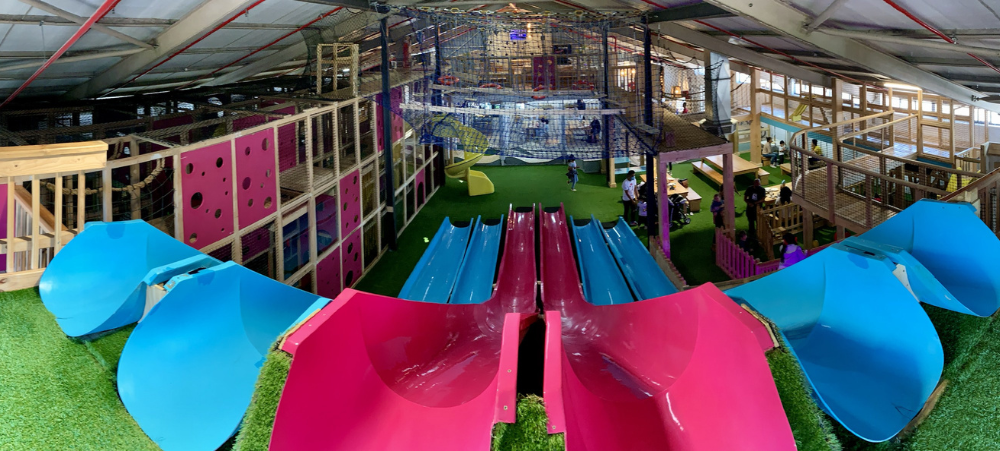
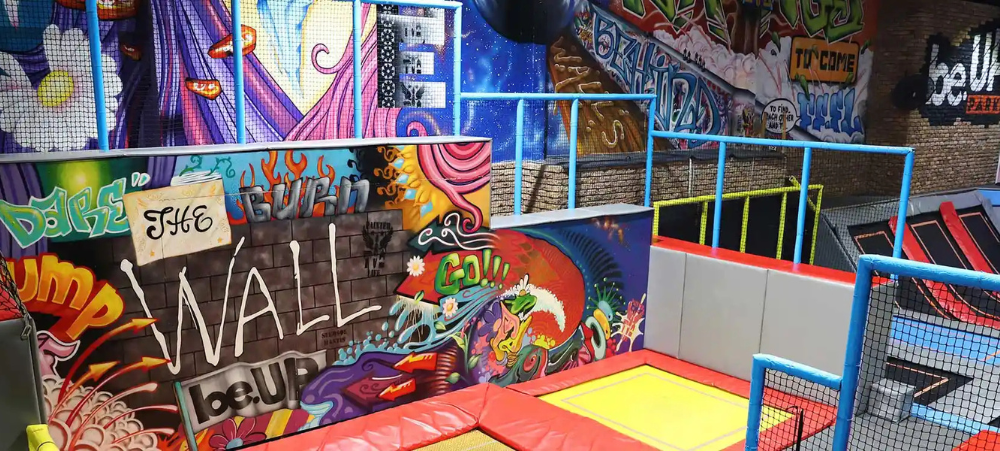
In today’s digital age, where screens dominate kids’ attention, finding ways to keep them active and engaged is more important than ever. Indoor adventure parks like Rush Extreme in Cape Town and Johannesburg provide the perfect environment for children to enjoy physical activity while having fun. These action-packed venues offer an exciting alternative to traditional sports and playgrounds, ensuring kids stay fit, develop new skills, and experience the thrill of adventure. Encouraging Physical Activity Through Fun One of the biggest benefits of indoor adventure parks like Rush is that they make exercise enjoyable. Instead of seeing physical activity as a chore, kids view it as an adventure. At Rush, children can jump, climb, race, and explore obstacle courses that challenge their strength, agility, and endurance. This kind of dynamic movement enhances cardiovascular health, coordination, and balance, all while keeping them entertained for hours. Enhancing Social Skills and Teamwork Indoor adventure parks are also fantastic for social development. Many of the activities at Rush encourage teamwork, whether it’s conquering a climbing wall together, competing in a friendly game of dodgeball, or navigating an obstacle course with friends. These shared experiences help children build confidence, improve communication skills, and develop a sense of camaraderie – all essential life skills that will benefit them beyond the adventure park. Boosting Mental Well-being and Confidence Physical activity is known to reduce stress and improve mood, and the challenges at adventure parks provide kids with a healthy way to release energy and build resilience. Overcoming an obstacle or mastering a difficult challenge at Rush indoor adventure park gives children a sense of accomplishment, boosting their confidence and encouraging them to tackle new challenges both inside and outside the park. Keeping Kids Engaged in a Safe Environment Safety is a priority at Rush indoor adventure park, ensuring kids can enjoy the thrill of adventure with peace of mind. With high-quality safety gear, trained staff, and padded areas, parents can rest assured that their children are playing in a controlled and secure environment. This allows kids to test their limits while staying safe, fostering both independence and responsibility. A Healthier Alternative to Screens With the rise of smartphones, tablets, and video games, kids are spending more time looking at screens. Indoor adventure parks like Rush Extreme provide a fun and active alternative, encouraging children to put down their devices and engage in real-world play. Not only does this improve their physical health, but it also stimulates creativity, problem-solving skills, and critical thinking. Experience the Ultimate Adventure at Rush Extreme! If you’re looking for an exciting way to keep your kids active and engaged, Rush Extreme indoor adventure park in Cape Town and Johannesburg is the ultimate destination. With a variety of thrilling activities designed to challenge and entertain, it’s the perfect place for children to move, play, and grow. Book your visit in Cape Town here and in Johannesburg here.


Cartoon Network Africa

Cartoon Network International Brings Back New Episodes of The Wonderfully Weird World of Gumball in February 2026

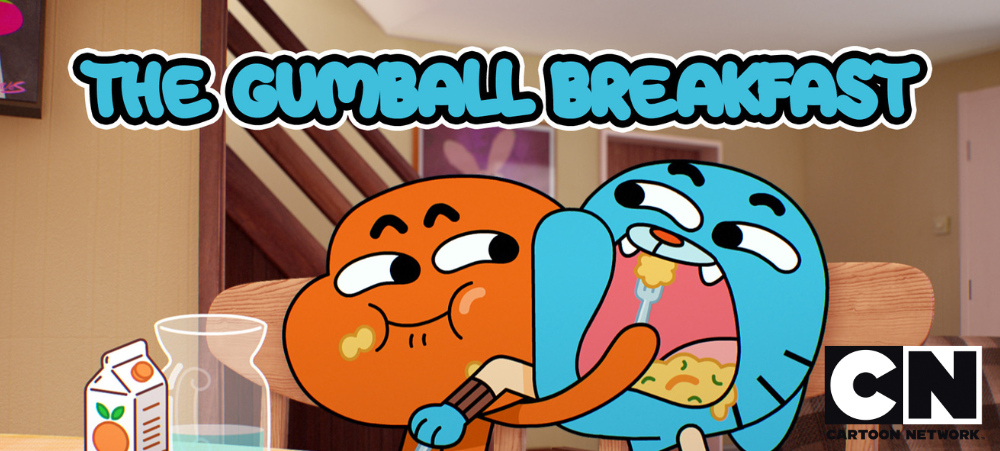
Following the phenomenal success of The Wonderfully Weird World of Gumball, which scored a perfect 100% on Rotten Tomatoes, Cartoon Network Africa is thrilled to announce that brand-new episodes will premiere in February 2026. Produced by Hanna-Barbera Studios Europe, the beloved animated series continues its legacy of comedy and creativity with 20 fresh episodes packed with outrageous humour, heartfelt moments, and features original music numbers that bring Elmore to life like never before. The upcoming stories dive further into hilariously bizarre family dynamics and schoolyard chaos. From Gumball facing the most difficult bike ride of his life, to Darwin’s rise as a power-hungry witch, expect Gumball and Darwin to tackle everything from awkward promposals to epic party entrances and uncover secrets through a mysterious diary. Anais also takes centre stage, grappling with premature ageing under family stress, while Nicole teams up with Yuki to impress at Career Day, and Richard schemes to cool off during a heatwave. Beyond the Watterson household, Elmore Junior High becomes a battleground of eccentric challenges, from fighting off an evil guidance counsellor to travelling to the underworld with Carrie. Fans can look forward to spoofs of cult classics, April Fool’s showdowns, and sketch-style episodes exploring the hidden lives of Elmore’s residents. Record-Breaking Performance Gumball’s return to Cartoon Network in October was a cultural moment, launching 20 brand-new episodes and reaffirming its status as the #1 kids’ and family IP across the Cartoon Network ecosystem. In 2025, the series smashed records, drawing 54 million viewers on linear and generating over 150 million organic social media views, plus 28 million social engagements in just 10 days. Gumball continues to dominate with 16 billion lifetime views across YouTube on Cartoon Network channels, 1.8 billion of these in 2025 alone, and over 6.5 million interactions on Cartoon Network’s GameOn! experience on Roblox this year. On TV, it was the most-watched show on the channel, and ranked #1 in its premiere slot in markets including the UK, Poland, Spain, and South Africa, #2 in countries including Turkey, Portugal, and Singapore, plus claimed a top four ranking in Japan. Warner Bros. Discovery, GM, International Kids, Animation and Franchise, Vanessa Brookman says: “It’s an amazing privilege to be able to bring more of this wonderful series to audiences around the world. In a world where kids’ attention is more fragmented than ever, success starts with exceptional content. Gumball’s latest launch proves that when you pair world-class storytelling with a smart, ultra-targeted campaign, you don’t just reach audiences, you spark global conversations and shared experiences. This combination is at the heart of our strategy and why Gumball continues to lead the way in kids’ entertainment.” Created and executive produced by Ben Bocquelet, The Wonderfully Weird World of Gumball is a quarter-hour animated comedy series that blends an eclectic mix of media styles, including 2D & 3D animation, CGI, puppetry, photorealism and live action, into a wildly imaginative world defined by its vibrant visual style and sharp meta humour. Matt Layzell and Erik Fountain serve as Executive Producers and Series Directors. The Composer for the series is Xav Clarke, and Joe Sparrow serves as Art Director. The stellar voice cast includes Alkaio Thiele as Gumball, Hero Hunter as Gumball’s younger brother Darwin, Kinza Syed Khan as younger sister Anais, Teresa Gallagher as Gumball’s mother Nicole, and Dan Russell as his father Richard, among many others.

Bill Corbett

Four Questions to Ask Before You Discipline

In my work with parents and teachers on solving behavior challenges with children, I help them identify the problem, possible causes of the behavior, and then possible solutions for eliminating it. My goal is to send the adults away with a few simple step-by-step techniques they can implement immediately to bring about quick change at home or in the classroom. Here are four key questions to ask yourself to help you identify a current behavior issue and some common sense solutions to solve them. QUESTION # 1: Why can’t the behavior occur? Adults react unnecessarily when children behave in ways that annoy or embarrass the adult, or add more chaos to their already stressed state of mind. Adults also react in this manner in response to feelings of fear that the child may fall down or get hurt in some fashion. Stop before you react unnecessarily and ask yourself, “What is the worst that could happen if I don’t react?,” or “Why can’t my child do what she’s doing at the moment?” Let go of the urge to control everything and everybody. Avoid arranging the outcomes of everyone’s behavior. QUESTION # 2: How would the child know not to behave this way? Children see the world from a different perspective than adults, and adults unfairly assume or expect children to see it from theirs. Carefully examine the models that your children have around them to learn from and be sure to set good examples that teach what you want them to learn. Encouraging a child to read frequently, for example, works best when they see the adult reading, too. Create agreements ahead of time and set up rules before activities begin, not in the middle of them. Yes, this will require you as a caregiver to think ahead and predict behavior situations that could be challenging. QUESTION # 3: What unmet needs might the child be demonstrating? In many instances, both children and adults demonstrate surprising behaviors as a way of getting unmet needs satisfied. The little boy constantly drawing may be exhibiting his need to draw and create. Creating appropriate opportunities for him to draw and color may be all that is necessary to eliminate the problem. Giving a bossy child the opportunity to lead family activities may satisfy his need to be in charge. And relaxing over a tween or teen’s experiments with her appearance that doesn’t endanger her will satisfy her need to explore her own identity in a healthy way. Have you ever behaved in curious ways to satisfy any unmet needs of your own? QUESTION # 4: Is there a purpose to this behavior for the child? Both children and adults find ways to act out to create more purpose in their life. The little boy picking the fights with his brother discovered that it brought his busy grandmother into the room in hopes of her taking his side. The little girl who had once again become a baby was most likely responding to the jealousy she may have felt of having to share her parents with her new sibling. And my own son found a new way to annoy others by experimenting with sounds he could make with his voice. Before you get angry and behave badly as a caregiver, step back for one moment, take a deep breath, and ask yourself these four questions. Perhaps the answers they offer may allow you to see the behaviour differently and provide you with an opportunity to choose an alternate response that will get you more effective results.  Behavior is usually a result of what has been learned through imitation or getting unmet needs or purpose satisfied. Avoid the urge to react and think of ways you can be proactive instead to avoid or eliminate challenging behaviours.

Wingu Academy

Purpose in Progress — The Power of Intentional Education

In an age when education platforms proliferate, and content is everywhere, the difference lies in why and how we teach. At Wingu Academy, we believe education with purpose transforms lives. Intentional education doesn’t just move students through content—it shapes their thinking, builds agency, and grows capability. Recent empirical research supports the power of live online teaching. A study with pre-service mathematics teachers in China over 51 class hours found that students taught via live classes improved significantly from pre-test to post-test in areas including problem solving and mathematical methodology. This suggests that live, interactive sessions aren’t simply convenient—they’re academically effective. Purposeful education must combine human interaction, accountability, and flexibility. Wingu’s model does just that. Live classes with qualified human teachers help ensure that each learner experiences supportive feedback, immediate clarification of doubts, and dynamic interaction—something research shows increases engagement and retention. For example, a study on “Assessing the Effectiveness of Using Live Interactions and Feedback to Increase Engagement in Online Learning” found that live components and feedback mechanisms strongly correlate with higher learner performance and persistence. But not everyone can always attend live classes. That’s why Wingu complements live instruction with class recordings. Recordings allow learners to revisit complex topics, review explanations, and catch up when schedules clash. Research during the COVID-19 shift showed that many students appreciated the flexibility that recordings brought—being able to pause, rewind, and absorb at their own pace. Accountability matters as well. Real tests and exams—designed and marked by qualified educators—create solid milestones. They measure not just rote memorisation, but comprehension and application. In South Africa, for example, a study of Grade 9 mathematics found that the quality of school-based assessment strongly predicted achievement. When assessments are well designed, clear, and consistent, they contribute significantly to learning outcomes. Qualified teachers add another crucial dimension. Beyond delivering content, they interpret learner signals—facial expression, tone, confusion—and adjust accordingly. They model academic rigour, ethical behaviour, and curiosity. Research on the “Human Element in Teaching” emphasises that emotional cues, teacher empathy, and relational trust improve student motivation, self-efficacy, and social skills. Putting intent into every aspect of education—from lesson planning, teacher-learner interaction, assessment, to flexibility—culminates in progress that’s not superficial. Progress is deeper when learners understand why they learn, feel guided by a capable human, and see their growing competence. At Wingu, our commitment is to deliver education that’s intentional in every detail: live classes that spark engagement, qualified teachers who know both content and context, meaningful assessments, and recordings that support review and reflection. Purpose is our path; progress is our promise.

Cartoon Network Africa

Tiny Toons Looniversity S2: Looney Lessons & Endless Laughter!

Get ready for chaos, laughs, and toon-tastic fun! 🎉 Tiny Toons Looniversity Season 2 follows Babs & Buster Bunny, Sweetie Bird, Hamton J. Pig, and Plucky Duck as they learn what it really takes to be a professional toon—under the guidance of Bugs Bunny, Daffy Duck, and other Looney legends. From zany lessons to wild adventures, every episode is packed with laughs, silly mishaps, and life lessons—all in true Looney Tunes style! Families can watch together and enjoy the hilarity as the tiny toons tackle school, friendships, and mischief. Premiere: ⏰ Monday, 17 November 2025Tune-In: 📺 Monday to Friday @ 16:50 CAT on Channel 301

DIBBER SA

Dibber Shares Practical Strategies to Address Year-End Fatigue for Parents and Preschoolers

As year-end fast approaches, Dibber International Preschools, a leading preschool provider, offers clear and practical strategies to help parents and their children manage the challenges of burnout. Parenting is a rewarding yet demanding role, and both parents and preschoolers can feel the strain of modern life’s demands. Dibber is committed to supporting families with actionable advice to promote balance and well-being. “Parenting is a fulfilling journey, but it can be challenging at times,” says Ursula Assis, Dibber Country Director. “At Dibber, we view ourselves as an extended family, partnering with parents to create a supportive environment where both children and caregivers can flourish.” Understanding Parental Burnout  Parental burnout is an overwhelming state of emotional, mental, and physical exhaustion and can arise from financial stress, work-life balance challenges, lack of support, or unrealistic expectations. It’s a common issue, with 65% of working parents reporting burnout, according to recent surveys. Dibber encourages families to adopt practical strategies to regain energy and focus. Parental Burnout Strategies Dibber provides the following tips to help parents recharge: Supporting Preschoolers Through Burnout. Young children can also feel overwhelmed by busy schedules or high expectations. Dibber’s approach to preventing preschool burnout includes: “At Dibber, we strive to support families every step of the way,” adds Assis. “Our educators create a nurturing environment where children feel secure and parents feel supported. We’re more than a preschool—we’re a community that grows together.” Dibber invites parents to explore these strategies and connect with their local preschool community for support. For more information about Dibber’s programmes and family resources, visit https://www.dibber.co.za or follow Dibber on Facebook, Instagram or LinkedIn.

Wingu Academy

Progress That Matters — Rethinking Assessment in a Digital Age

Assessment is often reduced to numbers, rankings, or credentials. But what if assessment could be reframed as an opportunity—for feedback, growth, and genuine mastery? That’s the vision at Wingu Academy. Recent research has evaluated online vs. offline learning in different contexts. A comparative study of medical students found that performance on multiple-choice questions (MCQs), which largely test lower-order cognitive skills, was similar or even slightly better for online delivery, whereas questions requiring higher-order thinking (analysis, evaluation, creation) often lag behind in some online formats. This suggests assessments need to be carefully designed to measure deep understanding—not just recall. At Wingu, our assessments are real: academically rigorous, aligned with learning goals, and designed to foster critical thinking. We use a mix of assessment types—MCQs for basic knowledge, longer answer questions for reasoning, projects for creativity, and practical work where applicable. Timely and detailed feedback is part of the equation. Assessment without feedback is like a road without signs. Teachers at Wingu review results with students, highlight strengths and areas for improvement, and use those results to adapt instruction. Combining live classes with assessments amplifies their value. In live environments, teachers can clarify misunderstandings immediately post-assessment, facilitate discussions around common errors, and encourage peer reflection. Students benefit from seeing not just what they got wrong, but why. Class recordings also support assessment literacy: students can revisit lessons to understand where they may have missed key points, review teacher explanations, and rework problems. This leads to stronger retention and confidence. Furthermore, the quality of school-based assessment (e.g., in mathematics education in South Africa) has been linked to student achievement: when assessment is consistent, aligned with curriculum, and well-constructed, outcomes improve. For Wingu, ensuring assessments matter means balancing rigour with support. Real tests and exams aren’t used just to grade—they’re tools for growth.

Cartoon Network Africa

Class Is Back in Session on Cartoon Network with Tiny Toons Looniversity Season 2

“We’re Looney, We’re Tiny, We’re Looney, We’re Tiny Toons!” ROLL CALL! Babs and Buster Bunny are back, and class is officially in session at ACME Looniversity! The beloved Emmy®-winning series Tiny Toons Looniversity returns to Cartoon Network with all-new adventures, laughter, and toon-sized chaos. Catch Season 2 weekdays from Monday, 17 November 2025 at 16:50 on Cartoon Network Africa, DStv Channel 301. After a whirlwind first year of classes, pranks and personal growth, Season 2 of Tiny Toons Looniversity picks up with Babs, Buster, Plucky, Hamton and Sweetie settling into their sophomore semester, but things are far from routine. As the new term unfolds, the toons dive deeper into their long-lasting friendships with one another and perfect their cartoony craft while studying under the greatest cartoon characters in history, the legendary Looney Tunes. Produced by Amblin Television in collaboration with Warner Bros. Animation, with Steven Spielberg serving as executive producer, the series continues to deliver high-energy fun and clever comedy for all ages. The show is led by showrunners and co-executive producers Erin Gibson (Attitudes!) and Nate Cash (Adventure Time), with Emiko “T-Bone” Sawonobori as animation director. The new season features 10 x 22-minute episodes and two 22-minute seasonal specials packed with signature toon mayhem. Beloved by parents who grew up with the original Tiny Toons and adored by a new generation of fans, Tiny Toons Looniversity continues to delight South African families with its clever humour, colourful characters, and the kind of wholesome fun kids and parents can enjoy together. So sharpen those pencils, pack your sense of humour, and ‘Toon-in’ to Cartoon Network Africa, DStv Channel 301, from Monday, 17 November at 16:50 for the brand-new season of Tiny Toons Looniversity!

Toptots Head Office

How to encourage crawling

Crawling is an important milestone in your child’s development. Here are some suggestions to help encourage your child to start crawling when you can see he is eager to start getting moving. Don’t put any pressure on your child, he will get there when he is ready, but use these activities as a fun way of stimulating his movement systems and getting him prepared for crawling.

Bonitas – innovation, life stages and quality care

Why medical aids must go beyond medicine in managing diabetes

For millions of South Africans living with diabetes, the condition is a daily negotiation between lifestyle, access to care and financial strain. Around 4.5 million people in the country have diabetes and many more remain undiagnosed. As the burden of chronic illness grows, it’s becoming clear that medical aids must go beyond paying for medicine to enabling holistic, continuous care that safeguards both health and dignity. ‘The typical approach for the treatment and management of diabetes comes down to managing glucose levels, but understanding the individual behind the condition, their habits, challenges and support structures, is just as crucial,’ says Dr Themba Hadebe, Clinical Executive at Bonitas Medical Fund. ‘Medical aids need to be active partners in helping members live well in a holistic manner, instead of simply focusing on managing the immediate and most obvious aspects of a disease.’ This shift in thinking is crucial, he adds, since diabetes doesn’t exist in isolation, with chronic conditions like hypertension and heart disease often accompanying it. The fragmented approach that focuses narrowly on funding prescriptions leaves patients unsupported in critical areas like nutrition, mental health and education. ‘If medical aids are to deliver meaningful health outcomes, they must replace fragmented care with coordinated, member-centred systems,’ he says. ‘Bonitas’ Diabetes Management Programme represents this evolution in action as a shift from transactional care to proactive, personalised support.’ Holistic diabetes care For medical aids to make a measurable impact on the country’s chronic disease burden, diabetes care must evolve from a benefits table to a coordinated ecosystem. The task is to integrate the many moving parts; the family doctor, pharmacist, dietician, care coordinator and the digital tools need to be part of one ecosystem that helps patients stay engaged. Several schemes are already adopting this approach. Bonitas, for example, offers a Diabetes Management Programme that has been structured around personalisation and continuity, with the treating doctor remaining central to care and supported by a wider clinical team. This allows members with multiple chronic conditions to receive consistent, informed treatment across disciplines. Care coordination is also becoming a cornerstone of effective managed care. Schemes can effectively close the gaps that often lead to disengagement among patients by giving members direct support from healthcare professionals who guide them through treatment plans, assist with lifestyle adjustments and connect them with specialists when needed. In addition, digital tools such as mobile apps, wellness questionnaires and feedback platforms make it easier to track health metrics and access educational resources that encourage members to take ownership of their wellbeing. When used effectively, these systems support the kind of proactive healthcare that prevents complications rather than reacting to them. ‘Diabetes often progresses silently, which makes annual screenings essential for identifying risk early and preventing long-term damage. When patients are diagnosed sooner and have the knowledge and tools to manage their condition, outcomes improve for both members and the medical schemes funding their care,’ says Hadebe. For South Africa to make meaningful progress against chronic diseases like diabetes, medical aids must continue to expand their scope beyond medicine and adopt a long-term, human-centred approach. The future of healthcare lies in understanding and in giving every person the chance to live well, not just live longer.

Parenting Hub

Eskort launches Kiddos: South Africa’s first pork range made just for kids

A YUMarrific, CHOMPalistic, SCRUMPtiously MUNCHeous new range brings playful protein to lunchboxes, snack times and family meals There’s something magical about mealtimes made just for the little ones.That’s why Eskort, South Africa’s leading antibiotic-free pork producer, is excited to introduce Eskort Kiddos, the country’s first-ever pork range created especially for children aged 3 to 13. Thoughtfully crafted for curious taste buds and busy family lives, Eskort Kiddos brings together fun, flavour, and wholesome goodness in every bite. Because when food feels made for them, it’s more than a meal, it’s a mouth full of flavour. With six fun products boasting names like Flingas, Tootsies, Smashies, Wim Wams, Tonkies, and Cheesy Wiggles, the Eskort Kiddos range transforms everyday eating into an adventure. Each product is designed to make kids smile while giving parents the quality, nutrition, and convenience they can trust. “There’s never been a dedicated pork range made just for kids in South Africa, and that felt like a missed opportunity to bring a little magic to mealtimes,” says Arnold Prinsloo, CEO of Eskort. “With Eskort Kiddos, we wanted to create something that makes children smile and makes parents feel good. Food that’s made for real family life: quick dinners, lunchbox moments, after-school hunger, all while staying true to Eskort’s 108-year heritage of quality and care.” Made for kids, trusted by parents Every Eskort Kiddos product is made with antibiotic-free pork, specially crafted for little taste buds with gentle, wholesome flavours and soft, happy textures that kids truly enjoy. There’s no added MSG, and some variants are gluten-free, giving parents peace of mind that every bite is both safe and satisfying for growing bodies. “We know that parents want convenience without compromising on nutrition,” Prinsloo explains. “That’s why Eskort Kiddos products are par-cooked for speed – most are ready in less than 15 minutes in an oven or air fryer. They’re packed with protein, easy to prepare, and versatile enough for any occasion, from packed lunches to weekend family meals.” Meet the Kiddos crew The range includes six products, each with its own personality: A market first “What makes Eskort Kiddos truly special is that there’s nothing quite like it in South Africa,” says Prinsloo. “While beef and chicken products for children are common, pork products designed specifically for kids simply didn’t exist. We saw an opportunity to bring something new, fun, and high-quality to the market – products that parents can feel good about and kids genuinely enjoy eating.” The playful branding and vibrant packaging have been designed to appeal directly to children, with bold colours, fun characters, and cheeky product names that make mealtimes more exciting. Available now The Eskort Kiddos range launches in November 2025 and will be available at leading retailers nationwide. 

Koa Academy

Alumni Spotlight: Tamisha Sinan, Class of 2024: Thriving After Koa Academy: Real-World Skills in Action

Tamisha Sinan, Class of 2024, initially wasn’t sure online learning was for her, but at Koa, she discovered her rhythm, rebuilt her focus and developed habits and skills that continue to guide her today. What is Tamisha doing now? | Now thriving in her Bachelor of Business Administration, Tamisha has already achieved distinctions in her studies. Alongside her degree, she tutors Taiwanese children in English – a role she secured with confidence thanks to skills she first practised during Koa’s Life Orientation tasks. Beyond academics, she challenges herself daily with chess, is working toward B1-level Spanish and hopes to resume community service soon. Why did Tamisha choose Koa? | After a difficult experience with her previous online school, Tamisha was hesitant to try again. But Koa changed her perspective. The transition from CAPS to IEB proved far smoother than she expected, helping her rebuild her self-discipline. With renewed focus, her grades improved, and her critical thinking grew stronger. How has Koa prepared Tamisha for life beyond school? | Practical skills were at the heart of her Koa experience. One task simulated the job application process and she explains, “When I was presented with a part-time job opportunity, I already understood how to navigate the process and got the job shortly after.” What’s more, Koa nurtured adaptability, preparing her for new challenges and making the transition to higher education far smoother. This mindset led her to earn TEFL and Microsoft AI fluency certificates and keeps driving her to pursue further qualifications. Even small habits, like playing chess daily, sharpened her focus and decision-making – proof that both academic and non-academic aspects of Koa build readiness for the real world. What stood out during Tamisha’s time at Koa? | For Tamisha, it was the genuine care. She emphasises that staff weren’t only focused on academics, but on the whole student. That support made learning motivating and enjoyable, showing her that school could be both rigorous and uplifting. What did Koa instill? | Reflecting on her journey, she shares, “I believe the things I learnt at school made the transition from school to the real world a lot less daunting.” Discipline, adaptability and practical skills remain her compass as she continues her studies and personal pursuits. Tamisha’s journey from hesitation to success reflects what happens when students are given both academic rigour and real-world skills. At Koa, that balance is intentional, preparing students not just for school, but for whatever comes next. Discover Koa Academy here. 

Cartoon Network Africa

We Baby Bears Season 2: Adorable Adventures & Hilarious Shenanigans!

The cutest bear trio is back! 🐻💫 We Baby Bears Season 2 follows Grizzly, Panda, and Ice Bear as they navigate the challenges of civilised society—with plenty of laughs, chaos, and heartwarming moments along the way. From awkward situations to imaginative adventures, the baby bears’ world is full of surprises, fun, and lessons about friendship, teamwork, and family. Every episode is perfect for kids and adults alike, making it a must-watch for the whole family. Premiere: ⏰Sunday, 16 November 2025Tune-In: 📺 Sundays @ 11:25 CAT on Channel 301New exclusive episodes

Parenting Hub

Putting the Power of Learning in Learners’ Hands During Global Education Week

For millions of South African children, crowded classrooms, and limited resources continue to hold back a generation of learners.  BIC continues to champion education by supporting learners, teachers, and communities to ensure access to quality learning so that, despite the challenges, children have the tools and support they need to reach their full potential. This November,  BIC South Africa joins team members around the world for the sixth Global Education Week (GEW), reaffirming its mission to put the power of learning in children’s hands. GEW is part of BIC’s global “Writing the Future, Together” sustainability program launched in 2018, which seeks to improve learning conditions for 250 million students globally by 2025. Data from the Department of Basic Education* revealed of the Grade 10 boys who started school in 2022, fewer than half made it to Grade 12 in 2024 without repeating a year. Girls fared only slightly better, and roughly 172,000 pupils dropped out entirely. Leaving school before matric does not just end a child’s education – it cuts off their chances of finding work, building a future, and breaking the cycle of poverty. For BIC, helping students learn goes beyond GEW. Since 2012, the company has donated over 17 million pens to South African schools, keeping classrooms stocked and learners equipped. In 2025 alone, through its various initiatives in South Africa, BIC has: Globally, Global Education Week activities have impacted more than 1.9 million learners in the past three years, with over 11 million products donated to schools and educational programs. By 2024, BIC had already reached 210 million beneficiaries worldwide, showing real progress toward its 250 million-student goal. This year, BIC’s GEW focused on CJ Botha Secondary School in Industria, Johannesburg, near the company’s manufacturing site. BIC team members joined forces to refresh and reorganize the school library. The project also included providing teachers and learners with essential writing tools. “Every child deserves the dignity of a fair start in life,” says Marc D’Oliveira, General Manager of BIC Southern and East Africa. “Through GEW and our ongoing outreach, we want to ensure that students not only stay in school but also enjoy learning. Change happens one classroom, one teacher, and one student at a time.” The story of BIC’s involvement in education is one of consistency. Each year, the company looks at how it can contribute where the need is greatest, whether that means equipping teachers, transforming learning spaces, or providing students with the basic tools that enable them to express their ideas and structure their thoughts. Writing, after all, remains one of the most fundamental skills in education. It underpins how we communicate, reason, and remember. For many learners, something as simple as having a reliable pen can mean the difference between participation and silence in the classroom. “Writing tools play an important role in cognitive development,” adds D’Oliveira. “They help learners think more clearly, capture what they learn, and build confidence in expressing themselves. That’s why access to writing tools is a necessity.” BIC believes that the responsibility for improving education cannot fall solely on government or educators. It requires collective action with businesses, parents, and communities working together to create conditions where young people can thrive. Through GEW, BIC’s team members also volunteer their time, sharing skills and supporting initiatives that uplift schools and teachers. This hands-on involvement reflects a belief that genuine corporate citizenship combines global vision with local impact. Across every region where BIC operates, the company’s actions during GEW are guided by the same principle: that small, consistent efforts lead to big change over time. As 2025 draws to a close, BIC is still pushing toward its commitment to improving learning conditions for 250 million students by 2025. GEW is a time to reflect on the progress made towards that goal, recognize the work still ahead, and keep driving toward a world where every learner has the chance to perform, express themselves, and succeed. *Research used data from the Department of Basic Education’s Learner Unit Record Information and Tracking system (LURITS) to monitor pupil’s movement through grades 10 to 12 For more, visit www.corporate.bic.com and to see BIC’s full range of products visit www.bic.com. Follow BIC on LinkedIn, Instagram, YouTube and TikTok.

Parenting Hub

Unlocking Imagination and Development Through Play: Why Parents Love PLAYMOBIL

In a world where screens are everywhere, finding toys that spark imagination and encourage real, hands-on play is priceless. That’s where PLAYMOBIL comes in — a timeless favourite that has been inspiring storytelling and creativity for generations. A World of Imagination in Every Set At its heart, PLAYMOBIL is a system of imaginative, role-playing toys centred around the brand’s signature 7.5 cm smiling figure — perfectly sized for little hands. Each figure’s simple design invites children to project their own emotions and stories, turning playtime into endless adventures. Unlike traditional construction toys, PLAYMOBIL focuses on storytelling and role-playing. Each set, whether it’s a bustling city, a space mission, or a pirate ship, encourages children to dive straight into imaginative worlds. The detailed accessories, working features, and realistic designs make every story feel alive — from a horse galloping across a ranch to a firetruck racing to the rescue. Why PLAYMOBIL Stands Out PLAYMOBIL sets are known for their realistic details and durable quality. Made from child-safe, non-toxic ABS plastic, the figures and accessories are built to last, ensuring years of creative play. Even better, PLAYMOBIL has taken a step toward sustainability — since 2024, PLAYMOBIL Junior toys have been made from 90% plant-based materials, and all packaging uses recycled cardboard and paper. But beyond the quality, what truly makes PLAYMOBIL special is how it nurtures a child’s development through play. The Power of Role Play PLAYMOBIL understands that play is more than fun — it’s how children learn about the world around them. Role-playing encourages children to experiment, express themselves, and build essential life skills. Through imaginative play, kids learn to cooperate, share, and take turns, all while building confidence and problem-solving abilities. Here’s how PLAYMOBIL supports every stage of a child’s growth: By acting out everyday scenarios — from visiting the doctor to having a picnic — children learn how to communicate, cooperate, and lead. Playing together fosters teamwork and empathy as they take on different roles. PLAYMOBIL play promotes language development, logic, and creativity. Whether children are explaining what’s happening in their story or solving a make-believe problem, they’re strengthening key thinking and communication skills. Imaginative play allows children to explore emotions safely. They can act out feelings like excitement, frustration, or kindness — building self-expression, self-control, and confidence along the way. From placing tiny accessories to moving figures around a detailed playset, PLAYMOBIL enhances fine motor coordination and hand-eye precision. Learning Through Everyday Adventures One of the most valuable aspects of PLAYMOBIL is how it lets children act out real-world experiences in a safe, creative way. Pretending to order food at a restaurant, visit the doctor, or call for help in an emergency gives them a sense of understanding and control over their world. For parents, these play sessions can become “incidental learning” moments — gentle opportunities to teach positive behaviours and life lessons. Imagine your child’s PLAYMOBIL figures wanting the same toy: “They both want the same toy — what can they do?” It’s a chance to guide your child through problem-solving, sharing, and empathy in a natural, engaging way. Timeless, Quality Play — Screen-Free In essence, PLAYMOBIL gives children something every parent wants for them — a space to imagine, explore, and grow. With endless themes to choose from and no “right” way to play, kids can create new worlds and stories every single day. It’s creativity without limits — and fun that lasts a lifetime. Because with PLAYMOBIL, the story is always theirs to tell. PLAYMOBIL — Inspiring Imagination Through Play. Available at Toy Kingdom, Takealot, select Hamleys and your favourite independent toy store. For a complete list of stores where you can find Playmobil visit www.playmobil.co.za. Sign up at www.playmobil.co.za for their regular newsletters and get up to date information on new product releases.

Impaq

Supporting families facing bullying with a viable alternative 

The recent Milnerton High School incident has pushed a hard truth into the spotlight: for many children, bullying is unfortunately not a once-off event, but a daily reality. Parliamentary oversight members who visited the Milnerton school recently spoke of a “culture of bullying” in many schools across the country, and highlighted the absence of comprehensive anti-bullying policies and adequate psychosocial support – all concerns that resonate with many parents.  At Impaq, we recognise that families should not have to choose between safety and learning. If a child’s wellbeing is at risk, home education provides a recognised pathway while keeping academic standards intact.   “Children deserve to feel protected and confident in their learning environment in order to learn, and not have to worry about bullying or other issues they may face to be able to thrive,” says Louise Schoonwinkel, MD at Optimi Schooling, of which Impaq is a registered trademark. “This is why families explore various options, including home education and online schooling, to provide an environment that is conducive to learning.”  What an alternative route changes practically  A move to home or distance education changes three things at once:  Social development still matters – here’s how it works  A common misconception is that leaving a school campus means losing social growth. In practice, families curate safe social touchpoints such as community sport and arts, structured study groups, volunteering, or faith-based youth programmes. Impaq also celebrate big milestone events, and recently hosted two matric farewells for more than 600 home and online learners.   Coping strategies  Bullying has severe implications for your child’s mental health. If your child is struggling with anxiety issues, due to bullying, some coping strategies can help ease your child’s fears, including:  “The aim isn’t to ‘opt out’ of education and take a child out of school immediately,” Schoonwinkel emphasises. “Rather, we advise families to choose a pathway that protects learning and dignity at the same time. When the environment improves, many families are so happy that they choose to stay and continue with homeschooling, while others choose to re-enter a mainstream school. Both are valid options – it just means that families at least feel they have options, they are not alone, and they don’t have to be stuck in a difficult situation.”  A reassurance to families  “If your child is in distress, you do not have to wait for an incident to occur before making the decision to home educate your child,” Schoonwinkel concludes. “Homeschooling is a credible, practical option, and for many families it has been the turning point. We see learners who chose an alternative mode of education regain stability, rebuild their confidence, and engage deeply with their work.”  Explore alternative options to create a thriving environment for your child. Impaq’s registrations for 2026 are open – reach out to the team for more information. 

Sanosan

Decoding Baby Eczema

For many South African parents, few things are more stressful than watching their baby’s delicate skin flare up with redness, dryness, or tiny itchy patches. Baby eczema, also called atopic dermatitis, affects up to 1 in 5 children worldwide — and while it’s common, it can leave parents feeling worried and overwhelmed. But the good news is, with the right skincare routine, baby eczema is manageable. And no, it doesn’t mean your little one will always struggle with sensitive skin. “Parents are often surprised to learn that baby eczema is not a sign that they’re doing something wrong,” says Karen Van Rensburg, spokesperson for Sanosan South Africa. “It’s a common skin condition linked to an underdeveloped skin barrier, and the key is to protect and strengthen that barrier with gentle care.” Baby eczema usually shows up between two and six months of age. It can appear on the face, behind the ears, on the arms, legs, or even the chest. The skin becomes dry, red, itchy and, in some cases, scaly. “Triggers vary,” explains Van Rensburg. “It could be heat, dry air, soaps with harsh ingredients, or even certain fabrics. Understanding what sparks your baby’s flare-ups is an important step in managing the condition.” So what can parents do at home? Here are some dermatologist-approved tips: 1. Keep baths short and sweet Stick to lukewarm water and limit bath time to 5–10 minutes. Avoid bubble baths and fragranced soaps. 2. Moisturise immediately after bathing Lock in hydration by applying a fragrance-free, gentle moisturiser while your baby’s skin is still slightly damp. 3. Choose your products wisely Opt for creams specifically designed for sensitive baby skin. Look for formulas enriched with natural oils, chamomile, or panthenol — like those found in Sanosan’s baby skincare range. 4. Watch the wardrobe Dress your baby in soft, breathable cotton and avoid scratchy fabrics like wool. Always wash new clothes before wearing. 5. Spot and soothe flare-ups early At the first sign of redness or irritation, apply a gentle, protective cream to calm the skin. 6. Don’t overheat the room Babies with eczema are often sensitive to heat. Keep the nursery cool and use a humidifier if the air feels very dry. 7. See a healthcare professional when needed If the rash is severe, infected, or your baby seems very uncomfortable, always seek medical advice. “Parents sometimes think stronger products will ‘fix’ eczema faster,” says Van Rensburg. “But baby skin is incredibly delicate. Harsh ingredients strip away natural oils and make things worse. Gentle, consistent care is far more effective in the long run.” Baby eczema can feel daunting, but with the right care and patience, most little ones outgrow it as their skin barrier matures. In the meantime, gentle skincare, lots of cuddles, and a watchful eye on triggers can make the world of difference. “Think of it as supporting your baby’s skin while it learns to protect itself,” Van Rensburg adds. “You’re not just treating eczema — you’re helping build a healthy foundation for life.” Sanosan focuses on natural ingredients and gentle formulas for healthy skin. Using active ingredients specially tailored to your baby’s skin, natural milk protein is the central ingredient in Sanosan and is especially nourishing. More than 90 % of the ingredients are of natural origin such as organic olive oil, and the formulations are biodegradable. Safety first: all products are clinically tested and are free from parabens, silicones, paraffins, SLS / SLES and phenoxyethanol. For more info visit  sanosan.co.za 

Bonitas – innovation, life stages and quality care

How to choose the right medical cover in 2026

As medical schemes unveil their 2026 product ranges, South Africans face a recurring challenge. Too many options, too much jargon and the risk of choosing a plan that doesn’t fit is a reality many medical aid seekers are all too familiar with. With contribution increases averaging between 8% and 9% across the industry, getting the right balance between affordability and protection is more important than ever. “Medical aid should feel like a safety net, not a financial burden,” says Lee Callakoppen, Principal Officer at Bonitas Medical Fund. “The key is choosing a plan that works for your life and unique circumstances and understandably this is where most people get stuck.” Step one: Understand your health reality Before comparing plans, take stock of you and your family’s healthcare needs. A young, healthy individual may manage well with a hospital plan, while a family or someone living with a chronic condition may need comprehensive cover. Consider whether you rely on chronic medication, how often you see a doctor, and whether you have any upcoming procedures. Industry trends show that schemes are tailoring their products to different life stages. For instance, Bonitas’ 2026 range introduces BonCore, a digitally enabled hospital plan with day-to-day GP funding aimed at younger members, and BonPrime, which adds a savings component to improve flexibility. These reflect a broader move towards personalisation and digital access in medical aid. Step two: Compare hospital plans and comprehensive cover Many South Africans still misunderstand the difference between these two main options. Hospital plans cover costs only once you are admitted, while comprehensive plans include day-to-day benefits such as GP visits, medication, dentistry and optometry. Cheaper hospital plans might seem appealing but can lead to high out-of-pocket expenses for everyday care. Comprehensive cover, although pricier, may provide better long-term value. Step three: Check provider networks and access to care Not all medical aids give you access to the same hospitals, doctors, or specialists. Before signing up, confirm that your preferred healthcare providers are part of the scheme’s network, especially if you live outside major cities. Using out-of-network doctors often results in co-payments or full out-of-pocket charges. In 2026, several schemes have expanded digital health access, allowing members to consult virtually or through telemedicine platforms. “Bonitas has strengthened its virtual care options and preventative screening network to support early detection and intervention,” says Callakoppen, an approach gaining traction across the sector. Step four: Understand premiums, co-payments and limits It’s tempting to focus only on the monthly premium, but every plan structures its benefits differently. Some lower-priced options carry higher co-payments or strict limits on certain treatments, such as maternity, dentistry or mental health. Reading the benefit guide closely can help avoid unpleasant surprises later. “Out-of-pocket costs can add up quickly,” says Callakoppen. “We’ve seen how members who only compare premiums often end up paying more in the long run.” Bonitas’ own 2026 increases average 8.8%, with certain plans kept below that to maintain accessibility, reflecting broader industry efforts to balance affordability and sustainability. Step five: Consider additional benefits and value-added services Wellness and preventative benefits are becoming central to private healthcare. Schemes are expanding offerings such as mental health support, maternity benefits and chronic disease programmes, with many also providing access to virtual consultations and wellness apps that reward healthy living. One in three South Africans is likely to experience a mental health condition in their lifetime, which has driven several funds to increase cover in this area. For example, Bonitas has made depression a covered chronic condition and now offers access to mental health support via the October Health app. While these value-added services shouldn’t replace core cover, they can make a noticeable difference in daily wellbeing and encourage proactive healthcare management. Step six: Review your cover regularly Life changes and your medical aid should too. Whether you’re planning to start a family, switch jobs or are managing a new condition, reviewing your plan each year ensures it still fits your needs. A registered broker can help compare plans across different schemes, and their services are free to consumers. “Too many people stay locked into outdated plans because switching feels overwhelming,” says Callakoppen. “It’s worth taking the time to reassess to ensure your cover evolves as your circumstances do.” As the 2026 medical aid season is in full swing, the choice can feel daunting. But a little homework and the right expert advice can turn it into an empowering process. Understanding your health needs, your budget and how benefits actually work will help you make a decision that provides real peace of mind.

Sidebar Image

Scroll to Top