Advice from the experts
Parenting Hub

Enjoy an EGGstra-ordinary Easter with Cadbury

Cadbury South Africa launches its eggstra-ordinary 2019 Easter range which includes three mouth-watering products; Cadbury Fluffies (30 unit box of Cadbury chocolate covered Mallow Eggs) and two Cadbury chocolate Hollow Eggs (one including Whispers and the other with Astros). The range is supported by three loveable characters who are dedicated to ensuring the Cadbury Easter range brings joy to everyone. They are; Fluffy the bunny – our hero of the pack and overall mascot. Felix the fox – who spends his days loading and offloading boxes of delicious Cadbury Easter products and takes it upon himself to do quality checks through taste testing. Lastly, Squeak the squirrel – who’s always hard at work checking and packing Hollow eggs to ensure there’ll be enough Cadbury chocolate eggs to keep everyone smiling this Easter.   The Easter season is a special time of the year as it brings family and friends together. We are excited to be a part of this occasion and look forward to creating delightful memories with our consumers. From food to play, the Cadbury Easter eggs are a great addition to your adventures this season.” Grant Van Niekerk, Mondelez SA Category Lead for Chocolate The Cadbury Easter range will be heading your way soon and will be available in major retail stores from February 2019. Follow Cadbury on @CadburyDairyMilkSA on Facebook or @Cadbury_SA on Twitter and #CadburyEasterSA 

Parenting Hub

MYSCHOOL MYVILLAGE MYPLANET AND GROW PARTNER FOR QUALITY EARLY CHILDHOOD EDUCATION

The MySchool MyVillage MyPlanet community loyalty programme has launched a new partnership with the GROW with Educare Centres project to establish 21 high-quality early childhood development centres (ECD) in under-resourced communities of Cape Town and Gauteng over the next two years.  With funding of almost R5 million, this is one of MySchool’s biggest commitments to a single project to date.  GROW with Educare’s unique model takes a multi-faceted approach to solving the ECD crisis in South Africa in a sustainable and scalable way.  The organisation is establishing a successful chain of ECD centres in under-resourced communities; managed by capable independent principals with trained, qualified teachers.  GROW with Educare is bringing private school level ECD, as well as sustainable job creation, into communities where quality Educare is currently not accessible or affordable.  “Through the use of best practice principles such as social franchising, ongoing mentorship and both business and personal development, GROW with Educare is progressively helping the women who run Educare centres move from a place of dependence to dignity,” says Tracey Chambers, CEO of GROW with Educare.  The first five years of life is the most critical of all child development phases; with nutrition, care and opportunities for cognitive, physical, social and emotional learning laying the foundations for future adult behaviours and abilities.  Deficits in ECD result in a lifetime of being disadvantaged.  Worldwide, delivering quality ECD has been identified as a key strategy to break entrenched cycles of poverty and inequality. GROW uses a tool developed by the World Bank (the MELQO – Measuring Early Learning Quality Outcomes) to evaluate whether children in GROW schools are achieving internationally benchmarked milestones of development.   “MySchool welcomes the opportunity to partner with GROW and see 21 new high quality GROW Educare Centres get off the ground over 2019 and 2020,” says Pieter Twine, MySchool MyVillage MyPlanet General Manager.  “This is a project that brings together vital education and child care, as well as entrepreneurship, employment and sustainable community development.  Each year, under-resourced pre-school centres in Gauteng and Cape Town will be transformed and brought into the thriving GROW brand community.  There will be the upgrading of facilities to meet mandatory ECD standards; leadership, business and education training for the micro-franchisee; educational training for child caregivers; provision of outstanding educational resources through GROW Learning; a healthy, balanced nutrition programme, ongoing monitoring and evaluation, as well as active mentoring, and parent and community outreach. Each school will also start the process of registration with the Department of Social Development. It’s the kind of project that matters to MySchool MyVillage MyPlanet cardholders who can support GROW by simply nominating them as a beneficiary and then using their card every time they shop at our retail partners.  GROW was established in 2013 to counteract the extreme lack of access to quality ECD in marginalised South African communities where there are hosts of working parents and pitifully few safe, quality childcare options available.  Many GROW with Educare Centres have stemmed out of grass-roots, home-based care for very young children where the infrastructure is sub-standard, child caregivers are untrained, over-crowded classrooms are the norm and educational resources are severely limited.  With its ‘education-in-a-box’ and ‘business-in-a-box’ concepts, GROW delivers a deep, ongoing intervention which results in well-supported inspirational centres of excellence that have positive ripple effects and help turn the tide against poverty and inequality in their communities. “GROW is delighted to join hands with MySchool MyVillage MyPlanet and become a cause that matters to the loyal cardholders,” says Chambers.  “We are in an important phase of building an aspirational brand using the best principles of franchising to boost education in the country.  This enables us to manage and maintain the standards in GROW Educare Centres while business owners are empowered to earn a decent salary and also offer others gainful employment.  By the end of 2019, our impact will include almost 1900 learners across 77 classrooms in 52 schools in the Western Cape, Gauteng and KwaZulu-Natal, and 218 jobs will be created.” To support GROW, add them as one of your MySchool MyVillage MyPlanet beneficiaries.  If you don’t have a card, sign up for free at www.myschool.co.za or download the App and nominate GROW as one of three possible beneficiaries.

Breastpumps and Beyond

Everything You Need To Know About The 3pc Twistshake Feeding Spoons Set

Twistshake is taking the South African baby feeding market by storm. And the 3pc Twistshake Feeding Spoons set is no different. The innovative line of feeding spoons offers much more than a feeding utensil to parents and children alike. Read on below to find out everything you need to know about these great utensils right here! What Sets The 3pc Twistshake Spoons Set Apart As we mentioned, this spoon is designed with both parent and baby in mind. First off, and most notable, the spoon has been designed with health in mind. No signs of BPA, BPF, and BPS can be found within the range. Instead, they have been constructed using premium materials; PP and TPE plastic. This will put any parent’ mind at ease since no toxins will come into contact with their baby.  The design continues to amaze through the unique grip of the spoon. This has been designed with your baby in mind. The grip is easy to use and the perfect fit for any little hand. Furthermore, the soft touch design ensures that the spoon is comfortable for both holding and eating! Furthermore, another brilliant design aspect for the 3pc Twistshake feeding spoons set is the angle of the handle. This allows your child to get to every inch of their feeding container, leaving no spoonful uneaten! These spoons can be popped straight into the dishwasher, making them easy to clean. They are suitable for all children from four months and older. Furthermore, allowing your child to experience self-feeding will give them a deep sense of achievement and independence!  A Little Bit About Twistshake Twistshake is a great line specializing in the child feeding field. From their innovative hot and cold thermal bottles, to their incredible click mat system, all products are designed to be both practical and easy to use. None of their products contain any harmful materials and all are free from BPA, BPD and BPF. Be sure to enter this month’s competition to stand a chance to win the 3pc Twistshake Feeding Spoons and more!

Parenting Hub

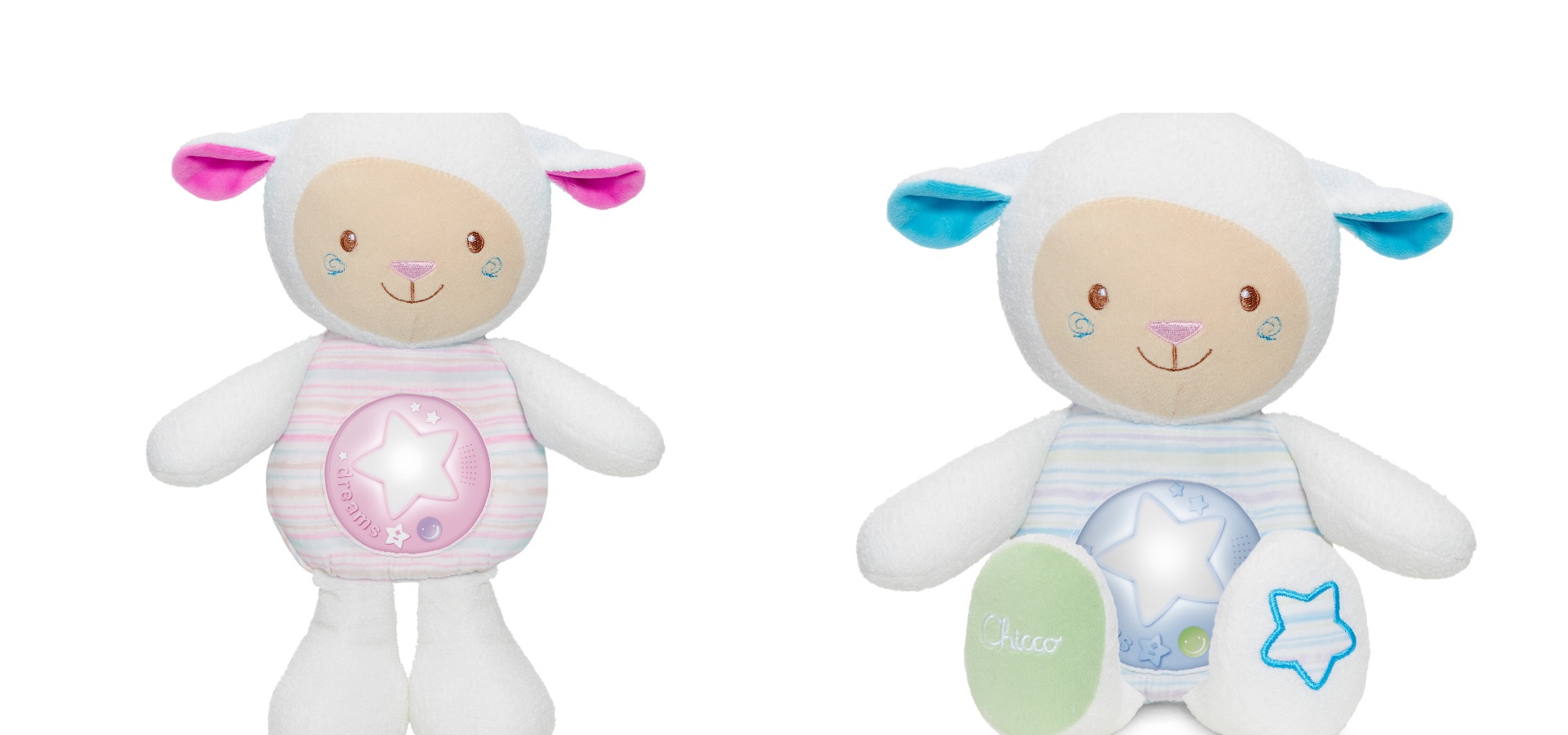
Review: Chicco First Dreams Baby Bear

  The first and only best friend your baby will ever need! Chicco is renowned for producing leading and innovative products and the Chicco First Dreams Baby Bear is no exception. Bub will fall in love with him or her! Available in both baby blue and baby pink, the bear provides 30 minutes of soothing sounds for your little one. Combine this amazing feature with the star projector featured on their ever so soft belly and you are headed for a great nights sleep! The music is not too loud nor the lights too bright so it really does aid in calming baby down at night. Certainly the best feature is that the Baby Bear is fully washable in a washing machine which will save you time when ensuring that your little one’s new companion is kept clean. (of course, you do need to remove the battery pack first) Suitable from 0 years + Available from leading online retailers and in a store near you!

The Headache Clinic

Understanding Migraine Triggers

Migraine is a very common problem that affects about 18% of all women and 6% of all men.  Studies have shown that environment, lifestyle, and diet can play a large role in how often you get migraines. Dr Elliot Shevel, Medical Director of The Headache Clinic, and South Africa’s internationally recognized Migraine expert and pioneer in the field of Migraine Surgery says that the most commonly reported migraine triggers include alcohol (especially red wine and beer), chocolate, aged cheese, cured meats, food preservatives that contain nitrates and nitrites, and monosodium glutamate (MSG). Although these are the most common, almost any food can be a trigger. Even so, only about 20% of migraine suffers have an identifiable food trigger. There is no certainty why certain foods trigger headaches, but suggested mechanisms are as follows: Chocolate 22 percent of headache sufferers identify chocolate as one of their headache triggers. But many people with migraines have increased appetite and food cravings just before their headaches start. Reaching for a chocolate bar may be the result of a migraine, rather than the cause. Alcohol Sulfites used as preservatives in red wine have been linked to migraine headaches. Alcohol in any drink causes the blood vessels in the scalp to dilate, and can also result in dehydration, both of which might be headache triggers. Alcohol is also a potent trigger for cluster headaches – otherwise known as “suicide headaches”. They are known as suicide headaches because the pain is so severe that sufferers do sometimes actually commit suicide. Caffeine Caffeine can actually help get rid of a migraine headache because caffeine works as a vasoconstrictor for some patients. In some patients it can trigger a headache or make it worse. Caffeine may be included in some migraine medications, but too much caffeine can be a headache trigger when you come down from your caffeine “high.”  Cheese It is generally agreed that aged cheese is more likely to cause a headache, because it contains a substance called tyramine that forms as the proteins in cheese break down over time. The longer a cheese ages, the more tyramine it has. MSG Monosodium glutamate (MSG), which is found in soy sauce and as a food additive has been implicated in causing migraine. The interesting thing though, is that in cultures where MSG is used extensively, the percentage of migraine sufferers is the same as in other countries. Ice cream The stabbing pain you get when you eat ice cream too fast is a reaction to the cold, not the ice cream itself. An ice cream headache is more likely if you are overheated. The pain peaks in about 30 to 60 seconds. “Cold foods like ice cream may be migraine triggers for people who suffer from migraines, but for most people, the pain goes away quickly.  Bananas Bananas usually don’t appear on lists of foods that are headache triggers, but they could trigger a migraine for people who are sensitive to tyramine, the same substance found in aged cheese.  Preserved meats The nitrates and nitrites used as preservatives in hot dogs, bacon, and lunch meats may dilate blood vessels and trigger headaches in some people.  According to Dr Shevel, studies can’t tell you if, or which foods may trigger your headaches, but many people do have food triggers and some triggers are completely obscure and uncommon.  There are a few important things to remember about migraine food triggers says Shevel: Migraine attacks are often due to multiple factors.  There are many non-dietary trigger factors for migraine. When you’re already stressed, not sleeping well, and not exercising, eating a food trigger may make it more likely to have a migraine attack. In this case, it is the combination of all of these different things that contribute to the migraine, and not just the one food. Your personal food triggers can be difficult to figure out.  Here are some suggestions:  Keep a food diary along with your headache diary, to help identify what you ate before migraine attacks. You can download a diary by clicking here Some foods can trigger a headache right away, while with other foods the headache can be delayed up to 24 hours. If you think a specific food is triggering migraine attacks, you may try to avoid that food for a month. Only limit one food at a time so that there can be no confusion as to which one affected you and monitor your symptoms to see if they improve. Be careful about trying extremely strict diets.  There is a risk of avoiding foods that are not necessarily migraine triggers and you may be missing out on many important nutrients. The presence of triggers is confusing though, as they are frequently blamed for causing migraines, whereas the actual cause is some change in the body that predisposes the patient to develop migraine attacks. In other words, the patient is susceptible to developing migraine attacks – and the trigger merely sets them off. This means that if the underlying problem is diagnosed and treated, those triggers that previously set off an attack no longer do so. Obviously if the patient identifies a certain foodstuff that always triggers an attack, they should avoid it. The problem though is that many triggers, such as weather changes, stress, and hormone changes during the menstrual cycle, cannot be avoided. At The Headache Clinic, the emphasis therefore is not on identifying the triggers, but on diagnosing and treating the underlying problem. Dr Elliot Shevel, Medical Director of The Headache Clinic, and South Africa’s internationally recognized Migraine expert and pioneer in the field of Migraine Surgery, says that although migraine has many triggers, most people cannot identify their individual triggers. The best way to treat migraine therefore is not to focus upon the triggers, but upon cause, i.e. the actual physical structures that generate the pain during an attack. With the latest state-of-the-art diagnostic and Non- drug treatment techniques developed at The Headache Clinic, it is possible to prevent migraine

Parenting Hub

Back to Basics: The Importance of Play

When it comes to brain development, time in the classroom may be less important than time on the playground! In order to appreciate the value of play for a child, the following research makes interesting reading: “The experience of play changes the connections of the neurons in the frontal lobe of your brain,” says Sergio Pellis, a researcher at the University of Lethbridge in Alberta, Canada. “And without play experience, those neurons aren’t changed,” he says. It is those changes in the prefrontal cortex during childhood that help wire up the brain’s executive control centre, which has a critical role in regulating emotions, making plans and solving problems, Pellis says. So, play, he adds, is what prepares a young brain for life, love and even schoolwork. “The function of play is to build pro-social brains, social brains that know how to interact with others in positive ways.” But to produce this sort of brain development, children need to engage in plenty of so-called free play, Pellis says. No coaches, no umpires, no rule books, no interference unless safety is at risk. Animals and some birds engage in play, not just to learn survival skills as was previously believed, but to develop pro-social brains that enable them to interact and engage with others. They and humans share very similar play behaviour, abiding by similar rules requiring participants to take turns, play fair and not inflict pain. This interaction, learned early, is essential to the human ability to socialise with others. It also has the added bonus of leading to better academic results. If we know these facts, why are we moving towards restricting children’s opportunities to play, both at home and at school, and focussing more and more on desk/computer-based academics? Parents need to appreciate that in allowing their children plenty of opportunities to play, with others and alone, they are laying the foundations for academic success.  This play is not to be electronically focussed. Children need active, experiential play so we need to get them out and about, exposing them to sensory-rich opportunities as often as possible. Learning is a whole-body experience and is not just for the head! Young children work hard at play. They invent scenes and stories, solve problems and negotiate their way through social roadblocks. They know what they want to do, and they work and plan to do it. We as adults must not be too quick to interfere in this process. There is a tendency to ‘bubble wrap’ children so they have little opportunity to work things out for themselves. This hampers them both socially and academically. So, what should parents do?  From an early age a child need access to materials that will stimulate their sensory systems such as water, sand, things that make a noise, books with pictures they can relate to and toys of different textures. The contents of your saucepan and plastics cupboard will give hours of creative play while teaching concepts of matching, size, shape, texture and sound. Things that bounce, roll and change shape when pressed or pulled help develop spatial skills and visual acuity. Recent research has shown that, given a choice between a toy and a real object, babies of 5-6 months consistently choose the real item. Children must be free to move around once they are mobile, obviously with safety in mind, but do not fear the odd mouthful of grass or your child being dirty. Allow them to dig in the garden, pick flowers and when they are older, make mud cakes and grass ‘soup’ for their fantasy games.  In the pre-school phase children need basic toys, not those with roles defined by the media as the latter limit imagination and the opportunities to plan and create. Provide the child with a good set of plain wooden bricks, a few non-battery-operated cars, a soft doll or two, a teddy, some plastic plates and cups and a big ball. Old blankets or sheets for making houses and tents and some boxes and crates will provide the basics for endless creative and imaginative play. Play dough, some crayons and big sheets of paper (not colouring books) and some paints will amply provide for creativity. (NB! colouring books tell a child that his/her drawing does not match up an is therefore not good enough. Colouring is a self-soothing activity, not a creative one.) Some play rooms look like toy shops and children become overwhelmed by the choice, tend to mix the toys in a random fashion and are then overwhelmed by the complexity of tidying up. There are commercial organisations that give parents the impression that unless they are buying educational toys on a regular, even monthly, basis, they are not doing the best for their child. More important than a new plastic toy, is facilitating fantasy play. The Russian psychologist Lev Vygotsky informs us that children rise above their average behaviour through play. Play is the work of children and it is through fantasy play that children make sense of their world. They must pretend and take on roles in order to understand. The more time children spend in dramatic play, the more they advance in terms of intellectual development and their ability to concentrate.  As a parent, curb the extra murals and allow uninterrupted time and space for fantasy play. Props can be simple and minimal as pretending a block is a cell phone and a box is a racing car, your tablecloth is a cloak and teddy is a superhero is symbolic thinking and this will lead to creativity in writing at a later stage. Children also cope with emotions such as anger, fear and jealousy through playing out the scenarios with toys and friends. They become more self-disciplined as they discipline teddy, ‘You can’t have another sweet teddy, they’re bad for your teeth’. They develop resiliency as they play out being left when Mom goes to work or big brother teases them. They imitate teacher and consolidate concepts as they teach them


Parenting Hub

Do we still need to teach our children manners?

Civilised and primitive societies have always insisted on certain standards, such as having respect for elders, greeting people respectfully and saying please and thank you appropriately. Eating habits are also defined by the cultural norms of the community. Many cultures begin to inculcate these standards in their children from a very young age, but in this on-line, texting and less verbally communicative society, are these societal norms dying out? Do we still need to teach our children manners?  I would say a definite YES! This is hard for parents when their children watch barbaric and seemingly acceptable behaviour on their screens and even Disney shows films of bratty children getting their own way and virtually ruling their parents. I visited a classroom recently where written large on the wall was, “The only rule in this class is that we respect each other” This sums up what we should be to each other in order to live in harmony, and societal harmony is what we desperately need in South Africa. If we can inculcate respectful behaviour for all others by modelling it to children from their babyhood, the polite norms of different societies are easily learned. In canvassing my colleagues of different cultures, it is clear that everyone expected their children to learn how to say ‘please’ and ‘thank you’ appropriately and to eat acceptably. Whether the child says ‘thank you’ or claps her hands in thanks is immaterial. In our multi-cultural society it would be good for children to learn how this can be done differently so they can show the necessary respect for others. After all, if we visit other countries on business, we learn beforehand how to behave in order to avoid giving offence, why do we not accord our own countrymen the same respect? Children making eye contact with adults is frowned on by some African cultures but considered polite in euro-centric communities. Let’s explain this to our children so they understand how to behave. Spending so much time on digital devices is accustoming children to looking down all the time, but they are missing the social clues of facial expression and body language that grease the wheels of smooth communication. Many enlightened schools are teaching this emotional literacy to their pupils and this will help them to understand themselves and others better. Being polite to others is something we as parents have to teach, model and remind until the child achieves automaticity. It may seem a chore but like other skills it will smooth your child’s social interaction with teachers, peers and others. We all know that when our child brings home an impossibly rude and difficult child for a play date, we are unlikely to extend a second invitation. This is not the child’s fault but that of his parents and that child will soon find himself unwelcome in most homes. Do you want this to happen to your child? ‘Don’t do as I do, do as I say.’  This does not work with children. You cannot expect good manners from your child and at the same time be rude to waiters, yell at your spouse and swear at taxi drivers! As I said before, you have to consistently model the behaviour you want your child to learn and if they do see unacceptable behaviour in others, talk about how it made them and the recipient feel. They need to learn that rudeness is hurtful and unnecessary, unattractive and immature. This doesn’t mean that they need to be doormats, being politely assertive is also a skill worth learning. Do your children a favour and teach them good manners and respect, they will thank you    By: Barbara Eaton, Academic Development Co-ordinator for Junior Colleges

Toptots Head Office

How does a baby’s grasp develop?

Newborns keep their little hands in a tight fist most of the time when they are alert, opening them when asleep. They have a reflex known as the grasp reflex. This is evident when you place something in their little hand and the baby grasps it quite tightly straight away. A newborn baby also stretches her arms out to reach for something held in front of her, however, her coordination is not quite developed enough for her to actually grab hold of the object. This means that your baby cannot control the movement of the object placed in her hand and may well hit herself in the face with it in an awkward jerk.  At about three months, your baby will have her hands open more often and her grasp is not as tight and sometimes she won’t even grasp hold of the object. This is because she can now voluntary grasp what she chooses. As her coordination improves through practice, she will soon be reaching and grasping what she wants. Since her eyes are focusing much better, she will show excitement when she sees something that she wants by jerking her arms and legs. When she gets hold of something, she usually takes it straight to her mouth. To begin with, your baby will grasp hold of objects using all her fingers and pressing the object into the palm of her hand. At around 6 months she will be able to hold small, light items in her fingers. She will spend time looking at the object as if studying it. She will move it about to see if it makes a noise. By one year she will be able to hold objects using the pincer grip. This is evident when she uses the tip of her index finger against the tip of her thumb. The pincer grip will become stronger in the preschool years and by the time your baby goes to school; the pincer grip will be strong enough to manage detailed fine motor skills. Reaching for and grasping hold of objects assists your baby in learning about the world. Through practice, she will learn to manipulate objects in new ways by squeezing, pulling, twisting, crumpling and tearing.

Parenting Hub

Review: Disney Doorables

Disney Doorables is a wonderful play house set that comes with Disney characters, their homes, and a surprise figure. Behind every door, a surprise is in store! Doorables are tiny replicas of all your favorite Disney characters but can be a joking hazard to children under the ages of 3. You’re able to interact with the fun houses. Doorables allows you to mix and match different houses and make one big happy family. Soon your Mickey Mouse will be living in Elsa’s Ice Castle. There are many adorable Doorables to collect like Olaf’s chill house— everyone needs a chill house in the hot summer heat! There is also Repunzel’s creative corner for the young artists, Boo’s bedroom for all the little monsters and many more. In total there are 11 to collect, and wait, there’s more! This is only the first series! For our lovely Mickey Mouse club house, you are given the cutest Mickey loud all happy, garden accessories like the one and only Pluto’s house, don’t forget the glittery Mickey Mouse house and the surprise mystery figure that I dare not spoil! Who loves princesses and castles? We do! Meet our stunning Frozen Ice Castle. The glistering ice castle comes with a marvelous ice swing for our beautiful Anna to play on. We can’t forget about snow men buddies and the small accessories, there is even small food items, sleds, a s’more hut for any lucky person and even a Secret, surprise door! How magical does that sound? One of the most exciting part is the exclusive figure, climb the crystal ice stairs in the castle with her! It’s a snowball of fun! Their house is big and dreamy. The packaging is a lovely pink printed house box full of cuteness and magic. Make sure to keep all the pieces together! Enjoy your magical fun.

Breastpumps and Beyond

The Taboo Topic Of High Allergen Foods And Breastfeeding

The topic of high allergen foods being consumed while breastfeeding has been a long debated one. However, we have some interesting developments on the subject! Read on below to see why you, in fact, should be upping the ante by eating high allergen foods whilst breastfeeding.  Don’t Believe Us? Believe The Science! In a study published in the Journal of Experimental Medicine today, research suggests that a mother’s diet while breastfeeding can help the baby build certain tolerances against allergic foods. Conducted by teams from Boston Children’s Hospital and Harvard Medical School, they researchers show how introducing allergic foods to your child’s digestive system from an early age actually help them build tolerance against these foods later in life. This results in them not developing full blown allergies to the foods in question.  How To Introduce High Allergen Foods Into Your Diet Whilst Breastfeeding You know the good old saying, less is more? this is definitely true in this instance. When introducing the foods to your diet, do so slowly so as to not risk giving your child a reaction. For example, start with a handful of nuts a day. Go for sushi one weekend. All the while, monitor how your baby reacts to the new exposure to these foods.  What Not To Do In The Process By no means should you jeopardise your own well-being. If you are highly allergic to a certain food, eating these foods will do you no good. As a result, this will definitely not benefit your baby either. Therefore, only introduce foods which you can safely eat yourself into your and your baby’s diet.  Making High Allergen Foods And Breastfeeding Work In Unison From now on, do not be afraid to experiment a little with what you are eating. Who knows, it could actually benefit them highly later on in life!

Prima Baby

Lullaby Sheep

Chicco present First Dreams, the ultimate multi-tech range of soothing toys especially designed with the perfect night’s sleep in mind. The gorgeous Lullaby Sheep is the perfect best friend for your baby. It’s proven that babies look for a ‘friend’ at sleeping time to soothe them and the Lullaby Sheep is designed to be the perfect cot companion for them at the most important part of their early months. With a soft plastic belly playing 20 minutes of soothing classical music, a soft, diffused tummy of light and a voice recording facility for moms to leave a message for baby, this innovative toy brings a magical atmosphere to the nursery. Lullaby Sheep is machine washable (upon removal of battery unit), battery operated and made from luxury plush.   As leaders in the baby products world, Chicco has, once again, tested the product appropriately and found it to be highly successful within sleep studies. The First Dreams Lullaby Sheep is available in pastel pink and blue and is for sale at leading retailers and online vendors.

Impaq

The benefits of using a curriculum provider

Using a curriculum provider is a convenient, straightforward and effective option for home education parents – all you need to do is pick the grade and you’ll be provided with everything you require to complete a school year at home with your child. Using a complete curriculum is also a great way to build confidence, especially if you’re new to home education. In addition, using a reputable curriculum provider offers a host of other benefits. Additional resources: Besides offering all the required books and guides needed to successfully complete the academic year, curriculum providers offer access to additional resources – usually online or interactive multimedia resources, and generally at no additional cost – to enrich your child’s learning experience and to empower you as parent. Guided learning: Guided learning provides an opportunity for differentiated instruction and aims to lead learners to increasing independence. Curriculum providers offer guided learning in the form of online tutoring and practice elements, such as extra lessons and videos, to continuously test and improve learners’ understanding of a subject. Lesson plans: For many parents, the lesson plans offered by curriculum providers are worth their weight in gold as having a carefully constructed lesson plan saves a lot of time and hassle. A curriculum provider will offer daily plans for all subjects, suggested support materials, as well as tips for adapting lessons to your child’s unique needs. Subject support: Parents may need extra support when teaching their children at home, especially in certain subject areas. In addition to providing the necessary learning resources, a good curriculum provider will offer access to subject matter experts – a team of highly trained and professional educators to support parents with curriculum questions and subject support. Administrative aid: A curriculum provider will give you access to all the tools you need to ease administration, ensure accurate recordkeeping, monitor learner progress and generate reports.  Assessment assistance: Curriculum providers generally supply all formal assessments and memorandums, as well as marking services and a support network to help learners successfully master a subject or grade. Some curriculum providers also arrange practical assessment opportunities for home education learners throughout the year. Time: When using a curriculum provider, all the work has already been done for the parents, effectively removing the time and stress related to research and planning. With everything laid out for you, you’ll have more time to focus on your child, and plan exciting excursions and activities. Sense of community: By signing up with a curriculum provider, you’ll be joining a vibrant community of home education families who share their journey and insights via social media, and who participate in organised workshops and events. Tips when looking for a curriculum provider While a reputable curriculum will offer all these benefits and more, keep the following in mind when searching for a curriculum that meets your needs. Your home education curriculum provider should: Offer solutions designed to enable individualised learning.  Give you full control over your child’s education.  Be dedicated to helping learners thrive.  Provide learners with the foundational knowledge needed to succeed in school and life. Inspire curiosity and deepen learners’ understanding with engaging lessons. Offer educational and instructional support to parents.   Impaq is the largest home education curriculum provider in South Africa. Their curriculum and related solutions are designed to enable individualised learning as they place your child’s needs at the centre of their academic model.  By Danielle Barfoot

Parenting Hub

Gō-Ecō WITH THE NEW KURO-Bō RANGE

KURO-Bō’s message is simple. It is now 100% easy and 100% convenient to create the best-tasting water using 100% natural filters that are kind to the environment and sustainably produced. It’s a promise! Since launching in 2017, KURO-Bō has rapidly (r)evolutionised water filtering systems in South Africa.  Through their innovative use of Japanese-inspired activated charcoal (or “Binchotan”), KURO-Bō has changed the way South Africans can access purified and mineralised water, at home and on-the-go, and with zero single-use plastic.  After introducing their first Gō-Ecō 1L Bottle in January 2018, KURO-Bō has extended their planet-changing range even further to make their eco-filtering technology appealing to even more active people on the gō. Those seeking a more compact bottle and volume, will welcome the new 550 ml size Gō-Ecō bottle with a sustainable bamboo lid, and a removable neoprene sleeve that doubles up as a sports-grip and insulation, keeping your KURO-Bō naturally purified water cool. Refill the Gō-Ecō bottle with tap water using the clever detoxing KURO-Bō Activated Charcoal Kōins, which have been specially designed to fit into the bottles, purifying, mineralising and pH-balancing your water while you’re active and on the move.  KURO-Bō hasn’t stopped there. Frustrated by the lack of 100% plastic-free, long-lasting and effective bottle cleaners on the market, their new KURO-Bō Gō-Ecō Natural Cleaning Brush fills a real gap.  The bristles are made of natural sisal, and the practical long handle is sustainable bamboo.  It’s eco-friendly functional beauty in action!   KURO-Bō blends elegance and style with practical functionality when it comes to naturally filtering water, but of equal importance is the message inherent in their whole range.  Their new symbolic image speaks to the importance of placing care of land, water and our health – in other words, the whole of Nature – at the forefront of our awareness in whatever we do in the world.  And that certainly includes how we filter our water.  KURO-Bō natural water filters are fully recyclable, zero-waste and plastic-free.  That’s a message they hope their Gō-Ecō bottles will carry far and wide. KURO-Bō Gō-Ecō bottles retail from R260 for the 1 litre, from R220 for the 550 ml. The bottle brush retails from R100 and a box of Koins from R180.    KURO-Bō products are available in good independent health shops country-wide, in all Wellness Warehouse stores, selected Spar, Dis-Chem and @Home stores, and online at Faithful-to-Nature and Takealot, as well as directly from KURO-Bō. Please note that the 550ml bottles are available from 1st Feb and brushes are available from 1st Mar in stores (We do however, have the 550ml bottle available now, directly from our online store) 

Parenting Hub

Screen Addiction: parenting in the age of a digital era

No other topic could create a catastrophe of opinions, judgements, beliefs and arguments as parenting. Add technology in the mix and you’ve created world war 3. According to a survey conducted by internet security company AVG in the US, 92% of children have an online presence by the time they are 2 years old. These days’ children learn to swipe a screen before they are able to hold crayons. The digital revolution of the past 2 decades has induced a moral panic in parenting. When a child goes on Facebook, Twitter or Instagram, parents have certain unanswered questions such as: Are our kids aware of the privacy settings on social networking sites? Do they adhere to them? What kind of online games are our kids playing? Are they playing the right ones or ones that are not suitable for their age/ taste/ social-cultural backgrounds? How much digital engagement is enough and how much is too much? Though a child’s online presence allows young people access to invaluable resources and learning opportunities, it also brings about parenting challenges such as cyberbullying and filtering age-appropriate content. Parents play a vital role in teaching the children practice of “netiquette” outside of the classroom, all these require that the parent themselves be digitally literate. A digitally illiterate parent poses a risk to the privacy and safety of children. A tech naive parent may in a moment of some parental pride, post content(pictures, videos, information) of their child exposing them to the bad world of cybercrime. So we often ask ourselves which of these 2 parents is the perfect parent? Is there such a thing as correct parenting? Especially in this technologically advanced era we live in? And how much technology is too much technology? What happened to the good old days when kids played outside instead of staring into their phones and the television during their school holidays? Being a parent is hard and raising children in a digital era is even harder. Gone are the days of kids just being kids, playing hopscotch in the backyard, catching a ball in the garden or planning how they are going to build that tree house. These days playing involves Fifa and a ps4 or perhaps and X Box or candy crush. What happened to good old fashion childhood games our parents used to play? At Sugar Bay we encourage children to hold on to their childhood as much as possible, kids get to be outdoors the whole day engaging in activities such as kayaking, bmxing , rock climbing or they can choose to spend a relaxing day beading or baking amongst other things. These activities encourage kids to show their creative side, help them discover their hidden talents and passion and leaving a small room to be thinking about their phones. Like our saying goes: “What we learn in fun we never forget”. Sugar Bay is much more than a luxury holiday resort. Sugar Bay ensures the personal development and growth of a child, increase self-esteem, self-confidence and independence. Allowing campers to pick and choose from over 100 activities allows them to make decisions for themselves which encourages independence. We understand the constant need kids have of always being on their phone, but which parent wouldn’t want their child to enjoy being a child and being outdoors in the garden like they did in their good old days.

Parenting Hub

Lil-Lets launches super-absorbent maternity pads perfectly designed for new moms

Lil-Lets has launched a new line of maternity pads designed to help new moms feel more comfortable, confident and protected after giving birth. During pregnancy, a woman’s body goes through lots of changes and this does not stop after delivery. Therefore, unlike other maternity pads on the market, Lil-Lets maternity pads are shaped for extra comfort, have wings for added security, a wide shaped back for complete confidence and protection and a super soft cover. Lil-Lets maternity pads are also fragrance free and individually wrapped to make it easy and discreet to carry in a handbag or baby bag. “Lil-Lets understands that every woman has unique needs and, as such, should be able to choose what works for her,” says Carolyn Purdy, Brand Manager at Lil-Lets. “The launch of our new maternity pad line is just one more option on offer within our range to ensure women feel comfortable and confident during the weeks following childbirth, giving them the freedom to focus on their new arrival.” Lil-Lets’ products include pads, non-applicator and applicator tampons, liners, intimate care washes and wipes. Lil-Lets maternity pads are available in a pack of 10 and can be found at your nearest supermarket and retailers nationwide from R39.99.  For more information visit www.lil-lets.co.za

Parenting Hub

MATRIC 2019 ROADMAP: TAKE CONTROL OF YOUR YEAR RIGHT FROM THE START

The first few weeks of a learner’s final school year is like a rollercoaster ride – lots of excitement, a little bit of fear and a good dose of disorientation. The start of Matric can be overwhelming, but learners would do well to get things under control as soon as possible by devising a roadmap for the months ahead, an expert says. “Matric is a short year compared to previous school years, and before you know it, you’ll be sitting down for your final exams. The good news is that in January you still have time on your side to put in place a strategy for not only worker harder than before – which you definitely should be doing – but also working smarter,” says Dr Gillian Mooney, Dean: Academic Development and Support at The Independent Institute of Education, SA’s largest private higher education institution. Mooney says that in addition to the demands of preparing for the most important exam in their school careers, Grade 12s also have a plethora of once-in-a-lifetime events coming up. “So right now you need to consider everything that will require your time and attention this year, and figure out exactly how you will make provision for all these demands.” Mooney says taking care of the life and academic admin now, will free up precious energy allowing learners to focus on the task at hand when the time comes. “Remember that the better you perform, the higher your chances of landing a spot in the higher education institution and programme of your choice. This will in turn have a knock-on effect on your career prospects. Competition is tough, and every mark that you can earn this year could be the difference between going the route you want right away, or having to spend more getting where you want to be,” says Mooney. She says in the next few weeks, learners should create a single calendar incorporating all the important matters they need to attend to in the coming year, which includes the following: ACADEMIC YEAR Note down the dates of all the important tests and exams, and draft your study and revision timetable. “A year sounds pretty long, but in Matric, the year is shorter and the final exams sooner than you are used to, so the best time to start revising is right away. Consistency is key, and by doing your bit every day, you won’t need to deal with a seemingly insurmountable volume of work ahead of your exams. Instead, you’ll be able to use revision time to solidify concepts and complete old papers,” says Mooney. SOCIAL EVENTS “While it is obviously exciting to look forward to and plan your Matric dance, 40 days-celebration and so forth, you can’t afford to spend too much time and energy on this during the year,” says Mooney. “So note down the important dates, note down when you will take some time out to plan for them, and then let it go until the time arrives.” FUTURE PLANS On top of all the academic, social and life demands Matrics will face this year, they also need to decide what they are going to do after school. “The world of work today looks completely different to the way it looked when your parents, guardians and teachers left school, so you have to do your own research. New jobs are being created all the time, and by the time you finish your studies, there will be careers that we can’t even predict right now,” says Mooney. “Leaving the decision about higher education until later, means you won’t have time to properly research your options. This is why we suggest learners do a bit of work on their future plans every week, so that they can thoroughly investigate what is on offer at both public universities and private, by doing online research, visiting campuses, and speaking to people who work in their prospective fields or who have studied at one of the institutions on their shortlist.” If learners timeously narrow down their options, they can avoid the rush when everyone else wakes up. EXTRA-CURRICULAR ACTIVITIES Sport and cultural activities, volunteering and part-time work are important for maintaining balance in your Matric year, but can take up a lot of time. Try not to add more to your plate this year. Take these activities into account in your start-of-year planning, and if you find yourself too squeezed for time later, consider lightening the load on your schedule. OTHER MILESTONES Many learners will turn 18 during their Matric year, which means there is some additional life admin to be done. For instance, those who turn 18 before the country’s general elections in May, need to ensure that their ID is in order and that they are registered to vote if they intend to do so. Some may also wish to obtain their Driver’s Licence, which means some time needs to be factored in for lessons and the actual test. “Think about which other issues you want or need to sort out this year, and note that down in your year-at-a-glance calendar as well,” says Mooney. “When you look back at your school career, make the memory one of having taken charge of your future on the cusp of adulthood. Too many learners arrive in Matric and think they’ve reached the finishing line. What will set you apart from your peers – when applying for further study and applying for your first position, when Matric marks are still very important – is if you resolve to keep your head in the game now,” says Mooney. “There is a lot to be said for choosing an approach of delayed gratification during this year. If you use your time wisely and maturely, you will be able to both enjoy this significant period in your life, as well as optimally position yourself for future success.”

Parenting Hub

Review: KURO-Bō Natural Water Filter System

Zero-waste and plastic free… this is the life that many are trying to achieve in 2019. The KURO-Bō natural water filter system is a must purchase this year.  Starting from the glass bottle to the unique filter system this product is 100% easy and 100% convenient!  The bottles retail from R260 for a 1 litre bottle. Once you have your bottle which features a bamboo lid and removable sleeve, you will need to grab some KURO-Bō detoxing Activated charcoal Kōins.  The process works by means of you boiling the KURO-Bō tablets for 10 minutes. You simply add the charcoal tablet to your tap water and place it in the fridge in your stylish bottle for an hour or two for the magic to start.  The KURO-Bō charcoal Kōins purify, mineralise and ph balance your water while you are active on the move. They absorb toxins, bacteria and are enriched with minerals such as calcium and magnesium!  For more information visit www.kuro-bo.com or visit good independent health store country wide to get your own. They are also available from Wellness Warehouse, selected Spar outlets, Dis-Chem and @Home Stores. Purchase online from Faithful-to-Nature and Takealot

The Headache Clinic

Chocolate can trigger migraines; Finds study

You should think twice before giving that someone special chocolates this Valentine’s day – it may just give them a migraine! And that’s not because they’re not in the mood; a scientific double-blind study shows chocolate can trigger migraines. The London-based study, published in Cephalalgia, the official journal of the International Headache Society, was conducted on 20 migraine sufferers. Chocolate bars were given to the subjects and bars of carob were used as a placebo. The chocolate bars caused migraine in 8 of the 20 migraine subjects while the carob bars did not induce migraine in a single sufferer. Dr Elliot Shevel, Medical Director of The Headache Clinic, and South Africa’s internationally recognized Migraine expert and pioneer in the field of Migraine Surgery, says the study clearly shows individuals who are prone to getting migraines should be careful when eating chocolates.  “The reason for this is chocolate contains a chemical called phenylethylamine which is thought to trigger migraines by affecting the arteries in the scalp which are the source of the pain. Unfortunately phenylethylamine is found in the cocoa bean which is what chocolate is made from,” he says.  “Carob bars, available from your local health store may drastically improve your chances of getting lucky this Valentine’s Day!”  What other items can trigger migraines? Alcohol Migraine sufferers should try not to drink liquor since this can be a regular trigger of migraines. If you can’t resist, have one glass of champagne or white wine, as it is generally the dark alcoholic beverages that trigger migraines.  Flowers Hay fever headaches are triggered by flowers and cause a dull, deep, throbbing pain. Some of the symptoms of hay fever headaches are pain in one specific area of your face or head (for example, behind your eyes) or the face is tender to the touch. Rather don’t buy your partner flowers if they are prone to getting migraines.  Perfume People who are sensitive to fragrances and/ other odors should bear this in mind when shopping for a Valentine’s Day gift. Seek those that are fragrance free and ask a pharmacist for advice if necessary. When do I consult with a medical professional about my migraines? “People should not leave a migraine untreated,” says Dr. Shevel. “It is imperative that you undergo a multidisciplinary investigation to diagnose the specific factors behind the recurring headache.  “There are a number of healthier treatment options than medication available right here in South Africa. It is possible to get to the bottom of the problem and resolve the pain permanently without medication so that you can enjoy the quality of life you deserve.” He has the guidelines for when it is possible time to consult a medical professional: • If you are unable to manage your headache on your own. • If a headache persist or if you frequently get them. • If in interferes with your day-to-day activities.

Junior Colleges

FROM PLAYSCHOOL TO BIG SCHOOL: HOW TO HELP YOUR CHILD SUCCESSFULLY TRANSITION

Moving from pre-school into a formal schooling environment is a big step not only for young children, but also for their parents. Doubts and anxiety often accompany this major move, but parents should aim to ensure a conscious transition which addresses specific issues that may arise, so that their child starts their school career on a solid foundation, an expert says. “Some of the practical things can be very exciting – sorting out school uniforms and supplies, learning about the new routine, meeting the new teacher and exploring the new school grounds,” says Trudie Gilmore, General Manager at ADvTECH Junior Colleges. “However, the increased demands and unfamiliar environment can be daunting, and children need to be eased into the new situation. Additionally, parental expectations can cause unnecessary pressure at this young age,” she says. Gilmore says when embarking on this exciting new life chapter, parents and guardians should remember the following: ALLOW FOR MAKING MISTAKES The lesson is in the learning, not only the outcome, notes Gilmore. “At this age, parents should encourage their children to be more independent and, where possible, to think for themselves. Encourage your child to practise small ways to look after themselves such as dressing themselves, ensuring their bookbags are packed, and looking after their belongings. Encourage and praise them for trying, even when they don’t get it perfectly right.” PRACTISE PERSEVERANCE “It can be tremendously frustrating for young children if they are unable to complete a task to their satisfaction. Teach your child that when learning new things, it’s important that they keep on trying, even if they find things challenging. Don’t step in and ‘fix’ the situation, but rather guide, encourage and motivate.” PLAY NICELY Junior school is an important social milestone, and the time when children need to start working and engaging in meaningful play with their peers, even if they don’t automatically get along. Encourage your child to be inclusionary and kind, which will help them develop emotional maturity, as well as  confidence. “You can also prepare together by acting out different situations with toys. Playing games that involve turns or rules, such as board games, are good for practising how to get along with others. This way, children can try out some of the skills they’ll need later to make friends.” ENCOURAGE CURIOSITY “Being interested and curious about the things around us is really important for learning. Encourage your child’s natural sense of curiosity by talking to them about things, people and places when you are out and about. New research has shown clear benefits for children whose parents engage them in productive conversation, that is, where each takes turns to listen and respond appropriately,” says Gilmore. “Listen to and answer their questions, nurture their love of reading – an exciting and empowering new skill – and look things up on the computer together. Try to see the world through your child’s eyes, and talk and wonder about the everyday things you see and hear.” Gilmore says parents must be prepared to help their children navigate and manage increased stress levels caused by more challenging schoolwork, homework, assessments, diversity within the school environment, after-school activities and possible bullying. “Ensure your child is able to respond to the challenges they will face every day, by limiting any additional pressure,” she says. “And remember, sleep is key. Children who get enough sleep are likely to be less short-tempered and better able to handle school stress. Also beware of piling on extra-mural activities. We’ve come to believe that busy equals happy, but over-scheduling means less free time and family time.” Our society is expecting more and more from children at younger ages, says Gilmore. “Our job as parents and guardians is to help them understand and respond appropriately to these demands, and develop their emotional intelligence to set them up for a successful and productive school career.”  

Parenting Hub

HEALTHY EATING FOR A HEALTHY PREGNANCY

There’s nothing else quite like pregnancy to sharpen your focus on your health and well-being.  The journey of carrying and nurturing new life within your body is an exceptionally special time, and moms-to-be are deeply invested in doing it as well as they can.  Advice will inevitably come from all quarters, and it is important to tap into expert sources that will give you peace of mind that you are on the right track.   The aim of Pregnancy Awareness Week this month is to help moms access the information they need to support a healthy pregnancy and safe motherhood.  The Department of Health urges pregnant South African women to access antenatal care as early as possible in their pregnancies.  This provides the opportunity to understand and manage any health issues, as well as get information on important factors such as self-care and nutrition.  Once the pregnancy is confirmed by a nurse at a health facility, the mother can register for MomConnect, a free cell phone-based resource for accessing pregnancy-related health information. Nazeeia Sayed, a registered dietitian and spokesperson for ADSA (Association for Dietetics in South Africa), points out that good nutrition is vital as it supports a healthier pregnancy and a healthier baby.  “Pregnancy is a great opportunity to get yourself and the family into the habit of healthy eating before the new baby arrives,” she says.  “You don’t need special or expensive foods.  A healthy diet during pregnancy is made up of foods that we commonly encounter when grocery shopping.  A variety of fruit and veg, whole grains, legumes and lentils, dairy, plant fats and lean meats, fish and eggs can all be enjoyed while you are pregnant and will provide the nutrients you need.” What nutrients should moms-to-be focus on?  Following a balanced diet according to the accepted healthy eating guidelines is the optimum nutritional route to support a healthy pregnancy.  Pregnancy is definitely not the time for weight loss or fad diets that focus on particular nutrients at the expense of others. Registered dietitian and ADSA spokesperson, Cath Day says, “Energy (kilojoule) restriction during pregnancy is not recommended! High protein diets which increase ketone production are also not recommended as the foetus has a limited ability to metabolize ketones.  It is much healthier for you to adopt a balanced diet with a good variety.” Nutrients such as folic acid, calcium, iron and protein are all important to the developing baby; however a balanced diet will, in most cases, meet these needs.  Women enrolled in the government’s antenatal care programme will receive supplements of the essential micro-nutrients; and many women choose to supplement with folic acid to prevent the risks of Spina Bifida and cleft palate. Day points out that meeting protein requirements during pregnancy is as simple as ensuring that you eat roughly six servings or between 180 g- 210 g of protein each day (size of two palms or two decks of cards). One serving equates to 30 g lean meat or fish, 1/2 cup of legumes, 15 g nuts or one egg. “These are also the best sources of iron which is needed to prevent anaemia,” she says. “By eating fruit and vegetables high in vitamin C at the same time as eggs, nuts and pulses, you can enhance iron absorption from these foods.” Focusing on a variety of healthy foods for each meal or snack, rather than the particular nutrients, is what helps to ensure you and baby get what you need.  Sayed says, “Some examples of this are choosing nutrient-dense meals or snacks like an omelette with veg, a fruit and yoghurt smoothie, a salad with raw veg, nuts or lean meat; or a cooked lentil dish with green leafy veg and rice.” What should moms-to-be avoid? Smoking tops the list of what shouldn’t be going into a pregnant body.  While there’s debate about whether drinking one glass of wine is safe for a growing baby, many experts and governments around the world advise a complete avoidance of alcohol during pregnancy. Pregnant women should avoid foods with a greater risk for contamination with Listeria or other bacteria or parasites, including under-cooked meat and eggs, raw fish, processed meats and unpasteurised dairy and soft cheeses.  Dietitians also advise avoiding fish that may contain high levels of mercury such as swordfish, shark, tuna steaks and canned fish brands that are not tested.  Caffeine intake should be limited, and rather swopped out for decaf options, with water as your best beverage of choice.  Foods that are high in salt, sugar and other refined carbohydrates should be limited as they crowd out the opportunity for you to eat healthy foods which provide for your vitamin, mineral and fibre needs.  They can also lead to excessive weight gain which increases your risks of developing high blood pressure issues and gestational diabetes. Reach out and get help when you need it Healthy eating during pregnancy does not have to be complicated or a minefield.  It might be more challenging for moms-to-be who need to make big changes; or who are overweight or managing other health conditions.  A registered dietitian can be an important ally to come up with a healthy eating plan that suits your food preferences, your budget and your lifestyle.  “The big advantage of using your pregnancy as the inspiration to eat well is that you can go on to become a healthy eating role model for your precious child, instilling healthy eating habits that can last them a lifetime,” Sayed concludes.    To find a registered dietitian in your area visit www.adsa.org.za. 

Hero Life

The What-We-Need-To-Breeze-Through-2019 for Busy Parents

You’re a parent. Got any spare time? No? We didn’t think so. Since we know you’re so busy with kids, school homework, school activities, feeding the family, work, home choewa, traffic, playdates and who knows what else, we decided to create a checklist of the tasks we think are most important for you to tackle at the beginning of the year. Let’s get straight to it: Life insurance Estate planning Preparing for end of tax season Start saving Make resolutions you’ll want to keep Holiday shopping for 2019 Life insurance The only sure things in life are: death, taxes and spaghetti sauce all over your son’s brand new white school shirt. All inevitable. And that’s why you need to prepare (for the first two, anyway). First and foremost, consider life insurance, either term or permanent. If you decide that term life insurance is a good fit for you, know that applying for coverage is simple and affordable, and it’s easier than ever to apply for coverage online. There’s really no time like the present.You can even try it out at Hero Life as we’ve designed term cover specifically for busy parents. Think about it. The holidays are over, but you can still provide a loving gift to the people who matter to you the most. What better gift to your family than a safety net that will help your family financially if something were to happen to you? Remember, you won’t be there to take care of them, but your legacy will change their lives fort the better. If you’ve done your parental duty and taken care of this already, great! Now’s a good time to check in and make sure your your policy details are up to date, and that the policy is easily located in case you need it. It’s also not a bad idea to check if your cover is enough.  You can use the Hero Life tool available here for a quick check. Remember, there are lots of reasons why you need to update your cover amount over time — maybe you had another baby or your partner stopped working. It’s a good time to make sure all your affairs are in order. Speaking of… Estate planning If you haven’t written a will yet, make it your goal to get that done in 2019, both to ensure your end-of-life plans are executed according to your wishes and to potentially help your beneficiaries avoid a tax hit in the event something happens to you (translation: in case you die before you plan to).  We have simple online solution that costs you nothing (really!) and you can try it out here. If you do have a will, check in and make sure everything is up to date and as per your wishes, and that your important paperwork is somewhere accessible to you and anyone else who might need it. Preparing for end of tax season In South Africa, tax season closes on the 28th of February every year and there are a few things you can do to ensure you have maximised on some tax incentives granted to you by the Taxman. If you are unsure, this is the time of year to schedule an appointment with your tax advisor. You have a window of time right now when you can contribute a maximum of R33 000 to a Tax-Free Savings account if you haven’t done so already.  If you also haven’t maximised on the tax breaks by contributing to a retirement annuity, you have until the end of February 2019 to put some extra money away which could reduce that tax bill substantially. Don’t have a tax advisor and don’t know where to start? Try out TaxTim as they have a good source of some of the most frequently asked questions. Start saving There are really only two important things to remember when it comes to saving for a goal: don’t save what is left after spending but rather spend what is left after saving AND start saving now as compound interest is truly the 8th wonder of the world. It doesn’t matter what your goal is, whether it is to save up for a deposit on a new home or for your children’s university fund, there is no better time than now.  Most people feel defeated before they even start as sometimes it just seems unattainable, but even if you start with only a small amount, JUST START. And if you need a bit of help, check this out. Make resolutions you’ll want to keep Look, we all know the reasons to get (or stay) healthy: You’ll live longer, live better, and you might even save money on your life insurance policy with some insurers. If you’re looking for specific things you can do right away as we begin 2019, consider these: – Go for a medical check-up – Quit smoking (again!) – Walk at least 30 minutes a day instead of watching Netflix – Reduce your alcohol intake – Make meals at home Start with small incremental goals and work your way up. Each of these will have an outsized impact on your health and happiness. Check in on your casa Houses and apartments, like the people who live in them, age. Some more gracefully than others. This is a good time of year to check in on things like air filters and smoke alarms. Consider setting seasonal calendar reminders in a shared calendar that you and your spouse have access to. Holiday shopping for 2019 Sorry. Too soon? 😉 Hero Life is a company that offers a free online Will, helps you to start saving for your kids’ education, and offers life insurance, designed specifically for young parents. Hero Life is an MMI Group initiative, and underwritten by Guardrisk Life Limited (Reg no 1999/013922/06), an authorised Financial Services Provider (FSP license number 76). This material has been prepared for informational purposes only and is not intended to provide financial advice. Visit herolife.co.za for

Kidico

Kidico Sticks It to The Bland

Kidico is a Durban-based sticker and label printing company with a difference. From customised vinyl name labels and iron on clothing labels, to colourful bag tags and personalised towels, a world of cute characters, vibrant colours and exceptional quality products awaits at Kidico! Who is Kidico? Kidico has a simple vision: to facilitate fun, exciting school experiences for children across South Africa. Regardless of where you need quality school stickers, Kidico is able to deliver to your doorstep! The Kidico website (www.kidico.co.za) is where the magic happens. Each Kidico product can be customised with an impressive selection of fonts, background colours and oh-so-cute animated characters for boys and girls. Kids can, with a little techno-assistance from mom or dad, even design stickers and labels themselves! What Sets Kidico Apart? There are four defining features that set Kidico apart from the bulk sticker printing crowd: Fast turnaround times Even at their busiest, Kidico is able to process sticker orders at lightening speed and distribute them to all four corners of the nation. Excellent quality Kidico uses only top-quality printing substrates and inks to ensure that stickers look good – and stay stuck – for longer.   Trendy designs Kidico designs have been created with both Mom and child in mind! They are trendy enough for moms to want to use them and cute enough to appeal to kids too! Kidico is able to ensure that sticker designs and characters are constantly being improved and added to.   Constant innovation Instead of sticking – excuse the pun – to a handful of proven products and services, Kidico is constantly adding new, exciting customisable items to their range. What They’re All About Preparing the little ones for school, whether it’s the first day of big school or just the first day of a new year, is a pretty frantic occasion! With uniform and stationery costs climbing year on year, the last thing we want is for our kids to misplace these items while at school. Starting ‘big school’ is an exciting time for children, and with so much newness (as well as stuff to carry around in their brand-new school bags), we can’t blame them for mislaying their new school gear. Kidico ensures that your children’s belongings will always find their way back to you should they be misplaced for whatever reason. Bag tags, pencil labels, iron-on clothing labels, vinyl labels for lunchboxes and juice bottles, reward stickers, gift labels, personalised towels and more are available to order on the Kidico website. The Kidico Ordering Process  Getting your hands on stunning school stickers and labels is easier than you might think! In fact, it takes only three steps: Navigate to the Kidico website (www.kidico.co.za) and browse through the available product categories. Be warned, you can seriously get carried away with everything on offer! Once you’ve found something you’d like, click on it. When the product page loads, you’ll find pricing information and dimensions. You’ll also see the Kidico customiser, where you get to add your custom text, pick the perfect font, and choose a graphic from a plethora of cute characters for girls and boys. Once you’re happy with your design (there’s a real-time preview tab), add your product to your cart and presto – you’re done! Once paid for, Kidico will deliver your custom stickers and labels to your front door. Kidico wants to simplify the customised sticker ordering process, without customers having to jump through hoops to complete their orders. For this reason, Kidico website visitors can order products and check-out as guests. Planning on ordering on a regular basis? You can sign up for a Kidico account and save time on having to fill in your details every time you order!

Toptots Head Office

Why should I discipline my toddler?

Discipline is essential to the normal, healthy development of any child. Here are a few guidelines to guide your decisions regarding this somewhat controversial issue. Make sure that you and your spouse share the same set of rules regarding discipline. Toddlers quickly learn whom they can manipulate the most.  If your spouse disciplines the child and you disagree, discuss it behind closed doors and not in front of your child. Base your discipline strategy on boundaries. Decide how far your toddler can push you in certain circumstances.  When you have clearly defined the boundaries, stick to them. The most important rule is to be consistent, no matter where you are or what mood you are in, be consistent. Accept that when in public, no matter how you discipline your child, someone will disagree. Choose whatever method suits your child and stick with it. Discipline your child for her sake not yours! When deciding on boundaries, remember that children, indeed human beings, are by no means perfect so you should not expect perfect behaviour from your child. Your child needs to be taught right from wrong and it is only when they are taught that they learn, it does not always come naturally. Do not nitpick and reprimand your child for any little misbehaviour. This will slowly kill her spirit.  Remain calm. Do not scream and go hysterical. You will frighten your child unnecessarily and allow her to think that this is acceptable behaviour. Deal with a situation immediately. Do not revert to “Wait until your father gets home.” Try not to put your child into situations that will cause misbehaviour. For example:  Don’t take a tired toddler shopping. Do not create confrontations. Once the discipline is over. Carefully explain to your child that you love her but it was what she did that made you angry. Never bear a grudge! Remember you are the adult in this relationship.

Abbotts Colleges

Creating resilient children who can weather life’s challenges

“Persistence and resilience only come from having been given the chance to work through difficult problems.” ~ Margaret Thatcher We live in a dynamic world full of changes and challenges. These challenges often come unexpected and with full force, rocking our everyday life and putting it in turmoil. The usual approach to this will be adapt or die, or face the challenges and make the best of it. It is necessary to create resilient children and students that can weather life’s challenges, without drowning in the storm. According to the Centre on the Developing Child at Harvard University, resilience is the ability to overcome serious hardship. Recent research has found that some children develop adequate resilience, while others do not, leaving them more vulnerable to long-term negative consequences from adversity.  How can we ensure that the stress of moving, divorce, changing of school, changing in family-structure, does not overwhelm our students? In literature there are different views and concepts to use in building the self-esteem of a student. One of the Global Competencies is Self-Management skills, and that is what we need to teach the students. Unfortunately teaching them is not enough, but we need to encourage them and provide tools so that they will be able to handle changes and challenges in the best way possible. Strong, secure and responsive adult-child relationships. Merete Kropp, emphasised in the article, “Four ways to create resilient children”, that was published in the Washington post on 4 January 2018 that we must prioritize, build and maintain our relationship with our children by listening, talking and supporting them. We can provide them with enough time and space to develop self-regulation and executive function skills. Cultivate self-awareness. Before you can ever hope to siphon strength from life’s many challenges, you need a good base of self-awareness from which to operate. Without this, you can easily think that everything which happens to you is someone else’s fault, bad luck, or a result of some other factor. Furthermore, that if only things would fall into place, you’d be fine. Think of self-awareness as the foundation. According to Matt Valentine, in the article, “How to build resilience in the face of life’s challenges”, published on the website www.goalcoast.com on the 2nd of  February 2018, you will be able to see clearly and therefore aren’t fooled by bias or skewed perceptions. The way we look at challenges will determine whether we will find strength in it. With enough self-awareness we will be able to change our perspective. It is important to guide our students in obtaining the skill of self-awareness so that they can handle possible challenges. Choices that allow a sense of control. When people are deprived of choices, they tend to feel powerless. Children are no exception. We strive to build reasonable levels of choice into our children’s lives by giving them agency over things they can control. We engage them and seek their input throughout the process of packing, saying goodbyes and beginning our new life, allowing them to make informed decisions whenever possible. The biggest concept is not only to learn them to make choices, but also to take responsibility for their choices. The saying “you live by your choices” is often used, but to learn children what it involves is of the utmost necessity. Community connections. We encourage our children to connect with others and confide in trusted people (teachers, mentors, friends) before, during and after the move.  At Abbotts College, adaption to a new school also mean to a different way of thinking. The system allows us to mentor and support students to face their challenges in the new environment and to be resilient and not overwhelmed. We may not be able to raise our children in a protective bubble to shield them from all life’s hardships, but we are committed to equipping them with the positive protective factors they need to tip the resilience scale in their favour when they encounter inevitable difficulties in life. Resilient children can be encouraged to become more resilient. And children who seem to have less resilience can be helped to develop it. All it takes is a little confidence and motivation.    By Bridget Grobler, Accounting and Business Studies teacher at Abbotts College Centurion

Parenting Hub

Three reasons why you really should print your photos

Epson, a renowned manufacturer of printing and visual imaging solutions, ran a survey on social media to find out more about people’s printing habits in the digital era as part of its campaign, #WishIdPrintedIt. Nearly half of the respondents (48%) said that they store their photographs on their smartphones, and a staggering 89% admitted to losing their photographs because they had had their phone stolen, their hard drive crashed, or they’d run out of digital storage space. “Epson’s #WishIdPrintedIt campaign highlights the importance of capturing your most treasured memories and putting them in tangible photograph form. We realised that, while digital is easy, so many people forget how precious it is to have real life, tangible photographs of your memories around your home, and how holding an actual photograph from a special occasion reminds you of a special moment or a loved one in ways that no digital image can,” says Timothy Thomas, consumer sales manager at Epson South Africa. There are many moments in life where you’re likely to find yourself wishing you’d printed your photos instead of storing them on your phone or on social media. Here are three reasons why you should print your photographs. Keep your memories safely stored Technology is not fool-proof: laptops and hard drives sometimes fail us. There are countless online forums with stories of people losing wedding and other priceless photos because they were accidentally deleted. There is also no guarantee that today’s computers will be able to read your photos in the future, unless you constantly download updates and modernise your digital archives. According to the #WishIdPrintedIt campaign survey, most people store between 1,000 and 4,999 unprinted photos on social media accounts, smartphones and cameras. It would be heart-breaking to lose all these precious memories in a digital drama, so print your photographs to avoid the hassle and heartache. Bring your memories to life There’s simply no substitute for a printed photo when it comes to immortalising life’s treasured memories. And while the exponential growth of smart phones and mobile technology over the last decade has meant a huge rise in photos being taken, many have become dependent on social media platforms to house and display their memories. This is confirmed in the survey results, in which the majority of people say that if anyone was looking for photos of them many years from now, they would likely find them on social media (45%). Why not surround yourself with those memories instead of leaving them to ‘collect dust’ in digital storage space? Picture frames are a great décor item for around the house, and by printing and organising your photographs into albums you can ensure easy access to your precious memories for years to come. Get in touch with your emotions Sometimes the people we love live far away or have passed on, and the feeling of not being able to see them or be reminded of the great memories we shared with them becomes overwhelming. Holding a high-quality print in your hands is so much more satisfying than seeing your photograph on a screen. It’s a tangible reminder of a memory you shared with someone special in your life, and a great way to bring you a smile when you need it. Social media and digital storage have their place, but they don’t hold a candle to the feeling of holding a printed image in your hands. Epson’s #WishIdPrintedIt campaign reminds you to save all the photos banished to dusty depths of digital storage. With the help of the EcoTank L1760 photo printer, Epson’s latest addition to the innovative EcoTank range, you can print up to 1,500 high-quality, borderless photos in the comfort of your own home.   Find out more about the campaign at www.facebook.com/EpsonSouthAfrica.

Breastpumps and Beyond

Breastfeeding Do’s And Don’ts: How To Lead A Healthy Breastfeeding Diet

The Do’s Of A Breastfeeding Diet The importance of leading a healthy diet whilst breastfeeding is really important. Therefore, knowing what you should do to help you lead a healthy life style is crucial. Read on below for the do’s of a healthy breastfeeding diet below! Do Drink A Lot (But Only The Good Stuff!) When you are lactating, you will be losing a lot of fluids on a daily basis. Therefore, you need to keep yourself hydrated. Always keep a water bottle on hand. Ensure you drink at least at least 8 – 10 glasses of water daily. Mix things up by enjoying other fluids such as natural fruit juices, caffeine free herbal teas and soups.  Do Eat A Balanced Diet Eating a healthy, three meal a day diet is a great starting point for a lactating mum. Get in adequate amounts of vitamins from veggies and fruits, proteins from meats or protein rich vegetables, iron, and calcium. Remember, breastfeeding is calorie burning, demanding work! Therefore, give your body the best foot forward by giving it all the nutrients it needs in this time. Do Get Into The Habit Of Healthy Snacking Snacking will also be important during this time, especially when breastfeeding, make sure you have a handful of nuts or fruit when breastfeeding to keep your sugar levels up. Snacking throughout the day will also help your metabolism stay active, which will help in keeping your weight constant.  The Don’ts Of A Breastfeeding Diet In the same right, there are a lot of things you shouldn’t do when breastfeeding. Take a look at what not to do when breastfeeding by reading on below now! Don’t Go On An Actual Diet Going on an actual diet is a terrible idea when breastfeeding. Firstly, limiting your daily calorie intake could this possibly affect your lactation frequency. Secondly, when your body begins to detox, the toxins which are being released could release themselves into your breastmilk.  Don’t Avoid High Allergen Foods Contrary to popular belief, eating high allergen foods during breastfeeding could actually help your child in the long run. The introduction to these in small doses through breastmilk will help them build immunities to these allergens later in life.  Don’t Binge On The Bad Stuff By this we don’t just mean alcohol and cigarettes, but high fats and sugars too. The first mentioned substances (alcohol and nicotine) will produce a toxin within your breastmilk. This will then be transferred to your baby through your milk. Regarding fats and sugars, these are nothing more than empty calories with little nutritional value. They will have little impact on your breastmilk and serve no purpose for the health of your child. 

Prima Baby

First Dreams Baby Bear

Chicco present First Dreams, the ultimate multi-tech range of soothing toys especially designed with the perfect night’s sleep in mind. The Baby Bear is the perfect best friend for your baby. It’s proven that babies look for a ‘friend’ at sleeping time to soothe them and the Baby Bear is designed to be the perfect cot companion for them at the most important part of their early months. With a soft plastic belly playing 30 minutes of soothing classical music, the bear also has a rotating colour star projection that brings a magical atmosphere to the nursery. Baby Bear is machine washable (upon removal of battery unit), battery operated and made from luxury plush.   As leaders in the baby products world, Chicco has, once again, tested the product appropriately and found it to be highly successful within sleep studies. The First Dreams Baby Bear is available in pastel pink and blue and is for sale at leading retailers and online vendors.

Impaq

A successful start to your (home) school year!

Home education is a wonderful, worthwhile journey, but knowing where to start can be overwhelming. So, whether you are just beginning this journey, or whether you are already a seasoned home schooler, here are a few tips to ensure success.  Start with the why  Why do you want to educate your children at home? Having a clear answer to this question will strengthen your commitment and writing down your reasons will not only help you stay focused on the ultimate outcome you want for your children, it will also remind you why you chose this path when things get tough.  Consider your children As you start this journey, it’s important to consider each of your children; their strengths, weaknesses and interests. Keeping individual personalities and learning styles in mind when planning will make learning a lot easier for everyone. Be informed  Before committing, ensure that you understand the law as it pertains to home education in South Africa – what home education means, how registration works, who the law applies to, and what records you are required to keep.  Plan your schedule… Creating a daily or weekly schedule of what you intend to cover and where learning will take place will help, especially in the beginning. There is no one-size-fits-all plan when it comes to home education – the perfect schedule is the one that works for your family. …but don’t be too rigid Flexibility is one of the best features of home education. Children get sick, the power goes out, unexpected opportunities arise. Don’t stress if things don’t go as planned every now and again. The beauty of home education is you can catch up on missed work at another time; you just need to remain flexible.  Make learning fun Studies have shown that when children are having fun, they often retain information better. So, when things get a little dull, find some fun activities to add to your lessons. Think picnics or hikes, visits to the zoo or science museum, and hands-on, messy experiments. This is a great way to bring concepts to life and give your children a new perspective on a particular topic. Be present It is important to be present – in body and mind – during ‘school’ time, so save your  household chores for later. Being present is not only about ensuring that your children are working diligently, but will also help you forge a stronger bond. Take breaks When you or your children get frustrated, take advantage of the freedom that home education provides and take a break – for just a few minutes or even a few weeks! Whether it’s a trip to the playground or a trip to another country, breaks are not only great ways to relax and de-stress, but they also serve as fantastic learning opportunities. Find help  Google is the home education parent’s friend. When you get stuck, you can always find help online. But the internet is not your only lifeline – you can also call in the help of a tutor. Click here to find a tutor in your area from Impaq’s nationwide network. Cut everyone – including yourself – a little slack Because the start of a new school year, or the transition from mainstream to home education, is a readjustment for everyone, allow for some bumps in the road. There are going to be good days and bad days. There may even be tantrums, tears and tempers…and not necessarily from the children!  Home education is not always easy, and it comes with a unique set of challenges. In fact, simply adjusting to the freedom and flexibility of home education may be difficult at first. But it’s also extremely rewarding. You’ll learn as you go and, if you are committed and prepared, you (and your children) will be just fine.  Good luck and remember to have fun!     By Danielle Barfoot

Parenting Hub

Consider all the costs before committing to a tertiary course

Deciding to get a tertiary qualification is a big commitment, both financially and in terms of the time and effort you’ll need to invest to get your degree or diploma. According to a Department of Higher Education 2015 report 47.9% of South African university students do not complete their degrees. This high drop-out rate is not only due to poor academic performance but also because many students run out of money before they graduate, even with government funding for some students. Starting a course if you can’t afford to complete it, makes it much less likely you’ll ever go back and get the qualification. Whether you’re able to obtain a NASFAS loan or bursary or your parents or relatives apply for a loan to help you, here are some things to think about: Can you afford the university, technicon or college you want to attend? You may have your sights set on a particular institution, but it’s worth doing some research. First year university fees for a BA-degree in 2017 varied from R34 254 to R49 440 – a difference of over R15 000. Also, bear in mind that in South Africa only public institutions can call themselves universities. Private higher education institutions can offer exactly the same range of qualifications up to doctoral degree level, but may not use the term ‘university’ even though they are subject to the same regulation and quality assurance. It’s sensible to research all the options that are available before deciding which is the best for you. You can find a list of accredited institutions on the website of the South African Qualifications Authority and follow the Qualifications and Part Qualification link. Remember, the most expensive may not always be the best option for you. Other than tuition fees, what other costs should you consider? Remember that in addition to the course fees you’ll have to pay application and registration fees. Some bursaries and funders do not pay these costs. If the institution is far from home you’ll have to budget for food, accommodation and possibly even data or wifi connectivity. If you’re staying at home, you may be lucky enough not to have to worry about rent, food or data, but may need to pay for transport to and from campus. It’s a choice that television and radio personality, Carissa Cupido, faced. Her dream university was Rhodes, but because she could not afford the tuition and student accommodation, she chose UCT so she could stay at home and save on some costs. She says that even if you save on accommodation you will always have to pay for books, other course material, stationery and possibly a laptop or other electronic device. Most reputable institutions will provide information on what you’ll need, where to get it and what it will cost. If you can, it’s also worth speaking to students or lecturers to check this information and find out if you can buy second-hand books or other equipment you’ll need. Carissa was able to save money by downloading textbooks that were available online or finding second-hand copies. Her other tips for managing your finances while you’re studying are: Get a part-time job. Ideally look for options that fit your studies, such as tutoring school children or your fellow students. Keep an eye out for student discounts. Many shops have student specials and discount days. Take advantage of these whenever you can. Work out a budget and stick to it. Ask someone with experience to help figure out a weekly or monthly budget and then make sure you stay within it. To find out more about Carissa’s university experience click here:  https://www.directaxis.co.za/direct-talk/how-to-save-money-as-a-student Are you getting value for money? There’s more to tertiary institutions than just academic life, particularly if you’re planning to spend three or more years of your life earning a qualification. If you can, visit the campus beforehand to get a feel for it and to check out the facilities. Ask about student support such as tutoring, guidance or career counselling. You won’t spend all your time studying, so also consider what non-academic activities and facilities are provided. Find out what sports are offered and if there are other clubs and societies that interest you. “Education can bring great rewards, but registering for a tertiary qualification is a big financial commitment,” says Marlies Kappers, head of marketing at DirectAxis. “That’s why you should think carefully about what you want to do and how the qualification will help you achieve this, before deciding on the best course and institution.” To find out more about funding your education visit: https://www.directaxis.co.za/imagine/education

Parenting Hub

GREAT RESULTS, NO UNI: STUDY OPTIONS IF YOU PERFORMED BETTER THAN EXPECTED

Many Matrics from the Class of 2018 currently find themselves in the fortunate position of having performed better than anticipated in their National Senior Certificate examination, achieving a Bachelor’s pass and qualifying for higher education access. But while they are now in a position to apply for further study, these prospective students need to ensure they do their homework before signing up with institutions still accepting applications for study in 2019, an expert says. “In particular, parents and Matriculants must ensure they don’t fall prey to institutions that are either not registered and accredited, or whose qualifications are not recognised,” says Nola Payne, Head of Faculty: Information and Communications Technology at The Independent Institute of Education, SA’s largest private higher education institution. “The good news however, is that there are still exciting study options available, particularly in the private sector, where good institutions have a strong focus on work-ready programmes,” she says. Payne says now is also a good time for even those prospective students already accepted into a programme, to consider whether they have chosen the right study path. If there are any doubts, they should have another look at available options rather than adopting a potentially expensive wait-and-see approach in their first year. “This coming month provides an opportunity for prospective students to investigate all their options and sign up for a quality qualification with an accredited institution, whether they left it too late, or performed better than envisioned. And those who have already signed up, should honestly assess whether they are excited about the degree on which they will soon embark, as well as the institution they will attend. “It is better to change course now, before spending time and money trying to make the wrong thing work, and becoming part of SA’s high first year dropout statistics,” says Payne. “Make sure that you are studying for the right reasons, and that your qualification will provide clear access to a specific career, whether it be a professional qualification such as accounting, law or teaching, or in a new exciting career path such as brand management, digital marketing, network engineering, game design and development, and application and cloud development. Don’t just apply for any degree at any institution for the sake of earning a qualification,” she says. Payne says South Africa’s single quality assurance system and one National Qualifications Framework means that any institution offering a registered and accredited qualification – whether public or private – is offering a qualification of equal standing. She says all registered and accredited higher education institutions – whether they be public universities or private – are registered by the Department of Higher Education and Training (DHET).   They are only registered if they have been accredited by the Council on Higher Education (CHE) and registered by the South African Qualifications Authority (SAQA) on the National Qualifications Framework (NQF). “To look up a qualification on the NQF, search for it on the SAQA website, or ask the institution for its SAQA identity number, which should be readily available. If the institution is recognised by the DHET and the programme is listed on the NQF, prospective students and their parents can be confident about the bona fides of any qualification they want to pursue,” says Payne. She says that as the world of work changes and evolves, new programmes are constantly developed in response to workplace demands. “This means there will regularly be new and more exciting options on offer compared to the past, and potentially fields of qualification that are more aligned with the career aspirations of prospective students. However, it is imperative that one does one’s homework carefully, because unscrupulous operators have become increasingly sophisticated in their methodology. Fraudsters are making the most of the often hard-to-understand language related to legitimate private higher education, which means that they are able to present offers that appear legitimate, but are not. “It is good to have more choices, but make sure you make smart decisions,” says Payne.  

Sidebar Image

Scroll to Top