Advice from the experts
Wingu Academy

Future-proof your child’s employability from an early age with 4IR Skills

The world of work has been changing over the past decade. There were talks of the 4th industrial revolution by many forward thinking individuals, but the trends towards the revolution has become very clear in the workspace. Trends such as remote work which seemed an impossible consideration for many companies, has become centre stage and many will pay the price if an effective remote work policy is not put in place. Most employers had to rapidly change the way they worked, resembling the 4IR trends that have shaped the vision of the Future of Work. The catalysing effect of the COVID-19 pandemic has turned leaders to focus on what the lasting effect of the pandemic will have on their workplace. Leaders in education have turned their focus on what the lasting effect will be on (a) educators and (b) the future leaders – the youth – and they have a responsibility as a transformative element in society to be paving the way to thriving, growth mind-set individuals ready for the 4th and even the 5th industrial revolutions. But how?    According to a report by the World Economic Forum, titled “The Future of Jobs”, the skills that will be most in demand during the fourth industrial revolution are: Complex problem solving Critical thinking Creativity Managing people Coordinating with others Emotional intelligence Judgement and decision making Service orientation Negotiation Cognitive flexibility “Education can no longer be about learning facts. Educational organisations must focus on being transformative experiences, delivering an individual that has gained more than knowledge after completing a program. Central to these future skills is a mindset resembling that of the entrepreneurial-mindset where resilience and personal growth are centre stage in determining success. Education systems and mindsets – striving to master a fixed set of learning outcomes and avoiding failure are outdated viewpoints. Instead, critical and creative thinking, embracing failure as a positive growth opportunity, resilience and collaboration should take centre stage in transformative education strategies. It’s important to future-proof your child to thrive with skills of the future, like lifelong purposeful learning, unlearning and relearning, adaptability and rapid (re)skilling, says Ian Strydom – Managing Director Wingu Academy.  Why is it important to future-proof your child’s employability? The industries tied to the defining 4IR technologies (robotics, artificial intelligence, augmented and virtual reality, nanotechnology, cloud computing, quantum computing, machine learning, additive manufacturing, genetic modification) will birth new areas of work. McKinsey and Company predicts that by 2030, up to 30-40 percent of all workers in the developing world may need to move into new jobs or at the least up- or re-skill significantly.  At Wingu Academy learners are introduced to subjects such as coding, robotics, app development and game development from an early age to build a foundational grasp of these fields.  Learners and parents have a preconceived idea of Robotics and Coding and in general believe it’s for the “smarter” kids or for learners who are doing really well in other subjects. In doing so, they automatically disqualify themselves from enriching their future careers with these skills. We want to challenge this mindset. Every field in the future will incorporate coding and robotics to some extent and having a keen understanding of the underlying principles will set them up for success.   Apart from the hard practical skills learnt, integrated robotics and coding curricula teaches students invaluable soft skills such as  critical thinking, collaboration and solving problems logically and has the added advantage of teaching them to persevere in solving problems. Employers are looking for high-performance individuals – young people and mid-career employees- who are in sync with the demands of a rapidly-changing digital workforce. Learners that have these skills at school will be at an advantage, even if a child doesn’t go on to pursue a career in coding/IT. Even if a learner doesn’t go on to pursue a career in coding/IT, how will this benefit them? The first obvious advantage is the opportunity to be employed directly in the IT industry which offers huge employment potential. Currently SA has 200,000 unfilled positions that require a knowledge of coding.  Coding has emerged as a new literacy that allows us to leverage the power of computers.  At school it is important that children learn to use computational thinking to solve problems as this way of thinking is best developed early on. A keen understanding of computational processes allows team members to collaborate with programmers, to better understand the impact of actions and decisions on enabling digital technological processes (and the teams that develop them) and use design thinking principles to drive innovation effectively.   Coding and IT are becoming prominent in almost all career fields. For instance; artists are using machine learning algorithms to create unique art, acting and entertainment machine learning algorithms are used to write scripts and in medicine or biology it is used for diagnosing diseases and finding new treatments by repurposing medicine. “Our aim is thus that learners who complete these courses will not only be more desirable to employ, but at the same time exceed employers expectations,” Strydom concludes. What will the learners be taught to master with these programmes at Wingu Academy? Learners in the Coding and Robotics programme will use a variety of different programming languages such as Python and JavaScript to solve various problems, some translating into creative solutions in the real world. They will apply their skills in various different fields of interest including music, robotics, science and others to demonstrate the power of coding in various fields. More mature learners enter the Software Development programme where they work on front-end and back-end solutions and build a variety of web applications to develop a portfolio of evidence, equipping them with many entry level skills in the IT industry. Parents who would like to find out more about Wingu Academy’s Kukua Programme can visit https://wingu-academy.com/innovation/. The internationally recognised curriculum at Wingu Academy prepares learners for entering University degrees locally and across the globe, and focuses on building critical and creative thinking skills. The


My Breastpump

Why do some breast pumps hurt?

The simple answer to the question of, “Why do some breast pumps hurt?”, is that it was not designed to fit you. Just like our bodies have different sizing, so do our breast, areola, and nipples. There can even be a combination of large breasts with small areola and nipple or the other way around. It does not matter your combination or size of breasts; your breasts are your perfect shape and size. Remember your breast milk is made deep inside your breast and not in your nipple. You can think of your nipple as a tap where the milk comes out and not where it is made or stored. What is needed are breast pumps that fit all the different sized breasts so that we can be comfortable while we pump. The diameter of the flange is important as well as the length of the flange. The diameter needs to allow for space for your nipple to move in and out of with comfort. The flange needs to be long enough that the tip of your nipple will not touch the bottom end and cause discomfort while pumping.  The flange is the part of your breast pump that touches your breast, and your nipple should move freely in and out of it while pumping. The flange connects to the bottle and the tubing that goes to the pump. There will be a valve that connects to the flanges as well. The funnel of the flange can have different diameters. The size of the flange diameter is key to your comfort while pumping.  The Ameda range of breast pumps gives you the confidence to pump easily and without discomfort. All of the Ameda breast pumps use the FDA approved Closed system HygieniKit which has the option to use the different size flanges. The Ameda range of breast pumps have 7 different flange sizes to help you find your personal comfortable fit. The sizing ranges is 21mm flexi shield insert, 22.5mm insert, 25mm standard size, 28.5mm flange or insert, 30.5mm flange, 32.5mm insert and 36mm flange. The Ameda pumps all come with the 25mm flange and then if you do need a different flange, you can measure your nipple and find the correct fit for you. All the different size flanges and inserts are found on our website . There are full sized flanges or inserts depending on the size that you are needing.  The big question that we get asked is how to measure myself to get the correct flange size. Well, that is actually really easy. You need to measure your nipple base diameter. This is the part of your breast that will be moving in and out of flange. The nipple base is the part of your nipple that starts to stick out from your areola (the dark part around your nipple). You can use a normal ruler to take the measurement. Once you have your measurement you need to add on 6mm. So for example if your nipples are 19mm + 6mm = 25mm. Then the 25 m flange would most likely be the most comfortable size for you. Ameda also has a sizing tool that can be requested when you purchase any of our pumps. The tool is easy to use as it has cut outs the size of the flange diameter so you can measure and see how your nipple fits inside of each flange. The measurement technique is used to guide you to which size would most likely fit and be comfortable for you.  When is the best time to measure your flange size? The timing of measuring your nipple size is important. As you know your nipple size may change during pregnancy or even during breast feeding. The best time to fit your flange size is just before you start using the pump. This will mean that you are measuring the actual size of your nipple. You should measure your nipple size in between a feed or before you want to start pumping. This way you will get their normal size, it may be a little bit larger after a feed or pump session. If at any time you feel like your breast pump is just not fitting anymore you can also recheck your measurement as your nipples may have changed size over time.  How do you know that the flange is not fitting correctly? If your flange is too big. This will result in your nipple and areola being pulled into your flange. This can cause discomfort and make it more difficult for your milk to move out of your breast and into your pump. When the flange is too small for your nipple, this can result in your nipple rubbing on the side of the flange causing a blister or pain. Both will result in a decrease amount of breast milk expressed from your breasts.  Another reason why a breast pump would hurt you is that you have the settings on too high for what is comfortable for you. Remember expressing breast milk is not a race to the fastest setting but rather you need to find your setting sweet spot. This means that the settings are comfortable and also help you to express effectively. We all respond differently to the speed and strength of a breast pump. You many need to spend some time to work out which settings are most comfortable for you.  If you are not sure and need some help with finding the correct flange size for you, please send us an email to [email protected] and we will be happy to assist you. 

Koa Academy

LIFELONG LEARNING – IS THIS A SKILL THAT CAN BE TAUGHT AT SCHOOL?

Nowadays, we frequently hear about the importance of ‘lifelong learning’.  But what is this?  Lifelong learning is a self-driven, sustained pursuit of knowledge and experience that inevitably enhances our personal and professional lives.  The mantra of a lifelong learner is that there is always more to learn.   In our personal lives, lifelong learning leads us to new frontiers and into exciting worlds based on the individual interests we pursue in our free time.  In our professional lives, lifelong learning compels us to build on our work skills-sets; helping us to stay relevant in the fast-changing world of work, increasing our competitiveness in the job market and opening up new and better work opportunities.  Across these interconnected spheres, lifelong learning tends to lead to greater fulfilment in life, and often enhances our capacities for personal development, active citizenship, and social cohesion. Should lifelong learning be taught at school? We asked Mark Anderson, Principal of high-engagement online school, Koa Academy, and he says: “Lifelong learning is a skills-set encompassing both ‘hard’ and ‘soft’ skills.  School is where it starts formally.  There are technical, practical skills when it comes to learning such as time management and self-management which can be taught and reinforced in the school environment. There are also ‘soft skills’ which are taught through modelling, coaching, and practicing over time.  Developing these skills rests on the foundation of an essential spark that ignites a desire and an enjoyment of learning which you find in high engagement school environments.  Children are innately curious, and curiosity is the major driver of learning.  The school environment, as well as the home environment, need to keep triggering that curiosity which creates the opportunities to develop the skills and self-motivation to keep learning.  It is this that opens up the pathway to a lifetime of continuous learning.” How do our kids ‘learn to learn’, and how to think about their learning? Mark says, “The best place to start with young people is to help them figure out their individual interests as well as why we learn certain things in school. We also want to develop key skills which make learning easy – like being able to prioritise, organise and manage time effectively. We also want to nurture a high sense of personal investment in learning – the idea that my learning benefits me personally and significantly, which helps develop learners who are highly self-motivated. The last thing you want is your child to finish Grade 12 and still have to be told what to study, when to study, how to study and – especially – why to study!” Lifelong learning is a game changer for our future adults. Some of the many benefits include being able to identify and reach personal goals more easily, increased financial opportunities, healthier brains, higher self-confidence and self-motivation, and improved social skills. Discover Koa Academy here

Parenting Hub

Healthcare tips with NutriPure

With the wide variety of vitamin options available, it’s easy to get frustrated about what your body really needs to perform optimally on a physical and mental level. NutriPure has made it easy for you to understand your body’s essential needs and has broken down the vitamins your body may need the most and why. Read our quick guide about general health concerns and how you could address them by taking NutriPure’s Gummie Vitamins. Boost your overall health  Taking a Multivitamin daily can help with the following: Increase energy levels We can become weak and lethargic if our bodies don’t meet nutritional standards. Taking a multivitamin regularly can help restore energy. Taking a multivitamin and maintaining a healthy lifestyle can help keep you energized and healthy. Strengthens the immune system Multivitamins contain vitamins C, E, and D and are known to strengthen the immune system. Vitamins C and E are antioxidants that help reduce allergy symptoms. Improve brain function Some vitamins and fatty acids slow or prevent memory loss. Vitamins such as vitamin B12 can help restore brain function. Reduce stress and depression B vitamins stimulate the nervous system to produce stress hormones and relieve stress. Adequate intake of vitamins and minerals improves the function of the brain, which governs mood.   Try NutriPure Multivitamin for kids (From R109.95) and NutriPure Multivitamin for adults (From R134.95) contribute to the function of the immune system and the function of many other systems in the body. Each NutriPure Multivitamin complete contains 11 essential vitamins & minerals: vitamin D, B6, B12, C, biotin, pantothenic acid, and niacin help to increase energy levels and strengthen the immune system.   Support your immune system With the recent pandemic and continuous new viruses being discovered, it is vital to keep our immune systems as healthy as possible. A healthy immune system is essential year-round to prevent infections and illnesses. Eating nutritious foods, leading a healthy lifestyle, getting enough sleep, and exercising are the best ways to boost your immune system. Additionally, research has shown that supplementing with specific vitamins and minerals may improve immune responses and protect against disease. Try NutriPure Immune Support + (From R 109.95) and NutriPure Immune Support for adults (From R134.95) have been carefully formulated with six essential vitamins and minerals: vitamin C, vitamin D, vitamin B6, vitamin B12, zinc, and selenium which all contribute to the maintenance of good health.   Vitamin D is a fat-soluble nutrient essential for the health and function of the immune system. Many people are deficient in this vital vitamin, which can adversely affect immune function. Supplementing with vitamin D can improve your immune response. Try NutriPure Vitamin D for kids (From R109.95) and NutriPure Vitamin D3 for adults (From R 134.95) which are excellent for the immune system and are known to aid in the fight against viruses. NutriPure Vitamin D contributes to the following: The normal function of the immune system. The maintenance of normal bones and teeth. The maintenance of normal muscle function. Normal absorption/utilization of calcium and phosphorus.         Probiotics Your body needs certain bacteria to stay healthy. Bacteria aids digestion, absorbs nutrients, and fights off other disease-causing bacteria. A balanced gut is essential in keeping the body healthy at any age. NutriPure Probiotics for kids (From R 109.95) is formulated with bifidobacterium infantis & lactobacillus rhamnosus, two scientifically tested bacteria strains. Each Nutripure gummy contains 1 billion live cultures to help your child boost their daily culture intake.            Apple Cider Vinegar Apple Cider vinegar has many health benefits, including aiding weight loss, reducing cholesterol, lowering blood sugar levels, and improving the symptoms of diabetes. NutriPure Apple Cider Vinegar (From R 159.95) is a great natural Immune Booster. At last, taking, apple cider vinegar was made easy and great tasting. Nutritional highlights: With 500mg of Apple Cider Vinegar per serving for immune support and metabolism Vitamin C for immune health Vitamin B6 for energy-yielding metabolism Vitamin C & B6 to reduce tiredness & fatigue       Reaching your daily vitamin intake can feel like a chore. The NutriPure range is the perfect way to enhance your daily routine anytime, anywhere. Nutripure has now made it even easier for you with their convenient travel-friendly pouches that contain 14 gummies each (R36.95). The pouches come in five different variants. Three variants for kids: Immune Support+ Vitamin C Multivitamin Two variants for adults: Immune Support Multivitamin Nutripure gummies are tasty for kids and adults and come in an all-natural sweet treat with all the best ingredients for you. NutriPure is vegan-friendly, has no sugar coating, and it is GMO-free. Nutripure can be found at Dis-Chem, Clicks, Takealot, and other major retailers.  For more information go to http://nutripure.co.za/

Syllabis Learning

Syllabis Education iAfrikana – Our annual Short Story and Poetry Contest

Writers love competitions. There’s the creative stimulus of an interesting prompt, the promise of kudos and validation, and of course publication and prizes. The Syllabis iAfrikana contest is a new writing competition, writing short stories and poetry with a focus on the African bushveld. It launches in January 2022 and runs to final submissions with a closing date of 31 May 2022. Syllabis presents its first Poetry /Prose Competition. The aim is to give young people the opportunity to express themselves in a public forum, take part in a poetry slam and a creative writing workshop. Creative writing is any form of writing that breaks the boundaries set by traditional writing techniques such as journalistic or academic writing. Writing, in its earliest form was seen as a form of communication, and to this day that is still one of its main purposes, but over the years people have found such joy in exploring the more creative aspects of writing. People realized that writing does not have to remain a formal means of communication but it could be used to express feelings, emotions, and most importantly creativity! If you are looking to take your writing to the next level, then entering our writing competition will help you to achieve this. The goal of the competition is to help promote the writing aspirations of all school-going students. The panel of judges comprises 3 members, all qualified English / Afrikaans educators with a passion for literature. Who is eligible: All Syllabis Learning Registered Students that are currently registered with our institution. Students from any registered school in South Africa including all students that study from home. Some competitions ask for a story on any topic, up to a set word count. But if your parameters are too broad, comparing stories is very hard: How do you judge a 200-word flash against a 5000-word novella? We will set a 3 000-word limit for short stories and a 36-line limit on poetry Theme – South African Bushveld What do I stand to win? At initial selection, we select 5 semi-finalists from the received submissions. The 5 semi-finalists travel via shuttle (Safarilink) to a beautiful game lodge situated in the gaming region of Hoedspruit and stay at the wonderful Toro Yaka game lodge. If minors, they are accompanied by 1 parent if requested. If over the age of 14, the dedicated teacher will be responsible for their wellbeing. Terms and conditions will be provided beforehand. Semi-finalists and any guardians stay on-site, all expenses paid for 2 nights, attend 2 game drives, recite the meaning of their short story during the evening “Boma” storytelling session, and get judged by 3 specialist English / Afrikaans literature educators. Winners will be announced in August 2022. Prizes:  If the winner is a Syllabis learner, their entire education up to grade 9 is funded by Syllabis learning, grade 10 – 12 students get a R20 000 rebate against their studies with Syllabis Education. If the winner is a non-Syllabis Education student, they win: Prizes to the value of R20 000. How can I Register? For Syllabis Education students, log in to your learning portal and upload your submissions. Submissions are limited to 3. For all other students, please complete the entry form found on this link https://syllabiseducation.com/syllabis-iafrikana/ or simply send your completed work to [email protected] after mentioning the competition on Social Media.  

Cosmetix

CATRICE Loose Banana Powder

We’re going bananas for this 3-in-1 loose powder! We’re about to get our bake on (don’t worry, not in the kitchen!) with CATRICE’s Loose Banana Powder. This multi-functional powder is a true powerhouse for your beauty routine. Not only will it set your makeup for a long-lasting and flawless finish, but it will also leave your makeup smooth and seamless with its mattifying properties. They say three’s a charm and that’s exactly what this powder is as it also functions as a colour corrector. We’re going to have our cake and eat it because with CATRICE Loose Banana Powder, we no longer have to worry about dreaded cakey and creased makeup throughout the day! It’s truly bananas how versatile this powder is and we’ve got the low-down as to why you need to add this powder to your beauty routine!  CATRICE Loose Banana Powder consists of an ultra-fine powder that instantly mattifies the skin leaving you with cake-free makeup and a super-smooth finish. Its slightly yellow tint is the perfect concealer for those prone to redness and blemishes, leaving you with bright and radiant skin. It’s easy to apply using the sponge included and can fit practically anywhere, making it perfect for when you are on-the-go and need a quick touch-up. Not only is the Banana Loose Powder a versatile 3-in-1 product but it’s also safe for the environment and animals with its vegan certification and is free from toxic ingredients such as microplastics, parabens, and perfume, meaning your skin is in safe and healthy hands. It just doesn’t get better than that!  You are probably wondering what we mean when we say we are baking with CATRICE Banana Loose Powder, right!? Well, baking is a common makeup term referring to the technique used to combat makeup that either disappears throughout the day or ends up creased, especially around the eye area and/or laugh and frown lines – yikes! Baking is especially beneficial to people with oily skin or who live in humid or warm climates as it helps to curb sweat and oil from interfering with your makeup. Once you have applied your primer, foundation and concealer, the baking can commence. When we refer to baking, it is the application of either a setting or translucent powder to targeted areas around the face that tend to crease over time. Common areas include under your eyes, chin, and the lines that form on the side of your mouth as well as your forehead. After application, let your product “bake” for 5-10 minutes whilst it locks in your makeup in conjunction with your body’s natural body heat. After baking, lightly dust off any remaining or excess powder and apply the rest of your makeup such as your blush, bronzer, highlighter and lips. Step out into the day with confidence knowing your makeup will remain locked-in and flawless throughout the day.   So what makes the CATRICE Loose Banana Powder different to your normal translucent loose powder used to set your makeup? Well, conventional translucent powder comes with a white tint that helps to mattify and absorb excess oil whilst setting your make-up but can leave you susceptible to a white, ghost-like finish if too much powder is used or if it is not applied correctly when baking. This is especially noticeable when images are taken with the camera flash on, which will unforgivingly highlight your makeup as chalky and powdery. With the Banana Loose Powder, the yellow tint helps to correct your colour and conceal blemishes and redness whilst still mattifying and setting your make-up in place for an all-day, flawless makeup look. Banana powders are commonly used for highlighting too as well as to brighten certain areas of the face (especially under the eyes), thus its very popular amongst individuals with darker skin tones. However, this powder is versatile and can work on any skin tone thanks to its subtle nature that works with your skin’s undertones to warm the skin up. With its natural tint and fine consistency, essence Banana Loose Powder also helps to achieve a natural and blended look whilst brightening areas of the face. Banana powders are also best used for baking when applying heavy or high coverage makeup.   Don’t let your makeup artistry go to waste with disappearing or creased make-up. Ensure flawless makeup that will last the entire day with CATRICE’s Banana Loose Powder. The Banana Powder retails for R125.95 and will be available at Dis-Chem, House of Cosmetics, Takealot, Superbalist and Skinmiles.  

Glenoaks Remedial and Special Needs School

GLENOAKS SPEARHEADS CHANGES TO DISABILITY TAX LAWS

Glenoaks Remedial and Special Needs School has shown once again that our passion to meet the needs of our children is as strong as ever. Glenoaks School made a stand by challenging the changes to the disability tax laws put in place by SARS. In so doing, we sought to protect the rights of learners with special needs (LSEN) in our community. LSEN, and their parents, experience daily societal stigma that exists towards them. As a school, we could not stand back and allow our community to endure more pressure and have a law impede on their abilities as individuals. This would be the likely impact of the amendment to the list of qualifying medical expenses, as it read before our successful challenge thereof.  Section 6B of the Act allows a taxpayer to claim a tax rebate on qualifying medical expenses (expenses incurred in consequence of a disability). The amendment, among other aspects, limited parents in terms of how much they were able to claim back from SARS. The list, as it read in 2012 and until 2020, allowed parents to claim a percentage of school fees on the difference between a private special educational needs (LSEN) school and the closest public school to their home. The 2020 amendment stated, however, that this comparison would now be a percentage of school fees between an LSEN school and the closest fee-paying private school (not specializing in supporting learners with special educational needs). The difference between these two comparisons was, in many instances, profound. What defines an LSEN school? In short, our schools identify each child as an individual, with individual strengths, potentials and areas where they require accommodations and adaptations. This may mean differentiated lessons, adapted work levels, adapted pace, adapted content preparation and presentation, revision, and repetition of tasks in various methods, observing, assessing and reporting – constantly meeting a child at their developmental, emotional, vocational and academic level. This within a small class setting, so that this level of support is possible. Our learners’ developmental ages differ from their chronological ages in certain or all respects. The Learning and Developmental theory of Vygotsky states that as human beings, we learn within a zone of proximal development. Therefore, we need to identify what a learner is currently capable of, and then identify where they need to be. Our role is to find professional strategies to enable a child to reach their potential in a variety of academic and vocational areas. Ultimately, our learners require far more than a basic education. They need to work so much harder than many others do.  As many parents reading this article will know, quality schooling opportunities for learners with remedial and special needs are currently limited within the public schooling system. In the majority of cases, the only option for parents is to place their children in a private school environment that can meet their needs.  With the 2020 list in place, many parents would not have been able to afford private LSEN schools, and the amendment would have put extra pressure on an already struggling public educational system. The result would have been learners who were not placed or are incorrectly placed at schools. Private special needs and remedial schools, like Glenoaks, exist and have existed for years, largely because parents can receive financial assistance from a fair tax rebate. When we became aware of the 2020 list, Glenoaks hosted a parent meeting where an expert in the field discussed the amendment and the implications to follow. With the support of our parent body and school board, our next step was to seek the legal opinion of constitutional law practitioners. This expert opinion confirmed for us that we had to fight for the rights of the LSEN community.  Glenoaks initially collaborated and was involved in many consultative processes; all, over the course of 2 years, proving to be ineffective. We were forced to take our case to the level of litigation. We were so grateful to receive the support of a group of advocates and legal professionals who gave up their valuable time to help Glenoaks stand up for this cause. The Equal Education Law Centre, represented by the Centre for Child Law joined us, and together we forged forward challenging systems that were meant to uphold our children’s rights. Our small group put it all on the line to stand up for the rights of the special needs community. On 29 October 2021, SARS reverted to the previous list. Glenoaks is sincerely grateful for this decision.  Interestingly, this journey has taken Glenoaks back to our roots. Glenoaks School was started by Dr Lorna Swartz, a qualified Psychiatrist. In the 1960’s her daughter started to display extreme impulsivity and distractibility. Nobody at this time could provide her with support or advice. She travelled to America where she sought the assistance of a variety of professionals. Dr Swartz then returned home and started her own school, determined to make a difference in the lives of children with special needs. Dr Swartz is reported, in an interview (https://myinclusivecourse.wordpress.com/2016/07/06/dr-lorna-swartz/) to have chained herself to a government building, demanding that the government make changes to their education system. Eventually, she was able to establish a formalized and registered school. This, being the time of Apartheid, also included Glenoaks opening their doors to a variety of children, from different racial groups, with special needs.  Glenoaks’ hope for the future is to provide further financial support to learners through the help of individuals or businesses who may be able to offer bursaries or donations. In addition, we would like to share our knowledge to empower university students and educators to be able to provide more support to their own learners in all educational streams.  Ultimately, Glenoaks wants to enable the potential of as many children as we possibly can. Glenoaks has proven that we are a school with enough heart, courage and commitment to protect and vindicate the rights of both our children and their parents. GO Glenoaks,

Prima Baby

Chicco toothpastes bring deliciousness to dental hygiene

Encouraging and maintaining good dental habits is as important for milk teeth as permanent teeth. Cultivating good habits begins as early as before that first tooth has sprung. Keep them excited about dental care with the right  products that taste good, ensure efficacy and are fun to use. Chicco’s range of toothpastes start from before baby even has teeth and grow alongside with your little one until they are confident to start flossing on their own. Check out the range: Chicco Multifunctional 2in1 Gum Gel (4m+) Dental hygiene habits should start from the very beginning, even before the first tooth comes in. It is important to prevent the build-up of bacteria and to learn simple gestures that will help to establish good oral health habits in the baby right away. All Chicco products are developed in collaboration with experts, to satisfy the specific needs of each teething stage, right from the first days. Great for rubbing on gums to get used to oral activity. Apple & Banana Toothpaste (6m+ No Fluoride or 12 m+ for fluoride): Strawberry or Apple & Banana flavoured toothpaste that contains Xylitol, known for helping prevent tooth decay. Low abrasion formula does not damage milk teeth. Fluoride free. Delicious taste encourages brushing. Ideal for children from 6 months. Strawberry or Apple & Banana flavoured toothpaste that contains Xylitol, known for helping prevent tooth decay. Low abrasion formula does not damage milk teeth. Contains fluoride. Delicious taste encourages brushing. Ideal for children from 12 months. Fruit Mix Flavour Toothpaste (1-5yrs) Chicco Fruit Mix toothpaste is a great-tasting dental solution for toddlers between the ages of 1 and 5. The yummy fruity taste will keep them brushing for longer with this low abrasion formula that uses xylitol and fluoride as the main bacterial control. Get them used to dental hygiene young with good habits they will keep for life with a gentle and great-tasting introduction to dental care. Mild Mint Flavour Toothpaste (6yrs+) Chicco Mild Mint toothpaste is a fresh dental solution for little kids who have their first big teeth coming through. The mild mint taste will keep them brushing for longer as it gets them used to ‘adult’ toothpaste flavours. Contains a low abrasion formula that uses xylitol and fluoride as the main bacterial control. Get them used to dental hygiene from young with good habits they will keep for life with a gentle and great-tasting introduction to dental care. Available at Takealot, Loot, The Kid Zone, Baby City, Babanino, www.Shopchicco.co.za

Wingu Academy

How Wingu Academy changes lives – one Wingulian at a time!

At Wingu Academy we pride ourselves in doing school differently. Schooling is no longer one-size-fits-all and therefore we believe the fundamental purpose of education is to unlock potential. We also have the privilege of schooling learners with different needs and requirements. Following; is one Wingu parent’s account of how Wingu Academy creates an environment for a learner (Wingulian), that’s atypical, to thrive and excel: My husband and I were discussing High School options for our children even before they were of high school age.  The decision to change our children from CAPS to Cambridge, brick-and-mortar to online and then specifically Wingu Academy, were made due to the following factors. Living in Pretoria the options for good, affordable, non-private high schools are many, if your Afrikaans speaking, but options for English speaking children are very few and far between. We also wanted to give them the opportunity to study abroad if they wanted to and Wingu’s British curriculum was the best option for this decision.  When we started researching the different online schools, we kept in mind that both my husband and I must work and needed a platform where we weren’t responsible for teaching, but where we could keep track of classes, homework, assessments, etc. A big concern was that towards the end of 2020 our daughter had become super anxious and started struggling with social interaction at her school, distancing herself from her circle of friends and self-harming.   After researching other platforms, we decided on Wingu Academy, because 1. It has online classes where there is interaction with a teacher, and 2. the support structure that exists for students and parents.  In retrospect we can now see that Wingu’s set-up, teachers, and classmates were the absolute ideal option for our daughter. Changing to online schooling was an easy decision, but when she was diagnosed with Autism Spectrum Disorder (aka ASD or Asperger’s) we chose to register with Wingu. The first part of 2021 was extremely stressful for our girl, not only because Cambridge was new to her and doing online schooling had its own challenges, but I was in hospital with Covid mid- February.  The stress of me not being home and not knowing whether I would leave the hospital alive was a huge burden on my family and our daughter had to try and navigate the new schooling system pretty much alone for almost four months, before I was mentally and physically able to focus on anything other than survival.  ASD has a lot of amazing positive traits which we are encouraging.  One of these traits can also be negative though. It is the propensity to stick to a set routine and intense focus on their interests to the detriment of others.  With CAPS she had gotten into a ‘non-homework’ routine as she was so good at retaining any information she heard in class and regurgitating during exams, which gave her 90+% in almost every subject.  Once I could focus on her schooling, I could help her create a new routine of doing online quizzes, assignments, homework and read questions in a way that she would not just regurgitate information but actually apply the knowledge.  This has taken a while and I still need to encourage the new routine on almost a daily basis, but she has made great strides and we are SO proud of her.  There are so many aspects of her life that have been positively affected by being at Wingu. As for most teenagers, not having to get up at the crack of dawn to get to school on time is a huge bonus. The fact that she doesn’t have to leave home to go to school with throngs of other teenagers has reduced her anxiety levels immensely. The Wingu teachers are aware that being on camera is an issue for her and have been very accommodating.  This has made classes such a safe space for her that she now feels comfortable to engage with her teachers and classmates via audio. She has made friends with some of her classmates and not only hosts online homework sessions (off-camera) but goes ice-skating and has ‘live’ visits with friends she made at Wingu. Yes, there will be social limitations for her going forward, but having a platform where she is accepted as she is, given space to interact when she feels comfortable to do so, whilst getting a world-renowned education, has been an absolute Godsend.   For any parents who are considering online homeschooling, whether they are atypical or typical, this is my advice. Do your homework in researching different platforms. Be honest with yourself about your capacity.  I knew with a full-time job I would not have the capacity to teach my children myself, or research extra resources as many platforms would require you to do. You know your children and their abilities – Even with ASD I know my daughter would not cope with just watching videos day after day, she would stop watching them out of utter boredom.  Although she is socially awkward, she needs the structure that a class environment supplies. I also know my son, who will be joining Wingu for Stage 6 in 2022, would get super bored with videos and so a class environment would be ideal. Set up a time with the Wingu admission specialists and consultants and ask every question you can think of.  The staff are super helpful and patient.  After our daughter was diagnosed with ASD at the end of 2020, we had even more questions for the Wingu consultants, and they were very helpful and informative. If you are looking for quality, internationally recognised schooling, Wingu Academy is your answer as SA’s best-rated online homeschool with education rooted in innovation and excellence. Our Wellness Hub and Learning Coaches can assist both learners and parents with professional academic and wellbeing support and guidance to ensure that learners develop, grow and thrive in the Wingulian environment. Enrolments for 2022 are still open. Book a consultation with

Stimulus Maksima!

Adequate Reading Skills Improves Confidence and Emotional Wellbeing

 Children’s ideas of self, begin to form during the ‘sensitive periods’ in early brain development, through age 4. By age 5, children are becoming increasingly more independent, eager to get facts about the world around them. Their internal landscape is actively being shaped by their imagination. Much is going on in the child’s developing mind that will establish the child’s capacities for learning, building knowledge, and understanding themselves, others, and their future experiences. For this reason, it is important to seize the opportunity to provide mind-expanding activities that will develop and exercise the elasticity of young minds. And in this regard, it is never too early to start introducing activities, implicit and explicit that teach empathy in all its facets.  Quantitative research has confirmed the relationship of reading behaviours and appreciation of reading to aspects of empathy. Even though empathy is a complex construct, it plays an important role in living and learning. It is the lifeblood of civil society, and central to becoming a successful literacy learner. Multifaceted empathy is developed early on and expands as we grow and nurture it through various implicit and explicit, socio-cognitive exchanges, and experiences. Reading is one of these experiences. YES – reading can help your child to develop empathy, as well as a multitude of other psycho-social skills required to function optimally in society. Unfortunately, the lack of reading experiences and reading skills often has the opposite effect. Poor reading skills can severely damage a child’s sense of self-worth. For child therapists, or parents, who are concerned with developing children’s self-esteem, emotional wellbeing and healthy, age-appropriate communication skills, educational programs that assist in improving reading skills can be hugely beneficial for building self-confidence. As a tool for child therapists or parents, our reading improvement tool, Reading Rocket, is an excellent option. It is one of several programs offered by Stimulus Maksima!. Reading Rocket and Reading Rocket Home includes a variety of features, one of which is ‘Learn to Read’ levels, which can be used for 6-year old’s to learn the shapes and sounds of letters, followed by short words, and later, sentences.  Our entire approach with Reading Rocket and Reading Rocket Home was to build a program that is not only graded according to international standards, but also jam-packed with motivational images, sounds, and rewards. Therapists and tutors using our programs are also trained to focus on positive reinforcement to help children develop confidence, self-esteem, language and communication skills, as well as a positive attitude towards reading.  Here are some of the reasons why Reading Rocket and Reading Rocket Home can be an asset to therapists, tutors, and parents alike: A progressive curriculum from Grade 2 to Grade 12 (including fundamental lessons for learning to read up to Gr. )1 Reading Rocket and Reading Rocket Home include activities to promote reading improvement from primary school right through to high school, with lessons becoming more advanced as the child’s reading level improves. With a great collection of lessons per grade, there is more than enough reading material to ensure interesting, engaging content throughout a learner’s school career. Essential and advanced reading skills are practiced The reading skills and techniques that are developed through Reading Rocket and Reading Rocket Home help to establish extensive vocabulary, promote correct spelling and grammar and develop reading comprehension. In addition, students learn advanced reading techniques and develop a reading speed that is aligned with international standards appropriate for their age. The program teaches more than reading skills While good reading skills are essential for all areas of learning as well as effective communication, Reading Rocket and Reading Rocket Home also integrates and supports STEM activities (science, technology, engineering and mathematics) for a more inclusive educational experience. In addition, learners improve on their computer skills through computer-aided study. A love of reading and learning is promoted Many students, whether children or teenagers, do not enjoy learning. Reading Rocket and Reading Rocket Home offers fun activities and many different approaches to make learning exciting. Learners become motivated to read, not because they must but because they want to. Measurable success through a structured system Reading Rocket and Reading Rocket Home can be used to assist students who need support with their reading skills and is also beneficial for students who want to exceed their reading level. The program provides accurate reading age assessments, has automatic remedial capabilities and includes a detailed analysis and reporting system that allows therapists to monitor the individual progress of each child. Reading is more than an educational need – it is a life skill that improves communication and builds self-confidence, which makes Reading Rocket and Reading Rocket Home some of the best tools for child therapists, tutors, and parents. It integrates easily with a skills based curriculum and is one of many excellent computer based educational aids that have been developed by Stimulus Maksima! with the goal of providing support that encourages children and adults to exceed their potential and develop a love of learning. For more information regarding Reading Rocket and Reading Rocket Home and our other educational products, please do not hesitate to get in touch with us. Williams-Sanchez, V. L. (2021). Reading Builds Empathy: Piloting a Literacy Tool to Measure Reading’s Impact on Kids’ Empathy Development (Doctoral dissertation, St. John’s University (New York). Thompson, E., & Melchior, S. (2020). Improving Empathy in Children: Interactive Read-Aloud as a Counseling Intervention. Journal of Creativity in Mental Health, 15(2), 199-211.  Vygotsky, L. S. (1979). The development of higher forms of attention in childhood. Soviet Psychology, 18(1), 67-115.

Prima Baby

Developing good dental habits from young with Chicco

Encouraging and maintaining good dental habits is as important for milk teeth as permanent teeth. Cultivating good habits begins as early as before that first tooth has sprung. Keep them excited about dental care with the right  products that taste good, ensure efficacy and are fun to use. And check out Chicco’s tips to keep their teeth healthier for longer: Start young – a dental check-up from as young as one years old will not only make the dentist feel like a family friend to your child as they grow up, but also stop dental problems in their tracks. Before your baby even has teeth you can gently brush their gums with a very soft baby toothbrush or even a washcloth, to get them used to the feeling of having their mouth cleaned. When those first teeth appear, even just the lower two, start brushing with a baby toothbrush and infant toothpaste. Brush before bedtime – after that, do not give the child any food or drink, except water or unsweetened Rooibos tea until the next morning. Avoid juice, formula, milk or teas before bedtime – the sugary contents of their bottle will be feeding bacteria during the night, causing tooth decay.  Cut back on juice in daytime bottles. As a daylong drink for babies, too much juice can lead to tooth decay. Give non-sugary drinks at meals and juice only as a treat. Be aware of the damage a sippy cup is doing to their new front teeth. Many children cling to them, much like a pacifier. Ensure their sippy cup has a silicone spout to avoid dental chips. Watch out for overly sweet medicines. Many children’s medications are flavoured and sweetened. If they are taking medicine before bedtime they may need a mouth rinse to avoid tooth decay formation during the night. This applies specifically to children on chronic medications for asthmas or on antibiotics. Ditch the dummy by 2.5 years of age. Most good pacifiers are orthodontically endorsed such as the Chicco Physio Soft and the Chicco Physio Air, but if they are not they could affect how the child’s teeth alignment. Too much soothing can even affect the muscles of the mouth. This applies to thumb-sucking too. Lead by example. Stand firm on dental rules and allow your children to see your good habits, and they will follow in your footsteps.   Be patient. Kids can start brushing their teeth with a little help from grown-ups around two or three years old. However, they may not be completely ready to go it alone until as old as six. Flossing skills may take as long as ten years old. Don’t wait until too late in the day. If your child is tired you may not get much enthusiasm and cooperation with brushing and flossing. Start before it’s too close to bedtime. Let your child choose their own toothpaste. A good quality, sugar-free flavoured toothpaste like Chicco’s Strawberry or Banana and Apple are two delicious flavours that keep children enthusiastic about dental care. Motivation and group efforts encourage children. If they can brush with the whole family or parents they will find it way more fun.

Koa Academy

BUSTING 3 BIG MYTHS ABOUT ONLINE SCHOOL

We are almost two years into the global pandemic with its many restrictions on day-to-day life, and the digital world has played a vital role in ensuring continuity of our work and our kids’ schooling.  Our uptake of digital tools and platforms has been vastly accelerated; we’ve acquired new digital skills and knowledge; we’re far more open to possibilities and options that tech has opened up for us – and, there’s no going back.   Mark Anderson, Principal of high-engagement online school, Koa Academy busts three of the common myths around online school: I will have to teach my child – “When traditional schools were forced to transition to online teaching, many parents were required to pick up some form of teaching role from home. However, when an online school is designed specifically for the online space, learning has a distinct pedagogy and online teachers have particular skills to facilitate learning on the digital platform.  At Koa, it is the professional teacher’s role to guide your child through the school curriculum, freeing parents up to be parents, much as they are in the physical school environment. My child will not get socialization – “Parents need to choose a school, online or physical, that suits their values and aims for their child’s education and school experience.  Socialization at school comes through the intentional creation and maintenance of a high-engagement environment. There are physical schools that do well at this, and others that don’t.  Same applies to online schools.  At Koa, children come together in small 8-person Pods with their teacher which makes socio-emotional development a key part of every school day.  Our kids are learning how to be responsible, sociable digital citizens as well, which is preparing them for a very real world where our activities and work are increasingly digitalized.” The qualification is not equal– “It is true that parents need to be on the lookout for unregistered and underequipped institutions, looking simply to capitalize on opportunity. However, accredited online schools offer the same curricula and recognized qualifications as physical schools.  Like every aspect of our lives in these fast-changing times, schooling and tertiary studies are transforming and being disrupted by better ideas and improved tools.  As parents, we are challenged to keep abreast of these developments and to recognize that our child’s education and further studies will and should be different from what we experienced.  The world has, and continues to change rapidly and dramatically, and it is the role of school to prepare our children for the real world they will encounter as adults. In many ways, a well-designed online school like Koa offers a more robust preparation for the future world of work and life.” Discover Koa Academy here

Boston Online High School

Boston Online Home Education

The pandemic-led digital transformation enabled online learning to provide a seamless school year, keeping learners on track despite the onslaught of the Covid waves. Furthermore, the digital age also created new avenues of possibilities for parents and learners choosing home education as an alternative to the old-style school curricula.  As a pioneer in private education specialising in online and distance learning over the past 30 years, the Boston group is a key player in this environment, extending their educational expertise to support parents and learners embarking on a home education journey with reliable services via Boston Online Home Education, visit https://www.bostonline.co.za  As a registered Cambridge International Associate we create credible online pathways for parents of home educated learners toward the attainment of school-leaving alternatives that are internationally recognised for entry into leading local and global universities. “Our mission is to provide access to global opportunities for home education parents and learners. For this reason we have chosen to support the renowned Cambridge curriculum with strategically designed learning materials and technology.  This uniquely prepares learners for the future, honing higher order skills of comprehension, understanding and application,” says Katz about the Boston group which has become one of only five international associates listed on the Cambridge International website, https://www.cambridgeinternational.org/why-choose-us/find-a-cambridge-school/  Future ready skills:  Critical thinking According to the World Economic Forum critical thinking and problem-solving top the list of skills employers believe will grow in prominence in the next five years.  This is a key competency required in the Fourth Industrial Revolution and a transferable skill that can be used across subjects and careers. “In a world where knowledge has become a vital currency, it is essential that learners are able to think critically about content,” says Eli Katz, executive at Boston Online Home Education (BOHE). A central focus of the Cambridge curriculum is to avoid rote learning and emphasize higher order skills and its application. “Our aim is to support parents and learners so that they gain valuable life skills and competencies including analysis and evaluation of information that can be applied in different contexts, enabling them to problem solve and make meaning of complex issues.  We are excited to support parents and learners who choose the Cambridge curriculum” says Katz. Boston Online Home Education Support includes various Cambridge paths.  The Cambridge International Certificate of Education (ICE) for learners turning 14 in the first year of registration and who have achieved a Grade 7 or 8; the Advanced International Certificate of Education (AICE) stream is for learners turning 16 in the first registration year and who have achieved either a Grade 9 or 10 or the ICE.  Learners also have the option to register for Cambridge examinations in respect of individual Cambridge IGCSE and AS subjects to supplement their existing studies especially for those learners who wish to enter more demanding faculties such as medicine or engineering post school.   Cambridge awards are recognised by universities in South Africa and  globally, including Ivy League institutions. As a registered Cambridge International Associate our staff have access to the Cambridge Support Hub so that we can provide relevant, comprehensive and up to date support to ensure alignment with the Cambridge curriculum and realise your child’s preparedness for these examinations Quality Course Content  As a registered Cambridge International Associate we provide credible support mechanisms and services required to support your child’s home education success in the Cambridge curriculum.  Amongst the challenges faced by parents is ensuring that their children have access to quality content and assessments whilst being able to monitor their progress. The Boston platform provides parents with a specific login feature to co-participate in their learning journey.  Boston has developed a comprehensive offering mapped to Cambridge guidelines. In addition to live lessons and educator support which provide personal attention to each learner, the Boston methodology includes  extensive recorded video lessons, summaries, e-books and assessments with triggers being sent to parents so that they are able to monitor progress and track performance.   This also allows learners to revise material at their own time and their own pace until they fully grasp the content instead of feeling pressurized in a classroom setting.  The live lessons then allow for classroom interaction and facilitates educator-leaner engagement and discussion.  Our personalized learning approach is further enhanced by individual counselling sessions. Advanced technology infrastructure The use of the Boston’s artificial intelligence (AI) model assists with detailed reporting, data analytics and diagnostics for parent to determine strengths and weaknesses throughput the learning experience. Learner progress is further monitored through access to a range of formal and informal assessments, facilitating detailed feedback to parents and learners, enabling relevant academic intervention throughout the learning process. “ It is essential that we harness technology but intertwine with human intervention to create a learning experience focused on the individual”” says Katz. Social Interaction  Boston encourages social interaction through multiple opportunities to engage online with other home educated learners. In this way, learners can enjoy a local and global social network.  A variety of activities such as digital music production, journalism club, app development, public speaking and even online chess tournaments are made available. Parents who require further information and assistance, can  speak to a Boston counsellor or  visit our website: www.bostonline.co.za or send an email to: [email protected]

FYI Play it Safe

Your child may be digitally colour-blind, and that’s normal

Most of us are aware of the fact that all people do not see colour in the same way.  Some individuals suffer from colour blindness, where the brain does not have the ability to see certain colours. If you ask people to tell you the number they see in the image below, the majority will respond by saying that it is clearly the number 15. However, people with red green colour blindness will tell you with absolute certainty that it is the number 17.  No matter how many times you tell them to look again, for them 17 is an absolute truth. In a similar manner, children can be seen as being “digitally colour-blind”.  They simply do not have the ability to detect danger in the digital world.  Some of this “digital colour-blindness” can be attributed to brain development.  The frontal cortex, the area of the brain that assists with reasoning and helps us to think before we act, only develops later in life.  This, combined with the fact that children may not yet have sufficient experience to identify and respond effectively to danger, puts every child at risk in the digital age. Even if you try to teach your children and they a) try their best to please you by listening to you and follow your advice (read younger child), or b) try their best to prove you wrong (read teenager), they most likely will not be able to see the digital red warning light even if it is right in front of them. To make things worse, many parents are not digitally educated enough to know about these dangers and to look out for them on behalf of their children.  Digital predators are aware of this… Which leaves us, as parents, with the question: “What can we do about this?” As a start, parents need to be aware of the risks that the digital world poses to their children.  They need to be aware of the applications their children have access to and how it is being used.  At the same time, it is critical that we educate our children about these risks, but knowing that education alone will not be enough to protect our children while they are still in the process of developing the skills to detect “digital red.”   It is during this critical time that not only you, but also your child needs FYI play it safe. FYI play it safe monitors your child’s online interactions and activities and will let you know when there are any red flags that you have to be aware of. It monitors for signs of cyberbullying, depression, self-harm, suicidal ideation, when they talk to potential online predators, or when they engage in adult content.  The simple fact is this, the digital world will be an essential part of our children’s lives in future.  If we choose to allow them to be online, we should guard them and make the journey safer for them. With FYI play it safe, you have that extra layer of safety.  Sign-up for your FREE 7-day trial now by going to www.fyiplayitsafe.com and downloading the app to your child’s phone. It takes less than 10 minutes to set up, with easy steps.  Authors: Hester Burger, Rachelle Best

Exigo Care

On the couch with Jessica: The truth about baby nappies and sleep …

Having a baby who currently uses Hi Baby Premium Nappies, I have come to appreciate the double leak guards. I realise that it does indeed serve a good purpose … this being most evident when baby makes a mess in the nappy. Every so often bigger than one could imagine possible for a little human that size! The double leak guard on the Hi Baby Premium Nappies and Pull Ups are made up of 2 layers: 1. The inner leak guard is closest to baby’s skin. This hydrophobic layer of material is waterproof and is neatly rounded off with a super soft trimming of elastic; designed to fit snug around baby’s legs. When the nappy is applied correctly it creates a seal to ‘retain’ whatever action is happening inside the nappy.  2. The outer leak guard, otherwise known as ‘the leg cuffs’ of the nappy act as backup should anything escape. This is the part of the nappy that has ‘frilly bits’ around the leg. When babies are at a more active stage in their development this layer not only catches ‘overflow’ but helps to prevent chafing when moving around. Always be sure to pay special attention to the leak guards when applying a nappy. Ensure that they are not overlapping or tucked in; and that the soft elastic trimming fits snug all the way around baby’s leg, groin and bottom. Did you apply the nappy correctly?… Well, the proof will be in the ‘poooding.’ For more tips, visit our YouTube channel at http://ow.ly/otvH50H5a8B and for the best nappy prices shop at https://www.exigocare.co.za/.  Until next time,  Sr Jessica Bredenkamp (Registered Midwife (BCur) & Mom)

Sinta Ebersohn

8 Survival Tips for Christmas without Your Kids

As the festive season approaches, you might be dreading Christmas without your children. Whether it will be your first time or you have accumulated many bad memories of lonely Christmas Eves and days, consider this: 1. Accept it This is the reality of your separation and divorce. Instead of pondering everything you have lost as a result of it, embrace a new era with abundant opportunities to make positive changes, renew and gain a blessed future. Teach your children to be resilient and look forward to the new way of celebrating Christmas.  2. Drop the Guilt You don’t need to take all the blame (or blame your ex-spouse) for the way things are now. Your separation or divorce has changed your lives irrevocably and that is all right. Forgive yourself (and your ex) for your mistakes and move forward with enthusiasm. Going on a guilt trip is no way to spend a holiday.  3. Have a Christmas Spirit Remember the purpose and meaning of celebrating Christmas? Focus on displaying an attitude of reconciliation, forgiveness and grace. Honour your personal beliefs and celebrate your rituals uninhibited, but at the same time, be respectful of the beliefs and rituals on the other side. Set a good example for your children, as they will also be facing the same Christmas without you. 4. Minimise the Pressure Let go of all the pressure you have always put on yourself, to make it a memorable event for everyone. The responsibility does not have to rest on your shoulders alone. Depending on the ages of your children, invite them to contribute their ideas for a merry celebration and encourage them to start doing something special for your family too. Every member of a family has a role to play in accomplishing successful festivities. FREE Weekly Online Support Circles for Divorced Moms and Divorced Dads 5. Indulge in the Solitude Have compassion for yourself during this time and spend the day within your emotional means. Don’t force yourself to do something or be somewhere you are not comfortable with. Rather spend the day doing your favourite things or even something you can never do when your kids are with you. A little quality time with yourself, to rest and revitalise will go a long way in the new year. 6. Stop taking Responsibility for your Ex You are not responsible for the way your Ex behaves about arrangements with regard to the festive season. You might experience it as inconsiderate, spiteful or deliberately hurtful, but you cannot bend over backward to try and make up for it, for your kids. Each parent has to go on living a separate life and children need to adjust to the differences realistically. How the children spend Christmas with their other parent, is not up to you. 7. Do not Burden your Children No matter how terrible you might be feeling about your pending suffering, do not burden your children with your trepidations. They cannot adjust successfully and enjoy Christmas if they are feeling guilty about leaving you alone or feeling sorry for you being without them or constantly worrying whether you will be alright. Free them from feeling responsible for you and encourage them to have a good time. You will feel a whole lot better when you see the relief in their eyes as you take that weight off their shoulders. 8. Be practical Create new Christmas traditions with your children and celebrate before or after their return. Plan ahead to ensure that you have somewhere to go if you do not want to be alone. Make prior arrangements to contact your children and wish them a merry Christmas, wherever they are. If you and your ex are on good terms and your respective families are comfortable with it, spend Christmas together.

Stimulus Maksima!

5 Ways in which Improved Literacy Skills Improve Lives

Let me paint you a statistical picture. First, 900 million people around the world cannot read or write. A whopping 171 million fewer people would live in poverty if all children acquired basic reading skills – that would mean a 12% reduction in global poverty. However, this might not be close enough to home. Okay, here we go.  1. Reading statistics report that only 14% of the South African population are active book readers, and a mere 5% of parents read to their children (Macmillan SA). 2. The Progress in International Reading Literacy Study (PIRLS) 2016 report – the international comparative reading assessment conducted by the University of Pretoria (UP) researchers at the Centre for Evaluation and Assessment (CEA) locally – has shown there has been no significant progress in national primary school reading literacy in South Africa, since the last report in 2011. South Africa placed last out of the 50 countries participating in the study at fourth grade level, with the Russian Federation and Singapore being the top achievers. 3.  Almost 80% of South African Grade 4 learners fall below the lowest internationally recognised level of reading literacy. According to Prof Sarah Howie, National Research Coordinator (NRC) for PIRLS 2016 South Africa, this suggests that most learners cannot read well enough to succeed in subjects across the curriculum in Grade 4 and higher grades.  4.  Furthermore, less than half of the learners who wrote the tests in English and Afrikaans could read. This means, statistically speaking if you have two children, one of them is probably struggling. If your child is in a class of 30 children, more than 15 children cannot read proficiently.   4.  Furthermore, less than half of the learners who wrote the tests in English and Afrikaans could read. This means, statistically speaking if you have two children, one of them is probably struggling. If your child is in a class of 30 children, more than 15 children cannot read proficiently.  5.  Last, according to a 2016 report released by StatsSA, close to 21% of South Africans are illiterate (unable to read or write) – that is around 12 million people. That is a LOT of people. Keep in mind, this only pertains to reading and writing, which is the minimum requirement for being considered literate. This does not indicate that the other 79% of the population possesses an education that can earn them anything above minimum wage. It’s clear that the ‘illiteracy’ levels can be much higher than mentioned.  Unfortunately, in South Africa, any person older than 15 years with minimum a grade 7 or a higher education qualification is considered to be literate. The above StatsSA statistics are also self-reported, which means that it may be way off mark. It is something we need to be very concerned about in South Africa. True literacy is not merely the ability to decipher symbols, write one’s name, and read and write short sentences. To add value to a person’s life, literacy skills also need to include the ability to understand, interpret and find meaning in words and language. And this is where we are falling short. For every stage of life, a specific level of reading or reading adequacy is required. The more complicated or difficult the task at hand, the higher level of literacy skill is required. Often this is not taken into account when talking about literacy in general. Given all of this, the fact that you can read the words in this article and find meaning in them puts you in the minority rather than the majority. That you have these literacy skills is, sadly, a privilege rather than the basic right it should be. Literacy undoubtedly gives people the edge when it comes to succeeding in life and being able to find and pursue opportunities. So, it follows then, that by improving literacy skills we can improve the lives of South Africans for the better:  1. Reduction in poverty As mentioned in the first paragraph, the effect on poverty would be enormous. People with higher literacy have more opportunities to pursue higher education and develop their skills and knowledge to seek better employment and earn higher salaries. 2. Community upliftment Communities that have higher literacy rates place more importance on education and self-improvement, and create an atmosphere where self-worth is important, and success is a possible goal and not merely a pipe dream. 3. Better health Being literate helps people understand health concerns and better educate themselves when it comes to healthcare. People who are literate and have access to education are more likely to understand the health risks associated with HIV, and several other diseases. This can quite literally save lives. Higher literacy rates also lower the risk of infant mortality due to misinformation or lack of information. 4. Empowering women In many traditional communities, women are still marginalised as second-rate citizens. Literacy skills give all people, and especially women, the opportunity to educate themselves and break free from destructive social dynamics to become economically independent. 5. Economic growth The economy is directly linked to the spending power of the people. Because literacy improves the skills of the workforce and reduces poverty, the economy is then able to grow and thrive.  This creates a cycle where literacy continues to improve and have a positive effect on economic growth. This fact is quantified by research performed by the University of Stellenbosch on the cost of illiteracy in South Africa. By getting in touch with us, you can help your children, your school, or your community. We provide solutions – for households and entire communities. By partnering with Stimulus Maksima!, either to sponsor our literacy skills program for a needy school, using our educational programs at home, or to introduce it to your adult employees as part of their ongoing training, you invest in a project that delivers real, measurable and sustainable results. Our computer-aided learning systems focus on developing core mathematics and reading skills. These are essential tools for facing the challenges of learning in higher grades,

Prima Baby

Chicco Smart2Play starts little brains working with fun puzzle-solving

As with all Chicco toys, education and brain development underlying every moment of fun is a priority. The Smart2Play toy range takes it one step further with proactive puzzle games to make even the youngest baby squeal in delight at their achievements. Smart2Play toys transform amusing creative experiences into fundamental cognitive achievements and make for great bonding time with parents and children as you work together to assist and encourage as they achieve. Smart2Play toys are prefect for babies from 6 months and older, depending on difficulty level. Highlights of Smart2Play Smart2Play 2-in1 Stacking Cups The smartest version of a classic stacking toy, that helps develop cognitive skills, logical association, and hand-eye coordination.  Game 1. Stack & Learn: 5 cups in decreasing sizes to stack.  Game 2. Sort: 5 different coloured shapes to insert in the right hole at the top of each cup.  The cups can be placed inside each other, they are decorated with numbers from 1 to 5, and with the correspondent shape, to stimulate logical association and hand-eye coordination.  Smart2Play Ring Tower A smart ring tower puzzle that involves two games: Game 1. Stack & Learn: 4 rings in decreasing sizes to stack Game 2. Sort: 4 different coloured shapes to insert in the right hole The rocking base makes the game even more fun. The different raised patterns on each ring stimulate soft motor skills, another important factor for baby’s future handwriting. Smart2Play Sort & Beat Cube Creating amazing hand eye coordination through hammering activities. Game 1: Sort: first shape sorting activity on 2 sides of the cube, with 4 different coloured geometrical shapes Game 2: Beat: The fun activity of hammering the 2 coloured balls on the other 2 sides of the cube Two doors make it easy to release shapes and balls.  Smart2Play toys are available at a variety of retailers including BabiesRUs, Takelot, Loot, Babanino, Baby Boom, The Kid Zone, www.shopchicco.co.za and others.

Solarpop

The land of make believe

Einstein famously said: “Imagination is more important than knowledge. For knowledge is limited to all we know and understand, while imagination embraces the entire world, and all there ever will be to know and understand.”. Imagination might seem like something that is unique to children but as adults’ imagination is an integral part of our daily lives. As adults we might not use our imagination to pretend a spoon is a microphone and live ourselves into a game pretending to be a rock star (although I’m sure most adults still do). We do however use our imagination to problem solve, visualise, conceive new ideas or innovations and to help us understand others’ perspectives. Like most skills, imagination is developed as children. Adults might put this skill to use in a way that seem less fun than how a child would use this skill, but that makes it no less an important skill to nurture at an early age.  Early on toddlers start developing their imaginations through pretend play. This is vital to help them develop social, emotional and cognitive skills. There is also a strong connection between language development and pretend play. As children explore the world around them through pretend play vocabulary expand as they start to mimic new activities and interact with new items around them. As they grow older, they also start to actively involve other children into the play where the shared interaction further develops vocabulary out of a need to communicate. There is also an emotional development aspect as children now start to develop the ability to see others’ perspective. As a child develops the way in which they pretend-play changes drastically in the following ways: 12-18 months – Children will perform single pretend play actions such as pretending to eat. As social development is limited this will be done by themselves without involving others in the action. 18-24 months – Children will start utilising realistic toys or objects to preform pretend play actions while starting to involve other.  24-30 months – Children will start combining multiple pretend actions together, just like they would typically start combining words together to form basic sentences 3-5 years – It is at this stage where children will no longer only mimic actions and tasks they experience in their day-to-day life, such as pretending to cook because they saw an adult perform the action.  Children will now start utilising their imagination and pretend play around concepts which is not real or doesn’t exist in a real-life scenario for them to mimic, like pretending to be a pirate or super hero. Pretend play is a vital part of early development, allowing little ones to develop their imagination, explore the world around them and at an early age start discovering what they enjoy doing. You might discover a future little chef or help instil a sense of love for tasks adults find mundane such as cleaning. The important part is to enable children to explore and express their imagination to its fullest. Find the widest variety of pretend play toys this festive season from takealot.com 

Koa Academy

Beloved SA muso, Majozi, joins Koa Academy as Head of Culture

High engagement online school, Koa Academy has announced the appointment of proudly South African creative, Majozi as their new Head of Culture.  The SAMA-nominated musician is well-known for ‘wearing his heart on his sleeve’ and for crafting hit songs conveying his inspiring perspectives on life.  Learners at Koa Academy, who engage with their teachers in small 8-person Pods, will get to interact with Majozi in a range of experiential arts and culture projects that aim to develop real-life skills. Koa Academy CEO and Principal, Mark Anderson says, “We’re delighted to warmly welcome Majozi into the Koa family.  As a professional musician, he’s walked the artist’s road himself and has incredible insight into how young people in South Africa can grow life passions, develop meaningful interests and pursue careers in arts and culture fields.  As a successful working creative, Majozi’s appointment as Koa’s Head of Culture represents the unbundling of education and enables Koa to focus on giving our kids more opportunities to discover their talents and pursue future careers which may typically have fallen outside the usual scope of traditional schooling.” For many years, traditional schools have been seen as a sort of ‘one-stop-shop’ for all things related to a child’s learning and future opportunities, often leading to limited resources being stretched thin and a steep rise in school fees. The emergence of online learning has largely enabled the unbundling of education, with parents able to leverage the best options available for each element of their child’s learning. Koa guides parents to take full advantage of those options, with Majozi leading the charge in the creative arts. In his role on the Koa leadership team, Majozi will be responsible for providing strategic and practical direction when it comes to Koa’s approach to arts and culture.  From January 2022, Majozi will feature at parent webinars and give school assembly presentations.  He will provide coaching to Koa staff on how best to identify and grow individual kid’s talents and artistic interests.  Majozi will also be hands-on involved in the design of more Koa Clubs and courses with an arts and culture focus. Majozi says, “Ever since I found my talent in music and started my career, I wished that my education around arts and culture started at an earlier age. When I was growing up, I think arts and culture were misunderstood and often just a side thought in South Africa. I’d love to help change that mind-set and help learners to embrace and value their creativity in whatever form it takes.  Even if a future career in arts and culture is not for them, all learners can gain so much by engaging with experiential arts and culture education.  They can learn appreciation, understanding, creativity, teamwork, history, and so much more. That’s the beauty of arts and culture, it really has many fascinating subjects that can be explored within it. I want the Koa learners to feel like they are enough and their ideas matter. I’d like to boost their confidence and let them know they can do anything they put their mind to. We’re going to break the ceiling that the world may already have put on their creativity.”

FYI Play it Safe

Choosing the best app for your child’s online safety

To determine how parents protect their children online,  FYI play it safe recently conducted a digital survey, and found that although 99.7% of parents worry about the risks that online communication and social media pose to their children, 25% give their child a device without setting up any type of controls. A further 35% set screen time limits and control which apps their children can download.  Alarmingly, only 3 out of 10 parents do the setup of their children’s devices and use the content filtering options to ensure their children are not exposed to inappropriate content. We also found that, although parents are worried about their children’s use of smartphones, parents were not sure what to do about this and how to find the right solution. FYI play it safe was found by a concerned parent to help other concerned parents. We know that, while we do everything to try and protect our children, there is no fail-proof method or app. We have to make sure that, should our children be exposed to any harmful situation, we will know about it. We need a tool that will protect our children, but at the same time respect their privacy. These are the reasons every parent should choose FYI play it safe as their app of choice. It is not spyware The basis of FYI play it safe is “protect them, but respect them”. Parents will not see all the content on their children’s devices, but rather only be alerted when their child is exposed to a potentially harmful situation such as signs of cyberbullying, depression, self-harm, suicidal ideation, when they talk to strangers or predators, or if they engage in adult content such as pornography, sexting or any form of drugs. FYI play it safe monitors the actual contents of your child’s online activity and as soon as there is anything to be concerned about, it will alert you so you have a fair chance to intervene and to have a conversation with your child about the situation. Only you can see the alerts and rest assured that no one else has access to it. FYI play it safe monitors ALL apps Yes, that’s true! Every single app your child uses. Whether your child is doing a google search, chatting with his online gaming friends in a chat room, or using social media. As a parent, you don’t have to read through thousands of messages to determine if they are in danger. FYI play it safe does that for you.  FYI play it safe distinguishes between priority and blacklisted apps The app distinguishes between priority applications, which are monitored more closely, and “blacklisted” applications which pose an even bigger risk to children. The first category includes the use of chat apps, social media accounts, or internet browsers, where FYI play it safe zooms into the details of what is being said and commented on. In the second category, we believe that parents should know when their children engage with the app, regardless of the content. Typical examples of these are where children use anonymous chat apps, talking to strangers, or apps that can expose them to adult- and other inappropriate content. FYI play it safe understands your child’s slang We know that tweens and teenagers use their own language and parents don’t always understand the meaning of the words and phrases they use. FYI play it safe uses artificial intelligence, which is continuously updated with the latest teenage slang.  FYI play it safe doesn’t need the user IDs and passwords of your child’s online accounts There are so many apps that our children use and even within apps, some of them have more than one account. Because of the smart technology that FYI play it safe is built on, we capture whatever your child engages with on the device’s screen. We don’t need any user IDs and passwords to monitor their activity. That means that, if they create a new account, it is monitored by default. FYI play it safe monitors even deleted, disappearing, or self-destructing messages A lot of apps have the ability to have messages self-destruct or disappear. While this is an advantage in some cases, such as when you make a mistake and want to “unsend” a message, this also poses a great risk. We can no longer rely on what we see, because we won’t have access to the other messages which disappeared.    Thankfully, FYI play it safe monitors content as it happens, so before a message can disappear or be deleted, it would’ve been analysed already! FYI play it safe is easy to set up FYI play it safe takes less than 10 minutes to set up, with easy steps. Download the app at www.fyiplayitsafe.com and follow the easy three-step sign-up process to start your free 7-day trial. Step-by-step instructions and video recordings are available to guide you through the process. In conclusion, FYI play it safe is the app every parent needs. It’s the app that will alert you if something is going on in your child’s online world that you have to talk about. Be a cyber-smart parent!

Syllabis Learning

Enhanced Learning in Distance School and the Syllabis Education’s iWizard

For those parents out there who’s children are already distance learning, or those of you that are considering distance learning as an answer for your child’s educational needs, we are sharing some insight about the amazing value-added products and platforms that we offer. We can’t deny that homeschooling requires a certain level of independence and initiative from the students to tackle their academic responsibilities. We have found that some students struggle to engage with their academics and often become distracted from their academics or simply want to learn more still.  Other learners might have certain learning areas where they have problems understanding core concepts, while others are willing to go the extra mile and gain an extensive understanding of a topic or core learning area.  Solving these issues was an incentive to create a new technology enhancement, and this is where the Syllabis iWizard was born. Is it abnormal for my child to get distracted easily? Not at all! In general, most students find some academic areas boring and see it as something they are being forced to do, and with so many distractions being made readily available all around them (laptops, phones, TV’s, video games, etc…) who can blame them for being easily distracted.  Do students want to learn more? Many students enjoy all the subjects offered in their grade, but most students start to develop a learning preference for certain subjects, such as accounting or business studies for aspiring entrepreneurs, or science and mathematics for the sciences. Others love art or sports.  Those students who want to go the extra mile and excel in a learning area, often have difficulty finding applicable resources. That’s another reason we developer the iWizard, for each augmentation lesson available, there is an extended lesson, which greatly enhances the understanding of the topic to the student. They become Masters. How does Syllabis plan on solving the above-mentioned problem? For 2022, Syllabis Launched its iWizard in December 2021. Our iWizard takes the vast resources made available to us by the internet and packages them into fun, interactive, lesson-sized educational lessons.  The iWizard is universally applicable to all students. Students who are struggling on a certain topic, students who have found interest in a certain topic, students who want to further their comprehension on certain topics, and even students who want to further their knowledge on topics that are not part of their curriculum (such as the Syllabis iWellness program) will fall in love with the Syllabis iWizard and its many features. How has Syllabis developed the iWizard? We wanted to develop this educational tool to achieve a few outcomes: To develop an innovative educational tool. To allow the creation of quality educational content as an added feature as part of our core offering. To take full advantage of the internet and its endless number of educational resources. The internet is the most powerful educational resource ever known to man, but this resource is extremely unstructured and unfiltered. The Syllabis iWizard is the solution to the above problem as it allows us to create meaningful, interactive educational resources, saving you the trouble of scrolling through endless web pages just to find the same information. Where can you access the Syllabis iWizard? The Syllabis iWizard will be offered as a free educational resource to all Syllabis students who are studying under the Buffalo or Lion package. The iWizard will help these students test their academic progress with the help of built-in quizzes and further their comprehension on topics they might be struggling with or topics that they may simply be interested in and would like to further their knowledge on. How does the Syllabis iWizard help our students? Step by step lesson plans that helps guide the students through the lessons. Built-in quizzes that test your child(ren)’s comprehension of the relevant lesson. Lessons structured per grade and per subject. Educational videos embedded into the lessons. Instructions that guide the student along every step of the lesson. Makes sure your child(ren) stays on track with his/her academics. The lessons are interactive and make sure that your child(ren) stays engaged in his/her academics. Lessons that go beyond traditional education and incorporate life skills. Our iWellness lessons are a perfect example of this. iWIZARD The instructional model is based on thorough research into students’ needs when using the internet as a learning tool, especially from home. The Pre-Quiz provides a measurement stick against which you’re learning during the online lesson can be analysed. Lessons and Quizzes can be done over and over. Students move page by page through several quality, interactive web resources within our learning browser. Students measure their learning progress by partaking in a post quiz. Results are sent electronically to parents and the Syllabis learning team. Most lessons are accompanied by extended learning content as well as excellent project ideas for learners. When do I use Syllabis iWizard? When I have a problem with a topic and need reinforcement. As extra lessons in general for reinforcement. For revision before tests and exams. As part of my tutoring. For non-students of Syllabis, enquire today about adding the iWizard to your set of learning tools.  Once again, Syllabis Education has led the way in educational innovation, and we can’t wait to continue this journey with our students in 2022!

Global Village College

THE JOY OF SCHOOLING FROM HOME

As we reflect on this academic period, we are delighted with the amazing successes of children who are learning from home. While there has been significant frustration with school systems around the world, where schools were opened and closed, curricula were reduced, tests and examinations were adapted, school was online and offline, and mask wearing, social distancing and sanitising was enforced, children who are learning from home have continued their education as normal.  And they have flourished. They have excelled academically.  Some have accelerated significantly on their academic pathway.  Their creativity, critical thinking, collaboration, and communication skills have developed, and their research and technological skills have been enhanced.  They have become more confident and motivated. It gives me joy to see children playing, socialising, finding new interests and trying new sports.  There is no anxiety, as they are not being pressurised to perform in a system which does not value each child’s unique character, interests, and abilities. I delight in seeing children playing with their pets and spending quality time with their families. I hear the calm in parents’ voices as their children take responsibility for their learning and they see their improved development. THINKING ABOUT SCHOOLING FROM HOME? At this time, you might be reflecting on your child’s schooling, and, like many other parents, you might be considering the best way forward for your child.   I would like to encourage you to consider embarking on the exciting journey of schooling from home.  It might look daunting, but with guidance and support, it is a lot easier than you think. There are many options available to support parents and children to learn from home.  Take the time to carefully consider your child’s interests, passions, talents, and ambitions, and, also consider your family situation, so that you can find the best solution for your child.  It is important to thoroughly research the many methodologies and curricula before you decide on an educational solution.  In my experience and with the research I have done in education and development, I have found Cambridge International qualifications to be an excellent option for students to obtain a matric and to have the choice of further study.   CAMBRIDGE INTERNATIONAL QUALIFICATIONS Cambridge Assessment International Education (CAIE) is part of the University of Cambridge and provides international education qualifications for children worldwide.  Reasons to obtain a Cambridge International qualification Internationally recognised  Cambridge International qualifications are accepted by South African and international universities and by employers across the world and are recognised to prepare and equip students with the skills they need to succeed at university and beyond. Develops attributes for future success Learners develop a deep understanding of their subject and learn to apply their knowledge. They develop the ability to solve problems creatively, to think for themselves and to do their own research and to communicate what they have learned. Students are encouraged to be confident, responsible, reflective, innovative, and engaged. Challenging and inspiring Students are challenged to develop their potential and are encouraged to utilise their strengths and to pursue their interests. They learn in depth and develop higher order thinking skills. The approach encourages students to draw on local context and culture so that their learning is relevant. Prepares students for life Students develop an informed curiosity and a lasting passion for learning. They develop thinking and learning skills which prepare them for the challenges of tomorrow’s world and to shape a better future world.  Matric and university exemption with Cambridge International qualifications The Cambridge AS Level qualification is a matric qualification that is internationally recognized as one of the best in the world.  The incredible resources and methodical delivery of the curricula ensure that your child is getting the best education available.   For matriculants, Cambridge offers an international qualification that is a less stressful option than the South African National Senior Certificate. Instead of writing all exams in one sitting, Cambridge offers IGCSE and AS Level exams (Grade 11 and 12) over different sittings.  Your child could write some subjects in November, others the following June and still have a third opportunity to write subjects the following November.  Fewer subjects are required and there is a range of subject choices and qualification combinations. In addition, once your child has written and passed a subject, the certificate is issued by Cambridge Assessment International Education (UK) and your child will not need to write the subject again, unless they choose to.  This means they can concentrate on their remaining subjects.  There is no age limit to write subjects with Cambridge International.  Why our children and parents love the Cambridge way “It is organised.”   “We know what to expect.  When we start, we know what is in the syllabus, which textbooks to use and what the exams look like.  It is easy to find past papers and answers, so we can do as many past papers as we need, to practice for exams.” “We can set our own pace, work when we like, and do as much work as we need to.  We don’t have to sit in a class all day and wait for everyone to catch up.  We don’t need to listen to a teacher reading from the textbook.” “It is a lot less stressful.”  “It is a much better way to learn than school.” “Exam marking is unbiased.” GLOBAL VILLAGE COLLEGE The delivery of the Cambridge curriculum by Global Village College is a complete educational solution for students and parents to school from home.  Global Village College provides it all at your fingertips 24 hours a day.   We introduce your child to the Cambridge curriculum so that the transition from other curricula is seamless. We offer Academic Pathway consultations to help your child choose subjects for IGCSE and AS Levels and to plan their pathway to write exams. We provide course material and subject specialist tutoring. We have a variety of options and can recommend the one that best suits your child and your involvement as a parent.

Parenting Hub

Picnic pleasure at Vergelegen Wine Estate

Local visitors and tourists in search of delicious summer food flavours and fine wines can once again  book for the renowned picnics at Vergelegen Wine Estate in Somerset West. Available until end-April, the famous luxury picnics are delivered in wicker baskets and served at tables covered with white tablecloths and shaded by elegant umbrellas. The setting is the tranquil camphor forest, with trees grown from seedlings sourced from the five enormous camphor trees – declared national monuments in 1942 –planted in front of the historic homestead in in the 1700s. “The team from our Camphors and Stables restaurants have developed a delectable menu based on a wide variety of dishes, with most of the ingredients grown on the farm or sourced from specialist local suppliers,” says Hospitality Operations Manager Sue Steenkamp.  The standard picnic menu (vegetarian, vegan and children’s options are available too) offers a tomato gazpacho amuse bouche, homemade duck liver pâté, roasted pepper and cream cheese, and traditional smoked snoek pâté. Mains consist of home-cured meats, plus chicken marinated in plum, ginger, spring onion and coriander; bacon, leek and potato quiche; butternut and chickpea salad, cucumber relish and caprese salad. South African cheeses are served with pear relish and homemade biscuits, while dessert is a 70% dark chocolate mousse, accompanied by filter coffee. Vergelegen wines, to suit all pockets and tastes, are available. The standard menu is R330/person for all the above, while the vegetarian and vegan options cost R340/person. The children’s picnic, for three to ten year olds, is R125/child. Reservations at least 24 hours in advance are essential. Vergelegen is a multi-layered destination so guests  are advised to allow plenty of time to enjoy the farm’s many attractions before settling down to their picnics. Visitors can taste the estate’s award-winning wines at the Wine Tasting Centre, book for an environmental tour, or explore 18 exquisite gardens – a fabulous rose garden with 1500 rose bushes adjoins the camphor forest, for example.  The estate recently scooped two wins in the prestigious 2022 Great Wine Capitals Best of Wine Tourism Awards, for its landscape and architecture, and sustainable wine tourism experiences.  Contact  [email protected] or phone 021 847 2131, or see www.vergelegen.co.za/restaurants/picnics-at-vergelegen to check the menus and book online via Dineplan.  Picnic baskets can be collected daily 12h15-13h30 and picnics end at 16h30.  To visit Vergelegen: Monday-Sunday 08h30 – 17h00 (last entry 16h00). Entrance R10/adults, R5/pensioners and scholars. Find out more on www.vergelegen.co.za. 

Parenting Hub

MAKE EVERY MOMENT IN THE SUN COUNT THIS SUMMER WHEN YOU TAN + PROTECT

Find your place in the sun this summer and transform sunburn and soreness to sun skincare health and achieve the perfect balance between your fastest and most naturally enhanced tan and serenely effective sun protection that will have everyone asking, ‘Where have you been this holiday?”.  It’s a fact that exposure to the sun’s UV rays is harmful to your skin, raising your risk of developing both melanoma and non-melanoma skin cancers, as well as eye cancer and lip cancer. Even if the sun is not shining, harmful UV rays can still reach you to do their damage through clouds, fog, and haze. Providing sun lovers everywhere with innovative technologies which enhance your natural tanning abilities, PIZ BUIN® imparts protection from the sun’s most harmful rays, while delivering you with your most natural and effective summer tan yet.  This season, #Summer2021 heralds a standing ovation for PIZ BUIN’s Tan + Protect range, here to support you in your quest for a healthy and golden tan to boost your personal style while socialising all summer long.  THE TECHNOLOGY OF TANNING PIZ BUIN  Whether out hiking fynbos covered mountains, swimming in rivers, basking on the white sands of a beach or reading a book poolside, enjoy the sun safely with the PIZ BUIN’s advanced UVA/UVB sun filter systems which help to protect you from UVB (the skin burning rays) and UVA (the aging rays) penetrating your skin and at the same time allowing you to achieve a healthy golden glow, without harming your skin. PIZ BUIN’s powerful sun protection technology is proven to enhance your body’s natural tanning process by increasing the production of your skin’s natural tanning pigment (melanin) by as much as 70%. Included in the formulation, is Vitamin E, a powerful natural antioxidant that helps to protect you from free radicals which damage skin cells and cause premature skin ageing. All this technology comes together with the added benefits of a non-greasy and quickly absorbing sunscreen which not only protects your skin against UV rays but it hydrates it too, prevents peeling and causes a longer lasting, safer tan for every one of you lovers’ of the sun.   Active sunseekers will love how it is sweat and water-resistant too, allowing you to engage in all your favourite activities while remaining protected. Simply pop in your beach, overnight, sports or road tripping bag to ensure your skin protection while at play, all the while looking tanned and sophisticated. TAN + PROTECT INTENSIFYING SUN LOTION SPF 15 150ML (from RSP R209.95)As sun care specialists, PIZ BUIN uses innovative technologies to ensure you achieve the right balance of colour and protection whenever you enjoy the sun. This non-greasy and non-sticky formula will intensely moisturise your skin to help prevent peeling and contribute to a longer lasting tan.  TAN + PROTECT TAN INTENSIFYING SUN SPRAY SPF 30 150ML (from RSP R230.00) Establish and deepen your natural tanning colour with the sweat and water-resistant Tan Intensifying Sun Spray. Quick to absorb on your skin, it hydrates the surface of your skin exposed to the sun, helps prevent peeling and contributes to a longer lasting tan. It is available in SPF 6, 15 and 30. SUN LIPSTICK SPF 30 4.9g (from RSP R54.95)Moisturised lips are plump and rosy and the PIZ BUIN moisturing Sun Lipstick helps to protect your lips from the harmful effects of UVA/ UVB exposure while Aloe Vera, provides intense moisturisation and powerful soothing properties. Apply generously and evenly before sun exposure.  Energetic and expressive or relaxed and languorous, let your time out in the sun this summer meet the expectations of your lifestyle with Tan + Protect sun protection so you can live passionately and beautifully all season long.

Cosmetix

NEW essence Hello, Good Stuff! range

New must-have clean beauty essentials from essence to add to your skincare routine! essence cosmetics has just made ‘clean beauty’ a whole lot easier with seven brand new additions to their Hello, Good Stuff! range. They’re kicking added microplastics, parabens, PEGs (Polyethylene glycols), and mineral oil to the curb and saying Hello to only the Good Stuff! That means no more chemical ingredients that can cause irritation to the skin, disturb hormone function or trap bacteria on the surface of the skin. No more harmful and toxic ingredients that are non-biodegradable or trying to make sense of questionable ingredients in your cosmetic products. As strong advocates of beauty without cruelty and makeup with no harmful ingredients, essence’s Hello, Good Stuff! range is all about natural ingredients that are safe for beauty lovers and the environment! Their seven latest additions to the range all contain at least 92% natural ingredients, are vegan-certified, and free from added toxic ingredients. Come say hello with us to essence’s must-have clean beauty products:  essence HELLO, GOOD STUFF! CICA FACE CREAM – R99.95  The perfect addition to your skin care routine, the Cica Face Cream is a versatile cream that not only keeps your skin hydrated and moisturised throughout the day but can also be used as a primer before applying foundation. The soothing texture of the face cream contains Centella Asiatic extract. This plant is also known as Indian Pennywort, Tiger Grass or Gotu Kola and is present in popular Korean skin care products due to its calming effect. Gentle and soothing on the skin, this face cream is perfect for a self-care routine in the comfort of your home and is free from alcohol, silicone and oil so your skin is in safe hands.   essence HELLO, GOOD STUFF! FACE OIL – R119.95  Give yourself that confident glow with essence Hello, Good Stuff! Face Oil. This face oil is guaranteed to revive your skin with its intensive moisturising and nourishing qualities. Containing 2% squalene, your skin is instantly locked in with moisture as squalene mimics the skin’s natural oil production resulting in smooth, moisturised skin. With added rosehip oil, your skin is actively regenerated upon application, leaving you with healthy and supple skin. The perfect addition to your skin care routine or as a primer before applying makeup, this face oil will leave you with a gentle glow, that is not harsh or too oily on your delicate skin.  essence HELLO, GOOD STUFF! MILKY FACE MOISTURIZER – R119.95  Your essential travel companion for some added freshness throughout the day or as a versatile primer, the essence Hello, Good Stuff! Milky Face Moisturiser is light in texture and quickly absorbed by the skin for that added on-the-go boost. They say what’s good for you is good for your skin! Containing turmeric, a super ingredient much loved by foodies, this milky face moisturiser’s turmeric and oat water formula is soothing on the skin and fast-acting to give your skin a healthy boost throughout the day.   essence HELLO, GOOD STUFF! PRIMER SERUM HYDRATE & PLUMP – R119.95  Give yourself a youthful radiance with essence Hello, Good Stuff! Primer Serum. With blueberry extract, hyaluronic acid, and squalene, this combination of ingredients is sure to plump up your skin, whilst locking in moisture to give you that young, healthy, and glowing complexion. This serum is quick-absorbing and concentrated with nourishing ingredients to instantly brighten and hydrate your skin – a must-have addition to your daily skin care routine!  essence HELLO, GOOD STUFF! DEPUFF EYE SERUM – R87.95  Are your eyes giving your late-night game away? Say goodbye to puffy eyes with essence Hello, Good Stuff! Depuff Eye Serum, that’s sure to give your tired eyes a boosted wake-up. Just a dab of its powerful formula of hyaluronic acid, caffeine, cucumber juice and vegan collagen replacement, will instantly revive the unavoidable bags under the eyes dilemma.   essence HELLO, GOOD STUFF! HERBAL FACE MIST – R82.95  Stressful day got you down? Give your skin a calming spritz with the essence Hello, Good Stuff! Herbal Face Mist. With a nourishing combination of green tea, chamomile, and tea tree oil water, you may just achieve total zen after a few spritzes. This all-rounder face mist can be used both under or over makeup for a soothing and clean finish.  essence HELLO, GOOD STUFF! SLEEPING MASK – R113.95  End off your night time skin care ritual with some TLC for your skin. The essence Hello, Good Stuff! Sleeping Mask is an intensive skin renewal treatment that gently nourishes and revives the skin overnight. Free from alcohol and silicone, this sleeping mask is gentle on the skin and with its delicate lavender oil free from artificial perfume, you are guaranteed to fall into a deep slumber. Simply apply after removing your makeup and cleansing your face and let the sleeping mask do all the work. Its light gel texture contains active ingredients that will nourish and hydrate the skin overnight. The sleeping mask can also be used alone or with your night cream for some boosted skin care as the mask locks in the active ingredients of your night cream for a more intensive treatment. Sleep soundly and let the Hello, Good Stuff! Sleeping Mask work its magic!  Vegan-certified, natural ingredients and free from added microplastics, parabens, PEGs and mineral oil, the essence Hello, Good Stuff! range is a must-have to kick-start your clean beauty journey. Not only is this range safe for you and your delicate skin, it’s also non-harmful to the environment! Get your essence Hello, Good Stuff! must-have clean beauty products at Clicks (in store and online), Dis-Chem (in store and online), Woolworths (in store and online) and online at House of Cosmetics, Takealot, Superbalist and Skinmiles. Hello radiant, healthy, and glowing skin. Hello, Good Stuff! 

Parenting Hub

Unpacking the “New Normal” for Educators and Parents

Industry experts offer rich insights on innovation, resources and support needed now, and into the future. A group of experts were recently brought together through a discussion, organised by BIC, a world leader in stationery, shavers, and lighters, to address some of the challenges faced in the education sector. The discussion aimed to provide educators with support through insights, ideas, and practical tools.  The discussion was facilitated by the highly esteemed media maverick and current ‘Talk Radio 702’ presenter, Refiloe Mpakanyane, who was joined by all-star panellists.  These included: “Swaggy School Teacher,” Sibusiso Masombuka; Occupational Therapist, founder of Nanny ‘n Me and co-founder of Play Sense, Lara Schoenfeld; Counselling Psychologist and founder of Shrink Mama, Reabetsoe Buys, and Journalist, Author and Founder of “The Village” Facebook group, Vanessa Raphaely. A wealth of invaluable insights were shared by these experts, some of which include:  Communication and creativity are amongst the most important tools that educators need to use to overcome the obstacles that the pandemic still poses to traditional teaching.  Handwriting is pertinent in brain development and should not be replaced with the use of computers as a primary transcription tool. Establishing a sound routine for children at home is an effective way for parents to compensate for the disruptive changes that the pandemic introduced to their children’s lives.  Creating a supportive group for parents helps to alleviate the burden that they feel and allows them to pool resources to assist their children.  The ‘Swaggy School Teacher’, Sibusiso Masombuka, kicked off the discussion by sharing the most noticeable changes that he has experienced as a result of the pandemic, saying: “Education has transitioned into a different realm for both educators and learners. The most noticeable change was obviously that schooling moved from a physical to a virtual environment. Learners have had to transition from having access to a school library with computers, and a physical classroom with a teacher, to learning behind a screen through online platforms. Even that was only available for privileged learners who could afford to access teaching material online through accessible technology. Many kids were not able to attend classes due to lack of resources. As educators, platforms such as YouTube, WhatsApp groups, or Google Classroom were methods we used to   engage with students. Not having all students present on these platforms presented a challenge that we hadn’t faced before.”   In an attempt to maintain the quality of education that his learners received pre-pandemic, and to strengthen the human connection between himself and his students, Masombuka shared the approach he followed as an educator during the COVID-19 pandemic: “I believe that traditional schooling perpetuates the idea that education can only happen at school, when in fact it can happen anywhere and we’re all responsible for it, not just as teachers. I definitely used the change that was enforced on the industry as an opportunity for me to start my own YouTube channel. I knew some of the kids’ parents were able to get the technological resources needed for me to engage with the kids. I also took up the opportunity to teach in various online schools, through which more than three million students were reached and impacted, in the first phase of the lockdown period alone. To reach the kids that did not have the resources, I joined the Department of Education through its Secondary Schools Improvement Programme (SSIP), a GDE supplementary tuition program, which is being implemented on weekends in 298 sites across Gauteng. As a team, we visited townships and rural communities to teach the kids. The project resulted in the development of teaching methods that would allow students to catch up on what they had missed out on during the lockdown period. Underpinning these activities, was the constant communication flow I maintained with the students and their guardians – to ensure a human connection amidst a digitally based world.”  Commenting on the psychological impact of the changes enforced by the pandemic, Counselling Psychologist, Reabetsoe Buys, said: “A lot of research shows that an event of this magnitude is directly linked to mental health. People who struggle with mental health issues find that their symptoms get worse, while those who don’t, often develop issues. It is impressive to see that many teachers, parents and students have done exceptionally well as they adapt to the ‘new normal’ that emerged as a result of the COVID-19 pandemic. Educators have looked at new and innovative ways of teaching, while parents have worked on incorporating teaching into day-to-day parenting.”  Buys went on to share her professional insights on what parents can do with their kids at home to compensate for the changes that took place in the education system: “It is important to establish a solid routine for children as it provides them with the safety and the boundaries that they need. Ensuring that the kids take part in family activities is equally crucial. Allowing your kids to spend time outdoors where they can exercise and engage in physical activity, especially those that engage their senses, will help them burn off the energy they built up as well as activate different parts of their brain. The work that the parents put in, needs to be complemented by teachers, who in turn need to make sure that they engage learners with more than just the academic material in the curricula. We need to ensure that children are looked after holistically.”   Commenting on the role of parents in supporting children amidst the pandemic, author, media consultant and founder of The Village SA (a trusted parenting group on Facebook), Vanessa Raphaely, said: “What I hear on The Village every day is that the fear of unemployment and uncertainty has never been as prevalent. As a result of that, many parents have feelings of anxiety and fear that have been misdirected towards teachers. I founded The Village to ensure that parents and teachers alike have a safe space where they can break through barriers and emotions to focus on
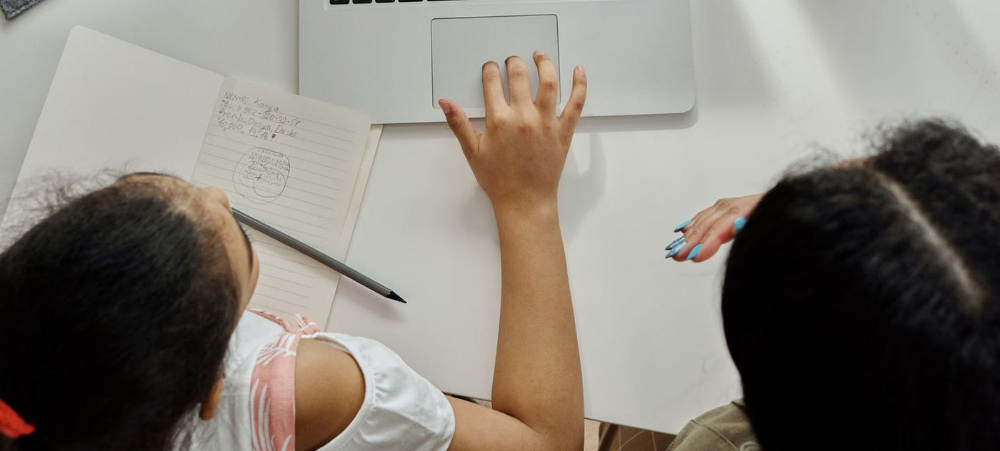

ChildSafe

PLAY IT SAFE THESE HOLIDAYS

It’s the long school holiday season again, a time when we enjoy long days with family and friends and listen to squeals of delight as our children run around and enjoy the warm weather. It is also a time which brings a harvest of injuries to our children. “Bored children are more likely to investigate new ‘risky’ objects and areas. Children like to explore ‘new territory’, therefore this holiday season we encourage all parents and caregivers to actively supervise their children and be extra be vigilant”, Thilda Nel, Executive Director, ChildSafe.  To help ensure your children have fun and stay safe this holiday, here are a few tips from ChildSafe to remember. Be a mindful driver Always keep within the speed limit Keep an eye out for pedestrians, especially now with children home and playing outside Check that there are no children playing around your car before you drive off Remember that children are safer in the back seat Check Your Child’s Car Seat Before Holiday Travel  Seventy-three percent of car seats are not used or installed correctly, so before you hit the road, check your car seat. Also ensure that all passengers are buckled up, even for short trips. Use Booster Seats  Safety in the car goes beyond your little ones. Kids who have outgrown a forward-facing harness seat are not ready for a seat belt or front seat yet. They are safest in a booster seat that enables the adult seat belt to fit properly. Even when children have graduated from booster seats, they should remain in the back seat (firmly buckled up) until they reach the age of 12. At the Beach and Swimming Pools Never leave children unsupervised near or around water. Actively keep an eye on your child near water, even if they can swim or wear safety gear Stay close to your child near water, in case they will need help Restrict children’s access to pools; use a fence with a locking gate On the beach always have children swim where there is a lifeguard Even good swimmers can be swept out to sea by currents. Check warning signs near water before entering the water Consumption of alcohol Parents and caregivers to be responsible when consuming alcohol because numerous injuries to children occur when caregivers are under the influence of alcohol.  Alcohol consumption impairs self-control and adequate supervision of children cannot take place.  Being a smart party host or guest should include being sensible about alcoholic drinks. Most traffic fatalities are alcohol-related, therefore, please use designated drivers, people who do not drink, to drive other guests home after a party. Preventing burns  Kids love to reach, so to prevent burns from hot holiday food or liquid spills, simply use the back burner of your stove and turn pot handles away from the edge. Do not hold small children while drinking hot beverages. Always start with cold water first when running a bath and remember to test the temperature with your elbow and never leave a child unattended to in the bathroom. Put our braai fires with cold water and not sand. Blow Out Candles and Store Matches Out of Reach  Keep holiday candles at least 30cm away from anything that can burn, and don’t forget to blow them out when you leave the room or before you go to sleep. Make a habit of placing matches and lighters in a safe place, out of children’s reach. Avoid novelty lighters or lighters that look like toys. Keep Harmful Plants Out of Reach  Plants can spruce up your holiday decorating but keep those that may be poisonous out of reach of children or pets. This includes berries, plants and mushrooms.  In a poison emergency, call the Poisons Information Helpline – 0861 555 777. Find the Perfect Toy for the Right Age Consider your child’s age when purchasing a toy or game this holiday season. It’s worth a second to read the instructions and warning labels to make sure the gift is just right.  Before you’ve settled on the perfect toy, check to make sure there aren’t any small parts or other potential choking hazards. Keep Button Batteries Away from Young Kids  Keep a special eye on small pieces, including button batteries that may be included in electronic toys. While these kinds of games are great for older kids, they can pose a potential danger for younger, curious siblings. Don’t Forget a Helmet for New Bikes or Other Toys  If your child’s heart is set on a bike, skateboard or scooter this holiday season, be sure to include a helmet to keep them safe while they’re having fun. Decorate Your Tree With Your children in Mind  Children are curious and will want to play with the ornaments on the tree, so you might as well prepare.  Move the ornaments that are breakable or have metal hooks towards the top of the tree. That makes room at the bottom for the ones that are safer for young children. Check the Lights  Lights are one of the best parts of holiday decorating. Look at the ones on your tree and in and around your home for exposed or frayed wires, loose connections or broken sockets. Keep yourself and your children entertained, keep them safe, and have a happy, enjoyable summer holiday! In case of an emergency call 10177 or 112.

Wingu Academy

Wingu Academy to open its first Learning Hub in Centurion – enrolments now open!

Wingu Academy has ventured into establishing its first Wingu powered Learning Hub in Centurion to provide a future focused, safe, reliable, and social environment for learners from different backgrounds to learn.  The first Learning Hub is currently open for January 2022 enrolment for learners aged 6 – 19. Interested parents can follow this link to book a free consultation here: https://form.jotform.com/203373140162039 Wingu’s Learning Hub will provide the opportunity for a blended approach to allow learners to learn from home or get support in person at the Hub, providing a unique level of flexibility and uninterrupted education. Learners will engage and interact with fellow learners in a safe and friendly environment that promotes learning and personal growth. The Hub will provide support such as learning spaces to attend seminars and tutorials, collaborative learning spaces, learning coaches, science and robotics laboratory access and other extra-curricular support.   Wingu Academy officially launched in July 2020 and soon after joined TuksNovation (The University of Pretoria’s High Tech Incubator and Accelerator) where it has been housed ever since.  Their remote-learning platform offers educational support to schools, tutoring centres and home-schoolers across the globe, with live classes and tutorials, interactive online content that is aligned with British International Curricula (a Pearson Edexcel examinations centre) catering for qualifications such as the General Certificate of Secondary Education (GCSE) and AS/A-levels with a focus on developing fourth industrial revolution skills. After finishing these exams, students are welcome to apply at the leading institutions such as the top 100 Universities in the world.   Developed by teachers, UP alumni and postgraduate students who hold advanced degrees in respective fields, and in collaboration with researchers at the Wits School of Education, Wingu prepares students for an international curriculum that is relevant and accredited globally. There is a focus on blended, student-led learning, gamification and instant constructive feedback and continuous assessments. The Wingu platform has evolved markedly over the past year to provide a unique blended experience for the families allowing to utilise Wingu for either complete online schooling or traditional home-schooling with the ability to take advantage of the benefits of both approaches. The core of the Academy is to develop Fourth Industrial Revolution Skills, including critical thinking, problem solving and emotional intelligence. All learners will also be given access to the Wingu Wellness Hub which will provide physical, mental and emotional support to ensure academic success while supporting holistic learner wellbeing. Wingu Academy further offers a variety of different social clubs that enable learners to identify activities they enjoy. The Fitness Club is one example of this, which promotes a healthy level of physical and mental stimulation to keep learners fit, focused and happy. There are limited spaces available at the Learning Hub in 2022, interested parents can follow this link to book a free consultation here: https://form.jotform.com/203373140162039

Prima Baby

Chicco move and Grow toys keeps babies active from the moment they start moving

Chicco is a firm believer that babies should move. Keep them moving and growing with a range of toys that is especially designed to work on strengthening muscles from the moment they start moving. Whether with tummy time back exercises, first time walking or energetic play, small movements for growing babies go a long way to provide good skeleton-muscular development. Move & Grow highlights: Move & Grow Tummy Time Pillow Made in association with Boppy, the world’s premier nursing pillow range, these smaller tummy time pillows provide baby with a stable base to start working on their tummy time exercises. With bright colours and add-on toys to make them stretch and keep them entertained, they are available in neutral colour combinations and pink. Move & Grow Activity Walker Walkers are great fun. Helping them take steps with confidence as well as make parents feel much more relaxed about those first wobbly steps, the Move & Grow Activity Walker is a simple way to give them support whilst keeping them entertained. A melody plays as the child walks, stopping when the child stops, which makes for sub-conscious encouragement to keep taking forward steps. The play park on the front of the mobile has several tactile pieces to play with such as spinning balls, lights and shapes. Available in neutral and pink. Move & Grow XXL Activity Playmat Every child needs a good activity mat in their early years. Somewhere to get down on the ground and unpack the toybox without hurting little knees and ankles, the XXL Activity Playmat will soon become your babies very own space of fun and laughter. Padded and comfy and perfect for naps and has 5 durable rings to hang different toys. The cute animals in the mat will stimulate your child’s curiosity and encourage interaction. Easy to close and store away with the two packaging strings. Machine washable. Available in neutral and pink. Move&Grow toys are available at a variety of retailers including select Babies R Us, Takealot, Loot, The Kid Zone, www.shopchicco.co.za and others.

Sidebar Image

Scroll to Top