Advice from the experts
Lamelle Research Laboratories

Inflammaging and how Lamelle can help you beat it


We’ve all experienced inflammation, from the ache of a sprained ankle to the sting of a bad sunburn. While it can feel unpleasant, short-term inflammation is actually a good thing as it produces inflammatory cytokines (small proteins that trigger an even greater inflammatory response) that tell your body it’s time to get busy healing. Still, in the long term, inflammation isn’t your friend. In fact, if an injury repeatedly occurs to the same area, it eventually won’t heal as well and can result in scarring or abnormal healing. Interestingly, inflammation has the same effect on our skin. Short term, it can help you heal an injury, be it a pimple or a cut. Chronic inflammation, however, causes a chain of events that can damage your skin’s collagen – among other things – and accelerate the aging process. This is what’s known as “inflammaging”. Worse yet, this type of chronic inflammation isn’t even caused by a visible injury. The triggers include “every day”, often unavoidable things like UV rays and free-radicals. Fight that fire! Clearly, none of us are immune to the effects inflammaging but we can protect ourselves in ways that mitigate the damage. One is to invest in skincare that contains potent anti-inflammatory antioxidants. This is why Lamelle products are formulated using some of the most potent and proven, including the super antioxidant Pycnogenol. Now, remember how we mentioned cytokines? You should know that not all of them are “fire starters”. You get many different types and, while some can trigger inflammation, others do a brilliant job of deactivating it. Thus, you’ll find a patented complex of the latter in our anti-aging Dermaheal collection. Interestingly, preventing accelerated aging isn’t just the only reason you’d want to keep inflammation in check. Chronic inflammation also encourages hyperpigmentation and creates the ideal environment for acne to thrive. Other ways to prevent inflammaging While anti-inflammatory active ingredients are a great way to mitigate inflammaging, it’s not your only defense. One of the biggest triggers of inflammation is still unprotected sun exposure. This is why it’s vital to applying a sunscreen every time you set foot outdoors, our favourite being Lamelle Helase 50+. It protects you from the full spectrum of light and contains that potent, inflammation-busting antioxidant we mentioned earlier, Pycnogenol. It then takes thing a step further by addressing any damage that’s already occurred using photolyase. A powerful DNA-repairing enzyme that occurs naturally in animals and plants, photolyase can seek out and correct dangerous DNA kinks (known as “dimers”) that can lead to the mutations responsible for skin cancer. Remember, it’s never too late As with just about everything in life, the prevention of inflammaging is better than cure. But what if it’s too late? What if you’re already dealing with the resultant premature aging that includes fine lines, wrinkles and a loss of firmness? In this case, you’ll be glad to know it’s never too late to take action. Lamelle’s Dermaheal range contains growth factors that help reverse the damage caused by inflammaging by optimizing the communication between your cells, instructing your skin to behave as though it were much younger. This encourages the creation of skin-firming collagen and elastin. You can also consider Lamelle in-office treatments such as peels and collagen-induction therapy (CIT) that can remove old, damaged tissue and encourage the growth of new, healthy tissue. The bottom line Ultimately, it’s very difficult to avoid the triggers of inflammaging. They’re literally everywhere – from free-radicals borne in the air to the sunlight streaming through your window. However, it doesn’t mean we can’t protect ourselves from their effects with powerful inflammation-fighting products such as those we’re proud to create at Lamelle Research Laboratories. Also, it’s never too late to start correcting the effects. Simply chat to a highly-skilled Lamelle skincare therapist who can help you prevent as well as treat so you can enjoy healthier, younger-looking skin for longer. 

Aaliya Loureiro

10 Ways to celebrate Valentines Day

Are you looking for new or even classics to take your Valentines Day through a whole new journey? To create a momentous, time-freezing day with the one who has your heart? Just a small idea can lead to one of the best experiences to look back on together. 1. Staycation in your city  Travel your city to a new destination. A trip not too far from home, but a vacation it is. Destinations including tourist attractions and lounges can be just that breath away from reality and inside your very own story.  2. Tour the city Whether you’re on a staycation or staying at home, an adventure-filled date across the city is magical. How often are you able to explore your own city out of enjoyment? Why not take the opportunity to, with your favourite person. 3. Picnic Paradise A hike filled with laughter, chatter, and joy. A climb for the sun at a nature reserve or even a beautiful hill near home. Lay out a picnic of your favourite goodies and meals, readying to sit and gaze at the beautiful sunset together. 4. Keen on being at home? Each partner choose a movie you both love, and to deepen the surprise, each person order a seamless delivery with food you think the other would enjoy.  5. Time of our lives  The perfect, underrated moment of time to bond with your partner is making a time capsule, full of all things that bring your smiles, when you’re reminiscing once more. In the future, when you notice your growth together, and fall in love with your memories, you’ll even find joy in recollection of creating this time capsule together. 6. Classic cliches  You can’t go wrong with rose petals or even her favourite flower petals, champagne, and twin fuzzy robes. You could light some new scented candles and just spend the moment with either pedicures or even binging your favourite shows.  Its your day together, why not get creative with your time.  7. Romance in a drink If you and your partner are filled with a passion for tastings together, a romantic wine tasting is for you. An elegant way to start your celebration, and to spend time pretending to be a judge could spark some charismatic delight. 8. Chaos in the kitchen  You and your partner can plan a homemade dinner, where you cook a new recipe together.  You could even have your very own cook-off. A little competition to see what masterpiece, or monster mess-up, you create! 9. Your man’s heart Food. It’s a wonderful for of love between one another. A cute, delicious idea is frying up some bacon and making a bouquet of bacon roses to eat in a yard or lounge picnic. An extra idea is turning the rest of your date into a game day containing all the games you’ve been waiting to play. 10. A day of mystery  A day of mystery? An escape room date. A thrilling way to work together and become closer by the end of all the excitement.  its the ultimate team building exercise to further use each others strengths and to laugh at it all once you’re on your way home. 

Good Night Baby

Healthier nap expectations from your toddler

As mums, our focus is always aimed at how our children are sleeping. Are they sleeping too much? Are they sleeping too little? What is too much? Sleep plays an important role in the everyday lives of young children and influences their lifelong development and health. A child who is well rested is better able to concentrate, take on new information, interact positively with others and deal with conflict and challenges. During sleep, learning is improved and biological changes occur that help children to grow, develop and stay healthy. Children with poor quality or insufficient sleep are less able to regulate their emotions and behaviour and can have difficulty concentrating. When it comes to sleep, it is also important to distinguish between your toddler’s day sleep needs versus their night sleep needs. Their day routine and naps will depend on their age. However, their night sleep will remain the same until the age of 5 years. All children until the age of 5 years, will need between 11-12 hours of night sleep. All toddlers should and CAN be sleeping through the night (from 12 months of age), without any night feeds. In fact, to keep having night feeds at this age can be do more harm than good. Nap lengths will change as your toddler gets older: 12 months At this age, we always recommend keeping your toddler on a 2 nap routine. Whilst every baby is different, most toddlers will still need 2 naps at this age. Your toddler should be sleeping between 2-3 hours in the day. 13-15 months This is a bit of a “grey” area. Some toddlers still do well on 2 naps (which is great!), whilst others do seem to be ready for one nap. Keep in mind when introducing a one nap routine, that you do it gradually over a few weeks, moving nap one later every 3 days, to help your toddler get used to this transition. On those days when your toddler is having just one nap, don’t be afraid to bring bedtime earlier. This is an adjustment for your little one and they do tend to get tired after the long stretch of being awake. If they are having just the one nap, try and ensure that they sleep for as long as possible. Most toddlers will sleep between 2 to 3 hours for the one nap routine. On the flip side, if your toddler is still having 2 naps at this age, then remember that their night sleep does shorten, as often, the 2 nap routine will mean a slightly later bedtime. Just make sure that bedtime does not become too late. 16-18 months Most toddlers at this age are definitely ready to transition to one nap. It is easier to transition them at this point, as they are older and able to handle that longer stretch better. Having said that, it’s important to remember that this 2-1 nap transition does take time. Your toddler’s night sleep will lengthen, as the one nap routine automatically garners an earlier bedtime. 18 months – 2.5 years Life gets much simpler at this point, as toddlers will have a fixed nap time, happening at around midday. Mums can focus on a clock-based routine, where awake time and bedtime can happen at the same time every day. The earliest age that a toddler can drop a nap is 2.5 years old, but most toddlers at that age, still do well with a nap. 3 years – 5 years This is the age where your child will drop their nap. Just as with every transition, it’s important to look for the signs and make the transition when your child is ready to do so. Like all other transitions, it takes time to completely drop that nap. There will be days when your toddler will still have that nap and days when they don’t. You can have a nap on alternate days and then eventually work towards not having a nap on a daily basis. Whilst keeping the above age appropriate routines in mind, one of the most vital aspects of toddler sleep is to remember that SLEEP BECOMES A DISCIPLINE. Your toddler is an individual, with their own personality. They are getting better at communicating and in expressing their own opinions about what they would like to do. All of this is completely normal. The challenge for parents is to still allow our toddlers the gift of choice and exerting their own sense of independence, whilst still keeping boundaries in place. This is often the most frustrating aspect of sleep with toddlers. Consistency is key – it is the best teacher, but also take the time to understand your toddler, so that you can ensure that you are communicating with them effectively. The toddler years are a beautiful time – to witness your baby grow into their own being and develop their unique personality. It is the joy of being able to connect with them, through their words and actions. It is those moments when you look at them in awe, simply amazed at them, and the fact that they are YOURS. It might not seem this way right now, but the time does indeed go too fast. In all the worrying and anxiousness that we experience as mothers, don’t forget to enjoy the small moments too. By Sarah Bibi Patel – Good Night Consultant

Prima Baby

Gorgeous fashion plate pacifiers with Chicco’s Physio technology at the heart

The perfect pacifier will be a parent’s best friend – and they are harder to find than one may imagine. Chicco has spent years in the Observatory research centre developing the ‘perfect pacifier’ that is not just a soothing device, but ultimately meets the needs of every child’s oral development too. Introducing the ‘Physio’ concept of pacifiers. Based on the theory of good breathing, the range of Physio pacifiers extends from the smallest of premmie needs to the versatility of glow-in-the-dark favourites to keep toddlers sleeping through the night, even when they drop their dummies.  Physio Micro is the first and smallest in the innovative range of Physio pacifiers. Micro in size but powerfully effective, this premmie dummy is perfect for the littlest of mouths, with an orthodontic teat to match. With extra lightweight fashion plates with air holes for ventilation, Micro Soft’s teat sits neatly in the palette, keeping from lolling around in the mouth and causing saliva build-up. When it’s time for baby to outgrow their newborn pacifier, the Physio Air range steps in. Great for bigger newborn and supporting little ones all the way up to 36 months, the range includes a wide variety of fashion plates with cute characters and colours. The glow-in-the dark range is perfect for finding dropped dummies in the night without turning on the light. Available at Baby City, The Kid Zone, Takealot, Loot, Babanino and a host of other retailers.

Bonitas – innovation, life stages and quality care

Covid – how and when might it all end?

Covid-19 has disrupted the world in so many ways, including the uncertainty of what the future holds. The Bonitas Medical Fund clinical and actuarial teams unpack some of the pandemic versus endemic terminology and offer scenarios for the future. Since the start of Covid-19, the word ‘pandemic’ has been on everyone’s the lips. What is a pandemic and what is the difference between an outbreak, an epidemic and a pandemic? According to Harvard Medical School, ‘An outbreak is a sudden increase of an infectious disease in a particular place, an epidemic is a larger outbreak in a restricted country or community, while a pandemic means a global epidemic.’ Do the governments of various countries decide there is a pandemic? It is the World Health Organization (WHO) which declares a global pandemic as was the case on March 11, 2020, when the virus was present in over 110 countries. WHO will also decide the degree of severity and communicate this to the world? The declaration gives governments time to prepare for the pandemic, legislate laws and restrictions – such as travel and trade – and begin emergency procedures to protect their citizens.  What are the criteria for a pandemic? There is no universally agreed definition of when a disease outbreak should be called a pandemic but there are three reasons WHO can declare a pandemic, when: The disease causes death There is persistent transmission between people It spreads in multiple countries The Centre for Disease Control (CDC) explains it as a ‘term most often applied to new influenza strains’ and says it’s used when viruses can infect people easily and spread from person to person in an efficient and sustained way in multiple regions. The declaration refers to the spread of a disease, rather than the severity of the illness it causes. What are examples of other pandemics? Past pandemics, which had a profound effect on the world, were the Plague or Black Death in the 14th Century, the outbreak of flu in 1918 each killing around 50 million people. Both the AIDS pandemic and Covid-19 are more recent. Who keeps a finger on the pulse of the pandemic? During pandemics, epidemiologists work as profilers. They are experts in the branch of medicine which deals with the incidence, distribution and possible control of diseases. Epidemiologists are scientists who: Trace, monitor and predict the movement and behaviour of a pathogen to create a detailed portrait. Key epidemiological questions include: What is the spectrum of disease severity? How transmissible is the virus and who is most likely to spread it?  What are the risk factors for severe illness and death? How does the behaviour of the infection vary by location and does it change over time?  Answers to these questions can determine what public health measures should be implemented and what resources should be allocated. These choices have a profound effect on the outcomes. Who decides that a pandemic is over? The pandemic may be widely considered over when WHO decides the virus is no longer an emergency of international concern. It is generally when the infection is mostly contained and rates of transmission drop significantly throughout the world.   The expert committee reassess every three months and the world are waiting for a decision from WHO regarding the end of the pandemic as we know it. However, they are still anticipating a 5th wave. Despite this the organisation is calling for travel bans to be lifted as they have proved to be ineffective in stopping the spread of the Omicron variant.  Downgrading from pandemic to endemic There is a consensus that Covid-19 will eventually settle into becoming a more predictable virus, like the flu. This means there will be seasonal outbreaks but not the huge numbers the world is experiencing now.  It will transition from a pandemic phase to endemic phase and the world will adapt to living with it.  What is the difference between endemic and pandemic?  Endemic means the disease is still circulating but at a lower, more predictable rate — and with fewer people being admitted to hospital.  Epidemiologists would consider a disease endemic when levels are consistent and predictable – unlike the ‘boom and bust’ waves we have seen so far in the pandemic. That said, just because it’s endemic it doesn’t mean to say it’s not serious. Smallpox, for example, was endemic for thousands of years and a third of the people who were infected, died. Malaria is also endemic and causes around 600 000 deaths a year. What are the hypotheses for the way in which the pandemic will end?  It is difficult to predict when the pandemic will end but three scenarios emerge as the most probable. It is important to note that these will be determined by WHO and governments around the world. 1.Getting through it as quickly as possible This means the government allows people and communities to be exposed as quickly as possible so that most people have been infected or developed immunity. At some point herd immunity will be reached – when the virus cannot find new hosts -and the pandemic slowly peters out. The problem with this is that hospitals reach peak capacity very quickly and millions may die. 2.Slow it down or delay it and vaccinate As happened with most countries’, governments used various methods to slow down the spread. This reduces the number of lives lost but the virus still spreads slowly and many of these measures have a devastating effect on the economy. 3.Co-ordinate globally to crush it This is achieved by introducing travel bans, quarantining, social distancing and restricting travel.  In this scenario the world should co-ordinate efforts to reduce transmission.  In the best-case scenario this could end the pandemic swiftly with low loss of life. The virus will not be eliminated through this means alone but reduced transmission and spread.  Each has its pros and cons but it’s generally accepted that vaccination, assisted by as much global coordination as possible, is the best possible scenario. What is

Parenting Hub

Fruity back to school lunch box ideas for a healthy start to 2022

Make the morning rush a little easier with healthy lunch box recipes that all kids will love. Plums, peaches and nectarines, known collectively as stone fruit, pack a nutritious punch offering generous helpings of vitamins and other essential nutrients to keep budding learners sharp throughout the day. Make sure your children get their share of nature’s juicy summer bounty by including stone fruit as a snack in their lunch boxes or turn them into delicious, nourishing meals and treats. We all know how fussy children can be when it comes to balancing their daily food intake, so here are some nifty ideas to get nutritious stone fruit into their lunch boxes.  Celebrity chef, Jenny Morris, has created two moreish lunch box salads that tick all the right boxes. Her peach and bulgar wheat salad is a super easy and satisfying meal that can be prepared the night before. It is an absolutely yummy and filling alternative to regular school sandwiches, guaranteed to keep hunger pangs at bay.  Jenny’s nectarine and smoked chicken salad is another substantial lunch box meal your children will tuck into with glee. Bursting with colour and flavour, it is quick and easy to whip up.  For something sweet when energy stores start running low, Jenny’s plum jelly treats are the perfect lunchbox filler. These homemade treats are great for on the go snacking. Karen Hart’s peachy whole wheat muffins are a super nutritious lunch box filler. They are easy to make ahead of time and are sure to stay fresh and go the distance. Plums, peaches and nectarines are naturally sweet super fruit with a low glycaemic index (GI). They are high in fibre and abound in health-giving potassium and vitamins A, C and E, all-powerful antioxidants that protect against disease and help to build healthy minds and bodies. To keep children’s lunches fresh all day, Addis, the original and trusted food storage container brand, has the perfect solution. Addis Clip ‘n Seal lunch boxes come in various  sizes and great colours with a high quality, clip closing design that guarantees an airtight and leakproof seal. They are made in South Africa and are BPA free. Visit www.addis.co.za for more information. Feel inspired by following @juicydelicioussa on Instagram or visit www.juicydelicious.co.za for more tempting stone fruit recipes. Peach and Bulgar Wheat Salad     By Jenny Morris  Serves 4-6 Ingredients:  2 cups cooked bulgar wheat ½ red onion finely diced 2 spring onions with tops finely chopped ½ cup chopped mint 2 large cling peaches washed, stoned and finely diced ½ medium cucumber finely diced ½ cup finely diced red pepper 2 red chillies chopped (optional) Salt and pepper to taste Method: Toss all the ingredients together and add the dressing 30 minutes before serving. Dressing:  ½ cup orange juice ¼ cup lemon juice 1 Tbsp honey ¾ tsp salt Pepper to taste 2 cloves finely grated garlic 1 tsp mustard of your choice ½ cup olive or vegetable oil Method: Stir together all the ingredients except the oil, taste and adjust the seasoning, then whisk in the oil. Nectarine and Smoked Chicken Lunch Box By Jenny Morris Serves 4 Ingredients: 1 cup cooked bulgar wheat Zest of 1 yellow lemon 2 Tbsp chopped mint 1 cup cucumber, chopped or thinly sliced 2 large firm nectarines stone removed and chopped 300g chopped smoked chicken breast 30g toasted almonds chopped Salt and pepper to taste Dressing: ¾ cup mayonnaise 1 Tbsp olive oil 1 Tbsp lemon juice Stir together and season to taste. Method: Place all the ingredients together in a bowl, season with salt and pepper and lightly toss together, add the dressing and stir together gently. Divide into 4 portions and pack into lunch boxes. Plum Jelly Treats By Jenny Morris Makes: 24 – 30 (depending on the size of the mould) Ingredients: 15 plums, halved and stoned ½ cup water  ½ cup caster sugar 6 Tbsp gelatin powder Silicone mould of your choice Non-stick cooking spray Method: Place the plums in a small saucepan with the water and simmer until soft.  Place in a blender and process until smooth.  Strain the liquid through a sieve and return to the pot (alternatively, if you have a juicer, simply juice the fruit and place in the saucepan). Add the caster sugar and dissolve over low heat.  Sponge the gelatin in a little water, according to the package instructions.  Once, sponged, place the gelatin in the warm plum liquid and stir to dissolve. Lightly spray your mould with the non-stick spray and place on a baking tray.  Carefully pour the liquid into the mould – using a jug – and place in the fridge for an hour and a half, or until set. Pop out and enjoy! Whole Wheat Peach Muffins By Karen Hart Makes 12 muffins Ingredients:  1 cup whole wheat flour ¼ cup cake flour 1 ½ cup oats  ½ teaspoon bicarbonate of soda 1 ¼ tsp baking powder ¼ tsp salt ¼ tsp nutmeg ½ tsp cinnamon 11/2 cups peeled and diced fresh peaches or nectarines (2 peaches/nectarines) ⅓ cup buttermilk 1 tsp vanilla extract ⅓ cup honey ⅓ cup sunflower or canola oil 1 egg Extra oats to sprinkle on top (optional) Method: In a large mixing bowl, whisk together the flours, oats, baking soda, baking powder, salt, nutmeg and cinnamon. Stir in the peaches. In a separate bowl, combine the buttermilk, vanilla, honey, oil and egg. Add wet ingredients to the dry ingredients and stir until it is just mixed. Spoon the batter into a 12-hole muffin tin, lined with paper liners. Sprinkle a little oats over each muffin (optional). Bake in a preheated oven of 180ºC for 18 – 20 minutes or until cooked through and golden brown. Cool on a wire rack before serving.

Parenting Hub

HAPPY KIDS ARE GOOD KIDS

In the words of Oscar Wilde, “The best way to make children good is to make them happy,” and that’s what the Friends In Your Freezer are intent on achieving through delicious, healthy, fun, and convenient food. Oh, and a chance to win a family holiday worth R50 000 too! Two of the largest brands in the frozen food world are on a mission to create convenient and nutritious mealtime solutions, while bringing fun into the kitchen and onto kids’ plates. Whether their summer holiday was the greatest six weeks of their little lives, or a time spent ranting about having nothing to do, the back-to-school transition is daunting for most children, and more than likely, moms too. Having a stable eating routine with exciting food helps children to look forward to mealtimes, and a nutritious eating routine improves not only their energy levels, but their concentration and mental health too.  McCain and Sea Harvest offer the finest quality frozen fish and vegetables, which are incredibly healthy too. Their produce is harvested at its peak, sustainably sourced and snap frozen within hours to maintain freshness and lock in nutrients, meaning that your little ones not only get to enjoy a delicious meal, but one that’s packed with vitamins and minerals too. “Frozen foods are a convenient and affordable way of incorporating protein and vegetables into your children’s diets. The combination of products that McCain and Sea Harvest offer are sure to satisfy even the most discerning of little palates,” says Jared Patel, the Head of Marketing of the Sea Harvest Group. Get the kids involved in the kitchen and create a fun and fresh (or shall we say, frozen) take on sushi: Fish Finger ‘Sushi’ with Smiles Serves: 4 Prep Time: 30 minutes Cook time: 20 minutes Difficulty: easy Ingredients Fish & Smiles 8 Sea Harvest Fish Fingers 1 x 415 g bag McCain Smiles Sushi 8 slices of brown bread, crusts cut off 40 ml mayonnaise 8 slices of pre-sliced cheddar cheese 1 small cucumber, peeled into ribbons 1 large carrot, peeled and finely grated Dipping Sauce ¼ C (60 ml) mayonnaise 2 Tbsp (30 ml) chutney Method Fish & Smiles Preheat the oven to 200 ºC. Lay frozen Fish Fingers and Smiles onto a baking tray. Place into the oven for 15-20 minutes and cook until golden and crunchy. Alternatively, cook in an air fryer for the recommended time. Allow the fish fingers to cool completely. Sushi Roll each slice of bread with a rolling pin to flatten by half. Dollop roughly a teaspoon of mayonnaise on each slice of bread and spread evenly to all corners. Place a slice of cheese right on the edge of the side of the bread closest to you – this will ensure that there is a margin of bread left on the other side that will stick the sushi roll together. Place a cucumber ribbon on the edge of the cheese that is closest to you followed by a cooked Fish Finger. Top the fish finger with grated carrot, then roll the bread roll away from you to form a neat log shape. Press down on the seam to seal the roll. Trim off the ends off, then slice into 4-5 bite-size pieces of sushi. Repeat the rolling process until you have completed and sliced all of the rolls. Dipping Sauce Mix the mayo and the chutney together and set aside. To Serve Serve fish finger sushi rolls with potato smiles and dipping sauce on the side. Having these Friends In Your Freezer ensures that mealtime planning and creativity in the kitchen isn’t higher grade, so to speak. “Our purpose is to make mom’s lives easier, and kid’s lives happier. The first two months of the year are generally chaotic and there’s no doubt that having frozen meals on hand eliminates the added pressure of meal prep on a busy week night,” says Danielle De Villiers, Senior Brand Manager at McCain.  Purchase any 1 McCain and 1 Sea Harvest product from participating stores and stand a chance to WIN 1 of 4 family holidays valued at R50K each with McCain and Sea Harvest. Competition ends 28 February 2022, T&C’s apply. For more information, visit www.friendsinyourfreezer.co.za, McCain Facebook, McCain Instagram, Sea Harvest Facebook or Sea Harvest Instagram. You can also download this fun activity book filled with puzzles, games and jokes, to keep the kids busy!

Wingu Academy

Wingu Academy’s Centurion Learning hub provides a unique learning space for learners to thrive with their tribe

Wingu Academy’s Centurion Learning Hub has officially opened its doors to learners between 6 – 18 years. Wingu Academy offers the internationally recognised British curriculum and has recently also introduced Grade 10 CAPS. Wingu’s CAPS curriculum is SACAI accredited and will be expanded from 2023. Wingu’s Learning Hub provides a safe space for a blended learning approach which allows learners to learn from home or get support in person at the Learning Hub. It offers the opportunity for children to have access half or full day at the hub, as well as a 3-day or 5-day option per week. This provides a unique level of flexibility between working at home or hub with uninterrupted education for learners as an alternative to attending a traditional school.  Learners can engage and interact with fellow learners in a safe and friendly environment that promotes learning and personal growth. The Learning Hub further provides support such as learning spaces to attend seminars and tutorials, collaborative learning spaces, learning coaches, science and robotics laboratory access and a variety of extra-curricular support.   Learners are encouraged to take part in activities such as sports, drama, art, music and many others as part of the school’s extracurricular programme. “We understand that the development and learning of our learners requires a balance of academic and personal development in and outside the Academy and Hub. Taking part in physical and cultural activities provides an invaluable opportunity for children to develop physical, emotional and cognitive skills,” says Leza Petersen, Wingu Centurion Learning Hub Manager.  Some of the activities are presented at the Learning Hub, which also lighten the burden on parents, whilst other activities are accommodated at trusted service providers.  The host of activities include: Arts & Performance  Drama Swimming Arts & Crafts  Music Baking Horse-riding lessons / Equine Therapy  Golf Hockey Drone Club Chess Science  Early Childhood Development STEM principles  Robotics  Software Engineering  Wingu Academy believes these unique learning opportunities will assist children to thrive in a positive environment to build trust, coordination, teamwork, motivation, attitude and mobility and foster a spirit of healthy competition with fellow Wingulians (Wingu Academy learners). Enrolments are still open until mid-February 2022. To join Wingu Academy’s Centurion Learning Hub or for more information, you can book a free consultation session at: https://wingu-academy.com/book-now/ or send an email to [email protected]. The Learning Hub Manager can be contacted directly on email: [email protected] or mobile:  084 552 6546.

Syllabis Learning

Understanding Independent Learning

Independent learning is a method or learning process where learners have ownership and control of their learning – they learn by their own actions and direct, regulate, and assess their education. The independent learner can set goals, make choices, and decisions about how to meet his learning needs, take responsibility for constructing and carrying out his own learning, monitor his progress toward achieving his learning goals, and self-assess the learning outcomes. The concept of independent learning is associated with improving the educational experiences and outcomes for learners through student-centered learning approaches that personalize learning and enable the learner to take ownership of the learning process.  In other words, you need to be able to do your own research instead of expecting a teacher to give you all the background material you might need. What is the difference between homeschool and independent study? Independent learning curriculums like the curriculum provided by Syllabis Learning allow students to learn with little direct teaching and interaction from the parent. Most independent programs have a pre-set program and are meant to be mostly self-instructional.  To become a good independent learner you should be motivated, resilient, ready to overcome challenges, and good with time management. Why is independent learning important? The skills you gain with independent learning are transferrable and valuable to most jobs that you will perform. These include motivation, independence, initiative, time management, organization, multi-tasking, strong reading, and writing skills. Benefits of Independent Learning The child learns how to read (or listen) for understanding. This is a skill that takes practice, and it is important for standardized tests. When the child is answering questions based on what they have read, it is a way of holding them accountable. They will learn to concentrate as they read because they will know they are going to need to use the information for their homework. The child learns HOW TO LEARN. When a child has become accustomed to learning independently, they can pick up any book and learn the information in it. This means they can continue a lifestyle of learning throughout the rest of their life. They will never be dependent on someone else to teach them something. The child has greater freedom to determine their routine. When teachers or parents are not part of the equation for learning a particular subject, the child can schedule that subject any time in their day. This often helps with motivation and effort. The child learns about their learning style. When teachers or parents are in control of their entire day, they don’t have the opportunity to experiment with different environments, times of day, or methods of learning. By trying to learn on their own, they become more self-aware, discovering how they like to learn, how they learn best, and how they do not. The child is free to learn at a faster pace. If the child is capable of understanding something well and wants to keep going, he can. He is not held back by a teacher’s lesson planning or availability. The child learns perseverance and self-reliance. When a child struggles through to success, he has learned a very valuable lesson. Some things don’t come easily, but by not giving up, success is possible.  The child learns initiative.  The responsibility for learning is on the child. He needs to do everything he can to find the answers he needs before asking for help. This may mean going back and reviewing previous material, looking for answers to help solve the current problem or answer the current question. (This is a good habit and also helps with studying for tests.)  Independent learning prepares your child for university. University students are expected to take responsibility for their own work, grades, completion of assignments, etc. No university professor is going to hold their hand or even notice if they are struggling, most likely. The student is expected to do the work, find outside resources, and ask for help when they need it. If they are used to it being this way at home, then they won’t feel like they are in over their head in university. Here are some helpful self-learning techniques to make independent learning more effective. Find a good study space: Try to avoid things that might distract you. Put your phone in another room, switch off the TV, and sign out of social media. If possible, try to study away from areas where you eat or sleep. Set goals: A good way to keep your motivation up is to think about what you want to get out of your work and remind yourself next time you are flagging. Get into a good routine. A good routine can help you avoid that feeling of the whole day slipping away without getting any work done. Try to get started on work at the same time every day and include time for breaks and having fun. Read actively: You will need to be an active reader, paying close attention to the words you are reading and their meaning. Skim read: Speed read or skim material before reading it in detail and then summarising the text in your notes. Go solo: Practice working on your own for long periods without seeking the help of an adult. Effective time management: In work or unit studies, you are more than likely to have several pieces of work to juggle at any one time. Break each project down into the relevant tasks, work out how long you will need to spend on each part, then allocate time in your diary in order or priority. Take handwritten notes. Writing out notes by hand might help you to understand and remember the content better. Taking handwritten notes is especially powerful if you try to put things into your own words and do not just copy the language your teacher uses. It can also help to use diagrams to structure your thoughts. This might feel harder at the time, but it will create a stronger memory. Different sources: When doing research, try to draw from a variety of different sources. Be persistent: If a task is challenging, do not

Koa Academy

Koa Academy & Fully Alive host free webinar for parents

We’re in the midst of a seismic change in the world of work.  We’ve seen tech disruption so far eliminate industries, transform others and usher in brand-new ones.  Many working parents have experienced this first-hand. We expect emerging and evolving technologies to continue their innovation and disruption at an ever-escalating pace.  Advances in the early field of Artificial Intelligence are already showing the promise of the machine to diagnose illness, offer optimal legal solutions and compose music that even aficionados can’t distinguish from human effort. This has led to the common assertion that we are educating children today for jobs that don’t yet exist, or for roles that are going to look very different from what they are like today.  Principal of Koa Academy Mark Anderson says, “This is why we named our school ‘Koa’, which is a type of tree. Koa wood is famous for being both strong and flexible, which is what we want for our learners – to grow into adults who are robust and flexible at the same time, and therefore adaptable in a fast-changing world. We want this for them academically, as well as socio-emotionally.” Parents are invited to join a conversation with Mark and Meg Bruyns, the founder of Fully Alive for a one hour free Future of Work Webinar on Tuesday, 1st March 2022 (6pm to 7pm) to gain insights into how we need to be educating our ‘digital-native’ kids for a very different future of work. Meg, a self-described ‘passionate people developer’, works with teams and individuals, parents and teens to help her clients find purpose and clarity while developing the skills they need to get the most from life and work.  She says, “It would be helpful for parents to understand that the transformation of work is not just driven by external factors such as the tech.  There’s a people-driven change too.  The young generations entering the workforce, and those preparing themselves for it, are not that interested in clocking in 9 to 5 for a pay-check.  They want to experience how their work makes a difference in the world.  There’s a human drive to change the future of work through pushing for purpose and meaningful impact.  Our young people are keen to be disruptors themselves challenging the status quo and influencing big issues like social justice and environmental awareness.  With latest technologies in their hands, they want to push societal boundaries and go beyond what has been possible before.  So, the question is: How does their education and their youthful experience equip them for this?” During the webinar, Mark will be sharing information about the range of practical ways that Koa Academy is integrating the development of the skills that 21st Century employers prize most, with its IBE-accredited academic curriculum.  He says, “There are so many exciting things that learners can do from Enrichment streams that lean into each child’s interests, strengths and passions to our mastery-based approach that develops goal- setting, adaptability, time management and a growth mindset.  The platforms and applications our learners use day-to-day are the ones that are being used by people in the real world.  Our focus is not on school as an end-goal, but the nurturing of lifelong learners, which is what our kids need to be in order have the strength and flexibility to thrive in the future world of work” Lifelong learning is something that Meg also feels strongly about.  She says, “For educators and parents, their quest is to know how to support the young generation in becoming intentional, lifelong, fearless learners.  This develops the resilience, agility and adaptability that will help them succeed in our constantly changing world.” Parents are invited to register for the free Future of Work webinar here visit www.koaacademy.com

Cambrilearn Online School

Homeschooling: How to Raise Happy Kids (and Parents)

It is safe to say that parenting through a pandemic has dished out a few lessons on how to cope with the daily dose of mom guilt. People speak of the ‘new normal’ and we slowly find ourselves levelling out – back into the daily routine. But things are different now; it has become a little harder to take life for granted and to just ‘get on with it’. Because the last two years changed us, all of us. The Year of Banana Bread 2020, the year of the banana bread, the year of loungewear and the year that the parents became the teachers. At first, homeschooling was a temporary replacement for a traditional classroom setting. The change was driven by necessity, not by choice. And whilst “panic pandemic homeschooling” is not a true reflection of an optimal online schooling model, it did turn out to be a wonderful consolation prize for many families.  The onset of the pandemic catapulted us into online work environments, homeschooling and online shopping. We learned to quickly appreciate the benefits of online learning platforms like CambriLearn, which offers an all-in-one online education from pre-primary to matric.   When we look back on the lessons learned in parenting through the pandemic, we can now see some silver lining to the experience. More and more people are now realising the potential and benefits of remote work and school environments and have put measures in place to reset and restructure the work and education aspects of their lives.  Many parents have experienced first-hand that their children learn better when they want to learn. When they have a vested interest in the content and how they are exposed to the subject matter. The best educational setting is the one that helps a child achieve their goals, that makes the most of their abilities, and meets their unique personal needs.  Are you paying attention? With challenges like anxiety, ADD, ADHD and other special needs we have to ask ourselves – is there one schooling option that is right for everyone? Or should we be paying more attention and investigating more personalised approaches that suit each unique child? With six-hour school days on top of extramural activities on top of extra lessons, children (and parents) are under pressure. Homeschooling has opened the door to alternative education solutions that better serve the diverse needs of our children. When I grow up, I want to be healthy and happy Logan Laplante is a 13-year-old boy who hosts a popular TEDx Talk episode about his homeschooling experiences. In a profound moment in the video, he talks about what he wants to be when he grows up. His answer is simple and one that we as adults so often forget. “I want to be healthy and happy,” he says.  As parents, our number one goal for our children should be for them to grow up to be happy. And we can only hope to raise our children in a way that enables them to learn from our own pursuit of happiness.  What is the right (school) choice for your child?  The right education solution for your child should be the one that allows them to study in an environment that supports their individual needs, rather than one that casts them into a one-size-fits-all mould.  CambriLearn offers a personalised, flexible and self-paced learning solution to suit each child’s individual needs. With over a decade of experience, their online learning platform has been tried and tested by more than 3.5 million students worldwide. Their interactive course content and teaching methods promote optimal knowledge retention and help instil a child’s love for learning – throughout their schooling career. 

Abbotts Colleges

THE ‘DON’T PANIC GUIDE’ TO THE NEW YEAR OF HIGH SCHOOL

Being a mother of teenage boys and a principal of a high school has taught me a few lessons about the start of a school year. The first is that my expectation of a perfectly seamless start to the year is just not possible! One would like to imagine that the principal’s sons are highly organised and efficient, excited, and ready to walk through the school gates on the first day of the new year. Books are covered, stationery is packed, school attire is ready and waiting, grocery shopping is done for the menu you’ve prepared for lunches. Yes! Organised and feeling good as a mom! Unfortunately, this is often the wish but not the reality, even in the principal’s household, where my own two sons tell me not to panic. “Mom, we do the same thing every year, why do you think this year is any different? Can we go and play games now?” I should trust them more…  Putting the principal’s hat on becomes a very different picture. I am there to calm parents like me. Perfection does not exist! Phew, thank goodness! As parents, we have the best intentions for our children and we often feel the pressure of not doing enough or being imperfect. Just know that you are not judged by the teachers if the seamless start to the first few weeks has not occurred in your household. A few good tips from the ‘inside’ may assist with a calmer, more rational approach to those first few weeks at school.  Let’s take a look at some advice for parents and some points I would discuss with my teachers in a first staff meeting before we welcome your children to the school: Try and allay any anxieties your child may be having, especially Grade 8 students going into high school and students who are going to a new school. Your child’s social and emotional learning journey plays an important role in their academic success. Teachers understand this important foundation for learning and a good school will assist students to manage themselves, reduce emotional stress, and support them through their high school journey.  Finding friends to sit with at break can be a challenging prospect for the introverted child. In my school, my teachers are on the lookout for these students and are always willing to try and connect new students with others who may have similar interests or subjects. It is important that parents and guardians communicate how their child is feeling with the relevant staff at the school so that they can assist them in adjusting. A meeting with all the teachers or the principal to discuss emotional, familial, or academic challenges is vital to the success of the year and the feeling of security for your child. Many parents, myself included, order textbooks late in the year from the supplier the school has offered. Buying textbooks is a financial commitment and many will await year-end bonuses or 13th cheques to assist with this purchase. This would mean that books ordered late, will only arrive at the beginning of the year, dependent on when the suppliers get back to work after the new year. My advice is not to panic! Teachers will understand that textbooks arrive late and will ensure that notes are available to ensure the student will not be compromised. Follow-up is constant and schools will always make a plan for students to have access to learning resources!  If your child does not have all the stationery requirements, this is also not the worst thing that could happen. Teachers in most schools always give a couple of weeks for students to settle in and afford the time for parents to purchase what is still missing. They will also give specific instructions for books and how they should be covered, if at all. You may finally have a teenager who can do this on their own! There may be times that a student’s timetable is incorrect – especially in the senior grades. This is normally a small adjustment by the Deputy Principal in charge of academics. Once again, it is to be expected that there may be hiccoughs at the start but those first few days are there to iron out minor errors in timetabling. Whatever the panic in your household may be in those first few weeks of the year, remember that a good school will be there to support and assist where necessary and not condemn and criticise!  Over the years, I have noticed that the challenges that seem insurmountable to many students can easily be sorted out with caring and empathetic staff members at your child’s school. By far the most important part of the beginning of the year is that we allow them to settle in, build good relationships with their teachers and make wholesome friends. Encouraging healthy relationships helps students develop important life skills such as communication, cooperation, resolving conflicts, and problem-solving.  I wish all parents a positive start to the new school year. It may not be seamless but we need to allow our teenagers to also take responsibility for their learning journey.  Have a happy and healthy 2022! By: Marion Kohler, Principal of Abbotts College Johannesburg South

Lamelle Research Laboratories

How to prevent acne scarring with Clarity by Lamelle

Struggling with acne is stressful enough, nobody also wants to deal with the aftermath – the scars it can leave behind. This is why it’s important to prevent as well as address spots the moment appear while managing inflammation, a major contributor to scarring. Happily, Lamelle’s Clarity collection can help you do all three! What causes an acne scar When a pimple strikes, it causes inflammation in your skin and your body perceives it as a “wound”. In a bid to repair the injury, your skin produces more collagen, the protein that gives your skin it’s structure. Just enough and you’ll get to enjoy fresh, healthy new skin. Too much, however, and you could be left with a raised scar. Too little it could create a depressed scar, like a little pit that’s left in your skin. In addition, how long it takes for the wound to heal as well as how deep it is will also influence the extent of scarring. This is because while your skin is healing, it’s structure, which includes collagen and elastin, gets broken down and rebuilt, sometimes haphazardly. It doesn’t care what the result looks like, only that the job gets done. This is why it’s so important not to pick at a pimple because you’ll only prolong the healing process and increase the odds of disorganised rebuilding that’s essentially scarring. There’s also another way acne can blemish your skin and that’s via post-inflammatory pigmentation (PIH). Ever noticed how, sometimes, in the wake of a pimple, you’re left with a dark mark? People often mistake these for “scars” but they’re actually hyperpigmentation. This is because your melanocytes (the cell’s responsible for creating pigment) are triggered by any kind inflammation. They aren’t able to determine the cause, they just think they’re doing their job and protecting your skin. Again, this is yet another reason to not pick at pimples. The more you aggravate them, the more likely they’ll form PIH. How to prevent them Clearly, when it comes to beating acne scarring, the ideal is to prevent all breakouts. While that would be great, acne sufferers know that the reality of keeping spots in check can be a marathon, not a sprint. Still, Clarity by Lamelle, a cutting-edge skincare collection proven to clear up your skin by as much as 88% in as little as eight weeks. Aside from helping to control acne, all Clarity products are formulated with inflammation in mind. Our super-soothing ingredients include niacinamide, panthenol, tea tree oil, red cedar tea extract and salicylic acid. The latter is a great acne-blitzing multitasker as, aside from having inflammation-fighting properties, it also exfoliates deep inside your pores to keep them clean and clear. You’ll also find a patented retinoic acid ester in our Clarity Correctives PM Plus night lotion. A powerful form of vitamin A, it can serve up all the regenerative benefits of retinol but without the associated irritation. It’s a great way to help regulate your skin’s natural exfoliation process to keep your pores clean and clear. Also, studies show that retinoids and their analogues have direct anti-inflammatory effects on the skin. Again, resist the urge to pick! Relying on Clarity by Lamelle to reduce breakouts and manage inflammation is one thing you can do to help prevent acne scars. But, as we’ve said, you should nevr pick at your pimples. While it might be very tempting to squeeze that monster on your chin, you’re only increasing the risk that your skin responds with a scar or PIH. Instead, we suggest you rely on our bestselling Clarity Active Spot Control treatment. Tiny enough to pop into your handbag for on-the-go treatment, it contains a mix of super-soothers to rapidly decrease the size and redness of the spot. We’ve also used a form of vitamin C proven to zap pimple-forming bacteria. Better yet, it also makes use of azelaic acid that inhibits the overproduction of melanin to help reduce your risk of developing PIH. Genius, right? We thought so too! 

Abbotts Colleges

MAKING A STRONG START IN 2022 – ADVICE FOR HIGH SCHOOL STUDENTS

There’s a saying that goes: Start as you wish to finish. Resolving to give the very best from the very beginning, and putting in the necessary work every day, will ensure high school students perform to the very best of their ability this year and reach their goals, says Izak Stander, Principal of Abbotts College Northcliff. “Every year when I welcome my management team back to campus, I remind them that every new year brings a new chance to start off right. This is true not just for our teachers and staff, but also for all students, who will benefit from taking a little time to reflect and realign their goals as we enter the new academic year,” says Stander. He says there are a few things high school students can do to get them started on the right track towards a successful year: 1.Set goals Setting both personal and academic goals is the starting point. Jot some ideas down on paper and remember to put an estimated date of when you plan to reach this goal, and measures you will put in place to meet your goals. If you are entering senior high school, this is a great time to start doing your research on different tertiary institutions to gather information regarding admission scores, subject requirements, duration of studies, and so forth while the pressure isn’t yet on. Also remember that public universities are not your only option, and that there are highly respected qualifications you can pursue through private higher education providers such as The Independent Institute of Education.   Once you’ve determined what you want to accomplish this year (or in the years to come if you are close to finishing school), you can reverse engineer the milestones you need to reach to realise your future dreams. 2.Do the work – every day Discipline is probably the most important weapon in your arsenal. Being disciplined every day, and completing the tasks which are the building blocks towards mastery in a systematic and sustained manner, is a winning formula. Sometimes today’s work may seem negligible and easily left until tomorrow, but the small tasks will soon compound and you will find yourself suddenly under pressure (causing stress and anxiety) which could have been avoided. 3.Find a great school and choose the correct subjects Finding a great school is important. Read more about tips to help you choose a great school here. Sometimes even students who try their best find that they are not happy in their environment, or not making the progress that they are capable of. While it is important to make a commitment to do your very best in the environment you find yourself, it is equally true that if something is just not working, it is not worth keeping on doing the same thing and expecting different results. All people are different, and if the traditional school environment turns out not to be the optimal one for you, it is worth considering your options and making a change if you find a better fit.  At Abbotts College, for instance, students are able to continue learning in a non-traditional environment. Students also have access to after hour teacher assistance and subject clinics. Regular feedback in the form of 7 report cards throughout the academic year also assist students to continue to track and improve on their academics.  4.Find your balance While your academic journey is extremely important, you should also strive to maintain a well-balanced personal life. Spending quality time with your friends and family, regularly exercising and having good routines for eating, sleeping and relaxing is very important. Having a good routine will also ensure that you are in a good foundational mindset to achieve your goals.  “All of us must regularly take a step back to re-evaluate our goals,” Stander says.  “The most successful people all over the world continuously must take a step back, realign, and make changes to achieve success. Never give up, and be kind to yourself and to others. May 2022 be a very successful year for all students and our wider community!” Written by our principal at Abbotts College Northcliff, Mr Izak Stander.

Prima Baby

Breathing made easy with the orthodontically-approved Chicco Physio Soft pacifier

The perfect pacifier will be a parent’s best friend – and they are harder to find than one may imagine. Chicco has spent years in the Observatory research centre developing the ‘perfect pacifier’ that is not just a soothing device, but ultimately meets the needs of every child’s oral development too. Introducing the ‘Physio’ concept of pacifiers. Based on the theory of good breathing, the range of Physio pacifiers extends from the smallest of premmie needs to the versatility of the one-piece silicone pacifier that soothes toddlers all the way up to when they are ready to say goodbye to their trusty dummy. The Physio Soft is a best-selling pacifier from the range that has stood the test of time and continues to be a household favourite around the world. Made in sizes from newborn upwards, this one-piece silicone is so flexible and soft that it can completely bend, allowing face-sleeping to not disturb or line your little one’s face. Without separate compartments this pacifier reduces the chance of bacteria and mold getting inside elements and is one of the easiest dummies on the market to clean. The perfectly created cut-out shape gives noses space to breathe comfortable and the trademarked Chicco Physio teat sits in the palette area to avoid lolling and saliva build-up. With cut-out heart designs, more air can circulate between your babies face and the pacifier, ensuring that rashes are kept at bay and proper ventilation is key. Let your little one try one today in clear, pink, purple, blue and green colour tones in a range of age-appropriate sizes. Available at Baby City, select Clicks stores or Clicks Babyclub online, The Kid Zone, Takealot, Loot, Babanino and a host of other retailers.

Bonitas – innovation, life stages and quality care

All about Boosters

As the COVID-19 pandemic waxes and wanes around the globe, it is universally accepted that as many people in the world as possible need to be vaccinated to develop immunity. Depending on which vaccine you received, you will either have had one or two initial vaccines doses and then, between 2 and 6 months afterwards are eligible for a booster. Kathy Malherbe speaks to Dr Morgan Mkhatshwa, Head of Operations at Bonitas Medical Fund, about COVID-19 immunity, vaccines, boosters and the way forward.  What do boosters and vaccines do? They develop immunity against infections. In the case of COVID-19, when we are fully vaccinated, we acquire what is called ‘vaccine-induced immunity’.  However, it has been shown that the immunity created by vaccines may wane over time so an additional dose of the vaccine (full or half strength) – in the form of a booster- is then given to provide the strongest and long-lasting protection possible. What exactly is immunity? Simplified, it is your body’s ability to protect you from becoming ill when you encounter a germ (virus, parasite, fungus, bacteria). It is not a simple process but essentially your body produces cells that try to stop the invading germs. This includes cells which ‘memorise’ a particular infection or germ and then recognise it when it returns and try to destroy it.  Immunity can be natural or vaccine induced Natural immunity is your body’s natural ‘fighting mechanism’ which creates antibodies to fight an infection. If you get a disease mildly (like COVID) you do not develop a powerful natural immunity and your natural immunity, regardless of how strong it is, weakens over time – faster than immunity from a COVID-19 vaccine. For this reason, it is recommended that even if you have natural immunity, you still need a COVID-19 vaccine. Why is a booster necessary when you are fully vaccinated Fully vaccinated people have proved to be well-protected from becoming severely ill or dying from COVID-19. So, you may ask why a booster then? Even though vaccines protect you, their efficacy does lessen over time, regardless of which variant of COVID, especially with people 65 years and older. This is not only in the case if a COVID vaccine. If a vaccine does not contain a live, (weakened) virus, a booster is required in most cases.  The COVID vaccine does not contain any form of live viruses and, like other inactivated vaccines, will need several doses over time to remain effective. The booster is designed to help people maintain their level of immunity for longer. It is important to know that immune responses can differ in people who get COVID-19 and recover from the illness There are many vaccines which require a booster so you’re more than likely going to receive at least one in a lifetime.  When should you have a booster shot? For those who received the double-dose Pfizer vaccine, you’re eligible for a booster shot at least 6 months after the final dose of the vaccine was administered  If you received the Johnson & Johnson vaccine, you should get a booster if you’re 18 or older and got vaccinated two or more months ago Can you have different booster shots from the original vaccine? The South African Health Products Regulatory Authority (SAHRPA) has not licensed mix and match vaccines. However, there is good evidence that mix and match vaccines are just as effective (and sometimes better) at increasing antibody levels. SAHRPA has requested submission of evidence to support this approach, so watch their website for updates.  Do booster shots use the same ingredients as existing vaccines? Yes. COVID-19 booster shots are the same ingredients (formulation) as the current COVID-19 vaccines. Some boosters have the same ingredients but it is not a full dose. J&J and Pfizer boosters are the full dose. Are there side effects from the booster shot? There is a chance you may feel like you have mild flu after your booster shot. This could include a sore and even slightly swollen arm, a temperature, a headache and fatigue for a day or two. These symptoms mean that your immune system is responding to the shots and building up immune protection against the coronavirus. Can I have a booster if I am immune compromised? Yes, but should be referred by your doctor. Persons who are immunocompromised should receive an additional Pfizer or J&J booster at least 28 days after receiving their last vaccination.  Presently, persons who are considered immune-compromised should have the same booster as the initial vaccine dose (or doses).  Even though there is talk that COVID-19 will move from being a pandemic to endemic, there’s no getting away from the fact that this virus will be part of our lives for a long time and we will need to learn to live with it. Which means that in order for the world to develop immunity against the virus, as many people as possible need to be vaccinated and also receive booster shots.  

Wingu Academy

The changing landscape of homeschooling in South Africa

More and more families are starting to realize the numerous benefits associated with home schooling. It is no longer a stigmatized, isolated learning experience. Due to the global pandemic and the rise of online curriculum service providers, home schooling has evolved into a bespoke educational offering that merges the best elements of a traditional brick-and-mortar school system with the advantages that independent distance-based learning can allow. However, despite the great benefits of homeschooling, there are also certain disadvantages to this approach.  Let’s explore some of these pros and cons of a home schooling approach. Disadvantages A possible disadvantage experienced by a homeschooling parent, is that the parent might become frustrated by having to take on the role of a teacher. Deciphering not only the coursework, but the curriculum outcomes as well, can create a lot of anxiety for parents. Parents might struggle to know whether they are “doing the right thing” or not. Especially in cases where learners are older, parents might be intimidated by the difficulty of some of the coursework, as they are not subject experts themselves, but are now expected to teach their children mathematics or physics that they have done 20 odd years ago – or sometimes not at all! In cases like the aforementioned, parents often start to invest in expensive private tutors, which can lead to a high financial burden. However, by making use of an online curriculum service provider, such as Wingu Academy, these disadvantages can largely be mitigated. Through a reputable online curriculum service provider, learners can have access to subject expert tutors and learning coaches, which eliminates the need for parents to act as teachers themselves. With this in mind, let’s focus on the benefits of homeschooling, and in particular the benefits of online schooling. Benefits 1.    Academic flexibility The traditional education system allows for very little flexibility in learning, when in reality, education is not a one-size fits all solution.  Some learners are very strong auditory and visual learners. Other learners might learn best through repetition. Some might prefer learning through practical application. Home schooling affords an individual the opportunity to learn in a way that suits him/her best, especially if combined with a blended learning teaching strategy – which incorporates live classes and remote learning elements, such as interactive lessons, quizzes and games, as well as practical project based learning. For learners who are professional athletes, or who have parents with careers that require frequent travelling, the flexibility of a home schooling system is particularly beneficial. Furthermore, in a traditional schooling context, with high student-to-teacher ratios, a lot of time is often spent waiting for assistance. Learners are often expected to partake in extracurricular school subjects which do not interest them. The flexibility of homeschooling allow learners more time to focus on things that truly interest them. Learners can progress according to their own ability and interest. 2.    Fosters independent learning skills Learners who are homeschooled and allowed the freedom to learn in a way that suits him/her best, naturally also acquire the ability to learn more independently. In other words, these learners don’t need someone to guide them through all elements of the learning material step-by-step. They are more confident in assimilating academic resources for themselves – a skill which they have honed during their years of homeschooling! This sense of autonomy is an invaluable ‘soft-skill’ that will aid learners for years to come, whether at university or at work. Furthermore, learners who homeschool with the help of an online curriculum service provider learn how to be adept at using technology, often from a young age. These learners learn how to use cloud computing tools to collaborate remotely – an essential future of work skill, which is becoming even more important in an increasingly globalized and interconnected world. 3.    Health and safety Learners who struggle with anxiety, social anxiety or depression, or who were victims of bullying in a traditional school context, can study from home in a safe environment.. Learners have the opportunity to focus on their mental and emotional wellbeing. In small amounts, stress can be good, but the incredible pressure that is placed on learners to perform academically – or that they often place on themselves – can become debilitating. There is less pressure on learners to conform or fit a traditionally expected mould, which is beneficial to a student’s self-esteem. Learners with special needs or learning disabilities might feel especially marginalized in a traditional school setting, and their confidence can suffer. In a home schooling environment, parents are better equipped to introduce certain interventional strategies to address learning challenges.  With the global pandemic learners can study from the safety and comfort of their homes without the fear of being infected or having to wear a mask. Schooling remains uninterrupted and unaffected. Parents sending their children to school for the first time, have peace of mind knowing that their child isn’t affected by the current circumstances surrounding Covid-19.  4.    Social development A fear that many parents who are considering homeschooling have, is the fear of social isolation. Parents fear that their children will not develop social skills or have no friends. However, due to the flexibility of homeschooling, learners often have more time to engage in social extracurricular activities or community initiatives – such as joining a sports club, or volunteering at a local shelter – where they can still make friends and interact with peers. For learners who make use of an online curriculum service provider, the shift from parent-led to facilitator-led education means there is an even greater opportunity to interact socially. In an online school environment – which essentially emulates some elements of a traditional school environment, such as live classes – learners continually interact with classmates and tutors. 5.    Higher quality education In traditional classes with high student-to-teacher ratios, learners do not get individualized attention. In a home schooling context, learners can receive more individualized attention, either from a parent or tutor. When making use

Bonitas – innovation, life stages and quality care

Health at School

The school year is in full swing and children are as busy as ever with all their activities and homework. By following a few lifestyle tips you can keep your child healthy and cut down on their sick days says Bonitas Medical Fund.

Parenting Hub

10th anniversary of World Read Aloud Day – Here’s the story

If, ‘The journey of a lifetime starts with the turning of a page,’ thenNal’ibali – South Africa’s reading-for-enjoyment campaign – has been the catalyst for millions of lifetime journeys. Nal’ibali, (isiXhosa for ‘Here’s the story’), was founded in 2012 to spark children’s potential through storytelling and reading. Each year since, it has been leading literacy change in SA by galvanising adults into reading with their children through its annual World Read Aloud Day celebration.  What is World Read Aloud Day World Read Read Aloud Day (WRAD) is a sustained initiative to promote a culture of reading aloud with children amongst families, parents, caregivers, educators and society. 13 401 children were reached with Nal’ibali’s first call to action in 2013. In 2021, the campaign, together with its partners, read aloud to over 3 million children. The growth of this initiative suggests that South Africans have embraced the call to read aloud on the day. Reading is the foundation of education, and Nal’ibali works hard to promote reading and literacy throughout the year. Signing up 1 million families  As opposed to previous years when Nal’ibali’s focus has been on increasing the number of children being read to on WRAD, in 2022 the target remains 3 million children. However, the NGO aims to sign up 1 million families, with the help of partners such as Standard Bank, Liberty Community Trust, VW and City of Cape Town Library and Information Services to commit to reading regularly to their children over the next three years, starting on WRAD.  The importance of families ‘Where schools play a key role in teaching children the mechanics of reading, families play an equally key role in helping children to fall in love with stories and books,’ says Katie Huston, acting Director of Nal’ibali. ‘Children who regularly hear fun and engaging stories understand how books work and are more motivated and better equipped to learn to read themselves and to keep reading.’  Research also shows that families who participate in WRAD keep up a sustained habit of reading and sharing stories. Family literacy is essential for many reasons; one of the biggest is that when family members can read and write, it helps break the cycle of poverty.  Here’s the story ‘For children to enjoy a story, they must be able to understand it! Because of this we commission a brand-new story in all 11 official South African languages each year,’ explains Huston. The story is also made available in South African Sign Language and Braille through partners, SLED (Sign Language Education and Development) and Blind SA. ‘We then encourage adults everywhere to pledge to read it aloud to children on the day,’ Huston concludes. This year’s story, ‘A Party at the Park‘, was written by Mabel Mnensa, author of the children’s book ‘Kantinga Finds the Perfect Name.’ This year’s story, ‘A Party at the Park‘, was written by Mabel Mnensa, author of the children’s book ‘Kantinga Finds the Perfect Name.’  Reaching into Africa ‘A Party at the Park’ has also been translated into an additional six languages (Swahili, Shona, French, Chichewa, Portuguese and Lingala) to cater for the approximately two million children who are foreign nationals living in South Africa. In addition, neighbouring African countries have been invited to join Nal’ibali’s WRAD celebration. This is a landmark step for the campaign as it starts to build a pan-African resolve to get children and families reading, and share its reading resources beyond South Africa’s borders. Get the story and pledge to read aloud  Members of the public can join Nal’ibali’s 2022 WRAD celebration by making their pledge to read the official story with their children on Wednesday, 2 February via the campaign’s website, www.nalibali.org, or by WhatsApping ‘WRAD’ to 060 044 2254. The official story is available for free download from these platforms and pledgers can choose to keep reading with Nal’ibali throughout the year by opting into its family-reading programme.  Pledgers are also encouraged to share pictures of their read-aloud sessions online, tagging Nal’ibali (@NalibaliSA) or using the hashtag #NalibaliWRAD2022.

Parenting Hub

HELPING YOUR MATRICULANT CHOOSE A HIGHER EDUCATION INSTITUTION

Across South Africa, thousands of successful matriculants are about to embark on a new and vital stage of their educational journey.  It’s widely recognised that gaining some kind of tertiary education enhances young people’s opportunities to find fulfilling work and meet their future career and life goals.  A 2021 survey conducted by SACAP (The South African College of Applied Psychology) amongst almost 1000 parents who are members of the popular The Village parenting community on Facebook, found that 83% of the parents of high school learners believe that tertiary education would improve their child’s employability. The decisions around what to study and where to study are serious ones for a family.  Factors such as accreditation, costs, quality, closeness to home and safety are always important concerns for parents.  However, our pandemic experience over the past two years has raised other issues for parents and students needing to make tertiary education decisions in the next few months.  Janine Kendall, Counselling Psychologist and SACAP’s Head of Teaching and Learning: Education Recruitment says, “What came out of our research is that parents are uncertain and concerned for their children’s tertiary education journey as a result of the pandemic and general environmental challenges.  Parents and guardians want to be confident that the tertiary institution they select with their matriculants, delivers on robust academic quality with practical skills, provides a safe environment and offers the support to nurture students in uncharted waters.  As they have closely supported their high school learners through disruptions, lockdowns and threats of illness, parents have a keener awareness at this time of the value in their children developing resilience and agility so that they cope during uncertain and challenging times.”   Researching, considering and applying to tertiary institutions along with your child works best by following an agreed process, where roles and responsibilities, and where the power lies in decision-making are clear upfront.  Itemising your priorities when it comes to what you want from the institution can expand the criteria you and your child will use to evaluate, which supports optimal decision-making.  For instance, the quality, breadth and depth of student support services offered may be important for new students who require input and reassurance as they embark on their studies.  Educational philosophy and institutional values may be important to some parents who want their children growing up to be agile thinkers and appropriately flexible in a world that is becoming increasingly uncertain and volatile. Kendall says, “It was interesting to find in our research that many parents were not just concerned about academic rigour, but also want to see their children gain practical skills through their tertiary studies.  This is a shift in today’s parents who are recognising that tertiary institutions need to help students become work-ready and that their study experience needs to build real-life competencies as well as academic knowledge.  SACAP is very well placed to deliver on these needs and to ensure that our graduates are able to respond and adapt to challenging environments as they grow in their career.” SACAP, which offers accredited degree programmes in Applied Psychology, Management & Leadership, and Social Work & Community Development, has a keen focus on innovative teaching and content styles for educating agile thinkers for the future.  That institutional agility was put into practice over the pandemic years, when SACAP has kept every student always on track with their studies with very few interruptions and delays.  SACAP also has one of the most comprehensive and holistic student support services offered in South Africa. SACAP Registrar, Claire Du Plooy says, “I have had the privilege of studying in various Higher Education private and public institutions, and I have never seen or experienced student support and development in quite the way SACAP offers it. SACAP recognizes that academics is one part of the student’s life and journey, but that their academic success also relies on their emotional and psychosocial wellbeing. The focus is therefore on the holistic student, from academics to emotional support to student life. I think the one thing that sets SACAP’s student support and development apart is that I genuinely believe that each member of the team has a passion for students, for their growth and for their success. Practically, what this looks like is the availability of individual and group counselling support, individual and group academic support, various workshops, online interventions, social events, advocacy and leadership opportunities, peer-support, and support and genuine care of our students on their academic journey.” This is designed with the needs and wants of Gen Z students particularly in mind as a generation which values input, mentoring and close support as they develop the all-round skills and particular 4iR skills-sets that will help set them up for work success. Kendall concludes, “Parents and their matriculants need to take a range of factors into consideration as they seek a good match between their child’s learning style, strengths and challenges, as well as their career goals.  Tertiary education is a whole-of-life, absorbing experience, and each aspect of this plays a role in the outcomes of their child’s studies.”   To find out more visit: www.sacap.edu.za

Koa Academy

GET TO KNOW MAJOZI, SA MUSO & KOA ACADEMY’S NEW HEAD OF CULTURE

SAMA-nominated hitmaker, Majozi, takes to the stage in SA education this year as Koa Academy’s Head of Culture. Appreciated for his warmth and humanity, we sat down with Majozi so that SA parents can get to know him better: What was your favourite subject in school, and why? “It was history. The other subjects didn’t even come close for me, I’m not sure why. Maybe it was the story-telling aspect, mixed with trying to understand where we’ve come from and how we got here.”  Did you have a teacher that made a huge difference in your life? How? “My history teacher, Mr Van der Bergh. I really enjoyed the subject and he was an interesting character. He shared interesting stories and poems with us all the time.” Looking back, what would you have wanted to change about your own school experience? Tell us more about a song that inspired you when you were at school and why? “I wish I had the opportunity to pursue more of the creative arts in school. We never had music but we did have drama. I wish I had explored that avenue at a younger, school-going age, but to be honest, not many people took it seriously or saw any value in it. I started playing guitar at the beginning of high school, and any song that was fun to play inspired me. I remember playing along with anything from Jimi Hendrix and Metallica, to Blink 182 and Avril Lavigne. As long as it had a few chords and riffs, I would try to play it.” As Koa’s Head of Culture, what are you most looking forward to? “I’m really looking forward to working with the students. In my previous interactions, I found them inspiring and they gave me so much hope for the future. I’m honoured to try and tap into what I’ve already seen and help them explore their creative endeavours in whatever form that may take, in the Koa environment that allows them to grow and feel valued.” Tell us more about your musical journey, and how you got started… “I use to sing in the choir in Grade 1, but I really started being interested in music when I started playing guitar at the age of 13. I was pretty average at most things, but I took to guitar fairly quickly and just had so much fun. Learning to play other songs helped me understand how songs were made, and that inspired me to write my own songs and got me on the path to a creative career.” When you think back to your youth, what did music, arts & culture mean to you? “So many of my favourite memories have songs attached to them, and I’ve been introduced to many of my friends through a mutual love for the same music. My youth is full of those moments. That all turned into important moments like playing music in church, growing spiritually and finding a community that loved me.”   What is your greatest wish or prayer for young South Africans? “I wish all young South Africans knew that they are loved and that they are enough. No matter who they are or what they’ve done.”  What is the best thing about being a professional musician? “I love meeting interesting people. Music has opened many doors for me, and I’ve had the pleasure of engaging with some of the most fascinating people in the world.” If you weren’t a musician, what other career would you like to explore? “Acting, not sure I’d be any good, but I’d have fun.” If you had to give a young, emerging artist just one piece of advice, what would it be? I would quote the incomparable musician, composer, arranger and record producer, Quincy Jones, who said: “Never be a better musician than you are a person’.” Koa Academy is a high-engagement, online school offering an accredited IEB-curriculum for Grades 4 to 12.  Learners, who engage with their teachers in high contact 8-person Pods, get to interact with Majozi in a range of experiential arts and culture projects that aim to develop real-life skills. Majozi also engages with parents through various webinars and school activities. Discover Koa Academy here

Syllabis Learning

Advice to the parent who is undecided on Homeschooling

Are you one of those parents who have been toying with the idea of homeschooling your child? You want to do it…but you don’t want to do it! You find yourself wishing you were a fly on the wall in your colleague or friends’ house to see what homeschooling is really like and how it is done. You must be wondering things like whether it is true that homeschooling takes so few hours a day, do the kids enjoy it more than traditional school? Are they miserable? Do they love the freedom? Do they miss seeing other kids? Are they geniuses? Are they behind in schoolwork compared to other kids their age?  There is no need to wonder, we are able to enlighten you with some valuable knowledge. Answers to All Your Home-schooling Questions: I am a parent and I do not know how Homeschooling works.                                                                                   Conventional home-schooling is essentially doing school-at-home, using similar methods to those used in public or private schools, where a parent, in-home tutor or online tutor take on the role of the teacher. However, in today’s day and age, very few families can afford the luxury of employing personal or online tutors and in most cases both parents are employed to make ends meet. Most SA Home-school curriculum providers, offer a conventional home-schooling curriculum, which even if done ‘online’  is actually already outdated, and of little consequence to today’s learner. Syllabis Learning has taken the Lead in modernising learning and our new Independent Learning curriculum is by far the best solution for the modern-day learner, which requires virtually no input from parents, teachers, or tutors. Independent learning is a modern form of learning. It has been proven to be effective, convenient, and fast, thanks to the rise of the internet. Nowadays, you can learn how to do almost anything through a simple Google search, by watching a YouTube tutorial, or by simply reading instruction manuals. Self-learning is the new form of learning that is equipping people with skills that are relevant to their daily activities. Testimonial of a working Mom- “I will tell you that I was very skeptical of how this was going to work out. I have been so pleasantly surprised to find out how simple the Syllabis Independent Learning curriculum really works with extraordinarily little input from me. My daughter adamantly says she never wants to go back to a public school again!”. How expensive is homeschooling  going to be? You will most probably be surprised at the affordability of such a comprehensive platform! The yearly cost of the Syllabis Independent Learning Curriculum, at the date of this publication, starts from R 3590 for Grade R to R20990 for Grade 12. Discounts are offered for multiple learners from one family. Payment plans are  available on request. Prices quoted are subject to change without notice. How many formal home-school hours should home-schoolers do per day?                                                   Research has shown that on average, home-schoolers study about two to three hours a day. Take away trips to and from school, moving from class to class, taking pre-determined breaks and the delays that slower learners in the class create and what you have is the freedom to work at your own pace and schedule. The Grade 1-3 curriculum can take as little as 2 hours of work per day, Grade 4-9 from 3-5 hours per day and an estimated 7 hours for Grades 10-12. We already battle over homework! How am I going to get them to do all their schoolwork at home? This is the game-changer…when kids get home from school they are exhausted. School is a is a full-time job for a child, 7-8 hours spent concentrating and working, all they want to do when they get home is chill out. Traditional schools demand at least 2-3 hours of homework to be done every single day. With home-schooling there is no homework.  Are my kids going to be weird? This is one of the biggest fears of most parents who are considering home-schooling. The socialisation issue. This is the biggest myth of all about homeschooling. Going to a conventional school does not mean that you are going to be super suave and develop awesome social skills. Going to a conventional school does not make you cool and home-school does not make you weird. There is data to back this up. This amazing paper out of Stetson University examines and compares many studies of social skills of home-schooled children. Here are some striking findings. “Children attending conventional schools showed more than eight times more behavioral problems than home-schooled children. Shyers described the traditionally schooled children as “aggressive, loud, and competitive” (1992b, p. 6). In contrast, the home-schooled children acted infriendly, positive ways. He noted that they introduced themselves, initiated conversation, co-operated with others, invited uninvolved children to join them in play, took turns, let others know it was alright if they lost a game, and even “exchanged addresses and phone numbers for future contact”. The homeschoolers had better social skills? This must be one isolated study, right? Nope. There were many other studies in the paper that showed the home-schooler to be equal to or more advanced than their peers in this area.  How is my child going to make friends? Home-schoolers have more time to spend with friends and get involved in social activities such as sports, scouts, and church etc. Your child will have time to find things they are interested in and sign up and get involved in external activities, in turn they will make friends and meet new people. With Syllabis Learning you child will have the

Prima Baby

Chicco’s manual or electric toothbrushes for perfect infant dental care

When selecting that very first toothbrush for newly sprouting teeth, certain factors need to come into play: Soft bristles for delicate gums Small head for little mouths Handle with grip for a non-slip brush Chicco’s manual and electric toothbrushes offer the best solution for early dental development. Whether little ones are still learning the movements of brushing themselves or working alongside an electric brush for that deep clean, their toothbrush will be their daily dental ally and form good habits for their lives moving forward. Available in pastel pink and baby blue, the manual toothbrush is available at a variety of retailers including The Kid Zone, www.shopchicco.co.za, babanino, Baby City, Takealot, Loot and many others. The Chicco Electric Toothbrush is available in dark pink and dark blue with comic characters such as mermaids and pirates on them and available at the same retailers. Pair with great tasting, age-appropriate toothpastes and get them loving their dental routine for life.

Wingu Academy

Wingu Academy’s Wellness Hub provides next-level services to ensure learner well-being in online environment

Learner well-being is a core focus area for Wingu Academy, especially due to the increase in mental health awareness in the online environment.  In fact, Wingu Academy takes this so seriously that they have a dedicated wellness hub, called Wingu Wellness. The vision is to collaborate with students, guardians, and parents, as well as the valued staff of the Academy, to build a safe online learning environment. “Wingu Wellness provides up to date information on mental health issues, learning barriers, coping mechanisms and stress management, to mention a few. Working alongside top names in the field, like Dr Serahni Symington, counsellor and play therapist specialist, we will be providing counselling and mediation sessions and webinars free of charge, to anyone in the Wingu Family.” says Ian Strydom, Wingu Academy’s Managing Director. Services offered by Wingu Wellness Hub Current services include: Organising concessions for learners with learning barriers; Wellness consultations with a wellness coach or qualified counsellor; Monthly webinars; Sensitivity training; Resolution of behaviour misconduct; Assisting students and parents with day-to-day educational needs, i.e. study assistance, identifying learning styles, etc. Diagnostic Testing facilitated by Educationist, Dr Belinda van der Westhuizen Family mediation offered through Dr Serahni Symington How does Wingu Wellness assist students? The Wingu Wellness Hub will be assisting students by offering consultation sessions with either the Wellness Coach or a trained therapist. This will act as a safe space for learners to talk about what is weighing on them. They also provide learner applicable content to assist them in matters that they do not feel comfortable coming forward about. They further facilitate external coaching in the form of play therapy for the younger learners, by referring them to Dr. Symington. Wingu Wellness will also act as a means to further promote the many social clubs within the Academy to assist learners in still benefitting from the social aspects that are sometimes lacking in the cyber world.  How does Wingu Wellness assist parents/guardians? Assistance includes the same support as to students, but on top of that also offering family mediation through Dr Symington. “We offer comprehensive and professionally verified content to assist in matters dealing with how to cope with situations such as moving a learner from a mainstream school into an online learning environment or to things like dealing with family trauma.” says Panashe Tiffany Saungweme, Associate Director of Human Capital. Aiming to assist the Wingu Family with their overall well-being. “Wingu Wellness is not just an initiative to create awareness of mental barriers we may all have, but rather a platform providing a safe space to find solutions and encourage positive well-being behaviour for everyone part of the Wingu Family.” Strydom concludes.

FYI Play it Safe

Does your child use Telegram? Here’s what you should know

A lot of our children, especially teenagers, are jumping over to Telegram as their messaging app of choice. When their friends join another chat app, they know that they may be left out unless they use that app too. We tested using Telegram to explore what our teenagers will experience and to determine if there are any risks we should know about. We only needed 5 minutes to know that this app is not for children! Our experience was as follows: Firstly, we downloaded the app and registered our phone number Immediately, we got more than 15 messages from our contacts welcoming us to Telegram. When you’ve joined Telegram before, and someone in your contacts joins, Telegram notifies you about this. Needless to say, all the people reaching out made us feel very welcome. We started exploring the app and went to “Contacts”. Right at the top of this screen is a “find people nearby” button, which had us curious so we went there. After giving the app access to our location, we had 5 groups nearby which were very inappropriate for even older children. Examples of these include “Escort service”, “Horny H_’s”, “Bi couples exploring”… Do we even have to go further? Lastly, we clicked on the group that seemed the most above-board, and before we could send a message, the most explicit pornographic photo appeared. Less than 5 minutes… To conclude, a call to all parents – if your child is using Telegram, please make sure the setting for their location services is always off and that they cannot switch it on themselves. FYI play it safe is the only app that monitors all the content on Telegram that your child is exposed to. Go to www.fyiplayitsafe.com and start your 7-day free trial. 

ChildSafe

Back to school Safety

As many normal activities have continued to require careful consideration as a result of the coronavirus pandemic, parents are now challenged with “Back To School” and what that means for their children and their families.  “We know there is a lot to manage during this time, and it can feel like there is very little in your control. But whether your child will be attending school at home, in-person or a combination of the two, we want to help make sure they stay injury-free. Remember it is important to make injury prevention part of your Back To School plan. That is something you can control”, says Thilda Nel (Executive Director, ChildSafe). With a new school term about to start, now is the perfect time to take a few minutes to remind your children how they can stay safe when going to school, whether they walk, bike, take the bus/train or ride in a carpool or use scholar transport. No matter how your children get to school, make sure they are safe and prepared to make the trip.  ChildSafe reminds all parents and caregivers to ALWAYS teach their children to: Look left, right and left again before crossing the road.  Walk on sideways or paths and crossroads using traffic signals and pedestrian crossings, where possible. Make eye contact with drivers before crossing the road. Avoid using cell phones and headphones when walking near and around cars and to be aware of their surroundings. Wear a properly fitted helmet when biking to school.  Wait for the bus/train to come to a complete stop before entering or disembarking. Drivers should ALWAYS: Ensure that children under the age of 12 are properly buckled-up in the back seat.  Adhere to speed limits and drive slowly in residential areas and school zones. Look out for pedestrians while driving. For more information on injury prevention, call ChildSafe at 021 685 5208 or please visit www.childsafe.org.za

Koa Academy

UNBUNDLING EDUCATION – WHAT DOES IT MEAN, AND HOW COULD IT BENEFIT YOUR FAMILY?


The traditionally slow-moving education sector has been rocked by the global pandemic, setting in motion changes, that many education professionals believe are long overdue.  There’s been a massive uptake of EdTech tools and online education platforms.  At first, this was in the effort to ensure continuity in learners’ and students’ education during lockdowns.  However, schools, teachers, learners and their families found benefits from their digital explorations and experiences that they want to continue.  There are many families who have post-lockdown, transferred to online schooling, home schooling and hybrid learning solutions. While the concept of ‘unbundling education’ is so far mostly discussed in the context of tertiary education, it can apply just as easily to schooling, and is likely to become popular in the private school, online school and school improvement spaces.  Just as the unbundling option on your TV service offers you tailored choices and cost benefits because you only pay for the channels you actually watch; unbundling education will enable families to choose specific education services relevant to their children at lower costs. Mark Anderson, Principal of Koa Academy which embraces the unbundled education concept explains, “Our COVID lockdown experience has showed us that paying full private school fees for a purely online programme just does not make sense. After all, those fees include the cost of the academic programme, all the teachers, the entire running costs and maintenance of the physical facilities and a myriad of other brick-and-mortar related costs that were irrelevant to families with kids learning online at home for months. This has opened many parents’ eyes to the fact that an unbundled education makes the most sense in the long run where they could pay for different education service providers to suit their child’s individual needs at lower costs.  Unbundled education empowers parents to be more selective with limited resources, accessing the best opportunities for their children across their changing educational and life stages.” Koa Academy puts this into practice by offering families a top quality IEB academic program along with unbundled education options.  In addition to covering the full academic programme for grades 4-12, the Academy helps Koa children explore and identify their unique passions and then offers both in-house enrichment options as well as helping parents to leverage the benefits of the extra time and resources which are freed up by online learning. Koa also partners with third-party service providers in many spheres to offer Koa-partner discount rates.  Mark concludes, “This enables Koa families to access many more options than are typically available at any one school, as well as access the best available options, all at lower costs.” Discover Koa Academy here.

Bonitas – innovation, life stages and quality care

Your pre- hospitalisation check list

Waves of Covid-19 and the emerging variants meant that several elective surgeries were postponed to minimise the use of hospital beds and to avoid unnecessary exposure to the virus.  As the number of infections decrease, surgeons and hospitals are catching up on the backlog of elective surgeries.  So, what exactly is elective surgery? It does not mean, as the name implies, that the surgery is optional but rather that it doesn’t need to be performed immediately. It can be scheduled at the patient’s and surgeon’s convenience.  Dr Morgan Mkhatshwa, Head of Operations at Bonitas Medical Fund, says there are pre-hospitalisation requirements for those going in for elective surgeries. Here’s a quick checklist.   Hospital networks Medical schemes negotiate preferential rates with Designated Service Provides (DSPs) who have partnered with them to ensure that members get the best quality services, at the most cost-effective rate so that benefits are optimised. If you use a network hospital, doctor or pharmacy you will not be charged more than the agreed rate. This will help you avoid co-payments and make your medical aid last longer. So, to reduce co-payments and even avoid them altogether, find a healthcare professional on your schemes network.  Pre-authorisation All procedures that take place in a hospital must be pre-authorised. Essentially, it’s an agreement between the medical aid and the hospital, indicating a willingness to pay for costs associated with the visit. But even if you do have pre-authorisation your medical aid is not promising to cover 100% of the costs.  All pre-authorisation requests are evaluated against the different schemes’ rules and clinical funding policies however, you remain responsible for any shortfall, including any co-payments. If you are unsure how to go about the process speak to your broker or your medical aid.  Quotes A quote is not the same as a pre-authorisation. Most medical aid plans have varying hospital benefits, according to the level of cover you have chosen and they also have a ‘rate’ and which they reimburse healthcare providers. This means that even if the payment is 100% of the rate, this is not necessarily what the healthcare provider will charge, they may charge 200% of your medical aid rate. Asking for a quote prior to being admitted to hospital means you will know what your medical aid will pay and what payment you might be responsible for. It gives you an opportunity to negotiate and eliminates any additional ‘surprise’ co-payments required after the procedure. Co-payments Medical practitioners, hospitals and pharmacies often charge more than medical aid scheme rates, which could be between 100% – 300% of the medical aid tariffs. A co-payment refers to the outstanding portion of the account, for which the member is responsible. This co-payment varies from one medical scheme to another and is sometimes not required if members use DSPs or network hospitals.   Day hospitals Consult with your surgeon to see if your surgery can be done in a day hospital. Globally, day surgery hospitals have changed the experience of patients by offering an alternative to acute/conventional hospital surgery. The advantages include: No overnight stay, ideal for children so they don’t have the trauma of overnight stays; there is a lower risk of infection because patients go home on the same day and there is a decreased waiting list.   Step-down facilities Your medical aid will stipulate the number of days you need to stay in hospital and check whether you will need a step-down facility when you are discharged. There are several facilities where patients can be cared for and start rehabilitation in conjunction with other medical professionals, for example physiotherapists.   Home-based care Find out if you are eligible for home-based care after your procedure. Many patients prefer to be discharged from hospital as soon as possible and receive Hospital-Level Care at home. This means good, clinical quality care which translates into a great patient experience and is also more affordable With Hospital-Level Care at Home, nurses, other health providers and caregivers are an essential element of the care continuum and play a critical role in recovery. GAP Cover Gap Cover is an additional insurance cover that complements medical schemes.  It helps to pay the difference in cost between the amount the specialist or hospital charges and the amount paid by a hospital or medical plan. You will be required to pay any shortfalls (co-payments), after which you may claim from your Gap Cover. Keep all documentation related to the surgery and hospitalisation to submit to the Gap Cover provider.  Covid-19 Test For emergency admissions, a Rapid Antigen Test is performed at the hospital but for elective surgery you are required to have a PCR test a maximum of 72 hours before admission. If your test is positive, you will have to delay your surgery by at least 10 days and then re-test. Pre-admission Pre-admission can be done a few days before you are scheduled for surgery and makes the admission process less stressful on the day. Pre-admission involves answering a series of questions and tests to eliminate the possibility of allergic reactions, drug interactions or physical complications before, during and after the surgical process. For administrative purposes the following items are required upon admission: Your identification document or passport Your medical aid card Authorisation number supplied by your medical aid, or the letter of guarantee issued by your insurer X-rays, if applicable Chronic medication, if staying overnight Dr Mkhatshwa says, ‘In addition to these, remember to take any chronic medication you are on to the hospital and make sure the doctor/anaesthetists are aware of what you are taking.  By following this checklist and making sure the surgeon and hospital have all the necessary information, you will eliminate unnecessary stress ahead of your procedure and prevent unpleasant surprises when you are supposed to be recovering.’

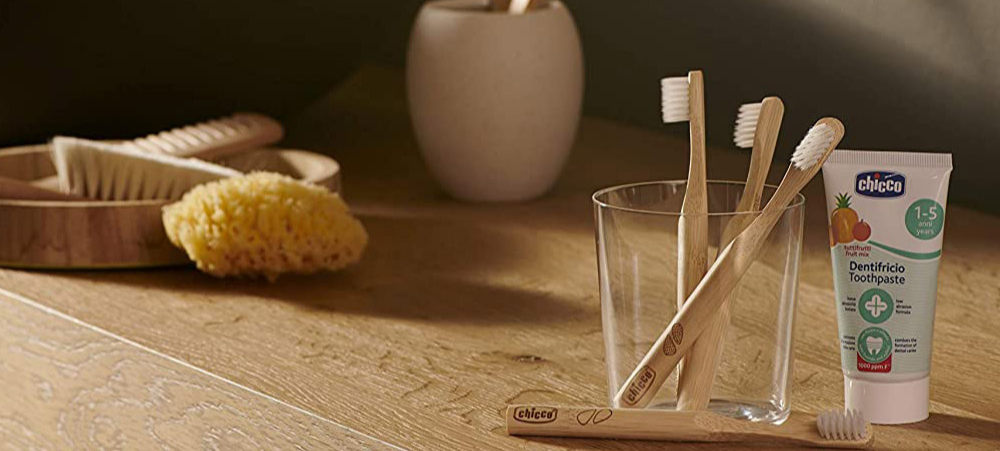
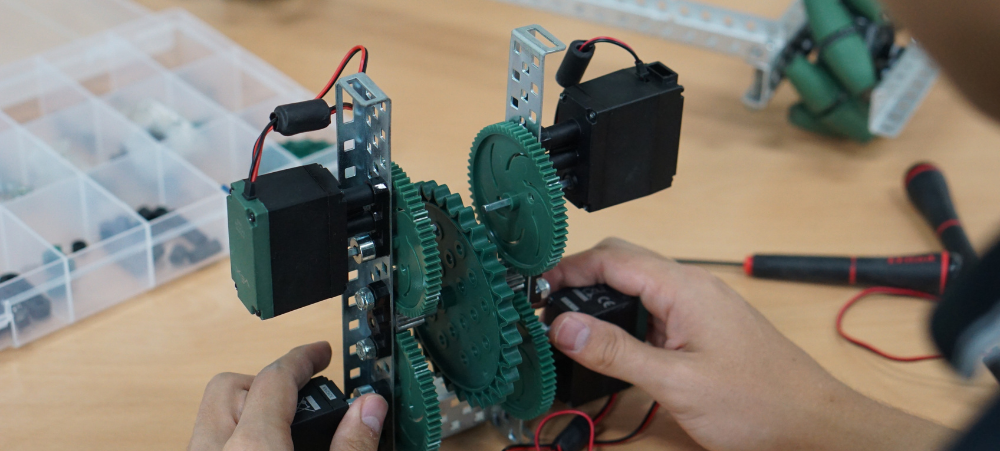

Prima Baby

Get eco-friendly with Chicco bamboo baby toothbrushes

Chicco’s new eco-bamboo toothbrush is perfect for toddlers that need a gentle brushing solution. Great for environmentally-aware parents that don’t want to support plastics, these biodegradable toothbrushes keep toddlers teeth clean with a gentle, non-abrasive bristle on a small head, to reach all parts of smaller mouths. Comes in a variety of fun colours and perfectly paired with a wide variety of Chicco toothbrushes including non-fluoride strawberry or apple & banana, fluoride strawberry or apple & banana, fruit mix or mild mint. Grab one now from Takealot, Loot, The Kid Zone, Baby Shopper, www.shopchicco.co.za and others.

Wingu Academy

Future-proof your child’s employability from an early age with 4IR Skills

The world of work has been changing over the past decade. There were talks of the 4th industrial revolution by many forward thinking individuals, but the trends towards the revolution has become very clear in the workspace. Trends such as remote work which seemed an impossible consideration for many companies, has become centre stage and many will pay the price if an effective remote work policy is not put in place. Most employers had to rapidly change the way they worked, resembling the 4IR trends that have shaped the vision of the Future of Work. The catalysing effect of the COVID-19 pandemic has turned leaders to focus on what the lasting effect of the pandemic will have on their workplace. Leaders in education have turned their focus on what the lasting effect will be on (a) educators and (b) the future leaders – the youth – and they have a responsibility as a transformative element in society to be paving the way to thriving, growth mind-set individuals ready for the 4th and even the 5th industrial revolutions. But how?    According to a report by the World Economic Forum, titled “The Future of Jobs”, the skills that will be most in demand during the fourth industrial revolution are: Complex problem solving Critical thinking Creativity Managing people Coordinating with others Emotional intelligence Judgement and decision making Service orientation Negotiation Cognitive flexibility “Education can no longer be about learning facts. Educational organisations must focus on being transformative experiences, delivering an individual that has gained more than knowledge after completing a program. Central to these future skills is a mindset resembling that of the entrepreneurial-mindset where resilience and personal growth are centre stage in determining success. Education systems and mindsets – striving to master a fixed set of learning outcomes and avoiding failure are outdated viewpoints. Instead, critical and creative thinking, embracing failure as a positive growth opportunity, resilience and collaboration should take centre stage in transformative education strategies. It’s important to future-proof your child to thrive with skills of the future, like lifelong purposeful learning, unlearning and relearning, adaptability and rapid (re)skilling, says Ian Strydom – Managing Director Wingu Academy.  Why is it important to future-proof your child’s employability? The industries tied to the defining 4IR technologies (robotics, artificial intelligence, augmented and virtual reality, nanotechnology, cloud computing, quantum computing, machine learning, additive manufacturing, genetic modification) will birth new areas of work. McKinsey and Company predicts that by 2030, up to 30-40 percent of all workers in the developing world may need to move into new jobs or at the least up- or re-skill significantly.  At Wingu Academy learners are introduced to subjects such as coding, robotics, app development and game development from an early age to build a foundational grasp of these fields.  Learners and parents have a preconceived idea of Robotics and Coding and in general believe it’s for the “smarter” kids or for learners who are doing really well in other subjects. In doing so, they automatically disqualify themselves from enriching their future careers with these skills. We want to challenge this mindset. Every field in the future will incorporate coding and robotics to some extent and having a keen understanding of the underlying principles will set them up for success.   Apart from the hard practical skills learnt, integrated robotics and coding curricula teaches students invaluable soft skills such as  critical thinking, collaboration and solving problems logically and has the added advantage of teaching them to persevere in solving problems. Employers are looking for high-performance individuals – young people and mid-career employees- who are in sync with the demands of a rapidly-changing digital workforce. Learners that have these skills at school will be at an advantage, even if a child doesn’t go on to pursue a career in coding/IT. Even if a learner doesn’t go on to pursue a career in coding/IT, how will this benefit them? The first obvious advantage is the opportunity to be employed directly in the IT industry which offers huge employment potential. Currently SA has 200,000 unfilled positions that require a knowledge of coding.  Coding has emerged as a new literacy that allows us to leverage the power of computers.  At school it is important that children learn to use computational thinking to solve problems as this way of thinking is best developed early on. A keen understanding of computational processes allows team members to collaborate with programmers, to better understand the impact of actions and decisions on enabling digital technological processes (and the teams that develop them) and use design thinking principles to drive innovation effectively.   Coding and IT are becoming prominent in almost all career fields. For instance; artists are using machine learning algorithms to create unique art, acting and entertainment machine learning algorithms are used to write scripts and in medicine or biology it is used for diagnosing diseases and finding new treatments by repurposing medicine. “Our aim is thus that learners who complete these courses will not only be more desirable to employ, but at the same time exceed employers expectations,” Strydom concludes. What will the learners be taught to master with these programmes at Wingu Academy? Learners in the Coding and Robotics programme will use a variety of different programming languages such as Python and JavaScript to solve various problems, some translating into creative solutions in the real world. They will apply their skills in various different fields of interest including music, robotics, science and others to demonstrate the power of coding in various fields. More mature learners enter the Software Development programme where they work on front-end and back-end solutions and build a variety of web applications to develop a portfolio of evidence, equipping them with many entry level skills in the IT industry. Parents who would like to find out more about Wingu Academy’s Kukua Programme can visit https://wingu-academy.com/innovation/. The internationally recognised curriculum at Wingu Academy prepares learners for entering University degrees locally and across the globe, and focuses on building critical and creative thinking skills. The

Sidebar Image

Scroll to Top