

Expert Advice from Bonitas Medical Fund
Bonitas – innovation, life stages and quality care

Bonitas Medical Fund revitalises future of healthcare in South Africa with new strategic partners on board

The healthcare industry has evolved significantly in the past decade with innovation, improved servicing and consolidation of medical schemes emerging. Bonitas Medical Fund has taken a strategic step in responding to the needs of its members and the Health Citizens of South Africa, by appointing Momentum Health as its new administrator from 1 June 2026. With a considerable history spanning over 4 decades, Bonitas Medical Fund has emerged as one of the leaders in the medical scheme market. Covering over 750 000 lives, the Scheme is known as the medical aid for South Africa with a range of options – strategically designed to meet the needs of South Africans from all walks of life.  The change in administration is in line with the guidelines of the Health Market Inquiry and the industry Regulator, the Council for Medical Schemes (CMS). In 2024, the CMS stated that, “one of the main issues driving market stagnation is the prevalence of ‘evergreen’ contracts”. This alludes to long-term agreements between medical schemes and suppliers spanning decades without being subject to regular competitive procurement processes. Principal Officer, Lee Callakoppen, explains, “One of our key strategic objectives is to ensure we create value for our members and key stakeholders. This can take the form of benefit optimisation, favourable tariff negotiations, amalgamations to obtain critical mass or optimised service. The healthcare industry has evolved considerably over the past decade, and it was critical for the Scheme to evolve in line with this. Over the past 48 months, the Board have extensively debated the steps needed to be taken to place Bonitas in a competitive position and ensure that it remains sustainable in the best interest of our members. In doing so we have continuously evaluated the value provided by our service providers with consideration to our strategic objectives and the capabilities of our service providers as well as the expectations of our members corporate clients, healthcare professionals, and brokers. We have seen medical schemes placed under financial strain with sustainability challenges emerging and we remain committed to remaining relevant to our members and must therefore be vigilant in our approach.” This was followed by rigorous ongoing benchmarking exercises and a subsequent Request for Proposal process for administrative services and managed care – with Momentum Health appointed as the successful entity for the provision of administration services and Private Health Administrators appointed to provide managed care services. “We are delighted to cement this relationship with Momentum Health, who have demonstrated that they have the necessary capabilities to exceed expectations and support us in our strategic growth objectives” Callakoppen said. “Bonitas’ performance in the past 18 months, has exceeded all previous benchmarks with over 80 000 new families successfully enrolled on the Scheme and financial sustainability stronger than previous years. We see these appointments as strategic enablers to challenge the status quo – and drive value optimisation to continue leading the healthcare industry. Our aim is to optimise efficiencies, achieve mass enrolment, and meaningfully contribute to the shaping of private healthcare in South Africa.” Hannes Viljoen, Chief Executive Officer of Momentum Health welcomed the appointment, citing it as a key strategic opportunity in the dynamic open market for Momentum Health. “We are excited about positively impacting the health of more people. The group currently service over 3,3 million beneficiaries in Africa and more than 25 million world-wide and are strategically and operationally positioned to deliver value in a meaningful and impactful way,” he said. Dr Ayanda Mbuli, Chief Executive Officer of PHA, was pleased with the outcome, “We are deeply honoured by Bonitas’ decision to entrust PHA with its managed healthcare function, a historic milestone for the Scheme. This partnership presents a unique opportunity to further optimise the care received by Bonitas members and to meaningfully contribute to both the Bonitas healthcare agenda and the broader South African health landscape.” Bonitas has been a leading open scheme in South Africa for several decades and these changes will open opportunities to build a more significant and influential open scheme that caters for more South African’s health care needs.

Bonitas – innovation, life stages and quality care

Prioritising smarter healthcare decisions in 2026

For many South African families, January is a time to plan and budget for the year ahead and set smart financial goals. While travel and big ticket spends are almost always the first to be considered, budgeting for healthcare is often left to chance or ignored altogether. This can leave families in stressful circumstances in the event that a loved one becomes unexpectedly ill or in need of medical care, and even for those with medical aid, understanding how to budget smartly for the next 12 months has never been more important. According to Mr Lee Callakoppen, Principal Officer at Bonitas Medical Fund, ‘Smart healthcare budgeting has little to do with your monthly medical aid contributions. Rather, families need to assess their needs and understand what benefits they will likely use, plan for the unexpected but inevitable out-of-pocket costs, and ensure they are investing in preventative care that protects their health and their finances.’ Evaluate the benefits Taking an honest look at how often GP visits are needed, whether there are chronic medicine needs, or if specialist consultations will be required more than once a year per family member is crucial. Other considerations include the life stages of family members, family size and medical history. All of these factors will determine how much needs to be put away towards healthcare costs as a minimum and will help avoid unnecessary monthly expenditure. Similarly, gap cover – a benefit that most people admittedly tend to underestimate in importance – can protect against unexpected shortfalls when specialists charge above medical scheme rates, particularly during hospital procedures. However, it’s important to note that gap cover is not a replacement for adequate hospital cover. Families should check whether their current plan offers comprehensive hospital cover before taking on additional gap insurance, ensuring they only pay for coverage that provides real value. Hospital cover should remain your top priority, but even with your current plan, there are ways to get more value without extra cost. Families can manage day-to-day expenses by using network GPs, medicine that is on the formulary, and setting aside a small monthly buffer for unexpected costs. Smart use of your existing benefits can help your savings or day-to-day benefits last longer, keeping your family healthy while staying on budget. Callakoppen advises, ‘Think of healthcare as a household account: budgeting for it upfront allows families to manage the year with confidence, even when the unexpected happens.’ Preventative care and real value matter Preventative healthcare plays a critical role in both health and financial planning. With immunisation coverage declining in parts of South Africa, families should take heed that neglecting to stay on track with vaccinations and routine check-ups can result in costly hospital admissions or complications from chronic conditions. Be sure to have regular screenings and simple lifestyle checks taken care of early in the year to prevent bigger and more costly challenges down the road. Making the most of your existing benefits also matters. Medical schemes like Bonitas support proactive care by providing access to networks of GPs, specialists, preventative screenings and wellness programmes that help catch issues before they become expensive problems. Families can also get more value by understanding how to use their current plan effectively. Knowing which providers are in-network, scheduling appointments strategically and using available wellness programmes ensure they are able to better maximise on benefits without extra costs.  ‘Medical cover and healthcare planning are investments in your family’s wellbeing,’ concludes Mr Callakoppen. ‘With thoughtful planning, families can navigate the year ahead with confidence, ensuring both peace of mind and financial stability.’

Bonitas – innovation, life stages and quality care

Mental health matters during the festive season: Let’s normalise getting help

As the year draws to a close, many South Africans brace themselves for a season packed with expectations. Social commitments like braais, family visits, long-distance travel to hometowns and the pressure to create joyful memories are all realities of this time of year. For some, however, the festive season also brings the hidden burden of grief, loneliness, despair and an emotional exhaustion that can seriously dampen the cheer. ‘December can be tough, whether it’s challenging family dynamics or the lack of loved ones to spend the festive period with altogether. Many end up feeling overwhelmed, isolated or emotionally drained,’ says Dr Themba Hadebe, Clinical Executive at Bonitas Medical Fund. ‘We’ve all been there in some way, and it’s important that people recognise the signs early and reach out for support, because help is available and there’s no shame in asking.’ Recognising the warning signs Seeing the symptoms in family and friends can be hard, but there are few tell-tale signs to look out for. Social withdrawal is often the first red flag; in a season defined by gatherings, family dinners and busy group chats, someone toggling offline, cancelling plans or spending long hours alone may be subtle cries for help. Sleeping all day or waking up at odd hours feeling consumed by anxiety, losing their appetite altogether or overeating in search of comfort are also common warning signs. And, at a time of year when consuming more alcohol than usual is considered somewhat normal, this can be a difficult sign to spot. Drinking alone or drinking to the point of passing out or making a scene routinely, can be a way of telling someone needs help. For many, admitting mental distress carries social stigma. It may feel like a sign of weakness, especially in communities where strength is tied to ‘keeping it together’ during holiday celebrations. ‘Our mental health doesn’t go on holiday,’ says Hadebe. ‘Taking care of mental wellbeing is especially important at the end of the year, and members of not just Bonitas but any medical scheme in the country should understand that support isn’t something extra or a nice-to-have benefit, but is in fact part of what they pay for.’ Bonitas members have access to comprehensive mental health benefits paid from the scheme’s main risk pool. As such, counselling and therapy are covered under their plans. On top of that, there’s a full Mental Health Programme which aims to empower members to manage their condition more effectively. How families and communities can help Support doesn’t always require a professional. Loved ones can play a key role just by noticing and listening. A simple, open question such as ‘How are you really doing?’ can open the door to meaningful dialogue. Resist the urge to fix things immediately. Sometimes what a person needs most is to be heard. What’s more, lower the pressure to celebrate, remembering that not everyone has the emotional energy for loud parties. Rather offer quieter alternatives such as a walk, a movie night, coffee and conversation, and normalise the idea that it’s okay to opt out. And if signs persist, like constant sadness, withdrawal from life and changes in behaviour, gently suggest professional support. Offer to help find a therapist, book an appointment, or simply make the first call. For those struggling this December, remember that you don’t need to bear it in silence. With a Mental Health Programme and counselling benefits available, help is accessible, discreet and covered.

Bonitas – innovation, life stages and quality care

The role of medical aids in the long game of HIV eradication in SA

South Africa enters World Aids Day this year at a pivotal moment. While the country has made significant strides in reducing new infections and improving access to treatment, HIV remains a major public health challenge. Millions of South Africans rely on the national HIV programme, placing sustained pressure on public clinics to provide prevention, testing and treatment services. Within this landscape, medical aids play a critical supporting role through structured, long-term HIV care offered to members, which helps to ease the burden on public facilities while ensuring people living with HIV receive consistent, high-quality treatment.  Though often understated in national discussions, this support contributes to the same long-term goals as the national HIV response, which are early diagnosis, continuous treatment and viral suppression at scale.  ‘The future of HIV care depends on consistency, not crisis response,’ says Dr Themba Hadebe, Clinical Executive at Bonitas Medical Fund. ‘Medical aids have a responsibility to make that consistency possible by supporting members with reliable access to treatment, monitoring and counselling.’ Adapting to a changing HIV care landscape This form of support matters more as national policy shifts. South Africa’s HIV treatment approach now makes it easier for people living with HIV to access care and stay on treatment. For members, this means fewer clinic visits, more convenient ways to get medicine, and additional avenues for support – all designed to help them maintain long-term health and wellbeing. ‘Structured HIV programmes ensure that members benefit from regular health checks, emotional support and guidance from trained counsellors in addition to receiving the medicine they need,’ says Hadebe. ‘This helps them manage side effects, understand their treatment plans and address challenges early, reducing the risk of interruptions and supporting sustained health outcomes.’ Early detection remains a cornerstone of the national HIV response. Expanding access to self-testing and pharmacy-led services allows more people to know their status sooner, creating opportunities for immediate treatment and ongoing care. Consistent support ensures that individuals start treatment promptly, stay engaged, and achieve viral suppression – outcomes that are essential to limiting transmission and protecting public health. ‘Long-term success in HIV care depends on consistent support and follow-up at every stage, from early diagnosis to ongoing treatment and emotional guidance,’ says Hadebe. ‘When people have access to regular monitoring, counselling and timely interventions, it improves individual outcomes as well as strengthens the health system as a whole.’ Achieving South Africa’s 95‑95‑95 targets depends on well-coordinated, long-term systems. While public health facilities carry the bulk of the responsibility, structured programmes in the private sector play a vital supporting role. ‘World AIDS Day is a reminder that progress relies on continuity, and that prevention, testing and treatment must be sustained to be effective. Consistent, structured support strengthens the national response, helps reduce new infections, and improves the lives of people living with HIV across the country,’ concludes Hadebe.

Bonitas – innovation, life stages and quality care

Why medical aids must go beyond medicine in managing diabetes

For millions of South Africans living with diabetes, the condition is a daily negotiation between lifestyle, access to care and financial strain. Around 4.5 million people in the country have diabetes and many more remain undiagnosed. As the burden of chronic illness grows, it’s becoming clear that medical aids must go beyond paying for medicine to enabling holistic, continuous care that safeguards both health and dignity. ‘The typical approach for the treatment and management of diabetes comes down to managing glucose levels, but understanding the individual behind the condition, their habits, challenges and support structures, is just as crucial,’ says Dr Themba Hadebe, Clinical Executive at Bonitas Medical Fund. ‘Medical aids need to be active partners in helping members live well in a holistic manner, instead of simply focusing on managing the immediate and most obvious aspects of a disease.’ This shift in thinking is crucial, he adds, since diabetes doesn’t exist in isolation, with chronic conditions like hypertension and heart disease often accompanying it. The fragmented approach that focuses narrowly on funding prescriptions leaves patients unsupported in critical areas like nutrition, mental health and education. ‘If medical aids are to deliver meaningful health outcomes, they must replace fragmented care with coordinated, member-centred systems,’ he says. ‘Bonitas’ Diabetes Management Programme represents this evolution in action as a shift from transactional care to proactive, personalised support.’ Holistic diabetes care For medical aids to make a measurable impact on the country’s chronic disease burden, diabetes care must evolve from a benefits table to a coordinated ecosystem. The task is to integrate the many moving parts; the family doctor, pharmacist, dietician, care coordinator and the digital tools need to be part of one ecosystem that helps patients stay engaged. Several schemes are already adopting this approach. Bonitas, for example, offers a Diabetes Management Programme that has been structured around personalisation and continuity, with the treating doctor remaining central to care and supported by a wider clinical team. This allows members with multiple chronic conditions to receive consistent, informed treatment across disciplines. Care coordination is also becoming a cornerstone of effective managed care. Schemes can effectively close the gaps that often lead to disengagement among patients by giving members direct support from healthcare professionals who guide them through treatment plans, assist with lifestyle adjustments and connect them with specialists when needed. In addition, digital tools such as mobile apps, wellness questionnaires and feedback platforms make it easier to track health metrics and access educational resources that encourage members to take ownership of their wellbeing. When used effectively, these systems support the kind of proactive healthcare that prevents complications rather than reacting to them. ‘Diabetes often progresses silently, which makes annual screenings essential for identifying risk early and preventing long-term damage. When patients are diagnosed sooner and have the knowledge and tools to manage their condition, outcomes improve for both members and the medical schemes funding their care,’ says Hadebe. For South Africa to make meaningful progress against chronic diseases like diabetes, medical aids must continue to expand their scope beyond medicine and adopt a long-term, human-centred approach. The future of healthcare lies in understanding and in giving every person the chance to live well, not just live longer.

Bonitas – innovation, life stages and quality care

How to choose the right medical cover in 2026

As medical schemes unveil their 2026 product ranges, South Africans face a recurring challenge. Too many options, too much jargon and the risk of choosing a plan that doesn’t fit is a reality many medical aid seekers are all too familiar with. With contribution increases averaging between 8% and 9% across the industry, getting the right balance between affordability and protection is more important than ever. “Medical aid should feel like a safety net, not a financial burden,” says Lee Callakoppen, Principal Officer at Bonitas Medical Fund. “The key is choosing a plan that works for your life and unique circumstances and understandably this is where most people get stuck.” Step one: Understand your health reality Before comparing plans, take stock of you and your family’s healthcare needs. A young, healthy individual may manage well with a hospital plan, while a family or someone living with a chronic condition may need comprehensive cover. Consider whether you rely on chronic medication, how often you see a doctor, and whether you have any upcoming procedures. Industry trends show that schemes are tailoring their products to different life stages. For instance, Bonitas’ 2026 range introduces BonCore, a digitally enabled hospital plan with day-to-day GP funding aimed at younger members, and BonPrime, which adds a savings component to improve flexibility. These reflect a broader move towards personalisation and digital access in medical aid. Step two: Compare hospital plans and comprehensive cover Many South Africans still misunderstand the difference between these two main options. Hospital plans cover costs only once you are admitted, while comprehensive plans include day-to-day benefits such as GP visits, medication, dentistry and optometry. Cheaper hospital plans might seem appealing but can lead to high out-of-pocket expenses for everyday care. Comprehensive cover, although pricier, may provide better long-term value. Step three: Check provider networks and access to care Not all medical aids give you access to the same hospitals, doctors, or specialists. Before signing up, confirm that your preferred healthcare providers are part of the scheme’s network, especially if you live outside major cities. Using out-of-network doctors often results in co-payments or full out-of-pocket charges. In 2026, several schemes have expanded digital health access, allowing members to consult virtually or through telemedicine platforms. “Bonitas has strengthened its virtual care options and preventative screening network to support early detection and intervention,” says Callakoppen, an approach gaining traction across the sector. Step four: Understand premiums, co-payments and limits It’s tempting to focus only on the monthly premium, but every plan structures its benefits differently. Some lower-priced options carry higher co-payments or strict limits on certain treatments, such as maternity, dentistry or mental health. Reading the benefit guide closely can help avoid unpleasant surprises later. “Out-of-pocket costs can add up quickly,” says Callakoppen. “We’ve seen how members who only compare premiums often end up paying more in the long run.” Bonitas’ own 2026 increases average 8.8%, with certain plans kept below that to maintain accessibility, reflecting broader industry efforts to balance affordability and sustainability. Step five: Consider additional benefits and value-added services Wellness and preventative benefits are becoming central to private healthcare. Schemes are expanding offerings such as mental health support, maternity benefits and chronic disease programmes, with many also providing access to virtual consultations and wellness apps that reward healthy living. One in three South Africans is likely to experience a mental health condition in their lifetime, which has driven several funds to increase cover in this area. For example, Bonitas has made depression a covered chronic condition and now offers access to mental health support via the October Health app. While these value-added services shouldn’t replace core cover, they can make a noticeable difference in daily wellbeing and encourage proactive healthcare management. Step six: Review your cover regularly Life changes and your medical aid should too. Whether you’re planning to start a family, switch jobs or are managing a new condition, reviewing your plan each year ensures it still fits your needs. A registered broker can help compare plans across different schemes, and their services are free to consumers. “Too many people stay locked into outdated plans because switching feels overwhelming,” says Callakoppen. “It’s worth taking the time to reassess to ensure your cover evolves as your circumstances do.” As the 2026 medical aid season is in full swing, the choice can feel daunting. But a little homework and the right expert advice can turn it into an empowering process. Understanding your health needs, your budget and how benefits actually work will help you make a decision that provides real peace of mind.

Advice from the experts
Parenting Hub

Here’s that show-stopping dish you want for your festive table!

It’s almost that time of year again! We’re planning our end-of-year holidays and, equally important, the holiday menu!  You’ll be pleased to know that mushrooms are especially great for this time of year.  They’re robust and substantial enough to keep you going, delicious enough to have more and light enough not to ruin the next feast scheduled. PLUS our Twice Baked Mushroom Souffle is a winner – not only because it is a showstopper but because it is really easy to make….. Do we need to say more? The recipe is below the image and if you need more mushroom inspiration for the holidays, our website has it all. Check out www.mushroominfo.co.za Enjoy the cooking and the togetherness this Festive Season! Twice Baked Mushroom Soufflé Image and Recipe Credit the South African Mushroom Farmers’ Association Serves 6 Ingredients: Method: Bake for 15 – 20 minutes until puffed up once again and the cream has thickened and caramelised. Serve straight away with a lightly dressed green salad on the side. 

Bonitas – innovation, life stages and quality care

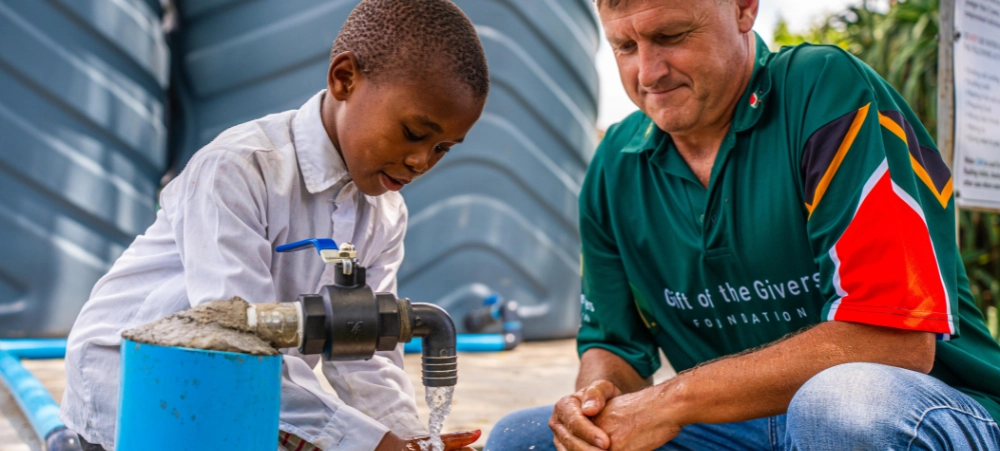
Cwebeni gets a lifeline of water

In many rural villages across South Africa, access to clean, running water is not a convenience – it’s a lifeline.  For the villagers of Cwebeni in rural Port St Johns in the Eastern Cape, fetching water for drinking, cooking and bathing is a daily struggle.  It requires long, exhausting and treacherous walks along a narrow path to a spring, while balancing buckets. Today (November 21) there is cause for celebration as the lives of this local community are being transformed, thanks to the provision and activation of a borehole and access to running water. The need The village of Cwebeni of around 400 households and 3 000 residents, face many challenges. There are few employment opportunities and little access to basic services – such as clean water, sanitation and road infrastructure. They have not had water in the communal taps for the last eight years. This means locals, including the elderly, walk up to 5km every day to access water from a water hole they share with the livestock.  ‘The entire community has suffered because we don’t have easy access to water,’ says Zuzukeli Duna, Principal of Cwebeni Junior Secondary School.  ‘Without water, daily tasks like cooking, bathing and growing food in our gardens are very difficult. A borehole would make a significant difference to us. It will greatly improve life for thousands of people in our community as well as the 361 learners at our school.’ ‘For many of us, water is readily available, so we don’t stop to think what life would be without it,’ says Dr Imtiaz Sooliman of Gift of the Givers.  ‘But access to water is a human right and, without it, communities face huge challenges including the threat of diseases, poor hygiene and malnutrition. Clean water and sanitation go hand in hand with dignity.’ Which is why when Gift of the Givers visited Cwebeni on a hunger alleviation intervention and were alerted to this crisis, they stepped in and approached Mr Duna for permission to drill on the school grounds to look for a good source of water. ‘We always attempt to place boreholes at institutions, such as schools, to secure the infrastructure,’ explains Dr Sooliman.  ‘This provides a solution for both the school and community as we extend the water outlets to outside of the school property, so that the community can benefit too.’ The intervention Gift of the Givers began exploring the possibility of a borehole and approached Bonitas Medical Scheme for funding, as part of the Scheme’s ongoing commitment to community upliftment. Feasibility studies were conducted in March, drilling began in April when water was found, yielding 960 litres per hour. The borehole, at a depth of 200 metres, was completed in July and is solar powered. The pump and control box are run off 4 x 430-watt solar panels and the system has a 1.1 kw solar motor and a Dab 24-1/37 pump. The borehole has been lined with a PVC casing to lessen the risk of collapse and 2 x 5 000 litre storage tanks are on site, as well as two taps – one inside the school grounds and the other outside for community access. Due to the water testing results showing elevated levels of coliform bacteria and to provide  safer and better-quality water, 4 x UV lights have been installed to kill the bacteria. However, it is recommended that water be boiled for drinking. The perfect partnership The partnership between Gift of the Givers and Bonitas began in 2018, the key objective: To provide relief to the most vulnerable and marginalised communities, specifically in the field of healthcare interventions.   Lee Callakoppen, Principal Officer of Bonitas says, ‘It’s wonderful to be able to make a difference in the lives of the villagers of Cwebeni. This precious resource is essential to every aspect of life. Water provides the chance for a brighter, healthier future and no one should be denied this fundamental right. ‘This project – and others – rolled out with Gift of the Givers, reinforces our commitment to being the medical aid for South Africa.   It’s the perfect partnership, as we have the same passion and drive to assist where it is needed most. We have over 65 000 members based in the Eastern Cape and so are pleased to support this Province, in a small but meaningful way and help change lives.’ Impacting lives ‘We are so grateful to Gift of the Givers and Bonitas for undertaking this project,’ says Duna.  ‘Life has been tough, especially during the winter but we’re so happy that we now have a borehole and access to running water within the village. It is going to make the lives of our community so much easier’.   Dr Sooliman says, ‘The simple act of turning on a tap and seeing water flowing, inspires hope and possibility for a more prosperous life.’ Future investment Bonitas has committed to continuing to work with Gift of the Givers on projects that help impact the lives of vulnerable and marginalised communities, with a bias towards health interventions and access to clean water. 

Parenting Hub

Building Healthy Sleep Habits for Kids of All Ages

Quality sleep is essential for children’s growth, development, and emotional well-being. However, getting kids to establish healthy sleep routines can sometimes be challenging, especially with varying needs at different ages. This guide provides practical tips to create age-appropriate sleep habits that help children thrive. Why Sleep is Important for Children Sleep Recommendations by Age The amount of sleep required varies by age: Healthy Sleep Tips for All Ages 1. Create a Consistent Sleep Routine 2. Foster a Comfortable Sleep Environment 3. Age-Specific Strategies 4. Monitor Nutrition and Activity How Parents Can Support Better Sleep When to Seek Help If your child experiences frequent sleep disruptions, insomnia, or signs of sleep disorders (like snoring or night terrors), consider consulting a paediatrician or sleep specialist. Conclusion Healthy sleep habits are essential for children’s physical, emotional, and cognitive well-being. By implementing consistent routines and age-appropriate strategies, parents can support their children’s sleep and overall development. Prioritising good sleep practices now will establish lifelong habits that benefit kids well into adulthood.

Parenting Hub

Coping with Parental Burnout: Self-Care Tips for Busy Moms and Dads

Parenting is one of the most rewarding experiences in life, but it can also be incredibly demanding. With the pressures of work, household responsibilities, and the never-ending needs of children, many parents find themselves feeling overwhelmed and exhausted. This phenomenon, known as parental burnout, can lead to feelings of frustration, fatigue, and even resentment. However, with the right strategies, parents can manage burnout and prioritise their well-being. Here are some self-care tips for busy moms and dads to help navigate the challenges of parenting. 1. Recognise the Signs of Burnout The first step in combating parental burnout is recognising the signs. Common indicators include chronic fatigue, irritability, feelings of inadequacy, and a lack of enthusiasm for activities you once enjoyed. If you find yourself experiencing these symptoms, it’s essential to acknowledge them and take proactive steps to address your needs. 2. Prioritise Self-Care Self-care is not selfish; it’s essential. Here are some self-care practices that can make a difference: 3. Set Boundaries Learning to say “no” is crucial for maintaining balance. It’s okay to decline invitations or limit commitments that add unnecessary stress to your life. Setting boundaries around work and personal time can help you manage your responsibilities more effectively. 4. Create a Support Network Don’t hesitate to reach out for help. Surround yourself with a supportive network of family, friends, or parenting groups. Sharing your feelings and experiences with others can provide relief and help you feel less isolated. Consider setting up a regular coffee date or virtual hangout with fellow parents to discuss challenges and share advice. 5. Schedule Quality Family Time While it’s important to take time for yourself, connecting with your children can also be a great stress reliever. Plan activities that everyone enjoys, whether it’s a family movie night, game day, or an outdoor adventure. Quality time together can strengthen bonds and create lasting memories, reminding you of the joys of parenting. 6. Seek Professional Help If feelings of burnout persist and interfere with your daily life, consider speaking with a therapist or counsellor. Professional support can provide valuable coping strategies and a safe space to express your feelings. 7. Establish Routines Creating a daily routine can bring structure to your day and make managing responsibilities feel less overwhelming. Involve your children in setting up a family schedule that includes chores, homework, and downtime. This not only lightens your load but also teaches your kids valuable skills. 8. Make Time for Hobbies Don’t forget to nurture your interests outside of parenting. Whether it’s reading, painting, gardening, or any other hobby, taking time for yourself can recharge your energy and creativity. 9. Limit Screen Time While technology can be a helpful tool, excessive screen time can contribute to feelings of burnout. Set aside specific times for social media and entertainment, allowing more room for real-life connections and activities. 10. Practice Gratitude Take a moment each day to reflect on what you’re grateful for. Keeping a gratitude journal or sharing positive experiences with your partner or family can shift your focus from stress to appreciation, fostering a more positive outlook. Conclusion Parenting can be a tough job, and feeling burnt out is not uncommon. By implementing these self-care strategies, busy moms and dads can reclaim their energy, reduce stress, and foster a more positive parenting experience. Remember, taking care of yourself is not just beneficial for you—it also sets a healthy example for your children. Embrace the journey of parenthood with the understanding that prioritising your well-being is key to being the best parent you can be.

Parenting Hub

School and work lunchbox ideas from Krazy Kiwi Kookbox!

School and work lunchbox ideas from Krazy Kiwi Kookbox! 1. Quinoa and Veggie Power Bowls Ingredients: Instructions: 2. Chicken and Avocado Wraps Ingredients: Instructions: 3. Greek Yogurt Parfait Ingredients: Instructions: 4. Veggie and Hummus Pita Pockets Ingredients: Instructions: 5. Brown Rice Sushi Bowls Ingredients: Instructions: 6. Chickpea Salad Ingredients: Instructions:

Parenting Hub

Time to screen men too, for osteoporosis?

Did you know that 1 in 5 men is at risk of a fracture from osteoporosis in South Africa (vs 1 in 3 women)? This alarming statistic – from the National Osteoporosis Foundation (NOFSA) -made dietitian, Yolandé Venter, choose to do her masters’  thesis* on diet and lifestyle risks in men with low bone density. Together with Dr Jaco du Plessis, a radiologist at SCP Radiology, they discuss osteoporosis in men, imaging to determine bone mineral density and the treatment for it.   Osteoporosis usually progresses without symptoms and sometimes your bones are so fragile that a simple sneeze or small stumble results in a fracture, commonly in hips, spine and wrists.  Often unjustly called an ‘old women’s disease’, it actually affects men in a surprisingly large way. Venter says, ‘even though fewer men seem to be at risk of developing osteoporosis, it is still a problematic percentage.’ With 15 years’ experience as a clinical dietitian, she says a healthy body weight plays a pivotal role in the prevention of osteoporosis. ‘If you are underweight, it increases the risk of osteoporosis and if you are overweight, your level of vitamin D is reduced, which can cause or worsen osteoporosis’. What is osteoporosis?  A healthy bone viewed under a microscope, looks like honeycomb. Osteoporosis, put simply, is when the ‘holes and spaces’ in the honeycomb increase in size.  Your bone mineral density (BMD) can be determined by radiologists through a diagnostic radiology exam used to measure bone mineral content and mass. It is usually performed with an X-ray, called a DEXA scan – commonly found in clinics and hospitals – or with a computed tomography (CT) scan of the bones.   A computer tomography (CT) scan produces a 3D image, as opposed to the normal 2D image of a DEXA. The CT scan is more precise and gives detailed information about bone quality and microarchitecture, diagnoses osteoporosis and other conditions. However, the DEXA uses a low radiation exposure making it safe for routine screening and follow-up. ‘The amount of radiation is minimal,’ says Dr du Plessis, ‘it’s equivalent to 1 or 2 days of background radiation at sea level.’  Osteopenia vs Osteoporosis  Osteopenia and Osteoporosis are both conditions measured on the scan and characterised by decreased bone density that is less than usual for your age. Osteoporosis is far more severe in terms of implications for bone health. Measuring bone density ‘We measure your BMD by comparing it to that of a healthy, young adult. The result will tell us how much lower (or higher) your bone mass score,’ explains Dr du Plessis. ‘Software is also used to calculate a predicted 10-year fracture risk for a major osteoporotic fracture and a hip fracture. The result is a T-score. The aim is to prevent fractures later in life by maintaining healthy bone mineral density. Fractures in the elderly population are a significant cause of morbidity and mortality.’ Dr du Plessis says, ‘Understanding and managing both conditions is crucial for maintaining bone health and preventing fractures in both men and women. SCP Radiology reports a 317% increase in referrals for men over the last five years for a CT scan.  That may be indicative of a greater awareness of the dangers of osteoporosis in men.’   What causes low bone density? Risk factors for osteoporosis include those you can’t change – such as age, genetics, ethnicity, medical conditions associated with bone loss  and those you can: Tobacco use, alcohol abuse, high caffeine intake, sedentary lifestyle, poor dietary habits, low calcium and vitamin D intake, low body weight, low muscle mass. Men who are on medical treatment for breast or prostate cancer are also at an increased risk of osteoporosis and should discuss regular bone health screening with their medical practitioner.  Male ‘menopause’  Men develop the male form of menopause, called andropause, as they age.  During andropause, men lose bone density in the spine at a rate four times greater than in the rest of the body. Andropause also lowers testosterone levels, which affects bone health and increases the risk of bone fractures. Stress Said to be the root of most diseases or medical conditions, osteoporosis is no different. Stress can play a significant role in bone loss as an excess of the stress hormone cortisol depletes vitamin D and calcium in the body. Venter says, ‘literature clearly demonstrates that prevention and treatment of osteoporosis significantly reduces fracture risk.  An observational study by Kern et al (2005) showed that hip DEXA screening was associated with a 36% lower hip fracture incidence during six years of follow-up, compared with standard medical care.’  Mortality rate after hip fracture The one-year mortality rate after hip fracture is actually high. Research shows that more men than women die after an osteoporotic fracture. Looking at the statistics, it is clear that osteoporosis represents a major public health burden, yet it does not seem that wider screening efforts are being implemented.’ Treating low bone mineral density This can be done through medication such as bisphosphonates, hormone-related therapy and other bone-building medications or through lifestyle changes. This includes an adequate intake of calcium and vitamin D, regular weight-bearing exercise, quitting smoking and limiting alcohol. Regular screenings and proactive lifestyle changes can significantly mitigate the risks associated with these conditions. ‘There is no need to be harbouring this silent disease,’ says Dr du Plessis, ‘when radiography for screening can put you on a path to wellness.’   *Thesis title: The level of knowledge, attitudes and behaviours regarding diet and lifestyle related risk factors in men who have been diagnosed with osteopenia and osteoporosis.

Blushproof®

Blushproof® Q & A

As a local manufacturer of period panties, we thought we’d answer some common questions about our business just to explain who we are and what we do. Q: How long has Blushproof® been in operation?  Blushproof® started as an idea in September 2020, with our first sales being in August 2021. I have a tween daughter at junior school and so was thinking about her, and her friends’ introduction to puberty and my own experiences. I had also seen some of the alternative menstrual products that were being offered overseas. This coincided with an increased awareness of environmental issues after learning that each person uses approximately 14,000 pads and tampons during their menstrual years, which all end up in landfills and water systems. Q: Who founded Blushproof®? I, Thandi Hartmann, founded the company. I’m married with two children, living in Johannesburg. I obtained a B.Comm in the 1990s and later did a MBA to support me working in a number of corporates in Johannesburg and London. Shortly after having children, I took the decision to step back from my career to focus on raising my family. In 2020 (that COVID time where we all had lots of time on our hands!) I came across period panties and was amazed that such a wonderful alternative existed. I knew this was something I wanted to bring to the girls and women of South Africa.  Q: How has Blushproof® expanded over the years? In 2020 I explored the topic of the menstrual product options for young girls and women and thought about what matters to them, as well as the issues that are relevant in South Africa at this time. I started thinking that period panties could be an effective solution – easy to use whilst having a lower impact on the environment. I also wanted to see if I could help (in some small way) to create jobs in our country. Finally, I believed that period panties could play a role in fighting “period poverty” by providing cost effective solutions to girls and women with limited means and limited access to other sanitary products. So the challenge started… Whilst I have a strong IT systems background and passion for the product, I had no experience in setting up a clothing manufacturing business. My team and I have learnt as we go and have had to “course correct” a few times along the way. It’s been an exciting journey so far, made possible by the support of friends and family and enabled by the tech world we live in. This has meant that it has been possible to set up Blushproof® as an E-commerce business that sells and delivers directly to consumers nationwide.  Q: What is Blushproof’s® approach to creating the best product in the community? I decided that I wanted my business to try its hand at manufacturing locally, so that I could control the product quality and achieve the aim of providing local employment. It’s been exciting for me to design the product range, import the right materials in the right quantities and then produce the Blushproof® period panties that I believe in. Plus, making locally has ensured that our sizing fits our Rainbow Nation, rather than trying to squash uncomfortably into Chinese imports. The fact that we offer exchanges and give outstanding customer service certainly sets us apart from the large retail chains. Q: What new products can customers expect from Blushproof®? This is a tough one. If it were up to me, I’d be creating new products every month but this isn’t the best way to run a business. Our customers have their absolute favourites so I’ve learnt to focus on making what the customers actually want. We’ll certainly look at designing and making gym shorts, pyjama shorts and expand our swim range over time but right now, we’re focusing on what we do best. Q: How does ordering from Blushproof® work? Since our business is primarily online, customers simply go onto our website, choose the products they want, add them to cart and pay. They can choose between collecting from our Joburg workshop or having us ship their blushproofs nationwide. We might look at getting into shops over time but again, we’re focused on our core business for now.  Q: Will/does Blushproof® offer any special programs for its customers? When customers sign up on our website for our newsletters, they always get the inside scoop on what’s new and promotional offers from discounts to free goodies to prizes. We love the support we get from our followers and like to reward them when we can. Q: Do you plan on opening any Blushproof® in person stores, or introducing your product in other stores and if so who?  I’d love to get to a point where customers can come into our workshop to choose their items and pay right away. Although this already happens to a limited degree (we have to have the right style, size, absorption and colour in stock for this to happen) I’d love to have everything available all of the time. Once we get to this point, I’ll look at possibly getting into a few stores (we actually already sell our products through TigerLilly). It all comes down to whether or not it makes good business sense. Of course we have lots of small business owners already selling our products, like salons and spas, as well as swim schools. I’m being approached more and more by people wanting to expand their product offering and am honoured that they choose to include Blushproof® products. Oh, and we have an Affiliate programme whereby our customers become an affiliate and when someone uses their referral link to make a purchase, that person gets a discount and the affiliate gets a commission. It’s a win-win for everyone! Q: What brings Blushproof® joy?  Gosh, I’d have to say it’s the positive reviews and feedback. Our customers truly find our products to be life-changing. That’s really such a wonderful thing to know as a business owner

NB Hearing & Balance

Important Questions to Ask Your Child’s Audiologist

Empowering Your Child’s Hearing Health Journey As a parent, it is essential to advocate for your child’s hearing health. If you are concerned about your child’s hearing, preparing for appointments with an audiologist can make a significant difference in understanding your child’s condition and ensuring that your child receives the best care possible. Here are some of the critical issues to consider, and why they matter. CHOOSING AN AUDIOLOGIST Finding the right audiologist is a key step in caring for your child’s audiological needs. Audiologists who work with children should be caring, supportive of your questions and need for knowledge, and careful to take the time to fully understand your child’s home and school experience. Choices that you make together must be underpinned by an attitude of child- and family-centred care. The assessment and management of hearing loss in children can differ to management of the same issues in an adult, so your chosen audiologist should demonstrate care and knowledge about your child’s ‘whole person’ environment!   What Can We Expect from a Hearing Test? Knowing what may be involved in a hearing evaluation can help ease your (and your child’s) apprehension, making it comfortable to ease into the assessment. So read this link to find out more about a common testing process. Then, also ask:  What Type of Hearing Loss May My Child Have? Understanding whether your child has normal hearing, or whether a sensorineural, conductive, or mixed hearing loss is present, is crucial. This knowledge helps you comprehend the underlying cause/s and the most suitable management options. You can follow this up with: What Are the Management Options for Hearing Loss? If a hearing loss is identified, different management options are available to help your child function more effectively. Hearing aids are often appropriate ways to restore adequate sound when a hearing loss is permanent or semi-permanent because access to sound is essential for language and academic development. You may also be referred to an ENT or GP if the problem is amenable to treatment. Transient problems represent opportunities to return hearing to normal, quickly. Be empowered to make informed decisions about your child’s care! Ask questions like: How Do I Know What Type of Hearing Aid is Best for My Child? If semi-permanent or permanent hearing loss is identified, you may be exploring hearing aid options with your audiologist. Hearing aids come in a variety of styles and technologies, suitable for different acoustic, aesthetic, or contextual needs. These differences can also affect affordability. Knowing which options may suit your child’s lifestyle and hearing needs ensures that the best benefits may be achieved. Also, ensure that your audiologist explains your child’s full management plan, including the frequency of visits, regularity of device adjustments, and maintenance or servicing requirements. Good management is likely to result in a continuously good hearing experience.  How Can We Protect My Child’s Remaining Hearing? Good hearing habits are essential to preserve your child’s remaining hearing and prevent further deterioration. Your audiologist should advise you about hearing safety so that you can protect your child’s hearing function. This may include bespoke hearing or ear protection. What Should We Do If My Child’s Hearing Changes? Monitoring your child’s hearing subjectively (through your own observation of their responses) and objectively (with regular hearing assessment) ensures that you can alter your plan if your child’s hearing circumstances change. Problems can be tiny (such as a blocked tube or dead battery) to significant (such as an ear infection). Your audiologist can teach you to troubleshoot problems for self-maintenance or help you to check your devices. A good audiologist will also advise you about what signs and symptoms to look for that may require a consultation.  Are There Support Groups or Resources Available? Connecting with other parents and families with similar experiences can provide emotional support and practical advice. Often, audiologists can provide you with details for local or online support groups and useful parent resources. You can be properly empowered, uplifted, and encouraged by the right professional to support your child’s hearing needs throughout childhood. Our NB Hearing & Balance Team Is Here to Support Your Family Being proactive and informed about your child’s hearing health is vital. By asking these questions and asserting your needs, you can make informed decisions that ensure your child receives the best possible care. If you are ready to take the next step in your child’s hearing health journey, schedule a consultation with one of our NB Hearing & Balance audiologists. We have convenient locations across the Cape Peninsula, including Wynberg, Durbanville, Sea Point, Hout Bay, and Noordhoek.


Bonitas – innovation, life stages and quality care

Pregnancy, your body and your baby – week 40 of your pregnancy

Congratulations, you’ve reached the milestone that you’ve been counting up to from the beginning. It may feel surreal to think that 40 weeks ago you had your last period and now you’re about to welcome your new baby into your life. The third trimester of your pregnancy may have been fairly difficult, as your baby and belly take up more room, and your body adjusts to accommodate your growing little one. Your body at week 40 At week 40 your body is ready to give birth after housing and growing your baby for 9 months. So close to birth you may notice changes in your baby’s fetal movement, however, they will still be moving around, so if you notice a big decrease in movement, contact your doctor. Until birth, you’ll experience typical pregnancy symptoms, including leg cramps, back and pelvic pain, trouble sleeping and diarrhoea, which is normal close to birth. Your baby at week 40 At week 40 your baby is now full-term. When your baby is born you’ll notice that they are covered in a mixture of blood, vernix and amniotic fluid. On average, baby’s at week 40 weigh about 3,5 kg and they’ll be roughly the size of a pumpkin. Even though they are just about to be born, the lungs, liver and brain are still developing. Things to keep in mind at week 40 Labour can be overwhelming, and it’s important to remember that you can do this. While your doctor will have given you a due date, it is possible that your baby won’t arrive on the dot. So make sure that you keep aware of the signs of labour and have your birth plan, hospital bags and any additional plans ready (such as making sure you have someone to look after your other kids if you have).

Doug Berry

Does your child suffer from low self-esteem?

When a child suffers from low self-esteem, it will almost always carry on into their adulthood if not addressed. Simple things such as meeting new people can be very difficult, as well as taking on challenges, valuing their own opinion and much more. It is so important for parents to understand just how crucial healthy self-esteem in a child can be because they have a crucial role to play in the development of their children’s sense of self-worth. If your child has a low self-esteem, parent intervention can prevent the following being carried through to adulthood. Poor communication skills: A child with low-esteem is likely to grow into an adult that has difficulty in communicating with others; whether it is with their spouse, coworkers or peers, as they often do not feel secure and confident with what they say and may be afraid to express themselves. Negative thoughts and feelings: Since a child with low self-worth will regularly have negative thoughts and feelings about themselves and even others, it will likely carry through into adulthood. Unfortunately, the difference in adulthood will be that they are more likely to keep their feelings internalised rather than expressing them. Hot temper: An adult with low self-esteem may have a hot temper. This is usually because of the frustration and constantly simmering negative thoughts that they experience. These bubble below the surface and spill over fairly readily when provoked. Blaming others: Instead of taking responsibility for things going wrong, they are often quick to blame others. This avoidance of responsibility takes blame from them and puts it onto others. For a while, they are able to feel buoyed up and justified. Difficulty with relationships: Relationship difficulty is common when your child takes their low self-worth into adulthood. It is hard to truly love and dedicated yourself to another when you don’t truly love yourself. What they end up giving to their partners is a less than whole self, often putting strain on the relationship. Keep in mind that while some of these signs may or may not carry through into adulthood, everyone is impacted differently. A child who has a low self-esteem won’t always be an adult with low self-esteem. Self-esteem is not a black-and-white-all-or-nothing matter. There are varying degrees of self-esteem or self-worth. A child can have very low self-esteem or just a little self-doubt which will impact how they transform into adults.

OneAid

10 Essential Tips To Prevent Poisoning In Your Home

I was recently prescribed some analgesics for a small day procedure. That afternoon, when I got home, I placed the packet of meds on my dresser and later found my daughter sitting on the floor inspecting the packet. My heart stopped! This careless mistake could have had devastating consequences. Unfortunately poisoning data in South Africa is lacking. One study dating back to 2012 found that the most common cause of accidental poisoning in SA children is pesticides. However, the list of potential poisons throughout our homes is extensive; here are just a few more obvious ones: Medications Household cleaners and disinfectants Cosmetics and toiletries Insect and rodent repellants Weed killers and other outdoor chemicals Swimming pool chemicals Flea and tick shampoos and other products for pets I have put together a list of some useful tips to prevent accidental poisoning at home. Some of them may seem fairly obvious but as I have recently experienced it is easy to forget. Keep all potential household and other hazards in their original containers. DO NOT transfer into coke bottles or Tupperware’s. Make sure seals of potential hazards are tight and secure before locking away. Please note that child resistant packaging of medications is NOT childproof. Keep potential hazards locked away in the highest cupboard with a childproof lock. The cupboard should even be high for you, as little minds can get quite creative with boxes and stools and climb up onto countertops. Keep potential hazards out of reach of children when in use and never leave bottles or buckets unattended. Never call medicine sweets/candy. This is a common mistake parents make in order to get their kids to take medicine when sick. This could lead to a child one day consuming an entire bottle of ‘sweets’. Never leave your handbag lying around and be extra cautious when you have visitors over as many people keep painkillers in their bags. Alcohol is often overlooked and is very dangerous to your little ones if consumed in excess. Keep alcohol out of reach of children especially when hosting parties. Any kind of battery can be dangerous if leaking or ingested. Keep remote controls and other battery containing devices away from children. If you are unsure about whether or not a household item is hazardous, assume it is and keep it locked away. Things that seem harmless are most often extremely dangerous. Most importantly TEACH your children about the dangers! It may be a good idea to identify what potential hazards you have in your home. Do a check of every room in the house including your garage and make sure your home is safe. RESOURCES Balme, K., Roberts, J.C., Glasstone, M., Curling, L. & Mann, M.D. (2012) The changing trends of childhood poisoning at a tertiarychildren’s hospital in South Africa. South African Medical Journal. [Online] 102 (3), pp. 142-146. Available from: http://www.scielo.org.za/scielo.php?script=sci_arttext&pid=S0256-95742012000300023&lng=en&tlng=en [Accessed 8 August 2018]. Veale, D.J.H., Wium, C.A. & Müller, G.J. (2012) Toxicovigilance I: A survey of acute poisoning in South Africa based on Tygerberg Poison Information Centre data. South African Medical Journal. [Online] 103 (5), pp. 293-297. Available from: http://www.samj.org.za/index.php/samj/article/view/6647/5054 [Accessed 8 August 2018].

OneAid

A Bump To The Head: When Should You Worry?

I have attended to many children in the ER who have taken a tumble. In the US, falls account for around half the injury-related ER visits in children under 5 years of age. Most of these falls involve furniture such as changing mats, high chairs, baby walkers and beds. Parents are almost always concerned about head injuries. Majority of head injuries from a fall are usually minor. Children under one who fall are more likely to sustain head injuries regardless of the height from which they fall. Whereas older children are more prone to extremity fractures. This is because an infant’s head is much larger than the rest of their body. As a child grows, their head mass becomes more proportional and they develop upper body strength, which enables them to brace falls with their arms or legs. WHEN TO SEE A DOCTOR  If your child is awake, alert and behaving normally after a bump to the head with no other signs and symptoms then he or she will most likely be fine and you don’t have to rush to hospital right away. It’s a good idea to observe your child for 1-2 days afterwards, since symptoms of a brain injury may present late. Seek Medical Attention: For any bump to the head in an infant; If your child has lost consciousness, even if brief; If your child has any signs and symptoms of a concussion (see below); If your child is inconsolable; If your child is vomiting; If your child is difficult to wake; If your child has a seizure; and/or If you suspect a broken bone. If your child has had a bad fall and you suspect a neck injury DO NOT move your child. Call an ambulance right away! Always trust your gut. If you are unsure rather head straight to your nearest emergency room. CONCUSSION A concussion is a brain injury caused by a blow to the head. The signs and symptoms may be vague and may even take a few days to develop. It’s important to know that not all concussions cause a loss of consciousness. Concussions can be more difficult to diagnose in children, as they are not as vocal about their symptoms. Children older than 2 years will show more behavioural symptoms. Signs & symptoms will therefore depend on age and include but are not limited to: Irritable and fussy; Unusually sleepy; Crying more than usual; Change in appetite; Nausea and/or vomiting; Lack of interest in play; Headache; Confusion; Child is unsteady on his or her feet; Sensitivity to light and noise; Blurred or double vision; Dizziness; Unusual speech e.g.: slow or slurred; Poor concentration and memory; and/or Problems with co-ordination. DIAGNOSING A CONCUSSION  The doctor will do a thorough evaluation. A CT scan and MRI cannot diagnose a concussion. A CT scan will however, most likely be ordered to exclude a brain bleed or skull fracture depending on the mechanism of injury and presenting symptoms. The majority of falls in children are caused by modifiable factors and are therefore preventable. It’s impossible to bubble wrap our kids and we shouldn’t have to. Falls and tumbles can teach our children valuable lessons, but we can spend time baby proofing our homes and being more cautious to prevent serious injury. Remember to always buckle your baby in their high chair and never leave him or her unattended on a changing mat, not even for a second – it takes seconds for an accident to happen. RESOURCES Burrows, P. et al. (2015) Head injury from falls in children younger than 6 years of age. Arch Dis Child, [online] 100 (11), pp. 1032-1037. Available from: https://0-www-ncbi-nlm-nih-gov.innopac.wits.ac.za/pmc/articles/PMC4680174/ [Accessed 3 October 2018]. CDC (2017) Traumatic Brain Injury & Concussion [online]. Available from: https://www.cdc.gov/traumaticbraininjury/symptoms.html [Accessed 3 october 2018]. Chaudhary, S. et al. (2018) Pediatric falls ages 0–4: understanding demographics, mechanisms, and injury severities. Inj Epidemiol, [online] 5 (suppl 1). Available from: https://0-www-ncbi-nlm-nih-gov.innopac.wits.ac.za/pmc/articles/PMC5893510/ [Accessed 3 October 2018]. Kendrick, D. et al. (2015) Risk and Protective Factors for Falls From Furniture in Young Children Multicenter Case-Control Study. JAMA Pediatr, [online] 169 (2), pp. 145-153. Available from: https://jamanetwork.com/journals/jamapediatrics/fullarticle/1939058 [Accessed 3 October 2018]. Samuel, N. et al. (2015) Falls in young children with minor head injury: A prospective analysis of injury mechanisms. Brain Injury, [online] 29 (7-8), pp. 946-950. Available from: https://0-www-tandfonline-com.innopac.wits.ac.za/doi/full/10.3109/02699052.2015.1017005 [Accessed 3 October 2018].

Doug Berry

Managing Stress As A Teen

How do we define stress? Simply put, it’s an emotion… but it’s one of the most damaging and harmful ones we experience if it’s left unchecked! If it’s not addressed, it can affect not only your mental, but your physical health too. Many adults are of the opinion that teens don’t really know what true stress is. They are wrong! Stress is an emotion that can be experienced by new-born babies, toddlers and human beings of all ages. The things that make us stress may differ, but that doesn’t make it any less real. So, what makes you stress? Some of the most common factors that teens report as influencing their stress levels are: Parental expectation: “Did you do well in the test? Are you trying your hardest? I don’t like what you’re wearing. I don’t like how you’re behaving; did you make 1st team? I thought you were a leader…” Peer pressure: (the old favourite), Ask her out, smoke this, drink that, take one of these, sneak out, study later… From yourself: I’m too fat, I’m too skinny, I don’t dress properly, I don’t get enough respect, I don’t go out enough, I don’t study hard enough… Good stress vs bad stress. It’s important to remember that even though stress is uncomfortable, it’s not always bad. Stress can help us deal with tough situations. A lot of stress changes our bodies quickly and helps us react to an emergency. A little stress keeps us alert and helps us work harder. Unfortunately, a lot of stress is going to make doing these things harder. So, the key is to find a balance between enough and too much. Stress is a survival tool. When we are stressed, our brain triggers a hormone release and sends something called Cortisol running through our system. This helpful little guy prepares our body to react to stressors, such as physical danger. Normally, you’d run from danger or fight it, using up that juice in your system. Unfortunately, when we stress ourselves out so much as a result of perceived challenges, we are filling our body with cortisol and often don’t use it to power our behaviour. So what happens? You have this emotional supercharge running through your veins and brain, with nowhere to go, just hanging around causing harm, premature grey hairs and messing with your other hormones. Manage that stress. Learn to understand your stress, where it comes from and how to relieve it or avoid it. Ask yourself if there are people or situations in your life that are just not worth the stress and see if you can avoid them. If you can’t, learn to manage their impact on you. Speak to your parents about what motivates you and what stresses you to the point of collapse. If that doesn’t work, take the unknown out of the equation and show them how much work you are doing or can do in a given day. Let them know that you’re already trying your best and need their support instead of pressure. Go for a run, lift a weight, eat properly and sleep better! Know that it’s up to you to change the circumstances that cause you to stress, because once you’ve got that figured out, you can chill.

Mia Von Scha

Raising Emotionally Intelligent Kids…

Did you know that in the languages of Sweden, Norway and Finland, where they experience long snow-filled winters, there are as many as 180 snow and ice related words. That’s a lot of ways to talk about something we just call, well, snow and ice. Imagine how differently snow would appear to you if you had so many ways to describe it rather than just cold, wet and white!   Now think about how much richer your child’s emotional life would be if they could describe what they were feeling with more words than just happy, sad and mad. ​ The thing is, the labels that we apply to our emotions do more than just help us to communicate with others what is going on in our internal world. They also help us to understand how to process and cope with what is going on and assist us in directing our behavior appropriately.For example… If you are just “sad”, then you might have only two options… cry and/or wait it out. But if you differentiate sadness into loneliness, boredom, grief, tiredness, melancholy, nostalgia, heartbrokeness or disappointment, then you suddenly have a few more options. You can phone a friend to alleviate loneliness; you can hop onto Pinterest for some craft ideas if you’re bored; you can take a nap if you’re tired; or adjust your expectations if you’re disappointed.Our emotions are the language of the unconscious mind and are there to help us to live more authentic, fulfilled lives by directing our attention to things that need to be addressed, by changing our physiology for survival, and by drawing our attention to the things that bring us joy so that we can do more of them. The more in tune we are with these messages, the more likely we are to live a rich, meaningful existence.Think of this as a relationship between yourself and this other aspect of your mind. The relationship is going to be a fairly shallow one if you only know a few words of the other partner’s language!So the main key to helping children to develop emotional intelligence is to develop their emotional vocabulary.  Happy, sad and mad are fine when you’re three, but not when you’re 13 or 23 (or even 53!).  Get out that dictionary. Start by making a long list of all the feeling words you can find. Keep adding to this as you discover more. Turn these into a daily emotional tracking chart that the whole family can use. Play emotional charades by placing all your newly learned words into a hat and each family member picking one and acting it out to see if the others can guess the feeling. Load a thesaurus onto your phone and every time you want to describe how you feel find another 5 ways of saying that which would more accurately describe your state. Read to your kids and discuss how the characters are feeling. Engage your children in emotional discussions. Really really listen to what they are saying and see if you can find the perfect word to sum it all up. Consider making up your own words if the perfect word doesn’t exist yet. Adding “hangry” to our vocabularies to describe the irritation that comes when you haven’t eaten enough has helped us to take the right action in the situation (i.e. instead of punishing the child that is lashing out, we give them a snack!). Language helps us to process our world, to interact with others and to express our needs and desires. Emotional language assists us in understanding ourselves, having empathy for others, directing our behavior appropriately, and managing our internal state. Transform snow into a damp, piercing and ghostly environment where you are engulfed by its icy transparency… and transform your child’s emotional world into as colourful a landscape. Emotionally intelligent kids need a vocabulary that is rich enough to express the depth of their internal world.

OneAid

Common First Aid Myths

I am often surprised by how some of my patients manage their injuries before they come to the emergency room. I think my own mother is also guilty of practising some really strange methods whilst I was growing up. Over the years, medical advice and management has evolved. What may have made sense years ago is now out of date and has been replaced with more sound research and often logic. Here are just a few of the first aid practices and myths that I have seen over the years.

Bonitas – innovation, life stages and quality care

Pregnancy, your body and your baby – week 39 of your pregnancy

You’re now one week away from week 40 – the final week of your pregnancy. Strange to think back 39 weeks, where you wouldn’t even have known you were pregnant. Lots has changed since then, and a lot will continue to change before and after birth. Your body at week 39 At this point, you’ll definitely be feeling your pregnancy. Braxton Hicks contractions, leaking colostrum from your nipples and the frequent urge to urinate may all be part of your daily life. You may be having trouble sleeping, struggling with pelvic and back pain, and your vaginal discharge may be tinged with pink or brown as the blood vessels n your cervix rupture. It is possible to be diagnosed with preeclampsia in your last weeks of pregnancy. This is high blood pressure in pregnancy and is accompanied by protein in your urine and swelling of the hands and feet. Vomiting, nausea and dizziness are also symptoms you may have preeclampsia, and if you suspect you have it you’ll need to contact your doctor right away. Your baby at week 39 Your baby is now roughly the size of a honeydew melon and is considered full term if they’re born this week. At this point, their lungs are producing surfactant so that when they take their first breath, the air sacs won’t stick together. Things you should keep in mind at week 39 You may be wondering if you can still keep doing light exercise, or what you can do to keep active during this time. Exercise in late pregnancy is still doable and is a good idea if you’re feeling up to it. Although you may be worried about damaging your growing baby, exercise during this time is beneficial as it can help strengthen your body for delivery and birth. That being said, it’s important to clarify what you plan on doing with your doctor, and focus on short, low-intensity exercises such as certain yoga and water aerobics.

Mia Von Scha

HOW TO ENCOURAGE A GROWTH MINDSET IN CHILDREN

Have you heard of a growth mindset? It’s become somewhat of a buzzword lately and that’s because it really does make a difference to a child’s ability to learn something and their confidence in trying new things. A fixed mindset is one in which we say things like: “I can’t do that” or “I am not good at something”. It’s the belief that our abilities are fixed – that we are either clever or not, either sporty or not. The growth mindset is the opposite. With a growth mindset we acknowledge that we can always improve with a bit of effort. We understand that our brains are not fixed, but constantly changing; that our abilities are not just genetic but influenced by what we do. We see that it is possible for all people to learn new things, even though it may be more of a challenge for some. Why does this matter? Well, with a fixed mindset a child is less likely to try new things, and more likely to give up when something gets difficult – which can seriously limit their options in life. It also leads to misidentification and self-handicapping – protecting themselves from failure by either not investing their self-esteem or identity into something difficult, or having a good excuse ready for falling short. So here are ten tips for maintaining and encouraging a growth mindset: Expose your children to information on how the brain changes and learns. Teach them that intelligence grows like a muscle and it needs challenge in order to get the right exercise. Don’t praise cleverness – praise effort. Focus on a child’s hard work rather than on the outcome of that work or on fixed measurements like IQ. Encourage failure. Praise children for giving something a go and for having the courage to face challenges. Let them celebrate their failures as a sign of being brave enough to try. Show them how failure leads to growth. Avoid superhero worship. Focus on everyday people who do amazing things through hard work and struggle. Tell them stories of your own doubts and challenges and how you made it through. Teach them to say, “How can I?” instead of “I can’t”. Using a question opens up creative thinking and stops the brain from giving up on the problem. Teach them to add “…yet” to the end of things they can’t do. For example, “I can’t do maths… yet”. This helps them to focus on what they still need to do to master something rather than on their current inability. Give them examples of others who have failed and succeeded e.g. basketball players missing more goals than they hit. Give them examples of where they have failed and succeeded e.g. struggling with a new computer game that they now play effortlessly. 10. Acknowledge their frustration when they are doing something difficult without jumping in and doing things for them. Everything is difficult at first. Our kids often don’t get good role models of this because they see us doing things that we’ve done for years and years and of course these things look easy. Then they try to do these same things and struggle. We need to remind them that we also struggled once. In fact, everyone struggles to some degree with a new task. But with practice and a dedication to continue, everything gets easier. We were all born with the ability to learn and grow – not just some people.

Kath Megaw

HEALTHY MEAL IDEAS FOR CHILDREN

Healthy eating is an important lesson you can teach your children. The example you set is the best way to help your kids make smart food choices and to develop a positive relationship with food. A healthy, balanced diet is not just good for kid’s bodies, it’s good for their brains, too. The right foods can improve brain function, memory, and concentration. Like the body, the brain absorbs nutrients from the foods we eat, and these 10 “superfoods”  can help children boost their brainpower. Fatty fish, such as salmon, is a good source of omega-3 fatty acids that are needed for brain growth and function. Getting enough of these fatty acids can help kids improve their mental skills. TRY: Make salmon sandwiches (on whole wheat bread) instead of tuna for a healthy alternative. Eggs are a great source of protein, and their yolks have choline, an important nutrient for memory development. TRY: A homemade breakfast wrap, loaded with veggies for a quick and healthy breakfast before school. Kids love peanut butter, and that’s a good thing since this healthy snack is packed with vitamin E, an antioxidant that protects nerve membranes. It also has thiamin, which is good for the brain, and glucose which gives energy. TRY: Peanut butter makes a great dip for fruits such as bananas, and for veggies such as celery. Whole grains such as breads and cereals provide glucose, an energy source the brain needs. Whole grains also contain B vitamins, which are good for the nervous system. TRY: Add whole grains to most meals by switching to whole grain breads, wraps, and crackers. Oats and oatmeal are excellent sources of energy and brain “fuel.” Oats are packed with fiber to help keep kids feeling full so they don’t snack on junk food. They are also an excellent source of vitamins E, B complex, and zinc to help kids’ brains work their best. TRY: Oatmeal can be a base for almost any topping such as apples, bananas, blueberries or even almonds. Berries can help improve memory and are packed with vitamin C and other antioxidants. Seeds from berries also contain omega-3 fats that help with brain function. Look for strawberries, cherries, blueberries, and blackberries – the more intense the colour of the berry, the more nutrition it has. TRY: Berries can be used in smoothies or just as they are for healthy snacks or desserts. Bean, beans, good for the heart… so the saying goes. They are also good for kid’s brains since they have energy from protein, complex carbohydrates, fiber, and vitamins and minerals. They can keep energy levels high. Kidney and pinto beans are good choices as they contain more omega-3 fatty acids that other bean varieties, which are important for brain growth and function. TRY: Add beans as a salad topper, as filler for lettuce wraps, or even add them to spaghetti for a more nutritious meal. Vegetables with rich, deep colour are an excellent source of antioxidants to keep the brain cells healthy. Some veggies to include in your child’s diet are tomatoes, sweet potatoes, pumpkin, carrots, or spinach. It’s easy to sneak veggies into spaghetti sauces or soups. TRY: Replace potato or corn chips in your child’s lunch with baked sweet potato wedges or easy-to-snack-on veggies such as sugar snap peas or baby carrots. B vitamins are necessary for growth of brain tissue, neurotransmitters, and enzymes, and dairy products are a good source for these nutrients. Low fat milk or yogurt is great sources of protein and carbohydrates foe the brain. Dairy is also an excellent source of vitamin D, which children and teens need in greater amounts than adults. TRY: Low-fat cheese sticks make a great to-go snack and are a good source of calcium. Lean beef or meat alternatives are excellent sources of iron, which helps kids maintain energy and focus in school. Beef is also a good source of zinc, which aids memory. Vegetarian kids can get their iron from black bean and soy burgers. Beans have what is called nonheme iron, which needs vitamin C to be absorbed so have them eat their veggie burgers or beans with good sources of vitamin C such as peppers or orange juice. TRY: Grilled lean-meat kabobs or grilled black bean burgers make a tasty and healthy alternative to regular hamburgers and hotdogs for your next braai!

Kath Megaw

Healthy Eating Habits for Children

Healthy eating is an important lesson you can teach your children. The example you set is the best way to help your kids make smart food choices and to develop a positive relationship with food. A healthy, balanced diet is not just good for kid’s bodies, it’s good for their brains, too. The right foods can improve brain function, memory, and concentration. Like the body, the brain absorbs nutrients from the foods we eat, and these 10 “superfoods”  can help children boost their brainpower. Fatty fish, such as salmon, is a good source of omega-3 fatty acids that are needed for brain growth and function. Getting enough of these fatty acids can help kids improve their mental skills. Make salmon sandwiches (on whole wheat bread) instead of tuna for a healthy alternative. Eggs are a great source of protein, and their yolks have choline, an important nutrient for memory development. Try a homemade breakfast wrap, loaded with veggies for a quick and healthy breakfast before school. Kids love peanut butter, and that’s a good thing since this healthy snack is packed with vitamin E, an antioxidant that protects nerve membranes. It also has thiamin, which is good for the brain, and glucose which gives energy. Peanut butter makes a great dip for fruits such as bananas, and for veggies such as celery. Whole grains such as breads and cereals provide glucose, an energy source the brain needs. Whole grains also contain B vitamins, which are good for the nervous system. Add whole grains to most meals by switching to whole grain breads, wraps, and crackers. Oats and oatmeal are excellent sources of energy and brain “fuel.” Oats are packed with fiber to help keep kids feeling full so they don’t snack on junk food. They are also an excellent source of vitamins E, B complex, and zinc to help kids’ brains work their best. Oatmeal can be a base for almost any topping such as apples, bananas, blueberries or even almonds. Berries can help improve memory and are packed with vitamin C and other antioxidants. Seeds from berries also contain omega-3 fats that help with brain function. Look for strawberries, cherries, blueberries, and blackberries – the more intense the color of the berry, the more nutrition it has. Berries can be used in smoothies or just as they are for healthy snacks or desserts. Bean, beans, good for the heart… so the saying goes. They are also good for kid’s brains since they have energy from protein, complex carbohydrates, fiber, and vitamins and minerals. They can keep energy levels high. Kidney and pinto beans are good choices as they contain more omega-3 fatty acids that other bean varieties, which are important for brain growth and function. Add beans as a salad topper, as filler for lettuce wraps, or even add them to spaghetti for a more nutritious meal. Vegetables with rich, deep color are an excellent source of antioxidants to keep the brain cells healthy. Some veggies to include in your child’s diet are tomatoes, sweet potatoes, pumpkin, carrots, or spinach. It’s easy to sneak veggies into spaghetti sauces or soups. Replace potato or corn chips in your child’s lunch with baked sweet potato wedges or easy-to-snack-on veggies such as sugar snap peas or baby carrots. B vitamins are necessary for growth of brain tissue, neurotransmitters, and enzymes, and dairy products are a good source for these nutrients. Low fat milk or yogurt is great sources of protein and carbohydrates foe the brain. Dairy is also an excellent source of vitamin D, which children and teens need in greater amounts than adults. Low-fat cheese sticks make a great to-go snack and are a good source of calcium. Lean beef or meat alternatives are excellent sources of iron, which helps kids maintain energy and focus in school. Beef is also a good source of zinc, which aids memory. Vegetarian kids can get their iron from black bean and soy burgers. Beans have what is called nonheme iron, which needs vitamin C to be absorbed so have them eat their veggie burgers or beans with good sources of vitamin C such as peppers or orange juice. Grilled lean-meat kabobs or grilled black bean burgers make a tasty and healthy alternative to regular hamburgers and hotdogs for your next braai!  

Bonitas – innovation, life stages and quality care

Pregnancy, your body and your baby – week 38 of your pregnancy

There are now two weeks left of your official pregnancy span, however, there is even a chance that you may get to meet your little one sooner, as about 5% babies are born before or after their due dates. Your breathing may be feeling easier, as your baby moves lower down into your pelvis. But this can leave you with an increasingly shrinking bladder and smaller tasks that used to feel easy are now more difficult. Your body at week 38 Don’t be surprised if your nipples start leaking colostrum around this time. You may also be experiencing frequent Braxton Hicks contractions (which will be helping to prepare you for the real deal) and your nesting instincts may have kicked in, leaving you with a strong urge to clean and organise your house. Other common pregnancy symptoms at this time are frequent urination and pressure on your pelvis and hips as your baby has dropped lower into your abdomen. You may also be struggling to sleep, have swollen feet and ankles and your vaginal discharge may be tinged pink or brown. Your baby at week 38 Your little one is almost ready to meet the world! Your baby has probably shed the soft hair, lanugo, which covered their body (although some are born with patches). Although they are mostly fully developed, if born now, they will be considered early term. They are still continuing to add fat on their body, and the brain and nervous system are continually developing. Things to keep in mind at week 38 One of the questions you may have going through your mind, is how will you be sure that labour has started? Birthing classes are a good way to get to know what to expect, but if you haven’t been able to attend any of those, there are other ways to know that your baby is on its way. Your cervix will start dilating, which your doctor will be able to track in weekly check-ups. You may experience diarrhoea and during labour  you’ll have frequent contractions which will grow stronger over time.

Parenting Hub

Yes, men can get breast cancer

Dr Salomine Theron, a radiologist at the SCP Radiology and Dr Lizanne Langenhoven, who specialises in the treatment of breast cancer, talk about breast cancer in men, how prevalent it is as well as the radiology behind the diagnosis, treatment and surveillance for recurrence.  ‘It may come as a surprise that men can develop breast cancer,’ says Dr Langenhoven. ‘In fact, about 1% of all breast cancer cases are diagnosed in men. Unfortunately, men often present with more advanced disease, because they are not aware that they can develop breast cancer in the first place.’ Dr Theron says radiology plays a pivotal role in the diagnosis and treatment of breast cancer in both men and women. However, there is a difference in terms of radiology’s initial role in screening for breast cancer. ‘In women over 40, we recommend an annual mammography,’ she says. ‘In other words, looking for cancers which are asymptomatic. So even if there are no changes to your breast visibly or a lump, we still screen for anything that may develop into breast cancer or has already.  ‘In men, that is not standard practice’ Here radiology is diagnostic and the referral is as a result of a lump in the breast, under the arm, there’s puckering or nipple pain. The mammogram differs too. It is a single mammogram image of each breast so that a comparison can be made.  In men, it will also include breast ultrasound and evaluation of the lymph nodes under the armpit.  Dr Theron says, ‘the imaging of a lump may also be incidental. For example, when we do any form of CT imaging on the chest in a male, even when creating images of the lungs, we always look at the soft tissue in the breast area. If we see an asymmetric nodule with an irregular shape (almost like a star) we alert the patient’s healthcare provider, even though that wasn’t the reason for the CT scan’.  Is a breast lump always in men always cancer? ‘No,’ says Dr Langenhoven, ‘About 50% of males develop small lumps in each of their breasts during puberty, usually behind the nipples which can be tender. This is called gynecomastia – colloquially a ‘stony’ and it’s perfectly normal. It usually goes away as they finish puberty.  ‘Breast cancer, on the other hand, usually presents as a firm nodule in one breast that is not tender. There are some men who present with inflammatory breast cancer, where the breast is red, swollen and tender. This is however, a rare but aggressive type of invasive breast cancer in which cancer cells block lymph vessels in the skin.’ She says, ‘the first message is one of awareness.  Men can develop breast cancer.  And that they should see their GP if they become aware of a lump in their breasts which feels firm and asymmetrical or if the breast becomes red, swollen and tender.’ The second message is one of precaution Women and men can inherit the harmful BRCA1 or BRCA2 gene mutation that belong to a class of genes, known as tumour suppressors and have an increased risk of breast cancer.  Dr Langenhoven says, ‘I have a patient in my practice who presented with a hard lump on his left breast. Because he was aware of his family’s history of breast cancer, he went to his GP for an examination. A mammogram and biopsy confirmed the diagnosis of breast cancer.  She says men with these genes should always be assessed by a genetic counsellor. In addition, should you have a family member diagnosed with male breast cancer, prostate cancer below the age of fifty or ovarian cancer (women), you should seek the opinion of a genetic counsellor to discuss the possible genetic risk and the option of genetic testing. Prevention is better than cure.’ The role of radiology in diagnosis ‘A suspicious lump or mass can only be definitively diagnosed by a biopsy,’ says Dr Theron. She explains that there are three biopsy options: Ultrasound guided core biopsies, where a sample of tissue or blood is taken for testing by a pathologist and a marker is left in the lesion or lump where the sample was taken A fine needle aspiration (FNA) is a procedure to obtain a sample of cells from your body for testing by a cytologist for cancer cells usually of a lymph node or occasionally of a breast mass A vacuum-assisted biopsy can produce slightly larger samples of tissues which is sent to the pathology lab If there is no lump visible on ultrasound, only suspicious calcification on the mammogram, stereotactic guided vacuum biopsy will be done. Put simply, a mammogram will help us find the abnormality to biopsy If the lump is very small or has a cystic component, an ultrasound guided vacuum assisted biopsy will be performed Radiology at every stage of cancer care ‘Radiology is integral to breast cancer management beyond diagnosis, providing critical information that guides clinical decisions at every stage of care,’ says Dr Theron. ‘This includes staging of the disease, it allows for precise treatment planning, guiding surgical procedures, effective monitoring of treatment responses, early detection of recurrence, all of which are essential for improving patient outcomes.’ Male breast cancer treatment Men with breast cancer are treated exactly as their female counterparts. Based on the type of breast cancer and the extent (stage), treatment options include chemotherapy, hormone withdrawal therapy, targeted therapies, immunotherapy, surgery and radiotherapy.  ‘Even though only one in a hundred diagnosed cases of breast cancer is men,’ says Dr Theron, ‘we still urge men and of course women to check themselves regularly and to see a doctor if they feel or see any changes in their breasts.’  Early detection can save your life.

Parenting Hub

Help to remove barriers this October for breast cancer survivors

There’s something so gratifying, almost magical, about the way mushrooms fruit from mycelium to food heroes in mere weeks. And it’s true too for the immense love and support expressed by South Africans to breast cancer survivors through the Power of Pink campaign, which annually affirms that we are all stronger together! Each October, during Breast Cancer Awareness Month, Pick n Pay stores collaborate with the South African Mushroom Farmers’ Association (SAMFA) – and the public, of course – to offer hope and dignity to underprivileged breast cancer survivors in need of reconstructive breast prostheses by raising funds for Reach for Recovery’s (R4R) Ditto Project. This non-profit uses the proceeds from the yearly Power of Pink campaign – R1 from each pink punnet of mushrooms sold during October at PnP stores – to buy individually fitted and colour co-ordinated silicone breast moulds for women who have undergone a life-saving mastectomy but cannot afford breast reconstruction. This is just one of the services offered by R4R, which is run entirely by volunteers who themselves are breast cancer survivors. “It’s important for breast cancer survivors to share their journey to remind each other that there is hope, that breast cancer is not a death sentence,” explains Nirri Moethilalh, Chairperson of R4R’s Durban branch. In 2024, this lively band of survivors supported and visited over 6300 breast cancer patients in state hospitals, handing out more than 2882 care bags filled with information and support items, all funded by the Power of Pink campaign. But most notably, 868 state patients who had mastectomies and no medical aid, have been fitted with prostheses at no cost to them through the Ditto Project. These silicone forms sell for more than R3500 per mould on the open market but are procured by R4R at an average price of R881 per unit. “We have done more than we thought we could, but we can see how much we still have to do because there are thousands of women in dire circumstances and in desperate need of our support,” notes Stephné Jacobs, R4R National Chairperson. “The experience of witnessing the impact of the Ditto Project, which has been making waves in South Africa since 2011, has been incredible,” she adds. “We are elated at the ongoing support of the Power of Pink campaign so that many more under-served South African breast cancer survivors can be reached.” This is a sentiment mirrored by SAMFA Chairperson, Ross Richardson. “We are once again encouraged by the work of R4R and the willingness of ordinary South Africans to uplift those among us who don’t have many resources. We thank, in advance, each individual who picks up a pink punnet of mushrooms in October and adds it to their shopping cart. We thank you for your participation and solidarity, for standing alongside breast cancer survivors, and for being stronger together.” Fresh mushrooms have been linked to lower breast cancer risk for some time. The Beckman Institute at the City of Hope Cancer Center, California, in 2010 indicated that eating 10g of mushrooms per day – that’s just one button mushroom – more than halved the risk of developing breast cancer. More recently, a 2021 systematic review and meta-analysis of observational studies published in the peer-reviewed ScienceDirect, stated that, “Higher mushroom consumption was associated with lower risk of total cancer. Higher mushroom consumption was also associated with lower risk of breast cancer.” This October we ask you to be inspired by the work of R4R, who are in turn inspired by the words of author Emily Maroutian: “If you want to know where to find your contribution to the world, look at your wounds. When you learn how to heal them, teach others.” Pink punnets of fresh mushrooms will be on shelf all Pick n Pay stores throughout the month of October. Please buy generously, for your health and for the Power of Pink.

Bonitas – innovation, life stages and quality care

Pregnancy, your body and your baby – week 37 of your pregnancy

You are now in the final stretch of pregnancy, and at the end of this week you’ll only have 3 weeks left until your due date. 37 weeks ago you had your last period – a lot has changed since then! Although 40 weeks is the official length of time for pregnancy, many women give birth before or after this time. If your baby is born between week 37 and 38, they are known as early term babies. Your body at week 37 At this point in your pregnancy you may often feel tired, and this is usually made worse by the fact that you are generally getting a poor night’s sleep. Normal pregnancy symptoms are abdominal pressure, the frequent urge to urinate, a sore back and pelvis, Braxton Hicks contractions and stretch marks. Your baby at week 37 At this point almost all babies will have moved downwards into your pelvis, most commonly they will be in the cephalic presentation, which is head down, facing your spine. There are other positions that you baby can be in, such as cephalic posterior position, which is when they face outwards, or a breech position, which is feet first. If your baby is in an awkward position such as a breech, your baby may be delivered by c-section so as to minimise the risk to you and them. Things for your to keep in mind at week 37 Around week 37 of pregnancy you may start to experience the urge to organise and clean your house in preparation for your new baby. This is known as nesting and is an instinct shared with many other animals.  Nesting may have you rearranging your household to make it more baby friendly and you may feel the need to limit social interactions. While this most commonly occurs when your delivery date is close, it can happen at any time during your pregnancy – or sometimes not at all.

Parenting Hub

Reimagine play – how a plush toy can help your child with anxiety

Globally anxiety among children is increasing and is a common concern among parents. With today’s fast-paced world and exposure to new challenges, one surprisingly effective simple tool proven to help alleviate a child’s anxiety is the use of plush toys. This is according to Glenn Ambrose, Country Manager for ZURU who says that these soft, comforting companions offer more than just a cuddly presence—they can serve as powerful tools to help children manage their emotions. The World Health Organisation reports that globally, one in seven 10-19-year-olds experiences a mental disorder, accounting for 13% of the global burden of disease in this age group. Depression, anxiety and behavioural disorders are among the leading causes of illness and disability among adolescents, suicide being the fourth leading cause of death among 15–29-year-olds. The rates of stress, fear and loneliness are much higher and they keep growing. Comforting science Research published in the Journal of Child Psychology and Psychiatry found that 40% of children use transitional objects, like plush toys, as a coping mechanism during stressful situations providing a tangible source of comfort that can help reduce feelings of anxiety and improve emotional regulation. A study conducted from 2016 to 2019 at The Centers for Disease Control and Prevention reported that approximately 6 million children aged 3-17 had ADHD, 5.8 million had anxiety, 5.5 million had behaviour problems and 2.7 million had depression. According to experts, weighted plush toys can help ease these stresses and anxieties. It comes as no surprise then that 70% of young children develop connections to toys or blankets. “Weighted plush toys can help with anxiety as the gentle pressure provided by the heaviness of these toys offers a calming effect, similar to the sensation of being hugged or swaddled,” says Ambrose. “This pressure has been reported to promote relaxation and feelings of anxiety or stress.” He continues: “These weighted toys can assist in regulating sensory experiences, providing a calming effect that soothes the nervous system. In addition, these ‘toys’ have the added benefit to aid in better sleep by triggering deep touch pressure.’ The benefits of plushies Plush toys can serve as more than just temporary distractions. It has been reported that plush toys can form part of a child’s routing, which provides them with a sense of predictability. This is particularly helpful if a child is facing life changes like dealing with family transitions like divorce or starting a new school. When a child hugs their plush toy, they experience the same sensation as hugging a parent, these hugs release dopamine and serotonin which in turn releases oxytocin, the hormone associated with bonding and stress relief. These self-soothing techniques provide a physiological response that aids in a child feeling calmer and more secure. Encouraging the use of a plush toy as a comforting tool is a simple yet effective strategy. While parents should seek the advice of a professional in cases of severe anxiety, these plush toys can be an invaluable part of a broader approach. Try the New Hug-a-Lumps ZURU has launched Hug-a-Lumps with eight adorable characters weighing 1.5 kilograms each with a super soft velour plush. These giant plushies give kids and adults alike, an emotional connection of a plush with the calming effect of a big hug. “The Hug-a-Lumps weighted plush stimulates stress and anxiety while stimulating relaxation, provides emotional support, reduces cortisol with an increase in dopamine and aids in focus and concentration,” says Ambrose. “Hug-a-Lumps can be a powerful ally in helping children navigate the complexities of their emotions.” “By providing comfort, a sense of security, and a safe outlet for expressing worries, the Hug-a-Lumps companions can play a crucial role in reducing anxiety and fostering emotional resilience,” he explains. “As parents, recognising the value of such simple tools in our children’s emotional toolkit is key to helping them grow into well-adjusted, confident individuals.”  Hug-a-Lumps are available at leading toy retailers at a RSP of R649 for more information visit: www.zuru.com. 

Bonitas – innovation, life stages and quality care

Pregnancy, your body and your baby – week 36 of your pregnancy

Congratulations, you’ve almost made it to the last month of pregnancy. This last month you’ll likely feel both excitement and nervousness, and your belly may feel cumbersome as you go about your daily life. Your body at week 36 of pregnancy As your uterus takes up more space in your abdomen you’ll find it increasingly difficult to move with ease. This is also likely to be accompanied by an achy back and lower abdomen, leg cramps, Braxton Hicks contractions, constipation and difficulty sleeping. Your baby at week 36 of pregnancy Your baby is roughly the size of a large cabbage and is almost the weight they’ll be born at. Not only that, but they are gaining weight, looking more like the chubby baby you’ll meet at birth. Your little one’s kidney and liver are beginning to function normally,  and they’ll also almost be ready to start breathing on their own. At this point your baby should have dropped lower into your pelvis, getting ready for the big day. Although this may allow you to breathe easier, it’ll put more pressure on your bladder. Things to keep in mind at week 36 Although your belly may be feeling cumbersome it’s still important that you remain active during this time (if you’re feeling up to it) – as little as 20 mins a day is likely to boost your energy levels and help ease some of your pregnancy symptoms. Exercise in the third trimester will have to be more carefully considered than before but it is possible. It’s a good idea to clear what you plan on doing with your doctor first, so that they can chat to you about any potential issues or give advice on what would be best. Walking, swim aerobics, yoga and pilates are all low impact ways to stay fit and healthy.

Bill Corbett

FOUR THINGS TO DO WITH AN EXPLOSIVE AND ANGRY CHILD OR TEEN

Before I go any further on this topic, it’s always a good idea to seek professional help with a child or teen who frequently becomes explosive and angry when told no. Keep in mind that this column is not a substitute for psychotherapy or family counselling. The advice that I offer is supplemental parent coaching that can help in many situations. The subject of today’s article is a common issue that many parents bring to me in my parent coaching practice. Generally, the child is usually anywhere from 7 to 14 years of age and often explodes at the smallest of problems, especially when they are told they can’t have or do something. The child is also likely to take out their anger on the parent or a sibling. So while you’re waiting for the appointment with your therapist regarding this problem, here are four things you can do immediately. Help them find their place in the family.  A large majority of these children tend to be first born. For many years, they enjoyed being in the family ‘spotlight’ and getting all of their parents’ love and attention. But as other children joined the family, they lost their place and don’t like it. By getting angry with limits and boundaries, they found a new and inappropriate way to fit in by becoming vocal and angry. Help them regain their position as the oldest child by seeking their help, their advice, and their assistance. Find purposeful ways for them to be in charge of activities that helps with the other children, such as reading to them, teaching, or mentoring. Allow them to have a few more privileges than the others so they will feel special and valuable to you. Stop doing too much for your child.  The triggers that cause the explosive episodes are sometimes over the parent trying to get the child to wake up in the morning, dressing them, controlling laundry, or getting them out of the house in the morning. If you’re trying to control the outcome of everything, stop. Some parents struggle with turning some responsibilities over to their children and many children or teens don’t like being controlled. Acknowledge good behaviour more often.  It’s unfortunate that it’s normal for many parents to point out when their children aren’t doing what they should, more often than pointing out when they ARE doing something good. Make it your mission to make a bigger deal of when your children are behaving or doing as you’d like them to do. Spend more time with the explosive child.  His behaviour may be his way of telling you that he doesn’t feel loved by, or important enough to, you. Schedule a date with each of your children (especially the explosive child) every week, even if it means for just a few minutes. Avoid taking him or her out to buy them something. The date should be about the experience of being together, not showering them with material things. Finally, when the anger comes out, don’t give it value by trying to stop it or by fighting back. Remain calm, stay quiet, and be ready to listen.

Bonitas – innovation, life stages and quality care

Nipping allergies in the bud

Spring has sprung and while most of us welcome the warmer weather and seeing blossoms on trees, carpets of wild flowers and new buds, millions of people dread this time of the year because of seasonal allergies.  In fact, around 27% of the world’s population suffer with seasonal allergies twice a year – during spring and autumn.   Dr Themba Hadebe, Clinical Executive at Bonitas Medical Fund, gives us the low-down on seasonal allergies: What they are, how they can impact your life, avoiding triggers, how to alleviate the symptoms and when to seek help. What are seasonal allergies? Often referred to as hay fever or allergic rhinitis, these are triggered by airborne allergens, which are tiny particles that enter the body through the respiratory system.  These particles include pollen released by trees, grass and weeds, mould spores and dust mites.   When these allergens enter the body, the immune system mistakenly identifies them as harmful and releases chemicals, such as histamine, to fight them off.  The symptoms  Symptoms can last for a few weeks to several months, depending on the severity of your allergies and the length of the pollen season. Most common are: Sneezing Runny or stuffy nose Itchy or watery eyes Coughing or throat irritation Sinus pressure and headaches Fatigue Postnasal drip Ear congestion Less common symptoms include: Headaches Shortness Of Breath Wheezing Coughing If you suffer from asthma as well as hay fever, it is very likely that the seasonal allergy may trigger an asthma attack. Dr Hadebe advises asthma sufferers to take extra precautions and to carry an asthma pump. Impacting your life ‘Whatever the cause of your seasonal allergy, it can make you feel miserable,’ says Dr Hadebe. ‘Allergies can leave you feeling drained and exhausted. ‘This is usually because of disrupted sleep due to congestion and sinus issues, decreased productivity at work or school from fatigue and poor concentration, curtailed socialising by avoiding outdoor activities and compromised quality of life for those with asthma, as allergies can worsen respiratory symptoms. ‘They can cause significant discomfort, disrupt daily activities and your quality of life.’   Try over-the-counter remedies (OTC) Your pharmacist can recommend several types of non-prescription medications to help ease your allergy symptoms. Antihistamines are the first line of defence in treating seasonal allergy symptoms. They work by blocking the action of histamine  Decongestants help to relieve a stuffy nose by shrinking the blood vessels in the nasal passages. However, decongestants may raise blood pressure and should be used cautiously by people with cardiovascular conditions Nasal sprays can help reduce inflammation in the nasal passages and relieve congestion Eye Drops can relieve itching, redness and watery eyes Saline Nasal Irrigation. Using a saline rinse can help flush out mucus and allergens from your nose providing relief from congestion and a postnasal drip When to see a doctor While most seasonal allergies can be managed with OTC treatments, there are times when professional medical advice is needed. You should consider consulting a doctor if: Symptoms persist despite using OTC medications regularly You have breathing difficulties, particularly if you have asthma. Sinus infections or other complications develop  You experience severe reactions such as hives or swelling after exposure to allergens ‘Your doctor may prescribe stronger or more personalised treatment,’ explains Dr Hadebe.  ‘Immunotherapy, in particular, can provide long-term relief by gradually desensitising the immune system to allergens.’ Managing season allergies  Beyond medications, there are lifestyle changes you can make to minimise your exposure to allergens and reduce symptoms: Stay indoors during high pollen counts, especially in the morning when levels tend to peak Use air purifiers with HEPA filters to remove allergens from indoor air Shower and change clothes after spending time outside to remove pollen from your body and clothes Close windows in your home and car to keep pollen from entering Monitor allergy forecasts and take preventative measures when pollen levels are high If all else fails If your seasonal allergies are really bad and nothing else seems to work, your doctor may recommend that you have skin or blood tests to find out exactly what triggers your symptoms.  This can help determine what steps you need to take to identify which treatments are likely to work best for you.  ‘Seasonal allergies are a common but manageable condition,’ says Dr Hadebe.  ‘With the right combination of OTC medications, lifestyle adjustments and, in some cases, professional medical advice, you can reduce the impact allergies have on your life. Always pay attention to your body’s response and don’t hesitate to seek medical advice if your symptoms worsen or persist, despite treatment.’

Bonitas – innovation, life stages and quality care

Pregnancy, your body and your baby – week 35 of your pregnancy

You are now 5 weeks away from your due date, should everything go according to plan. This can be both an exciting and nerve-wrecking time, especially if this is your first pregnancy and you’ve never experienced birth first hand. Your body at week 35 At week 35 you’ll probably be feeling tired and heavy – your body will probably be feeling the strain of growing a baby. Frequent urination, lower back and abdominal pain, constipation, Braxton Hicks contractions, tender breasts and trouble sleeping are all normal symptoms at this time. When your baby moves further down into your pelvis (to get ready for birth) you may notice that your shortness of breath improves. While this may help your breathing, it probably won’t help your frequent need to urinate. Your baby moving down is known as lightening or dropping. Your baby at week 35 Your baby is now roughly the size of a pineapple or melon, has lungs that are almost developed, and a brain and nervous system that are still developing. The musculoskeletal system and the circulatory system are fully developed at this point, and if your baby was born premature they will have a very good chance of survival. Babies born between 34 and 37 are called late preterm, and while they may look like a smaller full term baby there are some challenges that they’ll face being born earlier.  Your baby will also start to move into position for birth around this time, moving down into your pelvis. Things to keep in mind at week 35 During the third trimester it is recommended that you go for a group B streptococcus test. Although this is a common bacteria in the gastrointestinal tract, it can be harmful to newborns. If your test is negative you won’t need to do anything, however, if you are positive you’ll be given antibiotics during labour which will lower the risk of your baby contracting early-onset GBS.

PowerPlastics Pool Covers

Safety and sustainability from a single pool cover – the PowerPlastics Solid Safety ticks all the boxes

The PowerPlastics Solid Safety Cover is the leading child safety pool cover in South Africa, favoured for its tamperproof design, overall aesthetics and its ability to create a more sustainable pool.  The PVC cover is supported by batons that rest on the coping and the tension is created with ratchets, providing a complete barrier over the pool. The upside to the water being sealed off to the natural elements is that the cover also saves water, electricity and chemicals.  Parts of South Africa are experiencing water shortages due to either drought or struggling infrastructure, so the need to save water is critical. A solid safety cover gives 98% water savings. And because the water is kept cleaner, the amount of chemicals and filtration needed is reduced. This could have a huge impact on alleviating load shedding if every pool was filtered less. Add these savings up month by month, coupled with safety benefits, and you will find yourself getting a lot more out of your pool – child safety as well as sustainability and a reduced carbon footprint from one pool cover, putting your mind at ease on multiple levels. This is what makes safety covers stand out when compared to other safety methods like nets and fences which still leave the water exposed to the natural elements.  PowerPlastics Pool Covers first designed the PowerPlastics Solid Safety Cover, which has gone on to become the bestselling cover to prevent drownings. The cover tolerates 220kg and can be semi-automated to allow for single-person use. There is no substitute for adult supervision but by using the PowerPlastics Solid Safety Cover as one ‘layer of safety’, you will achieve further peace of mind as well as rescuing your household budgets.  Learn more and get an instant quote on the PowerPlastics Pool Covers online store. www.powerplastics.co.za There are safety covers, and then there are safety covers. Know what you are buying. Understand compliance. Remember this is your child or pet’s life on the line here so it is perfectly OK to ask the difficult questions. A solid safety cover may seem like an easy enough cover to copy but a poor understanding of materials, installation methods and cover upkeep, coupled with lack of experience, all have a direct impact on your cover’s efficiency and longevity. When efficiency relates to lives, it can’t be more critical. If you have any reservations about a pool safety supplier, trust your instinct and go with a brand like PowerPlastics Pool Covers that has been covering pools for decades, not weeks. The questions get a lot harder after a tragedy has occurred in your pool and you are found to be non compliant with SANS 10134. The finer details of safety compliance There has been wide industry collaboration and years of research that has gone into laying out the pool safety guidelines and, in South Africa, the function is addressed by the SABS, forming part of the national building standards, specifically SANS 10134. The cover specs you need to know / the technical questions you should be asking the pool cover supplier to ensure your compliance are: Are there any gaps or openings that allow unsupervised entry? If yes, can I fit a ball of 9cm x 14cm x 30cm through the gap? (this being the size of a child’s head or torso). Can the device bear weights of up to 220 kg? (static load test). Opening test – is the cover sufficiently anchored to prevent a child gaining access to the pool water? Does rain or sprinkler water drain off so the cover is dry within 10 minutes, with no pools forming on top of the cover?

Sidebar Image

Scroll to Top