

Expert Advice from Bonitas Medical Fund
Bonitas – innovation, life stages and quality care

Why malaria is catching Gauteng residents off guard

For many South Africans, malaria is still seen as a distant risk, only associated with trips to the Kruger or rural parts of the country, and is widely assumed to be confined to the Lowveld or border regions such as Limpopo and Mpumalanga. However, recent developments show why that perception may be putting Gauteng residents at risk. In the first three months of 2026 alone, the Gauteng Department of Health recorded 414 confirmed malaria cases and 11 deaths – already exceeding the total number of fatalities recorded for the whole of 2025.  While local transmission remains rare in Gauteng, most cases are linked to travel to malaria-endemic regions such as parts of Limpopo, Mpumalanga or neighbouring countries, with symptoms often appearing only days or even weeks after someone has returned home. In rare instances, infections can occur without travel when infected mosquitoes are inadvertently transported into non-endemic areas through vehicles or aircraft, a phenomenon known as “odyssean malaria”. “The problem is that malaria is often not immediately suspected in urban settings, meaning symptoms are mistaken for a routine viral illness. And because malaria is not something many Gauteng residents expect to encounter, early symptoms can easily be dismissed,” says Dr Themba Hadebe, Clinical Executive at Bonitas Medical Fund. “Delay in recognising the illness and seeking care is where the real danger lies.” Malaria is also widely misunderstood. Unlike many infectious diseases, it is not contagious and cannot spread from person to person through casual contact. Infection only occurs when someone is bitten by an infected Anopheles mosquito carrying the malaria parasite.  Don’t ignore flu-like symptoms One of the reasons malaria is frequently missed in its early stages is that the symptoms resemble common seasonal illnesses, like fever, chills, headaches, fatigue, muscle aches and nausea. Because of this overlap, people may try to manage symptoms at home rather than seeking medical care. This is where misconceptions can be dangerous. Malaria is not caused by a virus but by parasites transmitted through the bite of an infected mosquito, which invade red blood cells and can progress rapidly if left untreated.  “If someone develops flu-like symptoms and there has been any possible exposure, even weeks earlier, malaria should be considered and tested for,” says Hadebe. “Testing is quick and accessible, and early diagnosis dramatically improves outcomes.” When malaria becomes a medical emergency Although malaria often starts with relatively mild symptoms, it can deteriorate quickly. Warning signs that require urgent medical attention include confusion, difficulty breathing, persistent vomiting, seizures, jaundice, extreme weakness or reduced consciousness. These symptoms may indicate severe malaria, which is a life-threatening complication that requires immediate treatment. If malaria is suspected, the most important step is to seek medical care without delay. Blood tests or rapid diagnostic tests can confirm infection, allowing treatment to begin quickly. Waiting to see if symptoms improve, or attempting to self-medicate, could allow the disease to progress rapidly. The hidden travel risk many South Africans overlook Many people associate malaria risk only with extended travel to remote areas. In reality, exposure often occurs during routine regional travel, including holidays or family visits to malaria-endemic parts of South Africa or neighbouring countries such as Mozambique and Zimbabwe. Symptoms may only appear days or even weeks after returning home, which can make the connection easy to miss. “Travel history is one of the most important clues clinicians rely on when assessing a patient with fever,” says Hadebe. “Even short trips to malaria-risk areas can result in infection, so it is critical that patients mention any recent travel when seeking medical care.” Malaria remains both preventable and treatable, but delays in diagnosis and treatment significantly increase the risk of severe illness and death. Seek medical advice early when symptoms appear and ensure prompt testing and treatment to prevent avoidable loss of life.

Bonitas – innovation, life stages and quality care

Working and Pregnancy – When to Stop and How Much Is Enough

As an expecting mom with a career you may be wondering when the best time would be to stop working and how you can stay comfy and productive when you are still in the workplace. Morning sickness, back pain, frequent bathroom breaks and other pregnancy related symptoms can make working as you used to a more challenging task for you. It’s important that you calculate the risks that your job could possibly have to you and your baby. For instance if you are working with chemicals, heavy metals or radiation you’ll need to either stop working or take extra precautions. Heavy lifting or labour intensive jobs and lots of travel for work are also jobs that’ll become more difficult as your pregnancy progresses. Desk work and computer work are generally regarded as safe, whereas jobs that require lots of standing will become more difficult in later pregnancy. Dealing with work and pregnancy Working can be stressful without having a growing baby in your belly. The physical and emotional changes that you experience can make meeting your body’s and workplaces’s demands a challenging task. However, some moms with healthy pregnancies are able to work almost until they go into labour, how much you can do will depend on your pregnancy. Morning sickness is something many moms have to deal with. There are ways you can help manage nausea at work. Avoiding dining areas, packing mouthwash and a toothbrush and packing in soothing lemon and ginger are all things you can do to make yourself more comfortable. Eating and drinking little and often can also help keep the nausea at bay. Be sure to dress comfortably, and try to take frequent breaks and walks, as this’ll also help you stay more comfortable. What rights am I entitled to as an expecting mom in South Africa? As a pregnant employee, you are probably wondering what rights you’re entitled to. It is a good idea to inform your employee as soon as you can, so that your employer can manage the situation as best as they can (for both of you) – they are required by law to maintain a work environment that is safe for their employees. As an expecting mom, you will be glad to hear that you’re well protected  under South African law – you may not be discriminated against or dismissed due to your pregnancy. You also have the right to four consecutive months unpaid maternity leave, anytime from four weeks before your expected birth date. Unfortunately employees are not obligated to pay you during this period, however, your job will be kept open for you until your return to work after maternity leave.

Bonitas – innovation, life stages and quality care

Breastfeeding tips

Symptoms you may experience when not breastfeeding The following information is to be used as a guide to and at the discretion of the end-user and should not replace a doctor’s opinion. Care for your breasts when not breastfeeding The following information is to be used as a guide to and at the discretion of the end-user and should not replace a doctor’s opinion. Try ice packs on your breast for 15-20 minutes at a time. If ice doesn’t help, try using a warm washcloth on your breasts. Wear a well-fitting bra that is not too tight. Let your baby nurse at your breasts for a few minutes at a time. Ask your doctor about methods to help release a small amount of milk from your breasts, which may relieve some of the discomfort. Contact your doctor if you have any questions or concerns or you develop chills, or a fever and your breasts are still uncomfortable and swollen after 1-2 days. Benefits of breastfeeding The following information is to be used as a guide to and at the discretion of the end-user and should not replace a doctor’s opinion. Breastfeeding is a skill and can take time to learn; don’t get discouraged if it’s not easy for you at first.  Breastfeeding educators are available and can be helpful in overcoming some of the hurdles. Choosing to breastfeed your child provides many benefits for both you and your baby. Some of these include: How to breastfeed The following information is to be used as a guide to and at the discretion of the end-user and should not replace a doctor’s opinion. Some simple tips on how to breastfeed: Keeping your breasts healthy The following information is to be used as a guide to and at the discretion of the end-user and should not replace a doctor’s opinion. Keeping your breasts healthy during breastfeeding is important.  Here are some things to watch for:

Bonitas – innovation, life stages and quality care

Why is everyone sick right now? How to protect yourself before winter peaks

If it feels like everyone around you is coughing, sneezing or battling the same stubborn flu, you are not imagining it. As temperatures begin to drop across South Africa, respiratory illnesses start to circulate more widely, with workplaces, schools and households across the country quickly feeling the impact. “While many people think of flu as a routine seasonal illness, it can lead to serious complications, particularly for those with underlying conditions or weakened immune systems,” explains Dr Themba Hadebe, Clinical Executive at Bonitas Medical Fund. “Vaccination and proactive health habits help reduce both the severity of infection and the likelihood of hospitalisation.” The flu vaccine does not eliminate the possibility of getting influenza entirely. However, it significantly lowers the risk of developing severe illness and complications. For many people, the vaccine can also shorten the duration of illness and reduce the intensity of symptoms if they do become infected. Healthcare professionals generally recommend getting the flu shot before the winter peak that is coming up soon in South Africa, so that the body has time to build immunity. Many medical schemes also make it easier for members to access flu vaccinations through their healthcare networks. For example, Bonitas Medical Fund covers one flu vaccine per beneficiary each year through its preventative benefits across all options, subject to Scheme rates. Members can receive the vaccine through network pharmacies or healthcare providers, although it is advisable to call ahead to confirm stock availability and, where possible, schedule an appointment to reduce waiting times. Who should get the flu vaccine? While most people can benefit from vaccination, certain groups face a higher risk of severe illness and are strongly encouraged to get vaccinated. These include healthcare workers who are in contact with patients on a daily basis, people over the age of 65 and individuals with cardiovascular diseases, including chronic heart disease, hypertension or a history of stroke. People with chronic conditions such as diabetes, chronic kidney disease or chronic lung diseases like asthma and chronic obstructive pulmonary disease should also consider flu vaccines, as should pregnant women and people living with HIV/AIDS. Children can also receive the vaccine. Schools and early childhood centres are often environments where respiratory viruses spread quickly, as children may not yet have fully developed hygiene habits. The flu vaccine is widely used and considered safe for most children older than six months. “While children often recover well from seasonal flu, they can still experience severe symptoms and are also key spreaders of infection within families,” Themba explains. “Vaccination helps reduce the risk of serious illness and can also limit how easily the virus spreads to siblings, parents and grandparents.” Parents should always speak to a healthcare professional if they are unsure whether vaccination is appropriate for their child, particularly if the child has underlying health conditions or allergies. Who should avoid it? Although the flu vaccine is safe for most people, it is not recommended for certain groups. This includes individuals with severe allergies to eggs or egg proteins, as many flu vaccines are produced using chicken eggs. Infants younger than six months should not receive the vaccine, as it is not licensed for that age group. People who previously experienced a severe reaction to a flu vaccine should consult a healthcare professional before considering another dose. It is also advisable to delay vaccination if someone is already experiencing active flu symptoms. Strengthening your immune system before winter Vaccination is only one part of staying healthy during winter. Lifestyle factors play an important role in maintaining a strong immune response. A balanced diet rich in fruits, vegetables, lean proteins and whole grains helps supply the nutrients the body needs to fight infection. Adequate sleep is equally important, as poor sleep weakens immune function and increases vulnerability to illness, as is regular physical activity. “Taking proactive steps before winter fully sets in can protect not only individuals but entire communities,” says Hadebe. “Prevention remains one of the most effective tools we have when it comes to respiratory health.”

Bonitas – innovation, life stages and quality care

Staying healthy during your pregnancy

Welcoming a new addition to the family is exciting but also a little daunting. Parents are anxious to make sure everything is done correctly to ensure the best start for their little one. Part of this preparation is also maintaining a healthy lifestyle and diet, during the pregnancy, crucial for both the mother and developing baby. Dr Themba Hadebe of Bonitas Medical Fund says that what you eat during your pregnancy, directly affects foetal development. ‘A diet rich in vitamins, minerals and other key nutrients can help ensure a healthy pregnancy outcome. Proper nutrition supports the development of your baby’s brain, bones and organs. It also aids in building the placenta, which supplies the baby with oxygen and nutrients.’ He advises eating a balance diet that includes a variety of food groups, such as fruits, vegetables, lean proteins, whole grains and healthy fats. Each offers unique benefits that support both maternal health and foetal growth. What foods should I be eating?  Bearing in mind that you may feel nauseous in the beginning and not be able to eat certain foods and may have cravings for others, as far as possible try to follow a balanced diet, rich in nutrients. Foods you should include in your diet are dairy products, such as milk and yoghurt, as they provide extra protein, calcium and probiotics. Legumes, such as lentils and soybeans, are other good foods to include as they contain protein, fibre and folate, which is particularly important during pregnancy.  Sweet potatoes, which are high in vitamin A and fibre, are also a good addition to your shopping list. Other wholesome foods include eggs, broccoli, lean meat and berries.  ‘During pregnancy your vitamin and mineral needs will change,’ say Dr Hadebe. ‘And although a heathy diet should supply most of the vitamins and minerals needed, often healthcare professionals suggest prenatal vitamins as a good way to supplement and cover nutritional gaps, even though they don’t replace a healthy lifestyle and diet.’ What vitamins and minerals are essential and why?  Folic Acid: Or folate helps prevent neural tube defects, such as spina bifida and supports the development of the baby’s brain and spine. Iron: Supports healthy growth and helps prevent anaemia by ensuring that blood (in both mom and baby) carries oxygen effectively. Iron-rich foods like lean meats, beans and spinach can help but most pregnant women need an iron supplement to meet the increased demands.  Calcium: Calcium supports the development of the baby’s bones and teeth. If the mother’s calcium intake is inadequate, the baby will draw from the mother’s stores, potentially weakening her bones. Dairy products and leafy greens are great sources of calcium. Vitamin D: Aids in calcium absorption and supports the baby’s bone health. Exposure to sunlight and foods like fortified dairy and fatty fish (salmon, mackerel) can help ensure adequate vitamin D levels.  Omega-3 Fatty Acids: These essential fats, found in fatty fish, like salmon and also flaxseeds, support the baby’s brain and eye development. Omega-3s can also help reduce the risk of preterm birth. Vitamin C: Helps with iron absorption and boosts the immune system. It can be found in citrus fruits, strawberries, bell peppers and broccoli. Iodine:  Essential for the production of thyroid hormones that regulate the development of the foetal brain and nervous system. You will need more iodine than usual when you’re pregnant or breastfeeding.  Iodine can be found in dairy products, eggs and seafood. ‘Getting the correct micronutrients is essential for a healthy pregnancy and best possible development of your baby,’ says Dr Hadebe. ‘Deficiencies can lead to complications such as hypertension and low birth weight which is why prenatal supplements are often prescribed.  However, it is important not to exceed the recommended dosages.  Consult your doctor or gynae before starting any supplements, they will help determine the appropriate dose for your individual needs.’ In additional to a balanced diet, Dr Hadebe also recommends you exercise regularly – it’s a great way to stay in shape, boost your mental health and releases ‘feel good’ endorphins. In addition to maintain a healthy lifestyle, cut out alcohol and nicotine, cut down on caffeine and find way to manage your stress levels.   *Plan dependant.

Bonitas – innovation, life stages and quality care

Neonatal jaundice, what is it and what happens if my baby is born with it?

Jaundice is a yellow discolouration of a baby’s eyes and skin and is fairly common in newborn babies. Although it may be alarming to you to see your newborn baby with a slightly yellowish tint, thankfully, most cases of jaundice are considered normal and will go away on their own. You may be wondering why your baby may be born with this condition, or what treatments are available if your little-one has jaundice – read on, we outline the causes and common treatments thereof.  Why would my baby have neonatal jaundice?  Babies are born with neonatal jaundice when they have excess levels of unconjugated bilirubin in their blood. Bilirubin is a yellowy substance which comes from the breakdown of red blood cells, however, baby’s livers sometimes can’t break this substance down fast enough, giving their eyes and skin a yellow tint.  When your baby is born they will be checked for jaundice, as high levels of bilirubin can lead to more serious problems. A baby is more likely to get neonatal jaundice if they are born premature, have a different blood type to their mother or are being breastfed. Babies who are breastfed can develop jaundice if they don’t get enough breastmilk, due to trouble feeding.  What happens if my baby has neonatal jaundice? If your baby has jaundice, this will typically be seen in the second or third day of being born.  Sometimes jaundice will go away on its own and other times it will need to be treated. If your baby is struggling to breastfeed it’s important that he be breastfed more often, or even receive formula as a supplement during this time.  Phototherapy (light therapy)  can also be used to help your baby. Light can turn the bilirubin into a form that can easily pass out the body. If the jaundice is very bad, your baby may receive a blood transfusion which will quickly lower bilirubin levels. 

Advice from the experts
Parenting Hub

Growing up strong: Why milk and dairy matter for teenagers

The teenage years are a once-in-a-lifetime window to build strong bones, a bright mind and a healthy body for life. As parents, we’re laser-focused on nutrition for our babies and young children, making sure they get every nutrient needed for healthy growth. But once our children reach adolescence, our focus tends to shift. We’re more concerned about how they are navigating puberty, their social lives, their emotions and the general ups and downs of tween and teenage life. However, between 10 and 19 years, our children are still undergoing remarkable physical changes. In fact, adolescence is when up to half of their adult bone mass is formed, which makes this life-stage the once-in-a-lifetime chance to build the foundation for strong, healthy bones that will carry them for the rest of their lives. Tereza Hough, CEO of the National Osteoporosis Foundation of South Africa (NOFSA) says, “You have until the age of 25-30 years to put as much bone in your bone bank as possible. This is called peak bone mass. After the age of 35-40, everyone starts losing bone at a steady rate. This occurs slowly and is a natural process. So, the more bone there is, the better! The most important time to stash as much bone as possible is during the teenage years when you have a growth spurt. It’s a life stage when you need extra calcium and exercise to ensure maximum benefit to your bones” Why milk and dairy are great for your body, brain and bones According to Maretha Vermaak, Registered Dietitian at Rediscover Dairy, encouraging our tweens and teens to have three to four servings of milk or other dairy foods daily, is a great way to build a healthy body. She says, “Because these foods are rich in good-quality protein, milk and dairy help muscles to grow well, and the significant amount of calcium in milk helps to form strong bones. Adding milk and dairy to a teenager’s diet can also help with weight control. Milk and other dairy foods are packed with good quality protein and slow releasing carbohydrates, so they keep energy levels up and help with feeling fuller for longer. This way, teenagers can stave off the munchies and avoid having too many high-energy but nutrient-poor snacks. The protein and vitamin B12 in milk can also help to keep nerve and brain cells healthy – essential for a fast-thinking, sharp mind.” How much calcium do teens need for bone health? Teenagers’ bodies need about 1300 mg calcium per day to support the growth and development that takes place during this life stage. Unfortunately, the calcium intake of many teenagers – especially girls – is well below the recommended daily amount (RDA). South African research has shown that adolescents’ calcium intake ranges from 303 mg to 642 mg per day. Not having enough dairy during times of active growth, and especially if someone is not physically active, compromises optimal bone formation. Building strong bones during the teenage years is the best way to protect against fractures and osteoporosis later in life. How dairy helps with muscle development, weight management and body composition  Maretha explains, “The high-quality protein in milk and dairy foods, consisting of both casein and whey, is a source of essential amino acids. These are building blocks of protein which contribute significantly to lean body mass and help regulate fat mass. This is especially important during adolescence, a time of increased muscle development, linear growth and physical activity. Milk is therefore an excellent complement to lysine-deficient staple foods such as maize and wheat i.e. pap and bread, and can help to create a complete amino acid profile that supports healthy muscle growth and development.” Dairy also helps to promote satiety, and research shows that including milk and dairy in the diet – even full-cream options – is positively linked with keeping body weight in check. Several studies have shown that milk intake generally has neutral or even protective effects on body weight and metabolic health in children and adolescents when part of a well-balanced diet. Why dairy supports cognitive development Nutrition and dietary behaviours have a key role in brain and nerve development, and the nutritional profile of milk and dairy foods supports healthy growth, active lifestyles and brain development. Specifically, the high-quality protein and vitamin B12 found in milk contribute to cell replication and nerve function, which are essential for cognitive processes.  It’s easy to make the most of dairy everyday Maretha says, “To meet approximately 70% of their daily calcium requirements, teenagers should consume three portions of dairy per day. This can include: 250 ml of milk (fat-free, low-fat or full-cream); 200 ml of amasi; 200 ml of yoghurt; or 40 g of cheese per portion. The choice between full-cream, low-fat or fat-free dairy should be guided by personal preference and individual energy intake goals.” The following practical recommendations can help your teen achieve this dairy intake: Of course, adolescence brings on more independent behaviour, including when it comes to food choices and dietary habits. With busy schedules, filled with academic, social and after-school commitments, many teenagers develop irregular eating habits. They may frequently skip meals and opt for quick food options, often displacing nutrient-rich foods with highly processed convenience choices, which can significantly lower dietary quality.  Maretha concludes, “While it may be challenging to have a direct, daily influence on your teen’s food choices, parents can be highly effective when it comes to stocking the fridge and the pantry with healthy choices, including lots of favourite dairy options. If your teen is often pressed for time, buy smaller sized on-the-go dairy products that are easy to pack in lunchboxes or consume on the ride to school. For family meals, experiment with delicious recipes that include dairy as an ingredient such as smoothies or adding cheesy toppings to baked dishes and creamy yoghurt to curries. Luckily, dairy foods are generally popular across all age groups, and to get your teen to have three to four servings a day can

Medicalaid.com

Unexpected Emergencies: How the Right Medical Cover Protects Your Kids

There isn’t usually a warning when a child has a medical emergency. An unexpected fall from a jungle gym, a high fever that won’t go away, or a breathing problem that gets worse overnight can all make a normal day into a crisis. In South Africa, where healthcare costs can be very different between the public and private sectors, whether a family has enough medical insurance can make the difference between getting treatment right away and waiting hours for an answer. In this country, private health care is expensive. A 2019 study published in the South African Medical Journal found that intensive care services at a central public hospital cost an average of R22 870 per patient per day. The financial impact of hospitalisation extends far beyond the ICU. Research published in BMC Health Services Research in 2021, which modelled public hospital costs for COVID-19 care, estimated R75 127 per admission for treatment in a general ward only, and R103 030 per admission when a patient required both ward and ICU care. The same study calculated a public-sector ICU unit cost of R17 845 per day, underscoring the high expense of critical care in South Africa’s state hospitals. It should be noted that it is merely impossible to get one definite answer as to cost of either private or public health care as there is a lot of factors to take into account. Also, these numbers change significantly over short periods of time in certain instances.  Costs can be very high for the youngest and most at-risk patients. In South Africa, the cost of staying in a Neonatal Intensive Care Unit (NICU) is approximately R 22 013.20 per day and this is only the flat rate. It covers all equipment except certain ventilators and oxygen-related items.  According to the Gauteng Department of Health’s Uniform Patient Fee Schedule for 2024/25, the public-sector rate for neonatal intensive care is R3 418 per day for general practitioner-led care and R3 549 per day for specialist-led care. These rates apply to fee-paying patients in provincial public hospitals and provide a current benchmark for public NICU costs. These numbers show how much the system has to spend, not necessarily how much patients have to pay directly. When families get hospital bills, they can be in for a big shock if they don’t have enough health insurance. It can still be hard on families, even when the government pays for treatment. Getting to and from appointments, missing work, and sometimes getting extra care at home all cost a lot of money. Medical insurance is more than just a way to pay for medical care; it can also give you peace of mind. It can mean faster access to treatment when it is needed most. Most of the medical plans that are already in place in South Africa include emergency benefits that cover ambulance rides, treatment in a casualty ward, and care in a hospital for serious injuries or illnesses. In some cases, being able to get these services right away can make a big difference in how quickly a child gets better. When choosing a plan, parents should read carefully what the hospital and emergency benefits cover. Having insurance that covers visits to specialists, diagnostic tests, and follow-up care after leaving the hospital can be very important, especially for kids with chronic conditions like asthma or diabetes. Vaccinations, hearing and vision tests, and tracking growth are just a few of the health benefits that many plans offer. Families who live in rural or remote areas should be aware of the limits of hospital networks. Some health insurance plans only let you use certain facilities in an emergency, which could mean longer travel times in an emergency. Parents should also look for waiting periods and exclusions, especially for conditions that already exist, because these can make it harder to get some benefits. Cost is often the most important thing to think about when choosing health insurance, but picking the cheapest plan can be a false economy if it has high co-payments or low annual benefit limits. Before making a choice, you need to carefully compare plans, benefits, and provider networks. Public hospitals are still an important part of the country’s healthcare system, but they can take a long time to treat non-life-threatening cases when they don’t have enough space. Private care is often available more quickly for conditions that are urgent but not life-threatening right away. This lowers the risk of complications and speeds up recovery. A lot of parents think that the peace of mind that comes from knowing their child will get good care on time is worth the monthly fee. There will always be stress during an emergency, but having the right medical coverage means that decisions are made based on what is best for the child’s health and not on what the family can afford at the time.

Parenting Hub

Some FAQS about breast cancer – what every woman (and man) should know

‘When it comes to breast health, knowledge really is power,’ says Dr Salomine Theron, radiologist and head of the Tygervalley Mammography Centre at SCP Radiology. ‘Many women still have questions about their personal risk, the role of mammograms and what different tests can and can’t show. We’ve put together these frequently asked questions to give women clear, practical answers – and hopefully some peace of mind too.’ 1. Does breast cancer run in families? Yes. But most cases aren’t hereditary. Around 5-10% of breast cancers are linked to inherited genetic mutations. The most well-known are BRCA1 and BRCA2. If a close family member has had breast or ovarian cancer, especially at a young age, it’s worth talking to your doctor about your risk. ‘A family history doesn’t guarantee you’ll get breast cancer but having no history doesn’t mean you won’t.’  2. What can increase your risk of developing breast cancer? Age, hormonal factors (like early menstruation or late menopause), obesity, alcohol and not having children (or having them later in life) can all increase your risk. But sometimes there’s no clear reason, which is why screening is so important. A mammogram can pick up breast cancer before any symptoms develop and detect a tumour that cannot be felt. It is effective for detecting early cancer in women over 40. 3. Is it true that breast cancer is more treatable if caught early? Absolutely. If detected early, there is a survival rate of over 90%. The later it’s found, the harder it is to treat. That’s why routine screening, even when you feel perfectly fine, can save your life. 4. What tests are used to detect breast cancer? 5. Are all breast cancers the same? No. Breast cancer isn’t one disease, there are several types, including ductal, lobular, triple-negative and HER2-positive cancers. They behave differently and respond to different treatments. 6. Can men get breast cancer? Although it’s rare, men can develop breast cancer too. Roughly 1 in 100 breast cancer cases occurs in men. A lump behind the nipple, nipple discharge or inversion should always be checked. 7. How often should I check my breasts? Do a self-check once a month, ideally a few days after your period ends when breasts are less tender. Look for lumps, changes in size, skin dimpling or nipple changes. If anything feels or looks different. Don’t wait. Get it checked. 8. When should I start getting mammograms? Most private radiology practices recommend starting at age 40 or earlier if you have a strong family history or have any of the breast cancer genes. Your GP or radiologist can help guide you. 9. Does breast cancer hurt? Sometimes a lump can hurt but usually there is no pain.  That’s why you can’t rely on pain as a warning sign and why screening is so important, even if you feel fine. 10. I’m young, do I need to worry about breast cancer? While it’s less common in your 20s and 30s, it can happen, especially if you have genetic risk factors. Be breast-aware, do monthly self-checks and know your family history. If you have a strong familial history of breast cancer (like a sister, mother or grandmother who was diagnosed), speak to your doctor about starting your screening earlier. 11. Can breastfeeding lower my risk of breast cancer? Yes. Studies suggest that breastfeeding reduces the risk of both pre- and post-menopausal breast cancer. The longer you breastfeed, the greater the protective effect. 12. What does ‘dense breast tissue’ mean and why does it matter? Dense breasts have more glandular and fibrous tissue than fat. It’s normal but it can make mammograms harder to read and slightly raises your risk of breast cancer. Your radiologist may recommend additional tests like ultrasound or MRI. 13. I had a normal mammogram last year. Do I still need one this year? Yes. A mammogram is a snapshot in time. Breast cancer can develop between screenings, which is why annual checks from age 40 are recommended. 14. What if I’m scared of what the results might be? That’s perfect normal but finding cancer early gives you more options and a better outcome. Avoiding the test won’t change the result, but it could delay life-saving treatment. 15. Is a 3D mammogram better than a regular one? 3D mammography (also called tomosynthesis) takes multiple images of the breast from different angles, offering a clearer, more detailed view. It’s particularly helpful for women with dense breasts and may reduce the chance of false alarms. 16. What if I have breast implants, can I still have a mammogram?  Women with implants can and should have mammograms. Just let the radiographer know to ensure they get a safe and accurate image. 17. I’ve had breast cancer before, do I still need screening? Yes. Follow-up imaging is essential, as survivors are at higher risk of recurrence or new cancers. Your oncologist will tailor your follow-up plan based on your history. 18. What if I find something and I’m not sure it’s serious? If you’re unsure, get it checked. No concern is too small. Radiology practices see patients every day with uncertain symptoms and most are benign. But it’s always worth investigating. 19. Is there such a thing as too young or too old to get breast cancer? Breast cancer is most common over 50 but it can occur at any age, including women in their 20s. Likewise, it’s not too late to screen in your 70s or 80s, especially if you’re in good health. 20. What is a breast ultrasound and is it safe? A breast ultrasound uses soundwaves, not radiation, to create images of the inside of the breast. It’s safe, painless and particularly useful in younger women, women with dense breasts and to evaluate a palpable lump or mass seen on a mammogram. 22. How long does a mammogram take? Just 15 to 20 minutes but it could save your life. You’ll be in and out quickly, the results are sent to your physician

MiniMi

MiniMi is changing gender reveals in SA

Gender reveals are exciting, and many parents want early answers. MiniMi offers a safe, fast, and accurate way to know your baby’s gender from 10 weeks. Gender reveals are more popular than ever, and they’ve become an exciting milestone for expectant parents. But what many people don’t see behind the balloon popping and cake reveals is the growing desire for early, reliable answers about their baby’s gender. MiniMi is a safe, accurate, and fast way to find out your baby’s gender from as early as 10 weeks into pregnancy.  Why gender reveals have taken off  From intimate family moments to elaborate parties, gender reveals are now a celebrated part of the pregnancy journey for many parents. Social media has certainly played a role but so has the emotional connection that comes with knowing your baby’s gender early in the journey.  Parents often say that finding out the gender makes the experience feel more real – it allows them to bond with baby, dream, plan and prepare. And with more people sharing their journeys online, the excitement is contagious.  How MiniMi works  The MiniMi Early Fetal Sex Test is 98% accurate and works by analysing a small sample of blood from a simple blood draw from the mother’s arm. It can be done from 10 weeks of pregnancy, looking for fragments of the baby’s DNA which are present in the mother’s blood. If a Y-chromosome is detected, it indicates that the unborn baby is a male, and if no Y-chromosome is found, it is a female.  Appointments are booked online and the test can be taken at selected Dischem Baby City Mom & Baby Clinics countrywide – click here for a list of available clinics in your area.  Results are emailed to the parents, or a recipient on your choice, such as a friend, or party planner, and are available within 5 working days from when the sample reaches our laboratory in Johannesburg.  Why Next Biosciences launched South Africa’s first early fetal sex test  Before now, South African parents have relied on ultrasound prenatal scans from 16 weeks to determine their baby’s gender, which often can’t be confirmed with 100% certainty, especially if the baby’s position makes it difficult to see clearly. On the other hand, international testing comes with high costs, long turnaround times, and added logistical challenges.  MiniMi has changed that.  By offering this test locally, we’re making early gender discovery more accessible, affordable, and reliable for South African families, with faster results and local support.  Whether you’re planning a gender reveal party or simply want to connect with your baby sooner, MiniMi brings science and celebration together.  No invasive procedures. No long waits. Just peace of mind.  Book your MiniMi test today – click here  Contact us: [email protected] Tel: 011 697-2900

Netcells

The future of your child’s health starts today 

You can’t predict the future – but you can prepare for it with Netcells. Discover this once-in-a-lifetime opportunity to protect your family’s health.  Now is an opportune moment to explore the incredible value held within a simple resource: umbilical cord blood. Amidst the wonder of welcoming a newborn into the world, parents are often unaware of the lifesaving potential contained within cord blood and tissue, which are stem cells. Cord blood, collected from the umbilical cord at birth, is rich in haematopoietic stem cells, which have the unique ability to develop into various types of blood cells that are usually produced by one’s bone marrow. This invaluable resource holds promise for future potential medical treatments. Stem cells are the building blocks of life, possessing the remarkable ability to repair and regenerate damaged tissues and organs. Cord blood, specifically, can be used to help treatment over 80 blood-related diseases, including certain cancers, blood disorders, immune deficiencies, and more. Collecting stem cells at birth is easy, painless and a lot less invasive than collecting them later in life. These cells can be stored and preserved for many years, ready to be utilised if the child needs it in the future. They hold the potential to treat not only the child from whom they were collected but also family members who are a match, making them a precious resource for the entire family. Next Biosciences is the longest internationally accredited cord blood bank in South Africa, having stored 22 000+ samples since 2005. We believe education is pivotal in empowering families to make informed decisions about cord blood banking. Discussing this topic with healthcare providers during pregnancy, visiting our stands at baby-related events and expos can provide invaluable insights and guidance. At Next Biosciences we also offer four lab tours a year at our laboratory in Midrand (next is Saturday, 6 September 2025 – RSVP here), as well as one-on-one lab tours during the week.  Understanding the process, benefits, and limitations of cord blood banking is essential for making a well-informed choice. For more information on stem cell banking, click here. Contact us at: [email protected] Tel: 011 697-2900

Bonitas – innovation, life stages and quality care

When’s the last time you had a Pap smear done?

By the time most women get around to booking a Pap smear, it’s often already overdue. Between work, family and the mental load of daily life, preventative health checks down the list of priorities, but when it comes to cervical cancer, later can be too late. Cervical cancer is one of the most preventable cancers, yet it is the second most prevalent type of cancer affecting South African women. The tragedy is that, in most cases, the disease could be caught early or avoided altogether through regular Pap smears and early treatment of abnormal cells. “When cervical cancer is diagnosed late, treatment becomes more invasive, more expensive and survival rates drop dramatically,” says Dr Themba Hadebe, Clinical Executive at Bonitas. “If abnormal cells are picked up during a Pap smear, they can often be treated before they ever become cancer.” For most women, Pap smears should be done every three years between the ages of 21 and 29. From age 30 onward, there are two screening options: a Pap test every three years or an HPV PCR test every five years. If previous results have been consistently normal, screening may no longer be necessary after age 65.   The hidden costs of skipping your Pap smear Problematically, there aren’t many noticeable signs and symptoms in the early days of cervical cancer, and by the time symptoms like unusual bleeding, pelvic pain or discharge appear, the cancer is often advanced. It’s also worth noting that survival rates plummet the later it’s caught. Along with the negative physical health implications of neglecting cervical cancer screening, there is also the financial and emotional costs that come with treating advantaged stage cancer. “A late diagnosis means exorbitantly high medical bills, since treating advanced cancer can run into hundreds of thousands of rands. Compared to the simple act and lesser cost of a screening, the better choice is of course prevention over cure.” Medical schemes like Bonitas are stepping up by covering Pap smears in their preventative care benefits, tackling one of the biggest barriers to cervical cancer screening head-on – cost. “We don’t want our members to think of their medical aid as just something that’s there when they’re sick. Taking proactive measures to protect your health is crucial and starts with something as simple as booking that screening,” adds Dr Hadebe. If it’s been more than three years since your last test, or you can’t remember, book your Pap smear now. Cervical cancer is preventable, but only if abnormal cells are detected early. Waiting until symptoms appear could mean the difference between a simple procedure and a life-threatening diagnosis.

Parenting Hub

Is Your Home Allergy-Friendly? Small Changes With Big Impact

Creating an allergy-friendly home is essential for families dealing with allergies or asthma. Even small adjustments can significantly improve indoor air quality and reduce exposure to common allergens, making your home a safer, healthier space for everyone. Why an Allergy-Friendly Home Matters Allergies affect millions of children and adults worldwide, causing symptoms like sneezing, coughing, itchy eyes, and in some cases, severe asthma attacks. Since we spend a large portion of our time indoors, making the home environment as allergen-free as possible helps manage symptoms and improve quality of life. Simple Changes That Make a Big Difference 1. Keep It Clean and Dust-FreeRegular cleaning reduces dust mites, pet dander, and mould. Use a vacuum with a HEPA filter, wash bedding weekly in hot water, and dust surfaces with a damp cloth to avoid spreading allergens into the air. 2. Control Humidity LevelsDust mites and mould thrive in humid environments. Use a dehumidifier to keep indoor humidity between 30-50%. Fix leaks promptly to prevent mould growth. 3. Choose Allergy-Friendly FurnishingsOpt for washable curtains and rugs instead of heavy drapes or wall-to-wall carpet, which trap allergens. Leather or vinyl furniture is easier to clean than fabric. 4. Keep Pets Groomed and Out of BedroomsRegularly bathe and brush pets to reduce dander. Keep bedrooms pet-free zones to give allergy sufferers a break. 5. Improve VentilationUse exhaust fans in kitchens and bathrooms to reduce moisture buildup. Consider using an air purifier with a HEPA filter to trap airborne allergens. 6. Avoid Smoking IndoorsSmoke worsens allergy and asthma symptoms and damages indoor air quality. Keep your home smoke-free. Additional Tips for Allergy Management Final Thought An allergy-friendly home isn’t about perfection—it’s about making manageable changes that help protect your family’s health. By reducing common allergens, you create a comfortable environment where everyone can breathe easier and enjoy life more fully. Sources

Body20

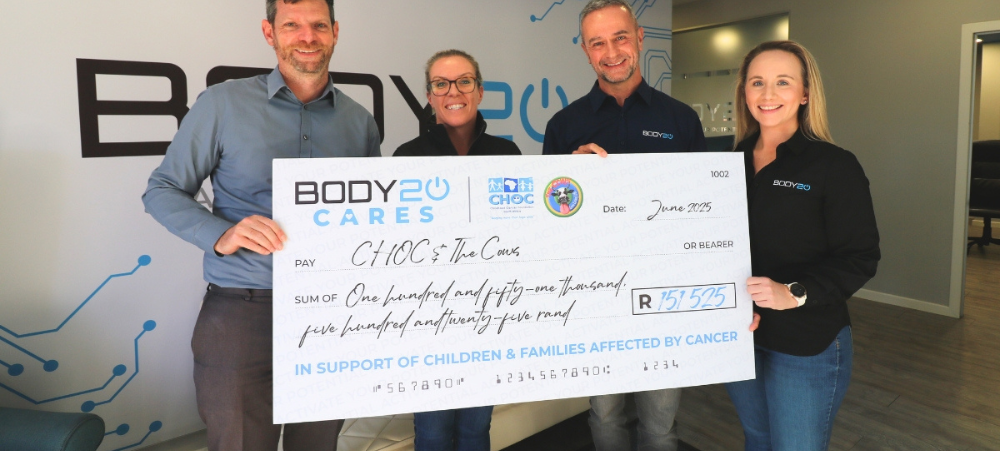
Body20 Cares Raises Over R150,000 in Support of CHOC

Body20 is proud to announce the success of its Body20 Cares charity initiative, which raised a remarkable R151,525 in support of children with cancer and their families across South Africa. The funds were raised through a nationwide campaign that ran from April to May 2025, during which 50% of all new joining fees at Body20’s 47 studios were donated to CHOC Childhood Cancer Foundation SA, in partnership with The Cows. “This initiative is incredibly close to our hearts,” said Johan Laas, Head of Marketing at Body20. “At Body20, we believe that caring for our communities — especially for the most vulnerable among us — is not optional. It is a moral imperative. We are deeply honoured to stand with CHOC in supporting children and families navigating one of life’s hardest journeys.” In addition to the fundraising campaign, the Body20 Head Office team spent a heartfelt Mandela Day at one of CHOC’s children’s homes in Diepkloof, Johannesburg. Welcomed by Zotha Ngobese, the house supervisor for CHOC’s Diepkloof House, the team was given a tour of the facility and introduced to various impactful projects underway to provide a safe, supportive environment for children undergoing cancer treatment and their caregivers. CHOC Houses, such as the one in Diepkloof, play a critical role by accommodating up to 30 individuals (15 children and 15 caregivers) and offering cooked meals, safe lodging, and daily support. These homes are essential, particularly because local hospitals such as Chris Hani Baragwanath Hospital do not provide overnight accommodation for parents. CHOC bridges that gap — ensuring that parents can be close to their children during such critical times. Ngobese, who manages day-to-day operations and also assists with transporting families to and from the hospital, explained how CHOC remained open throughout the pandemic — closing for just two days during COVID-19 — because the need for support never paused. To further assist, the Body20 team delivered essential supplies and comfort items from CHOC’s wishlist, extending their support beyond financial contributions. From toiletries to household necessities, the gesture underscored the brand’s genuine commitment to community upliftment. “We’ve always said that wellness goes beyond physical training,” Laas added. “It’s about connection, compassion, and how we show up for those in need. Body20 Cares is more than a campaign — it’s a brand promise to use our platform for good.” The initiative, powered by a shared vision of hope, health, and holistic support, continues to reinforce Body20’s identity as a purpose-driven brand. As the fitness franchise looks to the future, it remains steadfast in its commitment to transforming lives — inside and outside the studio. For more information about the Body20 Cares initiative or to get involved, visit https://body20.co.za/body20-cares or contact [email protected] | 087 231 0359.

Parenting Hub

We’ve got HOT and yummy for this freezing winter

Craving ultimate winter comfort without the fuss? Our creamy Peri Peri chicken livers and mushrooms are your answer! This dish is not just really affordable and easy to whip up, it’s also packed with flavour, making it the perfect mid-week dinner delight. So good, so simple, so satisfying! And so right for this week! Creamy Peri Peri Chicken Livers & Mushrooms Serves 6 Ingredients: 6 crusty Portuguese rolls, for serving Salt and pepper, to taste Olive oil, for cooking Method: Serve the spicy livers and mushrooms straight from the pan with warm crusty Portuguese rolls and enjoy! 

Cool Stool

Boost your Immunity the natural way 

How a Mix of High Fibre and Raw Seeds Helps Improve Nutrient Absorption and Boost Immunity Naturally Maintaining a strong immune system and ensuring optimal nutrient absorption are vital for long-term health and vitality. One highly effective, natural strategy to support these functions is incorporating a mix of high-fibre foods and raw seeds into your daily diet. Together, they create a powerful foundation for overall well-being and help boost immunity naturally. The Role of Fibre in Nutrient Absorption and Digestive Health Fibre, found abundantly in fruits, vegetables, legumes, and whole grains, plays an essential role in digestive health. While fibre itself is not absorbed by the body, it significantly supports the body’s ability to absorb nutrients through several mechanisms: Enhancing Gut Health: Fibre acts as a prebiotic, nourishing beneficial gut bacteria. A thriving gut microbiome enhances the body’s ability to extract and absorb essential vitamins and minerals from food. Improving Digestive Efficiency: Soluble fibre slows digestion, allowing for better absorption of nutrients, particularly minerals like calcium and magnesium. Supporting Immune Function: A healthy gut microbiome, supported by regular fibre intake, strengthens the immune system by regulating inflammation and supporting the gut barrier function. Research published in Nutrients by Makki, Deehan, Walter, and Bäckhed (2018) highlights that dietary fibre significantly modulates the gut microbiota, playing a central role in nutrient metabolism and immune system support. Furthermore, according to Slavin (2013) in Nutrition Research Reviews, increased fibre intake is associated with improved gut health and enhanced nutrient uptake. The Nutritional Power of Raw Seeds Raw seeds such as chia, flax, pumpkin, sunflower, and sesame are packed with nutrients vital for maintaining a healthy immune system and promoting efficient bodily functions. Consuming seeds in their raw form preserves their natural oils, enzymes, and delicate nutrients. Rich Source of Essential Nutrients: Raw seeds are excellent sources of zinc, magnesium, selenium, and healthy fats, all of which are crucial for immune function. High Antioxidant Content: Seeds are rich in antioxidants like vitamin E, which help reduce oxidative stress and protect cells from damage, essential for natural immunity boosting. Additional Fibre Boost: Seeds also provide both soluble and insoluble fibre, complementing the fibre from other plant foods to further support gut health. According to Goyal et al. (2014) in the Journal of Food Science and Technology, flaxseeds, for example, are particularly notable for their omega-3 fatty acids, lignans, and fibre content, making them a powerful natural health food. The Synergistic Effect: A Natural Way to Boost Immunity When high-fibre foods and raw seeds are consumed together, they work synergistically to deliver amplified health benefits. Enhanced Nutrient Absorption: A healthier gut environment, fostered by fibre, makes it easier for the body to absorb and utilise the dense nutrition provided by seeds. Strengthened Immunity: A nutrient-rich, well-functioning digestive system supports a more resilient immune response. Natural Detoxification: Fibre helps bind and remove toxins from the digestive tract, while the antioxidants in seeds combat free radical damage. As Calder (2020) points out in Nutrients, nutrient-dense foods that support gut health are crucial for maintaining and enhancing immune competence, particularly in stressful or high-risk environments. Practical Tips for Daily Integration Looking for simple wellness tips to add fibre and seeds to your routine? Here are some easy ideas: Add a tablespoon or two of Cool Stool® to your smoothies or breakfast of choice. Sprinkle Cool Stool® over salads, soups, or stir-fries – see the delicious vegetable soup recipe below for inspiration, and the muffin recipe for an easy work snack! Small changes can have a big impact on your immune health and overall vitality. A diet that combines high-fibre foods and raw seeds offers a simple yet highly effective way to boost immunity naturally, improve digestive health, and enhance nutrient absorption. By making mindful, consistent changes to your eating habits, you can build a stronger, healthier foundation for long-term wellness. High-Fibre Immune-Boosting Soup Recipe with Cool Stool®  Ingredients: Extra Immune-Boosting Seed Topping (added raw after cooking): Instructions:  Boost It Further: Cool Stool® High Fibre Muffin Recipe Dry Ingredients (Muffin Mix Base): Wet Ingredients (Add When Baking): Instructions Tip: Let the batter rest for 5-10 minutes before baking so the Cool Stool® and oats can absorb moisture and offer maximum gut health benefits. Optional Add-ins (choose 1–2): Cool Stool® High Fibre Gluten Free Muffin Recipe Swap the base ingredients to make it fully gluten-free: Dry Ingredients (Gluten-Free) Tip: Let the batter rest for 5-10 minutes before baking so the Cool Stool® and oats can absorb moisture and offer maximum gut health benefits. Sources: Makki, K., Deehan, E. C., Walter, J., & Bäckhed, F. (2018). The Impact of Dietary Fiber on Gut Microbiota in Host Health and Disease. Nutrients, 10(9), 1417. Slavin, J. (2013). Fiber and Prebiotics: Mechanisms and Health Benefits. Nutrition Research Reviews, 26(1), 22-38. Goyal, A., Sharma, V., Upadhyay, N., Gill, S., & Sihag, M. (2014). Flax and flaxseed oil: An ancient medicine & modern functional food. Journal of Food Science and Technology, 51(9), 1633–1653. Calder, P. C. (2020). Nutrition, immunity and COVID-19. Nutrients, 12(8), 2367.

Parenting Hub

Understanding Your Child’s Anxiety (And When to Worry)

Anxiety is a normal and even helpful emotion—especially for children. It helps them stay alert, solve problems, and develop self-awareness. But when anxiety becomes overwhelming or persistent, it can interfere with daily life, friendships, school performance, and overall wellbeing. As a parent, knowing the difference between “normal” childhood fears and a possible anxiety disorder is key. What Does Anxiety Look Like in Kids? Anxiety can show up in many forms. While some children express their worries openly, others may internalise them, leading to physical symptoms or behavioural changes. Common signs of anxiety in children include: It’s important to note that anxiety is often developmentally appropriate at certain ages: Most of the time, these worries pass with support and reassurance. But sometimes, they linger—and intensify. When Should You Start Worrying? Here’s when anxiety might be more than just a passing phase: ✅ It interferes with daily life. Is your child avoiding school, social situations, or family outings because of their anxiety? ✅ It’s persistent. Most childhood fears come and go, but if the anxiety lasts longer than 6 months or gets worse, it may need attention. ✅ It causes distress that seems out of proportion. All kids get nervous, but extreme reactions to routine events may be a red flag. ✅ There’s a family history. If anxiety or other mental health concerns run in your family, your child might be more susceptible. ✅ Your gut is telling you something’s off. You know your child best. If something feels “not quite right,” don’t ignore it. What You Can Do as a Parent Here are some steps you can take to support your anxious child: 🔹 Validate their feelings without amplifying them. Say things like, “I can see this feels really scary for you,” instead of “Don’t be silly.” 🔹 Help them name the worry. Younger kids may respond well to turning anxiety into a character or giving it a silly name: “Oh, Worry Worm is visiting again!” 🔹 Model calm behaviour. Kids absorb your reactions. Breathe deeply, speak gently, and avoid showing panic when they’re anxious. 🔹 Create a worry time. Some children feel better if there’s a set time each day when they can express their concerns. 🔹 Avoid enabling avoidance. Encourage gradual exposure to fears instead of letting your child skip everything that causes anxiety. 🔹 Stick to a routine. Predictability helps anxious kids feel safer. When to Seek Help If anxiety is disrupting your child’s ability to function—academically, socially, or emotionally—it may be time to consult: With support, children can learn to manage anxiety and build confidence. Early intervention makes a big difference—and it’s nothing to be ashamed of. Sources:

Parenting Hub

Family Fitness: Easy Workouts You Can Do Together

In today’s busy world, carving out time for fitness can be a challenge—especially when you want to involve the whole family. But staying active together is one of the best ways to build healthy habits, strengthen bonds, and have fun. The good news? Family workouts don’t need fancy equipment or hours of time. Simple activities that get everyone moving are all it takes to boost health and happiness. Here are some easy, enjoyable workouts the whole family can do—whether you have toddlers or teens. 1. Family Walks or Hikes A classic for a reason! Walking together after dinner or on weekends is great low-impact exercise. For more adventure, find nearby nature trails or parks to explore. Tip: Make it fun by turning it into a scavenger hunt or a photo challenge. 2. Dance Party Put on your favourite music and have a dance-off in the living room. Dancing is fantastic cardio and great for coordination—and kids love it! 3. Yoga for All Ages Yoga improves flexibility, balance, and mindfulness. Use kid-friendly yoga videos online and do short sessions together. It’s calming and builds strength. 4. Obstacle Course Challenge Set up a simple indoor or outdoor obstacle course using cushions, chairs, cones, or ropes. Time each other and cheer on every attempt. 5. Family Sports Play simple sports like soccer, basketball, or frisbee in your backyard or local park. Even a game of catch gets everyone moving and laughing. 6. Strength Circuit Create a fun circuit with easy exercises like jumping jacks, wall sits, planks, and lunges. Do each activity for 30 seconds with breaks in between, then repeat. 7. Bike Rides If you have bikes, family rides around the neighbourhood or park combine exercise with exploration and fresh air. Benefits of Family Fitness Final Thought: Fitness doesn’t have to be a chore or solo struggle. Making movement a family affair brings joy, health, and connection—all while creating habits that last a lifetime. 📚 Sources:

Parenting Hub

Meal Planning Hacks for Busy Parents

For busy parents, mealtime can often feel like a stressful scramble. Between work, school runs, activities, and household chores, finding time to plan and prepare nutritious meals can seem overwhelming. However, with some smart meal planning hacks, you can simplify your routine, reduce stress, and still serve delicious, balanced meals your family will love. Here are practical tips to help busy parents master meal planning without the hassle. 1. Plan Ahead for the Week Set aside time once a week—Sunday afternoon or Monday morning—to map out your family’s meals. Creating a weekly menu helps you shop efficiently and avoid last-minute takeout. 2. Batch Cooking and Freezing Cook large portions of staples like soups, stews, pasta sauces, or casseroles, then freeze individual servings. On busy days, simply reheat for a quick and nutritious meal. 3. Use a Slow Cooker or Instant Pot These appliances are lifesavers for busy parents. Prep ingredients in the morning, and dinner is ready when you walk in the door. 4. Keep a Well-Stocked Pantry Having essentials like canned beans, rice, pasta, and frozen vegetables on hand allows for easy meal assembly without emergency grocery runs. 5. Get the Family Involved Assign simple tasks to kids—like washing veggies or setting the table—to make mealtime a team effort and teach valuable skills. 6. Double Up Recipes When cooking dinner, make extra portions for lunch the next day. This saves time and reduces food waste. 7. Embrace Simple, Balanced Meals Meals don’t have to be complicated. Focus on quick, balanced dishes with protein, veggies, and whole grains. Final Thought: Meal planning doesn’t have to be stressful or time-consuming. By adopting these hacks, busy parents can streamline cooking, reduce mealtime chaos, and create more opportunities for family connection around the table. 📚 Sources:

Bonitas – innovation, life stages and quality care

 Don’t let Seasonal Affective Disorder (SAD) bring the blues this winter

As the colder months settle in, many of us brace ourselves for more than just runny noses and shorter days. You may have noticed a heaviness that creeps in that feels like a dip in mood, energy and motivation. While it’s easy to brush off as the ‘winter blues,’ this slump could be a sign of Seasonal Affective Disorder (SAD), a type of depression that follows a seasonal pattern most commonly triggered during winter. ‘Mental health is a key component of your overall wellness, yet it’s often neglected, especially during busy, high-pressure periods,’ says Dr Themba Hadebe, Bonitas Clinical Executive. ‘Recognising the signs of SAD early is essential, because the sooner you acknowledge it, the sooner you can take steps to manage it.’ What is Seasonal Affective Disorder? SAD is more than feeling ‘a bit off’ when the sun disappears behind grey skies. It’s a clinically recognised form of depression linked to reduced sunlight exposure, which can disrupt your body’s internal clock (circadian rhythm), affect serotonin and melatonin levels, and ultimately throw off your mood and sleep patterns. Symptoms of SAD often include persistent low mood or sadness, fatigue or lack of energy even after sleeping, difficulty concentrating, cravings for carbs or weight gain, and withdrawal from social interaction. If this feels familiar, you’re not alone, and it’s not just ‘in your head’. SAD affects many South Africans each year, and yet often goes undiagnosed or misunderstood. How to lighten the load If winter tends to weigh on your mental health, there are a few strategies that may help. First, try to get more sunlight. As simple as it sounds, making time for natural light, even on cold or cloudy days, can significantly boost your mood. Sit near a sunny window, go for a midday walk, or consider using light therapy lamps that mimic sunlight and support your body’s internal clock. Moving your body can also make a noticeable difference, since exercise is one of the most effective natural mood-boosters. You don’t need a full gym session either. Even a 15-minute stretch, dance break, or walk around the block can help to lift your energy and shift your mindset. What you eat matters too. While it’s tempting to dive headfirst into comfort food, try to balance your meals with options rich in omega-3s, like salmon or walnuts, as well as vitamin D and whole grains. Research shows that low levels of vitamin D, which naturally drop during winter, are closely linked to symptoms of depression. And, perhaps most importantly, talk to someone. Whether it’s a psychologist, a trusted friend or a support group, opening up about how you’re feeling is a powerful first step. ‘For those with medical aid, be sure to check what mental health benefits are available to you through your plan,’ adds Hadebe. ‘Bonitas members, for instance, have access to mental health support, including a wellness questionnaire, consultations with registered professionals and wellness programmes designed to support emotional wellbeing all year round.’ Bonitas covers psychology consultations as part of its comprehensive care benefits, and its wellness programmes offer digital resources and support tools to help you manage mental health year-round. You’re not alone We tend to prioritise physical health, but our mental health is just as critical. SAD is often overlooked, but it can significantly impact your quality of life if left unaddressed. And, if you or someone you love is feeling persistently low this winter, don’t wait it out. Take it seriously, speak to a professional, and explore your options. ‘Mental wellness isn’t a luxury, but a necessity for overall wellbeing,’ says Hadebe.

NB Hearing & Balance

Winter Listening: Outdoor Sound Play for Children’s Growth

When we think of listening, we often imagine quiet, focused moments indoors — reading a story, following instructions, or singing a lullaby. But in reality, the world outside offers one of the richest soundscapes for nurturing a child’s listening development. Even in winter, perhaps especially in winter, nature becomes an immersive sensory classroom. It’s just a matter of tuning in. Winter is not silent. It whispers and whooshes. It crunches and drips. It hums, howls, and hovers with stillness, all of which offer rich opportunities for children to engage in listening, sensory play, and early auditory training. At NB Hearing and Balance, we believe in supporting children’s hearing health in a holistic way, and the outdoor environment provides a meaningful, natural space to help develop listening skills while encouraging curiosity and movement. Why Listening is More Than Hearing For young children, listening is an active process. It involves detecting sounds, distinguishing between them, interpreting what they mean, and learning to respond appropriately. These skills form the foundation of communication, learning, and social development. In children with normal hearing and those using hearing aids or cochlear implants, auditory training supports the brain’s ability to process and make sense of sound. One powerful way to build these skills is through sensory-rich environments, and winter landscapes, despite the chill, are full of unique sensory invitations. From the sound of boots crunching on frosted grass to the distant rumble of thunderclouds, every auditory encounter is a chance for growth. The Soundscape of Winter: A Natural Playground for the Ears Let’s take a closer (or rather, a deeper) listen to the sounds of winter. You may be surprised how much is happening when you pause to hear it: When we frame these everyday moments as meaningful listening experiences, we’re not just going for a walk; we’re participating in auditory learning. Linking Nature Sounds to Sensory Play Sensory play is essential to early development. It helps build nerve connections in the brain, supports language development, and promotes fine and gross motor skills. Importantly, it also fosters mindfulness and emotional regulation. By incorporating listening into sensory play outdoors, parents and educators can encourage whole-child development. Try some of these activities: The Role of Listening in Auditory Training Children with hearing difficulties, whether permanent or temporary, benefit greatly from intentional auditory training. Outdoor sound-based play can be part of a structured approach to developing these skills. The unpredictable nature of outdoor environments challenges children to listen carefully and adapt to new sound patterns, supporting the development of auditory memory and attention. For children using hearing aids or cochlear implants, caregivers can: At NB Hearing and Balance, we work closely with parents to personalise listening goals based on each child’s developmental needs and hearing profile. The environment,  indoors and out, becomes part of the therapeutic toolkit. Tips for Safe and Successful Winter Listening Play Listening is Learning — Wherever You Are Winter’s soundscape may be subtle, but it’s filled with opportunity. When we bring children outside and guide them to listen with curiosity, we’re nurturing not just hearing, but awareness, attention, language, and joy. At NB Hearing and Balance, we advocate for natural and engaging ways to support your child’s auditory development. If you have concerns about your child’s hearing, speech, or sensory responsiveness, contact our team — we’re here to help you navigate the journey toward stronger listening, inside and out.  Give us a calll, we are conveniently located in Cape Town, we help families connect through sound from Fish Hoek, to Hout Bay, Wynberg, to Sea Point, and the Durbanville surrounds.

Cool Stool

Children’s Gut Health: Why Fibre Matters More Than You Think

In today’s fast-paced world, where convenience often trumps nutrition, many parents find themselves asking: Is my child eating well enough? While the focus often falls on sugar or fat intake, there’s a less discussed but equally critical question we should be asking – Is my child getting enough fibre? Fibre is not just about preventing constipation. It plays a vital role in maintaining children’s gut health, which in turn affects their immunity, brain development, and overall wellbeing. Yet, most modern diets fall drastically short of the recommended fibre intake, especially for children. Why Is Children’s Gut Health Important?  We know why gut health is important but how does this translate to children? The intestinal microbiome plays a critical role in children’s development and growth, directly impacting their digestion, immunity, brain development and long-term wellbeing.  The gut is where we absorb the majority of our nutrients, which is especially important for children due to their rapid growth and development. A child’s gut microbiome is especially vulnerable and influenced by diet, antibiotics, and lifestyle. Disruption to this delicate system, especially from a fibre-deficient diet, can lead to issues that extend far beyond the digestive tract. Signs Of Poor Gut Health In Children  Signs of poor gut health in children can manifest in a variety of ways, including digestive, immune symptoms, skin symptoms, and more. Some symptoms include: ●      Frequent digestive issues (bloating, constipation, diarrhoea) ●      Recurring colds or infection ●      Skin problems like eczema ●      Fatigue or difficulty concentrating ●      Mood swings or irritability These symptoms may signal a deeper issue — a gut that’s not being properly nourished. One of the key missing ingredients? Fibre. The Role of Fibre in Children’s Gut Health  Fibre doesn’t get digested like other nutrients. Instead, it moves through the gut, feeding beneficial bacteria and helping maintain a healthy digestive balance. It also: ●      Promotes regular bowel movements ●      Acts as a prebiotic, nourishing good gut bacteria ●      Increases feelings of fullness, helping to prevent overeating and manage weight ●      Supports immune function and reduces inflammation Without enough fibre, children are more likely to experience constipation, digestive discomfort, and even a weakened immune response. Over time, low fibre intake is linked to more serious issues like obesity, type 2 diabetes, and cardiovascular disease. How To Improve Your Children’s Gut Health and Fibre Intake  Supporting your child’s digestive system doesn’t have to be overwhelming. With a few mindful adjustments, you can naturally increase fibre in their diet and support a thriving gut microbiome.  Make whole foods the cornerstone of your child’s meals. This means offering fresh fruits and vegetables (leaving the skins on when possible), whole grains, legumes, nuts, and seeds. Foods like apples, pears, berries, peas, sweetcorn, oats, lentils, and wholegrain bread are naturally high in fibre and easy to incorporate into meals. These whole foods not only support healthy digestion but also deliver essential nutrients that contribute to immune health, growth, and sustained energy. Processed foods are often low in fibre and high in added sugars, which can disrupt the delicate balance of gut bacteria. Try to reduce the number of packaged snacks and convenience meals your child consumes each week. Read food labels together, looking for products with higher fibre content (aim for 3g or more per serving) and fewer artificial ingredients. While sometimes necessary, antibiotics can disrupt the fragile ecosystem in the gut. If your child needs them, consider pairing with prebiotics and probiotics, and increasing fibre-rich foods to help restore the gut microbiome.  Children are more likely to try new foods if they’ve had a hand in preparing them. Let them help wash vegetables, stir ingredients, or choose recipes from a selection of parent-approved options. Use cooking time as a fun and educational activity and talk about where fibre comes from and why gut health matters.  Want more tips? Cool Stool®’s free gut health guide includes expert advice, simple, actionable steps to improving gut health, recipes, recommended swaps, and more.  One easy way to support children’s fibre intake and gut health is with Cool Stool®, a 100% raw, high-fibre super seed mixdesigned to promote natural bowel movements and nourish the gut. Each tablespoon contains 7.5g of fibre, making it easy to meet daily targets. It’s safe for the whole family from age 2 and is also suitable for pregnant and breastfeeding women. Available in Original, Vanilla, and Cranberry flavours (plus a Gluten-Free option), Cool Stool® can be sprinkled into porridge, yoghurt, smoothies, soups, or even used in baking. Fibre plays a crucial role in building and maintaining your child’s gut health — which influences everything from their digestion to their mood. By making small, manageable changes like adding more whole foods and using convenient options like Cool Stool®, you can help your child thrive.  Healthy Cool Stool® high fibre and saw seed muffin mix recipe Try this healthy high-fibre muffin mix recipe to easily include more fibre in your child’s diet – packed with raw seeds and other nutritious ingredients that support digestion, energy, and satiety. It’s naturally sweetened, whole-grain, and great for lunchboxes and snacks.  Cool Stool® high fibre muffin mix Dry Ingredients (Muffin Mix Base): Wet Ingredients (Add When Baking): Instructions 1.     Combine all dry ingredients in a large bowl. 2.     Preheat oven to 350°F (175°C). In another bowl, whisk together wet ingredients. Add the dry muffin mix and stir until just combined. Don’t overmix. Tip: Let the batter rest for 5-10 minutes before baking so the Cool Stool® and oats can absorb moisture and offer maximum gut health benefits. 3.     Spoon into muffin tins:Line or grease a muffin tin. Fill ¾ full. 4.     Bake for 18–22 minutes, or until a toothpick comes out clean. 5.     Cool on a wire rack and enjoy Optional Add-ins (choose 1–2): Cool Stool® high fibre Gluten Free muffin mix Swap the base ingredients to make it fully gluten-free:  Dry Ingredients (Gluten-Free) Tip: Let the batter rest for 5-10 minutes before baking so the Cool Stool® and oats can absorb moisture and offer maximum gut health benefits.

Parenting Hub

Lunchbox Love: Easy Notes That Make a Big Difference

In the daily hustle of parenting, small gestures can make a big impact on your child’s day. Lunchbox notes — simple messages tucked into their lunch or snack — are a powerful way to boost your child’s mood, confidence, and connection with you during their school day. 💌 Why Lunchbox Notes Matter Research in positive psychology shows that little acts of kindness and encouragement increase emotional wellbeing. For kids, finding a loving note can brighten their day, reduce anxiety, and remind them they’re cared for even when you’re not around. ✏️ What to Write in a Lunchbox Note 🛠️ Easy Tips for Making Lunchbox Notes a Habit 💡 Beyond the Lunchbox Notes can be added to backpacks, water bottles, or even sent as quick texts for older kids — extending the love and support beyond lunchtime. Sources:

Parenting Hub

Understanding the hidden link between inflammation and your child’s cough

Most parents are familiar with the unsettling sound of a child’s cough, especially during winter. While it might seem like a minor symptom, it can be distressing for both children and parents. Understanding what is causing the cough and how to treat it can help parents feel prepared. Key to this is understanding the hidden role of inflammation. Below we unpack why children cough and common cough types, their causes and how to treat them.  Why do children cough?  Like adults, children cough for many reasons. It might be due to a viral infection, allergies, reflux, or even irritants in the air. While most coughs are not dangerous, certain types may require closer attention. Another often-overlooked cause for a cough is inflammation in your child’s airways. This hidden culprit can be a secondary reaction to some form of irritation, such as excess mucus or a virus. However, it can also stick around after other symptoms have cleared.  Wheezy coughs: more than just a cold Wheezing, often described as a high-pitched or whistling sound when exhaling, typically happens when the airways are narrowed due to swelling in the lower respiratory system. This can occur during chest infections or colds and may be accompanied by persistent coughing. In some cases, wheezing can be linked to asthma, but diagnosing this in babies and toddlers is tricky. Regardless of the cause, inflammation in the lower airways tends to be the main issue is a wheezing cough. Croup and a barky cough  If your child has a cough that sounds something like a barking seal, it could be croup. This condition usually affects kids under five and is brought on by a viral infection that inflames the upper airway, particularly around the voice box and windpipe. The hallmark of croup is that barking cough, often accompanied by a hoarse voice and a harsh breathing sound known as stridor. While the viruses behind croup, like RSV or influenza, are highly contagious, not all kids exposed to them will develop the condition. The “whoop” behind whooping cough Whooping cough, or pertussis, is a serious bacterial infection that causes intense, uncontrollable coughing fits. After each fit, a child may take in a deep gasp of air, producing the signature “whoop” sound. This illness often begins with cold-like symptoms before escalating to more severe respiratory distress. Because it spreads easily through coughing, unvaccinated babies are particularly vulnerable. Managing your little one’s cough  The best way to treat a cough depends on the underlying cause. Antibiotics, for instance, are effective against bacterial infections like whooping cough but won’t help with viral illnesses like croup. There are some general steps you can take, like ensuring your child drinks plenty of waterand avoiding fizzy drinks that can make a sore throat feel worse. Over-the-counter (OTC) cough medications like Prospan Syrup can also help your little one feel better faster. When choosing a medication for your child, there are a few things to look out for. Most importantly, make sure the medication is suitable for young children. Prospan for example is indicated for use for children from 0 years and does not contain any alcohol. Another helpful action to look out for when choosing a cough medication is one that has anti-inflammatory properties. Since inflammation is linked to coughing, having a medication that addresses this underlying problem, like Prospan Syrup can help your little one get better faster and even delay the need for more aggressive anti-inflammatory treatments. When dealing with any illness in your little ones, it is always important to consult your healthcare provider. Having a sick child is distressing for any parent. Understanding the mechanics of different coughs and keeping a suitable treatment like Prospan Syrup on hand, you can intervene quickly and help your little one get back to feeling their usual self.  Because when it comes to coughs in children, it’s not just about quieting the noise—it’s about soothing the inflammation behind it. Find Prospan Syrup at any Clicks, Dischem, or independent Pharmacy.

John Kruger- Co-founder and Managing Director of Bloom Financial Services (Pty) Ltd.

Budget-Friendly Healthcare: Smart Tips for South African Families

Keeping your family healthy shouldn’t feel like a luxury. Yet, for many South African households, staying well is becoming harder to afford. From doctors’ visits to medication, the cost of healthcare continues to rise, putting pressure on already strained budgets. Whether it’s a child’s fever in the middle of the night or managing a chronic condition, families often find themselves stuck between long queues at public clinics and private care they can’t afford. It’s no wonder many see private healthcare as out of reach. But what if there was a middle ground? A way to access the care you need—without paying the price of full medical aid? In this article, we’ll explore smart, budget-friendly tips to help you manage your family’s healthcare costs and show you how health insurance options like Health4Me, offered through Bloom, are making private care more accessible for families across South Africa. Understand What You’re Paying For Before you can start saving on healthcare, it’s important to understand where your money is going. For many families, health expenses add up quickly—even without a major medical emergency. Here’s a quick example of common out-of-pocket costs in South Africa: Without any form of cover, even basic care can stretch your monthly budget. That’s why understanding your healthcare expenses is the first step toward managing them—so you can start looking for ways to reduce costs without sacrificing quality. Tips to Save on Everyday Healthcare You don’t need to spend a fortune to keep your family healthy. With a few smart choices, you can manage everyday healthcare needs without blowing your budget. Here are practical ways South African families can cut costs—without cutting corners on care: Pharmacy clinics at Clicks, Dis-Chem, and MediRite offer convenient and affordable care for common health issues, including colds, minor infections, and vaccinations. They’re staffed by trained nurses and sometimes provide same-day appointments, making them a reliable alternative to full GP visits. Generic medicines contain the same active ingredients as brand-name options but are significantly less expensive. Always ask your doctor or pharmacist if a generic version is available—it could save you hundreds over time without compromising on your treatment. Many retail clinics and health insurance plans, including Health4Me, offer free or discounted health checks, such as blood pressure, cholesterol, glucose, and BMI screenings. These early detection tools can help you catch issues before they become serious—and expensive. Prevention is really better (and cheaper) than a cure. Encourage a balanced diet, regular exercise, proper sleep, and handwashing. Teaching your children good habits from a young age sets the foundation for a healthier (and more affordable) future. Small changes can make a big difference—and they all add up to better health and lower costs for your family. Know When to Use Public vs. Private Healthcare South Africa operates a dual healthcare system: a public sector serving the majority and a private sector catering to a smaller, often more affluent segment. Understanding when to utilise each can help families make informed decisions about their healthcare needs. Public Healthcare: Accessible but Overburdened Public healthcare services are available to all South Africans, offering essential services such as immunisations, maternal care, and treatment for common illnesses. These services are often free or low-cost, making them a vital resource for many families. However, the public system faces significant challenges: Private Healthcare: Quality and Efficiency at a Cost Private healthcare offers shorter wait times, advanced medical technology, and a broader range of services. Facilities are typically well-equipped and staffed, providing a higher standard of care. However, the benefits come with higher costs: To bridge the gap, consider affordable health insurance options like Health4Me from Bloom. These plans provide access to private healthcare services at a fraction of the typical cost, ensuring your family receives quality care when it matters most. By understanding the strengths and limitations of both public and private healthcare systems, South African families can make strategic decisions to safeguard their health and well-being. Health Insurance: The Middle Ground Between Medical Aid and Out-of-Pocket Costs When it comes to paying for healthcare in South Africa, families often find themselves caught between two extremes: expensive medical aid or unpredictable out-of-pocket expenses. But there’s another option that offers balance—health insurance. Unlike medical aid, which provides comprehensive cover, including hospitalisation and prescribed minimum benefits, health insurance focuses on essential day-to-day healthcare. It’s designed to be more affordable, easier to understand, and better suited to families who need reliable care without the high monthly premiums. That’s where Health4Me, offered through Bloom, comes in. With fixed monthly payments, Health4Me gives you access to: Best of all, Health4Me is easy to sign up for—no complicated paperwork or long approval delays. With nationwide access to pharmacy clinic partners like Clicks, Dis-Chem, and MediRite, your family can get care close to home, wherever you are. Why Health4Me Works for Families Keeping your family healthy shouldn’t mean facing unpredictable bills or endless queues. That’s why Health4Me is built around what families really need: affordable, practical, and easy-to-use healthcare cover. Here’s why it works so well for South African families: Fixed, predictable monthly payments No surprise costs—just one set monthly fee that fits into your budget and helps you plan with confidence. Access to private care for everyday needs From GP visits and medication to basic dentistry and optometry, Health4Me covers the services families use most—without the wait or the worry. Simplicity and ease of use No confusing medical jargon. No complicated approval processes. A straightforward cover that provides your family with the care they need when they need it. Cover for every stage of life Whether you’re a busy parent, have growing children, or care for elderly relatives, Health4Me gives everyone in your household access to reliable, quality care. Final Tips for Family Health on a Budget Even with affordable health insurance, there are extra steps you can take to stretch your healthcare budget further and be prepared for the unexpected: Create a “health fund” Put aside a small amount each month—even R50 to R100—to cover extras like

John Kruger- Co-founder and Managing Director of Bloom Financial Services (Pty) Ltd.

Supporting Your Teen’s Mental Health in the Digital Age

“It’s like raising a child in a world without walls.” That’s how many South African parents describe the challenge of parenting in the digital age. Teens are online constantly—studying, socialising, and exploring their identity. But while technology opens up a world of opportunity, it also introduces new mental health risks that didn’t exist a generation ago. In 2025, the average South African teenager spends over 7 hours a day online, much of it on social media platforms such as TikTok, Instagram, and YouTube. These platforms shape how they see themselves and the world—but they can also increase anxiety, disrupt sleep, and fuel harmful comparison. As a parent, it’s easy to feel overwhelmed or left behind. But you don’t need to have all the answers. What matters most is staying engaged, informed, and supportive. In this article, we’ll unpack the mental health impact of digital life and share practical ways you can support your teen’s emotional well-being—both online and off. The Impact of Social Media on Teen Mental Health Social media has become a central part of teen life in South Africa. While these platforms offer opportunities for learning, connection, and creativity, they also introduce risks—especially when it comes to mental health. Understanding both the positive and negative effects of social media is key to helping your teen navigate the digital world safely and confidently. Negative Impacts Comparison and Validation Seeking Teens are constantly exposed to carefully curated images and lifestyles online. This can lead to unrealistic expectations and harmful self-comparisons, often resulting in low self-esteem and feelings of inadequacy. Cyberbullying Online harassment can have severe emotional consequences. Victims of cyberbullying often experience anxiety, depression, and, in extreme cases, suicidal thoughts. Sleep Disruption Late-night scrolling and screen exposure can significantly interfere with your teen’s sleep patterns. Poor sleep impacts mood, focus, and emotional regulation. Positive Aspects Community Building For many teens—especially those who may feel isolated in their offline lives—social media can be a lifeline. It helps them connect with others who share similar interests, challenges, or identities, fostering a much-needed sense of belonging. Access to Information From coping techniques for anxiety to tips for improving sleep or nutrition, social media platforms often surface useful mental health content. Teens can access a range of advice and support—sometimes even from mental health professionals—without stigma or delay. Balancing screen time with real-life connections and support is essential. As a parent, staying informed about these effects can help you guide your teen toward healthier habits and open the door to important conversations. Strategies for Parents to Support Their Teens Navigating your teen’s digital life may feel overwhelming, but your support can make all the difference. Here are some simple and practical ways to help your child develop a healthier relationship with social media and screen time. a. Open Communication Keep the lines of communication open. Ask your teen how their day was—not just offline, but online too. Encourage them to share what they’re seeing, feeling, and thinking. Most importantly, listen without judgement. When teens feel safe talking to you about their digital experiences, they’re more likely to come to you when something goes wrong. b. Set Boundaries Clear boundaries help promote healthier digital habits. Set reasonable screen time limits and create tech-free zones, such as during family meals or before bedtime. This helps restore balance and gives your teen space to rest, reflect, and connect with the real world. c. Educate About Online Risks Make sure your teen understands the darker side of social media. Talk about cyberbullying, online predators, and the unrealistic nature of curated posts. Help them recognise red flags and teach them how to protect their mental health and digital privacy. d. Promote Offline Activities Encourage your teen to get involved in hobbies, sports, volunteering, or family time. These activities not only reduce screen time but also build confidence, social skills, and real-world connections—all essential to mental well-being. e. Monitor Without Spying It’s important to stay informed, but trust is key. Let your teen know you’re aware of what apps they’re using and why. Use parental controls if necessary—but do so transparently, with mutual understanding. The goal is to guide, not invade. With the right approach, you can help your teen use technology in a way that supports—not undermines—their mental health. Your involvement, encouragement, and example set the tone for how they learn to manage the digital world. The Role of Accessible Mental Health Resources When it comes to teen mental health, early support can make all the difference. However, for many South African families, accessing the right help can be challenging—whether due to long public healthcare queues, high private consultation costs, or simply not knowing where to begin. That’s why accessible mental health resources are so important. Teens need safe spaces to talk, professional guidance when challenges arise, and support systems that understand their world—including the unique pressures of growing up online. Health insurance plans like Health4Me, available through Bloom, offer affordable, reliable access to mental health professionals such as psychologists. Whether your teen is struggling with anxiety or stress or needs someone to talk to, having the right cover in place means they can get help—without delay or added financial stress. Want to learn more about how digital life affects your child’s mental well-being? Read: Mental Health Awareness Alert: What You Should Know About Social Media Because when help is within reach, healing becomes possible. Empowering Your Teen in the Digital World Raising teens in the digital age may feel like uncharted territory—but you’re not alone. While social media and constant connectivity can pose real mental health risks, your involvement, awareness, and care can be a powerful force for good. By staying informed, creating a safe space for open conversations, and knowing when to lean on trusted support systems, you can help your teen build resilience and develop a healthy relationship with the online world. Accessible mental health care plays a key role in this journey—and that’s where Bloom can help. Explore Health4Me Plans: Discover affordable health insurance

Parenting Hub

Decoding Childhood Rashes: What’s Serious & What’s Not

As parents, it’s not uncommon to see your child break out in a rash from time to time. Whether it’s a mysterious spotty skin eruption or a rash that’s spreading rapidly, it’s easy to feel concerned. Rashes can vary in severity, and many are perfectly harmless. But when is a rash something you should be worried about? Knowing the difference between a rash that requires medical attention and one that’s just a mild reaction can be tricky. Here’s how to decode childhood rashes, so you can decide whether it’s time to call the doctor or simply monitor the situation. 🌟 Common Childhood Rashes and What They Mean Rashes in children are often caused by viruses, allergies, or skin conditions. Here are some of the most common types: 1. Chickenpox (Varicella) Chickenpox is a highly contagious viral infection that causes an itchy, red, blistering rash. It often starts as small red bumps that develop into fluid-filled blisters before scabbing over. When to Worry: Chickenpox can lead to complications in certain cases, such as bacterial infections or pneumonia, especially in babies, pregnant women, or people with weakened immune systems. Consult a doctor if your child has high fever or the rash is spreading rapidly. Tip: Chickenpox is preventable with the vaccine, so make sure your child is up to date on their immunisations. 📚 Source: Centers for Disease Control and Prevention – Chickenpox 2. Hand, Foot, and Mouth Disease This viral infection causes a rash with red spots, sometimes accompanied by painful sores in the mouth. The rash typically appears on the palms of the hands and soles of the feet, as well as the buttocks. When to Worry: Most cases resolve on their own, but if your child develops a high fever or the rash worsens or spreads, consult your doctor. Dehydration can occur if the mouth sores prevent your child from drinking fluids. Tip: Make sure your child stays hydrated by offering fluids regularly. 📚 Source: American Academy of Pediatrics – Hand, Foot, and Mouth Disease 3. Eczema (Atopic Dermatitis) Eczema is a common skin condition in children, characterised by dry, itchy patches of skin, often found on the face, elbows, and knees. It may flare up during cold weather or after exposure to allergens. When to Worry: Eczema itself is not usually serious, but it can cause severe itching and discomfort. If your child’s eczema becomes infected or the rash is spreading significantly, it’s important to seek medical advice. Tip: Keep your child’s skin moisturised, and avoid triggers like harsh soaps or fabrics that may irritate the skin. 📚 Source: National Eczema Association 4. Hives (Urticaria) Hives are raised, red welts on the skin that are often caused by an allergic reaction to food, medication, or an insect sting. They can also result from viral infections or stress. When to Worry: Hives that appear with difficulty breathing, swelling around the eyes or lips, or other severe symptoms may indicate anaphylaxis, a medical emergency. Seek immediate medical help if this occurs. Tip: If hives are caused by an allergic reaction, removing the trigger (such as a food or medication) and administering antihistamines may help. Always consult your doctor for guidance. 📚 Source: American Academy of Dermatology – Hives 5. Rashes from Allergies or Irritants Allergic reactions to foods, plants, or insect bites can lead to rashes. For example, poison ivy or poison oak exposure causes a red, itchy rash. Similarly, a rash from a new detergent or lotion may appear after contact with the skin. When to Worry: If the rash is not improving or it becomes worse over time, it may be necessary to see a doctor. Some allergic reactions require prescription-strength treatments. Tip: Avoid known allergens, and use hypoallergenic skincare products to reduce irritation. 6. Fifth Disease (Slapped Cheek Syndrome) Fifth disease is a viral infection that causes a bright red rash on the cheeks (giving the appearance of “slapped cheeks”) followed by a lacy rash on the body and limbs. It’s usually mild and resolves on its own. When to Worry: Fifth disease is typically not serious, but if your child has a weakened immune system or if the rash persists, it’s worth consulting a doctor. Pregnant women who come into contact with someone infected should seek medical advice. 📚 Source: Centers for Disease Control and Prevention – Fifth Disease 🌟 When Should You Seek Medical Help? While many childhood rashes are not serious, some signs should prompt a visit to the doctor: 📚 Source: Mayo Clinic – Skin Rash in Children 💬 Final Thoughts Most childhood rashes are harmless and resolve with minimal intervention. However, it’s important to keep an eye on the severity, appearance, and accompanying symptoms. If you’re ever unsure about a rash or concerned about your child’s health, don’t hesitate to consult your paediatrician. Early intervention can ensure that any potential health issue is addressed promptly.

Parenting Hub

Hydration for Kids: More Than Just Water – Creative Ways to Keep Them Drinking

Water is essential for life, and we all know it’s important for kids to stay hydrated—but let’s face it, getting them to drink enough can be a challenge! With their busy schedules, active lifestyles, and preferences for sugary drinks, it’s easy for hydration to fall by the wayside. But don’t worry! There are plenty of creative and fun ways to encourage your little ones to drink more water—and make hydration feel like an enjoyable experience. Let’s explore some simple, clever ways to keep your kids hydrated beyond the regular cup of water. 🧃 Why Hydration is Crucial for Kids Staying hydrated isn’t just about quenching thirst. Proper hydration: However, kids may not always be aware of their thirst, or they might prefer a juice or sugary drink instead. That’s where creative ideas come in to keep them sipping water regularly. 📚 Source: National Institutes of Health – Hydration and Health 💦 Creative Hydration Ideas 1. Infused Water: Flavour Without Sugar Add some excitement to plain water with fun fruit or herb infusions. Try combinations like cucumber and mint, or strawberry and lemon. Try this: Let your child choose their own fruits or herbs and watch them become excited about their “custom water”! 2. Colourful Ice Cubes Make hydration fun by freezing fruits, herbs, or juice into ice cube trays. When the ice cubes melt, they’ll add a colourful twist to plain water. Pro tip: Use berries, mint, or citrus zest for a burst of colour and flavour! 3. Water Bottles with Fun Designs Let your child choose a cool, personalised water bottle that they’ll want to carry everywhere. Sometimes, the right bottle can make all the difference. Bonus: Some bottles even have times marked on them to help kids keep track of their water intake throughout the day. 4. Make Smoothies Smoothies are a delicious way to hydrate and pack in some nutrients. Blend fruits, leafy greens, and water or yogurt into a fun, drinkable snack. Try this: A simple fruit smoothie made with berries, spinach, and a splash of coconut water is a great hydrating treat. 5. Add Coconut Water to the Mix Coconut water is a natural alternative to sugary drinks. It’s packed with electrolytes and is super hydrating. Try this: Serve coconut water on its own or mix it with fruit juice for a tropical drink. 6. DIY Water Popsicles Make your own healthy popsicles by freezing water mixed with fruit pieces. These are perfect for hot days and double as a tasty treat. Pro tip: Use a fun popsicle mould to make the experience even more exciting. 7. Veggie Water For kids who aren’t fans of fruit-infused water, why not try veggies? Cucumber, celery, and even carrot can add a subtle, refreshing flavour to water. Try this: Add thin cucumber slices and let the water sit for a few hours to soak up the flavour. 8. Make Hydration a Game Encourage your kids to drink water by turning it into a challenge. For example, see who can drink a glass of water first, or make up a reward system for drinking enough during the day. Bonus: Use a fun hydration tracker chart to mark off glasses as they go, and offer small rewards for meeting goals. 9. Serve Water with a Straw For younger children, using a fun, colourful straw can make drinking water more appealing. They may be more willing to drink if it feels like a special treat! Pro tip: You can even find eco-friendly straws in fun shapes to encourage sipping. 10. Hydrating Snacks Incorporating foods with high water content can also help keep your kids hydrated. Watermelon, cucumbers, oranges, and strawberries are all hydrating snacks that provide a delicious source of water. Try this: Pack a small container of chopped watermelon or cucumber slices as a snack to go with their meals. 🧑‍⚕️ How Much Water Does Your Child Need? It can be tricky to know exactly how much water is enough. As a general rule: These are general recommendations and can vary based on activity levels, climate, and individual needs. 📚 Source: American Academy of Pediatrics 💡 Final Thoughts Hydration is crucial for kids’ health and well-being, and it doesn’t have to be boring! By incorporating these creative and fun ideas, you can help your child develop healthy hydration habits that will stick with them for life. The key is making drinking water an enjoyable part of their day, and with a little creativity, you’ll have them sipping happily in no time!

RediscoverDairy

Why dairy for all-day focus and energy

We all know how it goes. It’s another crazy-busy day, and just when we need sharp focus and steady energy, we start to feel that dull slump coming on. Suddenly, we’re reaching for an extra-strong coffee or something sweet for a desperate pick-me-up. This might help for a moment or two, but that quick fix often leads to your slump becoming a full-blown crash. According to Maretha Vermaak, Registered Dietitian at Rediscover Dairy, what we need here is a shift in mindset. “Instead of turning to caffeine or sugar as a fast but empty remedy, we could be eating in a way that supports sustained energy,” she says. “Sustained energy is critical for everyday focus, performance, appetite control and balanced nutrition. When your energy is properly balanced, you’re less likely to experience dips in concentration or fatigue. You also reduce cravings for quick-fix snacks and overeating. We achieve sustained energy through both our daily lifestyle habits and our food choices. Certain foods such as high fibre, complex carbohydrates, good quality protein and nutrient-rich dairy play a vital role in naturally sustaining our energy over the busiest of days.” How to fuel yourself for longer The first step to achieving steady energy is smart eating habits. If you often experience energy slumps and crashes, you might reconsider having the three traditional meals a day. Instead make smaller, more frequent micro-meals using nutrient-rich ingredients a daily habit. Look for ways to be active as often as possible on working days, by taking the stairs, a break for stretches or a quick walk to refresh your mind and help regulate your energy. The second step is to choose the right mix of foods by making tasty combinations of  nutrient-rich foods to slow your digestion, leaving you full for longer and helping your energy to last longer. For example: Dairy’s important role in sustained energy Milk, yoghurt, maas and cheese naturally provide the nutrients that help keep energy levels stable. Maretha explains, “The high-quality protein in dairy, which is so important to building and repairing your body, also slows digestion and helps you feel full. The carbohydrates in dairy have a low Glycaemic index (GI), while dairy’s unique spectrum of vitamins and minerals such as magnesium and calcium support energy metabolism. This means that dairy foods help slow down the release of energy into your bloodstream and keeps it steady for longer. Dairy products are excellent grab-and go snacks. Flavoured milk, smaller portions of milk and maas (500 ml), yoghurt and drinking yoghurt can all be enjoyed on the run.  Easy dairy-based snack ideas to keep you going include: Maretha adds, “The idea is to combine a dairy food with fibre-rich and/or some healthy fats to make a smart snack that gives you sustained energy.” Avoiding the day’s energy highs and lows Sugary snacks and drinks, as well as refined, processed carbs cause a rapid spike in your blood sugar. This is a significant concern for people who are diabetic or pre-diabetic, but it’s not actually good for anyone if it’s a regular habit. Do your best to avoid foods and drinks with sugar listed as one of the first three ingredients on the label. Remember that sugar as an ingredient goes by many names including dextrose, corn syrup, sucrose, maltodextrin and fructose.  Maretha says, “Sweets, chocolates, fizzy drinks and refined baked goods may give you a short-term energy boost and an overload of simple sugars. They  often leave you feeling more tired and hungry later. The rollercoaster of energy highs and lows throughout the day impacts not just on your body, but your mental performance and emotional well-being. When it comes to energy, slow and steady truly wins the day.” On 1 June 2025, World Milk Day offers a global moment to appreciate the many benefits of affordable and accessible milk and dairy. So, whether you’re packing a lunchbox, needing a midday brain boost or recovering from an evening workout – milk, maas, yoghurt and cheese are there to help you not only go the distance, but to find that prized balance in your everyday life. For dairy ideas and recipes join the Rediscover Dairy Facebook page: www.facebook.com/RediscoverDAIRY

Parenting Hub

Iron It Out: Tackling Rising Anaemia Amongst Teens in SA

Why awareness, prevention and treatment around low iron stores and anaemia are crucial for adolescents, teens and young adults Anaemia cases have risen dramatically around the world over the past decade and it has become increasingly apparent that young people are amongst those most at risk. According to the World Health Organisation (WHO), anaemia affects nearly one-quarter of the world’s population, with adolescent girls being particularly vulnerable. In Africa, the prevalence of anaemia amongst teenagers has increased by nearly 15% in the past decade, with rates in sub-Saharan Africa among the highest globally at approximately 40% of adolescent girls.  Factors such as poor nutrition, heavy menstruation, increased physical activity, rapid growth and stress are some of the factors that experts cite as causing this spike of low iron stores and anaemia amongst teens. Patients suffering from anaemia will experience impaired energy levels, decreased cognitive function, and a decline in their overall well-being. In severe cases, extreme iron deficiency anaemia can lead to life-threatening complications, increasing the risk of heart failure and can weaken other vital organs. For school-goers, both male and female, low iron stores and/or anaemia can have a profound impact on memory, concentration and academic performance – and the simple reality is that these issues can be rectified through diet, appropriate supplementation and, where necessary, iron infusions.  IRON IT OUT is a new awareness campaign which launches this month. Developed by Sister Karin Davidson of the Cape Town Infusion Centre and Sister Pippa Hime of The Infusion Room, the campaign is a direct response to the dramatic increase in incidences of low iron stores and anaemia in teenage girls and boys seen in the sisters’ practices.  Together, Sisters Davidson and Hime have developed their framework of reaching teens through their Iron It Out campaign where they will provide an open and engaging forum for young people to learn about the symptoms of low iron stores and/or anaemia, how to prevent the condition, and importantly how to advocate for themselves with their caregivers and healthcare providers. “Iron deficiency anaemia is a silent epidemic robbing teens of their energy, focus, and potential. What makes it worse is that it’s entirely preventable and treatable with proper awareness and intervention,” says Sister Davidson. “Our mission is to equip young people with the knowledge and resources to take control of their health and future.” “Low iron stores and anaemia are often straightforward to rectify, but it requires testing. That’s what we are encouraging young people to advocate for – to ask their parents, their GPs and their local clinics to screen for anaemia and to keep speaking up,” says Sister Hime.  NOTE SYMPTOMS – CHECK STATUS “We say to all our patients – teens or otherwise – ‘fatigue and exhaustion are not normal’,” says Sister Hime. Other common and often overlooked symptoms of low iron stores and/or anaemia include mental fatigue, mouth ulcers, hair loss, headaches, poor sleep, paleness, shortness of breath, brittle nails, pica (craving non-foods), restless legs and cold intolerance.  “We know that low iron stores can contribute to depression and anxiety as well as impaired cognitive functioning – ultimately we are on a mission to help teens improve their quality of life so they can feel their best and do their best in every area of their lives,” adds Sister Davidson.   FIRST-PERSON SUCCESS STORIES “Before learning about iron deficiency, I thought being constantly tired was just part of being a teenager,” says Jemma, now 21, “I asked my mom to have me tested and we were shocked at the results – it turned out I was severely anaemic. I’ve since had an infusion and now I understand my body so much better. I know how to keep my iron levels up through proper nutrition, health checks and when required supplementation.” It’s these kinds of first-person accounts and the very real results seen in their practices that spurred on the pair to create the Iron It Out campaign. Between them, Sisters Davidson and Hime have over 20 years of expertise in this crucial field of healthcare and have built an impressive database of success stories through interventions and improved long-term management.  The Iron Out campaign includes: By collaborating with schools and empowering learners with information they need to advocate for their health, the Iron It Out campaign hopes to make a significant contribution to improving future health outcomes, overall quality of life, as well as improved academic and sporting performance for local teens. With plans to roll out the campaign nationally, Sisters Davidson and Hime are on a mission – intent on helping create a better and healthier future for many more South African teenagers.  SIGN UP TODAY – IT’S 100% FREE Know a school or organisation that would benefit from engaging in the Iron It Out campaign? email [email protected] or [email protected] to enquire and to book a workshop. 

Parenting Hub

The Family Flu Plan: What to Do When Everyone Gets Sick

The sniffles start with one child. Then it’s your partner. Next thing you know—you’re sneezing too. Welcome to flu season, family edition. When everyone gets sick at once, it can feel like parenting on expert mode. But with a little planning (and a lot of tissues), you can survive the chaos with your patience—and family—intact. Here’s how to prep, manage, and recover when the flu takes down the whole house. 1. Know the Signs Early The flu often comes on fast with: Kids may also experience vomiting or diarrhoea. The earlier you spot the signs, the quicker you can act—and maybe even slow the spread. 🩺 Tip: Visit a doctor early for diagnosis and treatment options. 📚 Source: NICD South Africa – Seasonal Flu Guide 2. Create a Sick Station Set up a designated “flu zone” with everything you’ll need: Having essentials in one spot helps reduce the spread and stress when everyone’s running low on energy. 3. Manage the Schedule (and Lower Expectations) When the flu hits, it’s okay to cancel plans, pause schoolwork, and leave the dishes for later. Focus on: 💡 Rotate naps if possible. Tag-team with your partner or a family member so everyone gets some downtime. 4. Disinfect Daily Germs love to linger. Wipe down shared surfaces like: Wash bedding and towels frequently. If possible, assign each person their own set of supplies (towels, cups, etc.) for the duration. 5. Keep Kids Comfy Sick little ones need more TLC than usual. Make them feel safe with: If they’re cranky or clingy—totally normal. Comfort is the priority now. 6. Don’t Forget Yourself If you’re sick too, you must rest and recover. The house won’t fall apart if you nap. Accept help from others, and if that’s not available, do the bare minimum—hydration, rest, and love. 😴 Self-care isn’t a luxury when you’re ill—it’s survival. 7. Rebuild Slowly After Recovery Once the fever breaks and everyone is on the mend, don’t rush back into full activity. The flu zaps energy and can leave lingering fatigue for days. Take it slow: 8. Prep for Next Time Once your household is flu-free, take notes: Stock up on essentials before flu season returns: vitamins, tissues, cleaning supplies, and paracetamol. And consider getting the whole family vaccinated next season. 💉 Flu vaccine tip: It’s recommended for all children over 6 months and adults, especially those with underlying health conditions. 📚 Source: World Health Organization – Influenza Facts Helpful Resources Final Thought The flu may knock the whole house down—but with a plan, it doesn’t have to take your sanity too. Prep what you can, show yourself grace, and know this: even sick, you’re still doing an amazing job.

Parenting Hub

Common Childhood Allergies: What to Watch For & How to Manage

Childhood allergies are on the rise, affecting an increasing number of children worldwide. From food allergies to environmental triggers, understanding the signs of allergies and knowing how to manage them is essential for keeping your little one safe and comfortable. Here’s what you need to know about the most common childhood allergies, their symptoms, and practical solutions to manage them. What Causes Childhood Allergies? Allergies occur when the immune system mistakenly identifies harmless substances as harmful. These allergens can trigger a range of symptoms, from mild reactions like sneezing and itching to severe reactions like anaphylaxis. Some common causes of childhood allergies include: While allergies can’t always be prevented, early recognition and proper management can reduce the severity of symptoms and improve your child’s quality of life. Common Childhood Allergies & Their Symptoms 1. Food Allergies Food allergies are among the most common in children, with peanuts, eggs, milk, and shellfish being the leading culprits. Symptoms can range from mild to severe, and sometimes they appear within minutes of eating the allergen. Symptoms: Management: 2. Environmental Allergies Environmental allergies, also known as seasonal allergies or hay fever, are triggered by airborne allergens like pollen, dust mites, mould, and pet dander. These allergies are especially common during certain seasons, such as spring and fall. Symptoms: Management: 3. Skin Allergies (Eczema, Hives) Eczema (atopic dermatitis) is a common skin condition in children, causing red, itchy patches on the skin. Hives (urticaria) are raised, red welts that appear on the skin due to allergic reactions. Symptoms of eczema: Symptoms of hives: Management: 4. Insect Sting Allergies Some children are allergic to insect stings, such as from bees, wasps, or ants. A severe allergic reaction (anaphylaxis) can occur after a sting, leading to swelling, difficulty breathing, and even loss of consciousness. Symptoms: Management: 5. Medication Allergies Some children may develop allergies to medications, such as antibiotics or vaccines. Reactions can range from mild rashes to more serious complications, including anaphylaxis. Symptoms: Management: How to Manage Childhood Allergies: Practical Tips 1. Know the Signs: Early recognition of allergy symptoms is essential for effective management. Keep track of your child’s symptoms and triggers, and consult with your paediatrician if you notice any recurring signs of an allergic reaction. 2. Keep an Allergy Action Plan: Work with your healthcare provider to develop an allergy action plan that outlines what to do in case of a reaction, including when to use medication or seek emergency care. Make sure everyone involved in your child’s care is aware of this plan. 3. Educate Your Child: As your child grows, educate them about their allergies and how to manage them. Teach them how to identify symptoms and ask for help when they need it. This empowers them to take responsibility for their health. 4. Create an Allergy-Friendly Environment: Minimise allergens in your child’s environment by using air purifiers, cleaning frequently, and creating allergy-free zones. For food allergies, ensure that your home, daycare, and school are aware of your child’s restrictions. Final Thoughts While childhood allergies can be challenging, with the right knowledge and management strategies, you can help your child lead a healthy, happy life. Early diagnosis, proper treatment, and preventative measures are key to keeping allergies under control. By being proactive and staying informed, you can ensure your child stays safe from common allergens. Sources:


Parenting Hub

Lunchbox Inspiration: Healthy, Fun Ideas Even Picky Eaters Will Love

As a parent, packing a lunchbox for your child can feel like an uphill battle, especially when your little one is a picky eater. The good news? You don’t have to compromise on nutrition or creativity! With a few simple tricks and fun ideas, you can turn mealtime into something exciting that even the fussiest eater will look forward to. Here’s how to make your child’s lunch healthy, fun, and packed with the nutrients they need to fuel their day. 1. Bento Box Style Lunches A bento box isn’t just for sushi—it’s a fun and interactive way to serve a balanced lunch. By compartmentalising different food groups, you can introduce new flavours without overwhelming your child. You can include: 2. Wraps with a Twist Wraps are an easy way to pack in veggies and protein. But for picky eaters, it’s all about the presentation. Try these fun variations: Tip: Use colourful ingredients like red peppers, spinach, and yellow cheese to make wraps visually appealing. 3. Homemade Snack Packs If your child prefers finger foods, create a “snack pack” with a variety of bite-sized options that they can dip or mix together. Here are some healthy snack pack ideas: Snack packs are a great way to ensure variety while making sure your child gets a range of nutrients. 4. Smoothie Jars or Pouches If your child isn’t in the mood for solids, smoothies are an excellent option! You can pack a nutrient-rich smoothie in a jar or reusable pouch. Consider combining: Blend it up in the morning, and you’ve got a healthy drink that’s fun and portable. The best part? You can switch up the flavours so it never gets boring! 5. Fun Shapes & Colours Kids love things that are fun and colourful, so don’t be afraid to get creative with your presentation! You can turn simple ingredients into works of art by using cookie cutters to shape sandwiches, fruits, or cheese. Some ideas include: When food is visually appealing, it can pique your child’s curiosity and encourage them to try something new! 6. Let Your Kids Be Involved One of the best ways to get a picky eater excited about their lunchbox is to involve them in the process. Let your child pick out their fruits, vegetables, and proteins at the store. You can even let them help pack their lunch—this increases their sense of ownership and makes the meal more exciting for them. Healthy Substitutes for Junk Food Sometimes, kids crave junk food—so why not offer a healthier alternative that they’ll love just as much? Here are some ideas: By swapping out processed snacks with homemade treats, you’ll know exactly what’s going into your child’s body, and they’ll still feel like they’re indulging. Pro Tip: Keep It Simple! Don’t overthink lunchbox packing. With a little creativity, you can offer nutritious, easy-to-make options without spending hours in the kitchen. A few simple swaps can turn a mundane meal into a fun, colourful, and healthy experience your child will love. Final Thought Packing a healthy lunch for your picky eater doesn’t need to be stressful. With a little planning, creativity, and an understanding of your child’s preferences, you can provide them with nourishing meals that are both fun and full of flavour. Remember, it’s about variety, fun shapes, and letting them explore new tastes. Before you know it, they’ll be asking for more! Sources:

Baby Banz

👂✨ Why Baby Banz Earmuffs Are the Best Choice for Protecting Your Baby’s Hearing

As parents, we know how important it is to protect our little ones from harm – and that includes safeguarding their hearing from loud noises. Whether it’s a busy festival, a family gathering, or just a noisy environment, Baby Banz earmuffs are the top choice for parents who want the very best for their children. What Makes Baby Banz Earmuffs the Best? ✅ Fontanelle-Friendly Design: Unlike many other earmuffs, Baby Banz are specially designed to be soft and gentle around your baby’s fontanelle (the soft spot on the head), ensuring safety and comfort without any pressure on this delicate area. ✅ Certified Hearing Protection: Baby Banz earmuffs meet international safety standards and are certified for hearing protection. You can trust that your baby’s ears are safe from harmful noise levels, giving you peace of mind during every outing. ✅ No Harmful Materials: We know how important it is to keep harmful substances away from your little one. Baby Banz earmuffs are made from non-toxic, BPA-free materials, so you never have to worry about safety. ✅ Secure and Comfortable Fit: With soft, padded ear cups and a lightweight design, Baby Banz earmuffs are not only comfortable for extended wear but also stay securely in place – even on active little ones! ✅ Durable and Built to Last: Designed with everyday parenting in mind, Baby Banz earmuffs withstand frequent use without compromising on quality or protection. ✅ Stylish and Fun: Your baby will love the range of colours and patterns, and you’ll love how adorable they look while staying protected! Whether you’re heading to a concert, a sports event, a busy market, or just want peace and quiet during nap time, Baby Banz earmuffs are the perfect companion for your baby’s sensitive ears. Want to know more about why Baby Banz are the best? 👉 Read the full article here Or want to see the wide range of baby earmuffs available? 👉Click here  #BabyBanz #HearingProtection #BabySafety #MomLife #MamahoodGauteng #SafeBaby Baby Banz Africa Tel: 083 442 7279 Email: [email protected] www.banzworld.co.za https://www.facebook.com/babybanzafrica https://www.instagram.com/babybanzafrica

Bonitas – innovation, life stages and quality care

New Mommy Tips

Caring for Baby The following information is to be used as a guide to and at the discretion of the end-user and should not replace a doctor’s opinion. Circumcision care Newborn circumcision is a surgery that removes the loose skin (foreskin) that covers the end of a baby boy’s penis. It may be done for various reasons and usually heals with 7-10 days. Follow the care instructions you were given by your baby’s doctor. Often times they will recommend that you use a small amount of petroleum jelly on the site at diaper changes to prevent irritation. Contact your baby’s doctor if you see blood or pus around the circumcision or if you smell an odour coming from the site. Myths about newborns The following are common myths about newborns: Myth: Don’t touch their “soft spots” – Truth: Known as the fontanels, these areas are a thick protective membrane, not your baby’s brain, so if you happen to touch them gently nothing bad will happen; as with all of your baby, handle that area with gentle loving care. Myth: Baby girls don’t have periods – Truth: Baby girls may have a “mini period” within the first few weeks of life which is the result of the stimulation of their uterus by Mom’s high estrogen levels. If you ever have questions about what’s happening with your baby, contact your doctor. Myth: Babies don’t get acne – Truth: Some newborns will develop acne due to circulating hormones from their mother between 2 weeks and 2 months of age; you don’t need acne creams, just cleanse the area gently. Myth: Babies have flat chests – Truth: Some babies may temporarily have swollen breasts due to their mothers circulating hormones; this can happen to boys and girls. Myth: Sneezing must mean my baby has a cold – Truth: Newborns have tiny noses and often have some congestion, so they may sneeze a lot at first; if they have thick, coloured mucus and are sneezing a lot then they may be developing a cold. Never hesitate to contact your doctor if you are worried about what’s going on with your baby. No question is ever “dumb” if you are worried. Bathing your newborn Your baby doesn’t need a full bath every day, only 3-4 times a week. When giving them a full bath make sure the water is warm, but not hot, by testing the temperature with your elbow – if it’s too hot for your elbow, it’s too hot for your baby. Use mild bath soap made specifically for babies – harsh soaps may dry and irritate their skin. Always keep one hand on the baby while they are in the bathwater. There are some parts of your baby that will need to be washed with mild soap every day, especially their face, chin, neck and bottom. Do not use soap on their belly button (navel) or on a circumcision until it’s healed. Make sure the room you are in to bathe your baby is warm and free of drafts. Every baby is different so don’t hesitate to talk with your baby’s doctor if you have any questions about caring for your newborn. Healthy skin for newborns You don’t need to use lotion or powder on your baby unless it’s been recommended by their doctor. Don’t use fabric softener or bleach on their clothes as these can irritate their skin. Use mild detergent to wash their clothes, making sure to wash new clothing before you put it on the baby. Be careful not to overdress your baby – if you are comfortable in a t-shirt and shorts, your baby will be fine in a t-shirt or short sleeved onesie and a diaper. Diaper care for your newborn Periodically check your baby’s diaper to see if it’s wet or soiled. Change their diaper whenever one becomes wet or soiled. When changing your baby’s diaper, wash their bottom with mild soap and warm water or use disposable baby wipes. Be sure to wash your hands each time you finish changing a diaper. Additional tips for care of newborn For mouth care, wipe you baby’s gums daily with a clean damp washcloth or an infant toothbrush. To prevent scratches, keep your baby’s finger and toenails cut short. Remember that newborns sleep a lot – usually between 16-18 hours a day. Make sure to schedule your baby’s first check-up as recommended by their doctor – it’s usually recommended between 2-4 weeks of age. Umbilical cord care Do not place the baby in bath water until after the umbilical cord stump has fallen off. Keep the umbilical cord stump clean and dry – if it becomes soiled you can clean it with a cotton ball, mild soap and water. Umbilical cord stumps usually fall off about 2-4 weeks after birth – contact your baby’s doctor if this doesn’t happen. If the umbilical cord stump turns red around the base, bleeds, develops coloured drainage or a bad odour contact your baby’s doctor right away since it could be a sign of an infection. Contact your baby’s doctor if you have any questions or concerns about your baby’s umbilical cord stump. Teething pain relief The following information is to be used as a guide to and at the discretion of the end-user and should not replace a doctor’s opinion. To help soothe the pain from teething give your baby a teething ring, a wet washcloth cooled down in the refrigerator, or feed him/her cold foods such as applesauce or yogurt. You can also talk to your doctor about giving your baby acetaminophen (Tylenol) to ease the pain.

Sidebar Image

Scroll to Top