
Expert Advice from Bonitas Medical Fund
Bonitas – innovation, life stages and quality care

Postpartum recovery – How long does it take and what can you expect?

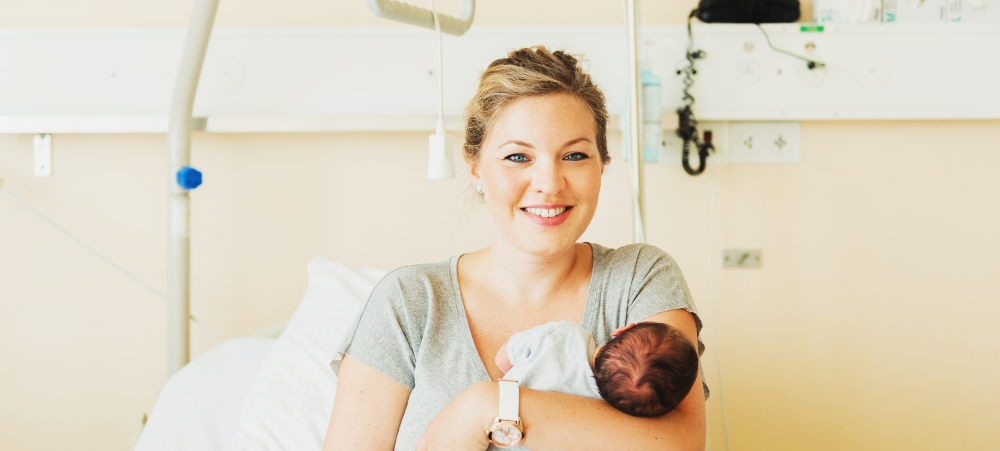
As a new mom, or a potential new mom, you are probably wondering how long your body will take to recover post birth and pregnancy. The postpartum period is generally regarded as the first six weeks after childbirth. This is an important time for both you and your baby, as you there are lots of emotional and physical adjustments that happen in this period. Recovering from having a baby can be a long process, especially considering that you now have a new baby to look after as well. What can I expect postpartum? Postpartum recovery will differ between moms and pregnancies. If you have opted for a vaginal birth, your vagina will hurt postpartum, and recovery can take 3 to 6 weeks depending on if you had an episiotomy or your perineum tore.  C-section incisions can be painful and you can expect a recovery period of 4 to 6 weeks. Initially you may find moving difficult, but it’s important to move a little bit to avoid blood clots. Some new moms can experience difficulty urinating, perineal discomfort or soreness, vaginal bleeding, contractions, constipation and breast tenderness post birth. During the postpartum period you may also feel irritable, anxious or have sudden mood swings, this is also known as the ‘baby blues’ and is caused by hormonal changes in the first few weeks. However, if this period is extended you could be suffering from postpartum depression, and should speak to your doctor about this. How can I help my postpartum recovery? Be aware of pushing yourself to return to ‘normal’ as soon as possible, even if you have had an easy pregnancy and birth, your body has still been through an ordeal and you will need time to recover. Avoid over exercising (even if it’s tempting to get straight back into it!) and trying to socialise too much with friends and family eager to meet the new baby.  Don’t be afraid to ask people for space and to limit your baby’s visitors.

Bonitas – innovation, life stages and quality care

Covid – how and when might it all end?

Covid-19 has disrupted the world in so many ways, including the uncertainty of what the future holds. The Bonitas Medical Fund clinical and actuarial teams unpack some of the pandemic versus endemic terminology and offer scenarios for the future. Since the start of Covid-19, the word ‘pandemic’ has been on everyone’s the lips. What is a pandemic and what is the difference between an outbreak, an epidemic and a pandemic? According to Harvard Medical School, ‘An outbreak is a sudden increase of an infectious disease in a particular place, an epidemic is a larger outbreak in a restricted country or community, while a pandemic means a global epidemic.’ Do the governments of various countries decide there is a pandemic? It is the World Health Organization (WHO) which declares a global pandemic as was the case on March 11, 2020, when the virus was present in over 110 countries. WHO will also decide the degree of severity and communicate this to the world? The declaration gives governments time to prepare for the pandemic, legislate laws and restrictions – such as travel and trade – and begin emergency procedures to protect their citizens.  What are the criteria for a pandemic? There is no universally agreed definition of when a disease outbreak should be called a pandemic but there are three reasons WHO can declare a pandemic, when: The disease causes death There is persistent transmission between people It spreads in multiple countries The Centre for Disease Control (CDC) explains it as a ‘term most often applied to new influenza strains’ and says it’s used when viruses can infect people easily and spread from person to person in an efficient and sustained way in multiple regions. The declaration refers to the spread of a disease, rather than the severity of the illness it causes. What are examples of other pandemics? Past pandemics, which had a profound effect on the world, were the Plague or Black Death in the 14th Century, the outbreak of flu in 1918 each killing around 50 million people. Both the AIDS pandemic and Covid-19 are more recent. Who keeps a finger on the pulse of the pandemic? During pandemics, epidemiologists work as profilers. They are experts in the branch of medicine which deals with the incidence, distribution and possible control of diseases. Epidemiologists are scientists who: Trace, monitor and predict the movement and behaviour of a pathogen to create a detailed portrait. Key epidemiological questions include: What is the spectrum of disease severity? How transmissible is the virus and who is most likely to spread it?  What are the risk factors for severe illness and death? How does the behaviour of the infection vary by location and does it change over time?  Answers to these questions can determine what public health measures should be implemented and what resources should be allocated. These choices have a profound effect on the outcomes. Who decides that a pandemic is over? The pandemic may be widely considered over when WHO decides the virus is no longer an emergency of international concern. It is generally when the infection is mostly contained and rates of transmission drop significantly throughout the world.   The expert committee reassess every three months and the world are waiting for a decision from WHO regarding the end of the pandemic as we know it. However, they are still anticipating a 5th wave. Despite this the organisation is calling for travel bans to be lifted as they have proved to be ineffective in stopping the spread of the Omicron variant.  Downgrading from pandemic to endemic There is a consensus that Covid-19 will eventually settle into becoming a more predictable virus, like the flu. This means there will be seasonal outbreaks but not the huge numbers the world is experiencing now.  It will transition from a pandemic phase to endemic phase and the world will adapt to living with it.  What is the difference between endemic and pandemic?  Endemic means the disease is still circulating but at a lower, more predictable rate — and with fewer people being admitted to hospital.  Epidemiologists would consider a disease endemic when levels are consistent and predictable – unlike the ‘boom and bust’ waves we have seen so far in the pandemic. That said, just because it’s endemic it doesn’t mean to say it’s not serious. Smallpox, for example, was endemic for thousands of years and a third of the people who were infected, died. Malaria is also endemic and causes around 600 000 deaths a year. What are the hypotheses for the way in which the pandemic will end?  It is difficult to predict when the pandemic will end but three scenarios emerge as the most probable. It is important to note that these will be determined by WHO and governments around the world. 1.Getting through it as quickly as possible This means the government allows people and communities to be exposed as quickly as possible so that most people have been infected or developed immunity. At some point herd immunity will be reached – when the virus cannot find new hosts -and the pandemic slowly peters out. The problem with this is that hospitals reach peak capacity very quickly and millions may die. 2.Slow it down or delay it and vaccinate As happened with most countries’, governments used various methods to slow down the spread. This reduces the number of lives lost but the virus still spreads slowly and many of these measures have a devastating effect on the economy. 3.Co-ordinate globally to crush it This is achieved by introducing travel bans, quarantining, social distancing and restricting travel.  In this scenario the world should co-ordinate efforts to reduce transmission.  In the best-case scenario this could end the pandemic swiftly with low loss of life. The virus will not be eliminated through this means alone but reduced transmission and spread.  Each has its pros and cons but it’s generally accepted that vaccination, assisted by as much global coordination as possible, is the best possible scenario. What is

Bonitas – innovation, life stages and quality care

All about Boosters

As the COVID-19 pandemic waxes and wanes around the globe, it is universally accepted that as many people in the world as possible need to be vaccinated to develop immunity. Depending on which vaccine you received, you will either have had one or two initial vaccines doses and then, between 2 and 6 months afterwards are eligible for a booster. Kathy Malherbe speaks to Dr Morgan Mkhatshwa, Head of Operations at Bonitas Medical Fund, about COVID-19 immunity, vaccines, boosters and the way forward.  What do boosters and vaccines do? They develop immunity against infections. In the case of COVID-19, when we are fully vaccinated, we acquire what is called ‘vaccine-induced immunity’.  However, it has been shown that the immunity created by vaccines may wane over time so an additional dose of the vaccine (full or half strength) – in the form of a booster- is then given to provide the strongest and long-lasting protection possible. What exactly is immunity? Simplified, it is your body’s ability to protect you from becoming ill when you encounter a germ (virus, parasite, fungus, bacteria). It is not a simple process but essentially your body produces cells that try to stop the invading germs. This includes cells which ‘memorise’ a particular infection or germ and then recognise it when it returns and try to destroy it.  Immunity can be natural or vaccine induced Natural immunity is your body’s natural ‘fighting mechanism’ which creates antibodies to fight an infection. If you get a disease mildly (like COVID) you do not develop a powerful natural immunity and your natural immunity, regardless of how strong it is, weakens over time – faster than immunity from a COVID-19 vaccine. For this reason, it is recommended that even if you have natural immunity, you still need a COVID-19 vaccine. Why is a booster necessary when you are fully vaccinated Fully vaccinated people have proved to be well-protected from becoming severely ill or dying from COVID-19. So, you may ask why a booster then? Even though vaccines protect you, their efficacy does lessen over time, regardless of which variant of COVID, especially with people 65 years and older. This is not only in the case if a COVID vaccine. If a vaccine does not contain a live, (weakened) virus, a booster is required in most cases.  The COVID vaccine does not contain any form of live viruses and, like other inactivated vaccines, will need several doses over time to remain effective. The booster is designed to help people maintain their level of immunity for longer. It is important to know that immune responses can differ in people who get COVID-19 and recover from the illness There are many vaccines which require a booster so you’re more than likely going to receive at least one in a lifetime.  When should you have a booster shot? For those who received the double-dose Pfizer vaccine, you’re eligible for a booster shot at least 6 months after the final dose of the vaccine was administered  If you received the Johnson & Johnson vaccine, you should get a booster if you’re 18 or older and got vaccinated two or more months ago Can you have different booster shots from the original vaccine? The South African Health Products Regulatory Authority (SAHRPA) has not licensed mix and match vaccines. However, there is good evidence that mix and match vaccines are just as effective (and sometimes better) at increasing antibody levels. SAHRPA has requested submission of evidence to support this approach, so watch their website for updates.  Do booster shots use the same ingredients as existing vaccines? Yes. COVID-19 booster shots are the same ingredients (formulation) as the current COVID-19 vaccines. Some boosters have the same ingredients but it is not a full dose. J&J and Pfizer boosters are the full dose. Are there side effects from the booster shot? There is a chance you may feel like you have mild flu after your booster shot. This could include a sore and even slightly swollen arm, a temperature, a headache and fatigue for a day or two. These symptoms mean that your immune system is responding to the shots and building up immune protection against the coronavirus. Can I have a booster if I am immune compromised? Yes, but should be referred by your doctor. Persons who are immunocompromised should receive an additional Pfizer or J&J booster at least 28 days after receiving their last vaccination.  Presently, persons who are considered immune-compromised should have the same booster as the initial vaccine dose (or doses).  Even though there is talk that COVID-19 will move from being a pandemic to endemic, there’s no getting away from the fact that this virus will be part of our lives for a long time and we will need to learn to live with it. Which means that in order for the world to develop immunity against the virus, as many people as possible need to be vaccinated and also receive booster shots.  

Bonitas – innovation, life stages and quality care

Health at School

The school year is in full swing and children are as busy as ever with all their activities and homework. By following a few lifestyle tips you can keep your child healthy and cut down on their sick days says Bonitas Medical Fund.

Bonitas – innovation, life stages and quality care

Your pre- hospitalisation check list

Waves of Covid-19 and the emerging variants meant that several elective surgeries were postponed to minimise the use of hospital beds and to avoid unnecessary exposure to the virus.  As the number of infections decrease, surgeons and hospitals are catching up on the backlog of elective surgeries.  So, what exactly is elective surgery? It does not mean, as the name implies, that the surgery is optional but rather that it doesn’t need to be performed immediately. It can be scheduled at the patient’s and surgeon’s convenience.  Dr Morgan Mkhatshwa, Head of Operations at Bonitas Medical Fund, says there are pre-hospitalisation requirements for those going in for elective surgeries. Here’s a quick checklist.   Hospital networks Medical schemes negotiate preferential rates with Designated Service Provides (DSPs) who have partnered with them to ensure that members get the best quality services, at the most cost-effective rate so that benefits are optimised. If you use a network hospital, doctor or pharmacy you will not be charged more than the agreed rate. This will help you avoid co-payments and make your medical aid last longer. So, to reduce co-payments and even avoid them altogether, find a healthcare professional on your schemes network.  Pre-authorisation All procedures that take place in a hospital must be pre-authorised. Essentially, it’s an agreement between the medical aid and the hospital, indicating a willingness to pay for costs associated with the visit. But even if you do have pre-authorisation your medical aid is not promising to cover 100% of the costs.  All pre-authorisation requests are evaluated against the different schemes’ rules and clinical funding policies however, you remain responsible for any shortfall, including any co-payments. If you are unsure how to go about the process speak to your broker or your medical aid.  Quotes A quote is not the same as a pre-authorisation. Most medical aid plans have varying hospital benefits, according to the level of cover you have chosen and they also have a ‘rate’ and which they reimburse healthcare providers. This means that even if the payment is 100% of the rate, this is not necessarily what the healthcare provider will charge, they may charge 200% of your medical aid rate. Asking for a quote prior to being admitted to hospital means you will know what your medical aid will pay and what payment you might be responsible for. It gives you an opportunity to negotiate and eliminates any additional ‘surprise’ co-payments required after the procedure. Co-payments Medical practitioners, hospitals and pharmacies often charge more than medical aid scheme rates, which could be between 100% – 300% of the medical aid tariffs. A co-payment refers to the outstanding portion of the account, for which the member is responsible. This co-payment varies from one medical scheme to another and is sometimes not required if members use DSPs or network hospitals.   Day hospitals Consult with your surgeon to see if your surgery can be done in a day hospital. Globally, day surgery hospitals have changed the experience of patients by offering an alternative to acute/conventional hospital surgery. The advantages include: No overnight stay, ideal for children so they don’t have the trauma of overnight stays; there is a lower risk of infection because patients go home on the same day and there is a decreased waiting list.   Step-down facilities Your medical aid will stipulate the number of days you need to stay in hospital and check whether you will need a step-down facility when you are discharged. There are several facilities where patients can be cared for and start rehabilitation in conjunction with other medical professionals, for example physiotherapists.   Home-based care Find out if you are eligible for home-based care after your procedure. Many patients prefer to be discharged from hospital as soon as possible and receive Hospital-Level Care at home. This means good, clinical quality care which translates into a great patient experience and is also more affordable With Hospital-Level Care at Home, nurses, other health providers and caregivers are an essential element of the care continuum and play a critical role in recovery. GAP Cover Gap Cover is an additional insurance cover that complements medical schemes.  It helps to pay the difference in cost between the amount the specialist or hospital charges and the amount paid by a hospital or medical plan. You will be required to pay any shortfalls (co-payments), after which you may claim from your Gap Cover. Keep all documentation related to the surgery and hospitalisation to submit to the Gap Cover provider.  Covid-19 Test For emergency admissions, a Rapid Antigen Test is performed at the hospital but for elective surgery you are required to have a PCR test a maximum of 72 hours before admission. If your test is positive, you will have to delay your surgery by at least 10 days and then re-test. Pre-admission Pre-admission can be done a few days before you are scheduled for surgery and makes the admission process less stressful on the day. Pre-admission involves answering a series of questions and tests to eliminate the possibility of allergic reactions, drug interactions or physical complications before, during and after the surgical process. For administrative purposes the following items are required upon admission: Your identification document or passport Your medical aid card Authorisation number supplied by your medical aid, or the letter of guarantee issued by your insurer X-rays, if applicable Chronic medication, if staying overnight Dr Mkhatshwa says, ‘In addition to these, remember to take any chronic medication you are on to the hospital and make sure the doctor/anaesthetists are aware of what you are taking.  By following this checklist and making sure the surgeon and hospital have all the necessary information, you will eliminate unnecessary stress ahead of your procedure and prevent unpleasant surprises when you are supposed to be recovering.’

Bonitas – innovation, life stages and quality care

Give your body a leg up – immune boosting

Now more than ever we need to find ways to boost our immune systems as much as possible. And, while there are no medications or immunity-boosting supplements that can cure or prevent the coronavirus, there are some simple lifestyle changes we can make and steps we can take to strengthen our defences. Good nutrition can also reduce developing other health problems including obesity, heart disease, high blood pressure, diabetes, and some types of cancer. Dr Morgan Mkhatshwa, Head of Operations at Bonitas Medical Fund says, ‘Eating a healthy diet, high in immune-boosting nutrients, is just as important during this pandemic. What we eat and drink can affect our body’s ability to prevent and fight disease and recover from it. This is one of the ways in which we can improve our health proactively.’   What is the immune system? The immune system is a complex network of cells and proteins that defends the body against infection. It also keeps a record of every germ (microbe) it has ever defeated, so it can recognise and destroy the microbe quickly if it enters the body again. There is no magic pill that will instantly boost your immune system. However, together with a healthy lifestyle, various supplements can boost your immune system and give you a fighting chance.  Together with those people who have not been vaccinated, it is well documented that people with co-morbidities and poorly functioning immune systems are at the highest risk of getting really ill from Covid-19. Although you cannot suddenly reverse a co-morbidity or instantly boost your immune system, now is a good time to make your health and natural defences a priority.  Tips for maintaining a healthy diet: Eat a variety of food, including wholegrains (like maize, oats, rice, and legumes) as well as plenty of fruit and vegetables in your diet Limit salt intake to 5 grams (a teaspoon) a day Eat moderate amounts of fats and oils. Avoid saturated fat (animal fat). Try steaming instead of frying when cooking Limit sugar intake. This includes sweets, fizzy and sugary drinks. Choose fresh fruit over biscuits, cake, and chocolate Drink water. Good hydration is crucial for good health so make sure you drink enough water. There are many foods with high water content – such as cucumbers and celery – add these or lemon and mint, to a glass of water.  ‘Ideally we should try and get all our vitamins from the food we eat. However, that’s not always possible which is why taking vitamin supplements can help bridge the gap,’ says Dr Mkhatshwa. ‘The recommendation for general health is a combination of essential vitamins and minerals to keep your body healthy.’ Vitamin C: Key to fighting infection is to increase white blood cell production, eating foods high in vitamin C – such as grapefruit, oranges, sweet red pepper, broccoli, strawberries, kale, and tomato juice – are thought to help plus Vitamin C has been shown to reduce the duration and severity of upper respiratory tract infections.  Beta-Carotene: Beta-carotene converts into vitamin A, which is an anti-inflammatory vitamin that can help your antibodies respond to toxins, such as a virus. Beta-carotene is found in carrots, spinach, kale, apricots, sweet potato, apricots, and squash.  Vitamin E: Is an essential antioxidant that helps fight cell damage and supporting immune system function. Foods rich in vitamin E include nuts, peanut butter, seeds, avocado and spinach. Antioxidants: Green tea is packed with antioxidants that have been shown to enhance immune system function. It also contains amino acids that may aid in the production of germ-fighting compounds in your T-cells, which reduces inflammation in the body and helps fight infection.  Vitamin D: This vitamin also fights off infections and maintains strong bones. It is found in salmon, canned tuna, egg yolks, milk, cereals, breads, and mushrooms. Alternatively, make sure you expose your body to 13-15 minutes of sunshine three times a week for a natural Vitamin D fix. Studies have shown that Vitamin D can expedite healing and stall inflammation in the respiratory system but there has not been robust clinical evidence to prove its use against Covid-19. Probiotics: Live cultures, known as probiotics, are said to help stimulate the immune system to fight off disease. Yogurt, Kombucha, Sauerkraut, Kimchi, pickles as well certain types of cheese contain live cultures. Vitamin B-6: Is essential in the formation of new and healthy red blood cells and helps maintain the lymphatic system. Chicken, turkey, cold-water fish (salmon and tuna), chickpeas (traditional hummus), bananas, fortified breakfast cereal and nutritional yeast are great options for consuming vitamin B-6. Zinc: Is a mineral that our body doesn’t store or produce, however our Immune system cells need zinc to function as they are intended, it boosts the metabolism along with healing wounds. Red meat, shellfish, poultry, beans/legumes, and nuts/seeds are high zinc foods.  ‘During this global pandemic we need to understand that our actions are not just to protect ourselves but also those around us,’ says Dr Mkhatshwa. ‘The risk of contracting Covid-19 is higher in crowded spaces so, reiterating what the President said, we need to heed the call to make sure you socialise outdoors or have plenty of fresh air flowing through your homes and workplaces. The World Health Organization talks about avoiding the 3Cs: Spaces that are closed, crowded, or involve close contact. ‘We need to work together to contain the spread of Covid-19 especially during the various mutations of the virus. With the 4th wave upon us, we need to vaccinate, wear masks, keep our distance, follow good hygiene protocols, boost our immune systems and get plenty of exercise and fresh air.’

Advice from the experts
Parenting Hub

Infertility: Don’t wait until it’s too late!

Parenthood is undeniably one of the most universally desired goals in adulthood, and most people have life plans that include children. However, not all couples who want a pregnancy will achieve one spontaneously and a proportion will need to seek medical treatment to help resolve underlying fertility problems. It’s therefore understandable that infertility has been recognised as a public health issue worldwide by the World Health Organisation (WHO).  “Infertility is when you cannot get or stay pregnant after trying for at least a year and you are under the age of 35,” says Dr Sulaiman Heylen, President of the Southern African Society of Reproductive Medicine and Gynaecological Endoscopy (SASREG). One in every four couples in developing countries is affected by infertility, while one in six couples worldwide experience some form of infertility problem at least once during their reproductive lifetime. The current prevalence of infertility lasting for at least 12 months is estimated to affect between 8 to 12% worldwide for women aged 20 to 44. In recent years, the number of couples seeking treatment for infertility has dramatically increased due to factors such as postponement of childbearing in women, development of newer and more successful techniques for infertility treatment, and increasing awareness of available services. This increasing participation in fertility treatment has also raised awareness and inspired investigation into the psychological ramifications of infertility. It can cause stress, depression and anxiety, which is why it is important to know that there are options available for treatment. Age is a key factor “Up to 50% of all patients who visit a fertility centre are 35 or older. We cannot stress enough how important it is for people not to wait too long when they consider having children. Young women need to be aware that there is a slow decline in fertility from their 20s until the age of 35, after which it starts to decrease rapidly until the age of 45,” says Dr Heylen. “It’s extremely important for couples to investigate fertility options and fertility preservation earlier in life, rather than leaving it too late. A woman who is not ready to have a child can choose to freeze her eggs to try to preserve her ability to have a child later,” says Dr Heylen.  It’s estimated that 20 to 30% of infertility cases are explained by physiological causes in men, 20 to 35% by physiological causes in women, and 25 to 40% of cases are because of a problem in both partners. In 10 to 20% no cause is found. Infertility is also associated with lifestyle factors such as smoking, body weight and stress. A woman’s age is one of the most important factors affecting whether she is able to conceive and give birth to a healthy child. This is due to several changes that are a natural part of ageing:  The number and quality of eggs (ovarian reserve) decreases naturally and progressively from the time a woman is born until the time she reaches menopause.  It is not only more difficult to get pregnant (conceive), but miscarriage and chromosomal abnormalities in the child (such as Down syndrome) are more common in older mothers. Fibroids, endometriosis, and tubal disease are more common and can affect fertility. Women who become pregnant at an older age have a higher risk of complications during the pregnancy, such as gestational diabetes and preeclampsia. The decrease in a man’s fertility appears to occur later in life than in a woman’s fertility. In their mid-to-late 40s, men experience changes in their sperm that can cause issues with fertility, and chromosomal or developmental problems with their children. Lifestyle and family history If you have any of the following risk factors, you may also consider seeking advice earlier: Family history (i.e., mother or sister) of early menopause (before age 51) History of cigarette smoking in either partner Previous ovarian surgery Exposure to chemotherapy or radiation to treat cancer in either partner Shortening in the time between periods Skipped or missed periods History of injury to the testicles Exposure to toxic chemicals (certain pesticides or solvents) Pregnancy is a complex process Pregnancy is the result of a process that has many steps. To get pregnant: A woman’s body must release an egg from one of her ovaries (ovulation). A man’s sperm must join with the egg along the way (fertilise). The fertilised egg must go through a fallopian tube toward the uterus. The fertilised egg must attach to the inside of the uterus (implantation). Infertility may result from a problem with any or several of these steps. For the pregnancy to continue to full term, the embryo must be healthy and the woman’s hormonal environment adequate for its development. When just one of these factors is impaired, infertility can result. Couples, dependent on the ages of the partners, are generally advised to seek medical help if they are unable to achieve pregnancy after a year of unprotected intercourse. The doctor will conduct a physical examination of both partners to determine their general state of health and to evaluate physical disorders that may be causing infertility. Usually both partners are interviewed about their sexual habits in order to determine whether intercourse is taking place properly for conception. If no cause can be determined at this point, more specific tests may be recommended. For women, these include an analysis of ovulation, x-ray of the fallopian tubes and uterus, and laparoscopy. For men, initial tests focus on semen analysis. “Based on the results of the specific tests, a treatment plan will be made which can include medication, surgery or assisted reproduction,” says Dr Heylen.  Treatment options Not all couples who desire a pregnancy will achieve one spontaneously and some will need medical help to resolve underlying fertility problems. It is now estimated that more than 9 million babies have been born worldwide since the first IVF baby was born in 1978. Most assisted reproductive technology (ART) treatments take place in women aged between 30 and 39. The most common fertilisation technique is ICSI

Happy Family Organics

Baby and tot picky eater meal plan by Happy Family Organics

It seems we constantly hear about kids being picky eaters; it may feel like we are condemned to have a child who will eat nothing but chicken fingers and pizza. Is there anything you can do to raise an adventurous eater? Plenty actually, starting right now!

Bonitas – innovation, life stages and quality care

Virtual medical consultations now available 24/7

Staying healthy remains a priority for South Africans especially during the COVID-19 lockdown. However it can be a challenge to seek medical help when the Government is asking us to stay home, wear masks, wash our hands frequently and practice social distancing. The solution lies in virtual care.

STBB

Applying for a protection order against Domestic Abuse

It is not uncommon for people in South Africa to find themselves trapped in an abusive relationship. Children are often the victims of domestic violence either directly, or indirectly by being a witness to the abuse which can have a dire and lasting impact on them.

I Walk Awake

Manage Teen Burnout: Try Resilience Coaching

To break-through these struggles we need to build our motivation and self-esteem from the inside out. This means that at the beginning of each day you should take a conscious look at how you are doing. For example, you should score yourself out of 10 on physical energy, emotional wellness, mental sharpness and connection to purpose or a greater cause. Where you score lower, you can ask yourself what you need to make happen in your day ahead that will raise that score. What are you grateful for right now? What is your intention for today? What affirmation can you choose or create to frame your day ahead?

Done with compassion and genuine curiosity, this “checking in” morning practice will not only get you conscious, but will also support you in building and staying true to healthy personal habits.

Happy Family Organics

What are superfoods and why do we need them?

The term “superfood” is relatively new, but it has become extremely popular. “Superfoods” refer to foods that have exceptionally high nutritional value in the form of vitamins and minerals, and minimal calories. They are also known for being packed with antioxidants.

Bonitas – innovation, life stages and quality care

Vaccine against Streptococcus Pneumoniae

The World Health Organization (WHO) stresses that although pneumonia vaccines are not effective against COVID -19, vaccinations against respiratory illnesses are highly recommended to protect your health and lowering the risk of becoming infected with any respiratory disease during this time. WHO also states that globally more children, under the age of 5, die from pneumonia than malaria, AIDS and TB combined. In SA, flu and pneumonia rank second – after intestinal infectious disease – as the leading cause of children under 5, which doesn’t make sense when vaccines are available in both the private and public healthcare sector for children and adults. Bonitas Medical Fund recommends having a flu vaccine, it is the first line of defence when it comes to protecting yourself. For those who are at risk of pneumonia, a second vaccination against Streptococcus pneumouniae is also recommended. What is pneumonia? Pneumonia is inflammation of the lungs caused by an infection. Many organisms can cause lower respiratory tract infections or pneumonia. Mixed infections with multiple viral and/or bacterial infections are common. Streptococcus pneumoniae is a bacterium known to be a common cause of bacterial pneumonia in South Africa. Pneumococcal infection may cause mild disease such as a middle ear infection or more complicated infections like pneumonia or an infection of the blood called bacteraemia. In South Africa, individuals at risk of more severe or invasive pneumococcal disease include the elderly, HIV-infected individuals and individuals with chronic medical conditions (e.g. chronic lung disease). Severe disease may require hospitalisation for treatment and may result in death. These streptococcal bacteria can spread from the nose, throat and ears of infected individuals.  Pneumococcal vaccine  Two pneumococcal vaccines are registered for use in adults (over 18 years of age) in South Africa: The 23-valent polysaccharide vaccine (PPV23) and the 13-valent pneumococcal conjugate vaccine (PCV13). PCV13 is also included in the South African Extended Programme of Immunisation (EPI) for childhood vaccines and is given to infants at 6 weeks, 14 weeks and 9 months.  These vaccines aim to provide immunity against the types of Streptococcus pneumoniae that are most commonly associated with severe disease. According to local clinical guidelines from the South African Thoracic Society and Federation of Infectious Diseases Societies of Southern Africa, since the introduction of the PCV13 into the EPI there has been a reduction in the number of cases of pneumococcal pneumonia caused by these types of Streptococcus pneumoniae in South Africa. Who should have the vaccination? Infants routinely receive pneumococcal conjugate vaccines (PCV13) as part of the EPI for childhood disease*. The pneumococcal polysaccharide vaccine (PPSV23) is recommended for individuals who are at risk of developing severe disease*: individuals 65 years or older  anyone with chronic medical conditions affecting the lung, heart or kidneys HIV-infected individuals  Those with a compromised immune system due to other medical conditions (e.g. individuals with cancer) Pneumococcal vaccination during the COVID-19 pandemic The pneumococcal vaccination is not active against the novel coronavirus and will not protect you from becoming infected; it will offer protection against Streptococcus pneumoniae.  However, the National Institute of Communicable Disease (NICD) states the following, ‘any intervention to lower the risk of becoming infected with any respiratory disease at this time may be of benefit. Lowering the risk of acquiring a respiratory infection, will allow for less visits to clinics and less hospital admissions, thus decreasing the burden on the health infrastructure at this time and lowering ones’ exposure to acquiring COVID-19 in the hospitals/clinics.’ Although pneumococcal vaccination does not protect against COVID-19 mild or severe disease or COVID-19 pneumonia, it could play a role in preventing secondary pneumococcal pneumonia infections in those with underlying conditions and the elderly. When to get vaccinated?   If you think you may be within one of the groups at risk of severe pneumococcal disease, contact your pharmacy to check whether stock of the vaccine is available and schedule an appointment to be vaccinated.  Most medical aid plans offer a free flu vaccine annually to members as well as a once off –pneumococcal vaccine for those over the age of 65. As part of the preventative care benefit this is taken from risk cover so it doesn’t deplete members’ savings. Bonitas says that despite the evidence of the efficacy of both the flu and the pneumonia vaccinations, there is not enough uptake. To address this and encourage more members to get vaccinated the Scheme runs email and SMS vaccine drives targeted at the elderly, high risk/emerging risk members as well as children. It reports that this has shown an improvement in people taking the necessarily precautions, but the Fund still believes there is a long way to go.

Bonitas – innovation, life stages and quality care

Coronavirus – should you still have a flu vaccine?

The flu season is officially underway and, while Coronavirus is bringing the world to a standstill, it is important to remember that flu can be deadly too. Which is why it is important to have a flu vaccine.

RediscoverDairy

Affordable, nutrient-dense dairy is the star of tighter food budgets

As countries around the world, like South Africa, grapple with easing lock-downs and rebuilding economies, COVID-19 remains part of everyday life. Protection from the novel virus is likely to remain a high priority for the foreseeable future. Maintaining our health and supporting our immune systems has probably never been so important for our families. Many South Africans are also tightening the purse strings on their household budgets as the financial consequences of the pandemic response become starker and global recession looms.

Bonitas – innovation, life stages and quality care

Making sense of the numbers – cases, co-morbidities and costs

As the number of COVID-19 infections creeps closer to 20 000, both public and private healthcare is going to be under constant pressure. The World Health Organization (WHO) says its COVID-19 data to date suggests that 80% of infections are mild or asymptomatic, 15% are severe infections, requiring oxygen and 5% are critical infections, requiring ventilation.

Milas Meals

7 Steps to a Healthy Gut

Did you know that about 70% of our immune system is housed in our gut (or “gutter” as Mila calls it )? Well to be more precise, your gut lining houses 70% of the cells that make up your immune system. (1)

Bonitas – innovation, life stages and quality care

Supporting you through your pregnancy

Bonitas Medical Fund believes that as an expecting mom your pregnancy should be a unique and joyful experience. Through targeted support during each trimester, pregnancy education and specific related engagements – via telephone and digital channels – we aim to help you achieve this. With the new Maternity Programme we hope to improve the health of moms-to-be and, as a result, reduce possible complications.

Bonitas – innovation, life stages and quality care

Back pain during pregnancy and how to deal with it

Back pain is a common occurrence during pregnancy and can be frustrating to deal with. Unfortunately, if you have any pre-existing back problems you are more likely to struggle with back pain during your pregnancy. If you are suffering from back pain during your pregnancy and are wondering what you can do to help reduce it; we explain what causes it and how you can find some relief. What causes back pain during pregnancy  If you are experiencing back pain during your pregnancy you are probably wondering what is the root cause of it. Generally there are two types of back pain that expecting moms deal with. Pelvic pain, which is felt in the pelvic tailbone area, and lumbar pain which is similar to any lower back pain felt when not pregnant. There are a few culprits of back pain during pregnancy. Hormones, stress, weight changes and posture are all causes of sore and uncomfortable back. During your pregnancy, your hormones change. One of them, known as relaxin, softens the joints in the pelvic region. This can directly impact on your back’s ligaments, causing you back pain. Stress can also cause your back to ache, whether you are pregnant or not. If you are worried about your job, family or pregnancy, you can find that this added anxiety can contribute to back pain. This is due to the fact that anxiety can cause muscle tension, which can then translate into back pain.  Changes in weight as your baby grows and shifts in your centre of gravity can also be a cause of a sore back. If you’re already struggling with poor posture or back ache, then back pain during your pregnancy becomes far more likely. What can help relieve my back pain?  Completely alleviating your back pain may not be possible, but there are things you can try that could help ease and manage your pain. Avoiding lifting heavy objects, opting for flat, supportive shoes and getting plenty of rest are all things you can try to improve your back ache. Exercises that help strengthen your glutes and abs can also help relieve back pain. Prenatal yoga and water aerobic classes are examples of gentle exercises which can help strengthen your body. However, if you are feeling cramps, experiencing vaginal bleeding, feeling feverish, numbness or sporadic pain you should consider consulting with your doctor, as these are all more than just normal pregnancy back pain symptoms.

Organix

HELLO WE’RE ORGANIX!

We’ve been cooking up scrummy, nutritious baby and toddler meals and snacks since 1992. It may seem like common sense to us today, but making sure little ones ate a varied diet, full of texture and taste from real fruit and veggies, was a much less talked about idea back then, when our healthy-eating campaigner Lizzie Vann founded Organix. After searching in vain for healthy organic baby and toddler food she decided to make her own and this was how Organix was born.

Bonitas – innovation, life stages and quality care

Lifestyle diseases and Coronavirus

As the number of Covid-19 infections moves over 10 000, the health minister Zweli Mkhize has expressed concern about the huge risk group of South Africans suffering from high blood pressure, diabetes and obesity. In other words Comorbidities.

OneAid

Going Viral: Is It COVID-19 Or Something Else?

With COVID-19 following us into winter we are going to have many more other viruses to worry about. Viruses that cause the common cold and Influenza are going to peak over the next few months. Since many of these respiratory illnesses share common symptoms it can become confusing trying to figure out which virus is responsible for your symptoms and even cause you to panic unnecessarily every time you get a tickle in your throat thinking it’s Corona.

Toptots Head Office

The Science behind vaccinations

We all hate putting our children through any pain, but when it comes to protecting them from some pretty scary diseases, it is the least we can do for them. Our children are constantly exposed to many different viruses, bacteria, and other microbes from the time they are born. Most are not harmful, some are beneficial, but a few can cause disease. The body’s immune system helps protect us against these harmful infections. When we are exposed to infection, the immune system triggers a series of responses to neutralise the microbes and limit their harmful effects.

RediscoverDairy

Dairy under lockdown – all the best hacks

Dairy is such an integral part of our family’s healthy eating that we don’t want lockdown to compromise our daily enjoyment of these nutritious and versatile products. At a time, when we want to look after our health and support our immune systems, dairy in our diets has so much to offer as a unique high-quality protein source with a wide profile of essential micro-nutrients. Luckily, there are a variety of product solutions and lots of fantastic new hacks, shared by Rediscover Dairy, to help you easily manage, buy, store and use dairy during lockdown.

OneAid

COVID-19 In Children – What Do We Know?

As parents we worry a lot about our children’s health and most especially now, with this new coronavirus (SARS-Cov-2). With so much information currently available online about COVID-19 it can become difficult for us to sift through the real from the fake news. I hope to simplify things a little in this post and share some of the more convincing theories we have on COVID-19 in children.

Milas Meals

Happy Gut, Happy Kid, Happy You

The health of the gut is tied to our children’s overall health and wellness, their immune function, their brain function and even their temperament. (1) (2) (3)

Organix

A GUIDE FOR ENSURING YOUR TODDLER IS GETTING ALL THE GOOD NUTRIENTS THEY NEED

Knowing what your little explorer should be having in their diet, from good nutrients to the perfect portion size can be confusing. GOOD NUTRIENTS As your baby grows into a toddler, it’s a time of rapid change and development. Everything is a big new adventure which can make things tricky when it comes to food and mealtimes. Organix (a brand dedicated to making tasty and nutritious organic baby and toddler food) has put together a guide to find out what nutrients your toddler needs… Vitamin D: Needed for healthy bones. Under 5s will need to take a supplement as what they need can’t be found in food alone. Vitamin A: Helps keep little one’s immune system tip top along with their vision. Find it in liver, sweet potato and leafy greens. Zinc: Great for healing scratches and grazes and an energy boost. Lots of dairy foods, meat, fish and eggs contain it. Vitamin C: Helps with growth and repair of skin and other tissues. Oranges, mango, cauliflower, broccoli and berries all contain it. Iron: Essential for making healthy blood cells & carrying oxygen. It’s in red meat, fish, poultry, eggs & beans, lentils & dried fruits. PORTION SIZES There is no ‘ideal’ portion size for toddlers, they should be eating a balanced and healthy diet along with these portions of the four main food groups a day. 5-a-day fruit and veggies: Offer at each meal & as some snacks. Go for a rainbow of colours! 2-a-day protein foods: Meat, fish, eggs, crushed nuts, nut butters & pulses. 5-a-day starchy foods: Such as bread, rice, potatoes, pasta and cereals. 3-a-day dairy foods: Milk, cheese & yogurt (or calcium enriched plant-based alternatives).

Catrobatkidz

A Nutritional Guideline for Healthy Active Kids

Parents play a big part in shaping children’s eating habits. In a fast paced world where most parents have to juggle their time between work, play and home and are faced with all the latest food fads, it is no surprise that some parents may need some help understanding what healthy food for their little ones is. Getting children to eat what’s best for them can be a challenge, and giving in to their pestering for less-than-nutritious food can make it awfully confusing. Remember you are the parent and you do the shopping.

Parenting Hub

Cosmetix introduces ViroClean Hand Sanitizer

Cosmetix (best known for Caribbeantan, CATRICE and essence) is proud to introduce you to their newest product launch, ViroClean, an advanced hand sanitizer. Manufactured by Cosmetix in Cape Town, this fast-drying, non-sticky sanitizer contains 70% alcohol.

Parenting Hub

Meningococcal Meningitis is a devastating illness with a high mortality rate1a

World Meningitis Day is on 24 April and the theme for 2020 is #DefeatMeningitis. The aim of this day is to raise awareness about Meningococcal Meningitis in particular, a disease that can be devastating, with high fatality and a life-changing permanent impact on survivors, even when adequate treatment is provided.1a+f

Parenting Hub

KEEDMASKS PROTECT SOUTH AFRICAN CHILDREN

Proudly South African children’s clothing boutique, Keedo, part of the Cape Union Mart Group, operates with a passion for children, and a love for creating items that are best suited to their growth, development and comfort. With decades of experience in designing items exclusively for kids, “Keedo” has become a trusted name when it comes to child health, safety and care.

Parenting Hub

Ford Designs Fun Activity Book To Entertain Kids During Lockdown

As the COVID-19 pandemic continues, South Africans enter Week 2 of the national lockdown. Ford South Africa, like all other major players in the local auto industry, has temporarily suspended production at its vehicle assembly plant in Pretoria, and its engine assembly plant in Port Elizabeth.

Sidebar Image

Scroll to Top