Expert Advice from Bonitas Medical Fund
Parenting Hub

Roll up your sleeve – it’s time for the flu vaccination

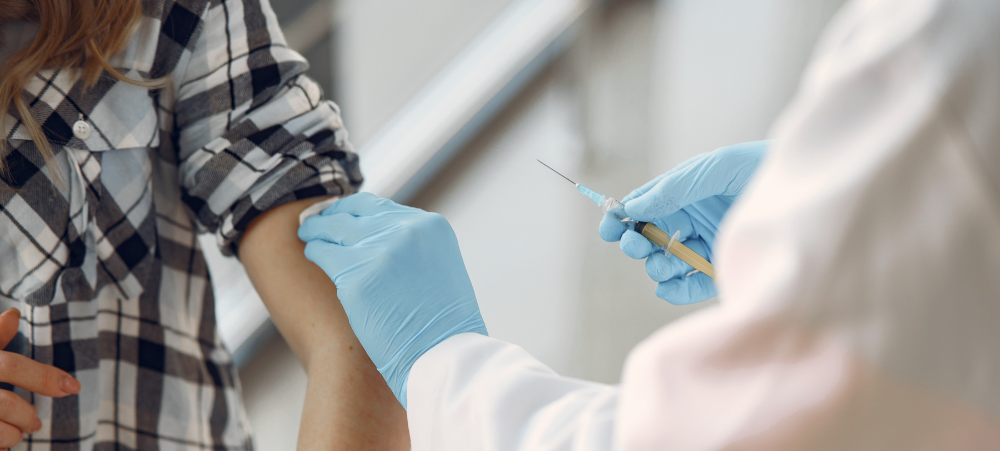
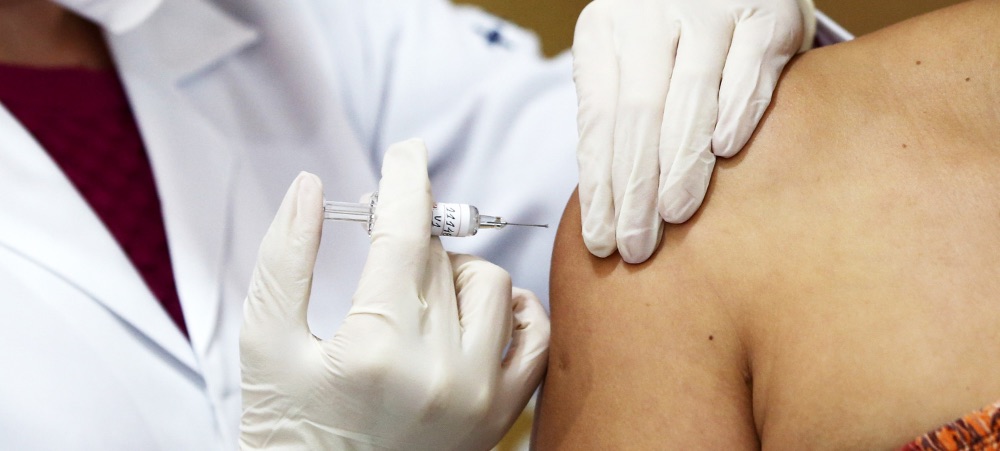
The days are getting shorter and the nights longer which means winter is on its way … and with the change in season comes the start of ‘flu season’. Dr Morgan Mkhatshwa, Clinical Executive at Bonitas Medical Fund, provides some important information about flu and why a flu vaccine is highly recommended.  He says it’s important to take extra precautions as we head into winter. ‘Understanding how to protect yourself and your loved ones this flu season, will make a difference in staying as healthy as possible’. What is Influenza? According to the National Institute for Communicable Diseases (NCID) influenza or ‘flu’ is an acute viral respiratory infection, transmitted by the influenza virus. This virus has three main types A, B and C. The currently circulating seasonal viruses are A (H1N1), influenza A (H3N2) and influenza B viruses. The flu viruses are typically in circulation in the winter months in South Africa with an average start of the first week of June. Why vaccinate? Although the flu vaccine will not completely eliminate your risk of developing the flu, it will help reduce your risk of developing a severe infection and recover faster. Annually, seasonal flu kills between 6 000 and 11 000 people in South Africa, which is they having the flu vaccine is a good precautionary measure.   Do I need a flu shot every year? The short answer is yes.  The flu virus mutates and changes which means last year’s vaccine will not keep you safe this year. The flu vaccines for 2023 are: Vaxigrip Tetra and Influvac Tetra, both available as a single dose 0.5ml shot.  The vaccine helps produce antibodies and boost your immune system to fight off the virus.  It’s best to vaccinate in April or May, before the start of flu season. Flu vaccinations are available at most pharmacies and the costs are generally covered by medicals schemes. Who should get a flu vaccine? It is recommended that anyone in the high-risk groups should have a flu shot – these include:  Healthcare workers  Individuals over 65 years of age  People with cardiovascular disease, including chronic heart disease, hypertension, stroke, diabetes, chronic renal disease and chronic lung disease (including asthma and chronic obstructive pulmonary disease)    Pregnant women  People living with HIV/AIDS  Who should NOT have the flu vaccine? Individuals who are allergic to eggs or egg proteins as the manufacturing process involves the use of chicken eggs  Infants under 6 months of age – the vaccines are not licensed for use in such young children  Individuals who may have had a severe reaction to a flu vaccine in the past – if you are unsure discuss with your healthcare provider  Individuals who may be suffering from flu symptoms already  Can the flu shot give me a mild flu? According to the Centre for Disease Control (CDC), no, the flu shot cannot cause flu. Vaccines are currently made either with flu vaccine viruses that have been ‘inactivated’ and are not infectious or with no flu vaccine viruses at all.  However, you might experience some common side-effects from the vaccine such as are soreness, redness, tenderness or swelling where the shot was given. Serious allergic reactions to flu vaccines are very rare.   Are Covid-19 and flu viruses similar?  The World Health Organization (WHO) says that Covid-19 and influenza viruses are similar in disease presentation, mainly because both cause respiratory disease, which presents a wide range of illness from asymptomatic or mild through to severe disease and death.  In addition, both viruses are transmitted by contact, droplets and any material that can carry infection. As a result, the same public health measures such as hand hygiene and social distancing is recommended to avoid contracting flu or when you have flu. Am I able to get the flu vaccine and a Covid-19 vaccine or booster shot together? Yes, however, it is recommended that if you decide to have both vaccines at the same time, one should be on the left arm and the other on the right.  ‘The flu virus can spread very quickly,’ explains Dr Mkhatshwa. ‘Even if the flu vaccine might not prevent you getting flu, it will reduce your risk and, if you do get it, it will be a great deal milder.  ‘More importantly, by having the flu vaccine you protect others, who may be vulnerable family members, small babies, the elderly or those who are immune compromised.’


Bonitas – innovation, life stages and quality care

Bonitas Medical Fund / The Gift of the Givers Foundation Audiology Project

Q & A The Bonitas/Gift of the Givers Audiology Project has allowed the audiology team to identify and assist even more learners with possible hearing problems.   Number of learners tested to date:  1 225 learners at four schools during term 1 of 2023, many of whom received treatment where necessary. (Since the start of the audiology project in 2019 a total of 13 727 learners have been tested) Number of learners identified with a hearing loss/ear pathology: 19 (180 in total) Number of wax removals done: 334 (1 807 in total) Follow up steps have been taken with both these groups of learners Part of The Gift of the Giver’s audiology intervention includes a follow up with parents and learners to ensure that they have received the necessary treatment. Each learner is given a referral form which they give to their parent/caregiver. The referral form has recommendations that the parent will need to follow through.  Based on the learner’s diagnosis the recommendations will require them to either visit a GP/ENT specialist/Audiologist for further assessment and management. In some cases, we will also refer to a Speech Therapist or Occupational Therapist. The families are required to visit the recommended professionals at their nearest hospital or clinic. The Gift of the Givers Audiology team  then make telephonic follow ups with the families in the following 2-3 weeks, to see if the recommendations have been followed through with.  How prevalent is hearing loss in South African school children?  Hearing loss is more common than we think, up to 19% of South African school children suffer from varying degrees of hearing difficulties.  Learners are meant to be screened from birth to 3 months with intervention taking place by 6 months of age (JCIH, 2019). However, in the South African context this does not take place due to the lack of resources as well as the lack of awareness regarding hearing loss signs and symptoms, leaving many children undiagnosed, or their hearing loss going unnoticed. Hence the Gift of the Givers audiology programme allows us to bridge this gap by allowing for early detection, identification, referrals and management of children with hearing loss or ear pathologies.  The number of primary school children globally who have some form of hearing impairment as a comparison. Over 5% of the world’s population – or 430 million people – require rehabilitation to address their disabling hearing loss (432 million adults and 34 million children). It is estimated that by 2050 over 700 million people – or 1 in every 10 people – will have disabling hearing loss. ‘Disabling’ hearing loss refers to hearing loss greater than 35 decibels (dB) in the better hearing ear. Nearly 80% of people with disabling hearing loss live in low- and middle-income countries. The prevalence of hearing loss increases with age, among those older than 60 years, over 25% are affected by disabling hearing loss. In South Africa, it is estimated nationally that the prevalence of hearing impairment is four to six in every 1 000 live births in the public health care sector (Swanepoel, Storbeck & Friedland, 2009). (See reference links below) According to the South African National Deaf Association (SANDA), children should have their hearing tested several times throughout their schooling: When they enter school, at ages 6, 8 and 10 and at least once during Grades 8 or 9 and Grades 10 and 12. Why is this necessary, what changes could happen between these tests and what causes it? According to the Health Professionals Council of South Africa (HPCSA) Minimum Standards for School Hearing Screening Policy (developed by the Professional Board for Speech, Language and Hearing Professions) : All school aged learners should be afforded access to hearing screening services once during each of the four educational phases (Foundation phase – Gr R-3; Intermediate phase – Gr 4-6; Senior phase – Gr 7-9; and Further Education and Training – Gr 10-12) (ISHP, 2012). Screening should also be offered to learners (HPCSA, 2018) At risk for academic failure or who are repeating a grade Parent/teacher concerns regarding hearing, speech, language or learning ability Previous or ongoing ear pathology WHO request hearing screening (self-referral). The importance of screening learners at these different stages is to account for any unaddressed hearing problems that could have occurred during the child’s schooling career. Some hearing losses may be acquired, for example:  A child may have experienced an injury/trauma to their ear which may have affected their hearing.  A learner may have developed recurrent ear infections, which if left untreated could result in a hearing loss. A learner may also have a delayed onset of hearing loss.  Some illnesses can result in hearing loss e.g TB, meningitis.  In some cases, learners are lost to follow ups ie. Learners who are previously identified, the families may not have gone through with the follow up process.  The Gift of the Givers Audiology Programme therefore takes this into account and assesses learners at both primary and secondary school level (Grade R till Grade 12).  Are there any case studies or short explanation of success stories directly as a result the Gift of the Givers audiology project?  Yes, many learners who were identified with hearing loss, whose parents/guardians followed through with the recommendations, were seen for further assessment and management at their hospitals and are now fitted with hearing aids. Learners who also presented with ear infections were seen by the GP/ENT to assist with treatment and management.  A recent case from the previous high school, there was a learner who was lost to the follow up process/mismanagement of her case. She was previously diagnosed at a hospital with a hearing loss when she was younger and her family was told that she needed hearing aids. The family was not informed when to come in for the hearing aids and no further follow ups were done over the years. When we assessed the learner, we also found she had a problem with the mobility of her jaw and mouth which was affecting

Bonitas – innovation, life stages and quality care

All you need to know about asthma

South Africa is ranked 25th worldwide for asthma prevalence and is ranked fifth for asthma mortality. The lack of appropriate diagnosis, treatment or access to care may be important considerations in tackling asthma morbidity and mortality in South Africa.

Bonitas – innovation, life stages and quality care

Ten tricky terms – Know your medical aid speak

Medical aid terms can be as difficult to decipher as your doctor’s handwriting. That’s why knowing medical aid speak is essential if you are going to understand your medical cover says Gerhard Van Emmenis, Principal Officer of Bonitas Medical Fund. 1. Medical schemes Medical schemes are not-for-profit and owned by the members of the scheme. In turn the scheme appoints a Board of Trustees to manage the affairs of the scheme to ensure that they are in the member’s best interests. This may also be known as medical aids or funds. 2. Medical scheme administrators Medical scheme administrators are separate entities to the actual medical scheme and operate on a for-profit basis. The medical scheme may go out to tender for an administrator but an existing contract with the administrator may also exist for a certain number of years. The administrator is responsible for managed the administration of the scheme such as processing claims. 3. Medical scheme plans There are usually a number of plans from which to choose. In general, more comprehensive plans are usually more expensive. The cover you need will vary according to your age, family size, dependents and income. It is important to look at your benefits holistically to ensure they offer you real value for money. Plans that offer more benefits in addition to your savings or benefits from risk generally offer more value. 4. Waiting periods when joining a medical aid scheme If you have not been on a medical aid scheme or a hospital plan, there may be a waiting period, which means you will continue to pay premiums but are not covered for a period that is outlined by the scheme. The Medical Schemes Act outlines that medical aid schemes are entitled to impose waiting periods: These vary from a 3-month general waiting period or a condition-specific of up to 12 months. 5. What is a late-joiner penalty? In South Africa, schemes can impose late-joiner penalties on individuals who join after the age of 35, who have never been medical aid members, or those who have not belonged to a medical aid for a specified period of time since April 2001. The reasoning for this is to ensure fairness (whereby members who have been part of a scheme for years are not subsidising newer members who have not contributed to the scheme).  6. Generics These are ‘cost effective copycats’ of the original drug. The pharmaceutical company that develops the original drug spends millions on research and development and so take out a patent to protect themselves for a period of time. After the patent has expired other drug companies can make the generic equivalent without the initial clinical research costs. They have exactly the same dosage, intended use, effects, side effects, route of administration, risks, safety and strength as the original drug.  7. Gap cover At times there may be a shortfall between what the medical scheme pays and what the hospital or specialist charges. As a member you are responsible for paying the difference. Even if you are on a top range medical aid plan, it doesn’t mean there will not be ‘gaps’ between the tariffs your scheme is prepared to pay and the amount your specialist charges. There is an insurance policy called Gap Cover which you can take out to pay for this shortfall.  8. Prescribed Minimum Benefits (PMBs)  PMBs are a mandatory set of defined benefits that medical schemes must provide cover for all medical scheme members. These ensure members have access to a certain minimum level of health services, regardless of the benefit option chosen. It currently covers medical emergencies, 25 chronic and 270 medical conditions. PMBs are being reviewed by the Council of Medical Schemes (CMS) with a view to aligning them with the proposed National Health Insurance. 9. Designated Service Providers (DSP) A DSP is a healthcare provider (doctor, pharmacist, hospital etc) that is the medical schemes’ choice for members to use. If you don’t use the DSP you may have to pay a portion of the bill as a co-payment. You can avoid co-payments and get more value for money by using preferred suppliers and DSPs. 10. Tariffs and rates of payment  Each Medical Schemes has a Rate of Payment ie the amount the medical scheme will pay for that service. Providers charge different rates known as the Scheme Tariff. Members often misunderstand that 100% of the Scheme tariff/rate doesn’t necessarily mean 100% of the account or what you will be charged.  However, as a patient you can negotiate the best possible rate with your healthcare provider. ‘Too often members do not understand what their medical aid option offers and are not familiar with the terminology,’ says Van Emmenis. ‘The best advice I can offer is to be informed. Take the time to read all the information supplied, including the fine print, and compare plans. If you are unsure phone the scheme and ask questions, or check with your broker. Your health and that of your family is important so it is vital that you are comfortable with the choice you make and are confident your healthcare needs will be taken care of.’

Bonitas – innovation, life stages and quality care

8 Vital health checks for men

Essential health checks or screenings are tests that are carried out by a medical doctor to check for diseases and health conditions, even before you may have any symptoms. By detecting diseases early on they are often easier to treat. Dr Morgan Mkhatshwa, Clinical Executive at Bonitas Medical Fund, talks about the most important check-ups for men. Colorectal Cancer Screening These tests look for cancer in the colon or rectum by checking for tissue growths, called polyps. If you have an elevated risk for cancer (such as a family history), then you should start having these tests from the age of 45. A colonoscopy, where the doctor looks at your entire colon, should be done every 3-10 years depending on what is found during your exam. A Faecal Immunochemical Test (FIT) which also screens for colon cancer by looking for hidden blood in the stool, should be annual. Prostate cancer Prostate cancer is one of the most common types of cancer in men.  It occurs in the small walnut-shaped gland that produces the seminal fluid that nourishes and transports sperm.   The growth is normally slow and it is the one type of cancer from which you have the best chances of recovery. However, while some types of prostate cancer grow slowly and may need minimal or even no treatment, other types are aggressive and can spread quickly. Most men with prostate cancer are older than 65 years and do not die from the disease. If prostate cancer is detected early — when it’s still confined to the prostate gland— there’s an excellent chance of successful treatment. Men, from the age of 50 (40 – 45 for those at high risk, with a family history of prostate cancer) should have an annual prostate examination.  How do you get checked for prostate cancer? Your doctor will recommend a blood test to check the levels of Prostate Specific Antigen (PSA) in your blood. PSA is a substance made by the prostate and can be elevated in men who have prostate cancer.  This must be supported by a rectal examination. Weight and BMI The Body Mass Indicator (BMI) is used to check if you are a healthy weight. To calculate your BMI: Divide your weight in kilograms (kg) by your height in metres (m)  Then divide the answer by your height again  Good to know Underweight <than 18.5 Normal weight 18.5 to 24.9 Overweight 25 to 29.9 Obese 30> Blood glucose With over 4.6 million people in South Africa living with diabetes, it’s important to check your blood glucose. There are two main types of diabetes: Type 1 and Type 2. They are different conditions but are both serious and need to be treated and managed properly. One of the biggest problems with diabetes is when it remains undiagnosed. This can lead to blindness, heart attackstroke, kidney failure, impotence and amputation so it’s vital to be checked. Blood pressure Hypertension (high blood pressure) is when blood pressure stays elevated over time. It is often referred to as the ‘silent killer’ since nearly 33% of people who have it, don’t know it.  If your blood pressure is too high, it puts extra strain on your arteries (and your heart) and if it’s not treated, hypertension can cause kidney failure, eye problems and heart disease. Skin checks Skin cancer is caused by the abnormal growth of skin cells – usually on the skin that has been exposed to the sun but not always. There are three major types of skin cancer: Basal cell carcinoma, squamous cell carcinoma and melanoma. Examine your skin carefully at least once a month and, if you are prone to getting lots of moles, go to a dermatologist and have the mole ‘mapped.’  If skin cancers are found and treated early, they are almost always curable.   If you have a history of skin cancer in your family have your skin checked regularly by a doctor.  Cholesterol levels Cholesterol is in every cell in your body. You need cholesterol to help your brain, skin and other organs do their jobs. But eating too much fat and cholesterol is not good for you and it can start to build up in childhood. Cholesterol is produced by your liver, it’s carried in your blood and can get into the walls of the blood vessels. This can cause the blood vessels to get stiffer, narrower or clogged. If the clogging worsens over the years, it can cause a heart attack or stroke in adults. Doctors can find out what your cholesterol level is by taking some of your blood and testing it. The two main types of cholesterol are: Low Density Lipoprotein (LDL) is bad cholesterol – a plaque builder and High Density Lipoprotein (HDL) is good cholesterol – which removes bad cholesterol from the body.  Testicular cancer Symptoms of testicular cancer include a lump, hardness, enlargement, pain or any other change in one or both of their testicles. It is a good idea for men between the ages of 15 and 55 to do a self-examination. This is best done after a warm shower and will help find the cancer at an early stage, when it is more likely to be successfully treated. If you present with any symptoms, visit your doctor immediate. The first step is usually an ultrasound but a blood test can also be done to detect the proteins which are produced by the testicular cancer cells. Remember early detection of any of diseases or health conditions can save your life. That’s why it’s important to go to your doctor for regular check-ups.  

Bonitas – innovation, life stages and quality care

Caffeine and pregnancy – am I allowed?

You may be wondering if your morning cuppa is something to be avoided now that you’re pregnant. Generally, caffeine should be avoided during pregnancy, as it can harm your baby. However, you can consume caffeine in small amounts, so you won’t need to go cold turkey on your coffee habit. But how much is too much? And what caffeine high food and drink should you be avoiding? How does caffeine affect you and your baby?  Too much caffeine can have a negative impact on both you and your baby. If you’ve drunk a lot before getting pregnant you may find adjusting to only one cup a day (or the equivalent) pretty tough. As a stimulant, caffeine has the effect of making you feel more awake and alert, but too much (even before getting pregnant) isn’t good for you. Caffeine can increase your blood pressure and heart rate, and leave you feeling fatigued when the stimulant has left your system. Caffeine is also addictive, while it doesn’t cause addiction in the way that drugs do, drinking it often can increase your dependency on it. When you’re pregnant your body will metabolize caffeine at a slower rate. Some studies have linked increased caffeine intake to miscarriage (although there are conflicting studies on this) as well as low birth weight. Because the risks aren’t fully understood it is best to limit your intake.  How much is enough? When you find out you’re pregnant it’s best to limit your caffeine intake to 200mg per day. This is the equivalent of two cups of instant coffee (filter coffee has more) or 3 to 4 cups of brewed tea. Energy drinks, sodas and chocolate are other sources of caffeine which you should consider. Remember, caffeine isn’t the only thing in these foods and drinks, energy drinks and sodas have lots of processed sugar, and some energy drinks also contain ginseng, which should be avoided during pregnancy. What are alternatives to caffeine?  If you are planning on sticking to as little caffeine as possible per day you’re probably wondering what healthy alternatives there are. Luckily in South Africa, rooibos tea is very popular and perfectly safe to drink. You can swap out filter coffee and flat whites for rooibos tea and red cappuccinos. Decaf coffee is another alternative, but it’s best not to overdo this one as it still has trace amounts of caffeine.

Advice from the experts
Bonitas – innovation, life stages and quality care

Covid-19 Information for Moms-to-Be

Pregnant women do not appear to be more severely unwell if they develop Coronavirus than the general population. As this is a new virus, how it may affect you is not yet clear. It is expected the large majority of pregnant women will experience only mild or moderate cold/flu like symptoms.

Bonitas – innovation, life stages and quality care

Urban living’s impact on our wellness

South Africa is urbanising rapidly: 63% of South Africans are already living in urban areas.  Stats indicate this will rise to 71% by 2030 and by 2050, eight in 10 people will be living in urban areas. While it is unavoidable that people migrate to cities for work, it does have a negative effect on people’s health. The most significant effect is the increase in non-communicable or lifestyle diseases.  Dr Morgan Mkhatshwa,Head of Operations at Bonitas Medical Fund, says that the main problems associated with changes in lifestyle and behaviour, due to urbanisation, are: Increased alcohol and tobacco use Lack of exercise.  Cities are often over-populated, there are too few public spaces for physical activity and many residents have to use public or private transport because of long commutes to work, schools and amenities Poor nutrition. Changes in diet include more processed and refined food, an increase in high-fat and high-sugar diets, less fruit and vegetables, less complex carbohydrates and fibre Socio-economic factors There is an increasing recognition of the importance of social, economic and physical environments as determinants of health and well-being. Unfortunately, the poorest people living in under-serviced inner city areas or informal settlements are the most exposed to unhealthy urban environments. With urbanisation, the double burden of non-communicable diseases (NCDs) will increase if no effective health systems and policies are put in place to prevent, detect and treat communicable and non-communicable diseases. ‘Our analysis of lifestyle diseases indicate that hypertension is the most prevalent non-communicable disease, followed by high cholesterol and diabetes Type 2. Obesity, high cholesterol, diabetes Type 2 and hypertension are all symptoms of metabolic syndrome, caused by poor nutrition and a sedentary lifestyle. ‘The science around nutrition has long been problematic. Published results have varying conclusions but concur that highly processed and food with high sugar and “bad fat” content should be avoided. ‘Also, in the top seven conditions are susceptibility to blood clotting, asthma, underactive thyroid and depression,’ says Dr Mkhatshwa.  Asthma is a respiratory condition most often caused by pollution or other irritants in the environment and mental health conditions can also be a consequence of urban living. Oncology is also becoming more and more prevalent. The number of Bonitas members with cancer has more than doubled since 2016. Air pollution Motor vehicle, industry and domestic fuel use increases air pollution which is responsible for a range of lung and respiratory diseases, heart conditions and cancers. Chronic Obstructive Pulmonary Disease (COPD) and asthma are two of the most prevalent respiratory diseases.  ‘We have the expertise to respond to these risks and lifestyle diseases by providing comprehensive, integrated care, every step of the way,’ explains Dr Mkhatshwa. ‘And, through our Managed Care programme, we help equip our members to take responsibility for their health by providing information and education, encouraging wellness, paying for preventative care and providing cover for medical costs incurred.  However, more needs to be done and we advocate collaboration with public health authorities to educate and encourage South Africans to look after their health.’ Covid-19 and NCDs It is common knowledge that Covid-19 and non-communicable diseases such as hypertension and diabetes interact to create a perfect storm. The pandemic has made people more aware of having to take responsibility for their health and preventing or managing chronic disease optimally. ‘Co-morbidities have an impact on those who contract Covid-19 and there is possibly a synergistic issue with the coronavirus and these co-morbidities that exacerbates the prognosis and burden of disease.’  Managed Care ‘Achieving good patient health outcomes is the fundamental purpose of healthcare,’ says Dr Mkhatshwa. ‘Measuring, reporting and comparing outcomes is perhaps the most important step towards unlocking rapid outcome improvement and making better choices.   ‘Managed Care is a critical component and improves quality of care and we know that proactive intervention and working with members to prevent or control lifestyle diseases is the only way forward. Because when ‘I’ becomes ‘we,’ illness can become wellness.’ The GP is pivotal  We believe there needs to be coordination of care and that members should be encouraged to nominate a General Practitioner as the first port of call for all health care needs, who can refer to a specialist or auxiliary provider as the need arises. This eliminates inefficiencies caused by ‘doctor hopping.’ ‘To tackle the rising burden of disease, we need medical schemes to work together with public health authorities, particularly in the context of the challenges of urbanisation, lifestyle diseases and the Covid-19 pandemic.’
ChildSafe

Prevention of Falls

From the moment a baby starts to crawl, the world is a magical place filled with new adventures and discoveries. From their perspective, everything is a potential mountain to climb (that giant bookshelf), obstacle to overcome (those pesky stairs) or mysterious place to investigate (anywhere beyond the safety gate). Little bumps will happen, but ChildSafe is here to help so these brave expeditions do not result in something more serious.

Parenting Hub

PCOS Awareness with Salome this September

September is international PCOS Awareness Month and Salome is determined to do their bit in creating awareness & empowering women with the option of a naturally based solution to this common hormonal disorder. An estimated 8 – 13% of women suffer from Polycystic Ovary Syndrome (PCOS) that involves reproductive, cosmetic and metabolic problems. The long-term effects of this condition, if not diagnosed and treated early, are infertility due to ovarian dysfunction, as well as the risk of developing diabetes, cardiac problems linked to hypertension, sleeping problems and high cholesterol. Common symptoms and diagnosis Symptoms of PCOS include irregular or prolonged menstrual cycles and elevated levels of the male hormone androgen, which results in excess body hair and acne, and polycystic ovaries where the ovaries are not able to function properly. Getting a diagnosis by a health practitioner is key to effectively managing PCOS. The onset of PCOS can start from as young as 14 or 15 years old and if left undiagnosed and untreated for years – will cause further health complications down the line, including possible infertility. Parents are encouraged to talk to their daughters about what is considered ‘normal’ and ‘abnormal’ periods. Just by having these conversations, we can normalize these common women’s health conditions and debunk myths and the unfortunate stigma attached to it. What is Salome and how can it help with PCOS? The Salome range was developed by local pharmaceutical company, 3Sixty Biomedicine, and is based on consumer insights that South Africans are wanting more natural alternatives to treat common female health conditions.  Salome Polycos assists with the management of symptoms commonly associated with PCOS by helping to decrease testosterone levels, increasing progesterone levels in women with irregular or absent periods and thus regulating the menstrual cycle, as well as reducing blood pressure levels. It also plays a role in increasing insulin activity in women diagnosed with PCOS, as many suffer from insulin resistance. Due to these hormonal imbalances women living with PCOS often battle with acne, irregular periods, male pattern hair loss or experience excessive body hair growth (hirsutism). Salome Polycos’s main active ingredient is D-chiro-inositol (DCI) which is a natural extract obtained from the carob tree. In cases where infertility can be linked back to the hormonal imbalances caused by PCOS, patients who make use of products like Salome Fertility that contain Myo-inositol and D-Chiro-inositol have seen an increase in their ovulation, a reduction in their hyperandrogenism and in the oxidative stress in their follicular fluid. The efficacy of the product lies in it containing the correct ratio of Myo-inositol and D-Chiro-inositol that have been extracted from the pod of the Carob bean tree. Clinical studies have shown that these natural extracts are instrumental in helping manage the regulation of ovarian function in PCOS patients.  Who can use this? Due to the herbal extracts and use of natural ingredients in the products, the Salome range has minimal side effects and can be reimbursed by certain medical aids. The products are available online at www.3Sixtybiomedicine.co.za or on Takealot.com, and can be purchased over the counter at leading pharmacies nationwide. We believe #YourJourneyMatters so follow the Salome range on their social media pages to hear from Salome experts who are committed to educating and normalizing conversations about common women’s health conditions.  Visit: 3sixtybiomedicine.co.za   Facebook: Salome Range Twitter: SalomeRange Instagram: SalomeRange

Parenting Hub

What to know about Covid 19 vaccines and skin reactions

As we all know, our skin is our biggest organ, and our skin is affected by EVERYTHING in life – our lifestyle, what we eat, drink, medication, sun exposure and also when we are sick. With this pandemic, a lot of focus has been on the vaccines, and obviously the main focus is to stop the spread of the virus. This, however, leaves a few questions regarding treatment before and after receiving your vaccine.   Guidelines has been given to our industry, as well as to the aesthetic medical industry, on timeframes to make sure adverse reactions do not occur. The main aim of this, is to prevent FURTHER inflammation as this is the main reason why we struggle with skin problems. Inflammation is the umbrella of all problematic skin conditions. Ageing is caused by inflammation, pigmentation, acne, atopic skin conditions like eczema, rosacea and skin sensitivity. These all caused by inflammation of some kind! Now, with the Covid 19 vaccine, we are introducing inflammation into the body therefore it could definitely affect our skins too! It can make the skin super-sensitive, it can dry out the skin, cause severe dehydration, it may cause hyperpigmentation etc. We actually don’t know, but based on what we DO know about inflammation, it is necessary that we know how to treat skin in these times. If you have received your vaccine, or are planning on getting your jab, please make sure to support your skin! This can be done in a number of ways. Q:  What should we use on our skins to support our skin against inflammation of any kind? A: We need to use medical grade skincare products and ingredients that are well tolerated by the skin, and specifically growth factors and antioxidants to fight against the inflammation that may be caused in the skin. Hydrating, barrier repair as well as sun protection! This doesn’t mean that you need to change your whole skincare routine or product range at home, you would need to only slot in a product like the AQ Active Serum once a day under your day moisturiser! Q:  How long before receiving your vaccine should you introduce these ingredients into your skin care routine, if you are not already using them? A:  This is quite an open-ended answer, as some medical specialists say 4 –6 weeks and other say 14 days. I think to be perfectly honest, we should rather be safe than sorry, and try to prepare the skin at least 4 weeks prior to getting your vaccine, as this is how long a regular, healthy cell turnover will take in your epidermis. Q: What about recommendations for aesthetic treatments and medical aesthetic procedures? A:  For superficial, mild and non-invasive treatments, 14 days before and 2-3 weeks after getting the vaccine… For your more advanced skin treatments such as micro needling, plasma pen, certain chemical peels, laser and medical aesthetic procedures such as botox, fillers and threads etc: 4 –6 weeks before and after getting your vaccine. Q: What types of treatments are totally safe to have done? A:  Focus on anti-inflammatory treatments like Growth Factor induced therapy that we refer to as GFIT treatments. This is where we use the AQ Skin Solution Recovery Serum with different modalities. In this case just an application with LED light for about 30 minutes or a light stamping with 0.5mm depth. Certain chemical peels that have anti-inflammatory properties. Calming, healing and antioxidant-type ingredients plus of course hydration and barrier protection. Q:  How long after receiving the vaccine should you keep using these ingredients? A:  I think it is hugely important to understand that all of us are different and all of us will react or respond in different ways, therefore I would suggest to keep on using these ingredients on your skin for an extended period of time. Q: What do growth factors do in the skin? A:  It is very important to use growth factors at a time like this because AQ growth factors allows your skin to heal itself! It will work differently on each person’s skin because it will assess what needs to be done. Some patients have more inflammation than others, or maybe the vascular system within the skin isn’t functioning properly or it’s affected their collagen production. The growth factors will regulate the cell functions and bring it back to its norm, therefore it will work on any and all skin conditions. It basically regulates the different processes within the skin so that the skin can heal itself correctly and be in its healthiest state. Q:  What makes AQ Skin Solutions growth factors different to other growth factors on the market? A: The Human Growth Factors found in AQ Skin Solutions is fibroblast-derived, and then cloned in the lab to react the same way your natural growth factors do. We have a Halal Certificate showing that no genetic material from the donor line is utilized within the formulation. Human growth factors will be easily recognised by the cells, meaning no side effects, no contra indications and it can be used on skin of all ages and all skin types. Other growth factor products are derived from plant extracts or some from bacteria. AQ is one of 5 Human growth factor products worldwide, the only HGF range available in Africa! We use between 150 and 200 different growth factor families within each formulation at optimal combinations and percentages to ensure sufficient communication to the cells. Q: Medical-grade skincare is surprisingly affordable, isn’t it? A: There is a misconception that medical-grade skincare is expensive, but the reality is that investing in it will likely save you money in the long run. While you may have to pay a little more upfront, using medical-grade skincare that is tailored specifically to your concerns means you’ll get the visible results you’ve been seeking. Also, because they are highly concentrated with active ingredients, you only need to use a small amount to get your results. Therefore, medical-grade skincare products

Parenting Hub

Masks and Essential Oils

Grabbing a mask before you leave the house has become second nature these days, almost as important as remembering your keys and wallet! While some people only need their mask when they pop down to the shops, others are required to wear one for most of the day, if their job entails close contact with people. The act of mask wearing is not something we have done all of our lives, and while it might seem normal now, it can still cause discomfort or distress in certain individuals. Poor mental focus, anxiety and headaches are a few symptoms that people report after long periods of mask-wearing, but luckily there are solutions to these problems. While we can’t just stop wearing masks, there are a few natural ways to alleviate negative feelings. One such remedy is the use of essential oils. One or two drops of an essential oil onto your mask can greatly improve your mood and reactions to poor effects from a mask.  The array of essential oils have various benefits including the following: Lavender oil to reduce anxiety and fight against any tension you may have. Orange oil for calming down and feeling more at ease. Lemon oil to give you energy for the day. Peppermint oil to relieve headaches and open the lungs. Eucalyptus oil to clear the mind and lungs and open up the sinuses. These oils reach the brain through your smell nerves and act to calm you down and make you feel better, as well as reach the lungs to open them up and relieve difficulty breathing.  A drop or two of dilute oil onto your mask will work wonders. If this is too strong, you can add a drop to the side of your face for the same effects. Another method to apply essential oils is that of the mask spray. To create this spray, mix distilled water, and about 10-12 drops of your oils of choice Apply 2-3 light sprays onto your mask and let it dry completely. Once this is done, your mask will have a lovely scent which not only smells good but improves your mental state too! Try these essential oils from SOiL  Organic Lavender Oil (Lavandula Angustifolia) 10ml – R100 A must for the first-aid box! A versatile oil, Lavender is renowned for its relaxing and calming properties and its ability to relieve headaches and insomnia. Excellent for all skin types, it is also very effective in the treatment of burns and prevention of scarring. Organic Orange Oil (Citrus Sinensis) 10ml  – R30 Warm sweet orange has a fresh and fruity aroma which has a refreshing effect. It is useful in treating dry skins and renewing dull complexions. Organic Lemon Oil (Citrus Limon) 10ml – R40 This lively oil with its refreshing citrus aroma is highly antiseptic making it useful in treating wounds and infections. Also useful in the home to clean and deodorise. Organic Peppermint Oil (Mentha Piperita) 10ml – R60 Peppermint is known for its refreshing and stimulating properties. It is said to aid circulation and treat various digestive upsets. Organic Eucalyptus Oil (Eucalyptus Smithii) 10ml – R30 This oil is very pleasant for use in massage blends and steam inhalations. It helps clear breathing passageways and can protect against colds. It cools the body in summer and protects it in winter. Easy Breathe – R65 Expertly formulated by our certified aromatherapist, this blend of essential oils contains 100% PURE and certifed organic essential oils. The combination of Cajeput, Eucalyptus, Peppermint and Clove essential oils help to control pain and fever, congestion and sinusitis All products available online at www.soil.co.za

Bonitas – innovation, life stages and quality care

Performing in a pandemic: Bonitas announces healthy annual results

Bonitas Medical Fund reported its financial results for 2020, with significantly bolstered reserves of R6.1 billion. Luke Woodhouse, Chief Financial Officer of Bonitas says, ‘The Fund, which has 40 years’ experience in the medical aid industry, had 333 141 principal members and total beneficiaries of 710 157 as of 31 December 2020. This accounts for 14% of the open scheme market, representing 8.3% of total market share.’ Bonitas ended 2020 with an unprecedented surplus of R1.7 billion (2019: R186.1 million). The surplus is the largest ever reported by the Fund and is largely attributable to the suppressed utilisation of non-COVID related claims expenditure. ‘The surplus was also positively impacted by the effective implementation of our strategic pillars, proactive risk management and prudent Board decisions in a unique, but volatile year,’ says Woodhouse.  ’Bonitas’s medium-term objective is to sustain solvency levels above the statutory minimum of 25% and to make meaningful, strategic decisions about current reserves in the interests of our members. This while facing significant uncertainty, especially in terms of the cost and prolonged impact of COVID-19, non-COVID-19 utilisation and roll-out of vaccines.’ 2020 performance at a glance:  R3 billion gross healthcare result (2019: R1.3 billion) Reserves reaching R6.1 billion (2019: R4.3 billion) A net surplus of R1.7 billion (2019: R186.1 million) Solvency ratio of 32.7% (2019: 24.9%) R51.7 gross recoveries from Fraud, Waste and Abuse (2019: R41.2 million)   Strategic purchasing yielded hospital negotiation savings of R346 million (2019: R370.4 million).  This is lower than the previous year, in absolute terms, due to lower outflows as a result of COVID-19, including cancellation of elective procedures and a reduction in trauma and major medical related costs An investment income of R316.6 million (2019: R420.1 million) that exceeded CPI  Net claims decreased by 4.7% to R14.3 billion (2019: increased by 8.9% to R15.0 billion) Healthcare cost savings initiatives realised savings of R221m – the most significant of these were achieved through the Scriptpharm chronic medicine capitation model  83.0 claims loss ratio (%) (2019: 92.3)  The Investment Committee was particularly active given the volatility in equity markets and the market crash that occurred in March 2020. The active management and continued strategic asset allocation approach contributed to a turnaround in investment returns, growing the investment portfolio (excluding cash and cash equivalents) from R5.01 billion in December 2019 to R7.14 billion at the end of December 2020 – delivering an overall return of 4.16%. Although COVID-19 induced severe capacity constraints in the healthcare system, the hiatus in all other areas of healthcare decelerated a long-term trend towards overuse and medical cost inflation. This occurred against an economic backdrop of market volatility, record low interest rates, rising unemployment and declining incomes. The significant surplus capacity was systemic within the healthcare industry.  Investments and economic growth In addition to investment volatility, South Africa’s sovereign credit rating was downgraded to sub-investment grade status with a negative outlook by the Moody’s and Fitch ratings agencies. According to the IMF, South Africa’s real GDP contracted by 8% in 2020, but is expected to show 3% growth in 2021, before slowing again. Claims’ expenditure While some categories such as in-hospital admissions experienced a major decline, with a high number of elective surgeries cancelled, there was a marked increase in medicine claims and costs. Under servicing could, however, lead to higher downstream healthcare costs over the long term. The combination of these factors led to lower claims in an environment where Bonitas actively continued to manage costs, promote Managed Care and supervise investment performance. As opposed to other years the key cost drivers were COVID-19 related, including: Hospital admissions, investment in PPE, pathology test costs, home-based care, healthcare support to members in the workplace, medication and deferred elective surgeries.  Hospital negotiations This year we participated in the first collective negotiation process on hospital tariffs with five other medical schemes administered by Medscheme. This followed the finding by the HMI that collective negotiations would not contravene the Competition Act. The common tariff resulted in a 3.1% saving in 2021 terms and these savings could exceed R200 million in 2021. In addition, hospital costs and medical specialist costs reduced by 5.4% (2019: increased by 8.9%) and 5.3% (2019: increased by 10.0%) respectively on a per-member-per-month basis. Total claims per-member-per-month declined by 8.7% (2019: increased by 8.1%). Strategic purchasing  Cumulative savings since the start of the strategic partnership arrangement with hospital groups in 2017 was R1.247 billion.   Growth and retention To retain members under significant financial stress due to COVID-19, members received assistance in line with CMS regulations This had a negligible impact on performance but assisted in retention of members during the worst of the pandemic. COVID-19 also resulted in a marked increase in queries about joining a medical fund as people realised the need for quality healthcare. We experienced a cumulative net decline in membership of 5 610 members (1.7%) in 2020, which compares well against a significant contraction in GDP and increased unemployment. Despite the challenges experienced in 2020, Bonitas acquired 37 814 new members (2019: 50 680). Bonitas also kept increases as low as possible without jeopardising the sustainability of the Fund. There was a competitive weighted average contribution increase of 4.6% – 1.61% higher than CPI whereas, under normal circumstances, contribution increases are set at a minimum of CPI +3,5%. Day hospitals We identified day hospital use as a viable option to improve efficiency and reduce costs. There is minimal disruption to members, speedier recovery times, less risk of infection.   Home-based care  During COVID-19, home-based care received renewed interest and focus. Not only is it a cost saver but studies have shown that patients recover faster in their comfort of their own homes. Efficiency Discounted Options (EDOs)  The four EDOS introduced have been a success – the EDOs cover over 74 000 lives and the principal members who join are around 10 years younger than the average Bonitas member. Members on these plans use network healthcare providers and pay around 15% less for the same benefits.  Virtual

NutriPure

Do Children Need Multi-Vitamin Supplements?

In an ideal world, children’s supplements would not be necessary as most of their nutrients would come from the food they consume on a daily basis, such as fruit, vegetables, grains and dairy. Today, with busy schedules and fussy eaters, often our children fail to eat enough of the right foods to obtain the necessary amount of nutrients per day. Given the reality of time-crunched parents, those well-rounded, home-cooked meals aren’t always possible.  As such, multivitamins are becoming a non-negotiable requirement to maintain our children’s general wellbeing. NutriPure’s Multivitamin Complete is formulated as a soft gummy that makes taking vitamins quick and easy. NutriPure Vitamins are perfect for children of 3 years and older and provide an easy and delicious solution to replenish essential vitamins and minerals daily. Vitamins, taken properly, won’t do any harm as long as they don’t take the place of a healthy diet, which all children need for good growth. Always follow the “rainbow diet” that includes a colourful variety of fruits and vegetables to ensure your children get the nutrients they need and give them a multivitamin as a bonus! Many children struggle with medical conditions, allergies or aversions to certain foods, and miss out on the essential nutrients that well-balanced meals would provide. Very often, children who are lactose intolerant, have inflammatory bowel syndrome or gluten intolerances would have a deficit of vitamins such as A, D and K, and would benefit greatly from a multivitamin to replenish these nutrients. Each NutriPure MultiVitamin Complete contains 11 Essential Vitamins & Minerals: Vitamin D, B6, B12, C, Biotin, Pantothenic Acid and Niacin that helps to metabolise carbohydrates, fats and proteins and are factors in the maintenance of good health (be sure to talk with your child’s doctor before starting a supplement if your child is on medication). NutriPure’s gummy vitamins are a quick and painless solution to taking supplements and are tasty too. As a parent you can confidently give NutriPure gummy vitamins to the whole family, yes, they are available in adults variants too. All variants are 100% vegan friendly, have no sugar coating, are fruit pectin based and contain no artificial colourants, flavours, sweeteners, GMO ingredients or preservatives. NUTRIPURE RANGE FOR KIDS: MULTIVITAMIN Complete (60) – R109.95 NutriPure Multivitamin Complete gummies have been specially formulated into a soft and chewy treat, making vitamins fun and easy for children 3 years and older. Multivitamins help promote the normal functioning of a child’s immune system and promote general well-being. Each NutriPure Multivitamin Complete contains 11 essential vitamins and minerals including vitamin D, B6, B12, C, biotin, pantothenic acid, and niacin. These help to metabolise carbohydrates, fats, and proteins, an outcome key to the maintenance of good health. VITAMIN C (60) – R109.95 Research shows that in the winter months, children are at a higher risk of colds and flu due to the weakening of their immune systems. NutriPure Vitamin C is a tasty and effective solution to help strengthen their immunity during these periods. Vitamin C also helps children maintain a functioning nervous system, a normal energy-yielding metabolism, and reduces fatigue. One NutriPure gummy contains 80mg of vitamin C which is 100% of the recommended daily allowance (RDA). PRO BIOTICS (60) – R153.95 At any age, a balanced intestinal micro-flora is important to keep the body in healthy working order. NutriPure Probiotics are formulated with Bifidobacterium infantis and lactobacillus rhamnosus, two scientifically tested bacteria strains. Each NutriPure gummy contains 1 billion live cultures to help your child boost their daily intake of these beneficial bacteria. They also provide immune support when children are taking antibiotics. IMMUNE SUPPORT + (60) – R109.95 NutriPure Immune Support + contains a unique blend of 6 essential vitamins and minerals that all contribute to the normal functioning of the immune system. Vitamin C, B6, and B12 help to metabolise carbohydrates, fats, and proteins, an outcome key to the maintenance of good health. VITAMIN D Gummies (60) – R109.95 Helps maintain strong bones and teeth and is known to aid in the fight against viruses. Extra soft so suitable for even the fussiest eaters. Vitamin D also contributes to the normal functioning of the immune system, the maintenance of normal muscle function, and the normal absorption/utilisation of calcium and phosphorus. NUTRIPURE RANGE FOR ADULTS MULTIVITAMIN Complete (60) – R134.95 NutriPure Multivitamin Complete has been specially formulated for adults. Each NutriPure Multivitamin gummy contains a balanced dosage of 12 essential vitamins and minerals: vitamin D, B6, B12, C, biotin, pantothenic acid, and niacin. These help to metabolise carbohydrates, fats and proteins, an outcome key to the maintenance of good health. IMMUNE SUPPORT – Vitamins C, D, B6 & B12 (60) – R134.95 NutriPure Immune Support has been carefully formulated with 6 essential vitamins and minerals: vitamin C, D, B6, B12, zinc, and selenium are vital for strong immunity. VITAMIN D – High Strength (60) – R134.95 Helps maintain strong bones and teeth and is known to aid in the fight against viruses. Vitamin D also contributes to the normal functioning of the immune system, the maintenance of normal muscle function, and the normal absorption/utilisation of calcium and phosphorus. APPLE CIDER VINEGAR – Gummies (60) – R159.95 Boost your immune system by taking great-tasting apple cider vinegar gummies. Nutritional highlights: 500mg of apple cider vinegar per serving for immune support and metabolism, vitamin C for immune health, vitamin B6 for energy-yielding metabolism, and vitamin C & B6 to reduce fatigue. A delicious array of vitamins and minerals for every occasion. Stock up, eat up, and stay healthy. Stockist: Dis-Chem & Yooper – limited items available on Takealot, PNP, Spar and Clicks  Website: www.nutripure.co.za

Parenting Hub

3Sixty reasons why herbal extracts are becoming the preferred choice to treat women’s health issues

 The Salome range, launched in 2020 by South African pharmaceutical company 3Sixty Biomedicine, addresses common women’s health issues. The current product range offering over the counter treatment options is based on herbal extracts to help manage heavy menstrual bleeding, menstrual pain, Polycystic Ovary Syndrome (PCOS) and infertility linked to PCOS. Later in 2021 the range is looking to expand its offering to include capsules that treat the symptoms commonly associated with menopause.  Even prior to the presence of COVID-19, there was a growing trend by consumers to explore more organic alternatives to synthetic medical treatments. Now it’s become more important than ever for consumers to know what they’re putting into their bodies, which has been the driving force over the past two years for 3Sixty Biomedicine’s product development of the Salome range. Salome Polycos assists with the management of symptoms commonly associated with PCOS by helping to decrease testosterone levels as well as blood pressure levels. It also plays a role in increasing insulin activity in women diagnosed with PCOS, as many suffer from insulin resistance. Due to these hormonal imbalances women living with PCOS often battle with acne, irregular periods, male pattern hair loss or experience excessive body hair growth (hirsutism). Salome Polycos’s main active ingredient is D-chiro-inositol (DCI) which is a natural extract obtained from the carob tree. In cases where infertility can be linked back to the hormonal imbalances caused by PCOS, patients who make use of products like Salome Fertility that contain Myo-inositol and D- Chiro-inositol have seen an increase in their ovulation, a reduction in their hyperandrogenism and in the oxidative stress in their follicular fluid. The efficacy of the product lies in it containing the correct ratio of Myo-inositol and D-Chiro-inositol that have been extracted from the pod of the Carob bean tree. Case studies have shown that these natural extracts are instrumental in helping manage the regulation of ovarian function in PCOS patients. Dysmenorrhea, the technical term for extreme period pain, is also a common women’s health issue that impacts up to 20% of women with their menstrual cramping being severe enough to interfere with daily activities, according to the American Academy of Family Physicians. Salome Menstrual Pain is based on herbal extracts of yarrow (Achillea millefolium) which has antispasmodic, anti-inflammatory & analgesic effects, which may provide relief for spasm associated with menstrual periods known as dysmenorrhoea. What is great about Salome Menstrual Pain is because it contains natural ingredients, females from as young as 13 years old who suffer from menstrual pain can use it to manage painful menstrual cramping without worrying about unwanted side-effects. Another common problem experienced by women is menorrhagia (abnormally heavy flow and prolonged bleeding). 3Sixty Biomedicine created their Salome HMB product to help alleviate this problem. The product also draws on herbal extracts from Capsella Bursa-Pastoris, a medicinal plant also sometimes known as Shepherd’s purse, as an active ingredient to assist with the reduction of heavy menstrual bleeding in women with regular menstrual cycles. The medicinal benefits of this plant have been scientifically proven to have smooth muscle stimulant effects. As an added bonus Capsella has antioxidant features that improve uterine tone, meaning that it will facilitate the regulation of menstrual blood flow. It also has anti-inflammatory properties that can have a positive impact on the management of heavy menstrual bleeding (HMB).  The full Salome range is available online at Takealot.com and www.3Sixtybiomedicine.co.za, as well as at most pharmacies nationwide and you can even ask for the range from your Clicks pharmacist. Read more about this exciting female health range at https://3sixtybiomedicine.co.za/salome/ and then enter our competition for a chance to win a stylish Salome Hamper consisting of a custom designed Lou Harvey cosmetic bag, Salome Menstrual Pain and Salome Heavy Menstrual Bleeding packs. We believe #yourjourneymatters, so don’t let anything get in your way with the help of the Salome range!

NutriPure

Delicious Vitamins – A treat for daily maintenance

In today’s world, more people are in need of food supplements to support their diets, but do not enjoy taking pills. That’s why Nutripure fruity chews make vitamins easy and painless to take.  The delicious tasting Nutripure fruity chews are specially  formulated with natural fruit pectin for adults and kids. Here are a few reasons why fruity chew vitamins are so popular: They are easy to take, especially for adults and children who struggle to swallow tablets. They are very convenient, you don’t need to have a glass of water with you, you can take them anytime and anywhere. They are easily digested. They are delicious and come in a variety of fruity flavours. Gelatine Free No Sugar Coating Vegan  Gluten Free No Artificial Colours or Sweeteners No Preservatives No GMO Ingredients   FOR KIDS: MULTI VITAMIN Complete (60)  – R109.95 NutriPure Multi-vitamin Complete have been specially formulated into a soft and chewy treat, making vitamins fun and easy for children 3 years and older. Multivitamins contribute to the normal function of children’s immune systems and the normal function of many other systems in the body contributing to general wellbeing. Each NutriPure MultiVitamin Complete contains 11 Essential Vitamins & Minerals: Vitamin D, B6, B12, C, Biotin, Pantothenic Acid and Niacin help to metabolise carbohydrates, fats and proteins and are factors in the maintenance of good health. VITAMIN C (60) – R109.95 Contributes to the normal function of the immune system* Research shows that in the winter months children are at a higher risk of colds and flu due to the decline in their immune system. NutiPure Vitamin C is the tasty and effective solution to compensate for the deficiency of this vitamin and to contribute to the normal function of the immune system. Vitamin C also contributes to normal functioning of the nervous system, normal energy- yielding metabolism and the reduction of tiredness and fatigue. One Nutipure bear contains 80mg of Vitamin C which is 100% of the EC RDA. PRO BIOTICS (60) – R153.95 With 1 billion live friendly bacteria. At any age, a balanced intestinal micro-flora is highly important in keeping the body in healthy working order. The healthy bacterial micro-flora in the gut is a key element for overall well-being. NutriPure Probiotics is formulated with Bifidobacterium infantis & Lactobacillus rhamnosus, two scientifically tested bacteria strains. Each Nutripure bear contains 1 billion live cultures to help your child boost his daily culture intake.  Ideal to use every day.  Important to take when children are on antibiotics. IMMUNE SUPPORT + (60) – R109.95 A factor in the maintenance of good health* NutriPure Immune Support + contains a unique blend of 6 essential vitamins and minerals that all contribute to the normal function of the immune system. Vitamin C, B6 and B12 help to metabolise carbohydrates, fats and proteins and are factors in the maintenance of good health. VITAMIN D Gummies (60) – R109.95 Helps maintain strong bones and teeth plus is great for the immune system and is known to aid in the fight against viruses. Extra soft so suitable for even the fussiest eaters. Vitamin D contributes to: The normal function of the immune system, the maintenance of normal bones and teeth, the maintenance of normal muscle function, normal absorption/utilisation of calcium and phosphorus. FOR ADULTS MULTI VITAMIN Complete (60) – R134.95 NutriPure Multi vitamin Complete has been specially formulated for adults. Each NutriPure Multivitamin chew contains a balanced dosage of 12 essential vitamins and minerals: Vitamin D, B6, B12, C, Biotin, Pantothenic Acid and Niacin help to metabolise carbohydrates, fats and proteins and are factors in the maintenance of good health. IMMUNE SUPPORT – Vitamins C, D, B6 & B12 (60) – R134.95 NutriPure Immune Support has been carefully formulated with 6 essential vitamins and minerals: Vitamin C, Vitamin D, Vitamin B6, Vitamin B12, Zinc and Selenium are all a factor in the maintenance of good health. VITAMIN D – High Strength (60) – R109.95 Helps maintain strong bones and teeth plus is great for the immune system and is known to aid in the fight against viruses.  Vitamin D contributes to:      the normal function of the immune system, the maintenance of normal bones and teeth, the maintenance of normal muscle function and the normal absorption/utilisation of calcium and phosphorus APPLE CIDER VINEGAR  – Gummies (60) – R159.95 A great natural Immune Booster. At last taking apple cider vinegar has been made easy and great tasting. Nutritional highlights:  500mg of Apple Cider Vinegar per serving for immune support and metabolism, Vitamin C for immune health, Vitamin B6 for energy yielding metabolism and Vitamin C & B6 to reduce tiredness and fatigue. A delicious array of vitamins and minerals for every occasion. There is now no excuse not to stock up and maintain your health.

Squish

Tantalising the Toddler’s Taste Buds

Did you know that you can influence your child’s taste buds from when you are pregnant? Starting much earlier than we realised, your baby gulps amniotic fluid in your womb and this healthy eating journey continues during breastfeeding, too. While these opportunities may have passed by the time you have a baby and toddler, it is good to know that there are still practical ways to help the not-so-exploratory little tastebuds discover the wonderful and varied world of flavours. The Spice of Life Gone are the days of boring, bland, and tasteless foods for babies and toddlers. Just like adults, our little ones, too, appreciate flavourful food. It is important that, soon after starting your solid journey, you introduce a range of flavours such as fresh herbs (e.g. mint, basil, thyme, etc.), mixed dried herbs, cinnamon, cumin, curry, garlic, cocoa powder, and the like. Sugar-free nut butter also packs a flavour punch, but always check for allergies first. Stir into a warm bowl of oats in winter or offer up on a slice of wholewheat toast as a snack. Luckily for busy moms, Squish 100% fruit and veg purees come in a range of delicious flavours so exploring many different flavours from baby, toddler and up will be easy for your little one with Squish 100% Fruit and Veg Purees. Mealtime = Fun Time Children eat with their eyes. Make mealtimes fun, interesting and appealing. Call in the help of your child’s favourite superhero or princess with colourful kiddie-friendly cups, plates, utensils, placemats, and lunch boxes. Cut and arrange assorted coloured fruit and vegetables into interesting shapes and funny faces. Use cookie cutters on wholegrain sandwiches or arrange mashed sweet potato into fun shapes. Squish 100% fruit and veg purees come in a convenient pouch which is safe for your little one to explore eating on their own. Squish is a convenient, tasty meal or a snack, or for older kids, try it on the side for dipping – they’re sure to love it. Game On As any parent can attest, it is a daily struggle to get children to eat their fruits and vegetables. Fruit and vegetables are some of nature’s most perfect foods: rich in vitamins, minerals, antioxidants, phytonutrients and fibre, highly nutritious for preventing illness and disease and overall health. To encourage variety, print a picture of a rainbow and place on the fridge or in your child’s room. Encourage your child to choose a fruit or veggie each day from a different colour of the rainbow. For example, tomatoes and watermelon are red, berries and beetroot are purple, and mangoes and carrots are orange Rewards systems like using star charts to mark off how many fruit and vegetables are eaten are also a fun game for your child. Place somewhere visible and offer your child a reward when a goal is reached, such as going to the park or an extra story at night before bed. Another fun way to get your child to eat fruit and veg is by offering them Squish 100% fruit and veg purees and pressed 100% fruit and veg juices. The convenient pouches are well-loved amongst mommies and are perfect for babies from the first introduction of solids, right through the weaning process – from babies to toddlers and beyond. And the 100% fruit and veg pressed juices are deliciously refreshing and a good way to get babies, toddlers and young kids to enjoy fruit and veg. Get Green Fingers Children love being outside and getting their hands dirty. Use this to your advantage and build a vegetable garden. If you do not have a garden, windowsills and vertical/hanging gardens are good alternatives. With your child, plant various herbs and vegetables, and, when ready to be harvested, pick the vegetable with your toddler. Little Chef Older toddlers and young children will enjoy being in the kitchen. Let your children watch you prepare family meals and talk to them about what you are cooking. Let them help you set the table, stir ingredients in plastic bowls, and older children can help chop soft vegetables like baby marrow with a butter knife. One at a Time As much as we want to encourage a variety of flavours, it is important to introduce new foods and previously disliked foods one at a time. Children are naturally wary of anything unfamiliar. Always offer up new food with well-liked food to help increase your child’s acceptance of the food. Remember, it can take up to 15 exposures of food before your child likes it, so keep being patient and keep trying. And if all else fails, there is always the Squish 100% fruit and veg puree range with enough delicious flavours to please even the fussiest of eaters.

Bonitas – innovation, life stages and quality care

Caring for Baby

The following information is to be used as a guide to and at the discretion of the end-user and should not replace a doctor’s opinion. Circumcision care Newborn circumcision is a surgery that removes the loose skin (foreskin) that covers the end of a baby boy’s penis. It may be done for various reasons and usually heals with 7-10 days. Follow the care instructions you were given by your baby’s doctor. Often times they will recommend that you use a small amount of petroleum jelly on the site at diaper changes to prevent irritation. Contact your baby’s doctor if you see blood or pus around the circumcision or if you smell an odour coming from the site. Myths about newborns The following are common myths about newborns: Myth: Don’t touch their “soft spots” – Truth: Known as the fontanels, these areas are a thick protective membrane, not your baby’s brain, so if you happen to touch them gently nothing bad will happen; as with all of your baby, handle that area with gentle loving care. Myth: Baby girls don’t have periods – Truth: Baby girls may have a “mini period” within the first few weeks of life which is the result of the stimulation of their uterus by Mom’s high estrogen levels. If you ever have questions about what’s happening with your baby, contact your doctor. Myth: Babies don’t get acne – Truth: Some newborns will develop acne due to circulating hormones from their mother between 2 weeks and 2 months of age; you don’t need acne creams, just cleanse the area gently. Myth: Babies have flat chests – Truth: Some babies may temporarily have swollen breasts due to their mothers circulating hormones; this can happen to boys and girls. Myth: Sneezing must mean my baby has a cold – Truth: Newborns have tiny noses and often have some congestion, so they may sneeze a lot at first; if they have thick, coloured mucus and are sneezing a lot then they may be developing a cold. Never hesitate to contact your doctor if you are worried about what’s going on with your baby. No question is ever “dumb” if you are worried. Bathing your newborn Your baby doesn’t need a full bath every day, only 3-4 times a week. When giving them a full bath make sure the water is warm, but not hot, by testing the temperature with your elbow – if it’s too hot for your elbow, it’s too hot for your baby. Use mild bath soap made specifically for babies – harsh soaps may dry and irritate their skin. Always keep one hand on the baby while they are in the bathwater. There are some parts of your baby that will need to be washed with mild soap every day, especially their face, chin, neck and bottom. Do not use soap on their belly button (navel) or on a circumcision until it’s healed. Make sure the room you are in to bathe your baby is warm and free of drafts. Every baby is different so don’t hesitate to talk with your baby’s doctor if you have any questions about caring for your newborn. Healthy skin for newborns You don’t need to use lotion or powder on your baby unless it’s been recommended by their doctor. Don’t use fabric softener or bleach on their clothes as these can irritate their skin. Use mild detergent to wash their clothes, making sure to wash new clothing before you put it on the baby. Be careful not to overdress your baby – if you are comfortable in a t-shirt and shorts, your baby will be fine in a t-shirt or short sleeved onesie and a diaper. Diaper care for your newborn Periodically check your baby’s diaper to see if it’s wet or soiled. Change their diaper whenever one becomes wet or soiled. When changing your baby’s diaper, wash their bottom with mild soap and warm water or use disposable baby wipes. Be sure to wash your hands each time you finish changing a diaper. Additional tips for care of newborn For mouth care, wipe you baby’s gums daily with a clean damp washcloth or an infant toothbrush. To prevent scratches, keep your baby’s finger and toenails cut short. Remember that newborns sleep a lot – usually between 16-18 hours a day. Make sure to schedule your baby’s first check-up as recommended by their doctor – it’s usually recommended between 2-4 weeks of age. Umbilical cord care Do not place the baby in bath water until after the umbilical cord stump has fallen off. Keep the umbilical cord stump clean and dry – if it becomes soiled you can clean it with a cotton ball, mild soap and water. Umbilical cord stumps usually fall off about 2-4 weeks after birth – contact your baby’s doctor if this doesn’t happen. If the umbilical cord stump turns red around the base, bleeds, develops coloured drainage or a bad odour contact your baby’s doctor right away since it could be a sign of an infection. Contact your baby’s doctor if you have any questions or concerns about your baby’s umbilical cord stump. Teething pain relief The following information is to be used as a guide to and at the discretion of the end-user and should not replace a doctor’s opinion. To help soothe the pain from teething give your baby a teething ring, a wet washcloth cooled down in the refrigerator, or feed him/her cold foods such as applesauce or yogurt. You can also talk to your doctor about giving your baby acetaminophen (Tylenol) to ease the pain.

NutriPure

NutriPure Gummy Vitamins and Supplements

Taking gummy vitamins as a kid is a fun experience because they look, taste, and feel like gummy sweets. When vitamins are similar to their favourite treat, children take them willingly! This is one of the many benefits of NutriPure’s gummy vitamins.  While gummy vitamins are usually seen as a remedy for children, there’s absolutely no reason why adults can’t enjoy them too. In addition to children’s vitamins and supplements, NutriPure now offers a full range of adult gummy supplements. There’s no need to dread your tablet box each morning – taking vitamins is tasty and enjoyable with NutriPure. Many of us lack the varied and balanced diet key to a healthy lifestyle. While supplements should not be seen as a replacement for eating and living well, they can provide support when we need it most. NutriPure gummies are vegan, gluten free, and are not sugar coated. They are also free of GMO ingredients, preservatives, and artificial sweeteners and colourants.  There are certain groups of people who may struggle to reach their optimal nutrient intake. Vegans, pregnant women, athletes, the elderly, picky eaters, and those following special diets may need help in getting the nutrients they need. In these cases, taking supplements is beneficial for overall health and well-being.  NutriPure gummies get their great taste from a natural fruit pectin base. They are also convenient to take as you don’t need water. You can chew and swallow them in a few seconds, without having to worry about them getting stuck in your throat. NutriPure supplements are available in assorted variants. Whether you’re in need of immune support, a boost to your metabolism, or support for your general well-being, NutriPure has a vitamin for you. Once you’ve tried NutriPure, you’ll never forget to take your vitamins again. FOR KIDS: MULTIVITAMIN Complete (60) – R109.95 NutriPure Multivitamin Complete gummies have been specially formulated into a soft and chewy treat, making vitamins fun and easy for children 3 years and older. Multivitamins help promote the normal functioning of a child’s immune system and promote general well-being. Each NutriPure Multivitamin Complete contains 11 essential vitamins and minerals including vitamin D, B6, B12, C, biotin, pantothenic acid, and niacin. These help to metabolise carbohydrates, fats, and proteins, an outcome key to the maintenance of good health. VITAMIN C (60) – R109.95 Research shows that in the winter months, children are at a higher risk of colds and flu due to the weakening of their immune systems. NutriPure Vitamin C is a tasty and effective solution to help strengthen their immunity during these periods. Vitamin C also helps children maintain a functioning nervous system, a normal energy-yielding metabolism, and reduces fatigue. One NutriPure gummy contains 80mg of vitamin C which is 100% of the recommended daily allowance (RDA). PRO BIOTICS (60) – R153.95 At any age, a balanced intestinal micro-flora is important to keep the body in healthy working order. NutriPure Probiotics are formulated with Bifidobacterium infantis and lactobacillus rhamnosus, two scientifically tested bacteria strains. Each NutriPure gummy contains 1 billion live cultures to help your child boost their daily intake of these beneficial bacteria. They also provide immune support when children are taking antibiotics. IMMUNE SUPPORT + (60) – R109.95 NutriPure Immune Support + contains a unique blend of 6 essential vitamins and minerals that all contribute to the normal functioning of the immune system. Vitamin C, B6, and B12 help to metabolise carbohydrates, fats, and proteins, an outcome key to the maintenance of good health. VITAMIN D Gummies (60) – R109.95 Helps maintain strong bones and teeth and is known to aid in the fight against viruses. Extra soft so suitable for even the fussiest eaters. Vitamin D also contributes to the normal functioning of the immune system, the maintenance of normal muscle function, and the normal absorption/utilisation of calcium and phosphorus. FOR ADULTS  MULTIVITAMIN Complete (60) – R134.95 NutriPure Multivitamin Complete has been specially formulated for adults. Each NutriPure Multivitamin gummy contains a balanced dosage of 12 essential vitamins and minerals: vitamin D, B6, B12, C, biotin, pantothenic acid, and niacin. These help to metabolise carbohydrates, fats and proteins, an outcome key to the maintenance of good health. IMMUNE SUPPORT – Vitamins C, D, B6 & B12 (60) – R134.95 NutriPure Immune Support has been carefully formulated with 6 essential vitamins and minerals: vitamin C, D, B6, B12, zinc, and selenium are vital for strong immunity. VITAMIN D – High Strength (60) – R134.95 Helps maintain strong bones and teeth and is known to aid in the fight against viruses. Vitamin D also contributes to the normal functioning of the immune system, the maintenance of normal muscle function, and the normal absorption/utilisation of calcium and phosphorus. APPLE CIDER VINEGAR – Gummies (60) – R159.95 Boost your immune system by taking great-tasting apple cider vinegar gummies. Nutritional highlights: 500mg of apple cider vinegar per serving for immune support and metabolism, vitamin C for immune health, vitamin B6 for energy-yielding metabolism, and vitamin C & B6 to reduce fatigue. A delicious array of vitamins and minerals for every occasion. Stock up, eat up, and stay healthy. Stockist: Dis-Chem & Yooper – limited items available on Takealot, PNP, Spar and Clicks  www.nutripure.co.za

Parenting Hub

One-Pot Winter Winners (6 delectable easy recipes)

Looking for some convenient, easy to prepare winning winter dishes that only use one pot to prepare? Look no further! From a simple one-pot roast chicken to a boerewors spaghetti, West African Jollof rice, a chicken veg stew, sausage and baked bean stew or a hearty breakfast and brunchtime snack, with the convenience and goodness of the Rhodes Quality products the goodness sealed in is the goodness you get out in the wholesome recipes for you to make for the whole family with love. Enjoy these convenient and easy-to-make recipes to keep you warm and cosy during the long nights and short days. Jollof Rice A spicy one-pot tomato rice dish from West Africa. Ingredients (serves 4-6) 1 x 400 g can Rhodes Quality Tomatoes Chopped & Peeled 2 red peppers, seeded and chopped 1-2 chillies (Scotch bonnet are authentic) 45 ml (3 Tbsp) sunflower oil 1 onion, finely chopped 4 cloves garlic, crushed 65 ml (1 x 115 g) Rhodes Quality Tomato Paste 750 ml (2½ cups) prepared chicken stock 10 ml (2 tsp) Packo Mild & Spicy Curry Powder 5 ml (1tsp) dried thyme salt and freshly cracked black pepper 500 ml (2 cups) white rice 2 bay leaves to serve: 30 ml (2 Tbsp) chopped parsley Method Place the Rhodes Quality Tomatoes Chopped & Peeled, the red peppers and the chillies into a food processor and blend until smooth. Heat the oil in a large saucepan. Add the onion and fry until soft and translucent. Add the garlic and Rhodes Quality Tomato Paste and fry for two minutes more. Add the tomato-pepper puree and stir. Bring to the boil and then reduce the heat and simmer for ten minutes. Add chicken stock, Packo Mild & Spicy Curry Powder and thyme. Season to taste with the salt and pepper. Simmer for a further 5 minutes. Add rice and bay leaves and stir well. Reduce heat and cover the saucepan with a lid. Simmer, stirring often, until all the liquid is absorbed and the rice is cooked. Add extra water or chicken stock if needed during cooking. Remove the jollof from the heat. Remove the lid and leave to stand for 5 minutes. Fluff the rice with a fork, sprinkle with parsley and serve. Sausage and baked bean stew A quick & easy throw-together meal with delicious pork sausages. Ingredients (serves 4) 15 ml (1 Tbsp) sunflower oil 1 onion, finely sliced 1 garlic clove, crushed 8 frozen pork sausages 1 x 400 g can Rhodes Quality Tomatoes Chopped & Peeled 5 ml (1 tsp) Dijon mustard 160 ml (⅔ cup) prepared chicken stock 1 x 410 g can Rhodes Quality Baked Beans in Tomato Sauce salt and freshly cracked black pepper 60 g (1 cup) baby spinach leaves, washed to serve: mashed potato or fresh bread Method Heat the oil in a large saucepan. Add the onion and fry over low heat until softened. Add the garlic and fry for two minutes more and set aside. In the same saucepan, brown the sausages on all sides. Return the onions and garlic to the pan. Add the Rhodes Quality Tomatoes Chopped & Peeled, the mustard and the chicken stock. Bring to the heat and then add the Rhodes Quality Baked Beans in Tomato Sauce. Continue simmering the sauce until the sausages are cooked through. Season well to taste. Stir in the spinach and turn off the heat. Serve over mashed potatoes or with a fresh bread. Breakfast bacon and potato hash A one-pan easy breakfast or perfect brunchtime meal. Ingredients (serves 4)  4 potatoes, peeled 30 ml (2 Tbsp) olive oil 200 g back bacon, diced 2 spring onions, finely chopped 1 x 400 g can Rhodes Quality Tomatoes Chopped & Peeled salt and freshly cracked black pepper handful of chopped Parsley 4 eggs 65 ml (¼ cup) mozzarella cheese Method Dice the potatoes into even sized cubes. Heat the oil in a large non-stick frying pan. Add the potatoes and cook until tender, golden and crispy. Add the bacon pieces and fry until crisp. Add the spring onions. Add the Rhodes Quality Tomatoes Chopped & Peeled and bring the sauce to the boil. Season well to taste and stir in the parsley. Reduce the heat to a simmer. Make four wells in the hash and crack an egg into each well. Sprinkle each egg with a little mozzarella cheese. Replace the lid and cook until the eggs are cooked. Serve immediately. Cooking Tip: Replace the bacon with chicken rashers if preferred. One-pot roast chicken A simple roast chicken made with Rhodes Quality Chickpeas is true home-style cooking. The whole chicken cooks in one pot with vegetables and potatoes – making sure that no flavour is lost. Made with Rhodes Quality Chickpeas. Ingredients (serves 4-6)  1 x 400g can Rhodes Quality Chickpeas, drained 65 ml (¼ C) butter 45 ml (3 T) sunflower oil 1 whole chicken, cleaned 10 ml (2 t) fresh thyme leaves 1 medium onion, chopped 4 carrots, chopped 2 cloves garlic, chopped 200 g baby potatoes, peeled 250 ml (1 C) prepared chicken stock Method Heat the butter and the oil together in a large heavy-bottomed casserole dish. Season the whole chicken with salt, pepper and thyme and place into the casserole dish. Brown the skin well on all sides. Remove the chicken from the dish and set it aside. Add the onions, carrots and garlic to the dish and fry for a few minutes, stirring occasionally until the onions begin to soften. Add the baby potatoes and stir well to coat. Return the chicken to the casserole dish. Add the chicken stock and place the lid on the casserole dish. Place the casserole dish into the oven preheated to 170˚C and roast slowly for 45 minutes. Add the Rhodes Quality Chickpeas to the vegetables and stir well. Replace the lid and continue cooking until the chicken is cooked through and the vegetables are tender. Your choice: To thicken the sauce, remove one cup of the vegetables together with

Parenting Hub

Hand Washing

We are in the middle of 2021 and despite our many hopes, Covid-19 has not gone anywhere. With an unraveling third wave looming over our heads and no mask-less meetings waiting for us in the foreseeable future, it is important to stay healthy, safe, and complying to all hygiene and social distancing regulations. But let’s be real, the inevitable “there has to be a mask in here somewhere” moment must be ranked as the worst treasure hunt in history, and no one enjoys restraining themselves from petting that cute dog you see being walked in the park. Yet, there is one safety precaution that is accessible, easy, and arguable the most important, and that is washing your hands regularly.  Even before the ugly head of the coronavirus had reared, washing your hands had been a vital defense against all seasonal flus and coughs. Research has shown that the average person will handle close to one hundred and forty foreign objects every day and touch their face up to fifteen times an hour. This puts your body under a huge risk of encountering germs, dirt, diseases and, in this day and age, the coronavirus.  Therefore, washing your hands has never been such a crucial habit to add to your routine! Although, we all know that it would be impossible to wash your hands fifteen times an hour (between each nose itch) or even after every new object you encounter (of which many you may not even notice). As a result, we have narrowed down the list to a few important times to wash your hands;  Before  & after preparing and eating food After using the toilet After handling garbage  After touching pets  Before and after caring for someone who is ill Before & after treating wounds  After sneezing or blowing your nose.  Each wash should last at least twenty seconds -the Happy Birthday song sung twice – and should be a thorough cleanse of your palms, fingers (including the gaps in-between!), fingernails, backs of your hand and all the way down to your wrist. If you don’t have soap and water on hand, hand sanitizer is the ideal alternative to keep you and your family safe during these turbulent times! Try these hand washes & sanitizers products; Earthsap Earthsap East India Islands Liquid soap – R117.95 – is biodegradable, contains no petrochemicals and no synthetic fragrance. Earthsap Orange Valencia Hand Soap – R84.99 – This liquid hand soap is a wonderful addition to any home or office because it’s non-toxic and packed with therapeutic ingredients. Orange and lemon essential oils give you a burst of freshness with their zesty citrus aroma, and they also kill off nasty germs and bacteria. Coconut oil contains lauric acid, which takes great care of your skin. And let’s not forget wheat germ, which fights free radicals and replenishes and moisturises your skin. The perfect natural hand wash for your kitchen or bathroom sink. Earthsap Tea Tree Hand Soap – R54.99 – There is nothing quite like tea tree when it comes to getting rid of nasty germs, bacteria, fungus and infections. So it’s no wonder that Earthsap created a lovely natural hand soap using tea tree oil as its key ingredient. Wheat germ was added to ensure that your skin is nourished and hydrated. What’s more, this liquid hand wash is 100% non-toxic – that means no petrochemicals or artificial preservative to dry out your hands. Packaged in a handy pump bottle, Earthsap’s liquid hand soap is ideal for your bathroom or kitchen sink.   Earthsap – Lavender & Rosemary Hand Soap – R84.99 – This all-natural hand soap is so gentle and therapeutic; you can use it to cleanse your hands and your face as well. It’s made with a wonderful blend of skin-friendly ingredients and is free of harsh synthetic chemicals, so you don’t have to worry about it drying your skin out. Lavender oil adds a wonderfully calming scent and also keeps germs at bay, while rosemary soothes as wheat germ cleanses and hydrates. Add to your family’s kitchen or bathroom sink, and keep your hands germ-free with a mild natural hand wash; mild enough for sensitive skin. Earthsap – Hand Sanitizer – R49.95 – effectively kills germs naturally. Anti-fungal & Antii-bacterial Stockists: Available at selected SPAR stores, health shops nationwide, Wellness Warehouse and online at https://www.faithful-to-nature.co.za/ Morlage & Yorke is an English heritage brand that is inspired by fine craftsmanship  Morlage & Yorke Apothecary Lemongrass & Verbena 500ml Hand Wash – R89.00  – The refreshing scent of lemongrass and clarifying verbena will stimulate and awaken the senses. Allow this hand wash to cleanse your skin leaving it refreshed and delicately fragranced Morlage & Yorke Apothecary White Orchid & Ginger 500ml Hand Wash – R89.00 – Delicate floral notes of white orchid with sophisticated spicy warmth. Enriched with vitamin E to leave the skin feeling smooth, nourished and delicately fragranced.  Stockists:  @Home Bodycare From Africa Range  Thanks to the natural composition that our products are made out of, Bodycare from Africa offers a luxurious Bath & Body range that features key African extracts such as Rosehip Oil, Hemp Seed, Shea Butter, Argan and Activated Charcoal. Bodycare From Africa Shea 500ml Foaming Hand Wash – R74.95  – Enriched with Shea Butter and Vitamin E to cleanse and moisturize Bodycare From Africa African Rosehip Foaming Hand Wash 500ml – R74.95 – Rich in Vitamin E and Rosehip to moisturize the skin, leaving it feeling soft, silky and smooth Bodycare From Africa Marrakech Argan 500ml Foaming Hand Wash – R74.95 – Rich in Vitamin E and Argan Oil to cleanse and moisturize Bodycare From Africa Savannah Hemp Seed 500ml Foaming Hand Wash – R74.95 – Enriched with Hemp Seed and Vitamin E to cleanse and moisturize. Stockists:  Dischem (Hand washes only), Pick n Pay ( Shower Gel, Hand washes & Hand creams), Takealot Treemedus  Treemendus Tea Tree Hand Sanitiser 100ml – R35.00 – This 100 % natural hand sanitiser is formulated to effectively help reduce exposure to potential disease-causing bacteria.The combination of 2% organic tea tree essential oil in a 70% alcohol solution is designed for use when hand washing is not possible

Squish

Snack Like Little Superstars

The tiny tummies of busy little bodies mean that frequent eating is a must for babies and toddlers. Healthy snacks between main meals are a great way to help your little one reach their energy and nutrient needs each day, which is why we’ve come up with a range of fun and creative snack ideas to form part of your baby and toddler’s diet. Fruity Fiesta Quick, easy, and big on nutrients, fruit is nature’s original fast food. Fruits contain vitamins, minerals, antioxidants, phytonutrients and fibre, highly nutritious for preventing illness and disease, and better overall health. Squish fruit purees for babies and age-appropriate soft whole fruits for toddlers are your number one snack option Apple Sandwiches: For older children, “sandwich” apple slices with nut butter or cream cheese. Apple Sauce Dip: Encourage toddlers to dip baby carrots into Squish 100% apple puree, or try any of their favourite Squish flavours. Berry and Cream Cheese Squares: As a snack, spread crème cheese on wholewheat bread and top with diced strawberries or raspberries. Cut into squares. Cinnamon Orange Slices: Slice oranges or cut into wedges and sprinkle with cinnamon. Fruit Kebabs: Skewer small diced fruit (e.g. apple chunks, banana, peach slices, berries, etc.) onto a kebab stick. Dust with cocoa powder or cinnamon and dip into baby’s favourite Squish 100% fruit and veg puree. Fruit Popsicles: For a summer treat, blend fresh fruit of choice or with Squish Summer Berries fruit puree and some water. Freeze in lollipop molds. Legen-dairy Dairy products like milk, yoghurt and cheese pack a powerful punch as part of our children’s daily snack choices. In fact, studies have shown that yoghurt-loving children have healthier weights. It is generally advised that children stick to full cream dairy options because of their higher energy needs. Squish has a new range of 100% fruit and veg purees: Apple, Sweet Potato & Sweet Corn or Pear, Mango & yoghurt and Sweet Potato, Apple & Cinnamon. Perfect for a meal or a snack anywhere, at home or on the go. Free from preservatives, colourants and flavourings, and with 8 tasty options to choose from, you can rest assured you are giving your baby or toddler a filling meal or snack that they are bound to enjoy. Here are some ideas on how to add dairy as a snack to your child’s diet: Smoothies: Blend fruit with Squish fruit and veg purees with yoghurt to make interesting smoothies, such as banana and dates, or berries and beetroot. Thin with milk to serve as smoothies for toddlers or keep thicker to spoon feed to younger babies. Cracking Crackers: Spread cream cheese or cottage cheese on wholewheat crackers Frozen Yoghurt: Freeze Squish fruit and veg purees with yoghurt for a chilled snack on a hot summer’s day, with or without blended fruit. Also the perfect way to ease sore gums when your baby is teething. Egg-cellent Eggs No food is as versatile as the humble egg. An American study reported that early introduction of eggs to a child’s diet can significantly improve their growth. This is because eggs are high in good quality protein, with 7g of protein per egg containing all the essential amino acids the body needs for good health at all ages. Eggs also contain nutrients like vitamin B12, biotin, selenium and manganese, and a source of vitamin D and iodine. If you’re worried about introducing potential food allergens to your child, consult with a paediatric healthcare professional for more advice. Scrambled Egg: For younger babies, keep it soft, simple and scramble an egg with pureed veg like butternut, carrot, sweet potato, or gem squash as a snack. Try adding a few spoonfuls of baby’s favourite Squish veg puree, a clever way to incorporate veg into baby’s diet! Egg Muffins: Egg muffins are a winner as a finger food for older babies and toddlers. Scramble a few eggs with a good portion of small diced veg, like carrots, baby marrows, spinach, red onion, mushrooms, and the like. Pour into a greased muffin pan and bake until set at 180C for about 10 – 15 minutes. Store in a sealed container in the fridge for up to five days. French Toast Fingers: Scramble one egg with a dash of milk, vanilla essence, and cinnamon. Dip one slice of wholewheat bread and fry up in a hot pan. Sliced into smaller pieces or fingers, this is a good snack idea for toddlers for hand-eye coordination. In these financially challenging times, eggs offer a cost-effective meal or snack option with excellent nutritional value for your money Fabulous Fats Healthy fats like avocado, olives, nuts (if your child is not allergic), and their oil contain more energy than carbohydrates and protein, helping our busy little bodies meet their growing needs. Healthy fats provided by foods such as avos, olives, nuts and nut betters help keep the immune system strong and provide essential fatty acids for healthy eyes and brain development. Nut Butter Fingers assuming no nut allergies: For older babies and toddlers, spread some sugar-free nut butter (e.g. peanut, macadamia, almond, etc.) on wholewheat toast. Slice into fingers and serve. Chocolate Pudding: Blend together 1 banana, ½ avocado and 1 tsp cocoa powder. Avo Cream Cheese: Blend together 1 avocado and 1 tub of cream cheese. Serve as is to younger babies or as a spread on wholewheat toast or high fibre crackers for toddlers. Since fats are high in energy, drizzling olive oil or avocado oil over meals is a good way to help smaller babies and toddlers who need to pick up some weight. For a convenient and tasty meal or on-the-go snack, why not try Squish 100% fruit and veg puree and Squish pressed 100% fruit and veg juices? Squish offers a range of 100% fruit and veg purees and pressed 100% fruit and veg juices. The convenient pouches are well-loved amongst mommies and are perfect for babies from the first introduction of solids, right through the weaning process – from

ChildSafe

Preventing Childhood Poisoning

A small child exposed to a potentially poisonous substance causes great anxiety in parents. In South Africa, just under half of the calls to the Poisons Information Helpline relate to accidental poisoning in children under the age of 5 years. Fortunately, accidental poisoning is seldom fatal; childhood poisoning contributed only 0.21% global deaths in children under the age of 5 years in 2019.  Accidental poisoning is commonest in children under five years, with a peak at two years of age. At this age, children are becoming more mobile, they like to explore, and copy older children and adults, but they do not yet recognise danger.   For a pre-school child, home is the main living environment, so exposures to household substances are common. Household substances include cleaning agents such as bleaches and soaps, which can cause a local chemical (burn) injury. Cosmetics are common in the home, but unlikely to cause significant poisoning.  ChildSafe reminds parents and caregivers of the following:

Parenting Hub

Treat your Aching Joints

Joint pain is more common than you may realise. From a dull ache to a stabbing pain, it’s a condition that affects almost everyone at some stage and generally gets worse as we age.  Catherine Clark, the Owner and Founder of The Harvest Table, says that athletes are often the people who experience the worst joint pain. “Most adrenaline junkies accept a level of joint discomfort as they believe it’s a result of strenuous exercise. In truth though, if athletes get the right nutrition their joint pain may be alleviated,” says Catherine.  Joint pain can affect any part of your body, from your ankles and feet through to your knees, hips, shoulders and hands. It’s usually caused by inflammation, the body’s normal immune response to an injury or infection that results in painful swelling around the joint. “Whether you exercise or not, the great news is that it’s easy to manage painful joints with some small changes to your lifestyle,” says Catherine.  Catherine’s top tips to reduce joint pain are: 1. Stop eating gluten Studies have shown that people who are gluten sensitive can have an inflammatory reaction to the proteins found in wheat, which causes their immune systems to jump into action. The resultant inflammation affects the body’s organs and soft tissue which leads to intermittent joint pain. If you think that you may be gluten sensitive, try cutting out all wheat products for two weeks and see if this reduces your joint pain (and other symptoms such as bloating). There should be a massive difference within just a couple of days and you’ll never look back.  2. Eat more inflammation fighting foods We all have levels of inflammation in our bodies but when it gets out of hand, it can impact your health. Your body will send you signals when this happens and one of the most common is aching joints. Fortunately, you’ve already got most of the best inflammation-busting basics in your refrigerator and if you eat an overall healthy diet that’s high in fruits, vegetables, nuts, whole grains, fish and healthy oils – all of which have natural antioxidants – this will help reduce levels of inflammation and leave you feeling better in no time.  3. Introduce Bone Broth Bone broth is a meeting of ancient wisdom and modern nutrition. Made from slow-cooked beef bones, it’s low in calories but rich in the amino acids and essential minerals our bodies and bones need to stay strong and healthy. Bone broth is readily available in a powder form that delivers a whopping nine grams of protein per teaspoon. It also tastes very mild, so you can add it to anything, from smoothies to stews, to ensure your whole family gets the nutrition they need. But the proof, especially for athletes, is in performance and according to Anton Cater it’s made a world of difference, an ultramarathon athlete who used to suffer from joint pain. He discovered bone broth in 2020 and upon completing a recent 100km race, he said he hadn’t experienced any muscle or joint pain! Anton attributes this to his daily afternoon bone broth snack, saying that it’s now a staple in their household that the whole family loves. 4. Manage your weight Joints in your body’s lower half, particularly your knees and hips, bear most of your weight and if you are you are carrying a couple of extra kilograms, this can contribute to achy, swollen and stiff joints. The more weight on your joints, the more wear and tear on the cartilage. So, protect your hips and knees in the long-term by lightening your load.  5. Exercise Another way to reduce joint pain is through regular exercise. Light strength training can fortify the muscles around joints, providing better support. Your muscles act as shock absorbers so if you can get them toned, you may have less pain. Start with swimming or water aerobics as this is a great way to exercise. The water provides resistance and you’ll activate muscles without burdening your joints. And it’s great fun too! When you are used to living with sore joints, being pain free can be life changing. If you follow these lifestyle changes though and still have no relief, Catherine advises that you consult a medical professional as there are many other, more serious conditions that can cause joint pain. Harvest Table has a wide range of collagen products that are available from www.harvesttable.co.za. Follow Catherine on Instagram: @whole_healthy_me.

Glenoaks Remedial and Special Needs School

Your children with disabilities want to do it themselves!

From my 20 years of professional experience and a lifetime of personal experience with disability I can honestly say that helping your children with disabilities to learn and participate in activities of daily living is probably one of the most important things you will ever do for yourself and for them. Activities of daily living (ADLs) are essential and routine self-care activities that most young individuals can perform without assistance. The concept was originally proposed in the 1950s by Sidney Katz and his team at the Benjamin Rose Hospital in Ohio. Healthcare and educational professionals often use a person’s ability or inability to perform ADLs as an indication of their functionality, particularly in regard to people with disabilities. A person’s ability to safely care for themselves will significantly impact on their quality of life, will set the stage for future performance in school, work and independent living, and determine their need for different levels of care and support in adulthood. Most people engage in daily tasks, almost automatically with little thought. But for individuals with mental and physical impairments, these essential daily living skills can present barriers to leading a happy, healthy, fulfilling life. Types of Activities of Daily Living (ADLs) ADLs are skills needed to manage one’s basic physical needs, as well as more complex activities associated with living independently in the community. They include a person’s ability to: Move around independently. Use the toilet independently. Feed oneself. Bathe / shower and groom oneself.Drive or organize alternative means of transport to get around.  Shop for groceries and other items like clothing. Prepare meals.  Pay expenses, use a banking service and manage money. Clean a home, do laundry and basic home maintenance. Communicate using technology. Obtain medication and take as prescribed. Do you do too much for your child? When children are young parents intuitively take over the executive functioning role of their child’s brain. They make important decisions for their children, organize their lives, and create structure and routines.  Most of the time, the responsibility for these processes moves from the parent to the child as they get older. This is an important part of a child’s development, and a clear indication of this is when children start saying ‘I want to do it myself!’ But what about children who have barriers to learning or disabilities? In these children their executive functioning skills are often compromised, negatively affecting their ability to naturally learn important life skills. These children will need more help and support to participate in ADLs and become more independent. This can be an emotionally taxing and time-consuming burden for parents and becomes a dysfunctional habit which disempowers children and increases stress, burnout, and resentment for parents. Why parents do too much for their children Parents tend to be more protective of children with disabilities, believing that their children won’t manage these responsibilities. Some parents feel sorry for their children with disabilities and believe they shouldn’t have more responsibilities when they already find many aspects of life challenging. It takes a lot of time, energy, and patience to teach children with disabilities to be more independent. Parents struggle to set aside time for this with the demands of work, running a household and caring for other siblings. Many parents believe their children with disabilities will learn daily living skills naturally when they are older and that there is no reason to start earlier.  Children are very aware that parents or the helper manage these tasks at home, unfortunately creating the perception amongst children that they will never have to do these tasks themselves.     Benefits of teaching your children daily living skills The benefits of teaching your children ADLs are endless, and although the choice to do this could be perceived as the more difficult option, it certainly results in long term advantages for both parents and their children. Increased independence. Improved confidence and self-esteem. A sense of purpose. Reduces the burden on parents. Teaches responsibility and perseverance which are critical life skills. Improves a child’s chances of being a more independent adult.  Builds an understanding of following structured activities which is vital for entry into the workplace.  Introduces the concept of being rewarded for ‘work’ if incentives are used.  How to teach daily living skills Teaching a child with a disability to be more independent will require some planning and different approaches to ensure a positive and successful experience. Do the tasks with your children. Children with disabilities learn and retain information better when the skill is demonstrated, and they can model someone else doing it.  Step1: Let them watch you first while you explain what you are doing. Step 2: Allow them to try small parts of the task while you instruct, watch and guide.   Step 3: Prompt them to explain to you what needs to be done, allow them to try on their own, observe, assist only if needed and give feedback.  Step 4: Leave them to do the task on their own by following a checklist and give feedback once complete. Teach the task where it usually happens – if you are teaching your child to use an ATM do so at a real ATM so that learning is more tangible. Break the task down into simple steps. This helps explain the correct sequence of events so that children know where to start and what comes next. Use visual reminders – checklists, a photo sequence, rosters, and videos. Visual tools work best for children with disabilities and should be exciting to look at, visible, accessible, and linked to a child’s interests where possible.  Explore using assistive devices and technology that make elements of the task easier to manage such as alarms, reminders, and adapted / assistive tools. Advances in technology and creative tools can make the impossible possible. Continuously praise and reward. Positive reinforcement is so important for children, it encourages them to keep trying and helps them to believe in their abilities. Use star charts or a points system and link achievements to

Squish

First Finger Foods Fun Time

The World Health Organization recommends that infants are introduced to solid foods from 6 months, in combination with milk feeds, to help meet their changing nutritional requirements. Soon thereafter, your baby will be eating pureed solids like a pro. And just like your baby progressed from rolling to sitting to crawling and standing, a similar yet less obvious developmental progress also occurs in the mouth as little mouths, often toothless, work out the munching movements needed for more challenging textures of the next exciting feeding journey: finger foods.  When is my baby ready for finger foods? Did your 8-month-old just launch for your dinner plate? While then it is time to shake things up with finger foods. The American Academy of Pediatrics (AAP) recommends starting finger foods when a child can sit up without support and bring their hands or other objects to the mouth.  These foods should be soft, easy to swallow and cut into small pieces. Some babies may have teeth at this point, some not. Either way, you can still introduce finger foods. You will be surprised at how powerful those little gums chomp away at more solid and textured foods. Watch out for foods that are too small or large as this could cause a choking hazard. Why must I start finger foods? Introducing your baby to a variety of foods is important not only for exposure to various tastes and textures but also to encourage adventurous eaters to learn to eat on their own and to master the art of grasping food and objects, which is especially important for a baby’s brain and eye development and coordination. Finger foods are not only important developmentally, but also a useful reminder to recognize a baby’s hunger and fullness cues.  Your child may be hungry if he or she: Puts hands to mouth Turns head towards mom’s breast or reaches for a bottle Puckers, smacks or licks lips Has clenched hands Which foods are good finger foods? Finger foods should be small, bite-sized, and easy to dissolve in your baby’s mouth. Continue to be wary of foods that pose a choking risk, such as foods that are hard (firm pieces of meat, hard blocks of cheese, raw vegetables, hard candy, nuts), round (whole grapes and olives), chewy (gummy sweets) or sticky (peanut butter). This is a great time to make the most of your baby’s enthusiasm for food and offer up a variety of healthy foods with fun flavours and different textures, such as: Rice cakes or crackerbreads, broken into smaller pieces dipped in any of the delicious Squish 100% Fruit and Veg Purees Soft fruit like raspberries or blueberries, cut in half, or chunks of banana perfect for dipping into som Squish Pear, Mango and Yoghurt Diced or sliced avocado Small blocks of soft cheese like cream cheese Scrambled eggs Omelette, made with some mozzarella cheese and soft veggies like spinach, mushrooms and onion, cut into blocks Well-cooked, soft peas, fresh or frozen Small pieces of broccoli florets, steamed until soft  Small pieces of cubed butternut pumpkin, potatoes, or sweet potatoes, steamed until soft Small pasta shapes like tubes or shells mixed with their favourite flavour of Squish 100% Fruit and Veg Puree Finely shredded chicken with a side serving of Squish Sweet Potato, Apple and Cinnamon Puree Grated cheese Small pieces of a healthy treat, like homemade bran muffin or blueberry pancake with a side serving of Squish Summer Berries Puree Steamed and flaked fish High fibre grains like wholewheat couscous, quinoa, or bulgur wheat, cooked until soft and mixed with avocado or cream cheese For a convenient and on-the-go snack, why not try Squish? Squish offers a range of 100% fruit and veg purees and pressed 100% fruit and veg juices. The convenient pouches are well-loved amongst mommies and are perfect for babies from the first introduction of solids, right through the weaning process – from babies to toddlers and beyond.   When feeding your child finger foods, why not offer them a side dish of Squish 100% Fruit and Veg Puree and allow them to dip their bread, vegetables, crudites or fruit into it. How do I offer up finger foods? Start with longer, finger-like pieces of foods which are easier to pick up. As your baby masters the art of picking up food with the pincer grip, progress to smaller pieces. The Baby’s tongue is also a powerful muscle in the chewing process. The key is to make sure that the foods are soft enough for them to chew and the pieces are an appropriate size. At this stage, babies may still not be able to fully feed themselves to meet their high energy and nutrient needs. For this reason, it is important to continue to offer spoon-fed meals, adjusting consistencies from puree to lumpy to match the baby’s new-found finger food skills. Offer up finger foods in addition to these meals, possibly at one or two snack opportunities a day. It is a good idea to not place out too many pieces at once as overeager little fingers may try to eat all the finger food pieces at once. And just like with the first solid foods, your baby will not be a fan of all finger foods. It may take several attempts so practice patience and enjoy these fun times on the next part of your feeding journey.  

Parenting Hub

Perfect Brunch Recipes to Celebrate the Women in Your Life

Women’s month is the perfect time to celebrate and pay tribute those special ladies in your life What better way than to host a delicious brunch to show them how much you appreciate them? Set a pretty table and host the perfect brunch this Women’s month with these tasty recipes from Rhodes Quality. Everything from an easy-to-make guava sorbet packed with Vitamin C, to a one pan breakfast bacon and potato hash, add mouthfuls of yumminess with strawberry cheesecake blondies, a trio of bean bruschetta’s, buttery apricot danish pastries, orange chicken liver pate, and to finish off, a refreshing mango and ginger mocktail. Rhodes Quality has a range of canned veg, fruit, jams and 100% fruit juice that will have you making the tastiest, heartiest brunch recipes with ease. With the goodness of mother nature sealed in every Rhodes Quality can, let your love and appreciation for your special person be shown through every dish. Guava Sorbet Packed with vitamin C this refreshing sorbet made with guava, is proven to have immune boosting qualities. If you don’t have an ice cream machine, a bit of light whisking will do. Ingredients (serves 4) 2 x 410 g cans Rhodes Quality Guava Halves in Syrup 65 ml (1/4 C) castor sugar 30 – 45 ml (2 – 3 T) lemon or lime juice 2 egg whites, stiffly beaten Method Drain the can of Rhodes Quality Guavas in Syrup and place the fruit in a blender with the sugar and lemon or lime juice and blend until smooth. Push the mixture through a sieve and place in a metal mixing bowl. Fold in the egg whites and place the bowl in the freezer. Stir and break up any ice crystals every 30 minutes or so until the sorbet is too frozen to stir any longer then transfer to a storage container, cover and keep frozen until required. Breakfast Bacon and Potato Hash An easy one pan brunch meal. Ingredients (serves 4)   1 x 400 g can Rhodes Quality Tomatoes Chopped & Peeled  4 potatoes, peeled 30 ml (2 Tbsp) olive oil 200 g back bacon, diced 2 spring onions, finely chopped salt and freshly cracked black pepper handful of chopped Parsley 4 eggs 65 ml (¼ cup) mozzarella cheese Method Dice the potatoes into even sized cubes. Heat the oil in a large non-stick frying pan. Add the potatoes and cook until tender, golden and crispy. Add the bacon pieces and fry until crisp. Add the spring onions. Add the Rhodes Quality Tomatoes Chopped & Peeled and bring the sauce to the boil. Season well to taste and stir in the parsley. Reduce the heat to a simmer. Make four wells in the hash and crack an egg into each well. Sprinkle each egg with a little mozzarella cheese. Replace the lid and cook until the eggs are cooked. Serve immediately. Cooking Tip: Replace the bacon with chicken rashers if preferred. Chocolate Orange Marble Mielie loaf Sweet orange cake seeped in orange syrup. Delicious for dessert. Ingredients (10 slices) Syrup 125 ml (½ cup) Rhodes Quality Orange 100% Fruit Juice 250 ml (1 cup) caster sugar 5 ml (1 tsp) vanilla essence 2 oranges, unpeeled, sliced Batter 4 large Eggs 250 ml (1 cup) caster sugar 250 ml (1 cup) self-raising flour 250 ml (1 cup) maize meal 125 ml (½ cup) Rhodes Quality Orange 100% Fruit Juice 80 g dark chocolate, melted Glaze 65 ml (¼ C) Rhodes Quality Orange 100% Fruit Juice 190 ml (¾ C) icing sugar Method To make the syrup, place the caster sugar and Rhodes Quality Orange 100% Fruit Juice into a small saucepan. Bring to the boil and stir to dissolve the sugar. Add the vanilla essence and the orange slices. Reduce the heat and simmer for 15 minutes until the oranges are seeped. To make the batter, beat together the eggs and the caster sugar until light and fluffy. Sift together the flour and the maize meal and add to the eggs alternatively with the Rhodes Quality Orange 100% Fruit Juice. Line a baking loaf pan with baking paper and spray well with non-stick spray. Remove the orange slices from the syrup, reserve the syrup, and arrange on the bottom of the pan. Spoon in the cake batter. Pour the melted chocolate over the top of the batter and use a wooden skewer to swirl the chocolate through the cake batter. Bake the orange loaf in an oven that has been preheated to 180°C for 35 minutes or until a wooden skewer inserted near the middle comes out clean. Remove the loaf from the oven and poke a few holes in the top with a small knife. Pour over the reserved syrup and leave to cool. To make the glaze, whisk small amounts of Rhodes Quality Orange Juice into the icing sugar, adding just enough to make a smooth thick paste. Drizzle the orange glaze over the top of the loaf. Strawberry Cheesecake Blondies These tasty squares will serve mouthfuls of yumminess with every bite. Ingredients (serves 8)   Cream cheese topping 120 g smooth, plain cream cheese, softened 65 ml sugar 1 egg yolk 2.5 ml vanilla essence Blondies 65 ml Rhodes Quality Strawberry Jam, gently warmed 250 g (1 cup) butter, melted 250 g brown sugar 125 ml sugar 2 eggs 1 egg yolk 10 ml (2 tsp) vanilla essence 565 ml cake flour 10 ml (2 tsp) corn flour 2.5 ml baking powder 5 ml (1 tsp) salt 160 ml white chocolate chips Method Strawberry Swirl Whisk the cream cheese in a medium bowl until smooth Whisk in the sugar. Whisk in the egg yolk and vanilla essence and set aside. To make the blondies, combine the melted butter and sugar in a large bowl and stir well. Add the eggs, egg yolk, and vanilla essence and stir until well blended. In a separate bowl, sift together flour, corn flour, baking powder, and salt. Gradually stir the dry ingredients into the egg mixture until well blended. Fold in white

Parenting Hub

PROTECTING BREASTFEEDING IS A SHARED RESPONSIBILITY

Breastfeeding is the recommended, ideal, natural and sustainable food for the healthy growth and development of infants and young children. The recommendation for infants 0 – six months is exclusive breastfeeding (feeding breastmilk only). Unfortunately, South Africa’s breastfeeding rates, at all ages, are low. The rate of exclusive breastfeeding in the first six months of life was reported at just 32% at the last national survey in 2016.  While that figure falls far short of the World Health Organisation (WHO) global target of 50% by 2025, it signals an improvement over the past years for the country.   The effort to improve breastfeeding rates has shifted from focusing on mostly mothers and health care workers, to look across our society and identify all the contact points with mothers and ways that mothers may be discouraged and or even persuaded to give up on breastfeeding their babies.  This has led to efforts to include all sectors throughout the healthcare system, the non-profit and community-based organisations, workplace settings and families to unite in protecting breastfeeding and creating a culture where the whole society fully supports breastfeeding mums. We often don’t realise that we may be discouraging breastfeeding and may have little idea of the health impacts on both mothers and babies if exclusive breastfeeding for the first six months of life doesn’t happen.  It’s quite another thing though, to answer a call to become a protector of breastfeeding.   How do we do this?  It starts with understanding the barriers to breastfeeding that many mothers face.  Breastfeeding education in South Africa is insufficient and there is often not enough skilled healthcare support for new mothers to help them overcome early challenges.  The answer to any sign of a struggle is too often a recommendation to abandon breastfeeding and switch to infant formula products.  In a upper-middle income country, this is a move that not only compromises the health of mom and baby but adds a significant household expense impacting on the entire family.   However, the challenges of breastfeeding exclusively for six months, and ongoing breastfeeding on demand are not limited to our healthcare facilities and services.  Key to successful breastfeeding is that moms are empowered to feed their babies anytime and anywhere, which means they need broad-based support across society.  Dr Chantell Witten, a Registered Dietitian and spokesperson for ADSA, (The Association for Dietetics in South Africa), points out that moms can face significant roadblocks to breastfeeding their babies even when this delicate process went well for them after the birth of their baby.  She says, “Given the many stressors on households, sometimes mothers find themselves in hostile home environments and social circles negative towards breastfeeding. Often influential women in their lives second-guess them or encourage that they feed other foods before their baby is six months old.  The need to earn and return to work, puts pressure on moms to give up on breastfeeding.  That’s why protecting breastfeeding needs to be a “whole of society” effort to ensure that we have work and social environments that are breastfeeding-friendly.” Breastfeeding from birth supports the healthy development of babies and plays an important role in prevention of all forms of childhood malnutrition including undernutrition, obesity and micronutrient deficiencies. Breastmilk contains antibodies which help protect against many childhood illnesses. The risk of breast and ovarian cancers can also be reduced in women who breastfeed. Professor Lisanne du Plessis, a fellow ADSA spokesperson and Registered Dietitian and Nutritionist, makes it easy to understand how we can be a protector of breastfeeding:  Partners can help mothers with the domestic workload as well as the caring of the baby. Getting hands-on with baby bathing, burping, talking, singing and playing is a great support.  Doing grocery shopping, helping with food preparation and cleaning of the house creates a supportive environment. Raising children was never supposed to be a one-woman job and partners have a major impact on creating a home environment conducive to breastfeeding for optimum mom and baby health.  Family and friends should be cheerleaders for breastfeeding. It makes such a difference to encourage mothers on their journey to provide their babies with the best nutrition.  Be aware of supporting breastfeeding moms anytime and anywhere.  Even if you didn’t have a positive breastfeeding experience with your baby, make sure you fully encourage the new moms in your social circle. Workplace support can make a real difference when it comes to maintaining breastfeeding after the end of maternity leave.  In South Africa, we have few workplace policies that are designed to create an enabling environment to support breastfeeding mothers, and you can be part of ensuring this happens in your company.  Breastfeeding moms who have returned to work are entitled to two 30-minute breaks to express breastmilk. A private room and refrigeration facilities for safely storing their breastmilk can provide further support. SA society needs to be aware of attitudes that discourage breastfeeding, and even shame breastfeeding mothers.  Breastfeeding is perfectly natural and should be normalised and championed across SA communities.  Do your part to support, promote and protect breastfeeding as a national asset. It makes sense for us to ensure that our breastfeeding moms feel valued for the great choice they are making. World Breastfeeding Week runs from 1 to 7 August 2021.  In the midst of the global pandemic with our heightened awareness of the importance of health and robust immunity, it is vital to remember that breastmilk is the optimum food for our babies.  Nothing compares, it is priceless.  Let’s support and encourage moms in those critical hours after birth, continue the support for the first six months of the baby’s life and also over the longer term as they strive to do their best for their children.

Toptots Head Office

3 healthy foods to feed your toddler

We all know the importance of our children having a healthy diet, but it’s not always easy to get your toddler to eat what they should. We know the struggle of trying to get your child to eat what they should, and so we have put together a list of ‘Superfoods’ that aren’t only amazingly good for your child’s health, but also taste great. 1.Bananas for a healthy child This simple and affordable fruit is packed full of nutrients for your child.  What do they have: Vitamin B6 for producing red blood cells and keeping up a healthy nervous system Vitamin C to prevent tissue and cell damage, boost their immune system, absorb iron and help them produce serotonin (the hormone that amongst other things helps them sleep better). Potassium to grow a healthy heart and keep a stable blood pressure. Fibre to keep a healthy gut, control blood sugar, aid digestion and minimise constipation. Energy that is slow releasing and will give your child what they need to play and learn If your child doesn’t like the texture of bananas, try incorporating them into this healthy flapjack recipe instead: Mash one ripe banana well with little to no pieces. Add 1/8 tsp baking powder, 1/8 tsp of salt, 1/4 tsp of vanilla extract, 1 tablespoon of raw honey to the bananas Combine banana mixture and two eggs thoroughly Cook on medium heat using a non-stick pan 2.Sweet potatoes for a healthy child Again, these are easy to make, affordable and tasty. They also have numerous health benefits for your child. What do they have:  Beta Carotene helps raise Vitamin A levels in their blood – and works really well in children Vitamin C to prevent tissue and cell damage, boost their immune system, absorb iron and help them produce serotonin (the hormone that amongst other things helps them sleep better). Potassium to grow a healthy heart and keep a stable blood pressure. Vitamin B6 for producing red blood cells and keeping up a healthy nervous system Vitamin E to protect their bodies against oxidative damage. Fibre to keep a healthy gut, control blood sugar, aid digestion and minimise constipation. Energy that is slow releasing and will give your child what they need to play and learn You can cook these like potatoes and mash them up, for a sweet potato mash dish. Or try this Sweet Potato chips recipe: Pre-heat your oven to 200C Wash the sweet potatoes thoroughly, dry them and slice them into chip sized strips with the skin on. Coat the strips with a tablespoon of olive oil Sprinkle with salt Sprinkle with Rosemary (only if your toddler doesn’t mind seeing green things on their food!) Bake in the centre of the oven for 35-40 minutes, shifting them half-way through 3.Plain Greek yoghurt and Blueberries for a healthy child Even though both of these foods carry their own benefits, together they taste good enough for most fussy toddlers to eat. What does Greek yoghurt have:  Calcium for optimal bone health and growth in children Protein is essential in any diet; it also helps them feel fuller for longer and keeps their metabolism functioning. Probiotics to balance your child’s gut with good bacteria, which has an effect on many things within their bodies.  What do Blueberries have: Vitamin C to prevent tissue and cell damage, boost their immune system, absorb iron and help them produce serotonin (the hormone that amongst other things helps them sleep better). Antioxidant compounds to help your child’s cells fight damage, help prevent chronic diseases, and boost brain function. Blueberries have the highest levels of antioxidants compared to other fruit and vegetables Fibre to keep a healthy gut, control blood sugar, aid digestion and minimise constipation.  While blueberries are great to eat as is, depending on the age of your toddler, they may be a chocking hazard. Try incorporating the Greek yoghurt and make this Smurf Shake for your child. Blend together: 1 cup of blueberries  1 banana ½ cup of plain Greek yoghurt ½ cup of milk of your choice ½ cup of water Raw Honey to taste

Squish

Super Immunity, Super You

In a world where regular hand washing and sanitising, social distancing, and wearing of masks has become the new normal, so too is more attention being placed on the immune system than ever before. The immune system is the body’s natural defence, working 24/7 to protect our bodies from diseases and infections caused by invading viruses, bacteria, and other germs. Think of the immune system like an army of soldiers always ready to defend their battlefield. And just as soldiers have a range of protective equipment and tools, if these germs do get into the body, these intruders are backed up by white blood cells, proteins, tissues, and organs like the skin. The good news is that there are ways that we can support our family’s immunity through good food and nutritional choices. Vitamins and minerals, known as nutrients, fuel the body for healthy functioning each day. Like superheroes that each have different superpowers and strengths, so too do the various nutrients help you and your family be stronger every day in different ways. Let us take a closer look at a few key immune-supporting nutrients that you can include in your child and family’s diet on a daily basis to help give their immunities a fighting chance. Vitamin A We do not really think about it, but our skin is an organ that can provide great support to our immune system as the first line of defence against invading bacteria and viruses. To stay healthy, our skin needs vitamin A. Almost 4 in 10 South African children under 5 are vitamin A deficient, which can irreversibly affect the growth and development of a child as well as weaken the immune system. Butternut, pumpkin, and carrots are examples of foods that contain beta-carotene, which  the body converts into vitamin A. Beef or chicken liver is also a cost-effective source of vitamin A. Find fun ways to eat more of these vegetables. For toddlers try grated carrot salads with raisins and pineapple or offer up butternut purees to your baby, with added flavours like cumin or cinnamon for variety. For a convenient and tasty meal or on-the-go snack, why not try Squish 100% fruit and veg puree and Squish pressed 100% fruit and veg juices? Vitamin C We all know that vitamin C is important to keep the immune system strong, protecting the body cells from damage. It also supports the normal function of the skin. The body cannot make or store vitamin C, so it needs to be eaten regularly. Luckily, many fruits and vegetables contain vitamin C. Unfortunately, our South African children are not eating enough fruit and vegetables. Citrus fruits like naartjies and oranges are a good source of vitamin C, as are strawberries, paw, mango, kiwi, peppers, and broccoli. Squish offers a range of 100% fruit and veg purees and pressed 100% fruit and veg juices. The convenient pouches are well-loved amongst mommies and are perfect for babies from the first introduction of solids, right through the weaning process – from babies to toddlers and beyond. Zinc Zinc is an essential mineral that is not made or stored by the body, which means that we need to eat enough every day to meet our needs. Zinc is found in almost every cell of the body, supporting immunity, wound healing, and normal growth and development in children, teenagers, and pregnant women. It is concerning to think that 1 in 2 children in South Africa is at risk of zinc deficiency. In these tough financial times, focus on the more affordable foods that help us meet our zinc needs such as baked beans, porridge, and yoghurts which have added zinc, as well as small portions of chicken and beef. Try to incorporate your little one’s favourite Squish into the meal or as a side.

Bonitas – innovation, life stages and quality care

Digital Covid Hub drives education and vaccinations

The 3rd wave of Covid-19, which is predominantly the Delta variant, is having a major impact on our healthcare system with reports of hospital admissions being significantly higher than during waves 1 and 2. ‘We can attest to this by the ongoing monitoring and analysis provided by our actuarial teams’, says Lee Callakoppen, Principal Officer of Bonitas Medical Fund.  ‘In 2020 we had a total of 8 111 members hospitalised due to Covid-19 as opposed to 7 815 over the past six months.’ Covid Hub – education for everyone ‘At the outset of the pandemic, 18 months ago, we created an informative and educational Covid-19 hub to create a reliable source of information and to educate and empower our members,’ explains Callakoppen. ‘The information includes helping identify symptoms, providing guidelines on how and where to be tested and receive treatment.’  Recently, the Fund enhanced and bolstered this centralised, digital Covid-19 information hub and made it accessible to all South Africans – www.bonitas.co.za/covid. ‘As new scientific data became available, we continued to update the hub, highlighting key topics such as safety protocols, the different types of Covid-19 tests, dispelling myths around the vaccine and explaining the difference between Covid-19, the common cold and flu. One of the key elements is the comprehensive guide to recovering from Covid-19 which includes tips for caregivers, the do’s and don’ts of Covid-19 recovery, as well as post-Covid care tips.’ ‘Now, given the increased vaccination drive and it being opened to a wider group, we have further enhanced the site to assist our members with registration and help speed up the process at Bonitas vaccination sites.’ Private vaccination sites for all To support the Department of Health’s ongoing efforts to vaccinate as many South Africans as possible, Bonitas has vaccinated over 100 000 South Africans at its private vaccination sites across the country. A quarter of whom (25 245) were Bonitas members. At present, the 50+ age groups are being vaccinated, with registration and vaccinations for 35+ now open. The 10 sites adhere to all the required safety regulations and are staffed by qualified nurses, additional sites are due to come on-line in the new few weeks.   ‘As of 13 July 2021, there were 2 031 Bonitas members in hospital, compared to 1 893 the week before and 1 598 at the end of June,’ says Callakoppen. ‘We have conducted a total of 338 981 PCR tests, 150 430 of these were between January and July 12th – with 28 097 members testing positive. This is a 44% increase over 6 months. ‘However, studies have shown that once people are vaccinated, they’re far less likely to fall seriously ill and that the vaccine provides protection against hospitalisation for the Delta variant, which is why the vaccine roll out is critical.’ This aligns with the recent statement from Dr Marian van Kerkhove of the World Health Organisation (WHO): ‘The Covid-19 situation globally is dangerous with high levels of transmission driven by four major factors. The first are these variants of concern, including the Delta variant. The second factor is that we have increased social mixing and social mobility, which increases the number of contacts that individuals have. The third factor is the relaxation or the inappropriate use of public health and social measures. Proven public health and social measures that we know prevent infections, reduce the spread of somebody who is infected with the virus to others and save lives. And the fourth factor is the uneven and inequitable distribution of vaccines.’ Herd immunity Vaccinating as many people as soon as possible remains a priority if we are to minimise the impact of Covid-19.  To achieve herdimmunity, the South Africa’s Department of Health is aiming to vaccinate 67% of the country’s population – this equates to around 41 million people.  ‘It’s heartening to learn that vaccine acceptance is growing in South Africa, with the latest Covid-19 study revealing that 76% of the population are willing to be vaccinated.  The daily average number of doses administered over the past week – counting only weekdays between Monday and Friday – amounts to 150 000 – reaching a total of just over 5 million with 1,67 million South Africans having received both doses.  This means 2.9% of the population is fully vaccinated.  Plans are in place to ramp this up over the next few weeks, which will include sites being open over weekends and to widen the groups being vaccinated. Educate and vaccinate In collaboration with service providers and employer groups, the Fund’s private vaccination sites also promote key Covid-19 messages, with take home educational leaflets that can be shared. ‘In addition, we have begun the process of opening vaccination facilities at major scheme employer sites, such as Eskom,’ says Callakoppen. ‘We are continually engaging with corporates to improve the support we provide.’ Identified high-risk beneficiaries are also being supported through various initiatives, including disease management interventions, home-based care and medicine supplies where required.  QR Code replaces forms  ‘Complaints about queues and waiting times at some sites have been taken into consideration,’ says Callakoppen. ‘We have streamlined the process for members by providing access to a QR code, upon registration on the EVDS and our portal. This means that they are scanned upon arrival, eliminating any delay by having to fill in forms – allowing for a smooth and efficient process.’ Registration should still be done via the Government website on https://vaccine.enroll.health.gov.za and everyone must remember to take along their unique token, ID document or passport to the vaccinations site. If you’re on a medical aid, make sure you have your medical aid card with you.  ‘We need to remain on high alert about the pandemic,’ warns Callakoppen.  ‘It may be day 477 but we cannot afford to be complacent. We must all play our part to stay safe, which means following the protocols and getting vaccinated.   ‘The vaccination process is a key focus area for us, along with education. We will continue to use our Hub (available at www.bonitas.co.za/covid) as a central resource for factual information. A

Parenting Hub

Preparing for baby with Mom2B®

Oh, the happiness of hearing about a longed-for pregnancy! And what fun preparing for the tiny arrival. Where will baby sleep? What baby equipment and cute clothes are needed? Don’t forget mom’s pregnancy wardrobe to cover that expanding tum…  Meanwhile during all this activity and joy, little one is calmly doing his or her unseen baby work – growing and developing to meet the world on that important due date. To help baby and herself during this time of preparation, mom-to-be knows that it is important to eat nourishing food. But because she is the one doing the running around while baby is just a passenger, finding the time and energy isn’t easy.  What helps is to stock the house with chicken, fish, salads, vegetables, fruits and high fibre foods like brown rice, chick peas or oats. These meet her need for smaller and more frequent meals and help her cope with typical tummy problems like nausea, constipation, and cravings.  Mom2B® Pregnancy Shakes can go on the list as part of her pregnancy and breastfeeding preparation too. They are affordable and yummy meal supplements in chocolate, strawberry or vanilla flavours and can be taken once or twice a day, helping her to acquire important nutrients for herself and baby. Just add milk or water for a drink of protein, carbohydrates, vitamins, minerals and an impressive nutritional content. No wonder Mom2B® is South Africa’s number one pregnancy shake. (*Nielsen MAT Aug 2019) Mom2B® Pregnancy Shakes, available from Takealot, selected pharmacies and retailers, cost around R144 for a 400 g tin of 8 servings.  For more information: www.mom2be.co.za or Facebook https://web.facebook.com/NativaMom2B  WIN! Are you preparing to welcome your little baby, or perhaps organising a baby shower for family member or friend? Enter and stand a chance of winning a Mom2B® hamper comprising of of 6 shakes, Nema the Mom2B® lamb, and a shaker bottle. Valued at over R1000!   

Parenting Hub

Guilt Free Gourmet Chocolate Gets New Look

Sweetly synonymous with love, indulging in delicious chocolate triggers feel-good chemicals, hence the reason chocolate is often referred to as the ‘love drug’, the ‘happiness drug’ and the ‘pleasure drug’.  Whilst devouring chocolate places high on our ‘most pleasurable activities to do list in life’, most of us know that as much as we’d like to, we can’t eat chocolate all-day every day due it’s sugar content, or so we thought…  Thankfully, the Cape Town based brand of natural chocolate, GD Chocolate (formerly known as Gayleen’s Decadence), offers gourmet-quality indulgences that will leave your taste buds satisfied and your conscience clear. Unlike many confections on the market that use artificial sweeteners and preservatives, that can wreak havoc on your body, GD Chocolate’s range are made from natural ingredients, free of dairy, preservatives, refined sugars and high-fructose corn syrup (HFCS). This coupled with the fact that GD Chocolate’s are sweetened with only the finest quality of raw unadulterated honey which contains no chemicals, making them the perfect guilt-free chocolate treat.  All products are UTZ certified.  GD Chocolate is thrilled to announce that they will be extending their range of delectable individually hand crafted soft-centered chocolates and decadent slabs. Whilst many of their favourite slabs remain the same in taste and flavour (7 different variants which are all numbered), the soft centered chocolates rebranded as GD Buttercups are available in 5 different variants (3 original flavours and 2 new ones which are Almond butter and Vanilla). Both the slabs and the Buttercups will be introduced in beautiful new packaging.   From natural nutrients and enzymes to antioxidants and antibacterial qualities, unadulterated pure honey, a key ingredient in GD’s range boasts a variety of health benefits: High level of antioxidants helps with heart disease, high blood pressure and cholesterol Promotes both body and digestive health Strengthens the immune system Helps to eliminate allergies Reduced glucose levels The face behind the brand Whilst working for a company promoting a healthy food lifestyle, Gayleen learned a great deal about healthy living and after introducing a whole food diet – no dairy, meat or preservatives (but still enjoying a glass of wine and chocolate treat), she felt the positive effects on both her body and her life.   Being the creative that she is, Gayleen started spending every evening after work in her kitchen experimenting with raw ingredients and new treats.  After much encouragement from friends and colleagues, Gayleen started selling her treats at regular weekend markets.  At the time, there weren’t many ready-to-eat ‘raw’ items in the shops, so her stall became very popular. However, It wasn’t until Gayleen started to experiment with chocolate, filling them with different kinds of soft fillings like mint, ginger and orange, that GD was born! The demand for her chocolates with their soft fillings increased to the point where the way forward would be to directly supply the chocolates to select shops. Her creative pastime now had the potential to become a full time enterprise, and after a few months, she took the final plunge and resigned to pursue her chocolate dream. GD is available at Wellness Warehouse, selected Spars, Health shops and Pharmacies, Deli’s and online stores.   Price of slab: R53.00 (on shelf now) Price of Buttercups: R20.00 (on shelf mid-June) Follow us on social media Facebook: GD Chocolates Instagram: @gdchocolate

Parenting Hub

GD Chocolate Launches Nutritiously Delicious Chocolate Loaded Logs

As more and more people are opting to eat healthier and lead more active lifestyles, there’s been an increase in consumers looking for better-for-you options, especially when it comes to sweet treats and chocolates (after all, who doesn’t love chocolate).  Cape Town based brand of natural chocolate, GD Chocolates recently launched their nutritiously delicious chocolate Loaded Logs (RRP R24.75) packed with only healthy and flavourful goodness.  Blended with the finest quality of raw honey and the smooth, enticing taste of GD’s dark chocolate each flavour offers many unique nutritional properties. Whether you’re looking for a collagen or energy boost, a dose of vitamin C or something to ease inflammation, GD Chocolates Loaded Logs boost a number of benefits.  Collagen Loaded Log Lusciously chewy, with a deliciously malty flavour, the Collagen Loaded Log contains collagen and Vitamin C (which promotes collagen production in the body), providing a collagen boost essential for great-looking skin, hair and nails. Ingredients: Cocoa (powder, butter, mass), raw honey, collagen, blueberries, macadamia oil, Vitamin C and Himalayan salt. Vitamin C Loaded Log Tart, yet sweet with a tangy citrus zing, the Vitamin C Loaded Log sparkles on the tongue, leaving you craving for more… just another taste-burst, please! Your body needs vitamin C every single day. We can’t think of a more exquisite way to get your daily dose. Ingredients: Cocoa (powder, butter, mass), raw honey, cashew nuts, baobab, Vitamin C, lemon oil, bioflavinoid (orange peel). Maca Moringa Loaded Log With its marzipan-texture and sweet, malted-nutty taste, the Maca Moringa Loaded Log is an energy boost that lasts, sustaining you for hours. Have one for lunch (literally have one for lunch!) and Maca’s mood-improving energy shotplus Moringa’s abundant phytonutrients will see you through until dinner-time. Ingredients: Cocoa (powder, butter, mass), raw honey, Almond nut butter, Maca powder, Moringa powder. Turmeric Loaded Log The Turmeric Loaded Log delivers a load of turmeric’s anti-inflammatory properties along with a sweet, coco nutty chocolate bliss with subtle, peppery-ginger warmth. Ingredients: cocoa (powder, butter, mass), raw honey, coconut, coconut oil, himalayan salt, vanilla extract, turmeric, ginger, black pepper. From natural nutrients and enzymes to antioxidants and antibacterial qualities, raw honey, a key ingredient in GD Chocolate’s range contains a variety of health benefits too: High level of antioxidants helps with heart disease, high blood pressure and cholesterol Promotes both body and digestive health Strengthens the immune system Helps to eliminate allergies Excellent remedy for skin wounds, inflammation and ulcers Available at Wellness Warehouse stores, selected Spars, Health shops and Deli’s nationwide.

Toptots Head Office

Signs your young child may be suffering from Anxiety

There are many reasons why children develop anxiety. From genetics to traumatic events, personality types that are prone to it or natural fears that have deepened. However, it is important to remember that if your child suffers from anxiety, they may not have it for the rest of their lives, and it is a condition that can be managed. Here are signs to look out for to spot anxiety in your child. Unusual tantrums may be anxiety. If your toddler has started throwing temper tantrums and showing disruptive behaviour – these may stem from them being anxious about something. If the tantrums aren’t associated with tiredness, and come about in specific situations, try to take a step back and see if there is something about that scenario that could be overly stressful to your child. Young toddlers often can’t communicate their fears and emotions, so they act out instead. Avoiding situations Have you noticed your young child hiding behind your legs whenever you are in a new place or doing everything, they can not to go to school every day? While both of these situations can be absolutely normal reactions, if you find it persists and becomes more intense, your child may be suffering from anxiety.  Sleep disruptions If your child suddenly battles to sleep through the night, and you find them tossing and turning when they didn’t before – this could be caused by anxiety. Just like adults who suffer from anxiety battle to sleep, so too can affect your child’s sleep.  Physical signs If your toddler or young child often complains of things like tummy aches or a sore head, however, doctors have said that there is nothing wrong; this could be a sign of anxiety. And they aren’t pretending. The stress that anxiety can cause their bodies can induce these psychosomatic symptoms.  The difference between being anxious and a disorder Everyone has moments when they feel anxious. This doesn’t necessarily mean you are suffering from an anxiety disorder. In actual fact, anxiety in the form of fears can be good for our children – it is our brain’s way of telling us something may be dangerous. When usual fears and stress start to become debilitating and stops your child from doing everyday things – this is when they may be dealing with an anxiety disorder. What you can do to help Not all of the above signs mean your child has anxiety – however, if you spot more than one on a regular basis, the best bet would be to take your child to their doctor and let them know your concerns.

Parenting Hub

Avoid financial fraud when getting your vax

People are feeling more positive about dealing with the pandemic now that more healthcare workers and senior citizens are being vaccinated – but financial caution is still the name of the game, warns personal finance website JustMoney.co.za. “Keep tabs on your personal information when getting your jabs,” says JustMoney.co.za marketing manager Shafeeka Anthony. “Sadly, even a pandemic does not stop fraudsters in their tracks. The vaccination programme has the potential to increase economic activity and restore some business confidence, but it also offers new opportunities for charlatans and tricksters.” People may also be tempted to spend cash more freely when they are vaccinated, return to office work, and participate again in social and sporting activities. However, even if the vaccine rollout picks up speed, it’s vital to remain vigilant when it comes to managing your money. “The pandemic is by no means over, and we were already in a recession before Covid hit,” says Anthony. “South Africa has the highest unemployment rate in over a decade. Many people who enjoyed permanent jobs have had to adapt to contract or freelance work. Even those who were on track to pay off their debt have experienced setbacks. The situation is dire for many, and likely to remain so for some time.” Vaccination scams News that the vaccines are being rolled out has made many people impatient to get their jab. It’s important, however, not to allow your anxiety or eagerness make you vulnerable to Covid-related scams. For example, you could fraudulently be asked for a payment in order to get a place in a queue or to obtain a vaccination. Scammers also use telemarketing calls, text messages, social media platforms and door-to-door visits to pick up personal information. This can lead to medical identity theft, when someone who has no right to claim on your medical aid uses your information to gain access to healthcare services. This usually involves out-of-hospital claims, such as filling a prescription at a pharmacy or visiting a general practitioner and accessing medical services in your name. Read an article on medical identity theft here. People are also vulnerable when they search online for better prices for specialist medication. You could end up buying a fake drug, not only losing your money, but potentially damaging your health too.  “Should you require accurate information pertaining to Covid, vaccinations and other medical questions, check out the official Covid government site, contact your medical aid provider, or get in touch with a health professional. Do not share your personal or health information with a stranger,” says Anthony. If the pandemic has made you more aware of medical costs, read a handy JustMoney.co.za guide to medical aid here.  Ailing investments People with some spare cash could also be tempted to invest in companies that produce medical devices or drugs. The healthcare sector has caught investors’ attention as some companies have received regulatory approval for drugs to treat Covid, while others are rushing to develop products and get approval. Unscrupulous operators are well aware of this. “If an investment sounds too good to be true, it probably is,” warns Anthony. “Before you invest in a potentially dodgy company, do your homework. Preferably discuss your personal circumstances and goals with a qualified financial advisor. The key to reducing investment risk is to have a balanced, diversified portfolio and to plan for the long term.” Read a handy JustMoney.co.za article on who can benefit from the services of a financial advisor, and how you will be billed for this here. Unhealthy debt A key tip to remaining financially healthy is to avoid getting into debt, and if you already have one or more loans, do your best to keep up your repayments. The general rule is that 20%-30% of your salary should go towards repaying your large debts such as a house or car. “Create a budget, stay in touch with your creditors, and if you experience problems with repayments, discuss your situation. People will be more understanding if they see you have a plan.” Read a JustMoney.co.za article on how to keep your debt under control here. If you are having problems with debt, find out more about debt counselling and consolidation here. “Taking the time to learn a few critical financial rules can help you build a healthy financial future,” says Anthony. “At JustMoney.co.za, we understand that juggling all the demands of a pandemic is stressful enough without worrying about how to manage your money matters. “That’s why we’ve made it straightforward to find trustworthy articles, guides, budget calculators and products on our website and our credit management portal, CreditSav. You can quickly get the information you need on your desktop or mobile phone and make informed decisions,” Anthony concludes. Find advice you can bank on at https://www.justmoney.co.za/.

Sidebar Image

Scroll to Top