
Expert Advice from Bonitas Medical Fund
Bonitas – innovation, life stages and quality care

Load shedding – healthcare and chronic meds

Load shedding in South Africa has significant effects on both private and public healthcare. These are far-reaching and can have severe consequences for patients, medical facilities and healthcare professionals. So just what is the impact of load shedding on healthcare in South Africa? In the realm of healthcare, load shedding exacerbates the existing challenges faced by hospitals and clinics. Load shedding further strains infrastructure and compounds existing shortages, compromising patient care.  New regulations allow larger public hospitals exemption from load shedding however, Eskom has warned that it would be technically impossible to isolate and exclude most healthcare facilities from load shedding.  Dr Morgan Mkhatshwa, Clinical Executive of Bonitas Medical Fund says, ‘prolonged or frequent loss of basic services, including the lack of electricity, has been shown to have financial, psychological and physical implications.’ The importance of private healthcare was highlighted during the Covid-19 pandemic.  ‘Medical aid changed from being a grudge purchase to an absolute necessity and, once again, this is being reinforced by the electricity crisis and load shedding,’ says Dr Mkhatshwa.  ‘Apart from having access to private hospitals, which are predominately well equipped with generator banks and/or inverters, medical aids take every precaution to ensure other services are available at optimum levels and the highest quality.’ He says, ‘To ensure the delivery of cost-effective healthcare, we have a network of hospitals and clinicians with whom we have negotiated favourable rates to minimise co-payments for our members. All of these hospitals and clinician practices have put effective contingency plans in place to ensure they are able to generate sufficient back-up power for uninterrupted patient care.’ Provision of pharmaceuticals These include vaccines, insulin and certain antibiotics, which are sensitive to temperature fluctuations and require refrigeration/strict maintenance of the cold chain. During power outages, the lack of electricity can compromise the integrity and efficacy of these medications, rendering them ineffective or potentially harmful. This does not only pose a risk to patient health but also leads to financial losses as medications and vaccines may need to be discarded, due to compromised storage conditions. He says the provision of chronic medications is essential to ensure members are able to adhere to their medicine regime. The Fund ensures their Designated Service Providers are proactive in developing contingency plans to ensure an uninterrupted medicine supply to its members.  This includes having generators and backups, double dispensing of medication to ensure chronic medication deliveries are doubled up and developing communication tools to inform and educate members about medication supply. ‘More than 80% of South Africans are reliant on public healthcare services at the approximately 420 state-run hospitals and more than 3 000 state-run clinics. While private facilities, secondary- and tertiary-level public hospitals appear to be well equipped with generator banks, smaller healthcare facilities including primary healthcare clinics, are often left in the dark,’ says Dr Mkhatshwa.  ‘The cost of alternative sources of power can be substantial, with a private hospital group recently reporting an average monthly expenditure of R800k to run its generators. ‘The situation is not only unsustainable but is also putting the healthcare of our citizens at risk and, once again, it is the most vulnerable who are compromised the most.’ The original study by the University of the Witwatersrand’s Department of Emergency Medicine, Faculty of Health Sciences in 2019. http://www.scielo.org.za/scielo.php?script=sci_arttext&pid=S0256-95742019001200003

Bonitas – innovation, life stages and quality care

Asthma – avoiding triggers

Asthma is one of the most common chronic illnesses, affecting over 300 million people worldwide. Dr Morgan Mkhatshwa, Head of Operations at Bonitas Medical Fund, talks about the causes of asthma, preventative steps to reduce the chances of an attack and treatment. What is asthma? Asthma is a long-term condition affecting children and adults. The air passages in the lungs become narrow due to inflammation, production of extra mucus and tightening of the muscles around the small airways. This causes asthma symptoms such as coughing, wheezing, shortness of breath and chest tightness. These symptoms can be intermittent, are often worse at night and can be triggered by exercise.  It affects approximately one in 10 children and one in 20 adults and can occur for the first time at any age, even in adulthood, although asthma usually begins before the age of five.  A few children affected will ‘outgrow’ it during their teenage years but it usually persists if contracted in adulthood. Asthma tends to run in families. Signs and symptoms Asthma is often under-diagnosed and under-treated and this can lead to disturbed sleep, tiredness during the day and poor concentration. If you fail to recognise and avoid triggers that lead to your tightened airways, you may have an asthma attack, feel respiratory distress or experience a life-threatening situation. It’s important to avoid the triggers and recognise the signs of this condition to enjoy a better quality of life.  What causes asthma? There are various types of asthma including allergy-induced asthma. Research shows that the risk factors include a combination of genetic predisposition and environmental exposure, to inhaled substances and particles that may cause allergic reactions or irritate the airways.  These include indoor allergens – such as dust mites, particles of cockroach waste and pet dander and outdoor allergens – such as seasonal pollen, mould as well as tobacco smoke and air pollution. Smoke and strong soaps and perfume can also be triggers.  Other triggers for asthma can include cold and dry air, physical activity, stress, certain medications, such as aspirin and other non-steroid anti-inflammatory drugs and beta-blockers (which are used to treat high blood pressure, heart conditions and migraine) viral infections and occupational asthma, triggered by workplace irritants such as chemical fumes, gases or dust. Factors associated with asthma prevalence or disease severity in South African children include the adoption of an urban lifestyle, atopy (a genetic predisposition to having allergies), obesity, respiratory infection or exposure to industrial pollution or tobacco smoke.  Treating asthma Asthma can be life threatening when left untreated and cannot be cured but, with the right treatment most asthmatics will lead completely normal, active lives. The aim of treatment should be to make the lungs and breathing tubes as normal as possible so that there are minimal symptoms and as little disruption to ordinary life as possible. People with asthma may need an inhaler. Their treatment will depend on the frequency and severity of symptoms and the different types of inhalers available. There are two main types of inhalers: Bronchodilators that open the air passages and relieve symptoms Steroids that reduce inflammation in the air passages. This improves asthma symptoms and reduces the risk of severe asthma attacks and death It can sometimes be difficult to coordinate breathing using an inhaler, especially for children and during emergency situations. Using a spacer device makes it easier and helps the medicine to reach the lungs more effectively. A spacer is a plastic container with a mouthpiece or mask at one end and a hole for the inhaler in the other. A homemade spacer, made from a 500ml plastic bottle, can be as effective as a commercially manufactured inhaler. Reduce your exposure to allergy triggers The best way to reduce your exposure to seasonal allergy triggers is to avoid them.  Avoid activity in the early morning when pollen levels are at their highest Stay indoors on dry, windy days as the pollen counts surge in these conditions The best time to go outside is after a good rain, rain washes pollen away but beware, pollen counts can also soar after rainfall Delegate gardening chores like mowing the lawn to others  Wear a pollen-filtering mask if you must do chores outside. When back indoors, shower to rinse pollen from your skin and hair and put on clean clothes Keep windows shut or use an air conditioner if you know that pollen counts are going to be high Clean floors often with a vacuum cleaner Wash your bedding in hot water at least once a week  Don’t hang laundry outside during this time as pollen can stick to sheets and towels Cover your bedding and pillows with allergen-proof covers Remove stuffed toys from your children’s bedrooms Dr Mkhatshwa says, ‘If you are experiencing asthma symptoms or think you might have asthma, it is important for you to talk to your GP. This will help you establish if your symptoms are linked to asthma or whether something else is causing them.’

Bonitas – innovation, life stages and quality care

Free hearing screening (online) for all

Hearing loss is an under-diagnosed medical condition that significantly impacts the physical and mental health of those who have any degree of hearing difficulty. Disabling hearing loss is being called the ‘invisible epidemic.’ It affects more than three million South Africans and over 1.5 billion people globally. The World Health Organization (WHO) estimates that in just two more decades, this number will exceed 2.5 billion. To help create more awareness, Bonitas Medical Fund is offering free online hearing screening for all South Africans. One of the biggest concerns associated with hearing loss when it is not treated properly is the long-term impact it has on the quality of life. Prevention and early detection are important, after all, hearing is the foundation for speech and language development, as well as learning and communication.  Which is why Bonitas Medical Fund has introduced an online hearing screener on its website www.bonitas.co.za. ‘We have partnered with hearConnect to make this functionality available to all South Africans,’ says Lee Callakoppen, Principal Officer of Bonitas. The online, validated speech-in-noise hearing test uses the latest in audiological technology. This is combined with the highest standards of clinical expertise and available on the website. In just two minutes you can test your hearing status.  All you need is access to a computer or your mobile, headphones or ear plugs, a quiet area and then you’re all set to take the test. If the screening test indicates you are experiencing hearing loss, hearConnect is available to guide you through the next steps. ‘Our partnership with hearConnect includes a full audiology benefit management programme for our members. This includes a follow up with ongoing treatment steps if hearing loss is detected.’  The introduction of this programme has also improved audiology benefits for Bonitas members – offering full cover all consultations, tests and treatment needs without any unwanted co-payments. This is subject to the use of an audiologist on the hearConnect Audiology Network, hearConnect treatment protocols and clinical pathways.  There are many challenges associated with hearing loss. These include language development that impacts our ability to read, write, spell and concentrate. It affects social skills resulting in isolation, depression, loneliness, cognitive impairment, unemployment and an increased risk of dementia.  Hearing loss also has a direct impact on healthcare costs. ‘As a medical scheme we know that patients with untreated hearing loss experience more inpatient stays compared to those without hearing loss,’ says Callakoppen. This has a direct impact on healthcare utilisation costs. There is a 17% increased risk of emergency department visits, readmissions and rate of hospitalisation as well as longer hospital stays.’   What causes hearing loss Hearing loss can come about as you age or as a result of loud noises, illnesses and disease, genetics and trauma (contact sport) can also cause hearing loss. Other factors, such as too much earwax, also reduce your ability to hear.  Don’t blast your eardrums  Overexposure to loud music – or any loud noises – can be harmful. Research indicates that hearing loss results from a combination of sounds being too loud, listening to loud sounds over an extended period and the frequency of exposure.  A BMJ Global Health review recently reported that pumping tunes, listened to via ear buds or even live, could be placing up to 1.35 billion young people at risk of hearing loss worldwide. The gift of hearing  ‘Our new ABM programme, with hearConnect, supports our initiative with Gift of the Givers and sponsorship to test over 15 000 learners this year. The learners are from Grade R to Grade 12 at schools in in six areas within KZN,’ explains Callakoppen.  ‘This project uses a South African manufactured portable audiometer, called the Kuduwave. It’s a state-of-the-art, medically certified device that has revolutionised the testing and diagnosis of auditory related deficiencies. It combines a headset, audiometer and sound booth into a single, lightweight device, which can be used in just about any location.  ‘The combination of the online testing through hearConnect and the Kuduwave means we are able to offer a comprehensive hearing testing solution in South Africa,’ says Callakoppen.

Bonitas – innovation, life stages and quality care

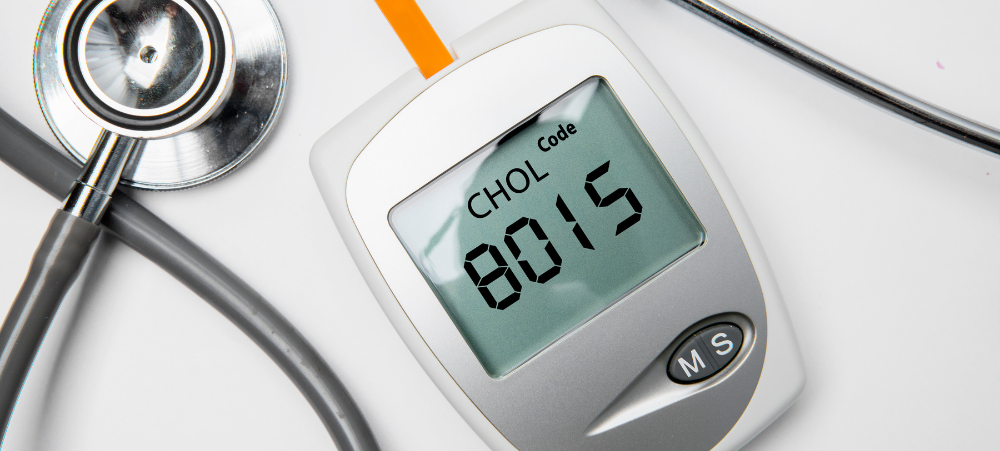
All about cholesterol

High cholesterol levels go hand in hand with a number of other factors which fall under chronic conditions. It is often as a result of lifestyle factors. According to the South African Heart and Stroke Foundation, one in four adults in South Africa has high total cholesterol, while 30% have a high LDL level and 50% have low HDL Levels. What does this mean?   Dr Morgan Mkhatshwa, Clinical Executive at Bonitas Medical Fund takes a look at cholesterol: What it is and why it is used, together with other factors like lifestyle and medical conditions, to estimate your risk of cardiovascular disease. And why knowing your LDL and HDL numbers is important in managing your health. What is cholesterol? Cholesterol [kuh·leh·stuh·rol] is a waxy fat-like substance, made in the liver and found in the blood and cells of your body. We all have cholesterol, it is made naturally and helps to form cells, hormones, vitamin D and bile acid (that helps us digest food). What is the difference between bad cholesterol LDL and good cholesterol HDL? LDL is low-density lipoprotein: It is called the ‘bad’ cholesterol because a high LDL level leads to a buildup of cholesterol in your arteries which leads to a greater chance of developing a heart disease HDL is high-density lipoprotein: Is the ‘good’ cholesterol because it carries cholesterol from other parts of your body back to your liver. Your liver then removes the cholesterol from your body. However, if someone has high levels of bad cholesterol it means they have too much of this fatty substance in their blood and, over time, this could cause arteries to block and result in a heart attack or stroke. Unfortunately, unlike most medical conditions, high cholesterol can go unnoticed and often doesn’t present any symptoms, unless it’s serious enough to cause problems.  What test is used to determine the levels of cholesterol in your body? Called a fasting lipogram, it measures the exact amount of different types of cholesterol you have. The SA Heart and Stroke Foundation maintain that healthy cholesterol levels should be: Total cholesterol: Less than 5.0 mmol/l (millimoles per litre) LDL cholesterol: Less than 3.0 mmol/l HDL cholesterol: Greater than 2.0 mmol/1 If your triglycerides (fat stored in the body) are higher than 1.7mmol/l, this is also indicative of a possible cholesterol problem Dr Mkhatshwa cautions that these are variables for the optimal LDL(bad cholesterol)  count, according to your risk profile. ‘If you are very high-risk or high-risk the LDL-C goal is 1.8 mmol/l and 2.5 mmol/l respectively. Your doctor will explain these to you, what they mean and the steps you need to take to reduce your LDL count,’ he says. ‘You can then begin to play an active role in managing your own health.’ How often should you be tested? Most healthy adults should have their cholesterol checked every four to six years. People who have heart disease, diabetes or a family history of high cholesterol, need to get their cholesterol checked more often.  What diseases or conditions result from high cholesterol levels?  When you have too much ‘bad’ cholesterol in your blood, it can cause narrowing and blockages of the arteries – the blood vessels that carry blood to your heart muscle and to other parts of your body. In time, this narrowing can lead to a heart attack, while blockages in the arteries of your brain can cause a stroke. What kind of illnesses or diseases can cause elevated levels of LDL? People with high blood pressure (hypertension) and diabetes often have high cholesterol. Some other health conditions that can also cause raised levels of cholesterol include kidney disease and liver disease. What role does genetics play in high cholesterol levels?  The medical term for high blood cholesterol is Familial hypercholesterolaemia. It is an inherited condition characterised by higher-than-normal levels of LDL blood cholesterol. It causes up to 10 per cent of early-onset coronary artery disease – heart disease that occurs before the age of 55 years. The cause is a mutation in a gene. Can I lower my genetically high LDL cholesterol? There is no cure for familial hypercholesterolaemia. Treatment aims to reduce the risk of coronary artery disease and heart attack and may include Dietary changes, including reduced intake of saturated fats and cholesterol-rich foods, and increased intake of fibre. Statins are the most common medicine for high cholesterol. They reduce the amount of cholesterol your body makes and you usually need to take them for life. What lifestyle changes can help to lower cholesterol levels? Losing weight Eating a heart-healthy diet: Focus on plant-based foods, including fruits, vegetables and whole grains Exercising regularly Not smoking Did you know? One third of adults have high cholesterol No one can live without cholesterol High cholesterol could be genetic Even children can have high cholesterol Sweating can raise your good cholesterol levels Supplements may work to lower cholesterol — but slowly

Bonitas – innovation, life stages and quality care

Dealing with anxiety during pregnancy

Pregnancy can be a very happy and exciting time of your life, however, it can also be a time that is very difficult for some expecting moms. This is often made more difficult by the fact that many family and friends expect you to be thrilled, and conflicting emotions are often surrounded by guilt. Your mental health is important, and you shouldn’t expect yourself to snap out of it, or soldier on alone. What is anxiety during pregnancy?  It’s natural for an expecting mom to have worries, this is a new and ever-changing part of your life. However, if your anxiety is ever-present, can’t be controlled easily and impact on your daily life it may be time to seek help. Worrying is part of being human, and if you have struggled to conceive or have lost a baby before, it’s very understandable that you may worry about your baby’s health. You may also worry about whether you’ll be a good parent or how your family dynamic will change, and these are all normal worries. But if you find your heart racing, your breathing shallow, obsessively worrying with racing thoughts, feeling restless or struggling to eat or sleep you may have anxiety. Anxiety in pregnancy is fairly normal, and you’re more likely to experience it if you’ve had anxiety in the past, have a high-risk pregnancy or are dealing with huge life stresses. What can I do about it? If you think you may have anxiety during your pregnancy, know that you are not alone or abnormal, as many expecting moms have experienced this. If you’re struggling, the best way forward is not put up with it, but to seek help. Speaking to a psychologist is a good way to start dealing with why you are suffering from anxiety and how you can deal with it. Medication during pregnancy can be tricky but are an option if they’ll benefit you and your babies well being. Staying active, eating healthy and trying to get enough sleep are also ways in which you can help yourself. Talking to others that have gone through pregnancy, or making sure that you rely on your family and partner for support are also ways in which you cope with your feelings and feel less isolated.

Bonitas – innovation, life stages and quality care

7 Vital health checks for women

When it comes to healthcare, the focus has moved to preventative managed care and particularly, health checks and screenings. These include tests  carried out by a medical doctor to check for diseases and health conditions, even before you may have any symptoms. By detecting diseases early on they are often easier to treat.  Dr Morgan Mkhatshwa, Clinical Executive at Bonitas Medical Fund, talks about the most important check-ups for women. Breast cancer From the age of 18 you should do regular self-examination of your breasts, if you see or feel any changes, consult your doctor immediately. Early detection increases the chance of survival and can save your life.  Some doctors recommend having a mammogram every two years from the age of 40 , others believe you only need to start at 50 years of age. A mammogram is a low-dose X-ray which radiologists analyse to look for changes in breast tissue.  Although the greatest risk for breast cancer is age, women can get breast cancer from a very early age, genetics also play a role in determining if you are at risk for breast cancer. Having a first-degree relative (mother, sister or daughter) with breast cancer almost doubles a woman’s risk. Having 2 first-degree relatives increases her risk 3-fold. Breast cancer can affect men too,   so women with a father or brother who has had breast cancer have a higher risk of breast cancer. Cervical cancer South Africa has a high rate of cervical cancer which has been attributed to the fact that not enough women are screened regularly. Screening can detect early changes in the cervix which can be treated and save your life. These include: Pap test (pap smear) which looks for cell changes (pre-cancers) in the cervix that may progress to cancer if not treated.  The Human Papillomavirus (HPV) test. Looks for the virus that causes most cervical cancers It is recommended that between the ages of 21 and 65, women should have a pap smear every two years and, from the age of 30 onwards, a pap smear and HPV test can be done every 5 years. A vaccine has been developed to protect women from getting HPV. It is administered free of charge, annually, to girls between Grade 4 and 7 (9 to 12 years of age) in all government schools. The HPV vaccination can be a cost-effective strategy in lowering the cervical cancer risk among women in South Africa. HIV/AIDS It is a misconception that men predominantly become infected with HIV/AIDS. Studies show that women are getting infected at a faster rate, particularly in developing countries and are both infected more and suffer more, than men. It is advisable for women to have an HIV test annually.  Bone Density As you age, your bones become thinner and weaker. Over time this can lead to a condition called osteoporosis. If you’re aged 65 or older a bone density test is recommended, which is covered by Bonitas. Called a DEXA scan, the frequency of this screening varies depending on your bone density and other risk factors. Your doctor may suggest you have this test earlier if you: Broke a bone in the past Have taken steroids for a long time Have rheumatoid arthritis Are underweight  Have a parent who has broken a hip after a minor injury Treatment for osteoporosis is readily available, ask your doctor.  Colorectal cancer screening These tests look for cancer in the colon or rectum by checking for tissue growths, called polyps. If you don’t have an elevated risk for cancer, then you should start having these tests when you turn 45. A colonoscopy, where the doctor looks at your entire colon, should be done every 3-10 years depending on what is found during your exam. A Faecal Immunochemical Test (FIT) should happen annually. The FIT is also a screening test for colon cancer which tests for hidden blood in the stool, which can be an early sign of cancer.  Skin checks Skin cancer is caused by the abnormal growth of skin cells – usually on the skin that has been exposed to the sun but not always. There are three major types of skin cancer: Basal cell carcinoma, squamous cell carcinoma and melanoma.  Examine your skin carefully at least once a month and, if you are prone to getting lots of moles, go to a dermatologist and have the moles ‘mapped.’  If skin cancers are found early and treated, they are almost always curable.   If you have a history of skin cancer in your family, have your skin checked regularly by a doctor.  Non-communicable diseases (NCDs) Known as lifestyle diseases, NCDs pose some of the biggest threats to the health of South Africans. They are a result of the way we live, combined with genetic, physiological, environmental and behavioural factors. The most common are hypertension (or high blood pressure), diabetes, mental health and obesity. It is imperative to have regular or annual checkups as recommended by your doctor.  Weight and BMI Almost 70% of women in South Africa are overweight or obese. The Body Mass Indicator (BMI) is used to check if you are a healthy weight. To calculate your BMI: Divide your weight in kilograms (kg) by your height in metres (m) Then divide the answer by your height again  Underweight is less than 18.5 and over 30 is considered obese Diabetes With over 4.6 million people in South Africa living with diabetes, it’s important to check your blood glucose. There are two main types of diabetes: Type 1 and Type 2. They are different conditions but are both serious and need to be treated and managed properly. One of the biggest problems with diabetes is when it remains undiagnosed. This can lead to blindness, heart attackstroke, kidney failure, impotence and amputation, so it’s vital to be checked frequently. Blood pressure Hypertension (high blood pressure) is when blood pressure stays elevated over time. It is often referred to as the ‘silent killer’ since nearly 33% of people who have it,

Advice from the experts
Parenting Hub

It’s time to talk – period!

The 28th of May is recognised globally as Menstrual Hygiene Day and encourages people globally to promote good menstrual health and hygiene for all women and girls. As a local business that produces a range of women’s reproductive health products, 3Sixty Biomedicine with their naturally based Salome range is committed to playing an active role in educating and promoting a better understanding about common women’s health issues. Menstrual health issues are among the most common reproductive health issues that women deal with on a regular basis; these can impact their quality of life and act as a barrier to schooling and participation in sports and other activities if not identified and managed properly. It is thus important to discuss menstrual health openly; like if PMS (premenstrual syndrome) is real or a myth, how to know if period pains are normal or not, or if the amount of menstrual blood flow experienced is normal, because these conditions can add further complications to women’s reproductive health. Common Menstrual Health Issues unpacked Menorrhagia or heavy menstrual bleeding is a common condition experienced by many women; this condition is often painful and debilitating for 30% of women who suffer from it on an ongoing basis. Symptoms of menorrhagia include soaking through one or more sanitary pads or tampons every hour for several consecutive hours, needing to use double sanitary protection to control your menstrual flow, needing to wake up to change sanitary protection during the night, bleeding for longer than a 7 days and / or passing large blood clots. Dysmenorrhea, the technical term for period pain, is also a common women’s health issue that affects women of all ages and races. According to the American Academy of Family Physicians; up to 20% of women experience menstrual cramping that is severe enough to interfere with their daily activities. Symptoms that may include lower abdominal or pelvic pain with or without radiation to the back, typically begin in adolescence and may lead to school and work absenteeism, as well as limitations on social, academic, and sports activities.  Premenstrual Syndrome (PMS) is another common problem that is characterised by a set of physical, emotional and behavioural symptoms that start the week leading up to a woman’s menstrual cycle. In a published article on the epidemiology of premenstrual syndrome (PMS), it stated that 23 – 31% of women of reproductive age experience PMS to a degree that affects their quality of life. Some of the psychological symptoms associated with PMS are irritability, mood swings, depressed mood and crying, low self-esteem and anxiety to name a few. To add to this, there are also cognitive symptoms such as forgetfulness and physical symptoms such as bloating, fluid retention, constipation and headaches, all of which can feel debilitating. How to tackle Menstrual Health Issues The Salome product range offers over the counter treatment options to help manage common female reproductive health issues. The range is based on herbal extracts and aims to manage conditions such as primary dysmenorrhea (period pain), menorrhagia (heavy menstrual pain) and premenstrual syndrome (PMS) with minimal to no side effects.  Salome PreMens is the newest addition to the Salome range and contains a natural extract known as vitex agnus-castus which is more commonly known as chaste tree or monk’s pepper. Salome PreMenS is used to help manage psychological and emotional well-being during premenstrual syndrome (PMS). Vitex agnus-castus is considered a progestogenic herb as it encourages ovulation, increases progesterone and helps rebalance oestrogen/progesterone ratios. Vitex agnus-castus assists in alleviating physical symptoms of PMS such as fluid retention, breast tenderness, and premenstrual weight gain.  “Part of building a period positive world is acknowledging that we have a collective responsibility in changing the way society views periods in the 21st century. We have to ensure that young menstruators should be able to talk openly and celebrate their transition into adulthood without having to hide it in secret or manage their period in isolation. After all, menstruating or having a period is NORMAL and occurs as part of a woman’s monthly cycle. At the very least we should be able to talk openly about our menstrual cycles so we can identify when there are abnormalities in order to get the necessary help and treatment when required,” says 3Sixty Biomedicine’s CEO, Boitumelo Sebambo. Visit www.salome-range.co.za for more information about the full Salome range of products that helps to manage menstrual pain, heavy menstrual bleeding, premenstrual syndrome, infertility in women with Polycystic Ovary Syndrome (PCOS), and menopause. Salome Menstrual Pain, Salome Heavy Menstrual Bleeding and Salome PreMens are available to the public from pharmacies nationwide or online at Takealot.com and Salome’s website and can be reimbursed from medical aid savings. Connect with Salome on their social media platforms: Facebook: Salome Range Twitter: @SalomeRange Instagram: SalomeRange

Parenting Hub

HOW TO MANAGE YOUR BABY’S PORTION CONTROL

Managing a baby’s portion control can be tricky, especially if you are a new parent. However, this can be made easy if you have the right equipment in your feeding arsenal! Take a look at why portion control is important for your child, and how to get it right with the perfect plate. Developing Healthy Habits Through Baby Portion Control From an early age, your child is picking up on how to interact with the world. Therefore, instilling a healthy relationship with food is vital for your baby. Portion control can help your child avoid: Diabetes Obesity Anorexia Bulimia  All of the above mentioned health problems can be linked to the practice of overeating – which is scary.  The Do’s And Don’ts Of Baby Portion Control Below are a number of suggested habits to get yourself into to strengthen your baby’s portion control: Do Allow Self Feeding: This will help your baby develop not only a good relationship with food, but also the ability to determine when he or she is satisfied. Do Try Various Flavours: This will allow you to suss out which are your little one’s favourites, and will allow your baby to widen their pallet. Do Make Use Of A Divide Plate: If you don’t know the first thing about baby portion size, get something to guide you along the way. Don’t Encourage Plate Completion: This is a grave mistake made by many parents. Encouraging your child to finish a whole plate of food may give them a poor relationship with food, as they are being forced to continue eating even once they are full. Rather ask them if they are satisfied and have had enough. If they say yes, trust them on this.  Don’t Use Food As A Rewards System: This will also deepen an unhealthy relationship with food. Rather than coaxing them into doing something with the promise of a sweetie, reward them in other ways.

Parenting Hub

Crèche Syndrome, Breaking the Cycle Naturally

You won’t find it in the medical textbooks, but if you’re a parent boomeranging in and out of your paediatrician’s rooms with an endlessly sniffling baby or toddler, chances are you’ve heard of ‘crèche syndrome’.  It’s a colloquial term referring to a cycle of infections, usually upper respiratory, that unfortunately, commonly afflict little ones regularly attending playschool or pre-school.   It’s not hard to guess why.  Babies and toddlers have developing immune systems, and frequent exposure and close contact with a range of other children results in the quick and easy spread of pathogens, no matter how much cleaning happens in the environment.  Infections often get worse in the winter when the children spend more time indoors and the bugs proliferate in the closed environment. Snotty and a bit of a wet cough may not sound like the worst, but the reality is that these ongoing infections take a big toll on parents.  There’s the naturally high levels of stress that parents experience when their children are unwell; there’s lost sleep and more often than not, lost working hours too.  Most parents can take this in their stride when it happens once or twice, but ‘crèche syndrome’ refers to a spate of rolling infections over an extended time, and it can easily become desperately exhausting and costly.  In addition, the symptoms are not always mild, and one seemingly slight sickness can lead to other issues including ear infections, serious chest infections and gastric infections.  With rosy health as an important marker of our parental responsibilities, continuous sickness in our child can make us doubt our abilities. The good news is that you’re not alone; you’re not a bad parent and, according to Michele Carelse, Founder and CEO of online natural health and wellness retailer, Feelgood Health, there are ways to break the debilitating cycle of crèche syndrome.  She says, “Parents can consider the natural treatment route and they will find that there are various easy strategies to help support their little one’s developing immune systems.  Also, for those parents concerned about the efficacy of antibiotics and the impacts of frequent antibiotic use, a holistic approach can be the way to go.” How to prevent and treat creche syndrome naturally  There are many things a parent can do to protect and strengthen their kids’ immune systems. With a strong immune system, infections can be fought better and faster, and the risk of secondary infections developing is much lower. Here are some of the best proven ways to build your child’s immune system:  1) Good nutrition Many kids are fussy eaters, so parents often end up feeding them ‘easy’ meals, which are often highly-processed and nutrient-poor. Nutrition directly impacts health and immunity – a lack of daily nutrient-rich foods can result in susceptibility to a host of infections and increase your child’s risk of nutrient deficiencies and related health conditions. It’s important to know and understand children’s dietary requirements and discover some of the many, easy ways to serve up nutrient-dense foods that your child will happily eat.  If you find that you are still struggling to turn them on to regular healthy meals, then consider a kid-friendly nutritional supplement such as Solgar’s Kangavites Multivitamins, which contains all the vitamins and minerals a child needs for growth, strong immunity and healthy brain functioning in a yummy chewable form.  2) Probiotics There’s a well-researched link between the healthy gut biome and immune functioning.  An increasing number of parents are becoming educated about probiotics and have started giving their kids probiotics on a daily basis, especially before and during flu season.  3) Diffusers and essential oils Essential oils are commonly used for their antiviral and antibacterial properties. Take note that babies and toddlers are especially sensitive to essential oils being applied directly onto their skin, so a diffuser is the best way to get the therapeutic properties of the oils into your little one’s respiratory system.  Some of the best essential oils for respiratory infections are eucalyptus, tea tree oil, peppermint oil and rosemary.  4) Don’t dry out phlegm Contrary to popular belief, drying out a runny nose or a phlegmy respiratory tract may not be a good thing. Mucous and phlegm are appropriate bodily responses in the efforts to rid the respiratory tract of germs. Rather than drying out the respiratory tract, use a Colloidal Silver Nasal Spray which will help loosen mucous without drying anything out. The added benefit of doing this is that colloidal silver contains powerful antimicrobial, anti-fungal, anti-viral and antibiotic properties. 5) Immune-boosting supplements Natural herbal and homeopathic remedies made from plants have been proven effective in boosting immune systems and fighting infection.  Here is Michele’s top selection of immune-boosting natural remedies for children: BaniFlu: This homeopathic ‘flu remedy can be used by the whole family, including children and babies. KiddieBoost: Naturally strengthens immune functioning in children and promotes your child’s natural resistance to illness. This antiviral and antibiotic alternative speeds up recovery from illness and is suitable for little ones over the age of 12 months. Sniffly Sprinkles: Sniffly Sprinkles contains a selection of 100% homeopathic ingredients to relieve sneezing quickly, safely and effectively, as well as runny and blocked noses in babies and children. It can be used for new-borns and children up to the age of 12 years.

Bonitas – innovation, life stages and quality care

NEW PARENTS AND YOUR BABY’S HEALTH

Becoming a parent is a joy but it can also be overwhelming and just a little daunting. There is no degree or diploma, you are simply propelled into it. It’s a steep learning curve. You instantly have a new life depending on you and, combined with sleep deprivation, the challenges of adjusting to being a parent and wanting to do the best for your child, you need all the help you can get.Becoming a parent is a joy but it can also be overwhelming and just a little daunting. There is no degree or diploma, you are simply propelled into it. It’s a steep learning curve. You instantly have a new life depending on you and, combined with sleep deprivation, the challenges of adjusting to being a parent and wanting to do the best for your child, you need all the help you can get.

RediscoverDairy

Have milk, maas or yoghurt every day

There are excellent reasons why the whole family should add milk and other dairy products such as milk, amasi, yoghurt or cheese to their daily diet. They taste great and are packed with a unique combination of many important nutrients, which work together as a team to give you GO throughout the day and help keep your body healthy.  Dairy – a nutrient power pack All dairy products are nutrient rich, giving you many of the important nutrients your body needs.  The good-quality protein in dairy helps children grow and supports bones and muscle building throughout life to keep you strong.  The natural sugar in milk (lactose) is a valuable source of energy, which helps to get you through the day. It can also aid recovery after exercise, to enable you to work just as hard next time.    A single cup of milk gives you a third of your daily calcium needs for strong bones and teeth; almost half your vitamin B12 needs to keep your brain alert; and a quarter of your potassium needs so that your heart stays healthy and your blood pressure in check.  Full-cream milk also delivers vitamin A, which is essential for good eyesight and to help protect you against disease.  Whether you choose milk, amasi or yoghurt, you will get all these nutrients in a single serving – and some vitamin B2, magnesium, phosphorus and zinc – to keep your body healthy.  Get the power of milk on your side The South African food-based dietary guidelines recommend that a healthy diet should include milk and dairy every day. Health authorities all over the world say the same. So, be sure to include MILK and dairy foods such as AMASI, YOGHURT and CHEESE in your daily diet. These foods are tasty, convenient and affordable, and can be used in many different ways so that you can get all the goodness of dairy.    Smart ideas to ‘just add dairy’  Cook oats with milk instead of water or mix milk into instant oats. Whip up a no-fuss breakfast by adding raw oats to yoghurt the night before and then mixing in some fruit, nuts or even a pinch of cinnamon in the morning. Make a fruit smoothie by blending milk, yoghurt or amasi and your favourite fruit together.  Melt a few blocks of chocolate into a cup of hot milk for a special treat or make a milky coffee to keep you warm on a cold winters evening. Bake scones with milk and cheese, using this easy three-ingredient recipe:  Mix 1 cup of milk, 1 cup of grated cheese and 1 cup of self-raising flour together. Spoon the batter into a muffin tin and bake for 15 minutes at 180 °C.  Use milk to make a hearty macaroni and cheese, a rich white sauce or a smooth custard. Prepare melkkos, with cinnamon and sugar, as a comfort food on a cold day. Spoon a dollop of plain cottage cheese or sour cream onto a baked potato. Sprinkle grated cheese over vegetables, omelettes, tacos or pasta. Mix cheese into mashed potatoes or meatballs for a creamy richness.

Parenting Hub

Winter-must haves you’ll need for your baby when the temperature drops

Ask any mom, and she’ll tell you that young children and babies have a list of non-negotiable, crucial must-haves all year round. But winter has a way of turning things up a notch. And we’re not just talking about an increase in clothing and warm layers; like adults, a baby’s skin needs may also change during the colder months, as may their nutritional needs. You’ll probably find that your list of must-haves grows a little longer, as baby needs a few more products to stay healthy and happy.  Here are our winter must-have recommendations for babies and toddlers: Safety first You have a first aid kit in your car, and in your medicine cabinet, so why wouldn’t you have an equivalent kit for baby? We all know that there is nothing predictable about babies, and they can often start to feel unwell at a difficult time, like late at night or over the weekend, which is why it’s essential to have some basic healthcare products available for use at home. And while babies can get sick any time of the year, we all know that winter is notorious for bringing on the sniffles.  Keeping a healthcare kit on-hand means you’ll be able to access a thermometer, nasal aspirator, and other essential items easily and conveniently – no more searching through drawers and cabinets!  Try: Safety 1st Healthcare Kit (R269.95) The Safety 1st Healthcare Kit 11 Pieces comes with all the tools you’ll need to properly see to your newborn’s health needs. It includes a digital thermometer, nasal aspirator, soft toothbrush, medicine dropper, 5 alcohol wipes, an emergency contact card, and a travel case. Immune support As the saying goes, prevention is better than cure. While it’s impossible to prevent babies and children from ever getting sick, it is possible to boost their immune systems by ensuring that they get all the vitamins and minerals their bodies need to function optimally. A healthy and balanced diet goes a long way, but we all know that young children can be picky eaters, which means that they are likely not consuming all the nutrients they need from their food. This is where good quality supplements like NutriPure, which is free from sugar, artificial flavours, colours, and sweeteners make all the difference.  Try: NutriPure Kids Multivitamin Gummies (R109.95). Made with real fruit juice, these delicious gummies help to maintain your child’s immune system and promote overall well-being. It contains vitamins D, B6, B12, & C, as well as Biotin, Pantothenic Acid, and Niacin. NutriPure Kids Probiotics (R164.95) At any age, a balanced intestinal micro-flora is highly important in keeping the body in healthy working order. The healthy bacterial microflora in the gut is a key element for overall well-being.  Each Nutripure Probiotics bear contains 1 billion live cultures to help your child boost his daily culture intake. Nutripure Kids Immune Support Gummies (R109.95) These delicious gummies contain a unique blend of 6 essential vitamins and minerals that all contribute to the normal function of the immune system. Vitamin C, B6, and B12 help to metabolise carbohydrates, fats and proteins and are factors in the maintenance of good health. Preventing and treating dry skin Babies and young children, like adults, are prone to getting dry skin when the temperature drops. Humidity levels are lower in winter, and the water content of the epidermis (the top layer of skin) typically reflects the humidity around it. If left untreated, dry skin may become itchy and uncomfortable, and may flake or even peel. Make sure that babies and children are bathed in warm (not hot) water, as hot water strips the skin of its natural oils and may lead to dryness. We recommend applying a nourishing oil to the skin after every bath, and throughout the day as needed, to lock in moisture. Multipurpose oils, such as those from Jamaican Mango & Lime, are great for softening and moisturizing dry skin. Try: Jamaican Mango & Lime Black Castor Oil Tea Tree (R152.00) has anti-inflammation properties and is made with a blend of pure Jamaican black castor oil and tea tree oil, which softens and moisturizes dry, damaged skin.  Jamaican Mango & Lime Black Castor Oil Vitamins A-D-E (R152.00) promotes hair growth, moisturizes and softens dry skin and treats dry nails and cuticles. Soothe dry lips Dry and chapped lips are common during winter, and you may find that your (and your little ones’) lips need a little extra TLC when the temperature drops. Did you know that nipple cream is a common remedy for dry lips? Multi-purpose, moms can use it, not only to soothe their nipples when breastfeeding but also to protect and treat the whole family’s lips. Try: Medela Purelan™ – Lanolin Cream (R119.95) helps to restore the skin’s natural moisture balance and keeps the skin supple. Purelan is so safe for your baby that it doesn’t need to be removed before breastfeeding. It is dermatologically tested, hypoallergenic and free from artificial additives and preservatives and also gives you fast relief for sore nipples and dry skin. Nappy cream to the rescue Nappy rash can occur any time of the year, but winter poses some extra challenges as baby’s skin is covered in extra layers of clothing and gets less opportunity to breathe. Apply a soothing nappy rash cream after every nappy change to ensure that baby’s skin is soothed and comfortable.  Try: Sudocrem skin and baby care cream, available in 4 tub sizes (400g, 250g, 60g, 125g). The 60g tub (R57.99) is travel-friendly and fits into a handbag with ease. Sudocrem skin and baby care cream heals irritated and sensitive skin so your baby can feel comfortable in their nappy. It is made with a special formulation that contains zinc oxide, is hypo-allergenic, and expertly soothes and restores affected areas. What are some of your baby’s winter essentials?

Panado®

HAPPY TRAVELLING HACKS WITH PANADO® PAEDIATRIC SYRUP, PEPPERMINT 5 ML SACHETS

Even seasoned travellers may find car and plane trips with infants or toddlers daunting. How will you entertain your child while on the road? What if your child experiences earache or a fever during the plane flight? How can you ensure that your entire family arrives safely and in good spirits? Do not fear, fellow parents!  These suggestions for travelling with a baby or toddler will ensure that everyone has a pleasant experience. Headaches Regrettably, airplane travel may be a headache generator, especially for pint-sized passengers.  Airplane Headache (AH) is exclusively related to airplane travels, and although may occur at any time during a flight; there is a higher incidence during the take-off and landing phase.1  Motion Sickness Headaches arising due to motion sickness from riding in cars can also make your child miserable. Symptoms such as nausea, dizziness and headache are common to motion sickness.2 Encourage your child to look outside the window of the car rather than putting their head down and focusing on books, games or screens.  If your child is prone to motion sickness, don’t forget to pack recently launched and conveniently packaged, Panado® Paediatric Syrup, Peppermint 5 ml Sachets, for the symptomatic treatment of pain and fever for kids on the move.  Panado® Paediatric Syrup, Peppermint 5 ml Sachets contain paracetamol, which is included in the List of Essential Medicines for Children of the World Health Organization.3 Avoid Overdoing It Bear in mind that babies and toddlers lack the tolerance that you do for lengthy road trips. If your car trip will take several hours or days, break it up with pauses for playing, eating, and sleeping.  Plan Trips Around Your Child’s Sleep Time Your infant or toddler may slumber during your road trip if you’re fortunate! Some experts encourage driving at night when travelling with toddlers or infants. However, arriving in the middle of the night may rouse your children and disrupt their circadian patterns as well. Provide Lots (and Lots) Of Snacks Pack some nutritious travel snacks for children. Consider whole-grain cereals, fruit chunks, and cheese cubes. To ensure food safety, keep refrigerated items in a cooler bag. If your child is prone to choking, serve snacks and meals at a rest stop, park, or restaurant. Ensure That Your Child Is Properly Secured Make sure children are properly buckled in a car seat, booster seat, or seat belt – whichever is appropriate for their age, height, and weight.4a The Centre for Disease Control and Prevention says that data shows the correct use of a car seat reduces the risk for injuries in crashes by 71% – 82% for children, when compared with seat belt use alone, while booster seats reduce the risk for serious injury by 45% for children aged 4-8, when compared to seat belt use alone.4b  Other Panado® Products Suitable for Your Child  In addition to Panado® Paediatric Syrup, Peppermint 5 ml Sachet, Panado’s range for children include Panado® Paediatric Syrup, Strawberry (50 ml | 100 ml),5 Panado® Paediatric Syrup, Peppermint Alcohol and Sugar-Free (50 ml | 100 ml),6 and Panado® Infant Drops 20 ml.7 Make pain and fever care easy by shopping for Panado products from independent pharmacies and selected Clicks, Dis-Chem, and Pick ‘n Pay stores. For more information, visit https://panado.co.za/and join the conversations on Facebook. #Panado #ADoseOfCare 2022040110194118 References: 1. Headache Classification Committee of the International Headache Society (IHS) (2013) The International Classification of Headache Disorders, 3rd edition (beta version). Cephalalgia 33:629–808. [Cited 2022 March 29]; Available from https://thejournalofheadacheandpain.biomedcentral.com/articles/10.1186/s10194-016-0628-7 2. Cuomo-Granston A, Drummond PD. Migraine and motion sickness: what is the link? Prog Neurobiol. 2010 Aug;91(4):300-12. doi: 10.1016/j.pneurobio.2010.04.001. Epub 2010 Apr 21. PMID: 20416353. [Cited 2022 March 29]; Available from https://pubmed.ncbi.nlm.nih.gov/20416353/ 3. de Martino M, Chiarugi A. Recent Advances in Pediatric Use of Oral Paracetamol in Fever and Pain Management. Pain Ther. 2015;4(2):149-168. doi:10.1007/s40122-015-0040-z. [Cited 2022 March 29]; Available from https://www.ncbi.nlm.nih.gov/pmc/articles/PMC4676765/ 4a,b. Centers for Disease Control and Prevention, National Center for Injury Prevention and Control.  [Cited 2022 March 29]; Available from https://www.cdc.gov/injury/features/child-passenger-safety/index.html 5. Panado® Paediatric Strawberry Approved package insert March 2002. 6. Panado® Paediatric Syrup Alcohol and Sugar-Free & Panado® Paediatric Syrup package insert. April 2010. 7. Panado® Infant Drops (Drops) approved professional information, August 1990.

Lamelle Research Laboratories

Winter sun safety: Why sunscreen is essential during the colder months

As South Africans we are accustomed to the harsh summer sun, and are used to applying SPF before heading down to the beach, or going for a run. But did you know that the sun’s UV rays are equally dangerous during the colder months? While you’re unlikely to experience a sunburn from UVB rays during winter, UVA rays (the ones that accelerate ageing) have the ability to wreak havoc on our skin, particularly on overcast days. “Even when it’s cold or overcast, UV rays that cause skin ageing and skin cancer are reaching your skin,” says Deborah S. Sarnoff, MD, president of The Skin Cancer Foundation. “In the right winter weather conditions, you can sustain sun damage just as easily as during the summer.” UVA rays have the ability to penetrate through clouds and fog, meaning your skin is vulnerable even on days when the sun isn’t shining. Did you know that UVA rays can also penetrate glass? That means it’s possible for the sun’s rays to harm your skin on a bright winters’ day, while you’re indoors!  UVA rays can accelerate ageing, meaning more fine lines and wrinkles, but they also make the skin vulnerable to skin cancer. Enter Lamelle Helase 50 – a broad spectrum sunscreen that offers full protection from UVA, UVB, blue light and infrared light. More than just a sunscreen, this DNA-correcting photo-protection product is in a class of its own.  Most people don’t realise that what we think of as the symptoms of ageing, are actually due to deep-seated damage inside our skin cells caused by years of sun exposure. Sunlight physically damages (breaks apart) or mutates skin DNA over time. To a large degree, preventing this damage is the reason we wear sunscreen.   Conventional sunscreens fall short The problem with currently available sunscreens is they have been developed to protect human skin from the most obvious of solar insults: ultraviolet A and B radiation. But our skin is susceptible to all five radiation subtypes, including visible light (radiation) and Infrared-A, B and C. If the only way to slow down the ageing process is to protect our skin against all these solar onslaughts, and conventional sunscreen is capable of protecting us from only two of the five, the case for more effective protection has never been stronger. That and the fact that the incidence of skin cancer still continues to climb! Recognising this unmet need, Lamelle Research Laboratories developed Helase 50. Unlike so many other cosmetic products available, this truly is a first to market one of a kind cosmetic; a breakthrough in ageing treatment and it’s being heralded as potentially the best photo-protection product available.  Until now, sunscreen and antioxidants have been our only defence against DNA damage; there’s been no means of reversing already existing damage. But now, with Helase 50, it’s possible to not only prevent, but also physically correct damaged DNA (dangerous DNA breaks and “kinks” such as dimers which left untreated, can produce more ‘abnormal’ cells. Correction is therefore essential to return cell function to normal).  Helase 50 – More than just a sunscreen Classified as a photo-protection product, Helase 50 is the only available product that can minimize the harmful effects of the full solar radiation spectrum. It includes several trailblazing technologies that set it apart from conventional sunscreens. The secret weapon in its formulation – that which is responsible for the correction process – is photolyase, a powerful DNA-repairing enzyme that’s missing in humans, but occurs naturally in most animals and plants. While we can’t produce our own photolyase, our body knows what to do with it when it’s introduced topically to the skin and the results are astounding. Another core ingredient often used in Lamelle products is Pycnogenol® (one of the most potent antioxidants available). Very simply, the inclusion of a Pycnogenol blend is what controls the inflammation typical from exposure and sunburn and it plays an important role in protecting the skin from damage.  There are several other enzymes, receptor inhibitors and filters that have been researched, tested, formulated and proven to deliver unprecedented protection.  Helase 50 – How to use it Helase 50 has sunscreen filters and an SPF of 50+.It’s not waterproof and should be applied 10 – 15 minutes before exposure and re-applied 3 – 4 hourly if possible. There is no need to use a “regular” sunscreen if you use Helase 50. It is fragrance free, and anyone over the age of six months is a candidate for Helase 50, but particularly those with fair skin, multiple sun-spots, or a history of skin cancer. It’s the ideal product to use after you have had a moderate peel (once re-epithelialised), and post-laser therapy and IPL.  Quite simply – a revolution in skincare has begun with the introduction of Helase 50! Learn more at www.lamelle.co.za 

The Headache Clinic

Children’s Nightmares and Snoring Can Lead to Headaches

You may want to pay closer attention the next time your child wakes you up after he or she has experienced a nightmare. New research shows children can grind their teeth during a nightmare, or if they snore, and this can lead to them developing headaches. A study published in the Journal of Craniomandibular Practice, aimed to investigate the routine, sleep history and orofacial disorders associated with children aged 3-7 years with nocturnal bruxism (grinding their teeth at night). Data about the child’s routine during the day, during sleep and awakening, headache frequency, temporomandibular joint (TMJ) and hearing impairments was obtained through interviews with the parents and caregivers. An electromyography examination was used to assess the activity of facial muscles. Multiple logistic regression (MLR), chi-square test and t-test analyses were also performed. The results showed an association of nightmares and snoring with bruxism, says Dr Elliot Shevel, South Africa’s pioneer in the field of migraine surgery and the medical director of The Headache Clinic. According to Shevel, it is well documented that bruxism can lead to headaches. The causes of bruxism are largely unknown, but risk factors are anxiety, stress, caffeine, sleep apnoea, snoring and fatigue. “At The Headache Clinic we have found that muscle tension in the jaws, face head and neck are some of the major underlying causes of migraine. This knowledge has resulted in our unique muscle treatment methods that restore and maintain the correct, relaxed posture of the jaws, head and neck. Clenching the jaws and grinding the teeth at night is common in many of our patients, not only children, and the headaches that result are treatable – without the use of medication.” “This study now confirms that nightmares and snoring may also lead to children grinding their teeth. Variables related to awakening revealed an association with bruxism. Parents of the main group (children with nocturnal bruxism) reported more complaints of orofacial pain, facial appearance and headache occurrence amongst their children. Auditory and muscle disorders however, were not significant variables,” explains Shevel. Dr Shevel advises that parents should consider treating the muscle tension to prevent migraine pain and teeth grinding, while addressing the underlying fear and insecurities causing their child’s nightmares.

The Bridge Assisted Learning School

Dissecting Dyspraxia

Dyspraxia is a disability that is believed to affect 2 – 10% of the population.  This disability can be defined as “a development disability of organisation of movement.  It is caused by an immaturity of the brain resulting in messages not being properly transmitted to the body.” [1] In laymen’s terms, dyspraxia affects motor planning.  Before looking further at how this happens, let’s first look at what motor planning is. ‘Motor planning is the ability to conceive, plan and carry out a skilled, non-habitual motor act in the correct sequence from beginning to end…. The child with motor planning difficulties may be slow in carrying out verbal instructions and often appears clumsy in new tasks.” [2]   For motor planning to be effective, all sensory systems of the body need to be working correctly.  With dyspraxia, the messages that are being sent from the brain are not being reliably transmitted to the rest of the body.  Dyspraxia does not change intelligence, but it does change how the child learns. Children with dyspraxia are seen to be clumsy, accident prone and extremely messy.  They will take time and repetition to master a new skill.  Dyspraxia can hinder thought processes and these children will often experience difficulty with planning and personal organisation.  Time management concerns arise, as well as difficulties in memory, perception and processing. Some other issues that arise are poor co-ordination, immature speech, poor attention and social and emotional difficulties.  Self-belief and confidence are affected, and the child often experiences anxiety and stress.   In order to help a child with dyspraxia, it is imperative that the teacher, school and parents work together in order to best facilitate the child to reach his or her full potential.  Regular meetings must be held between teacher and parents in order to ensure that the child is receiving all the support needed and achieving the goals that he / she is capable of. As a teacher and in order to obtain optimal performance, it is imperative that the child’s confidence is developed.  Always motivate the child and focus on what they can do.  Goals must be within the child’s reach.   The following steps can be taken in order to further benefit the child: Verbal instructions are to be given slowly and are to be kept short and simple.  Ideally, only one instruction should be given at a time. Minimalise distractions for the child. The child should be placed close to the front of the class. When setting work, this child requires work of a shorter length, that he / she will be able to complete in the allocated time, thus feeling the success of completing a task.  This can be done by creating worksheets for the child which require minimal handwriting (e.g. fill in the missing word) Work that needs to be written can be printed out for the learner beforehand, giving the child time to focus on the actual work, rather than the pressure of copying it down. In order to help with handwriting, it is suggested that the child is given books with larger lines to accommodate for writing, as well as larger quad paper, to facilitate in mathematics. During examinations, this child will require certain concessions, such as additional time, rest periods, a reader and perhaps amanuensis. Homework can be scribed by parents in order to take pressure off of the child. The optimal learning environment for a child with dyspraxia would be a one on one learning environment, but with the correct support and intervention, will thrive in a small, nurturing environment where he / she can reach his / her potential, as well as helping him / her with social skills and development. By Linda Langefeld, Grade 4 Teacher at The Bridge Assisted Learning School 

Bonitas – innovation, life stages and quality care

Talking about TB

Ten people die in South Africa every hour from Tuberculosis (TB).  It is and has always been, a serious public health issue that needs to be brought under control. Even though effective treatments are available and there has been considerable progress in fighting the disease – about 450 000 people develop TB every year.  Dr Morgan Mkhatshwa, Head of Operations at Bonitas Medical Fund, talks about the state of our nation in terms of TB, the leading cause of death in our country. Of the 450 000 people who develop TB every year, just over half are living with HIV. Although most cases are drug-sensitive and respond well to standard treatment, failure to complete the full course encourages the development of multi-drug resistant TB (MDR TB), which is difficult to treat and has poor outcomes. Is TB a pandemic like Covid-19? TB is considered an endemic but arguably has the criteria to be given pandemic status.  According to the World Health Organization (WHO) a pandemic is when: The disease causes death There is persistent transmission between people It spreads in multiple countries An endemic is when the disease is still circulating but at a lower, more predictable rate. The only plausible reason is that the levels of TB are consistent and predictable, rather than the ‘boom and bust’ waves of Covid-19.  That said, just because it’s endemic doesn’t mean to say it’s not serious. Smallpox, for example, was endemic for thousands of years and a third of the people who were infected, died. Malaria is also endemic and causes around 600 000 deaths a year. Dr Thandi Dlamini-Miti, senior technical advisor: TB at health NGO Right to Care says, ‘Undiagnosed TB is driving transmission of the disease. Many people with TB don’t know they have it because they don’t have symptoms but they are infecting those around them with this potentially deadly disease.’  Is there enough research and development for TB drugs? The short answer is no. Countries with resources, funds and technical capacity (developed countries) have not invested in the field of TB because the disease has not affected them. It is a disease that flourishes in developing countries, where living conditions are often poorly ventilated and over-crowded. Over 95% of cases and deaths are in developing countries. Another factor to consider is that, although the poor bear the brunt of the burden of ill-health (up to 13X greater incidence of TB), they also have access to far fewer services compared to the rich.   Some good news recently came from Right to Care though.  Dlamini-Miti says, ‘Since July 2020, a TB prevention treatment called 3HP has been piloted. It is considered a game changer because treatment is shorter, less toxic, promotes better adherence, has a higher barrier to resistance and is safe with first-line antiretroviral therapy.’  Latent TB, HIV/AIDS and immunity TB can be ‘latent’, in other words you have TB in your body but it is not active. You aren’t ill and  you can’t spread it. However, if your immune system becomes weak for some reason, the TB becomes active and will make you ill. Having HIV/AIDS is a key factor in the TB epidemic which is why it’s imperative that the almost six million people living with HIV are screened and treated.   Latent TB treatment is fairly low cost and can be taken together with anti-retroviral drugs. Despite this, the number of people on medication is only a fraction of those who are eligible.  Diagnosing TB Diagnosis is quite complex (particularly for those living with HIV) since many symptoms are similar to those for other common diseases. South Africa has moved towards more intensive and active methods of identifying cases, for example by screening all those attending primary health clinics. The aim is to move from identifying fewer than 70% to 90% of all cases.  Currently the process of testing most of the population is a protracted one. The TST (skin test) and blood tests do not differentiate between latent and active TB which means a sputum sample needs to be taken or a chest X-ray. This is both costly and time consuming. A quicker, cheaper method of testing would certainly assist to diagnose TB.  Treating TB Current treatment for TB still includes many of the original antibiotics that were developed in the 1950s and 1960s. While newer antibiotics have been introduced, they are still used in combination with the originals whose side effects cannot be ignored. Similarly, BCG is still the only known TB vaccine administered to children in developing countries. Is there a vaccine that can protect adults?   Unfortunately not, there is only the BCG for babies, which has become the most widely used vaccine and provides protection to children against miliary and meningeal TB. It provides limited protection against pulmonary TB, which is the most common form of TB.  Has TB been affected by the Covid-19 lockdown? Yes, it has reversed years of global progress in tackling TB and, for the first time in over a decade, TB deaths have increased, according to the WHOs 2021 Global TB Report.  How is TB contracted? It is transmitted through the air, not by surface contact. Transmission occurs when a person inhales droplets with TB nuclei and it travels though the mouth or nasal passages via the respiratory tract into the lungs to reach the alveoli of the lungs. Each person with TB can spread the disease to another 15 individuals over a year.  Who is most at risk of contracting TB? People living with HIV (especially those newly diagnosed or not virally suppressed), living in the same house as someone who has had or has TB, anyone who has had active TB in the last two years, those with diabetes, residents of informal settlements, children under five, the undernourished, alcoholics, smokers, mineworkers, prisoners and pregnant women. How prevalent is TB amongst medical aid members? Protocols required by the National Department of Health dictate that all TB positive patients must be referred to the state for treatment. This means

Parenting Hub

Four Tips to Support Kids Hygiene in Post-Covid School Life

With the country finally opening up, businesses, entertainment venues and schools will see more people than ever coming into contact with each other since the onset of the Covid-19 pandemic.  While grown-ups should have the presence of mind to adhere to healthy hygiene protocols, children may need a bit of extra help in staying safe from viruses and bacteria at school, especially when using high-traffic areas like toilets. Nobuhle Ngubane, Senior Brand Manager at Domestos South Africa, offers parents the four following tips on protecting their children from germs during this crucial time of transition. 1.      Educate Them  Knowledge is power, and you might be surprised at how much informationchildren, even those as young as two years old, can retain. Make sure to talk to them, repeating terms like germs, cleanliness, washing hands, water, soap, sanitising and so on. Make it fun – use songs and pictures – to each them about social distancing and how to clean up thoroughly. 2.      Ask Teachers  Do not be shy about engaging with teachers on the hygiene protocolsinside the school, particularly where toilets are concerned. It’s important to be aware of how frequently cleaning takes place – especially considering that the facilities are used by hundreds of learners throughout the day. Aim to be helpful rather than confrontational – share information and resources and express understanding for the load educators have to bear.  3.      Equip Them  While your child’s school may already have thorough cleaning protocols you can always help your child further by packing a safe and mild sanitiser spray bottle and a small pack of wipes that they can use to wipe their hands after coming into contact with surfaces that may have germs.  4.      Keep them Healthy  As much as you can keep external surfaces clean, your child’s bestdefence is a healthy diet and even supplements, where necessary. As always, reinforce the need to wash hands before and after eating, using soap or sanitiser, and wiping with clean paper towels.  The reality is that millions of learners around the country attend schools without adequate ablution facilities. This not only affects their health but their ability to learn due to the proven negative psychological impact of poor sanitation. Over the past 10 years, Domestos has led the charge on addressing unsafe sanitation and poor hygiene in schools, impacting over 5 million children through school refurbishments, school toilet maintenance programs, as well as participating in an educational program that educates learners on good hygiene and sanitation habits in over 15 000 public schools around the country. You can also get involved in this fight against the sanitation crisis.Purchase a 750ml Domestos bleach bottle, and R1 will be donated towards helping over 1 million learners gain access to clean and safe toilets.

Bonitas – innovation, life stages and quality care

Ten tips for flu and Covid-19 vaccines

The seasons are changing and with winter on its way, which heralds the start of the ‘flu season’. We chat to Dr Morgan Mkhatshwa, Head of Operations at Bonitas Medical Fund on why a flu vaccine is recommended, not just by the Scheme but also the World Health Organization (WHO). 1.Why should I get a flu vaccine? Although the flu vaccine will not eliminate your risk of developing flu, it helps reduce your chances of severe infection. Annually, seasonal influenza (flu) kills around 11 500 people in South Africa which is why it is a good precautionary measure to take.  2.How are Covid-19 and flu viruses similar?  WHO says that Covid-19 and influenza viruses are similar in disease presentation. ‘Firstly, they both cause respiratory disease, which presents a wide range of illness from asymptomatic or mild through to severe disease and death.  ‘Secondly, both viruses are transmitted by contact, droplets and any material that can carry infection. As a result, the same public health measures such as hand hygiene and social distancing is recommended.’  3.What are the essential differences between Covid-19 and flu?  Flu is an acute viral respiratory infection, transmitted by the influenza virus.  There are three types of influenza, namely Influenza A, B and C. Covid-19 and influenza are essentially different viruses with SARS-CoV-2 being a newly discovered coronavirus that causes Covid-19.  4.Why do I need a flu shot every year? The flu virus changes every year, this means last year’s vaccine will not keep you safe this year. The vaccine helps your immune system fight off the virus by producing antibodies – the soldiers in your body that battle the flu virus. 5.What vaccines have been developed for 2022? The flu vaccines available for this year are: The Vaxigrip Tetra, Influvac and Influvac Tetra. 6.Can I get the flu vaccine and a Covid-19 vaccine together? As per the National Covid-19 Vaccination Programme Circular 3 of 2022, the answer is yes. However, it is recommended that if you decide to have both vaccines at the same time, then one should be on the left arm and one on the right. 7.Who should get a flu vaccine? It is recommended that anyone in the High-risk groups including: Healthcare workers  Individuals over 65 years of age  Individuals with chronic diseases – or comorbidities – for example: Cardiac disease, hypertension, stroke, diabetes, asthma, chronic obstructive pulmonary disease, kidney diseases, etc.  Pregnant women  People living with HIV/AIDS  8.Who should NOT have the flu vaccine? Individuals who are allergic to eggs or egg proteins as the manufacturing process for the vaccine involves the use of chicken eggs  Infants under 6 months of age – the vaccines are not licensed for use in such young children  Individuals who may have had a severe reaction to a flu vaccine in the past – if you are unsure discuss with your healthcare provider  Individuals who may be suffering from flu symptoms already  9.Will the flu shot give me a mild flu? According to the Centre for Disease Control (CDC), ‘A flu shot cannot cause flu. Flu vaccines are currently made either with flu vaccine viruses that have been ‘inactivated’ and are not infectious or with no flu vaccine viruses at all. The most common side-effects from the vaccine are soreness, redness, tenderness or swelling where the shot was given. Serious allergic reactions to flu vaccines are very rare.’  10.Still not convinced?  Flu viruses spread very quickly from person to person.  Even if the flu vaccine is not 100% effective against the current flu strain, it will reduce your risk of getting flu and, if you do get it, it will be a great deal milder.  More importantly, by having the flu vaccine you protect others, who may be vulnerable family members, small babies, the elderly or those who are immune compromised.  As with Covid-19, the more people vaccinated the closer we can get to ’herd immunity’. 

Bonitas – innovation, life stages and quality care

SYMPHYSIS PUBIS DYSFUNCTION (SPD) AND HOW TO DEAL WITH IT

Symphysis pubis dysfunction or SPD is pain in your pelvis, which is caused by the relaxing of ligaments in the pelvic bones too early before birth. Many aspects of pregnancy can cause discomfort, and SPD is one of them. Here are the signs of SPD and what you can do if you think you to alleviate your discomfort if you are suffering from it.  What is SPD and what causes it? Not all moms-to-be will experience SPD but it is thought to be fairly common in pregnancy. SPD is a pain in the symphysis pubis (which can range from moderate to serve) caused by the relaxing and stretching of the ligaments around the pelvic bone. Pain can be brought on by opening your legs, walking up stairs or even turning over in bed, and this may be accompanied by a clicking/grinding sensation in the pubic area.  The cause of SPD in pregnancy is the hormone relaxin, aptly named as it relaxes your joints and ligaments to make it easier for your baby to come out at birth. SPD happens when these hormones come into play too early. Not only that but you’re shifting centre of as your baby grows, which can cause main in your lower back and pelvis as your body shifts to accommodate your little one.  What can I do to relieve SPD  Living with SPD can be uncomfortable at best, so you may be wondering what you can do to help alleviate some pain. Being fit before pregnancy can help, as stronger glute and abdominal muscles can help support your pelvis. Physiotherapy can help manage SPD pain, as a physio will be able to work with you as your pregnancy and pain levels change. Speak to your doctor first, as they may have recommendations for you. Your pelvis should return to normal between 4 and 12 weeks after birth

Halo Dish Covers

The Basic Guide to Meal Prep for Busy Moms

Every busy mom has had this moment at some point in their lives – the fantasy that plays out in their head where the picture perfect world exists and all they have to do on a busy weekday night is to open the freezer, pull out a pre-packed meal, heat and eat.  This isn’t the perfect world, though and reality tends to be a LOT different. For the majority of us, the real world looks like unwashed dishes, hangry kids and half the ingredients for tonight’s dinner still sitting on shelves at the nearest supermarket. The stress truly is enough to warrant popping open a bottle before Wine O’Clock (which according to a recent survey is 6:59pm, by the way).  But there are options! You could: Hire a full-time live-in chef Order takeout every night. Learn how to Meal Prep.  Now before you throw in the proverbial towel and start looking through your options on UberEats, take a minute to read through this guide to make dinner time a whole lot easier for next time.  Let’s start with the basics… What is meal prep? Meal prep is the process of preparing food ahead of time so that it’s readily available at mealtime and can be easily assembled to create full meals.  Meal prep differs from meal planning in that one requires making a decision about what meals will be served versus the other, that requires the actual preparation of ingredients for the meal. Either way, both processes are required steps in this guide.  What are the benefits? For busy moms, it can be a real juggling act to get good, healthy food on the table. By planning your meals out and prepping them beforehand, you can help ease your ‘mental load’ while preparing more nourishing meals, freeing up more time and saving money in the process.  How to begin meal prepping Let’s face it – efficient meal prepping can be overwhelming and won’t happen overnight. It’s a process that takes a lot of work but this is what I’ve found works for me: 1.Meal Plan Use an app, a piece of paper or a printable template to outline what meals you want to prepare for the week.  Top tip: Don’t feel the need to have a different meal at every interval. Oats three times a week for breakfast is perfectly okay. In fact, it’s encouraged, seeing as oatmeal can be prepared and covered with a dish cover overnight until it is ready for serving the next day.  2.Go through your pantry / cupboards  Once you’ve laid out your meals, you may be tempted to hit the grocery store right away. PAUSE. First take a look at what you have in your kitchen. You might find that you already have all the items needed for a full meal. In that case, simply adjust your meal plan accordingly.  This also presents a perfect time to clean out your fridge 😉 3.Head to the grocery store I highly recommend making use of a list here!  Ensure that you’ve listed down everything needed to create the meals on your meal plan and get to shopping. Top tip: If possible, try to shop during off-peak hours to avoid long lines and hoards of humans.  4.Prep your storage containers  If you plan on meal prepping consistently, you’ll want to invest in reliable containers that are durable and easy to clean. I prefer glass to plastic.  You’ll also want to invest in some reusable homeware, such as cotton dish covers, in order to keep food protected as it cools and also keep condensation at bay. These dish covers come highly recommended.  Top tip: Pull these out shortly after grocery shopping to remind you to begin your meal prep as soon as possible.  Chop veggies, prepare grains and prep your food for the week Now it’s time to get into the real work! This can look different each week but the basic premise is to make sure that all the chopping, dicing and boiling is done.  Top tip: Don’t be reluctant to use frozen fruits and veggies as these can go a long way.  Soak grains overnight and cover with a dish cover to allow for easy cooking the following day. Avoid preparing grains more than four days from the time you plan on serving them as they tend to degrade pretty quickly.  If you are preparing potatoes ahead of time, plan to eat them within the first few days of cooking.  5.Bake, cool, store If you are baking and roasting food, make sure that these items have cooled completely before putting them in the fridge. This is where dish covers really come in handy, as they allow food to cool without condensation and eliminate harmful toxins that may be absorbed into your food from plastic wrap. 6.Place your meal plan on the fridge and enjoy your week Having a meal plan and food prepped can truly be life changing. And guess what? You won’t have to answer the question of what’s for dinner? anytime soon, because it’s posted on the fridge! Everyone wins! Being a mom can mean a lot of things but being a magician when it comes to food doesn’t have to be one of them. By putting in the necessary effort and planning ahead, you can save time, money and be a lot less overwhelmed. 

Bonitas – innovation, life stages and quality care

DEALING WITH POSTPARTUM DEPRESSION – PLUS WAYS TO DEAL WITH MENTAL HEALTH AFTER PREGNANCY

As a new mom, the birth of your baby is a beautiful and exciting time, but there is a darker side to childbirth. Postpartum depression affects about 15% of moms after delivery, and while it is a serious disorder it can be overcome through treatment. What is Postpartum depression? Feelings of anxiety, sadness and fatigue are common after birth and are often referred to as the ‘baby blues’ and should subside within the first two weeks. However, if these feelings stick around for longer, you could be experiencing postpartum depression. Restlessness, mood swings, insomnia, irritability, disconnection from your baby and feeling of worthlessness are all red flags for postpartum depression. Some moms feel guilty or ashamed to be feeling this way, however PPD can affect any woman. Don’t be afraid to reach out for help, as PDD is treatable through both medicated and unmedicated options. What should I do if I have the symptoms of Postpartum Depression? The good news is that PPD is treatable. There are a variety of common types of treatment, which depend on the type and severity of symptoms. Treatment can include counselling, therapy groups, antidepressants and hormone therapy. Self-help groups can be helpful, as it allows you to connect with others who have experienced similar problems and stop feelings of isolation. Recovery time will also vary from mother to mother, but untreated the disorder will last much longer and can interrupt mother-child bonding. Getting help does not mean you are a bad mother, it is important to reach out if you are feeling depressed. Postpartum Psychosis In rare cases moms can develop postpartum psychosis. This should be treated as a medical emergency, and it is essential that you receive help right away.  Symptoms include paranoia, delusion and erratic/disorganised behaviour.        How to deal with mental health after pregnancy  Your mental health is critical to you and your child’s well-being. If you are worried about PPD it is important to get professional help. However, you can help your mood by slowly getting back into exercise, setting aside time for yourself and leaning on those around you for support. It is important to stay connected to family and friends so that you don’t feel alone.

Bonitas – innovation, life stages and quality care

Medical aid contribution increases: The deferred increase debate

Traditionally, medical aid schemes implement fee increases from 1 January every year. However, the last two years have seen new trends emerge because of the Covid-19 pandemic. These include deferral of increases, dipping into reserves to reduce increases and announcing delayed increases above CPI. What does this mean for consumers? Globally people are feeling the financial pinch and South Africa is no different. High inflation has increased the cost of food, fuel and utilities.   Salary increases, if any, are below CPI and many South Africans have lost their jobs.  More so than ever, everyone is looking for value for money and better benefits, especially when it comes to healthcare.   The balancing act Lee Callakoppen, Principal Officer of Bonitas Medical Fund says, ‘the delicate balancing act between maintaining the sustainability of the Scheme, while ensuring our members have access to affordable, quality healthcare is a core focus. Last year, we were the only Scheme to announce a 0% increase on one of our plans – the BonFit option.   This was followed by the industry’s first ever reduction in a premium of 7,9% on our BonStart Plan in 2022.’  What using reserves meant for members ‘We opted to utilise around 3.2% – or R600 million – of the Scheme’s reserves to help limit contribution increases to below CPI for around 82% of our members for 2022. Contribution increases would have been closer to pre-pandemic levels of CPI + 4% if we had opted not to use some of our reserves.  Deferred increases vs using reserves This move was in line with the Council of Medical Schemes (CMS) Circular 42 of 2021 which suggested the utilisation of reserves to cushion members against increasing costs. However, despite the guidelines, several schemes opted to defer increases from January to later in the year. These deferred increases range from 5.5 to 7.9%. In general, medical schemes need to keep their contribution increases as close to the rate at which the cost of providing healthcare escalates. The challenge is that most healthcare costs in South Africa are not regulated, which means providers are free to charge as they see fit. And the consumer bears the brunt. An example is the cost of Covid-19 PCR tests, which was finally standardised earlier this year.  Consumers in for a rough ride Statistics SA cited CPI at 5,9% in December 2021, 0,4% higher than the month before. This trend is expected to continue with National Treasury projecting headline inflation (the change in CPI) at 4.8% in 2022 and 4.4% in 2023. So, consumers are in for tougher times. Is there freedom to change schemes with deferment? Callakoppen explains that the deferment of increases creates an anomaly for companies, medical scheme members and consumers. ‘Traditionally, members are free to change their options once a year during an open period. However, when a deferred increase arises, this open period does not always come with it.  This complicates matters for companies which allow their staff to choose between various medical schemes. If an employee chooses to stay with a scheme offering a deferred increase, it is difficult and sometimes impossible, to switch to another plan. This is compounded by the fact that when these deferred increases take place – they are often above CPI and do not always include an increase in benefits – so members effectively pay more for less.  Know what you are getting ‘By announcing our contribution increases in January, our members know what they will be paying for their medical aid from the outset of the year. This means they can plan and, if necessary, adjust their options accordingly to suit both their healthcare needs and their budgets. With the scenario of deferred increases, our advice is for companies to consider a mid-year open period to allow employees to change schemes or options to benefit already cash-strapped employees,” he added.  The downside of deferred increases The past year has shown that the actual contribution increases experienced by members, after the deferment period, is typically higher than the industry average. An example is a Scheme that offered a contribution deferment for the first 6 months of 2021 but then applied a 5.9% contribution increase, when the industry average was 4.6%. Contribution increase percentages cannot be looked at in isolation without looking at the Rand value of the contribution.  “Based on our analysis, we feel that a deferment strategy is not ideal. It merely utilises scheme reserves to provide a short-term contribution relief to members who subsequently experience an above market related contribution increase. This results in members being worse off compared to the scheme that applied a lower, market related contribution increase from the beginning of the year. Schemes implementing a contribution deferment are already applying above market average contribution increases. Callakoppen says that no matter whether a scheme has chosen to increase contributions or defer them, South Africans need to make sure they get the healthcare cover they need. “No two people or families are alike, medical needs differ, as do finances which is why you need to get cover that suits your health needs and budget. It’s important to interrogate what is being offered, to understand what is covered and any added benefits being offered which won’t impact your savings, before finalising your decision.”

Bonitas – innovation, life stages and quality care

GESTATIONAL HYPERTENSION, WHAT IS IT AND HOW CAN I AVOID IT?

Gestational hypertension is high blood pressure (the pressure of your blood on the walls of your blood vessels) during the later part of pregnancy, as opposed to chronic hypertension which is high blood pressure outside of pregnancy. Hypertension affects about 6 – 8 % of pregnant women, and unfortunately can negatively affect you and your baby. How will I know if I have gestational hypertension? You are more at risk if you’re carrying twins, are overweight, had high blood pressure, kidney disease or diabetes before becoming pregnant or are older than 40 or younger than 20.Gestational hypertension is high blood pressure in the second half of pregnancy and some moms may not even realise that they have it – which is why regular check ups are important. Unfortunately, high blood pressure during pregnancy can develop into preeclampsia. If left untreated, preeclampsia can lead to serious complications and even death. The most effective treatment of this is delivery of your baby (if possible). Symptoms of preeclampsia include headaches, nausea and excessive protein in your urine, with the most common first sign being a rise in blood pressure. How can I avoid or treat hypertension? Although there isn’t anything you can do to prevent hypertension(some variables such as age and number of babies you’re carrying is uncontrollable), you can try to keep yourself (and your baby) as healthy as possible during your pregnancy to help you control your blood pressure. Knowing your blood pressure level before getting pregnant, reducing your salt intake and regular exercise are all things you can do to help stay healthy and aware of your body’s condition. Going for regular checkups during your pregnancy will also help let you catch any problems early.

Parenting Hub

HELPING FUSSY LIL’ EATERS BUILD STRONG BONES

Kids need more calcium as they get older to support their growing bones* and milk is one of the best and most widely available sources of calcium**. However, if your child is a picky eater who doesn’t love a glass of milk, it can be tough to ensure they are getting all the calcium they need. Whilst there are many foods that are great sources of calcium – sardines and dark leafy greens like spinach and kale – neither sound particularly tempting, especially if you are already struggling to cater for your child’s picky palette. Paul Mindry, SPAR Brand Group House Brand Manager, comes to the rescue with 3 easy, fast recipes that your children will love: Milkshake Melody  Milkshakes appeal to all ages. Try a different flavour each time, for a calcium-infused dessert the whole family can enjoy on a warm summer’s day. Prep Time: 10 mins   |    Servings: 4 Recipe Ingredients: 500ml SPAR Classic Vanilla flavoured ice cream Recipe Method: Combine both ingredients in a food blender or processor, or use a suitable jug and a stick hand-held blender if this suits you better. Whizz until foamy, creamy and thick. Beat in the flavouring ingredients of choice thoroughly.  Pour into tumblers and serve immediately. Delicious flavour-combos: 1 well mashed banana 125 ml SPAR vanilla custard and 50 ml Squillos strawberry flavoured milk powder  If you want more of a Fruit Whip type drink, introduce fresh chopped fruits that puree easily (berries, paw-paw, mango) Homemade Custard Good, wholesome creaminess that can be whipped up with the kids’ help. Prep Time: 10 mins   |    Cooking Time: 15 mins   |   Servings: 8 Recipe Ingredients: 200ml double cream  700ml SPAR UHT full cream milk 4 large egg yolks 3 tbsp cornflour 100g caster sugar 1 tsp vanilla extract Recipe Method: Put the cream and milk into a large pan and gently bring to just below boiling point. Meanwhile, in a large bowl, whisk the yolks, cornflour, sugar and vanilla. Gradually pour the hot milk mixture onto the sugar mixture, whisking constantly. Wipe out the saucepan and pour the mixture back into it. Heat gently, stirring with a wooden spoon until the custard is thickened, but before any lumps form. Eat hot or cold. Hints & Tips For a healthier alternative, you can substitute the caster sugar for honey. Pro-Nutro Puffs Besides the health and nutrient benefits of milk, these also offer wholewheat goodness and the supplemented vitamins of breakfast cereal. Prep Time: 10 mins   |    Cooking Time: 25 mins   |   Servings: 8 Recipe Ingredients: 480 g SPAR cake flour (4 Cups) 20 ml baking powder 500 ml ProNutro whole-wheat cereal 5 ml salt 100 ml SPAR canola oil 4 large eggs, lightly beaten 500 ml SPAR UHT full cream milk 250 ml water Recipe Method Preheat oven to 180ºC and grease 2 SPAR Good Living giant muffin pans. Measure all the ingredients into a 3 litre SPAR Good Living porcelain mixing bowl. Blend together using a wooden spoon. Do not over-mix. Spoon mixture into prepared pans and bake for 25 minutes. Hints & Tips Sprinkle with poppy or sesame seeds before baking if you like The apple-bake ProNutro may be substituted for the whole-wheat, but keep in mind it will give a slightly sweeter result For more recipes go to https://www.spar.co.za/Recipes Spar UHT milk comes in Full-cream, Low-fat and Fat-free and is available from Spar Retailers, nationwide. 

Bonitas – innovation, life stages and quality care

Obesity considered a global epidemic by WHO

Obesity is one of the biggest health challenges facing the world today, affecting around 800 million people, with millions more at risk. The prevalence of obesity has tripled over the past four decades, imposing an enormous burden on people’s health as well as the healthcare system.  According to a World Health Organization (WHO) report, more than a quarter of South Africans live with obesity, making the country among the top 20% of the most obese nations in the world! Studies by the SA Medical Research Council indicate that nearly half of all South Africans are overweight.  Even more shocking, is the fact that 22% of children between 1 and 9 are overweight or obese. The pandemic, lockdown and increased sedentary lifestyle has made the situation worse Dr Morgan Mkhatshwa,Head of Operations at Bonitas Medical Fund says, for overweight or obese people it’s not just an issue of vanity or fitting into a pair of jeans. ‘Risks associated with obesity include: Significantly contributing to the development of cardiovascular disease, type 2 diabetes, hypertension (high blood pressure), cancer (particularly colon, prostate and breast), sleep apnoea, degenerative joint disease, digestive tract diseases (gallstones), mental health and dermatological disorders. What determines if you are obese or not? Your Body Mass Indicator (BMI) calculator checks if you’re at a healthy weight. Here’s how to calculate yours: Divide your weight in kilograms (kg) by your height in metres (m²) If your BMI is over 25 you are considered overweight, at 30+ you’re classified as obese. There are detractors of BMI on its own The BMI screening may not be the best option for bulky, body-builder or stocky men for example. This is because it does not distinguish between lean muscle mass and body fat. Best practice is to measure body fat percentage along with the BMI calculation. This provides a better indication of one’s body composition. ‘Obesity is a chronic and progressive disease,’ says Dr Mkhatshwa,‘Urbanisation and the lifestyle associated with it, is one of the main contributing factors.’ There are two reasons for this: Lack of exercise:  Cities are often over-populated, there are too few public spaces for physical activity and many residents use transport to commute Poor nutrition. Changes in diet include more processed and refined food, an increase in high-fat and high-sugar diets, less fruit and vegetables, less complex carbohydrates and fibre Although obesity is often associated with poor lifestyle choices, lack of motivation or unhealthy habits – it isn’t always the case.  In America, where 40% of adults are obese, obesity has been recognised as a disease by the American Medical Association for nearly a decade. Despite this, they are still seeing most treatment approaches for obesity focus solely on behavioural therapy.  The stigma and assumptions like this continue to create barriers that have limited better obesity care. The origin of obesity is complex and poorly understood, but includes nutritional, physiological,  psychological and genetic factors. Environmental factors such as a sedentary lifestyle and excess calorie consumption can cause obesity Genetic studies with adopted children have demonstrated that they have similar BMIs to their biologic parents but not their adoptive parents. Twin studies also demonstrate a genetic influence on BMI Secondary causes of obesity can result from medications (eg. antipsychotics, steroids and anti-viral drugs) and endocrine disorders like Cushing’s syndrome and hypothyroidism According to the International Journal of Obesity, adults with obesity (BMI ≥ 30) incur 42% higher medical costs per capita and are nearly two times more likely to die before age 70 than adults with a healthy weight. They also say that health care providers play a vital role in the prevention, treatment and control of obesity. They recommend that multicomponent behavioural interventions, pharmacotherapy and bariatric (stomach shrinking) surgery are all effective strategies that support clinically significant weight loss. Obesity as with other co-morbidities,  was also a poor prognostic factor for Covid-19 hospitalisations The general consensus regarding self-monitoring though is through: Calorie restriction:  Reducing your intake by 500-1000 kcal per day will reduce total body weight by an average of 8% over a year Exercise: 30 minutes a day will yield health benefits, but 60 – 80 minutes will assist in weight loss and additional benefits Behaviour modification: Goal setting, self-monitoring and modification of one’s environment to enhance behaviours that will support weight management ‘The reality’, says Dr Mkhatshwa, ‘is that obesity and concomitant lifestyle diseases have become a pandemic in South Africa. Diabetes 2 is amongst these and has significant health implications.  Managing this disease is imperative.  We offer a diabetes management programme to help people understand this long-term condition and empower them to make the right decisions to stay healthy.  This includes access to specialised diabetes doctors, dieticians, podiatrists and diabetic educators to effectively manage of diabetes.  However, if you are not on a medical aid, there are several diabetic support groups.’ ‘Everybody needs to act’. It’s time to increase awareness of the root causes of obesity and encourage advocacy for change.

NutriPure

Vitamins to support kids in school

Boost your child’s immunity for the new school year with NutriPure Kids range of gummy vitamins The new school year usually brings about a mix of emotions for parents and children. Excitement, anxiety, apprehension, and relief are just some of the feelings that come into play this time of the year. And while it’s normal for a new school year to be met with a little bit of anxiety, the experiences of the past two years have resulted in heightened anxiety among a lot of families.  The pandemic has put the schooling system, teachers, and families under immense pressure, with fewer school days each year, virtual learning, and more work to cover in a shorter amount of time. Children haven’t been able to spend time with their friends, their sports and recreation clubs were cancelled and they have had to spend more time cooped up at home than ever before. That’s a lot for any adult to deal with, so imagine how big of an effect it has on a child!  With the new school year in full swing, it’s important to ensure that children are getting all the nutrients they need to function optimally while navigating the demands of the school year. Good nutrition, exercise, and naturally sourced supplements can help support focus, brain function, attention span, energy levels, and mental wellbeing. There’s an important factor to consider now that the kids are back in the classroom, and that is their immunity. Due to their young immune systems and their proximity to one another, children are prone to picking up colds and flu. With the added threat of Covid-19, it’s important to ensure that their immune systems are geared up to fight off whatever viruses they may be exposed to. Some of the most important nutrients they will need, include: Vitamin C Vitamin C is a nutritional multi-tasker, responsible for everything from the development of healthy bones and teeth, wound healing, collagen production, and supporting the nervous system. It’s also one of the most important nutrients for one’s overall health. It is a powerful antioxidant that can boost a child’s immunity and help the body fight off viruses.  Vitamin D Vitamin D is an important nutrient for bone and muscle health, as it helps the body absorb calcium and phosphate, which are both essential for strong bones. Recent studies have also shown that this vitamin plays a major role in building and maintaining a child’s immune system and protecting them against colds and flu. Vitamin B12 Vitamin B12 is essential for maintaining the health of blood cells and nerves and also promotes healthy growth. It also supports the normal functioning of the immune system. Probiotics Probiotics promote healthy gut bacteria, which aids absorption of nutrients and support the body’s digestive functions. They also help fight off “bad bacteria” in the stomach, which can lead to diarrhoea and other gastrointestinal problems.  Supplements are not a substitute for a balanced diet, and should only be used to top up any nutrient shortfalls in people’s diets. Help boost your child’s immunity with a good quality supplement that is free from preservatives and artificial additives. NutriPure’s range of gummies makes it easy and fun for kids to get their vitamins and minerals: NutriPure Kids Vitamin C (R110.00) Each of these yummy gummies gives your child 80 mg of vitamin C, which is equivalent to the recommended daily amount.  NutriPure Kids Multi-Vitamin Complete (R110.00) These multivitamin gummies offer a complete health supplement that contributes to the normal function of children’s immune systems and the normal function of many other systems in the body contributing to general wellbeing. NutriPure Kids Immune Support+ (R110.00) NutriPure Kids Immune Support+ gummies contain a unique blend of essential vitamins and minerals that contribute to the normal function of the immune system. Vitamin C, B6, and B12 help to metabolize carbohydrates, fats, and proteins and are essential in the maintenance of good health. NutriPure Kids Vitamin D (R109.00) NutriPure Kids Vitamin D gummies contribute to normal bones, teeth, and the immune system. This supplement supports the normal function of the immune system, the maintenance of bones and teeth, normal muscle function, and the absorption of calcium and phosphorus. NutriPure Kids Probiotic (R153.95) NutriPure Probiotics are formulated with Bifidobacterium infantis & Lactobacillus rhamnosus, two scientifically tested bacteria strains that promote healthy gut bacteria. While nutrition is important all year round, the start of a new school year calls for some extra attention to our children’s health. Trust NutriPure to provide your children with all the immune-boosting nutrients they require.  What sets NutriPure Kids products apart from other supplements? NutriPure gummies are made using real fruit juice, making them extra soft and juicy.  Gluten-Free No Artificial Flavours No Artificial Colours No Milk, Wheat, Eggs, Nuts No Artificial Sweeteners No GMA ingredients No Preservatives NutriPure products are available at Clicks, Dis-Chem, Takealot.com, Faithful to Nature, Spar and Pick n Pay. Website: www.nutripure.co.za

Parenting Hub

Help your kids avoid eye strain

Are carrots a lunchtime snack you’ve thought about packing into your child’s lunchbox in-between all the back-to-school craziness? If not, it’s a healthy snack to consider! You’ve probably heard that carrots promote healthy eyes and good vision, and it’s true. Carrots are high in the antioxidant’s beta-carotene—and that’s a start, but it takes a whole lot more to protect your growing child’s irreplaceable vision. Now more than ever, eye strain is becoming increasingly common among children, particularly as many young people spend more time in front of screens for everything from learning to entertainment purposes. While children experiencing ‘digital eye strain’ is becoming more prevalent, it’s important to remember that there are other causes of eye strain. Pre-existing vision problems such as myopia or astigmatism could be the reason why a child struggles visually, as can lighting conditions (too bright or too dim), stress, fatigue, dry air, and even extended periods of reading. It is important for parents to help children set boundaries so they can balance time spent on their screens, reading, learning, and play time. Eye strain can be an uncomfortable and sometimes even debilitating experience for children, affecting their mental and physical wellbeing, as well as their ability to learn and focus in the classroom. However, children don’t have to suffer from eye strain, and there are ways that you as a parent or guardian can help. Start by looking out for these symptoms: your child complains of their eyes feeling tired, dry and sore burning or itchy, watery eyes blurred or double vision sensitivity to light headaches difficulty concentrating or keeping their eyes open a sore neck, shoulders and/or back You can also try the following exercises to help relieve some of their symptoms: Encourage them to blink It may sound strange, but we tend to blink less while we’re staring at a screen or focusing intently on a task. Observe your child’s behaviour while they engage in screen time or any other task and remind them to blink more to encourage moisture in the eyes. Do this with them every day: close the eyes tightly for three seconds. Then, open the eyes wide and blink normally a few times. Repeat this process for one minute. Shift their focus Hold your finger about 15cm away from your child’s face and get them to focus on it. Slowly move your finger away, but your child must still focus on it. Now, ask them to look away from your finger at an object that is a few metres behind you for a few seconds and then back at your finger. Slowly bring your finger towards their face again. Repeat this exercise at least three times. Figure eight This simple exercise should help to keep eye muscles flexible. Get your child to sit down in a chair or on the couch. While seated, ask them to pick a point on the floor or on a blank wall about 3m away. Tell them to ‘draw’ an imaginary sideways figure ‘8’ with their eyes without moving their head. Do this for 30 seconds and then repeat for another 30 seconds in the opposite direction. Step away Take screen breaks or limit the amount of time your child spends engaged in an all-encompassing task, opting for playtime outdoors or any other activity that allows them to rest their eyes. It’s also very important for children to get enough sleep every night to give their eyes a good, long rest. Regular eye care can now ensure your child has healthy vision for life. It’s important to schedule routine eye examinations for your children to ensure that their eyes are healthy and developing as they should. Check with your medical aid to confirm optometry benefits offered.  Bestmed Medical Scheme was voted #1 by its members for customer satisfaction in the SA-csi survey 2021. With value for money and preventative care on all of its medical aid plans, it is a Personally Yours choice designed to suit various needs and budgets.

Bonitas – innovation, life stages and quality care

NHI – more questions than answers

In July 2019, the Minister of Health published a draft ‘National Health Insurance Bill’, which attracted a great deal of attention and the scrutiny hasn’t stopped. Despite several engagements, the Department of Health (DoH) has failed to provide clarity or explanations on several key issues within the ‘Bill’, which are of major concern to all stakeholders.  ‘That fact that universal healthcare is desperately needed in South Africa is not being debated. Having only around 16% of the population on private medical aid, with the rest relying on public health, is unsustainable,’ says Lee Callakoppen, Principal Officer of Bonitas Medical Fund. ‘What is worrying is the lack of detail around the implementation of this national health blueprint.  Before discussing concerns about the implementation of NHI, we should discuss the ramifications of curtailing the role of medical aids. Medical aids and associated services make an enormous contribution to the annual fiscus. The industry also contributes significantly to employment and, in turn, to the economy of the country. Healthcare administration is a massive undertaking that requires, skills, experience and expertise. State of the art technology is needed to comply with international best practices. South Africa’s medical administrators are world class, it is simply not feasible to consider having one administrator in charge of the healthcare of millions of South Africans.  Private healthcare is also a source of excellence in terms of innovation and development, which benefits the public sector. This essential role of private healthcare will be strangled if it is not able to continue in a private setting.  A few additional concerning NHI issues include: Funding of the NHI There is a proposed health financing system – designed to pool funds – but nowhere has detail been provided on this funding model.  When first presented, the estimated cost of NHI was R256 billion, with it due to be rolled out in 2026. It is not known how this figure was reached. The Institute of Race Relations (IRR) recently stated that NHI is likely to cost around R700 billion a year when fully operational in 2026, as the government now envisages.  According to the IRR, ‘The increased tax burden will fall particularly heavily on the 700 000-odd individual taxpayers who currently pay about two thirds of all personal income tax and a hefty chunk of VAT’. What will NHI offer? The Bill defines ‘comprehensive health care services’ as: Healthcare services that are managed to ensure a continuum of health promotion, disease prevention, diagnosis, treatment and management, rehabilitation and palliative care services across the different levels and sites of care within the health system in accordance with the needs of users. However, no further indication of the details of these services / benefits is provided except to indicate that medical schemes will offer what is referred to as ‘complementary cover’. This is defined as third party payment for personal healthcare service benefits, not reimbursed by the Fund, including any top up cover offered by medical schemes or any other private health insurance fund.  Single purchaser, single payer? The Bill states that the NHI will serve as the single purchaser and single payer of healthcare services, ie., that there can be no other legal entity that can purchase and pay for healthcare services. This doesn’t distinguish between complementary and duplicative services. Which means it would be illegal for medical schemes (or health insurance firms) to exist, even in a complementary form which contradicts other sections of the Bill. Constitutional rights  Bonitas does not agree or support the proposed amendments to the Medical Schemes Act (MSA) as set out in the Bill, we believe allowing medical schemes to provide only complementary cover is unconstitutional. Bonitas does, however, support the healthcare reforms as recommended by the Health Market Inquiry. The Constitution requires the State to protect, respect, promote and fulfil the rights in the Bill of Rights. The State must protect the rights to access that people already have. The right of access to healthcare is much wider than the right to obtain healthcare through the public sector. It includes the right to purchase healthcare from the private sector, if one can afford it.  The purchasing power of the consumer is a legitimate means of access to healthcare. Consumers must have the right to apply their purchasing power as they deem fit.  The Bill, in its current form, makes it unlawful for people to purchase healthcare services not covered by NHI.  The proposed Bill is fraught with illegalities and is in direct conflict with the Medical Schemes Act 31 of 1998 (MSA) and prevailing regulations. The administration of the proposed central system of healthcare will need strict governance as existing medical aids are strictly regulated.  Sound corporate governance is of critical importance in preventing mismanagement of assets, corruption, inefficiency, illegality, unethical conduct, abuse of the Fund’s resources and the collapse of the Fund.  The way forward The notion of NHI is commendable, but it’s a case of the ‘devil is in the detail’.  Detail which is yet to be unpacked and specified. The only way for the healthcare system to evolve is through inter-dependent relationships. Medical schemes should be allowed to assist the NHI administratively and take over some of the risk and burden which would lie with the NHI in respect of members of medical schemes. This would ensure that the funds deployed in the procurement of healthcare services are not unnecessarily exploited through duplication of services and functions. Lee Callakoppen, Principal Officer, Bonitas Medical Fund

Bonitas – innovation, life stages and quality care

Postpartum recovery – How long does it take and what can you expect?

As a new mom, or a potential new mom, you are probably wondering how long your body will take to recover post birth and pregnancy. The postpartum period is generally regarded as the first six weeks after childbirth. This is an important time for both you and your baby, as you there are lots of emotional and physical adjustments that happen in this period. Recovering from having a baby can be a long process, especially considering that you now have a new baby to look after as well. What can I expect postpartum? Postpartum recovery will differ between moms and pregnancies. If you have opted for a vaginal birth, your vagina will hurt postpartum, and recovery can take 3 to 6 weeks depending on if you had an episiotomy or your perineum tore.  C-section incisions can be painful and you can expect a recovery period of 4 to 6 weeks. Initially you may find moving difficult, but it’s important to move a little bit to avoid blood clots. Some new moms can experience difficulty urinating, perineal discomfort or soreness, vaginal bleeding, contractions, constipation and breast tenderness post birth. During the postpartum period you may also feel irritable, anxious or have sudden mood swings, this is also known as the ‘baby blues’ and is caused by hormonal changes in the first few weeks. However, if this period is extended you could be suffering from postpartum depression, and should speak to your doctor about this. How can I help my postpartum recovery? Be aware of pushing yourself to return to ‘normal’ as soon as possible, even if you have had an easy pregnancy and birth, your body has still been through an ordeal and you will need time to recover. Avoid over exercising (even if it’s tempting to get straight back into it!) and trying to socialise too much with friends and family eager to meet the new baby.  Don’t be afraid to ask people for space and to limit your baby’s visitors.

Bonitas – innovation, life stages and quality care

Covid – how and when might it all end?

Covid-19 has disrupted the world in so many ways, including the uncertainty of what the future holds. The Bonitas Medical Fund clinical and actuarial teams unpack some of the pandemic versus endemic terminology and offer scenarios for the future. Since the start of Covid-19, the word ‘pandemic’ has been on everyone’s the lips. What is a pandemic and what is the difference between an outbreak, an epidemic and a pandemic? According to Harvard Medical School, ‘An outbreak is a sudden increase of an infectious disease in a particular place, an epidemic is a larger outbreak in a restricted country or community, while a pandemic means a global epidemic.’ Do the governments of various countries decide there is a pandemic? It is the World Health Organization (WHO) which declares a global pandemic as was the case on March 11, 2020, when the virus was present in over 110 countries. WHO will also decide the degree of severity and communicate this to the world? The declaration gives governments time to prepare for the pandemic, legislate laws and restrictions – such as travel and trade – and begin emergency procedures to protect their citizens.  What are the criteria for a pandemic? There is no universally agreed definition of when a disease outbreak should be called a pandemic but there are three reasons WHO can declare a pandemic, when: The disease causes death There is persistent transmission between people It spreads in multiple countries The Centre for Disease Control (CDC) explains it as a ‘term most often applied to new influenza strains’ and says it’s used when viruses can infect people easily and spread from person to person in an efficient and sustained way in multiple regions. The declaration refers to the spread of a disease, rather than the severity of the illness it causes. What are examples of other pandemics? Past pandemics, which had a profound effect on the world, were the Plague or Black Death in the 14th Century, the outbreak of flu in 1918 each killing around 50 million people. Both the AIDS pandemic and Covid-19 are more recent. Who keeps a finger on the pulse of the pandemic? During pandemics, epidemiologists work as profilers. They are experts in the branch of medicine which deals with the incidence, distribution and possible control of diseases. Epidemiologists are scientists who: Trace, monitor and predict the movement and behaviour of a pathogen to create a detailed portrait. Key epidemiological questions include: What is the spectrum of disease severity? How transmissible is the virus and who is most likely to spread it?  What are the risk factors for severe illness and death? How does the behaviour of the infection vary by location and does it change over time?  Answers to these questions can determine what public health measures should be implemented and what resources should be allocated. These choices have a profound effect on the outcomes. Who decides that a pandemic is over? The pandemic may be widely considered over when WHO decides the virus is no longer an emergency of international concern. It is generally when the infection is mostly contained and rates of transmission drop significantly throughout the world.   The expert committee reassess every three months and the world are waiting for a decision from WHO regarding the end of the pandemic as we know it. However, they are still anticipating a 5th wave. Despite this the organisation is calling for travel bans to be lifted as they have proved to be ineffective in stopping the spread of the Omicron variant.  Downgrading from pandemic to endemic There is a consensus that Covid-19 will eventually settle into becoming a more predictable virus, like the flu. This means there will be seasonal outbreaks but not the huge numbers the world is experiencing now.  It will transition from a pandemic phase to endemic phase and the world will adapt to living with it.  What is the difference between endemic and pandemic?  Endemic means the disease is still circulating but at a lower, more predictable rate — and with fewer people being admitted to hospital.  Epidemiologists would consider a disease endemic when levels are consistent and predictable – unlike the ‘boom and bust’ waves we have seen so far in the pandemic. That said, just because it’s endemic it doesn’t mean to say it’s not serious. Smallpox, for example, was endemic for thousands of years and a third of the people who were infected, died. Malaria is also endemic and causes around 600 000 deaths a year. What are the hypotheses for the way in which the pandemic will end?  It is difficult to predict when the pandemic will end but three scenarios emerge as the most probable. It is important to note that these will be determined by WHO and governments around the world. 1.Getting through it as quickly as possible This means the government allows people and communities to be exposed as quickly as possible so that most people have been infected or developed immunity. At some point herd immunity will be reached – when the virus cannot find new hosts -and the pandemic slowly peters out. The problem with this is that hospitals reach peak capacity very quickly and millions may die. 2.Slow it down or delay it and vaccinate As happened with most countries’, governments used various methods to slow down the spread. This reduces the number of lives lost but the virus still spreads slowly and many of these measures have a devastating effect on the economy. 3.Co-ordinate globally to crush it This is achieved by introducing travel bans, quarantining, social distancing and restricting travel.  In this scenario the world should co-ordinate efforts to reduce transmission.  In the best-case scenario this could end the pandemic swiftly with low loss of life. The virus will not be eliminated through this means alone but reduced transmission and spread.  Each has its pros and cons but it’s generally accepted that vaccination, assisted by as much global coordination as possible, is the best possible scenario. What is

Parenting Hub

Fruity back to school lunch box ideas for a healthy start to 2022

Make the morning rush a little easier with healthy lunch box recipes that all kids will love. Plums, peaches and nectarines, known collectively as stone fruit, pack a nutritious punch offering generous helpings of vitamins and other essential nutrients to keep budding learners sharp throughout the day. Make sure your children get their share of nature’s juicy summer bounty by including stone fruit as a snack in their lunch boxes or turn them into delicious, nourishing meals and treats. We all know how fussy children can be when it comes to balancing their daily food intake, so here are some nifty ideas to get nutritious stone fruit into their lunch boxes.  Celebrity chef, Jenny Morris, has created two moreish lunch box salads that tick all the right boxes. Her peach and bulgar wheat salad is a super easy and satisfying meal that can be prepared the night before. It is an absolutely yummy and filling alternative to regular school sandwiches, guaranteed to keep hunger pangs at bay.  Jenny’s nectarine and smoked chicken salad is another substantial lunch box meal your children will tuck into with glee. Bursting with colour and flavour, it is quick and easy to whip up.  For something sweet when energy stores start running low, Jenny’s plum jelly treats are the perfect lunchbox filler. These homemade treats are great for on the go snacking. Karen Hart’s peachy whole wheat muffins are a super nutritious lunch box filler. They are easy to make ahead of time and are sure to stay fresh and go the distance. Plums, peaches and nectarines are naturally sweet super fruit with a low glycaemic index (GI). They are high in fibre and abound in health-giving potassium and vitamins A, C and E, all-powerful antioxidants that protect against disease and help to build healthy minds and bodies. To keep children’s lunches fresh all day, Addis, the original and trusted food storage container brand, has the perfect solution. Addis Clip ‘n Seal lunch boxes come in various  sizes and great colours with a high quality, clip closing design that guarantees an airtight and leakproof seal. They are made in South Africa and are BPA free. Visit www.addis.co.za for more information. Feel inspired by following @juicydelicioussa on Instagram or visit www.juicydelicious.co.za for more tempting stone fruit recipes. Peach and Bulgar Wheat Salad     By Jenny Morris  Serves 4-6 Ingredients:  2 cups cooked bulgar wheat ½ red onion finely diced 2 spring onions with tops finely chopped ½ cup chopped mint 2 large cling peaches washed, stoned and finely diced ½ medium cucumber finely diced ½ cup finely diced red pepper 2 red chillies chopped (optional) Salt and pepper to taste Method: Toss all the ingredients together and add the dressing 30 minutes before serving. Dressing:  ½ cup orange juice ¼ cup lemon juice 1 Tbsp honey ¾ tsp salt Pepper to taste 2 cloves finely grated garlic 1 tsp mustard of your choice ½ cup olive or vegetable oil Method: Stir together all the ingredients except the oil, taste and adjust the seasoning, then whisk in the oil. Nectarine and Smoked Chicken Lunch Box By Jenny Morris Serves 4 Ingredients: 1 cup cooked bulgar wheat Zest of 1 yellow lemon 2 Tbsp chopped mint 1 cup cucumber, chopped or thinly sliced 2 large firm nectarines stone removed and chopped 300g chopped smoked chicken breast 30g toasted almonds chopped Salt and pepper to taste Dressing: ¾ cup mayonnaise 1 Tbsp olive oil 1 Tbsp lemon juice Stir together and season to taste. Method: Place all the ingredients together in a bowl, season with salt and pepper and lightly toss together, add the dressing and stir together gently. Divide into 4 portions and pack into lunch boxes. Plum Jelly Treats By Jenny Morris Makes: 24 – 30 (depending on the size of the mould) Ingredients: 15 plums, halved and stoned ½ cup water  ½ cup caster sugar 6 Tbsp gelatin powder Silicone mould of your choice Non-stick cooking spray Method: Place the plums in a small saucepan with the water and simmer until soft.  Place in a blender and process until smooth.  Strain the liquid through a sieve and return to the pot (alternatively, if you have a juicer, simply juice the fruit and place in the saucepan). Add the caster sugar and dissolve over low heat.  Sponge the gelatin in a little water, according to the package instructions.  Once, sponged, place the gelatin in the warm plum liquid and stir to dissolve. Lightly spray your mould with the non-stick spray and place on a baking tray.  Carefully pour the liquid into the mould – using a jug – and place in the fridge for an hour and a half, or until set. Pop out and enjoy! Whole Wheat Peach Muffins By Karen Hart Makes 12 muffins Ingredients:  1 cup whole wheat flour ¼ cup cake flour 1 ½ cup oats  ½ teaspoon bicarbonate of soda 1 ¼ tsp baking powder ¼ tsp salt ¼ tsp nutmeg ½ tsp cinnamon 11/2 cups peeled and diced fresh peaches or nectarines (2 peaches/nectarines) ⅓ cup buttermilk 1 tsp vanilla extract ⅓ cup honey ⅓ cup sunflower or canola oil 1 egg Extra oats to sprinkle on top (optional) Method: In a large mixing bowl, whisk together the flours, oats, baking soda, baking powder, salt, nutmeg and cinnamon. Stir in the peaches. In a separate bowl, combine the buttermilk, vanilla, honey, oil and egg. Add wet ingredients to the dry ingredients and stir until it is just mixed. Spoon the batter into a 12-hole muffin tin, lined with paper liners. Sprinkle a little oats over each muffin (optional). Bake in a preheated oven of 180ºC for 18 – 20 minutes or until cooked through and golden brown. Cool on a wire rack before serving.

Parenting Hub

HAPPY KIDS ARE GOOD KIDS

In the words of Oscar Wilde, “The best way to make children good is to make them happy,” and that’s what the Friends In Your Freezer are intent on achieving through delicious, healthy, fun, and convenient food. Oh, and a chance to win a family holiday worth R50 000 too! Two of the largest brands in the frozen food world are on a mission to create convenient and nutritious mealtime solutions, while bringing fun into the kitchen and onto kids’ plates. Whether their summer holiday was the greatest six weeks of their little lives, or a time spent ranting about having nothing to do, the back-to-school transition is daunting for most children, and more than likely, moms too. Having a stable eating routine with exciting food helps children to look forward to mealtimes, and a nutritious eating routine improves not only their energy levels, but their concentration and mental health too.  McCain and Sea Harvest offer the finest quality frozen fish and vegetables, which are incredibly healthy too. Their produce is harvested at its peak, sustainably sourced and snap frozen within hours to maintain freshness and lock in nutrients, meaning that your little ones not only get to enjoy a delicious meal, but one that’s packed with vitamins and minerals too. “Frozen foods are a convenient and affordable way of incorporating protein and vegetables into your children’s diets. The combination of products that McCain and Sea Harvest offer are sure to satisfy even the most discerning of little palates,” says Jared Patel, the Head of Marketing of the Sea Harvest Group. Get the kids involved in the kitchen and create a fun and fresh (or shall we say, frozen) take on sushi: Fish Finger ‘Sushi’ with Smiles Serves: 4 Prep Time: 30 minutes Cook time: 20 minutes Difficulty: easy Ingredients Fish & Smiles 8 Sea Harvest Fish Fingers 1 x 415 g bag McCain Smiles Sushi 8 slices of brown bread, crusts cut off 40 ml mayonnaise 8 slices of pre-sliced cheddar cheese 1 small cucumber, peeled into ribbons 1 large carrot, peeled and finely grated Dipping Sauce ¼ C (60 ml) mayonnaise 2 Tbsp (30 ml) chutney Method Fish & Smiles Preheat the oven to 200 ºC. Lay frozen Fish Fingers and Smiles onto a baking tray. Place into the oven for 15-20 minutes and cook until golden and crunchy. Alternatively, cook in an air fryer for the recommended time. Allow the fish fingers to cool completely. Sushi Roll each slice of bread with a rolling pin to flatten by half. Dollop roughly a teaspoon of mayonnaise on each slice of bread and spread evenly to all corners. Place a slice of cheese right on the edge of the side of the bread closest to you – this will ensure that there is a margin of bread left on the other side that will stick the sushi roll together. Place a cucumber ribbon on the edge of the cheese that is closest to you followed by a cooked Fish Finger. Top the fish finger with grated carrot, then roll the bread roll away from you to form a neat log shape. Press down on the seam to seal the roll. Trim off the ends off, then slice into 4-5 bite-size pieces of sushi. Repeat the rolling process until you have completed and sliced all of the rolls. Dipping Sauce Mix the mayo and the chutney together and set aside. To Serve Serve fish finger sushi rolls with potato smiles and dipping sauce on the side. Having these Friends In Your Freezer ensures that mealtime planning and creativity in the kitchen isn’t higher grade, so to speak. “Our purpose is to make mom’s lives easier, and kid’s lives happier. The first two months of the year are generally chaotic and there’s no doubt that having frozen meals on hand eliminates the added pressure of meal prep on a busy week night,” says Danielle De Villiers, Senior Brand Manager at McCain.  Purchase any 1 McCain and 1 Sea Harvest product from participating stores and stand a chance to WIN 1 of 4 family holidays valued at R50K each with McCain and Sea Harvest. Competition ends 28 February 2022, T&C’s apply. For more information, visit www.friendsinyourfreezer.co.za, McCain Facebook, McCain Instagram, Sea Harvest Facebook or Sea Harvest Instagram. You can also download this fun activity book filled with puzzles, games and jokes, to keep the kids busy!

Bonitas – innovation, life stages and quality care

All about Boosters

As the COVID-19 pandemic waxes and wanes around the globe, it is universally accepted that as many people in the world as possible need to be vaccinated to develop immunity. Depending on which vaccine you received, you will either have had one or two initial vaccines doses and then, between 2 and 6 months afterwards are eligible for a booster. Kathy Malherbe speaks to Dr Morgan Mkhatshwa, Head of Operations at Bonitas Medical Fund, about COVID-19 immunity, vaccines, boosters and the way forward.  What do boosters and vaccines do? They develop immunity against infections. In the case of COVID-19, when we are fully vaccinated, we acquire what is called ‘vaccine-induced immunity’.  However, it has been shown that the immunity created by vaccines may wane over time so an additional dose of the vaccine (full or half strength) – in the form of a booster- is then given to provide the strongest and long-lasting protection possible. What exactly is immunity? Simplified, it is your body’s ability to protect you from becoming ill when you encounter a germ (virus, parasite, fungus, bacteria). It is not a simple process but essentially your body produces cells that try to stop the invading germs. This includes cells which ‘memorise’ a particular infection or germ and then recognise it when it returns and try to destroy it.  Immunity can be natural or vaccine induced Natural immunity is your body’s natural ‘fighting mechanism’ which creates antibodies to fight an infection. If you get a disease mildly (like COVID) you do not develop a powerful natural immunity and your natural immunity, regardless of how strong it is, weakens over time – faster than immunity from a COVID-19 vaccine. For this reason, it is recommended that even if you have natural immunity, you still need a COVID-19 vaccine. Why is a booster necessary when you are fully vaccinated Fully vaccinated people have proved to be well-protected from becoming severely ill or dying from COVID-19. So, you may ask why a booster then? Even though vaccines protect you, their efficacy does lessen over time, regardless of which variant of COVID, especially with people 65 years and older. This is not only in the case if a COVID vaccine. If a vaccine does not contain a live, (weakened) virus, a booster is required in most cases.  The COVID vaccine does not contain any form of live viruses and, like other inactivated vaccines, will need several doses over time to remain effective. The booster is designed to help people maintain their level of immunity for longer. It is important to know that immune responses can differ in people who get COVID-19 and recover from the illness There are many vaccines which require a booster so you’re more than likely going to receive at least one in a lifetime.  When should you have a booster shot? For those who received the double-dose Pfizer vaccine, you’re eligible for a booster shot at least 6 months after the final dose of the vaccine was administered  If you received the Johnson & Johnson vaccine, you should get a booster if you’re 18 or older and got vaccinated two or more months ago Can you have different booster shots from the original vaccine? The South African Health Products Regulatory Authority (SAHRPA) has not licensed mix and match vaccines. However, there is good evidence that mix and match vaccines are just as effective (and sometimes better) at increasing antibody levels. SAHRPA has requested submission of evidence to support this approach, so watch their website for updates.  Do booster shots use the same ingredients as existing vaccines? Yes. COVID-19 booster shots are the same ingredients (formulation) as the current COVID-19 vaccines. Some boosters have the same ingredients but it is not a full dose. J&J and Pfizer boosters are the full dose. Are there side effects from the booster shot? There is a chance you may feel like you have mild flu after your booster shot. This could include a sore and even slightly swollen arm, a temperature, a headache and fatigue for a day or two. These symptoms mean that your immune system is responding to the shots and building up immune protection against the coronavirus. Can I have a booster if I am immune compromised? Yes, but should be referred by your doctor. Persons who are immunocompromised should receive an additional Pfizer or J&J booster at least 28 days after receiving their last vaccination.  Presently, persons who are considered immune-compromised should have the same booster as the initial vaccine dose (or doses).  Even though there is talk that COVID-19 will move from being a pandemic to endemic, there’s no getting away from the fact that this virus will be part of our lives for a long time and we will need to learn to live with it. Which means that in order for the world to develop immunity against the virus, as many people as possible need to be vaccinated and also receive booster shots.  

Bonitas – innovation, life stages and quality care

Health at School

The school year is in full swing and children are as busy as ever with all their activities and homework. By following a few lifestyle tips you can keep your child healthy and cut down on their sick days says Bonitas Medical Fund.

Bonitas – innovation, life stages and quality care

Your pre- hospitalisation check list

Waves of Covid-19 and the emerging variants meant that several elective surgeries were postponed to minimise the use of hospital beds and to avoid unnecessary exposure to the virus.  As the number of infections decrease, surgeons and hospitals are catching up on the backlog of elective surgeries.  So, what exactly is elective surgery? It does not mean, as the name implies, that the surgery is optional but rather that it doesn’t need to be performed immediately. It can be scheduled at the patient’s and surgeon’s convenience.  Dr Morgan Mkhatshwa, Head of Operations at Bonitas Medical Fund, says there are pre-hospitalisation requirements for those going in for elective surgeries. Here’s a quick checklist.   Hospital networks Medical schemes negotiate preferential rates with Designated Service Provides (DSPs) who have partnered with them to ensure that members get the best quality services, at the most cost-effective rate so that benefits are optimised. If you use a network hospital, doctor or pharmacy you will not be charged more than the agreed rate. This will help you avoid co-payments and make your medical aid last longer. So, to reduce co-payments and even avoid them altogether, find a healthcare professional on your schemes network.  Pre-authorisation All procedures that take place in a hospital must be pre-authorised. Essentially, it’s an agreement between the medical aid and the hospital, indicating a willingness to pay for costs associated with the visit. But even if you do have pre-authorisation your medical aid is not promising to cover 100% of the costs.  All pre-authorisation requests are evaluated against the different schemes’ rules and clinical funding policies however, you remain responsible for any shortfall, including any co-payments. If you are unsure how to go about the process speak to your broker or your medical aid.  Quotes A quote is not the same as a pre-authorisation. Most medical aid plans have varying hospital benefits, according to the level of cover you have chosen and they also have a ‘rate’ and which they reimburse healthcare providers. This means that even if the payment is 100% of the rate, this is not necessarily what the healthcare provider will charge, they may charge 200% of your medical aid rate. Asking for a quote prior to being admitted to hospital means you will know what your medical aid will pay and what payment you might be responsible for. It gives you an opportunity to negotiate and eliminates any additional ‘surprise’ co-payments required after the procedure. Co-payments Medical practitioners, hospitals and pharmacies often charge more than medical aid scheme rates, which could be between 100% – 300% of the medical aid tariffs. A co-payment refers to the outstanding portion of the account, for which the member is responsible. This co-payment varies from one medical scheme to another and is sometimes not required if members use DSPs or network hospitals.   Day hospitals Consult with your surgeon to see if your surgery can be done in a day hospital. Globally, day surgery hospitals have changed the experience of patients by offering an alternative to acute/conventional hospital surgery. The advantages include: No overnight stay, ideal for children so they don’t have the trauma of overnight stays; there is a lower risk of infection because patients go home on the same day and there is a decreased waiting list.   Step-down facilities Your medical aid will stipulate the number of days you need to stay in hospital and check whether you will need a step-down facility when you are discharged. There are several facilities where patients can be cared for and start rehabilitation in conjunction with other medical professionals, for example physiotherapists.   Home-based care Find out if you are eligible for home-based care after your procedure. Many patients prefer to be discharged from hospital as soon as possible and receive Hospital-Level Care at home. This means good, clinical quality care which translates into a great patient experience and is also more affordable With Hospital-Level Care at Home, nurses, other health providers and caregivers are an essential element of the care continuum and play a critical role in recovery. GAP Cover Gap Cover is an additional insurance cover that complements medical schemes.  It helps to pay the difference in cost between the amount the specialist or hospital charges and the amount paid by a hospital or medical plan. You will be required to pay any shortfalls (co-payments), after which you may claim from your Gap Cover. Keep all documentation related to the surgery and hospitalisation to submit to the Gap Cover provider.  Covid-19 Test For emergency admissions, a Rapid Antigen Test is performed at the hospital but for elective surgery you are required to have a PCR test a maximum of 72 hours before admission. If your test is positive, you will have to delay your surgery by at least 10 days and then re-test. Pre-admission Pre-admission can be done a few days before you are scheduled for surgery and makes the admission process less stressful on the day. Pre-admission involves answering a series of questions and tests to eliminate the possibility of allergic reactions, drug interactions or physical complications before, during and after the surgical process. For administrative purposes the following items are required upon admission: Your identification document or passport Your medical aid card Authorisation number supplied by your medical aid, or the letter of guarantee issued by your insurer X-rays, if applicable Chronic medication, if staying overnight Dr Mkhatshwa says, ‘In addition to these, remember to take any chronic medication you are on to the hospital and make sure the doctor/anaesthetists are aware of what you are taking.  By following this checklist and making sure the surgeon and hospital have all the necessary information, you will eliminate unnecessary stress ahead of your procedure and prevent unpleasant surprises when you are supposed to be recovering.’

Sidebar Image

Scroll to Top