


Webinar – Vaginal Infections during Pregnancy
Sr Talia discusses different vaginal infections that you can experience during pregnancy

Sr Talia discusses different vaginal infections that you can experience during pregnancy

Sr Ingrid Groenewald explains the milestones that you can experience in your baby’s first year.

In this antenatal class, Sr Talia explains what Gestational Diabetes is, what the symptoms are and how to manage it.

In this webinar, Sr Ingrid Groenewald explains the process of a Caesarean Birth and the recovery process thereafter.

In today’s webinar, Sr Ingrid reminds Mom’s that’s it’s important to look after yourself post birth. What you can experience post birth and how to deal with the body changes, bleeding and uterus contractions.

Bonitas Medical Fund, in its 42nd year, announced its 2022 financial results today. The medical aid for South Africa, achieved a net surplus supported by positive membership growth, boosted reserves, an increased solvency ratio and a strong investment performance. ‘We know affordability pressures facing South Africans are overwhelming, which is why we strive to find the right balance between value for our members and long-term sustainability,’ says Luke Woodhouse, Chief Financial Officer. ‘To this end, we are pleased to report a record high R8,8 billion in member reserves at year end 2022. We are also thrilled to confirm that we have exceeded industry benchmarks, particularly for value creation, achieving a R1.78 return for each R1.00 spent on administration and managed care – 12% higher than the industry average of R1.59. ‘Bonitas outperformed all expectations in 2022, in terms of all key indicators and we are poised to continue on this positive trajectory. This performance speaks to the strategy we’ve put in place as well as the Scheme’s overarching aim to make quality healthcare more affordable and more accessible.’ Increases One of the key cost drivers in medical aid contributions is healthcare inflation, typically around 4% higher than CPI. Rising consumer price inflation (which impacts healthcare inflation) has exacerbated the ongoing challenge of medical schemes to remain affordable. We addressed healthcare inflation through two pillars of our strategy: Strategic purchasing and integration of the value chain. We were able to restrict the average increase in membership contributions for 2023 to 4.8%, compared to CPI of 7.2% as of December 2022. To demonstrate our commitment, we introduced our first contribution increase freeze, with increases only applied from April 1, 2023, to create some financial respite for our members. The number of principal members has exceeded 353 763, with 727 041 beneficiaries at an average age of 35.5. In a time when it is a challenge for schemes to acquire new members, Bonitas had a net membership growth of 4% with 47 446 gross membership acquisitions. This excludes the 14 585 acquired from the Nedgroup Medical Aid Scheme (NMAS) amalgamation – highlighting the attractiveness of the Bonitas offering and product range for corporates. We pride ourselves in providing one-on-one assistance to members and their beneficiaries, as well as access to care of the highest quality. To do so, we have partnered with best-in-class service providers. Testimony to this is being awarded a Titanium Award from the Board of Healthcare Funders (BHF) for ‘Operational Performance’ in May 2023 for the second year running. The award benchmarks industry excellence and rewards medical schemes, administrators and managed care organisations which provide best value and service to their members. Earlier this year, Bonitas was also named ‘Medical Scheme of the Year’ at the News24 Business inaugural awards. The Scheme was also voted South Africa’s number 1 medical aid in the Ask Afrika 2021/2022 Orange Index. Investment We achieved a 7.2% return on investment for member’s funds during a year which was marked by high volatility and uncertainty in the markets, both domestically and abroad. The investment portfolio value for 2022 reached R9.97 billion. As a medical scheme we don’t have shareholders or investors who receive dividends, we exist and spend our funds purely for the benefit of our members. Cost-saving initiatives The Scheme’s approach to realigning Managed Care initiatives, with a particular focus on hospital negotiations, resulted in a projected negotiated savings of R260 million. Strategic purchasing yielded a value of at least R441 million for our members. Optimising and aligning networks is a key strategy to managing costs. We regularly evaluate the quality of all service providers to ensure there is a reduced healthcare risk for Bonitas (and for our members). Amalgamations Our Board managed the successful amalgamation with NMAS which required close scrutiny of our governance and compliance. Fraud, Waste and Abuse (FWA) In 2022, Bonitas spent R49 million on its FWA programme with Medscheme and, for the first time we banked recoveries in excess of R55 million. Banked recoveries represent a small portion of the actual savings emanating from successful FWA detection and preventions, as service providers who engage in FWA are likely to continue doing so if they are not held to account. We estimate a saving of R1.1 billion from changed behaviour since the commencement of our FWA programme in 2016. Solvency levels Our solvency levels reached an all-time high of 41.3% – 16% above the legislated 25%. Our objective is to sustain solvency levels above 30% and to use our bolstered reserves to benefit our members. Hospital costs Hospital costs again dominated claims, reaching R6.9 billion (2021: R6.45 billion). Managed Care Active Disease Risk Management (ADRM) focusses on improving clinical outcomes, reducing admissions, readmissions and improving medicine adherence. The estimated value realisation of these interventions achieved savings in excess of R14 million. Value for money above industry average Deloitte conducted a Transactional and Relational Governance Review of years 2020 and 2021 with the results received in November 2022. The Review found that Bonitas obtained significant value for money from its primary contracted service providers. For every R1.00 spent on administration and Managed Care, Bonitas derived R1.78 for 2021, an increase of 19%, demonstrating substantial improvement year on year. Outlook for 2023 Our agile approach to the execution of our strategy is likely to stand us in good stead in 2023, as we expect further volatility in local and international markets and an increase in disease burden such as mental health. For our members, affordability and quality remains top of mind. Private medical aid shifted from being a grudge purchase to a necessary monthly budget item during COVID-19. However, Bonitas remains committed to deliver benefit enrichment for members, which we can do through our value-added offerings, healthy reserves and high solvency level. In terms of the NHI draft Bill, we have done extensive scenario planning to consider both best- and worst-case scenarios for Bonitas. We remain unequivocally in support of the principle of universal healthcare but believe that a collaborative and cohesive approach, between the

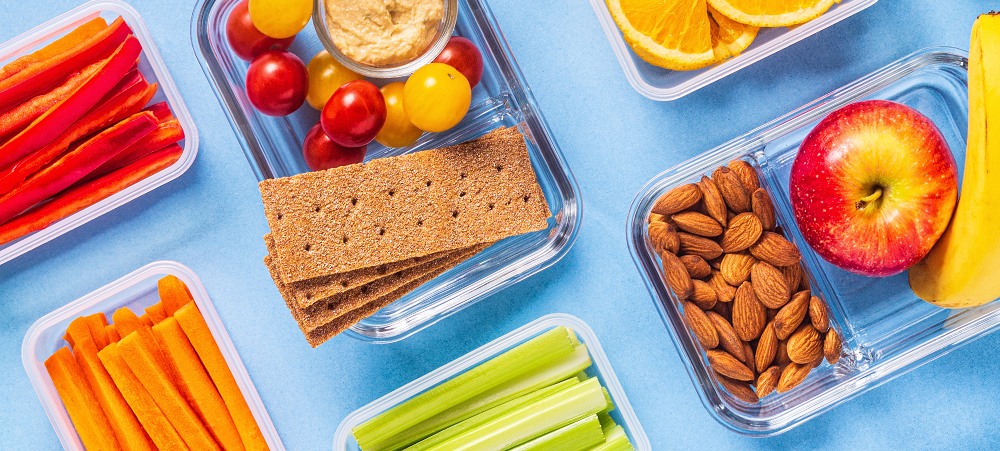

With a little careful planning – and an extra change of clothes! – heading off for a day out with your toddler in tow needn’t be daunting. Packing a variety of nutritious single-serve snacks and treats is essential to keep hunger at bay. These recipes are tasty and packed full of natural goodness – your little one will love them! FRUIT CRUNCHIES These treats are full of sweet fruit which means less cane sugar. We used Squish 100% Apple Fruit Puree in the recipe, but you can switch it for any flavour you choose, or use a combination of leftover Squish Purees from your fridge. All Squish 100% Fruit and Veg Purees have a screw-on lid, which means you can just pop the lid back on and save leftovers for later. Ingredients: 230 g (1 cup) rolled oats 60 g (½ cup) desiccated coconut or ground almonds 125 g (¾ cup) cake flour 2.5 ml (½ tsp) baking powder 1 ml (¼ tsp) bicarbonate of soda 60 g (⅓ cup) dried apricots, finely chopped 65 g (¼ cup) butter 55 g (¼ cup) brown sugar 1 x 110 ml Squish 100% Apple Fruit Puree Method: Place the oats, coconut (or nuts) and cake flour into a bowl and stir to mix. Add the baking powder and bicarbonate of soda. Add the apricots. In a small saucepan melt the butter and the sugar together. Whisk in the Squish Puree and leave to cool. Add the apple mixture to the dry ingredients and stir well until evenly blended. Press the mixture into a baking pan that has been sprayed with non-stick spray and lined with baking paper. Bake in an oven that has been preheated to 160°C for 30 minutes or until golden brown. Remove from the oven and slice into bars in the pan. Leave to cool. TIP: Use a frozen Squish 100% Pressed Fruit Juice as an ‘ice pack’ in your cooler bag. Your little one can drink it later in the day once it has melted. CREAM CHEESE DIP AND CRUDITÉS This snack is so quick and easy to make and travels well. Plus, it provides a perfect combo of protein, dairy and healthy fruit and veg. Squish 100% Fruit and Veg Purees are made from quality fresh fruit and veg and are free from preservatives, colourants and flavouring, which means they’re just like homemade. And there is no added sugar or starch. Ingredients ½ cup plain cream cheese ½ pouch of Squish 100% Fruit and Veg Puree Fresh veggies or fruit, for dipping. Method Place cream cheese in a bowl and add your child’s favourite Squish 100% Fruit + Vegetable Puree. Stir well to blended. Serve with washed and cut fruit and vegetables. TIP: Switch the cream cheese for cottage cheese for a different taste and texture. POTATO POPS These filling and delicious pops are mess-free and easy to serve. You can switch the regular potatoes for sweet potato if you like. Ingredient 500 ml (2 cups) mashed potato 1 x 110 ml Squish 100% Veg Butternut + Carrot Puree 250 ml (1 cup) grated cheddar cheese 1 egg 295 ml (1 cup + 3 Tbsp) breadcrumbs salt and freshly cracked black pepper 30 ml (2 Tbsp) sunflower oil Method In a large bowl, combine the mash, Squish Puree and cheese. Add the egg and 45 ml (3 Tbsp) of breadcrumbs and mix well. Season to taste. Shape into balls and roll in breadcrumbs. Heat the oil in a non-stick frying pan. Fry the potato pops in batches for 3 to 4 minutes until golden brown. These can also be cooked on a baking tray in the oven at 180°C for 15 minutes. TIP: These pops freeze well. Make a double batch and keep a stash in the freezer for lunchbox fillers. For more delicious delicious toddler-friendly recipes, visit www.squish.co.za


Pain can be hard for a child to describe, especially if your tot’s vocab is limited to “mama”, “dada”, “woof”, and “nana”. However, fever and pain occur together frequently in childhood conditions.1 Panado® Paediatric Syrup, Peppermint 5 ml Sachets, contain paracetamol, an effective option for treatment of pain and fever in children.2 The Panado® Paediatric Syrup, Peppermint 5 ml Sachets, are great for on-the-go parents and super convenient for when you’re travelling! Make pain and fever care easy by shopping for Panado products from independent pharmacies and selected Clicks, Dis-Chem, and Pick ‘n Pay stores. For more information, visit https://panado.co.za/ and join the conversations onFacebook. #Panado #ADoseOfCare 2022042510198726 References: 1. Clinch J, Dale S. Managing childhood fever and pain – the comfort loop. Child Adol Psych Mental Health 2007;1:7. doi:10.1186/1753-2000-1-7. [Cited 2022 March 29]; Available from : https://www.ncbi.nlm.nih.gov/pmc/articles/PMC1971248/ 2. De Martino M, Chiarugi A. Recent advances in paediatric use of oral paracetamol in fever and pain management. Pain Ther 2015;4:149–168. DOI 10.1007/s40122-015-0040-z. [Cited 2022 March 29]; Available from : https://www.ncbi.nlm.nih.gov/pmc/articles/PMC1971248/


Think about the role of your milk children’s diet. Are they getting enough of the essential nutrients needed to grow and stay healthy? When choosing a drink for your child, you should consider both hydration and nutrient content. A sweetened drink that provides nine essential nutrients, like flavoured milk, is a wiser option than a high sugar, low nutrient beverage. Flavoured milk is a tasty, nutrient rich choice for a growing child! Did you know? Flavoured milk contains the same essential nutrients as unflavoured milk, including calcium, potassium, phosphorus, protein, vitamins A and B12, riboflavin and niacin. Flavoured milk is liked by children and helps them achieve the requirement of three dairy servings daily. Studies have shown that consuming low-fat or fat-free flavoured milk can boost adolescents’ intake of nutrients without adding unnecessary energy to their diets. Flavoured milk helps meet nutrient needs: Maretha Vermaak, registered dietitian at Rediscover Dairy, says: “During adolescence, children often decrease their milk consumption while increasing their intake of soft drinks. Scientific evidence shows that bone fracture risk is three times higher in girls who drink carbonated beverages and seven times greater in physically active girls who consume both carbonated and noncarbonated drinks.” Some parents are reluctant to offer children flavoured milk because it is sweetened. However, according to the American Dietetic Association increasing the palatability of nutrientdense foods and beverages by sweetening can promote diet healthfulness. Flavouring and sweetening milk does not take away its nutrients. When you compare a glass of low-fat milk to that of flavoured milk, the nutrients are still present and the differences between the two are not significant: Comparison of low-fat flavoured and unflavoured milk Facts Flavoured milk is rich in nutrients, meaning it contains many nutrients in relation to its energy content. Although it is sweetened, it does not add empty kilojoules to the diet. Milk – flavoured or unflavoured, full-cream, low-fat or fat-free, provides three of the five nutrients that fall short in children’s diets, namely calcium, potassium and magnesium. Studies showed people who drank flavoured milk had higher calcium and nutrient intakes compared with those who did not drink flavoured milk. Flavoured milk can increase children’s overall milk consumption. The protein in flavoured milk increases satiety, contributing to the feeling of fullness. Research has shown flavoured milk to be a good rehydration and recovery drink after sport. For more information visit www.rediscoverdairy.co.za or follow Rediscover Dairy on Instagram (rediscoverdairy) or Facebook (RediscoverDAIRY)


Sleep is so essential for our children’s overall development and health, but we cannot address sleep habits if there are medical reasons for a child’s restless nights. There are a few ear, nose and throat (ENT) related conditions that can contribute to poor sleeping – let’s look at the two most common causes amongst infants and toddlers: Adenoid hypertrophy or enlargement Any form of a blocked nose causes difficult, uncomfortable and noisy breathing while sleeping. The most common cause for a chronically blocked nose that an ENT specialist diagnoses are enlarged tonsils and adenoids. Adenoids are lymphoid glands that form part of your immune system. They are located behind the nasal cavity where they trap viruses and bacteria or allergens that try to enter and infect the upper respiratory tract. When they are constantly exposed to viruses or bacteria (for example at creche or school) or even to allergies, they enlarge and block the passage where air needs to pass from the nose to the airway. Adenoids are often enlarged in children, but shrink as we grow older and our immunity improves. Adenoid hypertrophy causes snoring, a blocked and runny nose, nasal voice, mouth breathing and postnasal drip with night-time wet coughs. Severe cases can even lead to obstructive sleep apnoea where your child stops breathing for a few seconds at a time. Your child will snore loudly and wake sporadically during the night due to these pauses in breathing and will not be able to enter the deeper part of sleep. In the long run this is detrimental to their sleep and overall health as essentially, they are not getting enough oxygen to their bodies and their hearts and lungs must work extra hard. It can lead to failure to thrive and poor growth, behavioral problems, poor school performance due to lack of concentration, enuresis (bed wetting) and even heart failure. Middle ear infection or effusion The middle ear has a natural drainage pathway to the back of the nose called the eustachian tube. Any fluid build-up in the ear from inflammation or an ear infection is supposed to drain naturally via the eustachian tube. When the adenoids are enlarged and block the eustachian tube’s opening, this cannot occur and fluid builds up and becomes stagnant in the middle ear. This leads to recurrent infections or chronic fluid build-up called an effusion. You know the feeling you get when your ears need to pop when landing in an aeroplane? That is the pain a child has almost constantly when there is pressure build up in their middle ear, especially when lying down and there is increased blood flow to the head. That is enough to keep anyone awake at night. Not only is it painful for children, but it can cause difficulty in hearing and eventually delay their speech development because of the muffled sounds. In severe cases it can even affect their balance. Some mothers notice how their infants walk differently when their ears are acting up. These conditions are very common in infants from around 6-8months of age into toddlerhood and if the above symptoms are present, it’s best you visit an ENT specialist. There are certain medications that can be prescribed if caught early to try and reverse the inflammatory process and essentially shrink the adenoids, but often it requires surgery. The surgery is a low-risk, quick procedure where the adenoids are removed through the mouth (often combined with a tonsillectomy) and grommets can be inserted into the eardrums to drain the fluid. Once these medical conditions have been resolved there will be a marked improvement in their sleep and a child that already had well-stablished sleep habits, will often return to sleeping well once they are feeling better. What can you expect from their sleep once they have been treated? Waking early: Suffering from any of these conditions affect both the quality and quantity of your child’s sleep. Some children become so accustomed to poor quality sleep that once they finally get helped, they find themselves waking up at the crack of dawn refreshed and ready for the day. They’ve never slept so soundly before, and it can take your child a while to adjust to sleeping more appropriate hours. White noise: Once ears are cleared of fluid, some children become hyper-sensitive to the white noise in their room. You can temporarily reduce the volume and remember to never exceed 50 dB once you turn the volume back to normal. Discomfort: This will need to be addressed and you should offer your child comfort and reassurance. Once they are feeling better go back to your plan and ensure that they don’t become reliant again on any unsustainable sleep associations. Short term-use is often not the problem, it is allowing the bad habits to creep back in permanently that becomes an issue. Once your child is feeling better and has recovered, go back to their normal routine. Often sleep concerns after a procedure are easily resolvable and your sleep-trained child will undoubtedly surprise you with how well they bounce back. If your child slept poorly prior to the procedure, look at contacting a sleep consultant for some assistance. Quality sleep is vital to your child’s health and well-being and they certainly deserve a good night’s rest after what they’ve been through. By Dr Nina du Toit – ENT and Tammy Buitendach – Good Night Consultant www.drninadutoit.co.za

As a new mom, the birth of your baby is a beautiful and exciting time, but there is a darker side to childbirth. Postpartum depression affects about 15% of moms after delivery, and while it is a serious disorder it can be overcome through treatment. What is Postpartum depression? Feelings of anxiety, sadness and fatigue are common after birth and are often referred to as the ‘baby blues’ and should subside within the first two weeks. However, if these feelings stick around for longer, you could be experiencing postpartum depression. Restlessness, mood swings, insomnia, irritability, disconnection from your baby and feeling of worthlessness are all red flags for postpartum depression. Some moms feel guilty or ashamed to be feeling this way, however PPD can affect any woman. Don’t be afraid to reach out for help, as PDD is treatable through both medicated and unmedicated options. What should I do if I have the symptoms of Postpartum Depression? The good news is that PPD is treatable. There are a variety of common types of treatment, which depend on the type and severity of symptoms. Treatment can include counselling, therapy groups, antidepressants and hormone therapy. Self-help groups can be helpful, as it allows you to connect with others who have experienced similar problems and stop feelings of isolation. Recovery time will also vary from mother to mother, but untreated the disorder will last much longer and can interrupt mother-child bonding. Getting help does not mean you are a bad mother, it is important to reach out if you are feeling depressed. Postpartum Psychosis In rare cases moms can develop postpartum psychosis. This should be treated as a medical emergency, and it is essential that you receive help right away. Symptoms include paranoia, delusion and erratic/disorganised behaviour. How to deal with mental health after pregnancy Your mental health is critical to you and your child’s well-being. If you are worried about PPD it is important to get professional help. However, you can help your mood by slowly getting back into exercise, setting aside time for yourself and leaning on those around you for support. It is important to stay connected to family and friends so that you don’t feel alone.

When you’re looking for positive, purposeful, swift action in a time of crisis there’s one organisation you know you can rely on. The Gift of the Givers Foundation is always ready to step in when needed, getting on with the job at hand with the minimum of fuss but with maximum results. ‘The Gift of the Givers needs no introduction,’ says Lee Callakoppen, Principal Officer of Bonitas Medical Fund. ‘The organisation continues to go beyond the call of duty to bring humanitarian aid where needed. It has built its reputation on the principles we, as a corporate citizen, also value: Respect, care, professionalism and dedication. Their swift and problem solving response in the face of any disaster – be it a pandemic, fire, flood, earthquake, tsunami or war – is to be highly commended. And we are proud to announce that Bonitas will be partnering with them for the year ahead.’ For 30 years this extraordinary, non-governmental disaster response organisation has been responding to global challenges, in an effort to bring hope, life and restore dignity to the most vulnerable of people. Gift of the Givers primary focus is disaster response but other key areas of assistance include hunger alleviation, water provision, healthcare, education and social upliftment. Headed up by medical doctor, turned humanitarian, Dr Imtiaz Sooliman, Gift of the Givers has repaired and restocked hospitals, run clinics, sunk boreholes, dug wells, provided food and shelter to millions … and so much more. And, more recently, during the Covid-19 pandemic, KZN riots and water shortages in the Eastern Cape, the NGO brought relief to those who needed it most. ‘Our association with Gift of the Givers goes back a few years when we supported various projects on an ad hoc basis. However, recently we reassessed and realigned our CSI strategy to be in sync with our mantra: ‘A Medical Aid for South Africa’,’ says Callakoppen. ’This means us investing in the social upliftment of South Africans. And who better to partner with than this leading philanthropic organisation. The Bonitas values align with that of the Gift of the Givers and we look forward to working with them to provide relief to the most vulnerable and marginalised communities, specifically in the field of healthcare interventions.’ ‘We joined Bonitas as our medical scheme in 2019,’ says Dr Sooliman. ‘We worked with our financial advisors to find the most appropriate scheme and plan for our staff and have been impressed with their service, professionalism and how the member always comes first. As a paypoint for the Fund, we interact with the team regularly and, through these interactions, have realised there is synergy in our ethos. This led to us working alongside them on selected projects but we are thrilled they are formalising a partnership with us.’ Sooliman says the private sector plays a vital role in helping the organisation fulfil its humanitarian vision. ‘By working in partnership with like-minded and committed corporate partners, we have the ability to make a real difference in the lives of some of the most vulnerable people across South Africa, throughout Africa and the world.’ ‘We have handed over an initial R500 000k that will be used for healthcare related disasters,’ says Callakoppen, ‘However, additional funding has been set aside for specific healthcare related projects, such as hospital revamps, that are close to the hearts of both the Fund and Gift of the Givers.’ ‘I have been fortunate to meet Dr Sooliman on a few occasions and he has engaged with our Bonitas Board,’ says Callakoppen. ’It was humbling to learn more about the healthcare interventions they have put in place, the impact these have had and also just how much they can achieve in a day. He is passionate about the work they do and has a solid belief in the common humanity that unites us. This resonates throughout the organisation, leading with integrity and honesty. We look forward to the lessons we will learn while working alongside them on future projects.’

On busy mornings the last thing you want to be stressing about is what you’re going to put in your little one’s lunchbox. These simple recipes can be prepped ahead so that you always have snacks packed with natural goodness ready to go. CHEESY VEG BALLS These little balls of deliciousness are filled with veggies, including baby marrows, carrots, and Squish 100% Veg Puree – you can choose whichever flavour you like or use up your leftover Squish pouches. Our pouches come with resealable screw-on lids, making them super-convenient and cutting back on waste. You can just use what you need, then pop the leftovers back in the fridge to use later. These veggie balls freeze well, so you can make ahead and freeze then just grab what you need each day for your child’s lunchbox. Ingredients 1 cup cheese 1 x 110ml Squish 100% Veg Puree of your choice ¼ small onion, finely grated 2 cups breadcrumbs (simply put 3 or 4 slices of bread into your processor and blitz) ½ cup wholewheat flour 2-3 large baby marrows, finely grated 2 large carrots, finely grated ½ clove garlic, finely grated 2 tablespoons olive oil or coconut oil 1 teaspoon dried herbs Method Combine all the ingredients and let the mixture rest for 20 minutes. Roll into small balls. Place on a baking tray lined with baking paper and bake in a preheated oven at 180°C for 20-25 minutes. (If you have an Air-fryer, 10 minutes tops.) For a dipping sauce, mix some full-cream plain yoghurt with a little Squish Veg Puree. TIP: Double the recipe. If you have older children, they’ll love these in their lunchbox too. Just roll up in a wrap or pita. BEANY DIP Beans are an excellent source of protein and are packed with calcium, potassium, magnesium, folate, iron, and zinc. In other words, they’re an excellent addition to your child’s diet. We used Squish 100% Pear + Sweet Potato Puree in this recipe, but you can switch up the flavour by picking a different Squish Puree flavour, like Apple, Beetroot + Guava or Butternut + Carrot. Remember, Squish 100% Fruit and Veg Purees are completely free of added nasties like flavourants, colourants and preservatives – and there is no added cane sugar or starch. Pack along with mini pitas or fresh veggie sticks. Little ones always enjoy dipping! Ingredients 1 x 410g can of Rhodes Quality Butter Beans ½ clove of garlic 1 x 110ml Squish 100% Pear + Sweet Potato Puree 1 tbsp fresh herbs of your choice and a pinch of salt Method Drain butter beans and place into a food processor – or you can use a stick blender. Add garlic and Squish Puree. Add fresh herbs and a little salt. Puree until well blended. TIP: Keep leftover dip in a well-sealed container in the fridge and use within 3-4 days. FRUIT AND SPICE LOAF It is always nice to include a ‘treat’ in your toddler’s lunchbox, but that doesn’t mean you need to rely on shop bought snacks which are often full of preservatives and other additives. This home-baked loaf is bulked up with grated carrots – which are high in fibre, Vitamin A, and beta-carotene – and Squish 100% Pear, Butternut Yoghurt + Mango with Cinnamon Puree. It also contains a box of Squish 100% Apple Juice. Squish juices come in four flavours and are made from top quality 100% pressed fruit and vegetables and are preservative free. Remember to put one in your child’s lunchbox too, to keep them hydrated during their school day. Ingredients 1 x 110 ml Squish 100% Pear, Butternut, Yoghurt + Mango with Cinnamon Puree 125 ml (½ C) Squish 100% Apple Juice 440 ml (1¾ C) cake flour 250 ml (1 C) sugar 5 ml (1 tsp) cinnamon 2.5 ml (½ tsp) baking powder 5 ml (1 tsp) bicarbonate of soda 125 ml (½ C) grated carrot 2 eggs 125 ml (½ C) sunflower oil Method Sift the flour, sugar, cinnamon, baking powder and bicarbonate of soda into a large bowl. Add the grated carrots. Mix together the eggs, oil, Squish Juice, and the Squish Puree. Add to the dry ingredients and beat well to mix. Pour the batter into a loaf pan that has been sprayed with non-stick spray. Bake in an oven preheated to 180°C for 35 minutes or until the loaf is well risen and a wooden skewer inserted into the middle comes out clean. Turn out and leave to cool. TIP: This loaf cake is lovely and moist and stores well in the fridge so you can simply slice off as you need.

Planning ahead for the week’s breakfast meals and school lunchboxes helps to keep healthy eating on track and is much easier on the grocery budget than daily tuck shop money or those last-minute runs to the local store for emergency lunchbox items. Planning also helps to ensure that these meals include nutrient-rich whole foods and fresh, seasonal produce. This Rediscover Dairy “Cheesy Breakfast Cups with Amasi” recipe, created by food stylist and busy mom Leila Saffarian, can be a healthy, nutrient-rich breakfast (or breakfast-on-the-run) or a great addition to the school lunchbox, together with a yoghurt, some biltong and fresh fruit. They are a popular because: They are easy to make They can be made on a Sunday for the week ahead The kids can get involved in choosing their favourite ingredients The recipe can be adapted to include veggies They are a great protein boost including egg and dairy Amasi, milk or yoghurt can be used They are great for portion control – two of them are perfect for a fast-growing tween and contribute towards the daily protein and calcium requirements. They are versatile and can be used as a post-sport snack or for those ‘I’m hungry’ before supper is done moments. See here how to make the “Cheesy Breakfast Cups with Amasi”: Ingredients 3 Tbsp (45 ml) softened butter 2 Tbsp (30 ml) olive oil 1 small onion finely chopped 1 small red pepper deseeded and diced 100 g baby/ cocktail / Rosa tomatoes halved 200 g sliced button mushrooms Salt and pepper to taste 4 Tbsp roughly chopped fresh basil For the egg custard: 8 large eggs ¼ cup (60 ml) Milk or amasi or double cream yoghurt Salt and pepper to taste ½ cup (125 ml) grated cheddar cheese Instructions Preheat the oven to 200°C. Grease a silicone or 12-hole muffin tin with 3 Tbsp (45 ml) softened butter, place on a baking tray and set aside. Add 2 Tbsp (30 ml) olive oil to a medium, non-stick frying pan over high heat. Add the onion and fry for 1-2 minutes to soften. Add the red pepper and tomato halves and continue to cook for a further 5 minutes until softened, stirring every few minutes. Add the sliced mushrooms and cook for a further 5 minutes. Season with salt and pepper to taste. Remove from the heat and stir in the basil. For the egg custard, in a medium bowl, combine the eggs, milk / or Maas/ or yoghurt, season with salt and pepper and add the grated cheddar cheese. Whisk well to combine. Add the cooked vegetables to the egg custard, whisk well and divide the egg mixture between the muffin tin. Place the muffin tin into the oven to bake for 25-30 minutes, or until the egg mixture is set and golden on top. Remove from the oven and allow to cool in the tin before unmoulding. Nutrition Facts Per Cheesy Breakfast Cup Serving Size: 150 g Amount per Serving Energy: 1009 kJ Fat: 19.4g Protein: 11.5g Calcium: 118 mg Visit https://www.rediscoverdairy.co.za/resources-and-tools-2/recipes/

Loving our kids is easy… keeping pain and fever at bay? That’s harder. But here’s the secret: It doesn’t have to be!When your baby or infant has a fever, turn to conveniently packaged Panado® Paediatric Syrup, Peppermint 5 ml Sachets. Parenting is a rollercoaster. One minute you’re pacing from room to room in the wee hours with a crying baby – the next, you’re at their bedside, waiting anxiously for them to wake up. Your concern level can rise when you add a fever to the mix. Feeling your child’s forehead, looking for a thermometer, and seeking advice from relatives and friends can be daunting. Fever and pain occur together frequently in childhood conditions.1 If you’re a new parent, it can be scary when your child is burning up with a fever. Even if you’re not a rookie parent, fevers can still cause worry for parents of older kids. Pain can be hard for a child to describe, especially for children under two whose vocab is limited to “mama”, “dada”, “woof”, and “nana”. It’s often up to parents to watch their child for signs of distress, such as behaviour changes, facial expressions, and body movements.1 The good news is that Panado® Paediatric Syrup, Peppermint 5 ml Sachets, contain paracetamol, which is an effective option for treatment of pain and fever in children.2 How do you know your child has a fever? Fever is one of the most frequently cited reasons parents or caregivers seek medical help for their children. It is often a source of concern for parents and healthcare practitioners, who believe it may be linked to a greater risk of morbidity.3 Additionally, there is often uncertainty regarding how to manage fever. A fever is defined as a body temperature of more than 38 degrees Celsius.3 A child’s temperature should be taken using an infrared thermometer placed in the ear or with a standard thermometer placed under the arm (in the armpit or axilla). A child’s temperature should not be taken in their mouth with a thermometer.3 Home Care Tips To Manage A Fever. Just like adults, babies, toddlers, and children can suffer fever or pain associated with a common cold and symptoms can include a sore throat, running nose, body aches and headaches.4 Here are a few easy-to-digest tips for treating your child’s pain and fever at home.3 Panado® Paediatric Syrup, Peppermint 5 ml Sachets, which are conveniently packaged, can be safely administered to infants and children to relieve pain and fever. Always administer using a medicine measure or a syringe Do not over-dress or underdress your child or wrap your child in heavy blankets Check your child during the night, but do not wake your child up just to administer medication for a fever Encourage your child to drink fluids regularly (breast milk is best for breastfeeding children) Seek medical advice if the fever does not get better within 48 hours or if your child’s condition worsens Alwaysgive the dose written on the bottle or sachet according to your child’s weight to ensure that you are using the correct medication at the right dose. If you’re unsure, speak to your doctor or pharmacist before administering medicines for fever. Other Panado® Products Suitable For Your Child In addition to Panado® Paediatric Syrup, Peppermint 5 ml Sachets, Panado’s range for children includes Panado® Paediatric Syrup, Strawberry (50 ml | 100 ml),5 Panado® Paediatric Syrup, Peppermint Alcohol and Sugar-Free (50 ml | 100 ml),6 and Panado® Infant Drops 20 ml.7 Make pain and fever care easy by shopping for Panado products from independent pharmacies and selected Clicks, Dis-Chem, and Pick ‘n Pay stores. For more information, visit https://panado.co.za/and join the conversations onFacebook. #Panado #ADoseOfCare 2022042510198726 References: 1. Clinch J, Dale S. Managing childhood fever and pain – the comfort loop. Child Adolesc Psychiatry Ment Health. 2007; 1:7. [Internet]. 2015 [Cited 2022 March 29]; Available from : https://www.ncbi.nlm.nih.gov/pmc/articles/PMC1971248/ 2. Acharya B, Thapa K. Indoor staying during winter season makes people more susceptible to fu. J Nepal Health Res Counc. 2016 Jan; 14(32):69-70. PMID: 27426715. [Cited 2022 March 29]; Available from : https://pubmed.ncbi.nlm.nih.gov/27426715/ 3. Green R, Jeena P, Kotze S, Lewis H. Webb D, Wells M. Management of acute fever in children: Guideline for community healthcare providers and pharmacists. S Afr Med J. 2013;103(12):948-954. DOI:10.7196/SAMJ.7207 4. CDC Centres for Disease Control and Prevention. Common Colds: Protect Yourself and Others [Internet]. 2021 [Cited 2022 March 29]; Available from : https://www.cdc.gov/features/rhinoviruses/index.html 5. Panado® Paediatric Syrup Strawberry (Syrup). Approved package insert, March 2002. 6. Panado® Paediatric Syrup Alcohol and Sugar-Free / Panado® Paediatric Syrup. Approved package insert, April 2010. 7. Panado® Infant Drops (Drops). Approved package insert, August 1990.

Everyone is feeling the pinch and looking for ways to stretch their budget. This is true of healthcare too, especially when it comes to medical cover. It’s important to manage your medical expenses if you want your benefits to last. The smart move is to know what your plan offers and what you can do to avoid unnecessary out-of-pocket expenses. That way you can save money while managing your health. Lee Callakoppen, Principal Officer of Bonitas Medical Fund, give us some tips on how you stretch your medical aid benefits. Understand your plan and what it offers Knowledge is power and when it comes to medical aid this is especially true. Firstly, it’s important to make sure you have chosen the right plan for your healthcare needs. If you’re battling to make a decision, consult an independent broker. Brokers are accredited by the Council of Medical Schemes so are qualified to offer advice and support and there’s no extra charge for this service. Then, read through the plan you’ve selected and understand all the benefits, limits as well as any additional rules, regulations or added value benefits. Use DSPs or networks Using network doctors, specialists, hospitals or Designated Service Providers (DSPs) is essential if you want to make your medical aid last longer. It means you won’t be charged more than the negotiated preferential rates. Remember this includes knowing your scheme’s key providers, such as which ambulance to call in an emergency. Not using a DSP can result in a co-payment or non-payment for the service. Ask your pharmacist Consult your pharmacist for advice on over-the-counter medicine and/or switching to generic medicines. Using generic medicine, which has the same active ingredient, strength and dosage as the original brand but is less expensive, helps save costs. In addition, consider using a clinic or nurse practitioner to get your blood pressure screened, for your flu vaccination and other primary healthcare concerns – this saves on the consultation fee charged by your GP. Managed Care benefits Most schemes offer programmes to help you manage chronic conditions such as cancer, diabetes, HIV/AIDS and back and neck problems. These programmes are usually covered from the risk portion of your medical contribution and are not funded from your savings account. They help you use your benefits to maximum advantage while ensuring you receive quality care by using specific providers. Other benefits – such as maternity consultations, wellness benefits, preventative care and dentistry – are also paid from risk by some schemes. Again giving you more value for money and are in addition to your savings and day-to-day benefits. Boosting your benefits Carefully read through what your plan offers – especially when it comes to enhanced benefits – and choose wisely. Remember, not all additional benefits are equal. For example does your plan cover childhood vaccines from risk? If so, this is a saving of thousands of Rands, especially in the first 18 months of life This year, Bonitas invested R446 million in additional benefits through a benefit booster which is available on all plans, including the hospital plan (but excluding BonCap). Members tap in by completing a wellness assessment (which can be done online) and then have access to additional benefits which range from R940 and R2 730 (depending on the plan) to cover expenses such as: GP and specialist consultations Acute and over-the-counter medicine Biokineticist and physiotherapist consultations and treatment Paramedical services Alternative healthcare X-rays Blood tests Go virtual Look out for telemedicine or virtual consultation options which are around 60% cheaper than an average consult. A doctor will engage with you in a virtual video consultation on a medical issue and advise you on the most clinically appropriate steps for further care. Be inquisitive, ask questions Ahead of any procedure, in or out of hospital, ask the right questions. Check that your healthcare provider is on your scheme’s network in order to secure a better rate. Unless the procedure is an emergency, you will need to get pre-authorisation. At the same time, request a quote so you know, upfront, what the costs will be and whether you will be covered or if you are being expected to make a co-payment. If so, negotiate. Stay healthy With Non-Communicable Diseases (NCDs) or lifestyle disease fast becoming a pandemic in South Africa, it’s important to take care of your health by eating correctly, getting enough sleep, exercising and reducing your stress levels. ‘Health is the new wealth,’ says Callakoppen. ‘Your health is important, as are your finances, don’t take either for granted. When it comes to healthcare cover, invest time in researching and understanding the medical aid plan you’ve selected. Read the information sent to you, including the fine print to understand the Scheme Rules. If in doubt, phone the call centre, your broker or financial advisor. This will go a long way in helping you know your rights and making the most of your benefits.’


All parents want their children to be healthy and well, and to have long and successful lives. A healthy heart is vital for living life to the full, no matter the age. We often do not take stock of the fact that our children are vulnerable to heart disease too. In fact, the risk for heart disease can begin even before a child is born – during foetal development, and increases further during childhood with exposure to unhealthy diets, lack of exercise and smoking. Children can be affected by heart disease in various ways, so let’s take a look at some of the most common causes. Congenital heart disease Some children may suffer from a heart problem they are born with, which is known as congenital heart disease. This is where a child is born with a defect, or abnormality, of the heart or blood vessels near the heart. For most cases the cause of these abnormalities are not known, and so unfortunately cannot be prevented. The majority of children born today with congenital heart disease will survive and with proper treatment be able to lead a normal or near-normal life. Early detection, awareness and treatment are critical. Rheumatic heart disease Many of us aren’t aware of the link between a sore throat and heart disease, and yet rheumatic heart disease (RHD) is the leading cause of acquired heart disease in children and young adults in South Africa, with the poor being particularly vulnerable. RHD is a chronic heart condition caused by rheumatic fever, where damage to the heart valves occurs. RHD ultimately stems from an untreated streptococcal infection, commonly known as ‘strep throat’. If this infection goes untreated, rheumatic fever can occur between 2 and 4 weeks after a strep throat infection, where the child may have symptoms of tiredness, joint pain, fever and a rash, often visible on the chest. With repeated attacks of untreated rheumatic fever, damage to the heart valves occurs and this is known as RHD. The ironic tragedy is that RHD is very easily preventable. A simple course of antibiotics can treat a strep throat infection, and regular antibiotic injections can prevent rheumatic fever from causing further damage to heart valves. But the sad situation is that in many children strep throat is not detected and they do not receive adequate treatment. It is important for parents and caregivers to be vigilant of a sore throat, and to take their child to a doctor or clinic immediately if they suspect their child has strep throat or rheumatic fever. The symptoms of strep throat parents should watch out for include a sore throat, pain when swallowing and swollen glands, but without other typical flu-like symptoms, such as a runny nose or cough. Lifestyle influences Child malnutrition remains a problem in South Africa, which can affect the growth and development of the baby before birth, resulting in a child born with a low birth weight and poor growth in the early years of life, where a quarter of our children 1 – 3 years old do not reach their full potential height for their age. Poor growth is linked to an increased risk of obesity in adolescence and adulthood, and these children are at a greater risk for developing high blood pressure and insulin resistance at an early age, putting them at a greater risk for heart disease as adults. While some of our children are affected by heart disease through factors that are out of their control, many more are adopting unhealthy habits that place them at risk at an earlier age for obesity, high blood pressure, diabetes and heart disease. Our children are particularly vulnerable and are easily influenced by our unhealthy environment. The picture is concerning. More and more children and youth are taking up smoking, and many are exposed to harmful second-hand smoke. South African children are not moving enough, with a quarter watching more than three hours of TV a day. One in three adolescents eat fast food two to three times a week, and more than half of children don’t take a lunchbox to school, meaning that many are often eating unhealthy foods from the tuck shop or vendors, typically high in unhealthy fats, added sugar and salt. The result is shocking, with up to 23% of children in South Africa being overweight or obese. These children are likely to become obese adults, and are putting their hearts at risk from a younger age. It’s important to be aware that heart disease can affect anyone, at any age. Adopting heart healthy behaviours early in life is the best preparation for preventing heart disease, stroke, diabetes and cancer later in life. It’s crucial for parents and caregivers to be positive role models which can set their children with healthy habits for life. A healthy lifestyle plays an important role in preventing heart disease and strokes, no matter your age.

Up until a couple of years ago, you’d be forgiven for thinking the term “wellness” only referred to lazy afternoons spent at a spa or a wellness retreat. Today, wellness is considered an important part of everyday life. The covid-19 pandemic saw a global surge in self-care practices and mental health awareness. It forced us to stop, breathe and to take a closer look at our health. This led to a major uptake in meditation, yoga and other self-care rituals. But what exactly is wellness, and how is it different to general health? Wellness is a lifestyle. It’s the act of practicing healthy habits daily to improve one’s overall physical and mental health, and to live a fuller and happier life. Wellness forms part of all aspects of your life, be it your diet (snacking on healthy foods rather than sweets or chocolates), your relationships (spending quality time with loved ones), your downtime (resting and relaxing when you are feeling run-down) or your work (instilling healthy habits like taking a lunch break every day or not checking emails over weekends). When we incorporate wellness practices into various parts of our lives, it has major benefits for our physical health (a stronger immune system, more energy and better fitness) as well as our mental health (less stress, less anxiety and a happier state of mind). Wellness practices are different for everyone depending on their lives and lifestyles. After a stressful day at the office, one person’s wellness practice might be a run or jog through the neighbourhood. For another, it might be a bubble bath and a good book. The key lies in finding what works for you. Wellness at work Practicing wellness at work is two-fold: there is the aspect of stepping away, such as taking a lunch break or getting up to stretch every half an hour; and then there is the aspect of incorporating wellness into your work by creating a happy and healthy work space. A clean and tidy desk area is a great start, as is ergonomic seating and plenty of fresh air. Have you ever considered adding a diffuser and some essential oils to your desk? Not only does it leave the room beautifully scented, but the oils can also help benefit your mood. Try the SOiL Inspire Essential Oil Blend, which contains an uplifting and refreshing blend of lime, mandarin and spearmint to energise and inspire. To support a healthier environment, we recommend SOiL Shield Essential Oil Blend, a spicy, citrus, mint blend that creates a barrier against unwanted germs and bacteria to support a healthier environment, immune and respiratory function. Simply add a few drops of these oils to your SOiL Ultrasonic Aroma Diffuser which disperses the essential oils into the air via a fine mist. Wellness at home Not sure where to start practicing wellness at home? It’s easier than you think! Start with a few basics: ensure good ventilation by keeping windows open when possible, keep the space tidy and clean and, importantly, enjoy the space. If you love taking a bath and you have a bathtub, use it regularly to unwind. If you have a room with lovely afternoon sun, take some time out to read your favourite book in there. Try to get the whole family on board with wellness practices, whether it’s a walk to the park after work or a family movie night once a week. One of the easiest ways to set the mood at home is to light a tea candle in your SOiL Ceramic Aroma Burner, add a few drops of your favourite essential oil and allow the scent to infiltrate the room. The candlelight creates a relaxing atmosphere, and your chosen essential oil does the rest. If you want to create a peaceful or relaxing atmosphere, add a few drops of the SOiL Sleep Blend to your burner or diffuser while you prepare to go to bed. It contains a blend of soothing herbal extracts: oils of lavender, marjoram and bergamot will help you drift off peacefully in no time. It’s also a great option to add to your bath water. Gently massage some SOiL Baby Massage Oil into your skin before bed to help your body relax. This blend of chamomile, lavender and olive oil will help keep your skin moisturised and help your mind switch off. For an uplifting or energetic atmosphere, opt for SOiL Energy Blend, with lavender, bergamot, marjoram and vetiver or SOiL Inspire Blend, which contains a refreshing, uplifting and inspiring blend of lime, mandarin and spearmint. And while we’re on the topic of the home, let’s not forget the importance of keeping supplies on-hand for daily concerns. The SOiL First Aid Essential Oil Trio Box consists of lavender essential oil that soothes and calms the mind, body, and inflamed skin, tea tree essential oil that cleanses the air, mind, and body with antibacterial and antimicrobial properties and eucalyptus essential oil which supports a healthier respiratory function and soothes insect bites. It’s the perfect trio to keep in the home – you never know when you may need it! Making greener wellness choices Wellness is not just about making better choices for ourselves, it’s also about making better choices for the planet. When we use sustainable materials, purchase products that were ethically soured or manufactured and support cruelty-free brands, we help lead the way to a better future: Cleaner air, cleaner oceans and a more diverse animal and plant population. One of the most important things we can do is to ensure the products we buy are fair-trade. This means that fair prices are paid to the producers of products in developing countries, helping to achieve sustainable and equitable trade relationships, and to avoid exploitation. 14 May was World Fair Trade Day. The purpose? To showcase the contributions of small-scale producers and farmers to healthy and sustainable communities around the globe. SOiL is Fair for Life certified, which is an internationally-recognised certification for small businesses that follow fair trade practices. Some of the products made with internationally-sourced fair trade ingredients

Wherever possible, consumers are tightening their belts and looking at ways to consolidate expenses and save money. Healthcare is no exception. Traditionally, members of medical aids re-evaluated their medical cover annually, to coincide with increase announcements as well as changes to plans and benefits which come into effect on January 1 each year. However due to the pandemic, a number of medical aid schemes have deferred or postponed their increase announcements. This new pricing is being introduced at different times during the year and at varying percentages – often above inflation. ‘This has caused some confusion and challenges,’ says Lee Callakoppen, Principal Officer of Bonitas Medical Fund – which opted not to defer increases. ‘Members are free to change their options, once a year, during the open period. However, with deferred increases, this often falls out of the open period. This means members start paying the increased premium after to change options has closed.’ Callakoppen explains that the medical aid industry is highly regulated with specific rules and regulations that could impact changing plans and moving schemes. These include waiting periods, late joiner fees and accumulated savings – that all need to be considered when changing plans Can you change your membership any time during the year? You can change at any time but usually this happens during open period. When changing, waiting periods might apply and the savings allocation of the plan may be affected. Make sure you have not already used more than a pro-rated percentage of the benefits or you might have to replay it. This will happen if you have depleted the savings’ portion before the end of the year and switch to another medical aid. What is a waiting period? According to the Medical Schemes Act, medical aid schemes are entitled to impose waiting periods – there are two categories: General waiting period (up to three months) and a condition-specific waiting period (up to 12 months). This protects other members of the Scheme by ensuring individuals can’t make large claims shortly after joining and then cancelling their membership. When do waiting periods apply? Waiting periods generally apply if you move from one medical aid to another, you or your dependants were not on a medical aid for a period of at least 90 days before you joined, or you have never been a member of a medical aid. Can these be waivered? Waiting periods can be waivered but this depends on the medical scheme. Do you pay premiums during a waiting period? Yes, you continue to pay your full premium during the waiting period. What if you change from one scheme to another? Your specific details and medical history will be considered, for example pre-existing medical conditions, how long you have belonged to a medical aid, etc., and underwriting may apply. What is a late-joiner penalty? Schemes can impose late-joiner penalties on individuals who join after the age of 35, who have never been medical aid members or those who have not belonged to a medical aid for a specified period of time since April 2001. Can you move directly from hospital insurance to medical aid? Late-joiner penalties will apply if you are over the age of 35 and move from a hospital insurance to any form of medical aid (including a hospital plan). Does the late-joiner penal reduce over time? No, unfortunately not. Once you are paying a late-joiner penalty, it remains in place. ‘The bottom line is that members need to do due diligence if they are considering switching medical plans or schemes. They need to evaluate the monthly contribution against the benefits being offered and make sure they will cover their healthcare needs,’ says Callakoppen.

With COVID19 prevalent globally, the thought of your baby catching a cold could be one to send shivers down your spine. But don’t fret, here are the symptoms of the common cold, what is considered normal and what is cause for concern. What is a cold? The common cold is caused by a variety of different viruses, and is an infection of the throat and nose. When a baby is born they have a weaker immune system, which develops as they grow older. Understandably though, this makes it easier for them to catch a cold. Babies do build up antibodies when they are exposed to germs, however, it takes 2 to 3 months for their immunity to fully develop. There are many types of viruses that are the cause of colds, but luckily most colds will help increase your little one’s immunity against other another nasty germs. What is normal and what can I do to prevent my baby catching a cold? Unfortunately, as the cold is caused by viruses there is no cure for it, but you can try naturally calm your baby’s symptoms. Unfortunately antibiotics won’t work as viruses are the culprit. It is normal for a cold to last 7 to 10 days. Symptoms include a runny nose, cough and low grade fever. Although alarming, fever is your baby’s natural response to the virus. Don’t give over the counter medication to your baby as these can cause dangerous side effects in young children, but extra fluids, saline spray and air humidifiers are all things you can use to help your baby. When a cold causes your baby to have trouble breathing, a high fever or dehydration it is time to consult with a doctor. Additionally, if the cold lasts for an extended period of time without getting better it is also best to seek professional help. Babies often catch the virus from older siblings or daycare, so if you can limit your baby’s exposure to other people this will help prevent them picking up unwanted viruses. Ask visitors to wash their hands before touching your little one and make sure to keep the baby’s utensils and towels separate from the rest of the household. Keeping your baby up to date with vaccinations is also a very important action that can help protect your them.


When life is busy, weeks fly by like days. Unless you’re tracking your period via an app or pay close attention to the calendar, you might not even notice should you miss a period. Also, if you’re dealing with a spotty cycle or taking birth control to actively “skip” a period, it can be even harder to keep track. Still, once you realise you’re not menstruating the way you expect to, it’s a sign that shouldn’t be ignored. Why is my period irregular? First up, every woman is different and lots of things can affect the way they experience menstruation. However, your period could be considered irregular if the time between them starts to change or the duration begins to vary significantly. In this case, make an appointment to chat with your doctor or gynaecologist. The causes of a period gone astray really do run the gamut and can range from overdoing it in the exercise department to having fibroids (typically non-cancerous muscular tumours) growing in your uterus. Still, one of the most common conditions that can cause an irregular period is an all-too-common hormonal disorder, polycystic ovary syndrome (PCOS). According to the South African Journal of Obstetrics and Gynaecology, it affects as many as 20% of our country’s women in their childbearing years and is linked to 40% of its cases of female infertility. The good news, however, is that it’s very treatable and the negative effect it can have on your fertility can, in many cases, be reversed. It’s all about your hormones To understand PCOS – as well as how to treat and beat it – realise that the root cause is unbalanced hormones. To start, sufferers typically produce more androgen (the male hormone). This causes the ovaries to not release an egg each month and other negative effects include oily skin, an increase in acne and excessive hair growth – often in unwanted places such as on your face! Another hormone that goes haywire when you’ve got PCOS? Insulin. In fact, as many as 70% of PCOS sufferers will also be insulin resistant. In this case, your body starts to produce an excessive amount of insulin because it’s stopped responding to the important message this hormone signals – that it’s time to use the sugar in your blood for energy. Instead, the glucose just languishes in your veins, elevating your bloody sugar levels, and eventually gets stored away as fat. This is why being insulin resistant and struggling to lose weight, particularly around the belly area, go hand in hand. It’s also why suffering from PCOS and not treating it can dramatically increase your risk of developing diabetes. Bring back the balance Clearly, having an irregular period isn’t something you want to ignore so chat with your doctor to get a diagnosis. If it turns out to be PCOS, get onto a treatment plan as soon as possible for the sake of your fertility and your health. This might involve making lifestyle changes, like scheduling more treadmill time and improving your diet, as well as taking prescription medication that will help balance your hormones. A proven all-natural solution Another way you can ease the symptoms of PCOS is via a proven supplement – Ovaria by Lamelle Pharmaceuticals A great tasting powder that can be added to any liquid, Ovaria contains a blend of all-natural ingredients including Myo-inositol. This naturally occurring carbohydrate won’t aggravate insulin resistance. Instead, it helps to regulate your body’s response to it, reducing your risk of developing diabetes as well as other PCOS-related complications. Better yet, when you manage your insulin levels, you’ll reduce your androgen levels. As a result, Ovaria can support weight loss while reducing the severity of acne as well as excessive hair growth. The other great thing about Ovaria is that it’s clinically proven. Studies show it can restore the regularity of your menstrual cycle and increase your ovulation rate to enhance your fertility in as little as 16 weeks! The bottom line If you discover your irregular period is being caused by PCOS, know that you’re not alone. There are lots of ways you can treat it and one of the most natural, non-prescription as well as proven solutions is Ovaria. It’s helped ease the PCOS symptoms of hundreds of woman around the globe so why shouldn’t you be one of them?

Encouraging healthy eating patterns in childhood already sets the stage for habits that will endure throughout life. Good nutrition affects children’s health and well-being throughout their development, from conception to adolescence. Children who eat well develop lively minds and strong, active bodies. Including a variety of foods from all the food groups will give children the energy and nutrients they need. Here are some ideas: Offer plenty of vegetables and fruit every day and include beans and legumes (e.g. baked beans) in meals at least three times a week. To ensure sustained energy, make unrefined and minimally processed starchy foods part of most meals. These include wholegrain bread, cereals or porridge and root vegetables such as potatoes and sweet potatoes. Include milk, amasi or yoghurt in meals each day and use other dairy products such as cheese and flavoured milk to help children meet their calcium needs. Choose full-cream milk for children. Lean meat, fish, chicken, eggs or alternatives for meat, such as peanut butter or cheese, can be eaten daily. Dairy: a source of essential nutrients for children Dairy products are an important part of a healthy, balanced diet and help to improve overall nutrient status. Children and adolescents should have 3–4 servings of dairy every day. Milk and other dairy foods deliver a unique package of many nutrients important for children’s development. These include high-quality protein, minerals such as calcium, potassium, phosphorus, magnesium, zinc and iodine, and vitamins A, B12 and B2. Dairy products contain vitamin B12, which contributes to good physical and cognitive development. During childhood and adolescence, bones need good-quality protein, calcium and vitamin D to become strong. Dairy products are considered the best dietary source of calcium and provide good-quality protein at the same time. With 20–30 minutes of sunshine per day children will get all the vitamin D they need. High-quality protein in milk and dairy foods contains many essential amino acids and many bioactive ingredients, which help children grow and develop strong, healthy muscle tissue. Many observational studies also suggest a positive link between dairy intake and dental health. Eating cheese and yoghurt particularly appears to help protect against dental caries in children. Dairy is for everyone There is a dairy product to suit everyone’s taste and dietary preferences. In fact, dairy complements most meals! Browse our recipe selection for easy mid-week meals and consider these tips to make dairy part of your family’s diet: https://www.rediscoverdairy.co.za/resources-and-tools-2/recipes/ Add milk to cereal at breakfast. Make a fruit smoothie using fresh fruit, plain yoghurt and milk. Cheese and yoghurt are convenient snack options. Offer cold milk, flavoured milk or drinking yoghurt instead of cold drinks or energy drinks. Prepare sauces with milk or amasi or add them to soup. Stir smooth cottage cheese into soup or mashed potatoes. Spread cottage cheese on wholewheat bread or rolls as part of a tasty sandwich filling. Make a healthy snack platter with fresh vegetables, fruit and cubes of cheese.

As a man, chances are you’ve spent a period of your life ensuring you don’t impregnate your partner. But what happens when the time is right to make a baby? Only couples trying to conceive without success will know the true frustration of fertility problems. However, they’re definitely not alone. According to the World Health Organization, data suggests that as many as 186 million individuals are affected by infertility. In the eyes of many, infertility is considered a “women’s problem” but this is hardly the case. In fact, global statistics suggest that just as many men experience fertility challenges. Fortunately, many of these issues can be resolved – sometimes with something as simple as making a few lifestyle changes. For example, heavy alcohol use, smoking cigarettes, abusing drugs and being overweight can all negatively impact the health of your sperm. Still, if you’re already living on the straight and narrow without any success in the baby making department, you might want to consider a science-backed supplement that could make a dramatic difference in as little as one month – Prelox by Lamelle Pharmaceuticals. Potent and proven Created by Lamelle Pharmaceuticals, Prelox is proven to deliver significant improvements in male fertility with no negative side effects. It does this by improving the health of your sperm and increasing its number as well as its motility. (The latter is important because it has a long way to travel, so it needs a healthy “tale”, allowing it to journey all the way to the ovaries. Your sperm also needs to have a well-formed head so that it can anchor itself in an egg.) One double-blind clinical trial revealed that, after taking Prelox for just 30 days, men generated a whopping 93% more healthy, well-formed sperm and saw a 55,5% improvement in motility. It also improved the concentration of healthy sperm by an amazing 83%. It’s all about oxidation We all know that consuming a range of antioxidants is vital for good health. This helps neutralise damaging free radicals that negatively affect every cell in our bodies, including those of your sperm. This is why Prelox contains Pycnogenol, a powerful antioxidant that can help you create strong, healthy sperm that’s up to the task of travelling as well as successful implanting. It also contains L-Arginine, an amino acid that stimulates your body to produce more endothelial nitric oxide (e-NOS). Studies have shown that e-NOS can have a significant effect when it comes to stimulating sperm motility. In a way, you could think of it as a pre-race triple espresso for a sluggish sperm! The bottom line In short, if you’ve been struggling with infertility, it’s always a good idea to chat to your doctor as many things can contribute to this all too common problem. However, in many cases, this can be rectified with the simple yet ingenious patented supplement, Prelox. You’d only need to take two capsules a day and there are no negative side effects to worry about – only the proven fact that it improves the health of every cell in your body, including that of your sperm. With nothing to lose and everything to gain – including a precious bundle of joy – it makes sense to want to reap the benefits. www.preloxrange.co.za

Fruit and veg purees are a quick and easy way to add natural goodness to your toddler’s mealtimes. These yummy recipes all include Squish 100% Fruit and Veg Purees, which means you can simply grab a pouch from your pantry or fridge and get cooking – how convenient is that? Cheesy Veg Balls Little ones love finger foods – and these nutritious and delicious veggie balls are perfect for a meal on their own or as on on-the-go snack when you’re out and about with your child. We made these using a whole sachet of Squish 100% Mixed Veg Puree, but you can switch it up and use any of your child’s favourite Squish flavours, including Butternut + Carrot and Apple, Sweet Potato + Sweet Corn. Squish 100% Fruit and Veg Purees contain no nasties, which means they’re free from preservatives, colourants and flavourants and have no added sugar or starch. Ingredients 1 cup cheese 1 x 110ml Squish 100% Mixed Veg Puree ¼ small onion finely grated 2 cups breadcrumbs (simply put several slices of bread into your processor and blitz) ½ cup wholewheat flour 2-3 large courgettes, finely grated 2 large carrots, finely grated ½ clove garlic grated, finely grated 2 tablespoons olive oil/coconut oil 1 teaspoon dried herbs Method Combine all the ingredients then leave to rest for 20 minutes. Roll into small balls. Place on a baking tray lined with baking paper and bake in a preheated oven at 180 °C for 20-25 minutes. (If you have an air-fryer, 10 minutes tops.) For a dipping sauce, simply mix some full-cream plain yoghurt with Squish 100% Veg Puree. Veggie Mac and Cheese The great thing about Squish 100% Veg Purees is that they allow you to add veggie goodness to some of your children’s favourite meals, like scrambled eggs, bolognaise, or this delicious mac and cheese. It’s a good idea to double this recipe so that you can freeze the extra portions and have a whole batch of ready to heat-and-eat meals for those evenings when you’re short on time. And because every toddler loves mac and cheese, they’re great to have on hand when your little one has friends over for a playdate too. Ingredients 1 x 110 ml Squish 100% Butternut + Carrot Puree 250 ml (1 cup) milk Salt and freshly cracked black pepper 250 ml (1 cup) cooked macaroni pasta, drained 125 ml (½ cup) cheddar cheese 65 ml (¼ cup) cream cheese 1 ml (¼ tsp) ground nutmeg 65 ml (¼ cup) breadcrumbs 15 ml (1 Tbsp) butter Method Cook the pasta according to the package instructions. Mix the Squish Puree and milk together, then add the drained pasta. Add the cheddar and cream cheeses and stir well to combine. Season to taste with salt, pepper, and nutmeg. Spoon into ramekins, top with breadcrumbs and a dot of butter. Bake in an oven pre-heated to 180°C for 20 minutes or until lightly golden and crisp. Allow to cool slightly before serving. Apple, Cinnamon and Rice Pudding This rice pudding is perfect for winter – it’s warm, nutritious, and full of flavour. Add even more fruity goodness by topping with sliced banana and a sprinkling of raisins. You can try different variations on this rice pudding by using a combination of different Squish 100% Fruit Purees – this is a great opportunity to finish up any half-pouches in your fridge. For a dairy-free option, you can use almond milk instead. Remember, even children with special dietary requirements can enjoy Squish 100% Fruit and Veg Purees – they’re free from egg, soya, wheat, nuts, dairy, and gluten. Only Squish 100% Fruit Yogi Purees contain cow’s milk. Ingredients 750 ml (3 cups) milk pinch of salt 30 ml (2 Tbsp) coconut sugar or brown sugar (optional) 2.5 ml (½ tsp) vanilla essence 100 g (½ cup) white rice 2.5 ml (½ tsp) ground cinnamon 1 x 110ml Squish 100% Apple + Banana Puree Method Place milk, salt, sugar (if using) and vanilla essence into a saucepan and bring to the boil. Reduce the heat to a low simmer and add the rice and cinnamon. Cook stirring occasionally for 40 minutes or until the rice is tender and the pudding thick and creamy. Remove from the heat and stir in the puree.

As the creators of Ovaria, a leading ovarian-health nutritional supplement for women with PCOS, we know your ovaries are an amazing organ. While they’re merely the size of an almond, they can hold up to millions of eggs. Not all of these will mature to become – quite literally – ripe and ready for fertilisation but the average woman can expect to release around 300 to 400 of them. But what happens when you don’t? Many women experience regular periods, but they’re not necessarily producing eggs. It’s only when they start trying to get pregnant – and failing – that they realise they might be dealing with a fertility issue. If this is your situation, your doctor might diagnose you with failure to ovulate. While the term might sound scary, this condition is often reversible. It’s also extremely common. As many as 40% of all women dealing with fertility issues are failing to ovulate and it can be caused by several factors. These include gynaecological conditions like polycystic ovarian syndrome (PCOS), endocrine problems like a thyroid condition and even your weight. The one thing that all these conditions have in common is unregulated hormones. (Yep, it’s true. Having too little or too much body fat can affect your hormone levels to the point that they can’t help your body produce an egg.) Bring back the balance If you suspect you’re simply not ovulating, you should always chat to your doctor. They’ll be able to run a series of simple tests that will give them a clear idea of your hormonal profile and ovarian health. As far as treatment goes, this will always depend on what’s causing your hormonal imbalance. Potential options include taking oral medication or hormone injections. You might also need to make lifestyle changes to help you manage your stress levels and weight – two things that don’t require a prescription pad. However, if you’ve been diagnosed with PCOS, you might also want to consider a cutting-edge supplement like Ovaria. It’s clinically proven to increase the ovulation rate of PCOS sufferers in just 16 weeks! How does it work? Made from naturally-occurring ingredients, Ovaria contains Myo-inositol, a member of the vitamin B-complex vitamin group as well as the mineral Chromium. Together, they can activate the signalling pathways that regulate your thyroid hormones as well as how your body uses insulin. The latter is important as research shows that women with insulin resistance (an impaired response to insulin that results in high blood sugar) are at a much greater risk for fertility challenges. Also, by regulating your insulin levels, you’ll improve your ovaries function and this normalises your androgen carriers, thereby regulating the male hormones in your body. Ultimately, your hormones are always entwined in an intricate ballet. If one of them is off-kilter, it’s always going to have a knock-on effect on the other. This is why, by normalising your insulin, you can reduce your androgen levels. And the result? It’s often the normalisation of the menstrual cycle and enhanced fertility! Spotlight on insulin For the record – an irregular period and a struggle with fertility – are both symptoms of PCOS, along with weight gain, acne and unwanted hair growth. This makes sense because 80% of women with PCOS also have insulin resistance. Still, even those who don’t have insulin resistance, will struggle with insulin resistant ovaries or ovaries that are challenged by how they use insulin – as well as well as higher than normal androgen levels. As Ovaria addresses all of these things, it’s become a leading supplement to help PCOS sufferers manage their condition. The bottom line Ultimately, if you’ve been trying to get pregnant and find it to be an unexpected challenge, it’s time to see your doctor. Many things could be causing your problem and it might even be due to your partner’s health, not yours. But if you have been diagnosed with PCOS or insulin resistance, consider taking Ovaria. It’s natural, non-prescription and very safe – and has helped to change the lives of many women around the world. So why not yours? www.ovaria.co.za

One of many great things about living in sunny South Africa is the weather. Each year, we get an average of 2 500 hours of sun! Alas, along with the beautiful braai weather comes the bad – a high incidence of actinic keratosis (AK), a pre-cancerous lesion caused by unprotected sun exposure. What makes this type of lesion especially worrisome is its inclination to convert to squamous cell carcinoma (SCC), the second most common form of skin cancer. Within 10 years, as many as 10% of AK will convert to this potentially deadly disease. Know your risk Did you know that the diagnosis or treatment of AK is the third most typical reason people see a dermatologist? While it’s extremely common, those most at risk for an AK that could turn into cancer are fair-skinned and over the age of 50 with existing AKs or a history of a weakened immune system, such as transplant patients. Interestingly, men are more at risk than women. While being diligent about sunscreen is vital, research has shown this isn’t enough to ensure the very best protection. This is why Lamelle Pharmaceuticals has developed Nia-Sol, an innovative inside-and-out protection system to significantly reduce the risk of actinic keratosis and pre-cancerous lesions. Get two-part protection The result of extensive research regarding sun protection, the Nia-Sol system is a two-part defence. Your first “weapon” is a capsule containing nicotinamide, a powerful antioxidant with anti-inflammatory properties. This is important because both free radicals and inflammation are associated with the progression of AK to SCC. Thus, it’s little wonder that, when taken orally, nicotinamide is associated with a lower incidence of AK. It also helps increase your skin’s cellular energy, giving it the boost it needs to perform essential nucleotide excision repair (NER). While this sounds complicated, it’s a natural process that “snips” out dangerous dimers – kinks in your DNA that can morph into cancer. Another plus? Nicotinamide is proven to inhibit UV-related immunosuppression, essentially damage to your immune system caused by unprotected sun exposure. The second part of the Nia-Sol system is to be applied topically and you can choose from a light textured Gel or the Lotion which is more suitable for larger areas of skin affected by AK’s and sun damage. It also contains that superstar antioxidant, nicotinamide, along with Photolyase, a DNA-repair enzyme with the ability to seek out and correct dimers by 93%! It also reduces MMP-1, an enzyme that damages your skin’s collagen, by 90% while minimising post-actinic damage. The bottom line At the end of the day, new Nia-Sol Lotion, Gel and Capsules by Lamelle Pharmaceuticals are a proven way to significantly reduce your risk of AK and conversion to nonmelanoma skin cancer. It’ll also improve the appearance of red, flaky, rough patches of skin and help maintain your skin’s elasticity while protecting and improving its internal structure. If you fit the risk profile, have been diagnosed with AK or have had a ‘sun damage’ related rough spot removed from your skin, don’t take a chance that could potentially result in deadly consequences. Rather use the very best protection – and pair it with our world-class sunscreen Lamelle Helase 50+ – so you can get back to making the most of your days in the sun. If you fit the risk profile, have been diagnosed with AK or have had a ‘sun damage’ related rough spot removed from your skin, don’t take a chance that could potentially result in deadly consequences. Rather use the very best protection – and pair it with our world-class sunscreen Lamelle Helase 50+ – so you can get back to making the most of your days in the sun. Available at Clicks and online www.lamellepharmaceuticals.co.za www.niasol.co.za

Time-saving toddler suppers for busy moms Sometimes the day runs away with you, and before you know it, it is time to put supper on the table for your little one. These easy supper recipes will help you quickly prep and serve a meal that is full of natural goodness – and delicious too! BUTTERNUT AND CARROT MASHED POTATO Get supper sorted in a flash with this tasty supper – if you have leftover mash in the fridge, it can be on the table in minutes! You can serve this on its own, or add a bit of tuna, cooked chicken or mince for some extra protein and flavour. Squish 100% Fruit and Veg Purees are a smart choice for your growing child – they are made with quality fresh fruit and vegetables and are free of nasties like colourants, flavourants and preservatives, and have no added sugar or starch. Ingredients 1 cup mashed potato 1 x 110 ml Squish 100% Butternut + Carrot Puree Optional: Steamed tenderstem broccoli for dipping Method Heat mash in the microwave and stir through Squish Puree. Steam broccoli and serve alongside mash as dippers TIP: Always double-check the heat of food you have warmed in the microwave and stir before serving. CHEESY MIXED VEGETABLE EGG SCRAMBLE When you’re rushed for time, eggs are always a good option. They’re so versatile and are full of protein. This cheesy scramble is a good way to use up half-full Squish 100% Fruit and Veg Purees you might have in the fridge. Squish pouches come with convenient resealable lids, so you never need to waste a drop. Ingredients 2 eggs 50 ml (½ pouch) Squish 100% Mixed Vegetable Puree (or any flavour you please) 45 ml (3 Tbsp) cheddar cheese, grated Method Crack the eggs into a bowl and whisk. Add Squish Puree and mix well. Melt a blob of butter in a non-stick pan over medium heat. Add the egg and puree mix and cook, stirring, until just cooked. Stir in the cheese. Serve warm with buttered toast. TIP: Use a cookie cutter to create fun-shaped toast. CHICKEN AND VEG RICE The convenience of Squish 100% Fruit and Veg Puree means you can always serve your child a nutritious meal, no matter how little time you have. This tasty one-bowl supper is super-easy to make – we used Squish 100% Mixed Veg, but you can switch up the taste by using any Squish flavour, including Pear + Sweet Potato Puree, Butternut + Carrot Puree, or Apple, Sweet Potato + Sweetcorn. Ingredients 1 cup cooked rice 1 chicken breast, steamed and shredded 1 x 110 ml pouch Squish 100% Mixed Veg Method Heat a small saucepan over medium heat, adding a dollop of butter. Add rice and chicken and fry briefly. Add Squish Puree and continue stirring until heated through. TIP: It’s always a good idea to have a couple of ready-cooked chicken breasts in your fridge to add to leftover rice, mash, or pasta or to stir through a pouch of Squish 100% Veg Puree. You’ll find a whole range of easy-to-make, nutritious recipes on the Squish website. Click here.

While science has taught us never to underestimate the power of germs, sometimes these microscopic critters are simply too crafty, even for the most stringent germ detective. Is Winter To Blame For Childhood Colds? Welcome to winter – the season of snuggles, bear hugs, hot chocolate, colds, and flu! Of course, winter isn’t actually to blame for the spread of pesky viruses, but the cold does seem to shake viruses into action. Some studies have shown that many virus strains replicate better at colder temperatures.1 In addition, when the weather dips, families tend to spend more time huddled indoors with their windows closed, increasing their chances of breathing in the same air as someone who is sick and consequently getting the illness.2 When one child begins sneezing and coughing, a domino effect quickly occurs, and everyone who lives under your roof is hopelessly curled in bed like a bear with a sore head. What Is The Distinction Between Colds And Flu? Colds and the flu are both respiratory diseases caused by different viruses. Rhinoviruses cause 30–50 percent of all colds, and coronaviruses cause 10–15 percent of all colds.3 Influenza viruses are responsible for flu-like illnesses and symptoms are characterized by fever, headache, cough, sore throat, nasal congestion, weakness and loss of appetite.3 What Are the Symptoms and Signs of a Cold? Acute upper respiratory tract viral infections (URTIs) are the most common diseases of human beings, with adults having two to five common colds each year and school children having from seven to ten colds per year.3 A tickling in the throat, a runny or stuffy nose, and sneezing are among the initial symptoms of a cold. Those who have colds may also experience headaches, chills and a cough. Nasal mucus may thicken and turn yellow or green. Generally, the severity of symptoms increases rapidly, peaking 2–3 days after infection and lasting for about 7–10 days.3 How to Treat and Prevent Colds in Children It is possible to protect your child from colds by ensuring that they practice good hand hygiene by washing their hands often with soap and water, avoiding touching their eyes, nose, and mouth with unwashed hands, and avoiding contact with sick children and adults.4 There is no cure for a cold. Colds, like the majority of viral diseases, must run their course. Rest and fluids – juice and water – might help your child feel better while they are recovering.4 If your child does become ill with a cold, some medications can be used to alleviate their symptoms while their body recovers. These include saline nasal sprays or decongestants for a blocked or runny nose, lozenges for a sore throat, and paracetamol for fever and pain, such as the conveniently packaged Panado® Paediatric Syrup, Peppermint 5 ml Sachets. Panado® Paediatric Syrup, Peppermint 5ml Sachets contain paracetamol, an effective option for treatment of pain and fever in children.5 Other Panado® Products Suitable For Your Child* In addition to Panado® Paediatric Syrup, Peppermint 5 ml Sachets, Panado’s range for children includes Panado® Paediatric Syrup, Strawberry (50 ml | 100 ml),6 Panado® Paediatric Syrup, Peppermint Alcohol and Sugar-Free (50 ml | 100 ml),7 and Panado® Infant Drops 20 ml.8 Make pain and fever care easy by shopping for Panado products from independent pharmacies and selected Clicks, Dis-Chem, and Pick ‘n Pay stores. For more information, visit https://panado.co.za/and join the conversations onFacebook. #Panado #ADoseOfCare *For infants aged 3 months and older. ends 2022042510198726 References: 1. Foxman EF, Dtorer JA, Fitzgerald ME, Wasik BR, Hou L, Zhao et al. Temperature-dependent innate defense against the common cold virus limits viral replication at warm temperature in mouse airway cells. Proc Natl Acad Sci U S A. 2015;112(3):827-832. doi:10.1073/pnas.1411030112. Cited 2022 March 29]; Available from https://www.ncbi.nlm.nih.gov/pmc/articles/PMC4311828/ 2. Acharya B, Thapa K. Indoor staying during winter season makes people more susceptible to flu. J Nepal Health Res Counc. 2016 Jan;14(32):69-70. PMID: 27426715. Cited 2022 March 29]; Available from https://pubmed.ncbi.nlm.nih.gov/27426715/ 3. Eccles R. Understanding the symptoms of the common cold and influenza. Lancet Infect Dis. 2005;5(11):718-725. doi:10.1016/S1473-3099(05)70270-X. [Cited 2022 March 29]; Available from https://www.ncbi.nlm.nih.gov/pmc/articles/PMC7185637/ 4. National Center for Immunizations and Respiratory Diseases, Division of Viral Diseases. Common Colds: Protect yourself and others. [Cited 2022 March 29]; Available from https://www.cdc.gov/features/rhinoviruses/index.html 5. De Martino M, Chiarugi A. Recent advances in paediatric use of oral paracetamol in fever and pain management. Pain Ther 2015;4:149–168. DOI 10.1007/s40122-015-0040-z. [Cited 2022 March 29]; Available from https://www.ncbi.nlm.nih.gov/pmc/articles/PMC1971248/ 6. Panado® Paediatric Syrup Strawberry (Syrup). Approved package insert, March 2002. 7. Panado® Paediatric Syrup Alcohol & Sugar-Free / Panado® Paediatric Syrup. Approved package insert, April 2010. 8. Panado® Infant Drops (Drops). Approved package insert, August 1990.

The weekday challenge is all about finding the balance between our work, school, home and family demands. Facing severe time constraints and competing agendas, we have to still find the smart ways to help our kids eat well, avoid unnecessary snacking and be as physically active as possible during the weekdays. This highlights the importance of starting each day with a healthy, nutrient-rich breakfast – even if that’s breakfast on-the-run, or just popping a yoghurt and a fresh fruit in your handbag for your kids to snack on the way to school. Planning our kids’ school lunches and snacks for the school week helps to keep healthy eating on track and keeps our focus on providing them with nutrient-rich whole foods, making sure we are including fresh, seasonal produce. Taking time to prepare for making school lunchboxes at home, using the many good ideas and time-saving hacks that are easy to find, is also far easier on the pocket than giving them money for tuck shop foods, which do not always adhere to healthy eating guidelines. This daily attention to eating well and developing the habit of being physically active every day is critical for South African children. ‘Be active!’ is one of the South African Food-based Dietary Guidelines. Studies have shown that childhood obesity and overweight are increasing rapidly. In addition, nutritional deficiencies and the resultant stunting of normal childhood development and growth are still prevalent in South Africa. Maretha Vermaak, Registered Dietitian at Rediscover Dairy says, “Undernutrition includes protein-energy malnutrition and a number of micronutrient deficiencies. The health consequences of undernutrition include stunted physical growth and delayed mental development. These conditions affect millions of people, especially in the developing world, where approximately 60% of deaths among children under the age of five years are associated with undernutrition. Like many other parts of the world, South Africa faces a double burden of disease where overweight and obesity as well as undernutrition can occur in the same country, the same communities and even in the same household.” The 11 South African Food-based Dietary Guidelines provides a simple framework to help maintain a healthy diet, assist in keeping weight in check and make nutrient-rich food choices. They highlight five types of food that should be included in our daily diet – starchy foods as part of most meals; plenty of vegetables and fruit; legumes such as dried beans and lentils; dairy such as milk, maas and yoghurt; lean meat, eggs, fish and chicken. Too often though, the typical South African diet is found to have little variety of foods and a low intake of vegetables, fruit and dairy, while processed foods, sugary and salty foods as well as drinks high in sugar are consumed all too regularly. The benefits of whole foods Whole foods are foods that are minimally processed or not processed at all, such as fresh vegetables and fruits, milk, eggs, whole grains and legumes. The benefits of whole foods are that they are naturally complex, nutrient-rich foods providing a spectrum of nutrients that our bodies need to maintain healthy functioning. The health benefits from whole foods are more than the sum of its nutrients. Taking charge of school-day lunches and snacks Good lunchbox choices for learners in primary school take into consideration both their nutritional needs and their priorities at break time. Most young kids look forward to the bell because what they most want to do is run out and play. Therefore, lunchbox foods need to be easy to handle and consume. Your child’s stage of development is also a factor to think about. Teens can be weight conscious, and they also often have a big need to fit in and be perceived as cool. Planning healthy options for lunchboxes by shopping for whole food ingredients over the weekend and prepping lunchbox ideas when you have the time avoids last minute decisions, which tend to be less healthy and more costly. It helps to have a variety of suitable, convenient and nutrient-rich options on hand, and to involve your kids in planning their school lunches and snacks. Think also about portion control if your child needs to manage their weight or is striving towards a healthier weight. Keep your focus on both the nutritional value and convenience of your lunch box choices. For example, adding a dairy component to a lunchbox such as a small full-cream yoghurt or a portion of cheese is easy to do, and it will boost their daily intake of vital nutrients such as calcium and Vitamin A. Flavoured milk is a great alternative to an energy drink after sports practice. It helps to rehydrate, refuel and repair and at the same time provides all the important nutrients provided by milk. Of course, budget is also a big consideration, and making up lunchboxes at home has the advantage of being more cost-effective than providing cash for takeaways and tuck shop snacks. Cost, convenience and nutritional value – what are the options? Maretha Vermaak and Dr Hester Vermeulen, a specialist in consumer economics at the Bureau for Food and Agricultural Policy (BFAP) have teamed up to give some examples of school lunchboxes that are affordable, easy to prepare at home and nutrient-rich: Cheese, ham, lettuce and mayo sandwich on low GI bread plus an apple and 250ml UHT milk – R22,59 Hester says: “This choice is good nutritional value for money. It’s a top option containing good quantity of energy(3123kJ), protein (32g), fat (43g), and calcium (677mg). It is also high in fibre.” Maretha says: “Make sure you choose full cream milk so your child gets the benefits of Vitamin A as well.” Peanut butter sandwich on brown bread with flavoured milk plus an apple – R14,49 Hester says: “This cost-effective option provides good quality protein and the highest fibre content.” Maretha says: “This lunchbox meals will help your child to sustain their energy levels after break time and also gives them a good boost of calcium (531mg), which is

Recently there has been increased discussions around male menopause. However, research shows that not all doctors and psychologists agree that there is a definitive male menopause or andropause. Dr Morgan Mkhatshwa, Head of Operations at Bonitas Medical Fund, says this is because not all men experience it and, for those who do, they often don’t express their feelings as freely as women – as a result only a few men exhibit ‘midlife crisis’ symptoms. What is ‘male menopause’? It is the decline in the levels of the male hormone testosterone in men, just as women’s levels of estrogen begin to decrease, any time from the age of 40+. Some doctors refer to it as low testosterone. It is normal to experience a decline in the production of the male hormone testosterone with ageing but this also occurs with conditions such as diabetes. This gradual decline of testosterone levels is called late-onset hypogonadism or age-related low testosterone. It is a more gradual than female menopause where ovulation ends and hormone production plummets during a relatively short time. When does ‘male menopause’ start? Andropause or male menopause can begin at about age 40 (but can start earlier) and continue into the 70s. Why is it not talked about more? There is not much research into the subject, probably because you don’t die from the reduction in gonadal hormones and the withdrawal of hormones is not as dramatic as in women. Together with the reduction in hormones, there are often other factors involved when men experience this. For example, work pressure, marital pressures, life management and lifestyles exacerbate the problem. Many practitioners believe that balanced, youthful levels of human hormones improve the quality of life. What are some of the symptoms? Decreased mental sharpness (poor concentration, depressed mood) Decreased energy and strength Weight gain, decreased muscle and increased fat Depression and/or loss of eagerness and enthusiasm Irritability Sore body syndrome (feeling stiffness) Hot flushes or sweats Cold hands and feet Itching Poor sexual function Height loss Dr Mkhatshwa says some men feel the pressing need to make major changes because they feel ‘life is too short’ or have a feeling of dissatisfaction with their career, marriage and health. This can lead to restlessness about changes in appearance and making out of character choices, such as having an affair or a sudden desire for excitement or thrilling experiences. Getting help Men cope with menopause in different ways, it depends largely on their personality. The reduction in hormones often coincides with children leaving home, friends getting sick, marriages in trouble and job horizons narrowing. Combined with physical, psychological and sexual symptoms it is critical for men to acknowledge the challenges and seek the help of their family doctor, spouse, friends and support groups. How does one test for male menopause/andropause? It’s best to make an appointment with your GP who will: Perform a physical exam, ask about symptoms, order tests to rule out medical problems that may be contributing to the condition and do blood tests, which may include measuring testosterone level. Helping your body and mind cope with andropause Diet: A healthy diet, which includes a balance of vegetables, fruits, meats, fish and dairy products Fitness: Engage in regular exercise, including aerobic, muscular and flexibility exercises Get regular health check-ups including cardiovascular, prostate and testicular cancer Check hormone levels as you get older. Generally, between 40 and 55 several important hormones in a man’s body begin to decline Reduce stress in your life. Exercise and relaxation help to reduce stress, as does talking to your partner, friends and family about your problems Although sex is still important as you go through male menopause, you will start to view sex as a part of a loving relationship which includes friendship, intimacy and sharing Get plenty of sleep What about Testosterone Replacement Therapy (TRT), does it work? Medical experts are divided on this. It may improve the sexual function to some extent but there is no evidence that it improves any other symptoms. Are there any dangers or side effects? Men should avoid TRT if they are at high risk of prostate cancer, have severe urinary symptoms from prostate enlargement, have diagnosed heart disease, sleep apnea, a combination of risk factors for a heart attack or are prone to thrombo-embolic events. TRT does have associated risks, including: Worsening sleep apnoea (a potentially serious sleep disorder in which breathing repeatedly stops and starts) Causing acne or other skin reactions Stimulating noncancerous growth of the prostate (benign prostatic hyperplasia) and growth of existing prostate cancer Enlarged breasts Limiting sperm production or causing testicles to shrink Stimulating too much red blood cell production, which contributes to the increased risk of forming a blood clot Fluid retention, etc. Unlike menopause in women, Dr Mkhatshwa believes more research is needed on andropause or male menopause to completely understand it and determine what can be done to assist men through this phase of their lives.


It’s no great secret that we want to keep our kids safe and raise them in a supportive environment. Unfortunately, this is easier said than done. Our sons and daughters are growing up in a world that is full of lurking threats that range from anywhere from predators to cyberbullies. These pitfalls make our parenting jobs more arduous, especially when it comes to unseen dangers like emotional abuse. Unlike physical abuse, emotional abuse leaves no marks or bruises which makes detecting it difficult.Emotional abuse, like other forms of abuse, can cause degradation or take a child’s pride away. This can take the form of threats, rejection, ignoring, isolating, criticism, corrupting, swearing, and lying or any verbal patterns that harms a child’s emotional well-being, development, or self-worth. Unfortunately, emotional abuse often involves an ongoing relationship and occurs over time, and is not just one isolated incident. The Prevalence of Emotional Abuse For years, experts and researchers have been plagued with problems about defining emotional abuse and tracking its prevalence.The precise numbers of children suffering this abuse is hard to know, because many incidents go unreported or fly under the radar of caregivers, parents, or the authorities. Occasionally, there are cultural factors that influence how a parent disciplines or interacts with a child. For example, there is solid evidence from the World Health Organization that found most cultures yell at children, while cursing, calling names, and threatening abandonment vary greatly around the world. Childline receives around 4,827 calls from kids who were emotional abuse victims. This data lets us know that emotional abuse is a very real threat to our kids. In fact, some experts suggest that emotional abuse appears to be the the most prevalent form of maltreatment and abuse of children. There are a variety of reasons suspected of causing kids to experience emotional abuse that include: poverty, unemployment, overcrowding in the home, substance abuse, alcohol abuse, and more. But, far too often kids are vulnerable just because they are children and easily become scapegoats for an adult’s anger or frustration. Warning Signs of Emotional Abuse in Kids Like we mentioned earlier, recognising emotional abuse is difficult. That makes it essential that we know what behaviours to look for so we can put a halt to the verbal abuse. Listed below are possible warning signs. of emotional abuse kids: Withdrawal from activities or friends Poor concentration Bed-wetting Difficulty sleeping Changes in eating habits Increased anger or aggression Acting out Sadness Feeling ashamed Obsessed over doing things a certain way or meeting expectations Fear Anxiety Suicidal or self-harming behaviours How to Protect Your Kids From Emotional Abuse Even though this topic is frightening, there are a few simple steps we can take to protect our kids from suffering emotional abuse. To help keep our boys and girls safe, scroll through the list of safety suggestions: Believe children when they tell you they are experiencing emotional abuse.Listen, reassure them, and report the abuse to the right authorities. Good support is vital when it comes to giving kids hope and encouragement while they rebuild their lives, ability to trust, and move forward. Find child caregivers you trust.It’s obvious that we can’t always be with our kids. Reduce the chance of emotional abuse by finding a reliable caregiver you trust. Begin ongoing conversations about the power of words.All children, and even a few adults, need to be reminded how words can hurt. This will open the lines of communication and encourage kids to share when they have experienced emotional abuse. Teach relaxation techniques to combat anxiety. Inevitably, there will be times when a child encounters unkind words or mean people. Whether it’s a bully at school or a narcissistic boss at work, teach kids coping methods, deep breathing, or yoga moves to combat emotional abuse. Model healthy relationships with partners, friends, family, and children.We are our child’s first teachers and we must lead by a good example. If we want our kids to respect themselves and be in healthy relationships, we must pave the way by showing them acceptable ways for talking about our feelings, communicating, disagreeing, saying we are sorry, and making-up after an argument. Avoid name calling, harsh judgments, and create a safe home environment. As parents, we need to be the safe place to fall. This doesn’t mean we can’t discipline or enforce house rules. However, we need to be mindful of how our words and phrases can impact our child’s development, either setting them up for a lifetime of grief or acceptance.

It’s true: Babies don’t come with manuals. So, if your baby spikes a fever and appears to be in pain, it’s natural for even the calmest of moms and dads to panic. When your baby or infant has pain and fever, turn to recently launched and conveniently packaged Panado® Paediatric Syrup, Peppermint 5 ml Sachets. What Is Fever and Is It Dangerous to Children? Throughout the ages, certain myths have caused an uproar… kiss a frog and get a prince, goldfish only have a three-second memory, and all fevers are bad for children. Fever is defined as a body temperature of > (more than/equal to) 38 degrees C.1a As strange as it may seem, fevers can be a good thing. A fever is your child’s body’s way of fighting off infections and helping speed up recovery.1b What Causes Pain And Fever In Children? Viral infections are common in infants and children, and most are not serious, including the common cold and a sore throat.2 Teething can be uncomfortable for young children as the tooth cuts through the gums,3a while in older children, cavities may also cause toothache.3b Childhood vaccinations can also cause fever and local reaction (pain, swelling and redness).1c Headaches are common in children, affecting up to 75% of school-aged children,4a and are commonly caused by viral or an upper respiratory tract infection.4b Why choose Panado® Paediatric Syrup, Peppermint 5 ml Sachets? Recently launched and conveniently packaged Panado® Paediatric Syrup, Peppermint 5 ml Sachets have been made with little ones in mind. It contains paracetamol, which boasts more than 150 years of clinical experience5a, and is a trusted choice for many South African families to treat headaches, pain and fever. It’s also gentle on little tummies.5b Panado® Paediatric Syrup, Peppermint 5 ml Sachets are great for on-the-go parents and super convenient for when you’re travelling those long distances!

Being pregnant is an exciting time of your life, but it can be a little daunting. Morning sickness is one of the aspects of pregnancy that can be difficult to deal with. It is estimated that over 70% of women deal with nausea and vomiting to some degree. The name morning sickness is also misleading, as unfortunately you can feel sick anytime of day. Morning sickness is often one of the first signs of pregnancy, beginning in the first trimester. Unless vomiting is so frequent that it leads to weight loss and dehydration (this is known as hyperemesis gravidarum), morning sickness is considered a normal (albeit unpleasant) part of pregnancy. What causes morning sickness? There is no one cause of morning sickness, and severity varies amongst women, and between pregnancies. Some women deal with feeling nauseous the entire pregnancy, whereas others will find that symptoms abate within the second trimester. Luckily, even though you may be feeling miserable, morning sickness is often seen as a sign of a healthy pregnancy and doesn’t harm your baby. Morning sickness is thought to be caused by hormonal changes during pregnancy, specifically the pregnancy hormone, known as human chorionic gonadotropin. How to deal with morning sickness? Unfortunately there isn’t anything you can do to fully alleviate the nausea and vomiting, however, there are things you can do to help fight feeling sick. Making sure you stay hydrated, eating a bland diet, such as rice, bananas and crackers, as well as eating small amounts frequently are all things that can help quell the queasiness. Try staying away from strong smells and spicy foods, as these can trigger nausea. If your morning sickness is bad, speak to your doctor, and be sure to consult with them before trying any medication or alternative remedies.

As every busy parent knows, there often simply aren’t enough hours in the day to get everything done. But one thing you don’t want to compromise on is being able to give your child nutritious meals and snacks. These quick and easy freezer-friendly recipes will help make your life easier – and keep your toddler happy and well fed too! SNEAKY VEGGIE-LOADED MAC AND CHEESE The great thing about Squish 100% Veg Purees is that they allow you to add veggie goodness to your child’s favourite meals, like bolognaise, scrambled eggs, and mac and cheese, without them noticing – a great solve for picky toddlers. Squish 100% Fruit and Veg Purees contain no nasties, which means they’re free from preservatives, colourants and flavourants and have no added sugar or starch. Double this recipe so that you can freeze the extra portions and have a whole batch of quick and easy suppers ready to simply heat and serve when you’re pressed for time. Ingredients 1 x 110 ml Squish 100% Butternut + Carrot Puree 250 ml (1 cup) milk Salt and freshly cracked black pepper 250 ml (1 cup) cooked macaroni pasta, drained 125 ml (½ cup) cheddar cheese 65 ml (¼ cup) cream cheese 1 ml (¼ tsp) ground nutmeg 65 ml (¼ cup) breadcrumbs 15 ml (1 Tbsp) butter Method Cook the pasta according to the package instructions. Mix the Squish Puree and milk together, then add the drained pasta. Add the cheddar and cream cheeses and stir well to combine. Season to taste with salt, pepper, and nutmeg. Spoon into ramekins, top with breadcrumbs and a dot of butter. Bake in an oven pre-heated to 180°C for 20 minutes or until lightly golden and crisp. Allow to cool slightly before serving. MINI FRUITY MUFFINS These mini muffins are perfect grab-and-go snacks and are great to add to your little one’s lunch box. Bake a batch (or two!) and freeze so you always have on hand when you need. These muffins are made using Squish 100% Fruit Puree, which adds natural sweetness meaning you can use less cane sugar. You can switch up the flavours by choosing different purees each time you bake a batch – try Summer Berries, Banana + Strawberry, or Pear. To make a variety in one go, divide the batter, and add the leftovers from your Squish pouches (even the Squish 100% Veggie Purees work well). Squish pouches come with a resealable lid, meaning you never need to waste a drop. Just use what you need then put them back in the fridge for later. Ingredients 375 ml (1½ cups) cake flour 7.5 ml (1½ tsp) baking powder 5 ml (1 tsp) bicarbonate of soda 5 ml (1 tsp) ground cinnamon 125 ml (½ cup) brown sugar 1 egg 65 ml (¼ cup) sunflower oil 1 x 110 ml Squish 100% Banana + Apple Puree 1 x 110 ml Squish 100% Apple Puree Method Sift flour, baking powder, bicarbonate of soda and cinnamon into a large mixing bowl. Stir in the brown sugar. Mix the egg and the oil together and stir in the puree. Add the puree mixture to the dry ingredients and fold gently until just mixed. Spoon the muffin batter into a muffin tray that has been lined with paper muffin cups. Bake the muffins in an oven that has been preheated to 180˚C for 15 minutes or until the muffins are golden and firm to the touch. CHEESY VEG BALLS These Cheesy Veg Balls are delicious and packed with natural goodness too. They are great as a meal on their own, a lunchbox filler, or as an on-the-go snack when you’re enjoying a day out with your toddler. This recipe uses a whole sachet of Squish 100% Mixed Veg Puree, but you can switch it up and use any of your child’s favourite Squish flavours, including Butternut + Carrot and Apple, Sweet Potato + Sweet Corn. Squish Purees are made using 100% fruit and vegetables with no dilution, which means they provide parents with convenience, without compromising on quality. Ingredients 1 cup cheese 1 x 110ml Squish 100% Mixed Veg Puree ¼ small onion, finely grated 2 cups breadcrumbs (simply put several slices of bread into your processor and blitz) ½ cup wholewheat flour 2-3 large courgettes, finely grated 2 large carrots, finely grated ½ clove garlic grated, finely grated 2 Tbsp olive oil/coconut oil 1 tsp dried herbs Method Combine all the ingredients then leave to rest for 20 minutes. Roll into small balls. Place on a baking tray lined with baking paper and bake in a preheated oven at 180 °C for 20-25 minutes. (If you have an air-fryer, 10 minutes tops.) For a dipping sauce, simply mix some full-cream plain yoghurt with Squish 100% Veg Puree. FREEZER HACK: Keep a stash of Squish Yogi pouches in your freezer. Pop into your toddler’s lunchbox and by snack time it will have gently melted creating a refreshing slushie (and keeping their lunchbox contents cool!). Looking for more toddler-friendly recipe inspiration? Click here.

No matter their income, many South African families fall short of the recommendations for 2 to 3 servings of dairy a day. However, given the versatility of dairy, it is really easy to include it in meals, snacks, drinks and lunchboxes. The Rediscover Dairy Sushi Sandwich is a great addition to any lunchbox (big and small). We love it because: It is versatile, because different food items can be included. It is a powerhouse lunchbox snack – high fibre, raw veggies and protein all in one. It is easy to eat, because each piece is bite size, so can adjust to different levels of appetite. It includes dairy and counts towards the recommended 3-A-DAY intake – you can used full fat, plain or flavoured cream cheese or cheese spread or even cottage cheese (plain or smooth). It is easy to make, so the kids can help and use their favourite ingredients. It can be made with high fibre, low GI brown or white bread. It caters to many different tastes and ingredients can include sticks of cheese, cream cheese, chicken, julienne vegetables (carrots, peppers, cucumber and baby marrow) and avo. It can include a combo of protein and veg and it a great way to include a daily raw veggie portion. The raw vegetables pair well with hard cheeses like gouda, cheddar or even feta and a protein like chicken, smoked chicken, tinned fish, salmon or beef strips. See here how to make the Sushi Sandwich. INGREDIENTS (1 Serving) 2 slices (2 x 30 g) of white bread, crusts removed 4 Tbsp (24 g) cream cheese or cheddar cheese spread A quarter red pepper (30 g), deseeded, thinly sliced A quarter carrot (20 g), peeled and thinly sliced TO SERVE Sweet chilli sauce to serve Cheese wedges to serve Raisins to serve Fruit to serve INSTRUCTIONS Place the bread on a clean, flat surface. Using a rolling pin, flatten the bread slightly. Spread the cheese spread evenly over the bread slices, leaving a 2 cm border along 1 edge. Top with red pepper and carrot strips (or any other fillings). Roll up to enclose filling and slice each roll into thirds. Serve with sweet chili sauce.

Two years ago, the Human Sciences Research Council (HSRC) and the Medical Council described the increase in Non-Communicable Diseases (NCDs) as an ‘emerging epidemic’ and the ‘biggest threat to South Africa’s health’. NCDs are associated with the way a person or group of people live, which is why they are called lifestyle diseases. They include atherosclerosis, heart disease and stroke, obesity and type 2 diabetes as well as diseases associated with smoking, alcohol and drug abuse. These diseases used to be prevalent mostly in higher income brackets but not anymore, they are wreaking havoc amongst all South Africans. The good news is that the damage resulting from unhealthy lifestyles can be stemmed. Dr Morgan Mkhatshwa, Head of Operations at Bonitas Medical Fund talks about the top five lifestyle diseases and the effect they have on our bodies. 1. Lack of exercise Not having enough exercise is a major cause of NCDs and chronic disease. Exercise can help reduce or prevent certain NCDs and chronic diseases. Regular aerobic exercise may delay or prevent type 2 diabetes and has benefits for type 1 diabetes as well. Resistance training for type 2 diabetes results in a leaner body mass, blood sugar and blood pressure control Heart disease – reduces cardiovascular risk factors including increasing HDL (good cholesterol) while offsetting LDL (bad) cholesterol and reducing blood pressure Cancer – can reduce the risk of several cancers including breast, colorectal, endometrial, kidney, liver, ovarian, pancreatic, prostate, gastric and oesophageal cancer 2. Stress Your stress response is controlled by your hypothalamus, a tiny control tower in your brain. Stress hormones are sent out which trigger your body’s fight or flight response. Your heart may start beating faster, you breathe more quickly and your muscles tense ready for action. All good in an emergency but if it keeps firing all day it could put your health at serious risk. Stress that’s left unchecked can contribute to many health problems, including high blood pressure, heart disease, obesity and diabetes. 3. Smoking Thousands of people die every year from cancer, Chronic Obstructive Pulmonary Disease (COPD), heart attacks and strokes because of cigarette smoking. That’s the bad news. The good news is that it’s never too late to quit. Within 12 hours after your last cigarette your body will begin to heal itself. The levels of carbon monoxide and nicotine in your system will decline rapidly and your heart and lungs will begin repairing the damage caused by cigarette smoke. Your risk of lung cancer starts to decline a year after you quit and, by the time you’ve been a non-smoker for 10 or 15 years, your risk of cancer is about the same as for people who have never smoked. 4. Alcohol Over time, excessive alcohol consumption can lead to the development of chronic diseases and other serious problems including high blood pressure, heart disease, stroke, liver disease, digestive problems, cancer of the breast, mouth, throat, oesophagus, voice box, liver, colon and rectum. Alcohol affects the body is a multitude of ways including: The pancreas causing pancreatitis – alcohol-related liver disease and chronic liver inflammation which result in either low blood sugar (hypoglycaemia) too much sugar in the blood (hyperglycaemia) and may end up with complications related to diabetes Your central nervous system – over time it affects your memory, ability to make rational choices and think clearly. Chronic heavy drinking can cause permanent brain damage Your digestive system – over time, the tissues in your digestive tract get damaged and you can’t absorb nutrients properly, this results in malnutrition Circulatory system – chronic drinking can affect your heart and lungs, giving rise to complications like high blood pressure, irregular heartbeat leading to heart attack and stroke and heart failure Skeletal and muscle systems –can affect bone density and increase your risk of fractures as well as muscle weakness and atrophy Immune system – drinking heavily reduces your body’s natural immune system which makes you more likely to develop pneumonia and tuberculosis 5. Poor nutrition Poor eating habits include under or over-eating, not having enough of the healthy foods we need each day or consuming too many types of food and drink. Unhealthy eating habits can affect our nutrient intake, including energy (kilojoules) protein, carbohydrates, essential fatty acids, vitamins and minerals as well as fibre and fluid. This can cause obesity, which the World Health Organization (WHO), says has reached epidemic proportions globally; diabetes, hypertension, high cholesterol, osteoporosis and cancer. All forms of malnutrition have become one of the biggest health problems globally. By modifying your behaviour and adopting a healthier lifestyle damage can be curbed, you can improve both the quality of your life and your longevity.