

Bonitas – innovation, life stages and quality care

Working and Pregnancy – When to Stop and How Much Is Enough

As an expecting mom with a career you may be wondering when the best time would be to stop working and how you can stay comfy and productive when you are still in the workplace. Morning sickness, back pain, frequent bathroom breaks and other pregnancy related symptoms can make working as you used to a more challenging task for you. It’s important that you calculate the risks that your job could possibly have to you and your baby. For instance if you are working with chemicals, heavy metals or radiation you’ll need to either stop working or take extra precautions. Heavy lifting or labour intensive jobs and lots of travel for work are also jobs that’ll become more difficult as your pregnancy progresses. Desk work and computer work are generally regarded as safe, whereas jobs that require lots of standing will become more difficult in later pregnancy. Dealing with work and pregnancy Working can be stressful without having a growing baby in your belly. The physical and emotional changes that you experience can make meeting your body’s and workplaces’s demands a challenging task. However, some moms with healthy pregnancies are able to work almost until they go into labour, how much you can do will depend on your pregnancy. Morning sickness is something many moms have to deal with. There are ways you can help manage nausea at work. Avoiding dining areas, packing mouthwash and a toothbrush and packing in soothing lemon and ginger are all things you can do to make yourself more comfortable. Eating and drinking little and often can also help keep the nausea at bay. Be sure to dress comfortably, and try to take frequent breaks and walks, as this’ll also help you stay more comfortable. What rights am I entitled to as an expecting mom in South Africa? As a pregnant employee, you are probably wondering what rights you’re entitled to. It is a good idea to inform your employee as soon as you can, so that your employer can manage the situation as best as they can (for both of you) – they are required by law to maintain a work environment that is safe for their employees. As an expecting mom, you will be glad to hear that you’re well protected  under South African law – you may not be discriminated against or dismissed due to your pregnancy. You also have the right to four consecutive months unpaid maternity leave, anytime from four weeks before your expected birth date. Unfortunately employees are not obligated to pay you during this period, however, your job will be kept open for you until your return to work after maternity leave.

Bonitas – innovation, life stages and quality care

Breastfeeding tips

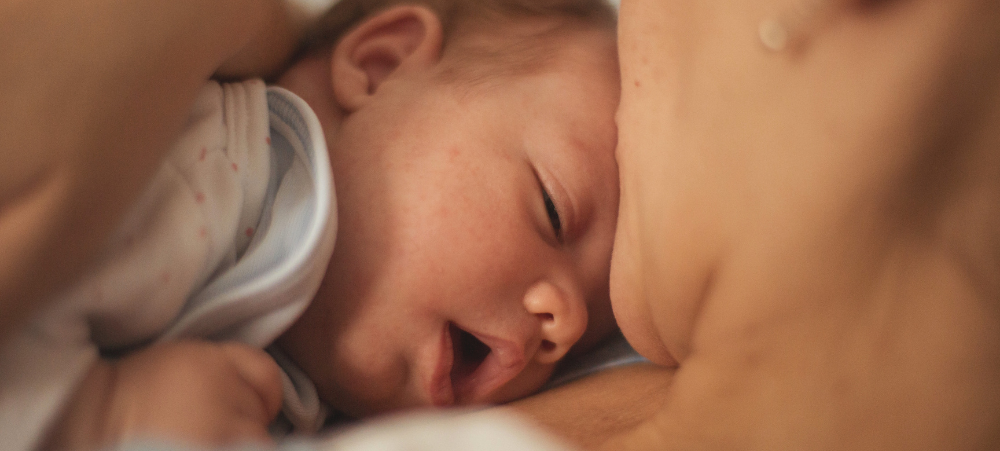
Symptoms you may experience when not breastfeeding The following information is to be used as a guide to and at the discretion of the end-user and should not replace a doctor’s opinion. Care for your breasts when not breastfeeding The following information is to be used as a guide to and at the discretion of the end-user and should not replace a doctor’s opinion. Try ice packs on your breast for 15-20 minutes at a time. If ice doesn’t help, try using a warm washcloth on your breasts. Wear a well-fitting bra that is not too tight. Let your baby nurse at your breasts for a few minutes at a time. Ask your doctor about methods to help release a small amount of milk from your breasts, which may relieve some of the discomfort. Contact your doctor if you have any questions or concerns or you develop chills, or a fever and your breasts are still uncomfortable and swollen after 1-2 days. Benefits of breastfeeding The following information is to be used as a guide to and at the discretion of the end-user and should not replace a doctor’s opinion. Breastfeeding is a skill and can take time to learn; don’t get discouraged if it’s not easy for you at first.  Breastfeeding educators are available and can be helpful in overcoming some of the hurdles. Choosing to breastfeed your child provides many benefits for both you and your baby. Some of these include: How to breastfeed The following information is to be used as a guide to and at the discretion of the end-user and should not replace a doctor’s opinion. Some simple tips on how to breastfeed: Keeping your breasts healthy The following information is to be used as a guide to and at the discretion of the end-user and should not replace a doctor’s opinion. Keeping your breasts healthy during breastfeeding is important.  Here are some things to watch for:

Bonitas – innovation, life stages and quality care

Why is everyone sick right now? How to protect yourself before winter peaks

If it feels like everyone around you is coughing, sneezing or battling the same stubborn flu, you are not imagining it. As temperatures begin to drop across South Africa, respiratory illnesses start to circulate more widely, with workplaces, schools and households across the country quickly feeling the impact. “While many people think of flu as a routine seasonal illness, it can lead to serious complications, particularly for those with underlying conditions or weakened immune systems,” explains Dr Themba Hadebe, Clinical Executive at Bonitas Medical Fund. “Vaccination and proactive health habits help reduce both the severity of infection and the likelihood of hospitalisation.” The flu vaccine does not eliminate the possibility of getting influenza entirely. However, it significantly lowers the risk of developing severe illness and complications. For many people, the vaccine can also shorten the duration of illness and reduce the intensity of symptoms if they do become infected. Healthcare professionals generally recommend getting the flu shot before the winter peak that is coming up soon in South Africa, so that the body has time to build immunity. Many medical schemes also make it easier for members to access flu vaccinations through their healthcare networks. For example, Bonitas Medical Fund covers one flu vaccine per beneficiary each year through its preventative benefits across all options, subject to Scheme rates. Members can receive the vaccine through network pharmacies or healthcare providers, although it is advisable to call ahead to confirm stock availability and, where possible, schedule an appointment to reduce waiting times. Who should get the flu vaccine? While most people can benefit from vaccination, certain groups face a higher risk of severe illness and are strongly encouraged to get vaccinated. These include healthcare workers who are in contact with patients on a daily basis, people over the age of 65 and individuals with cardiovascular diseases, including chronic heart disease, hypertension or a history of stroke. People with chronic conditions such as diabetes, chronic kidney disease or chronic lung diseases like asthma and chronic obstructive pulmonary disease should also consider flu vaccines, as should pregnant women and people living with HIV/AIDS. Children can also receive the vaccine. Schools and early childhood centres are often environments where respiratory viruses spread quickly, as children may not yet have fully developed hygiene habits. The flu vaccine is widely used and considered safe for most children older than six months. “While children often recover well from seasonal flu, they can still experience severe symptoms and are also key spreaders of infection within families,” Themba explains. “Vaccination helps reduce the risk of serious illness and can also limit how easily the virus spreads to siblings, parents and grandparents.” Parents should always speak to a healthcare professional if they are unsure whether vaccination is appropriate for their child, particularly if the child has underlying health conditions or allergies. Who should avoid it? Although the flu vaccine is safe for most people, it is not recommended for certain groups. This includes individuals with severe allergies to eggs or egg proteins, as many flu vaccines are produced using chicken eggs. Infants younger than six months should not receive the vaccine, as it is not licensed for that age group. People who previously experienced a severe reaction to a flu vaccine should consult a healthcare professional before considering another dose. It is also advisable to delay vaccination if someone is already experiencing active flu symptoms. Strengthening your immune system before winter Vaccination is only one part of staying healthy during winter. Lifestyle factors play an important role in maintaining a strong immune response. A balanced diet rich in fruits, vegetables, lean proteins and whole grains helps supply the nutrients the body needs to fight infection. Adequate sleep is equally important, as poor sleep weakens immune function and increases vulnerability to illness, as is regular physical activity. “Taking proactive steps before winter fully sets in can protect not only individuals but entire communities,” says Hadebe. “Prevention remains one of the most effective tools we have when it comes to respiratory health.”

Bonitas – innovation, life stages and quality care

Staying healthy during your pregnancy

Welcoming a new addition to the family is exciting but also a little daunting. Parents are anxious to make sure everything is done correctly to ensure the best start for their little one. Part of this preparation is also maintaining a healthy lifestyle and diet, during the pregnancy, crucial for both the mother and developing baby. Dr Themba Hadebe of Bonitas Medical Fund says that what you eat during your pregnancy, directly affects foetal development. ‘A diet rich in vitamins, minerals and other key nutrients can help ensure a healthy pregnancy outcome. Proper nutrition supports the development of your baby’s brain, bones and organs. It also aids in building the placenta, which supplies the baby with oxygen and nutrients.’ He advises eating a balance diet that includes a variety of food groups, such as fruits, vegetables, lean proteins, whole grains and healthy fats. Each offers unique benefits that support both maternal health and foetal growth. What foods should I be eating?  Bearing in mind that you may feel nauseous in the beginning and not be able to eat certain foods and may have cravings for others, as far as possible try to follow a balanced diet, rich in nutrients. Foods you should include in your diet are dairy products, such as milk and yoghurt, as they provide extra protein, calcium and probiotics. Legumes, such as lentils and soybeans, are other good foods to include as they contain protein, fibre and folate, which is particularly important during pregnancy.  Sweet potatoes, which are high in vitamin A and fibre, are also a good addition to your shopping list. Other wholesome foods include eggs, broccoli, lean meat and berries.  ‘During pregnancy your vitamin and mineral needs will change,’ say Dr Hadebe. ‘And although a heathy diet should supply most of the vitamins and minerals needed, often healthcare professionals suggest prenatal vitamins as a good way to supplement and cover nutritional gaps, even though they don’t replace a healthy lifestyle and diet.’ What vitamins and minerals are essential and why?  Folic Acid: Or folate helps prevent neural tube defects, such as spina bifida and supports the development of the baby’s brain and spine. Iron: Supports healthy growth and helps prevent anaemia by ensuring that blood (in both mom and baby) carries oxygen effectively. Iron-rich foods like lean meats, beans and spinach can help but most pregnant women need an iron supplement to meet the increased demands.  Calcium: Calcium supports the development of the baby’s bones and teeth. If the mother’s calcium intake is inadequate, the baby will draw from the mother’s stores, potentially weakening her bones. Dairy products and leafy greens are great sources of calcium. Vitamin D: Aids in calcium absorption and supports the baby’s bone health. Exposure to sunlight and foods like fortified dairy and fatty fish (salmon, mackerel) can help ensure adequate vitamin D levels.  Omega-3 Fatty Acids: These essential fats, found in fatty fish, like salmon and also flaxseeds, support the baby’s brain and eye development. Omega-3s can also help reduce the risk of preterm birth. Vitamin C: Helps with iron absorption and boosts the immune system. It can be found in citrus fruits, strawberries, bell peppers and broccoli. Iodine:  Essential for the production of thyroid hormones that regulate the development of the foetal brain and nervous system. You will need more iodine than usual when you’re pregnant or breastfeeding.  Iodine can be found in dairy products, eggs and seafood. ‘Getting the correct micronutrients is essential for a healthy pregnancy and best possible development of your baby,’ says Dr Hadebe. ‘Deficiencies can lead to complications such as hypertension and low birth weight which is why prenatal supplements are often prescribed.  However, it is important not to exceed the recommended dosages.  Consult your doctor or gynae before starting any supplements, they will help determine the appropriate dose for your individual needs.’ In additional to a balanced diet, Dr Hadebe also recommends you exercise regularly – it’s a great way to stay in shape, boost your mental health and releases ‘feel good’ endorphins. In addition to maintain a healthy lifestyle, cut out alcohol and nicotine, cut down on caffeine and find way to manage your stress levels.   *Plan dependant.

Bonitas – innovation, life stages and quality care

Neonatal jaundice, what is it and what happens if my baby is born with it?

Jaundice is a yellow discolouration of a baby’s eyes and skin and is fairly common in newborn babies. Although it may be alarming to you to see your newborn baby with a slightly yellowish tint, thankfully, most cases of jaundice are considered normal and will go away on their own. You may be wondering why your baby may be born with this condition, or what treatments are available if your little-one has jaundice – read on, we outline the causes and common treatments thereof.  Why would my baby have neonatal jaundice?  Babies are born with neonatal jaundice when they have excess levels of unconjugated bilirubin in their blood. Bilirubin is a yellowy substance which comes from the breakdown of red blood cells, however, baby’s livers sometimes can’t break this substance down fast enough, giving their eyes and skin a yellow tint.  When your baby is born they will be checked for jaundice, as high levels of bilirubin can lead to more serious problems. A baby is more likely to get neonatal jaundice if they are born premature, have a different blood type to their mother or are being breastfed. Babies who are breastfed can develop jaundice if they don’t get enough breastmilk, due to trouble feeding.  What happens if my baby has neonatal jaundice? If your baby has jaundice, this will typically be seen in the second or third day of being born.  Sometimes jaundice will go away on its own and other times it will need to be treated. If your baby is struggling to breastfeed it’s important that he be breastfed more often, or even receive formula as a supplement during this time.  Phototherapy (light therapy)  can also be used to help your baby. Light can turn the bilirubin into a form that can easily pass out the body. If the jaundice is very bad, your baby may receive a blood transfusion which will quickly lower bilirubin levels. 

Bonitas – innovation, life stages and quality care

South Africans are stressed out: the hidden health impact of a strained economy

South Africans are living through another cycle of sustained economic pressure as rising fuel costs continue to filter through the economy, pushing up the price of transport, food and household goods. At the same time, broader global uncertainty and ongoing geopolitical tensions are adding further worry and dread to an already financially stressful landscape for South Africans. A 2026 study on the impact of geopolitical tensions on mental health shows that sustained global conflict and political uncertainty is a key driver of anxiety, even among populations not directly affected by war, contributing to a persistent sense of threat. For many people, this is experienced not as a single event but as a constant background load, which compounds existing financial strain and intensifies everyday stress responses. “When people are faced with instability and conflict narratives, even if events are occurring far away, the body can remain in a sustained stress response,” says Dr Themba Hadebe, Clinical Executive at Bonitas Medical Fund. “Even when individuals are not directly affected, the constant sense that the world is unstable can heighten anxiety and intensify the strain already created by financial pressure. Over time, this compounds into burnout and emotional exhaustion that we are increasingly seeing in members.” Mental health challenges are also having a wider economic impact, with South Africa estimated to lose over R250 billion annually (around 4.5% of GDP) linked to mental health conditions. In addition, about 452 million work hours are lost each year, with “presenteeism” alone costing more than R200 billion in lost productivity. Chronic stress linked to money worries also drives physiological changes in the body that are harder to detect early. Sustained elevated levels of stress hormones like cortisol can affect sleep quality, weaken immune response and contribute to weight changes, fatigue and burnout. Over time, this creates a cycle where physical exhaustion and mental strain reinforce each other, making recovery more difficult. Managing stress in a high-pressure environment While economic conditions are not within individual control, there are practical steps that can help reduce the health impact of ongoing stress. Structured routines are important; regulating sleep patterns and ensuring you are eating balanced, consistent meals help regulate the body’s stress response. Even small adjustments, like limiting late-night screen exposure or introducing short daily walks, can improve sleep quality and mood regulation over time. Financial clarity also plays a role in reducing anxiety. Simple budgeting tools or weekly financial check-ins can reduce the cognitive load of uncertainty, which is often a major driver of chronic stress. “Preventative approaches are also important,” says Themba. “Early support for mental health symptoms can help prevent things from becoming worse. Members of a medical aid must look into the structured care programmes they are able to access and take benefit from through their plans, which can help a great deal in the event an individual requires further medical care that can become costly.” Bonitas’ Mental Health Programme offers its members structured support that is designed to help identify and manage conditions such as anxiety, depression and burnout earlier, with coordinated access to care pathways and ongoing support. “As a society we re quicker to discuss how these pressures affect us in economic terms, but are less cognisant of, or willing to speak to about, the very real and problematic physical and mental health issues that arise as a result of what’s happening in the world right now. “Stress linked to financial strain has real physiological and societal consequences, affecting all of us whether on an individual or organisational level. Don’t ignore the early signs of burnout and seek support to stop stress form developing into more serious conditions,” concludes Themba.

Bonitas – innovation, life stages and quality care

Smoking and pregnancy – should I quit

If you’re an avid smoker you’re probably wondering if being pregnant means you should wave your smoking habits goodbye. Unfortunately, even if your health isn’t enough for you to stop, your baby’s health should be. What can happen to my baby if I keep smoking? Smoking during your pregnancy is harmful to your unborn baby. The chemicals in cigarettes are both damaging to you and your baby; nicotine and other harmful poisons increase the risk of health problems for unborn babies. Second hand smoke, vaping and e-cigarettes are all still damaging to your baby’s health and should also be avoided (or quitted). You may need to designate your house a non-smoking area, and ask any friends and colleges not to smoke around you. So what exactly does smoking do to your unborn baby? Smoking lowers the amount of oxygen available to your growing baby and nicotine damages the baby’s brain and lungs. Smoking can make it harder to conceive, and if you do fall pregnant, can lead to miscarriages or stillbirth. Babies can be born premature, have a low birth weight, or be born with birth defects.  Smoking during pregnancy can also affect your baby’s health after they are born, leading to cases of Sudden Infant Death Syndrome, asthma and other respiratory problems and infections. Help – I am really struggling to quit! Even if you have decided that quitting is in both of your best interests, this may be easier said than done. If you are pregnant already it is best to quit without using any medication, as this is healthier for you and your baby. You also won’t be able to transition to vaping or e-cigarettes, as these too, are harmful and usually contain nicotine, which is damaging to health. In order to quit for good, try avoid the triggers that make you want to smoke, and try find something else that you can do when the craving kicks in. Get the support of your family and friends, or join a stop-smoking group or self help plan. Whatever your plan is to stop, you can be sure that both you and your child’s health will benefit from it.

Bonitas – innovation, life stages and quality care

Symphysis pubis dysfunction (SPD) and to deal with it

Symphysis pubis dysfunction or SPD is pain in your pelvis, which is caused by the relaxing of ligaments in the pelvic bones too early before birth. Many aspects of pregnancy can cause discomfort, and SPD is one of them. Here are the signs of SPD and what you can do if you think you to alleviate your discomfort if you are suffering from it.  What is SPD and what causes it? Not all moms-to-be will experience SPD but it is thought to be fairly common in pregnancy. SPD is a pain in the symphysis pubis (which can range from moderate to serve) caused by the relaxing and stretching of the ligaments around the pelvic bone. Pain can be brought on by opening your legs, walking up stairs or even turning over in bed, and this may be accompanied by a clicking/grinding sensation in the pubic area.  The cause of SPD in pregnancy is the hormone relaxin, aptly named as it relaxes your joints and ligaments to make it easier for your baby to come out at birth. SPD happens when these hormones come into play too early. Not only that but you’re shifting centre of as your baby grows, which can cause main in your lower back and pelvis as your body shifts to accommodate your little one.  What can I do to relieve SPD  Living with SPD can be uncomfortable at best, so you may be wondering what you can do to help alleviate some pain. Being fit before pregnancy can help, as stronger glute and abdominal muscles can help support your pelvis. Physiotherapy can help manage SPD pain, as a physio will be able to work with you as your pregnancy and pain levels change. Speak to your doctor first, as they may have recommendations for you. Your pelvis should return to normal between 4 and 12 weeks after birth. 

Bonitas – innovation, life stages and quality care

The First Signs of Labour

If you’re expecting your first baby you’ve probably read up a little (or a lot) on pregnancy and birth process. Labour is something you’ve probably wondered about and seeing as every pregnancy is different, many moms experience different labour signs. However, there are a few tell-tale signs to look out for that you are about to meet your new baby soon.  What to look (or feel) out for  You may be worried that you won’t distinguish normal late pregnancy signs from the fact that you’ve started labour. Luckily your due date should give you an indication of when you could expect your baby to arrive, but this won’t always be the case. Here are some indicators that your baby is on the way.  One of the more obvious signs of labour beginning is regular contractions. This will be different to the Braxton Hicks contractions you may have been experiencing leading up to this point. Labour contractions are longer, stronger and more frequent – when they come every 5 minutes you should call your doctor or midwife.  Another sign your baby is on her way is your cervix dilating or beginning to open. This can start happening in the days or weeks before you deliver. Your baby will also move down into your pelvis during this time – which is known as your baby dropping.  When your labour begins, the mucus plug which seals your cervix opening comes away. This jelly-like pink mucus is known as a show, and you may notice it when it passes out your vagina.  Lower back pain, diarrhoea and looser feeling joints are all other signs that your labour may be starting. Another sign is your water breaking, this can happen in a gush but a trickle is more likely, most moms-to-be go into labour within 24 hours of their water breaking.  Be sure to keep your birth partner in the loop about how you are feeling mentally and physically around the time of your birth. If you are at all worried about your baby or experience anything abnormal be sure to let your doctor know as soon as possible. 

Bonitas – innovation, life stages and quality care

Living longer isn’t enough, it’s time to live better

Good news: South Africans are living longer. According to Statistics South Africa’s 2025 Mid-Year Population Estimates, life expectancy has climbed to 64 years for men and 69.6 years for women. This marks a remarkable recovery from the devastating lows of the early 2000s, when the HIV epidemic cut lives tragically short. Expanded access to antiretroviral treatment deserves enormous credit for that turnaround. But here is the number that should stop us in our tracks: our healthy life expectancy sits at just 52.8 years. That means the average South African spends roughly a decade, sometimes more, living with illness, disability, or diminished quality of life before they die. We are adding years to life, but we are not yet adding enough life to years. This World Health Day, on 7 April, that is the conversation we need to be having. A nation under double pressure South Africa’s health landscape is uniquely complex. We carry a double burden of disease that few countries face at the same scale. On one side are communicable diseases: an estimated 8.15 million South Africans are currently living with HIV, representing 12.9% of the total population. On the other, non-communicable diseases (NCDs) are rising at an alarming rate and they are increasingly becoming the silent drivers of preventable death. Diabetes is perhaps the starkest example. Its prevalence has nearly tripled over a decade, from 4.5% in 2010 to 12.7%. By 2019, an estimated 4.58 million South Africans between the ages of 20 and 79 were living with the condition. More troubling still? Over half of them (52.4%) were undiagnosed. High blood pressure and heart disease follow a similarly concerning trajectory, steadily eroding the life expectancy gains we have worked so hard to achieve. The root of this problem is not only a lack of healthcare access though that inequality remains real and urgent. A significant part of the challenge is a lack of health literacy: people not knowing their numbers, not understanding their risk, and not knowing when or where to seek help. Information is healthcare World Health Day is not just about healthcare systems. It is about ensuring that every person, regardless of income, geography, or education level has the knowledge they need to protect their own health. That is health literacy. And it is one of the most powerful, and underused, tools we have. At Bonitas, we believe that a medical scheme’s role extends far beyond paying claims, we are a healthcare partner. That means meeting our members where they are: helping them understand their conditions, navigate the system, and make informed decisions before a health crisis forces their hand. Our Be Better Benefit is a direct expression of that philosophy. It is designed to empower members to take a proactive approach to their health, offering access to wellness screenings, tests, vaccines and preventative care measures – helping with early detection of health issues, and allowing for timely intervention. Because the best claim is the one that never needs to be submitted. Part of health literacy is understanding your medical aid, not just having it. Too many South Africans are either underinsured, enrolled on benefits that do not match their actual health needs, or simply uncertain about what their plan covers. With NCDs now affecting South Africans across every age group and income bracket, having the right cover is not a luxury. It is a necessity. Choosing the right medical scheme benefit option means understanding your family’s health profile: your age, chronic conditions, preventative care needs, and anticipated healthcare use. It means asking the right questions. And it means having a scheme that gives you the tools, and the transparency, to make those decisions confidently. A shared responsibility South Africa has made genuine, hard-won progress in public health. Infant mortality has dropped to approximately 23 deaths per 1,000 live births. Under-five mortality has fallen to around 26 per 1,000. But the next frontier of progress will not be won in hospitals alone. It will be won in the daily decisions people make about their health: whether it is getting screened, managing a chronic condition, or seeking care early rather than later. For that to happen, people need information, support, and a healthcare partner they can trust. This World Health Day, we at Bonitas reaffirm our commitment to being exactly that, not just a funder, but an educator, an advocate, and an ally in every South African’s journey towards a longer, healthier life. For more information on the Bonitas Be Better Benefit and to find the right benefit option for you and your family, visit www.bonitas.co.za.

Bonitas – innovation, life stages and quality care

Putting together your birth plan

As you enter your third trimester you’ll have probably done a fair bit of research on the birth process (if this is your first) and may have a good idea of what you want before, during and after delivery. There are many options and opinions, from whether or not you want pain medication to how many people you would like supporting you. However, trying to keep track of your choices during labour may be tricky, which is why you’d put together a birth plan. So what exactly is it and how do you put one together? Why should I put together a birth plan?  Your birth plan is your choices or preferences before, during and after labour and delivery. While things may not always go according to plan, having your preferences written down and communicated means you, your midwives and doctor have a more mutual understanding. However, if your pregnancy doesn’t go accordingly, you need to be prepared to make adjustments on the day. What should be in my birth plan? Your birth plan is how you’d like everything would go in the best-case scenario. Your birth plan will also have to take into consideration what is available at the hospital or place where you are giving birth. Some birth plans are very basic, just outlining a simple overview, whereas others may be far more detailed and in-depth. The choice is yours. Typically a birth plan will include before, during and after labour and birth preferences. Such as who you want to assist you during birth, whether or not you want any pain medication,  you birthing positions, and requests for newborn care, such as skin-to-skin time. How can I learn more about the birth process?  If you feel like you need to top up your birthing knowledge before putting together a plan they are a few ways you can go about this. Joining antenatal classes are a good way to learn more and to meet other women in your position. Chatting to friends or family who has been through the birthing process themselves is another good way to see what would work best for you. If you and your partner are having a baby together, keep them in the loop as well. Find out what they expect during labour and you can chat about what you want, and what role you see them playing in the process.

Bonitas – innovation, life stages and quality care

Postpartum bleeding – what is normal?

Giving birth to your baby after 9 months can be a relieving, beautiful and exciting experience. Postpartum your body will still be going through adjustments for a while, and as you care for your new baby, you’ll need to remember to take care of yourself as well. Postpartum bleeding, also known as lochia, is normal after both vaginal and c-section births, however, it is best to know what is and isn’t common in post birth bleeding. Normal postpartum bleeding Lochia is similar to menstruation in the way in which it is made up of blood and tissue, it’s just heavier and longer lasting – it should stop between 4 and 6 weeks after giving birth. Initially, your bleeding will be heavy. This first phase of postpartum bleeding is known as lochia rubra and you’ll experience this in the first 3 to 4 days. Bleeding will be red to reddy brown and you may have small clots. In the next few days after birth your lochia will decrease in volume. Lochia serosa lasts 4 to 10 days and during this period your blood will darken in colour and become more watery. Blood clots should get smaller and disappear. Finally you’ll experience lochia alba, which usually lasts about another 1 to 2 weeks, but can be up to 28 days. Discharge will be yellowy white in colour, you may see pinkish or brown stains on some days. There should be no smell other than what you would experience during a normal period – a strong odor can be a sign of an infection. When to reach out to your doctor Even though lochia is normal, if you are bleeding heavily this can indicate that you have a postpartum haemorrhage. If your bleeding is heavy a week after birth, you experience fever or chills, a tender abdomen or foul-smelling discharge, you’ll need to seek medical assistance.

Bonitas – innovation, life stages and quality care

Closing the gap on eye care through early detection this World Optometry Week

Uneven access to optometry services in South Africa puts pressure on prevention, but collaboration and technology are helping shift the dial. Access to good eye care in South Africa remains uneven, resulting in many conditions being diagnosed too late. World Optometry Week, observed from 22 to 28 March, shines a light on this reality, where one in 10 South Africans suffers from some form of vision loss, highlighting the importance of eye health and the role early detection plays in preventing avoidable vision loss. This challenge is exacerbated by the fact that, while there are approximately 4 200 registered optometrists in South Africa, only a small proportion practise in the public sector. This limits access to care for many communities and delays diagnosis, particularly in under-resourced areas. As a result, prevention remains one of the most important, yet underutilised, tools in protecting eye health. “The reality is that many serious eye conditions develop without noticeable symptoms early on,” says Dr Themba Hadebe, Clinical Executive at Bonitas. “By the time vision is affected, the condition may already be advanced. Regular eye tests are critical in detecting issues early and preventing avoidable vision loss.” This year’s World Optometry Week theme, “A Shared Vision: Collaboration in Global Eye Care”, underscores the need for a coordinated approach to improve access, strengthen prevention and enable early diagnosis. This is one way to ease pressure on the broader healthcare system, since identifying conditions earlier reduces the likelihood of more complex interventions later, benefiting both patients and providers. Why early detection matters Conditions linked to chronic illnesses, particularly diabetes, remain a significant contributor to vision loss in South Africa. Diabetic retinopathy is among the leading causes of blindness in working-age adults, yet it often develops without pain or early warning signs. Advances in optometric technology are beginning to shift how the risks of permanent damage are identified and managed. Developments highlighted by the American Optometric Association point to a growing role for AI-assisted diagnostics and enhanced imaging in improving both the speed and accuracy of screening. These tools support clinicians by flagging potential abnormalities during routine eye tests, enabling earlier referral for further assessment where needed. Within this context, collaboration between medical schemes and provider networks plays a role in strengthening preventative care. Through its partnership with PPN, Bonitas provides members with access to diabetic retinopathy screening as part of the eye testing process at participating network practices. The screening process uses AI-assisted technology to evaluate retinal images in real time, flagging any irregularities that could indicate early-stage disease. This allows clinicians to identify potential issues ranging from diabetic retinopathy to glaucoma or macular degeneration before they progress to more serious stages. Patients who require further assessment are referred for secondary care, ensuring timely intervention and reducing the risk of irreversible vision loss. “This approach extends the reach of early detection by combining advanced technology with coordinated care and helps make the most of the limited number of specialists available,” says Hadebe. “Spotting problems early dramatically improves outcomes while reducing pressure on our healthcare system. In practice, it means a member could walk into a routine check-up and leave with peace of mind, or if something is flagged, a clear path to treatment.” As World Optometry Week highlights, awareness must translate into action. In a healthcare environment where access is not equal, regular eye tests, particularly for those at higher risk, remain essential to safeguarding vision and improving long-term health outcomes.

Bonitas – innovation, life stages and quality care

TB awareness remains critical in South Africa’s ongoing fight against this persistent disease

Tuberculosis (TB) may feel like a disease of the past to many people, yet in South Africa it remains one of the country’s most serious public health challenges. Despite years of progress in treatment and prevention, TB continues to claim thousands of lives and affect hundreds of thousands of families each year. In fact, the World Health Organization estimates that around 54,000 people died of TB in South Africa in 2024, while about 249,000 people fell ill with the disease. While these numbers represent a decline from previous years, showing that the country has made measurable progress, there are still thousands of people with TB who remain undiagnosed and untreated, continuing the cycle of transmission in communities.  “As a country, we have made important strides in improving TB diagnosis and treatment outcomes, but the disease remains a significant health threat,” says Dr Themba Hadebe, Clinical Executive at Bonitas. “Continued awareness, early testing and access to appropriate care are critical to reducing the number of people who become seriously ill or die from TB.” Early detection and prevention remain key The disease is caused by bacteria that spread through the air when a person with active TB coughs, sneezes or speaks, making early detection and treatment essential to limiting its spread. The most common symptom is a persistent cough that lasts for two weeks or longer, sometimes accompanied by blood or mucus. Other warning signs may include fever, night sweats, fatigue, unexplained weight loss and chest pain. Because TB can develop gradually, some people may not recognise the symptoms immediately or may attribute them to other illnesses. “This is why regular screening plays a crucial role in preventing the disease from spreading,” adds Hadebe. “TB screening services are widely available in South Africa through public clinics, hospitals and private healthcare providers, and people who are at higher risk, including those living with HIV, diabetes or other conditions that weaken the immune system, are encouraged to screen more regularly. Diagnostic tests such as sputum tests or chest X-rays can help confirm the presence of TB and ensure treatment begins as soon as possible.” Prevention also extends to everyday practices. Because TB spreads through the air, opening windows and doors, allowing fresh air to circulate, and practising good respiratory hygiene, such as covering the mouth and nose when coughing or sneezing, are simple but effective steps that help limit the spread of infection. Addressing stigma to strengthen the response Beyond medical treatment and screening, the stigma and misinformation surrounding TB are another barrier that continues to undermine TB control efforts. Many people still hesitate to test for TB or disclose their diagnosis because they fear judgement from others. This reluctance can delay treatment and allow the disease to spread further. It’s important that people are educated on the fact that TB is both treatable and curable, and contracting the disease is not a reflection of personal failure. When communities understand this, people are more likely to seek help early and adhere to treatment. “Medical schemes, healthcare providers and communities all have a role to play in ensuring people feel supported rather than judged when they seek care,” says Hadebe. “Our focus as a medical scheme is on encouraging preventative care and ensuring members have access to the screenings and health assessments that help detect risks early.” A broader focus on preventative health can also play an important role in strengthening the country’s response to diseases such as TB. Regular health screenings help people better understand their overall health and identify conditions, such as diabetes, that can weaken the immune system and increase vulnerability to TB. For Bonitas members, this preventative approach is supported through access to annual wellness screenings that measure key health indicators such as blood pressure, cholesterol, blood glucose and body mass index. Members can also complete online health assessments through the Bonitas Member App or the Member Zone, which provide personalised health insights and recommendations and can encourage people to seek medical advice sooner when symptoms arise. While progress against TB in South Africa is encouraging, the fight is far from over. TB Awareness Month serves as an important reminder that everyone has a role to play in protecting their own health and that of their communities. Recognising symptoms early, seeking testing when needed and supporting those undergoing treatment can make a meaningful difference in slowing the spread of the disease.

Bonitas – innovation, life stages and quality care

Why contraception should be treated like any other preventive health measure

While flu shots, pap smears and blood pressure checks are the preventative measures we more readily associate with preventive healthcare, contraception should feature just as prominently on that list, yet it is still often considered an ‘optional extra’. According to a recent study, about 49% of all pregnancies in low- and middle-income countries are unintended. In South Africa, more than half of pregnancies are reported as unintended, with about 20% unwanted and 35% mistimed. Dr Themba Hadebe, Clinical Executive at Bonitas, says that the public must become more informed on the importance of it. ‘Contraception must be recognised as a core part of preventive medicine, because it directly reduces maternal complications, unsafe abortions and the social and economic strain that unplanned pregnancies place on families.’ This year’s World Contraception Day, themed ‘A choice for all. Freedom to plan, power to choose’, is a reminder that the conversation on reproductive health cannot exclude the topics of prevention, choice and empowerment. Tackling barriers to access Despite its proven benefits, contraception remains out of reach for many South Africans. Barriers such as cost, limited availability in certain regions, stigma and misinformation continue to prevent people from making informed choices about their reproductive health. Dr Hadebe notes that making contraception a more prominent part of preventive healthcare starts with knowledge and support. ‘For our members, normalising contraception as preventive medicine means providing clear information and, of course, easy access to the benefits they are entitled to. The more people understand their options and how to use them effectively, the more confident they can be in making decisions about their health and their futures.’ For medical scheme members in particular, contraception should never be seen as an out-of-pocket luxury. At Bonitas, all women up to the age of 50, have access to contraceptives alongside other preventive measures such as wellness screenings and check-ups. In this way, individuals can make proactive choices that protect both their health and financial wellbeing. Normalising contraception as routine care ‘Preventative care should not only be viewed as the notion of keeping illnesses at bay, but rather as a means for empowering people to make decisions that keep them healthy and secure,’ says Dr Hadebe. ‘This includes reproductive health, which is central to overall wellness.’ This year’s World Contraception Day calls for contraception to be viewed and treated as routine healthcare. When placed alongside the already normalised forms of preventative care, contraception becomes less stigmatised and more widely accepted as part of the everyday health toolkit. This has a number of positive ripple effects, namely reducing maternal risks, as well as empowering women and their families to make informed decisions about their own reproductive health. 

Bonitas – innovation, life stages and quality care

Bonitas celebrates record growth and broker excellence at 2026 Top Broker Awards

Bonitas Medical Fund hosted its annual Top Broker Awards last night, recognising the leading brokers, advisers and brokerages whose performance and partnership helped drive the Scheme’s growth in 2025. The awards reinforce the strategic role brokers play in educating members and guiding them through healthcare decisions that have long-term impact. Brokers form an integral part of Bonitas’ distribution ecosystem, helping individuals and corporates match needs with the right medical cover and support. The evening brought together South Africa’s foremost advisory professionals, as Bonitas honoured top performers across multiple categories, including Bronze, Silver, Gold, Platinum and Special Awards. The pinnacle accolade, Bonitas Broker of the Year, was awarded to AlexForbes, reflecting its exceptional performance with more than 5 000 new principal members enrolled during the year. Record growth and impact Bonitas entered 2026 on the back of a strong 2025 performance, building on record financial results and membership growth reported in 2024. The Scheme achieved its highest January intake ever this year and with substantial gains in total lives covered and diversification across market sectors. This is a key milestone in the Scheme’s strategic redirection in appointing new providers with a diversified, innovative skillset to optimise performance in terms of wellness, marketing, new business, digital and data management. Bonitas Principal Officer Lee Callakoppen acknowledged the contribution of the broker community to this performance, highlighting that sustained member growth is rooted in conversations, trusted advice and deep professional relationships. “Behind every membership figure is a family, an employee, an individual whose peace of mind has been strengthened by the assurance of quality healthcare. Our brokers make that possible,” said Callakoppen. He further emphasised that the Scheme’s robust financial position allows it to absorb cost pressures while maintaining competitive pricing and benefits for members. Celebrating excellence across categories A total of 31 awards were presented, each backed by detailed actuarial analysis and independent evaluation of performance based on new principal members enrolled during 2025. Awards recognised not just volume but quality of growth and strategic contribution. Among the standout winners: Special awards included Best Net Growth (NMG Consultants and Actuaries), Most Sustainable Book (Wynsam Wealth) and Best New Performing Broker (Nexus Independent Financial Professionals). The inaugural Top Wellness Broker Award, reflecting commitment to member health engagement and risk profiling, went to AlexForbes. The evening spotlighted not only strong performance but also the breadth of expertise and resilience within South Africa’s advisory community. Bonitas reiterated its commitment to ongoing collaboration with brokers to enhance service delivery, strengthen member outcomes and respond to evolving healthcare needs. “Our shared work extends beyond figures,” Callakoppen added. “It is about improving access to care, enabling sustainable healthcare decisions and building trust across all segments of our membership.”

Bonitas – innovation, life stages and quality care

What is abdominal separation and how do I deal with it?

Abdominal separation or diastasis recti is the separation of the two parallel bands of muscle in your belly. This is common in pregnant women, and luckily often heals on its own, or with the help of exercises,  after pregnancy. This condition is not only experienced by pregnant moms, but also by men, as well as women who’ve never been pregnant. You may be wondering how you’d know if you have abdominal separation,  how to tell if it’s bad and what you can do to help your tummy return to normal. How do I know if I have diastasis recti? If your muscles have separated, you may notice a bulge in your abdomen where the two muscles have pulled apart. In addition to this, you may notice a sore lower back, constipation and bloating. Women who are expecting multiples or women who have been pregnant more than once (especially if the pregnancies are close together) are more likely to experience muscle separation. There is a way you can check if you have diastasis recti yourself. Lie flat on your back and then sit up slightly, engaging your core muscles. Put your fingers just above your belly button on the middle of your stomach. If you feel like the gap between your fingers is more than three fingers, then you probably have diastasis recti. However, this is not an exact science but rather a way to gauge if you may have a problem. How can I correct my diastasis recti? If you have a smaller separation, it may go away on its own or with the help of exercises, however, bad cases may need the help of a physio or even surgery. If you have a gap, chances are it’ll close up one or two months after birth. However, certain exercises may help the gap close up quicker. That being said, be careful of what exercise you do, some fitness practices make it worse. If you are worried about it, it’s best to talk to a health care professional and they can help you make the best choice for you and your body.

Bonitas – innovation, life stages and quality care

Putting together your birth plan

As you enter your third trimester you’ll have probably done a fair bit of research on the birth process (if this is your first) and may have a good idea of what you want before, during and after delivery. There are many options and opinions, from whether or not you want pain medication to how many people you would like supporting you. However, trying to keep track of your choices during labour may be tricky, which is why you’d put together a birth plan. So what exactly is it and how do you put one together? Why should I put together a birth plan?  Your birth plan is your choices or preferences before, during and after labour and delivery. While things may not always go according to plan, having your preferences written down and communicated means you, your midwives and doctor have a more mutual understanding. However, if your pregnancy doesn’t go accordingly, you need to be prepared to make adjustments on the day. What should be in my birth plan? Your birth plan is how you’d like everything would go in the best-case scenario. Your birth plan will also have to take into consideration what is available at the hospital or place where you are giving birth. Some birth plans are very basic, just outlining a simple overview, whereas others may be far more detailed and in-depth. The choice is yours. Typically a birth plan will include before, during and after labour and birth preferences. Such as who you want to assist you during birth, whether or not you want any pain medication,  you birthing positions, and requests for newborn care, such as skin-to-skin time. How can I learn more about the birth process?  If you feel like you need to top up your birthing knowledge before putting together a plan they are a few ways you can go about this. Joining antenatal classes are a good way to learn more and to meet other women in your position. Chatting to friends or family who has been through the birthing process themselves is another good way to see what would work best for you. If you and your partner are having a baby together, keep them in the loop as well. Find out what they expect during labour and you can chat about what you want, and what role you see them playing in the process.

Bonitas – innovation, life stages and quality care

‘Foot and mouth’ vs ‘hand, foot and mouth’ disease: What’s the difference?

Following South Africa’s declaration of foot and mouth disease as a national disaster in February 2026, there has been intensified public attention on the outbreak affecting livestock across parts of the country. There have been a number of South Africans who have confused this with the common childhood illness, ‘hand, foot and mouth’ disease, resulting in widespread panic and misinformation. It’s important to note that the two diseases are not related, despite the similarity to one another, and the current outbreak poses no public health risk to humans. Dr Themba Hadebe, Clinical Executive at Bonitas Medical Fund, says understanding the distinction is key. “When a disease affecting animals shares part of its name with a human illness, it is easy for people to assume the worst. The current foot and mouth disease outbreak affects livestock only and does not pose a risk to human health. Clarifying this helps families respond appropriately and prevents unnecessary worry or medical visits.” The difference between the two diseases Foot and mouth disease affects cloven-hoofed animals such as cattle, sheep and pigs. It is a highly contagious viral disease within animal populations and is managed through veterinary controls, movement restrictions and vaccination programmes. Its impact is agricultural and economic, not human. Hand, foot and mouth disease, by contrast, is a viral infection that affects people, most often young children. Typically caused by coxsackievirus, it spreads through close contact in settings such as homes and schools. Symptoms may include mild fever, mouth sores and a rash on the hands and feet. Most cases are self-limiting and resolve with supportive care. There is no crossover between the two viruses in this context and the livestock outbreak does not increase the risk of hand, foot and mouth disease in communities. “Heightened media coverage has contributed a lot of the uncertainty, especially in an environment where information circulates rapidly across social platforms,” says Hadebe. “Part of caring for our members is helping them interpret health developments accurately, and this means providing access to clear, evidence-based information. This enables people to make appropriate decisions about when medical care is required and when reassurance is sufficient.” Parents and caregivers should seek medical advice if a child develops symptoms consistent with hand, foot and mouth disease, especially persistent fever, signs of dehydration or unusual lethargy. However, precautionary medical visits are not necessary in response to the livestock outbreak alone. While the foot and mouth disease outbreak remains a serious issue for the agricultural sector and the broader economy, it does not constitute a human health emergency.

Bonitas – innovation, life stages and quality care

Everything you need to know about having a miscarriage

Deciding to become a mom, or even finding out by chance that you’re pregnant can be an exciting time in your life. However, sometimes you will spontaneously lose the embryo before 20 weeks and this is known as a miscarriage. You may be wondering what causes a miscarriage and how to notice the symptoms and signs of one.  What is a miscarriage and what causes them? Miscarriages are defined as the spontaneous ending of a pregnancy before 20 weeks. Miscarriages can both be emotionally and physically painful to deal with, but it is thought (according to the NHS) that 1 in 8 pregnancies end in miscarriage, with many happening before a woman notices that she has missed her period (meaning she probably won’t even know that she’s been pregnant.  American Pregnancy Association (APA) states that the most common cause of miscarriage is an embryo that is genetically abnormal, which can be either genetic or spontaneous. However, miscarriages can be caused by underlying health conditions such as diabetes, or poor lifestyle choices, such as drug use and drinking. Maternal age is also a contributing risk factor, as women over 35 have higher chances of pregnancy loss.  How do I know if I ‘m having a miscarriage? Symptoms of a miscarriage can be similar to that of your menstrual period. You may experience cramps and abdominal and back pain, as well as bleeding which can vary from light spotting to heavy discharge. It is normal to have pain and bleeding after a miscarriage, and these period-pain type signs should stop after two weeks.  If you experience heavy bleeding, fever or chills be sure to seek professional help as you could have an infection. Unfortunately, the miscarriage process can’t be reversed and if you think you are having a miscarriage you should speak to your doctor about how to manage it.  Can I have a normal pregnancy after having a miscarriage? Many women may worry that having a miscarriage may affect their chances of getting pregnant again – however, many women have healthy pregnancies after miscarriage. Most doctors recommend waiting a period of time before trying again, so speak to your health care provider about the best way forward. 

Bonitas – innovation, life stages and quality care

The silent risk of ignoring your health: Why annual screenings matter in 2026

Between the demands of work, taking care of a family and perhaps even trying to fit in some semblance of social enjoyment, maintaining your own and your loved ones’ long-term health and wellbeing can become less of a priority. You might even wait until a problem arises to get health concerns checked. For those in their mid-thirties and early forties, however, the biggest threats to long‑term wellbeing rarely announce themselves with pain or cause for alarm. Conditions such as high blood pressure, elevated blood glucose, high cholesterol and early‑stage cancers tend to progress quietly, only becoming apparent when they have advanced significantly, and often in later years when there is less you can do to help matters. If this sounds like you, you wouldn’t be the only one potentially neglecting your own and your family’s future health. Non‑communicable diseases (NCDs) are now among the leading causes of death and disability in South Africa, responsible for 51% of all deaths. These are driven by lifestyle factors such as limited physical activity, diet patterns and stress. ‘We have seen numerous provincial health authorities across the country highlighting a rapid rise in NCDs and have launched community screening campaigns to address issues such as elevated blood glucose and blood pressure before complications arise,’ says Dr Themba Hadebe, Clinical Executive at Bonitas Medical Fund. ‘This is evidence of the national push towards early detection and prevention as key tools in controlling the NCD epidemic, and it’s important that all South Africans start taking their health more seriously.’ Screenings are non-negotiable Annual health screenings are the frontline in this preventative approach. A comprehensive screening gives a clear picture of where your body stands right now, capturing key indicators such as blood pressure, glucose levels, cholesterol, body mass index and waist‑to‑hip ratio which are known predictors of future health outcomes. Detecting abnormalities early allows for simpler interventions, often involving lifestyle changes or medicine that prevent progression to chronic and costly conditions. ‘For someone juggling career and family commitments, prevention over treatment is the obvious preference in both practical and financial terms. Waiting until a condition causes symptoms frequently means discovering it at a stage where treatment is more complex, costly and disruptive,’ says Hadebe. ‘Managing early indications through regular monitoring, diet, physical activity and targeted medical support is typically far more affordable and less disruptive than hospitalisation or long‑term specialist care.’ Bonitas’ annual wellness screening, available to all members aged 21 and over, is designed with this real‑world need at its core. It brings together essential tests that can identify silent conditions long before they escalate, helping members understand their current health status and make informed decisions about next steps. Early detection not only reduces personal risk but also lessens the strain on health systems and households. This is useful with conditions like hypertension or diabetes, which when caught early and managed efficiently, result in fewer emergency hospital admissions, fewer complications and less time away from work. This matters for quality of life and for productivity in a workforce already stretched by the demands of the modern economy. Getting a fuller picture of your health There are further advantages to annual screenings beyond spotting the unseen. The process helps individuals gain a fuller understanding of how lifestyle, genetics and environment affect their health. It acts as a checkpoint, encouraging people to evaluate habits and set actionable goals around nutrition, exercise, sleep and mental wellbeing. And the reality is that for many, seeing numbers grounded in medical data provides the impetus to make lasting changes. Importantly, being proactive about health also builds continuity with healthcare providers. Regular engagement allows practitioners to observe trends over time and refine personalised health plans, and to intervene when risk factors worsen. This continuity improves diagnosis accuracy and fosters a partnership in health management that extends beyond reactive care. As South Africa continues to scale up early detection efforts and broaden access to screening services across age groups and communities, prevention should be part of your health routine. Annual health screenings are an accessible and effective way to guard against silent conditions that can undermine long‑term wellbeing. ‘Your health is one asset you cannot afford to neglect. Take advantage of your annual wellness screening available to you from your medical aid, and protect yourself, your family and your futures,’ concluded Hadebe.

Bonitas – innovation, life stages and quality care

What is HELLP?

Pregnancy and the arrival of a new baby is a time of great excitement and joy for expectant parents.  However, occasionally there can be complications, which is why pregnant moms should have regular health checks and be aware of any unusual symptoms that may develop. Over the past few years, there has been discussion around a condition known as HELLP Syndrome. It’s a life-threatening complication in pregnancy that can be difficult to diagnose. We reached out to Dr Morgan Mkhatshwa, Head of Operations at Bonitas Medical Fund and his clinical team, to get some answers and advice about HELLP. What is HELLP Syndrome? HELLP (Haemolysis, Elevated Liver enzymes, Low Platelet count) Syndrome usually develops before the 37th week of pregnancy but can occur shortly after delivery.  It’s a serious complication that affects the blood and liver. H = Haemolysis is the breakdown of red blood cells that carry oxygen from lungs to the rest of the body. EL= Elevated liver enzymes.  High levels of these chemicals in the blood can be a sign of liver problems. LP = Low platelet count.  Platelets are little fragments of blood cells that help with blood clotting.  A low platelet count can lead to serious bleeding. What causes HELLP? ‘We don’t know what causes HELLP syndrome,’ says Dr Mkhatshwa, ‘however, you are at risk if you have pre-eclampsia or eclampsia.’  About 1 to 2 in 10 pregnant women (10 to 20 percent) with pre-eclampsia or eclampsia develop HELLP.  Pre-eclampsia is caused by high blood pressure. It usually starts after the 20th week of pregnancy or giving birth. Eclampsia is when pre-eclampsia is uncontrolled and causes seizures. Many women are diagnosed with pre-eclampsia before they have HELLP which is a more severe form of pre-eclampsia. What are the symptoms / signs of HELLP?  You may feel tired, have pain in the upper right part of the belly, bad headaches and nausea or vomiting. You may also experience swelling, especially of the face and hands and blurry vision. Some women develop HELLP suddenly, without having any signs or symptoms.  If you have any signs of HELLP Syndrome, call your medical practitioner, emergency services or go to a hospital emergency room for medical care right away. How is HELLP diagnosed? To find out if you have HELLP Syndrome, your healthcare provider will do a physical exam to check  for: Belly pain or soreness, especially in the upper right side An enlarged liver High blood pressure Swelling in your legs Other tests could include: Blood tests to check your liver enzyme levels, lactate dehydrogenase and full blood and platelet count with a peripheral smear Urinalysis to check for protein in the urine A CT scan to see if there’s bleeding in your liver Non-stress test or ultrasound to check your baby’s health. A non-stress test checks your baby’s heart rate, in the womb, to see how the heart rate changes when your baby moves. This test is to make sure your baby’s getting enough oxygen. Ultrasound uses sound waves and a computer screen to show a picture of your baby inside the womb Is HELLP painful? Symptoms of HELLP include serious pain just below the ribs, or the upper right side of the chest area (where the liver is), shoulder pain or pain when breathing. How is HELLP treated? You may be given medication to control your blood pressure and prevent seizures or you may require a blood transfusion to treat anaemia and low platelet levels.  Early birth may be necessary because HELLP complications can get worse and harm both you and your baby – either through an induced labour or by C-Section depending on the health assessment results of the baby.  How does it impact the baby? Infants born to mothers with HELLP Syndrome may have a variety of birth injuries: Intrauterine growth restriction (IUGR) or severe respiratory distress. Are there long term effects of HELLP? A history of HELLP Syndrome means you are at increased risk for recurrent pre-eclampsia and HELLP Syndrome as well as increased long-term morbidities, particularly depression and chronic hypertension. Can HELLP develop after childbirth? Yes, up to 30% of all patients who develop HELLP Syndrome do so after giving birth, typically within 48 hours.  Can I have another baby after HELLP syndrome? If you had HELLP in a previous pregnancy, regardless of the time of onset, you have a greater risk for developing it in future pregnancies. ‘The condition is serious but rare’, stresses Dr Mkhatshwa. ‘Throughout your pregnancy it’s important to understand the changes your body is going through and to discuss any unusual pain or symptoms with your medical practitioner. This will ensure you receive the right help especially if you develop a complication and make the pregnancy and birth the joyous event it should be!’ 

Bonitas – innovation, life stages and quality care

Why should I breastfeed my baby, and what if this is not an option?

Breastfeeding is important to your baby’s health and is the safest and healthiest thing that you can feed your little one. It is recommended by the American Academy of Pediatrics (AAP) you should feed your baby exclusively with breastmilk for the first six months. Unfortunately, some moms can’t breastfeed due to medical or health reasons. Read on if you want to know the benefits of breastfeeding, or if you can’t breastfeed your baby, here are some healthy alternatives. What are the benefits of breastfeeding?  Breastfeeding is the perfect way to get all the nutrients needed to your baby, as well as being a special bonding experience between mom and child. Breast milk is optimally suited to babies providing all the right nutrients, vitamins and minerals, being easily digestible and helping protect your baby by providing important antibodies. Baby’s who are breastfed have less ear infections, issues with diarrhea and respiratory issues. Benefits of breastfeeding include lowering your baby’s chance of getting infections and breastmilk can also help lower instances of asthma and eczema, and is thought to lower the risk of diabetes as well. Not only is breastfeeding good for your baby, but it’s also good for you. It helps your bond with your baby as your body releases the hormone oxytocin, which helps your uterus reduce to its pre-pregnancy size as well as lowers stress levels. And it’s an added bonus is that breast milk is cost effective and easily available. The only thing lacking from breast milk is vitamin D, and you can supplement this to your little one from birth. What are alternatives if I can’t breastfeed? Sadly some moms aren’t able to breastfeed their babies due to not having enough breastmilk supply, being on medication that could damage their baby’s health and, infectious diseases such as HIV. Although it’s hard not to be able to breastfeed, remember this won’t stop you bonding with or providing nutrients for your baby. The best alternative to your own breast milk is donated breast milk. However, if you are struggling to find adequate supply you can make use of baby formulas. In South Africa, the South African Breastmilk Reserve and Milk Matters supports breastfeeding moms through the provision of donated milk.  SABR focuses on helping premature babies under the age of 14 days, and Milk Matters supports babies in neonatal intensive care units (NICUs) in the Western Cape.

Bonitas – innovation, life stages and quality care

Medical aid myth busting: The misunderstandings we’re leaving behind in 2026

From tracking steps and calories to getting the gains at the gym and taking care of mental and emotional wellness, South Africans have never been more health conscious. At the same time, there is a growing disconnect in how we perceive the systems that protect that health.   As we step further into 2026, it’s important to debunk the myths around medical aid that often cloud our judgement when it comes to looking after our own health and that of our families. Cover without interruption should be high up on our list of resolutions this year, and to achieve this, it’s important that South Africans get the facts straight. Myth 1: Medical aid is a luxury The most pervasive myth is that medical aid is a luxury. The data, in fact, suggests otherwise. According to the Council for Medical Schemes (CMS) 2024 Industry Report, hospital expenditure remains the dominant cost driver in South Africa, accounting for nearly 36% of total benefits paid. ‘Medical aid acts as a bridge to immediate, specialised intervention,’ says Lee Callakoppen, Principal Officer of Bonitas Medical Fund. ‘For a scheme like Bonitas, being a member is a guarantee of access to a network of private facilities when time is the most critical variable.’ Myth 2: Plan adjustments mean lower quality There is a common fear that moving to a different plan within a scheme is a step backwards. In reality, the healthcare market is defined by customisation, allowing you to choose a plan that fits your specific lifestyle and healthcare needs without paying for bells and whistles you don’t use.  This is best seen in the rise of options that make strict use of networks and digital-first plans like Bonitas’ BonCore that was unveiled in September last year. Network options offer reduced monthly premiums by requiring members to use a specific group of healthcare providers with whom preferential rates have been negotiated. BonCore takes this further by offering a digitally enabled hospital plan that combines unlimited hospital cover with virtual-first primary care. This means that simple GP consultations happen via video link, which lowers costs and increases convenience while still providing a Benefit Booster for physical visits and specialised tests. Myth 3: Secondary products can stand alone A dangerous trend has seen some people viewing gap cover or health insurance as a replacement for full medical aid membership. While these tools have their place, they are designed as supplements and not replacements. Gap cover, for instance, is a vital tool for managing specialist shortfalls, but it relies on the foundation of a medical aid to function. Without that foundation, the protection is incomplete. Real security comes from a holistic ecosystem, with Prescribed Minimum Benefits (PMBs) ensuring that a pre-determined list of chronic conditions and emergency procedures are covered by law, regardless of the plan you choose. Myth 4: Public-private hybrids are a universal quick fix While the integration of public and private care is a key pillar of national health policy, the immediate reality for many in 2026 comes down to capacity. Public facilities are under significant strain, and while insurance products linked to public care provide a basic entry point, they often lack the elective agility that private medical aid provides. In simple terms, this means that while you might be covered for a life-threatening emergency, you could face a very long wait for elective procedures like hip replacements, cataract surgery or specialised scans. Securing private care through a scheme with a broad national footprint allows for proactive health management and the ability to treat a condition before it becomes a surgical emergency. Myth 5: Medical schemes prioritise the young and healthy South African medical schemes operate on a principle of social solidarity. This means that all contributions go into a collective pool of funds to be used by all members, as and when needed. As per the Medical Scheme’s Act 131 of 1998, open schemes are legally required to accept all applicants. In fact, Bonitas’ 2026 strategy emphasises preventative care for all life stages, which includes a series of health screenings, vaccinations and wellness assessments. This ensures that the Scheme’s R9 billion in reserves is used to keep all members healthy for longer, regardless of age. ‘Ultimately, being a member of a medical aid is about having a partner that bridges the gap between health consciousness and health security. We must move beyond viewing healthcare as a grudge purchase to seeing it as a vital tool for long-term resilience,’ concludes Callakoppen.

Bonitas – innovation, life stages and quality care

Veganism and pregnancy

Veganism is becoming an increasingly popular lifestyle which abstains from the consumption and use of animal products, predominantly for health, and/or ethical reasons. If you’re vegan and are considering pregnancy, or are pregnant, you are probably wondering how to best provide nutrients for your growing baby, and if veganism is still the best option for both of you. Can I stay vegan while pregnant? Veganism is often criticised for its lack of certain vitamins and minerals that a typical ‘balanced’ diet contains. Luckily, it is still possible to stick to your vegan diet during pregnancy – you’ll just have to make sure that your growing baby receives the nutrients that she needs. While pregnant, it’s important to eat foods that contain folic acid (a B vitamin), calcium, vitamin D, iron and protein – you can get this from the food you eat as well as supplements. If you’re wondering where you can find these important nutrients in a plant-based diet, read on. Citrus fruits, dried beans and leafy green veggies are all foods that include folic acid. Typically dairy is a source of calcium, however, non dairy foods rich in calcium are broccoli and kale.  Vitamin D can be found in mushrooms and fortified products, such as rice milk and soy milk.  Although meat is often seen as a primary source of protein, beans, peas, nuts and seeds are all rich in protein. Potatoes and tofu are also good foods to eat when replacing meat protein, and iron can be found in spinach and beans. What nutrients are typically lacking in a vegan diet? As a vegan, there are certain nutrients that you can’t find in plants – during pregnancy it becomes even more important to supplement these. Vitamin B12 (which helps with proper brain development), vitamin D (which aids bone and teeth development), omega 3 fatty acids and iron (you’ll need about twice as much when pregnant) are vitamins and minerals you might need to supplement. Even if you’re not vegan, making sure your baby gets all the correct nutrients is important and may mean adjusting your diet. If you are planning on sticking to a strict diet plan it’s a good idea to consult with someone knowledgeable first.

Bonitas – innovation, life stages and quality care

Bonitas Medical Fund revitalises future of healthcare in South Africa with new strategic partners on board

The healthcare industry has evolved significantly in the past decade with innovation, improved servicing and consolidation of medical schemes emerging. Bonitas Medical Fund has taken a strategic step in responding to the needs of its members and the Health Citizens of South Africa, by appointing Momentum Health as its new administrator from 1 June 2026. With a considerable history spanning over 4 decades, Bonitas Medical Fund has emerged as one of the leaders in the medical scheme market. Covering over 750 000 lives, the Scheme is known as the medical aid for South Africa with a range of options – strategically designed to meet the needs of South Africans from all walks of life.  The change in administration is in line with the guidelines of the Health Market Inquiry and the industry Regulator, the Council for Medical Schemes (CMS). In 2024, the CMS stated that, “one of the main issues driving market stagnation is the prevalence of ‘evergreen’ contracts”. This alludes to long-term agreements between medical schemes and suppliers spanning decades without being subject to regular competitive procurement processes. Principal Officer, Lee Callakoppen, explains, “One of our key strategic objectives is to ensure we create value for our members and key stakeholders. This can take the form of benefit optimisation, favourable tariff negotiations, amalgamations to obtain critical mass or optimised service. The healthcare industry has evolved considerably over the past decade, and it was critical for the Scheme to evolve in line with this. Over the past 48 months, the Board have extensively debated the steps needed to be taken to place Bonitas in a competitive position and ensure that it remains sustainable in the best interest of our members. In doing so we have continuously evaluated the value provided by our service providers with consideration to our strategic objectives and the capabilities of our service providers as well as the expectations of our members corporate clients, healthcare professionals, and brokers. We have seen medical schemes placed under financial strain with sustainability challenges emerging and we remain committed to remaining relevant to our members and must therefore be vigilant in our approach.” This was followed by rigorous ongoing benchmarking exercises and a subsequent Request for Proposal process for administrative services and managed care – with Momentum Health appointed as the successful entity for the provision of administration services and Private Health Administrators appointed to provide managed care services. “We are delighted to cement this relationship with Momentum Health, who have demonstrated that they have the necessary capabilities to exceed expectations and support us in our strategic growth objectives” Callakoppen said. “Bonitas’ performance in the past 18 months, has exceeded all previous benchmarks with over 80 000 new families successfully enrolled on the Scheme and financial sustainability stronger than previous years. We see these appointments as strategic enablers to challenge the status quo – and drive value optimisation to continue leading the healthcare industry. Our aim is to optimise efficiencies, achieve mass enrolment, and meaningfully contribute to the shaping of private healthcare in South Africa.” Hannes Viljoen, Chief Executive Officer of Momentum Health welcomed the appointment, citing it as a key strategic opportunity in the dynamic open market for Momentum Health. “We are excited about positively impacting the health of more people. The group currently service over 3,3 million beneficiaries in Africa and more than 25 million world-wide and are strategically and operationally positioned to deliver value in a meaningful and impactful way,” he said. Dr Ayanda Mbuli, Chief Executive Officer of PHA, was pleased with the outcome, “We are deeply honoured by Bonitas’ decision to entrust PHA with its managed healthcare function, a historic milestone for the Scheme. This partnership presents a unique opportunity to further optimise the care received by Bonitas members and to meaningfully contribute to both the Bonitas healthcare agenda and the broader South African health landscape.” Bonitas has been a leading open scheme in South Africa for several decades and these changes will open opportunities to build a more significant and influential open scheme that caters for more South African’s health care needs.

Bonitas – innovation, life stages and quality care

Should I be exercising while pregnant, and if so, how much?

For most exercise is a part of life, so it is natural to want to keep active for as long as possible while pregnant. You may wonder how much exercise you can keep doing as your baby develops, and what routine changes you’ll need to make as your baby grows bigger. If you have a complicated pregnancy or are dealing with a weak cervix, a low placenta or suffering from a heart condition, diabetes or asthma, it is best to consult with a doctor or health professional before putting together a pregnancy exercise plan. What are the benefits of exercise during pregnancy  Improving overall health and wellness, exercise is a vital part of keeping you feeling your best and can help with backache caused by pregnancy, as well as prepare you for labour and delivery. If you were active before your pregnancy, you should be able to keep training with modifications made to your program. Exercises that are low impact and carry small risk of injury are best and you should be able to remain active until birth. Exercising during pregnancy can help boost your mood and energy levels, improve muscle tone, strength and lessen back pain. Exercise can also help reduce fatigue and stress, as well as help improve your sleep, all of which helps make your pregnancy easier on your body and mind. Staying fit can also help shorten your post delivery recovery time, however, getting back into exercise postpartum can be difficult and you should avoid pushing yourself too hard in the beginning. Exercising during pregnancy isn’t only good for your overall wellness, but studies show that it can also improve your baby’s health. What type of exercise should I be doing?  During pregnancy it is important to keep tabs on how your body is feeling. If you have been exercising frequently pre-pregnancy it should be fine to continue to do so in moderation, however, if something feels strange or uncomfortable it is best to consult a health practitioner. Swimming, prenatal yoga and pilates, walking and water aerobics are all exercises that you can focus on during your pregnancy. Water activities are good as they give you buoyancy and put very little strain on your body, especially when you are close to giving birth. If you were an avid runner before, you should be able to continue into pregnancy with some alterations to your program.  Exercise to avoid High impact sports with a risk of falling should be avoided. These include horse riding, mountain biking, downhill skiing. Contact sports, such as rugby, kickboxing and soccer are also preferable to avoid as there is a risk of being hit. Scuba diving is a big no-no as the baby has no protection against decompression sickness.

Bonitas – innovation, life stages and quality care

Prioritising smarter healthcare decisions in 2026

For many South African families, January is a time to plan and budget for the year ahead and set smart financial goals. While travel and big ticket spends are almost always the first to be considered, budgeting for healthcare is often left to chance or ignored altogether. This can leave families in stressful circumstances in the event that a loved one becomes unexpectedly ill or in need of medical care, and even for those with medical aid, understanding how to budget smartly for the next 12 months has never been more important. According to Mr Lee Callakoppen, Principal Officer at Bonitas Medical Fund, ‘Smart healthcare budgeting has little to do with your monthly medical aid contributions. Rather, families need to assess their needs and understand what benefits they will likely use, plan for the unexpected but inevitable out-of-pocket costs, and ensure they are investing in preventative care that protects their health and their finances.’ Evaluate the benefits Taking an honest look at how often GP visits are needed, whether there are chronic medicine needs, or if specialist consultations will be required more than once a year per family member is crucial. Other considerations include the life stages of family members, family size and medical history. All of these factors will determine how much needs to be put away towards healthcare costs as a minimum and will help avoid unnecessary monthly expenditure. Similarly, gap cover – a benefit that most people admittedly tend to underestimate in importance – can protect against unexpected shortfalls when specialists charge above medical scheme rates, particularly during hospital procedures. However, it’s important to note that gap cover is not a replacement for adequate hospital cover. Families should check whether their current plan offers comprehensive hospital cover before taking on additional gap insurance, ensuring they only pay for coverage that provides real value. Hospital cover should remain your top priority, but even with your current plan, there are ways to get more value without extra cost. Families can manage day-to-day expenses by using network GPs, medicine that is on the formulary, and setting aside a small monthly buffer for unexpected costs. Smart use of your existing benefits can help your savings or day-to-day benefits last longer, keeping your family healthy while staying on budget. Callakoppen advises, ‘Think of healthcare as a household account: budgeting for it upfront allows families to manage the year with confidence, even when the unexpected happens.’ Preventative care and real value matter Preventative healthcare plays a critical role in both health and financial planning. With immunisation coverage declining in parts of South Africa, families should take heed that neglecting to stay on track with vaccinations and routine check-ups can result in costly hospital admissions or complications from chronic conditions. Be sure to have regular screenings and simple lifestyle checks taken care of early in the year to prevent bigger and more costly challenges down the road. Making the most of your existing benefits also matters. Medical schemes like Bonitas support proactive care by providing access to networks of GPs, specialists, preventative screenings and wellness programmes that help catch issues before they become expensive problems. Families can also get more value by understanding how to use their current plan effectively. Knowing which providers are in-network, scheduling appointments strategically and using available wellness programmes ensure they are able to better maximise on benefits without extra costs.  ‘Medical cover and healthcare planning are investments in your family’s wellbeing,’ concludes Mr Callakoppen. ‘With thoughtful planning, families can navigate the year ahead with confidence, ensuring both peace of mind and financial stability.’

Bonitas – innovation, life stages and quality care

Mental health matters during the festive season: Let’s normalise getting help

As the year draws to a close, many South Africans brace themselves for a season packed with expectations. Social commitments like braais, family visits, long-distance travel to hometowns and the pressure to create joyful memories are all realities of this time of year. For some, however, the festive season also brings the hidden burden of grief, loneliness, despair and an emotional exhaustion that can seriously dampen the cheer. ‘December can be tough, whether it’s challenging family dynamics or the lack of loved ones to spend the festive period with altogether. Many end up feeling overwhelmed, isolated or emotionally drained,’ says Dr Themba Hadebe, Clinical Executive at Bonitas Medical Fund. ‘We’ve all been there in some way, and it’s important that people recognise the signs early and reach out for support, because help is available and there’s no shame in asking.’ Recognising the warning signs Seeing the symptoms in family and friends can be hard, but there are few tell-tale signs to look out for. Social withdrawal is often the first red flag; in a season defined by gatherings, family dinners and busy group chats, someone toggling offline, cancelling plans or spending long hours alone may be subtle cries for help. Sleeping all day or waking up at odd hours feeling consumed by anxiety, losing their appetite altogether or overeating in search of comfort are also common warning signs. And, at a time of year when consuming more alcohol than usual is considered somewhat normal, this can be a difficult sign to spot. Drinking alone or drinking to the point of passing out or making a scene routinely, can be a way of telling someone needs help. For many, admitting mental distress carries social stigma. It may feel like a sign of weakness, especially in communities where strength is tied to ‘keeping it together’ during holiday celebrations. ‘Our mental health doesn’t go on holiday,’ says Hadebe. ‘Taking care of mental wellbeing is especially important at the end of the year, and members of not just Bonitas but any medical scheme in the country should understand that support isn’t something extra or a nice-to-have benefit, but is in fact part of what they pay for.’ Bonitas members have access to comprehensive mental health benefits paid from the scheme’s main risk pool. As such, counselling and therapy are covered under their plans. On top of that, there’s a full Mental Health Programme which aims to empower members to manage their condition more effectively. How families and communities can help Support doesn’t always require a professional. Loved ones can play a key role just by noticing and listening. A simple, open question such as ‘How are you really doing?’ can open the door to meaningful dialogue. Resist the urge to fix things immediately. Sometimes what a person needs most is to be heard. What’s more, lower the pressure to celebrate, remembering that not everyone has the emotional energy for loud parties. Rather offer quieter alternatives such as a walk, a movie night, coffee and conversation, and normalise the idea that it’s okay to opt out. And if signs persist, like constant sadness, withdrawal from life and changes in behaviour, gently suggest professional support. Offer to help find a therapist, book an appointment, or simply make the first call. For those struggling this December, remember that you don’t need to bear it in silence. With a Mental Health Programme and counselling benefits available, help is accessible, discreet and covered.

Bonitas – innovation, life stages and quality care

The role of medical aids in the long game of HIV eradication in SA

South Africa enters World Aids Day this year at a pivotal moment. While the country has made significant strides in reducing new infections and improving access to treatment, HIV remains a major public health challenge. Millions of South Africans rely on the national HIV programme, placing sustained pressure on public clinics to provide prevention, testing and treatment services. Within this landscape, medical aids play a critical supporting role through structured, long-term HIV care offered to members, which helps to ease the burden on public facilities while ensuring people living with HIV receive consistent, high-quality treatment.  Though often understated in national discussions, this support contributes to the same long-term goals as the national HIV response, which are early diagnosis, continuous treatment and viral suppression at scale.  ‘The future of HIV care depends on consistency, not crisis response,’ says Dr Themba Hadebe, Clinical Executive at Bonitas Medical Fund. ‘Medical aids have a responsibility to make that consistency possible by supporting members with reliable access to treatment, monitoring and counselling.’ Adapting to a changing HIV care landscape This form of support matters more as national policy shifts. South Africa’s HIV treatment approach now makes it easier for people living with HIV to access care and stay on treatment. For members, this means fewer clinic visits, more convenient ways to get medicine, and additional avenues for support – all designed to help them maintain long-term health and wellbeing. ‘Structured HIV programmes ensure that members benefit from regular health checks, emotional support and guidance from trained counsellors in addition to receiving the medicine they need,’ says Hadebe. ‘This helps them manage side effects, understand their treatment plans and address challenges early, reducing the risk of interruptions and supporting sustained health outcomes.’ Early detection remains a cornerstone of the national HIV response. Expanding access to self-testing and pharmacy-led services allows more people to know their status sooner, creating opportunities for immediate treatment and ongoing care. Consistent support ensures that individuals start treatment promptly, stay engaged, and achieve viral suppression – outcomes that are essential to limiting transmission and protecting public health. ‘Long-term success in HIV care depends on consistent support and follow-up at every stage, from early diagnosis to ongoing treatment and emotional guidance,’ says Hadebe. ‘When people have access to regular monitoring, counselling and timely interventions, it improves individual outcomes as well as strengthens the health system as a whole.’ Achieving South Africa’s 95‑95‑95 targets depends on well-coordinated, long-term systems. While public health facilities carry the bulk of the responsibility, structured programmes in the private sector play a vital supporting role. ‘World AIDS Day is a reminder that progress relies on continuity, and that prevention, testing and treatment must be sustained to be effective. Consistent, structured support strengthens the national response, helps reduce new infections, and improves the lives of people living with HIV across the country,’ concludes Hadebe.

Sidebar Image

Scroll to Top