

leading expert advice from Impaq
Impaq

How our childhood personality affects us as adults, and why it’s important

Much research has been done into how our experiences during childhood shape both our personalities as children and, later in life, as adults. This is an important area of research as it has many implications for parents when it comes to child-rearing, for teachers when it comes to teaching, and for many other people working with children. How is ‘personality’ defined? ‘Personality’ can be defined as a person’s ways of thinking, feeling, behaving, and interacting with other people. Multiple researchers have determined that there are five primary personality characteristics, known collectively as the Big Five personality traits or the OCEAN model: Openness: a person’s appreciation for art and adventure, as well as their imagination and curiosity. Conscientiousness: a person’s ability to discipline themselves, fulfil their duties, and strive for success. Extraversion: a person’s tendency to experience positive emotions and to seek out the company of other people. Agreeableness: a person’s inclination to be compassionate, co-operative, and socially harmonious. Neuroticism: a person’s tendency to experience negative emotions such as sadness, anxiety, and anger. How are our personalities shaped? Our personalities are shaped not only by our genes but also by our environments and personal experiences as children and adolescents. These factors include parenting styles, culture and religion, education, access to resources, and adverse life events such as a parent’s divorce or death.  Read more on helping children cope with divorce The development of our personalities begins with our temperaments as infants, which refers to an infant’s mood, energy and activity levels, and emotions. Although temperaments are primarily determined by genetics, they can be affected by other environmental factors, especially an infant’s attachment style, which is the way infants bond with their caregivers. Attachments are secure when caregivers are supportive and insecure when they are neglectful. Children who are securely attached have better life outcomes than children who are insecurely attached. Our personalities are also shaped by our childhood experiences with friendships and other social interactions. Do our personalities as children affect us as adults? In short: yes. Research has shown that our personalities as children remain relatively fixed throughout our lives. Four childhood personality traits have been identified as being good predictors of a child’s adulthood personality and life outcomes. These are: Mastery motivation: This trait refers to a child’s tendency to approach tasks with enthusiasm and confidence, to strive for success, and to persist in the face of failure. Children who exhibit high levels of this trait go on to be socially competent, rule-abiding academic achievers as adults.  Read more on how to cope with failure. Academic conscientiousness: Similar to mastery motivation and conscientiousness as described by the OCEAN model, this trait assesses a child’s tendency to approach schoolwork seriously, thoroughly, and responsibly. Children who display high levels of academic conscientiousness go on to achieve success both at school and in the workplace. Surgency: Similar to extraversion, surgency measures a child’s tendency to be socially involved with others. Children who display high levels of this trait are outgoing, expressive, and self-reliant, and go on to be extremely socially competent as adults, enjoying numerous healthy platonic friendships and romantic relationships. Agreeableness Much like the Big Five personality trait, agreeableness in children refers to the generosity, kindness, and consideration they display as children, as well as their co-operation with adults. This trait positively predicts social cohesiveness and career success in adults. Read more on nurturing good values in children. Why is any of this important? The fact that so many factors influence our personalities as children, combined with the fact that our personalities as children persist well into adulthood, means that there are multiple implications for children’s caregivers, whether they be parents/guardians, teachers, or babysitters. Firstly, a child’s primary caregiver during the first year of their life must be aware that the way in which they care for the child will affect the child later in life. It is vital that such caregivers educate themselves on attachment styles, and how to provide for a child in a healthy, nurturing way without being obsessive or overbearing, which can be as detrimental to a child as a caregiver who is cruel or neglectful, or both. Secondly, knowing which childhood personality traits are predictors of good life outcomes in adulthood is crucial in setting up a child for success later in life. When a caregiver is aware that a child is displaying behaviour that is not a predictor of good life outcomes, measures can be taken to help the child. Caregivers can enlist the assistance of child psychologists and occupational therapists to help set the child on the right path. Lastly, caregivers who are conscious of healthy personality characteristics in children can work to nurture those and to reinforce beneficial behaviours. As crucial as corrective measures are for curbing unhealthy behaviour, positive reinforcement is equally as important – if not more important – for promoting healthy behaviour in children. Read more on rewarding good behaviour. By being aware of our children’s early childhood needs and their behavioural patterns, we can set them up for success, both in their childhoods and throughout their lives. By Jacqui Smit

Impaq

How to reward your kids the right way

In an age of materialism and instant gratification, it can be tricky knowing how to reward our children appropriately for a job well done. How do we reward them for tidying their rooms effectively or performing well at a particular task? There are a few ways in which you can reward your child and build their self-esteem. Develop your child’s internal locus of control Naturally, we would love our children to do something well purely for the satisfaction that it brings them in doing so. This is what we, as parents, aim for eventually and is called developing the child’s internal locus of control – in other words, doing something from within because the result feels good. If we build our children’s internal locus of control, they will be more motivated to succeed as they will attribute their success to their own efforts and abilities. However, we all know that to eventually inculcate an internal locus of control in our children, it starts with an external locus of control – in other words, children doing things for rewards. Also read: Encouraging your child to succeed – The do’s and don’ts  Praise specific behaviours  The most basic form of reward starts early and is one that is easily forgotten, and that is praise. When we praise our children for doing something well, it motivates them to continue trying in that area. There are different forms of recognition, but the most effective is those that describe the behaviour that we want to see the child doing more of, for example: “I love how you started doing your homework without me asking you to.”  “I love how you put away all your Lego blocks.”  One of the best ways to shape a child’s negative behaviour is by ‘catching them being good’ and then commenting on it as the child starts to try harder to gain more of that positive feedback. Praising the child’s efforts and not the result is an essential part of praising – as again, this motivates children to try harder.  Avoid arbitrary praise It is crucial that we don’t just praise willy-nilly, for instance, just telling our children that they are pretty, talented, smart, etc. as that can create a subconscious pressure always to be that way and to become scared of failure if not achieving on that level. That is why praise that describes specific behaviours is so much healthier and more motivating and gives them the positive concept of someone who always tries and, in that way, achieves results. We want our children to learn that rewards are not something that just happens but require some form of input and effort to gain them. Also read: Don’t tell your kids they are smart!  Reward desirable behaviour  The aim for the parent is to mould a desirable behaviour; the aim for the child is to get something they want, so everybody wins when we reward desirable behaviour. There are several ways in which to do this, including:  Star charts are an age-old form of giving rewards as the child must do something consistently to achieve the reward. For younger children, star charts should not go on for longer than five days before the child gets the reward they are working towards, as it can be difficult to sustain the effort. When children are given stars, tokens, or stickers to get to the final goal, it motivates them to continue working towards the goal. Contingency rewarding is also helpful such as the child being allowed to gain or do something when they have done something we require. For instance: “Mom, can I go on my iPad now?” “As soon as your homework is done, you can use the iPad with pleasure.” Quid pro quo rewarding like this is just a shortened form of star charts and teaches children to prioritise by first doing what must be done before doing what they would like to do. This starts to prepare them for the higher grades where there is often far more work and more things to fit in. Extra time on various activities is an easy, useful way to reward our children. Sometimes it can be challenging to think of rewards for our children but giving them extra time in addition to what they may be allowed per day doing something they love like soccer, technology, or screen time is a good incentive. Again, this can work in a quid pro quo way of motivating them to push a little harder to get a little more of what they want. Decide on appropriate rewards The most important thing is to know your child’s currency as that gives you leverage as the parent. Rewarding them with things they already have free access to is not motivating but rewarding them with something they really want is a useful form of motivation. If they hate marshmallows, promising them marshmallows when they have finished the task is useless, so make sure you know what your child loves but be rational. You are not promising a trip to Disney Land for tidying up their room or finishing their homework successfully. However, after successive efforts at doing their homework effectively, they may earn a trip to get ice cream or go to see a movie.  Rewards must be appropriate and attuned to your child’s desires, for example: Screen time, special activities or outings are ideal for younger children Airtime or data might be more appropriate for older children  Simple rewards can also include: Getting their favourite treat in their lunch box Choosing their favourite dinner  Choosing a movie to watch with the family  Going somewhere with mom or dad, e.g. the war museum, a skateboard park, taking the dogs for a walk, etc.  The rewards listed above are all easy, healthy rewards. The important lesson is that they are working to gain something worthwhile. Also read: Cool ways to beat summer boredom  Eventually, our children will move to an internal locus of control where they want

Impaq

How to help a learner prepare for university

University presents learners with a range of challenges whether they will be moving out or staying at home, so prepare well ahead of time to avoid any nasty surprises! When living in residence or off-campus accommodation Living away from home can be nerve-racking for even the most adventurous of learners. Here are some tips on how to prepare for living away from home: If the student accommodation doesn’t provide food, learners should learn how to cook easy, nutritious meals if they don’t know how to do so already. Also, very rarely does student accommodation offer laundry service, so learners should make sure they know how to do their own laundry if they’ll be doing it for the first time. Read more about teaching children life skills.  Ensure the accommodation has a working internet connection. While Wi-Fi is widely available on campus and most campuses have 24/7 libraries, having internet access at ‘home’ will make completing your studies a lot easier. Learners should try to get to their new home well ahead of time to familiarise themselves with the surroundings, particularly places like grocery stores and bookstores. Also find a local GP and hospital – if there is an emergency, better to be safe than sorry (and invest in a first aid kit)! Arriving early will also give learners time to buy any things they may need, like cutlery, crockery, and so on. If the student accommodation is shared, learners should set boundaries with their new roommate(s) regarding socialising hours, cleaning up, quiet time, and so forth. Also, invest in a pair of shower slippers as communal showers are often a breeding ground for nasty fungal infections. Make a list of things to pack, and tick them off as you pack. Most critical will be paperwork, legal documentation, and a bank card. If necessary, learners should ensure they have all the necessary medication they need and make sure they have a new prescription ready for when refills run out. When living at home Living at home as a varsity student might be even more challenging than living away from home for the first time. Here are some tips on how to survive: Join societies to help make friends. If a learner is not living in student accommodation, it will inevitably be more difficult to socialise and meet new people. University sports and cultural clubs are a great way to socialise with fellow students outside of lecture halls. Learners and their family members absolutely must set boundaries well ahead of time. These boundaries include: Leisure time: it is vital to give learners some time to rest when they have come home after a long day of lectures. Don’t harass them as soon as they set foot in the door, they’re tired and need rest. Decide on agreeable ‘relaxation time’. Socialising: agree on rules like curfew, staying over at friends’ houses, keeping in contact with parents while out on the town, and so forth. Attending lectures and tutorials: while not ideal, often students will need to skip one or two to study for a test or complete an assignment. Start managing expectations surrounding class attendance ahead of time. These boundaries must be seen as compromises rather than forced stipulations. Your child is an adult now – treat them as such. Keep the lines of communication open and have regular open and honest conversations.  Learners need to know that they can count on their parents if something goes wrong, whether academically or in their personal lives. Making mistakes is a part of growing up, and if your child is staying at home for the duration of their studies, you are on this journey with them.  Read more about managing failures. General tips Irrespective of whether a learner will be living at home or not, there are some general guidelines to prepare learners: Take a tour of the campus and make notes of where different buildings are – this will make navigating them easier when lectures begin. Have a look at the orientation week programme as soon as you receive it. Choose which events you would like to attend, or which you think will be helpful. Participating in ‘O-week’ is a fantastic way to get to know the campus and new people. Purchase your learning material as soon as you get your book list and get stuck into the recommended reading before lectures even start. University involves a lot of self-studying, and often, having done the reading ahead of time is a prerequisite for attending the class, so get into the habit now. Read more about how Impaq learners have achieved success at university. Varsity is often a once-in-a-lifetime experience for students. With the parents’ help, support, and guidance, these can be some of the best years of a learner’s life!  Read more on how to help prepare your child for life after matric. by Jacqui Smit

Impaq

How to change a learner’s perception of difficulty to achieve success

In the days of old, children were expected to go to school, do their homework, study for tests and do okay. There didn’t seem to be the issues of today where children struggle to focus and concentrate, where the psychological needs of the child must be attended to and taken into consideration. Where the way we, as parents, encourage our children is put under the microscope.  In the days of old, the odd child may have had dyslexia or some learning issues, but these were certainly not common or if they were, were indeed not widely known by other learners. Raising 21st-century kids Parents today must deal with far more, so it seems – firstly we are in the middle of the technological revolution so that our children are already distracted by the lure of the smartphone, tablet, etc. Today, knowledge about ADHD, ADD, processing issues and so on is vast. It is not uncommon for many children to be receiving some additional therapy and to be on medications to help them focus. The good part is that there is no stigma with this, and instead, children often happily compare their different meds with each other.  Also read: Parents, here’s how screen time can work in your favour Awareness is huge, and with that comes the next area of ‘how-to’. How do we encourage our children to succeed at school, without damaging their self-esteem? How do we motivate them and not discourage them though incorrect parenting practices?  Defining success I believe that an important question to ask ourselves before we even start with our children is what we, as parents, value and consider to be important in terms of their academic success. Also read: there’s more to life than academic achievement Parents often fall into these three categories: Some parents are not concerned about their children’s marks and place more emphasis on sporting achievements.  Some parents are not particularly worried about results and want their children to be happy.  Some parents are very concerned, and even sometimes pushy, with their children achieving the very best, no matter what. Developing a strong work ethic In my years of parenting children at school and especially being the mother of ADHD children and having many moments of despair along the scholastic road, what has been the most important goal for me is for my children to have a decent work ethic. Children must learn from an early age to do the following:  study in advance prepare their work in good time use planners and calendars to coordinate their study time, leisure time and extra murals Planning their time prepares children for high school and university where there is an increased workload and often more extracurricular activities. Planning their time also helps with their perception of difficulty as the tools of planning, organising, and prioritising cannot be underestimated. Understanding how children learn What also helps children to succeed is if they know their learning styles. We each have a different type of learning that makes work easier for us to access. The VARK analysis refers to these four different learning styles, namely: V – verbal  A – auditory  R – reading  K – kinaesthetic  Learners who can understand how they learn from an earlier age, be it through having to learn aloud, using visual images, highlighters or having to carry out projects, science experiments and so on, learn how to integrate the information into their memories.  As parents, we can observe our children from the primary school years and see the most effective ways they learn and access the work. Providing them with this information also helps to give them ways to approach the subject in the best way for their brains, which improves their perception of difficulty. It is all about having tools and feeling confident in being able to use them effectively. Also read: Encouraging your child to succeed – the do’s and don’ts Defining learners’ perception of difficulty Children’s’ perception of difficulty and ease of work affects their attitude towards the work. A recent study showed that what people think ease and difficulty means for them is very important. If learners are given work that they deem as easy but trivial, i.e. meaningless and beneath them, they are less motivated to carry out the work. If the task is perceived as easy but meaningful, i.e. leading to positive outcomes, learners are more motivated to carry it out.  At the same time, work that is perceived as difficult and impossible to achieve lowers learners’ motivation. In contrast, work that is perceived as difficult but challenging and worthwhile motivates learners to try harder. Therefore, the way the work is presented to the learners is important. It would be a good idea for facilitators to get an idea of this to motivate learners better.  Emphasising effort  Another essential key to this is emphasising effort as opposed to results. Learners can get demotivated and demoralised if they see the work as beyond their capabilities. The aim is to create children with a growth mindset. This concept was developed by Carol Dweck, a Stanford psychologist who distinguished between two different mindsets – a growth one and a fixed one.  Fixed mindset – people with a fixed mindset believe that their abilities are fixed and can’t be changed or improved upon. Growth mindset – people with a growth mindset believe that with effort and practice, they can improve and change their outcomes.  The growth mindset is the one we want to instil in our children. Suppose they believe that with effort and practice, they can make a difference in their understanding and accessibility to the work. In that case, they will be more motivated to try harder and put that effort in so that the focus is not on difficulty but effort and input. This, in turn, brings about results. There are many ways to help our children with their perception of difficulty to achieve success, whatever that may mean to each parent. The most important

Impaq

There’s more to life than academic achievement

While a degree is still considered as a measure for skill and talent by many, employers – including some of the largest companies in the world – are increasingly realising that academic achievement measures only one type of intelligence and that marks don’t even begin to represent a person’s talent, abilities or emotional quotient. Of course, academic success is necessary in certain fields – think physics, medicine, or teaching – but it doesn’t form the core of the skill set required to perform most jobs. That is because academic success alone cannot tell an employer much about a person’s resilience, their interpersonal skills, how they work alongside others, or any of the other skills required to be successful in the 21st century. A certain level of academic achievement is undoubtedly required for life after school. Still, for children to become well-rounded adults, they require more than perfect report cards – they need a concrete set of non-academic skills and abilities. C = success Here are some of the most important non-academic skills children can learn from a young age to help set them up for success after school. Character: Character is who we are and what we do and guides our responses to the issues (both good and bad) we face in life. Helping children build character is important because it will ultimately be this trait – a combination of their thoughts, values, words, and actions – that will determine how successful they are in life. Parents who exhibit qualities such as honesty, integrity, compassion, and respect will transmit these values to their children.  “The true measure of your character is what you do when nobody’s watching.” – Charles Caleb Colton Compassion: Compassion is the ability to understand someone else’s situation and the commitment to place someone else’s needs above your own. It is what drives us to be inclusive and what compels us to care about and help one another. Compassion is a skill that can be learned, so it is within parents’ power to raise children who are kind, caring and tolerant. “Compassion is the basis of morality.” – Arthur Schopenhauer Confidence: Children develop healthy self-confidence by experiencing mastery and rebounding from failure. While it is parents’ job to support their children so they can flourish and develop, doing things for them instead of with them robs them of the opportunity to become competent and confident. In fact, constant parental intervention undermines children’s self-belief and prevents them from learning for themselves.  “Confidence comes not from always being right, but from not fearing being wrong.” – Peter T McIntyre Also read: Encouraging your child to succeed – The do’s and don’ts Creativity: Creativity is not an inborn talent, but rather a skill that parents can help their children develop. It is also not limited to artistic and musical expression; creativity is an essential ability that applies to most aspects of life as it promotes problem-solving and critical thinking. Children who are taught to think creatively and to approach problems from different perspectives turn into adults who are flexible, who are open to new opportunities, and who are better able to deal with uncertainty.  “Creativity is inventing, experimenting, growing, taking risks, breaking rules, making mistakes, and having fun.” – Mary Lou Cook By Danielle Barfoot

Impaq

Life after matric – guiding your child during this next chapter

At this point in their education, your child’s mind is most likely preoccupied with passing their final school year – the final and arguably most daunting year of their school careers. That said, matric learners do need to start considering what they plan to do after they finish school and, more often than not, they need guidance in this endeavour.  From the time children are first able to speak, they are consistently asked: “What do you want to be when you grow up?”. As is only natural, the answer (or answers) to this question will change throughout a child’s life as they develop new interests, find their strengths and skills they are particularly good at, and – as they hit their mid-teens – choose their school subjects.  How learners should decide on their career path Identify your child’s interests, skills and strengths: these are the factors that will arguably be most helpful in identifying potential career paths. A child who is particularly good at physical sciences, for example, will excel in a STEM career like engineering but might fail miserably in a career like journalism.  Read more: All children are smart. Which type of smart is your child? Find a mentor: if your child appears particularly interested in a specific field, it might be worthwhile finding a mentor for them who works in this field. In this way, your child can get first-hand experience of that career, and this can help them decide whether it is actually right for them. Think of this as a type of ‘job shadowing’. Additionally, encourage your child to do holiday work or internships – if they have the time – to help them explore their options. Consider all fields: many parents tend to think of only careers like medicine, law and accountancy to be worthwhile or feasible – this is most certainly not the case. Encourage your child to research all sorts of careers across multiple industries, from marketing to plumbing, from teaching to carpentry. It is important to remember that not all children are cut out for university careers, and even if they excel academically, their interests may not lie in pursuing careers that require years of academic study. Push passion, not prestige. Most importantly, do not force your child into a career you have, or would have liked to have – treating your child as an extension of yourself is a sure-fire way of setting them up for failure.  Read more: Encouraging your child to succeed – The do’s and don’ts Why it’s helpful to do a career test In addition to the above, it is often useful for learners to do a career test. Career tests are designed to understand how a person’s skills, preferences, and aptitude will influence their chances of succeeding and finding satisfaction in any given field or industry. Even if your child is very aware of their own interests and capabilities, career tests are a helpful way of seeing which careers align with them. Conversely, career tests can also help learners discover whether they are actually suited to careers in which they are interested. One such test is Career Compass. It is an online questionnaire that takes about 40 minutes to complete. The questionnaire is based on Dr John L. Holland’s scientifically proven personality theory and is designed to help learners identify careers which are suitable to their abilities and interests. Career Compass gives learners: Career options suited to their personality  Personalised and instant results  Career insights To take the test, register online.  The future workplace Another factor to take into consideration when helping your child decide what they want to do after completing school is that the workplace is constantly changing. It no longer resembles, even remotely, the workplace you grew up with and entered at your children’s age.  Read more: Impaq helps learners prepare for the real world The workplace is continually changing at a rate most of us can’t even imagine. In fact, it’s estimated that 85% of jobs that will exist in 2030 (in only ten years’ time) don’t even exist yet, according to a report from The Institute for the Future (IFTF) in partnership with Dell Technologies. Further, it’s estimated that today’s employees will change careers between five and seven times during their lives, and it’s thought that 30% of the workforce (almost one third!) will now change careers or jobs every 12 months.  Consequently, parents must bear in mind that whatever their child decides to do upon finishing school might not be what they end up doing in 5, 10, or 20 years’ time. Parents must be ready to accommodate this during their child’s post-school pursuits, whether that be studying a degree at a university, learning a trade at a technikon, or anything else! by Jacqui Smit

Advice from the experts
Wingu Academy

The Pros and Cons of Online Schooling: Why Wingu Academy Stands Out

In recent years, online schooling has revolutionised education by offering flexibility and accessibility that traditional schools often struggle to match. Whether you’re a parent exploring options for your child’s education or a student seeking a personalised learning journey, understanding the pros and cons of online schooling is crucial. At Wingu Academy, we aim to make your decision easier by highlighting how our unique approach addresses potential challenges while maximising the benefits of online education. The Pros of Online Schooling The Cons of Online Schooling and How Wingu Academy Solves Them What Our Families Say We believe that our success lies in the stories of our students and their families. Here are a few testimonials from satisfied parents and students: Why Choose Wingu Academy for Online Schooling? Wingu Academy isn’t just an online school; it’s a community of learners and educators dedicated to helping students achieve their dreams. Our commitment to personalised education, innovative tools, and unparalleled support sets us apart in the world of online schooling. By addressing the challenges and amplifying the benefits of online education, Wingu Academy ensures that every student is equipped to succeed academically and beyond. If you’re ready to explore the transformative power of online schooling, join the Wingu family today. Let us guide your child on a journey of discovery, growth, and excellence. Join the Wingulian community! Online schools like Wingu Academy are redefining what it means to build a community in education. By leveraging technology to break down barriers, fostering inclusivity, and creating opportunities for meaningful connections, Wingu ensures that students not only excel academically but also develop the interpersonal skills and global awareness they need for the future. For families seeking more than just an education, Wingu Academy offers a transformative experience where students are part of a vibrant, supportive community that celebrates diversity and fosters lifelong learning. In the world of online schooling, Wingu isn’t just a platform—it’s a place where connections thrive and barriers disappear. Take the First Step Towards Success: Enroll at Wingu Academy Today and Unlock Your Child’s Potential! Email: [email protected] Call: 087 147 1668 Book a consultation: [Link]


Wingu Academy

Why Wingu Academy is the Best Online School in South Africa

In a world where education is evolving rapidly, finding the right online school for your child is no small task. As parents and students weigh their options, Wingu Academy consistently emerges as the premier choice for online schooling in South Africa. With its innovative approach, personalised learning pathways, and commitment to excellence, Wingu Academy stands as a beacon of quality education in the digital age. Here’s why Wingu Academy is the best online school in South Africa and how it can transform your child’s educational journey. A Globally Recognised Curriculum Wingu Academy offers a range of internationally acclaimed curricula, including Cambridge and CAPS. These programmes ensure that students receive a rigorous, well-rounded education that opens doors to universities and careers worldwide. Whether your child dreams of excelling in science, technology, or the arts, Wingu’s diverse course offerings cater to every aspiration. Personalised Education for Every Student At Wingu Academy, no two students are treated the same. Our personalised learning pathways adapt to individual strengths, weaknesses, and interests, ensuring every student reaches their full potential. Value Adds: Unmatched Technology and Innovation Wingu Academy leverages cutting-edge technology to deliver an unparalleled online schooling experience. Our user-friendly platforms offer interactive lessons, live tutoring sessions, and access to a wealth of digital resources. From coding courses to career preparation webinars, Wingu equips students with the tools they need to thrive in the 21st century. Safety First: With recent News24reports highlighting safety concerns at traditional schools, Wingu Academy provides a secure, controlled environment where students can focus on learning without fear of bullying or violence. Holistic Development Beyond Academics At Wingu, education goes beyond textbooks. We emphasise the development of essential life skills such as critical thinking, communication, and collaboration. Our programmes include opportunities for: Parent-Friendly Approach Wingu Academy understands the importance of parental involvement in a child’s education. That’s why we provide regular progress reports, open communication channels, and resources to help parents stay informed and engaged. What Parents Love: What Our Families Say Real experiences from Wingu families highlight the transformative power of our online schooling: Why Wingu Academy Stands Out When it comes to online schooling in South Africa, Wingu Academy is the gold standard. Our commitment to academic excellence, innovation, and student well-being sets us apart. We are more than an online school; we are a community dedicated to nurturing the leaders of tomorrow. Ready to give your child the best in online education? Join the Wingu family today and experience the future of learning. Join the Wingulian community! Online schools like Wingu Academy are redefining what it means to build a community in education. By leveraging technology to break down barriers, fostering inclusivity, and creating opportunities for meaningful connections, Wingu ensures that students not only excel academically but also develop the interpersonal skills and global awareness they need for the future. For families seeking more than just an education, Wingu Academy offers a transformative experience where students are part of a vibrant, supportive community that celebrates diversity and fosters lifelong learning. In the world of online schooling, Wingu isn’t just a platform—it’s a place where connections thrive and barriers disappear. Take the First Step Towards Success: Enroll at Wingu Academy Today and Unlock Your Child’s Potential! Email: [email protected] Call: 087 147 1668 Book a consultation: [Link]


Educ8 SA

Why Learning is Fun with Educ8 SA

Introduction Learning is an essential part of our lives, and it doesn’t have to be boring! At Educ8 SA, we believe that education should be a fun and engaging experience for students of all ages. In this article, we’ll explore why learning is fun with Educ8 SA and how our approach can help students develop a love for learning that lasts a lifetime. Making Learning Fun At Educ8 SA, we understand that every student is unique and learns in different ways. That’s why we offer personalized learning experiences tailored to each student’s needs and interests. We are passionate about education and are dedicated to making learning fun and engaging. Interactive Learning Experiences We believe that interactive learning experiences are essential for making learning fun. That’s why we use a variety of teaching methods, including games, simulations, and hands-on activities, to help students learn and retain new information. We are skilled at creating a supportive and inclusive learning environment that encourages students to ask questions, explore, and learn. Building Confidence One of the most significant benefits of learning with Educ8 SA is the confidence boost that students experience. When students feel confident in their abilities, they’re more likely to take risks, ask questions, and explore new ideas. We are committed to helping students build confidence in their academic abilities and develop a growth mindset. Developing a Love for Learning At Educ8 SA, we’re not just focused on academic achievement; we’re also committed to helping students develop a love for learning that lasts a lifetime. We believe that learning should be a joyful and enriching experience that opens doors to new opportunities and possibilities. The Benefits of Learning with Educ8 SA There are many benefits to learning with Educ8 SA, including: 1. Personalized Learning: We create personalized learning plans tailored to each student’s needs and interests. 2. Interactive Learning Experiences: We use a variety of teaching methods, including games, simulations, and hands-on activities, to make learning fun and engaging. 3. Building Confidence: We help students build confidence in their academic abilities and develop a growth mindset. 4. Developing a Love for Learning: We’re committed to helping students develop a love for learning that lasts a lifetime. Conclusion Learning is a lifelong journey, and it doesn’t have to be boring! At Educ8 SA, we’re passionate about making learning fun and engaging for students of all ages. With our personalized approach, interactive learning experiences, and commitment to building confidence and developing a love for learning, we’re confident that our students will thrive and achieve their full potential. Join the Educ8 SA Community If you’re looking for a learning experience that’s fun, engaging, and tailored to your needs, join the Educ8 SA community today! We are dedicated to helping you achieve your academic goals and develop a love for learning that lasts a lifetime. Get in Touch To learn more about Educ8 SA and our approach to learning, get in touch with us today! We’re here to answer any questions you may have and help you get started on your learning journey. Contact us today! 084 685 2138 [email protected] www.educ8sa.com 

DIBBER SA

Benefits of Learning Multiple Languages: A Parent’s Role in Language Development

In an increasingly connected world, multilingualism is emerging as one of the most valuable skills a child can develop. At Dibber International Preschools, language learning is seen not only as a tool for communication but as a vital pathway to cognitive, social, and cultural development – beginning in the early years of life. “Children have a natural ability to absorb language from a very young age,” says Ursula Assis, Country Director of Dibber International Preschools. “When families and educators support this journey together, children not only learn to speak more than one language, but also gain confidence, empathy, and cognitive flexibility that stays with them throughout their lives.” The Cognitive Edge Research consistently shows that children who are exposed to multiple languages benefit from improved memory, problem-solving skills, and mental agility. Switching between languages encourages cognitive flexibility and enhances the brain’s executive function – an ability linked to academic success. Cultural Understanding Through Language Language is deeply tied to culture, and learning more than one language offers children a window into other ways of life. Bilingual children often display a heightened sense of empathy and understanding. “By encouraging language learning, we also nurture children’s appreciation for diversity. This is especially important in South Africa, where embracing cultural richness is part of our national identity,” says Assis. Long-Term Academic and Career Benefits Multilingualism has been linked to better literacy, stronger academic performance, and improved writing and reading comprehension. In the long term, bilingual individuals are more competitive in the global workforce. “Whether our children become doctors, designers, or diplomats, knowing more than one language gives them a powerful advantage,” Assis adds. Supporting Language Development at Home Parents play an essential role in fostering language development. Reading bilingual books, singing songs, and conversing in both languages are simple yet effective ways to reinforce language learning. “Consistency, encouragement, and playfulness are key. Children learn best in environments where language is part of daily routines and joyful moments.” Dibber’s Commitment to Language-Rich Learning Language learning is embedded in a play-based, holistic approach at Dibber International Preschools. Through songs, storytelling, and culturally inclusive practices, children are supported in their language acquisition journey while developing emotionally, socially, and intellectually. “The ability to understand and speak more than one language gives children the tools to thrive in a multicultural world. It’s a gift that empowers them for life,” concludes Assis. For more information about Dibber International Preschools and how we support language learning in early childhood, visit www.dibber.co.za.

Twinkl

Helping Your Child Learn a Lot of Work Before Exams: Tips and Tricks for Parents

As exam time approaches, many parents wonder how to help their children revise a large amount of work without becoming overwhelmed. Whether it’s content-heavy subjects like Natural Sciences or History, or skill-based ones like Maths and English, it’s all about working smarter—not harder. Here are some tried-and-tested tips to help your child tackle their revision effectively and with confidence. 1. Break it Down into Manageable Chunks Trying to learn everything at once can feel impossible. Help your child divide their work into small, manageable sections. Use a study timetable to plan what to revise each day. Focus on one topic at a time rather than trying to do everything in one sitting. 2. Make Use of Visuals Children often remember things better when they can see the information. Encourage them to use: These tools not only make studying more fun, but also help learners make connections between ideas and recall them more easily in exams. 3. Repetition is Key Revisiting information multiple times helps move it from short-term to long-term memory. Encourage regular review of previously studied topics instead of cramming the night before. 4. Talk It Out Some children learn best by talking things through. Encourage your child to explain what they’ve learned to you, a sibling, or even a pet! If they can teach it clearly, they probably understand it well.  5. Keep it Active Sitting still for hours can make anyone lose focus. Try these methods to keep your child actively engaged in their learning: 6. Balance Work and Rest More work doesn’t always mean better results. A tired or stressed child won’t retain information easily. Make sure your child gets: A well-rested brain is a ready-to-learn brain. 7. Use Reliable Resources Having access to quality, age-appropriate resources can make all the difference. Twinkl offers everything you need for exam revision in one place: These resources help your child feel prepared, organised, and supported as they work through large sections of content. You can find all Twinkl’s practice assessments, tests and exams here: https://www.twinkl.co.za/l/p0upw You don’t have to be a teacher to help your child succeed—you just need to be present, patient, and encouraging. Praise the effort, guide the process, and remind them that it’s okay to take breaks and ask for help. With good preparation and your support, they’ll go into their exams feeling confident and capable.

Twinkl

Twinkl’s Assessment Range: Empowering Your Child’s Academic Success

As a parent, you play a crucial role in your child’s educational journey. Regular assessment practice is key to helping your child build confidence, track progress, and achieve academic success. Twinkl provides a comprehensive range of assessment resources designed to support learners at every stage, making exam preparation and revision easier and more effective. From early Foundation Phase assessments to Intermediate Phase tests and Senior Phase exam papers, Twinkl offers trusted, CAPS-aligned resources that help your child stay on top of their learning throughout the year. Covering all key subjects — including Languages (English and Afrikaans Home and First Additional), Mathematics, Social Sciences, Natural Science and Technology, Life Orientation, Creative Arts, and Economic Management Sciences — Twinkl’s assessments are tailored to meet the needs of South African learners. Why regular assessment practice matters: Twinkl’s assessments come with marking sheets, making it easy to review your child’s work and celebrate their progress. By integrating regular assessments into your child’s routine, you can provide valuable support and set them up for success — all with the help of resources created by educational experts. Explore Twinkl’s assessment range and FREE assessment guides today and give your child the tools they need to thrive! Link: https://www.twinkl.co.za/l/7c7xd

Twinkl

Discover the Magic of Twinkl Literary Classics for Little Learners

Step into a world of wonder and imagination with the Twinkl Literary Classics for Little Learners range — a beautifully curated collection of timeless tales thoughtfully adapted to ignite a love of reading in young children. This range offers a gentle introduction to some of literature’s most cherished stories, designed to nurture curiosity, empathy, and a lifelong passion for books. Why Introduce Classic Literature to Little Learners? In an age where digital distractions are everywhere, sharing classic stories with children opens a door to rich storytelling traditions, diverse cultures, and timeless life lessons. These beloved tales connect readers to historical contexts, moral dilemmas, and universal themes, helping children explore complex emotions and understand the world through different perspectives. Reading classic literature at a young age can also enhance language development and vocabulary, introducing children to beautiful, expressive language they may not encounter elsewhere. The vivid imagery and memorable characters spark imagination and creativity, encouraging children to dream big and think beyond their immediate surroundings. Moreover, these stories help build resilience and moral reasoning as children witness characters navigating challenges, making difficult decisions, and growing through adversity. This not only fosters empathy but also empowers young readers to see themselves as capable of kindness, bravery, and perseverance in their own lives.  Thoughtfully Adapted for Young Readers The Twinkl Literary Classics for Little Learners range carefully reimagines classic tales to suit young audiences. We’ve simplified intricate subplots, adjusted complex themes, and ensured the language remains accessible and engaging for early readers — all while preserving the heart and essence of each original story.  Sensitive and Age-Appropriate Storytelling We understand that some classic tales touch on challenging themes like loss, conflict, or hardship. Rest assured, any sensitive content has been handled with care, softened to align with the emotional maturity of younger readers. When pivotal to the plot, these themes are presented gently, providing an opportunity for meaningful conversations without overwhelming little minds. Shared Reading and Meaningful Conversations Reading these stories together can be a special bonding experience. As you turn the pages with your child, you can explore big ideas, answer curious questions, and encourage thoughtful discussions. This shared experience helps foster critical thinking and emotional growth, allowing children to reflect on the story’s characters, choices, and underlying messages. Sparking a Lifelong Love of Literature Above all, the Twinkl Literary Classics for Little Learners range is designed to inspire joy and wonder. We hope these adaptations become treasured favourites in your home, laying the foundation for a lifetime of literary exploration. After all, stories have the power to captivate, comfort, and empower — and every child deserves the chance to discover the magic of books. The range of Twinkl Literary Classics for Little Learners can be found here: https://www.twinkl.co.za/l/yxsux

Impaq

Autism Awareness Month: Autism Spectrum Disorder and the Need for Effective School Alternatives

Autism spectrum disorder. It’s a complex topic, to say the least, and one that presents countless challenges to the parents, caregivers and teachers of affected children. While designated days like World Autism Awareness Day in April is an important part of creating awareness about autism, the challenges remain plentiful. Not least among the challenges is finding a suitable school for the child on the spectrum. The reality for many hundreds of children on the spectrum is that they simply have to cope in a mainstream environment, due to the lack of options. One alternative in this regard is home and online learning as it provides structured, curriculum-aligned education that can simply and effectively be tailored to meet the individual needs of the learner in question.  Education today is about putting the needs of the learner first, which starts with the acknowledgement that the days of a one-size-fits-all approach are both outdated and simply no longer necessary. Alternative options, like homeschooling, bear exploring if we are serious about ensuring our children get a relevant education, while taking the needs of the learner and his/her family into consideration.  A common concern for parents considering homeschooling is whether their child will miss out on social experiences. The reality is that home and online schooled learners often have more flexibility to engage in activities outside of a school setting. Joining homeschooling groups, sports clubs, or online communities can help learners build strong social connections.  For families with children involved in sports, music, or other demanding activities, home and online schooling provides the flexibility to balance education with personal passions. It also allows for real-life learning experiences that bring lessons to life in ways that textbooks cannot. Importantly, homeschooling does not mean children need to be formally educated by their parents. Parents, or caregivers, play a supporting role in homeschooling, and do not need to take on the role of teacher.  One of the biggest challenges in traditional schooling is that every child is expected to learn at the same speed. Some children grasp concepts quickly and feel unchallenged, while others need more time and may fall behind. Homeschooling removes these pressures, allowing learners to master subjects at their own pace. This creates a deeper understanding of the material and fosters a love for learning, rather than just studying to pass exams. Unlike in a traditional school where subject choices can be limited by resources, home and online schooling offers learners more flexibility to explore their interests. Whether it’s advanced mathematics, coding, creative arts, or entrepreneurship, learners have the freedom to shape their education in a way that aligns with their future aspirations. This personalised approach makes learning more meaningful and engaging. Ultimately, parents know what’s best for their child. If homeschooling aligns with your family’s needs, trust your decision and embrace the flexibility, quality, and opportunity it offers. By Louise Schoonwinkel, MD at Optimi Schooling of which Impaq is a registered trademark

DIBBER SA

Every Child Belongs: Growing Hearts and Minds at Dibber

“Parenting in the early years is an adventure. One moment, you’re watching your child turn snack time into a science experiment, and the next, you’re untangling playground disagreements. But beyond the daily chaos, one of the most valuable lessons we can teach our children is how to embrace others—quirks and all. “At Dibber, we believe in nurturing hearts and minds for the future. That means raising children who don’t just exist alongside others but truly see, value, and respect them. Inclusion isn’t just a concept—it’s a way of life, and it starts in early childhood. “As an educator, a special needs parent, and someone who is autistic myself, I understand inclusion from multiple perspectives. I’ve seen firsthand the joy and growth that happens when children are given the space to connect with those who experience the world differently. But I’ve also encountered moments that remind me of the work still to be done—like when a parent once said, “That child has something wrong in his head and needs to be removed” about my son. Statements like this come from a place of misunderstanding, and that’s exactly why we need to keep having these conversations. “We all see our children as perfect in their own way. But every child has challenges, a unique way of thinking, and moments of joy and struggle. Some differences stand out more than others, and too often, children who communicate, learn, or express emotions differently are misunderstood. Rather than approaching differences with fear or judgment, we can choose curiosity and kindness. “Early childhood is the foundation of lifelong learning. If we want to build a more inclusive society, we have to start by fostering inclusion in the places where children spend their earliest years. At Dibber, we see every child as competent and full of potential. That means we don’t just include children with diverse needs—we celebrate them. “If your child has a disagreement with another, instead of immediately assigning blame, take a moment to ask, “What happened?” Encourage them to consider different perspectives. Autism, ADHD, sensory processing differences—these aren’t things to be ‘fixed.’ They are simply different ways of experiencing the world, and when we talk about them openly, they become a natural part of life. “Children naturally gravitate toward those who are similar to them, but true growth happens when they form relationships with those who see the world differently. When we help children build friendships based on understanding rather than sameness, we give them a skill that will serve them for life. “Imagine telling a child who wears glasses that they can’t be part of a school because their eyesight isn’t ‘normal.’ It sounds absurd. Yet, when it comes to neurodivergent children, exclusion still happens too often. The truth is that inclusive education benefits everyone. It teaches patience, adaptability, and social skills that matter in the real world. Like our communities, our schools should reflect diversity’s beauty—not just a narrow version of it. “To the parent who once questioned my child’s place in school, let me reassure you: His mind is just fine. In fact, it’s filled with creativity, curiosity, and insights that might surprise you. The real challenge isn’t his brain—it’s a world that sometimes struggles to make room for different kinds of minds. “So, if your child has a neurodivergent classmate, take a moment. Instead of jumping to conclusions, encourage them to ask questions and be open. Teach them to be kind, not cautious, to be inclusive, not indifferent. Because one day, they will grow up and enter a world filled with people who think and experience life in all sorts of ways. Wouldn’t it be wonderful if they were prepared for that? Imagine if a child knew how valuable they are. “Inclusion isn’t about charity; it’s about humanity. As parents and educators, we have the power to raise a generation that sees the value in every mind, every perspective, and every person. Let’s make the most of that opportunity. “One day, your child may have a friend who communicates differently, a colleague who approaches problems from a new angle, or a partner who sees the world in a unique way. The empathy and understanding they learn now will shape how they navigate life later. So, let’s teach them to appreciate—not just accept—differences. Because the world isn’t made for only one kind of mind, and neither should our schools, our communities, or our hearts.” By Kelly Eyre, Quality and Pedagogy Lead, Dibber South Africa

Hatfield Online School

Hatfield Online School has successfully educated students across South Africa for more than 15 Years

We are backed by our campus school – Hatfield Christian School – which has been in operation since 1985. Hatfield Online School provides world-class online education, culminating in an IEB-accredited NSC matric qualification. Our model is ideal for students who require the support and flexibility that the confines of a traditional classroom cannot offer them. For the teenage sports star: Our alumni include swimmers, gymnasts, surfers, cyclists, shooting champs, dancers, soccer, rugby, equestrian and hockey stars, to name a few.  Hatfield Online School’s approach provides the flexibility that an intensive training and travelling schedule requires. Not only can the budding junior athlete pursue their sporting dreams, but they can walk away with a world-class IEB matric certificate while they do so! For the uniquely individual student: Online schooling can be the answer for students who do not thrive in a traditional classroom environment.  Many of the modern-day pressures that children face can be alleviated by allowing them to grow and thrive in the safety of their own homes. Neurodiverse students can complete their educational journey without the social anxieties that a conventional school may amplify.  Hatfield Online School provides a safe learning environment for all our students. For the can’t-get-to-a-school student: For students who live in the far-flung, out-of-reach areas of our beautiful country, there is an alternative to boarding school. Turn your home into a classroom with only a laptop, printer and Wi-Fi connection!  Past students have used the flexibility that Hatfield Online School provides to take part in bucket-list travelling whilst continuing their education without interruption. For the student taking an extra subject: Students wanting to take 8th or even 9th subjects are often unable to get teaching support, or have timetable clashes, at their campus schools. Since our content is available any place, any pace, any time, Hatfield Online School is the perfect solution!  We are also able to assist students who can’t access certain IEB subjects at their campus schools, such as isiZulu, Sepedi, EGD or Tourism. Sign up with us for a single subject. For the matric rewrite: Hatfield Online School is recommended by the IEB to matric students wishing to improve their NSC marks. Sign up for an exam rewrite or a full portfolio upgrade. Please contact us to find out more about world-class online IEB education for your child, from as little as R2 295 per month for full time tuition, or from R590 per month per single subject: [email protected]

Twinkl

Why Reading with Your Child Matters

Many parents treasure bedtime stories as part of their child’s nighttime routine. It’s a cherished moment to snuggle up and unwind after a busy day, but the benefits of reading together go far beyond relaxation. With World Book Day 2025 on the horizon in April, it’s the perfect time to reflect on the incredible impact reading can have on your child’s development — and to discover the wonderful world of Twinkl’s Book Boma collection.  The Magic of a Bedtime Story Setting the Tone for Sleep: A predictable bedtime routine is essential for children, helping them transition from a day full of activity to a calm and restful state. Reading a story signals to their brain that it’s time to wind down, promoting better sleep — especially when this routine is consistent. Building Language and Vocabulary: Storytime exposes children to new words and phrases, enriching their vocabulary and strengthening communication skills in a natural, engaging way. Fostering a Love for Reading: Reading regularly with your child can cultivate a lifelong passion for books. Letting them choose a story or two adds excitement and ownership to the experience, encouraging them to look forward to reading. Boosting Listening Skills: Sitting still and paying attention to a story helps children develop their listening abilities — an essential skill for learning and social interactions. Strengthening Parent-Child Bonds: The closeness of cuddling up with a story makes children feel loved and secure. This one-on-one time nurtures your relationship and provides your child with the attention they crave.  Lowering Stress and Anxiety: The soothing sound of a parent’s voice can calm an anxious mind. Reading aloud provides comfort and security, promoting relaxation and emotional well-being. Creating a Safe Space for Conversations: For older children, reading together can open the door to important conversations. A story might spark discussions about school, friendships, or feelings they might otherwise struggle to express. Accessing Books Doesn’t Have to Be Expensive You don’t need to spend a fortune to build a home library. Public libraries are treasure troves of stories, and second-hand bookshops are filled with affordable finds. But if you’re looking for a convenient, digital option, Twinkl’s Book Boma collection offers an amazing range of ebooks — perfect for reading on tablets or computers. These books are designed to engage young readers with captivating stories and beautiful illustrations, making them ideal for bedtime or anytime reading. Plus, they’re easily accessible, so you can browse and pick a story together without leaving home.  Celebrate World Book Day 2025 with Your Child World Book Day, celebrated annually, is a global event dedicated to the joy of reading. It’s a wonderful opportunity to introduce your child to new books, dress up as their favourite characters, and participate in fun reading activities. Why not mark the occasion by exploring Twinkl’s Book Boma collection or visiting your book store? You could even start a new tradition of reading a special story every World Book Day — creating memories that last a lifetime. At the heart of it all, reading with your child is about connection. It’s about sharing laughter, adventures, and precious moments that strengthen your bond. Whether you’re discovering a brand-new ebook or revisiting an old favourite, the time you spend reading together is a gift that will shape your child’s future. So, grab a book, snuggle up, and let the stories begin — because every page turned is a step toward a brighter, more imaginative world. Learn more at : https://www.twinkl.co.za/l/17wjho

DIBBER SA

Making Every Moment Count: The Value of Quality Time with Children

Amid daily schedules filled with school, work, and commitments, carving out intentional, meaningful moments with children has become more valuable than ever. While the conversation often revolves around the quantity of time parents spend with their children, it is the quality of those moments that makes a lasting impact. “Children remember how they felt when they were with you – not just how long you were there,” says Ursula Assis, Country Director of Dibber International Preschools. “A single moment of true connection can shape a child’s emotional confidence and reinforce their sense of belonging.” Quality time is about focused, genuine interaction. It’s found in the bedtime story told with enthusiasm, the walk through a local park filled with questions and laughter, or the shared task of preparing a meal together. These small, deliberate acts create memories that build trust, encourage communication, and nurture a child’s emotional well-being. Why Quality Time Matters Spending quality time with children fosters: Ideas for Creating Meaningful Moments Dibber International Preschools encourages families to integrate purposeful time together into daily routines: “Children thrive in environments where love is shown through shared experiences, not just spoken words,” adds Assis. “By being fully present in these everyday moments, parents lay the foundation for emotional resilience and a secure sense of identity.” While extended time together is ideal, what truly matters is how time is spent. Even a few meaningful minutes can have a profound effect on a child’s development. The goal isn’t perfection—it’s presence. Dibber International Preschools believes that nurturing relationships at home complements the structured, play-based learning environment offered at school. Families are encouraged to focus on connection, not perfection, knowing that each intentional moment contributes to a joyful and well-rounded childhood. To learn more about Dibber’s child-focused approach to early learning, visit www.dibber.co.za/branches.

Twinkl

The Power of Storytime: Why Reading is Essential for Preschoolers

Reading is not just a fun activity—it’s an essential part of a child’s early development. Through stories, preschoolers build language skills, expand their imaginations, and learn about the world around them. Books help children understand emotions, explore different cultures, and develop a love for learning. The Benefits of Reading to Preschoolers Language Development:When you read to preschoolers, they are exposed to a wider vocabulary and richer sentence structures. This helps them expand their language skills and improves their ability to express themselves. The more stories they hear, the more words they learn—and the more confident they become in their communication. Cognitive Skills:Listening to stories helps preschoolers develop their attention span, memory, and comprehension. As they follow a narrative, they start to recognise patterns, understand cause and effect, and predict what might happen next. These cognitive skills are crucial for their future learning. Emotional Understanding:Stories often explore emotions, helping children understand their own feelings and those of others. As they hear about characters facing challenges, they learn empathy and how to cope with different situations. This emotional intelligence builds a solid foundation for their social interactions. Creativity and Imagination:Reading stories encourages children to use their imaginations. They picture characters and settings in their minds, which helps develop their creativity. Stories also help preschoolers make sense of the world by encouraging them to think beyond the present and consider “what if” scenarios.  Bonding Time:Storytime is a wonderful opportunity for bonding. Sitting together, sharing a book, and discussing the characters or the plot strengthens the relationship between caregivers and preschoolers. It also creates a calm, loving environment that children look forward to. Choosing the Right Stories for Each Stage Children benefit from different types of stories at different stages of their preschool journey. Here’s a guide to help you choose the right ones. For Babies and Toddlers (0–3 years):At this stage, stories should be simple, with repetitive phrases and vibrant pictures. Books with bright colours, large illustrations, and interactive features (like flaps to lift or textures to feel) engage their senses. Short, rhythmic stories are ideal, as they capture attention and help build listening skills. Nursery rhymes and songs are also fantastic choices at this age.  For Young Preschoolers (3–4 years):Preschoolers at this age enjoy more complex stories with a beginning, middle, and end. Simple narratives that follow a character through a challenge or adventure are perfect. Stories about familiar routines (e.g., going to the doctor or the first day of school) are especially comforting. Look for books that introduce basic concepts such as numbers, colours, shapes, or animals. For Older Preschoolers (4–5 years):As children grow older, their attention spans increase, and they enjoy more detailed stories with deeper plots and more developed characters. You can introduce fairy tales, fables, and stories with moral lessons at this stage. Books that encourage problem-solving, such as characters overcoming obstacles, are also great for this age group. Look for stories that spark curiosity about the world, nature, and different cultures.  Explore More with Twinkl’s Ebooks and Reading Resources If you’re looking for high-quality, age-appropriate stories, Twinkl offers a wide range of beautifully illustrated ebooks and reading materials designed for young children. From interactive picture books and early reader stories to engaging phonics activities, Twinkl’s resources make it easy to nurture your child’s love of reading. Whether you’re cuddling up for bedtime or exploring new topics, these books provide endless opportunities for learning and discovery.  Discover Twinkl Picture Stories: Twinkl’s Picture Stories are perfect for Foundation Phase learners. In these captivating tales, certain words are cleverly replaced with pictures, making reading an interactive adventure. This approach boosts visual literacy, expands vocabulary, and strengthens comprehension as learners make connections between images and words. The combination of text and visuals sparks imagination, enhances storytelling skills, and fosters a love of reading. By exploring Twinkl’s wide variety of ebooks and picture stories, parents and caregivers can create meaningful reading experiences that support language development and inspire curiosity.  Stories are not just entertaining—they play an essential role in a preschooler’s development. Reading to young children enriches their language, cognitive abilities, and emotional growth while fostering creativity and a lifelong love for books. By choosing the right stories for their age, caregivers can create an enriching, enjoyable experience that lays the groundwork for a bright future of learning. Let’s make story time a regular part of every child’s day! Learn more at: https://www.twinkl.co.za/l/yxsux

Hatfield Online School

Game, set, and match for matriculant Isabella Basson who bags 7 distinctions and a full 4-year tennis scholarship to The University of Tulsa

Isabella Basson, a past Grade 12 student at Hatfield Online School, has rightfully earned her place in the halls of academic excellence whilst continuing to shine on the tennis courts, proving that you can live out your sporting dream and excel in your academics. 19 January 2024 marked a day of great excitement for Isabella Basson, after the IEB confirmed that she had obtained 7 distinctions in Accounting, Afrikaans FAL, English, Geography, Life Orientation, Mathematics and Physical Sciences. Furthermore, she placed in the Top 1% of the country for Afrikaans and Geography. This remarkable set of results has secured Isabella a full 4-year tennis scholarship to The University of Tulsa in the USA, where she will study Business and work towards her goal of playing tennis professionally. This was no easy feat – she was up against the best in the world and had to demonstrate a balance between academic rigour and outstanding sports performance. Isabella joined Hatfield Online School in her Grade 11 year when she realised she needed the flexibility of online schooling. There were times when Isabella only knew her tournament schedule a day in advance, yet her teachers would reschedule tests or submission deadlines to timeslots that worked for her. For Isabella: “That was one of my highlights – the teachers’ attitudes and understanding towards everything, even if they don’t understand tennis.” But as Isabella explains, it is not only about a flexible test schedule: “You have great teachers, you have access to them 24/7 wherever you are, you do your full curriculum, you get the best learning experience, you can write your tests and do your projects … and I could carry on with tennis the way that I was.” She expressed that not only was the structured layout of the content, quality of learning material, expertise of the teachers and timely feedback a tremendous help, but she felt her experience of learning online was more personal. Due to the nature of online schooling, she found herself in a position where she had to reach out to her teachers if she was unsure of a concept. Her heightened sense of responsibility for her own academics fostered one-on-one, personalised interaction with her teachers.  In addition to her amazing academic results, since joining Hatfield Online School, herInternational Tennis Federation (ITF) rankingforWomen’s U/18 improved from 3093 in August 2022 to 712 by the end of 2023. In her matric year, between writing her prelims and final examinations, she ranked 3rd nationally in the Girls U/18 section. Isabella’s mom expressed her deep gratitude to all staff at the school, “They have been amazing. If it weren’t for this vehicle and their support and their understanding, she would not have been able to do this.” The principal of Hatfield Online School, Ms Claudine van Tonder, explains that Isabella is the quintessential example of how online education can help students thrive. “Isabella used the flexibility that our school offered her. She worked exceptionally hard at her academics, whilst simultaneously committing to a gruelling training schedule. We are so proud of her!” Isabella is a true beacon of courage and commitment, proving that sports and academics are not opponents, they flourish together under the right conditions.  Written by Shannon Black

DIBBER SA

Parent-Teacher Partnership: Strengthening the Foundations of Early Learning

Education is most effective when it extends beyond the classroom walls. A child’s development thrives when parents and teachers work hand in hand—building a strong foundation of mutual support, shared insight, and consistent guidance. At Dibber International Preschools, the value of collaboration between families and educators is embedded in every aspect of the learning journey. “A strong parent-teacher partnership is one of the most powerful contributors to a child’s academic and emotional success,” says Ursula Assis, Country Director of Dibber International Preschools. “When families are actively involved in their child’s education, the benefits are far-reaching—from better learning outcomes to improved confidence and stronger social skills.” Research consistently supports the value of parental involvement. Children whose parents take an active interest in their learning tend to perform better academically, display more positive behaviour, and feel more secure and motivated. Creating Connection Through Everyday Moments Parent-teacher collaboration does not require grand gestures. The daily, intentional acts—checking in with educators, creating learning-friendly spaces at home, and participating in school activities—build meaningful bridges between home and school. Simple steps such as: …all contribute to a child’s development in relatable and lasting ways. Preschools as Partners in the Learning Journey At Dibber, the commitment to family engagement is woven into the educational experience. Parents are welcomed into the school environment not only through events and meetings but also through ongoing, accessible communication. Educators make time to share progress, offer personalised suggestions, and create space for parents to contribute meaningfully to their child’s learning journey. “We believe in planning for a safe and gentle start to each child’s school experience,” adds Assis. “This includes close communication with parents to ensure children feel secure, understood, and emotionally ready to begin their early learning adventure.” Long-term Impact of Early Collaboration When parents and educators work together, the impact extends beyond the early years. Children develop strong emotional foundations, learn with confidence, and understand that education is a shared and valued part of their lives. At the same time, schools strengthen their ties with the community and become places of inclusive growth. “At Dibber, we view families as co-creators in their child’s learning,” says Assis. “When schools and parents are aligned, children feel academically and emotionally supported, which paves the way for a more joyful and successful learning journey.” For more information on Dibber International Preschools and how families are integrated into every child’s education, visit www.dibber.co.za/branches.

Abbotts Colleges

The B-Word: Understanding & Addressing Bullying in Schools

A great percentage of bullying and school violence involve students who themselves faced rejection, teasing, harassment, or bullying in the past. This raises critical questions about understanding and addressing these behaviours: Can we truly reduce or eliminate such harmful actions in schools? Why do students target one another? Would eliminating all hurtful behaviour deprive students of valuable life lessons? How can we teach them to effectively handle intolerance from others? Marion Kohler, Principal at Abbotts High School JHB South, says while it is possible to mitigate rejection, teasing, harassment, and bullying at schools, eliminating these behaviours entirely is complex and challenging.  “Encouraging a strong school culture of respect, tolerance, inclusivity, and accountability can greatly reduce hurtful and harmful incidents. Anti-bullying campaigns, social media awareness, knowledge of the law, and teaching social-emotional skills will also assist schools in managing bad behaviour,” she says. Kohler advises schools to host regular parent talks and staff training. These are essential for building a strong community to help teach young people the effects of these behaviours on others and the steps they can take to protect themselves and report to a trusted adult.  “There are several reasons why children pick on each other, including, but not limited to, parental neglect, divorce, parents who are under the influence, or lack of attention from parents at home. Children may then lash out at others for attention.” Another reason could be that a parent or sibling models the behaviour at home, and the child then copies it at school. Yet another reason could be that some children are just more aggressive, dominating, and impulsive, although this does not always equate to bullying.  “Others may not have been taught to have empathy for others. Some students who have been bullied themselves may lash out by overpowering others to relieve their own feelings of helplessness. Many students have low self-esteem and may manipulate others by gossiping and being mean. Another reason is peer pressure, where children join in to gain social status or acceptance from their peer group.” A question we should be asking as adults is this: If we eliminate all hurtful behaviour, would students miss out on any life learning experiences? We should teach children how to confront one another respectfully and, to a certain degree, how to withstand possible hurtful opinions, argues Kohler.  “Children should learn the value of free speech and that they have the right to disagree and turn away from opinions they find objectionable. Schools and parents should emphasise that democratic citizenship requires the ability to listen to opposing ideas, critically analyse arguments, and respond thoughtfully—whether by disproving, defending, adjusting, or reaffirming one’s views. Additionally, schools and parents must teach students the importance of expressing themselves respectfully and avoiding unnecessary offence.” On the flip side, children need to be reminded that false reporting of bullying is also an offence.  “Many young people are quick to report incidents of ‘bullying’ only for the school to investigate two young people with a difference of opinion. Children must learn life lessons of confrontation and being able to express their opinion about a matter, without being cancelled or disparaged for an opinion or belief.” So, how can we teach students to cope effectively with people whose behaviour reflects intolerance?  “We must teach our children conflict resolution skills and how to build their self-esteem to a point where they don’t take knee-jerk offence. Parents, teachers, and the wider community should teach children to interact respectfully with others. They should learn to model the positive behaviour of responsible adults around them. Schools should create open environments where students have the opportunity to voice their opinions respectfully and to encourage dialogue among all.”  Most importantly, we have to teach our children to report cases of bullying to a trusted adult at home, at school, or in any other environment where they feel safe.  “It is imperative that schools investigate incidents of bullying, give feedback to aggrieved parties, and take action against perpetrators of such actions. Bullying and harassment leave many young people unprepared to deal with the harmful effects. It is up to the adults in their lives to protect them from this harm and support them through the devastating effects of others’ destructive behavioru.”

Curro Online

The Transition to Grade 4: Why Curro Online is the Perfect Path for Your Child

Your child is in Grade 4, or preparing to enter Grade 4 next year, and with this comes a wave of mixed emotions: excitement, but also concern and perhaps a sense of overwhelm. As parents, you’ve watched your child grow, and now, as they take the next step in their educational journey, it feels like everything is changing. The leap from foundation phase (Grades 1 to 3) to Grade 4 is significant, demanding more independence, self-discipline, and responsibility from your child. In addition, the thought of them navigating this shift online, without the familiar comfort of in-person teaching, can feel daunting. Are they ready? Can they thrive in an online environment where their teacher is behind a screen and their interactions with classmates aren’t face-to-face?  It’s normal to feel uneasy about the unknown. But here’s the truth: online learning is not only a viable option for Grade 4 learners, it could actually be the ideal environment to help your child succeed and grow in ways you may not anticipate.  South Africa is also part of the 4IR movement, where technology is transforming every sector, including education. Curro Online is perfectly positioned to provide learners with a modern, flexible, and innovative learning environment that prepares them for the future. In this article, we’ll show you how we offer the structure, support, and flexibility your child needs, while debunking the myths that might be holding you back. As a two-time winner of the Best Online School award at the Best of Joburg Readers’ Choice Awards in 2023 and 2024, we’re confident in the proven success of our approach.  Let’s get into it …  Understanding the reluctance: the growing need for change It’s easy to see why parents are reluctant to transition younger children into an online learning environment. In Grade 4, children are still developing their foundational skills and emotional maturity. Many parents believe that they should be physically present, guiding their children through each step of their educational journey. This is especially true when it comes to children who are still navigating the complexities of time management, study habits, and independent learning. The concern is often that an online environment might exacerbate their dependency on their parents. Many parents also face the frustrating reality of having to take on more responsibilities than expected – assisting their children with tasks that they feel should be handled by the teacher. A common sentiment is, ‘Why am I doing all this work?’. Parents can find themselves spending hours helping with assignments, explaining concepts over and over, and managing their children’s daily routine (which is also true of any traditional school). This leads to burnout and dissatisfaction, as it feels like they’re doing much of the learning themselves. And with online learning, there’s the added worry that these frustrations will be magnified, or worse – that their child could become isolated, missing out on essential social development. These are valid concerns, and they deserve to be addressed. Addressing the concerns: online learning for Grade 4 offers more, not less Here’s the good news: learning at Curro Online has been intentionally designed to foster independence, confidence, and growth – all while ensuring your child is never alone on their journey. By offering a blended approach that includes live lessons and recorded sessions, we enable learners to take control of their learning while still having access to the support they need. 1. Live lessons with real teachers One of the main fears parents have is that online learning may not provide the level of interaction that children need. At Curro Online, this is far from the case. We have live, interactive lessons with experienced, qualified teachers who are passionate about their subjects and dedicated to your child’s success. These live lessons ensure that learners are actively engaged with their teachers and peers in real-time, creating an environment that encourages participation, critical thinking, and group collaboration. In addition, it is indisputable that children at this age LOVE playing and enjoy games. At Curro Online, teachers make learning through online games possible! Our learners enjoy competing against one another and testing or enhancing their understanding of concepts taught in class, through online games.  2. Catch-up opportunities for missed lessons Life happens. Sometimes, your child might miss a lesson due to illness or another unexpected reason. Unlike traditional schools where missed lessons can easily fall through the cracks, our online learning platform records each lesson, allowing your child to catch up at their own pace without falling behind. 3. Learner support unit: beyond academics A Grade 4 child’s needs extend far beyond academics. At this stage, learners are not only building their knowledge, but also developing emotional intelligence and resilience. Curro Online’s Learner Support Unit provides comprehensive support that addresses academic, emotional, and psychological needs. Whether your child is struggling with a specific concept or facing personal challenges, our support unit is here to guide them, ensuring they have the tools to thrive. This holistic approach sets Curro Online apart, ensuring that your child’s overall well-being is prioritised. Our passionate and supportive teachers also play a pivotal role in ensuring that learners thrive academically, emotionally and psychologically. As such, they also serve as a great source of support for learners at Curro Online. This plays out through check-in messages/calls from teachers, as well as classroom discussions pertaining to various aspects of children’s well-being.  4. Extramural activities that foster connection Perhaps one of the most common concerns we hear from parents is that online learning lacks social opportunities. At Curro Online, we take this seriously and offer a diverse range of extramural activities designed to encourage social interaction and peer-to-peer connection. Here are just a few of the exciting opportunities available to your child:  By participating in these activities, your child will have ample opportunities to make new friends, work collaboratively, and enhance their social skills – all within a safe and structured online environment.  Why online learning for Grade 4 is the right choice At this point, you may

Twinkl

Exploring the Magic of Twinkl’s GeWiZz Series: An Interview with Author Joanne Stead

 Children’s books have the power to spark imagination, teach important life lessons, and create lasting memories. The Twinkl GeWiZz series does just that, transporting young readers to the vast plains of Southern Africa with three unforgettable characters—Geraldine Giraffe, Wilber Wildebeest, and Zenia Zebra. We had the opportunity to speak with Joanne Stead, the creative mind behind this beloved series, to learn more about her inspiration, creative process, and the impact these stories have on early childhood development. The Inspiration Behind Twinkl GeWiZz For Joanne, the idea for the Twinkl GeWiZz series was born out of her love for overlanding trips across Southern Africa. “I love watching the game as they go about their ‘daily business,’ observing their habits,” she shares. “Every now and then, they do something strange or funny, and that sparks my imagination.” One such moment of inspiration came during a game walk in Botswana, where she observed a herd of zebras, some wildebeest, and a lone giraffe. Seeing these animals together in the wild, she wondered what it would be like if they were friends—each bringing their unique strengths and personalities to the group. And just like that, Geraldine, Wilber, and Zenia were born. Lessons Woven into Every Story Beyond the entertaining adventures, each Twinkl GeWiZz book carries an important message. Whether it’s friendship, problem-solving, or perseverance, Joanne carefully selects themes that resonate with young readers. “I pick up on issues that young children face daily,” she explains. “Children often find it difficult to express their feelings, but seeing their emotions played out by animals may help them open up.” One example is GeWiZz at the Waterhole, inspired by an actual sighting of a young elephant struggling to reach a reservoir. The book teaches perseverance and the importance of asking for help—concepts children can relate to in their own lives. Bringing the Stories to Life Writing isn’t the only part of the creative journey—illustrations play a huge role in engaging young readers. Joanne is full of praise for illustrator Hayley Callopy, who has helped bring the Twinkl GeWiZz characters to life. “It’s as if she’s in my head,” Joanne says. “I’m always amazed at how she captures their feelings in their facial expressions.” By pairing meaningful stories with captivating artwork, the series encourages children to connect with the characters and their emotions. Supporting Literacy and Emotional Growth The Twinkl GeWiZz series is more than just bedtime stories—it’s a tool for literacy development and emotional education. “The importance of reading daily cannot be stressed enough,” Joanne says. “Being read to sparks imagination, helps with creative writing, and builds vocabulary. Children often don’t have the words to express their feelings, but books like these give them a way to explore and understand emotions.” Through engaging storytelling, the series also serves as a conversation starter between children, parents, and teachers—helping to address topics like loneliness, friendship, and resilience in a way that feels natural and relatable. What’s Next for Twinkl GeWiZz? Joanne’s passion for storytelling isn’t slowing down anytime soon. With three new books in the works and an upcoming trip to Zimbabwe, more adventures for Geraldine, Wilber, and Zenia are on the horizon. When asked to sum up the Twinkl GeWiZz series in just three words, Joanne’s response is simple yet powerful: “Funny Life Lessons.” Whether you’re looking for a heartwarming bedtime story, a tool for teaching important values, or a beautifully illustrated journey into the African wilderness, the Twinkl GeWiZz series has something special to offer. Want to explore the adventures of Geraldine, Wilber, and Zenia? Check out the Twinkl website to find these books and more! Learn more: https://www.twinkl.co.za/l/17wjho
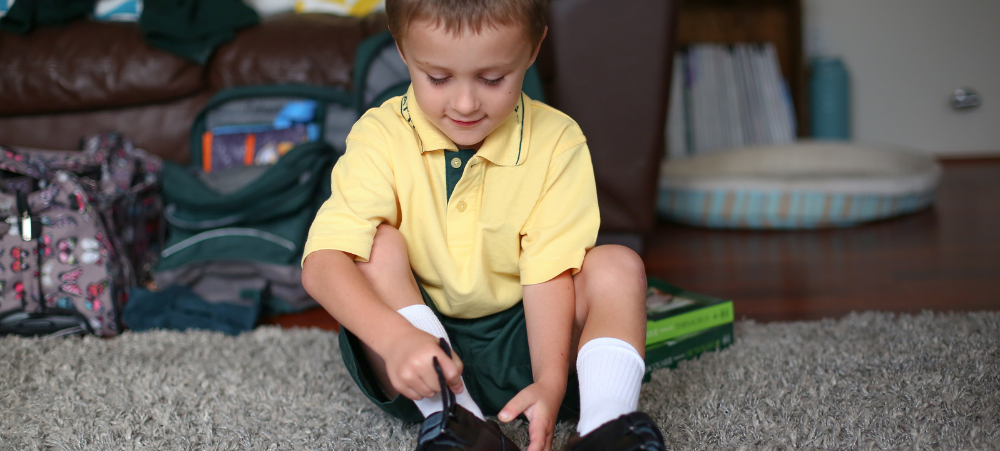
DIBBER SA

Family Day Trips and Activities to Rekindle the Joy of Togetherness

Creating lasting memories through shared experiences plays a vital role in strengthening family bonds. In a time when schedules are filled with responsibilities, making space for family connection is essential. Family day trips and activities provide a break from routine and support emotional well-being, learning, and togetherness—values closely aligned with the educational philosophy of Dibber International Preschools. “Children thrive when they feel connected, and shared family experiences offer the perfect environment to foster that connection,” says Ursula Assis, Country Director of Dibber International Preschools. “Exploring nature, discovering history, and spending quality time as a family nurtures social-emotional development in ways that last well beyond the day’s adventure.” South Africa’s diverse landscapes and rich cultural heritage provide families with endless opportunities to reconnect: Reconnect with Nature The Cradle of Humankind offers a fascinating journey through history, while the Hennops Hiking Trail invites families to bond through scenic walks and light adventure. These outdoor experiences inspire curiosity and imagination while encouraging physical activity. Wildlife Encounters A visit to the Lion & Safari Park near Hartbeespoort gives children an up-close look at South Africa’s iconic animals while fostering a sense of wonder and responsibility for the natural world. Celebrate Culture and Heritage Lesedi Cultural Village and the Sammy Marks Museum provide immersive experiences that bring history and cultural diversity to life. These visits promote understanding and respect for South Africa’s multicultural identity. Coastal Escapes From Umhlanga Beach’s golden sands to the biodiversity of Cape Vidal in iSimangaliso Wetland Park, the coast offers opportunities for exploration, relaxation, and sensory play. Farm Fun Hands-on experiences at places like Redberry Farm in George or Irene Dairy Farm in Pretoria allow children to engage with nature and agriculture, enriching their understanding of the environment in a playful and educational way. “Whether it’s a short outing or a full-day experience, family trips provide children with essential moments of joy, learning, and belonging,” adds Assis. “These are the experiences that help children feel rooted, valued, and secure.” Dibber International Preschools believes that learning happens everywhere, not just in the classroom. Families are encouraged to use day trips as opportunities to connect, converse, and create memories that strengthen relationships and support child development. For more on Dibber’s holistic approach to early childhood education, visit www.dibber.co.za/branches.

Educ8 SA

Welcome all Cottage Schools and Learning Centers!

We welcome all Cottage Schools, Learning Centers, Tutoring Centers, and Private Schools to partner with us.  If you’re a teacher looking for a new educational adventure, why not join our team and start your own learning centre?  Listed below are some of the great features we have to offer you: The following components are also included in our package:   Digital Literacy, Core Subjects, and Career Studies.   Educ8 SA Curriculum Options  We provide a variety of options, and all our fees include tutorials, assessments, and informational packs: You are most welcome to sign up all your students for our FREE Trial Period (Placement Test included) You may do so here:     https://www.educ8sa.net/sign-up Our program is offered in English. We offer a full curriculum solution based on the USA curriculum. Students may log in 24/7/365. Parents are able to log in at any time to view their child’s progress from the parent portal.  Our students work at their own proficiency level and at their own pace. This makes our program the ideal solution for special needs and exceptional students who need to be challenged. Our Student Managers are on duty from 8 am to 4 pm and are always available to help should a student contact them via their messenger for assistance.  These are just some of the fantastic features our program has to offer. Teacher Support:  We make a teacher’s life easier. Simple to use and learn, We immediately start saving time for teachers. For example, students automatically begin fixing missing skills from the automatic placement test. In other words, teachers see progress reports without even having to assign a lesson. Even better, the built-in motivation tools and rewards keep students eager to learn more without teacher intervention.  We are proud to announce our 2022 EdTech Breakthrough Awards:  Classroom Management Solution Provider Of The Year. Our program automatically allows you to monitor student progress in real-time; this makes it possible to know exactly how each student is progressing. Analyse data for all standards in the common core by student, class, school, and district.   Our program simplifies the IEP process by allowing you to set student goals that are automatically updated as students progress, saving you hundreds of hours of reporting. Parent Support:  Parents can log in anytime to view their child’s progress from the parent portal. Our students work on their proficiency level and at their own pace. This feature makes our program ideal for special needs students and exceptional students who need a challenge.  Student Support:  Our Student Managers are on duty from 8 am to 4 pm and are always available to help should a student contact them via their messenger for assistance.  These are just some of the fantastic features our program has to offer! Assessments & Exams: We prefer the continuous assessment approach; therefore, our students in grades K – 8 do not write exams. For our high school students, exams will depend on their chosen matric option. Registration Process: Term Dates & Holidays: Centre Students will follow their own term dates. Virtual Students may decide when they take breaks.   Accreditation: All our courses are accredited and listed on the SAQA website, and accepted by our universities and Colleges.  Admission Requirements apply.  Our accreditation bodies:  WASC and the US Council on Education. Technical requirements: Internet connection, device with a minimum of 1.6 1.60GHz processor. (laptop/pc/tablet/iPad), headphones or earphones. Contact Us Today! 084 685 2138   [email protected]   www.educ8sa.com  

Wingu Academy

Why Homeschooling Is Becoming the Preferred Choice for Many Families

In recent years, homeschooling has seen a remarkable rise in popularity, with families around the world re-evaluating how they approach their children’s education. What was once considered a niche option has evolved into a mainstream alternative, appealing to parents seeking a personalised, flexible, and values-driven learning experience. Online schools like Wingu Academy have become trusted partners in this journey, blending the benefits of homeschooling with structured, globally recognised education. This article explores why homeschooling is gaining momentum, the challenges families face, and how Wingu Academy provides a seamless and supportive transition for families embracing this approach. The Rise of Homeschooling: Why Families Are Making the Switch Personalised Learning for Every Child Every child learns differently, yet traditional classroom settings often rely on a one-size-fits- all model. Homeschooling empowers parents to tailor their child’s education to suit individual strengths, weaknesses, and interests. This personalised approach not only boosts academic performance but also nurtures a love for learning. At Wingu Academy, this philosophy is at the core of its personalised education pathways, which use diagnostic assessments to customise learning plans. One parent noted, “Wingu has transformed how my child learns. The teachers understand her pace and adapt to her needs, something that was missing in her previous school.” Flexibility to Suit Modern Lifestyles Homeschooling offers families unparalleled flexibility, allowing students to learn at their own pace and adjust their schedules around personal or family commitments. This freedom is particularly appealing to parents who travel frequently or those whose children pursue extracurricular passions, such as sports or performing arts. With Wingu Academy’s blended learning model, students can access live classes or work through self-paced modules anytime, anywhere. One parent shared, “Our family moves often due to work, and Wingu has given us stability in education, no matter where we are.” Safe and Supportive Learning Environments For many families, concerns about bullying, peer pressure, or a misaligned school culture are key motivators for choosing homeschooling. Parents want their children to learn in an environment that fosters emotional well-being, positive relationships, and self-confidence. Wingu Academy addresses these concerns through its Wellness Hub, providing students with access to counselling, emotional support, and programmes that promote resilience and mental health. Values-Driven Education Homeschooling allows parents to integrate their family values into their children’s education, whether cultural, religious, or ethical. By choosing homeschooling, families can ensure that the content and delivery of education align with their personal beliefs. Wingu Academy complements this approach with its diverse curriculum options, including both British International Curriculum and South African CAPS pathways, enabling parents to select the educational framework that best suits their values and aspirations. Overcoming Challenges in Homeschooling While homeschooling offers numerous advantages, it’s not without its challenges. Families often face concerns about maintaining academic rigour, ensuring socialisation, and managing the workload of teaching at home. Maintaining Academic Standards Parents often worry about providing a well-rounded education that meets rigorous academic standards. Wingu Academy alleviates these concerns by offering an internationally accredited curriculum and a team of qualified educators. Regular assessments and progress tracking ensure that students stay on track. Socialisation Opportunities The myth that homeschooling isolates children is quickly being debunked. Wingu Academy fosters socialisation through online clubs, house systems, and regular meet-ups, allowing students to connect with peers across different locations. Activities like the Mini Mozarts club and Wingu House Competitions provide opportunities for collaboration and teamwork. A parent from Zambia shared, “The social aspect has been wonderful. My child feels like they have friends, even though we live in a remote area.” Parental Involvement Teaching children at home can feel overwhelming, especially for parents juggling work or multiple responsibilities. Wingu Academy supports parents with resources like learning coaches, detailed lesson plans, and weekly teacher-parent consultations, ensuring that parents are partners in, not sole managers of, their children’s education. The Role of Wingu Academy in the Homeschooling Journey Wingu Academy bridges the gap between traditional homeschooling and structured schooling, providing a unique blend of independence and support. Here’s how Wingu enhances the homeschooling experience: Testimonials: Families Share Their Wingu Experience Choose Wingu Academy for your educational journey! Homeschooling is no longer a last resort; it’s a choice families are making to provide their children with a customised, values-driven, and flexible education. Online schools like Wingu Academy have become invaluable partners in this journey, offering the structure, resources, and community that families need to succeed. For parents considering homeschooling, Wingu Academy offers the perfect blend of independence and guidance, ensuring that your child’s education is not only effective but also empowering. With Wingu, homeschooling isn’t just a choice—it’s a transformative experience for the entire family. Take the First Step Towards Success: Enrol at Wingu Academy Today and Unlock Your Child’s Potential! Email: [email protected] Call: 087 147 1668 Book a consultation: [Link]





DIBBER SA

Stories That Inspire: Nurturing Young Minds Through Folktales

Imagine sitting under a giant baobab tree as the sun dips below the horizon, with the gentle cadence of an elder’s voice sharing timeless stories. At Dibber International Preschools, folktales are more than entertaining narratives—they are a powerful medium for teaching, connecting, and preserving cultural heritage while nurturing a child’s imagination and moral growth. “Storytelling is at the heart of our educational approach,” says Ursula Assis, Country Director of Dibber International Preschools. “When we weave folktales into our daily curriculum, we’re not only sharing delightful stories but also imparting valuable lessons about resilience, empathy, and creativity.” Folktales captivate with simplicity and depth, often featuring colourful characters and memorable adventures conveying universal truths. Consider the classic South African tale of “The Lion and the Jackal,” where the clever jackal outsmarts the proud lion—a narrative that teaches children the value of wit and resourcefulness over sheer strength. Such stories ignite curiosity, inspire critical thinking, and provide young learners with a framework to understand complex emotions and social interactions. At Dibber, our Engaged Educators™ integrate folktales into everyday learning, creating an immersive environment where lessons come alive. In a typical session, children might listen intently to the tale of “The Clever Tortoise,” absorbing lessons on patience and perseverance while envisioning the sounds and sights of the African savannah. These storytelling moments do more than entertain—they foster language development, cultural awareness, and a sense of belonging. Moreover, folktales serve as a bridge between generations, bringing families together around bedtime stories or circle-time discussions. They offer windows to the past and mirrors to a child’s growth, adapting across cultures and time to remain relevant. “At Dibber, we cherish the sparks that folktales ignite in a child’s imagination,” adds Assis. “Every story is a little seed of wisdom that can light up a young mind and guide them on their lifelong learning journey.” For more information on our storytelling approach and the enriching experiences at Dibber International Preschools, please visit www.dibber.co.za/branches.

Twinkl

Unlocking the Joy of Maths: How to Make Maths Fun for Your Child

Every child has unique strengths, and while some may naturally gravitate toward numbers, others might need a little extra support. As parents, it can be tough to help a child who doesn’t enjoy maths — but the good news is that maths doesn’t have to feel like a chore! By incorporating everyday activities and playful strategies, you can spark curiosity and turn maths into a fun, rewarding experience. Twinkl’s free Make Maths Fun guides are packed with ideas to help parents bring maths to life, but here are some simple ways to start right away: 1. Make Maths Practical Maths is everywhere — from baking to budgeting. Invite your child to help measure ingredients, count change at the shop, or plan a holiday route. Want to level up the fun? Let them design a house using Lego or toy bricks! They can estimate how many bricks they’ll need, measure dimensions, and build their mini dream home. 2. Play Games That Build Maths Skills Games are a fantastic way to sneak maths into playtime. Classic games like Rummikub, Monopoly, Bingo, Battleship, and Uno encourage problem-solving, strategic thinking, and number skills. Plus, playing together strengthens social bonds and teaches valuable life lessons like patience and perseverance. 3. Find the Maths in Everyday Fun Arts and crafts? There’s maths in that too! Drawing and painting explore geometry and symmetry, while puzzles, tangrams, and Lego sets build spatial awareness and pattern recognition. Even activities like folding paper for origami introduce mathematical concepts in an engaging way. 4. Bring Friends and Family Into the Fun Maths can be a social experience! Try adding riddles or brainteasers to mealtime conversations, or encourage your child to form a maths study group with friends. Learning in a group can make tricky concepts more manageable — and much more enjoyable. 5. Explore Maths in Nature Nature is a treasure trove of mathematical wonders. Show your child symmetry in butterfly wings, count petals on flowers, or measure the distance between trees using sticks. Observing patterns, sizes, and shapes in the natural world helps children see maths as part of life’s beauty. 6. Discover the Rhythm of Maths in Music If your child loves music, use that passion to spark a love for maths. Music is full of patterns, beats, and fractions — from counting rhythms to understanding time signatures like 3/4 or 4/4. Clapping out rhythms or composing simple melodies turns maths into a creative adventure. 7. Start a Mini Business Why not turn maths into a hands-on learning experience? Help your child set up a cookie stand or sell pre-loved clothes. They can practice budgeting, pricing, counting change, and calculating profits — all while building confidence and financial literacy. Maths is Everywhere — Let Twinkl Help You Find It! By weaving maths into your child’s daily life, you can help them develop a positive attitude towards the subject. Whether playing a board game, exploring the garden, or dancing to a favourite song, there are endless ways to make learning maths an exciting adventure. For even more creative ideas and printable activities, check out Twinkl’s Make Maths Fun free guides. With a little imagination and the right resources, you can help your child discover just how fun maths can be! Ready to get started? Head to Twinkl and start exploring today! Link: https://www.twinkl.co.uk/l/17rynq

Parenting Hub

After-School Meltdowns: Why They Happen and How to Respond

After a long day at school, many children experience meltdowns. These emotional outbursts can be overwhelming for both kids and parents, leaving everyone feeling drained and frustrated. While these meltdowns are common, understanding why they happen and how to respond can make a significant difference in helping your child navigate their emotions and regain control. In this article, we’ll explore why after-school meltdowns occur, what triggers them, and effective strategies to help your child cope. Why Do After-School Meltdowns Happen? After-school meltdowns are a normal part of child development, and they often happen because of a combination of physical, emotional, and psychological factors. Below are some of the main reasons why children may act out after school: 1. Overstimulation and Exhaustion School days are often filled with new information, social interactions, and a variety of activities. For many children, especially younger ones, this can be mentally and physically exhausting. When they come home, they may have reached their limit of stimulation and are unable to regulate their emotions effectively. This can lead to an emotional overload, resulting in a meltdown. 2. Difficulty Expressing Emotions Throughout the day, children may experience a range of emotions—frustration with schoolwork, disappointment from social interactions, or anxiety about tests and peer relationships—but they may not have the skills or opportunity to express these emotions during the day. Once they’re home, the emotional buildup can come out as an intense meltdown. For some children, verbalising their emotions is challenging, which can lead to feelings of frustration that turn into a meltdown at the end of the day. 3. Hunger and Low Blood Sugar Kids can get hungry after a full day of school, and if they haven’t had a proper snack or meal, their blood sugar levels can drop. Hunger can cause irritability and difficulty concentrating, making it harder for children to regulate their emotions. An afternoon snack with protein, fiber, and healthy fats can help prevent these emotional outbursts. 4. Unmet Needs for Attention or Connection Children may act out after school if they feel neglected or are seeking more attention from their parents or caregivers. After spending hours at school, your child may feel a need to reconnect and get reassurance. If they feel overlooked or unheard, they might act out to get the attention they need. 5. Transition Stress Transitioning from one environment (school) to another (home) can be difficult for some children. The sudden switch from the structure and social environment of school to the quieter, more personal space of home can trigger feelings of discomfort. It may take time for some kids to adjust to this shift, especially if they feel overstimulated or stressed. How to Respond to After-School Meltdowns Understanding why after-school meltdowns happen is the first step in finding ways to respond effectively. Below are several strategies you can use to help your child manage their emotions and minimise meltdowns: 1. Create a Calm Down Routine One of the best ways to help your child navigate their emotions after school is by establishing a calm-down routine. This can include activities such as deep breathing, a quiet space with their favourite book, or listening to calming music. By having a predictable and soothing routine, your child will learn to associate after-school time with relaxation rather than stress. 2. Provide a Snack or Meal Right Away If you notice your child is irritable after school, offering a healthy snack or meal can help prevent meltdowns. Aim for snacks with a good balance of protein, healthy fats, and carbohydrates, such as apple slices with almond butter or a small serving of yogurt with fruit. This can help stabilise blood sugar and calm their mood. 3. Give Them Space and Time Sometimes, children need a little space to process their day and decompress. If your child is showing signs of distress, try giving them a few minutes to be alone in their room or another quiet area of the house. Allow them to calm down at their own pace, but check in with them periodically to ensure they feel safe and supported. 4. Acknowledge Their Feelings Instead of telling your child to “calm down” or “stop crying,” acknowledge their feelings. Let them know that it’s okay to feel upset and frustrated, and that you’re there to help. For example, you can say, “I see you’re really frustrated right now. Let’s take a few deep breaths together.” Validating their feelings can make them feel understood and supported. 5. Talk About the Day Once your child has calmed down, ask them about their day in a non-judgmental way. Sometimes, talking about what happened at school—whether it’s a problem with friends or a difficult class—can help them process their emotions. It also gives them a chance to practice expressing their feelings in a healthy way. 6. Set a Consistent After-School Routine Having a predictable routine after school can help children feel more secure and less anxious. Make time for activities such as snack time, homework, outdoor play, and quiet time. By establishing a routine, you help your child understand what to expect, which can reduce the chances of meltdowns. Conclusion After-school meltdowns are a common challenge for many parents, but they don’t have to be overwhelming. By understanding the causes of these meltdowns and implementing practical strategies to help your child manage their emotions, you can help them build emotional resilience and create a more peaceful after-school routine. Acknowledge their feelings, provide calming activities, and ensure they’re getting the proper nutrition and attention. With these steps, you can support your child’s emotional well-being and help them navigate their feelings in a healthy way. Sources:

Rush Extreme Sports

How Rush Extreme is the Best Indoor Adventure Park in Cape Town and Johannesburg 

Looking for the best indoor adventure play park experience? Rush Extreme is the go-to destination for thrill-seekers and families alike in Cape Town and Johannesburg. Whether you’re looking to challenge yourself on obstacle courses, enjoy high-flying trampoline action, or host an unforgettable kids party, Rush Extreme offers an unbeatable indoor entertainment experience. Here’s why they are the stand out as the best indoor adventure park in South Africa with Cape Town and Johannesburg locations. Unrivalled Adventure Activities Rush indoor adventure park brings adrenaline-pumping action to the next level. Their state-of-the-art facilities feature wall-to-wall trampolines, foam pits, climbing walls and ninja warrior obstacle courses that are designed to push your limits. Whether you’re a beginner or an experienced athlete, there’s something for everyone. The Perfect Venue for All Ages From kids to adults, Rush caters to all age groups. Even the little ones can jump and play safely, while older adventurers can test their skills in our slam dunk zone, dodgeball, and performance trampolines. Rush staff are highly training with advanced First Aid as well as safeguarding training to ensure your children are in safe hands from the moment they start their session. Book The Best Kids Party Venue Planning a birthday party, corporate team-building event, or school outing? Rush indoor adventure park offers bespoke party packages, premium event rooms, and catering options to make your celebration hassle-free and fun-filled.  Fitness and Fun Combined Exercise doesn’t have to be boring! At Rush indoor adventure park, kids can be active while having a blast. From jumping on trampolines to climbing the UV-lit climbing wall, they won’t realise the amount of exercise they’re getting. Did you know that Rush is associated with Discover Vitality? This means you can earn points with every jump session!  A Safe and Well-Maintained Facility Your safety is Rush’s top priority. Rush indoor adventure park is equipped with high-quality safety padding, trained staff, and well-maintained equipment to ensure a safe adventure experience. Whether you’re a first-timer or a seasoned jumper, they provide a secure environment for all visitors. Visit Rush Extreme Today! If you’re searching for the best indoor adventure park in Cape Town or Johannesburg, look no further than Rush Extreme. From exhilarating activities to top-notch facilities, Rush provides an unforgettable experience for all. Click here to book your visit in Cape Town and click here for Johannesburg, and get ready to jump, flip, and conquer your next adventure! www.rushsa.co.za

Wingu Academy

The Future of Education: Why 4IR Skills Are Essential for Every Student

In an era where rapid technological advancements are reshaping the fabric of society, the importance of equipping students with Fourth Industrial Revolution (4IR) skills cannot be overstated. The 4IR, characterised by the fusion of physical, digital, and biological systems, has given rise to groundbreaking innovations such as artificial intelligence, robotics, and blockchain. These developments demand a workforce that is not only tech-savvy but also adept at critical thinking, creativity, and collaboration. Online schools like Wingu Academy are at the forefront of this educational revolution, paving the way for a future where students are prepared to thrive in a highly interconnected and fast-evolving world. Here’s why 4IR skills are indispensable and how Wingu Academy is empowering students with these essential competencies. The Importance of 4IR Skills in Today’s World 1. Adapting to Technological Change Automation and artificial intelligence are transforming industries, rendering some traditional jobs obsolete while creating entirely new career paths. Students who develop 4IR skills such as coding, data analysis, and machine learning will be better equipped to adapt to these changes and seize emerging opportunities. 2. Fostering Problem-Solving and Innovation The 4IR demands individuals who can solve complex problems and think innovatively. These skills are crucial not only for the workforce but also for addressing global challenges such as climate change, health crises, and sustainable development. 3. Global Competence As the world becomes increasingly interconnected, the ability to collaborate across cultures and geographies is vital. 4IR skills like digital literacy and emotional intelligence enable students to thrive in diverse, globalised environments. How Wingu Academy is Preparing Students for the 4IR Wingu Academy’s commitment to fostering 4IR skills is evident in its cutting-edge curriculum and innovative approach to education. As a leading online school offering both the British International Curriculum and CAPS-aligned pathways, Wingu ensures students are well-prepared for the demands of the future. 1.Integration of 4IR Skills into the Curriculum Wingu Academy embeds critical 4IR skills into its learning programmes through subjects like Creative Coding, Junior Robotics, and Entrepreneurship. From Stage R to A-Levels, students engage with real-world applications of technology, honing their problem-solving abilities and computational thinking. 2. Blended Learning Approach The school’s unique blend of synchronous (live classes) and asynchronous (self- paced modules) learning mirrors the flexibility required in modern workplaces. Interactive platforms, gamified lessons, and hands-on projects bring concepts to life, ensuring students develop both technical and soft skills. 3. Specialised Schools for Focused Development Wingu Academy has established dedicated programmes such as the School of Coding and Robotics and the School of Entrepreneurship, which provide students with a deeper understanding of technology and innovation. These specialised schools ensure learners gain advanced competencies in areas like app development, robotics, and business creation. 4. Global Perspectives and Interdisciplinary Learning Wingu’s curriculum encourages students to make connections across subjects and apply their learning to real-world scenarios. For instance, its Global Skills Projects integrate critical thinking, creativity, and collaboration to tackle complex, interdisciplinary challenges. 5. Focus on Wellbeing and Emotional Intelligence The future of work places a premium on emotional intelligence, resilience, and adaptability. Wingu Academy’s Wellness Hub and programmes like the Kukua Initiative foster these traits, ensuring students are not only intellectually prepared but also emotionally strong. Building Trust Through Excellence At the heart of Wingu Academy’s mission is a commitment to personalised education. With diagnostic assessments, one-on-one academic support, and regular progress tracking, students and parents are assured of a learning experience tailored to individual needs. Testimonials from satisfied families underscore the transformative impact of Wingu’s approach, with students gaining confidence, independence, and a love for learning. Moreover, Wingu Academy’s accreditation by renowned institutions such as Pearson Edexcel and SACAI further reinforces its credibility. Parents can trust that their children are receiving a globally recognised, high-quality education. Empowering Students for a Dynamic Future The future belongs to those who are ready to embrace change and innovate. By prioritising 4IR skills, Wingu Academy is empowering students to not only navigate the challenges of tomorrow but also to lead and excel. Whether it’s coding the next big app, designing solutions for global issues, or collaborating across borders, Wingu learners are equipped to make a meaningful impact. In a world that rewards adaptability and innovation, the question is not whether students need 4IR skills, but how effectively they can acquire them. With Wingu Academy as their partner in learning, the future is not just a destination—it’s an exciting journey of discovery and growth. Take the First Step Towards Success: Enrol at Wingu Academy Today and Unlock Your Child’s Potential! Email: [email protected] Call: 087 147 1668 Book a consultation: [Link]

DIBBER SA

Honouring Human Rights Day: A World of Heart, Value, Play, and Exploration for Every Child

Human Rights Day in South Africa, observed on March 21, holds deep historical significance. It commemorates the Sharpeville Massacre of 1960, where peaceful protesters advocating against unjust pass laws were met with violence. This tragic event became a turning point in the country’s fight for democracy and equality. Today, Human Rights Day reminds us of our responsibility to uphold the dignity, freedom, and rights of all people—especially children, who represent the future of our nation. This day offers us a beautiful opportunity to reflect on the world we are creating for our children. It’s not just about the rights they should have—it’s about building a world where every child knows, without a doubt, that they are the heart of it. Imagine if every child, from the moment they begin to understand the world around them, felt a deep sense of belonging. Imagine if they knew their voice matters, their dreams are important, and their presence makes the world brighter. This is the world we must create, where children are heard, respected, and loved unconditionally. Children may not yet grasp the full scope of human rights, but they understand something even more powerful: love, kindness, fairness, and the magic of being truly seen. They feel the warmth of inclusion and the sting of being left out. They bloom when their voices are heard and shrink when they’re ignored. As parents, caregivers, and educators, it’s our role to create a space where their voices are always heard—no matter what. When we listen to them, they feel valued. And when they feel valued, they begin to believe in their own worth and the power they hold to shape the world around them. It’s not just about hearing their words; it’s about creating environments that spark wonder and imagination, where they feel free to explore and learn. Every child deserves a space where they can play without limits, where their curiosity is nurtured, and their imagination is allowed to run wild. Play is more than just fun—it’s how children learn about the world. Through play, children explore ideas, build relationships, and develop the skills they need to navigate life. It’s where they practice kindness, understand fairness, and discover their own unique voice. Play is where their hearts are touched, where their dreams begin to take shape, and where they start to believe that anything is possible. When we create magical learning environments that foster wonder and curiosity, we are giving children the tools they need to thrive. These environments go beyond walls and materials—they are filled with opportunities for children to question, discover, and dream. They are places where children feel like they belong, no matter their background, abilities, or challenges. When we nurture a child’s curiosity and wonder, we are helping them build the confidence to speak up, to ask questions, and to chase their dreams. We are teaching them that the world is theirs to explore, and their voice is a powerful tool for making change. Educators and caregivers can make Human Rights Day meaningful for young children through engaging activities that emphasize fairness, inclusion, and respect. Here are some simple ways to celebrate: On this Human Rights Day, let’s remember the incredible power of children. They are not just part of the world—they are the heart of it. And it’s up to us to show them that their voice matters, their dreams are worth pursuing, and that they are worthy of love and respect, every single day. Let’s create spaces where children are heard, where they are encouraged to play, dream, and grow, and where they feel safe to explore their potential. Together, we can build a world where every child feels seen, valued, and heard—no matter what. By: Kelly Eyre

Twinkl

Building Stronger Bonds: How Parent-Teacher Communication Boosts Your Child’s Success

Parents and teachers are partners in a child’s educational journey. After all, children spend a significant portion of their week with their teachers — so open, respectful communication is essential for supporting academic progress, addressing emotional or behavioural concerns, and fostering trust. Twinkl offers a wealth of resources to help parents navigate school communication, but let’s explore some simple ways to strengthen this connection right away: 1. Choose the Right Communication Channels Whether through WhatsApp groups, communication apps, or in-person chats, finding the best way to connect with your child’s teacher is key. Remember to keep messages respectful and concise, focusing on school-related topics to maintain a positive, productive atmosphere. 2. Respect the Teacher’s Morning Routine Mornings are a busy time as teachers welcome learners and set the tone for the day. If you have concerns, consider requesting a meeting instead of raising issues during drop-off. This ensures your child’s teacher can give your concern the attention it deserves without disrupting the class. 3. Be Open to Constructive Feedback Hearing that your child needs extra support or has behavioural challenges can be tough, but it’s important to remember that teachers share feedback to help your child thrive. Approach these conversations with an open mind, and if you disagree, express your thoughts calmly to maintain a collaborative relationship. 4. Be Mindful of Teachers’ Time Teachers juggle many responsibilities, so try to keep communication brief and focused, saving longer discussions for scheduled meetings. And unless it’s an emergency, avoid reaching out during evenings or weekends to respect their personal time. 5. Show Appreciation Teaching is a demanding job, and small gestures of gratitude can make a big difference. A heartfelt thank-you note or kind words during a conversation can strengthen your relationship and brighten a teacher’s day. Working Together for Your Child’s Success When parents and teachers communicate with mutual respect and support, they create an enriching environment where children can flourish. By staying connected, appreciating each other’s roles, and using thoughtful communication strategies, you can help make school a positive, nurturing space for your child. For more tips and printable resources to support parent-teacher collaboration, explore Twinkl’s free guides. Let’s work together to build strong partnerships that empower learners to reach their full potential! Link: https://www.twinkl.co.za/l/qncqm

Sidebar Image

Sidebar Image

Scroll to Top