

Advice from the experts
Parenting Hub

Why Is Vocabulary So Important For Reading

Vocabulary plays an important part in learning to read. Beginning readers must use the words they hear out loud to make sense of the words they see in print. Children who have a wide vocabulary learn to read more easily as they can figure out unfamiliar words based on the knowledge of words related to the context.  It is harder for a beginning reader to figure out words that are not already part of their speaking vocabulary. Consider this: when your little one starts learning to read and comes to the word cat in a book. She begins to figure out the sounds represented by the letters c – a – t and then very quickly realises that the sounds make up a very familiar word that she has heard and said many times. Thus the instant recognition is quicker and her recall of this word is better as she has the association reading strategy to use: all because the word is in her speaking vocabulary.  Imagine now that there are hundreds of words in your child’s vocabulary so by the time learning to read comes along it is plain sailing.  That’s what all parents want so BUILD VOCABULARY and you will BUILD A READER. Vocabulary also is very important to reading comprehension. Readers cannot understand what they are reading without knowing what most of the words mean.  Therefore the more words a reader knows, the more they are able to understand what they’re reading or listening to. Talking to and reading to children are the two best way to develop vocabulary.  As you introduce new words to your children, keep this in mind: Define the word in a child friendly manner: for e.g. ’enormous’ means really really big. Relate the word to the child’s life experience, ‘remember the big watermelon we bought in the shop, it was enormous’ Ask children to develop their own example of ‘enormous’ Use the word ‘enormous’ often over the next few weeks Parents please continue to read to your child long past the time they learn to read.  The reason is that a parent is the fluent reader and can read vocabulary-rich text that a grade 1 learner is not yet able to read but is able to listen to and understand.  Just because your child has starting reading, do not stop reading to him or her. Conversations are vital for vocabulary development, which in turn is one of the keys to unlocking reading.  Are we talking enough to our children or are our hectic driven lifestyles and too much screen time creating an environment with less one on one dialogue between parent and child? With this in mind consider the following: The consequence of less verbal interaction between adult and child is a child with reduced vocabulary and the consequence of that is a poor reader! No parent wants that so I will say it again, BUILD VOCABULARY and you will BUILD A READER.

Parenting Hub

Hurt Children… Hurt Children

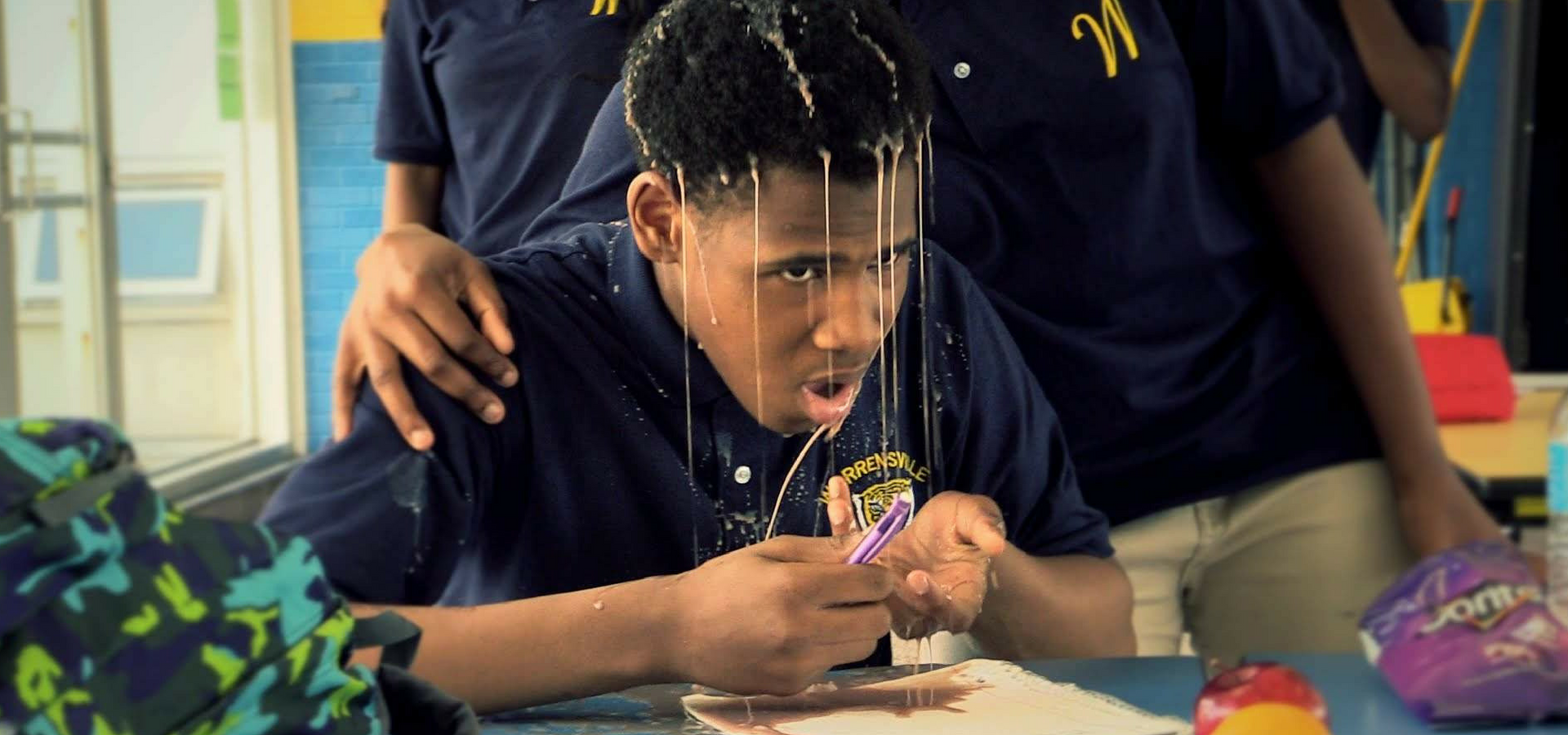
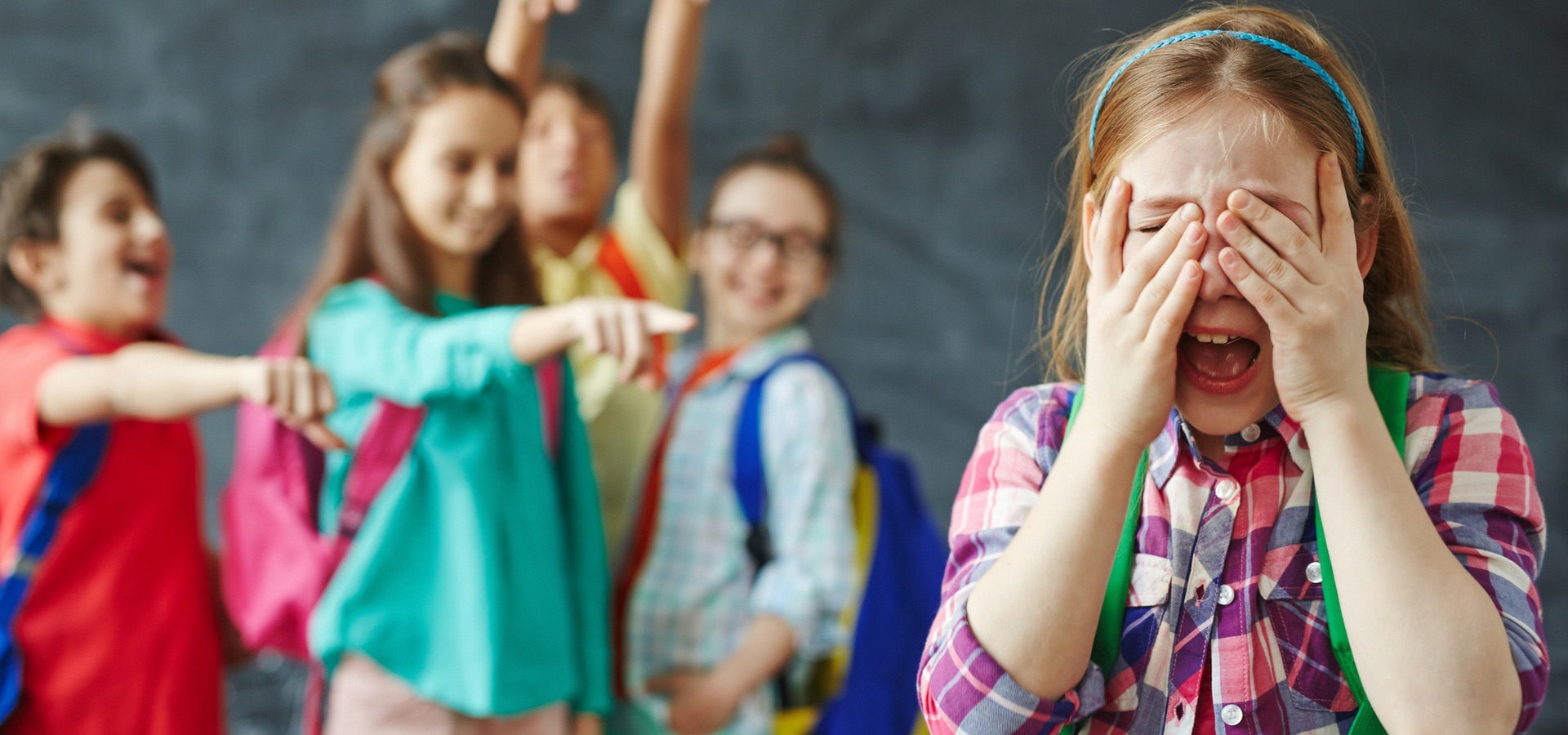
What has always interested me most about bullying is who is bullying the bully? Bullying is never just a cut and dried case of this child here is the bully and that child there is the victim. In fact, it is very much a group dynamic. In 90% of cases of bullying you will find other children either standing by and not doing anything to help the ‘victim’ or actively participating in the bullying along with the ‘ringleader’ of the problem. And in almost all cases you will find that the one leading the bullying has also been bullied, either at school by other kids at a different time, or by a parent or teacher or other adult in their lives. Hurt children hurt children. Because this is a group dynamic and involves so many levels of victimhood, it is best dealt with as a group. One of the best examples that I have seen of this working effectively was a documentary I watched on a Japanese school teacher. In every case of bullying he halted all his lessons and brought in a group intervention. Every child in the class was expected to participate and they focused on how each one was feeling. He looked at how the victim felt having been bullied, how those watching or participating felt, how the bully felt about doing the bullying and about hearing how the victim felt. He got the bullies to think back to a time when they had been treated like the victim and how they felt then. He got the kids to dig really deep about what was going on and the causes for their own behaviour. He got the group to find group cohesion again – to find unity as a class so that no-one was an outsider worthy of being treated differently. He helped them to find that place where we are all human and we all share a common humanity through the way that we feel. Hurt children hurt children. When their pain is heard and acknowledged it is more likely to heal. It was moving to watch and reminded me of a similar intervention process that was introduced years ago to Australian prisons. In this case the criminals and their victims (or families of the victims in the case where the victim had been killed) met for mediated sessions where the victims could explain to the criminals how their actions had affected them and in all the ways that their lives had been upset; the emotional and physical and financial implications etc. And the criminals were given the opportunity to give their side of the story – what their life had been like to bring them to the point of that crime. It was incredible to see the level of healing and the amazing results the prison system had with reducing recidivism. Hurt people hurt people. If we can get behind the hurt, then instead of just punishing the offenders and consoling the victims, we can start a dialogue of change and reconciliation. We may even find victims comforting the bullies. It has been known to happen. Is this not a more healing and ultimately more sustainable solution to this very human problem? Hurt children (and adults) hurt because they don’t have the skills or understanding to work through their own pain and past experiences. What they need is guidance, from someone who has the relevant skills, the patience and the understanding to see the situation from a greater perspective. Bullies and victims don’t need to be removed from each other, but brought together. With love and guidance. Without such intervention we create yet another cycle of pain. The chances of a victim becoming a bully in another situation or time are high. Hurt children hurt children. I would like to see teachers and support staff trained in mediation and this becoming a standard part of school life. I think every class could halt their lessons of maths, language and sciences to take a day here and there to teach these essential life skills. We need to remind our children about the power of their shared humanity. I’m sure we can turn this around. I’m also sure that healed children will heal children.

Parenting Hub

How To Hear What Isn’t Be Spoken – anxiety in children

by Dessy Tzoneva According to the South African Stress and Health Study, anxiety disorders are the most prevalent mental health concern in our country, and children are far from immune to this… But without being able to recognise what they feel as anxiety and possibly even struggling to find the words to describe this very personal experience, children often go untreated for quite some time. What can you, as a medical professional, do to identify childhood anxiety and how do you guide the family in finding the best possible treatment? The reality Meryl’s daughter, Gizella developed an intense anxiety around the concept of death, which resulted in panic attacks, and peaked around the age of 5: “Every time she came across anything to do with death – whether it was in conversation or even in a cartoon or movie, she would stop dead in her tracks and not respond. She’d become pale, say she feels very cold, then she’d build up a lot of saliva in her mouth that would lead to her vomitting. Sometimes, she’d also lose control of her bowels.” Anxiety is linked to our fight-or-flight response, which contributes to our survival. But when this response is disproportionate or triggered without a threat present, it becomes unhealthy. Although it may seem that childhood should be largely stress-free, international data shows that 1 in 8 children are affected by anxiety, to which girls are more vulnerable than boys. If left untreated, an anxiety disorder can become chronic and can interfere with a child’s school work, family relations and their ability to form social relationships, resulting in long-standing problems. The onset of many anxiety disorders is in childhood or adolescence. “A lot of adult patients with anxiety report frequent visits to the doctor when they were younger, with diffuse or unexplained symptoms,” says clincial psychologist Lee-Ann Hartman. “The consequences of leaving this condition untreated in childhood include school underperformance and later career difficulties, social isolation, decreased self-esteem and sense of self-worth, and substance abuse, which people tend to use to control the feelings of anxiousness and to make socialising easier.” Identify at-risk children When dealing with a young patient, always be sensitive to symptoms that may be more psychological in nature. This is especially relevant with anxiety disorders and even more so when it comes to anxious children, who tend to experience more somatic complaints. Psychiatrist Dr Kedi Motingoe says: “Childhood anxiety disorders are very common, but frequently missed. Children present mostly with vague physical symptoms – abdominal pains, headaches, nausea and breathlessness. The most common tend to be gastrointestinal problems.” Other physical symptoms commonly associated with anxiety are tiredness, vomitting, dizziness, sweating and heart palpitations. These can vary in intensity and/or may have a tendency to come and go. Other signs include fear, nervousness, irritability, worry, poor concentration and avoidance of social situations or other activities. “Some children even call it ‘this thing in my tummy’, describing a kind of movement in their stomachs, others say it feels like their heart wants to get out of their chest,” explains Dr Motingoe. She says that children most often present to a doctor during transitions – when starting preschool, at the beginning of Grade 0, when moving from primary to high school or when there’s a change in family circumstances. “During these times, any existing anxiety seems to become more prominent.” Because of the largely physical nature of these complaints, parents often seek help from their primary healthcare provider, like their GP, and may themselves be unaware of the psychological nature of the illness. It is for therefore vital for all medical professionals to be aware of the symptoms to look out for. Making a diagnosis There are a number of illnesses that fall under the umbrella of anxiety disorders. Separation anxiety disorder: a child fears that something may happen to them or their parents/caregiver when they are apart and therefore experiences distress when being away from them. Separation anxiety is expected during early development, but should not continue beyond that. Social anxiety disorder: extreme anxiety is experienced in social situations, which may then be avoided because the child fears drawing attention to themsleves or being embarassed in front of others. Phobia: an intense fear of an object or a situation, a fear that is disproportionate to the danger posed. Generalised anxiety disorder (GAD): children worry in excess about everyday responsibilities and events. Panic disorder: children experience attacks of acute anxiety out of the blue and marked mainly by intense physical symptoms like heart palpitations, sweating, breathlessness and dizzyness. Obsessive compulsive disorder (OCD): a child experiences unwanted obsessions (anxiety-provoking intrusive thoughts and/or images) and compulsions (repetitive behaviours used to relieve the anxiety). Dr Motingoe says: “With children, a mixed presentation is more common – you may, for example, find that a child has a specific phobia, as well as OCD features.” She further points out that GPs usually get to know families well and are in a better position to pick up on signs of anxiety in children. “An anxiety disorder may be present if you see a child often, they have uncommon presentations, their symptoms don’t seem to respond to typical treatments and there’s a family history of anxiety disorders.” Hartman comments that children as young as 4 and even below can have severe OCD. “Never overlook the possibility of an anxiety disorder because a patient seems too young,” she says. “Look out for changes in eating habits, fear of/difficulty in going to sleep, school refusal, withdrawal from friends and/or parents, tantrums/irritability, insistence on certain things, repetitive or rigid behaviours, and even conflict with siblings.” “Gizella was only 3 when she had her first attack and I felt to blame for bringing up the subject,” says Meryl. “She couldn’t understand what was happening to her and was so scared. The more I tried to talk to her to calm her down, the worse her symptoms got. I felt helpless… It was horrible for me to watch her go through

Parenting Hub

The Effects Of Trauma On Children

Unfortunately, trauma is an all too common occurrence in South Africa. Trauma has many different guises and can encompass anything from criminal occurrences (such as muggings, hi-jackings, smash and grabs, house robberies etc.), natural disasters (floods, etc.) or any other unexpected event (such as witnessing or experiencing abuse, being involved in a motor vehicle accident, divorce of parents, having a family member that is ill, etc.). In addition, some children can also experience a secondary traumatization when their school peers for example, undergo a traumatic experience and re-tell the event. If parents are concerned that their child has undergone a trauma they need to be aware of some of the possible signs and symptoms of trauma: Anxiety, manifested by excessive worries and fears especially about the safety of significant others and themselves; Mood changes, such as irritability and whining; Behavioural changes, such as decreased levels of concentration and attention, withdrawal, aggression and over-activity which can adversely affect school performance; Somatic complaints, such as headaches and stomach aches etc.; Increased talk and awareness regarding death and dying; Sensitivity or a startled response to various sounds and noises; Talking about the traumatic event repeatedly as well as recreating the event via play; Regression in younger children, such as ‘wanting to be a baby’ and not performing age appropriate tasks that they were completing before such as eating by themselves, sleeping in their own beds etc. Adverse impact on issues of trust, security and safety; Symptoms of depression, such as lack of interest in usual activities and changes in sleep or appetite and withdrawal; Anger, as well as hateful statements; and Avoidance of people, places, or situations that remind them of the traumatic event. Not all children will experience trauma in the exact same way as well as manifest all the above symptoms as not all circumstances are the same for every child. In addition, children have different personalities and temperaments which affects the way they experience a traumatic event (for example, an anxious child may react differently to a laid back child if they were to experience the same trauma). Moreover, trauma can be subjective in that what is traumatic for one child may not be perceived in the same way by another child, or indeed an adult). If you are concerned about your child with regard to a trauma consult with a child psychologist who will determine the best course of action, such as play therapy or parental guidance to help you assist your child.

Parenting Hub

ADHD And The Foods We Eat

ADHD: The most common childhood disease ADHD is the most commonly diagnosed childhood disease and is said to affect approximately 10% of the South African population. It could be present from birth (often not recognised) or early childhood and usually persists into adulthood. It is often undiagnosed in adult, which is an unfortunate oversight, since appropriate treatment helps control symptoms and improves quality of life. The term ADHD denotes Attention Deficit Disorder with &/or without hyperactivity & has been used to describe both ADD and ADHD as well as all aspects of the condition more accurately. ADHD is a chronic condition of the brain that makes it hard for those affected to control their behaviour. According to the American National Institute of Mental Health, two to three times more boys than girls are affected by the disorder and the reason for this is uncertain. Problems generally associated with ADHD include inattention, hyperactivity and impulsive behaviour. This can affects nearly all aspects of life. How can I tell if my child has ADHD? Most specialists believe that a child shouldn’t receive a diagnosis of ADHD unless the core symptoms of ADHD appear early in life and create significant problems at home and at school on an ongoing basis. Ideally ADHD should be assessed and diagnosed by a multi-disciplinary team. As there is no proven diagnostic test for ADHD at this time, a clinical diagnosis is usually made by a paediatrician based on specific criteria. It is a process that involves several steps and it requires information on behaviour. Information is required form parents, teachers, carers, health professionals for an official diagnosis to be made. In most children with ADHD, a diagnosis are made from the age of 5 – 7 years (formative school-going age), although some of the symptoms could be present from birth. These symptoms must significantly affect a child’s ability to function in at least two areas of life – typically at school and at home. It is important that the symptoms, be present for a period of more than six months in all situations. This helps ensure that the problem isn’t with only a particular teacher or with their parents. Most children with ADHD don’t have all the signs and symptoms of the disorder, and they may be different in boys and girls. Boys are often more likely to be hyperactive and girls tend to be inattentive. In addition, girls who have trouble paying attention often daydream, but inattentive boys are more likely to play or fiddle aimlessly. Boys also tend to be less compliant with teachers and other adults, so their behaviour is often more conspicuous. What causes ADHD? Parents often blame themselves when a child has been diagnosed with ADHD. However, the cause of ADHD is at present still unknown. Experts are investigating a number of genetic and environmental causative factors – some of these theories have led to dead ends, some to exciting new avenues: Altered brain function & anatomy: There is an imbalance of certain neurotransmitters or poor nerve communication and transport in certain parts of the brain. Genetics (70-80% of cases): There is great deal of evidence that ADHD runs in families and if one person in a family is diagnosed with ADHD there is a 25-35% probability that another family member also has ADHD. Exposure to toxins such as cigarettes and alcohol during pregnancy, high levels of lead in the bodies of children. Brain injury: only small percentage of children with ADHD has been found to have suffered from traumatic brain injury. There is no clear answer! What we do know is that ADHD is a condition of the brain, likely caused by unknown factors which influence nerve communication and transport in certain parts of the brain, which has a strong genetic basis. Common misconceptions:  Food additives and sugar has long been controversial. Some research suggests that artificial colourings and preservatives may be associated with hyperactivity in children. But an association is not the same as a proven “cause-effect” relationship. There is no proof that food additives cause ADHD. Poor parenting, family problems, excessive TV watching, poor teachers and schools, food allergies or excessive sugar intake are not thought to cause ADHD. These environmental factors may contribute and worsen ADHD symptoms though but are not the cause. How is ADHD treated? Optimal treatment is still a matter of debate and every family wants to determine what treatments will be the most effective. It is thought that lifestyle can either reduce or strongly exaggerate symptoms of ADHD. Clinical experience has shown that the most effective treatment for ADHD is a combination of: Medication, when necessary Dietary intervention The correct supplementation of vitamins and minerals Exercise Therapy and counselling to learn coping skills and adaptive behaviours Medication  There is a wide range of medications available, the most common being Ritalin, Dexedrine, Adderall, Concerta. Medication does not cure ADHD. The role of medication is to control the symptoms when taken and works effectively in 70% of ADHD cases. Each medication has its negatives. The most likely side-effects include reduced appetite, corresponding weight loss, headaches, nervousness, irritability, tummy aches, nausea & vomiting, sleep disturbances. It is found that 30% of cases don’t respond or do not tolerate prescribed medication for ADHD. In these cases there is no other option then to opt for dietary treatment. Diet and ADHD Each child requires an individual approach. Helping a child with ADHD is like trying to solve a jigsaw puzzle. Puzzle pieces might include low iron status, poor diet, essential fatty acid deficiencies, magnesium deficiency, zinc deficiency, sensitivity to food stuffs such as artificial colourants, flavourants and preservatives. Remember each child is a unique puzzle with different puzzle pieces. It is therefore essential to consult a dietitian specialising in the field. Diet in itself does not cause ADHD but can worsen the symptoms. Diet modification however does play a major role in the management of ADHD and the associated symptoms. When dietary changes are made the results could

Parenting Hub

Values, Discipline & Respectful Communication

Every child, just like every adult has a set of values, a hierarchy of things that are from most to least important to them. With children under 10, their highest value will usually have something to do with play, although this will differ from child to child. For example, one may like playing with dinosaurs and another with dolls and another may like playing ball games. Once they reach the 10-20 age range their values will normally shift to be around socialising, and again specific to each individual child.  Every one of us, regardless of our age is inspired to do things linked to our highest values. These are the things that we don’t need to be motivated from outside to do – that we just do without being reminded, they are the things that we enjoy, that give us energy, that we do with enthusiasm. We also feel heard, understood and loved when someone else acknowledges our values, and we feel hurt, misunderstood and unloved when our values are challenged. Most of what parents call disciplining their children is trying to get the kids to live within their values, not understanding that a child has their own set of values that do not necessarily match those of the parent. Every person has a set of values that are fingerprint specific to them, so your child’s values, even if similar to yours, will never be exactly the same. Now, I’m not talking about values as in social idealisms, like honesty or trust or dependability. I’m talking about things that are genuinely important to you in your life as it currently stands. So, a mother may have her children as her highest priority, followed by her career and then socialising. The father may have finances, then spirituality and then knowledge as his priorities. And each child will have their own list of things that are important to them. If we understand and respect each other’s values, instead of trying to force our own onto the other members of the family, then we open up a new level of communication and respect where discipline can be completely redefined. We will never need to bribe or punish a child to do or not do something if they can see how doing or not doing it is helping them to fulfil their highest values. For example, my daughter has dinosaurs as her highest value. She is intrinsically inspired to learn about, read about and play with dinosaurs. So if I want her to come and bath (I have a higher value on cleanliness than she does) then instead of fighting with her and insisting that bathing is good for her because I say it is (imposing my values into her) I simply say, “Hey Kai, I heard a rumour that there are some glow in the dark dinosaurs getting up to no good in the tub, just waiting for you to come and play with them”. You can spend an hour of shouting and bribing and insisting that a child get in the bath when they don’t want to, or you can appeal to their values and have them actually enjoy doing what you want them to do. It is worth finding out what your children’s values are, as you will need to communicate differently with every child as every child is a unique individual with a unique set of values. Respect their values, link what’s important to you to what’s important to them and you have respectful communication rather than discipline.

Parenting Hub

The Oppositional Defiant Child

Child psychologists at Johannesburg’s Sandton Psychology Centre are often consulted by worried parents who are concerned about their child’s disruptive behaviour. Sometimes, what emerges is a pattern of non-compliant conduct which is stressful for the entire family. Not all unruly children fit the profile of the oppositional defiant child, and the symptoms must be viewed with caution. As is the case with many psychological disorders one has to rule out other aspects or syndromes is order to make a proper diagnosis. Once the correct diagnosis is made child psychologists will assist with psychotherapy (in the form of play therapy) and behaviour management. Other treatment for Oppositional Defiant Disorder may also include specialized parent training, family therapy, structured group therapy, and school- and home- based contingency management programs. The DSM-1V lists the essential features of Oppositional Defiant Disorder as a “recurrent pattern of negativistic, defiant, disobedient, and hostile behaviour toward authority figures” that persists for at least 6 months and is characterised by at least four of the following behaviours: Loses temper often and for no good reason Argumentative with adults Defies or point blank refuses to comply with what adults have requested Does things deliberately in order to annoy and irritate others Does not take responsibility and blames other’s for their own mistakes or wrongdoing Is easily irritated and annoyed by others – everybody bugs him/her Demonstrates anger and is filled with resentment Is often spiteful and vindictive The Oppositional Defiant Child is not a happy child. In addition to the aforementioned traits they also struggle with social interaction and are often depressed and exhibit low self-esteem. Furthermore, they tend to not do well at school academically as they have a short attention span and a general lack of motivation. These children also have frequent mood swings and low frustration tolerance.

Parenting Hub

ADD And ADHD In Adolescence

Adolescence is the period in a child’s life which is filled with much turmoil and changes. Not only are there physical changes (including hormonal) but an emotional shift where the youngster has to grapple with several of the following: Acquiring a feeling of identity (self-identity such as “who am I”; social identity such as “which group/s do I belong” and certainty about his/her own values and ideals “where am I going with my life”). In establishing an identity for themselves, the adolescent phase is characterised by experimentation and rebelliousness, which leads to conflict with parents mostly about authority and decision-making. Being acknowledged by peers as well as being accepted by them (fitting in). Concerns and worries about school, exams and careers after school. Foray into romantic relationships with accompanying insecurities etc. During a youngster’s development from childhood to adolescence it becomes common for the symptom pattern of ADD/ADHD to change, most notably by a decrease in hyperactivity. Nevertheless, difficulties with attention and impulsivity remain. It was thought that ADHD tends to “burn out” by the time children reach adolescence and rarely continues into adulthood, however research suggests that this is not the case. Other difficulties that can appear for an adolescent suffering from ADD/ADHD over and above the usual teen concerns are: Adolescents with ADHD often feel “different” from others and they may become socially isolated, especially if they are impulsive and act before they think without due consideration for the feelings of others. They may also still carry the remnants of a lowered self-esteem developed in childhood as a consequence of ADHD. Remember that children and adolescents that have been diagnosed with ADD/ADHD would have experienced the gamut of difficulties on an academic, social and personal front. Low self-esteem may lead to a teenager refusing medication, avoiding educational or other activities and be more vulnerable to peer pressure in order to fit in. They may also lack motivation as they could have internalised that they are not as competent as their peers. Difficulties with focusing, organizing and long-term planning usually pose a difficulty for the ADHD adolescent as the workload at school increases and becomes more complex. As a result adolescents may have difficulty completing tasks, taking good notes, being able to prioritize important tasks and apply adequate study methods for tests and examinations. Adolescents with ADD/ADHD are to some extent more likely to experiment with undesirable behaviours at an earlier age because of their impulsivity and not considering the consequences of their actions. Usually teenagers tend to develop new strengths that help them with decision making, consequently, their ability to think long term, resist instant gratification and regulate their own behaviour does improve. The teenagers with ADHD, however, are simply likely to lag behind in these areas. Therefore, teenagers with ADHD have much more of a harder time regulating their impulses, even when they know their behaviour is destructive. As such, impulsiveness can potentially lead to substance abuse, aggressive acting out, unprotected sex, promiscuity, reckless driving or any other high-risk activity. Like all teenagers, the need for acceptance and to “fit in” is substantial. Some teenagers with ADHD will be more at risk of becoming the “class clown” or becoming the “most rebellious” or the “outrageous” one to get some attention and acknowledgement from their peers. On the whole, ADD/ADHD is a complex disorder and usually there are accompanying conditions such as depression, learning difficulties, anger and anxiety which can affect adolescents with ADD/ADHD in widely contrasting ways. Sandton Psychology Centre has psychologists that work with adolescent difficulties and issues. It may become necessary for a parent to seek professional assistance for their teenager during this period. Adolescents will likely benefit from psychological intervention that will teach them how to deal with impulsive behaviour, difficulty with remaining focused and/or organisational skills, long-term planning and low self-esteem which are all aspects related to ADHD

Parenting Hub

Imaginary Friends In Childhood

It is a common idea that children with imaginary friends have issues for which they are compensating, and while this may be the case, it is not the sole reason your child will develop a friendship with an invented chum. Research shows that girls are more likely than boys to have imaginary friends, or at the very least just to acknowledge them, while boys are more likely to impersonate fantasy characters. Children who have imaginary friends can distinguish fantasy from reality, so there’s no reason to worry when your child exhibits signs that he or she has a made-up companion. They are more likely to engage in pretend-play than children without companions, and they play more happily and more imaginatively. Studies also show they are more fluent with language, watch less television and show more excitement, persistence and curiosity. In one study in particular, children with imaginary friends showed a keener ability to do theory-of-mind tasks than children who did not. These children also showed a greater emotional understanding three years later. Having imaginary friends is common in early development, and approximately 1/3 of children have them. The relationship the child has to his or her imaginary companion is like a normal peer relationship which is characterised by reciprocity, unlike children who nurture or take care of other objects like stuffed toys or dolls. Imaginary friends also provide wish fulfilment functions, such as when a child has an absent parent and compensates for this, or the desire for a sibling which is then role-played through imagination. They are also a safe way for a child to express his or her fears or support themselves in difficult situations, such as standing up to a bully. Self-esteem is increased through imaginary friends, as is creativity. The only time an imaginary friend should cause alarm is if your child’s developmental age has surpassed this stage. An imaginary friend at the age of seven or eight may represent a bigger problem. If the friend is a character that concerns you, such as one who is modelled after something negative, consulting a professional for guidance and advice is the best option. But keep in mind that imaginary friends are perfectly healthy, and are even considered a positive step in development of your child’s emotional and psychosocial development, as well as his or her cognitive functioning. Sources: A Child’s World, 12th Edition.

Parenting Hub

PG 13

It’s a busy, busy world. There is too much to do and not enough time to do half of it. It’s getting harder and harder to monitor exactly what our children are filling their time with. Some of it is harmless enough, but a great deal of what’s airing on TV these days is, for lack of a better word, poisonous. Let’s begin with how much television or game time your child is allowed each day. The best thing to do is minimise this time and supplement it with outdoor activity. Allow between one and two hours of TV a day, and not longer than that in one sitting period. Do not allow television during meal times, or right before lights out. Try reading a story instead, and give their minds imagery that requires imagination rather than that which could disturb their precious minds. Next, monitor what they are watching and playing therein. Before you buy a DVD, watch it. Play a game before you give it to your child. There is a very good reason that the Film and Publications Board gives ratings to movies – because some can be extremely harmful to young, imaginative minds that are not used to the violence that we adults have sadly become desensitised, even accustomed to. Wrestling shows are not appropriate for young boys because their playfulness and desire to imitate can often turn into tears on the playground. Blood, gore and foul language also have no place in the lives of children when it comes to entertainment. When it comes to super heroes and fantastic myth, explain to your children that they are fantasy and not reality, and can therefore not be imitated without painful consequences. Video games are a big consideration people need to keep when dealing with monitoring their child’s activities, as these affect some very fundamental parts of your child’s mind. Because game simulation is becoming more and more lifelike, children are finding themselves rapt with these fast-paced and aggressive worlds they go into. As a result, the lines between fantasy and reality begin to blur and violence and aggression, as well as addiction, begins to grow. This is not to say do not allow your children enjoy the thrill of entertainment, it simply means think twice before allowing your 7 year old to steal cars in Grand Theft auto or attempt to save the world from aliens that rip intestines out (it’s true, a lot of the games these days feature such graphics) and because we don’t monitor what they are, we are left unaware of the threats they pose to our children’s mental well-being. Make sure you know what entertainment your child fills his or her time with, and decide whether you deem them healthy or age-appropriate. Trust your instincts here – if you don’t like it, chances are it’s not healthy.

Mia Von Scha

Hurt Children

What has always interested me most about bullying is who is bullying the bully? Bullying is never just a cut and dried case of this child here is the bully and that child there is the victim. In fact, it is very much a group dynamic. In 90% of cases of bullying you will find other children either standing by and not doing anything to help the ‘victim’ or actively participating in the bullying along with the ‘ringleader’ of the problem. And in almost all cases you will find that the one leading the bullying has also been bullied, either at school by other kids at a different time, or by a parent or teacher or other adult in their lives. Hurt children hurt children. Because this is a group dynamic and involves so many levels of victimhood, it is best dealt with as a group. One of the best examples that I have seen of this working effectively was a documentary I watched on a Japanese school teacher. In every case of bullying he halted all his lessons and brought in a group intervention. Every child in the class was expected to participate and they focused on how each one was feeling. He looked at how the victim felt having been bullied, how those watching or participating felt, how the bully felt about doing the bullying and about hearing how the victim felt. He got the bullies to think back to a time when they had been treated like the victim and how they felt then. He got the kids to dig really deep about what was going on and the causes for their own behaviour. He got the group to find group cohesion again – to find unity as a class so that no-one was an outsider worthy of being treated differently. He helped them to find that place where we are all human and we all share a common humanity through the way that we feel. Hurt children hurt children. When their pain is heard and acknowledged it is more likely to heal. It was moving to watch and reminded me of a similar intervention process that was introduced years ago to Australian prisons. In this case the criminals and their victims (or families of the victims in the case where the victim had been killed) met for mediated sessions where the victims could explain to the criminals how their actions had affected them and in all the ways that their lives had been upset; the emotional and physical and financial implications etc. And the criminals were given the opportunity to give their side of the story – what their life had been like to bring them to the point of that crime. It was incredible to see the level of healing and the amazing results the prison system had with reducing recidivism. Hurt people hurt people. If we can get behind the hurt, then instead of just punishing the offenders and consoling the victims, we can start a dialogue of change and reconciliation. We may even find victims comforting the bullies. It has been known to happen. Is this not a more healing and ultimately more sustainable solution to this very human problem? Hurt children (and adults) hurt because they don’t have the skills or understanding to work through their own pain and past experiences. What they need is guidance, from someone who has the relevant skills, the patience and the understanding to see the situation from a greater perspective. Bullies and victims don’t need to be removed from each other, but brought together. With love and guidance. Without such intervention we create yet another cycle of pain. The chances of a victim becoming a bully in another situation or time are high. Hurt children hurt children. I would like to see teachers and support staff trained in mediation and this becoming a standard part of school life. I think every class could halt their lessons of maths, language and sciences to take a day here and there to teach these essential life skills. We need to remind our children about the power of their shared humanity. I’m sure we can turn this around. I’m also sure that healed children will heal children.

Parenting Hub

Emotional Intelligence In Childhood

In a nutshell, emotional intelligence is the ability to recognise, understand and control one’s thoughts and feelings. In addition, emotional intelligence refers to the ability to communicate feelings in an appropriate manner and to have the ability to empathise with the feelings of others, thereby interacting with others on an emotional level. When children and adolescents (and adults for that matter!) have high levels of emotional intelligence they will: Have a good self-concept as they will really know themselves; They will have a good understanding of their feelings, so they will be able to deal with for example, patterns of thinking which may not be constructive; Be more resilient to setbacks; Have a good ability to problem solve; and they will have the ability to be self-motivated, and thus find it easy to set goals for themselves, problem solve and deal with conflict effectively.

Parenting Hub

Help Your Child Make Friends

The problem: Your child comes home from school at the end of each day, quiet and seemingly upset. He appears to be lonely, and you are saddened by this. Your heart breaks because all you want for your child is for him to be happy. It’s a pickle, because on the one hand, your child doesn’t seem to want to play with others. He watches people, but when he is approached, he shies away. On the other hand, even though he seems to not want friends, he is feeling lonely and becoming increasingly moody. One of the problems most parents face is that you cannot make friends for your child. You cannot force any of the other children to like your child, and you can’t be on the playground with him. The core: Friendship in the foundation years is vitally important for a child’s development. The way your son or daughter gets along with people plays a huge role in future development. The playground is the place where the majority of learning occurs, for example spatial (learning distance and depth perception) cognitive (skills learned during games and play groups) and the socialisation skills where they learn basic social rules as well as how to interact with people. It is also the place where they learn empathy, problem-solving skills and negotiation skills. The truth is, not having friends on the playground can seriously affect children, and often results in attention seeking behavior, tattle-tailing on their peers to seek favour with adults, and some even resorting to giving gifts to their peers right out of mommy’s cupboard. It also strongly affects your child’s self-esteem and sense of self. The solution: As adults, we remember how unkind the playground can be. The first solution is to remember that your child’s first friend in life is you. Play with him, make sure he knows how important this is, and learn to laugh with your child. Secondly, work on your child’s confidence. Encourage free speech but teach them about limitations. The most popular children on the playground are often the most confident and outspoken. You can also improve your child’s social skills but hosting a party at your house. Bring other children into your child’s territory so that they can feel comfortable in his space. This will increase your child’s ability to be comfortable in other children’s spaces. Most importantly, make sure your child knows that he is a person who people will want to spend time with. Encourage your child in a way that their self-esteem piques, and encourage non-competitive activity (not piggy in the middle, as this can foster feelings of being ganged up on or left out).  

Bill Corbett

How To Give Your Kids A Life-Long Damaging Complex

The little boy was unhappy for some reason and threw himself on the floor in the grocery store, blocking the path of several customers pushing carriages. His mother grabbed him by the arm and dragged him off to the side and out of the other shoppers’ way, scolding him for the outburst. The strongest word I heard her say was in her sentence, “Shame on you for being so rude!” The word was SHAME. For some, it may be a very normal word that they’ve heard often. I’ve heard it used to lift some up above others; “He played so well on the field that he put the others to shame.” I’ve heard other adults say, “For shame, for shame!” A man once shared with me that he first felt the effects of shame when he was very young. At preschool age, he and his male playmate were swimming in a wading pool in the back yard and decided they didn’t need to wear their swim trunks. When his grandmother saw what the two boys had done, she ran out to them and screamed “Shame on you,” sent the playmate home, and dragged her grandson into the house. This man revealed that he was forced to feel shame many times throughout his childhood and it left a painful feeling inside that was hard for him to describe. Hearing that word made him feel bad, damaged, broken, and less than others. He said it carried over into his marriage, impacting his intimacy and his self-esteem. Looking up the definition of the word in the dictionary will define the word as; the painful feeling arising from the consciousness of something dishonorable, improper, or ridiculous. It is that painful feeling that can have lasting effects on the person being shamed for his or her actions. That pain can actual alter the way a person lives out their daily life. Instead of using shame to control your child, use unconditional love; remain calm, explain why certain actions aren’t OK, and be cognizant of a child’s emotions. When the boys decided to take off their swim trunks, grandma could have calmly given them a choice to wear their trunks to keep swimming, or return home. Then some time later, calmly explained to them why that rule is important. When that little boy in the grocery store had his meltdown, his mother could have gently removed him from the middle of the isle and held him until he calmed down. She could have refrained from speaking to him because children having tantrums are unable to interpret the words they hear. Forcing a tantrum to stop by using shame is not a healthy method for discipline.

Parenting Hub

Childhood Overweight And Obesity

When it comes to the low down on healthy eating and weight loss, most of what we read in the media, and what is portrayed on television, is directed at adults with little attention focused on children. But what about our children and where do they stand in the battle against the bulge? Childhood obesity: The problem we are facing South Africa has been experiencing an increase in obesity over the past 2 decades, especially among children and adolescents and is reaching epidemic proportions. According to the International Obesity Taskforce one out of every 10 children is overweight.  13.5% of South African children (between ages 6-14 years) are overweight and/or obese. Scary about this statistic is that it is higher than the global prevalence of 10%. It is further estimated that 1 in 5 children is either overweight or obese. Research show that girls are more likely to be overweight or obese. Ironically in developing countries like South Africa, where underweight and poor growth have been the main health concerns in children, overweight and obesity are now becoming significantly prevalent as a consequence of a poor diet and energy dense foods combined with increased sedentary activity. Childhood obesity is a serious medical condition that affects children and adolescents. It occurs when a child is well above the normal weight for his/her age and height. Childhood obesity is particularly troubling because the extra kilo’s often start kids on the path to health problems that were once confined to adults, such as diabetes, high blood pressure and high cholesterol. What causes childhood obesity Although there are some genetic and hormonal causes of childhood obesity, most excess weight is caused by kids eating too much and exercising too little. Children, unlike adults, need extra nutrients and calories to fuel their growth and development. So if they consume the calories needed for daily activities, growth and metabolism, they add kilo’s in proportion to their growth. But children who eat more calories than needed, gain weight beyond what’s required to support their growing bodies. However the picture is much more complex when one takes a look at all the risk factors involved in the development of childhood obesity. Many factors, usually working in combination, increase your child’s risk of becoming overweight. These risk factors include: Genetic conditions: These rare genetic diseases and hormonal disorders predispose a child to obesity. They include conditions like Prader-Willi syndrome, Bardet-Biedl-syndrome, Cohen syndrome and affect a very small proportion of children. Diet: Regular consumption of high-calorie foods e.g. foods high in sugar and fat, together with low fruit and vegetable consumption. Inactivity: Sedentary kids are more likely to gain weight because they don’t burn calories through physical activity. Inactive leisure activities, such as watching television or playing video games, contribute to the problem. Family factors: It is well known that obesity ‘runs in families’. If a child comes from an overweight family he/she may be genetically predisposed to put on excess weight, especially in an environment where high-calorie food is always available and physical activity isn’t encouraged. For children under the age of 10, if one parent is obese, it doubles the chances of the child developing adult obesity. If both parents are obese, there is an 80% chance that the child will be obese. Psychological factors: Some children over eat to cope with problems or to deal with emotions. How to tell if my child is overweight or obese? Do you know when to be concerned about your child’s weight? Of course, all children gain weight as they grow older. But extra kilo’s – more than what’s needed to support their growth and development – can lead to childhood obesity. Not all children carrying extra weight are overweight or obese. Some children have larger than average body frames. Children normally carry different amounts of body fat at the various stages of development. So you might not know just by looking at your child if his/her weight is a health concern. One of the tools that we use to determine if your child is obese/overweight is the Body Mass Index (BMI) chart.  By calculating your child’s BMI you will be able to determine where they fall on the BMI-for-age chart. Using the chart, your child’s BMI is compared to that of other children of the same sex and age. Cut-off points on these growth charts, help identify overweight and obese children. You can calculate your child’s Body Mass Index (BMI) for their age and gender by the following equation: Current weight (kg) ÷ (Height x Height) = BMI. E.g. 30kg ÷ (1.35 × 1.35) = 16.5 kg/m.  Then plot the number you have obtained against your child’s age on the chart below. This will serve as an indication of their nutritional status i.e. if they are overweight or obese and is it important that a paediatric dietitian evaluate your child. Your dietitian can give you advice on your child’s specific dietary needs and help you to make sure that they are receiving a nutritionally adequate diet and one that is right for them, while losing weight. International cut-off points for body mass index for overweight and obesity by sex between 2 and 18 years (adapted from Cole et al., 2000) e (years) Overweight (kg/m) Obese (kg/m)   Boys Girls Boys Girls 2 18.41 18.02 20.90 19.81 3 17.89 17.56 19.57 19.36 4 17.55 17.28 19.27 19.15 5 14.42 17.15 19.30 19.17 6 17.55 17.34 19.78 19.65 7 17.92 17.75 20.63 20.51 8 18.44 18.35 21.60 21.57 9 19.10 19.07 22.77 22.81 10 19.84 19.86 24 24.11 11 20.55 20.74 25.10 25.42 12 21.22 21.68 26.02 26.67 13 21.91 22.58 26.84 26.76 14 22.62 23.34 27.63 28.57 15 23.29 23.94 28.30 29.11 16 23.90 24.37 28.88 29.43 17 24.46 24.70 29.41 29.69 18 25 25 30 30 Middle circumference is another important tool that is used to determine your childs’ risk of developing disease e.g. diabetes or heart disease. If you are worried that your child is putting on too much

Parenting Hub

Teenage Slang and Language: A Guide to Understanding Teenagers

When trying to communicate with your daughter, it can sometimes seem as though she is speaking another language; full of teenage slang and phrases you’ve never heard of. Our Teenagers’ Language Guide and Action Checklist will help you decipher youth slang and make it easier to talk to your daughter. Across different generations, teenagers have always had their own language. Think of the 1950s when all things good were called “cool”. By the early 1960s, Mod slang had changed this to “ace”, in hippy lingo it became “groovy” and today, this simple descriptor can be anything from “sick” to “amaze”. It can make understanding teenagers hard. Teenage slang words exist because they need their own language. Using a language that is particular to your tribe and time plays a crucial part in developing self-confidence.  It is also an important step in your journey of self-discovery as it develops a sense of identity and belonging. Teenagers are trying to find their own way in the adult world and feel most at home when developing relationships with their peers. Sharing a language with other teens creates a bond and helps to build a sense of self-confidence in one’s opinions. Technology also creates greater opportunities for coming up with new words. Deborah Tannen, linguistics professor at Georgetown University in Washington, D.C. and author of You’re Wearing That? Understanding Mothers and Daughters in Conversation, says text speak or ‘txt spk’ shows that teens are moulding language to suit their needs. We shouldn’t jump to criticise it, but we shouldn’t try to emulate it in order to relate to our daughters either. “You need to use language that’s appropriate to the context, just as you need to dress in a way that’s appropriate to the context,” says Tannen. “Adults look silly when they try to dress like kids. They might sound a little silly trying to talk like kids.” As girls get older they may be happier to use language that their parents will have a better chance of understanding, but when they’re young they like to try new things and feel independent. Rapidly changing teenage slang, says Dove Self-Esteem Project Advisory Board Member, Dr Christina Berton, is a totally normal part of the growing up process and something that parents should try to accept. “As your daughter grows up, she will be constantly trying to find ways to define her own personality and mark out her independence,” she explains. “Naturally, part of this is about setting herself apart from her parents and having a ‘private’ language between her and her friends is one way of doing this. This doesn’t mean you have to be excluded from what’s going on though – as her parent, it’s important to make sure she knows you’re willing to talk to her about anything and that above all, you’re really interested in what’s going on in her life. Remember not to be judgmental and be a parent she can look up to for wisdom, advice and sharing. That way she’ll know the lines of communication are always open.” Understanding Teenagers:  A Teenage Language and Slang Words Guide YOLO = you only live once TTYL= talk to you later LOL = laugh out loud ROFL = roll on floor laughing IRL = in real life Awks = embarrassing Jokes = funny Totes = very Sick = good What Next: Action Steps to Help with Understanding Teenagers Don’t try to adopt your daughter’s lingo. She wants to feel that she is her own, separate person, and developing her own language is part of that. Teens love instant messaging and texting so one way to keep an open line of communication is to use mobile technology to contact your daughter – but there’s no need to use abbreviated ‘txt spk’ to be understood. If you don’t know what your teenage daughter is talking about, try asking her to explain what she means and showing her you’re interested in what she has to say.   To read more articles like this, visit the Dove Self Esteem website: http://selfesteem.dove.co.za/

Bill Corbett

You’re Not The Boss Of Me!

If you have a boss at the office, have you taken time to acknowledge him or her? When I worked in Corporate America, I use to flip this upside down. I would tell my staff that they were MY boss and that I worked for them. It was their job to tell me what they needed me to do for them so they could get the REAL work done. For me, home was no different. I might have been considered the head of household in some regards, if that title is still used, but my real bosses were my spouse and my children. I did the very best that I could to reinforce the facts that what THEY said and did were more important to me than my work. When the needs of my family were met first, I found myself more productive at the office. For example, my 16-year-old bonus (step) daughter recently announced that I talked too much about money and work at the dinner table. She said it was important to her to not hear about those topics and strongly requested that we talk about other things. She was right about that and she was right to draw that line. My wife then hung a sign in the dining room that talk of money and work were banned from that room. We also all agreed to NOT bring cell phones to the table. Have you ever heard your young child say “You’re not the boss of me?” That’s because crave power and want desperately to feel valuable to the family. But if they’re constantly being told what to do and when to do it, they will never feel like they have power. Here are six ideas for helping your kids feel like they are the boss of something, sometime: If your child corrects you, avoid getting defensive and thank them for bringing the correction to your attention. Create a rotation so that they can each have a turn leading the family meeting. Ask an older child to help you with the younger children, by reading to them, teaching them something, or taking some sort of leadership role as the oldest or older child. Allow your child to teach you how to do something they do well, such as drawing a picture, building with Legos, or make believe play. Let them lead the family on a shopping trip, giving them a list of items or pictures of objects to look for at the grocery store. Designate them as the baker in following a recipe (with your coaching) to make a simple fun desert. As a result, their need to feel valuable and powerful in the family will be satisfied and won’t get in the way when you need them to cooperate and listen. Can you add any others to this list? Email me your ideas to [email protected].

Mia Von Scha

Helping Your Child Cope With Anxiety

Do you find that your kids become overly anxious around exam time? I love anxiety – in fact, I consider it to be a great friend – and I’d like to help you and your kids to love it too. You see, anxiety is a very specific kind of fear – fear of the future. And considering the future has not yet happened, it is a fear that we don’t know how to handle because there’s nothing we can do about something that hasn’t happened yet. What our minds are doing with anxiety is giving us a warning sign that we are thinking about something that we DON’T want to happen. Anxiety is like the little red flag to help us to focus on something more positive. Now most of us are thinking incessantly and on auto-pilot and we’re not often aware of what we’re thinking or even that we’re thinking at all. And yet our thoughts have a very direct and profound influence on how we feel. So our minds have this wonderful in-built system to help us to think about things that will flood our systems with positive, life-affirming chemicals rather than the rush of adrenaline that comes with fear. The trick here is to change the way that we view anxiety. If you can teach your kids that that “horrible” feeling is actually a trusted friend and to understand the language of this new friend, it will be a tool that will help them for life. Every time they feel that feeling it is a red flag telling them to go and take a look at their thoughts. What they’ll find is that they are imagining the worst – in their minds they are seeing themselves failing the exam or not being able to answer the questions or the teachers setting impossible tasks or something along those lines. Step one is to understand that the future has not yet happened. The only place that the future exists at this moment is in your own mind so you can imagine it to be good or bad – both are just thoughts in your head. You can’t possibly know what is going to happen or not happen, so you may as well imagine something good. What I get my clients to do is to actually imagine themselves flying above the timeline of their lives out into the future to just past the SUCCESSFUL outcome of the event they are worrying about. This is just a trick of the mind to focus on something positive and it works wonders with kids. Step two is to label your thoughts as just that – thoughts. Not truth, not fact, not inevitability. Just imagination. Kids can even label the part of their mind that thinks negatively – give it a name like “Moaning Minnie” or “Anxious Ant” and talk back to it with the positive side of the mind (which can also be given a name or character, like “Successful Susan” or “Positive Panther”). This helps kids to realize that there is always more than one way to look at a situation and looking at the negative side is just a habit that can be changed. Step three is to take damning statements and turn them into positive questions. So something like “I’m going to fail this exam” can become a question like “How can I definitely pass this exam?” Our minds respond very well to questions and tend to automatically seek out answers. So if we ask a positive question, we will find a positive solution. This also helps kids to define what they’re really worried about and take action on something specific rather than thinking in generalized negative statements. And the beginning point to all of this is the anxiety itself. Like a trusted friend, redirecting us to positivity and reminding us every time we stray from being in control of our own minds. Whenever I feel anxiety I first stop and thank my mind for keeping me on track to a wonderful, positive, relaxed and happy life. I hope you and your kids will too!

Parenting Hub

Educating Your Child About Sex And Safety

You may feel uncomfortable and out of your depth discussing these topics, but it’s extremely important, as research shows that children who receive sex ed and learn about sexual boundaries and safety are less promiscuous and safer than their uneducated peers. It’s natural for children to be sexually curious, and if you don’t tell them, they’ll learn from someone else (often the wrong info)! Children who don’t understand sexual boundaries are far more likely to be sexually abused or molested. Child sex offenders often try to break personal boundaries, gain trust and normalise sexual activity between adults and children. If you’ve taught your children about personal boundaries, they’re more likely to pick up that what the adult is doing is wrong and disrupt the grooming process, reducing their risk of being sexually exploited. Knowledge is power – ignorance may be harmful! How do children learn about sex? Their sexual knowledge and behaviour is strongly influenced by their age, what they observe (including the sexual behaviours of family and friends) and what they are taught (including cultural and religious beliefs concerning sexuality and physical boundaries). As Heather Coleman, PhD said, “Young people do not wake up on their 13th birthday, transformed into a sexual being overnight. Even young children are sexual in some form.” So, how do you go about teaching your child? Firstly, respecting children’s personal boundaries teaches them how they should expect to be treated. Some parents or adults cross these boundaries without realising how unsafe and insecure it makes children feel. Obvious transgressions are telling children sexual jokes, showing them sexually explicit material, sharing personal sexual information, engaging in sexual activity in the presence of children or with children, touching future erogenous zones e.g. breasts, buttocks, penis, vulva. Less obvious: washing your child’s genitals when they’re old enough to wash their own, ignoring or disregarding the child’s right to privacy, opposite sex parents walking around naked when child is developing, undressing child in public, opposite sex parents sleeping in same bed as child, discussing child’s development with other people, telling child that sex or body parts and body functions are dirty, evil or nasty, making sexual comments about others in front of child and using poor judgment when taking child into a public toilet. What should we teach children, and when? Parents will have an idea of how much information their child should get by the questions they pose, as each child has different maturity levels. Don’t worry about giving too much info, as your child will ignore what they aren’t ready to hear. Here’s a general guideline: Grade 0-3 Grade 5-6 Grade 7 Simple answers to all questions about the body, private parts and bodily functions (using correct terms) Boys and girls are different and must treat each other with respect Simple explanation of how babies are made, grow in mother’s uterus and about the birth process Touching your own private parts is called masturbation. It can feel nice, but is only done in private. What to expect and how to cope with the changes of puberty (including menstruation and wet dreams) Basics of reproduction, pregnancy and childbirth   Start talking about safer sex, i.e. abstinence, birth control, importance of using condoms, risks of sleeping around, sexually transmitted diseases/  HIV and pornography   Children must learn that sex is meant to be an expression of love and that there’s no room for violence in a relationship. Boys must learn that gentleness isn’t a sign of weakness and girls must learn that it’s okay to be assertive and they’re allowed to say no! All children must learn that transactional sex is wrong and they must tell an adult what is happening. Discuss the difference between safe touches (which are comforting, pleasant and welcome) and unsafe touches (which are intrusive, uncomfortable, unwanted or painful). Explain that their body belongs to them and that it’s sexual abuse when someone touches their private parts or asks them to touch their private parts (even if it’s someone they know). Tell them that children have the right to say NO to being touched, even by grown-ups and that if an adult tells them to keep a secret they should say NO, and immediately tell an adult they trust. Discuss the difference between safe and unsafe secrets and who to tell when boundaries are crossed. Create “circles of safety” by drawing a small circle in the middle of a paper plate with your child’s name in it. Then draw another circle around that and write the people who they should tell if they’re feeling unsafe. Next draw an outer circle with other people or organisations your child may contact. Include phone numbers and addresses if necessary. This should help your child to feel safer, protected and secure (a bit like a cocoon). Create a password to be kept secret from everyone and used when necessary, e.g. if you’re delayed at work and have to ask someone else to collect your child from school or arrange for someone to babysit your child in your absence. The adult must be told the password and the child told to request the password before they go with the adult or let him/her into their home, even if they are known to the child. You must reiterate that if an adult tries to force them to go with them, they should remember the three important words: RUN, YELL and TELL.

Parenting Hub

Drugs And Our Children

The American Academy of Paediatrics (AAP) Committee suggest that infants as young as two years old need to be screened for high cholesterol, and children as young as eight years old should be put on prescription statin drugs. In a nutshell, they were saying: Research in children and adolescents has demonstrated that some potential risk factors for cardiovascular disease may be present at a young age and paediatricians must initiate the lifelong approach to prevention of cardiovascular disease in their patients by considering pharmacological intervention for patients 8 years and older. These guidelines were approved by the FDA even though statin drugs have never been tested on young children. In other words our own 8 year old children would be the guinea pigs! Some physicians warned that the AAP is being hasty in its recommendations, given the lack of data on the long-term effects of statins in children and uncertainties about the ultimate benefits for younger statin starters. “To be frank, I’m embarrassed for the AAP today,” Lawrence Rosen, MD, from Hackensack University Medical Center in New Jersey, told the New York Times. “Treatment with medications in the absence of any clear data? I hope they’re ready for the public backlash.” New guidelines Fortunately these recommendations were replaced with a recommendation for cholesterol screening for all children age 9-11 with a retest at age 17, even in the absence of risk factors for heart disease. Is the conventional medical profession likely to follow this advice and place children as young as 9 years old on statin drugs, even without a single safety test having ever been conducted with children taking these powerful chemicals? Given the potential risks of harm from statins such as disruption of hormone production, including sex hormones, loss of cellular energy and muscle function, kidney failure, erectile dysfunction, mental confusion, amnesia and many more, is this what we want to see in our 9 year old boys and girls? The so-called specialists on the AAP committee say: “Kids are getting fatter, laying the groundwork for a future of cardiovascular disease unless something is done to stop the cascade”. Yes of course, something needs to be done  but does it have to be a drug intervention? What about a simple nutritional and weight management intervention? Treat them, don’t drug ‘em What if these children really do have high cholesterol? Well a nutritional therapist’s approach would firstly look at the underlying health problem in this case. Chances are that a child diagnosed with high cholesterol at the age of nine may have been a victim of dietary abuse. To imbalance a child’s cholesterol at such an early age would usually require the consumption of large quantities of junk food, processed and fried foods and trans fatty acids  with a dangerous lack of plant-based nutrients. A diet high in fresh, raw vegetables and fruit, sufficient fibre and the right proteins and fats, including omega-3 essential fatty acids, will achieve good results in a matter of weeks. Fresh, non-processed, living foods is what is needed here to reverse potential heart disease and normalise cholesterol. Behavioural drugs Children are also increasingly being prescribed drugs to manage behavioural problems. Does this mean children are becoming increasingly difficult to control or perhaps we are breeding Ritalin-deficient children? The redefinition of Attention Deficit Hyperactivity Disorder (ADHD) in 1994 led to a near doubling of the number of children diagnosed with this condition and an equal increase in the sales of Ritalin. In this crazy world we live in, what could be nicer than indulging in a bit of day dreaming? Yet today a dreamy child is diagnosed as having an illness and medical aids very kindly pay for their drug treatment. A disruptive child may quiet down on this medication and everyone thinks the problem has gone away, meanwhile the underlying issues remain unaddressed. A startling new study of thousands of Canadian children should make us think hard. It found that overall, these drugs have no long-term benefits whatsoever. If anything kids on Ritalin had worse outcomes than others. (However, for a small percentage of children, effective treatment for ADHD is a lifesaver and we should not lose sight of this.) Conclusion Are we creating a generation of druggies? Today it is not uncommon for school children to be taking powerful medical drugs just like their parents. Please keep your children drug-free and safe using nutrition and natural medicine and remember: Children need love, especially when they do not deserve it.

Parenting Hub

Depression and Suicide: The Unseen Killers Suicide in South Africa takes its toll

South African Stats 1)      10% of all non-natural deaths in adults and 9.5% in youth are due to suicide. 2)      +/- 23 a day, virtually 1 every hour. 3)      Nearly two-thirds of all suicide victims were aged between 20 and 39 years. 4)      Nearly 1 third of recorded suicides in SA are in Gauteng and a 1.5x increase in suicidal deaths in the Transkei over the past five years. 5)      There were 4.6 male suicides for every 1 female suicide. 6)      1 in 4 SA teens have attempted suicide. 7)      1 in 3 hospital admissions for suicide involve youth. 8)      Less than 1% of mental hospital beds are for children and adolescence. 9)      70% of South Africans who attempted suicide had a mental health disorder. 10)   75% of people will not get the mental health treatment they need. Following the recent suicides of celebrity comedian Robin William, as well as numerous South Africans across the country that have made headlines, it is important to note that at least 10% of all non-natural deaths in adults and 9.5% in youth in South Africa are due to suicide. Globally, according to the WHO, suicide is the 2nd leading cause of death among 15-29 year olds, with 1 person committing suicide every 40 seconds. For every person that dies by suicide, between 10-20 people attempt it. According to Prof. Lourens Schlebusch, there are at least 23 suicides a day in South Africa – which may be underestimated due to the stigma involved in suicide. However, data on suicides and other unintentional injury deaths are not systematically tracked by any agency in the country making accurate statistics hard to come by, says SA’s largest mental health NGO, the South African Depression and Anxiety Group (SADAG). Suicide is a preventable tragedy and with appropriate help, treatment, and support, lives can be saved. Through raising awareness of the magnitude and scope of the problem, increasing psycho-social support and providing free counselling to those in need of help, and implementing grassroots suicide prevention strategies. SADAG’s Solutions to Suicide: Teen Suicide Prevention Despite the increasingly concerning rate of teen depression and suicide –  1 in 4 South African teens have attempted suicide and 1 in 3 hospital admissions for suicide involve youth – most schools don’t have counsellors or psycho-social support systems in place. SADAG initiated a school-based suicide prevention programme – Suicide shouldn’t be a secret – that goes class by class to empower youth to identify symptoms of depression and warning signs of suicide in themselves, their peers and loved ones; where to go in their communities for assistance, and how to contact SADAG. SADAG also trains teachers because giving power and advice to first-line responders helps them better cope in suicide crises. Counselling Containers in Townships There are many communities in South Africa that lack any access to mental health care. Dieplsoot is an example with an ever-increasing population of at least 200 000. SADAG has established a counselling container in Diepsloot that not only provides free counselling to residents but also outreach programmes with schools, churches, community groups, the police and clinics, and local shopping centres. Container Counselling units can help entire communities and provide easy access, education, support and save costs. A Counselling Container costs R600 000.00 per year to run, which includes providing the counsellors, phones, brochures and materials, talks and support to the members of the community. SADAG’s National Suicide Crisis Lines SADAG has been operating the national suicide prevention crisis lines (0800 567 567) for over 12 years with no funding from the Department of Health– despite the massive costs involved in helping callers on the lines. SADAG says the line needs to be available 24 hours a day but without funding this is simply not possible. “Our lines run 7 days a week from 8 am to 8pm but depression and suicidal thoughts don’t stop when our lines close”, says Chambers. Depression and suicide cross all racial, gender and socio-economic boundaries – affecting males and females, married and single, wealthy and poor, young and old. “Many people think that depression is a ‘female’ issue but statistics show that there are at least 4 male suicides for every one female suicide”, says Chambers. More education, resources and awareness by the government is needed. They need to be having with NGO’s working in the field.   Suicide is a critical issue in South Africa but it can be reduced and prevented. There is treatment for depression and other mental health issues, help is available. SADAG not only runs a 15-line toll-free counselling and referral centre but also offers community outreach, education and counselling to under-resourced communities, in schools, and in corporations. In addition, SADAG works with the South African government and medical aid schemes to increase political commitment and funding for mental health care and ensure that sufferers are treated equally. SADAG can be contacted on 0800 21 22 23, 0800 12 13 14, or www.sadag.org

Parenting Hub

When Children Are anxious About Making Mistakes It Inhibits Their Learning

I often see children who are anxious when faced with new challenges, worrying that they might make a mistake. The fear of making a mistake over-powers and inhibits their ability to think clearly, listen to instructions and plan how they actually will do the task. Therefore, they do worse in the task than they actually can do. Probably the most important lesson to teach our children is that it is acceptable to make mistakes. Yes, it is acceptable to get things wrong! There is so much a child can learn from his mistakes. Teach your child that if he never makes a mistake, he is not learning anything new. I regularly tell this to the children I work with, explaining that if they don’t make any mistakes it means they already know how to do the task; there’s nothing new being learnt. I love to see the smiles of relief on their faces, when they make this realisation! Their anxiety drops and they become energised to take the risk of making mistakes which is such an important part of learning. Children often think of mistakes as being something negative, to be avoided at all costs. Corrections are given as homework tasks with the result that it feels like punishment. A big red cross through incorrect work gives very negative feedback about mistakes. In my work I often see the more diligent children struggle the most with this; becoming immobilised in their learning through fear of making mistakes. We cannot allow that; we have to maintain and cultivate their diligence and turn it into the rewarding sense of success. One of my first tasks with these children is to remove the anxiety of failure and replace it with a sense of challenge. A chance to make a mistake is a chance to learn something new. Here are some helpful tips: When you present a new learning challenge to a child who is anxious about making mistakes, be calm and supportive. Tell him “here is a new challenge, something new to learn. Let me show you how and then you can try it yourself.” When you see that he is about to make a mistake let him make the mistake. Watch his reaction. If he has not noticed his mistake, say to him “look and check, there might be something you want to change”. This shows him that you are comfortable that he made the mistake and also that you believe he will be able to deal with it. If he is unable to correct his mistake or becomes anxious say to him “let’s see how we can fix this mistake and then you’ll have learnt something new.” Teaching children strategies for finding and correcting their own mistakes is powerful teaching. It teaches them planning and organisation in their approach to tasks. It also develops meta-cognitive thinking processes of analysis and making connections in our thinking. Most of all, it teaches them that mistakes are not a problem; we find them, correct them and learn something new!

Munchkins

The Words We Use

Once a word leaves your mouth, you cannot chase it back even with the swiftest horse. –Chinese Proverb Teachers and parents play a very important role when it comes to protecting our children from being shamed. The words we speak and the attitude and response to a child’s behaviour can be damaging or encouraging. Think of comments you remember from childhood. What emotion does it bring up in you? Here are some examples of statements that can be emotionally damaging when used regularly: You always. You never. What were you thinking? Why can’t you be like your brother? What did you do THAT for? You idiot! You’ll never amount to anything. You are an accident waiting to happen. Typical you! You irritate me. You make me mad. You’re so slow/sloppy/clumsy/irresponsible. You’re naughty/impossible. You embarrass me. Your brother is the apple of my eye/the best at … You are such a nerd. You can’t ever do anything right. You have no dress sense. If you experienced these derogatory words as a child, it is very easy to fall into the trap of repeating the cycle with your own children. Please do not hesitate to ask for help. A cycle can be broken! It takes so many positive words to cancel out the negative effects of the above kind of remarks. Positive statements are far more effective. They can build a child’s self-confidence and independence and contribute towards a positive relationship with you. Find opportunities where you can say things like: I am so proud of you for trying. You did such a good job. You are amazing/considerate/helpful. I love the way you help your sister. That was kind to… That was thoughtful. Are you really already old enough to …!? That must have taken a lot of effort. You’re such a good friend. That was quite a sacrifice. I can’t believe you remembered to … That was very brave/courageous of you to … Thank you for being so understanding. I know that was hard for you. The emphasis needs always to be on ‘I love you, but I don’t accept what you have done’ or ‘I love you but I cannot accept your behaviour’. Do not be tempted to say things in the heat of an argument. If you need to, remove yourself from the situation and resume the conversation later. Or, tell your child that you will think about a punishment and post it on the refrigerator later. Your word needs to be your word. That way, they learn to trust you so that when you say, ‘I love you’, The will know you really mean it. This is why I encourage a time-out from a young age because time-out is even a good practice for adults; removing themselves from a situation to calm down and gain a different perspective of the situation or to think about an appropriate response. Between stimulus and response there is a space. In that space is our power to choose our response. In our response lies our growth and our freedom. – Viktor E Frankl ‘It’s mine!’ Without giving it much thought, parents automatically say things like, ‘Don’t touch that, it’s mine.’ How many times does a child hear that from the time that they are crawling babies? then, when The are toddlers and a friend comes to play, parents are shocked to hear them snatch a toy away and say, ‘No, it’s mine.’ We need to emphasize the fact that, yes, it belongs to Mommy, Daddy, or a friend, but that is not the reason not to touch. The reason should rather be: It’s hot. It’s not your turn. It could break. I do not want you playing with it. And the like. When children are fighting over toys, I have often heard a parent say, ‘Well, after all it is his toy.’ That is not the point. Having possession of any item does not give you the option of being selfish, but simply affords you the right to share it at an appropriate time, with a good attitude. Johnny, Johnny, Johnny! It often happens in a home visit that while I am talking to the parents, the child will be doing something they shouldn’t. The parents then start randomly saying the child’s name over and over. The parent knows what they are implying, but generally the child does not. Theyhave learnt to ignore their name because there is not an instruction that follows nor a consequence to their lack of response. Rather say, ‘Johnny, look at me’ or ‘Johnny, stop running’ or what- ever the instruction is, but not just ‘Johnny’ randomly in different tones. This eventually just goes right over their heads. Make every word count The same applies when your child calls you. Do not ignore his ‘Mommy, Mommy, Mommy!’ Parents often learn to block out noise to be able to cope. However, tune in when your child is calling you, and respond immediately, either by answering or by showing the hand signal.

Munchkins

Manners Become Our Values

Our beliefs become our thoughts; Our thoughts become our words; Our words become our habits; Our habits become our values; Our values become our destiny. – Gandhi Children are not born with manners. This is another aspect that needs to be taught and modeled by parents. Sometimes I would tease my grown children and say, ‘Didn’t your mom teach you any manners?’ But it is so true, if your mother doesn’t teach you, who will? It does not come naturally. Obviously cultures differ, but here are some examples that would be helpful if they could be taught and modeled before leaving home. Burping in public Picking your nose in public Shouting Slurping when drinking Scratching your private areas Picking in your teeth in company Wait till everyone is at the table before you start eating Say thank you to the cook for the food Excuse yourself from the table Offer others before taking a second helping Boys should hold the door and let girls/women go first Girls/women should then acknowledge this courtesy with thanks Saying please and thank you Greeting and communicating with people while making eye contact Closing the door when you use the bathroom Ask before you take Knock on doors and wait before opening Interrupt when someone is talking Scratch in someone’s handbag Helping yourself to things in the cupboard – ask first Pushing in front of people in a queue Wait patiently for your turn Shake hands with a firm grip and many more One little five-year-old told her mommy, ‘Only daddies are allowed to pick their noses, right Mommy?’ Besides modelling these habits, there are fun ways of teaching these skills. For example, with younger children, have a tea party and over-exaggerate the good manners. As The get older, Dad can take them on a formal ‘date’. This teaches girls what respect to expect from their future boyfriends and models for boys how to treat their potential girlfriends. Dr James Dobson had a good example of teaching young people how to communicate. He suggested you stand across from them with a ball. throw the ball at them letting it bounce once before The catch it. Then they have to return it the same way. Explain that conversation is similar in the sense that when you have the ball, you talk and the other person does not interrupt. Then you throw the ball (conversation) to the other person and give them a turn to respond. This can go on and on as long as the ball is returned to the other person. However, if your reply to someone’s question is simply a yes or a no, it kills the ‘game’. The ball stops. Giving examples to a child is always helpful. You can say things like, ‘When someone asks if you enjoyed the food, instead of just saying yes, thank you (keeping the ball), what sort of questions can you think of that you could ask?’ Some suggestions could be, ‘Did you use a recipe for this?’ ‘Was that real chocolate you put in there?’ ‘Is this the first time you made this or is it a family favourite?’ While driving down the street, I watched as a mother threw litter in the street, two paces away from a public refuse bin. Her little child was watching her, and proceeded to do the same. How sad. If her parents do not teach her these things by example, who will? I am sure we could all think of a few adults we know whom we would like to ask, ‘Didn’t your mom teach you anything?’ Don’t let your child become one of those people one day.

Munchkins

Natural Consequences

It’s a parent’s job to make the rules, it’s the child’s job to try and break them. – Anonymous A natural consequence is a result of an action happening from inexperience or an accident. For instance: ‘If you ride your bike over the step, you will fall and hurt yourself.’ ‘We have asked you repeatedly not to play with your ball in that area. However, you kicked your ball where there was a thorn bush and it punctured. I am sure you are really disappointed.’ A logical consequence is that as a result of disobedience there is a price to pay to help you remember the next time. For instance: ‘If you forget to put your bike away, it will be taken away for a few days.’ I asked you to sit and drink your juice. You chose to get up and so it all spilled. Unfortunately you cannot have any more.’ Both of these examples are extremely effective ways of encouraging a change of behaviour. Allowing children to suffer natural and logical consequences allows them to experience disappointments from making small mistakes or bad decisions, yet still develop winning skills in the process. If they never learn to feel and overcome such feelings of disappointment, they will struggle to cope with the hardships of life. Showing them empathy and unconditional love through this process helps them to feel like winners every time they ‘lose’.

Lynne Brown

Diet & Delinquency – A Connection?

We are all aware that “we are what we eat”, however our knowledge is usually limited to the fact that the wrong foods could cause heart attacks, obesity and compromise our immune systems but the idea that they can also affect our minds, even our behaviour is less known. However Patrick Holford in his book “Food is better medicine than drugs” says: “…children and adults with ADHD often have one or more nutritional imbalances that, once identified and corrected, can dramatically improve their energy, focus, concentration and behaviour” and “The combination of the right vitamins, minerals and essential fats can truly transform children with learning and behavioural difficulties.” He quotes the following four nutritional solutions that have been well proven to make a difference: Sugar-free and low GL diets Essential fats especially Omega-3s Vitamins and minerals Allergy-free and additive-free diets Go sugar-free There are a number of possible causes of ADHD but the most common is blood sugar problems. Sugar is rocket fuel to an ADHD child so you can expect him to get out of control. Dietary studies consistently reveal that hyperactive children tend to eat more sugar than other children and while going from sugary drinks to sugary snacks throughout the day, some of these kids consume 50 teaspoons of sugar in a day. Yes, for proper brain function he does need a constant supply of glucose to his brain but this is best achieved by controlling insulin levels. Do this by ensuring your child has protein and carbohydrate at every meal and snack, e.g. fruit and nuts or rice and fish. Eliminate sugars and refined carbohydrates such as white bread and white rice from his diet and replace with complex carbohydrates such as brown rice, rolled oats, lentils and barley. Also replace fizzy drinks and fruit juices with clean water. Essential Fats Children diagnosed with ADHD often show symptoms of essential fatty acid deficiency, such as excessive thirst, dry skin, eczema and asthma. Omega-3s are found in oily fish such as sardines, salmon and mackerel but most ADHD children will also need to take fish oil capsules daily, containing at least 200 mg EPA and 100 mg DHA. Flax, sunflower and pumpkin seeds are good sources of omega 6 and 9 and should be added to food or used as snacks every day. Pumpkin seeds are also high in magnesium which is calming. Use only olive oil in cooking and salads. Vitamins and Minerals It is well documented that academic performance improves and behavioural problems diminish significantly when children are given nutritional supplements. A whole green food supplement, such as the dried juice of barley grass, would be best here since it is easily digested and contains enzymes, vitamins and minerals that work together synergistically. Nature knows best! ADHD sufferers are commonly deficient in two minerals in particular, namely magnesium and zinc. Identify food sensitivities One study showed that ADHD children turned out to be seven times more likely to have food allergies than other children, the most common being dairy products and wheat. A very high percentage of ADHD children react to food colourants and flavourings, MSG, dairy, chocolate or oranges. Other problematic foods are corn, yeasts, soya, peanuts and eggs. If your ADHD child also exhibits some of the following symptoms of nasal problems and excessive mucus, ear infections, facial swelling, tonsillitis, digestive problems, bad breath, bedwetting, then a food allergy test is worth doing. Otherwise avoid all processed foods and treat your child to natural, wholesome food that you have prepared yourself! A treatable disorder Though it may take trial and error to find out what works for your child, it is well worth the effort. Effective treatment will allow individuals to realize their abilities and intelligence, making huge differences in their self-esteem and capacity to function in the world.

Parenting Hub

ADHD?

“There was a little girl who had a little curl Right in the middle of her forehead. When she was good she was very, very good, And when she was bad She was diagnosed with Attention Deficit Hyperactivity Disorder.” This is quote from the British Satirical Magazine, Private Eye. Amusing maybe but also very sad, and makes me wonder how often a perfectly normal child is diagnosed with ADHD. Ritalin Deficiency? ADHD is characterized by impulsive behavior, inability to concentrate, short attention span, ease of distraction, and hyperactivity. The number-one drug used to treat ADHD is Ritalin, a central nervous system stimulant. Is it possible we are breeding a new generation of children who are Ritalin deficient? Highly unlikely. Try this theory rather: ADHD is caused by the food that children of this generation are putting into their mouths. How do we expect a child to have normal behaviour if he is fed refined grains, sugars, processed foods loaded with chemicals, juices and fizzy drinks? Then add to that 90 percent fewer vegetables than required along with an overabundance of omega-6 fats and a virtual lack of omega-3 fats. Fish oil does it again A study by the University of Adelaide in Australia found that fish oil improves the symptoms of ADHD more effectively than drugs like Ritalin and Concerta and without any of the side effects. When 130 children between the ages of 7 and 12 with ADHD were given fish oil capsules daily, behaviour dramatically improved within three months. Furthermore, after seven months, the children were not as restless and showed improvements at school in concentration and attention, reading abilities and vocabulary. When the researchers compared their results to studies of Ritalin and Concerta for ADHD, they found that fish oils were more effective. This poses the question: “Why treat millions of ADHD kids with drugs more powerful than cocaine when a simple food change is far more effective?” – I leave that one for you to think about. The Cleverness Capsule The Daily Mail reported the following on 10 May 2005: “Jamie Oliver may be responsible for revolutionising school dinners, but now it seems one simple change to children’s diet could not only boost their brain power but also make them better behaved.  A major new study found that adaily dose of fish oil supplements had a dramatic effect on the abilities of underachieving children in Durham.” Apart from the fact that parents reported a significant improvement in their behaviour, after just three months on the fish oils, they were reading at18 monthsabove their age.In addition, most of the pupils showed a 10 – 20% improvement in memory. The supplement was also given to children without behavioural or learning difficulties and in some of these cases a dramatic and even immediate effect was reported. Numerous studies Numerous studies conducted in all parts of the world on the effect of supplementing with Omega-3 from fish oils have shown similar results leaving a strong suggestion that some children with developmental problems, including ADHD and dyslexia, can benefit from taking omega-3 supplements. And no adverse effects have been reported to date. Researchers believe that fish oil works via effects on brain function. You simply cannot have a healthy functioning brain in a child that is not given the proper ingredients to develop optimal brain function. What else is needed? If you have a child with learning or behavioural difficulties, before you allow him or her to be labeled ADHD and placed on Ritalin, it may be worth giving fish oil a chance. However this will need to go hand-in–hand with a healthy diet and a good multivitamin and mineral supplement. All the fish oil in the world is not going to help a child who is still being fed junk food.

Parenting Hub

The Pursuit of Excellence, Not Perfection.

We live in a society where doing your best is simply not good enough anymore. From work commitments, to social gatherings, school fees to rent. We are bombarded in every aspect by a consumerist society that just wants us to do more! Unfortunately it is having negative ramifications on our children. The children of today are being brought up with a perfectionist attitude and its becoming an epidemic. Perfectionism is unachievable. It would be great if we could achieve all we set out to in life but unfortunately that is simply not the nature of the world. A perfectionist viewpoint is essentially setting us up for failure, so then what? You may ask. We need to teach our children to pursue excellence. Perfectionism leads to a fear of failure and an irrational belief that everything has to always go our way. Excellence however is both rational and achievable. You are simply doing the best that you can. This paradigm shift thus serves to eradicate anxiety, fear and dread and rather encourages excitement and motivation. The perfectionist will never be happy with her efforts which effects self esteem, self worth and confidence. One can never attain true happiness if they work from a fear based paradigm. However excellence on the other hand allows people to free up their creative mind and actually enjoy the process. Life is at the end of the day about the journey, and if you and your children are not going to enjoy it, then what’s the point? Try shifting your own mindset and that of your children. Here are a few examples to get you started… A perfectionist is driven by fear of disappointment, yet in the pursuit of excellence we are inspired by passion A perfectionist’s self esteem is based on external sources of accomplishment, whereas in the pursuit of excellence you have an intrinsic value and an internal positive locus of control As a perfectionist you feel you must be strong and not show vulnerabilities, yet in the pursuit of excellence you can share doubts and vulnerabilities with others

Raising Kids Positively

Games Are Fun And Really Good For Us

One of the easiest and fastest ways for grown-ups to feel like kids again is to play games with them. It turns out playing games are actually really good for us. Carol Surya, author and child psychologist who has developed the children’s self esteem game, InnerMagic™ explains why:  1. Games promote family fun and togetherness Playing games naturally connect us with others, giving us a chance to be together in a “present-moment” way. By having regular ‘game time’ we’re giving the whole family ‘time off’ to be together and have fun. We’re also showing our kids that play is important and that we value spending quality time with them.  2. Games teach patience, sharing and good sportsmanship Even simple games like hide and seek or snakes and ladders involve taking turns and learning to respect others’ feelings. Kids can learn to regulate their own emotions by learning how it feels to ‘win’ and ‘loose’, inevitably building awareness of rules, ‘good play’ and fairness. Much needed life skills! 3. Playing games are fun and make us happy Instantly ridding us of seriousness and bringing us into the present, games are a sure way to make us happy and can even help kids feel more confident. The interaction and hands on time spent with us is what they thrive on. 4. Through game play we can master a ton of skills By playing the same game repetitively, a child’s brain can learn concepts that could take a lot longer to master in the classroom setting.   Developmentally games provide a easy, fun way for children to tackle eye-hand coordination; manual dexterity; colour, number and shape recognition; grouping and counting; letter recognition, reading and more. 5. Games help develop motor skills Spending lots of time sitting (in class or in front of TV), their gross and fine motor skills can easily become neglected. Simple games like Twister, Simon Says and rope jumping develop gross motor skills, improving balance and flexibility. Board games need dexterity and improve fine motor skills, whereas balancing games offer a complex multi-sensory activity. Even if your child gets frustrated at first, encourage him to keep trying and he’ll learn to persevere! 6. Game playing stimulates intellectual development Einstein said “play is the highest form of research”. Letting kids figure out things on their own is part of gaming fun! Using reasoning, logic and planning in a fun environment allows kids to build important ‘brain skills’ that promote intelligence. Don’t be too quick to help if they are stumped, encourage and give small hints rather than saying what to do, or taking over. 7. Games can help release excess energy Racing games, tree-climbing, hopscotch, hide and seek get kids moving a lot more than TV or online-game time. Physical games allow them to expend excess energy (and feelings) in a healthy way that otherwise may spill out as ‘bad’ behaviour. 8. Playing games expands creativity, flexibility and imagination Tapping into a world of fantasy, games inspire creativity, with kids often inventing their own way of playing, making up new rules and inspiring them to create their own games. So give yourself a break moms and have some healthy fun gaming. The InnerMagic™ children’s self esteem game is a great developmental tool for the whole family. This interactive emotional intelligence game aimed at 6 to 12 year olds is played between a parent and one or two children and improves self esteem, emotional intelligence, expression, lifeskills and relationships. The game’s central focus is to offer children choices, while moving along rainbow coloured stars which pose real life questions and self esteem building activities, in order to get into each of the six developmental centers and perform a task to win a token. Cleverly designed, the game is fun and challenging, improving critical thinking, communication, decision making, literacy skills and problem solving while teaching children how to express and manage their feelings. Once children start playing, they can’t get enough of InnerMagic™ and parents too love seeing all the positive benefits the game brings. For more information about Carol’s excellent parenting book, Great Kids and the InnerMagic™ children’s game or to purchase your own copy visit the Carol Surya Website Today.  

Parenting Hub

Preparing Your Child to Make Good Choices in Mates

As I’m putting ink to paper this week to write my column, I’m having great difficulty blocking out the news of another tragedy where senseless killings were carried out in Isla Vista, California. Another 20-something male decided to end his life, and took six innocent young people with him. What makes this incident more difficult for me is the fear I feel for my 16-year-old who is starting to date. She is going to meet young men and develop relationships. But what if she rebuffs a young man who feels like the California killer did, alienated and rejected to the point where he decides that death is the appropriate punishment. Domestic violence, bullying, and teen dating violence are very serious issues that too many people feel too apprehensive and uncomfortable talking about. But how can we stop these incidents? We certainly can’t know or make accusations about someone else’s mental stability, and we certainly can’t lock up our teens and young adults to keep them from meeting the wrong people. What we can do to minimize the chances of our teenagers getting into relationships with those who are emotionally unbalanced, is to take necessary measures to strengthen our sons’ and daughters’ intuitions. We can help them realize that the initial feelings they get when they have an experience are both real and valid. We can help them understand that those initial responses – whether they are good or bad – are telling them something about the situation they are in. Here are 6 things you can begin doing immediately to help your child discover, recognize, listen to, and trust his or her own intuitive feelings and inner wisdom: Share Experiences From Your Own Life. Create comfortable conversations with your child so you can share experiences where you listened and followed your own intuition and strong feelings to a good outcome. Help Them Learn How to Trust Their Own Intuition. Talk openly about intuition – what it is, what it feels like, and how to respond to it. Invite them to come up with examples of times when they’ve experienced their own intuition. Respectful Treatment by Others. Be a good role model on how to treat others, and set clear guidelines for your children on how they should expect others to treat them. We Tell Others How to Treat Us. Share with your children that how we act around others, how we dress, and even how we talk can set precedence for how others will treat us. Create More Silence. Create moments of peacefulness for you and your child. Ban media devices from their bedrooms and minimize unnecessary noise from televisions and radios. Prayer, Meditation, or Just Moments of Silence. Promote prayer or meditation with your family, or simply create moments of silence. Teach them how to find and listen to the peacefulness within. Once our children ‘spread their wings’ toward adulthood, we can’t very well control who they interact with, or especially, who they choose to date and invite into their lives. The power we possess is with what we choose to do now while we still have them at home with us. Don’t let the fear of the unknown for your child’s future paralyze you. Let it sharpen your parenting knowledge so you can do what’s best now to better prepare them for what lies ahead.

Sidebar Image

Scroll to Top