From Doubt to Confidence: How a Simple Device Could Have Changed My Breastfeeding JourneyWhen I became a mom for the first time, I thought breastfeeding would just happen naturally. But the reality was different. My baby would scream after almost every feed, and at just two weeks old, a close family member told my mom that she didn’t think my milk was “any good.”
She urged my mom to convince me to take my baby to a nurse, saying, “New moms should think about their baby, not themselves.”
Her words crushed me. I refused to go, but for days I lived in silent doubt, questioning whether I was failing my son. Was my milk not enough? Was I starving him without realising it?
Then came his scheduled follow-up appointment. To my shock (and relief) he had gained more weight than required on nothing but my breastmilk.
Looking back, I often think: if I’d had the MyLee Milk Sensing Device then, I wouldn’t have wasted those days feeling like a failure. I would have had proof; clear, objective reassurance that my milk was nourishing him. I would have trusted myself more.
And that’s why I feel so passionate about bringing this technology to other moms.
Why Moms Doubt Themselves
I now know I wasn’t alone. Studies show that the most common reason moms stop breastfeeding earlier than they want to is due to milk supply-related concerns. Sometimes supply is absolutely fine, but doubt creeps in, while in other cases there may be genuine risks that are best addressed early. Either way, these concerns are real and deserve both attention and support.
The truth is, the early days matter more than we often realise.
The Crucial First Five Days
Recent research published in Breastfeeding Medicine (July 2025, Academy of Breastfeeding Medicine’s special issue) highlights just how important the first five to six days postpartum are.
This window is when your body goes through secretory activation — the transition from colostrum to mature milk and the process of building volume. If this process is delayed or impaired, it can affect long-term breastfeeding outcomes.
On the flip side, when secretory activation happens on time and milk volume comes in effectively, moms are much more likely to meet their breastfeeding goals.
The problem? Until now, there’s been no simple way for mothers at home to know if their supply is on track.
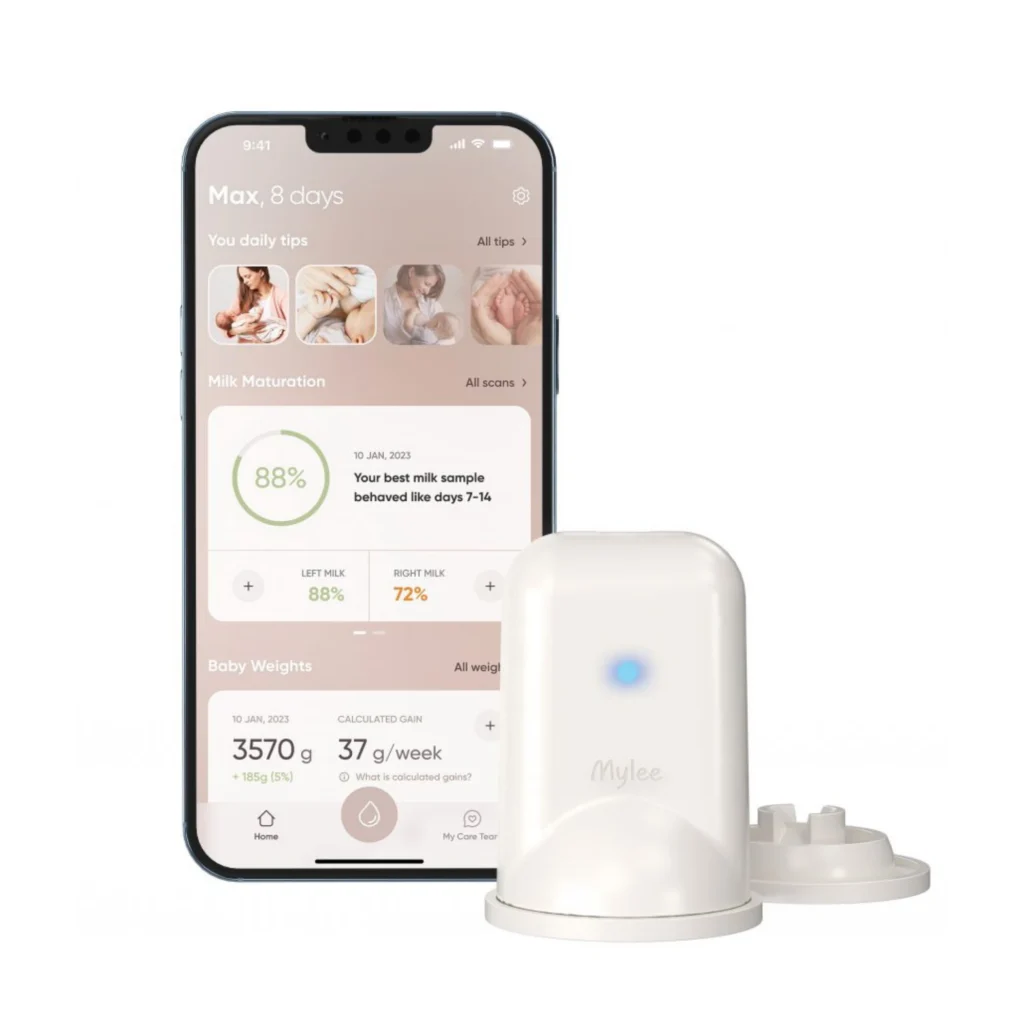
That’s where the MyLee Milk Sensing Device changes everything. Awarded as the Breastfeeding Support Product of the Year at the 2024 Baby Innovation Awards, MyLee is developed by MyMilk Lab and available locally through Mommy Material. This small handheld device brings cutting-edge lactation monitoring to moms at home. With just a few drops of milk (even colostrum), the device uses unique conductivity-based technology to analyse biomarkers that reflect electrolyte levels, particularly sodium, which research has shown is strongly linked to lactation progress. This provides real-time insights into whether milk production is progressing as it should.
This technology, once only available in research or NICU settings, is now accessible to everyday mothers. Instead of relying on guesswork or worry, moms can finally get answers.
Imagine knowing just days after birth whether your milk is on track. Imagine the confidence of being reassured, or the relief of catching a potential issue early enough to get the right support.
Backed by Global Research
This isn’t just marketing hype. MyLee was highlighted in a 2025 review in Breastfeeding Medicine exploring new point-of-care techniques to support breastfeeding.
Here’s what leading experts are saying:
- “Since the most common reason moms stop breastfeeding earlier than they want to is due to milk supply–related concerns, it’s important to improve screening for the initiation of lactation… Better screening can help identify moms and babies who might need extra support early on, and also reassure those whose milk supply is developing well.”
- “One of the most exciting developments is the use of probes to measure sodium in breast milk — a simple test that can tell clinicians whether a mother’s milk production is on track.”
- “The first five days are crucial for the effective initiation of lactation… creating clear care plans for mothers with lactation risk factors is key to offering better, evidence-based support.”
As Dr. Angela Lang, Director of Clinical Education at Medela, summarises: “By removing the guesswork and providing targeted recommendations, we empower mothers to take control of their lactation journey.”
That empowerment is exactly what MyLee delivers.
A New Era of Personalised Breastfeeding Support
Every mother and every milk supply is unique. Some moms may only need to pump six times a day, while others may need eight. Generic advice doesn’t always fit and can even cause more stress.
MyLee allows breastfeeding professionals to give personalised guidance based on each mom’s unique milk biochemistry. That means targeted recommendations, timely interventions when needed, and reassurance when everything is progressing just fine.
It’s not about adding pressure. It’s about removing doubt. It’s about giving moms confidence.
From NICUs to Living Rooms
Much of the global conversation around milk biomarkers and early monitoring has focused on NICUs and preterm babies, but the truth is that these tools are just as valuable for mothers of full-term, healthy newborns.
Every mom deserves to feel confident in her milk supply. MyLee brings the same science-based insights used in specialised care settings straight into everyday homes.
More Than Just One Device
Breastfeeding is one of the most natural things in the world, but it isn’t always easy. For too many moms, doubt creeps in at the very moment when reassurance is needed most.
The MyLee Milk Sensing Device offers a new way forward; turning uncertainty into confidence, and helping moms trust their bodies again.
Because when mothers feel supported, babies thrive; and that is what truly matters.
Learn more about MyLee and our full range at www.mommymaterial.co.za or join our community on Instagram @mommymaterialsa.
Vital Baby has a range of products for every stage of a baby’s development, from breastfeeding and bottle feeding to weaning and toddler feeding. Vital Baby is also committed to being environmentally friendly and socially responsible. We use BPA-free materials and recycled packaging. Vital Baby South Africa is the official distributor of Vital Baby products in South Africa offering online shopping and delivery within South Africa, as well as a store locator to find a nearby retailer. Vital Baby South Africa aims to provide parents with the best products and service possible to make your parenting journey easier and more fun
Latest posts by Vital Baby
(see all)
Post Views: 34,943
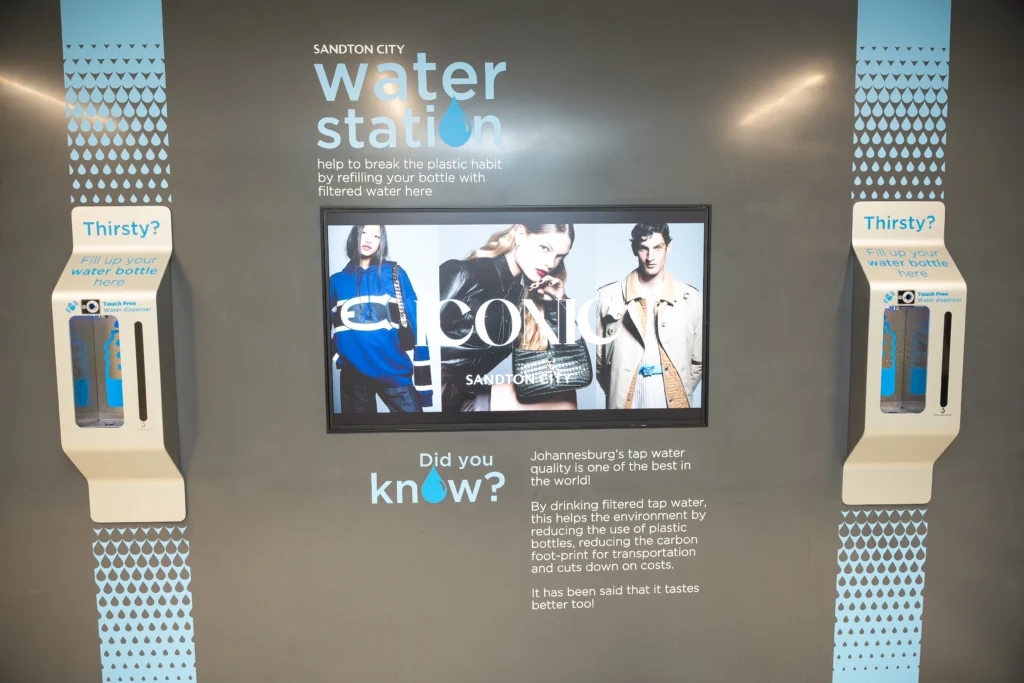
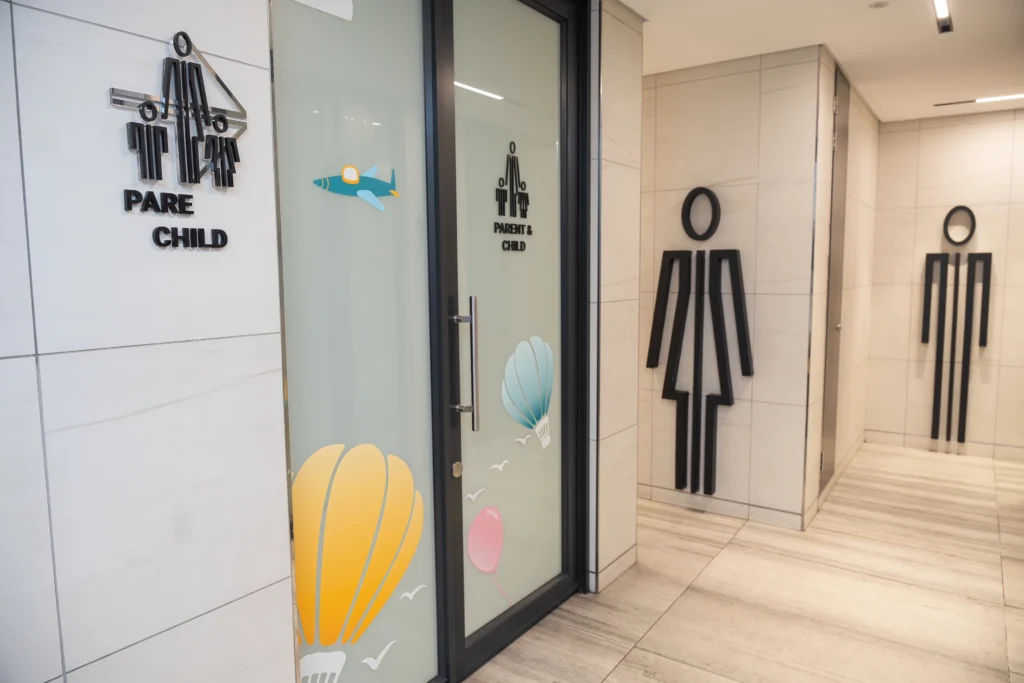
Sandton City creates family-friendly facilities- Iconic mall puts families first with thoughtful upgradesSandton City, Africa’s most iconic shopping destination, has elevated its shopping experience with a complete refurbishment of most of its bathrooms, ensuring ultimate comfort, convenience, and choice for visitors. The upgrades include dedicated nursing rooms and purified water dispensers outside each bathroom, promoting sustainability, by encouraging bottle refills and reducing single-use plastic.
Additionally, upgraded floor and wall tiling provides a sleek, modern aesthetic, while improved lighting creates well-lit and inviting spaces. The size of the toilet cubicles has been increased for added comfort and accessibility. Push-activated taps have been installed to accommodate individuals with upper limb disabilities. Privacy screens strategically placed in male bathrooms now provide added discretion.
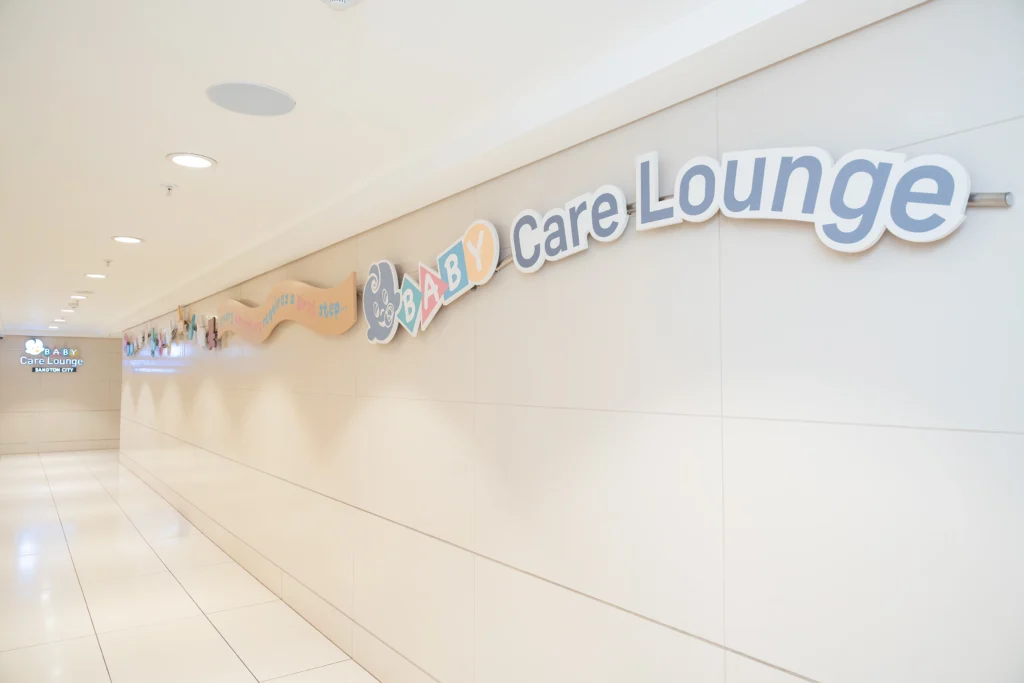
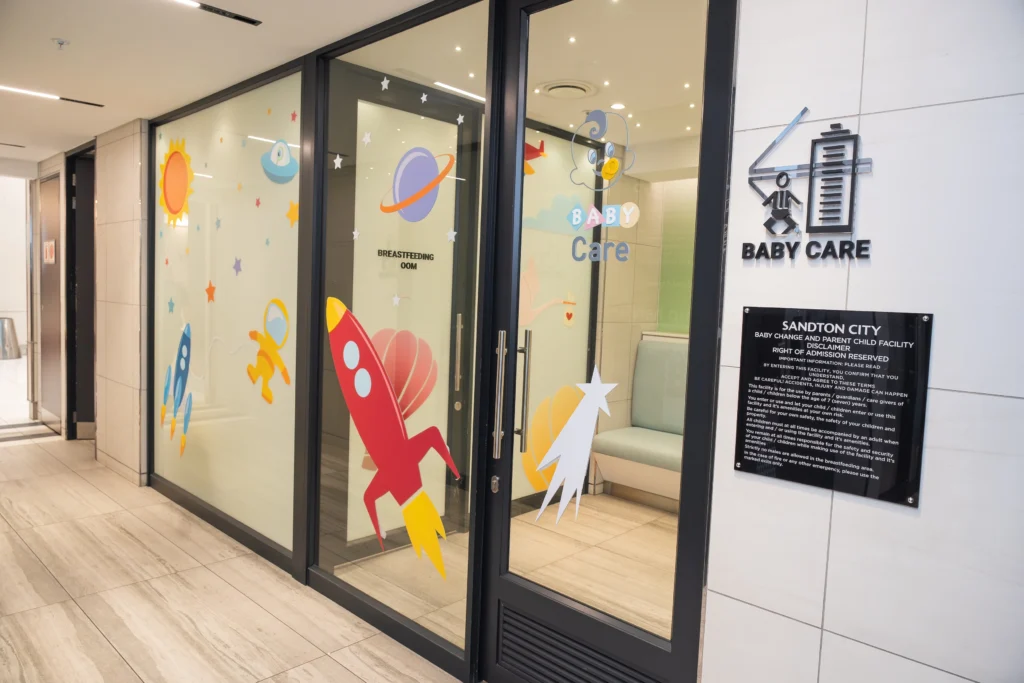
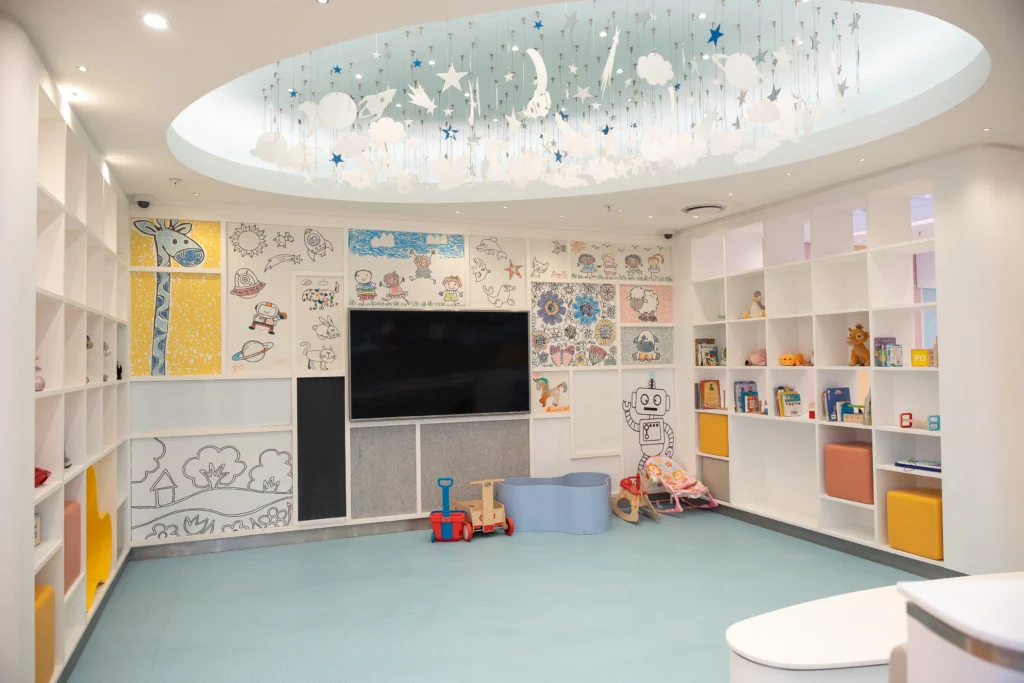
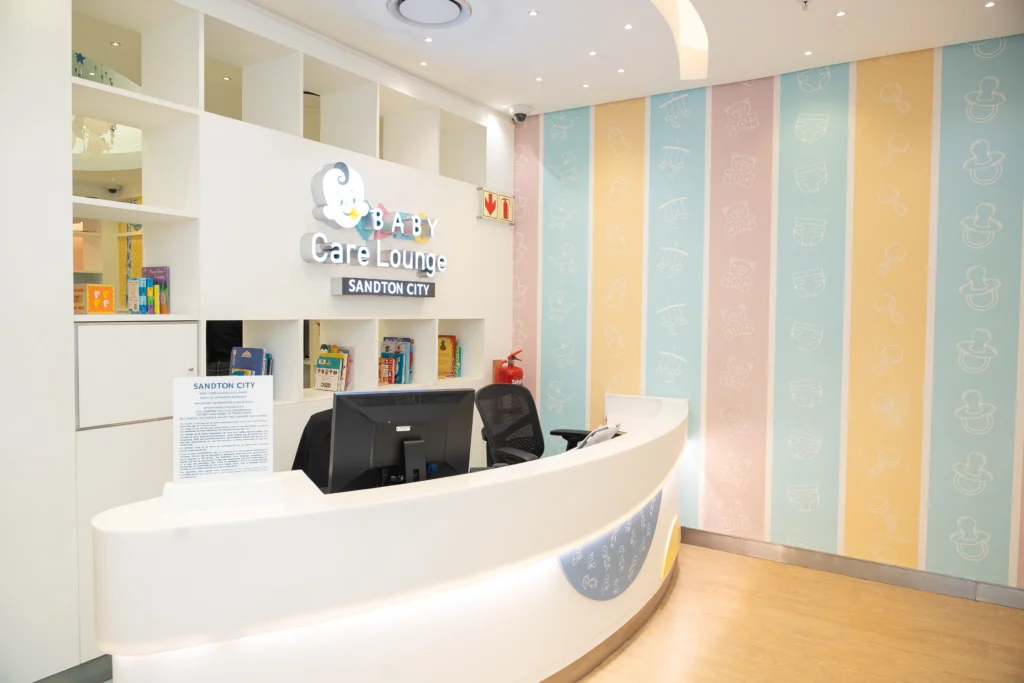
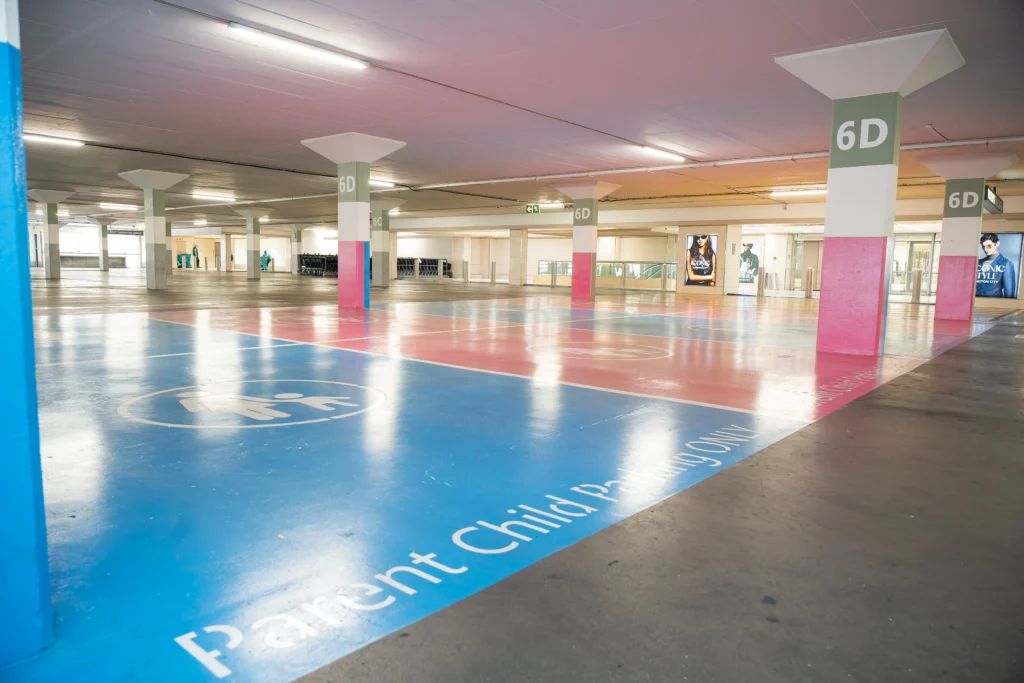
As an extension of its commitment to family-friendly shopping, Sandton City offers a full baby care lounge featuring a kitchen, baby change area, feeding rooms, and a play zone, making parenting on the go more convenient. This lounge is situated on the lower level, at entrance 4 near Checkers, and is free-to-use. For easy access to this facility, dedicated mom and tots parking bays, located the centre’s main near entrances, are marked in bright colours for easy identification, adding another layer of convenience.
Sandton City thrives on being an unparalleled, world-class retail destination. With over 374 stores, the centre houses an array of highly sought-after local and international brands. To cater to evolving shopper needs, Sandton City recently welcomed Mio Mondo, South Africa’s first luxury kids and baby store, offering a curated selection of designer brands such as Kenzo, Moschino, Karl Lagerfeld, all geared for ages 0 – 16. Parents can also shop a host of family-focused retailers including Dis-Chem Baby City, Koco Bino, Cotton Kids, Keedo, and Naartjie, offering special baby and kids’ apparel and lifestyle products.
“At Sandton City, we are always looking for ways to enhance the shopper experience, ensuring that every visitor, whether they’re parents with young children, business professionals, or international tourists, enjoys a world-class environment,” says Dimitri Kokinos, General Manager of Sandton City. “These latest upgrades reflect our commitment to comfort, convenience, and sustainability, reinforcing Sandton City’s position as Africa’s most prestigious retail destination.”
For more information and regular updates go to www.sandtoncity.com or follow Sandton City on social media @sandtoncitymall.
Vital Baby has a range of products for every stage of a baby’s development, from breastfeeding and bottle feeding to weaning and toddler feeding. Vital Baby is also committed to being environmentally friendly and socially responsible. We use BPA-free materials and recycled packaging. Vital Baby South Africa is the official distributor of Vital Baby products in South Africa offering online shopping and delivery within South Africa, as well as a store locator to find a nearby retailer. Vital Baby South Africa aims to provide parents with the best products and service possible to make your parenting journey easier and more fun
Latest posts by Vital Baby
(see all)
Post Views: 34,943
Sandton City creates family-friendly facilities- Iconic mall puts families first with thoughtful upgradesSandton City, Africa’s most iconic shopping destination, has elevated its shopping experience with a complete refurbishment of most of its bathrooms, ensuring ultimate comfort, convenience, and choice for visitors. The upgrades include dedicated nursing rooms and purified water dispensers outside each bathroom, promoting sustainability, by encouraging bottle refills and reducing single-use plastic.
Additionally, upgraded floor and wall tiling provides a sleek, modern aesthetic, while improved lighting creates well-lit and inviting spaces. The size of the toilet cubicles has been increased for added comfort and accessibility. Push-activated taps have been installed to accommodate individuals with upper limb disabilities. Privacy screens strategically placed in male bathrooms now provide added discretion.
As an extension of its commitment to family-friendly shopping, Sandton City offers a full baby care lounge featuring a kitchen, baby change area, feeding rooms, and a play zone, making parenting on the go more convenient. This lounge is situated on the lower level, at entrance 4 near Checkers, and is free-to-use. For easy access to this facility, dedicated mom and tots parking bays, located the centre’s main near entrances, are marked in bright colours for easy identification, adding another layer of convenience.
Sandton City thrives on being an unparalleled, world-class retail destination. With over 374 stores, the centre houses an array of highly sought-after local and international brands. To cater to evolving shopper needs, Sandton City recently welcomed Mio Mondo, South Africa’s first luxury kids and baby store, offering a curated selection of designer brands such as Kenzo, Moschino, Karl Lagerfeld, all geared for ages 0 – 16. Parents can also shop a host of family-focused retailers including Dis-Chem Baby City, Koco Bino, Cotton Kids, Keedo, and Naartjie, offering special baby and kids’ apparel and lifestyle products.
“At Sandton City, we are always looking for ways to enhance the shopper experience, ensuring that every visitor, whether they’re parents with young children, business professionals, or international tourists, enjoys a world-class environment,” says Dimitri Kokinos, General Manager of Sandton City. “These latest upgrades reflect our commitment to comfort, convenience, and sustainability, reinforcing Sandton City’s position as Africa’s most prestigious retail destination.”
For more information and regular updates go to www.sandtoncity.com or follow Sandton City on social media @sandtoncitymall.
Vital Baby has a range of products for every stage of a baby’s development, from breastfeeding and bottle feeding to weaning and toddler feeding. Vital Baby is also committed to being environmentally friendly and socially responsible. We use BPA-free materials and recycled packaging. Vital Baby South Africa is the official distributor of Vital Baby products in South Africa offering online shopping and delivery within South Africa, as well as a store locator to find a nearby retailer. Vital Baby South Africa aims to provide parents with the best products and service possible to make your parenting journey easier and more fun
Latest posts by Vital Baby
(see all)
Post Views: 34,943