As many normal activities have continued to require careful consideration as a result of the coronavirus pandemic, parents are now challenged with “Back To School” and what that means for their children and their families.
“We know there is a lot to manage during this time, and it can feel like there is very little in your control. But whether your child will be attending school at home, in-person or a combination of the two, we want to help make sure they stay injury-free. Remember it is important to make injury prevention part of your Back To School plan. That is something you can control”, says Thilda Nel (Executive Director, ChildSafe).
With a new school term about to start, now is the perfect time to take a few minutes to remind your children how they can stay safe when going to school, whether they walk, bike, take the bus/train or ride in a carpool or use scholar transport. No matter how your children get to school, make sure they are safe and prepared to make the trip.
ChildSafe reminds all parents and caregivers to ALWAYS teach their children to:
Look left, right and left again before crossing the road.
Walk on sideways or paths and crossroads using traffic signals and pedestrian crossings, where possible.
Make eye contact with drivers before crossing the road.
Avoid using cell phones and headphones when walking near and around cars and to be aware of their surroundings.
Wear a properly fitted helmet when biking to school.
Wait for the bus/train to come to a complete stop before entering or disembarking.
Drivers should ALWAYS:
Ensure that children under the age of 12 are properly buckled-up in the back seat.
Adhere to speed limits and drive slowly in residential areas and school zones.
Look out for pedestrians while driving.
For more information on injury prevention, call ChildSafe at 021 685 5208 or please visit www.childsafe.org.za
ChildSafe is a non-profit organization that aims to reduce and prevent injuries of children through research, education and recommendations to legislation. We work with other non-profits, government, corporates and communities to achieve this. Our core focus though is the prevention of unintentional injuries that are usually regarded as accidents, such as, burns, falls, drowning, road traffic crashes, choking and poisoning. For more information, visit www.childsafe.org.za.
In a world of packed schedules, rising anxieties, and digital distractions, the way we parent has never been more complex, or more important. Children don’t need perfect childhoods, they need real ones. Ones filled with play, protection and participation to grow.
“Today’s parenting styles often come from a place of deep love,” says Ursula Assis, Country Director for Dibber International Preschools in South Africa. “But when we hover too closely or clear every obstacle before our children reach it, we can unintentionally rob them of the small struggles that help them thrive.”
Modern terms like ‘helicopter parenting’ and ‘lawnmower parenting’ describe well-intentioned behaviours. ‘hovering’ to protect and help or smoothing every path to prevent discomfort. While these approaches are rooted in care, they often overlook what child development experts call the ‘just-right challenge’. Dibber’s approach, built on Nordic pedagogical principles, embraces this balanced philosophy which gives children the support they need while encouraging and maintaining independence.
“Children build confidence by trying, failing, and trying again. That’s where resilience begins”, explains Assis. “When we pair warmth with boundaries, and love with opportunity, we see incredible growth -not just academically, but socially and emotionally.”
Free play remains one of the most powerful developmental tools in early childhood. Whether it’s climbing, balancing, or imaginative playing, these experiences help children build executive function, manage emotions, and understand social dynamics. With adult support close by – but not overbearing – these activities become safe and enriching opportunities to learn.
In South Africa, Dibber believes parents have a unique advantage: community. Grandparents, neighbours, and extended families as they often play a vital role in raising children. “That village of support is our strength,” Assis adds. “We encourage families to use it -plan outdoor playdates, invite cousins to join, share learning spaces. There’s no app that can replace the value of human connection.”
At Dibber’s campuses across Gauteng, the Western Cape, and KwaZulu-Natal, the focus is on nurturing not just cognitive skills, but the whole child. Teachers act as gentle guides, helping children navigate early life’s hurdles with empathy, patience, and clear structure. The result? Children who feel seen, heard, and confident enough to explore the world.
“Resilience doesn’t come from a perfectly smooth path. It comes from knowing that when life gets bumpy, someone is there to support you while you take the wheel,” says Assis. “At Dibber, we’re not raising perfectionists—we’re helping raise capable, compassionate human beings.”
For parents wondering whether they’re doing it ‘right’, Dibber offers this reassurance: there is no single perfect parenting style. What matters most is balance. Guide, protect, listen, and most importantly let children play, explore, and grow into who they want to be.
ChildSafe is a non-profit organization that aims to reduce and prevent injuries of children through research, education and recommendations to legislation. We work with other non-profits, government, corporates and communities to achieve this. Our core focus though is the prevention of unintentional injuries that are usually regarded as accidents, such as, burns, falls, drowning, road traffic crashes, choking and poisoning. For more information, visit www.childsafe.org.za.
Learning how to make friends is one of the most meaningful parts of early childhood. Strong social skills help children feel connected, confident, and secure both inside and outside the classroom. While some children naturally navigate friendships with ease, others need more guidance, reassurance, and time. As parents and caregivers, we play a powerful role in modelling healthy relationships, teaching emotional vocabulary, and supporting children when conflicts arise.
This blog explores practical, Montessori inspired and developmentally appropriate ways to help your child make friends, resolve disagreements, and build lifelong social confidence.
1. Understanding Social Development in Early Childhood
Social development begins long before a child speaks their first words. From infancy, children observe facial expressions, tone of voice, and body language which all form the foundation for future friendships.
Key Milestones Ages 2 to 6
Ages 2 to 3: Parallel play, basic sharing with support, emerging emotional language
Helping your child make friends is a gentle journey filled with small steps, emotional growth, and wonderful moments of connection. With patience, modelling, and loving guidance, you give your child the confidence they need to form strong friendships and navigate conflict with resilience.
ChildSafe is a non-profit organization that aims to reduce and prevent injuries of children through research, education and recommendations to legislation. We work with other non-profits, government, corporates and communities to achieve this. Our core focus though is the prevention of unintentional injuries that are usually regarded as accidents, such as, burns, falls, drowning, road traffic crashes, choking and poisoning. For more information, visit www.childsafe.org.za.
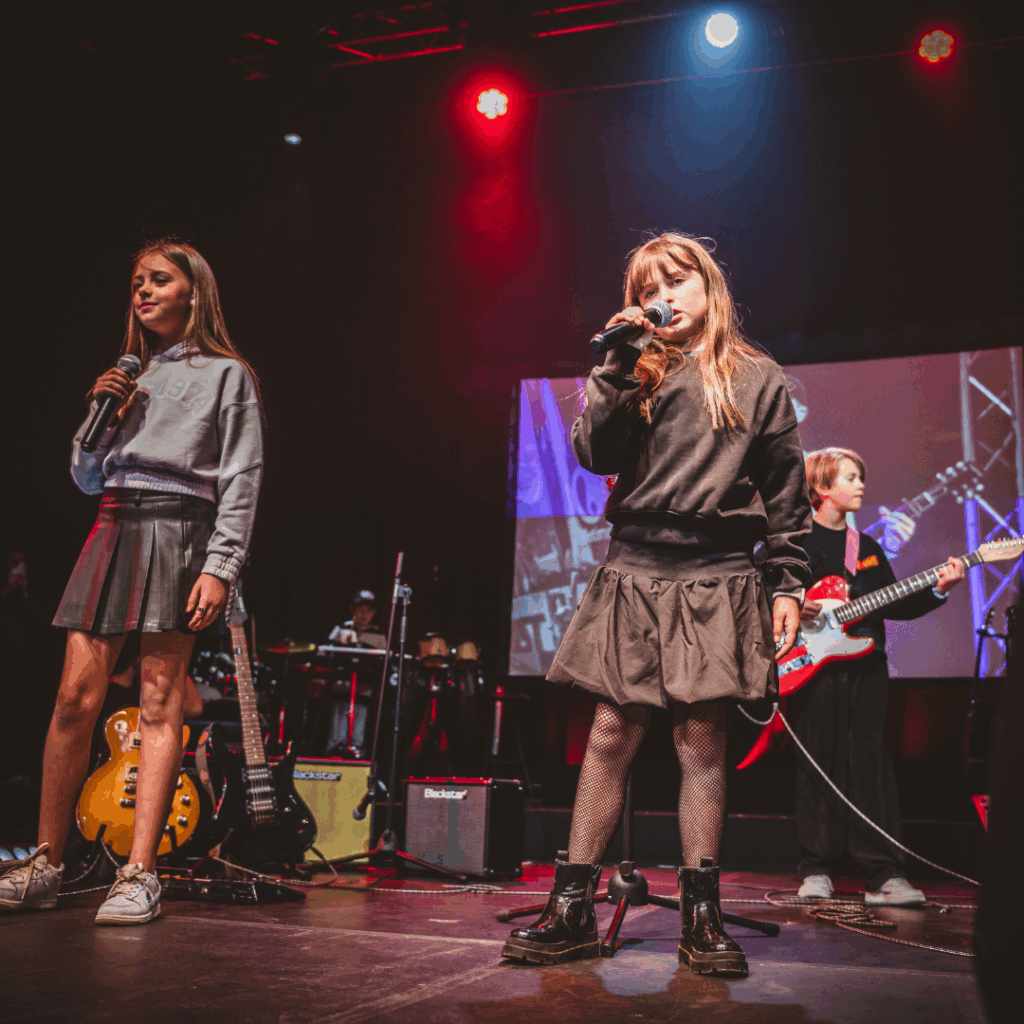
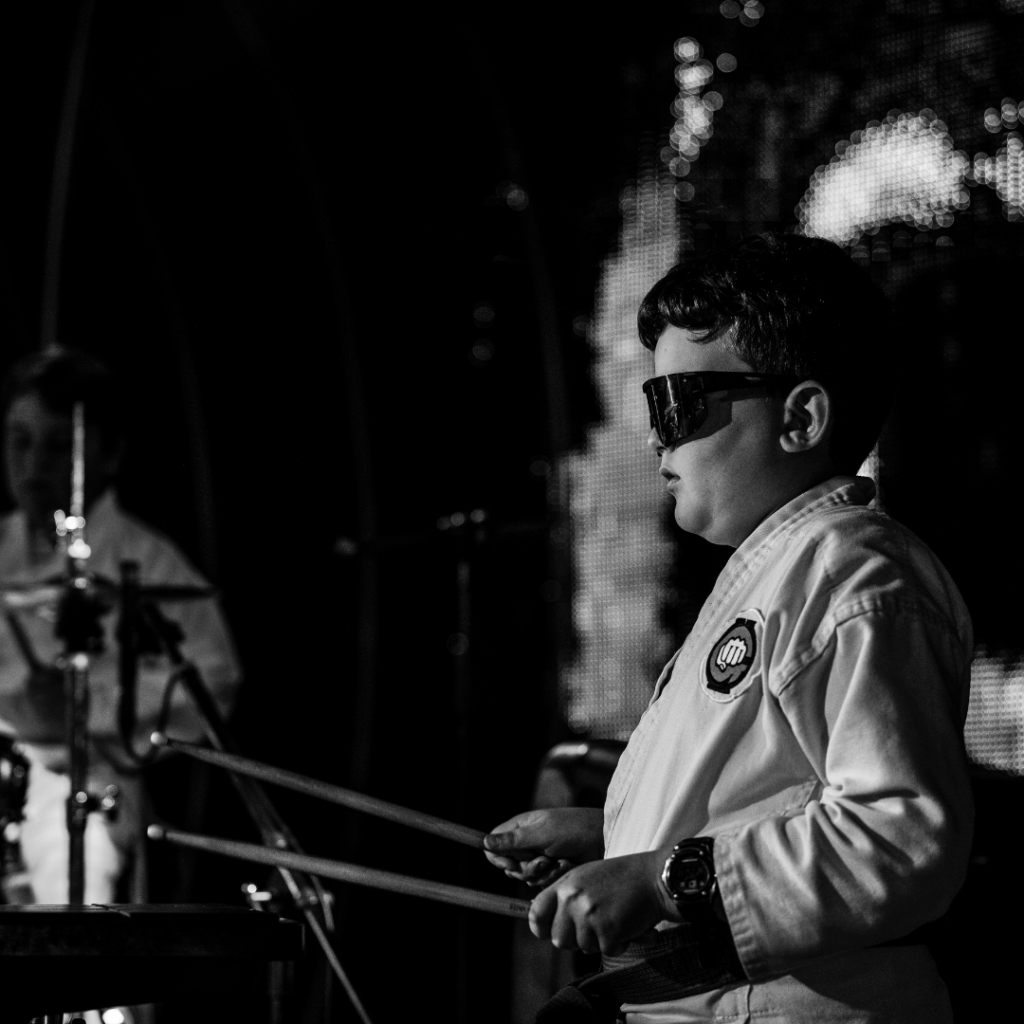
At School of Rock Parktown North, we don’t just teach kids how to play instruments, we help them build confidence, creativity, community, and lifelong skills. As the year winds down and festive energy sets in, many of you are probably looking for enriching activities that give you and the kids more than just a hobby. Here’s why the School of Rock experience is a perfect fit for the season!
Beyond Notes: The Many Benefits of Music Education
Music isn’t just fun; it’s transformative. Learning an instrument or singing can improve language development, memory, concentration, and even academic performance.
Improves cognitive and academic skills: Understanding rhythm, structure and patterns in music helps develop spatial and mathematical thinking; which can translate into better performance in school subjects like maths.
Develops discipline, patience and focus: Learning music requires regular practice, persistence, and the ability to work through challenges, which are all skills that carry over into homework, school projects, and everyday life.
Boosts self‑esteem, emotional expression and confidence: Performing music, whether in a band or on stage, gives children the chance to express themselves, overcome nerves, and feel proud of their progress.
Strengthens social skills and teamwork: Playing in a band or group helps children learn to listen, collaborate, and support each other while building friendships and a sense of belonging.
Why School of Rock Parktown North Does It Differently
At School of Rock Parktown North, we believe that learning music should be fun, social, and purposeful. Our model combines individual lessons with band rehearsals and live-performance opportunities, giving kids a real chance to experience what it’s like to be in a rock band.
Performance-based learning: Students stay motivated, focused, and excited to practice because they’re working toward real shows.
Real-world experience: Our instructors are working musicians who teach both the mechanics of music and what it means to perform, collaborate, and connect.
Songs kids love: Rather than starting with strict theory, students learn using the music they enjoy, making the experience personal and meaningful.
Inclusive and supportive community: Beginners and experienced players alike are welcomed. We value progress, effort, and self-expression over perfection.
This festive season, our Holiday Workshops give children a fun, structured way to explore music while school is out. Open to both new and current students during December and January, these workshops offer:
Hands-on experience with instruments, vocals, and group jams
Confidence-boosting exercises and creative challenges
Social connection and teamwork with new friends
Mini performances to end the holidays on a high note
Whether a child is picking up an instrument for the first time or expanding existing skills, our workshops provide inspiration, fun, and confidence through music. Please pop us an email at [email protected] or Whatsapp us on 074 322 2000 for more info and to book a slot!
Corporate Year-End Workshops & Team- building events
School of Rock Parktown North also offers corporate and adult-focused workshops that are perfect for companies looking for a creative way to celebrate the end of the year. These sessions are designed to be fun, team-oriented, and stress-relieving:
Try instruments, vocals, and rhythm exercises in a relaxed, fun setting
Strengthen teamwork, communication, and collaboration
Take a creative break from work and enjoy a stress-free musical experience
These workshops offer a unique, memorable way to close out the year; combining music, collaboration, and a little bit of festive cheer. Reach out at [email protected] or Whatsapp us on 074 322 2000 for more details.
A Great Time to Start (or Re-Start)
With the new year around the corner, there’s no better time to explore what music can offer. Whether you or your child has never touched an instrument, are looking to deepen skills, or want a creative team-building experience, School of Rock Parktown North is ready to welcome you all with open arms.
ChildSafe is a non-profit organization that aims to reduce and prevent injuries of children through research, education and recommendations to legislation. We work with other non-profits, government, corporates and communities to achieve this. Our core focus though is the prevention of unintentional injuries that are usually regarded as accidents, such as, burns, falls, drowning, road traffic crashes, choking and poisoning. For more information, visit www.childsafe.org.za.
We use cookies on our website to give you the most relevant experience by remembering your preferences and repeat visits. By clicking “Accept All”, you consent to the use of ALL the cookies. However, you may visit "Cookie Settings" to provide a controlled consent.Accept All
Manage consent
Privacy Overview
This website uses cookies to improve your experience while you navigate through the website. Out of these, the cookies that are categorized as necessary are stored on your browser as they are essential for the working of basic functionalities of the website. We also use third-party cookies that help us analyze and understand how you use this website. These cookies will be stored in your browser only with your consent. You also have the option to opt-out of these cookies. But opting out of some of these cookies may affect your browsing experience.
Necessary cookies are absolutely essential for the website to function properly. These cookies ensure basic functionalities and security features of the website, anonymously.
Cookie
Duration
Description
cookielawinfo-checkbox-advertisement
1 year
The cookie is set by GDPR cookie consent to record the user consent for the cookies in the category "Advertisement".
cookielawinfo-checkbox-analytics
11 months
This cookie is set by GDPR Cookie Consent plugin. The cookie is used to store the user consent for the cookies in the category "Analytics".
cookielawinfo-checkbox-functional
11 months
The cookie is set by GDPR cookie consent to record the user consent for the cookies in the category "Functional".
cookielawinfo-checkbox-necessary
11 months
This cookie is set by GDPR Cookie Consent plugin. The cookies is used to store the user consent for the cookies in the category "Necessary".
cookielawinfo-checkbox-others
11 months
This cookie is set by GDPR Cookie Consent plugin. The cookie is used to store the user consent for the cookies in the category "Other.
cookielawinfo-checkbox-performance
11 months
This cookie is set by GDPR Cookie Consent plugin. The cookie is used to store the user consent for the cookies in the category "Performance".
viewed_cookie_policy
11 months
The cookie is set by the GDPR Cookie Consent plugin and is used to store whether or not user has consented to the use of cookies. It does not store any personal data.
Analytical cookies are used to understand how visitors interact with the website. These cookies help provide information on metrics the number of visitors, bounce rate, traffic source, etc.
Cookie
Duration
Description
_ga
2 years
This cookie is installed by Google Analytics. The cookie is used to calculate visitor, session, campaign data and keep track of site usage for the site's analytics report. The cookies store information anonymously and assign a randomly generated number to identify unique visitors.
_gid
1 day
This cookie is installed by Google Analytics. The cookie is used to store information of how visitors use a website and helps in creating an analytics report of how the website is doing. The data collected including the number visitors, the source where they have come from, and the pages visted in an anonymous form.
Other uncategorized cookies are those that are being analyzed and have not been classified into a category as yet.
Cookie
Duration
Description
_gat_gtag_UA_18530557_4
1 minute
No description
pron_ip
session
No description
pvc_visits[0]
1 day
This cookie is created by post-views-counter. This cookie is used to count the number of visits to a post. It also helps in preventing repeat views of a post by a visitor.
tk_ai
session
Gathers information for WordPress by themselves, first party analytics tool about how WP services are used. A collection of internal metrics for user activity, used to improve user experience.