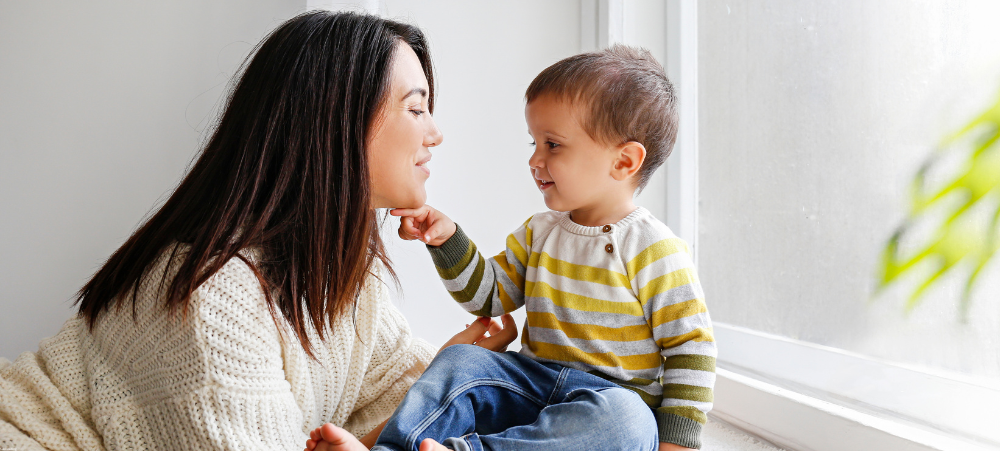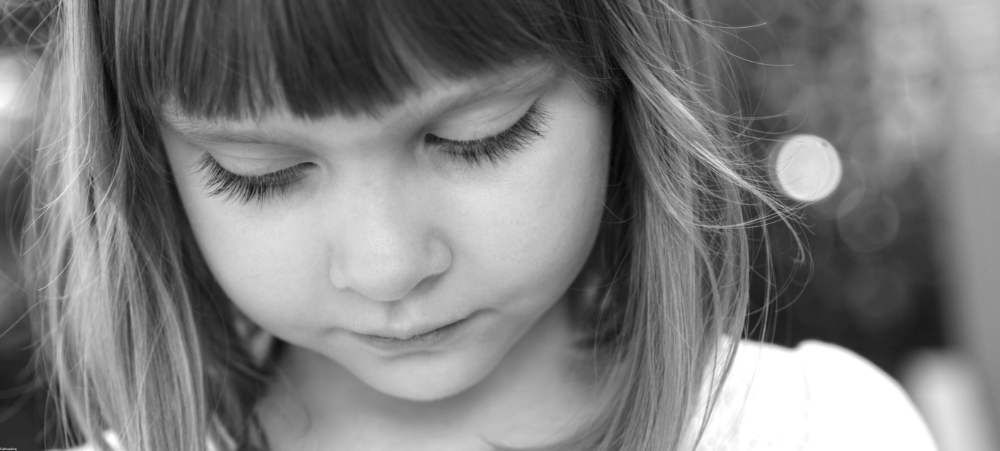
A child who races into preschool talking before their bag has hit the floor is easy to read. The child who hangs back, watches and says very little can be harder.
For many children, quietness is simply part of their temperament. They observe before joining in, prefer one friend to a noisy group or need time before they feel comfortable speaking. There is nothing wrong with that.
But quietness can sometimes deserve a closer look, particularly when it is new, accompanied by distress or noticeably different from one setting to another.
“A child who shouts, pushes or has a meltdown will usually be noticed immediately,” says Ursula Assis, Managing Director of Dibber International Preschools South Africa. “A child who quietly withdraws can sit in the same room without disrupting anyone. That is why we need to notice patterns rather than assume silence always means a child is content.”
Temperament or Something More?
A naturally reserved child may spend the first part of a birthday party beside a parent before eventually joining in. At preschool, they might listen during a group conversation but happily talk to a trusted educator later.
A useful question is not simply, “How much does this child talk?” but, “How does this child seem while they are quiet?”
If they appear relaxed, play, form relationships and gradually participate, quietness may simply be their way of approaching the world.
Labels do not necessarily help.
“Saying, ‘She’s the shy one,’ can turn a behaviour into an identity,” says Assis. “It can be more accurate to say, ‘She likes to watch for a while before she joins in.’ That leaves room for the child to develop at their own pace.”
Language Can Add Another Layer
In South Africa, language can add another layer.
A child may speak isiZulu or Sesotho freely at home but be quieter in an English-speaking preschool while their confidence in that language develops. That does not mean learning more than one language is causing a problem. Evidence reviewed by the American Speech-Language-Hearing Association does not support bilingualism as a cause of language delay.
What matters is the broader picture of how the child communicates across the languages and environments they know.
When Change Is the Clue
A bigger reason to pay attention is change.
A child who has always been quiet presents a different picture from a previously talkative child who suddenly withdraws, stops joining activities they enjoyed or becomes noticeably less communicative.
There may be a straightforward explanation. A new classroom, a family change, tiredness or a difficult friendship can all affect behaviour. The important thing is to notice the shift rather than immediately assign a meaning to it.
“Change from a child’s usual behaviour often tells us more than the behaviour on its own,” Assis says. “If a child suddenly stops talking, playing or engaging in the way they normally do, we would want to understand what has changed.”
Quietness accompanied by increasing clinginess, persistent physical complaints, sleep changes or strong avoidance of certain situations may also warrant a conversation with a professional. None of these signs, by themselves, provides a diagnosis.
A Pattern Worth Understanding
One particular pattern deserves careful attention.
Some children speak comfortably at home but are consistently unable to speak in particular social settings, such as preschool. This can sometimes be associated with selective mutism, an anxiety disorder in which a child who can speak in some situations is unable to do so in others where speaking is expected.
It is not deliberate refusal.
A persistent pattern should be discussed with an appropriate professional, such as a paediatrician, child psychologist or speech-language therapist. Repeatedly pushing an anxious child to “say hello” or “use your words” may increase the pressure they already feel.
Quiet Children Are Easy to Overlook
Quiet children can also be easier to overlook in busy classrooms.
The child needing help calls the educator. Someone spills water. Two children argue over the same toy. Meanwhile, the quiet child sits at an activity and appears to need nothing.
This is where observation matters.
An educator needs to notice who joins play easily and who stays at its edge, who regularly contributes and who rarely gets heard, and whether a child’s behaviour has changed over time.
Parents and educators comparing what they see can be especially useful. A child who barely speaks at preschool but tells long stories at home presents a different picture from one who has become withdrawn everywhere.
What Parents Can Do
For parents, the first response does not have to be complicated.
Describe rather than judge. “You’re watching the children play” puts less pressure on a child than “Why are you being so shy?”
Give them time to settle. One child and one activity may be easier to approach than an entire group. A gesture or nod can also be communication while words take longer to arrive.
At Dibber, Engaged Educators™ are encouraged to pay attention to these quieter patterns of behaviour as part of getting to know each child.
“The goal is never to turn a quiet child into a loud child,” says Assis. “It is to understand the difference between a child who is comfortable in their quietness and one who may be finding something difficult.”
Most quiet moments do not need to be fixed.
Sometimes a child is watching, thinking or waiting until they feel ready.
The important thing is that silence does not make them invisible.

- The Quiet Child in the Room: When Silence Is Temperament and When to Look Closer - October 12, 2026
- Six Simple Science Experiments That Get Preschoolers Asking Questions - October 5, 2026
- Why the Best Early Years Educators Do More Than Teach - September 25, 2026