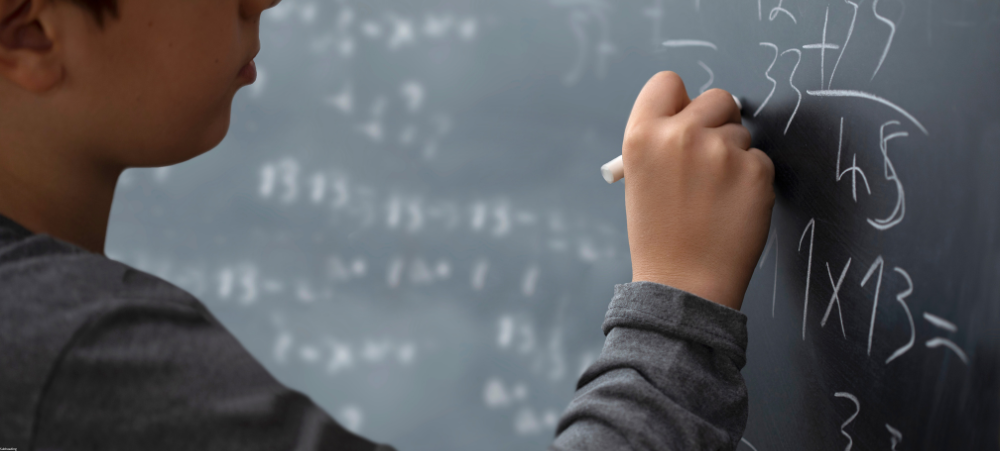
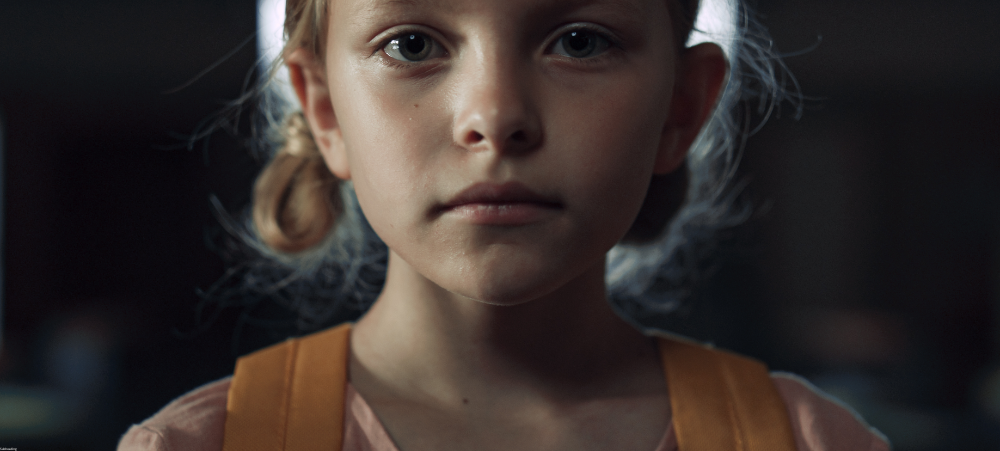
Most parents of a square-peg child know the moment by heart. The report arrives, you scan past the marks to the comments, and there it is. Distracted. Does not apply himself. Quiet. One word, chosen by a busy teacher at the end of a long term, and somehow it follows your child from grade to grade like a piece of official record.
The uncomfortable part is that the word is rarely a lie. Your son probably was distracted in that classroom. Your daughter probably was quiet in that room. Teachers write what they see, and most write it with care.
The problem is what the word cannot hold. It describes a behaviour in one setting, on the days one adult happened to observe it. It says nothing about whether the pace was wrong, whether the subject mix fit, whether the room itself was the obstacle, or what the same child looks like somewhere quieter, somewhere faster, somewhere built differently. The word was never false. It was too small.
Why too small, and not wrong
It matters that the word is too small rather than wrong, and not only as a courtesy to teachers. A parent who is told the school lied about their child has nowhere to go with that except anger, and anger is a poor basis for a schooling decision. A parent who understands that the school reported honestly from inside its own limits can start asking a sharper question: what would a setting with different limits see?
Every report comment is a measurement taken in one place. Distracted, measured in a room of thirty. Quiet, measured in a space where the loudest voices set the terms. Below average, measured against one pace on one route. Change the room, the pace or the route and you are not massaging the numbers. You are measuring something the first setting had no instrument for.
What most schooling asks of the child
When a child and a school do not fit, nearly every remedy on offer asks the child to do the changing. Extra lessons after a long day. A concentration plan. A seat closer to the front. Some of this helps, some of the time. Notice, though, what stays constant through all of it: the school keeps its shape, and the child is asked to fold themselves into it.
For generations that was simply how schooling worked, because a building with one timetable and thirty children to a room has no other option. It cannot reshape itself around one child. Reshaping is exactly what an online school can do, if it is built as a school rather than a video library.

What CambriOS is
For 20 years, CambriLearn has built school in the other direction: fit the school to the child, rather than the child to the school. In August 2026 that approach got a name. CambriOS is the structure behind CambriLearn, and it brings together four connected school experiences that families have been using in parts for years, now working openly as one school.
CambriCampus is the school day itself: live lessons, qualified teachers, and a timetable your child logs into every morning. A real day with a real rhythm, not a folder of videos and good intentions.
CambriPathways is the choice: six accredited learning pathways, from CAPS and IEB to the International British Curriculum and Pearson Edexcel, each one ending in a recognised qualification. The point is not variety for its own sake. A child labelled slow on one route is often just a child on the wrong route.
CambriCommunity is where your child belongs: clubs, events, study groups and regional meetups, because a school is other people or it is not a school.
CambriCommand is the parent view: attendance, progress and standing, visible in one place, so the first you hear of a wobble is a Tuesday in March rather than the end-of-year report.
What changes for enrolled families
Nothing, which is rather the point. CambriCampus is the school day your child already attends. CambriPathways is the curriculum they already follow. CambriCommunity is the club they already log into on Thursdays. CambriOS is not a separate purchase and carries no extra fee; it is the name for how the school already works, made visible so that parents can finally see the parts and how they connect.
What to do with the word you are holding
If a report comment has been sitting with you for a term or a decade, the useful move is not to argue with it. Teachers describe honestly what their setting lets them see. The useful move is to ask what the word might be missing. In which settings does my child focus well? Which parts of the work are they ahead on, and does the current route ever show it? What would this child look like in a smaller room, at a different pace, on a different pathway?
Accurate and useless: that is what a too-small word produces, year after year. It records a symptom and attaches no way forward, which leaves families circling the same conversation every term while the child quietly concludes the word must be who they are. Breaking that loop rarely starts with the child trying harder. It starts with an adult asking whether the setting, the pace or the pathway is the variable nobody has tested.
Those are questions worth taking to someone whose job is answering them. You can book a free consultation with a CambriLearn education consultant and bring the report with you. The word described what one school could see. It never described how your child thinks, and it certainly never decided how the story ends.

- 2027 School Fees: What to Budget for and What You Can Lock In - October 7, 2026
- The certificate South African parents find out about too late - September 25, 2026
- Read the 2025 matric results properly before you choose a curriculum - September 18, 2026