
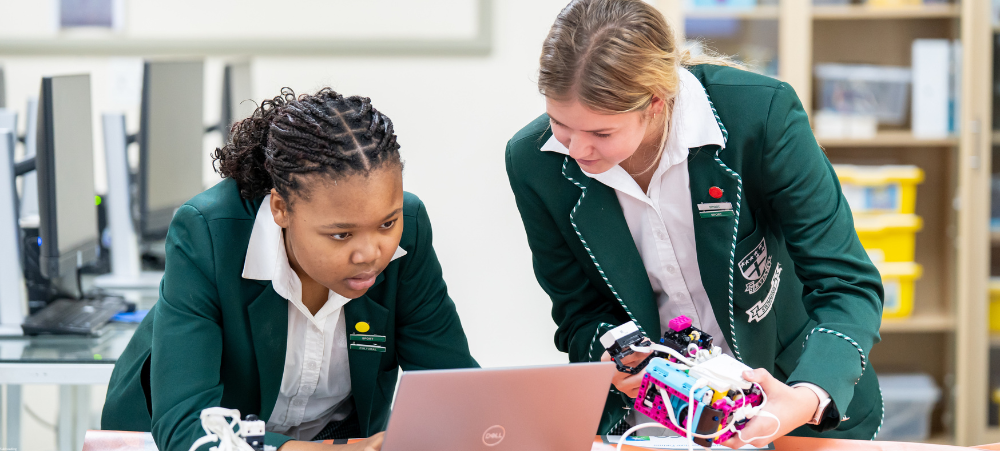
In a world that feels increasingly unpredictable, success can no longer be measured by academic achievement alone. While strong results remain important, the true test of education is how well it equips young people to navigate complexity, embrace uncertainty, and contribute meaningfully to society.
For girls in particular, this preparation is vital. Despite significant progress, many young women still face challenges around confidence, voice, and self-belief. Schools therefore carry a responsibility not only to educate, but to empower – to create environments where girls feel seen, heard, and capable of shaping their own futures.
Thriving in a BANI World
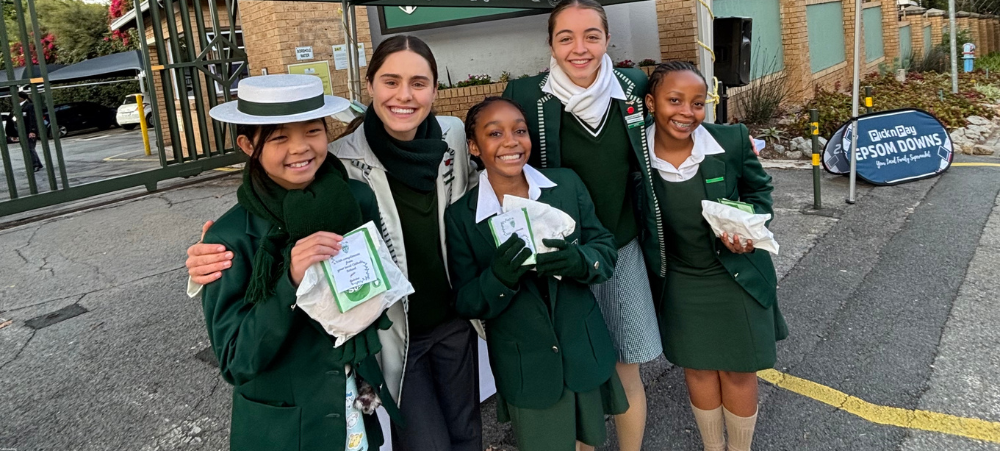
We are raising girls in what futurists call a BANI world – one that is brittle, anxious, nonlinear, and incomprehensible. It’s a world where change is constant, where clarity is rare, and where resilience is the new currency. Resilience is not about expecting girls to cope with everything independently. Resilience is the ability to recover from setbacks – not deny the pain or disappointment.
Resilience develops when young people are supported through challenges by emotionally available adults, meaningful relationships, and environments where setbacks are viewed as part of growth rather than failure. Girls must be equipped not just to survive, but to thrive in environments where change is constant and uncertainty is the norm. Resilience becomes their greatest superpower.
Many girls today are navigating immense pressures beneath the surface – balancing academic expectations, social comparison, digital overstimulation, and fears about the future, often while still developing a secure sense of self. Supporting girls in this context requires more than achievement-focused education. It requires environments where emotional wellbeing, identity development, and connection are prioritised alongside performance.
At Brescia House School, thriving goes beyond excelling. It is about developing the confidence to take risks, the resilience to overcome setbacks, and the courage to lead with authenticity. These qualities are nurtured through a holistic approach to education – one that values academic rigour alongside creativity, collaboration, and character.
Serviam: Leadership Through Service
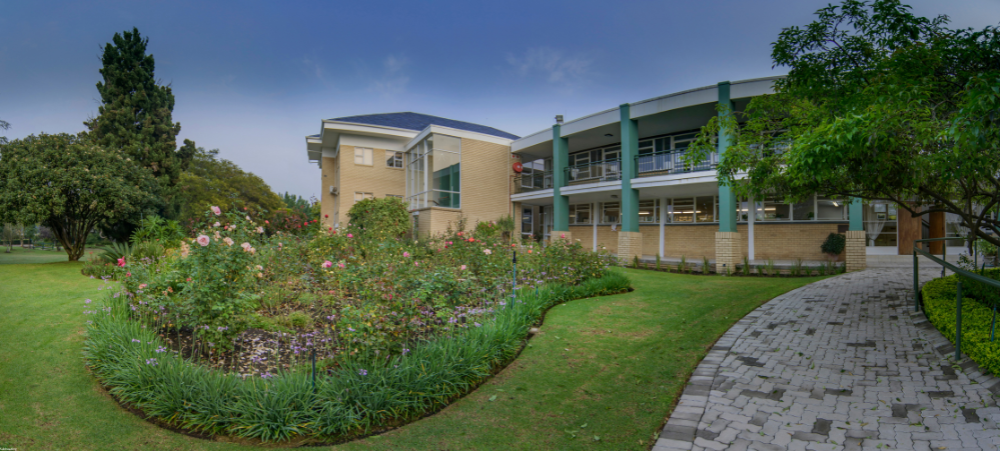
The school’s motto, Serviam (“I will serve”), is more than a guiding principle; it is a way of life. It reminds every student that true leadership is not about individual success but about fostering a community where integrity, empathy, and collective strength drive lasting impact.
This ethos is lived out in initiatives such as the Sisterhood Groups in the Intermediate Phase (Grades 4–6). These multi-grade groups collaborate on service projects – knitting blankets for Mandela Day, creating collective artwork, or assembling care packages for outreach. Through these shared experiences, girls learn empathy, collaboration, and initiative. They discover that leadership is not about standing above others, but about lifting others up.
Building Connection and Confidence
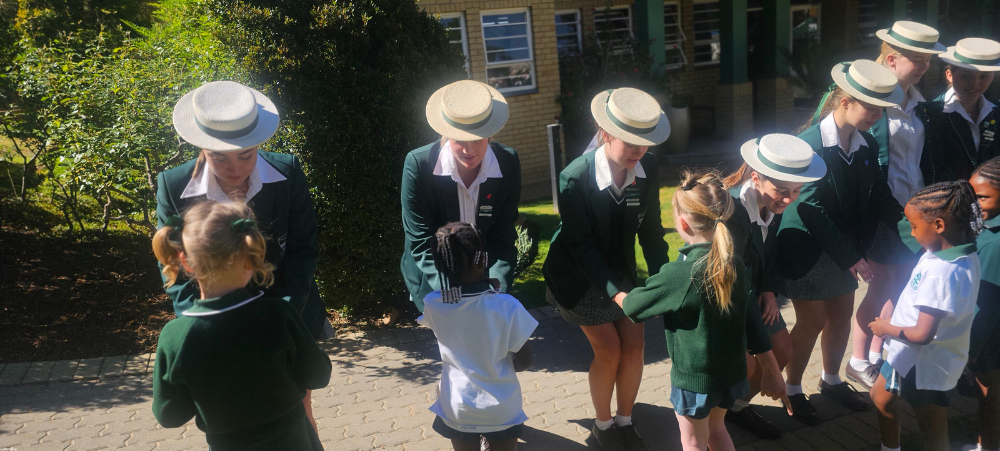
Confidence grows in community. When girls feel connected, to their peers, their teachers, and their school community, they are more willing to participate, take initiative, and believe in their own potential.
At Brescia House High School, this belonging is fostered through Social Emotional Learning (SEL) groups, across grades. Meeting every morning, these groups create spaces where friendships form naturally and mentorship flourishes. Senior students guide younger girls, offering encouragement and support that extends beyond the classroom. In a BANI world, where anxiety and uncertainty can easily overwhelm, these relationships provide stability, reassurance, and strength. Research consistently shows that belonging is one of the greatest protective factors in adolescent development. Girls who feel emotionally connected within their school communities are more likely to take healthy risks, recover from setbacks, and develop confidence rooted not in perfection, but in self-worth.
Inclusive Leadership in Action
Instead of a traditional prefect system, Brescia House School ensures that every Grade 12 student contributes meaningfully by serving on a committee aligned with her interests – whether in Sports, Culture, Wellbeing, Public Relations, Serviam, or Eco. This inclusive model ensures that leadership is dynamic, passion-driven, and accessible to all.
As Dr. Chaland van Zyl, Educational Psychologist at Brescia House School, explains: “Our goal is not to raise girls who never experience difficulty or uncertainty. It is to raise girls who know how to move through challenge without losing their sense of self, connection, or worth.” Drawing on developmental psychology, she highlights that young women supported in building identity, emotional intelligence, and social responsibility are more likely to grow into confident, ethical leaders.
Preparing Girls for Life Beyond the Classroom
Opportunities both inside and outside the classroom, whether in leadership, sport, the arts, service, or real-world learning, play a critical role in shaping young women who are thoughtful, adaptable, and grounded. Importantly, they are supported in understanding that growth often comes through challenge, and that failure is not something to fear, but an essential part of the learning journey.
Perhaps one of the most important shifts in education today is recognising that wellbeing and achievement cannot be separated. Girls learn best when they feel emotionally safe, connected, and understood. In a fast-changing world, schools play an essential role not only in preparing students academically, but in helping them develop the emotional flexibility, self-awareness, and sense of purpose needed to navigate life beyond the classroom.
In doing so, Brescia House School is not simply preparing students for the future; it is empowering them to shape it. In a world that is brittle, anxious, nonlinear, and incomprehensible, Brescia girls are learning to be resilient, compassionate, and courageous leaders – ready not only to thrive, but to make a difference.
Contributors:
Dr Chaland van Zyl: Educational Psychologist; Mrs Helga Bishop: Head of Marketing and Admissions

- Raising Girls Who Can Thrive in a Complex World - August 4, 2026
