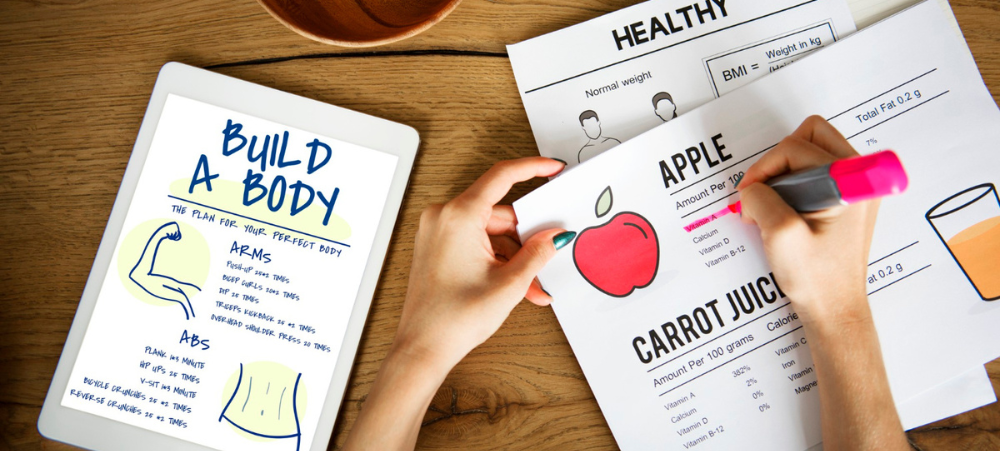
BEGINNERS GUIDE TO EATING HEALTHY

Affinity Health, a leading provider of high-quality healthcare, cuts through the clutter to explain what healthy eating entails and how you can make it work.

The term “healthy eating” can mean different things to different people. Everyone appears to have an opinion on the healthiest way to eat.

Adding to the confusion, nutrition articles you read online can be downright perplexing with contradictory and frequently unfounded suggestions and rules.

This makes it challenging to eat in a healthy way that works for you.

“The truth is that eating healthy does not have to be difficult. It is possible to nourish your body while also enjoying your favourite foods,” says Murray Hewlett, CEO of Affinity Health.

“After all, food should be enjoyed rather than feared, counted, weighed, and tracked.”

Why Is Eating Healthy Important?

Before we understand what healthy eating entails, it’s critical to know why it matters.

First and foremost, food fuels you and provides your body with the calories and nutrients required to function. Your health may suffer if your diet lacks calories or one or more nutrients.

Similarly, if you consume too many calories, you may gain weight. Obese people are at a much higher risk of developing type 2 diabetesobstructive sleep apnea, and heart, liver, and kidney disease.

Furthermore, the quality of your diet influences disease risk, longevity, and mental health.

While ultra-processed foods are associated with increased mortality and a higher risk of conditions such as cancer and heart disease, diets rich in whole, nutrient-dense foods are associated with increased longevity and disease protection.

Are Specific Diets Necessary?

Certainly not! Although some people need – or choose – to avoid certain foods or follow diets for health reasons, most people do not need to follow any specific diet to feel their best. That’s not to say that certain eating habits can’t be beneficial. Some people think the healthiest when they follow a low-carb diet, while others thrive on high-carb diets.

Eating healthy generally has nothing to do with following diets or specific dietary rules. “Healthy eating” means putting your health first by feeding your body nutritious foods.

The specifics will differ depending on your location, financial situation, culture and society, and personal taste preferences.

How to Make Eating Healthy Work for You

Food may be one of the many puzzle pieces that comprise your daily life but making nutrition a priority is the first step toward eating a healthier diet.

This doesn’t mean you have to spend hours grocery shopping or meal prepping, but it does require a little thought and effort, especially if you live a busy lifestyle.

Stock up on the following items when you go grocery shopping:

  • Fresh fruits and vegetables
  • Protein sources such as chicken, eggs, fish, and tofu, as well as bulk carb sources such as canned beans and whole grains
  • Healthy fat sources such as avocados and olive oil
  • Starchy vegetables, including white potatoes, sweet potatoes, and butternut squash
  • Nuts, seeds, nut butter, hummus, and olives

Real-world Suggestions For Healthy Eating

Affinity Health provides some practical tips to help you get started with healthy eating.

Make plant-based foods a priority: Plant foods such as vegetables, fruits, beans, and nuts should comprise most of your diet. Try including these foods, particularly vegetables and fruits, at every meal and snack.

Ditch takeouts: Cooking at home allows you to diversify your diet. If you’re used to ordering takeout or eating out, start by cooking just one or two meals per week.

Regular grocery shopping: If you keep healthy foods in your kitchen, you’re more likely to prepare healthy meals and snacks. Make one or two grocery runs per week to keep nutritious ingredients on hand.

Recognise your diet will only sometimes be perfect: Progress, not perfection, is essential. Meet yourself exactly where you are. Cooking one homemade, veggie-packed meal once a week is significant progress if you eat out every night.

Avoid sugar-sweetened beverages: Limit your intake of sugary beverages such as soda, energy drinks, and sweetened coffees as much as possible. Regularly consuming sugary beverages may be harmful to your health.

Choose foods that are filling: When you’re hungry, your goal should be to eat nutritious foods rather than consume the fewest calories possible. Choose protein- and fibre-rich meals and snacks that will keep you full.

Consume whole foods: A healthy diet should include whole foods like vegetables, fruits, beans, nuts, seeds, whole grains, and protein sources like eggs and fish.

Drink water: Water is the best way to stay hydrated, an essential part of healthy eating. If you’re not used to drinking water, get a reusable water bottle and flavour it with fruit slices or lemon juice.

“These suggestions can assist you in making the transition to a healthier diet,” adds Hewlett.

“You can also consult with a registered dietitian if unsure how to improve your diet. A dietitian can assist you in developing a long-term, nutritious eating plan that fits your needs and schedule.”


Parenting Hub

Leave a Comment

Your email address will not be published. Required fields are marked *

Veganism and pregnancy

Veganism is becoming an increasingly popular lifestyle which abstains from the consumption and use of animal products, predominantly for health, and/or ethical reasons. If you’re vegan and are considering pregnancy, or are pregnant, you are probably wondering how to best provide nutrients for your growing baby, and if veganism is still the best option for both of you.

Can I stay vegan while pregnant?

Veganism is often criticised for its lack of certain vitamins and minerals that a typical ‘balanced’ diet contains. Luckily, it is still possible to stick to your vegan diet during pregnancy – you’ll just have to make sure that your growing baby receives the nutrients that she needs.

While pregnant, it’s important to eat foods that contain folic acid (a B vitamin), calcium, vitamin D, iron and protein – you can get this from the food you eat as well as supplements. If you’re wondering where you can find these important nutrients in a plant-based diet, read on.

Citrus fruits, dried beans and leafy green veggies are all foods that include folic acid. Typically dairy is a source of calcium, however, non dairy foods rich in calcium are broccoli and kale.  Vitamin D can be found in mushrooms and fortified products, such as rice milk and soy milk.  Although meat is often seen as a primary source of protein, beans, peas, nuts and seeds are all rich in protein. Potatoes and tofu are also good foods to eat when replacing meat protein, and iron can be found in spinach and beans.

What nutrients are typically lacking in a vegan diet?

As a vegan, there are certain nutrients that you can’t find in plants – during pregnancy it becomes even more important to supplement these. Vitamin B12 (which helps with proper brain development), vitamin D (which aids bone and teeth development), omega 3 fatty acids and iron (you’ll need about twice as much when pregnant) are vitamins and minerals you might need to supplement.

Even if you’re not vegan, making sure your baby gets all the correct nutrients is important and may mean adjusting your diet. If you are planning on sticking to a strict diet plan it’s a good idea to consult with someone knowledgeable first.

Parenting Hub
How Probiotics Can Help You Over the Festive Season

The festive season is all about family, food, and fun – but it’s also the time when our digestive systems work overtime. Between rich meals, travel stress, and the occasional overindulgence, your gut can easily fall out of balance. That’s where probiotics step in.

“You don’t need to wait until January to think about your health,” says Dr Chuma, founder and owner of Velobiotics. “Supporting your gut through the holidays can actually make the whole season more enjoyable, and help you bounce back faster after it.”

1. They help your tummy cope with indulgence
From Christmas roasts to New Year’s snacks, heavy and fatty foods can slow digestion and cause bloating. Probiotics, the “good bacteria” in your gut, help break down food more efficiently and keep things moving comfortably.
“When you boost your gut bacteria, you’re helping your body digest all that festive feasting,” explains Dr Chuma. “It’s about balance, not deprivation.”

2. They support your immune system
Up to 70% of your immune system lives in your gut. During the holidays, when travel, late nights, and sugar overload are common, your immunity can take a hit.
“Probiotics help strengthen the gut barrier, which is your first line of defence against infection,” says Dr Chuma “That means fewer sniffles and more energy to enjoy the celebrations.”

3. They can ease travel-related tummy troubles
If you’re flying, changing time zones, or trying new foods, your digestive system can react unpredictably. Probiotics can help restore balance and reduce the risk of discomfort.
“Travelling often disrupts your microbiome,” explains Dr Chuma. “A daily probiotic can help your gut adjust faster and stay stable.”

4. They may even improve your mood
The gut-brain connection is real. Research shows that a healthy gut can influence serotonin levels, which play a role in mood regulation.
“When your gut’s happy, you’re often happier too,” adds Dr Chuma. “That’s especially important during the high-stress festive season.”

So before you start your holiday menu planning, consider adding probiotics to your daily routine – whether in yoghurt, fermented foods, or supplements.
As Dr Chuma puts it: “You can’t control everything the holidays throw at you, but you can support your gut, and that means supporting your whole self.”

Velobiotics probiotics are microencapsulated, which means they are specially formulated to be protected through your stomach until they reach your gut where they are needed most, so that you get the full benefit. They have a range of products to support either general health, or more targeted aspects such as feminine intimate areas or healthy weight management. 

View Velobiotics’ whole range of probiotics on their website www.velobiotics.co.za 

Parenting Hub
Mindful Eating for Kids: Teaching Healthy Habits Without Stress

Developing a healthy relationship with food starts early. Mindful eating teaches children to pay attention to their hunger, fullness, and enjoyment of meals, helping them make balanced choices and develop lifelong healthy habits. Parents can guide this practice in ways that are supportive, stress-free, and age-appropriate.

1. Encourage Awareness of Hunger and Fullness

Teach children to recognize their body’s signals. Ask questions like, “Are you still hungry?” or “Do you feel full?” This helps them develop self-awareness and prevents overeating.

2. Make Mealtimes Calm and Focused

Create a mealtime environment free from distractions such as TV, phones, or tablets. Sitting together and focusing on food and conversation encourages mindful eating and strengthens family connections.

3. Offer a Variety of Foods

Expose children to different tastes, textures, and colors. Encourage them to explore new foods without pressure, fostering curiosity and a willingness to try healthy options.

4. Involve Kids in Meal Preparation

Allowing children to help wash vegetables, stir ingredients, or set the table makes them more invested in meals. Participation encourages appreciation for healthy foods and develops cooking skills.

5. Model Mindful Eating

Children learn by observing adults. Show them how to eat slowly, enjoy flavors, and listen to your own hunger and fullness cues. Modeling mindful eating reinforces the behaviors you want your child to adopt.

6. Avoid Using Food as a Reward or Punishment

Associating food with rewards or punishments can create unhealthy habits. Focus on balanced nutrition and enjoyment rather than linking food to behavior.

7. Talk About Nutrition Positively

Highlight the benefits of different foods in an encouraging way. Explain how fruits, vegetables, grains, and proteins help the body grow, give energy, and stay strong.

8. Be Patient and Supportive

Developing mindful eating habits takes time. Encourage small steps, celebrate successes, and offer gentle guidance when challenges arise. Avoid pressuring children, as this can lead to resistance or negative associations with food.

By introducing mindful eating early, parents can help children develop a balanced relationship with food, build healthy habits, and enjoy mealtimes without stress. Mindful eating not only nurtures physical health but also supports emotional well-being and family connection.


Sources
American Academy of Pediatrics – Healthy Eating for Children
Harvard T.H. Chan School of Public Health – Mindful Eating for Kids
Child Mind Institute – Teaching Healthy Eating Habits

Parenting Hub
Scroll to Top