


Advice from the experts
be.UP Park

The Benefits of Indoor Play on Rainy Days

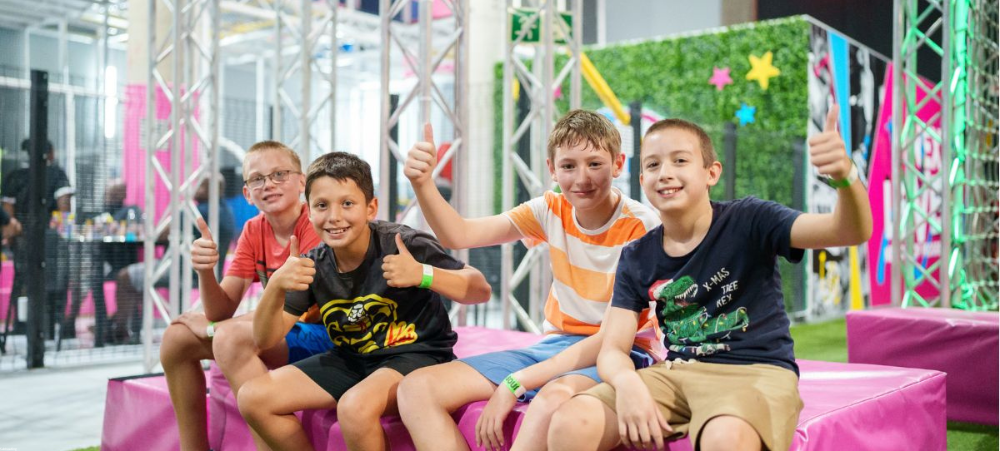
Rainy days do not have to mean boredom or screens. Indoor play environments offer the perfect combination of energy, creativity, and safety, and they come with a few bonus benefits you might not have considered. When kids cannot go outside, energy often builds up and that can lead to restlessness, frustration, or way too much time on tablets. At be.UP Park, kids can still move, climb, balance, and explore, even when the weather keeps everyone indoors. The activities are designed for all ages, from soft play and Little Town zones for toddlers to mazes, climbing walls, and football pitches for older kids. They are constantly moving and having fun, but in a clean, dry, and supervised environment. Physical play is not just good for fitness. It is also linked to brain development.Structured movement and play improves coordination, focus, and emotional control in children. Rainy days, when outdoor play is not possible, are the perfect opportunity to keep those skills growing indoors. At be.UP, activities like the Maze Zone or Climbing Walls encourage critical thinking and problem-solving. Every move is a lesson in balance, strategy, and confidence, all disguised as play. When kids play together indoors, they learn cooperation and teamwork. Whether it is helping a friend through the maze or taking turns on the slides, playtime at be.UP naturally builds social skills. Parents often notice how quickly children make friends here, even on their first visit. Let’s be honest, rainy days can be exhausting for parents trying to keep kids busy at home. At be.UP Park, parents can relax in the café, enjoy a coffee, and still keep an eye on their children. It is a space designed for family convenience, with clear visibility, trained staff, and activities that do not need constant supervision. Why Kids Love Indoor Play at be.UP Park Each be.UP branch across South Africa has been designed with children’s natural curiosity and movement in mind. Each park is fully equipped to handle wet weather crowds, with well-managed bookings, structured time slots, and staff ensuring smooth playtime for everyone. The Science Behind All-Weather Play Rainy weather does not stop kids from needing to move. It just shifts where they do it. By giving children space to explore safely indoors, be.UP helps them stay healthy, confident, and connected, no matter what the sky looks like. Tips for Rainy Day Visits Indoor Play: Where Rainy Days Turn Into Adventure Days Rainy summer days do not have to be dull. At be.UP Park, they become opportunities for creativity, movement, and connection. It is a place where kids can climb, laugh, and make memories without the mud, puddles, or screens. Whether you are in Cape Town, Durban, or Johannesburg, be.UP is ready for those unpredictable summer showers with a safe, colourful world of indoor fun. Plan your next rainy-day outing today:https://beuppark.co.za/birthday-parties/ Because rainy days should never stop the fun.

Meridian Pinehurst

Meridian Pinehurst Preschool, building tomorrow’s thinkers through today’s play

As a parent, you want your child’s first steps into learning to feel safe, joyful, and full of wonder. At Meridian Pinehurst Preschool, we understand this. Our newly refreshed space has been designed to offer an environment where little ones aged 3 months to 5 years can thrive. Our revamp goes beyond fresh paint and new equipment. It reflects a renewed vision for early childhood care. Redesigned classrooms and enchanting outdoor areas create a setting where curiosity, growth, and happiness come naturally. A nurturing approach that puts your child first We believe the early years should be filled with laughter, exploration, and gentle guidance. Our approach focuses on helping each child develop at their own pace, in their own way: Facilities designed for wonder and discovery Our renewed campus includes inviting indoor play areas, jungle gyms, playhouses, and a sensory garden that encourages learning through touch and movement. The on-site kitchen prepares nutritious meals daily, and child-friendly bathrooms and dedicated cots or beds ensure comfort throughout the school day. Supporting modern family life We know juggling work and family is not always easy. That is why we have designed our offering around real family needs: Early drop-off from 7:00 and full-day care until 18:00 provides flexibility. Holiday care keeps children in a familiar, engaging environment during school breaks at no additional cost. With healthy meals included in the fees, you can feel confident that your little one is well cared for throughout the day. Safe hands, peaceful minds Your child’s safety is at the heart of everything we do. From biometric access controls to attentive supervision throughout the day, we have thoughtfully designed an environment where children can explore freely, while parents can breathe easily. You will find comfort in knowing that every detail has been considered, allowing you to focus on your day with complete peace of mind. Enriching experiences beyond the classroom We offer a wide variety of extramural activities to support your child’s holistic development. From Swim Hub and Playball to Dance Academy, Karate, Cricket, Rugby, and Monkeynastix, each programme nurtures physical development, confidence, coordination, and teamwork. These activities help children discover their unique talents whilst building essential motor skills and social connections. A community where your child belongs At the heart of Meridian Pinehurst is a simple promise: to nurture the whole child, emotionally, socially, academically, and physically. Enrolling is easy, and we are here to help. Apply online at curro.co.za, or simply give us a call, we would love to chat about your child’s journey with us: 087 087 7711 | [email protected] | 6 Campus Way, Pinehurst

DIBBER SA

Five Ways to Encourage Independence and Confidence in Children with Special Needs

ibber South Africa on nurturing capability, calm, and self-belief through inclusive early childhood education As the journey of inclusive education continues to gather momentum in South Africa, one truth remains clear: every child deserves to be seen, heard, and valued. At Dibber International Preschools, this belief lies at the heart of our practice—because building confidence in children with special needs is not about ticking boxes. It’s about creating moments of empowerment that ripple into lifelong self-belief. “Children with special needs thrive when they feel emotionally safe and capable,” says Ursula Assis, Country Director of Dibber South Africa. “Our role, whether as teachers or parents, is to create environments where children are invited to explore, express, and grow—at their own pace and in their own way.” Here are five ways Dibber encourages independence and confidence in children with special needs—practical strategies that parents can also embrace at home. 1. Predictable Routines that Offer Gentle Flexibility Children feel more secure when they know what to expect. For those with special needs, structured routines offer comfort and control. At Dibber, daily transitions are guided by visual schedules, familiar songs, and calm, predictable rhythms. These tools help children take ownership of their day. “Even completing one step independently—like packing their own bag—is a win,” says Assis. “We celebrate these milestones because they build self-esteem.” 2. Play with Purpose Play is more than just fun—it’s a child’s way of making sense of the world. For children with special needs, unstructured and imaginative play supports decision-making, sensory exploration, and social connection. Dibber classrooms are intentionally designed with open-ended materials like sensory trays, building blocks, and pretend-play zones. “Play is a child’s natural language,” says Assis. “When we follow their lead, we build their confidence to try, create, and collaborate.” 3. Praise the Process, Not Just the Outcome Confidence is cultivated when effort is recognised. Children with special needs may face challenges that require persistence – and when adults acknowledge that effort, they feel seen and validated. Dibber educators use intentional language such as “You kept going even when it was hard” to help children develop resilience and internal motivation. “We’re not looking for perfection,” Assis explains. “We’re celebrating courage, grit, and progress.” 4. Leadership in Small Moments When children are given responsibilities – no matter how small – they begin to see themselves as capable contributors. At Dibber, leadership is woven into the day, with children taking turns leading a game, setting out cups at snack time, or choosing the next classroom activity. These roles are thoughtfully adapted for each child’s abilities. “When a child feels trusted, they rise to the occasion,” says Assis. “It’s a powerful shift from being helped to being helpful.” 5. Emotional Support That Builds Inner Strength Big transitions and new experiences can bring big emotions – especially for children with special needs. Dibber educators use emotion coaching to help children recognise, name, and manage their feelings. Phrases like “It’s okay to feel nervous; I’m right here with you” help create a secure emotional base. “Confidence doesn’t come from masking feelings,” says Assis. “It comes from knowing your emotions are accepted and supported.” At the heart of it all is connection. Confidence grows when children feel loved for who they are, not what they do. In homes and classrooms where empathy and patience are practised daily, every child has the chance to shine. “At Dibber, we call this heart culture,” says Assis. “It’s about building trust, celebrating small steps, and helping each child see their own value. When educators and families work together in this way, children with special needs aren’t just included, they’re empowered.”

DIBBER SA

Ten Beautiful Gifts to Give Your Child This Christmas

Christmas at Dibber is a season of wonder – where hearts open wide, twinkling lights shine bright, and each child’s joy becomes the most cherished gift of all. As parents begin the search for the perfect presents, it’s worth remembering that the most unforgettable gifts aren’t always the biggest or flashiest. They’re the ones steeped in care, imagination, and connection. “Children remember how we make them feel far more than what we put under the tree,” says Ursula Assis, Country Director of Dibber South Africa. “A gift that inspires, comforts, or encourages creativity can leave a deeper impact than anything wrapped in gold paper.” Here are ten thoughtful gift ideas that bring the spirit of Christmas alive –to delight little ones, encourage meaningful moments, and reflect the joy of South African summer holidays. 1. A Book That Opens New Worlds Stories are powerful gifts. They take children to places their feet cannot yet go – from magical forests to the shores. Choose homegrown favourites like Nal’ibali tales, Stories from the Kalahari, or The Adventures of Shaka Zulu. Books inspire curiosity and imagination – core traits nurtured at Dibber. 2. A Memory Jar Fill a decorated jar with handwritten notes: things you love about your child, fun ideas for holiday adventures, or memories from the past year. Children light up when they see their lives reflected back with joy. “It’s a beautiful way to strengthen connection and self-esteem,” says Assis. 3. Outdoor Adventure Gear In sunny South Africa, adventure awaits just beyond the front door. Wrap up a pair of kiddie binoculars, a magnifying glass, or a bug explorer kit, and plan a walk through your local nature reserve. When gifts become gateways to shared experiences, children remember them for life. 4. A Homemade Christmas Treat Box Celebrate the season with a box of sweet South African treats – think peppermint crisp tart balls, koeksisters, or milk tart cupcakes. Involve your little one in the baking, wrapping, or decorating. “Food made together tastes better – and builds those magical festive memories,” Assis smiles. 5. A Craft Kit for Creative Joy Gifting a child the tools to create is like gifting them a window into themselves. A craft kit – filled with beads, paints, or clay – encourages expression, fine motor skills, and confidence. Include patterns inspired by local designs or eco-friendly materials for extra learning. 6. A Family Experience Gift Why not gift a memory? Surprise your child with a family pass to Gold Reef City, the Two Oceans Aquarium, or a boat trip along Durban’s harbour. “When families explore together, they grow closer,” says Assis. “These shared experiences say ‘you matter’ more than any toy ever could.” 7. A Personalised Keepsake A gift made just for them – like a Christmas bauble with their name or a storybook featuring them as the main character – tells a child: You are special. These keepsakes often become treasures they carry through childhood and into adulthood. 8. A Musical Instrument From marimbas to mini djembes, a small instrument can awaken a world of rhythm and expression. Music builds coordination and emotional expression – and turns up the fun at any family braai! “Music unites generations – we’ve seen it time and again in our classrooms,” adds Assis. 9. A Gardening Kit Include tools, gloves, and seeds for sunflowers, basil, or even Spekboom – South Africa’s own carbon-cleaning plant. Children love watching something grow under their care, and the gift becomes a symbol of patience, pride, and environmental awareness. 10. A Gift That Gives Back Gifts that support a cause are perfect for instilling kindness. Choose a handcrafted toy made by a local artisan or donate a book to a literacy charity in your child’s name. These acts of giving teach empathy – and fill hearts with true holiday warmth. The Greatest Gift of All? Time and Togetherness Whether it’s wrapped in ribbon or woven into a memory, the most meaningful gifts are those that nurture children’s hearts and minds. “Christmas is a time to slow down, connect, and focus on what really matters,” says Assis. “At Dibber, we call this heart culture, where love, learning, and laughter lead the way.” This festive season, let your gifts reflect more than just joy, let them plant seeds of wonder, confidence, and love. Merry Christmas!

Wriggle and Rhyme

It’s the most wonderful time of the year!

The festive season is upon us.  Shops are full of Christmas cheer and wherever you go, Christmas music fills the air. Do you have a favourite Christmas song? There are some obvious recurring hits out there that come around every single year, like a merry-go-round. Yes, I’m talking about Michael Bublé, Boney M, Mariah Carey.  You know the drill! That’s because, music has a huge role to play in our celebrations.  It gets us moving, it creates a mood, and it builds memories. Music gets us moving. Play some music, turn up the volume, and what happens? We get a feeling that we want to move! Whether it’s tapping our fingers on the steering wheel of the car, swaying slightly, or tapping our foot, the instinct is there. That’s even more true for children. They haven’t built up a sense of awareness of others, so they move like no-one’s watching. Dancing, jiggling their bottoms, clapping their hands, bopping their heads up and down, you name it! Music helps us to celebrate special seasons and events because it gets us moving. Music creates a mood Music also stimulates our emotions. It has the ability to make us feel happy, sad, soulful, joyful, excited, scared etc.   If you want to test this, watch a scary movie and turn off the soundtrack.  Suddenly the movie isn’t quite as scary! Getting up and moving, stimulates the oxygen supply to our brains and also triggers the release of endorphins. This contributes to us feeling positive about the music we’re experiencing. Music builds memories What is it about music and memory that’s so powerful? The details of our lives pass us by every day, with very little embedding into our long term memories. It’s unlikely that we’ll remember what we ate for dinner 2 weeks ago or a passing interaction with a person years ago. But, when we hear a familiar song, the memories come flooding back. Music doesn’t just help us to remember details, it connects with our emotions.  We remember how a particular memory made us feel, and that’s really powerful. Music helps us to celebrate special times because it embeds details into our brains, and like a search engine, helps us to retrieve those memories at a much later stage, with the music acting as a trigger. Switch off the screen, turn on the music! With all of this in mind, let’s be intentional in the way that we use music over this festive season. Let’s harness all that music offers knowing that it’ll get us moving, help to create a happy mood and embed some wonderful memories into our brains. Let’s switch off screens and use music and auditory resources to encourage our children to listen and look out at the world around them. Musical resources With that in mind, we have some wonderful, uniquely SOUTH AFRICAN musical stories for your little people to enjoy. These are accessible on your favourite streaming platform (Apple music, Spotify etc.) and are a great alternative to screens.  Just go onto the platform for search for “Wriggle and Rhyme”.  There are 4 different albums available. Wishing you a safe and happy festive season, and a wonderful 2026! For more info about the W&R musical stories and online resources, have a look at www.wriggleandrhyme.co.za/our-music  Find us on Facebook and Instagram @wrigglerhyme #wrigglerhyme

Parenting Hub

The Benefits of PLAYMOBIL – Through the Eyes of a Qualified Play Therapist

As we approach the final month of 2025, many of us are looking forward to slowing down, taking a break from busy routines, and enjoying long-overdue quality time with our loved ones. The festive period gives parents and caregivers the chance to connect with their little ones without the usual rush of work, school, and extra-murals. As an occupational therapist, play therapist, and mom to young children, I’m always searching for Christmas gifts that are durable, well-designed, and genuinely support my children’s development. In a world where screens are everywhere, I want toys that pull my kids into real, meaningful play — toys that encourage creativity, communication, and imagination. When I discovered the PLAYMOBIL range, I knew I had found exactly that. From an OT perspective, I look for toys that naturally support development — and PLAYMOBIL does exactly that. The small pieces and detailed scenes encourage fine-motor skills, hand–eye coordination, and focused attention. Children also practise executive functioning skills like planning, sequencing, and flexible thinking as they explore different storylines and decide what happens next. As a play therapist, I love how PLAYMOBIL supports emotional regulation and social skills. Imaginative play brings up a range of feelings, and it gives parents the perfect chance to guide their children through frustration, excitement, problem-solving, and teamwork. Whether children are acting out everyday scenarios or creating entire worlds, they’re building communication, empathy, and confidence without even realising it. Symbolic or pretend play is one of the richest ways children learn — and every PLAYMOBIL set mirrors real-life experiences. Kids get to make sense of their world through storytelling, role play, and imagination, which is incredibly valuable for emotional and social growth. And then, putting my professional hats aside — what do I look for as a mom? I want toys that last, that excite my kids, that draw them into hours of screen-free fun, and that bring our family together. I want toys that spark creativity, promote role play, and — most importantly — feel like pure joy. PLAYMOBIL ticks every one of those boxes.    PLAYMOBIL toys are made from child-safe, non-toxic ABS plastic and are incredibly long-lasting. A quick browse on the PLAYMOBIL website (www.playmobil.co.za) shows just how many themes and sets there are — something for every child, every interest, and every stage of imaginative play. They’re wonderful for families, and I highly recommend them for therapists looking to add meaningful play tools to their practices. Anyone choosing a PLAYMOBIL gift this Christmas can feel confident that they’re giving a child a fun, engaging, and developmentally supportive play experience. PLAYMOBIL — Inspiring Imagination Through Play. Available at select Toy Kingdom and Hamleys stores, Takealot online, and your favourite independent toy store.For a complete list of stores where you can find PLAYMOBIL visit www.playmobil.co.za/find-a-retailer/Sign up at www.playmobil.co.za for their regular newsletters and get up-to-date information on new product releases. Taryn Schneider has a BSc in Occupational Therapy from UCT and a Master’s degree in Child-Centred Play Therapy from Roehampton University in the United Kingdom. She works in private practice in Gardens, Cape Town. Taryn uses a practical and functional approach to managing emotional and behavioural challenges in children. She aims to empower parents by helping them understand their children holistically, enabling them to support and manage their children more effectively at home. Taryn also enjoys working closely with teachers to support children emotionally in the classroom and to help them understand how emotional well-being impacts school performance. 083 434 0126 / [email protected]

Parenting Hub

How The Elf on the Shelf Makes School Breaks Easier, Happier, and a Little More Magical!

The December school holidays are long, full of energy, and can often leave parents wondering how to keep children entertained, engaged, and inspired—without spending every day running activities or relying on screens. That’s where The Elf on the Shelf comes in. More than a festive tradition, your Scout Elf becomes a small, magical companion that helps create moments of joy and surprise throughout the holidays. Ready to make your mornings merry, magical, and stress-free? Here are seven ways The Elf on the Shelf can bring a little extra sparkle to your festive season: 1. Start the Day with a Spark of Magic A Scout Elf brings anticipation into the mornings. Each night, your Scout Elf returns to the North Pole, and in the morning, they reappear somewhere new in your home. Whether perched on a shelf, resting on a kitchen counter, or “reading” a tiny book, the Scout Elf’s new spot sparks excitement, curiosity, and joy. These small surprises can set a positive tone for the day, giving children a moment to pause, wonder, and smile before the day begins. Here’s a glimpse into how @baileygeorgiades brings the Scout Elf tradition to life in her home, filling each day with festive joy. 2. Introduce Gentle Structure Long summer days can feel unstructured for children. Your Scout Elf can provide subtle guidance without pressure. For example, a small note next to your Scout Elf can suggest a creative activity for the day, such as drawing a festive picture, or helping with a quick household task. The Elf on the Shelf becomes a fun way to encourage routines, responsibility, and mindfulness, while still keeping the magic alive. 3. Keep The Elf on the Shelf Moments Simple You don’t need elaborate setups or complicated props. Children are delighted by simple, relatable scenarios. A Scout Elf sitting inside a shoe, peeking from a cereal shelf, resting in a sunny spot, or even taking a “cooling break” in the fridge can create just as much excitement. Simplicity is often the key to creating memorable mornings without extra stress. 4. Inspire Creativity and Independent Play Without touching your Scout Elf—so its magical powers remain intact—children can still engage with the tradition by creating little surprises nearby: leaving a tiny note for their Scout Elf, crafting paper decorations, or building a festive scene. These activities spark independent, imaginative play while giving parents a few peaceful moments during busy days. Want to see the magic in action? Here’s how @elena_pappas and her family enjoy their Scout Elves during the festive season. 5. Encourage Positive Behaviour December is full of excitement, and sometimes high energy can lead to tension. A Scout Elf can reinforce positive behaviour in a gentle, playful way. Your Scout Elf might leave a note praising a kind action or appear in a tidy space as if “noticing” the effort. This helps children understand that thoughtfulness, helpfulness, and cooperation are appreciated—even during busy holiday months. 6. Add Variety with Accessories The Scout Elf experience can be brought to life even further with the Elf Pets, Claus Couture, and Polar Props collections. Outfits, tiny props, and festive companions help keep the tradition fresh and exciting, giving each elf a unique personality and playful scenario. Best of all, these additions create magical mornings without any extra stress for parents. 7. Capture the Joy The true magic of The Elf on the Shelf is in the reactions: wide eyes, surprised giggles, and delighted laughter. These authentic moments become lasting memories, whether you capture them in photos or simply enjoy them as a family. Adopt Your Scout Elf and Bring the Magic Home The Elf on the Shelf brings joy, creativity, subtle structure, and a little calm to the busy December holidays.  If you’re ready to start this heartwarming tradition—or continue one your family already loves—you can adopt your Scout Elf at select Toy Kingdom, Exclusive Books, and Hamleys stores, Takealot online, and your favourite independent toy store. A small companion from the North Pole may be the easiest, most meaningful addition to your holiday season this year.

Toptots Head Office

My toddler has a short attention span – is he hyperactive?

Toddlers typically have a very short attention span. Time means nothing and a few minutes can seem like forever to a toddler.  They are meant to flit from one activity to the next, building up as many experiences as possible. Remember they have a lot of ground to cover.  Don’t expect an 18 month old to sit still and build a puzzle, read, post etc. for more than a few minutes. Life’s experiences are taken in small bites and as often as possible. This is one of the reasons you should offer a variety of activities and often don’t spend too many minutes on one in particular. You might find that your toddler surprises you and gets involved in an activity for more than a few minutes. If we manage seven minutes we are ecstatic. That’s good going, but don’t expect that every time. For your little toddler to focus on an activity for more than a few minutes he has to find it interesting, it has to be new to him and he must be able to master the skill. If it’s too difficult he will get frustrated and move on. Being able to master a skill and then repeat it gives them a sense of accomplishment. I can do this, and I can do it well. Challenge your toddler. They might not grasp the activity straight away but practice makes perfect. Varied experiences with different activities will give them many opportunities to learn about life and how things work. When posting a ping pong ball through a swimming pool tube, you learn that the ball comes out the other side. When making holes in play dough you are strengthening your finger muscles. Pouring from one container to another teaches you about full and empty. The lessons are endless. Research has shown that toddlers need to be on the move taking in as much of life as they possibly can so that they have references to refer back to later. Give your toddler as many opportunities as possible to explore the world around them. Remember learning has to be FUN!

Bill Corbett

What If My Child Won’t Take No for an Answer?

If you’ve said no firmly and you’re child is wearing you down, avoid doing what many parent do when they are tired and overworked; giving in just to stop the pleading and begging. Doing so might stop the noise that’s adding to your stress, but it will also teach your child to repeat this behaviour anytime they receive a NO from you (and others) in the future. BE FIRM, STAY CALM, AND REMAIN QUIET So let me get right to the punch on this question. If your child is asking for something you can’t or won’t give to them and they won’t stop drilling you for it, calmly tell them that you’re not willing to discuss this issue any further and remain completely quiet if they try to engage you further. Be ready and willing to talk to them about any other subject, just not this one. WHAT IF YOUR CHILD HITS YOU IN RESPONSE? If this occurs, the answer is to tell them firmly, “No one is allowed to hit me,” and remove yourself from your child’s access immediately. This means you must go to another place in the house to be away from your child in the moment. If this isn’t easy to do, do your best to remove yourself from your child. Do not hit your child back and avoid yelling or punishing them. Doing so will only reward your child by reacting. WHAT IF THE CHILD CAUSES PROPERTY DAMAGE? Some parents have reported that when they left the area to be away from their child, the child became so angry that they caused some damage to something in the house. While there is a risk that this could occur, it is better to have property damage then physical damage to you or your child. If their behaviour becomes this extreme in response to a no, you should consider seeking help immediately from your child’s paediatrician or a family therapist. OTHER IDEAS TO CONSIDER When your child asks for something and you know that your NO may cause a meltdown, guide your child to a calendar and set a date and time in which the two of you will sit down and discuss the request. They may not be happy with this response, but it will tell them that the door isn’t completely closed on their request. This is also a great technique if what they are asking for is big and you need more time to think about it or research their request, such as piercings, dating, cell phones, etc. Finally, try replacing the word NO with one of these two phrases: “I’m not willing ____________,” or “I’m not ready for you to ___________________.” They put the ownership on you and not on your child. It is also less likely that your child will feel less driven to change your NO into a YES by arguing. When you demonstrate power over your own “will,” or state that you’re NOT READY for them to do something, you don’t have to have a reason for it, or even a date as to when you’ll be ready. Simply tell them they can ask again to see if things have changed.

Rush Extreme Sports

How Adventure Parks Like Rush Extreme Keep Kids Active and Engaged

In today’s digital age, where screens dominate kids’ attention, finding ways to keep them active and engaged is more important than ever. Indoor adventure parks like Rush Extreme in Cape Town and Johannesburg provide the perfect environment for children to enjoy physical activity while having fun. These action-packed venues offer an exciting alternative to traditional sports and playgrounds, ensuring kids stay fit, develop new skills, and experience the thrill of adventure. Encouraging Physical Activity Through Fun One of the biggest benefits of indoor adventure parks like Rush is that they make exercise enjoyable. Instead of seeing physical activity as a chore, kids view it as an adventure. At Rush, children can jump, climb, race, and explore obstacle courses that challenge their strength, agility, and endurance. This kind of dynamic movement enhances cardiovascular health, coordination, and balance, all while keeping them entertained for hours. Enhancing Social Skills and Teamwork Indoor adventure parks are also fantastic for social development. Many of the activities at Rush encourage teamwork, whether it’s conquering a climbing wall together, competing in a friendly game of dodgeball, or navigating an obstacle course with friends. These shared experiences help children build confidence, improve communication skills, and develop a sense of camaraderie – all essential life skills that will benefit them beyond the adventure park. Boosting Mental Well-being and Confidence Physical activity is known to reduce stress and improve mood, and the challenges at adventure parks provide kids with a healthy way to release energy and build resilience. Overcoming an obstacle or mastering a difficult challenge at Rush indoor adventure park gives children a sense of accomplishment, boosting their confidence and encouraging them to tackle new challenges both inside and outside the park. Keeping Kids Engaged in a Safe Environment Safety is a priority at Rush indoor adventure park, ensuring kids can enjoy the thrill of adventure with peace of mind. With high-quality safety gear, trained staff, and padded areas, parents can rest assured that their children are playing in a controlled and secure environment. This allows kids to test their limits while staying safe, fostering both independence and responsibility. A Healthier Alternative to Screens With the rise of smartphones, tablets, and video games, kids are spending more time looking at screens. Indoor adventure parks like Rush Extreme provide a fun and active alternative, encouraging children to put down their devices and engage in real-world play. Not only does this improve their physical health, but it also stimulates creativity, problem-solving skills, and critical thinking. Experience the Ultimate Adventure at Rush Extreme! If you’re looking for an exciting way to keep your kids active and engaged, Rush Extreme indoor adventure park in Cape Town and Johannesburg is the ultimate destination. With a variety of thrilling activities designed to challenge and entertain, it’s the perfect place for children to move, play, and grow. Book your visit in Cape Town here and in Johannesburg here.

Bill Corbett

Four Questions to Ask Before You Discipline

In my work with parents and teachers on solving behavior challenges with children, I help them identify the problem, possible causes of the behavior, and then possible solutions for eliminating it. My goal is to send the adults away with a few simple step-by-step techniques they can implement immediately to bring about quick change at home or in the classroom. Here are four key questions to ask yourself to help you identify a current behavior issue and some common sense solutions to solve them. QUESTION # 1: Why can’t the behavior occur? Adults react unnecessarily when children behave in ways that annoy or embarrass the adult, or add more chaos to their already stressed state of mind. Adults also react in this manner in response to feelings of fear that the child may fall down or get hurt in some fashion. Stop before you react unnecessarily and ask yourself, “What is the worst that could happen if I don’t react?,” or “Why can’t my child do what she’s doing at the moment?” Let go of the urge to control everything and everybody. Avoid arranging the outcomes of everyone’s behavior. QUESTION # 2: How would the child know not to behave this way? Children see the world from a different perspective than adults, and adults unfairly assume or expect children to see it from theirs. Carefully examine the models that your children have around them to learn from and be sure to set good examples that teach what you want them to learn. Encouraging a child to read frequently, for example, works best when they see the adult reading, too. Create agreements ahead of time and set up rules before activities begin, not in the middle of them. Yes, this will require you as a caregiver to think ahead and predict behavior situations that could be challenging. QUESTION # 3: What unmet needs might the child be demonstrating? In many instances, both children and adults demonstrate surprising behaviors as a way of getting unmet needs satisfied. The little boy constantly drawing may be exhibiting his need to draw and create. Creating appropriate opportunities for him to draw and color may be all that is necessary to eliminate the problem. Giving a bossy child the opportunity to lead family activities may satisfy his need to be in charge. And relaxing over a tween or teen’s experiments with her appearance that doesn’t endanger her will satisfy her need to explore her own identity in a healthy way. Have you ever behaved in curious ways to satisfy any unmet needs of your own? QUESTION # 4: Is there a purpose to this behavior for the child? Both children and adults find ways to act out to create more purpose in their life. The little boy picking the fights with his brother discovered that it brought his busy grandmother into the room in hopes of her taking his side. The little girl who had once again become a baby was most likely responding to the jealousy she may have felt of having to share her parents with her new sibling. And my own son found a new way to annoy others by experimenting with sounds he could make with his voice. Before you get angry and behave badly as a caregiver, step back for one moment, take a deep breath, and ask yourself these four questions. Perhaps the answers they offer may allow you to see the behaviour differently and provide you with an opportunity to choose an alternate response that will get you more effective results.  Behavior is usually a result of what has been learned through imitation or getting unmet needs or purpose satisfied. Avoid the urge to react and think of ways you can be proactive instead to avoid or eliminate challenging behaviours.

Toptots Head Office

Top 5 ways to encourage your toddler to speak

Milestones are often reached at different times by different children. Speech is one of them. If your young toddler is on the verge of speaking, starting to babble, and you want to help them along – try these tips 1. Talk  A lot. You may not think this, but your child can already start taking language cues. They are listening to you. So describe what you are doing, point at objects and say their names  out loud. Verbalise as much as you possibly can. Just hearing you form words will get them to talk that much faster. 2. Make it fun  When children are enjoying what they are doing, they learn so much more from it (this is really what the Toptots classes are built on too). When you are actively trying to teach them to say certain words, make them words they will enjoy. For example, if they love animals then the word dog or cat.  3. Keep it simple Don’t try to teach them more than two words at a time. They won’t be able to retain the information. Keep it short and sweet, and use repetition to help them remember the sounds. Keep to single syllable sounds so as to not overwhelm them. 4. Make them ask  This is for toddlers that have the ability to talk but would rather point at things (this is very common). If your child can say the word water, but would rather point at the tap, then wait for them to say it before pouring it. This starts the ball rolling on language development and expression. 5. Use music.  Children love music, and can often remember melodies better than words. When the two are combined, the music helps children decipher sounds better. Play songs they enjoy in the car, at home, and make it a fun experience to try and sing along! Your toddler’s ability to speak depends largely on their environment and home life. Try to include as many spoken opportunities for them as possible, and commit to taking time each day to run through simple words with them. 

OneAid

How Safe Are Teething Gels?

Every baby is different but common symptoms associated with teething include, mild irritability, drooling, low-grade fever and loss of appetite. If your baby is inconsolable or has a high fever chances are this is not due to teething. Teething should not make your baby very sick but rather very unhappy.

Bill Corbett

Four Classic Reasons a Child Misbehaves

I’ve been working with parents and other caregivers for over 20 years, helping them find solutions to their children’s challenging behaviour s. The adults who come to me want to know what to do about the behaviour  and providing them with easy-to-apply solutions is my ultimate goal.  To get there, I ask the caregivers a series of questions about the behaviour  and all contributing factors that will help lead me to the underlying problem that is causing the child’s challenging behaviour. According to leading psychologists, a child’s behaviour  falls into one of these four primary categories. See if you can connect past or reoccurring incidents of challenging behaviour  from your child, to either of these. Communications When a child is tired, grouchy, and whiny, he or she is not likely to walk up to the parent and say, “Gee dad, I’m feeling a little tired right now.  Do you mind if I lie down and take a nap?” They are however, very likely to not cooperative, throw a fit, or refuse to get into the car seat. In this case, their behaviour  is communication about the fact that they have had enough stimulation and need sleep. Expression of Needs On occasion I would take my 3 year old granddaughter to the mall with me and like her mother many years before; I would sometimes end up chasing her through the crowd. In a quick moment if I let go of her hand, with a mischievous smile she would run from me yelling, “Catch me grandpa!”  Her giggling told me that she wanted to play with me and her way of expressing that need was to run away and get me to chase after her.  This required me to firm up the boundaries on the next trip and to find more appropriate ways to satisfy her need to play. Experimentation A woman contacted me for help with her five year old.  The little girl began walking around on her hands and knees, barking like a dog.  She was probably experimenting with the act of pretending to be a dog, to see what it felt like, and to see what the reaction of her adult caregivers would be.  The woman initially became very annoyed with the constant barking.  Her scolding created a new motivation in her daughter to do it more because it became unexpectedly fun for the little girl to drive mommy crazy! Unconscious Drives Famed psychodynamic psychologist Sigmund Freud believed that processes are constantly working in the unreachable subconscious region of the mind.  These processes are thoughts that can trigger emotions and behaviour s in an adult or a child.  If a child is living in a situation where adult chaos is present, the chaos can become worry, fear, or anxiety for a child which can then generate challenging behaviour s for the caregivers.  The adult chaos may be in the form of parents fighting, a single mother feeling and acting stressed, parents and grandparents in conflict, or even a teacher who has not been taking care of herself.  Children look to their caregivers for a sense that things are OK and when they don’t appear OK, the child is likely to reflect that unstable sense through their own behaviour .

Doug Berry

Help your toddler survive your divorce

Divorce is unpleasant, emotional and can be a downright hurtful experience. The problem is that we sometimes forget that we aren’t the only ones experiencing this pain. Often our children suffer an unnecessary degree of hurt as a result of our incompatibility with our chosen partner… Some tips: Consistency This is a watchword for the divorcing parent! With toddlers, parents must be mindful of the need for consistency in the child’s life. This is not the time to drag them from house to house. If at all possible, they should stay in familiar surroundings with the noncustodial parent visiting there. Communication At this age, the toddler understands more than they are often given credit for. They can comprehend that one parent has left the home, but not understand why. At this age, their concept of time is also arbitrary. Your child may ask you when they are going to see their daddy, or why their daddy isn’t here anymore. No matter how many times you have to give them the answers, don’t get frustrated with them, as their world is very confusing at this time. This ties back into consistency, as you become their source of understanding and answers. Conflict If you have to argue or “debate passionately”, make sure to do it in a way that doesn’t cause your child undue fear or concern. Remember, you are the adults in this situation and you have a responsibility to your child, to reduce as much harm as this separation is causing, as possible. Behaviour Toddlers often test their boundaries by saying “No” to adults or testing limits, such as hitting or throwing. This behaviour and acting out can increase during the divorce process as a result of confused boundaries and definitions in the family environment. Toddlers need clear, consistent rules (back to consistency!) that are enforced in a loving way. Empathy Toddlers don’t have a very developed sense of empathy and tend to be concerned primarily with how their own needs are to be met. In the event of divorce, their sense of security becomes more self-oriented and their concern is about whether or not they will be secure, if they will be loved and nourished. Emotions As your toddler becomes more aware of their own feelings, they learn to express them through words and play. As tensions increase in the household due to impending divorce, they may become more reactive. Strong feelings are hard for them to manage and moderate. Don’t forget to let them know that its ok to feel them, but remember to help them manage the intensity by proper displays of your own emotional state, as well as appropriate levels of affection and understanding towards your child. Why do divorce rates increase? There are several reasons that have been put forward as to why there could be an increase in the number of divorces being seen. Here are just a few! Time of year There is a commonly recognised trend that causes a spike in divorce numbers around January and February. The assumption here is that partners who are already discontent often reach a decisive point after having to spend prolonged holidays with their partners over the festive season. This seems to galvanise many into initiating divorce proceedings in the New Year. Empowerment With the increase in awareness of rights according to the constitution of South Africa, more women have become more empowered and are less likely to remain in abusive or undesirable relationships.  In the past, many women would remain in unhappy relationships as they felt that they did not have another option, but in current times, a better degree of knowledge and understanding of women’s’ rights could be contributing to the rise of divorce. No-fault divorce South African law provides for no-fault divorce based on the “irretrievable breakdown” of the marital relationship. Couples no longer need to prove that one person is at fault. They can simply say that the marriage relationship has broken down. In essence, it has become much easier to secure a divorce on clear and available legal grounds, with less procedure than in the past. Traditional roles In the past, traditional roles played a strong part in maintaining the marital unit. Partners did not question their lot in the marriage as openly and as a result, there was less open conflict. This is not to say that there was more happiness, merely less interpersonal disagreement. With the blurring of the definition of these roles, there is a rise in open disagreement, ending too often in divorce. Greater social acceptance In certain cultural groups in South Africa, divorce has long held an extremely shameful cloud over the divorcee, especially for the former wife. This has resulted in shunning and community abandonment, which served to discourage others from initiating proceedings. The more accepting the societies become of the concept; the more individuals are willing to pursue it as a route out of an undesirable marriage. Less guilt It is not uncommon these days for couples to wait 10 years before having children. As a result, many do not feel the same degree of guilt over “breaking up” the family unit, or over causing children distress. The disclaimer “at least there aren’t kids involved” can be heard echoing through the divorce courts.

Toptots Head Office

How to encourage crawling

Crawling is an important milestone in your child’s development. Here are some suggestions to help encourage your child to start crawling when you can see he is eager to start getting moving. Don’t put any pressure on your child, he will get there when he is ready, but use these activities as a fun way of stimulating his movement systems and getting him prepared for crawling.

Parenting Hub

Eskort launches Kiddos: South Africa’s first pork range made just for kids

A YUMarrific, CHOMPalistic, SCRUMPtiously MUNCHeous new range brings playful protein to lunchboxes, snack times and family meals There’s something magical about mealtimes made just for the little ones.That’s why Eskort, South Africa’s leading antibiotic-free pork producer, is excited to introduce Eskort Kiddos, the country’s first-ever pork range created especially for children aged 3 to 13. Thoughtfully crafted for curious taste buds and busy family lives, Eskort Kiddos brings together fun, flavour, and wholesome goodness in every bite. Because when food feels made for them, it’s more than a meal, it’s a mouth full of flavour. With six fun products boasting names like Flingas, Tootsies, Smashies, Wim Wams, Tonkies, and Cheesy Wiggles, the Eskort Kiddos range transforms everyday eating into an adventure. Each product is designed to make kids smile while giving parents the quality, nutrition, and convenience they can trust. “There’s never been a dedicated pork range made just for kids in South Africa, and that felt like a missed opportunity to bring a little magic to mealtimes,” says Arnold Prinsloo, CEO of Eskort. “With Eskort Kiddos, we wanted to create something that makes children smile and makes parents feel good. Food that’s made for real family life: quick dinners, lunchbox moments, after-school hunger, all while staying true to Eskort’s 108-year heritage of quality and care.” Made for kids, trusted by parents Every Eskort Kiddos product is made with antibiotic-free pork, specially crafted for little taste buds with gentle, wholesome flavours and soft, happy textures that kids truly enjoy. There’s no added MSG, and some variants are gluten-free, giving parents peace of mind that every bite is both safe and satisfying for growing bodies. “We know that parents want convenience without compromising on nutrition,” Prinsloo explains. “That’s why Eskort Kiddos products are par-cooked for speed – most are ready in less than 15 minutes in an oven or air fryer. They’re packed with protein, easy to prepare, and versatile enough for any occasion, from packed lunches to weekend family meals.” Meet the Kiddos crew The range includes six products, each with its own personality: A market first “What makes Eskort Kiddos truly special is that there’s nothing quite like it in South Africa,” says Prinsloo. “While beef and chicken products for children are common, pork products designed specifically for kids simply didn’t exist. We saw an opportunity to bring something new, fun, and high-quality to the market – products that parents can feel good about and kids genuinely enjoy eating.” The playful branding and vibrant packaging have been designed to appeal directly to children, with bold colours, fun characters, and cheeky product names that make mealtimes more exciting. Available now The Eskort Kiddos range launches in November 2025 and will be available at leading retailers nationwide. 

Mia Von Scha

Calming a Child with Sensory Processing Difficulties

Many people are unaware that there is a difference between a tantrum and a meltdown. While both may involve screaming, kicking, shouting, biting and even swearing, there are some fundamental differences. Tantrums involve a child who has been frustrated in their attempt to do or have something, they usually only occur with an audience and they’ll usually abate once the child has what they want. Meltdowns on the other hand are a reaction to feeling overloaded or overwhelmed and there is no end goal or need for an audience. Meltdowns are the most common complaint of parents who have children with sensory processing issues and can result from trips to the supermarket, parties, classrooms or even just a bumpy sock. Most often, these children have trouble transitioning from one activity to another and may meltdown every day when they have to move from playing to school or from bath-time to bedtime. Their brains are continuously receiving jumbled messages from their senses and just getting through the day can be incredibly frustrating and overwhelming. Because they are often not getting enough proprioception, they seek ways to stimulate their muscles and joints (which can be very calming for them) and so may seem to be in perpetual motion. They tend to be both under and over stimulated at the same time! Here are some tips both for avoiding the meltdowns in the first place, and for calming a child who is becoming over stimulated and ready to crack. Firstly, predictability is very important for these children. They need to know what is happening and what will happen next and need lots of warning if there will be changes in their routine and/or if they need to transition to a new activity or environment. Making a picture chart of their daily routine can be helpful with the little ones so that they know what to expect next. Consistency is important too. Being very consistent with rules and consequences and with your own reactions to things. Never ever restrict movement time as a punishment. I’m not a fan of punishment at all, as “bad behaviour” is really just a communication from a child that something is not right, but these children do need predictable and clear boundaries in order to feel safe. It is essential to keep their blood sugar levels stable. Low blood sugar levels can exacerbate the symptoms and meltdowns. High protein, high fat and low carb diets are ideal. Sugar is a no-go area. Having a sensory retreat can be very helpful for recovering from a meltdown. Have a quiet, dark area like a tent with lots of pillows, some soft music, a chew toy and maybe even a weighted blanket. When you’re out and about, make sure you have a bottle with ice cold water and a straw for them to drink from, keep a pack of chewy snacks like biltong, raisins etc, have a stress ball or Prestick or a strip of Velcro for them to play with, get them to carry a heavy backpack, and consider purchasing some soundproof headphones to block out excess noise. At home, useful aids include an indoor or outdoor trampoline, a weighted blanket, a pilates ball, a rocking chair or swing. They need safe ways to jump, kick, run, push, pull and punch. This could involve jungle gyms or pull up bars, or even just pushing a heavy bag around the house or pulling a heavy wagon on a walk (or even pushing the trolley or carrying heavy groceries at the shops). Bath time can be improved by scrubbing them with a rough brush or sponge or giving them a deep massage after the bath, having a massage jet spray in the bath, and buying them an electric toothbrush instead of the ordinary ones. At cooking time, give your sensory child something to do like heavy mixing, rolling of dough, carrying heavy pots or tenderising meat with a mallet. Helping around the house can also be very calming for them – get them to vacuum or move furniture so you can clean or to do the heavy digging in the garden. Playtime on rainy days can be supplemented with indoor obstacle courses or creating an indoor sandpit with beans or popcorn instead of sand and the usual cups, shovels, cars etc. Other calming tips can include using a special video or song to transition between two activities, placing a heating pad on the back of their neck, using lavender or chamomile essential oils dropped behind their ears, drinking chamomile tea, and even sandwiching them between two pillows and squashing them. There is some research now to suggest that kids with sensory processing issues have inflammation in the brain, which can be relieved by supplementing high doses of Omega 3’s and curcumin (the active ingredient in turmeric). A regular probiotic can also help. It is also hugely beneficial if you are calm. Doing some deep breathing when your child is losing it will ensure that you can think clearly and come up with solutions to pull them out of their meltdown instead of joining them in it! Remember that your child is not trying to be naughty or difficult, they are genuinely struggling to keep it together in the world and to feel ok in their own skin. A bit of patience, a lot of creativity, and some forethought can go a long way towards helping these kids to get through a day without a meltdown.

Parenting Hub

Unlocking Imagination and Development Through Play: Why Parents Love PLAYMOBIL

In a world where screens are everywhere, finding toys that spark imagination and encourage real, hands-on play is priceless. That’s where PLAYMOBIL comes in — a timeless favourite that has been inspiring storytelling and creativity for generations. A World of Imagination in Every Set At its heart, PLAYMOBIL is a system of imaginative, role-playing toys centred around the brand’s signature 7.5 cm smiling figure — perfectly sized for little hands. Each figure’s simple design invites children to project their own emotions and stories, turning playtime into endless adventures. Unlike traditional construction toys, PLAYMOBIL focuses on storytelling and role-playing. Each set, whether it’s a bustling city, a space mission, or a pirate ship, encourages children to dive straight into imaginative worlds. The detailed accessories, working features, and realistic designs make every story feel alive — from a horse galloping across a ranch to a firetruck racing to the rescue. Why PLAYMOBIL Stands Out PLAYMOBIL sets are known for their realistic details and durable quality. Made from child-safe, non-toxic ABS plastic, the figures and accessories are built to last, ensuring years of creative play. Even better, PLAYMOBIL has taken a step toward sustainability — since 2024, PLAYMOBIL Junior toys have been made from 90% plant-based materials, and all packaging uses recycled cardboard and paper. But beyond the quality, what truly makes PLAYMOBIL special is how it nurtures a child’s development through play. The Power of Role Play PLAYMOBIL understands that play is more than fun — it’s how children learn about the world around them. Role-playing encourages children to experiment, express themselves, and build essential life skills. Through imaginative play, kids learn to cooperate, share, and take turns, all while building confidence and problem-solving abilities. Here’s how PLAYMOBIL supports every stage of a child’s growth: By acting out everyday scenarios — from visiting the doctor to having a picnic — children learn how to communicate, cooperate, and lead. Playing together fosters teamwork and empathy as they take on different roles. PLAYMOBIL play promotes language development, logic, and creativity. Whether children are explaining what’s happening in their story or solving a make-believe problem, they’re strengthening key thinking and communication skills. Imaginative play allows children to explore emotions safely. They can act out feelings like excitement, frustration, or kindness — building self-expression, self-control, and confidence along the way. From placing tiny accessories to moving figures around a detailed playset, PLAYMOBIL enhances fine motor coordination and hand-eye precision. Learning Through Everyday Adventures One of the most valuable aspects of PLAYMOBIL is how it lets children act out real-world experiences in a safe, creative way. Pretending to order food at a restaurant, visit the doctor, or call for help in an emergency gives them a sense of understanding and control over their world. For parents, these play sessions can become “incidental learning” moments — gentle opportunities to teach positive behaviours and life lessons. Imagine your child’s PLAYMOBIL figures wanting the same toy: “They both want the same toy — what can they do?” It’s a chance to guide your child through problem-solving, sharing, and empathy in a natural, engaging way. Timeless, Quality Play — Screen-Free In essence, PLAYMOBIL gives children something every parent wants for them — a space to imagine, explore, and grow. With endless themes to choose from and no “right” way to play, kids can create new worlds and stories every single day. It’s creativity without limits — and fun that lasts a lifetime. Because with PLAYMOBIL, the story is always theirs to tell. PLAYMOBIL — Inspiring Imagination Through Play. Available at Toy Kingdom, Takealot, select Hamleys and your favourite independent toy store. For a complete list of stores where you can find Playmobil visit www.playmobil.co.za. Sign up at www.playmobil.co.za for their regular newsletters and get up to date information on new product releases.

Sanosan

Decoding Baby Eczema

For many South African parents, few things are more stressful than watching their baby’s delicate skin flare up with redness, dryness, or tiny itchy patches. Baby eczema, also called atopic dermatitis, affects up to 1 in 5 children worldwide — and while it’s common, it can leave parents feeling worried and overwhelmed. But the good news is, with the right skincare routine, baby eczema is manageable. And no, it doesn’t mean your little one will always struggle with sensitive skin. “Parents are often surprised to learn that baby eczema is not a sign that they’re doing something wrong,” says Karen Van Rensburg, spokesperson for Sanosan South Africa. “It’s a common skin condition linked to an underdeveloped skin barrier, and the key is to protect and strengthen that barrier with gentle care.” Baby eczema usually shows up between two and six months of age. It can appear on the face, behind the ears, on the arms, legs, or even the chest. The skin becomes dry, red, itchy and, in some cases, scaly. “Triggers vary,” explains Van Rensburg. “It could be heat, dry air, soaps with harsh ingredients, or even certain fabrics. Understanding what sparks your baby’s flare-ups is an important step in managing the condition.” So what can parents do at home? Here are some dermatologist-approved tips: 1. Keep baths short and sweet Stick to lukewarm water and limit bath time to 5–10 minutes. Avoid bubble baths and fragranced soaps. 2. Moisturise immediately after bathing Lock in hydration by applying a fragrance-free, gentle moisturiser while your baby’s skin is still slightly damp. 3. Choose your products wisely Opt for creams specifically designed for sensitive baby skin. Look for formulas enriched with natural oils, chamomile, or panthenol — like those found in Sanosan’s baby skincare range. 4. Watch the wardrobe Dress your baby in soft, breathable cotton and avoid scratchy fabrics like wool. Always wash new clothes before wearing. 5. Spot and soothe flare-ups early At the first sign of redness or irritation, apply a gentle, protective cream to calm the skin. 6. Don’t overheat the room Babies with eczema are often sensitive to heat. Keep the nursery cool and use a humidifier if the air feels very dry. 7. See a healthcare professional when needed If the rash is severe, infected, or your baby seems very uncomfortable, always seek medical advice. “Parents sometimes think stronger products will ‘fix’ eczema faster,” says Van Rensburg. “But baby skin is incredibly delicate. Harsh ingredients strip away natural oils and make things worse. Gentle, consistent care is far more effective in the long run.” Baby eczema can feel daunting, but with the right care and patience, most little ones outgrow it as their skin barrier matures. In the meantime, gentle skincare, lots of cuddles, and a watchful eye on triggers can make the world of difference. “Think of it as supporting your baby’s skin while it learns to protect itself,” Van Rensburg adds. “You’re not just treating eczema — you’re helping build a healthy foundation for life.” Sanosan focuses on natural ingredients and gentle formulas for healthy skin. Using active ingredients specially tailored to your baby’s skin, natural milk protein is the central ingredient in Sanosan and is especially nourishing. More than 90 % of the ingredients are of natural origin such as organic olive oil, and the formulations are biodegradable. Safety first: all products are clinically tested and are free from parabens, silicones, paraffins, SLS / SLES and phenoxyethanol. For more info visit  sanosan.co.za 

Lotus Preschool and Aftercare

5 Minute Learning Games for Busy Parents

Fun and educational ideas that need no prep Introduction As a parent of a preschooler, finding time for learning can feel impossible when you’re juggling work, routines, and daily life. The good news is that meaningful learning doesn’t require long sessions or special materials. Short, playful five-minute activities can help children build essential skills in language, mathematics, memory, and social interaction. Research confirms that play is one of the most powerful ways children learn and grow both intellectually and emotionally.  👉Learn more about the power of play from HealthyChildren.org Below you’ll find six quick, fun learning games that need no prep and no pressure — perfect for busy parents. 1. I Spy the Letter Supports: Letter recognition, sound awareness, and vocabulary How to Play: Why It Works: Spotting beginning sounds strengthens early reading skills.  Tip: Stick to simple, familiar sounds like /b/, /s/, or /m/. 2. Count the Steps Supports: Number sense, counting, and coordination How to Play: Why It Works: Everyday movement builds number awareness.  👉MIT study on preschoolers learning from math games Tip: Add fun by counting jumps, hops, or claps. 3. Sound Hunt Supports: Listening skills, sound recognition, and vocabulary How to Play: Why It Works: Focusing on beginning sounds helps children tune into how words are built.  👉More preschool games on CLCFC.org Tip: Challenge older children to find as many items as they can in 30 seconds. 4. Messy Memory Supports: Memory, attention, and observation How to Play: Why It Works: Recall games strengthen short-term memory and focus.  👉Cambridge University: The importance of play and games Tip: Use everyday items to make the activity familiar and easy. 5. Rhyme Time Rapid Supports: Language development and early reading skills How to Play: Why It Works: Recognizing rhymes builds a foundation for phonics and reading success.  Tip: Begin with easy pairs like “sun/fun” and celebrate all attempts. 6. The Big Talk Box Supports: Vocabulary growth, confidence, and communication How to Play: Why It Works: Meaningful talk helps children expand vocabulary and develop social-emotional understanding.  Tip: Use open-ended questions like “Why do you think that?” Why These Mini Games Work Tips for Parents Final Thoughts You don’t need fancy materials or long lessons to help your child learn. With just a few minutes of play each day, you can nurture curiosity, strengthen your bond, and build the foundation for lifelong learning. Each giggle, rhyme, and “I Spy” moment you share helps your child grow in confidence, creativity, and joy.

PowerPlastics Pool Covers

Child drowning prevention – using the layers of safety method to prevent accidents

It’s summer and children love nothing more than spending the day in the pool. But while pool time means fun and laughter, it also comes with an important responsibility for parents. Keeping everyone safe is far harder than one would think, as one must be fully focused on the pool at all times with no lapse in supervision. Even being distracted by a phone call or message can make the difference between life and death in a drowning situation.  PowerPlastics Pool Covers promotes the layers of safety method because when it comes to children and water, one layer is never enough. 1. The primary layer: The PowerPlastics Solid Safety Cover This is your number one defence against accidental drownings. The PowerPlastics Solid Safety Cover creates a complete physical barrier over the pool, strong enough to support the weight of two adults and a child. That means even if a little one wanders near the pool, they’re safe from falling in. Your pets are kept safe too.  Unlike nets or fences, this cover completely seals off the water, keeping it out of sight and out of reach. It’s also easy to use thanks to a ratchet fastening system that makes covering and uncovering your pool quick and simple. And if convenience is your thing, the cover can be semi-automated with a motorised VektorPro rollup station.  This safety cover comes with certification, in line with local SABS standards SANS 10134. 2. The Supporting Layers Even with the best child safety cover, it’s smart to add extra barriers. Responsible supervision. No matter how many safety measures you have in place, adult supervision is a non-negotiable. Always know where your children are when the pool is open.  For every two children in the pool, have one adult supervising. The more children, the more supervisors needed. Be aware that children’s pool parties are high-risk events.  Make sure the children know who is supervising, especially when there are multiple people swimming and around the pool. They need to know who to call if anyone is in trouble. Wear a distinctive hat – a good way for a child to find someone in a hurry.  Fencing: A sturdy pool fence and gate around your pool area can form a third layer.  Reminder – installation matters Proper installation of your solid safety cover is key. PowerPlastics Pool Covers has the expertise to ensure the fitted cover performs exactly as it should. So as you plan your summer days and social gatherings around the pool, make sure pool safety is at the top of your checklist. With the right layers in place, you can relax knowing your family is protected. Learn more about South Africa’s leading safety cover here https://powerplastics.co.za/product-category/pool-covers/safety-covers/ 

Parenting Hub

Bring Christmas Magic Home: How Elf on the Shelf Turns Every Morning Into a Little Adventure

Christmas is almost here, and with it comes the excitement of twinkling lights, sweet treats, and little giggles echoing through the house. But what if this year, you could sprinkle a little extra magic—and a whole lot of mischief—into your home? Enter Elf on the Shelf, Santa’s mischievous little scout, ready to make your holiday season unforgettable. The Elf That Brings Joy (and Giggles!) Elf on the Shelf isn’t just a decoration—it’s a tiny magical friend with one very important job: reporting back to Santa each night. But unlike a toy, this Scout Elf comes to life in your home, encouraging your little ones to be kind, thoughtful, and playful, all while keeping the magic alive. Every morning, the elf appears somewhere new: perched on the mantle, tucked into the cookie jar, hanging upside down from the Christmas tree. And here’s where the fun really begins… it’s up to you to create the mischievous scenarios! A Tradition Parents Love to Play Picture this: you wake up before the kids and set up a little scene—maybe your elf is building a tiny snowman out of marshmallows in the kitchen, or reading a bedtime story to their stuffed animal friends. Perhaps they’ve left a cheeky note encouraging your kids to leave carrots for Santa’s reindeer, or maybe they’re caught “sneaking” chocolate from the pantry. These little surprises spark laughter, curiosity, and imagination every single day. Parents rave that the joy isn’t just for the children—it’s a chance for the whole family to get playful, creative, and share in the magic of the season. Endless Ideas, Endless Fun The beauty of Elf on the Shelf is that no two days need ever be the same. Make a game out of it: see who can find the elf first, create tiny obstacle courses, or invent new hiding spots. Encourage your kids to talk to the elf, share their wishes, and even help them plan fun surprises for the elf itself. The possibilities are endless—and every idea adds a spark of Christmas magic that your family will remember for years. It’s More Than Just an Elf Elf on the Shelf comes in boy and girl elves, with charming outfits and accessories from the Claus Couture Collection, and even little beds and teddy companions for when they need to rest. These tiny touches keep the magic alive, letting your children feel like they’re part of a secret, festive world where Santa is watching and fun is around every corner. Start Your Magical Tradition Today This year, bring a bit of North Pole mischief into your home and create mornings full of laughter, wonder, and surprise. Let Elf on the Shelf inspire your family to craft stories, make memories, and celebrate the season in a truly magical way. Adopt your Elf on the Shelf at Toy Kingdom, Takealot, Exclusive Books, select Hamleys and your favourite independent toy store. Watch as every morning becomes a little adventure your kids—and you—will never forget.

Parenting Hub

Encouraging Curiosity: Helping Kids Explore and Learn Through Questions

Curiosity is a powerful driver of learning and development. Children who are encouraged to ask questions, explore, and investigate the world around them develop critical thinking skills, creativity, and a love for learning. Parents can nurture curiosity by creating a supportive environment, modeling inquisitiveness, and celebrating exploration. 1. Encourage Questions Welcome your child’s questions, no matter how simple or complex. Respond with interest and curiosity rather than dismissing their inquiries. Questions help children develop thinking skills and a desire to explore. 2. Provide Opportunities for Exploration Offer experiences that spark curiosity—nature walks, museum visits, science experiments, or hands-on crafts. Exposure to new environments and activities encourages discovery and independent thinking. 3. Model Curiosity Yourself Children learn by observing adults. Show your own interest in learning, whether reading, researching, or asking questions. Modeling curiosity demonstrates that learning is a lifelong adventure. 4. Foster a Safe Learning Environment Create a space where children feel comfortable experimenting, making mistakes, and asking “why.” Encouragement and patience during exploration build confidence and resilience. 5. Encourage Problem-Solving When children encounter challenges, guide them to explore solutions rather than providing immediate answers. Asking, “What do you think might happen if…?” helps develop critical thinking and analytical skills. 6. Celebrate Discovery Acknowledge your child’s efforts to learn and explore, even if outcomes aren’t perfect. Celebrating curiosity reinforces a love of learning and motivates continued exploration. 7. Limit Over-Scheduled Time Free time is essential for curiosity to flourish. Allow unstructured periods where children can follow their interests, play creatively, and ask questions about the world around them. 8. Connect Learning to Real-Life Experiences Linking concepts to daily life helps children see relevance and sparks curiosity. Cooking, gardening, or observing nature are simple ways to integrate learning into everyday activities. Nurturing curiosity equips children with essential skills for lifelong learning, problem-solving, and creativity. By encouraging questions, exploration, and independent thinking, parents help children develop confidence, curiosity, and a love for discovery. SourcesAmerican Academy of Pediatrics – Encouraging Curiosity in ChildrenChild Mind Institute – Fostering Exploration and LearningHarvard Graduate School of Education – Nurturing Curiosity in Kids

Parenting Hub

Helping Children Develop Patience in a Fast-Paced World

In today’s fast-moving world, children are often used to instant gratification—from streaming videos to instant snacks and quick answers. Learning patience is an essential life skill that helps kids manage frustration, make thoughtful decisions, and build emotional resilience. Parents can guide children in developing patience through everyday experiences and consistent modeling. 1. Model Patience Yourself Children learn by observing adults. Demonstrate calm behavior in situations that require waiting or problem-solving. Whether it’s waiting in line, dealing with traffic, or completing a project, showing patience sets a powerful example. 2. Teach Waiting Skills Gradually Start with small opportunities for waiting. Ask children to wait a few minutes for a snack or pause before opening a present. Gradually increase waiting times to help them tolerate delay and build self-control. 3. Use Timers and Visual Cues Timers or hourglasses can help children understand how long they need to wait. Visual cues make the concept of time more concrete, reducing frustration and helping kids focus on the passage of time. 4. Encourage Mindful Activities Activities like coloring, puzzles, building blocks, or simple breathing exercises help children practice patience in a focused, calm way. Mindfulness encourages awareness, attention, and the ability to stay present while waiting. 5. Praise Effort and Self-Control Recognize moments when your child waits patiently or handles a delay well. Praise reinforces positive behavior and motivates children to continue practicing patience. 6. Share Stories and Lessons Books, stories, and real-life examples about characters or people who show patience can help children understand its value. Discuss how patience led to rewards, problem-solving, or personal growth. 7. Provide Choices and Involvement Offering children choices while waiting can give them a sense of control and reduce frustration. For example, “You’ll have your snack in five minutes—would you like to read or draw while you wait?” 8. Teach Problem-Solving During Delays When waiting leads to frustration, help children explore solutions or alternative activities. Guiding them in managing impatience builds resilience and coping skills. Developing patience equips children with an essential tool for navigating life’s challenges, building emotional regulation, and making thoughtful decisions. By modeling patience, offering gradual opportunities, and reinforcing positive behaviors, parents can help children thrive in a fast-paced world. SourcesChild Mind Institute – Teaching Patience and Self-Control to ChildrenAmerican Academy of Pediatrics – Helping Children Build ResilienceParenting Science – Developing Patience in Kids

Parenting Hub

Mindful Eating for Kids: Teaching Healthy Habits Without Stress

Developing a healthy relationship with food starts early. Mindful eating teaches children to pay attention to their hunger, fullness, and enjoyment of meals, helping them make balanced choices and develop lifelong healthy habits. Parents can guide this practice in ways that are supportive, stress-free, and age-appropriate. 1. Encourage Awareness of Hunger and Fullness Teach children to recognize their body’s signals. Ask questions like, “Are you still hungry?” or “Do you feel full?” This helps them develop self-awareness and prevents overeating. 2. Make Mealtimes Calm and Focused Create a mealtime environment free from distractions such as TV, phones, or tablets. Sitting together and focusing on food and conversation encourages mindful eating and strengthens family connections. 3. Offer a Variety of Foods Expose children to different tastes, textures, and colors. Encourage them to explore new foods without pressure, fostering curiosity and a willingness to try healthy options. 4. Involve Kids in Meal Preparation Allowing children to help wash vegetables, stir ingredients, or set the table makes them more invested in meals. Participation encourages appreciation for healthy foods and develops cooking skills. 5. Model Mindful Eating Children learn by observing adults. Show them how to eat slowly, enjoy flavors, and listen to your own hunger and fullness cues. Modeling mindful eating reinforces the behaviors you want your child to adopt. 6. Avoid Using Food as a Reward or Punishment Associating food with rewards or punishments can create unhealthy habits. Focus on balanced nutrition and enjoyment rather than linking food to behavior. 7. Talk About Nutrition Positively Highlight the benefits of different foods in an encouraging way. Explain how fruits, vegetables, grains, and proteins help the body grow, give energy, and stay strong. 8. Be Patient and Supportive Developing mindful eating habits takes time. Encourage small steps, celebrate successes, and offer gentle guidance when challenges arise. Avoid pressuring children, as this can lead to resistance or negative associations with food. By introducing mindful eating early, parents can help children develop a balanced relationship with food, build healthy habits, and enjoy mealtimes without stress. Mindful eating not only nurtures physical health but also supports emotional well-being and family connection. SourcesAmerican Academy of Pediatrics – Healthy Eating for ChildrenHarvard T.H. Chan School of Public Health – Mindful Eating for KidsChild Mind Institute – Teaching Healthy Eating Habits

Parenting Hub

How Music Benefits Your Child’s Development

Music is more than entertainment—it’s a powerful tool for children’s growth. Engaging with music supports cognitive development, emotional expression, social skills, and motor coordination. Whether listening, singing, or playing an instrument, music offers a range of developmental benefits that enhance learning and well-being. 1. Boosts Cognitive Skills Learning and listening to music enhances memory, attention, and problem-solving abilities. Musical activities strengthen neural connections, supporting language development and overall brain function. 2. Supports Emotional Expression Music allows children to explore and express emotions safely. Singing, playing instruments, or listening to songs helps them understand feelings, regulate emotions, and develop empathy. 3. Encourages Creativity and Imagination Improvising, composing, or creating movements to music fosters creativity. Music provides a platform for self-expression and encourages children to think outside the box. 4. Develops Motor Skills Playing instruments, dancing, or clapping along with music improves fine and gross motor coordination. Rhythm exercises, in particular, strengthen timing, hand-eye coordination, and physical control. 5. Enhances Social Skills Group musical activities, such as choir, band, or ensemble play, teach cooperation, listening, turn-taking, and teamwork. Children learn to collaborate and communicate effectively through shared musical experiences. 6. Strengthens Language Skills Songs with lyrics help children develop vocabulary, pronunciation, and grammar. Repetition and rhythm aid memory and support early literacy skills. 7. Reduces Stress and Promotes Relaxation Music has a calming effect on the mind and body. Listening to soothing tunes or engaging in music-making activities can reduce anxiety, boost mood, and improve overall emotional well-being. 8. Encourages Discipline and Patience Learning to play an instrument or master a song requires focus, practice, and perseverance. Children develop patience, dedication, and self-discipline through structured musical activities. Incorporating music into daily life offers children a wide range of developmental benefits. Parents can encourage musical exploration through listening, singing, or playing instruments, fostering creativity, emotional intelligence, and essential life skills. SourcesAmerican Academy of Pediatrics – The Benefits of Music for ChildrenChild Mind Institute – Music and Child DevelopmentHarvard Graduate School of Education – Music Education and Cognitive Development

Parenting Hub

Outdoor Play: Why Fresh Air Matters for Growing Minds

Outdoor play is more than just fun—it’s an essential part of a child’s development. Playing outside supports physical health, cognitive growth, social skills, and emotional well-being. Regular exposure to fresh air, natural light, and unstructured play helps children learn, explore, and thrive in a balanced way. 1. Supports Physical Health Active outdoor play strengthens muscles, improves coordination, and promotes cardiovascular health. Running, climbing, and jumping help children develop gross motor skills while burning energy in a natural and enjoyable way. 2. Enhances Cognitive Development Outdoor environments stimulate curiosity and problem-solving. Exploring nature, building with sticks, or navigating playground structures encourages creativity, critical thinking, and decision-making. Unstructured play fosters imagination in ways structured indoor activities cannot. 3. Boosts Mental and Emotional Well-Being Time outdoors reduces stress, improves mood, and enhances attention span. Exposure to sunlight helps regulate sleep patterns and provides essential vitamin D, supporting overall brain function and emotional regulation. 4. Encourages Social Skills Playing with peers outdoors teaches cooperation, negotiation, sharing, and conflict resolution. Whether it’s a game of tag, building a fort, or playing sports, children learn essential interpersonal skills through interactive play. 5. Fosters Independence and Risk Assessment Outdoor play allows children to assess risks and make decisions on their own. Climbing a tree or balancing on a log encourages confidence, problem-solving, and an understanding of personal limits in a safe environment. 6. Connects Children to Nature Spending time outside nurtures an appreciation for the environment and promotes environmental stewardship. Observing plants, animals, and weather patterns helps children understand the natural world and their role in it. 7. Supports Better Sleep Active play and exposure to natural light help regulate circadian rhythms, leading to better sleep at night. Children who play outdoors tend to fall asleep faster and sleep more deeply. 8. Encourages Creativity and Exploration Unstructured outdoor play provides endless opportunities for creativity. Children invent games, explore new ways to interact with their environment, and engage their imaginations in ways that indoor play often cannot replicate. Incorporating outdoor play into daily routines benefits children physically, mentally, and socially. By encouraging time outside, parents can help children develop healthy habits, creativity, and resilience while fostering a lifelong connection with nature. SourcesAmerican Academy of Pediatrics – The Importance of Play in Promoting Healthy Child DevelopmentChild Mind Institute – Benefits of Outdoor Play for ChildrenHarvard T.H. Chan School of Public Health – Children and Nature

Parenting Hub

Navigating Friendships: How to Support Your Child’s Social Skills

Friendships play a crucial role in a child’s development, shaping their emotional, social, and cognitive growth. Learning how to build and maintain relationships helps children develop empathy, communication skills, and self-confidence. Parents can support these skills by providing guidance, encouragement, and opportunities for positive social interactions. 1. Teach Empathy and Understanding Help children understand and recognize other people’s feelings. Encourage them to consider how their words and actions affect others. Simple questions like, “How do you think your friend felt?” promote perspective-taking and empathy. 2. Model Positive Social Behavior Children learn by observing adults. Demonstrate polite greetings, active listening, sharing, and problem-solving in your interactions. Modeling respectful communication sets a foundation for children to emulate in their own friendships. 3. Encourage Playdates and Group Activities Providing opportunities for children to interact with peers is essential. Playdates, team sports, and group activities help children practice cooperation, negotiation, and conflict resolution in real-world settings. 4. Teach Conflict Resolution Skills Disagreements are normal in friendships. Guide children in expressing their feelings calmly, listening to others, and finding compromises. Encourage phrases like, “I feel upset when…” or “Can we try this instead?” to help resolve conflicts constructively. 5. Promote Self-Confidence and Independence Children who feel secure in themselves are more likely to form and maintain healthy friendships. Encourage decision-making, problem-solving, and independent play to strengthen self-esteem and resilience. 6. Discuss Healthy Boundaries Teach children to respect their own needs and the needs of others. Help them understand that it’s okay to say no, ask for space, and expect kindness and respect in return. Setting boundaries fosters mutual respect in friendships. 7. Celebrate Positive Social Behavior Acknowledge acts of kindness, cooperation, and empathy in social settings. Positive reinforcement encourages children to continue practicing good social skills and understanding their impact on others. 8. Be Patient and Supportive Developing social skills takes time and practice. Be patient and provide guidance when needed, while allowing children the space to navigate relationships on their own. Your support helps them feel secure as they learn and grow. By actively supporting social skill development, parents can help children form meaningful, lasting friendships. Teaching empathy, communication, conflict resolution, and independence equips children with the tools to navigate social situations confidently. SourcesAmerican Academy of Pediatrics – Supporting Social Skills in ChildrenChild Mind Institute – Helping Kids Develop Healthy FriendshipsHarvard Graduate School of Education – Social and Emotional Learning in Children

Rush Extreme Sports

The Best Kids Activities at Rush Extreme in Cape Town and Johannesburg

Looking for exciting, energetic, and safe kids activities in Cape Town or Johannesburg? Rush Extreme is the ultimate indoor destination where fun meets fitness. Whether you’re based in the Western Cape or Gauteng, Rush Extreme offers a world of adventure designed to keep kids active, happy, and engaged – all year round. From trampoline thrills to obstacle course challenges, here’s a closer look at the best kids activities at Rush Extreme in both Cape Town and Johannesburg. Epic Trampolines for All Ages Rush’s trampoline zones are the heart of the action! With interconnected trampolines, foam pits, slam dunk lanes, and dodgeball courts, kids can bounce safely while building coordination, strength, and confidence. Whether it’s their first jump or their hundredth, every leap brings laughter and excitement. Perfect for rainy days, school holidays, or weekend adventures, the trampoline park is a top favourite in both the Claremont (Cape Town) and Greenstone (Johannesburg) venues. Ninja Warrior-Inspired Obstacle Courses Let your little ones unleash their inner ninja! The indoor obstacle course for kids at Rush indoor adventure park offers a thrilling mix of agility challenges, from monkey bars and rope climbs to swinging rings and balance beams. Designed to be fun and physically rewarding, the course promotes problem-solving, focus, and fitness. This is one of the most talked-about kids activities in Johannesburg and Cape Town – a must-try for energetic adventurers. Interactive Dodgeball Courts Kids can test their reflexes and teamwork on our trampoline dodgeball courts. It’s a fun, fast-paced game that adds a competitive twist to bouncing. Dodgeball at Rush is perfect for group visits, birthday parties, and friendly sibling rivalries. High-Performance Trampolines for Teens and Tweens Older kids and teens looking for a challenge can head to the high-performance zones. These trampolines offer extra bounce and are perfect for learning tricks, flips, and advanced skills. Supervised by trained staff, this area lets kids push their limits in a safe and controlled environment. Birthday Parties That Kids Will Never Forget Hosting a party? Rush Extreme is a top-rated kids birthday party venue in both Cape Town and Johannesburg. Choose from a variety of packages that include jumping time, party rooms, catering, and extras like glow parties or exclusive use options. Let our team handle the setup while you enjoy the celebration stress-free. Why Rush Extreme Is the Go-To Destination for Kids’ Fun Whether you’re based in the Mother City or bustling Joburg, Rush Extreme offers the best kids activities in South Africa. Book your visit today and let your kids bounce, climb, play, and thrive in the most exciting indoor adventure park around. Rush Extreme – Where Kids’ Fun Has No Limits! Click here to book your session at Rush Cape Town or click here for Rush Greenstone.

Sidebar Image

Scroll to Top