Leading expert advice from Wingu Academy
Wingu Academy

Online Schooling, Accreditation, and Trust: What Parents Need to Know in 2026

As online education continues to expand globally, recent media reports have raised important questions about accreditation and exam registration. Some families were affected by providers who failed to register learners with recognised examining bodies—a deeply troubling development. This moment highlights a critical truth:Not all online schools are equal. The New Global Standard: Transparent Examination Pathways Internationally, leading online schools now follow strict documentation models that allow parents to verify every step of the qualification process.Wingu Academy has long complied with—and exceeded—these global expectations. How Wingu Academy Guarantees Examination Integrity Wingu learners write through: All Wingu matriculants have received their official Umalusi National Senior Certificates. For international streams, Matriculation Exemption Certificates are issued without difficulty. Wingu alumni are already succeeding at: …and more, studying everything from engineering and veterinary science to commerce and teaching. The Due Diligence Every Parent Should Do Top global digital schooling experts advise parents to check: Wingu has all of these—and is elevating them even further. Understanding Umalusi’s Non-Negotiables Umalusi has recently re-emphasised strict standards for online schooling. Wingu not only meets these, but in most cases surpasses them. Examples include: Wingu goes beyond compliance by implementing: Why ISO 21001 Matters In 2025–2026, the leading global trend in online education is the move toward ISO-aligned quality frameworks for schools. Wingu Academy is pursuing ISO 21001 accreditation, likely making it: This signals: Setting a New Benchmark for South Africa Wingu has also expressed interest in participating in Umalusi’s planned online-school mock accreditation pilot—intended for only three schools nationally. This is not just compliance. This is sector leadership.

Wingu Academy

How Online Schools Are Using Data, AI, and Modern Pedagogy to Build Better Learning Pathways

Rapid innovation in the global ed-tech sector is reshaping how students learn, collaborate, and prepare for future careers. The latest trends show a decisive shift toward personalised, data-driven learning. Wingu Academy’s model is closely aligned with these global innovations, placing it among the most future-focused online schools in Africa. AI-Enhanced Learning Pathways The modern online school uses AI not as a teacher replacement, but as a set of intelligent tools that support: Key Features: Wingu’s move toward enhanced sociometric analysis in 2026 positions it at the forefront of AI-informed pastoral and academic care. Evidence-Driven Pastoral Care Internationally, top online schools use data visualisation to monitor learner wellbeing. Wingu’s 2026 sociometry programme will integrate: Components: This approach is groundbreaking in a South African context. Quality Assurance through Multi-Layer Moderation Globally, the most reliable online schools mimic university-level quality systems. Wingu already implements: Measures: These are hallmarks of mature, high-quality academic governance. International Articulation and Global Benchmarking Online schools that lead in innovation always emphasise international comparability. Wingu’s pathways include: All mapped to USAf matriculation requirements. ISO 21001: The Global Standard for Educational Organisations While most schools—traditional or online—never approach international quality management standards, Wingu is undergoing ISO 21001 processes to ensure: This places Wingu in the league of international e-learning organisations with world-class governance. Student-Centric Learning for a Post-2025 World Beyond compliance, Wingu integrates: The future of schooling is flexible, data-rich, student-centred, and internationally aligned—exactly the direction Wingu is strategically advancing.

Wingu Academy

Teaching with Purpose — The Wingu Way

When education systems commoditise teaching—measuring by hours, seats, or content delivered—something essential gets lost: the human, moral, and relational dimension. Wingu Academy insists on a different path. We believe education’s purpose is not just to impart knowledge, but to guide character, build ethical capacity, and enable agency. Research into online learning environments highlights the centrality of teacher presence—not just as lecturer, but as mentor, facilitator, and moral guide. Studies on interactive online teaching found that teacher-student engagement, peer interaction, and teacher feedback predict deeper learning, motivation, and satisfaction. Live classes are a core expression of presence. They allow qualified teachers to respond dynamically—adapting explanations, noticing when students are confused, and using verbal/non-verbal cues to ensure understanding. That trust and connection fosters a learning environment where students feel safe to struggle, ask questions, and take risks. But teaching with purpose also means designing learning experiences for lasting impact. That includes real tests and exams to map progress, but also recordings so that students can reflect. It means qualified teachers who continuously invest in their own growth, share insights, and guide students not just through syllabi, but through cognitive challenges and ethical choices. Research from universities and studies during the COVID-19 transition show that blended methods—live instruction supplemented with recorded materials and formative assessments—yield strong learning outcomes, especially for students who may struggle with pace, access, or traditional models. In the Wingu community, this manifests in classrooms where students are seen and heard, assessments are fair and transparent, and growth is acknowledged. Teachers lead with integrity. Learners grow with confidence. And education becomes more than instruction—it becomes a partnership in purpose.

Wingu Academy

Progress That Matters — Rethinking Assessment in a Digital Age

Assessment is often reduced to numbers, rankings, or credentials. But what if assessment could be reframed as an opportunity—for feedback, growth, and genuine mastery? That’s the vision at Wingu Academy. Recent research has evaluated online vs. offline learning in different contexts. A comparative study of medical students found that performance on multiple-choice questions (MCQs), which largely test lower-order cognitive skills, was similar or even slightly better for online delivery, whereas questions requiring higher-order thinking (analysis, evaluation, creation) often lag behind in some online formats. This suggests assessments need to be carefully designed to measure deep understanding—not just recall. At Wingu, our assessments are real: academically rigorous, aligned with learning goals, and designed to foster critical thinking. We use a mix of assessment types—MCQs for basic knowledge, longer answer questions for reasoning, projects for creativity, and practical work where applicable. Timely and detailed feedback is part of the equation. Assessment without feedback is like a road without signs. Teachers at Wingu review results with students, highlight strengths and areas for improvement, and use those results to adapt instruction. Combining live classes with assessments amplifies their value. In live environments, teachers can clarify misunderstandings immediately post-assessment, facilitate discussions around common errors, and encourage peer reflection. Students benefit from seeing not just what they got wrong, but why. Class recordings also support assessment literacy: students can revisit lessons to understand where they may have missed key points, review teacher explanations, and rework problems. This leads to stronger retention and confidence. Furthermore, the quality of school-based assessment (e.g., in mathematics education in South Africa) has been linked to student achievement: when assessment is consistent, aligned with curriculum, and well-constructed, outcomes improve. For Wingu, ensuring assessments matter means balancing rigour with support. Real tests and exams aren’t used just to grade—they’re tools for growth.

Wingu Academy

Live Learning, Real Progress — Why Qualified Teachers Matter

In virtual classrooms, it’s tempting to think that technology alone can deliver quality education. But mounting evidence shows that the teacher remains central—not only for content delivery but for mentorship, critical thinking, ethics, and motivation. A meta-analysis of several studies during the COVID-19 period found that students value live interaction with teachers more than pre-recorded material when it comes to teacher-student connection, peer interaction, engagement, and academic performance. In a sample of undergraduate students from Korea, those who experienced live online lectures rated them higher for learning efficiency, academic performance, and connection to instructors than did pre-recorded formats. Wingu’s approach ensures that all core content is delivered by qualified human teachers with strong pedagogical training. These educators bring not just subject knowledge, but also emotional intelligence and adaptability. They can respond in real time, explain difficult concepts, and foster an environment where questions are welcome—and where mistakes become learning moments. Live classes allow immediate feedback and peer interactions. Studies show that live feedback mechanisms increase course completion rates, student performance, and engagement. Additionally, having a live teacher makes students more accountable: attendance, participation, and understanding are visible and reinforced. However, live classes alone are not enough. We know from the research that combining live learning with recorded content produces strong outcomes: students can revisit lessons, review complex segments, and consolidate understanding. In the study of EFL (English as a Foreign Language) online teaching in China, nearly half of teachers used a blend of live and recorded content; students appreciated the chance to pause, replay, and review. Real tests and examinations are still essential. They provide structured assessment, measurable achievement, and can be used to guide future learning. Wingu designs assessments that go beyond basic recall—into higher-order thinking, problem solving, analysis, and application. By doing so, we align with global research that shows assessments of higher-order thinking contribute more to long-term learning outcomes. Moreover, qualified teachers are key to designing good assessments and interpreting results. They give meaningful feedback, help students see gaps, and develop strategies to improve—rather than simply assigning scores. Live learning guided by capable teachers is more than the sum of its parts. It produces learning that sticks, learners who are confident, and graduates who are prepared for complex challenges.

Wingu Academy

Wingu Academy’s Remote Learning Strategy: Delivering World-Class Education Across Continents

At Wingu Academy Online School, we believe that quality education should be accessible, engaging, and adaptable to every learner’s needs. Our remote learning strategy is designed to bring world-class, affordable education to students across Africa, South Africa, the UK, and Europe. Our Offerings Include: Oxford-Approved Primary Curriculum Laying a strong foundation for lifelong learning. International GCSEs and A-Levels via Pearson Edexcel Preparing students for globally recognised qualifications. Flexible Homeschooling Options (Since 2024) Tailored programmes that adapt to each learner’s schedule and lifestyle. A Comprehensive Learning Experience Wingu learners benefit from live online classes with expert teachers, carefully curated specialised content, interactive lessons, and access to on-demand tutors. Our model combines the freedom of self-paced learning with the structure of a formal academic programme, ensuring students stay motivated, supported, and challenged. Why Choose Wingu Academy? Our remote learning approach goes beyond convenience—it’s designed to cultivate independent thinking, critical skills, and global readiness. Students enjoy personalised attention, meaningful engagement, and the flexibility to learn anywhere, all while achieving real academic outcomes. With Wingu Academy, your child gains a future-focused education that prepares them for success in a rapidly evolving world.

Advice from the experts
Wingu Academy

Online Schooling, Accreditation, and Trust: What Parents Need to Know in 2026

As online education continues to expand globally, recent media reports have raised important questions about accreditation and exam registration. Some families were affected by providers who failed to register learners with recognised examining bodies—a deeply troubling development. This moment highlights a critical truth:Not all online schools are equal. The New Global Standard: Transparent Examination Pathways Internationally, leading online schools now follow strict documentation models that allow parents to verify every step of the qualification process.Wingu Academy has long complied with—and exceeded—these global expectations. How Wingu Academy Guarantees Examination Integrity Wingu learners write through: All Wingu matriculants have received their official Umalusi National Senior Certificates. For international streams, Matriculation Exemption Certificates are issued without difficulty. Wingu alumni are already succeeding at: …and more, studying everything from engineering and veterinary science to commerce and teaching. The Due Diligence Every Parent Should Do Top global digital schooling experts advise parents to check: Wingu has all of these—and is elevating them even further. Understanding Umalusi’s Non-Negotiables Umalusi has recently re-emphasised strict standards for online schooling. Wingu not only meets these, but in most cases surpasses them. Examples include: Wingu goes beyond compliance by implementing: Why ISO 21001 Matters In 2025–2026, the leading global trend in online education is the move toward ISO-aligned quality frameworks for schools. Wingu Academy is pursuing ISO 21001 accreditation, likely making it: This signals: Setting a New Benchmark for South Africa Wingu has also expressed interest in participating in Umalusi’s planned online-school mock accreditation pilot—intended for only three schools nationally. This is not just compliance. This is sector leadership.

Curro Online

Future-Ready Education Starts Now: Why Grades 7 and 8 at Curro Online Are a Smart Move for 2026

‘The future belongs to those who prepare for it today.’ Malcolm X’s words strike home for parents and guardians – here in South Africa and further afield – who want to give their children a meaningful advantage in a world where careers, technology and expectations are constantly shifting. Even though Grades 7 and 8 may feel early to worry about employability, these are the years where foundational skills and confidence take shape. With additional space now open for 2026 in Grades 7 and 8, Curro Online is making room for more families looking for credible, structured, future-ready schooling that delivers real value. At a time when households everywhere are watching their budgets carefully, our model is designed to give you measurable return on your educational investment. And with our saving of 50% on the enrolment fee for all new enrolments for 2026 from 28 November 2025 to 31 January 2026 (Grades 5 to 9 only), it’s an opportunity worth considering. (Ts and Cs apply.) Academic Quality You Can Trust Curro Online follows an enhanced CAPS curriculum grounded in rigorous teaching and supported by the IEB’s respected assessment approach. South African parents understand the strong reputation of these standards, while our international families appreciate their structure, reliability and global relevance. These foundations position learners for success in a world where critical skills shortages continue to grow across multiple countries. Among the most in-demand fields today are: These capabilities start forming long before Grade 12. They’re nurtured in environments that encourage critical thinking, creativity, communication and digital competence – core strengths at Curro Online. Turning Screen Time into a Strength Let’s be honest: today’s young teens spend hours on their phones. They scroll, watch, experiment and – more than ever – create! Instead of resisting this reality, Curro Online turns it into opportunity. Content creation is now a global industry, generating primary income for millions. The skills behind it (storytelling, editing, digital design, branding, strategic thinking) are relevant in marketing, business, entrepreneurship and entertainment worldwide. Because our school environment is technology-rich, learners naturally become strong digital citizens. They learn to navigate online platforms, communicate professionally, think critically and harness creativity responsibly. What often looks like ‘just screen time’ becomes a powerful collection of future-ready skills. Why Families Choose – and Stay With – Curro Online Parents who remain loyal to Curro Online do so because they see genuine growth: calmer children, more focused routines, stronger academics and noticeably improved confidence. For many, online learning removes classroom pressures and distractions, allowing children to thrive without compromising quality. We also understand that one of the biggest concerns – especially for Grades 7 and 8 parents – is social interaction. That’s why we’ve expanded our social ecosystem for both our South African and global learners. Our learners benefit from: These opportunities help children form authentic friendships proving that connection extends far beyond the screen. Curro Online: Key Facts Choosing Curro Online means: We’re a Smart Investment Curro Online blends academic excellence, digital mastery, emotional support and future-focused learning into an offering that prepares learners for the world they are stepping into – whether that future unfolds in South Africa or anywhere across the globe. Enrol Now for 2026! With space open in Grades 7 and 8 for 2026, now is the perfect moment to explore whether Curro Online is the right fit for your family. Join us for one of our upcoming information sessions to see firsthand why more families are choosing a future-ready path for their children. RSVP today. Curro Online: Information Sessions (2) – Fill out form

Educ8 SA

Educ8 SA: How the Education System Is Changing for the Better

Education is often described as the great equaliser — the tool that gives every child, regardless of background, a fair chance at a brighter future. Yet, for decades, traditional education systems have struggled to live up to that promise. Overcrowded classrooms, rigid curricula, under-resourced teachers, and outdated assessment methods have left millions of students behind, especially in developing regions where inequality is most pronounced. But the tide is turning. Around the world, education is evolving — and not just in form, but in philosophy. The future of learning is no longer about rote memorisation or standardised testing; it’s about nurturing creativity, adaptability, emotional intelligence, and real-world problem solving. The education system, once resistant to change, is now in the midst of one of its most exciting transformations in history. 1. Personalised Learning Is Replacing One-Size-Fits-All Every child learns differently. Some thrive through visual learning, others through hands-on experimentation, and still others through discussion or movement. For much of modern education, this individuality was ignored in favour of uniform instruction — but today’s technologies and pedagogical advances are changing that. Artificial intelligence, adaptive learning platforms, and project-based curriculums are allowing teachers to tailor learning experiences to each child’s strengths, pace, and passions. Instead of forcing students to fit into a rigid mould, education is now being shaped around them. In forward-thinking schools and home education platforms, personalised learning plans are helping students grasp complex topics at their own speed while encouraging deeper understanding. Learners who once struggled to keep up are now flourishing when given the chance to learn differently — and that change is redefining what success looks like. 2. The Rise of Hybrid and Home-Based Learning The COVID-19 pandemic accelerated the shift toward flexible learning like nothing before. When schools around the world closed, families and educators were forced to reimagine how learning could happen beyond classroom walls. What began as a crisis response soon revealed something profound — children can thrive outside traditional school systems when given structure, support, and freedom. Hybrid models, where students combine classroom time with home-based or online learning, are now seen as one of the most effective ways to balance academic rigor with emotional well-being. Home education, once considered unconventional, has grown exponentially — especially in countries like South Africa and Ghana, where parents are seeking safe, values-based, and quality alternatives for their children. Parents have discovered that learning at home or in smaller, flexible settings can create space for curiosity, family connection, and life skills — qualities that often get lost in the pressure of traditional schooling. Educational platforms like Educ8 SA, for example, are helping families navigate this shift by offering accredited programs, personalised tutor support, and community engagement that bridges the gap between home and formal education. 3. Digital Tools Are Creating Access and Opportunity Perhaps the most transformative change in education is how digital technology has democratised access. What was once a privilege of the few — quality learning materials, top-tier teachers, or global educational content — is now available to anyone with an internet connection. Online classrooms, open-source textbooks, and digital learning tools are empowering students from rural villages to global cities alike. Children in underserved communities can now watch world-class science demonstrations, join global discussions, and access university-level resources. For Africa in particular, this shift is revolutionary. Educational inequality — historically driven by limited infrastructure — is being challenged by mobile learning and affordable digital platforms. Governments, NGOs, and private innovators are collaborating to ensure connectivity and devices reach more learners, while educators are being trained to integrate technology meaningfully into lessons. The digital divide still exists, but the momentum toward inclusion is unmistakable. Technology, when used wisely, is not replacing teachers — it’s amplifying their reach and impact. 4. Emotional Intelligence and Soft Skills Take Center Stage The workforce of the future demands far more than academic knowledge. Employers are looking for problem solvers, collaborators, and creative thinkers — people who can communicate effectively, show empathy, and adapt to change. Modern education systems are finally reflecting this reality. Around the world, schools are placing greater emphasis on social-emotional learning (SEL), teaching children how to manage their emotions, build resilience, and work harmoniously with others. Lessons in empathy, community service, mindfulness, and teamwork are becoming core components of curricula. Educators are recognising that emotional well-being is not a “nice-to-have” — it’s essential to long-term success. A confident, emotionally aware learner is far more likely to thrive both academically and personally. 5. Skills for the Real World: From Coding to Creativity The global economy is changing fast, and education is catching up. No longer confined to textbooks, modern learning is increasingly focused on real-world application. Coding, entrepreneurship, environmental science, and design thinking are being introduced to students at younger ages. Children are encouraged to solve real community problems — to build apps, plant gardens, start mini-businesses, and engage in local sustainability projects. This shift from passive consumption to active creation helps learners see education not as something done to them, but as something for them. It instills purpose and agency, preparing them not only for jobs that exist today but for the ones that don’t yet exist. 6. Teachers as Mentors, Not Just Instructors In the traditional system, teachers were seen as the ultimate source of knowledge. But in today’s world — where information is available at the tap of a screen — the teacher’s role is evolving. Educators are now mentors, facilitators, and guides. Their mission is less about transferring facts and more about nurturing critical thinking, guiding curiosity, and building character. Many teachers are embracing this transformation wholeheartedly, using creative approaches to connect with their students and inspire a love for learning. Professional development programs and new education technologies are helping them adapt, ensuring they remain at the heart of the education revolution. 7. Inclusion, Equity, and Lifelong Learning Another encouraging change is the global movement toward inclusive education. Schools and learning institutions are becoming more aware of diverse learning needs — from neurodiversity to

Teneo Online School

School Bullying Searches Surge 1 343% in South Africa 

Research by Teneo School has found that online searches for “school bullying” in South Africa have surged by 1 343% over the past month, highlighting a growing public crisis around learner safety, school culture, and mental wellbeing. The data, sourced from Google search trends, indicates more than 23 000 searches in the last month alone, as parents and educators react to recent reports and viral videos showing violent incidents in schools. This digital signal reflects deepening anxiety among families about the psychological and physical risks children face in traditional classrooms. A national concern resurfacing Bullying has long been one of South Africa’s most entrenched education challenges. According to the HJW Attorneys, more than 3.2 million learners are bullied yearly in South Africa, whether physical, verbal, or online. But the sudden, month-on-month surge in search interest suggests that public attention has reached a tipping point. Education specialists point to systemic factors: overcrowded classrooms, limited counselling capacity, inconsistent disciplinary policies, and the rapid spread of violent incidents on social media. 21.7% of learners in a KwaZulu-Natal study reported absenteeism due to feeling unsafe, an impact that can persist for years. The digital dimension: when bullying doesn’t stop at the school gate The rise of social media has made bullying continuous, often following learners beyond the school grounds. South Africa reports the highest cyberbullying risk at 36% in one dataset of online risk exposure, driven by WhatsApp groups, online shaming, and exclusionary digital spaces that amplify schoolyard conflicts. This shift has prompted many parents to look for better schooling environments where monitoring, accountability, and pastoral care are structurally built in. Online schooling, once seen as a niche, has become a credible solution for families seeking both flexibility and psychological safety. How data-driven schooling changes the equation South Africa’s leading online school, Teneo School, says that digital environments, when properly designed, can actively prevent the conditions that allow bullying to thrive. The school’s proprietary Smart School System™️ continuously monitors learner participation, engagement, and peer interaction, allowing teachers to spot early warning signs such as sudden withdrawal, absenteeism, or disengagement from group work. Every learner’s digital footprint is visible to teachers and parents in real time through secure dashboards, helping identify behavioural changes before they escalate. Weekly alerts, feedback loops, and active communication between educators and parents create a level of visibility that traditional systems often struggle to match. In addition, Teneo Schools’s open-access policy, welcoming learners of all abilities, including those with ADHD, autism, dyslexia, anxiety, and sensory impairments, has made inclusion a built-in feature of its academic model rather than an add-on. Teachers are trained to recognise the emotional and behavioural patterns that often accompany bullying and victimisation, and to intervene early using both pastoral support and data-backed insight. From reaction to prevention Education experts argue that the real opportunity lies in shifting from reactive punishment to proactive prevention, and data is at the heart of that shift. Real-time engagement tracking and early-intervention alerts can identify learners at risk of both being bullied and exhibiting bullying behaviours, long before issues reach a crisis point. Lientjie Pelser, Head of Academic Phases at Teneo School, said, “The 1 300% rise in searches tells us that families are looking for solutions, not slogans. At Teneo School, we’ve seen how data can make care visible, giving teachers the insight to intervene early, while giving learners a sense of safety and belonging. Every child deserves to learn without fear, and technology, used responsibly, can help make that possible.”

Wingu Academy

How Online Schools Are Using Data, AI, and Modern Pedagogy to Build Better Learning Pathways

Rapid innovation in the global ed-tech sector is reshaping how students learn, collaborate, and prepare for future careers. The latest trends show a decisive shift toward personalised, data-driven learning. Wingu Academy’s model is closely aligned with these global innovations, placing it among the most future-focused online schools in Africa. AI-Enhanced Learning Pathways The modern online school uses AI not as a teacher replacement, but as a set of intelligent tools that support: Key Features: Wingu’s move toward enhanced sociometric analysis in 2026 positions it at the forefront of AI-informed pastoral and academic care. Evidence-Driven Pastoral Care Internationally, top online schools use data visualisation to monitor learner wellbeing. Wingu’s 2026 sociometry programme will integrate: Components: This approach is groundbreaking in a South African context. Quality Assurance through Multi-Layer Moderation Globally, the most reliable online schools mimic university-level quality systems. Wingu already implements: Measures: These are hallmarks of mature, high-quality academic governance. International Articulation and Global Benchmarking Online schools that lead in innovation always emphasise international comparability. Wingu’s pathways include: All mapped to USAf matriculation requirements. ISO 21001: The Global Standard for Educational Organisations While most schools—traditional or online—never approach international quality management standards, Wingu is undergoing ISO 21001 processes to ensure: This places Wingu in the league of international e-learning organisations with world-class governance. Student-Centric Learning for a Post-2025 World Beyond compliance, Wingu integrates: The future of schooling is flexible, data-rich, student-centred, and internationally aligned—exactly the direction Wingu is strategically advancing.

Impaq

A practical guide for parents on end-of-phase assessments at home

South Africa’s BELA Act requires end-of-phase assessments in Grades 3, 6 and 9. An “end-of-phase assessment” is a formal evaluation, set and marked by a qualified teacher or assessor under exam conditions, to confirm that a learner has mastered the required outcomes before progressing to the next phase. For families choosing home education, this is both a compliance step as well as an opportunity to confirm that their child’s learning is on track before moving into the next phase. The rule of thumb for parents is simple: treat these assessments with the same standards you would expect in any mainstream school: qualified people objective conditions, and clear academic records. The requirements for end-of-phase assessments ensures that homeschool learners can easily transfer back to a mainstream school should they wish to do so, or be ready to successfully complete Grade 10, by ensuring that learners are assessed in line with the standards expected in a traditional school environment,” says Louise Schoonwinkel, MD of Optimi Schooling of which Impaq is a registered trademark “We advise all families who partner with us to register with their province, use our credible assessments, and keep proper records; therefore, keeping a portfolio of evidence for a period of three years on all assessments completed by their learner. We guide our clients to follow the framework, to make sure their child’s progress through every grade is recognised and recorded, as that helps to transition smoothly to the next grade.” What the law expects What “good” looks like in home education Think of end-of-phase assessments as a package with four parts: design, conditions, marking, and moderation. Consistency beats cramming Although the legal requirement lands at the end of each phase, the best results come when families apply the same standards throughout the phase: Who signs off and what to file It is good practice for the competent assessor to sign off the learner’s marks at year-end. Most provincial report templates include a signature section for this purpose. Keep the following on record: “When families have these records, it demonstrates that they have taken all due diligence steps. There will be no questions as to their child’s progress, and will ensure there is a smooth transition to the next grade and the next phase. This will be more important when they choose, for example to re-enter mainstream schooling, or planning Grade 10 subject selections,” Schoonwinkel explains. “End-of-phase assessments should reassure both parents and learners: the work of the phase has been learned, demonstrated, and recorded fairly,” Schoonwinkel concludes. “Qualified people, objective conditions, and disciplined record-keeping – do those three things well to ensure your child moves to the next grade and the next phase.”

Koa Academy

What Are Parents Really Hoping For in Their Child’s Education?

Most parents want a school environment where their children feel safe, supported, and able to grow. But beneath the usual considerations, academic quality, subject choices, and exam readiness, there are deeper hopes at play. Parents want their children to develop socially and emotionally, discover their interests, and gain the confidence to navigate a future that looks very different from the world we grew up in. At Koa Academy, we believe these bigger aspirations shouldn’t be left to chance. They deserve to be intentionally built into the school experience. That’s why our approach to teaching, learning, and school structure is guided by core principles designed to help young people prepare for a meaningful and successful life. As South African families consider schooling options each year, it’s worth looking beyond the usual checkboxes and asking: Will this school support my child’s deeper development, not just their academics? Putting Soft Skills at the Centre More and more parents recognise that soft skills play a decisive role in their child’s long-term success. Creativity, communication, empathy, critical thinking, and problem-solving are the abilities that help young people thrive in school and far beyond it. Yes, content knowledge still matters, but it’s far easier to teach a new piece of information than it is to develop adaptability or sound judgement. The workplace reflects this reality. LinkedIn reports that soft skills are the top priority for over 80% of specialised roles on their platform. Strong academic performance and subject expertise remain vital, but they shouldn’t come at the expense of transferable, relevant skills that young people will use throughout their lives. These skills support not only a solid academic education but also everyday decision-making, relationships, and navigating a complex world. At Koa Academy, we ensure that opportunities to develop soft skills are woven into the learning journey. We aim to equip students with the tools they need to thrive in a wide range of environments, both now and in the future. Strong Foundations Start With Understanding Education today should be about more than memorising facts and writing test after test. A modern approach focuses on the core ideas and ways of thinking that sit beneath different subjects and topics. Take a History essay, for example. It’s not only about recalling dates, people, and events. It’s also about learning how to think critically, evaluate information, and solve problems. When students understand the concepts behind what they’re doing, they can apply that understanding in new and meaningful ways. By focusing on the “why” of learning, not just the “what,” students start to see how their schoolwork connects to real life. This makes their education feel more relevant and, ultimately, more impactful. This foundation helps young people become more confident, independent thinkers – not just students who can memorise and repeat. Encouraging a Love of Learning One of the most valuable outcomes a school can nurture is a genuine love of learning. Lifelong learners don’t wait for someone to tell them what to study; they actively seek opportunities to grow, explore, and improve. This mindset not only sets students up for academic success but also helps them adapt to an ever-evolving world. Helping children develop this mindset requires partnership between home and school. It includes building strong routines, encouraging curiosity, setting small achievable goals, and surrounding young people with peers and adults who spark interest. Importantly, it involves helping students see mistakes as part of the process: feedback, not failure. At Koa, we intentionally cultivate this mindset so that learning becomes a habit, not just a requirement. Learning That Fits the Individual Children learn at different paces and in different ways, yet many mainstream schools still rely on teacher-paced learning, where the entire class moves through content at the same speed. This “teach to the middle” model limits both accelerated students and those who need more time. Mastery-based learning turns this model on its head. Instead of marching through content to keep up with the teacher’s pace, students progress only once they’ve fully grasped each concept. Those who understand quickly can move ahead; those who need more time can pause, revisit, and deepen their understanding without falling behind. In this model, the teacher becomes a facilitator who supports each student’s unique learning journey. Over time, mastery-based learning helps reduce learning gaps – especially in the senior grades where they matter most. Choosing a School That Aligns With Your Values When parents think about choosing a school, it’s worth digging deeper than academics and facilities. What values do you hold when it comes to raising your child? What kind of young adult do you hope they will become? A great school should reflect and support those values. It should help students become adaptable, curious, compassionate, and resilient – traits that matter just as much as test scores in an ever-changing world. Parents often default to what they experienced growing up, or what’s considered the “norm.” But schooling today doesn’t have to look like schooling from twenty or thirty years ago. Rethinking education with your family’s values in mind can make all the difference. Finding a school that aligns with those values, one that sees your child as an individual with potential and purpose, is one of the best investments you can make in their future. Discover Koa Academy here. 

Educ8 SA

My child has unique learning needs and how can Educ8 SA assist

Are you a parent of a child with unique learning needs? Look no further than Educ8 SA to provide the specialised education your child deserves. Our team of highly trained professionals understands that every child has a different learning style and requires individualised attention. With our comprehensive range of programs and resources, we are committed to empowering your child to reach their full potential. Understanding unique learning needs When it comes to education, one size does not fit all. Children with unique learning needs face specific challenges that require tailored support. Understanding these needs is essential to provide the right educational environment for these children. Unique learning needs can encompass a wide range of conditions, including dyslexia, ADHD, autism spectrum disorder, and more. Each child’s learning challenges are unique, and it’s crucial to approach their education with sensitivity and expertise. At Educ8 SA, we believe that every child, regardless of their learning challenges, is capable of achieving academic success. Our team is dedicated to understanding the individual needs of each child and providing the necessary support to help them thrive. Challenges faced by children with unique learning needs  Children with unique learning needs often face various challenges that can affect their educational journey. For example, a child with dyslexia may struggle with reading comprehension and writing skills, while a child with ADHD may have difficulty with focus and organisation. These challenges can make it challenging for these children to keep up with traditional teaching methods and may result in a loss of confidence and motivation. Educ8 SA recognises these challenges and works closely with each child to overcome them. We understand that it is essential to address the underlying difficulties these children face to provide them with the tools they need to succeed. The importance of tailored education for children with unique learning needs One of the most crucial aspects of supporting children with unique learning needs is providing them with a tailored education. Each child requires a customised approach that considers their strengths, weaknesses, and individual learning style. By tailoring education to their specific needs, we can create an environment where they can thrive and reach their full potential. At Educ8 SA, we take pride in our personalised approach to education. Our team of professionals takes the time to assess each child’s strengths and weaknesses, allowing us to develop a customised learning plan. By addressing their unique needs, we can help children overcome challenges, build confidence, and develop essential academic and life skills. The benefits of Educ8 SA’s specialised programs Educ8 SA offers a range of specialised programs designed to meet the unique learning needs of each child. Our programs are carefully crafted to address specific challenges and provide a supportive environment for growth and development. Here are some of the benefits of our specialised programs: Research-based strategies: We stay up-to-date with the latest research in education and learning disabilities, incorporating evidence-based strategies into our programs. By using proven methods, we can maximise the effectiveness of our teaching and support. Innovative teaching methods: We believe in embracing innovation to enhance the learning experience. Our teachers utilise technology and interactive resources to engage students and make learning more enjoyable and effective. Holistic approach: At Educ8 SA, we understand that education goes beyond academics. Our programs focus on developing essential life skills such as communication, problem-solving, and self-confidence. We aim to empower children with the skills they need to succeed in all aspects of life. Success stories from students at Educ8 SA The impact of Educ8 SA’s specialised programs can be seen through the success stories of our students. Many children who have struggled in traditional educational settings have thrived under our tailored approach. Here are a few inspiring stories: A student with dyslexia, joined Educ8 SA when she was struggling to keep up with her classmates. With personalised support and specialised reading programs, she not only improved her reading skills but also gained confidence and a love for learning. Another student with ADHD, found it challenging to focus in a traditional classroom environment. At Educ8 SA, he received individualised attention and learned techniques to manage his attention difficulties. This enabled him to excel academically and develop better organisational skills. These success stories are a testament to the effectiveness of our specialised programs in helping children overcome their learning challenges and achieve their full potential. How Educ8 SA supports parents and caregivers  At Educ8 SA, we understand that parents and caregivers play a crucial role in their child’s educational journey. We believe in fostering a collaborative partnership between educators and families to ensure the best possible outcomes. Here’s how we support parents and caregivers: Regular communication: We maintain open lines of communication with parents and caregivers, providing regular updates on their child’s progress and addressing any concerns or questions they may have. Parent zoom sessions and support: We offer parent zoom sessions and support for parents and caregivers to provide them with valuable resources and a supportive community. These sessions cover various topics related to education, learning disabilities, and parenting strategies. Parent education sessions: We provide parents with the knowledge and tools they need to support their child’s learning at home. These sessions offer practical tips and strategies that can be implemented in everyday life to reinforce the skills learned in the classroom. Additional resources and support for children with unique learning needs In addition to our specialised programs, Educ8 SA offers a range of additional resources and support for children with unique learning needs. These resources are designed to complement our programs and provide further assistance in overcoming challenges. Some of these resources include: Assistive technology: We utilise various assistive technologies to support children with specific learning needs. These technologies can help improve reading, writing, organisation, and overall learning outcomes. Learning materials and resources: We provide children with access to a wide range of learning materials and resources tailored to their individual needs. These resources support their learning journey and help reinforce concepts taught in the classroom. Individualised support

School of Rock Parktown North

Music all year round: Why School of Rock Parktown North Is the Gift That Keeps Giving

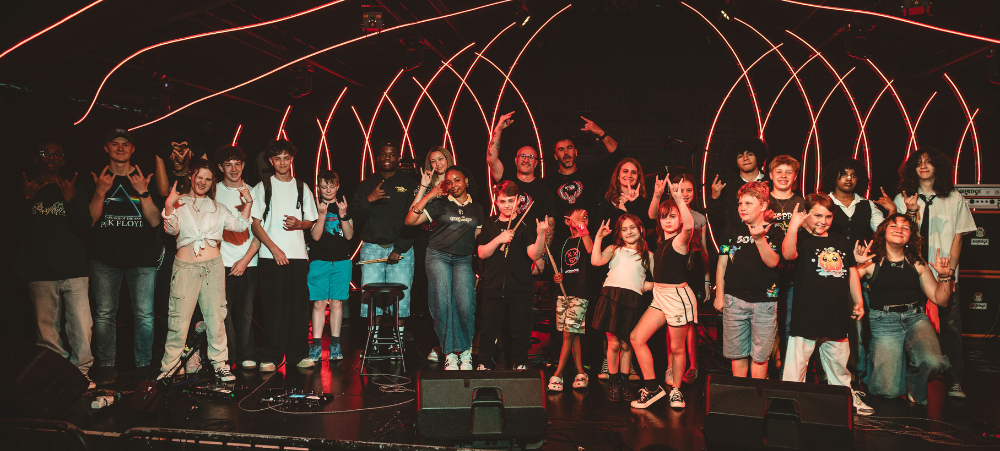
At School of Rock Parktown North, we don’t just teach kids how to play instruments, we help them build confidence, creativity, community, and lifelong skills. As the year winds down and festive energy sets in, many of you are probably looking for enriching activities that give you and the kids more than just a hobby. Here’s why the School of Rock experience is a perfect fit for the season! Beyond Notes: The Many Benefits of Music Education Music isn’t just fun; it’s transformative. Learning an instrument or singing can improve language development, memory, concentration, and even academic performance. Why School of Rock Parktown North Does It Differently At School of Rock Parktown North, we believe that learning music should be fun, social, and purposeful. Our model combines individual lessons with band rehearsals and live-performance opportunities, giving kids a real chance to experience what it’s like to be in a rock band. Holiday Workshops for Kids: December & January This festive season, our Holiday Workshops give children a fun, structured way to explore music while school is out. Open to both new and current students during December and January, these workshops offer: Whether a child is picking up an instrument for the first time or expanding existing skills, our workshops provide inspiration, fun, and confidence through music. Please pop us an email at [email protected] or Whatsapp us on 074 322 2000 for more info and to book a slot!  Corporate Year-End Workshops & Team- building events School of Rock Parktown North also offers corporate and adult-focused workshops that are perfect for companies looking for a creative way to celebrate the end of the year. These sessions are designed to be fun, team-oriented, and stress-relieving: These workshops offer a unique, memorable way to close out the year; combining music, collaboration, and a little bit of festive cheer. Reach out at [email protected] or Whatsapp us on 074 322 2000 for more details.  A Great Time to Start (or Re-Start) With the new year around the corner, there’s no better time to explore what music can offer. Whether you or your child has never touched an instrument, are looking to deepen skills, or want a creative team-building experience, School of Rock Parktown North is ready to welcome you all with open arms. Let music be more than a gift this holiday!

Educ8 SA

Managing Academic Pressure with Educ8 SA

As the year winds down, it’s essential for kids to stay focused, but not at the cost of their well-being. With only two months left, academic pressure can be overwhelming, leading to stress, anxiety, and burnout. Recognising the signs of excessive stress and implementing effective coping strategies can help students navigate this challenging period. Signs of Excessive Stress Coping Strategies Tips for Managing Academic Pressure The Educ8 SA Solution At Educ8 SA, we understand that every child is unique and has individual needs. Our personalised learning approach helps students thrive in a supportive environment. With our comprehensive range of programs and resources, we’re committed to empowering your child to reach their full potential. Benefits of Learning with Educ8 SA Supporting Your Child’s Success Why Choose Educ8 SA? At Educ8 SA, we believe that quality education should be accessible to everyone. Our innovative online school is designed to break down barriers and provide a wide range of learning opportunities. Who We Serve Educ8 SA caters to a diverse range of learners, including: Pricing: Take the Next Step Don’t let academic pressure overwhelm your child. Join Educ8 SA today and discover a supportive learning environment that fosters growth, confidence, and success. Contact us: Website: www.educ8sa.com Email: [email protected] Phone: 084 685 2138

Wingu Academy

Teaching with Purpose — The Wingu Way

When education systems commoditise teaching—measuring by hours, seats, or content delivered—something essential gets lost: the human, moral, and relational dimension. Wingu Academy insists on a different path. We believe education’s purpose is not just to impart knowledge, but to guide character, build ethical capacity, and enable agency. Research into online learning environments highlights the centrality of teacher presence—not just as lecturer, but as mentor, facilitator, and moral guide. Studies on interactive online teaching found that teacher-student engagement, peer interaction, and teacher feedback predict deeper learning, motivation, and satisfaction. Live classes are a core expression of presence. They allow qualified teachers to respond dynamically—adapting explanations, noticing when students are confused, and using verbal/non-verbal cues to ensure understanding. That trust and connection fosters a learning environment where students feel safe to struggle, ask questions, and take risks. But teaching with purpose also means designing learning experiences for lasting impact. That includes real tests and exams to map progress, but also recordings so that students can reflect. It means qualified teachers who continuously invest in their own growth, share insights, and guide students not just through syllabi, but through cognitive challenges and ethical choices. Research from universities and studies during the COVID-19 transition show that blended methods—live instruction supplemented with recorded materials and formative assessments—yield strong learning outcomes, especially for students who may struggle with pace, access, or traditional models. In the Wingu community, this manifests in classrooms where students are seen and heard, assessments are fair and transparent, and growth is acknowledged. Teachers lead with integrity. Learners grow with confidence. And education becomes more than instruction—it becomes a partnership in purpose.

Wingu Academy

Purpose in Progress — The Power of Intentional Education

In an age when education platforms proliferate, and content is everywhere, the difference lies in why and how we teach. At Wingu Academy, we believe education with purpose transforms lives. Intentional education doesn’t just move students through content—it shapes their thinking, builds agency, and grows capability. Recent empirical research supports the power of live online teaching. A study with pre-service mathematics teachers in China over 51 class hours found that students taught via live classes improved significantly from pre-test to post-test in areas including problem solving and mathematical methodology. This suggests that live, interactive sessions aren’t simply convenient—they’re academically effective. Purposeful education must combine human interaction, accountability, and flexibility. Wingu’s model does just that. Live classes with qualified human teachers help ensure that each learner experiences supportive feedback, immediate clarification of doubts, and dynamic interaction—something research shows increases engagement and retention. For example, a study on “Assessing the Effectiveness of Using Live Interactions and Feedback to Increase Engagement in Online Learning” found that live components and feedback mechanisms strongly correlate with higher learner performance and persistence. But not everyone can always attend live classes. That’s why Wingu complements live instruction with class recordings. Recordings allow learners to revisit complex topics, review explanations, and catch up when schedules clash. Research during the COVID-19 shift showed that many students appreciated the flexibility that recordings brought—being able to pause, rewind, and absorb at their own pace. Accountability matters as well. Real tests and exams—designed and marked by qualified educators—create solid milestones. They measure not just rote memorisation, but comprehension and application. In South Africa, for example, a study of Grade 9 mathematics found that the quality of school-based assessment strongly predicted achievement. When assessments are well designed, clear, and consistent, they contribute significantly to learning outcomes. Qualified teachers add another crucial dimension. Beyond delivering content, they interpret learner signals—facial expression, tone, confusion—and adjust accordingly. They model academic rigour, ethical behaviour, and curiosity. Research on the “Human Element in Teaching” emphasises that emotional cues, teacher empathy, and relational trust improve student motivation, self-efficacy, and social skills. Putting intent into every aspect of education—from lesson planning, teacher-learner interaction, assessment, to flexibility—culminates in progress that’s not superficial. Progress is deeper when learners understand why they learn, feel guided by a capable human, and see their growing competence. At Wingu, our commitment is to deliver education that’s intentional in every detail: live classes that spark engagement, qualified teachers who know both content and context, meaningful assessments, and recordings that support review and reflection. Purpose is our path; progress is our promise.

Wingu Academy

Progress That Matters — Rethinking Assessment in a Digital Age

Assessment is often reduced to numbers, rankings, or credentials. But what if assessment could be reframed as an opportunity—for feedback, growth, and genuine mastery? That’s the vision at Wingu Academy. Recent research has evaluated online vs. offline learning in different contexts. A comparative study of medical students found that performance on multiple-choice questions (MCQs), which largely test lower-order cognitive skills, was similar or even slightly better for online delivery, whereas questions requiring higher-order thinking (analysis, evaluation, creation) often lag behind in some online formats. This suggests assessments need to be carefully designed to measure deep understanding—not just recall. At Wingu, our assessments are real: academically rigorous, aligned with learning goals, and designed to foster critical thinking. We use a mix of assessment types—MCQs for basic knowledge, longer answer questions for reasoning, projects for creativity, and practical work where applicable. Timely and detailed feedback is part of the equation. Assessment without feedback is like a road without signs. Teachers at Wingu review results with students, highlight strengths and areas for improvement, and use those results to adapt instruction. Combining live classes with assessments amplifies their value. In live environments, teachers can clarify misunderstandings immediately post-assessment, facilitate discussions around common errors, and encourage peer reflection. Students benefit from seeing not just what they got wrong, but why. Class recordings also support assessment literacy: students can revisit lessons to understand where they may have missed key points, review teacher explanations, and rework problems. This leads to stronger retention and confidence. Furthermore, the quality of school-based assessment (e.g., in mathematics education in South Africa) has been linked to student achievement: when assessment is consistent, aligned with curriculum, and well-constructed, outcomes improve. For Wingu, ensuring assessments matter means balancing rigour with support. Real tests and exams aren’t used just to grade—they’re tools for growth.

Koa Academy

Alumni Spotlight: Tamisha Sinan, Class of 2024: Thriving After Koa Academy: Real-World Skills in Action

Tamisha Sinan, Class of 2024, initially wasn’t sure online learning was for her, but at Koa, she discovered her rhythm, rebuilt her focus and developed habits and skills that continue to guide her today. What is Tamisha doing now? | Now thriving in her Bachelor of Business Administration, Tamisha has already achieved distinctions in her studies. Alongside her degree, she tutors Taiwanese children in English – a role she secured with confidence thanks to skills she first practised during Koa’s Life Orientation tasks. Beyond academics, she challenges herself daily with chess, is working toward B1-level Spanish and hopes to resume community service soon. Why did Tamisha choose Koa? | After a difficult experience with her previous online school, Tamisha was hesitant to try again. But Koa changed her perspective. The transition from CAPS to IEB proved far smoother than she expected, helping her rebuild her self-discipline. With renewed focus, her grades improved, and her critical thinking grew stronger. How has Koa prepared Tamisha for life beyond school? | Practical skills were at the heart of her Koa experience. One task simulated the job application process and she explains, “When I was presented with a part-time job opportunity, I already understood how to navigate the process and got the job shortly after.” What’s more, Koa nurtured adaptability, preparing her for new challenges and making the transition to higher education far smoother. This mindset led her to earn TEFL and Microsoft AI fluency certificates and keeps driving her to pursue further qualifications. Even small habits, like playing chess daily, sharpened her focus and decision-making – proof that both academic and non-academic aspects of Koa build readiness for the real world. What stood out during Tamisha’s time at Koa? | For Tamisha, it was the genuine care. She emphasises that staff weren’t only focused on academics, but on the whole student. That support made learning motivating and enjoyable, showing her that school could be both rigorous and uplifting. What did Koa instill? | Reflecting on her journey, she shares, “I believe the things I learnt at school made the transition from school to the real world a lot less daunting.” Discipline, adaptability and practical skills remain her compass as she continues her studies and personal pursuits. Tamisha’s journey from hesitation to success reflects what happens when students are given both academic rigour and real-world skills. At Koa, that balance is intentional, preparing students not just for school, but for whatever comes next. Discover Koa Academy here. 

Impaq

Supporting families facing bullying with a viable alternative 

The recent Milnerton High School incident has pushed a hard truth into the spotlight: for many children, bullying is unfortunately not a once-off event, but a daily reality. Parliamentary oversight members who visited the Milnerton school recently spoke of a “culture of bullying” in many schools across the country, and highlighted the absence of comprehensive anti-bullying policies and adequate psychosocial support – all concerns that resonate with many parents.  At Impaq, we recognise that families should not have to choose between safety and learning. If a child’s wellbeing is at risk, home education provides a recognised pathway while keeping academic standards intact.   “Children deserve to feel protected and confident in their learning environment in order to learn, and not have to worry about bullying or other issues they may face to be able to thrive,” says Louise Schoonwinkel, MD at Optimi Schooling, of which Impaq is a registered trademark. “This is why families explore various options, including home education and online schooling, to provide an environment that is conducive to learning.”  What an alternative route changes practically  A move to home or distance education changes three things at once:  Social development still matters – here’s how it works  A common misconception is that leaving a school campus means losing social growth. In practice, families curate safe social touchpoints such as community sport and arts, structured study groups, volunteering, or faith-based youth programmes. Impaq also celebrate big milestone events, and recently hosted two matric farewells for more than 600 home and online learners.   Coping strategies  Bullying has severe implications for your child’s mental health. If your child is struggling with anxiety issues, due to bullying, some coping strategies can help ease your child’s fears, including:  “The aim isn’t to ‘opt out’ of education and take a child out of school immediately,” Schoonwinkel emphasises. “Rather, we advise families to choose a pathway that protects learning and dignity at the same time. When the environment improves, many families are so happy that they choose to stay and continue with homeschooling, while others choose to re-enter a mainstream school. Both are valid options – it just means that families at least feel they have options, they are not alone, and they don’t have to be stuck in a difficult situation.”  A reassurance to families  “If your child is in distress, you do not have to wait for an incident to occur before making the decision to home educate your child,” Schoonwinkel concludes. “Homeschooling is a credible, practical option, and for many families it has been the turning point. We see learners who chose an alternative mode of education regain stability, rebuild their confidence, and engage deeply with their work.”  Explore alternative options to create a thriving environment for your child. Impaq’s registrations for 2026 are open – reach out to the team for more information. 

Wingu Academy

Live Learning, Real Progress — Why Qualified Teachers Matter

In virtual classrooms, it’s tempting to think that technology alone can deliver quality education. But mounting evidence shows that the teacher remains central—not only for content delivery but for mentorship, critical thinking, ethics, and motivation. A meta-analysis of several studies during the COVID-19 period found that students value live interaction with teachers more than pre-recorded material when it comes to teacher-student connection, peer interaction, engagement, and academic performance. In a sample of undergraduate students from Korea, those who experienced live online lectures rated them higher for learning efficiency, academic performance, and connection to instructors than did pre-recorded formats. Wingu’s approach ensures that all core content is delivered by qualified human teachers with strong pedagogical training. These educators bring not just subject knowledge, but also emotional intelligence and adaptability. They can respond in real time, explain difficult concepts, and foster an environment where questions are welcome—and where mistakes become learning moments. Live classes allow immediate feedback and peer interactions. Studies show that live feedback mechanisms increase course completion rates, student performance, and engagement. Additionally, having a live teacher makes students more accountable: attendance, participation, and understanding are visible and reinforced. However, live classes alone are not enough. We know from the research that combining live learning with recorded content produces strong outcomes: students can revisit lessons, review complex segments, and consolidate understanding. In the study of EFL (English as a Foreign Language) online teaching in China, nearly half of teachers used a blend of live and recorded content; students appreciated the chance to pause, replay, and review. Real tests and examinations are still essential. They provide structured assessment, measurable achievement, and can be used to guide future learning. Wingu designs assessments that go beyond basic recall—into higher-order thinking, problem solving, analysis, and application. By doing so, we align with global research that shows assessments of higher-order thinking contribute more to long-term learning outcomes. Moreover, qualified teachers are key to designing good assessments and interpreting results. They give meaningful feedback, help students see gaps, and develop strategies to improve—rather than simply assigning scores. Live learning guided by capable teachers is more than the sum of its parts. It produces learning that sticks, learners who are confident, and graduates who are prepared for complex challenges.

Be a Boffin

Discover the Future of Kids’ Safety and Connectivity — Meet the Freedom 2

It’s a Saturday morning at a bustling shopping mall in Johannesburg. Little Thando, full of curiosity, wanders off while his mom browses the toy aisle. In seconds, panic sets in — that heart-stopping moment every parent dreads. But unlike most stories, this one ends differently. Thando’s mom opens the Freedom 2 app, taps “Locate”, and within moments, she sees his exact position — just outside a nearby store. Relief floods over her as she spots him, still holding his ice cream, completely unaware of the worry he caused. In a country like South Africa, where safety is always top of mind, the Freedom 2 isn’t just a gadget — it’s peace of mind on your child’s wrist. With increasing concerns about public safety, this smartwatch gives parents a practical way to stay connected and prevent tragedy before it happens. ✅ Why the Freedom 2 is a Must-Have If you’re looking to give your child both freedom and safety, the Freedom 2 by Fabulously Fit is a standout. Designed with parents and kids in mind, this smart watch blends advanced technology with kid-friendly features — providing peace of mind for you and fun for them. 1. Stay Connected Anytime, Anywhere With full 4G support, the Freedom 2 enables 2-way voice calls, video calls, text messaging, and even WhatsApp — letting your child reach you instantly, and you keep tabs on them with ease.  2. Precision GPS Tracking for Added Safety This smartwatch uses GPS + AGPS + LBS + WiFi to track your child’s position with 5–15 metre accuracy. Set up geo-fences — get alerts when your child enters or leaves a safe zone. Review their route playback. Activate an SOS alert if they need help. All this gives you real-time confidence.  3. Dual Cameras, Smart Tools & Kid-Friendly Features Your child can snap photos or make video calls with a dual-camera setup. The watch also includes smart tools: WhatsApp, MP4 player, voice recorder, class-schedule tracker, math games — blending safety with learning and fun.  4. Durable Performance & Long Battery Life Built on Android 4.4 with 2 GB RAM + 4 GB ROM, a Nano-SIM slot for connectivity, and a robust 1 000 mAh polymer battery. It also features a 1.69″ IPS colour touchscreen (240×280 pixels) and modes for vibration, voice or silent notification — ideal for in-class use without distraction.  5. Designed with Kids in Mind A “No Disturb” mode ensures the watch won’t interrupt learning time. A pedometer and sleep monitor support wellness tracking. Remote monitor and remote shutdown features let you discreetly check that everything’s okay.  🎯 Why It Matters for Your Family Modern parenting comes with a tough dilemma — you want your child to stay connected and safe, but you don’t want to hand them a smartphone too soon. Too much screen time, access to social media, and unrestricted internet exposure can harm focus, sleep, and emotional wellbeing. The Freedom 2 offers the perfect balance. It gives parents the ability to call, message, and locate their child instantly — without placing a smartphone in their hands. Your child gets independence and responsibility; you get reassurance and control. It’s connection with boundaries — the healthy middle ground every family needs. 🛍 Get Yours Now Available in Blue, Pink, and Black, the Freedom 2 is ready to become your child’s everyday companion. Shop now at Be a Boffin 


Wingu Academy

Wingu Academy’s Remote Learning Strategy: Delivering World-Class Education Across Continents

At Wingu Academy Online School, we believe that quality education should be accessible, engaging, and adaptable to every learner’s needs. Our remote learning strategy is designed to bring world-class, affordable education to students across Africa, South Africa, the UK, and Europe. Our Offerings Include: Oxford-Approved Primary Curriculum Laying a strong foundation for lifelong learning. International GCSEs and A-Levels via Pearson Edexcel Preparing students for globally recognised qualifications. Flexible Homeschooling Options (Since 2024) Tailored programmes that adapt to each learner’s schedule and lifestyle. A Comprehensive Learning Experience Wingu learners benefit from live online classes with expert teachers, carefully curated specialised content, interactive lessons, and access to on-demand tutors. Our model combines the freedom of self-paced learning with the structure of a formal academic programme, ensuring students stay motivated, supported, and challenged. Why Choose Wingu Academy? Our remote learning approach goes beyond convenience—it’s designed to cultivate independent thinking, critical skills, and global readiness. Students enjoy personalised attention, meaningful engagement, and the flexibility to learn anywhere, all while achieving real academic outcomes. With Wingu Academy, your child gains a future-focused education that prepares them for success in a rapidly evolving world.



Wingu Academy

Why Wingu Academy is a Premium Online School: Excellence in Every Learner’s Journey

At Wingu Academy Online School, we believe that premium education is about more than academic success—it’s about nurturing confident, future-ready individuals. Here’s what sets Wingu apart: Accredited International Curricula Providing globally recognised qualifications that open doors worldwide. Real, Qualified Teachers Experienced educators guiding every learner through live, interactive lessons. Innovative Teaching Methods Combining personalised learning, self-paced study, and interactive workshops. Academic & Wellness Support Student Success Advisors and Learning Coaches ensure holistic growth. Flexible Online & Hybrid Learning Tailored programmes that fit each family’s lifestyle and schedule. For over five years, Wingu Academy has cultivated a premium online education ecosystem where learners thrive academically, socially, and personally. Our commitment goes beyond lessons and exams—it’s about empowering students to grow, explore, and succeed in a rapidly changing world.

Wingu Academy

The Wingu Academy Online Teaching Approach: Personalised, Engaging, and Future-Ready

At Wingu Academy Online School, our teaching approach is designed to combine personalised learning with academic rigour, ensuring every student receives the guidance and support they need to excel. A Balanced Learning Experience Every learner benefits from a carefully structured mix of self-paced study and live, teacher-led classes. This combination allows students to develop independence while also engaging directly with expert educators, fostering a deeper understanding of the curriculum. Supporting Every Learning Style Recognising that each student learns differently, Wingu Academy offers interactive workshops, discussion-based classes, and one-on-one support. Our model ensures that visual, auditory, and kinesthetic learners all have the tools to succeed. Guidance from Student Success Advisors and Learning Coaches Every Wingulian is supported by Student Success Advisors (SSAs) and Learning Coaches, who provide personalised guidance, monitor progress, and help students overcome challenges. This support system ensures learners remain motivated, focused, and equipped to thrive academically and personally. With Wingu Academy, students don’t just learn—they develop the skills, confidence, and habits that prepare them for a future-ready education and beyond.

Impaq

Education beyond the traditional classroom: The benefits of home and online schooling for South African learners

Change is the only constant. And while it may seem that nothing much has really changed about the traditional classroom model, it is important to recognise that it is not the only viable path.  This is according to Louise Schoonwinkel, Managing Director of Optimi Schooling, of which Impaq is a registered trademark, who explains that home and online schooling has emerged as compelling alternatives to the traditional system.  “When it comes to educating our children, a one-size-fits-all approach is becoming obsolete. There is a growing need for a more dynamic, learner-centric model that is fit-for-purpose and accessible,” she says.  One of the most significant advantages of home and online schooling is the ability to tailor the educational journey to the individual learner. The conventional school system operates on a set pace, with students moving through a curriculum in lockstep. This can be problematic, as some learners grasp concepts quickly and may become disengaged, while others require more time to master subjects and risk falling behind.  Learner-centric learning  Home and online schooling dismantles these rigid boundaries, allowing children to learn at their own pace. As Schoonwinkel points out, “Education today is about putting the needs of the learner first, which starts with the acknowledgement that the days of a one-size-fits-all approach are both outdated and simply no longer necessary.”  This approach allows a student to spend extra time on a challenging topic until they truly understand it, or to accelerate through a subject they find easy. It fosters a deeper understanding of the material and cultivates a genuine love for learning, moving beyond the pressure to simply pass exams. Personalised learning is the central premise of both home- and online schooling. It encourages learners to take responsibility for their own education, fostering self-discipline and independent thinking.   “I completed my high school career through Impaq, and it was one of the best decisions I could have made for my future,” says Tiwhan Botha – now 19 – who matriculated in 2024. “The homeschooling structure taught me how to work independently, manage my time effectively, and take responsibility for my own progress. I now apply these skills daily in my role as office manager at a company specialising in Body Corporate and HOA management. The self-discipline and independence I developed at Impaq help me handle large volumes of administration, client service, and management tasks with confidence and accuracy.” “Impaq’s flexibility gave me the opportunity to focus on academic content, but also to develop life skills that prepared me for the realities of the professional world. Since I became used to managing my own schedule, I am now able to balance both my work and my studies. I am currently completing my LLB degree through UNISA, and every day I see how Impaq’s system taught me to work consistently, with perseverance and a clear sense of purpose.”  Rather than being passive recipients of information, students become active participants in their learning process. Parents or caregivers assume a supporting role, guiding their child’s educational journey rather than acting as a traditional teacher. This self-directed approach helps to build confidence and prepares learners for a future that will demand self-management and continuous learning.  What’s more, an agile structure allows for a broader range of subject choices. Learners are not limited by the resources available in a single school; instead, they have the freedom to explore other subjects such as coding, creative arts, or entrepreneurship. Adding options like these makes learning more meaningful and directly aligns education with a child’s interests and future aspirations. Tech and tools  The accessibility and power of technology are central to the success of this educational shift. “The rise of online schooling platforms has made quality education available to learners regardless of their geographical location,” Schoonwinkel says. It leverages digital tools and resources to create a rich and interactive learning environment.  Beyond just accessibility, technology enriches the learning experience itself. Digital platforms can offer interactive lessons, educational videos and real-time assessments that provide immediate feedback. This level of engagement can make complex topics more understandable and engaging for learners. Myth busters  Contrary to common myths, home and online schooling are far from haphazard. Schoonwinkel confirms that these learners follow structured, reputable curricula like CAPS, which ensures they receive the same National Senior Certificate (NSC) as traditionally schooled learners. This fact is crucial, as it reassures parents that their child’s education is not compromised.  Further, one of the most persistent myths surrounding homeschooling is the idea that it leads to social isolation. However, this concern is largely unfounded. As Schoonwinkel advises, “The reality is that home and online schooled learners often have more flexibility to engage in activities outside of a school setting. Socialising does happen – it just looks different.” Joining homeschooling groups, sports clubs, or online communities can help learners build strong social connections. For families with children involved in demanding activities, home and online schooling provides the necessary flexibility to balance education with personal passions, creating a well-rounded individual. Ultimately, the decision to pursue home or online schooling is a personal one, but it is a choice that is increasingly being recognised as a legitimate and beneficial alternative.  It represents a paradigm shift from a one-size-fits-all approach to an educational model that is dynamic and truly puts the needs of the learner first. By leveraging technology and embracing alternative education methodologies, home and online schooling provide a powerful pathway for South African learners to achieve a quality, future-ready education that is tailored to their unique pace and passions.

Educ8 SA

Home schooling with Educ8 SA

Are you considering homeschooling your child, but unsure where to start? Look no further than Educ8 SA. With our innovative approach to education, we aim to empower parents to take charge of their child’s learning journey. Our brand voice is one of compassion and support, as we understand that every child is unique and has individual needs. We believe in fostering a love for learning and providing a safe and nurturing environment in which your child can thrive. At Educ8 SA, we offer a comprehensive and structured curriculum that meets national educational standards while allowing flexibility for personalised learning. Whether your child thrives in a traditional classroom setting in the form of a learning centre or requires a more individualised approach, Educ8 SA has the resources and expertise to meet their needs. Join our homeschooling & learning centre community and give your child the educational experience they deserve. Invest in their future with Educ8 SA. Benefits of home schooling with Educ8 SA Homeschooling with Educ8 SA offers a multitude of benefits for both parents and students. One of the main advantages is the ability to tailor the curriculum to meet the individual needs, with its structured curriculum, parents can ensure that their child is receiving a well-rounded education while also allowing for flexibility and personalised learning. Another benefit of homeschooling with Educ8 SA is the ability to create a safe and nurturing learning environment. By homeschooling, parents have control over the educational setting, ensuring that their child is in a comfortable and supportive environment that promotes learning. This can lead to increased engagement and a more positive learning experience for the child. Additionally, homeschooling with Educ8 SA provides a unique opportunity for parents to actively participate in their child’s education. Parents can have a hands-on approach, working closely with their child and taking an active role in their learning journey. This can strengthen the parent-child relationship and foster a deeper understanding and appreciation for education. The curriculum offered by Educ8 SA At Educ8 SA, we take pride in offering a comprehensive and structured curriculum that meets national educational standards. Our curriculum is designed to provide a well-rounded education that covers all core subjects, including mathematics, science, language, and social studies. How to get started with homeschooling with Educ8 SA Getting started with homeschooling with Educ8 SA is a straightforward process. The first step is to reach out to our team and express your interest in homeschooling. Our dedicated staff will guide you through the enrolment process and provide you with all the necessary information and resources to get started. Once enrolled, you will have access to our comprehensive curriculum and a range of support materials to assist you in your homeschooling journey. Our team is always available to offer guidance and support, ensuring that you feel confident in your ability to provide a quality education for your child. It is also important to establish a home school environment that is conducive to learning. This may involve setting up a dedicated space for homeschooling, free from distractions and equipped with the necessary materials and resources. Creating a structured daily schedule and routine can also help establish a sense of normalcy and consistency in your child’s learning. Setting up a home school environment Creating a home school environment that is conducive to learning is essential for the success of homeschooling with Educ8 SA. Here are some tips to help you set up an effective home school environment: Designate a dedicated learning space: Set aside a specific area in your home for homeschooling. This can be a spare room, a corner of a room, or even a designated area at the dining table. Ensure that the space is free from distractions and has all the necessary materials and resources. Organise learning materials: Keep all learning materials, such as textbooks, workbooks, and supplies, neatly organised and easily accessible. This will make it easier for both you and your child to find what you need during homeschooling sessions. Create a comfortable learning environment: Make sure the learning space is comfortable and inviting. Consider adding cozy seating, good lighting, and decorations that inspire learning. This will help create a positive and engaging atmosphere for your child. Minimise distractions: Remove any distractions, such as televisions or video games, from the learning space. This will help your child stay focused and engaged during homeschooling sessions. Establish a routine: Create a daily schedule and routine for homeschooling. This will provide structure and consistency for your child, helping them develop good study habits and a sense of normalcy. By following these tips, you can create a home school environment that promotes learning and sets the stage for a successful homeschooling experience with Educ8 SA. Support and resources for parents and students At Educ8 SA, we understand that homeschooling can sometimes be challenging, especially for parents who are new to the concept. That’s why we offer a wide range of support and resources to ensure a successful homeschooling journey for both parents and students. Our team is always available to provide guidance and support. Whether you have questions about the curriculum, need assistance with any questions, or require advice, our team is here to help. We offer regular check-ins and virtual meetings to address any concerns or challenges you may be facing. In addition to personalised support, our online platform includes interactive lessons, educational videos, quizzes, and assessments to enhance the learning experience. Furthermore, we encourage parents to connect and collaborate with other homeschooling families. This provides an opportunity to share experiences, exchange ideas, and offer support to one another. Community is a valuable resource for networking, finding homeschooling resources, and building relationships with like-minded individuals. Evaluating progress and assessing learning outcomes As a homeschooling parent, it is important to regularly evaluate your child’s progress and assess their learning outcomes. At Educ8 SA, we provide tools and resources to help you effectively measure your child’s academic growth and ensure they are meeting the necessary educational standards. We offer regular assessments

Wingu Academy

Supporting Wingulians During Exam Season: How SSAs Ensure Academic Success and Well-Being

Exams are a pivotal part of every student’s academic journey, and at Wingu Academy OnlineSchool, we understand that the Grade 10 and 11 exam period can be both exciting and challenging. To help our learners navigate this critical time, our Student Success Advisors (SSAs) are actively available to provide guidance, support, and encouragement. Personalised Support During Exams At Wingu Academy, we recognise that every student is unique, with individual strengths and challenges. Our SSAs offer personalised support tailored to each learner, helping students manage stress, stay focused, and maintain confidence throughout the exam period. From practical study strategies to emotional guidance, SSAs ensure students have the tools they need to perform at their best. Prioritising Mental Well-Being Success is not only about academic preparation—it’s also about mentalresilienceand well-being. Wingu Academy’s SSAs are committed to helping students balance the pressures of exams with self-care, ensuring that they approach their assessments with clarity and composure. Guidance for a Future-Ready Learning Experience Being part of Wingu Academy means more than just taking exams; it’s about developing skills and habits that prepare students for a future-ready career and life long learning. Our SSAs play a crucial role in this journey, supporting learners to stay motivated, organised, and confident under pressure. Reach Out–You’re Not Alone Grade 10 and 11 Wingulians, remember that your SSAs are here throughout the exam period. Don’t hesitate to reach out for support—whether you need advice on time management, coping with exam stress, or simply a confidence boost. At Wingu Academy, your success and well-being go hand in hand. Together, we help every student thrive, perform at their best, and approach exams with confidence and resilience.

Koa Academy

Can You Really Make Real Friends Without a Physical Classroom? 

At Koa, the Answer Is Yes! One of the most common questions parents ask about online school is: “But will my child still make friends?” At Koa Academy, we know the answer is yes,because we see it happen naturally. We asked three Grade 12 students, Kezia, Ayla and Antonio, to answer one question: “What made it easy to form real friendships at Koa, even without a physical classroom?” Their experiences are living proof that a real connection doesn’t depend on sitting next to someone in a classroom. It’s about shared experiences, intentional spaces and consistent opportunities to really connect with one another.  Kezia’s Story: Friendship From Day One Kezia has been part of Koa since its launch in 2021, and her friendship with Ayla has grown into something truly wholesome. “What really developed the bond between Ayla and I was being together at Koa since the very beginning,” Kezia explains. “When we first joined, there were fewer than 20 students, so we really saw a lot of each other from the get-go. She and I have just stuck together since the beginning and as a result, we have gone through our whole high school journey together.” For Kezia, this friendship was built on shared experiences: celebrating wins, navigating high school challenges and simply being part of each other’s day-to-day lives. “It has always amazed me that Ayla and I were so close despite only meeting online. When we did meet in person for the first time, it felt normal to me so quickly and I think that is because of our existing closeness developed over the years,” Kezia shares.  Ayla’s Story: Engagement Makes Connection Possible Ayla joined Koa at its start, too, and Antonio joined a year later. “A big reason why we’ve managed to stay so close throughout the years is the shared experience school creates,” Ayla says. “Staying in touch about the work we’re doing, upcoming tests and events, and just the general experience of going through high school from our homes, has drawn us closer together. Online school takes a lot of self-control and my friendships with Kez and Antonio add a level of accountability and community that makes it easier.” Ayla credits Koa’s commitment to engagement with making these connections possible. “If Kez and Antonio had only been names on a screen, like a lot of online spaces, our friendship would’ve been almost impossible. Seeing them every day as real people, laughing, talking, moving on my screen, made the connection possible.” Antonio’s Story: Friendships That Translate Offline Antonio found friendship through Koa’s Pods, Workshops, and Study Sessions. “Koa makes it easy to form real friendships because of its strong focus on high engagement,” he says. “Those sessions gave me opportunities to chat with Ayla and Kezia and I realised we shared similar interests and a similar work ethic. When we met in person for the first time, it was clear we were more than just friends behind a screen.” How Koa Makes It Happen Friendship doesn’t happen by accident, especially online. At Koa, we’ve built intentional spaces and rhythms to make connection natural. And those in-person meetups? They’re not your standard school gatherings. Students have gone art jamming, laser tagging and ziplining. They’ve explored museums, dissected sharks and even conducted experiments at the Cape Town Science Centre. Together, they’ve built a vibrant culture of connection that extends far beyond the screen. More Than Just Friendship These intentional connections go beyond friendship; they create community. In a world where online spaces would otherwise feel isolating, Koa students experience daily interaction, shared accountability and real connection. For Ayla, Kezia and Antonio, this community has been transformative. It’s given them a network of people to turn to for guidance, support and encouragement. It’s helped them build resilience and confidence and has shown them that physical classrooms aren’t the only place where friendships thrive.  Proof That Connection Doesn’t Depend on a Classroom Kezia, Ayla and Antonio’s friendship wasn’t built on proximity; they were built on shared learning, laughter, teamwork, and regular check-ins. Those bonds naturally translated offline. Koa Academy proves that online learning doesn’t have to mean learning alone. With intentional design, high engagement and a commitment to connection, our students don’t just find classmates – they find lifelong friends. Keen to see what parents at Koa have to say? Visit Koa’s testimonial page.Who knows – you might just find yourself feeling this way about your child’s schooling, too. Visit www.koaacademy.com  to learn more.

Hatfield Online School

Some FAQs Regarding Online Schooling – Answered 

Hatfield Online School is one of the oldest online schools in the country – we have been in operation since 2008. Some might say, then, that we have been around the block. Therefore, we consider ourselves experienced enough to answer the following FAQs. Does your child need the kind of education that surpasses, and escapes the confines of the traditional classroom? Hatfield Online School not only bridges the gap between the present and the future, but also the gap between a world-class education and affordability. Please contact us to find out more about world-class online IEB education for your child, from as little as R2 295 per month for full time tuition, or from R590 per month per single subject: [email protected]

Wingu Academy

Academic Accountability Partnership

More Than Support—A Trusted Guide for Every Learner In many traditional schools, it’s easy for learners to become just another name on a register. They may sit in a classroom filled with dozens of students, moving at the pace of the group rather than one that suits their individual needs. At Wingu Academy, we believe education should feel personal and that every learner should be seen, supported, and guided in a way that reflects who they are and where they’re going. That’s why we created the Subject Support Advisor (SSA) Programme—a cornerstone of personalised support at Wingu. Each learner is matched with a dedicated SSA who acts as their academic accountability partner, ensuring they never have to navigate their studies alone. This partnership goes beyond reminders and to-do lists. SSAs check in regularly, track progress, encourage consistency, and offer real guidance. They are there not only when a student falls behind but also to help learners stay on pace, set achievable goals, and celebrate academic wins, big or small. But most importantly, SSAs help learners build lasting habits for success. From the early stages of the school year, they work with students to: This structured approach not only supports academic achievement but also nurtures life skills that learners carry well beyond school. Parents often describe the SSA as a kind of academic coach—someone who keeps their child motivated, engaged, and focused, especially during high-pressure periods like assessments or term-end deadlines. It’s a layer of support that lifts the weight from parents’ shoulders, while still keeping them informed and included in the journey. At Wingu, we know that true progress comes from consistent guidance, positive accountability, and a learning environment built on care. The SSA Programme ensures that every learner walks their path with confidence—and never walks it alone.

Educ8 SA

Educ8 SA: The Role of Parents in Education

Parental involvement is a crucial factor in a child’s educational success. When parents are actively engaged in their child’s learning, it can have a positive impact on their academic performance, motivation, and overall well-being. In this article, we will explore the importance of parental involvement in education and provide tips for parents to support their child’s learning. Why Parental Involvement Matters Tips for Parents to Support Their Child’s Learning Benefits of Parental Involvement Challenges and Solutions By being actively involved in their child’s education, parents can play a critical role in their child’s academic success and overall well-being. By following the tips outlined above and overcoming potential challenges, parents can help their child thrive in school and beyond. Contact us today for amazing online options for online resources and for home schooling on www.educ8sa.com [email protected] 084 685 2138

Wingu Academy

Future-Proof Learning for Future-Ready Leaders

Why Wingu Academy Is South Africa’s Most Forward-Thinking Online School In an era where the world is changing faster than ever, education needs to do more than just follow a curriculum—it needs to prepare learners for the realities of tomorrow. At Wingu Academy, we don’t just teach; we equip learners to lead. Our approach to education blends academic excellence with future-focused skills, ensuring every learner leaves with more than a certificate—they leave with confidence, competence, and the tools to thrive. A Curriculum Built for the 4IR World Wingu Academy delivers an internationally accredited curriculum that goes beyond textbook learning. Backed by respected global partners such as Pearson, Oxford International, and SACAI, we offer a rigorous academic programme that meets global standards while remaining relevant to South African learners. But what truly sets Wingu apart is how we integrate 4IR (Fourth Industrial Revolution) skills directly into the learning journey. Students are introduced to and actively engage in: These aren’t just “nice-to-haves”—they are core competencies in today’s digital-first world, and Wingu makes them accessible and meaningful at every stage of development. Personalised Support, Real Results Academic content is only one piece of the puzzle. At Wingu, we know that true success happens when students feel supported—and that includes parents too. Through our Subject Support Advisor (SSA) Programme, learners have access to consistent, personalised academic guidance. Each student’s learning journey is carefully monitored and adapted where needed, ensuring they stay on track and engaged. Parents are kept informed with weekly check-ins, progress reports, and termly feedback that offers full visibility and peace of mind. This partnership-driven model means that no one is left behind—and every learner has the space to grow confidently at their own pace. Flexibility That Empowers, No Compromises One of the defining strengths of Wingu is flexibility without the loss of structure. Live classes with qualified educators are paired with self-paced tools and resources, allowing learners to shape a timetable that suits their lifestyle and learning rhythm. Whether a student needs time to focus on a passion, travel with family, or simply learn in an environment that respects their individuality, Wingu adapts. And yet, the structure remains clear through assessments, schedules, academic check-ins, and direct teacher engagement. This is online schooling with support, not solitude. Prepared for University. Ready for the World. Wingu learners graduate with more than just academic knowledge—they gain the digital literacy, academic habits, and global competencies required to thrive at leading universities and in the modern workplace. Our alumni are already taking the next steps into tertiary education and professional pathways, equipped with confidence in both academics and soft skills. They’ve learned to manage time, think critically, communicate effectively, and adapt quickly—skills that serve them in any future they choose. Why Wingu? Wingu Academy offers something few others do: ✔ A world-class curriculum grounded in global best practice ✔ A future-ready skillset developed through hands-on learning ✔ A personalised support system for learners andparents ✔ The flexibility to learn from anywhere without sacrificing structure or quality ✔ A track record of academic achievement and learner confidence 📣 Don’t Wait for the Future—Create It If you’re looking for a school that sees your child’s potential, adapts to their needs, and prepares them for a world of change—you’ve found it. Experience what it means to be part of the Wingu Way. Enrol today. Future-ready starts now.

Impaq

Making Sense of Infinite Content: Why Curation and Curriculum Matter in Online Learning

There has never been more free educational content. And it’s growing at astonishing rates daily. YouTube channels, open courses, shared notes, and videos. The challenge for families is not that they can’t find learning material and resources; in fact, there is so much of it available that making sense of it all and ensuring learners stay aligned to what they must master to progress successfully and stay on track with their peers, is the biggest challenge for many families. “Parents easily find multiple videos on a single topic in minutes,” says Louise Schoonwinkel, Managing Director at Optimi Schooling of which Impaq is a registered trademark. “But what they need is a high quality, reliable, age- and level appropriated content that aligns to the curriculum – not a bigger pile of unverified and unmoderated links.” Impaq’s onlinelearning platformis offers a unique learning ecosystem for both parents and learners: a place where content is mapped to CAPS, lessons are sequenced in teachable order, and assessments and feedback are embedded in the same environment. “Curation beats accumulation,” Schoonwinkel says. “A platform is doing its job when it guides learners week-by-week and surfaces gaps early enough to fix.” What a curriculum-aligned platform is designed to do “The point is coherence,” says Schoonwinkel. “When the curriculum, the teaching materials, and the assessments all line up in one place, learning can be manageable, engaging and exciting.” How Impaq’s Online Learning Platform Supports Parents Impaq’s platform, the Optimi Learning Portal (OLP) is designed to remove guesswork for parents by turning the yearly curriculum, aligned with the national CAPS curriculum, into a clear, week-by-week roadmaps. Lessons, activities, and assessments are sequenced in the right order, with a built-in planner that shows what to cover and when. This structure helps families keep pace with the syllabus without spending evenings stitching together resources from multiple sites. The platform also gives parents visibility without requiring them to micromanage. Because teaching materials, assessments, memos, videos, past papers and additional resources live in one place, alongside links to interactive and recorded classes, parents can track learner progress and intervene early, rather than discovering gaps at exam time. Finally, the OLP supports the realities of family life. Learners can revisit recorded explanations, submit work, and stay on track during travel or schedule changes. Free resources (like YouTube) can still be used, but the platform keeps everything aligned to CAPS and extra material enhances the lesson and understanding. Schoonwinkel stresses that free resources still have a place when used deliberately. “Open content is fantastic for reinforcement,” she says. “A platform simply ensures that enrichment supports the syllabus rather than pulling learners off course.” Finally, she frames the OLP as part of the education infrastructure rather than a silver bullet.“Remember – a good platform should empower the user,” Schoonwinkel concludes. “It doesn’t replace the parent’s role in homeschooling, but it helps learners thrive and enables parents on multiple level to teach, excel and safe valuable time and effort.”

Wingu Academy

Parent Confidence Starts with Transparency and Support

At Wingu Academy, we know that online learning isn’t just about the student—it’s about the entire family. Parents are not just observers; they’re key partners in a child’s academic success. That’s why Wingu is built to support learners and give parents the tools, insights, and connection they need to feel confident and involved every step of the way. Parents Belong in the Learning Loop In a digital learning environment, it’s easy for parents to feel like they’re on the outside looking in. That’s not the Wingu Way. We believe that the more informed and involved a parent is, the more empowered the learner becomes. From the very beginning of a learner’s journey, we create channels for clear, ongoing communication between school, learner, and home. And at the centre of that support system? Our Subject Support Advisors (SAAs). SAAs: Support for Students, Guidance for Parents Wingu SAAs aren’t just academic overseers. They play a vital role in bridging the gap between learners and parents, offering proactive updates and guidance that make online schooling feel structured and supported. Parents receive regular check-ins that highlight progress, challenges, and milestones—so nothing is hidden or left to guesswork. If a learner is struggling, needs a plan adjustment, or shows signs of burnout, the SAA steps in early and communicates directly with the parent to find a solution. Many parents describe their child’s SAA as a reliable partner who helps them understand what’s happening academically—without needing to micromanage day-to-day learning. Full Visibility Through Powerful Tools We’ve also built a tech platform that reflects our commitment to transparency. Wingu’s learning dashboard offers clear, real-time visibility into: Weekly checklists and termly reports curated by SAAs help parents track their child’s academic rhythm and understand where extra support or motivation might be needed. There’s no need to wonder, “How are they doing?”—you’ll know. What Parents Are Saying The response from families has been overwhelmingly positive. “It feels like having a digital academic au pair. I know what’s happening, and my child is accountable in a way that feels supportive, not stressful.” Others highlight how much lighter the load feels at home. With Wingu’s SAAs in place, parents aren’t left to fill the role of full-time academic monitor. Instead, they get to support, encourage, and celebrate their child’s learning—knowing a qualified guide is walking the road with them. Confident Parents = Confident Learners When parents feel informed and included, they’re more equipped to encourage and support their child with confidence. And when learners feel that the support system is working together—home and school—they grow into more independent, capable individuals. At Wingu Academy, we believe that success in online learning starts with structure and flourishes with partnership. In our world, parents are never left behind.

Sidebar Image

Sidebar Image

Scroll to Top