leading expert advice from Dibber International Preschools
DIBBER SA

The Power of Family: Why Strong Connections Shape a Child’s Future

In the earliest years of life, a child’s world is shaped not only by milestones like first words or first steps but also by the relationships and emotional bonds surrounding them. From grandparents and siblings to aunties and family friends, these connections create the first classroom of a child’s life—teaching love, security, identity, and resilience. “Family is a child’s first source of safety and learning. The warmth, stories, and routines shared at home form the emotional and social foundation for everything that follows,” says Ursula Assis, Country Director at Dibber International Preschools. “In the South African context, where community and extended families are often deeply involved in a child’s upbringing, this collective care is incredibly powerful.” Family in the South African Context In South Africa, the spirit of ubuntu—”I am because we are”—remains central to how children are raised. It is common for a child’s earliest memories to be filled with interactions with parents and grandparents, older siblings, cousins, and neighbours, who all play a guiding role. Whether it’s a bedtime story from Ouma, learning to dance with cousins, or helping Oupa plant vegetables, each shared experience reinforces belonging, self-worth, and empathy. These everyday interactions are far more than heart-warming moments; they are critical to development. Research shows that emotionally supportive family environments are strongly linked to higher levels of self-confidence, stronger language skills, and improved emotional regulation in young children. Why Emotional Security Begins at Home Children who experience unconditional love and care at home are more likely to approach the world with confidence and trust. In these emotionally responsive environments, toddlers learn that they are valued, safe, and supported—even when mistakes happen. This sense of security gives them the courage to explore, take risks, and interact with others in meaningful ways. At Dibber, this emotional foundation is nurtured in every classroom. Educators create warm, relationship-driven environments that mirror the care and consistency children receive at home. It is this alignment between home and school that supports healthy, whole-child development. The Role of Elders and Extended Family In many South African households, grandparents and elders are central figures in children’s lives. Their presence provides stability and anchors children to their culture, language, and traditions. Teaching isiXhosa greetings, preparing traditional meals, or telling folk stories by candlelight—these interactions pass down wisdom while fostering identity and pride. “Every family has a unique rhythm,” says Assis. “By recognising and respecting the role of extended family members in a child’s life, we can better support the emotional and social wellbeing of every learner.” Learning Through Everyday Family Life Children don’t just learn in formal lessons—they absorb lessons daily. Mealtime conversations teach vocabulary and turn-taking. Conflict resolution among siblings encourages empathy. Helping pack a lunchbox builds responsibility. These seemingly small moments are powerful cognitive, social and emotional growth opportunities. When families model collaboration, patience, and shared responsibility, children are more likely to develop the same values. Strong family units—where members support one another and work together—create the conditions for children to thrive, both at school and beyond. Family Partnerships at Dibber Recognising the critical role of families, Dibber International Preschools works closely with parents and caregivers to ensure each child’s development is supported both at home and in the classroom. Educators maintain open communication with families, provide insights into children’s progress, and create opportunities for shared learning. “Our families are our partners,” notes Assis. “Whether it’s a parent, a sibling, or a grandparent, everyone plays a part in a child’s growth journey—and we welcome them all into the learning process.” Where Love Begins, and Learning Never Ends At the heart of every thriving child is a web of meaningful relationships. Whether through a hug, a story, or a playful moment in the garden, the presence of family members—biological or chosen—has a lasting impact. In the early years, love is not just felt; it is formative. And when that love is shared by a circle of caring adults, it becomes the strongest foundation for lifelong learning, confidence, and belonging.

DIBBER SA

Five Simple Ways to Make Toddler Routines Easier and More Joyful

Life with a toddler can be a whirlwind of energy, questions, and unexpected moments – but it’s also a stage rich in opportunity for connection and growth. Dibber International Preschools, which supports South African families from as early as six weeks to six years, offers practical ways to bring structure, joy, and learning into daily routines. “Toddlers are naturally curious and enthusiastic about the world around them. With the right support and structure, these early years can be a time of great confidence-building and emotional development,” says Ursula Assis, Country Director of Dibber South Africa. “Simple, consistent routines give young children a sense of safety while also helping parents feel more grounded and connected.” Here are five toddler-friendly strategies to make everyday routines smoother, more meaningful, and developmentally enriching: 1. Boost Communication with Everyday Conversations Toddlers are constantly absorbing language—even when they’re not speaking much yet. Chatting during car rides, reading together, singing songs, or simply describing what you’re doing helps to build their vocabulary and lay the foundation for future literacy. This early communication also fosters social confidence, a crucial life skill that is essential both at home and in preschool. 2. Teach Listening as a Gentle Skill Helping a child learn to pause and listen isn’t about demanding silence—it’s about modelling calm, focused attention. Whether you’re asking them to tidy up or inviting them to a shared activity, pausing to make eye contact and using simple, clear language teaches them how to listen and respond. Over time, this skill supports better emotional regulation and classroom readiness. 3. Encourage Small Acts of Independence Giving toddlers age-appropriate responsibilities—such as putting on their own shoes, washing their hands, or choosing their own clothes—helps build independence. “When children are trusted with small tasks, they begin to feel capable and in control,” explains Assis. “This sets the stage for self-reliance and resilience later on.” These early routines also teach responsibility in ways that feel playful and achievable. 4. Build a Predictable Daily Rhythm Children thrive with predictability. A consistent routine helps toddlers know what to expect and reduces anxiety associated with transitions, such as mealtime, naptime, or bedtime. Creating a visual schedule or repeating simple rituals—such as a bedtime story every night—helps children feel secure while also supporting their emotional regulation. 5. Let Them Be Little While it’s natural to want toddlers to follow directions quickly or behave like older children, it’s important to remember their world is still brand new. Mistakes, messiness, and mood swings are all part of the learning process. Give your child space to grow at their own pace—and celebrate their efforts rather than perfection. “Our job as adults is to meet children where they are, not rush them forward,” says Assis. “When we respond with empathy and patience, children flourish.” A Season of Growth for Parents, Too The toddler years are filled with discovery—for both children and parents. At Dibber, the focus is not just on developmental milestones but on making each stage of early childhood a joyful, shared journey. With thoughtful routines, consistent emotional support, and everyday play-based learning, families can turn small moments into lasting bonds.

DIBBER SA

From Hadeda to Heartbeat: Raising Wild-Aware Children in the South African Way

Long before we teach our children the word “wildlife,” they know the Hadeda. It’s not something we plan—it just happens. That raucous, unmistakable call at dawn becomes part of their world before they even understand what a bird is. Here in South Africa, nature is not a novelty. It’s not a curated, boxed-in activity. It’s the backdrop to our everyday lives. That’s why the idea of a “safari” can feel strangely foreign when spoken about in international terms—as though it’s something you have to fly halfway across the continent to experience. For many of us, it’s simply the way we grew up. Dirt roads, cooler boxes, the dusty smell of summer storms, the thrill of spotting something moving in the bushes before anyone else sees it. It’s memory, it’s rhythm, it’s home. When you become a parent, the world reshapes itself. Suddenly, you’re not just looking at wildlife—you’re watching your child look at wildlife. You’re seeing, through their small and curious eyes, what it means to encounter wonder for the first time. And while it might seem daunting to take a toddler into a game reserve or national park, the rewards are immeasurable. These early years are where the roots of connection to the earth are planted. It doesn’t have to be dramatic. In fact, it shouldn’t be. A slow drive through a quiet reserve, a pause to watch a dung beetle roll its treasure across the path, a moment of stillness as impala flick their ears in the long grass—this is where the magic lives. There are places across South Africa that truly understand what it means to travel with small children. They’re not trying to make the bush fancy or fast-paced. They allow for naps, for early dinners, for flexibility. In the Eastern Cape, the Waterberg, the vast quiet of the Kalahari—there are malaria-free areas where toddlers are welcome, not just tolerated. Some lodges even offer little explorer programs with soft-footed rangers who speak gently and know that wonder can live in a feather, not just in a lion’s roar. But perhaps the most beautiful thing is that you don’t need luxury to create lasting memories. Some of the most heartfelt moments happen in self-drive parks, with picnic eggs and flasks of coffee, where the kids fall asleep in the backseat, and you just sit, watching the bush breathe. It’s not about ticking boxes. It’s about watching your child learn to be patient. It’s about showing them how to be quiet—not because they must, but because something is approaching and you want to honour its space. It’s about pointing out the difference between a hornbill and a hoopoe. It’s about waiting for the giraffe to step fully into view and seeing the quiet awe on your child’s face when it does. And yes, sometimes they’ll fall asleep just before the elephants cross the road. Sometimes, they’ll cry because they’re hot or hungry. But they’ll also laugh when a monkey steals a roll off the table and squeal with joy when they spot zebra for the first time— “stripy horses!” they might shout. And you’ll laugh too because, for them, it’s all new. We raise children not by shielding them from the wild, but by guiding them gently through it, by letting them experience both its power and its peace. And while the brochures might talk about game drives and lodges, what you’re really doing is giving your child the chance to fall in love with something greater than themselves. Safari doesn’t have to be far or fancy. Sometimes it’s just a long weekend away with sticky fingers, binoculars, and a shared sense of adventure. It’s a small hand reaching for yours as a bird of prey circles overhead. It’s watching your child squat down to look at a track in the sand and whisper, “What made this?” It’s something sacred. Because long after they’ve forgotten the names of the reserves or which lodge had the best pudding, they’ll remember how it felt to be outside with you. To listen for sounds that didn’t come from a screen. To be still enough that a butterfly landed on their sleeve. And they’ll always remember the Hadeda. The bird that welcomed them to the world of the wild from right outside their bedroom window. By Kelly Eyre, Quality and Pedagogy Lead, Dibber South Africa

DIBBER SA

Benefits of Learning Multiple Languages: A Parent’s Role in Language Development

In an increasingly connected world, multilingualism is emerging as one of the most valuable skills a child can develop. At Dibber International Preschools, language learning is seen not only as a tool for communication but as a vital pathway to cognitive, social, and cultural development – beginning in the early years of life. “Children have a natural ability to absorb language from a very young age,” says Ursula Assis, Country Director of Dibber International Preschools. “When families and educators support this journey together, children not only learn to speak more than one language, but also gain confidence, empathy, and cognitive flexibility that stays with them throughout their lives.” The Cognitive Edge Research consistently shows that children who are exposed to multiple languages benefit from improved memory, problem-solving skills, and mental agility. Switching between languages encourages cognitive flexibility and enhances the brain’s executive function – an ability linked to academic success. Cultural Understanding Through Language Language is deeply tied to culture, and learning more than one language offers children a window into other ways of life. Bilingual children often display a heightened sense of empathy and understanding. “By encouraging language learning, we also nurture children’s appreciation for diversity. This is especially important in South Africa, where embracing cultural richness is part of our national identity,” says Assis. Long-Term Academic and Career Benefits Multilingualism has been linked to better literacy, stronger academic performance, and improved writing and reading comprehension. In the long term, bilingual individuals are more competitive in the global workforce. “Whether our children become doctors, designers, or diplomats, knowing more than one language gives them a powerful advantage,” Assis adds. Supporting Language Development at Home Parents play an essential role in fostering language development. Reading bilingual books, singing songs, and conversing in both languages are simple yet effective ways to reinforce language learning. “Consistency, encouragement, and playfulness are key. Children learn best in environments where language is part of daily routines and joyful moments.” Dibber’s Commitment to Language-Rich Learning Language learning is embedded in a play-based, holistic approach at Dibber International Preschools. Through songs, storytelling, and culturally inclusive practices, children are supported in their language acquisition journey while developing emotionally, socially, and intellectually. “The ability to understand and speak more than one language gives children the tools to thrive in a multicultural world. It’s a gift that empowers them for life,” concludes Assis. For more information about Dibber International Preschools and how we support language learning in early childhood, visit www.dibber.co.za.

DIBBER SA

Raising a Future-Ready Child:Why the Early Years Matter More Than You Think

By the time a child turns six, up to 90% of their brain development has already taken place. This startling fact underpins the mission of Dibber International Preschools, which is equipping South African children from six weeks to six years with essential life skills through play-based learning and globally respected best practices. Early childhood is not just ‘babysitting’ – it is a once-in-a-lifetime window for cognitive, social, and emotional growth that can shape a child’s future. Research shows that the first 1,000 days of life could be key to unlocking a child’s lifelong potential (statssa.gov.za). In these formative early years, positive experiences and stimulation have profound effects: neural connections form at lightning speed, influenced by the environment and care a child receives (thehumansafetynet.org). Early experiences are pivotal in shaping children’s ability to learn, socialise, and thrive.  “The early years are when children’s characters and capabilities are built – it’s when they learn how to learn,” says Ursula Assis, Country Director of Dibber International Preschools. “At Dibber, we recognise that investing in quality early education is an investment in our children’s future and society’s well-being.” Critically, experts note that play-based learning is one of the most effective ways to nurture this development. Young children learn best through play, maximising their natural curiosity and enthusiasm. Studies have found that playful learning supports growth across all cognitive, physical, social, and emotional domains and boosts learning outcomes more than formal, desk-bound instruction (naeyc.org). In other words, play is not ‘just play,’ but a powerful teaching tool that helps children develop creativity, problem-solving abilities, language skills and empathy in an age-appropriate way. South Africa’s Early Learning Challenge South Africa’s context underscores why starting early is so important. The country has approximately seven million children under the age of six, making up a significant portion of our population (statssa.gov.za). Yet many of these children do not have access to quality early childhood programmes. In fact, less than one-third of children aged 0–4 attended any sort of preschool or early learning program in 2021 (statssa.gov.za).  This gap in the early years has led to downstream challenges in the education system. One alarming statistic reveals that 81% of South African Grade 4 students cannot read for meaning in any official language (unicef.org). This finding from an international literacy study is a stark indicator that the foundational skills, like language and understanding, are not being solidified early on. Educational experts warn that children are more likely to struggle later without a strong base in the preschool years, leading to higher dropout rates and fewer opportunities in adulthood. High-quality early childhood development (ECD) programmes have thus become a national priority, seen as a way to ‘future-proof’ a child’s education by addressing learning gaps before they widen. Quality early education has proven long-term benefits for children and society. Research indicates that children who participate in enriching ECD programmes experience: These outcomes show why early childhood development is not just a parental concern, but a national one. As Assis notes, “Investing in early childhood development not only sets children on a path to success but also contributes to the overall well-being of society.” Play-Based Learning at Dibber: Future-Proofing Education Dibber International Preschools has placed these principles at the heart of its curriculum. Drawing on globally respected best practices and a Scandinavian heritage of early education excellence, Dibber’s approach is play-based, holistic, and child-centred. “Our approach goes beyond traditional education,” explains Assis. “Through the Dibber Heart Culture and customised learning, we focus not only on children’s cognitive achievements but also on their health, happiness, and social growth. We want children to become keen explorers who love to learn, developing the confidence and competencies needed for everyday life.”  In Dibber classrooms, you might find toddlers building towers together, dancing and singing, or experimenting with sand and water – all guided activities that teach teamwork, creativity and critical thinking in an age-appropriate way. A warm, inclusive environment is another cornerstone of Dibber’s philosophy. International research by Harvard’s Centre on the Developing Child has highlighted that supportive relationships and a sense of safety are the roots that allow children to thrive. Dibber educators therefore prioritise emotional security and individual attention. Whether a baby in the infant class or a five-year-old in the preschool group, each child is nurtured to feel valued and heard. This emotional confidence, built early, becomes the bedrock for resilience and adaptability later in life. Importantly, Dibber also involves parents as partners in the early learning journey. The school provides guidance to families on extending play-based learning at home, emphasising that everyday moments – like storytime, playtime, or even cooking together – are golden opportunities for development. “Parents are children’s first teachers, and when we work together, we amplify the benefits,” Assis says. This collaborative approach reflects a broader understanding that education doesn’t begin at Grade 1 – it starts from birth, with each loving interaction and playful learning experience contributing to a child’s growth.

DIBBER SA

Mindful Screen Use for Your Family: Prioritising Real-World Play and Human Connection in Early Childhood

Dibber International Preschools is calling on families to reflect on their youngest children’s exposure to technology. While screens may offer convenience and short-term distraction, research shows that excessive screen time for toddlers and preschoolers can hinder emotional, social, and cognitive development. “Young children learn through experience—by engaging with people, moving their bodies, and exploring the world around them,” says Ursula Assis, Country Director of Dibber International Preschools  South Africa. “No screen can replace the warmth, responsiveness, and complexity of a real-life interaction.” By the age of six, a child’s brain has already reached around 90% of its adult size, with neural connections forming at a rate of up to one million per second in the early years. This period of rapid brain development makes it especially important to provide rich, real-world experiences that support language, social interaction, and emotional growth. Excessive or unregulated screen time can limit these crucial interactions, reducing opportunities for imaginative play, problem-solving, and face-to-face connection—activities that are essential for building strong neural pathways. Managed or limited screen time during these foundational years helps children engage with their environment in meaningful ways, laying the groundwork for healthy cognitive, emotional, and social development. “Studies have found that too much screen time in early childhood is linked to reduced empathy, shorter attention spans, weakened impulse control, and even delays in language acquisition. According to leading brain scientists, babies under one year old do not learn from screens at all. As neuroscientist Patricia Kuhl explains, infants absorb information best from human interaction—learning is deeply rooted in eye contact, tone of voice, and the rhythm of real conversation. “At Dibber, technology is used thoughtfully and sparingly, with an emphasis on what truly matters for early development: play, creativity, relationships, and movement. What may seem like boredom or unstructured time is, in fact, where some of the most important growth happens. That’s when children practise problem-solving, build imagination, and learn to manage frustration—skills screens simply cannot teach,” says Assis. The World Health Organization recommends no screen time at all for children under two, and no more than one hour per day for children aged two to four. Instead,  Dibber encourages parents and caregivers to focus on: “We understand the pressures families face, and we’re here to support – not shame – parents navigating these challenges. But we want to remind families that the most valuable thing they can give their children isn’t a device – it’s their presence,” concludes Assis.

Advice from the experts
Parenting Hub

Early learning brand PlayShifu makes foray into South Africa

Tech toys loved by children, educators, and parents in over 35 countries will now be available in iStore, Takealot, and ToysRUs PlayShifu, an award-winning early learning brand, announced its launch in South Africa through the distributor Core Group. The brand’s innovative educational tech toys cover a wide range of essential skills, STEM, STEAM, and beyond, a solution that every parent of Gen Alpha child is looking for.  Founded in 2016 by two doting fathers on a mission to turn around unhealthy screen time into meaningful time, PlayShifu currently sells in more than 35 markets across the world. PlayShifu toys have been designed to provide innovative, phygital interactions that combine hands-on physical play with fun and interactive digital games. The brand has 12 unique offerings on three product lines – Orboot, Plugo, and Tacto.  Orboot by PlayShifu  Orboot is a series of first-ever AR educational globes, Earth, Dinos and Mars, encourages children to learn through thousands of facts and hours of game-based exploration.  Orboot Earth lets children travel through every nook and corner of our planet and learn scores of facts about wildlife, cultures, cuisines, monuments, maps, and much more. Orboot Dinos brings alive dinosaurs in 3D. Children can learn about evolutionary traits, explore habitats, and see what their favourite dinosaurs looked like up close. Orboot Mars inspires children to discover the Red Planet through the Mars missions that have brought in-depth knowledge of our neighbouring planet.  Plugo by PlayShifu  Plugo is a STEM gaming system powered by AR. It consists of one Gamepad and four interchangeable gaming kits that work with one companion app. Plugo makes learning fun and engaging for children, whether mathematics, vocabulary, problem-solving or logical reasoning.  The Plugo universe comprises Letters (word building kit), Count (hands-on math kit), Link (building blocks kit), and Tunes (music learning kit). Each kit comes with multiple games with hundreds of levels in the app that adapt to the child’s grade.  Tacto by PlayShifu  Tacto is the first-ever phygital board game platform that uses tablets, innovative touch technology, and AI to reimagine board games. Tacto uses real figurines to drive the games on screen and adds immense richness, variety, and storytelling to the experience. Tacto has 6 different game sets – Classics, Chess, Coding, Laser, Electronics, and Dinos. The experience unlocks a world of foundational skills for early learners like strategic thinking, reasoning, analytical thinking and more.  PlayShifu products start at R899 and can be purchased from, iStore, Takealot, and Toys’R’Us. Designed for ages 4 to 12, all the product platforms are supported by free to download apps that work with a range of devices on iOS and Android. 

Parenting Hub

Play Sense launches winter holiday program for pre-schoolers

South Africa has a long winter school holiday over July, when the harshest, cold weather is usually at its peak.  With SA’s third wave of the pandemic on the rise and more lockdown restrictions, families are mostly planning to batten down the hatches at home.  That’s going to be a particular challenge for parents of pre-schoolers who have to adapt to a homebound, indoor existence.  Having your little one home for the entire holidays can be daunting when the opportunities to ramble and play outside are so limited, and many parents are wondering how they are going to cope.   Award-winning early childhood education specialists, Play Sense are coming to the rescue this winter with a free four-week holiday platform, Play Box, which will guide South African parents and their pre-schoolers through an enriching, connected time.  The winter holiday program, aimed at two- to four-year-olds is easily accessible on-line, so parents around the country can sign up and tap into an array of professionally developed resources that will give them structure for their day and loads of fun content. “The winter holiday program artfully blends on and off-line so parents can choose what works best for them,” says Play Sense CEO and Co-founder, Meg Faure.  “Each holiday week has a lovely learning theme, and every day there are two fresh activities that ignite imaginations and enable sensory play, which is so important for this age group.  We have also included optional zoom sessions with our best-loved online teachers who are experts at engaging interactively with little ones on-screen.” The beauty of Play Box is that parents are empowered to proactively share in their child’s development, and it gives them unique opportunities to experience their child learning through play like they do in their pre-school environments. Lara Schoenfeld, Play Sense’s Co-founder and Director of Education says, “It’s a simple, straightforward way for parents to access early childhood education content this holiday.  It’s a simple free registration to Play Box with no need to access any additional platforms or go through a range of logins.  It’s so interesting for parents to get these first-hand insights into how their child responds to different learning materials and activities, and the whole experience fosters deep parent-child bonds.” Play Sense is a SA trailblazer of a unique home environment micro-playschool model based on the development of super-skills, such as creativity, self-regulation and executive function, through imaginary play.  Play Sense learning programs are developed by occupational therapists and qualified pre-school educators to meet the specific needs of toddlers, who are arguably, in the most exciting development stage of human life.  Play Sense offers both off and on-line playschool programs and are adept at getting the best out of both high-touch and high-tech. “What many parents will appreciate in the Play Box holiday program is that it gives them a structure,” says Faure. “Week by week they will journey through the fun worlds of the Jungle, MyTown, Dinosaurs and Bugs.  This is the answer to parents wondering what they are going to do to keep their little ones occupied.  As parents ourselves, we know how to make it easy for others to access well-developed activities and to be smoothly guided through a learning by play experience.  The real spin-off benefit is that your child is going to delight at connecting with you this way, and day by day, your heart will fill up as you see how you are making a wonderful difference for your child.” Here are some activities you and your little one can expect from Play Box this school holiday:  Imaginary play ignites your child’s language, social and emotional skills development  The Jungle-theme week includes going on a safari. Using language and props that are easily found around the house your toddler will be engaged in an imagined scenario. Imaginary play is one of the most powerful ways toddlers learn, and by facilitating this activity, parents will improve their skills to facilitate other fun games to play with your child around the house. Sensory play develops your child’s motor skills, cognitive reasoning, language, creativity, and imagination The Bug-theme week includes creating the amazing butterfly lifecycle using play dough, one of Play Sense’s favourite toys. This extra sensory activity will spark other ideas of the magical worlds and scenarios you can create together at home using simple and inexpensive materials. Creative play encourages your child’s cognitive and language development, as well as motor skills The My Town-theme week will explore different human roles and includes engrossing art activities. Your toddler’s creative activities from working with paint to create pictures to building Lego walls is more about the creative process than the end product. Movement play develops your child’s language and gross motor skills while having so much fun The Dinosaurs-theme week includes lots of enriching music and movement play. Movement play activities are not only designed to develop your little one’s body sense but is perfect for setting off fits of giggles and having silly fun together.  The Play Sense Winter holiday Play Box is available from 28 June to 28 July 2021.  The program is accessible for free, and you can register here.

Advtech Group

The importance of developing organisational skills from a young age

Developing organisational skills is important in holistic child development, and a key step in their path towards independence and academic success. Children are capable and competent and will respond to the opportunity to be organised, an education expert says. “Organisational skills help children create order in their environment and the world, and they feel empowered to take on increasingly more complex tasks as they build on this foundational skill,” says Desiree Hugo, Head of Academics at ADvTECH Schools, a division of Africa’s leading private education provider. She says parents can progressively start introducing organisational skills into the everyday lives of their children by making it a fun and empowering experience. Essential to this introduction is ensuring your child has good role modelling, and this is easily done by parent and child preparing for the school day before bed time. Ensure school uniforms are prepared, school bags are packed, lunch boxes are ready to be filled and plans for collection from school are discussed. Involve your child in these preparations and give them the responsibility of participating in the organisation of their day and space. Leave early in the morning to avoid traffic congestion, and prevent your child becoming anxious by late arrival. The impact of arriving late will be affect the child’s settling in and learning throughout the day. “Teaching, modelling and allowing the child autonomy to practice these essential skills have a significant and long-lasting impact on a child’s ability to succeed throughout their academic career; since these are essential life skills and they are the foundation to building a child’s ability to feel prepared, and ready to learn and engage in the classroom. Hugo says that all children are unique, and while some may have an innate drive to organise their environment, others may be quite content to let chaos compound around them. These differences in personality may very likely translate to schoolwork and responsibilities at home as well, she says, so organisational skills should be encouraged and introduced in an age-and personality appropriate way from a young age. “Your average preschooler isn’t going to be keeping a diary or to-do list, for instance, but they can understand, develop and share routines at home and in the classroom,” Hugo says. “Teachers can help students stay on track by following a general schedule each day. Maintaining structure in the classroom supports students to establish a schedule and remember what is expected of them.  Structure in this second year of Covid is important, given that most children in South Africa still have a disrupted educational experience, so where possible, structure helps alleviate some of the impact of this disruption by providing a measure of certainty and predictability.” She says at home, chores such as cleaning up toys, putting away clothes and helping set or clear the table – or whichever recurring chores arise within the home environment – are good ways to teach children the methodical approach to following directions and focusing on a task. “Establishing an after-school routine for having lunch, planning their work timelines, and completing homework promptly is also helpful, not just academically, but it provides a sense of structure and achievement.” Hugo says that parents can help their child on their organisational journey by creating a nurturing environment conducive to learning and developing important foundational skills, but always believing in the competencies of their child. “With the right encouragement and approach, children will gradually start to build organisational muscle, and be proud of their contribution within the home and at school.” Playful family time is essential and co-creating games are interactive. An exciting way to introduce new concepts – particularly to an otherwise reluctant child – is to turn it into a game, says Hugo. The LEGO Foundation www.legofoundation.com and UNICEF www.unicef.org share useful elements of playful pedagogy and these online platforms offer playful learning ideas, materials and strategies for schools and families, which can support organisational thinking. “As academic demands start to grow, children may experience challenges setting priorities, making plans, sticking to a task and getting things done. These skills become increasingly important as your child moves through different grade levels. Many people think of organisational skills as the ability to keep things in order, but it is much more than that – it sets a child up for success and enjoyment of their learning journey.”

Hannah Brauninger Occupational Therapy

Let’s Talk Left-Handedness

Just because you’re left-handed doesn’t mean you have to be left behind! As a qualified Occupational Therapist and lefty myself, I can help you and your child be the best lefty they can be! That’s why I designed the Lefty Kit!  It’s a total myth that being left-handed means that you will automatically struggle with writing and cutting tasks and that it’s a given that a lefty’s writing will look and be awkward. There is really little to no difference in skills whether you’re left-handed or right-handed. It’s just that lefties are the minority and live in a right-handed world and therefore need to learn to adapt to it. They also need to be taught the correct left-handed principles as early as possible.  Think about it this way – if you are right-handed, but someone taught you the writing and cutting principles of a lefty, how awkward and difficult would these tasks be for you?! Try to cut with a pair of left-handed scissors if you are right-handed – it will feel uncomfortable and your cutting accuracy will not be as good. It’s the same concept with lefties. If taught writing and cutting principles correctly from the get-go, a left-handed child will look no different to a right-handed child when working in class (other than the fact that they are using their left hand!).  The Lefty Kit is designed to assist left-handed children to develop functional cutting and writing skills. As a left-handed occupational therapist, I created The Lefty Kit to assist parents, teachers and therapists navigate little lefties through this right-handed world.  The Lefty Kit breaks down common issues that left-handed children encounter, and  removes all the anxiety and stress often associated with it. ‘The Guide to Left Handedness’ includes misconceptions about left-handedness and then breaks down writing and cutting principles in a way that is simple, easy to understand and fun for children! It shows how the pencil should be held and how the hand, arm and page should be positioned, meaning that you can easily guide your child to write in the best way. Each kit includes: The Guide to Left Handedness 13 Activities Writing Mat FREE Delivery Nationwide Included in the Lefty Kit are 13 activities that can be done to develop, practice and apply the important aspects of left-handedness in a fun way! One of the activities included in the Lefty Kit is Pompom Flicks. This game requires pompoms (included in the kit) as well as goals (e.g. tape, tins, toilet rolls, etc.). Your child needs to flick the pompoms and try to score a goal by using their thumb and index finger or thumb and middle finger. This flicking movement places the wrist in an extended position. Wrist extension is therefore strengthened during this activity and will assist your little lefty in positioning their hand correctly when writing and will prevent them from developing a hook grasp! Order your Lefty Kit here for only R485! Occupational therapists can assist left-handed children by guiding them, teaching them the principles of left-handedness and helping them practice the application of these principles. They can also assist parents by educating them so that parents can assist their child at home, but can also advocate for them in this right-handed world.  What is Occupational Therapy? Occupational Therapy (OT) is a client-centered health profession concerned with promoting health and well being through occupation. The primary goal of OT is to enable people to participate in the activities of everyday life. Occupational therapists achieve this outcome by working with people and communities to enhance their ability to engage in the occupations they want to, need to, or are expected to do. This outcome may also be achieved by modifying the occupation or environment to better support their occupational engagement. (https://wfot.org/about/about-occupational-therapy) How OT can help children A child’s life is also made up of occupations and daily activities. These include playing, learning, sleeping and resting, interacting with others, getting dressed, etc. OT’s can help and support children of all ages, from new-borns to teenagers. OT’s work with children and their families to help them succeed in activities of daily living by incorporating the occupations that are most important to them in the intervention process. The goal of OT is to help children become independent in all areas of life, for example, achieving age appropriate developmental milestones, interacting socially, play skills, gross motor and fine motor skills, sensory integration, coping at school, behaviour, etc.  For more Lefty content, follow me on Instagram and Facebook @steadystridesot

Parenting Hub

Playschool startup achieves government accreditation on top of international funding

Play Sense becomes one of the first programmes of its kind in SA to be registered by the Department of Social Development as demand booms for innovative online and home-based schools The South African edutech startup Play Sense, which recently raised more than R8-million in international investment from an Africa-focused, gender-lensed venture capital fund, has now also become one of the first registered play-focused preschool franchises in the country. The digitally-enabled micro-playschool programme is a first for South Africa and enables teachers to set up their own playschools at home under the Play Sense banner, with its award-winning imaginative play-centred curriculum for preschoolers as its primary drawcard. It has now become one of the first programmes of its kind to be accredited by the Department of Social Development as a registered early childhood development (ECD) programme in terms of the Children’s Act. The business was founded by early childhood expert and author Meg Faure, who also founded the well-known Baby Sense brand, and fellow occupational therapist and educator Lara Schoenfeld, who also founded the successful Nanny ‘n Me franchise. Faure is CEO and Melissa Cumming, previously the MD of ecommerce business Bloomable, is COO.  “Our evidence-based curriculum follows the Vygotskian theory of development which says that guided imagination-based play is the best way to equip kids with the core capacities they need to thrive in a changing world, including self-regulation, executive function, creativity, collaboration and learning readiness,” said Faure.  “Our accreditation by the department is an important validation of the quality of both our educational programme and the innovative business model that underpins it. We’re excited about expanding the programme across South Africa this year and globally in the near future – and in the process bringing the ECD space into the sharing economy as a solution to some of the most pressing challenges faced by children, parents and teachers in the world today. This kind of schooling really is the way of the future.” The Play Sense team raised R8.25-million in early-stage funding from USA-based Enygma Ventures in April. The private investment fund focuses on investing in women-led social impact businesses in Southern Africa. The Africa Trust Group is its local implementation partner.  The Play Sense franchise model was founded to provide high quality, cost-effective ECD business opportunities for teachers and qualified caregivers who want to run world-class preschools from homes. The model is designed for groups of up to six children between the ages of two to four to come together to play and learn in a safe home-based environment for three to five days of the week.  The franchise stable currently accommodates more than 30 groups in the Western Cape, Gauteng, KZN and online, but it is gearing to scale to 200 in-home groups and 15 online groups, as well as to have its global expansion playbook bedded down by the end of 2021. The startup successfully pivoted at the beginning of the Covid-19 crisis in South Africa to offer parents and teachers an online learning environment as well. It was this online move that ensured its funding from Enygma, whose investors wanted to see Play Sense scale and roll out its new tech platform in response to the boom in demand for online, independent home-based schools during the pandemic, and empower women entrepreneurs in the process. With the online model, the teacher undergoes the same training but can run an online school for up to 12 families who check in virtually twice a day while teaching their own children at home.  “All our teachers are trained in both online and in-home education so that they can adapt as situations change. We just don’t know what 2021 holds, so we have to be flexible,” said Faure. “What makes Play Sense unique is that it is such a cost-effective and scalable model for highly progressive preschool education – something that the market has been asking for and that will empower lots of women who are passionate about ECD to become entrepreneurs who make an impact in their communities. They can now set up schools that offer exceptional education to learners, without the high overheads of a school building because they can use their existing and under-utilised assets, their homes, instead. The fact that they work with a fully developed curriculum and fully equipped starter kit also saves them time and money, and ensures that a specific standard of education can be upheld,” said Faure.  The Play Sense curriculum is aligned with UNICEF’s National Curriculum Framework (NCF), Early Learning Developmental Areas (ELDAS), National Early Learning Development Standards (NELDs) and Operational Norms and Standards for preschool education. 

Parenting Hub

Early Childhood Development: Building Blocks for Lifelong Learning

South Africa has the goal of universal access to a full range of early childhood development (ECD) services in ten years’ time. To meet this target, we will need more than 100 000 additional early learning teachers and 40 000 new venues for three- to five -year-olds alone, say education experts. South African children are surviving rather than thriving, it was agreed at the recent Trialogue Business in Society Virtual Conference. ‘Breaking Barriers to Quality Education’ was a key theme, with these sessions presented in partnership with Old Mutual on 13 October. Panellists Nicole Biondi (Strategic Head of marketing and communications at Innovation Edge), Justine Jowell (Programme Design Lead at SmartStart) and Megan Blair (CEO Earlybird Educare@Work) discussed how to accelerate access to, and drive the enrichment of, ECD.   Moderated by Kanyisa Diamond, senior project manager at the Old Mutual Foundation, the session unpacked different early learning models. Participants considered which ECD interventions are most effective, and what needs to be done differently to achieve the goal of the National Development Plan (NDP):  universal access to a full range of ECD services for all children aged 0-8 by 2030. The South African Early Childhood Review 2019 shows that we have made some progress in terms of ECD. Maternal and child mortality rates are on a downward trend, but we still struggle with nutrition (27% of children under five suffer from stunting), support for primary caregivers, and the stimulation of early learning. Models for social impact Justine Jowell of SmartStart said systems intervention is needed to close the provisioning gap. Some 1.2 million children aged three to four years are not attending an early learning programme, 900 000 of them from poor households.  “To achieve universal access to quality early learning for all three- to five -year-olds, we need more than 100 000 additional early learning practitioners and 40 000 new venues. To reach these high numbers of excluded children, system capacity must be expanded. This needs to happen fast to bring children in sooner.” SmartStart is an example of a national early learning delivery platform that operates under a social franchise model. SmartStart currently includes 13 organisations (independent, locally based NPOs) across nine provinces in the country that form part of the SmartStart delivery platform (as franchisors), enabling SmartStart’s rapid acceleration of reach of new children in a locally relevant and responsive way. This model helps to create direct employment and support microenterprise development, especially for women. In the five years since set-up, this model has allowed SmartStart to reach more than 75 000 children, with nearly 4 000 active early learning social enterprises (franchisees) supported to run quality early learning programmes.  Earlybird, a social enterprise, provides on-site educare services to companies that want to attract and retain top talent, particularly women. “There is a good deal of evidence that employer-sponsored educare improves productivity, reducing single-day leave-taking and enabling greater female labour force participation and progression,” said Blair. A portion of net income from the for-profit side of the business cross-subsidises the non-profit side, which funds young black women to set up Blue Door Educare Centres as entrepreneurs. These high-quality educare centres serve low-income environments and also partner with social housing developers, with a goal to bring quality learning to all young children. Innovation Edge, an innovation catalyst and social impact investor, believes in supporting early learning programmes and ensuring that caregivers get support to equip children for lifelong success. In one of their projects, they work with design and manufacturing company Barrows to print and distribute early learning materials to under-resourced communities, using blank production space available on existing client print runs. The posters and flash cards they create at minimal cost are distributed at their nine business hubs in each province of the country – and they provide more than 50 000 pieces of educational material to children in under-resourced areas each month.  They have also partnered with Out There Media on the 3 Little Minutes mobile SMS campaign, which provides caregivers with data-free access to roughly three minutes of songs and stories located on a mobi-site. The campaign is delivered via the Mobucks™ platform, which links the mobile operator with businesses wanting to advertise to specific audience (thus content is sponsored). “The pilot was in English, but the next stage will include more languages,” said Biondi. “Content on the system is provided by Book Dash and Nal’ibali, and they do have content in various South African languages, in the form of songs and stories.”  Biondi said that Innovation Edge is working with government on compiling data sets of national early child assessments to understand how literate, numerate and school-ready children may be. “We really want to get South Africa excited about how children enter school, because if we can shift the way they enter schools we can surely shift the way they are leaving school.” Effective interventions A snap poll during the session asked delegates which ECD interventions they think are the most effective. The majority (62%) said training teachers works best, followed by providing nutrition (12%) and providing equipment (12%). A further 6% listed helping with registration and 6% said building infrastructure was most effective. Blair pointed out that preventing exposure to violence is also an important factor, as toxic stress has a huge effect on development. Assuming nutrition and infrastructure are in place, training is the most effective way to improve child outcomes, she said.  “There is broad agreement that in-service training is crucial – just-in-time pedagogical support – that involves meeting a teacher on a weekly or monthly basis and finding out what they are battling with.” She said this type of intervention is exponentially more effective than pre-service training. Biondi suggested that companies think about subsidising their employees’ children so they can receive quality educare, as well as considering parental leave. “Don’t just support external ECD providers. Look inside as well as outside,” she recommended.

Cleverdon Preschool

Play Based Learning in the Heart of Bryanston

Why Play based learning?  Simply put, children (and adults) learn through play, developing the whole child holistically.  Play based learning is a type of early childhood education based on child-led and open-ended play. This provides a framework for learning where children can organise and make sense of the world around them.  It is a voluntary and enjoyable activity with no purpose or end goal. If you are thinking ‘mud kitchens’ or fantasy play or finger painting, you are on the right track. Children engage in play on their own and explore different materials; they play with each other and use materials to represent other objects (symbolic play) which holds great value in developing imagination, cognitive skills and social competence. One of the elements of play based learning is it encourages the development of language skills. By interacting with their peers they develop their vocabulary and comprehension skills.  The context of play allows this to happen in a natural way and learning is amplified as it is enjoyable and relevant to the child’s interests. Music and rhyme supports the development of pre-literacy skills such as listening skills and sound recognition, laying the foundations for reading and basic literacy. It also helps to develop their memorisation skills and their ability to differentiate sounds. The development of social and emotional skills is crucial to the development and learning of a child.  Engagement in play is closely associated to the development of these skills as children share social experiences and play co-operative games.  Think team work and cooperation, collaborative planning, expressing ideas. It develops a sense of belonging.  Emotional competence and empathy are developed through play as they learn about feelings, emotions and motivation of others.  Engaging in dramatized play demonstrates ways of caring and showing empathy. Fantasy play is a vehicle for a child to make sense of the world around them and to try to understand their emotions. It fosters creativity and imagination, traits that are vital in the modern world.  Using their imagination, they are able to problem solve and find solutions to a variety of problems.  This in turn develops a natural curiosity and improved potential for learning in later life.  Imagination is all about symbols; laundry baskets become a car or a stick a sword and so on. Understanding symbols is key to reading and writing as letters are symbols. The same would apply to mathematical concepts and numbers.  Playing in the mud kitchen or baking; imagine all the measuring and filling and emptying, too much or too little, how many, too thick or too thin, too big or too small and so on;  Thus developing all the pre-maths skills. Basic scientific concepts are developed through play, for example, what happens when you stack block on top of another or  balancing one side with the other to make it stand or what does the feather or a bird feel like or the shell of a tortoise. Physical development refers to both fine and gross motor development and how a child uses their body.  Through play children build physical strength, coordination, balance, position of their bodies in space, fine motor coordination and manipulation, hand eye coordination and foot eye coordination. Running, jumping, climbing, swinging, ball games and so on.  They get a healthy amount of exercise. Children are exposed to so many different tactile experiences through their play; The feeling of wood, sand, soft toys, water, paint and more.  These sensory experiences are important for the development of the neural pathways and their sensory integration system. Art and play also include many sensory experiences.  Creative activities which are process focused, have no rules to guide the children as there is no ‘right’ or ‘wrong’ way to create thereby allowing them to express their ideas in a way they want to and they feel successful no matter what they make. During this process there is problem solving, sequential organising, logical thinking visual perceptual and many more skills being developed. “A considerable amount of research in the field of play-based learning is indicative of the profound importance of play on the overall development of a child.  Playing helps the brain develop cognitive abilities, establish new neural connections, and make us more intelligent in multiple aspects at once.  It improves the ability to perceive others emotional states and adapt to ever changing circumstances” It’s important that when a child gets to school they are comfortable in a school setting, comfortable engaging with other children and excited to learn.  Emotional learning is as important, if not more, as academic skills learning.  This is what they will acquire in a play-based program.

Parenting Hub

Cleverdon Preschool

Our engaging and inspired teachers take a zoom class each morning at a set time where they cover brain gym/movement, theme related topics, songs, sensory activities, science experiments, baking, stories and fun activities, which develop the preschool skills. Further activities and videos are loaded onto the google classroom for each class which the parents and children can access.

Impaq

Preparing for Big School: Practical exercises to do at home

One of the most memorable days of your child’s schooling career is most definitely the first day of Grade 1. This day comes with a combination of different emotions from excitement to uncertainty and the question most parents wonder about:

Parenting Hub

Build your child’s language skills with Mzanzi Kids

Being unable to be a part of the outside world has created a new trend #learnsomethingnew among adults and children, with most of these new skills being learned through technology. Technology has recently become many things in a household: an educator, a baby-sitter, a news source and quite simply, a view to the outside world.

Parenting Hub

The importance of music in preschool

Music has been made and enjoyed throughout history, it is a powerful and effective way to spread a message, tell a story or express your feelings.

Impaq

Will your preschooler cope with the demands of school?

When your child turns 6 it usually means that it’s their last year in preschool. In a year, your child will need to start primary school, but how do you know that your child will cope with the formal demands of school? Or be able to function to his/her full potential? As a parent, you may have lots of questions about this new phase in your child’s life. You would want to know that your child is ready to start their learning journey. If your child is not ready, it could influence his/her academic performance.

Skidz

The importance of age appropriate stimulation

There have been many studies that focus on the importance of infant stimulation. It is a well-known fact that impoverished environments, under stimulation and the lack of rich and varied experiences can impair children’s development in all areas. Thus, there are many projects that focus on helping these communities and giving them the tools through training and equipping them to be able to change the cycle.  But what about over stimulation? It has been shown that environments that overwhelm children with stimulation beyond their current capacities interfere with the brain’s potential, much in the same way that under stimulation does.  Our society has become increasingly focused on stimulation. Expensive early learning programs, competitiveness and early achieving have become the norm. We have so over scheduled our children with activities that they do not have time to simply be kids and play. We do not expect a 5 month old to walk or run, why do we then expect a 5 year old to read and write?  Many children have not developed or practiced their creativity one should through boredom, as they have not had the chance to be bored. There is actually no evidence that any of this has yielded smarter, better, super babies. In fact, priming infants with stimulation that they are not ready for may cause them to withdraw, thereby threatening their interest in learning and creating conditions much like stimulus deprivation. In addition to this parents may become disappointed when despite the excessive stimulation, their children do not become little geniuses. This creates the danger that parents may view their children as failures at an early age. This in turn could result in infants being robbed of a healthy psychological start while also depriving parents of pleasurable and relaxing interactions with and participation in their children early years. The question this leaves us with is, what would the best conditions be?  Let kids be kids. Do not put too much pressure on them or expect them to do things that are not age appropriate. The ideal is to provide age-appropriate moderate stimulation in a loving environment with lots of social interactions. This has proven to be much more beneficial than expensive toys and gadgets. The Skidz Clever Activity boxes provides a program focusing on this exact finding.  Each set contains all the equipment needed to complete over 100 activities in each box. The age ranges are as follows: 0-6 months  6-12 months 12-18 months 18-24 months  2-5 years.  For more info or to purchase your box go to www.skidz.co.za or follow us on facebook at www.facebook.com/skidzsa

Toptots Head Office

Process Art and Early Childhood Development

Process art is all about the experience children have when they are creating. We encourage it at Toptots to enable the child to explore and be exposed to different mediums. Process art needs to be open ended and the child should be left alone to explore and create without any adult interference. Children learn through play and open-ended activities – this gives them the chance to explore and ask questions and see how things work. Process art is all about the actual process and not the end product.

Advtech Group

How to choose Pre-Primary School

Choosing a school for your little one should not be a last minute, hasty decision. Start looking at least three months before you need to enter your child, if you are looking to place a baby. If you want your child to join a good school when they turn three, you should start looking at birth. This may seem ludicrous but the top Pre-Primary schools have waiting lists several years long! The first decision is whether to place your child in a school near home or near your place of work. Small children suffer from many little illnesses and most schools want a sick child to go home as soon as possible. Choose a school that is close enough for someone to fetch them promptly if they fall ill. No matter how loving the care at school, a sick child just wants the comfort of home. Choose a school whose hours suit your schedule. If the school closes at 5.30pm, you must be able to reach it with time to spare, regardless of the traffic. Does the school open early enough for you to get to work? You cannot leave a small child outside the gate and assume that someone will take responsibility! There are so many places of care to choose from at the moment that you may be bewildered by the choice. Take the time to visit the school unannounced. Check the security first, it should not be possible for you just to drive in. Are there cameras at the door and an entrance procedure? Next, how are you greeted and dealt with by the receptionist? This should be efficient, friendly and with an offer to show you the school, either then or by appointment. An appointment does not mean they have anything to hide; good schools have to allocate time and staff to deal with parents effectively. Is the reception clutter free and efficiently run? Are the admittance forms neatly printed and requesting sufficient background detail on your child? When you look around, watch the children. Under-fives should be playing freely and busily with clean, unbroken toys that are well displayed to enable choice, or engaged in activities that are stimulating creativity or enhancing number or literacy skills. There should be no worksheets or cloned art work. Is the classroom clean and attractive, with good natural light and ventilation? Is there sufficient space for the children? Crowded rooms lead to fights and stress. Has the teacher (who should be SACE registered) an assistant to manage bathroom visits, messes and to support play? Is there evidence of an overall theme that the children are investigating? Are there good quality books in a comfy spot for reading? Are the carpets and floors clean? Beware of schools that are too tidy and immaculate as this could mean that the equipment is for display, not the children’s use. Children should be aware of your presence but not clamouring for your attention. What is your language policy for your child? If they are to attend Primary school in a specific language, they will be at an advantage if their early years are spent in the same language. This does not mean that you should forsake your home language. Bi-lingual children have a cognitive advantage, but do not confuse your child by subjecting him/her to a constant mixture of languages. Choose a school that will help your child enter grade 1 with a strong vocabulary and comprehension, as well as an ability to engage in their intellectual education with understanding. What do you require in the way of meals? Not all schools serve breakfast, lunch and snacks and the price should reflect what is provided. Check out the kitchen, the kitchen staff and the certificates from the local authority indicating that the school is licenced to provide meals. Look at the menus. Is there sufficient variety and fresh fruit and vegetables? Ask about who feeds the little ones and how meals are conducted for the older ones. Are the children forced to eat their meals? Can the school cater for genuine allergies, (Not fussy eaters!) If your child is still a baby, check the policies on formulas, nappies, wet wipes etc. If the school supplies everything, it may be a little more expensive but well worth your while in terms of convenience. Look at the nappy changing areas, where everything should be neatly labelled and the area safe and well ventilated, with proper disposal facilities. Potty training areas should be bright and welcoming, with small toilets for children aged two plus.  Are the baby rooms warm enough for the babies to play and crawl on the floor and not be kept in a cot all day. Who provides the cot linen and how often is it washed? There should be a nursing sister available for very young babies, as well as well-trained carers who will talk to and stimulate your child. The outdoor area should have grass, sand, water, shade and wheeled toys, as well as safe climbing and swinging equipment, appropriate for the different age groups. Children are stimulated by their environment so the garden should be attractive, bright and well supervised. Gross motor development underlies all other development at this age so there should be a minimum of an hour per morning and afternoon set aside for active, outdoor play. Last but not least, the atmosphere of the school should be welcoming and child friendly. Do not be swayed by the latest technological devices and lessons if the staff seem aloof and uncaring. With proper research your child should be happy and well stimulated in the chosen environment until it is time for Big School. Written By: Barbara Eaton (Academic Development Co-ordinator of ADvTECH Pre-Primary Schools)  

Parenting Hub

New Research on the Importance of Learning through Play

The LEGO Foundation and Sesame Workshop Highlights the Importance of Learning through Play in Parent-Child Relationships in South Africa in Celebration of World Play Day The ‘Play Every Day’ program empowered caregivers to effectively guide children in learning through play in South Africa In celebration of World Play Day, the LEGO Foundation and Sesame Workshop, the nonprofit organisation behind Takalani Sesame, announced the results of a multi-country research evaluation of Play Every Day, a program designed to shift parent and caregiver perceptions about the educational value of play and to encourage play that contributes to children’s early development and learning outcomes. The impact evaluation, conducted by an external evaluator, found significant changes in parents and caregivers’ perceptions of play and play-related behaviour, as well as improved confidence of parents and caregivers as play mentors for their children. Over the course of a 12-week intervention in low-resource communities in South Africa, India and Mexico, Sesame Workshop conducted weekly in-person play workshops or home visits, in addition to reminders utilising WhatsApp and other digital platforms and community events. The research in South Africa was conducted in IsiZulu, IsiXhosa and Sesotho in the communities of Orange Farm, Alexandra, Diepsloot and Braamfontein. Caregivers participating in the Play Every Day program in South Africa reported:  Increased frequency of play by 15% Increased confidence as “play mentors” for their children through quality play time, with an increase of 18% Increased confidence using recycled materials such as plastic bottles, cans, and cardboard rolls as play objects, with an increase of 19% in South Africa An increase of 19% in the ability to make everyday activities playful An 11% increase in the link between pretend play as a foundation for academic learning The research findings will inform the upcoming Takalani Sesame ‘Learning Through Play’ Initiative, which will reach millions of children and caregivers across South Africa through television, digital media, and targeted community engagement. The findings will also inform a USD $100 Million Humanitarian Play Programto support children affected by the Rohingya and Syrian refugee crises. The Play Every Day program empowered caregivers and children to learn together, rather than in parallel, providing valuable insights for the development of caregiver-child programming. “With such a large portion of the South African population being in low-resource settings, this research is invaluable and will guide Takalani Sesame programs in South Africa. We continue to educate caregivers and teachers on the benefits that Learning through Play provides, as one of the most powerful ways for children to learn, develop and overcome setbacks,” said Innocent Nkata, Managing Director of Sesame Workshop South Africa. The facilitated workshops, implemented through local community partners, provided primary caregivers with content that is easy to replicate at home to improve caregiver confidence in playful learning techniques and provide new ideas for engagement with children, such as building toys with recycled materials and playing pretend using everyday household items. To ensure culturally relevant and effective interventions, the 12-week intervention was preceded by three pilot phases between November 2016 and May 2018 that tested a variety of play activities, materials, and methods of facilitation for each country. “The LEGO Foundation is working to build a future in which learning through play helps all children grow into creative, engaged, life-long learners. Parents and other primary caregivers are fundamental to this aim as they are children’s first teachers and playmates. We are excited about the positive results from the Play Every Day program. We hope that these insights will inspire and empower primary caregivers in in South Africa to harness the power of learning through play,” said Kerry Kassen, LEGO Foundation Initiatives Lead for South Africa. The findings have been announced as we celebrate World Play Day on 28 May. To mark this important day, Sesame Workshop and the LEGO Foundation are partnering with Cotlands and Kagiso Trust to host an event at the Multipurpose Centre in Sasolburg on 1 June 2019. Takalani Sesame Muppets Zuzu and Kami will join over 300 children to highlight this year’s World Play Day theme, “Play is a right.” The event will feature songs, dancing, and play activities for children. “We’re deeply committed to bringing learning experiences to children across South Africa through Takalani Sesame, and we too believe that play is a right for all children,” adds Mr. Nkata. “This World Play Day, we have a lot to celebrate; with the new research findings, we will be able to build upon our work to ensure that every child has access to positive, playful experiences.”  Additional highlights from the Play Every Day impact evaluation can be found online here.

Parenting Hub

Capriccio! Arts Powered Schools – Learn@Home

Learn@Home, our school’s arts inspired online learning programme, has been specially devised to facilitate and integrate the holistic development of pre-school learners through a unique Play & Learn approach that mimics our school’s fun-filled arts powered curriculum presented on site.

Capriccio! Arts Powered Pre-School

The Value of Performance Arts in Healthy Child Development

Although some might view arts education as a luxury, creative expression is in fact a prime basic building block of healthy, well-rounded education in the early years. Learning to create & express is greatly beneficial to all children.  Benefits of Performance Arts  Motor skills: Many of the motions involved in dancing and gymnastics constitutes the foundation of gross motor development. It incorporates balance, weight distribution, strength, coordination and awareness of our bodies. And while these physical benefits are convincing in themselves, the mental and emotional effects of an environment where you are both challenged and encouraged, are of unparalleled value to a child’s development. Not many achievements are more rewarding to a child than learning and creating something, working hard and successfully mastering skills. Language, social & emotional development: Drama has long been used by childcare therapists; the benefits are countless. When exploring movement and emotion, children learn to appropriately express themselves with both verbal and non-verbal communication. This in turn gives them a head start when it comes to social interaction and interpersonal relationships. With poetry and speech, as teachers, we’re given the opportunity to lay a foundation for speech, the way it should be. During pretend play and improvisation, children learn about decision-making and responding to situations as they arise. They get the opportunity to broaden their vocabulary, improve articulation and intonation and develop breath control, to name just a few advantages; all of this whilst building self-confidence and healthy self-esteem.    Visual, audio and cognitive development: Playing a musical instrument, drawing, sculpting, threading beads and painting all develop fine motor and visual-spatial skills, which are more important than ever in treating and avoiding sensory processing disorders, as well as holistically raising a well-rounded, expressive, creative and happy child. For more information on our school’s arts powered offerings, please contact Capriccio! Arts Powered Schools for more information, be it our extra-mural programs in the afternoons, or arts powered pre-school & primary education.

Parenting Hub

Creating a curious mind and fostering life-long learning by having a growth mind-set

You can teach a student a lesson for a day, but if you can teach him/her to learn by curiosity, he/she will continue the learning process as long as he/she lives – Clay P. Bedford Children are naturally curious. They are constantly exploring the world around them; constantly asking questions, and constantly wondering how things work. The question, therefore, is not how do we create a curious mind, but how do we nurture a child’s curiosity so that they have a continued passion for learning throughout their lives.  Learning is about discovering how life works, and children are not afraid to ask the “How?” and “Why?” questions.  A curious mind is a hidden force that drives learning, critical thinking, and reasoning. It’s about having an open and active mind. It puts the brain in a state that makes learning easier, more enjoyable, and longer-lasting. Stimulating a child’s curiosity impacts their learning and development for a lifetime.  Curious children explore their environment, devour books and information, ask questions, investigate concepts, manipulates data, searches for meaning, connect with people and nature, and seek new learning experiences.  So how do we nurture this curious mind?  Model interest in the world, and teach them to be good observers When walking around wonder out loud about the things you see. The trees, the sky, etc. Follow the child’s lead  Encourage their natural interests. Children learn so much more through activities that capture their attention and interest. Encourage them to ask questions Answer their questions simply and clearly, in a way, they will understand. Before answering though, first, ask them what their thoughts are. If you do not know the answer let them know that not knowing is also ok, and then model how they can go about finding the answers (eg. Internet, talking to someone, etc) Introduce your child to the library and foster a love for books and reading, whether it be story books or about rockets. Stimulate your child with open-ended questions that can’t be answered with only a “ye”, “no” or “fine”. Create an interesting environment, continuously rotate your supply of toys to keep things “fresh”. Redirect behaviour instead of discouraging it. For example, if they like pouring out water from their cup onto the floor from their highchair, move them to the floor or backyard with a bucket in front of them so they can continue experimenting with a water.  This will also teach them problem-solving skills, creative and acceptable ways to do and get what they want.  Allow time for open-ended activities Do not tell them what to do with materials like boxes, blocks, water, sand, etc; how to do it; or what it should look like in the end. Curiosity broadens a child’s mind, and a broader mind helps in the holistic development of the child. Curiosity should therefore never be suppressed or else it can have an adverse impact on a child’s early development. As John Holt says: “Children do not need to be made to learn” since they are already born with what Einstein called “the holy curiosity of inquiry”.    By Lauren Holton, Teacher at Trinityhouse Northriding 

Junior Colleges

Does your child have enough space to play?

Play for a child, prepares them for adulthood with all life’s delights and contests. What better way to learn as a child than to be given the chance to play freely in large areas? One of my best memories as a child was of running around the field at Pre-school with my friends in tow, the real excitement at finding new treasure troves, making up games, and the tangible fear we felt, like when we had to climb a high jungle gym or run away from a scary dinosaur! Being brought onto the playground, where we would get stuck in exploring all the new possibilities there for fun, games and imagination. What a treat! Because I was fortunate enough to have a home with a large garden, I remember how liberated I felt being free to meander around without my parents watching me all the time, and how nature became my learning ground. However, I would imagine that this is not the case for most children because of the way society has changed and with many of us now living in townhouse complexes, some with very limited space. Today’s children get so few opportunities to play freely, because we understandably fear for their safety, be it the road or “stranger danger.” My own interest in play and children’s development stems from my experience of working as a Teacher and Principal for the past 27 years, where I meet the most amazing children and their parents every day and fortunately are willing to help them with any issues, usually related to their development, emotions or behaviour. From my work, research, studies and experience, I have gained a good sense of what children need to develop to their full potentials. Not a lot has been written on the benefits of playgrounds, which is surprising given that our children spend so much time in them. Below are 7 good reasons why children should have space to play, based on different aspects of a child’s development: Social, Brain and Language Development Children of all ages develop their social skills on a playground through the creation of “games”, like catch or make-believe play, where the equipment is turned into something else (e.g. obstacle course, hospital, school, etc), where children give themselves roles and they work out the “rules of the game” in cooperation. Playgrounds provide an opportunity for children to practice their social skills, to come up with solutions to problems, and to learn self-control in working out their conflicts. Play also encourages language development, as children often talk aloud during their play (e.g. “Look at me going down the big slide!”), and the interaction with their peers allows them to express their thoughts and feelings and to develop their understanding and spoken skills. I’ve noticed that children who don’t even speak the same language can get on just fine during play! Physical Development and Good Physical Exercise As children progress, they are drawn to different systems of play which encourage their development, like rough and tumble play. Children naturally seek this form of play, which helps them to work out their physical space in the world, where their body begins and where it ends. This is crucial for the development of their motor skills and spatial awareness. It’s FUN! Large open spaces encourage your children to get out there and move! It’s so much fun and exhilarating for them! Playing is your child’s most natural form of expression, regardless of their age, and when they are engaged in it they forget everything else and really enjoy the moment. By Elizabeth Steenkamp, Principal of Junior Colleges Castillian

Parenting Hub

MYSCHOOL MYVILLAGE MYPLANET AND GROW PARTNER FOR QUALITY EARLY CHILDHOOD EDUCATION

The MySchool MyVillage MyPlanet community loyalty programme has launched a new partnership with the GROW with Educare Centres project to establish 21 high-quality early childhood development centres (ECD) in under-resourced communities of Cape Town and Gauteng over the next two years.  With funding of almost R5 million, this is one of MySchool’s biggest commitments to a single project to date.  GROW with Educare’s unique model takes a multi-faceted approach to solving the ECD crisis in South Africa in a sustainable and scalable way.  The organisation is establishing a successful chain of ECD centres in under-resourced communities; managed by capable independent principals with trained, qualified teachers.  GROW with Educare is bringing private school level ECD, as well as sustainable job creation, into communities where quality Educare is currently not accessible or affordable.  “Through the use of best practice principles such as social franchising, ongoing mentorship and both business and personal development, GROW with Educare is progressively helping the women who run Educare centres move from a place of dependence to dignity,” says Tracey Chambers, CEO of GROW with Educare.  The first five years of life is the most critical of all child development phases; with nutrition, care and opportunities for cognitive, physical, social and emotional learning laying the foundations for future adult behaviours and abilities.  Deficits in ECD result in a lifetime of being disadvantaged.  Worldwide, delivering quality ECD has been identified as a key strategy to break entrenched cycles of poverty and inequality. GROW uses a tool developed by the World Bank (the MELQO – Measuring Early Learning Quality Outcomes) to evaluate whether children in GROW schools are achieving internationally benchmarked milestones of development.   “MySchool welcomes the opportunity to partner with GROW and see 21 new high quality GROW Educare Centres get off the ground over 2019 and 2020,” says Pieter Twine, MySchool MyVillage MyPlanet General Manager.  “This is a project that brings together vital education and child care, as well as entrepreneurship, employment and sustainable community development.  Each year, under-resourced pre-school centres in Gauteng and Cape Town will be transformed and brought into the thriving GROW brand community.  There will be the upgrading of facilities to meet mandatory ECD standards; leadership, business and education training for the micro-franchisee; educational training for child caregivers; provision of outstanding educational resources through GROW Learning; a healthy, balanced nutrition programme, ongoing monitoring and evaluation, as well as active mentoring, and parent and community outreach. Each school will also start the process of registration with the Department of Social Development. It’s the kind of project that matters to MySchool MyVillage MyPlanet cardholders who can support GROW by simply nominating them as a beneficiary and then using their card every time they shop at our retail partners.  GROW was established in 2013 to counteract the extreme lack of access to quality ECD in marginalised South African communities where there are hosts of working parents and pitifully few safe, quality childcare options available.  Many GROW with Educare Centres have stemmed out of grass-roots, home-based care for very young children where the infrastructure is sub-standard, child caregivers are untrained, over-crowded classrooms are the norm and educational resources are severely limited.  With its ‘education-in-a-box’ and ‘business-in-a-box’ concepts, GROW delivers a deep, ongoing intervention which results in well-supported inspirational centres of excellence that have positive ripple effects and help turn the tide against poverty and inequality in their communities. “GROW is delighted to join hands with MySchool MyVillage MyPlanet and become a cause that matters to the loyal cardholders,” says Chambers.  “We are in an important phase of building an aspirational brand using the best principles of franchising to boost education in the country.  This enables us to manage and maintain the standards in GROW Educare Centres while business owners are empowered to earn a decent salary and also offer others gainful employment.  By the end of 2019, our impact will include almost 1900 learners across 77 classrooms in 52 schools in the Western Cape, Gauteng and KwaZulu-Natal, and 218 jobs will be created.” To support GROW, add them as one of your MySchool MyVillage MyPlanet beneficiaries.  If you don’t have a card, sign up for free at www.myschool.co.za or download the App and nominate GROW as one of three possible beneficiaries.

Junior Colleges

FROM PLAYSCHOOL TO BIG SCHOOL: HOW TO HELP YOUR CHILD SUCCESSFULLY TRANSITION

Moving from pre-school into a formal schooling environment is a big step not only for young children, but also for their parents. Doubts and anxiety often accompany this major move, but parents should aim to ensure a conscious transition which addresses specific issues that may arise, so that their child starts their school career on a solid foundation, an expert says. “Some of the practical things can be very exciting – sorting out school uniforms and supplies, learning about the new routine, meeting the new teacher and exploring the new school grounds,” says Trudie Gilmore, General Manager at ADvTECH Junior Colleges. “However, the increased demands and unfamiliar environment can be daunting, and children need to be eased into the new situation. Additionally, parental expectations can cause unnecessary pressure at this young age,” she says. Gilmore says when embarking on this exciting new life chapter, parents and guardians should remember the following: ALLOW FOR MAKING MISTAKES The lesson is in the learning, not only the outcome, notes Gilmore. “At this age, parents should encourage their children to be more independent and, where possible, to think for themselves. Encourage your child to practise small ways to look after themselves such as dressing themselves, ensuring their bookbags are packed, and looking after their belongings. Encourage and praise them for trying, even when they don’t get it perfectly right.” PRACTISE PERSEVERANCE “It can be tremendously frustrating for young children if they are unable to complete a task to their satisfaction. Teach your child that when learning new things, it’s important that they keep on trying, even if they find things challenging. Don’t step in and ‘fix’ the situation, but rather guide, encourage and motivate.” PLAY NICELY Junior school is an important social milestone, and the time when children need to start working and engaging in meaningful play with their peers, even if they don’t automatically get along. Encourage your child to be inclusionary and kind, which will help them develop emotional maturity, as well as  confidence. “You can also prepare together by acting out different situations with toys. Playing games that involve turns or rules, such as board games, are good for practising how to get along with others. This way, children can try out some of the skills they’ll need later to make friends.” ENCOURAGE CURIOSITY “Being interested and curious about the things around us is really important for learning. Encourage your child’s natural sense of curiosity by talking to them about things, people and places when you are out and about. New research has shown clear benefits for children whose parents engage them in productive conversation, that is, where each takes turns to listen and respond appropriately,” says Gilmore. “Listen to and answer their questions, nurture their love of reading – an exciting and empowering new skill – and look things up on the computer together. Try to see the world through your child’s eyes, and talk and wonder about the everyday things you see and hear.” Gilmore says parents must be prepared to help their children navigate and manage increased stress levels caused by more challenging schoolwork, homework, assessments, diversity within the school environment, after-school activities and possible bullying. “Ensure your child is able to respond to the challenges they will face every day, by limiting any additional pressure,” she says. “And remember, sleep is key. Children who get enough sleep are likely to be less short-tempered and better able to handle school stress. Also beware of piling on extra-mural activities. We’ve come to believe that busy equals happy, but over-scheduling means less free time and family time.” Our society is expecting more and more from children at younger ages, says Gilmore. “Our job as parents and guardians is to help them understand and respond appropriately to these demands, and develop their emotional intelligence to set them up for a successful and productive school career.”  

Capriccio! Arts Powered Pre-School

Values in the Classroom

As technological advancements have swept through classrooms in the last decade, the way in which children are taught has changed, shifting towards a modernized approach. At Capriccio! Arts Powered Schools, we acknowledge the numerous benefits of technology in the classroom and create a pro-tech learning environment. We are however of the opinion that value-based learning should form  an integral part of the foundation upon which children are educated.  Our uniquely designed curriculum fosters the cognitive, emotional, physical, social and artistic development of little ones and young children. As such, our specialized enrichment programmes focus on preparing children for life by instilling within them important values, which form one of the cornerstones of our learners’ educational journey.   Combining elements of Montessori, Reggio Emilio and Waldorf, we have developed a number of unique enrichment programmes aimed at:  Instilling values like honesty, integrity and sincerity by means of story-telling, games, puppeteering and role play.  Introducing grace, courtesy, etiquette and social skills, reinforcing learning through role play, stories, puppet theatre and other media. Preparing our children for life via practical lessons learnt from the Bible. Our Christian ethos provides a consistent foundation upon which is built to instil family values – Practical lessons from the Bible form part of equipping our learners for a meaningful life.  For more information on our integrated, innovative and creative approach to providing wholesome and well-rounded pre-primary and primary education, visit: www.artspreschool.co.za. 

Toptots Head Office

Playing Smart

From the moment they can see, feel, smell and hear, your baby is learning.  What can you do to help the process along and make sure your baby is getting just the right stimulation?  Toptots Early Learning offers these wonderful tips. 0-3 months: At this age babies can’t grab or move toys around so their experience is through sight, touch and sound.  Although mobiles will attract your baby’s attention they do get bored looking at the same thing each day, so choose one with interchangeable items or put a mirror where they can see it whilst on their tummy – great for looking at “the other baby” and developing neck muscles.  Different rattles with different sounds also help to stimulate hearing, whilst at the same time making baby try and turn sideways to see where the sound’s coming from. Home-made ideas for the 0 – 3 month old: Encouraging babies to stay on their tummies isn’t easy but by half filling a 2 litre plastic bottle with water, adding some food colouring, glitter confetti, tinsel or anything brightly coloured and then sealing the lid with nail varnish, you will have a great new toy.  This toy will keep baby amused for some time but also be helping to strengthen those neck muscles whilst he is on his tummy. 4-7 months: They’ve discovered their hands which, when covered with bright socks or a wrist rattle, can be great fun.  They need different textures to try and grasp, so use soft toys and squeaker toys making a noise for them to reach for.   Hold things in different positions for them, encouraging hand eye coordination and strengthening muscles.  And don’t forget the old favourite – blowing bubbles which helps strengthen tiny eye muscles. Home-made ideas for the 4 – 7 month old: A helium balloon, filled with some rice and tied onto your baby’s foot not only makes a great noise but will encourage kicking. Please remember that balloons and their strings are a choking hazard, so if the balloon pops, please discard the pieces immediately. 8-12 months: Now baby is sitting and enjoying toys that he can manipulate.  Babies love putting things in and out of containers and finding hidden objects. Cardboard, cloth or vinyl books with different textures make great toys as well for this age group.  Who doesn’t remember the joy of a simple ball?  Give baby balls of different shapes and sizes, soft and hard, even spiky, then roll the ball back and forth between you – learning to share starts with mum and dad. Large blocks are also a win as baby knocks down the tower you built, teaching them about cause and effect.  Although they may not be able to completely master knob puzzles, they will be able to take the pieces out, which is a great fine motor skill.   Although the thought of musical instruments may sound daunting a xylophone is great for learning different notes and associating them with different keys to develop good listening skills.   Home-made ideas for the 8 – 12 month old: Give baby half a cup of frozen peas to play with.  By picking them up one by one they’ll learn fine motor coordination and to eat by themselves.  Become a magician with a cardboard paper towel tube by posting items down one end and to baby’s amazement showing how they come out the other end! 13 months – 2 years: At this stage they’re up and about, following you around, imitating your movements and looking for things to challenge their manipulatory abilities.  They’re starting to talk and understand a lot more than they can say.  Reading, maybe even the same story over and over, is a great source of joy for babies at this stage.  Reading aloud to children stimulates their interest, their emotional development and their imagination.  Remember readers are not born, they are made! Stacking rings and nesting beakers help dexterity and spatial visualisation, teaching them about size.  Push and pull toys, carts with rigid handles to load and unload are great and sorting buckets with basic shapes will teach shape recognition, encouraging hand eye coordination.    This is also the time to encourage imagination.  Tea sets for boys and girls, dolls, brooms and mops.  Babies don’t know about gender and it’s important not to stereotype them at this age. They see daddy making coffee and want to play with a tea set or dad holding a baby and want to imitate that as well. Boys with sisters get the chance to experiment with dolls but generally we don’t buy dolls for our sons – whereas we wouldn’t think twice about buying a car for our daughter…  Tunnels make wonderful birthday gifts bringing hours of fun to the mobile toddler and wooden blocks, as against plastic interlocking ones, take a lot of manipulation whilst learning to stack them.  Home-made ideas for the 13 – 24 month old: Using an old formula tin, cut a circular hole in the lid, add some practice golf balls with holes in and you’ve got a shape sorter.  Then try squares and triangles, varying the shapes as they get older.  3 – 5 years: A child of this age is testing his independence, control of language and learning new skills every day.  They need to be watched constantly as they have no sense of caution or fear.  Dressing up clothes encourages imagination.  Paint, play dough, stamping and stickers are great creative hits at this age.   Puzzles, preferably to match their interests, like trucks maybe, will encourage them to build it.  Playing and sharing activities is important now so make sure there’s ample play dates. Dolls houses and garages are wonderful gifts amusing them for hours on end.  A love of nature, collecting bugs and looking at butterflies and animals can be encouraged with books.   Home-made ideas for the 3 – 5 year old: Don’t forget to re-enact nursery rhymes like Humpty Dumpty and all the other old
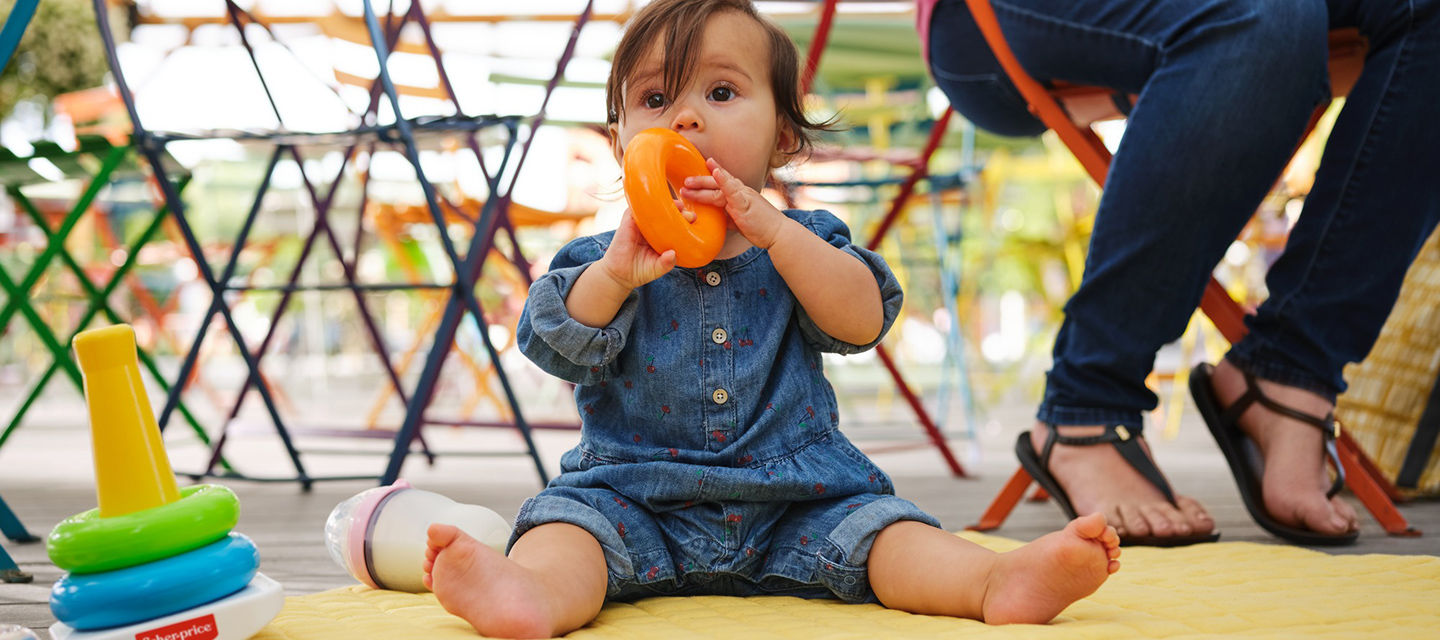
Clamber Club

12345…maths for your toddler!

If you always thought that mathematics only revolved around numbers, think again! “There is a myriad of concepts that can help to prepare your child for school related mathematics,” says Liz Senior, Founder of Clamber Club and Occupational Therapist. “Pre-arithmetic readiness includes memory and sequencing abilities, the ability to understand shape, form and volume,” explains Liz. “It requires the child’s understanding of size, position, length and quantity,” she adds. Montessori found that learning about numbers requires 3 stages: The ability to sort objects into sets. Before your child can identify for example, 3 cars as being part of the same `set’, he needs to understand why they belong together. To do this, he needs to recognise the properties that cars have in common. The ability to match or pair one set of objects with another set. For example, there is one bead in this set and one shell in that set. Give the child another bead and another shell and see if he can match them together with the first set into pairs. This means that he will have 2 beads, and two shells. The ability to compare. A child needs to understand that two stones are less than 3 stones, and that 4 stones are greater than 3. Once he can do this, he can put things in an `order’.   Liz shares with us a few activities that will give you some ideas of `mathematic fun’ on a daily basis. Use them as the opportunity arises, remembering where possible to talk about what you are doing, as the physical experience and the verbal reinforcement can help to consolidate many basic concepts. As you go, provide your child with opportunities to touch things, move them around, compare them, to climb over, through, under and on top. Allow and encourage him to experiment! Numbers  Rhymes such as “1, 2 buckle my shoe,” or “12345 once I caught a fish alive” can be sung with your child even before he has a concept of the words. This verbalisation helps your child to memorise the names of numbers, particularly those from one to ten. Songs, finger exercises and rhymes with rhythmical number verbalisations all help to establish basic `rote’ counting and provide an introduction to numbers. Gradually your child will learn to count objects and understand the meaning of two or three. Quantity   When you talk to your child, include quantity in your conversation – He has “lots” of books, and I have only a “few.” He has “more” hair than you have. You have “less than” him. Put different amounts of cereal in two bowls. Discuss which one has the most cereal and which one has the least. Which one would he prefer?  Position and sequence When walking around together, try walking in a row. Who is in front, who is in the middle and who is last? Who is behind who? Swop positions and encourage your child to say where he is – in the middle, at the back or in the front. This game, once played on a physical level, can also be played using dollies and teddies or building blocks Understanding position and sequence is essential to understanding numbers and mathematics. For example, which number comes before number 5? or which number comes after seven? Length Take out some playdough and make roly poly worms together. Make long worms and short worms. Which worm is the longest and which is the shortest? Look in the mirror together and compare heights. Who is the tallest, who is the shortest? Size Collect some cardboard boxes – shoe boxes, apple boxes, fridge boxes, and cereal boxes. Ask your child to put objects in the biggest box, the smallest box. See how many objects do you have to put in the box until it is full. Which box can he fit into? For the older child, put boxes in a row from biggest to smallest. Mix beads together of different size. Show your child how to sort the beads by size into different containers. Start off with only 2 sizes and then add as your child becomes more adept. (The ability to sort into sets is a basic mathematic requirement) Shape Shapes described in mathematical terms are everywhere. Diameters, circumferences, to the square of, measurement of space – all relate to shape. Look out for square and rectangular boxes (cereal boxes, tea boxes, shoe boxes) circles (bowls, bottles, balls) and triangles (Toblerone chocolate!) Point them out to your child, discuss the shapes. Go on a shape hunt in the kitchen. Put some containers with different shape and size lids out for your child to match. Mass Look for heavy and light objects to experiment with. A bag of stones can be heavy, and you need to be strong to carry them. A balloon is light and can be hit up in the air. Explore the same concept in the bath with floating objects and sinking objects. Which object is the heaviest and which the lightest? Guess which one will float or sink. Volume Put some Tupperware containers into the sandpit to play with. Make some full of sand and leave some empty. How much sand will fit in the bucket until it is full? The same concept can be used in many ways. Your cup is full and now that you’ve drunk the water it’s empty. Show your child how to pack things in and out of boxes. Thickness Baking activities are wonderful for describing many of these concepts! Squash the dough until you have a thin layer or make a thick layer instead. Make thick biscuits and thin biscuits, big biscuits and small biscuits – and of course, count the biscuits! Cut a thick slice of bread and a thin slice of bread, look at a thick book that has many pages or a thin book. Discuss the thickest and the thinnest. Fractions Use the idea of fractions in your daily activities. Cut the bread in half, or into

Junior Colleges

How to prepare a child for an older sibling

Expecting the arrival of your second child is an exciting event, but this may not be so for your older child, especially those between two and six years old.  Start by telling your older child about the arrival of his or her new sibling. Use age-appropriate language and pictures to explain how the baby is growing so the connection can be made from about the 5th month of your pregnancy. Encourage your child to talk to and sing to your bump. Explain that the baby will not be a playmate right away and will sleep and feed most of the time but can also cry a lot because that is a baby’s only means of communication. It is important that children and parents learn together about what it means have a new sibling in the family. Let your child take part in the preparations, but constantly talk about all the excitement and preparation you made for his/her arrival. Get out the family photos and talk about how you had to feed, change, rock and cuddle him/her. Be honest about how tired you sometimes felt and that you may get tired again and not be able to play so many games together, but just for a while. When the new baby arrives allow your child to visit you and the baby in hospital. Do not hold the baby during this time until you have given undivided attention to the older child. Introduce them and allow the child to gently stroke and maybe even hold the baby with you. Now is the time to talk about how careful you must be with a small baby. Very young children could be upset, simply because their routine has been disrupted and Mom is in bed in a strange place. For them, do not put too much emphasis on the baby but spend the visit cuddling and talking. Regardless of your older child’s age, make sure that he or she gets individual attention when the new baby arrives home. (Do not arrive with the baby in your arms!) Remember to include him or her in photographs or videos you take of the baby. Sometimes children will act out with arrival of a sibling. Praise positive behaviour and give love, understanding and assurance rather than corrective discipline. They may have toilet training accidents, want to drink from a bottle or ask for a dummy. These are normal reactions that require tolerance during regressive episodes. If you make no fuss and little comment, the phase will soon pass. No one goes to big school with a dummy! Encourage your older child to be gentle with the baby and include them in activities that involve the baby such as bathing, changing and dressing. Encourage singing and talking to the baby. Babies are usually fascinated by older children. Praise him or her when they are helpful and always try and plan one on one time with them, so they feel equally important and cared for Help your child develop a sense of why they are a valuable member of the family by focusing on what they can do, and the baby can’t. Tell them that each member of the family is important for what they bring to the unit and the family needs each person for it to be whole. Raising your child to accept and adapt to new conditions within the households will assist them in future changes that may be challenging. Raising resilient and collaborative children is a priority in our world. Written by: Academic Development Coordinator of ADvTECH Schools Division, Barbra Eaton And Bev O’Shea, Principal at Junior College Preschools Tiny Town.

Capriccio! Arts Powered Pre-School

Arts Powered Learning: choosing a pre-school that fosters creative thinking and a life-long love of learning

Who Are We? Capriccio! Arts Powered Pre-School is a registered Montessori inspired ECD independent school in Milnerton. The Italian wordcapriccio has two interpretations: A lively piece of music; short and free in form. A painting or work of art representing a fantasy or a mixture of real and imaginary features. Both of the above interpretations are representative of our approach to education in the early years, which is designed to harness the full benefits of early exposure to the arts. At Capriccio! our focus is on nurturing each child’s cognitive, emotional, physical, social, and artistic development in a loving, creative and holistic learning environment. We are passionate about the role of art in education and recognise the power it has in instilling within little ones a life-long love of learning. What Are the Benefits of Arts Powered Learning? Studies have shown that exposure to arts education from a young age accelerates positive brain development. Art in all its various forms – music, drama, dance and visual art, has an infinite capacity to affect both the brain and the body, acting as a unifying force that supports and enhances cognitive, physical, emotional, and social skills in young children. Ainissa Ramirez once said, “Creativity is the secret sauce to science, technology, engineering and math.” Exposing young learners to arts powered education creates an open learning environment that fosters curiosity and encourages creative thinking and problem solving. These are transferable skills that are essential to building a strong foundation in other learning areas. We believe that children possess an innate property for appreciation and enjoyment of the arts. By engaging this appreciation from a young age, little ones are provided with a means by which to express themselves, which allows them to progress, self-actualise and foster healthy self-esteem throughout their lives. Our Approach to Arts Powered, Montessori Inspired Learning At Capriccio! the expressive needs and individual developmental abilities of each of our little ones are taken into account. By incorporating arts-driven learning and Montessori principals into our curriculum we create a learning environment which provides each child the opportunity to flourish at their own pace. Montessori is a child centred philosophy of education, which recognises that each child has the innate eagerness to acquire knowledge and a deep love of learning.  In keeping with this philosophy, we are focused on following the individual child and acknowledging his or her ability to direct their own learning journey in a carefully prepared learning environment.  We have incorporated the traditional Montessori areas of learning such as, practical life, education of the senses, literacy, numeracy and arithmetic, knowledge and understanding of the world, creativity, and outdoor learning, into our methodology and materials. As Sydney Gurewitz Clemens said, “Art has the role in education of helping children become like themselves instead of more like everyone else.” It is our belief that art has intrinsic value in giving each child the freedom of self-discovery throughout their learning journey. For more information on our philosophy and approach please visit our website:www.artspreschool.co.za

Sidebar Image

Scroll to Top