

Body20 Cares Returns in 2026: Powering Hope for Children with Cancer
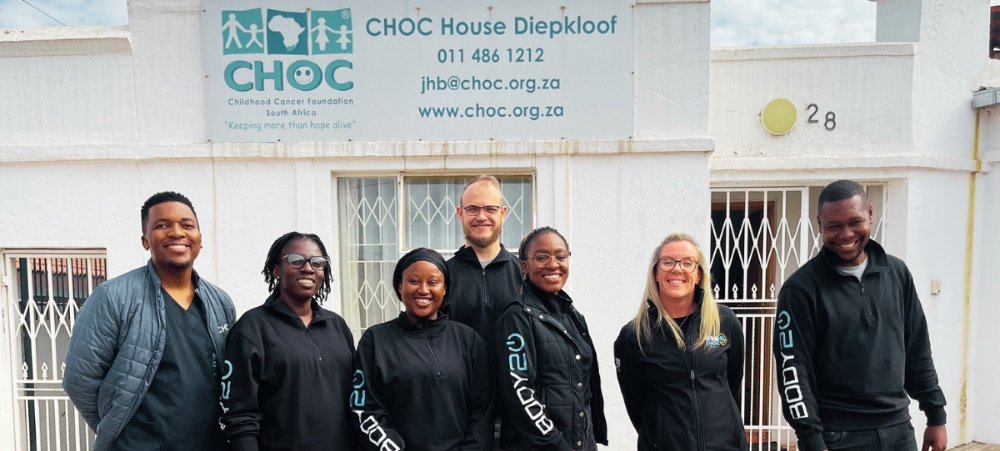
Sometimes, the greatest strength is found in unity. After raising over R150,000 in its inaugural year, Body20 is proud to relaunch its Body20 Cares initiative for 2026 — a campaign driven by compassion, community, and the belief that true wellness extends far beyond the studio floor. Body20 remains committed to ongoing support throughout 2026 and beyond, ensuring sustained impact for children with cancer and their families. From April to May 2026, 50% of all new members’ joining fees at Body20 studios nationwide will be donated to CHOC Childhood Cancer Foundation South Africa. These funds don’t just support a cause—they wrap children and their families in hope at the very moment they need it most. Supporting CHOC means directly helping children facing cancer and their families find comfort and strength. “This initiative isn’t just an activity for us — it’s a lifeline,” says Philip Hughes, chief executive officer of Body20 Global. “Last year, we witnessed firsthand how small actions, multiplied by many, can create a wave of hope. As Body20 Cares returns, our mission is simple: uplift families, offer practical support, and remind every parent and child battling cancer that they are never alone.” Cancer today touches almost every family, casting long shadows of fear and uncertainty. In South Africa, around 1,000 children are diagnosed with cancer each year—though many more go undiagnosed, and each statistic represents a child, a parent, a story. Despite advances in treatment, a diagnosis brings a tidal wave of emotional, logistical, and financial challenges. Organisations like CHOC are lifelines, offering more than just accommodation—they provide comfort, dignity, and a sense of home when families need it most. “Partnerships like Body20 Cares help us deliver vital support to children and their families,” says Adri Ludick, interim CEO for CHOC. “Every contribution means a family can stay together, a child can rest in comfort, and no one must face this journey alone. Last year, funds from Body20 Cares kept our CHOC Houses open—safe havens like Diepkloof, which offered warmth, food, and daily support to up to 30 people at a time. When hospitals close their doors at night, CHOC keeps hope alive for families in crisis.” Body20 Cares is about more than fundraising—it’s about human connection and shared purpose. Every new member isn’t just prioritising their own wellness; they’re giving a child and parent one less worry, one more day together, and a little more hope. Your participation can help us build a community united by compassion and action. “This is where fitness meets purpose,” Hughes adds. “Every sign-up is more than a membership; it’s a lifeline for a child fighting cancer, and a message to families that they are seen, valued, and supported by a whole community.” As Body20 Cares enters its second year, we invite every South African to stand with us. Join as a member, donate, or spread the word—every action, big or small, has the power to change a life. Your support makes you an essential part of this movement, helping us turn compassion into tangible hope. In a world where time is scarce and health is priceless, Body20 brings together your two most valuable resources. With cutting-edge EMS technology, Body20 helps people transform their wellbeing in just 20 minutes a week. It’s a promise: you can prioritise your health, support your community, and still have time for what—and who—matters most. Powerful transformations don’t just happen in our bodies—they ripple out, touching families, communities, and futures. When we move with purpose, we move the world a little closer to hope. To join Body20 Cares, become a new member at any Body20 studio or donate directly. For information or to get involved, visit https://body20.co.za/body20-cares or contact [email protected] | 087 231 0359. #Body20 #CHOC #Body20Cares #Cancer #ChildrenWithCancer #Children