Summer is Here!

Summer is here and the holidays just a hop, skip and a jump away!  With so many balmy carefree days ahead, laying out at the pool or swimming in the sea is pretty much all we want to be doing.  However, as a parent with a tiny baby or toddler, you’re more than likely feeling a little uneasy when it comes to safety around the pool and in the hot weather, in general.

Of course you want your baby or toddler to enjoy swimming with you, whether that’s in the pool or in more open water, such as the sea. Babies can go swimming from 2 or 3 months of age.  Whilst on holiday, a great tip is for you to first visit the pool by yourself and have a look around.  Check whether or not there are change rooms available.  

If you have chosen a public camping site, it’s not likely that they will have water warm enough in the deeper pools.  The toddler pool will be your best choice.  Always go in the pool with your toddler and if possible let your partner accompany you as well.  That way, you can divide up the tasks, keeping an eye on safety and also take some amazing photos.  Bring along a swimming band that will allow your baby to kick and float and enjoy the water with you.

Swimming in the sea with your baby or toddler is a little different.  The sea is much colder than a warm toddler swimming pool.  Sticking to the shallows where the waves break onto the beach, can be great fun for your toddler.  Make sure that if you are going to the beach, that your toddler wears shoes or sandals, to avoid them getting cuts on their feet from sharp stones or shells.

We all find it quite uncomfortable to sleep during those incredibly hot summer nights and of course, baby will too.  This rough guide should help you decide what best to dress your baby or toddler in to ensure that they are comfortable and more able to sleep.

27 degrees + : dress in a vest and happy or even a nappy only

24 – 27 degrees : dress in a short sleeved vest and 0.5 tog sleeping bag

21 – 23 degrees : dress in either a short or long sleeved vest and a 1 tog sleeping bag

17 – 20 degrees : dress in a Babygro and a 2.5 tog sleeping bag

Always opt for light-weight natural fabric blankets to cover your baby or toddler whilst they sleep.  Baby and I have a selection of muslin and cellular cotton blankets that are just perfect for warm summer nights and to cover baby in the pram.  

There are a number of ways that you can keep your baby or toddler cool during summer and these are:

  1. A cooler than usual bath before bed. 
  2. Increased fluids.  If your baby is being breastfed, that should be sufficient, however, formula fed babies can be offered some cooled boiled water when it is excessively hot.  Water can be given to your toddler in their sippy cup or a water-bottle with a straw.  Please don’t give baby any water within 30 minutes of their feed as they won’t feel as hungry for their milk feed.
  3. Using a fan to keep the air moving in their room will create a very welcome all-round breeze.  A great tip is to place a bottle of frozen water in front of the fan to keep the room even cooler.
  4. Fresh air coming in from an open window is great.  Keep the blinds partially down or the curtains partially closed.  Open windows a few hours before nap time and bedtime.
  5. Monitor the room temperature to keep it constant.
  6. Placing your hand on your baby’s or toddlers tummy or the back of the neck, should give you a fairly accurate indication of how hot they are.  Remember that arms and legs are always cooler to the touch.
  7. Use white noise which also mimics the sounds of inside the womb, to muffle outside noises.  Your baby or toddler will fall asleep easier and will stay asleep longer too.

Other signs to look for to tell if your baby or toddler is too hot are :

  1. A flushed face
  2. Rapid breathing
  3. Skin that is unusually warm to the touch

Pick the right clothes and swimming attire :

  1. Loose-fitting, lightweight garments, preferably made from a natural fibre such as cotton is always best.  Natural fibres absorb perspiration much better than synthetic fabrics and sweating is body’s way of cooling your baby or toddler down.
  2. When outdoors, light-coloured lightweight long pants and long-sleeved shirts help to ensure that their delicate skin is protected from the sun.  Always choose a wide-brimmed hat to shield their face.

Time outdoor activities to ensure that you limit the amount of exposure your baby or toddler has to the hot South African sun.  And of course, don’t ever forget that all important sun-screen!  Use a lightweight muslin or cotton blanket if they are in their pram when the weather is hot.  This will allow the air to circulate – always supervise your baby or toddler when they are sleeping in their pram.

When it comes to fabrics for baby clothing and blankets, cotton is always the best choice primarily because it is so soft.  It is also one of the most popular options available and has been used for generations.  Cellular blankets are made from 100% cotton with holes or ‘cells ‘ to allow for airflow and insulation when layered.  They are most certainly the safest type of baby blanket and the best option to use as bedding for your newborn baby.

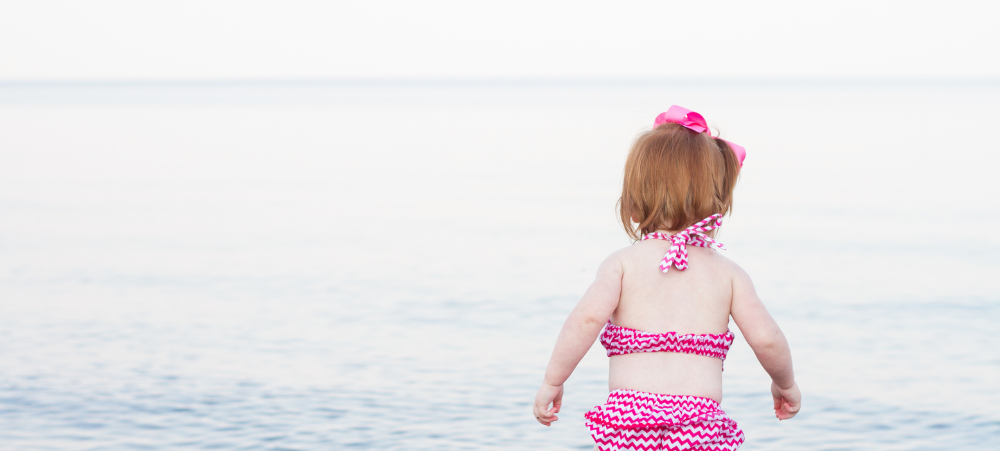
Baby and I Melrose have a beautiful range of baby swimwear, including matching Mommy and Me swimsuits which can add an element of fun to any swimming lesson or outdoor swimming activity.  Protect your children’s eyes from the harsh South African sun with funky sunglasses, also available from Baby and I Melrose, in a variety of colours and designs.

As a local Premier Baby Boutique, Baby and I Melrose offer an exceptional range of essential baby products, clothing and accessories, making it easy for you to purchase most of your summer essentials for your little one, online – saving you time, delivering to your door. Baby & I Melrose offers a unique experience as a Baby Boutique in South Africa.  Check out our website https://babyandimelrose.co.za/ 

Baby and I Melrose
Latest posts by Baby and I Melrose (see all)

Leave a Comment

Your email address will not be published. Required fields are marked *

Do Babies Really Need Sunscreen? The Risks of Overuse and Underuse

When it comes to protecting babies from the sun, many parents wonder if sunscreen is safe and necessary. The truth is, experts advise against using sunscreen on infants under six months old as their skin is thinner and more sensitive, leading to greater absorption of chemicals and a higher risk of irritation and rashes. Babies under six months have a higher surface-area-to-body-weight ratio, which increases their exposure to sunscreen chemicals. Some chemical ingredients, like oxybenzone, may cause allergic reactions or disrupt hormones. Sunscreen can also impede a baby’s ability to sweat and regulate their body temperature. 

Instead, the best protection for young babies is to keep them out of direct sunlight, dress them in lightweight, long-sleeved clothing, and use hats and shade as natural barriers. 

For babies over six months, a gentle, broad-spectrum baby sunscreen with at least SPF 30 can be safely applied. However, using sunscreen should complement, not replace, other sun safety measures, which are vital – especially in our sunny South African climate! 

Karen Van Rensburg, spokesperson for Sanosan, explains, “Parents often struggle with knowing how much sunscreen to use on their babies. It’s important to understand that while sunscreen is a helpful tool, relying solely on it, especially for very young infants, can be risky. Using physical barriers like shade and protective clothing alongside sunscreen provides the safest approach to sun care for babies.”

To keep babies safe, parents should:

  • Avoid sun exposure during peak hours (10 a.m. to 4 p.m.)
  • Use shade and protective clothing as the first defence.
  • For babies over six months, reapply a suitable sunscreen on a regular basis to maintain protection, especially after going in the water, after drying off or after sweating. 
  • Your baby should not stay in the sun too long even with sunscreen because every sunburn damages the skin and is a serious risk to their health. 

This balanced approach highlights that cautious sunscreen use combined with physical protection methods is key to keeping baby skin healthy and safe from sun damage. 

Sanosan Baby Sun Cream SPF 50+ is a top-tier sunscreen designed specifically for delicate baby skin including broad range of UVA+UVB protection SPF 50+. With its pleasant texture, this cream absorbs quickly for easy application and delivers 24 hours of nourishing care, making it suitable for babies, children, and adults alike. With its gentle formula, this sun cream helps maintain skin hydration while protecting against sun damage, allowing for worry-free outdoor playtime. Plus, its microplastic-free, and safe for our oceans!

 Sanosan focuses on natural ingredients and gentle formulas for healthy skin. Using active ingredients specially tailored to your baby’s skin, natural milk protein is the central ingredient in Sanosan and is especially nourishing. More than 90 % of the ingredients are of natural origin such as organic olive oil, and the formulations are biodegradable.

Safety first: all products are clinically tested and are free from parabens, silicones, paraffins, SLS / SLES and phenoxyethanol. For more info visit  sanosan.co.za 

Baby and I Melrose
Latest posts by Baby and I Melrose (see all)
Decoding Baby Eczema

For many South African parents, few things are more stressful than watching their baby’s delicate skin flare up with redness, dryness, or tiny itchy patches. Baby eczema, also called atopic dermatitis, affects up to 1 in 5 children worldwide — and while it’s common, it can leave parents feeling worried and overwhelmed.

But the good news is, with the right skincare routine, baby eczema is manageable. And no, it doesn’t mean your little one will always struggle with sensitive skin.

“Parents are often surprised to learn that baby eczema is not a sign that they’re doing something wrong,” says Karen Van Rensburg, spokesperson for Sanosan South Africa. “It’s a common skin condition linked to an underdeveloped skin barrier, and the key is to protect and strengthen that barrier with gentle care.”

Baby eczema usually shows up between two and six months of age. It can appear on the face, behind the ears, on the arms, legs, or even the chest. The skin becomes dry, red, itchy and, in some cases, scaly.

“Triggers vary,” explains Van Rensburg. “It could be heat, dry air, soaps with harsh ingredients, or even certain fabrics. Understanding what sparks your baby’s flare-ups is an important step in managing the condition.”

So what can parents do at home? Here are some dermatologist-approved tips:

1. Keep baths short and sweet

Stick to lukewarm water and limit bath time to 5–10 minutes. Avoid bubble baths and fragranced soaps.

2. Moisturise immediately after bathing

Lock in hydration by applying a fragrance-free, gentle moisturiser while your baby’s skin is still slightly damp.

3. Choose your products wisely

Opt for creams specifically designed for sensitive baby skin. Look for formulas enriched with natural oils, chamomile, or panthenol — like those found in Sanosan’s baby skincare range.

4. Watch the wardrobe

Dress your baby in soft, breathable cotton and avoid scratchy fabrics like wool. Always wash new clothes before wearing.

5. Spot and soothe flare-ups early

At the first sign of redness or irritation, apply a gentle, protective cream to calm the skin.

6. Don’t overheat the room

Babies with eczema are often sensitive to heat. Keep the nursery cool and use a humidifier if the air feels very dry.

7. See a healthcare professional when needed

If the rash is severe, infected, or your baby seems very uncomfortable, always seek medical advice.

“Parents sometimes think stronger products will ‘fix’ eczema faster,” says Van Rensburg. “But baby skin is incredibly delicate. Harsh ingredients strip away natural oils and make things worse. Gentle, consistent care is far more effective in the long run.”

Baby eczema can feel daunting, but with the right care and patience, most little ones outgrow it as their skin barrier matures. In the meantime, gentle skincare, lots of cuddles, and a watchful eye on triggers can make the world of difference.

“Think of it as supporting your baby’s skin while it learns to protect itself,” Van Rensburg adds. “You’re not just treating eczema — you’re helping build a healthy foundation for life.”

Sanosan focuses on natural ingredients and gentle formulas for healthy skin. Using active ingredients specially tailored to your baby’s skin, natural milk protein is the central ingredient in Sanosan and is especially nourishing. More than 90 % of the ingredients are of natural origin such as organic olive oil, and the formulations are biodegradable.

Safety first: all products are clinically tested and are free from parabens, silicones, paraffins, SLS / SLES and phenoxyethanol. For more info visit  sanosan.co.za 

Baby and I Melrose
Latest posts by Baby and I Melrose (see all)
10 Surprising Uses for Nipple Cream That Moms Swear By

Think nipple cream is only for breastfeeding moms? Think again. Across South Africa, women (and even some men) are discovering that the humble little tube hiding in the baby aisle is actually a multi-purpose lifesaver.

The magic ingredient? Lanolin — a natural wax derived from sheep’s wool that locks in moisture and helps skin heal. It’s the powerhouse behind many trusted nipple creams.

“South Africans love a product that can do more than one job,” says Karen Van Rensburg, spokesperson for Sanosan South Africa. “Lanolin is one of those ingredients that’s stood the test of time because it’s safe, gentle, and surprisingly versatile. Moms swear by it long after the breastfeeding chapter ends.”

So, what else can you do with lanolin nipple cream besides soothing sore nursing nipples? Here are 10 surprising uses that might just make you toss a tube into every handbag, nappy bag, and bathroom drawer.

1. Dry, Cracked Lips

Move over lip balm — lanolin is richer and longer lasting. A tiny dab keeps lips soft and flake-free, even in the Highveld’s dry winters, or the Cape’s windy summers. 

2. Nappy Rash Relief

Gentle enough for a newborn’s skin, lanolin helps soothe redness and creates a protective barrier against wet nappies.

3. Cuticle & Hand Rescue

Massage a bit into ragged cuticles or dry hands before bed and wake up with salon-soft results.

4. Stretch Mark Support

Regular use can help keep skin supple during pregnancy or weight changes — a must-have for moms-to-be.

5. Cracked Heel Fix

Tired feet? Apply before slipping on socks at night. By morning, heels feel noticeably smoother.

6. Sunburn Soother

That unexpected Cape Town beach day burn? Lanolin locks in hydration to calm the sting.

7. Chafing Relief

Runners, cyclists and gym-goers use lanolin to prevent friction and soothe irritated skin.

8. Eyebrow & Flyaway Tamer

A smidge brushed through brows or hair smooths down unruly strands without stiffness.

9. Minor Skin Irritations

From windburn on your cheeks to those rough patches on elbows, lanolin helps restore skin’s moisture barrier.

10. Makeup Hack

Many makeup artists use lanolin as a dewy highlighter on cheekbones or to revive dry mascara in a pinch.

Lanolin is especially loved because it’s gentle, natural, and safe for even the most delicate skin. Unlike many multi-purpose balms, it’s also fragrance-free and hypoallergenic — meaning the whole family can use it.

“It’s the ultimate multi-tasker in a tube,” says Van Rensburg. “Once you start experimenting with it, you realise there’s almost nothing it can’t do.”

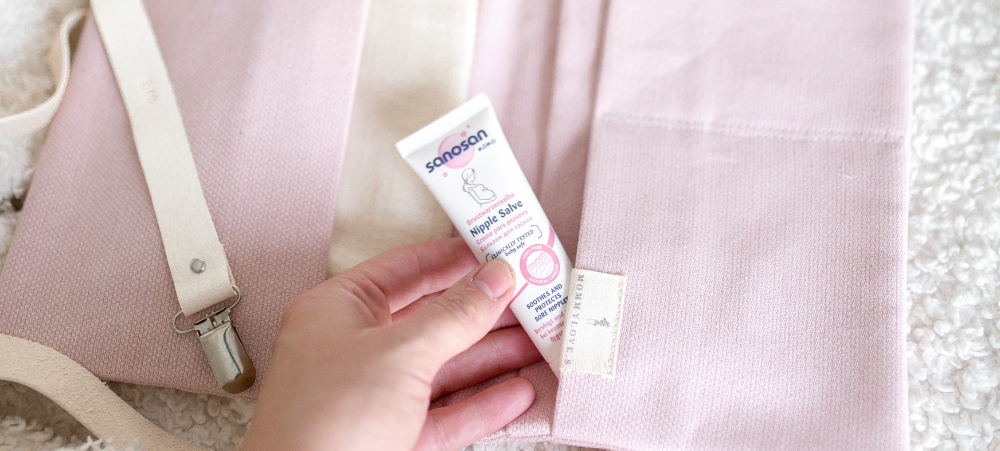
Sanosan Mama Nipple Salve contains just 100% pure, natural Lanolin, without parabens or fragrances. Dermatologically tested, it’s safe for both mom and baby, with no need to rinse before feeding. Available from Clicks Baby and Online stores, takealot.com, Makro Online and medhealthsup.com

Sanosan focuses on natural ingredients and gentle formulas for healthy skin. Using active ingredients specially tailored to your baby’s skin, natural milk protein is the central ingredient in Sanosan and is especially nourishing. More than 90 % of the ingredients are of natural origin such as organic olive oil, and the formulations are biodegradable.

Safety first: all products are clinically tested and are free from parabens, silicones, paraffins, SLS / SLES and phenoxyethanol. For more info visit  sanosan.co.za 

Baby and I Melrose
Latest posts by Baby and I Melrose (see all)
Scroll to Top