It’s easy to say that you must have reasonable expectations of your child, but what is “reasonable”? In this day and age and particularly in South Africa, we have been conditioned to believe that there is only one path to success, and that our children need to have academic talents at all cost. But not all of us are programmed to fit into the imposed mould, nor should we be.
The human brain has natural variations. Many learning difficulties (in a traditional education system) are as a result of these neurological differences. However, society is coming to realise that ADHD, Autism, Dyslexia and more, are not defects or disorders but are natural variations of the human brain. Neurodiverse individuals may have unique ways of thinking, learning and processing information.
Traditionally, neurodiversity has been looked at in the framework of a medical model. This is a deficit model, assessing what is not ‘normal’ or typical, and going about trying to replace that deficit. There is now a move towards viewing neurodivergent (and all children) through a more psycho-social lens, focussing rather on the individual with their own profile of strengths and challenges. Through this lens we are better able to understand our children as individuals and feed their talents while understanding that their contribution to the world may not take the traditionally dictated form.
Medical evaluations and therapeutic assessments still provide valuable information, allowing us to work as a team to approach how best to nurture the child in our care. Team collaboration is essential. It determines where to focus intervention and plans strategies to implement for adapting and accommodating educational input, giving the child an equal opportunity to learn as any other. E.g., If a child cannot read despite schooling and therapeutic input, they may be diagnosed with dyslexia. This diagnosis is essential, not to condemn a child into a world without literacy, but rather to mobilize the team involved to activate methods, other than only reading, to facilitate learning. Intervention may still involve developing literacy as far as possible, but the more impactful intervention would be introducing compensatory strategies like using technology to assist with reading or ensuring that there are accommodations for school testing.
Reasonable expectations can only be achieved with observation and continuous evaluation of what strategies work for the child. E.g., If a child is autistic and battles with communication, a teacher would need to continuously assess the tasks being assigned (group work vs individual etc.) so as not to disadvantage the learner. Behaviour and progress are naturally monitored to determine the efficacy of the strategies put in place. When interventions are optimal, to ensure every opportunity is being given for learning to happen, it is possible to identify areas of strength, and potential areas of significant delay, both of which should be addressed. If accommodations are made and the learner is still unable to meet the requirements of the curriculum, then a different learning path may need to be considered.
Parents play a significant role in a child’s overall development and academic achievements. Setting realistic and achievable goals fosters a positive learning environment, reduces stress and promotes healthy wellbeing, where children feel supported and are encouraged to explore their potential without fear of failure. Confidence and self-worth are directly related to experienced success which also leads to a positive cycle of motivation and achievement in life-long learning.
Every child is unique, and their academic journeys may vary. Fostering curiosity, creativity and personal development are vital to encouraging a love of learning. However, an understanding of learning potential should not be limited to an academic framework. There are numerous avenues of learning that take place throughout development including physical, psychosocial, and cognitive development. Cognition is the acquisition, processing, storage and use of information and allows individuals to understand the world, solve problems, make decisions and to interact effectively with their environment. Cognitive development is not restricted to academic education.
If a child is not coping in an academic setting despite accommodations and adaptations, non-academic education may be an option. Non-academic learning refers to skills not typically associated with formal academic settings. It encompasses a wide range of practical knowledge, vocational and personal skills. Academic and vocational education are distinct types of learning that differ in terms of content/curriculum, focus, training and ultimate goals, however both address the development of cognition in the learner.
Whether learning takes place in an academic or non-academic format, there are helpful and potentially harmful considerations to be had. When content and method of learning are challenging but not inappropriate, developmental and not unreasonable, graded but not anxiety provoking and motivating or interest related not prompting recurring unwanted behaviours, academic expectations of your child are more likely to reasonable and attainable.
To make sure your expectations are reasonable, there are a number of things a parent can do.
Work with your team – it’s a process.
Be consistent in your execution of agreed upon strategies.
Restrain your frustration – it causes anxiety in your child.
Recognise limitations – but challenge appropriately.
Use your child’s passions for progress.
Be open to suggestions.
Celebrate the child you have, with all their gifts and challenges.
You know your child better than anyone – be a part of the team.
Glenoaks is a private remedial and special needs school in Johannesburg that unleashes potential!We nurture academic, functional, social and emotional growth for learners and personalize support according to the needs and strengths of each learner. We create a nurturing and inclusive environment for our learners which is supported by our dedicated, passionate and professional team. We achieve this through innovative adaptation, accommodation, differentiation and individualisation for each learner.
Latest posts by Glenoaks Remedial and Special Needs School (see all)
If you’re raising a neurodivergent child in South Africa, you’re already doing a lot.
Appointments. School meetings. Forms. “Can you just send that report again?” moments. The daily juggling act of home + school + therapy + life.
So when someone says, “You might be able to claim tax relief,” it can feel like one more admin mountain… right when you’re already running on fumes.
Here’s the good news: tax relief is available, and there’s a real framework designed to give families some breathing room.
The bad news is: it’s not always obvious how it works, and the internet is full of conflicting advice.
This guide will help you understand the basics without spiralling.
Tax relief is available in South Africa
South Africa’s tax system includes support for families who carry additional medical and care costs. The main mechanism is the Additional Medical Expenses Tax Credit (AMTC).
It’s not a cash payout. It’s a tax credit that reduces the amount of normal tax you pay.
For many families, it becomes a crucial “safety valve”, especially when you’re paying for the kind of support your child needs to function well in the real world.
Where neurodiversity fits into the SARS framework
SARS doesn’t have a neat category called “neurodivergence.”
Instead, conditions like Autism Spectrum Disorder (ASD), ADHD, and PDA are considered based on their functional impact, in other words, how much they limit day-to-day life.
For tax purposes, a “disability” is defined as a moderate to severe limitation in a person’s ability to function or perform daily activities (including learning, thinking, communicating).
If your child’s challenges create a moderate to severe limitation that is expected to last more than a year, your family may qualify for tax relief.
If the limitations are considered milder, the condition may fall under what SARS calls a “physical impairment.” (Despite the name, this category isn’t limited to physical conditions and can still apply in some neurodevelopmental contexts.)
Relief may still be available, but often with different thresholds and limits.
The common misunderstanding that trips parents up
One of the biggest myths is:
“If I have the diagnosis, we automatically qualify.”
Not necessarily.
SARS looks at whether the condition remains a significant limitation even after what it calls “maximum correction” (including appropriate therapy, treatment, or medication).
Because every child is different, eligibility is assessed case by case. Two families can have the same diagnosis and still have different outcomes depending on how the condition impacts daily functioning.
Which is frustrating, yes. But also: it’s why getting clarity early matters.
Why paperwork and medical confirmation matter (even if you hate admin)
The admin requirements can feel like adding weight to an already heavy load.
But they’re also the keys to unlocking tax relief.
A diagnosis label isn’t enough. You need formal medical confirmation from a registered practitioner who is trained to give an opinion on your child’s condition.
The key document is the ITR-DD form (Confirmation of Diagnosis of Disability).
Whether this form is required in your situation can depend on how your child’s needs are classified (which is exactly where many parents get stuck).
Important: you typically don’t submit the form with your annual return, but you must keep it, along with invoices and proof of payments, for at least five years.
SARS often verifies these claims, so having your paperwork organised from the start protects you later.
Think of it like this: a few clicks to save documents today can save you hours of stress later.
You don’t have to figure it all out today
If this feels complex, you’re not meant to decode it alone in between lunchboxes and meltdowns.
So we created a simple starting point for parents:
✅ Download the tax relief cheat sheet at www.dalza.com/tax-relief-cheat-sheet/ A clear summary of what you need to know (and what to gather), without the jargon.
Supporting a neurodivergent child requires enough time, energy, and emotional bandwidth as it is. Tax admin shouldn’t be another thing you have to white-knuckle your way through.
Start with the cheat sheet. Get the lay of the land. And take it one step at a time.
This content is provided for general information purposes only. It is not intended as legal, tax, or financial advice. Tax outcomes depend on individual circumstances, and eligibility for tax relief is assessed by SARS on a case-by-case basis. We recommend consulting a registered tax practitioner or qualified professional before submitting any tax claims
Glenoaks is a private remedial and special needs school in Johannesburg that unleashes potential!We nurture academic, functional, social and emotional growth for learners and personalize support according to the needs and strengths of each learner. We create a nurturing and inclusive environment for our learners which is supported by our dedicated, passionate and professional team. We achieve this through innovative adaptation, accommodation, differentiation and individualisation for each learner.
Latest posts by Glenoaks Remedial and Special Needs School (see all)
Why Hearing Health Matters for Speech and Language Development
The start of a new school year is an exciting time for children and parents alike, especially after a long holiday! New stationery, fresh uniforms, getting back into the swing of the Monday to Friday school routine, and a sense of possibility fill the air. While shopping lists usually include notebooks, backpacks, and shoes, there is one essential item that is often overlooked: your child’s hearing health.
Hearing plays a vital role in how children learn, communicate, and connect with others. Undetected hearing difficulties can affect speech and language development, academic performance, and even confidence in the classroom. We’ve developed this back-to-school checklist to help prepare your child for success, with a special focus on why looking at your child’s hearing health should be part of every child’s school-readiness plan.
A Back-to-School Checklist for Parents
1. Stationery and School Supplies
Make sure your child has the basic tools they need to learn:
Exercise books and textbooks
Pens, pencils, erasers, and rulers
A school bag that is comfortable and supportive
Having the right supplies helps children feel prepared and confident from day one.
2. Vision and Hearing Checks
Many parents remember eye tests but forget hearing checks. Yet children spend most of their school day listening to teachers, classmates, and instructions.
Why hearing checks matter:
Children learn language by hearing sounds clearly and consistently
Even mild hearing difficulties can affect how words and sounds are understood
Hearing challenges are not always obvious and may be mistaken for inattention or behavioral issues
A hearing screening before school starts can identify problems early, when support can make the biggest difference.
3. Speech and Language Development Check
Clear hearing supports clear speech. If a child struggles to hear certain sounds, they may:
Mispronounce words
Have a limited vocabulary
Struggle to follow instructions
Fall behind in reading and spelling
If you notice that your child is not speaking as clearly as expected for their age, a hearing test is an important first step.
4. Classroom Readiness Skills
Children with good hearing are better able to:
Follow verbal instructions
Participate in discussions
Attend to and concentrate on tasks
Learn phonics and reading skills
Engage socially with peers
When hearing difficulties go unnoticed, children may seem distracted, shy, or frustrated, even though they are trying their best.
5. Health and Wellness Check
A general health check can support overall learning readiness. This includes:
Up-to-date immunizations
Sleep routines
Healthy eating habits
Hearing health fits into this wellness picture and is as important as physical health.
Why Hearing Is Key to Speech and Language Development
From birth, children learn by listening. Hearing helps them recognize sounds, learn words, and understand how language works. At school age, this becomes even more important as learning relies heavily on spoken instruction.
If a child cannot hear clearly:
They may miss parts of words or sentences
They may misunderstand what is being said
They may struggle with reading and writing, which are closely linked to sound awareness
Even temporary hearing issues, such as frequent ear infections or fluid in the ears, can affect learning if left untreated.
Signs Your Child May Need a Hearing Test
Not all hearing difficulties are obvious. Look out for these signs:
Asking for repetition often
Turning the TV or tablet volume up high
Difficulty following instructions
Speech that is unclear for their age
Struggling with reading or spelling
Appearing inattentive or tired in class
If you notice any of these, then we recommend a hearing test.
Set Your Child Up for Success This School Year
Back-to-school preparation is about more than supplies; it’s about giving your child the best possible foundation to learn, communicate, and thrive. Including a hearing test on your checklist can only support your child’s academic and social development.
At NB Hearing and Balance, we are passionate about helping children hear clearly and reach their full potential. Our experienced audiologists provide gentle, age-appropriate hearing tests and school screenings designed to support speech, language, and learning success. Contact us if you have any concerns or would like to schedule a hearing test at a branch near you.
Glenoaks is a private remedial and special needs school in Johannesburg that unleashes potential!We nurture academic, functional, social and emotional growth for learners and personalize support according to the needs and strengths of each learner. We create a nurturing and inclusive environment for our learners which is supported by our dedicated, passionate and professional team. We achieve this through innovative adaptation, accommodation, differentiation and individualisation for each learner.
Latest posts by Glenoaks Remedial and Special Needs School (see all)
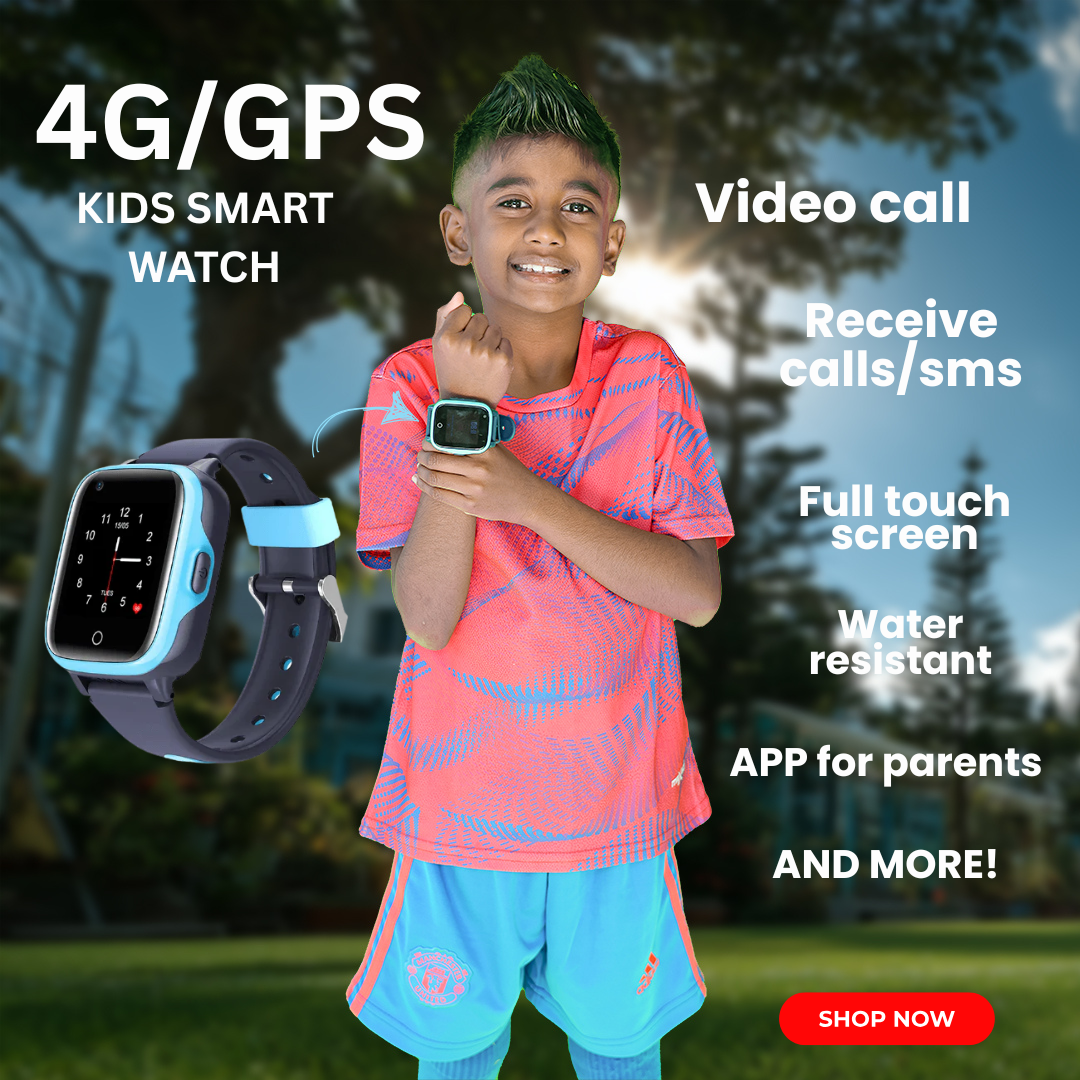
It’s a Saturday morning at a bustling shopping mall in Johannesburg. Little Thando, full of curiosity, wanders off while his mom browses the toy aisle. In seconds, panic sets in — that heart-stopping moment every parent dreads. But unlike most stories, this one ends differently. Thando’s mom opens the Freedom 2 app, taps “Locate”, and within moments, she sees his exact position — just outside a nearby store. Relief floods over her as she spots him, still holding his ice cream, completely unaware of the worry he caused.
In a country like South Africa, where safety is always top of mind, the Freedom 2 isn’t just a gadget — it’s peace of mind on your child’s wrist. With increasing concerns about public safety, this smartwatch gives parents a practical way to stay connected and prevent tragedy before it happens.
✅ Why the Freedom 2 is a Must-Have
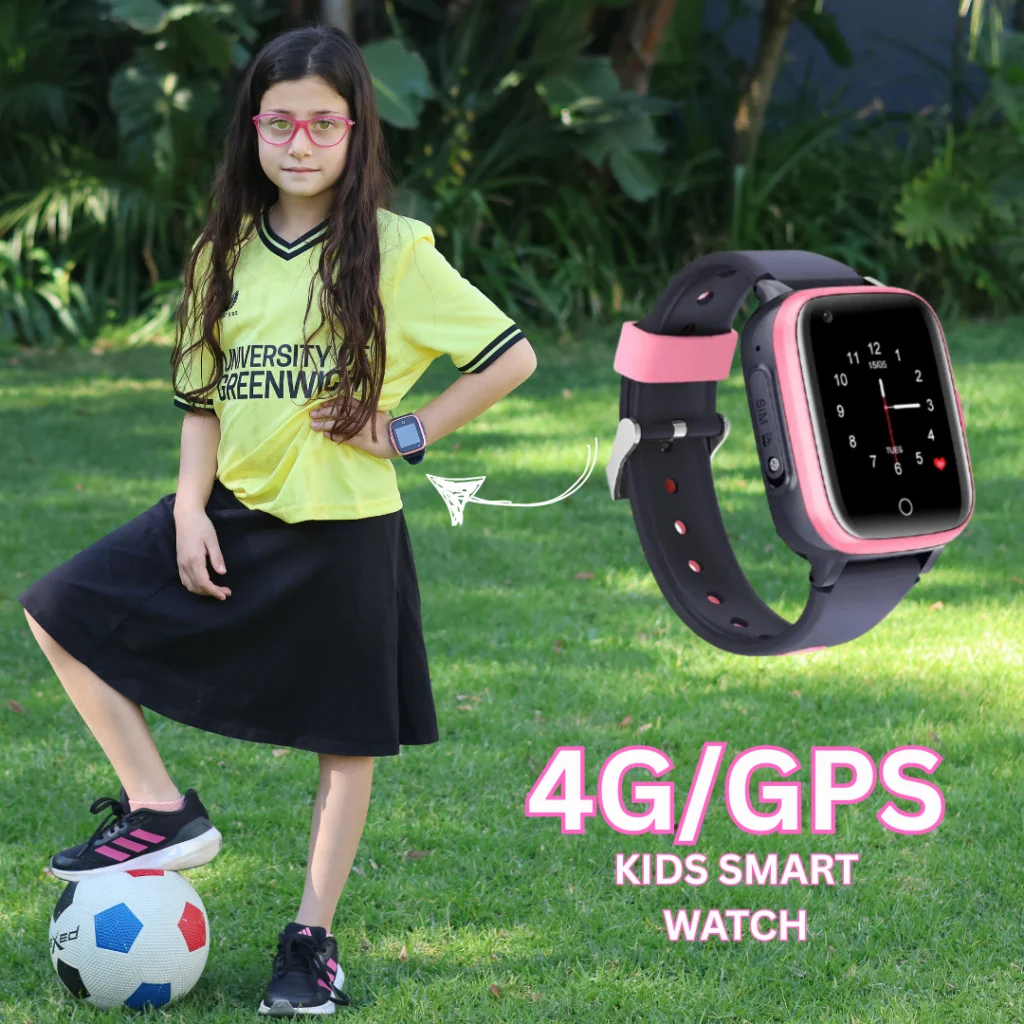
If you’re looking to give your child both freedom and safety, the Freedom 2 by Fabulously Fit is a standout. Designed with parents and kids in mind, this smart watch blends advanced technology with kid-friendly features — providing peace of mind for you and fun for them.
1. Stay Connected Anytime, Anywhere
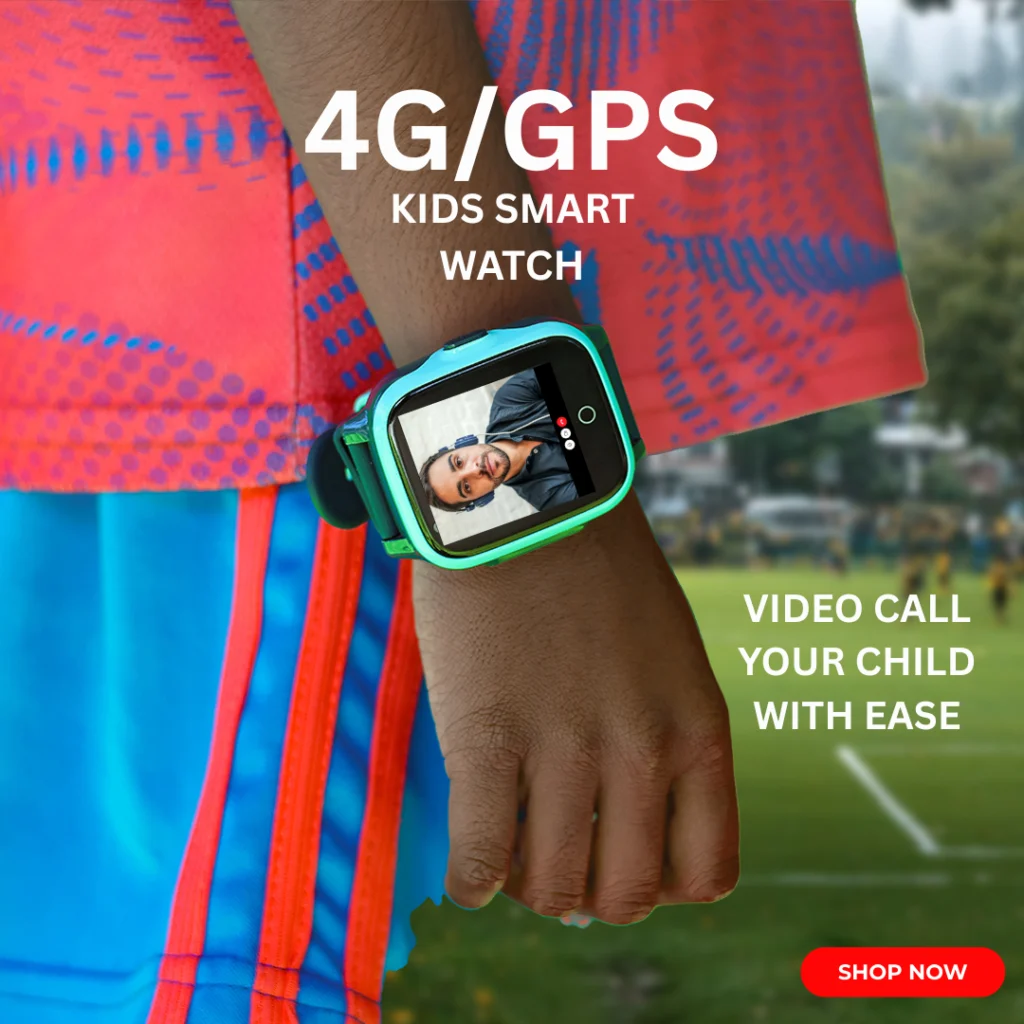
With full 4G support, the Freedom 2 enables 2-way voice calls, video calls, text messaging, and even WhatsApp — letting your child reach you instantly, and you keep tabs on them with ease.
2. Precision GPS Tracking for Added Safety
This smartwatch uses GPS + AGPS + LBS + WiFi to track your child’s position with 5–15 metre accuracy. Set up geo-fences — get alerts when your child enters or leaves a safe zone. Review their route playback. Activate an SOS alert if they need help. All this gives you real-time confidence.
3. Dual Cameras, Smart Tools & Kid-Friendly Features
Your child can snap photos or make video calls with a dual-camera setup. The watch also includes smart tools: WhatsApp, MP4 player, voice recorder, class-schedule tracker, math games — blending safety with learning and fun.
4. Durable Performance & Long Battery Life
Built on Android 4.4 with 2 GB RAM + 4 GB ROM, a Nano-SIM slot for connectivity, and a robust 1 000 mAh polymer battery. It also features a 1.69″ IPS colour touchscreen (240×280 pixels) and modes for vibration, voice or silent notification — ideal for in-class use without distraction.
5. Designed with Kids in Mind
A “No Disturb” mode ensures the watch won’t interrupt learning time. A pedometer and sleep monitor support wellness tracking. Remote monitor and remote shutdown features let you discreetly check that everything’s okay.
🎯 Why It Matters for Your Family
Modern parenting comes with a tough dilemma — you want your child to stay connected and safe, but you don’t want to hand them a smartphone too soon. Too much screen time, access to social media, and unrestricted internet exposure can harm focus, sleep, and emotional wellbeing.
The Freedom 2 offers the perfect balance. It gives parents the ability to call, message, and locate their child instantly — without placing a smartphone in their hands. Your child gets independence and responsibility; you get reassurance and control. It’s connection with boundaries — the healthy middle ground every family needs.
🛍 Get Yours Now
Available in Blue, Pink, and Black, the Freedom 2 is ready to become your child’s everyday companion.
Glenoaks is a private remedial and special needs school in Johannesburg that unleashes potential!We nurture academic, functional, social and emotional growth for learners and personalize support according to the needs and strengths of each learner. We create a nurturing and inclusive environment for our learners which is supported by our dedicated, passionate and professional team. We achieve this through innovative adaptation, accommodation, differentiation and individualisation for each learner.
Latest posts by Glenoaks Remedial and Special Needs School (see all)
We use cookies on our website to give you the most relevant experience by remembering your preferences and repeat visits. By clicking “Accept All”, you consent to the use of ALL the cookies. However, you may visit "Cookie Settings" to provide a controlled consent.Accept All
Manage consent
Privacy Overview
This website uses cookies to improve your experience while you navigate through the website. Out of these, the cookies that are categorized as necessary are stored on your browser as they are essential for the working of basic functionalities of the website. We also use third-party cookies that help us analyze and understand how you use this website. These cookies will be stored in your browser only with your consent. You also have the option to opt-out of these cookies. But opting out of some of these cookies may affect your browsing experience.
Necessary cookies are absolutely essential for the website to function properly. These cookies ensure basic functionalities and security features of the website, anonymously.
Cookie
Duration
Description
cookielawinfo-checkbox-advertisement
1 year
The cookie is set by GDPR cookie consent to record the user consent for the cookies in the category "Advertisement".
cookielawinfo-checkbox-analytics
11 months
This cookie is set by GDPR Cookie Consent plugin. The cookie is used to store the user consent for the cookies in the category "Analytics".
cookielawinfo-checkbox-functional
11 months
The cookie is set by GDPR cookie consent to record the user consent for the cookies in the category "Functional".
cookielawinfo-checkbox-necessary
11 months
This cookie is set by GDPR Cookie Consent plugin. The cookies is used to store the user consent for the cookies in the category "Necessary".
cookielawinfo-checkbox-others
11 months
This cookie is set by GDPR Cookie Consent plugin. The cookie is used to store the user consent for the cookies in the category "Other.
cookielawinfo-checkbox-performance
11 months
This cookie is set by GDPR Cookie Consent plugin. The cookie is used to store the user consent for the cookies in the category "Performance".
viewed_cookie_policy
11 months
The cookie is set by the GDPR Cookie Consent plugin and is used to store whether or not user has consented to the use of cookies. It does not store any personal data.
Analytical cookies are used to understand how visitors interact with the website. These cookies help provide information on metrics the number of visitors, bounce rate, traffic source, etc.
Cookie
Duration
Description
_ga
2 years
This cookie is installed by Google Analytics. The cookie is used to calculate visitor, session, campaign data and keep track of site usage for the site's analytics report. The cookies store information anonymously and assign a randomly generated number to identify unique visitors.
_gid
1 day
This cookie is installed by Google Analytics. The cookie is used to store information of how visitors use a website and helps in creating an analytics report of how the website is doing. The data collected including the number visitors, the source where they have come from, and the pages visted in an anonymous form.
Other uncategorized cookies are those that are being analyzed and have not been classified into a category as yet.
Cookie
Duration
Description
_gat_gtag_UA_18530557_4
1 minute
No description
pron_ip
session
No description
pvc_visits[0]
1 day
This cookie is created by post-views-counter. This cookie is used to count the number of visits to a post. It also helps in preventing repeat views of a post by a visitor.
tk_ai
session
Gathers information for WordPress by themselves, first party analytics tool about how WP services are used. A collection of internal metrics for user activity, used to improve user experience.