We all have a need to love and be loved. Our lives feel happier and more fulfilled when we enjoy positive human relationships. Having friends who we can laugh and cry with, be serious or a little crazy with, and with whom we can feel completely comfortable is one of the most fundamentally important needs of the human race. This is why it feels so heart-breaking when we discover that our children may be struggling to make friends at school.
Cindy Glass, Co-founder and Director of after-school remediation franchise, Step Up Education Centre says “There are a number of reasons why a child may struggle to form positive friendships – negative behavioural choices, low self-esteem, personality differences, differing belief systems and unintentionally negative body language or tone of voice. Escapism from social interactions through over-use of technology also plays a big role in this!”
“We need to note that all behavioural choices are based on how we feel about ourselves as a person and the inevitable fears that dominate these beliefs. Creating meaningful personal relationships is rooted in positive self-belief. Negative, self-defeating thoughts and behaviours often repel friendships and, unfortunately, this re-enforces the feelings of unworthiness and low self-value that created the negative behaviours in the first place” Cindy goes on to say.
If your child is struggling to form friendships, you may want to consider the following helpful tips:
1. Ensure that you keep the lines of non-judgemental communication open. Chat about what happens at school, openly and honestly. Emotional intelligence skills of self-awareness and self-regulation are key here! Make sure that you do not re-enforce your child’s belief that he/she is less! Focus on their strengths and what others will like about them. They may, indeed, be a little different, but never less!
2. Chat to your child’s teacher with the aim of gaining a deeper understanding of your child’s behaviours at school.
3. Friendships cannot be forced. It takes positive mind-set and behavioural changes in your child if changes are to be enjoyed at school. Teach your child to focus on his/her choices and not on the choices of others. It takes patience and time but you will be amazed at the results!
4. People enjoy the company of positive happy individuals. Teach your child the joys of uplifting others. This will change the energy that your child gives off and other children will start looking to your child for a friendship that feels good to be in.
5. Emotional intelligence’s empathy and social skills will play a vital role in changing the way your child perceives himself/herself to be. Invest in these courses!
“Finally, remember that children copy your actions, not your words! Set the example of how to treat others in positive, uplifting ways. Teach your children to own who they are-mistakes and all- and to value others because they value themselves first!” Cindy concludes.
Parenting Hub is one of South Africa’s largest online lifestyle magazines, targeted toward Parents.
We understand that there are many aspects that encompass a Mother, Father or Child and strive toward providing resources and services that accommodates this.
Our content is aimed to inform and educate families on issues starting from pregnancy through to the challenges of the teen-age years.
ARTICLE BY PROF RITA NIEMANN, NALIZE MARAIS, ZENDRÉ SWANEPOEL AND MONIERA MOOSA
Bullying is a great concern for both parents and schools. Here we outline a number of measures that can help them both parties deal with bullying.
Parents
When parents notice that their child is behaving differently – not wanting to go to school, using illness as an excuse, suddenly performing poorly at school or enuresis – and suspect bullying, they need to act immediately.
Firstly, they must determine where this is happing (at school, at a sports club, on social media, etc.) and who the perpetrator(s) are.
Secondly, if the bullying is taking place in an organised environment such as at school or sports club, the authorities need to be informed and requested to step in. They are legally bound to protect the rights of the child.
Thirdly, parents have the responsibility to equip their children to cope by:
Instilling the knowledge that children must take a stand and that they have a choice in allowing someone else to victimise them.
Assisting children to terminate relationships that are potentially harmful, such as blocking a person on social media.
Helping them to identify bullies and the different forms of bullying.
Creating a safe space for children to speak about what is happening to them.
Emphasising assertive verbal communication if threatened.
Building children’s self-concept.
Getting the help of a psychologist, if necessary, to counsel the victim.
Emphasising that respectful behaviour is always the best option and thus preventing retaliation.
Fostering problem-solving and conflict resolution skills with the focus on restoring damaged relationships.
Working collaboratively to solve the problem with their children so that they can feel reassured.
Schools
As bullying is a deliberate act to hurt someone, there must be consequences for the bully. Once teachers are aware that a bullying incident has taken place at school, the matter must be dealt with by:
Asking the victim to provide the names of the perpetrator(s), as well as the names of friends of the victim, as soon as he/she has calmed down.
Counselling the victim and finding out whether he/she has been injured and what effect the bullying or harassment has had on him or her.
Cultivating a “no blame” approach towards bullying or harassment.
Establishing punitive sanctions for both the bully and for any bystanders.
Developing a bullying code of conduct/bullying policy and informing learners of this.
Having designated teachers to deal with incidents of bullying.
Facilitating mediation and discussions with the victim and the bully, depending on the severity of the bullying.
Passing the responsibility to the bully or group of bullies to make sure that the problem is solved.
Ensuring that potential bystanders understand that they have a vital role to play during bullying incidents.
Letting the victims feel protected after they have reported the incident.
Encouraging learners to make suggestions on how they can contribute to alleviating the negative experiences of the victim.
Scheduling follow-up meetings to monitor the situation where each party has to share how things are going.
Informing the parents of both the bully and the victim about the incident/s.
The principal and teachers have a crucial role to play in directing learners towards becoming responsible citizens. They should create a safe and secure environment, establish a non-violent culture, and be good role models for all learners.
Reference
Niemann, R., Marais, N., Swanepoel, Z. & Moosa, M. 2016. Problem areas in schools In: Jacobs, M. Teaching-learning Dynamics, Johannesburg: Pearsons
Parenting Hub is one of South Africa’s largest online lifestyle magazines, targeted toward Parents.
We understand that there are many aspects that encompass a Mother, Father or Child and strive toward providing resources and services that accommodates this.
Our content is aimed to inform and educate families on issues starting from pregnancy through to the challenges of the teen-age years.
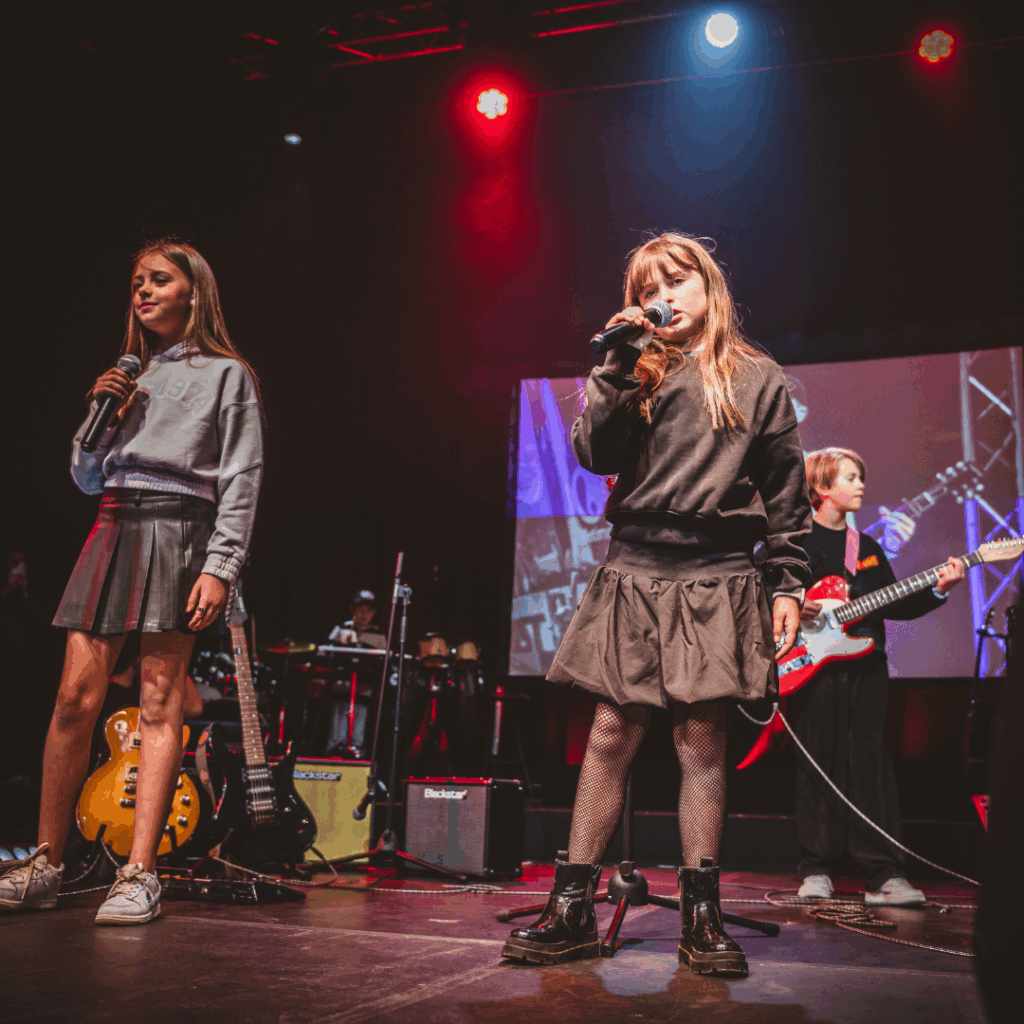
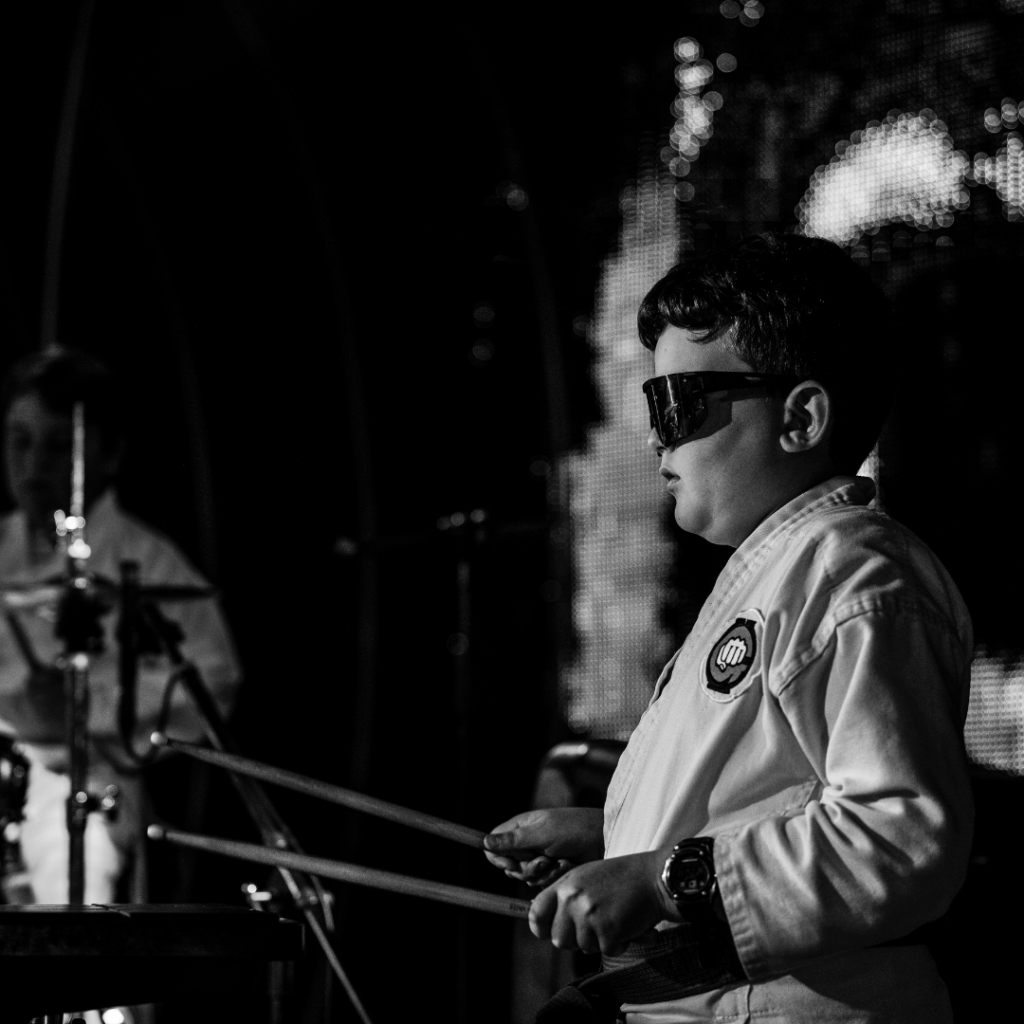
At School of Rock Parktown North, we don’t just teach kids how to play instruments, we help them build confidence, creativity, community, and lifelong skills. As the year winds down and festive energy sets in, many of you are probably looking for enriching activities that give you and the kids more than just a hobby. Here’s why the School of Rock experience is a perfect fit for the season!
Beyond Notes: The Many Benefits of Music Education
Music isn’t just fun; it’s transformative. Learning an instrument or singing can improve language development, memory, concentration, and even academic performance.
Improves cognitive and academic skills: Understanding rhythm, structure and patterns in music helps develop spatial and mathematical thinking; which can translate into better performance in school subjects like maths.
Develops discipline, patience and focus: Learning music requires regular practice, persistence, and the ability to work through challenges, which are all skills that carry over into homework, school projects, and everyday life.
Boosts self‑esteem, emotional expression and confidence: Performing music, whether in a band or on stage, gives children the chance to express themselves, overcome nerves, and feel proud of their progress.
Strengthens social skills and teamwork: Playing in a band or group helps children learn to listen, collaborate, and support each other while building friendships and a sense of belonging.
Why School of Rock Parktown North Does It Differently
At School of Rock Parktown North, we believe that learning music should be fun, social, and purposeful. Our model combines individual lessons with band rehearsals and live-performance opportunities, giving kids a real chance to experience what it’s like to be in a rock band.
Performance-based learning: Students stay motivated, focused, and excited to practice because they’re working toward real shows.
Real-world experience: Our instructors are working musicians who teach both the mechanics of music and what it means to perform, collaborate, and connect.
Songs kids love: Rather than starting with strict theory, students learn using the music they enjoy, making the experience personal and meaningful.
Inclusive and supportive community: Beginners and experienced players alike are welcomed. We value progress, effort, and self-expression over perfection.
This festive season, our Holiday Workshops give children a fun, structured way to explore music while school is out. Open to both new and current students during December and January, these workshops offer:
Hands-on experience with instruments, vocals, and group jams
Confidence-boosting exercises and creative challenges
Social connection and teamwork with new friends
Mini performances to end the holidays on a high note
Whether a child is picking up an instrument for the first time or expanding existing skills, our workshops provide inspiration, fun, and confidence through music. Please pop us an email at [email protected] or Whatsapp us on 074 322 2000 for more info and to book a slot!
Corporate Year-End Workshops & Team- building events
School of Rock Parktown North also offers corporate and adult-focused workshops that are perfect for companies looking for a creative way to celebrate the end of the year. These sessions are designed to be fun, team-oriented, and stress-relieving:
Try instruments, vocals, and rhythm exercises in a relaxed, fun setting
Strengthen teamwork, communication, and collaboration
Take a creative break from work and enjoy a stress-free musical experience
These workshops offer a unique, memorable way to close out the year; combining music, collaboration, and a little bit of festive cheer. Reach out at [email protected] or Whatsapp us on 074 322 2000 for more details.
A Great Time to Start (or Re-Start)
With the new year around the corner, there’s no better time to explore what music can offer. Whether you or your child has never touched an instrument, are looking to deepen skills, or want a creative team-building experience, School of Rock Parktown North is ready to welcome you all with open arms.
Parenting Hub is one of South Africa’s largest online lifestyle magazines, targeted toward Parents.
We understand that there are many aspects that encompass a Mother, Father or Child and strive toward providing resources and services that accommodates this.
Our content is aimed to inform and educate families on issues starting from pregnancy through to the challenges of the teen-age years.
Finding the Balance Between Activities and Free Play – a reminder from Dibber South Africa
From ballet to ball skills, phonics to piano, many South African children today lead lives as tightly scheduled as their parents. While every activity may have merit, too many structured commitments can crowd out the simple, sacred space of childhood: free play.
“In our pursuit of giving children the best start, we sometimes forget that rest, imagination, and unstructured time are just as vital as academics or sport,” says Ursula Assis, Country Director of Dibber South Africa. “Free play is not wasted time. It’s how children develop emotional strength, social intelligence, and a sense of self.”
The Rush of Childhood Today
Across Dibber campuses, educators observe the increasing pressure children face. South African parents – many juggling careers, households, and aspirations – enrol children in numerous enrichment activities with the best of intentions. But when every moment is programmed, children may feel overwhelmed rather than inspired.
At Dibber, play isn’t seen as a break from learning – it is learning. And not just in the classroom. Children need time to imagine, explore, and be fully themselves without adult instruction or end goals. That’s where free play holds its quiet power.
What Is Free Play – and Why Does It Matter?
Free play is child-led, open-ended, and spontaneous. It’s found in games invented on the fly, make-believe shops, sandcastles in the garden, and treehouse adventures. With no adult-imposed structure, free play fosters independence, resilience, and creativity.
“When a child builds a fort with couch cushions or becomes a superhero for the day, they’re not just playing – they’re solving problems, expressing feelings, and stretching their cognitive muscles,” explains Assis. “It’s a vital ingredient in holistic development.”
Balancing Structure with Breathing Room
Of course, structured activities have their place. They teach discipline, coordination, and commitment. But overscheduling can lead to fatigue, anxiety, or even disinterest.
“Balance is key,” says Assis. “Children need time to reflect, to follow their own curiosity, and to rest. That’s when deeper learning takes place.”
Dibber educators often observe how children return from free play with better focus, improved social cooperation, and renewed energy. “We don’t need to cancel structure – just make space for childhood too,” she adds.
The Power of Play in South Africa’s Diverse Communities
In a country as vibrant and multicultural as South Africa, free play also becomes a bridge between cultures and backgrounds. On playgrounds and parks, children connect beyond language, using games and laughter to build empathy and shared understanding.
Whether climbing trees in KwaZulu-Natal, riding scooters in the Western Cape, or building with blocks in Gauteng, children across the country benefit from time to explore their environment freely and safely.
Simple Ways to Make Room for Free Play
Keep some afternoons open – Not every hour needs an activity.
Create safe spaces – A park, garden, or corner of the living room can become a wonderland.
Join in, but follow their lead – Adults can be present without taking over.
Limit screen time – True creativity often begins where the screen ends.
Celebrate imagination – Let children invent games, costumes, and worlds – and let them be the guide.
Let’s Bring Childhood Back into Focus
At Dibber, childhood is honoured as a phase of life with its own value – not just a preparation for what’s to come. That’s why Dibber centres prioritise play-based learning, not just as a teaching tool but as a way of respecting each child’s inner world.
“Free play gives children the room to explore who they are and where they fit in the world,” says Assis. “It fosters the kind of confidence, emotional intelligence, and joy that no class can replicate.”
As the school year winds down and families look ahead to holidays or the next academic chapter, it’s the perfect time to reassess the calendar – and intentionally leave space for daydreams, backyard adventures, and moments of spontaneous joy.
Because sometimes, the best thing we can schedule for our children… is nothing at all.
Parenting Hub is one of South Africa’s largest online lifestyle magazines, targeted toward Parents.
We understand that there are many aspects that encompass a Mother, Father or Child and strive toward providing resources and services that accommodates this.
Our content is aimed to inform and educate families on issues starting from pregnancy through to the challenges of the teen-age years.
We use cookies on our website to give you the most relevant experience by remembering your preferences and repeat visits. By clicking “Accept All”, you consent to the use of ALL the cookies. However, you may visit "Cookie Settings" to provide a controlled consent.Accept All
Manage consent
Privacy Overview
This website uses cookies to improve your experience while you navigate through the website. Out of these, the cookies that are categorized as necessary are stored on your browser as they are essential for the working of basic functionalities of the website. We also use third-party cookies that help us analyze and understand how you use this website. These cookies will be stored in your browser only with your consent. You also have the option to opt-out of these cookies. But opting out of some of these cookies may affect your browsing experience.
Necessary cookies are absolutely essential for the website to function properly. These cookies ensure basic functionalities and security features of the website, anonymously.
Cookie
Duration
Description
cookielawinfo-checkbox-advertisement
1 year
The cookie is set by GDPR cookie consent to record the user consent for the cookies in the category "Advertisement".
cookielawinfo-checkbox-analytics
11 months
This cookie is set by GDPR Cookie Consent plugin. The cookie is used to store the user consent for the cookies in the category "Analytics".
cookielawinfo-checkbox-functional
11 months
The cookie is set by GDPR cookie consent to record the user consent for the cookies in the category "Functional".
cookielawinfo-checkbox-necessary
11 months
This cookie is set by GDPR Cookie Consent plugin. The cookies is used to store the user consent for the cookies in the category "Necessary".
cookielawinfo-checkbox-others
11 months
This cookie is set by GDPR Cookie Consent plugin. The cookie is used to store the user consent for the cookies in the category "Other.
cookielawinfo-checkbox-performance
11 months
This cookie is set by GDPR Cookie Consent plugin. The cookie is used to store the user consent for the cookies in the category "Performance".
viewed_cookie_policy
11 months
The cookie is set by the GDPR Cookie Consent plugin and is used to store whether or not user has consented to the use of cookies. It does not store any personal data.
Analytical cookies are used to understand how visitors interact with the website. These cookies help provide information on metrics the number of visitors, bounce rate, traffic source, etc.
Cookie
Duration
Description
_ga
2 years
This cookie is installed by Google Analytics. The cookie is used to calculate visitor, session, campaign data and keep track of site usage for the site's analytics report. The cookies store information anonymously and assign a randomly generated number to identify unique visitors.
_gid
1 day
This cookie is installed by Google Analytics. The cookie is used to store information of how visitors use a website and helps in creating an analytics report of how the website is doing. The data collected including the number visitors, the source where they have come from, and the pages visted in an anonymous form.
Other uncategorized cookies are those that are being analyzed and have not been classified into a category as yet.
Cookie
Duration
Description
_gat_gtag_UA_18530557_4
1 minute
No description
pron_ip
session
No description
pvc_visits[0]
1 day
This cookie is created by post-views-counter. This cookie is used to count the number of visits to a post. It also helps in preventing repeat views of a post by a visitor.
tk_ai
session
Gathers information for WordPress by themselves, first party analytics tool about how WP services are used. A collection of internal metrics for user activity, used to improve user experience.