
Why Free Play, Gentle Guidance, and Community Matter More Than Ever In a world of packed schedules, rising anxieties, and digital distractions, the way we parent has never been more complex, or more important. Children don’t need perfect childhoods, they need real ones. Ones filled with play, protection and participation to grow.
“Today’s parenting styles often come from a place of deep love,” says Ursula Assis, Country Director for Dibber International Preschools in South Africa. “But when we hover too closely or clear every obstacle before our children reach it, we can unintentionally rob them of the small struggles that help them thrive.”
Modern terms like ‘helicopter parenting’ and ‘lawnmower parenting’ describe well-intentioned behaviours. ‘hovering’ to protect and help or smoothing every path to prevent discomfort. While these approaches are rooted in care, they often overlook what child development experts call the ‘just-right challenge’. Dibber’s approach, built on Nordic pedagogical principles, embraces this balanced philosophy which gives children the support they need while encouraging and maintaining independence.
“Children build confidence by trying, failing, and trying again. That’s where resilience begins”, explains Assis. “When we pair warmth with boundaries, and love with opportunity, we see incredible growth -not just academically, but socially and emotionally.”
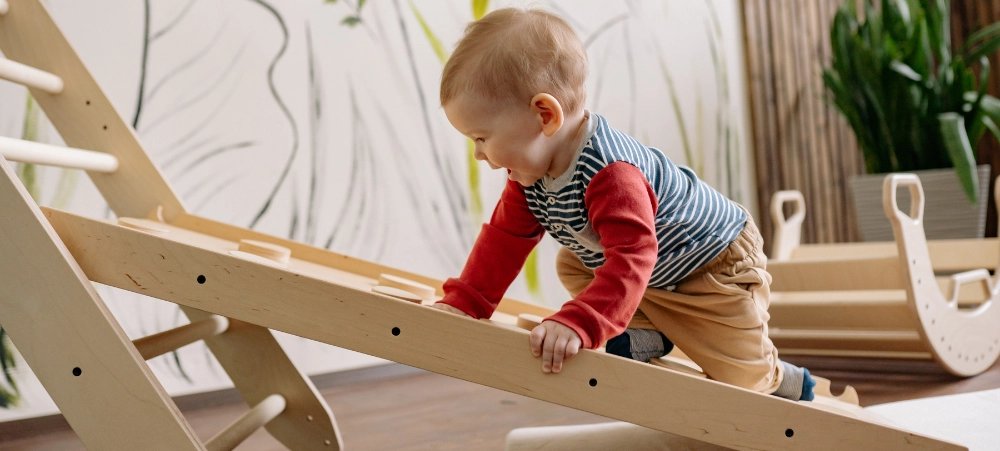
Free play remains one of the most powerful developmental tools in early childhood. Whether it’s climbing, balancing, or imaginative playing, these experiences help children build executive function, manage emotions, and understand social dynamics. With adult support close by – but not overbearing – these activities become safe and enriching opportunities to learn.
In South Africa, Dibber believes parents have a unique advantage: community. Grandparents, neighbours, and extended families as they often play a vital role in raising children. “That village of support is our strength,” Assis adds. “We encourage families to use it -plan outdoor playdates, invite cousins to join, share learning spaces. There’s no app that can replace the value of human connection.”
At Dibber’s campuses across Gauteng, the Western Cape, and KwaZulu-Natal, the focus is on nurturing not just cognitive skills, but the whole child. Teachers act as gentle guides, helping children navigate early life’s hurdles with empathy, patience, and clear structure. The result? Children who feel seen, heard, and confident enough to explore the world.
“Resilience doesn’t come from a perfectly smooth path. It comes from knowing that when life gets bumpy, someone is there to support you while you take the wheel,” says Assis. “At Dibber, we’re not raising perfectionists—we’re helping raise capable, compassionate human beings.”
For parents wondering whether they’re doing it ‘right’, Dibber offers this reassurance: there is no single perfect parenting style. What matters most is balance. Guide, protect, listen, and most importantly let children play, explore, and grow into who they want to be.
Dibber International Preschools is a global leader in early childhood education, with a commitment to providing high-quality preschool experiences that foster children's holistic development - with over six hundred high-quality preschools across ten countries and with a focus on the Dibber Heart Culture and customised learning approaches, Dibber aims to nurture the potential of every child, ensuring they receive the best start in their educational journey.
Latest posts by DIBBER SA
(see all)
Post Views: 32,731
A Guide to Choosing the Best Preschool for Your ChildSending your child to preschool is one of the most significant milestones in their early years. It sets the foundation for their learning journey and development. Choosing the best preschool can feel overwhelming, but by focusing on a few key aspects, parents can ensure they find a preschool that aligns with their child’s needs and family values.
“Choosing the right preschool is more than just a decision about where your child will spend their day—it’s an investment in their future,” says Ursula Assis, Country Director of Dibber International Preschools. “At Dibber, we believe in fostering a love for learning in a nurturing and joyful environment, laying the groundwork for confident, independent, and curious learners.”
Key Factors to Consider When Choosing a Preschool
1. Location and Fees:
A convenient location can ease daily commutes for busy families. Additionally, parents should explore tuition fees and what they include, such as meals, extracurricular activities, and supplies. Flexible payment options, whether monthly, termly, or yearly, can also make a difference.
2. Safety First:
Safety is non-negotiable when choosing a preschool. Top preschools prioritise the well-being of children with measures such as secure drop-off and pick-up procedures, first-aid-trained staff, clean facilities, and clear emergency protocols.
3. A Nurturing Learning Environment:
Emotional, social, and cognitive development should take precedence over academics at this stage. A play-based learning approach encourages creativity, problem-solving, and social skills. “Our Nordic-inspired pedagogy is designed to inspire children to explore and learn through play in a supportive and stimulating environment,” explains Assis.
4. Responsive and Individualised Care:
Teachers who understand and respect each child’s individuality can make a world of difference. Smaller class sizes often allow for personalised attention, ensuring each child feels valued and supported.
5. Happiness is Key:
“Happy children are naturally curious learners,” says Assiss. “A preschool that prioritises joy and play in its daily routines will foster a love for learning that lasts a lifetime.”
6. Questions to Ask:
Parents should feel empowered to ask important questions when researching preschools. Inquire about:
- The teacher-to-child ratio, to ensure personalised attention.
- Policies on sick children, and maintaining a healthy environment.
- The daily schedule and how it supports developmental milestones.
- How the school communicates with parents to foster collaboration in the child’s learning journey.
Choosing the right preschool is about more than just education—it’s about creating a safe, joyful, and inspiring space where children feel confident to explore the world around them.
“At Dibber, we see each child as a unique individual with their own strengths, interests, and potential,” says Assis. “By prioritising responsive care, a safe environment, and play-based learning, we aim to create happy learners ready to embrace life’s adventures.”
Dibber International Preschools is a global leader in early childhood education, with a commitment to providing high-quality preschool experiences that foster children's holistic development - with over six hundred high-quality preschools across ten countries and with a focus on the Dibber Heart Culture and customised learning approaches, Dibber aims to nurture the potential of every child, ensuring they receive the best start in their educational journey.
Latest posts by DIBBER SA
(see all)
Post Views: 32,731
Language Diversity at Home: How Everyday Moments Shape Confident CommunicatorsLanguage is more than words. It’s how children express feelings, understand the world, and connect with others. Dibber International Preschools says a home that embraces language diversity powerfully supports a child’s development.
“Children are naturally curious about words, sounds and meaning,” says Ursula Assis, Country Director for Dibber International Preschools South Africa. “When families nurture language diversity at home—through storytelling, songs, or simple conversation—children grow up more confident, empathetic, and open to the world around them.”
Homes are often a child’s first classroom, and supporting language diversity doesn’t require formal lessons or fluency. Rather, it happens through small, meaningful moments interlaced into daily life.
From chatting in multiple languages during routines to reading bilingual books or singing nursery rhymes from different cultures, these everyday practices help children develop flexibility in thinking, stronger memory, and an expanded emotional vocabulary. According to Dibber, the goal is not perfection but exposure – and joyful engagement.
“Using your home languages freely and naturally helps children make important brain connections,” Assis explains. “And it also tells them: who you are, where you come from, and how you express yourself matters deeply.”
Play-based approaches work especially well. Labelling household items in different languages, using pretend play to introduce new vocabulary, and turning learning into games or songs keep the process fun and pressure-free. Dibber’s Nordic-rooted philosophy encourages families to celebrate their cultural roots and make language a shared, emotional experience – whether it’s counting in isiXhosa, singing in Afrikaans, or reading bedtime stories in English.
Dibber also highlights the importance of patience. “Children develop at their own pace. Some might mix languages or pause before responding, and that’s absolutely normal,” Assis reassures. “The key is to stay supportive and engaged without rushing them.”
Parents and caregivers play a crucial role in shaping how children experience language. By modelling curiosity and respect – greeting neighbours in their home language, learning a few new words together, or showing interest in other cultures – families can help children develop a lifelong love of language.
“Nurturing language diversity is about far more than communication,” says Assis. “It’s about raising confident children who can connect with others, understand different perspectives, and thrive in a multicultural world.”
With more than 600 high-quality preschools across nine countries, Dibber is a global leader in early childhood education. In South Africa, its campuses in Gauteng and the Western Cape offer holistic, heart-led learning environments that reflect and celebrate diversity, including language and culture.
For parents wondering where to start, Dibber’s advice is simple: talk, read, sing, and play. Children may not remember every word, but they will remember how language made them feel: curious, connected, and seen.
Dibber International Preschools is a global leader in early childhood education, with a commitment to providing high-quality preschool experiences that foster children's holistic development - with over six hundred high-quality preschools across ten countries and with a focus on the Dibber Heart Culture and customised learning approaches, Dibber aims to nurture the potential of every child, ensuring they receive the best start in their educational journey.
Latest posts by DIBBER SA
(see all)
Post Views: 32,731