When I think of Youth Day, I think of how resilient the youth of our country have been since the start of the pandemic! So much as changed! How we learn, how we interact, social events… everything. Everything has changed.
In the middle of last year I had to go to the university in my area to drop off paperwork. My heart was broken. It looked like a ghost town. I thought back tomy student days and saw shadows of the past, remembering how it was when I was a student… Social groups on the lawn chatting and eating their lunch, corridors abuzz with students rushing to get to their various classes on time…
Back to reality… quiet. Just the squeaking of my shoes on the sparkly floors as I made my way to the relevant department with only the occasional student that walked past. Unsure if they were smiling behind their mask, we greeted each other and continued. I remember thinking that day… how are these poor young people supposed to find the love of their life at ‘varsity, when they can’t even see each other’s faces… (there goes love at first sight). I giggled as I imagined all students walking around with a QR code, to their social media handles, hanging around their necks… (OK it was a long corridor… too much time to think).
It has been hard, but we always need to look for the silver lining, as most South Africans are able to do in the hardest of times. I would like to commend the youth of today for their resilience. For being masters of their own destiny. For accepting the things they cannot change and making the most of the opportunities that come to light.
Anna Louise Pickens compiled a list of Positive Affirmations. We should imprint these in our minds, and the minds of the younger generation:
“I am capable.”
“I am intelligent.”
“I am innovative.”
“I am brave.”
“I am confident.”
“I stand up for myself.”
“I can do hard things.”
“I am in charge of my own identity.”
“I have faith in myself.”
“My ideas are powerful.”
“I am allowed to change my mind.”
“This is my time.”
“I am articulate.”
“I know myself.”
“I am an independent person.”
“I am good at many things.”
“Anything is possible in my life.”
“I have faith in my own abilities.”
“I am qualified to be where I am.”
“I make good decisions.”
Wake up “Everyday” and know that you are of “Premium” quality. Your “Destiny” is not written for you, but by you!
Exigo Care is a manufacturing and distribution concern based in Pietermaritzburg, KwaZulu-Natal. The company has two major divisions, which are the distribution of baby nappies and adult nappies nationally. Exigo Care focuses on purchasing stock lots (excess goods) of AAA-quality baby and adult nappies, importing and repackaging them locally. This enables Exigo Care to offer its customers world-class baby and adult nappies at affordable nappy prices, allowing the company to offer free delivery if you buy nappies in bulk.
2 thoughts on “Celebrating young women: Positive daily affirmations”
Nandy nyakane
This article came in at a time when i realy needed it as a pregnant mommy its hard to sometimes focus on you everything you do doesnt feel like its enough im proud i came across this article from today onwards ill read the daily afirmations to remind my self that i am enough. Thank you @parenthub
This is sooo important to teach our young girls to love and accept themselves. To teach them that what others think of you doesn’t define you.I will definitely be passing these articles onto my nieces.
If you’re raising a neurodivergent child in South Africa, you’re already doing a lot.
Appointments. School meetings. Forms. “Can you just send that report again?” moments. The daily juggling act of home + school + therapy + life.
So when someone says, “You might be able to claim tax relief,” it can feel like one more admin mountain… right when you’re already running on fumes.
Here’s the good news: tax relief is available, and there’s a real framework designed to give families some breathing room.
The bad news is: it’s not always obvious how it works, and the internet is full of conflicting advice.
This guide will help you understand the basics without spiralling.
Tax relief is available in South Africa
South Africa’s tax system includes support for families who carry additional medical and care costs. The main mechanism is the Additional Medical Expenses Tax Credit (AMTC).
It’s not a cash payout. It’s a tax credit that reduces the amount of normal tax you pay.
For many families, it becomes a crucial “safety valve”, especially when you’re paying for the kind of support your child needs to function well in the real world.
Where neurodiversity fits into the SARS framework
SARS doesn’t have a neat category called “neurodivergence.”
Instead, conditions like Autism Spectrum Disorder (ASD), ADHD, and PDA are considered based on their functional impact, in other words, how much they limit day-to-day life.
For tax purposes, a “disability” is defined as a moderate to severe limitation in a person’s ability to function or perform daily activities (including learning, thinking, communicating).
If your child’s challenges create a moderate to severe limitation that is expected to last more than a year, your family may qualify for tax relief.
If the limitations are considered milder, the condition may fall under what SARS calls a “physical impairment.” (Despite the name, this category isn’t limited to physical conditions and can still apply in some neurodevelopmental contexts.)
Relief may still be available, but often with different thresholds and limits.
The common misunderstanding that trips parents up
One of the biggest myths is:
“If I have the diagnosis, we automatically qualify.”
Not necessarily.
SARS looks at whether the condition remains a significant limitation even after what it calls “maximum correction” (including appropriate therapy, treatment, or medication).
Because every child is different, eligibility is assessed case by case. Two families can have the same diagnosis and still have different outcomes depending on how the condition impacts daily functioning.
Which is frustrating, yes. But also: it’s why getting clarity early matters.
Why paperwork and medical confirmation matter (even if you hate admin)
The admin requirements can feel like adding weight to an already heavy load.
But they’re also the keys to unlocking tax relief.
A diagnosis label isn’t enough. You need formal medical confirmation from a registered practitioner who is trained to give an opinion on your child’s condition.
The key document is the ITR-DD form (Confirmation of Diagnosis of Disability).
Whether this form is required in your situation can depend on how your child’s needs are classified (which is exactly where many parents get stuck).
Important: you typically don’t submit the form with your annual return, but you must keep it, along with invoices and proof of payments, for at least five years.
SARS often verifies these claims, so having your paperwork organised from the start protects you later.
Think of it like this: a few clicks to save documents today can save you hours of stress later.
You don’t have to figure it all out today
If this feels complex, you’re not meant to decode it alone in between lunchboxes and meltdowns.
So we created a simple starting point for parents:
✅ Download the tax relief cheat sheet at www.dalza.com/tax-relief-cheat-sheet/ A clear summary of what you need to know (and what to gather), without the jargon.
Supporting a neurodivergent child requires enough time, energy, and emotional bandwidth as it is. Tax admin shouldn’t be another thing you have to white-knuckle your way through.
Start with the cheat sheet. Get the lay of the land. And take it one step at a time.
This content is provided for general information purposes only. It is not intended as legal, tax, or financial advice. Tax outcomes depend on individual circumstances, and eligibility for tax relief is assessed by SARS on a case-by-case basis. We recommend consulting a registered tax practitioner or qualified professional before submitting any tax claims
Exigo Care is a manufacturing and distribution concern based in Pietermaritzburg, KwaZulu-Natal. The company has two major divisions, which are the distribution of baby nappies and adult nappies nationally. Exigo Care focuses on purchasing stock lots (excess goods) of AAA-quality baby and adult nappies, importing and repackaging them locally. This enables Exigo Care to offer its customers world-class baby and adult nappies at affordable nappy prices, allowing the company to offer free delivery if you buy nappies in bulk.
How amazing is it that a human body can create another human being? Absolutely perfect, with its own unique personality, beauty, and magnificence!
How fortunate too are we to be living in an era where science has advanced to a point where pregnant moms can take absolute care of themselves and their developing babies through supplementing their diets?
We all know that great nutrition is derived from a perfectly healthy diet, but we know too that great healthy food is not always available to everyone. Pregnancy increases the body’s needs for certain vitamins and minerals, but it can be difficult to support these nutritional needs through diet alone. The nutrient intake of pregnant moms needs to support both moms health and that of her baby, through:
Aiding cell division and tissue growth
Healthy formation of the placenta
The development of baby’s brain, organs, and bones
Enhancing blood supply
The diet supplement market is so saturated with products, how do you as a pregnant mother, know what you should and shouldn’t be taking? Understanding the science behind prenatal supplements, can go a long way to helping you make the best choice that will benefit not only you and your health, but the health of your unborn baby too.
Prenatal supplements have been developed based on nutrition science, developmental biology, and the scientific study of how and why diseases and health conditions occur in populations (epidemiology). The studies have all focused on the healthy development of baby as well as maintaining the health of mothers during pregnancy.
Essential minerals are vital for human health, and during pregnancy. They are even more critical to support maternal health and infant development. If not supplemented, the levels of many essential minerals decrease during pregnancy, including calcium, iron, magnesium, selenium, zinc, as well as chromium and iodine. Low levels of minerals are associated with a wide range of maternal and infant health problems worldwide, and appropriate supplementation may help reduce the risk of many maternal and infant health complications.
Key Nutrients and their Scientific Roles
Chromium
Chromium is recommended to help control blood sugar levels. Low levels of chromium have shown to be associated with diabetes, which may potentially increase the risk of gestational diabetes.
Iodine
Low iodine is strongly associated with iodine deficiency disorders, including hypothyroidism in mothers and infants and intellectual disability in infants. Iodine supplementation is strongly recommended for pregnant women to help decrease the rate of hypothyroidism and intellectual impairment for baby, as well as impaired cognitive function of infants.
Calcium
Calcium is necessary for strong bone and tooth formation. It is also vital for the well-being of mom, to help the deterioration of her bones. Calcium is a strong contributor to nerve cell communication and normal muscle function. For mom, it not only supports bone health, but is also a factor in the maintenance of good health.
Magnesium
Blood levels of magnesium decrease significantly during pregnancy. Magnesium is vital for baby’s development, contributing to strong bone and teeth formation. It also contributes to normal functioning of the nervous system, normal electrolyte balance and tissue formation. It contributes to a reduction of tiredness and fatigue, normal psychological function and helps to metabolise carbohydrates, fats and proteins.
Vitamin D
Vitamin D is important for bone growth and immune function. Supplementing with additional vitamin D during pregnancy contributes to the maintenance of normal muscle function. It also contributes to the normal function of the immune system, helps in the development and maintenance of bones and teeth and contributes to normal cell division. Vitamin D helps in the absorption and use of calcium and phosphorous and contributes to normal blood calcium levels. It is a factor in the maintenance of good health.
Active Folate
Folate is important for the metabolism of several amino acids. It is essential for normal cell growth and replication. Folate supplementation during pregnancy is proven to reduce the risk of neural tube disorders.
Active folate is the body’s usable form of folate which is ideal for those who have difficulty in metabolising synthetic folic acid. It supports red blood cell formation, vital during pregnancy and is readily absorbed by the body.
Iron
Iron is important and necessary for the production of red blood cells as well as the transportation of oxygen throughout the body. During pregnancy, more blood is produced to facilitate the growth of baby. This means that more iron is required to ensure that mom doesn’t feel tired (a sign that iron levels are low). Iron also contributes to normal cognitive function.
Many women start their pregnancy with low iron levels, and iron levels decrease further during pregnancy, especially mid-trimester, because of the production of new red blood cells for the placenta and baby.
Zinc
Zinc is important for immune function of the body and particularly necessary for mom and baby during pregnancy. Maintaining healthy zinc levels is vital for a healthy pregnancy.
Taking zinc supplements during pregnancy, helps in connective tissue formation. It contributes to the maintenance of normal healthy skin, normal acid-base metabolism, and helps the body to metabolise carbohydrates, fats and proteins. It contributes to normal cognitive function, normal DNA synthesis and is a factor in the maintenance of good health. It contributes to normal macronutrient metabolism and metabolism of vitamin A, as well as the maintenance of normal nails, bones and hair.
Selenium
Selenium has many functions in the body and has been shown to help reduce hypothyroidism. It has been found that selenium stores in the body are depleted throughout pregnancy, with most depletion occurring at the end of pregnancy.
Selenium contributes to the protection of cells from oxidative stress and is an oxidant for the maintenance of good health. It contributes to the maintenance of normal hair, nails and the normal function of the immune system. Selenium also contributes to normal thyroid function.
Vitamin C
Vitamin C is an important water-soluble antioxidant, and is a co-factor for many enzymatic reactions, including the production of collagen, carnitine, and neuropeptides.
During pregnancy, vitamin C is important in contributing to cell protection from free radical damage. It contributes to normal collagen formation for the normal function of cartilage and blood vessels and helps maintain strong bones and teeth. Vitamin C is a factor in the maintenance of good health and contributes to normal collagen formation for the normal function of cartilage.
Vitamin D3
Vitamin D3 plays a huge role in the development of baby’s bones and teeth. It assists mom in absorbing calcium, contributes to the maintenance of normal muscle function, normal function of the immune system and has a high role in the process of cell division.
Vitamin A
Vitamin A is important for visual health, immune function and baby’s growth and development. The risk for Vitamin A deficiency is at its highest during the third trimester of pregnancy. This is due to the accelerated growth of baby as well as the increase in the production of blood.
Vitamin A is important for baby’s growth, whilst it assists in maintaining mom’s immune system and vision.
B Vitamins
B vitamins are a class of water-soluble vitamins that play a vital role in the synthesis of red blood cells and the metabolism of cells.
B vitamins are vital to help:
Improving photoreceptor functioning with normal vision
Energy production and development of the nervous system, digestive system and skin
Production of important neurotransmitters and hormones
Metabolism of several amino acids
Normal cell growth and replication
Formulation of red blood cells and cellular metabolism
Copper
Copper contributes to normal iron transport and metabolism. It helps to repair connective tissue, form red blood cells and the overall maintenance of good health for both mom and baby.
Molybdenum
Molybdenum is vital for pregnant moms as it helps to activate the enzymes necessary for the metabolism of toxins and the breaking down of amino acids. It also helps the body metabolise proteins and is a factor in the maintenance of good health.
Omega 3 Fish Oils
Omega 3 fish oils aids in the function of baby’s brain and eyes.
The Perfect Prenatal Multivitamin and Mineral Supplement
A comprehensive multivitamin is highly recommended for moms to take before, during and after delivery as they offer essential vitamins, minerals (like chromium, iodine, active folate, iron, and calcium), and Omega-3s (DHA & EPA) for mom and baby’s health.
It is important to note that from a scientific perspective, prenatal supplements have been developed so that they can complement a balanced diet rich in whole foods, rather than be seen as a replacement. If ever you are in doubt, please do consult your doctor.
Please note: The information in this article is for general informational purposes only and does not replace professional medical advice. Always consult your doctor or healthcare provider before starting any supplements during pregnancy.
References available upon request from Parenting Hub.
This article was sponsored by iNova Pharmaceuticals. The views and content are that of Parenting Hub and not necessarily of iNova Pharmaceuticals.
Exigo Care is a manufacturing and distribution concern based in Pietermaritzburg, KwaZulu-Natal. The company has two major divisions, which are the distribution of baby nappies and adult nappies nationally. Exigo Care focuses on purchasing stock lots (excess goods) of AAA-quality baby and adult nappies, importing and repackaging them locally. This enables Exigo Care to offer its customers world-class baby and adult nappies at affordable nappy prices, allowing the company to offer free delivery if you buy nappies in bulk.
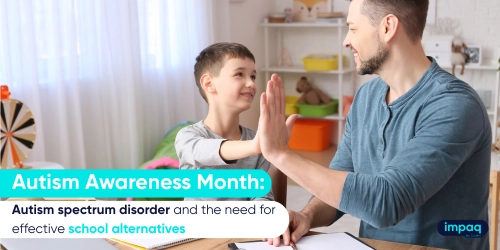
Autism spectrum disorder. It’s a complex topic, to say the least, and one that presents countless challenges to the parents, caregivers and teachers of affected children.
While designated days like World Autism Awareness Day in April is an important part of creating awareness about autism, the challenges remain plentiful.
Not least among the challenges is finding a suitable school for the child on the spectrum. The reality for many hundreds of children on the spectrum is that they simply have to cope in a mainstream environment, due to the lack of options.
One alternative in this regard is home and online learning as it provides structured, curriculum-aligned education that can simply and effectively be tailored to meet the individual needs of the learner in question.
Education today is about putting the needs of the learner first, which starts with the acknowledgement that the days of a one-size-fits-all approach are both outdated and simply no longer necessary. Alternative options, like homeschooling, bear exploring if we are serious about ensuring our children get a relevant education, while taking the needs of the learner and his/her family into consideration.
A common concern for parents considering homeschooling is whether their child will miss out on social experiences. The reality is that home and online schooled learners often have more flexibility to engage in activities outside of a school setting. Joining homeschooling groups, sports clubs, or online communities can help learners build strong social connections.
For families with children involved in sports, music, or other demanding activities, home and online schooling provides the flexibility to balance education with personal passions. It also allows for real-life learning experiences that bring lessons to life in ways that textbooks cannot.
Importantly, homeschooling does not mean children need to be formally educated by their parents. Parents, or caregivers, play a supporting role in homeschooling, and do not need to take on the role of teacher.
One of the biggest challenges in traditional schooling is that every child is expected to learn at the same speed. Some children grasp concepts quickly and feel unchallenged, while others need more time and may fall behind. Homeschooling removes these pressures, allowing learners to master subjects at their own pace. This creates a deeper understanding of the material and fosters a love for learning, rather than just studying to pass exams.
Unlike in a traditional school where subject choices can be limited by resources, home and online schooling offers learners more flexibility to explore their interests. Whether it’s advanced mathematics, coding, creative arts, or entrepreneurship, learners have the freedom to shape their education in a way that aligns with their future aspirations. This personalised approach makes learning more meaningful and engaging.
Ultimately, parents know what’s best for their child. If homeschooling aligns with your family’s needs, trust your decision and embrace the flexibility, quality, and opportunity it offers.
By Louise Schoonwinkel, MD at Optimi Schooling of which Impaq is a registered trademark
Exigo Care is a manufacturing and distribution concern based in Pietermaritzburg, KwaZulu-Natal. The company has two major divisions, which are the distribution of baby nappies and adult nappies nationally. Exigo Care focuses on purchasing stock lots (excess goods) of AAA-quality baby and adult nappies, importing and repackaging them locally. This enables Exigo Care to offer its customers world-class baby and adult nappies at affordable nappy prices, allowing the company to offer free delivery if you buy nappies in bulk.
We use cookies on our website to give you the most relevant experience by remembering your preferences and repeat visits. By clicking “Accept All”, you consent to the use of ALL the cookies. However, you may visit "Cookie Settings" to provide a controlled consent.Accept All
Manage consent
Privacy Overview
This website uses cookies to improve your experience while you navigate through the website. Out of these, the cookies that are categorized as necessary are stored on your browser as they are essential for the working of basic functionalities of the website. We also use third-party cookies that help us analyze and understand how you use this website. These cookies will be stored in your browser only with your consent. You also have the option to opt-out of these cookies. But opting out of some of these cookies may affect your browsing experience.
Necessary cookies are absolutely essential for the website to function properly. These cookies ensure basic functionalities and security features of the website, anonymously.
Cookie
Duration
Description
cookielawinfo-checkbox-advertisement
1 year
The cookie is set by GDPR cookie consent to record the user consent for the cookies in the category "Advertisement".
cookielawinfo-checkbox-analytics
11 months
This cookie is set by GDPR Cookie Consent plugin. The cookie is used to store the user consent for the cookies in the category "Analytics".
cookielawinfo-checkbox-functional
11 months
The cookie is set by GDPR cookie consent to record the user consent for the cookies in the category "Functional".
cookielawinfo-checkbox-necessary
11 months
This cookie is set by GDPR Cookie Consent plugin. The cookies is used to store the user consent for the cookies in the category "Necessary".
cookielawinfo-checkbox-others
11 months
This cookie is set by GDPR Cookie Consent plugin. The cookie is used to store the user consent for the cookies in the category "Other.
cookielawinfo-checkbox-performance
11 months
This cookie is set by GDPR Cookie Consent plugin. The cookie is used to store the user consent for the cookies in the category "Performance".
viewed_cookie_policy
11 months
The cookie is set by the GDPR Cookie Consent plugin and is used to store whether or not user has consented to the use of cookies. It does not store any personal data.
Analytical cookies are used to understand how visitors interact with the website. These cookies help provide information on metrics the number of visitors, bounce rate, traffic source, etc.
Cookie
Duration
Description
_ga
2 years
This cookie is installed by Google Analytics. The cookie is used to calculate visitor, session, campaign data and keep track of site usage for the site's analytics report. The cookies store information anonymously and assign a randomly generated number to identify unique visitors.
_gid
1 day
This cookie is installed by Google Analytics. The cookie is used to store information of how visitors use a website and helps in creating an analytics report of how the website is doing. The data collected including the number visitors, the source where they have come from, and the pages visted in an anonymous form.
Other uncategorized cookies are those that are being analyzed and have not been classified into a category as yet.
Cookie
Duration
Description
_gat_gtag_UA_18530557_4
1 minute
No description
pron_ip
session
No description
pvc_visits[0]
1 day
This cookie is created by post-views-counter. This cookie is used to count the number of visits to a post. It also helps in preventing repeat views of a post by a visitor.
tk_ai
session
Gathers information for WordPress by themselves, first party analytics tool about how WP services are used. A collection of internal metrics for user activity, used to improve user experience.




2 thoughts on “Celebrating young women: Positive daily affirmations”
This article came in at a time when i realy needed it as a pregnant mommy its hard to sometimes focus on you everything you do doesnt feel like its enough im proud i came across this article from today onwards ill read the daily afirmations to remind my self that i am enough. Thank you @parenthub
This is sooo important to teach our young girls to love and accept themselves. To teach them that what others think of you doesn’t define you.I will definitely be passing these articles onto my nieces.