So, let’s get real. You and your partner have discussed starting a family and decided that you’re ready to settle down! You want to get pregnant and that’s all you can think about. You’ve adapted your lifestyle (partying less, eating healthily, and exercising a bit more). You’ve been trying for a few months but nothing is happening. All your friends are becoming pregnant and you feel a bit jealous (to be honest). It’s beginning to impact your relationships, work, and social life; it’s all you can think about and it’s consuming you.
As a result, you feel angry, sad, isolated, anxious, hopeless, and, quite frankly, a mental mess – happy one minute and crying the next.
Your life was perfect until infertility showed up uninvited.
You’re asking your doctor what’s wrong and aren’t getting any answers. You’ re just told to keep trying. So instead, you blame yourself for a million things you did when you were younger – because the problem sits with you, right?
Infertility, the inability to conceive or sustain a successful pregnancy, affects more couples than you think. One in six couples is struggling to conceive. Of those, fifteen to thirty percent of couples are diagnosed with unexplained infertility, meaning that doctors cannot find a cause or reason for their infertility. Moreover, male infertility is also on the rise and responsible for thirty-five to fifty percent of infertility cases.
Sadly, fewer couples can afford assisted reproductive technologies like IVF with the increases in living costs. Even if couples can afford the treatment, it comes with certain risks and is seldom successful the first time, so it’s a substantial financial investment.
Did you know that couples who struggle with infertility have stress levels comparable to those of cancer patients? The stress, anxiety, and grief surrounding unexplained infertility and pregnancy loss can wreak havoc on your life and fertility health, making an already tricky situation unbearable!
Between the endless struggles of failed fertility treatments, unanswered questions, and hopelessness, there are those who feel they have exhausted every possible option. I’ve learnt from my fertility journey that there’s a great need for a robust support system and it’s perhaps time for a fresh perspective and to rope in the help of an expert – a fertility coach.
Everyone experiences infertility differently; some can’t get pregnant, others can’t stay pregnant. Navigating this path to parenthood is not an easy-to-follow, straight line for all!
Fertility coaches will spend significantly more time with their patients than most health care providers, as they work with you to identify possible root causes for your particular case of infertility and how to make sense of it all. However, it’s not a one-size-fits-all approach and each case is different, either mentally, emotionally, or physically.
Your fertility coach will work with you to craft a tailored strategy that’s likely to counter your unique case of infertility. Once you have a plan for how to tackle this infertility monster, you will feel better, more empowered, and more optimistic. According to a recent Harvard study, you are fifty-five percent more likely to conceive if you work on your mental health and mindset when trying to conceive. Thankfully, we’re there to help you shift your perspective and to encourage and empower you with our knowledge and expertise.
The data speaks for itself: various factors significantly impact your overall reproductive health, ranging from your genetics to the chronic medications you take to blood groups and other assorted lifestyle factors.
Fertility coaches help couples regain their hope and confidence by guiding them through one of the most challenging times in their lives. Fertility coaches are there to support you through each step of journey.
The stress, anxiety, and grief that surround pregnancy, miscarriage loss, and new parenthood isn’t something you shouldn’t go through alone.
Even if you have an excellent medical team, they don’t always have the time to emotionally support you and your mental state might suffer as a result.
In my fertility journey, I’ve learnt that the struggle to parenthood isn’t something you should navigate alone. If you are trying to conceive, whether male or female, you could benefit from the support of a coach – especially if there have already been challenges.
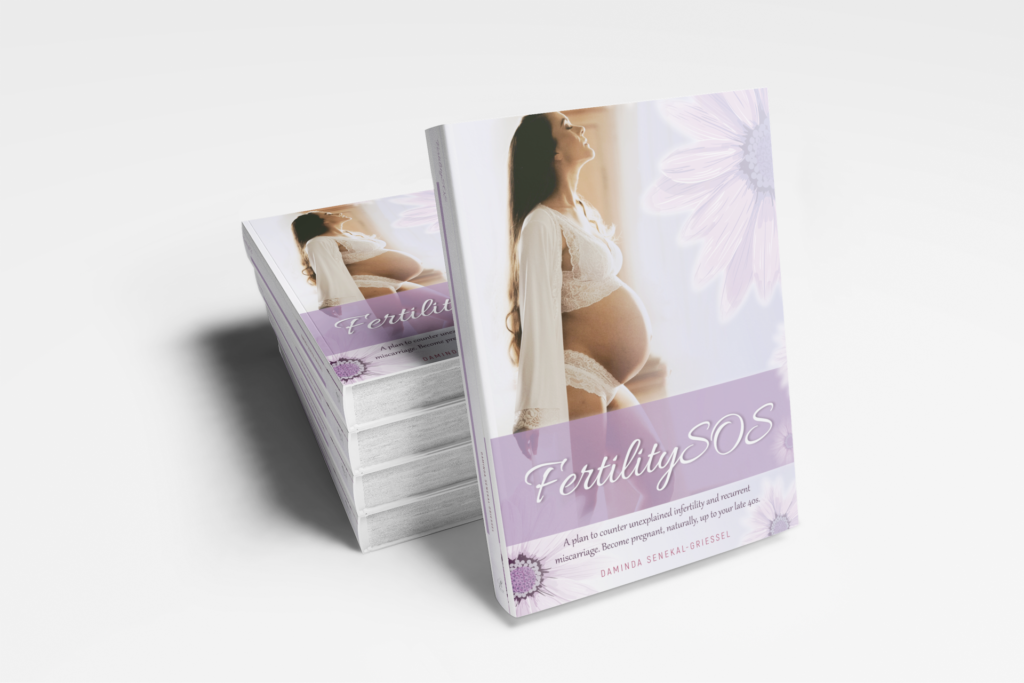
FertilitySOS can help you and your partner if you are struggling with infertility, recurrent miscarriages, PCOS, secondary infertility, of male infertility.
Visit FERTILITYSOS for more info about our FertilitySOS book. You can also book a free discovery call to see how the FertilitySOS coach can be of assistance in your fertility journey.
Daminda Senekal-Griessel is a Business and Marketing Consultant and Certified Health & Nutrition Life Coach.
While working in the pharmaceutical sector, she became interested in learning more about unexplained infertility, recurrent miscarriages, and why they occurred.
FertilitySOS is a culmination of a ten-year quest for answers and is her first book in addition to a fertility consulting and coaching business. Her wide range of experience, combined with fertility expertise, enabled her to write this book and to offer a fertility coaching service to help couples become pregnant naturally, up into their late 40s.
Struggling to Conceive? New Research Shows a Possible Underlying Cause
NEW: Natural, Safe and Effective Female Fertility Supplement
The strange link between problems conceiving and insulin resistance – and how it points to a poorly understood and underdiagnosed ovarian health condition affecting 1 in 10 women
OR
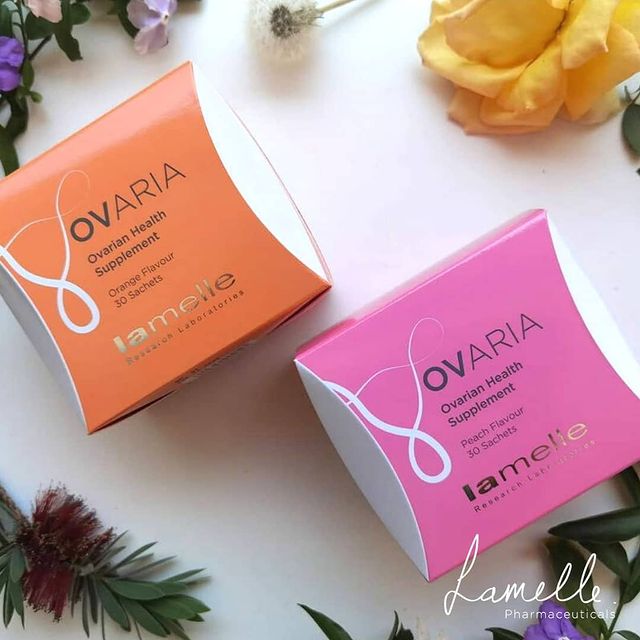
Once-a-day ovarian health: Two flavours, super easy to mix and take daily for a host of fertility, hormonal and metabolic benefits – new Ovaria by Lamelle
Is there anything more monumental for a couple than having a baby? No. Not even the wedding day or those eventual milestones when Baby starts growing up can compare to the pregnancy and the birth – officially starting a family.
Yet, more and more today, it just doesn’t happen for everyone. And it’s devastating for a woman when you just don’t conceive. Is it me? What’s wrong with me? And then, when it seems everyone around you is starting their families, there’s the eventual: Why is it only me?
But here’s the thing. It’s not only you.
The leading cause of infertility
According to studies, anovulation (not having your period) is the number-one cause of fertility concerns in women around the world. And new research into a poorly understood and often underdiagnosed condition might hold the answer as to why.
Evidence shows that 1 in 10 women could have a condition known as Polycystic Ovary Syndrome (PCOS). A condition that, among a few other worrying effects, is known to cause fertility problems.
Polycystic Ovary Syndrome
Described as a disorder of the hormonal, metabolic and reproductive systems (all at once), women with PCOS often have irregular or absent periods. And it usually goes along with acne, excess hair growth and problems maintaining your weight.
How it causes infertility
Doctors found that women with PCOS tend to have a high androgen (male hormone) count in their body. Now, it’s normal for a woman to have some androgens, but abnormally high levels are known to cause hirsutism (hair growth) and often oily and acne-prone skin.
What’s more, those same androgens are proven to break down the follicles that make up your ovaries. Causing irregular and missed period and eventually infertility.
So, if you’ve ever had a bit of extra hair and acne, maybe some problem maintaining your weight. There might be a link to any problems you experience in conceiving. The good news is that you can talk to your doctor or gynae and have yourself tested. Especially since PCOS is linked to other life-threatening conditions.
Linked to insulin resistance
New studies show that PCOS actually starts with your metabolism. Researchers realised that the bodies of most women with PCOS have trouble processing insulin, the hormone it uses to extract and store the energy from carbohydrates.
And if your body struggles with insulin, it builds up in your blood and triggers your ovaries to overproduce androgen (male hormone). The technical term for that is hyperandrogenism, and you can probably already guess its symptoms: acne, excess hair growth, weight problems, irregular periods and infertility.
Suddenly it all makes sense.
You’re not weird or different. It’s more common than you think. And you can get help right now.
If you think you may have PCOS
It’s worthwhile making an appointment to have yourself tested. We know how to treat PCOS today. And many women around the world who struggled to conceive were able to get treatment and move on with their lives.
In fact, this friendly message if brought to you by Lamelle Pharmaceuticals, who’ve just launched an all-new product that helps promote ovarian health in women with PCOS.
INTRODUCING: ALL-NEW OVARIA
Ovaria is a nutritional supplement for optimal ovarian health in women with PCOS.
The naturally-occurring ingredients in Ovaria bind to cell receptors, activating the signalling pathways that regulate thyroid hormones and, most importantly, insulin in the body. This means Ovaria helps activate glucose transporters and helps your cells use the glucose. And, in so doing, Ovaria helps normalise blood insulin levels, which normalises androgen and improves the symptoms of PCOS, including weight gain, oily skin, hair growth, acne and fertility.
THE BENEFITS OF OVARIA
Improves ovulation to enhance fertility in women
Normalises the menstrual cycle – in case of period problems
Improves insulin resistance – useful for managing weight problems
Improves blood glucose level (fasting glucose)
Reduces hirsutism – used for hair growth problems
Reduces the severity of acne – used for acne problems
Improves insulin resistance, reducing type 2 diabetes risk and its complications
Reduces blood androgens – used for acne, excess hair and sebum
Ovaria comes in two delicious flavours – orange and peach. You drink one sachet of the powder mixed with a glass of still or sparkling water every day. And it’s so safe, you can even take it while breastfeeding.
Ovaria contains 4000mg of Myo-Inositol, the required daily dose clinically proven to be effective in the treatment of PCOS symptoms. Trust Ovaria.
You’ll find Ovaria at your nearest reputable pharmacy or simply order it online via Lamelle’s health store: https://lamelle.co.za/health-store.
PCOS may be common, but it’s not normal and you don’t have to be defined by it. You won’t know how bad you were feeling until you feel better.
Daminda Senekal-Griessel is a Business and Marketing Consultant and Certified Health & Nutrition Life Coach.
While working in the pharmaceutical sector, she became interested in learning more about unexplained infertility, recurrent miscarriages, and why they occurred.
FertilitySOS is a culmination of a ten-year quest for answers and is her first book in addition to a fertility consulting and coaching business. Her wide range of experience, combined with fertility expertise, enabled her to write this book and to offer a fertility coaching service to help couples become pregnant naturally, up into their late 40s.
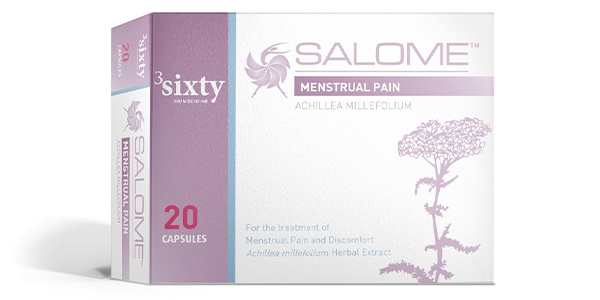
The festive season is upon us and for some moms this could be a period where you have just given birth and you are slowly getting back into your menstrual cycle and routine again. There is no perfect preparation, but there are great support options that include herbal extracts to take care of common issues such as primary dysmenorrhea (extreme period pain) and menorrhagia (heavy menstrual bleeding) with minimal to no side effects. The Salome product range is locally manufactured by South African pharmaceutical company 3Sixty Biomedicine and offers over the counter treatment options to help manage heavy menstrual bleeding and menstrual pain and is based on herbal extracts. The efficacy of natural ingredients included in their products is backed by science and medical studies, which is why their products are also recognized and reimbursed by certain medical aids.
The Salome team works with health practitioners and experts to bring awareness and clearly differentiate what is deemed a healthy menstrual cycle and what is not in an effort to educate females of all ages on common women’s health conditions that can and should be treated. They believe that #yourjourneymatters and no one should have to sacrifice a good quality of life due to common but treatable health conditions that tend to cramp your style, which is why employing a proactive approach in getting an early diagnosis and identifying treatment solutions is key.
Is menstrual pain considered a medical condition?
Primary dysmenorrhea, the technical term for period pain without the presence of other conditions such as endometriosis, is the most common gynaecologic problem in women of all ages and races with the menstrual cramping being severe enough to interfere with daily activities, according to the American Academy of Family Physicians. Salome Menstrual Pain is a product based on herbal extracts of yarrow (Achillea millefolium) which has antispasmodic, anti-inflammatory & analgesic effects, which may provide relief for spasm associated with menstrual periods.
What is great about Salome Menstrual Pain is because it contains natural ingredients, even teenagers who suffer from menstrual pain can use it to manage painful menstrual cramping without worrying about unwanted side-effects.
Developing good eating habits and a consistent exercise routine even while you are on holiday is also a great way to help manage this condition.
A holiday myth busted about what you can do when you have your period
Menorrhagia, the technical term for heavy menstrual flow and prolonged bleeding, or having your period in general should not stop you from swimming over the holidays. In fact, it’s believed that swimming and exercising in general can actually help keep you cool and release endorphins which are nature’s pain reliever. Also taking a leaf from mother nature’s book, is the Salome Heavy Menstrual Bleeding product that helps alleviate this condition by drawing on herbal extracts from Capsella Bursa-Pastoris, a medicinal plant also known as Shepherd’s purse. This active ingredient assists with the reduction of heavy menstrual bleeding in women with regular menstrual cycles. The medicinal benefits of this plant have been scientifically proven to have smooth muscle stimulant effects and as an added bonus, Capsella has antioxidant features that improve uterine tone, meaning that it will facilitate the regulation of menstrual blood flow. Salome Heavy Menstrual Bleeding also has anti-inflammatory properties that can have a positive impact on the management of heavy menstrual bleeding.
The full Salome range that contains natural ingredients is available online at Takealot.com and www.salome-range.co.za, as well as over the counter at most pharmacies nationwide.
We hope you enjoy the upcoming festive season and holidays and make sure to follow the Salome range on their social media pages to hear from Salome experts about common women’s health conditions and how best to manage these – no matter what time of year or stage of life you’re in.
Daminda Senekal-Griessel is a Business and Marketing Consultant and Certified Health & Nutrition Life Coach.
While working in the pharmaceutical sector, she became interested in learning more about unexplained infertility, recurrent miscarriages, and why they occurred.
FertilitySOS is a culmination of a ten-year quest for answers and is her first book in addition to a fertility consulting and coaching business. Her wide range of experience, combined with fertility expertise, enabled her to write this book and to offer a fertility coaching service to help couples become pregnant naturally, up into their late 40s.
It is estimated that globally, infertility affects 8–12 % of women who are 20–44 years of age.1 Physiological causes in men account for 20–30 % of cases of infertility and physiological causes in women for 20–35 %, while 25–40 % are due to issues in both partners. In 10–20 % of cases, no cause is found.1 Women starting their families at an older age is one of the most common explanations for infertility today.1 It is vital that those facing infertility issues empower themselves by having the necessary conversation about fertility treatment with their partner and doctor, because there are interventions if treatment is sought sooner rather than later.
What is infertility?
Infertility is defined as failure to establish a clinical pregnancy after 12 months of regular, unprotected sexual intercourse or due to an impairment of a person’s capacity to reproduce, either as an individual or with his/her partner.2 If the woman is older than 35, she and her partner should seek an evaluation if they have not been able to conceive after six months.3
Causes of infertility
All of the steps during ovulation and fertilisation need to happen correctly in order to get pregnant. Sometimes, issues that cause infertility in couples are present at birth, and sometimes they develop later in life – they can affect one or both partners.
Causes of male infertility may include abnormal sperm production or function, problems with the delivery of sperm, overexposure to certain environmental factors (including cigarette smoking, anabolic steroid use, marijuana, alcohol, and certain medications), and damage related to cancer and its treatment.3
Causes of female infertility may include ovulation disorders, uterine or cervical abnormalities, fallopian tube damage or blockage, endometriosis, early menopause, pelvic adhesions (bands of scar tissue from pelvic infection, appendicitis, endometriosis or abdominal or pelvic surgery), and cancer and its treatment.3
Infertility during the COVID-19 pandemic
The COVID-19 pandemic has resulted in increased distress among many people – particularly those already experiencing major stressors in their lives such as problems associated with fertility.4
Dr Sulaiman Heylen, President of the Southern African Society of Reproductive Medicine and Gynaecological Endoscopy (SASREG), says: “Many women who may have been trying to conceive for 3–4 years and needed fertility treatment, but couldn’t access it because of COVID-19 lockdowns, have experienced higher levels of anxiety during the pandemic due to treatment delays. This, in turn, is associated with more negative emotions, lower expectations of future pregnancy, and greater stress and depressive symptoms.”
Recent studies on perceptions of the COVID-19 pandemic among women with fertility issues, have showed that although women with fertility problems have perceived the pandemic as negative and disruptive, those who have higher optimism may be less affected.4
Dr Heylen says: “Empowering yourself through gaining knowledge is a great way to boost that optimism. For those facing infertility issues, this entails having the necessary conversation about fertility treatment with their partner and doctor. Fertility starts a slow decline when women are in their twenties – but about half of the women who come to fertility centres are already over 35 years of age. It is at age 35 that one starts to see a more rapid decline in fertility.”
“Women would be far better served by investigating fertility options and fertility preservation earlier in their lives. Even if they only plan on having a family later, they can make sure that they are aware of steps that they can take, such as freezing their eggs to try to preserve their ability to have a child later on.”
Dr Heylen says that while COVID-19 had a major impact on fertility care through lack of access, the rebound effect is that fertility facilities have never been busier. “Women are feeling more comfortable now to proceed with fertility treatment. Doctors also know more about COVID-19 in terms of impact on pregnancy health and fertility, and that it does not cause abnormalities in pregnancy, nor miscarriage, unless the case of COVID-19 is very severe,” says Dr Heylen.
“We have seen many women who have had COVID-19 in the first trimester, and they have been absolutely fine – which is marvellous news. Women may also be safely vaccinated against COVID-19 during fertility treatment, as the vaccine has been proven to have no impact on fertility,” says Dr Heylen.
Treatment options
Many people may delay fertility treatment because they fear the costs associated with in vitro fertilisation (IVF); however, there are a number of treatment options other than IVF that can improve the chance of conceiving. The treatment that will be recommended depends on factors like the cause of your fertility issues, your age, and your preferences. Options include fertility drugs to stimulate ovulation; surgery to fix a uterine condition, such as endometriosis, fibroids, or blocked fallopian tubes; intrauterine insemination, where sperm is placed directly into your uterus during ovulation; IVF, where sperm and egg are placed together in a lab until they form an embryo which is then implanted into your uterus; and intrafallopian transfer, where the sperm and egg or a fertilised egg is placed into the fallopian tube.5
“Women and men should continue with their journey towards parenthood – it is absolutely possible despite COVID-19. Time and age are of the essence when it comes to more positive fertility treatment outcomes, so we always encourage people not to delay. The important thing is to have the necessary conversation with your partner and your doctor – and to empower yourself with knowledge about your situation and the options that are available to you,” says Dr Heylen.
Visit a fertility clinic near you to speak to a doctor about the options available to you and your partner.
Daminda Senekal-Griessel is a Business and Marketing Consultant and Certified Health & Nutrition Life Coach.
While working in the pharmaceutical sector, she became interested in learning more about unexplained infertility, recurrent miscarriages, and why they occurred.
FertilitySOS is a culmination of a ten-year quest for answers and is her first book in addition to a fertility consulting and coaching business. Her wide range of experience, combined with fertility expertise, enabled her to write this book and to offer a fertility coaching service to help couples become pregnant naturally, up into their late 40s.
We use cookies on our website to give you the most relevant experience by remembering your preferences and repeat visits. By clicking “Accept All”, you consent to the use of ALL the cookies. However, you may visit "Cookie Settings" to provide a controlled consent.Accept All
Manage consent
Privacy Overview
This website uses cookies to improve your experience while you navigate through the website. Out of these, the cookies that are categorized as necessary are stored on your browser as they are essential for the working of basic functionalities of the website. We also use third-party cookies that help us analyze and understand how you use this website. These cookies will be stored in your browser only with your consent. You also have the option to opt-out of these cookies. But opting out of some of these cookies may affect your browsing experience.
Necessary cookies are absolutely essential for the website to function properly. These cookies ensure basic functionalities and security features of the website, anonymously.
Cookie
Duration
Description
cookielawinfo-checkbox-advertisement
1 year
The cookie is set by GDPR cookie consent to record the user consent for the cookies in the category "Advertisement".
cookielawinfo-checkbox-analytics
11 months
This cookie is set by GDPR Cookie Consent plugin. The cookie is used to store the user consent for the cookies in the category "Analytics".
cookielawinfo-checkbox-functional
11 months
The cookie is set by GDPR cookie consent to record the user consent for the cookies in the category "Functional".
cookielawinfo-checkbox-necessary
11 months
This cookie is set by GDPR Cookie Consent plugin. The cookies is used to store the user consent for the cookies in the category "Necessary".
cookielawinfo-checkbox-others
11 months
This cookie is set by GDPR Cookie Consent plugin. The cookie is used to store the user consent for the cookies in the category "Other.
cookielawinfo-checkbox-performance
11 months
This cookie is set by GDPR Cookie Consent plugin. The cookie is used to store the user consent for the cookies in the category "Performance".
viewed_cookie_policy
11 months
The cookie is set by the GDPR Cookie Consent plugin and is used to store whether or not user has consented to the use of cookies. It does not store any personal data.
Analytical cookies are used to understand how visitors interact with the website. These cookies help provide information on metrics the number of visitors, bounce rate, traffic source, etc.
Cookie
Duration
Description
_ga
2 years
This cookie is installed by Google Analytics. The cookie is used to calculate visitor, session, campaign data and keep track of site usage for the site's analytics report. The cookies store information anonymously and assign a randomly generated number to identify unique visitors.
_gid
1 day
This cookie is installed by Google Analytics. The cookie is used to store information of how visitors use a website and helps in creating an analytics report of how the website is doing. The data collected including the number visitors, the source where they have come from, and the pages visted in an anonymous form.
Other uncategorized cookies are those that are being analyzed and have not been classified into a category as yet.
Cookie
Duration
Description
_gat_gtag_UA_18530557_4
1 minute
No description
pron_ip
session
No description
pvc_visits[0]
1 day
This cookie is created by post-views-counter. This cookie is used to count the number of visits to a post. It also helps in preventing repeat views of a post by a visitor.
tk_ai
session
Gathers information for WordPress by themselves, first party analytics tool about how WP services are used. A collection of internal metrics for user activity, used to improve user experience.




1 thought on “Infertility – the uninvited monster!”
I have a friend who has suffered recurrent miscarriages and it is so sad