
It’s cold and flu season once again- here’s how to attain winter wellness with Nutripure

During the course of the Covid-19 pandemic, seasonal colds and flu performed somewhat of a vanishing act. And while it seemed perplexing at the time, it made complete sense: We stayed at home, wore face masks when we went out, washed and sanitised our hands, and practiced social distancing. Think about how quickly a cold or flu passes through the office or school classroom… Many of us worked and taught our kids from home. 

When lockdown restrictions were at the toughest, we didn’t have the opportunity to pass germs around, and as a result, it was not just the spread of Covid-19 that was limited, but also the spread of other viruses, including that of the common cold and flu. 

Now that South Africa and the rest of the world have eased lockdown restrictions, and many parts of life have returned to normal, there seems to be a resurgence in winter colds and flu, with many of us getting the sniffles for the first time since the start of the pandemic. 

But getting sick in winter is not inevitable. One of the most important things you can do to protect yourself against viruses is to boost your body’s immune system. The immune system protects the body from potentially harmful substances by recognizing and responding to antigens (these are substances, usually proteins, on the surface of cells, viruses, fungi, or bacteria). 

When your immune system is strong, you are less likely to get sick, and when you do get sick, you are likely to get well quickly. When your immune system is weak, your body struggles to fight off viruses and bacteria, which may lead to more serious illnesses and pose long-term health risks.

Our immune systems are influenced by various factors and a healthy lifestyle is one of the most important things to build up strong immunity:

Get enough rest

Getting enough good quality sleep can boost the immune system and increase immune system function, so be sure to get your eight hours!

Exercise

Regular physical activity is vitally important for a healthy body. When you exercise, it gets your body’s immune cells moving, via white blood cells, to other locations in the body where viruses and bacteria may be identified.  

Stay hydrated

Drinking adequate water (about 6 – 8 glasses per day) helps to carry oxygen to your blood cells and helps to remove toxins from the body. This prevents a build-up of toxins which may negatively affect the immune system.

Consume the right nutrients

While we need to take a holistic approach when attempting to increase our immunity in winter, it is important to note that diet and nutrient intake is one of the most important factors to consider. If your body does not get the right vitamins and minerals, your immune system could be compromised. In terms of diet, that means consuming plenty of fresh fruit and vegetables (especially those that are brightly-coloured as they are rich in antioxidants!), lean protein, fibre, and healthy fats. It also means limiting your salt and sugar intake.

However, the truth is, that even when we follow a healthy diet, we might still lack essential nutrients. Modern farming methods and the use of pesticides as well as the use of GMO practices mean that a lot of our fresh foods may not be as nutrient-dense as they used to be. Some water-soluble vitamins are also lost in the cooking process. 

To ensure our bodies get all the nutrients we need to build up a strong immune system, it is recommended to take a good quality supplement daily.

For adults, we recommend:

NutriPure Immune Support (R135.00) has been carefully formulated with 6 essential vitamins and minerals: Vitamin C, Vitamin D, Vitamin B6, Vitamin B12, Zinc, and Selenium. Together, these vitamins and minerals play a critical role in the maintenance of good health.

NutriPure Multivitamin Complete (R135.00) has been specially formulated for adults. Each NutriPure Multivitamin gummy contains a balanced dosage of 12 essential vitamins and minerals.

NutriPure Vitamin D3 (R135.00) helps maintain strong bones and teeth, It is also great for the immune system and is known to aid in the fight against viruses.

For the kids, we recommend:
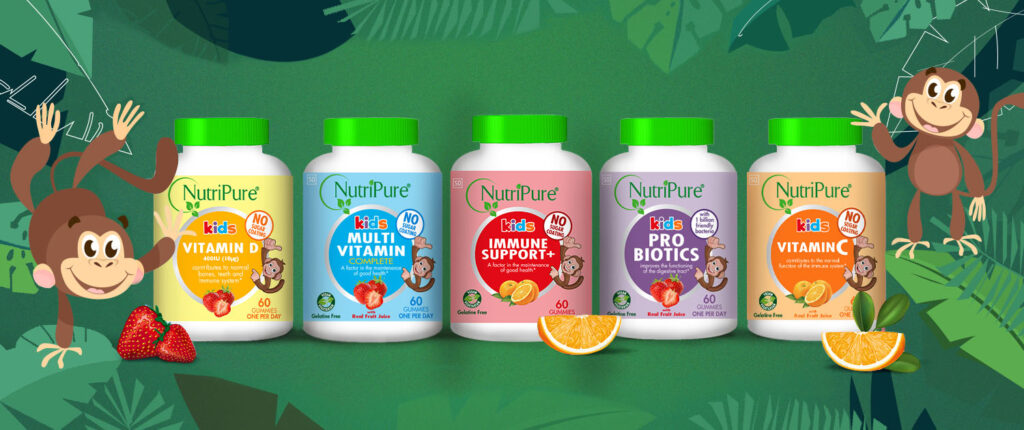
NutriPure Kids Immune Support+ (R110.00) contains a unique blend of 6 essential vitamins and minerals that all contribute to the normal function of the immune system. 

NutriPure Kids Multi Vitamin Complete (R110.00). Multivitamins contribute to the normal function of the immune. Each NutriPure MultiVitamin gummy contains 11 Essential Vitamins & Minerals.

NutriPure Kids Vitamin C (R110.00). Vitamin C contributes to the normal functioning of the nervous system, normal energy-yielding metabolism, and the reduction of tiredness and fatigue. One NutriPure gummy contains 80mg of Vitamin C which is 100% of the daily recommended allowance.

Why NutriPure?

NutriPure gummies are made with real fruit juice, making them extra soft and juicy. 

  • Gluten-Free
  • No Artificial Flavours
  • No Artificial Colours
  • No Milk, Wheat, Eggs, Nuts
  • No Artificial Sweeteners
  • No GMO ingredients

No Preservatives

NutriPure products are available at Clicks, Dis-Chem, Takealot.com, Faithful to Nature, selected Spar and Pick n Pay stores.

Website: www.nutripure.co.za

NutriPure

Leave a Comment

Your email address will not be published. Required fields are marked *

Veganism and pregnancy

Veganism is becoming an increasingly popular lifestyle which abstains from the consumption and use of animal products, predominantly for health, and/or ethical reasons. If you’re vegan and are considering pregnancy, or are pregnant, you are probably wondering how to best provide nutrients for your growing baby, and if veganism is still the best option for both of you.

Can I stay vegan while pregnant?

Veganism is often criticised for its lack of certain vitamins and minerals that a typical ‘balanced’ diet contains. Luckily, it is still possible to stick to your vegan diet during pregnancy – you’ll just have to make sure that your growing baby receives the nutrients that she needs.

While pregnant, it’s important to eat foods that contain folic acid (a B vitamin), calcium, vitamin D, iron and protein – you can get this from the food you eat as well as supplements. If you’re wondering where you can find these important nutrients in a plant-based diet, read on.

Citrus fruits, dried beans and leafy green veggies are all foods that include folic acid. Typically dairy is a source of calcium, however, non dairy foods rich in calcium are broccoli and kale.  Vitamin D can be found in mushrooms and fortified products, such as rice milk and soy milk.  Although meat is often seen as a primary source of protein, beans, peas, nuts and seeds are all rich in protein. Potatoes and tofu are also good foods to eat when replacing meat protein, and iron can be found in spinach and beans.

What nutrients are typically lacking in a vegan diet?

As a vegan, there are certain nutrients that you can’t find in plants – during pregnancy it becomes even more important to supplement these. Vitamin B12 (which helps with proper brain development), vitamin D (which aids bone and teeth development), omega 3 fatty acids and iron (you’ll need about twice as much when pregnant) are vitamins and minerals you might need to supplement.

Even if you’re not vegan, making sure your baby gets all the correct nutrients is important and may mean adjusting your diet. If you are planning on sticking to a strict diet plan it’s a good idea to consult with someone knowledgeable first.

NutriPure
How Probiotics Can Help You Over the Festive Season

The festive season is all about family, food, and fun – but it’s also the time when our digestive systems work overtime. Between rich meals, travel stress, and the occasional overindulgence, your gut can easily fall out of balance. That’s where probiotics step in.

“You don’t need to wait until January to think about your health,” says Dr Chuma, founder and owner of Velobiotics. “Supporting your gut through the holidays can actually make the whole season more enjoyable, and help you bounce back faster after it.”

1. They help your tummy cope with indulgence
From Christmas roasts to New Year’s snacks, heavy and fatty foods can slow digestion and cause bloating. Probiotics, the “good bacteria” in your gut, help break down food more efficiently and keep things moving comfortably.
“When you boost your gut bacteria, you’re helping your body digest all that festive feasting,” explains Dr Chuma. “It’s about balance, not deprivation.”

2. They support your immune system
Up to 70% of your immune system lives in your gut. During the holidays, when travel, late nights, and sugar overload are common, your immunity can take a hit.
“Probiotics help strengthen the gut barrier, which is your first line of defence against infection,” says Dr Chuma “That means fewer sniffles and more energy to enjoy the celebrations.”

3. They can ease travel-related tummy troubles
If you’re flying, changing time zones, or trying new foods, your digestive system can react unpredictably. Probiotics can help restore balance and reduce the risk of discomfort.
“Travelling often disrupts your microbiome,” explains Dr Chuma. “A daily probiotic can help your gut adjust faster and stay stable.”

4. They may even improve your mood
The gut-brain connection is real. Research shows that a healthy gut can influence serotonin levels, which play a role in mood regulation.
“When your gut’s happy, you’re often happier too,” adds Dr Chuma. “That’s especially important during the high-stress festive season.”

So before you start your holiday menu planning, consider adding probiotics to your daily routine – whether in yoghurt, fermented foods, or supplements.
As Dr Chuma puts it: “You can’t control everything the holidays throw at you, but you can support your gut, and that means supporting your whole self.”

Velobiotics probiotics are microencapsulated, which means they are specially formulated to be protected through your stomach until they reach your gut where they are needed most, so that you get the full benefit. They have a range of products to support either general health, or more targeted aspects such as feminine intimate areas or healthy weight management. 

View Velobiotics’ whole range of probiotics on their website www.velobiotics.co.za 

NutriPure
Mindful Eating for Kids: Teaching Healthy Habits Without Stress

Developing a healthy relationship with food starts early. Mindful eating teaches children to pay attention to their hunger, fullness, and enjoyment of meals, helping them make balanced choices and develop lifelong healthy habits. Parents can guide this practice in ways that are supportive, stress-free, and age-appropriate.

1. Encourage Awareness of Hunger and Fullness

Teach children to recognize their body’s signals. Ask questions like, “Are you still hungry?” or “Do you feel full?” This helps them develop self-awareness and prevents overeating.

2. Make Mealtimes Calm and Focused

Create a mealtime environment free from distractions such as TV, phones, or tablets. Sitting together and focusing on food and conversation encourages mindful eating and strengthens family connections.

3. Offer a Variety of Foods

Expose children to different tastes, textures, and colors. Encourage them to explore new foods without pressure, fostering curiosity and a willingness to try healthy options.

4. Involve Kids in Meal Preparation

Allowing children to help wash vegetables, stir ingredients, or set the table makes them more invested in meals. Participation encourages appreciation for healthy foods and develops cooking skills.

5. Model Mindful Eating

Children learn by observing adults. Show them how to eat slowly, enjoy flavors, and listen to your own hunger and fullness cues. Modeling mindful eating reinforces the behaviors you want your child to adopt.

6. Avoid Using Food as a Reward or Punishment

Associating food with rewards or punishments can create unhealthy habits. Focus on balanced nutrition and enjoyment rather than linking food to behavior.

7. Talk About Nutrition Positively

Highlight the benefits of different foods in an encouraging way. Explain how fruits, vegetables, grains, and proteins help the body grow, give energy, and stay strong.

8. Be Patient and Supportive

Developing mindful eating habits takes time. Encourage small steps, celebrate successes, and offer gentle guidance when challenges arise. Avoid pressuring children, as this can lead to resistance or negative associations with food.

By introducing mindful eating early, parents can help children develop a balanced relationship with food, build healthy habits, and enjoy mealtimes without stress. Mindful eating not only nurtures physical health but also supports emotional well-being and family connection.


Sources
American Academy of Pediatrics – Healthy Eating for Children
Harvard T.H. Chan School of Public Health – Mindful Eating for Kids
Child Mind Institute – Teaching Healthy Eating Habits

NutriPure
Scroll to Top