In today’s fast-paced, digital world, it’s becoming harder and harder to pull children away from screens. Parents everywhere are searching for creative kids’ activities that not only keep their children entertained but also help them learn valuable skills. That’s where the magic of crafting comes in.
At Sol Tribe Kids, we believe in the power of making things with our hands — not just as a fun pastime, but as a way of connecting to tradition, building confidence, and sparking imagination.
Why Hands-On Workshops Matter for Children
We all want our kids to have less screen time and more meaningful, real-world experiences. But finding after-school clubs or holiday activities for kids that are both fun and educational can be tricky.
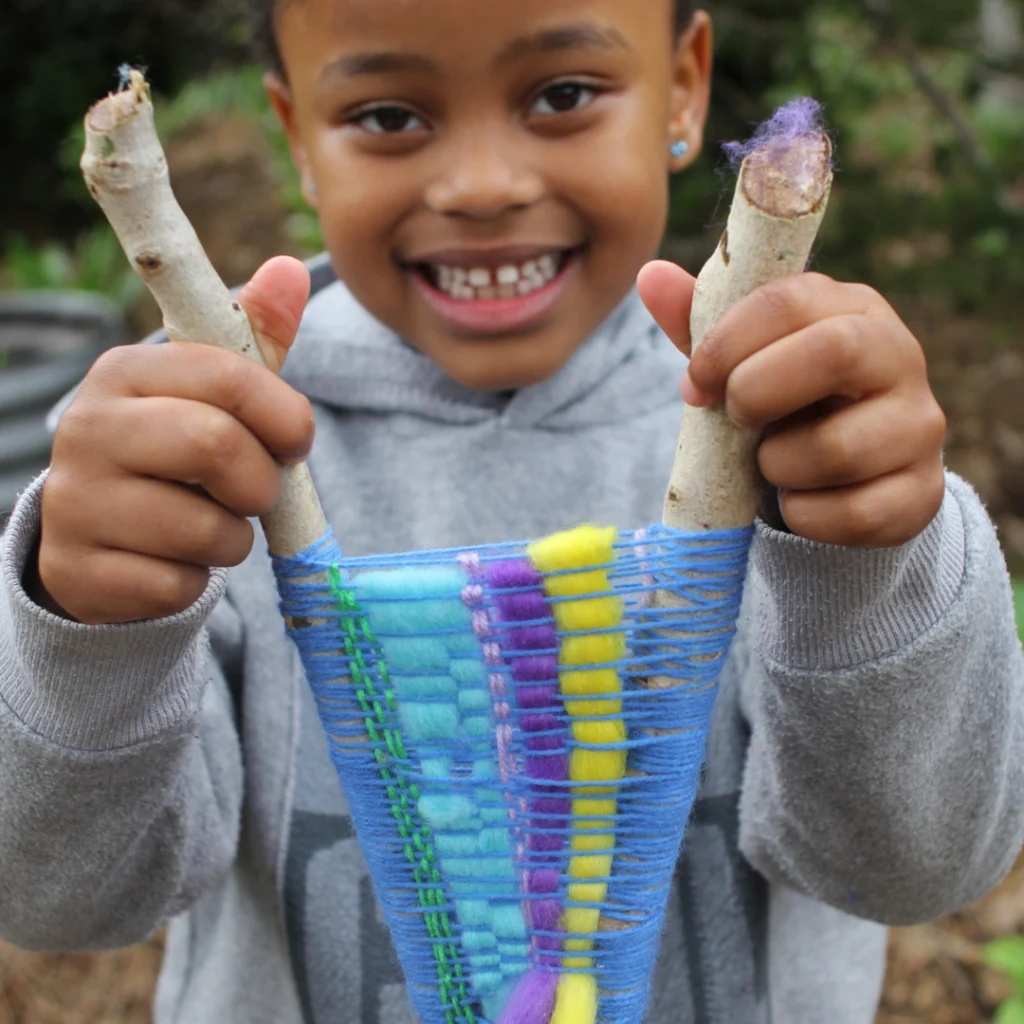
Crafting offers something different. It’s a chance for children to slow down, focus, and create something unique that they can proudly say they made themselves. Every finished project is a reminder that patience, effort, and creativity come together to produce something truly special.
Keeping Traditions Alive Through Craft
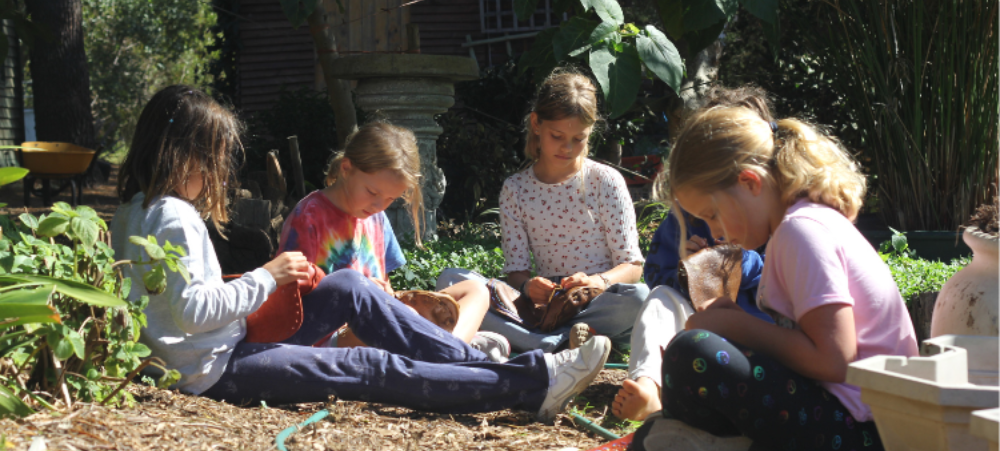
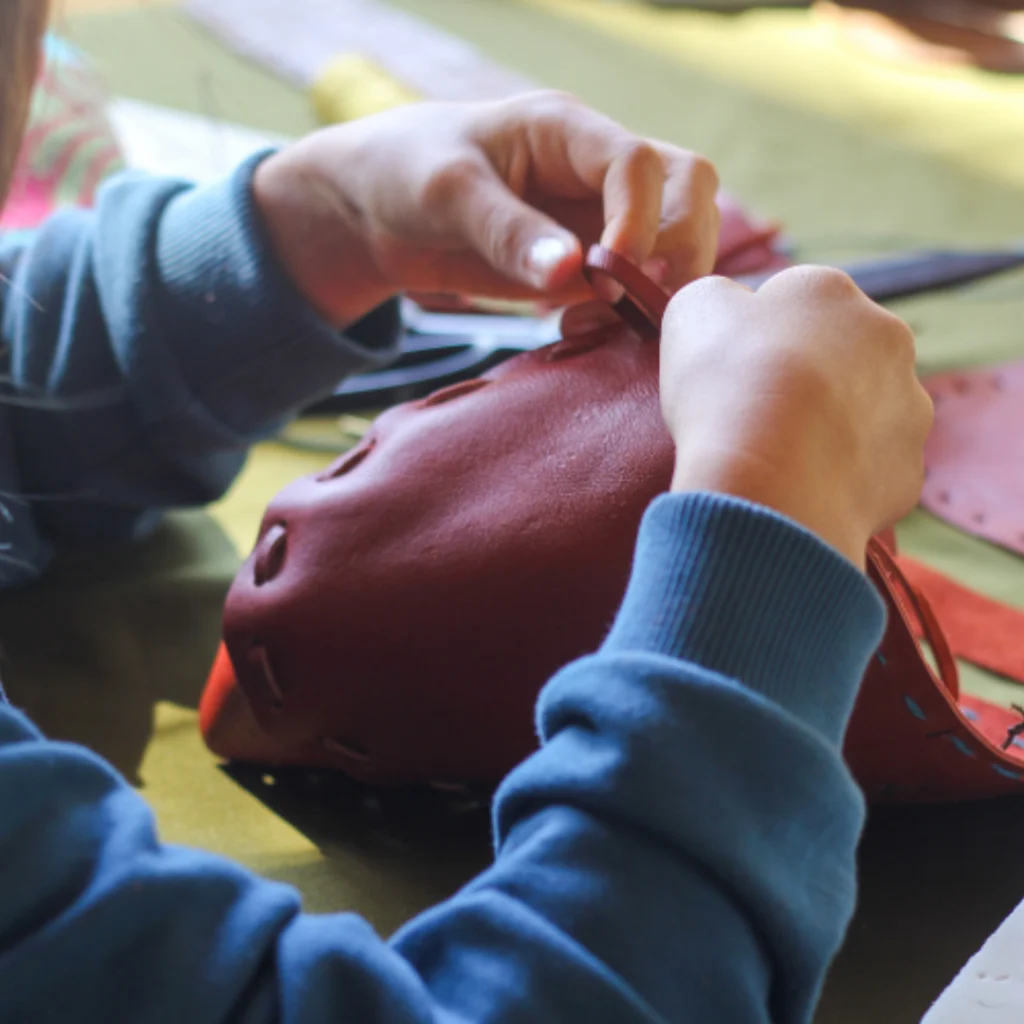
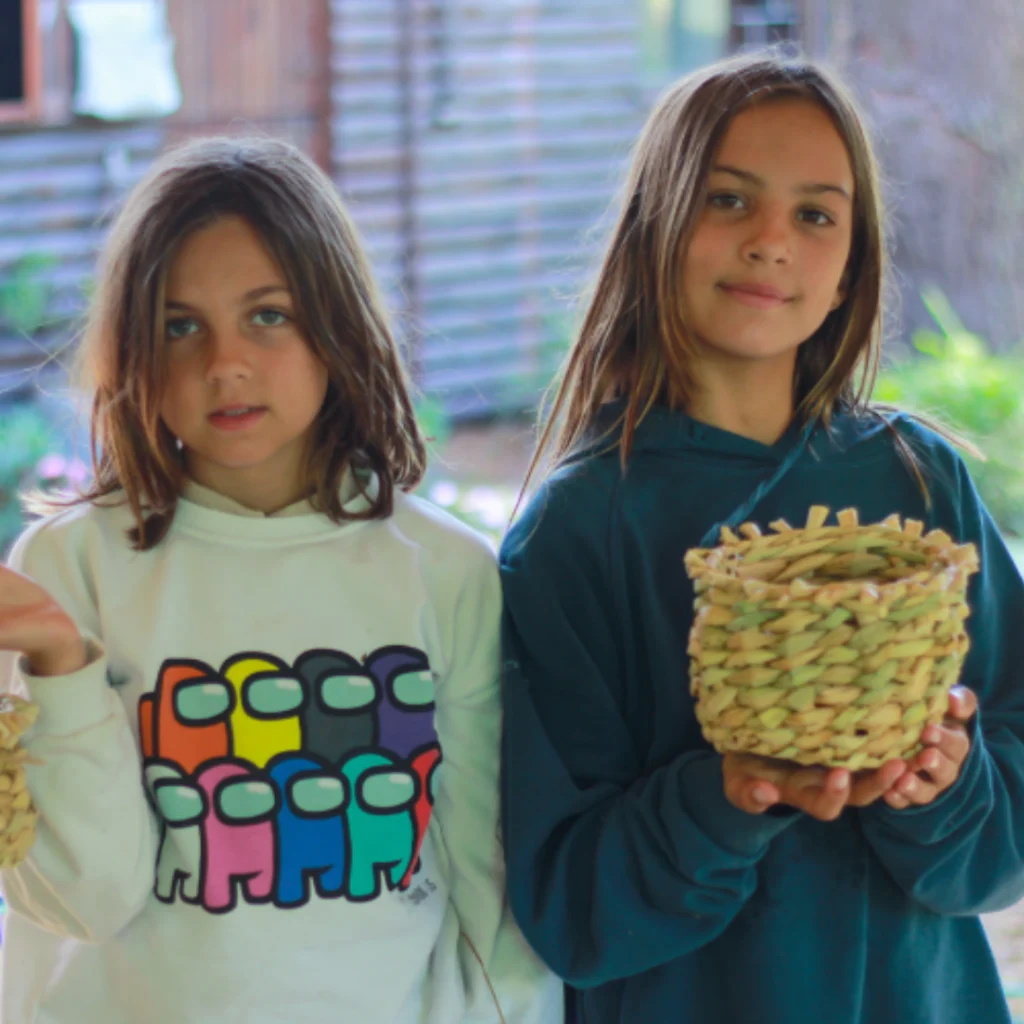
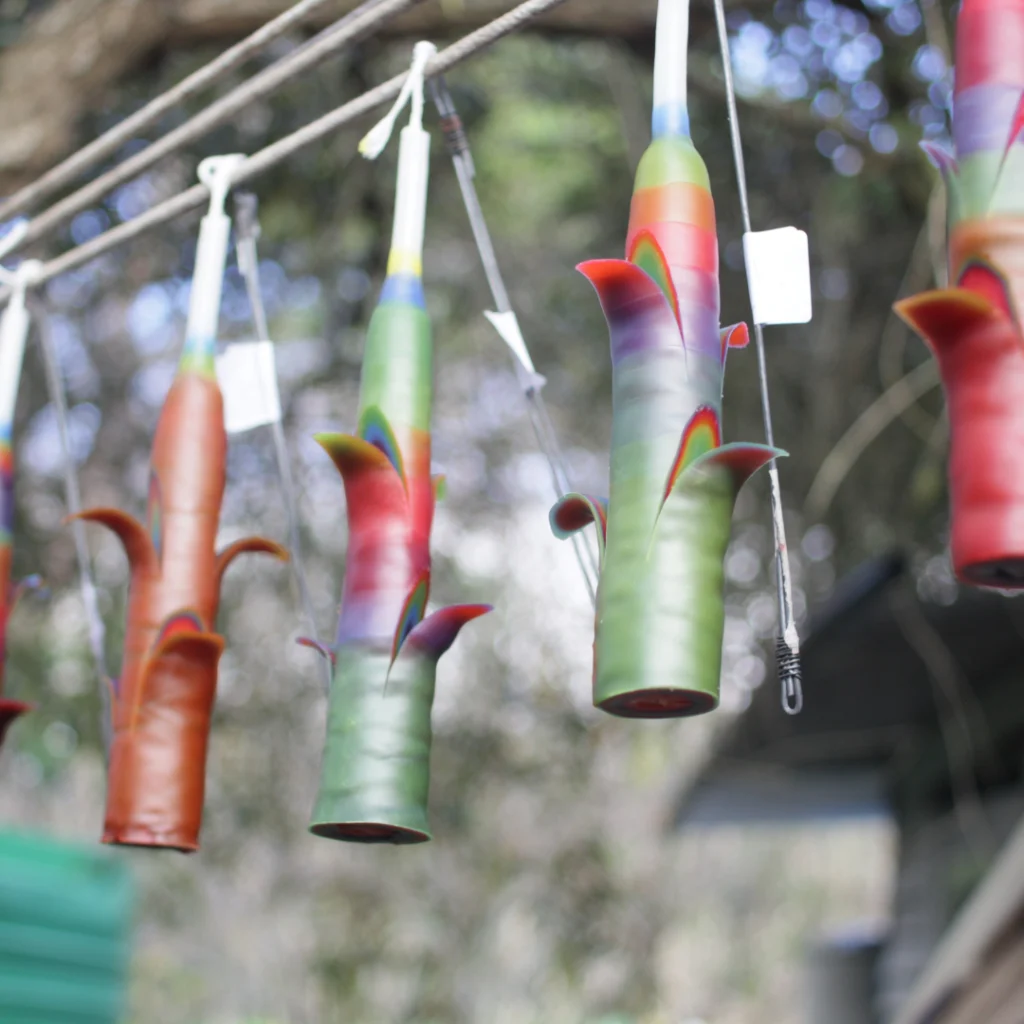
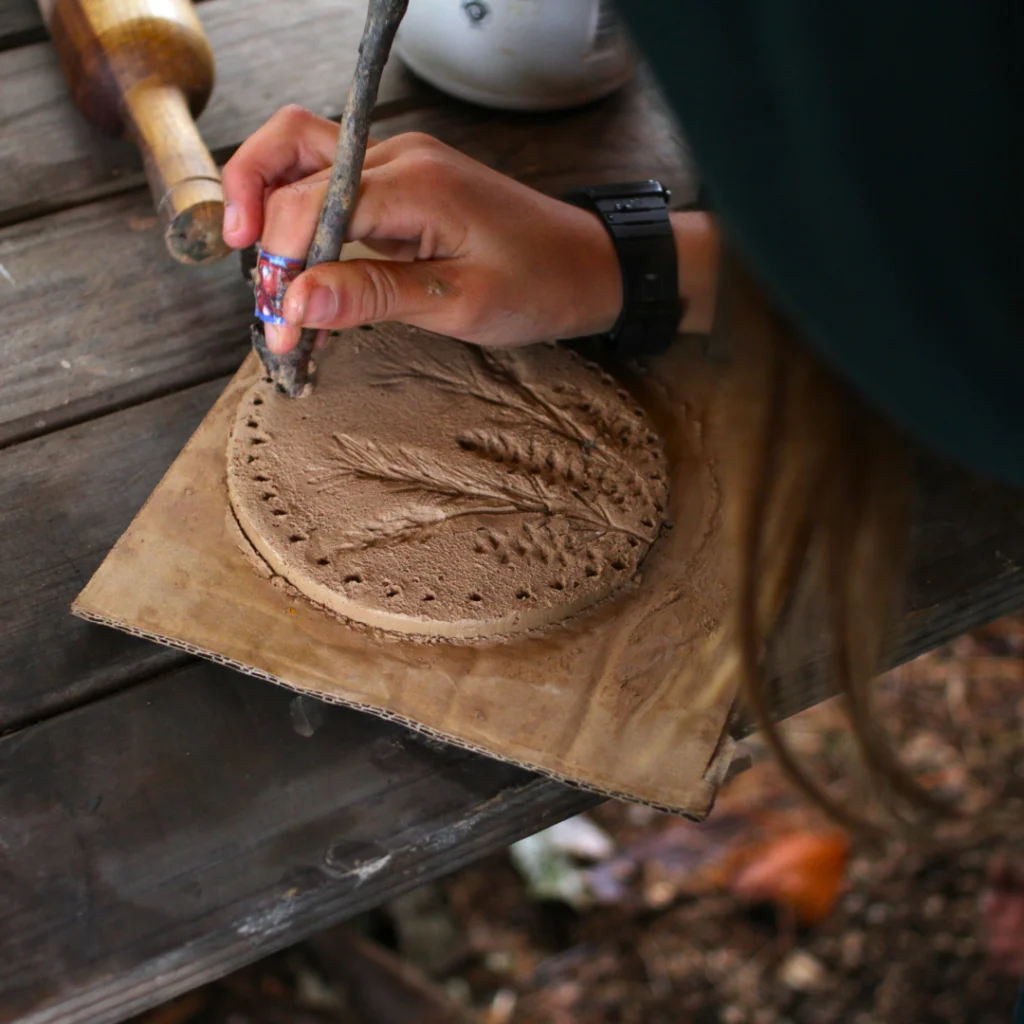
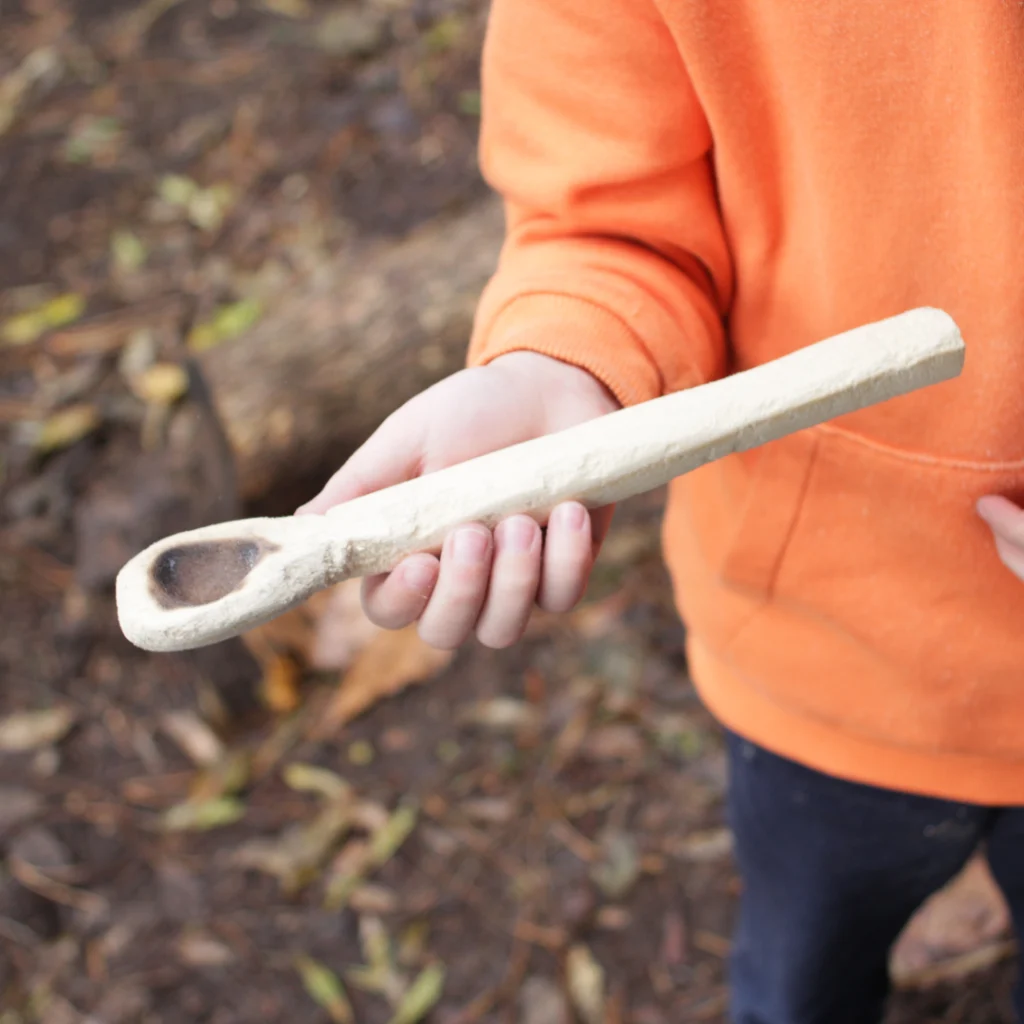
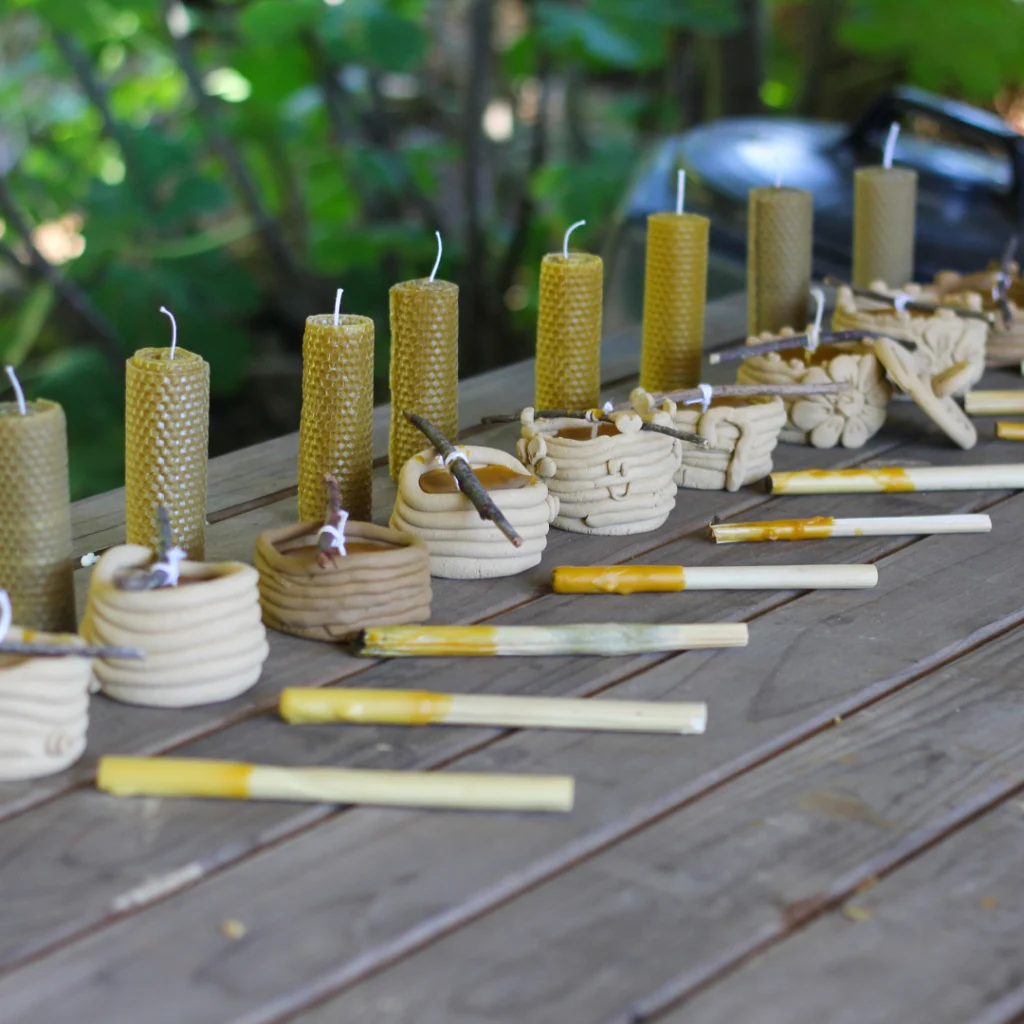
Our workshops are rooted in the traditions of Sol Tribe Kids, inspired by the desire to pass down artisanal skills from one generation to the next. From spoon carving and basket weaving to leather work and candle making, we introduce children to crafts that have stood the test of time.
These are not just “holiday activities for kids” — they are skills with deep cultural roots, allowing young minds to connect with history in a hands-on way. By weaving a basket or carving a simple spoon, children gain an appreciation for the beauty of handmade objects and the knowledge that people once relied on these crafts in their daily lives.
What Parents Love About Our Workshops
Parents often tell us how much their children light up after a session. One mum shared, “My son still talks about the candle he made months later — he won’t even let anyone light it because he’s so proud of it.” Another parent noticed that her daughter came home with newfound confidence after learning to weave her very first basket.
These stories show us that crafting is more than just an after-school activity. It builds resilience, creativity, and joy — qualities that last well beyond the workshop itself.
The Benefits of Creative Kids’ Activities
When children take part in our workshops, they don’t just go home with a handmade treasure. They also gain experiences that parents love to see:
Creativity Unleashed – Kids learn to use their imagination and see possibilities in simple materials.
Patience & Focus – Crafting teaches them the joy of taking time and seeing a project through.
Practical Skills – These are real, hands-on skills they can use again and again.
Connection to Tradition – Children learn where crafts come from and why they matter.
Friendship & Fun – Workshops bring together children from different backgrounds to share, laugh, and create.
Workshops for Every Season
We know every family’s schedule is different, which is why we offer a variety of options to suit you:
Weekly Craft Classes for Kids – Perfect for regular creative exploration.
Holiday Clubs for Children – Jam-packed with exciting projects to keep kids entertained, engaged, and inspired during school breaks.
Hundreds of Kids’ Workshops Throughout the Year – There’s always something new to discover, so no two sessions are ever the same.
Give Your Child the Gift of Creativity
In a world that moves so quickly, it’s worth slowing down and giving children the chance to create something lasting with their own two hands. At Sol Tribe Kids, our workshops are more than just classes — they are opportunities to connect, explore, and grow.
Spaces in our kids’ craft workshops fill up quickly, so now’s the perfect time to reserve your child’s place in one of our weekly sessions or holiday clubs.
We are rooted in Earth Crafts, aspiring to pass down our ancestral knowledge of artisanal crafts through the generations, enriching young minds, and keeping small hands busy. From spoon carving and basket weaving to leather work and candle making, we offer a variety of hundreds of classes throughout the year. A weekly craft class as well as jam-packed holiday clubs.
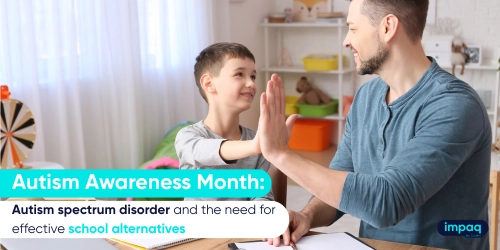
Autism spectrum disorder. It’s a complex topic, to say the least, and one that presents countless challenges to the parents, caregivers and teachers of affected children.
While designated days like World Autism Awareness Day in April is an important part of creating awareness about autism, the challenges remain plentiful.
Not least among the challenges is finding a suitable school for the child on the spectrum. The reality for many hundreds of children on the spectrum is that they simply have to cope in a mainstream environment, due to the lack of options.
One alternative in this regard is home and online learning as it provides structured, curriculum-aligned education that can simply and effectively be tailored to meet the individual needs of the learner in question.
Education today is about putting the needs of the learner first, which starts with the acknowledgement that the days of a one-size-fits-all approach are both outdated and simply no longer necessary. Alternative options, like homeschooling, bear exploring if we are serious about ensuring our children get a relevant education, while taking the needs of the learner and his/her family into consideration.
A common concern for parents considering homeschooling is whether their child will miss out on social experiences. The reality is that home and online schooled learners often have more flexibility to engage in activities outside of a school setting. Joining homeschooling groups, sports clubs, or online communities can help learners build strong social connections.
For families with children involved in sports, music, or other demanding activities, home and online schooling provides the flexibility to balance education with personal passions. It also allows for real-life learning experiences that bring lessons to life in ways that textbooks cannot.
Importantly, homeschooling does not mean children need to be formally educated by their parents. Parents, or caregivers, play a supporting role in homeschooling, and do not need to take on the role of teacher.
One of the biggest challenges in traditional schooling is that every child is expected to learn at the same speed. Some children grasp concepts quickly and feel unchallenged, while others need more time and may fall behind. Homeschooling removes these pressures, allowing learners to master subjects at their own pace. This creates a deeper understanding of the material and fosters a love for learning, rather than just studying to pass exams.
Unlike in a traditional school where subject choices can be limited by resources, home and online schooling offers learners more flexibility to explore their interests. Whether it’s advanced mathematics, coding, creative arts, or entrepreneurship, learners have the freedom to shape their education in a way that aligns with their future aspirations. This personalised approach makes learning more meaningful and engaging.
Ultimately, parents know what’s best for their child. If homeschooling aligns with your family’s needs, trust your decision and embrace the flexibility, quality, and opportunity it offers.
By Louise Schoonwinkel, MD at Optimi Schooling of which Impaq is a registered trademark
We are rooted in Earth Crafts, aspiring to pass down our ancestral knowledge of artisanal crafts through the generations, enriching young minds, and keeping small hands busy. From spoon carving and basket weaving to leather work and candle making, we offer a variety of hundreds of classes throughout the year. A weekly craft class as well as jam-packed holiday clubs.
At School of Rock, learning music isn’t about sitting still and memorising notes. It’s about movement, laughter, teamwork, and the thrill of making real music together. Our youth programs are carefully designed to meet kids where they are developmentally, while helping them grow in confidence, creativity, and independence.
Little Wing (Ages 3–5)
Little Wing is where the magic starts. This playful, high-energy program introduces our youngest musicians to music through games, movement, singing, and exploration. Kids clap, dance, play percussion, and learn the basics of rhythm and melody without even realising they’re learning. Along the way, they build coordination, listening skills, and social confidence, all while having a whole lot of fun.
Rookies (Ages 6–7)
Rookies is perfect for curious kids who are ready to try instruments but aren’t quite ready for a full band yet. Students get hands-on experience with guitar, bass, drums, keyboards, and vocals, discovering what they love while learning essential musical skills. This program boosts confidence, focus, and independence, and sets students up for success as they move into band programs.
Rock 101 (Ages 8–12)
Rock 101 is where kids become bandmates. Students combine private lessons with group rehearsals, learning real rock songs and working together as a team. They develop musical skills, stage presence, and collaboration while preparing for live performances that give them a huge confidence boost. There’s nothing quite like seeing a child light up on stage after nailing their first show.
Why Parents Love School of Rock
Beyond the music, our programs help kids develop life skills that last. They learn teamwork, discipline, communication, and resilience. Performing builds self-esteem, creativity fuels confidence, and being part of a band creates friendships and a strong sense of belonging.
At School of Rock, kids don’t just learn music. They find their voice, their confidence, and their inner rockstar
Whether you or your child is picking up an instrument for the first time or expanding existing skills, our performance programmes provide inspiration, fun, and confidence through music. Please pop us an email at [email protected] or Whatsapp us on 074 322 2000 for more info and to book a FREE trial.
We are rooted in Earth Crafts, aspiring to pass down our ancestral knowledge of artisanal crafts through the generations, enriching young minds, and keeping small hands busy. From spoon carving and basket weaving to leather work and candle making, we offer a variety of hundreds of classes throughout the year. A weekly craft class as well as jam-packed holiday clubs.
This article is adapted, with permission, from content originally published by Tamra and Jules, co-founders of Neuroverse (Neuroverse.co.za), two South African mums building a supportive neurodivergent community.
A new diagnosis rarely arrives quietly.
It comes with a stack of leaflets, a handful of referrals, well-meaning advice from every direction. And a growing sense that you’re suddenly responsible for coordinating an entire team, while still being a parent.
If you’re feeling overwhelmed, this guide will help you make sense of who’s who on your child’s support team, when to involve them, and (just as importantly) how to keep everyone aligned, so you don’t become the permanent go-between.
Start with what’s most pressing (hint: it’s not everything)
When your child is newly diagnosed, it can feel like you need to do everything at once. You don’t.
A gentler rule of thumb:
If sensory or daily functioning is the biggest challenge → start with an OT.
If communication or understanding language is the concern → start with a Speech and Language Therapist.
If emotions, behaviour, anxiety, or diagnosis clarity are front of mind → start with a psychologist, psychiatrist, or developmental paediatrician.
You can build the team gradually. Progress comes from doing the right next thing.
Who’s Who on Your Child’s Support Team
Developmental Paediatrician
A medical doctor specialising in child development.
When to see them:
If you’re looking for a developmental assessment or diagnostic clarity for conditions such as autism, ADHD, anxiety, or developmental delays.
What to expect:
A holistic assessment drawing on medical history, observations, and often input from teachers and therapists.
Their role:
Diagnosis, guidance, care coordination, and referrals. They may prescribe medication and recommend follow-ups.
Occupational Therapist (OT)
Supports sensory processing, motor skills, and daily functioning.
When to see them:
If your child struggles with sensory overload, regulation, handwriting, coordination, or everyday tasks.
What to expect:
Play-based assessments and weekly sessions tailored to your child’s sensory profile.
Their role:
Practical strategies, sensory diets, and home or school adaptations.
Speech and Language Therapist (SLT)
Supports communication, language, and social interaction.
When to see them:
For delayed speech, language comprehension challenges, social communication differences, or articulation issues.
What to expect:
Assessment of expressive and receptive language, followed by individualised therapy.
Their role:
Building communication skills and helping teachers and parents support language across settings.
Educational Psychologist
Focuses on learning, emotions, and school functioning.
When to see them:
If your child is struggling academically, emotionally, or socially at school, or needs learning accommodations.
What to expect:
Formal assessments (e.g. cognitive and educational testing) and ongoing therapeutic support.
Their role:
School recommendations, accommodation reports, and collaboration with educators.
Child / Paediatric Psychiatrist
A medical specialist in child mental health.
When to see them:
For diagnosis or treatment of ADHD, autism, anxiety, mood disorders, sleep difficulties, or when medication is being considered.
What to expect:
Detailed developmental history, assessments, and ongoing reviews.
Their role:
Medication management and coordination with therapists and schools.
Paediatric Neurologist
Specialist in the brain and nervous system.
When to see them:
For seizures, significant developmental delays, neurological symptoms, or diagnostic clarification.
What to expect:
Medical investigations such as EEGs or scans, alongside assessments.
Their role:
Rule-outs, diagnosis, and medical treatment where needed.
Psychologist / Play Therapist
Supports emotional wellbeing and regulation.
When to see them:
For anxiety, trauma, behavioural challenges, or emotional processing.What to expect: Play-based or talk therapy, often weekly.
Their role:
Helping children develop coping skills and emotional insight, in partnership with parents and teachers.
Dietitian
Supports nutrition and feeding challenges.
When to see them:
For restrictive eating, ARFID, allergies, weight concerns, or special diets.
What to expect:
Dietary assessments and personalised plans.
Their role:
Practical nutrition strategies that support growth and regulation.
The part no one prepares you for: coordination
Here’s the piece parents often find hardest: keeping everyone in the loop.
Teachers ask for updates. Therapists want feedback. Doctors need reports. And suddenly, you’re translating, forwarding, summarising, and trying not to forget anything important.
You are not meant to hold this alone.
Simple micro-routines help:
Keep brief notes between appointments (what changed, what helped).
Share the same update with everyone involved.
Store the most up-to-date reports and recommendations in one place so you’re not searching through email threads the night before appointments.
Dalza is an award-winning app that exists for exactly this reason: to give parents one secure place to keep and share their child’s information, notes, and reports, so the team sees the same picture, and you can step out of the middle.
Every practitioner brings something valuable. But progress for your child doesn’t come from collecting specialists; it comes from the collaboration between them.
When home, school, and clinicians can see the same evolving picture, support becomes more consistent, decisions become clearer, and you get to return to your most important role: being your child’s parent.
You don’t have to do this all at once. And you don’t have to do it alone.
Dalza is free for 30 days, so you can try it out risk-free.
To get started today, simply add your name and email here.
We are rooted in Earth Crafts, aspiring to pass down our ancestral knowledge of artisanal crafts through the generations, enriching young minds, and keeping small hands busy. From spoon carving and basket weaving to leather work and candle making, we offer a variety of hundreds of classes throughout the year. A weekly craft class as well as jam-packed holiday clubs.
We use cookies on our website to give you the most relevant experience by remembering your preferences and repeat visits. By clicking “Accept All”, you consent to the use of ALL the cookies. However, you may visit "Cookie Settings" to provide a controlled consent.Accept All
Manage consent
Privacy Overview
This website uses cookies to improve your experience while you navigate through the website. Out of these, the cookies that are categorized as necessary are stored on your browser as they are essential for the working of basic functionalities of the website. We also use third-party cookies that help us analyze and understand how you use this website. These cookies will be stored in your browser only with your consent. You also have the option to opt-out of these cookies. But opting out of some of these cookies may affect your browsing experience.
Necessary cookies are absolutely essential for the website to function properly. These cookies ensure basic functionalities and security features of the website, anonymously.
Cookie
Duration
Description
cookielawinfo-checkbox-advertisement
1 year
The cookie is set by GDPR cookie consent to record the user consent for the cookies in the category "Advertisement".
cookielawinfo-checkbox-analytics
11 months
This cookie is set by GDPR Cookie Consent plugin. The cookie is used to store the user consent for the cookies in the category "Analytics".
cookielawinfo-checkbox-functional
11 months
The cookie is set by GDPR cookie consent to record the user consent for the cookies in the category "Functional".
cookielawinfo-checkbox-necessary
11 months
This cookie is set by GDPR Cookie Consent plugin. The cookies is used to store the user consent for the cookies in the category "Necessary".
cookielawinfo-checkbox-others
11 months
This cookie is set by GDPR Cookie Consent plugin. The cookie is used to store the user consent for the cookies in the category "Other.
cookielawinfo-checkbox-performance
11 months
This cookie is set by GDPR Cookie Consent plugin. The cookie is used to store the user consent for the cookies in the category "Performance".
viewed_cookie_policy
11 months
The cookie is set by the GDPR Cookie Consent plugin and is used to store whether or not user has consented to the use of cookies. It does not store any personal data.
Analytical cookies are used to understand how visitors interact with the website. These cookies help provide information on metrics the number of visitors, bounce rate, traffic source, etc.
Cookie
Duration
Description
_ga
2 years
This cookie is installed by Google Analytics. The cookie is used to calculate visitor, session, campaign data and keep track of site usage for the site's analytics report. The cookies store information anonymously and assign a randomly generated number to identify unique visitors.
_gid
1 day
This cookie is installed by Google Analytics. The cookie is used to store information of how visitors use a website and helps in creating an analytics report of how the website is doing. The data collected including the number visitors, the source where they have come from, and the pages visted in an anonymous form.
Other uncategorized cookies are those that are being analyzed and have not been classified into a category as yet.
Cookie
Duration
Description
_gat_gtag_UA_18530557_4
1 minute
No description
pron_ip
session
No description
pvc_visits[0]
1 day
This cookie is created by post-views-counter. This cookie is used to count the number of visits to a post. It also helps in preventing repeat views of a post by a visitor.
tk_ai
session
Gathers information for WordPress by themselves, first party analytics tool about how WP services are used. A collection of internal metrics for user activity, used to improve user experience.