
5 Ways in which Improved Literacy Skills Improve Lives

Let me paint you a statistical picture. First, 900 million people around the world cannot read or write. A whopping 171 million fewer people would live in poverty if all children acquired basic reading skills – that would mean a 12% reduction in global poverty. However, this might not be close enough to home. Okay, here we go. 

1. Reading statistics report that only 14% of the South African population are active book readers, and a mere 5% of parents read to their children (Macmillan SA).

2. The Progress in International Reading Literacy Study (PIRLS) 2016 report – the international comparative reading assessment conducted by the University of Pretoria (UP) researchers at the Centre for Evaluation and Assessment (CEA) locally – has shown there has been no significant progress in national primary school reading literacy in South Africa, since the last report in 2011. South Africa placed last out of the 50 countries participating in the study at fourth grade level, with the Russian Federation and Singapore being the top achievers.

3.  Almost 80% of South African Grade 4 learners fall below the lowest internationally recognised level of reading literacy. According to Prof Sarah Howie, National Research Coordinator (NRC) for PIRLS 2016 South Africa, this suggests that most learners cannot read well enough to succeed in subjects across the curriculum in Grade 4 and higher grades.
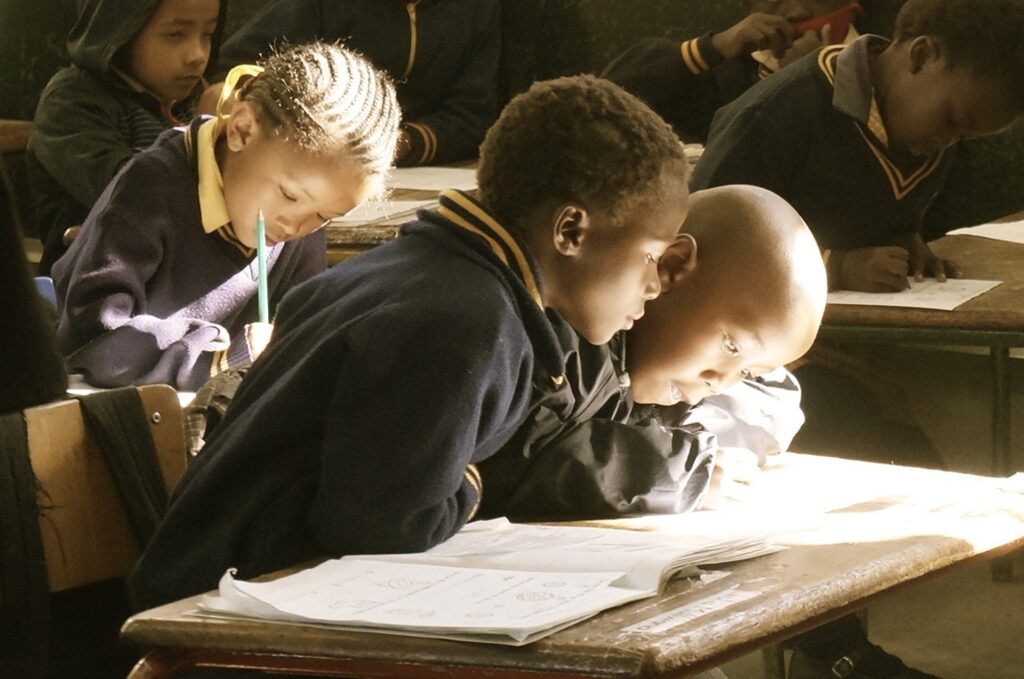
 4.  Furthermore, less than half of the learners who wrote the tests in English and Afrikaans could read. This means, statistically speaking if you have two children, one of them is probably struggling. If your child is in a class of 30 children, more than 15 children cannot read proficiently. 

 4.  Furthermore, less than half of the learners who wrote the tests in English and Afrikaans could read. This means, statistically speaking if you have two children, one of them is probably struggling. If your child is in a class of 30 children, more than 15 children cannot read proficiently. 

5.  Last, according to a 2016 report released by StatsSA, close to 21% of South Africans are illiterate (unable to read or write) – that is around 12 million people. That is a LOT of people. Keep in mind, this only pertains to reading and writing, which is the minimum requirement for being considered literate. This does not indicate that the other 79% of the population possesses an education that can earn them anything above minimum wage. It’s clear that the ‘illiteracy’ levels can be much higher than mentioned. 

Unfortunately, in South Africa, any person older than 15 years with minimum a grade 7 or a higher education qualification is considered to be literate. The above StatsSA statistics are also self-reported, which means that it may be way off mark. It is something we need to be very concerned about in South Africa.

True literacy is not merely the ability to decipher symbols, write one’s name, and read and write short sentences. To add value to a person’s life, literacy skills also need to include the ability to understand, interpret and find meaning in words and language. And this is where we are falling short. For every stage of life, a specific level of reading or reading adequacy is required. The more complicated or difficult the task at hand, the higher level of literacy skill is required. Often this is not taken into account when talking about literacy in general.

Given all of this, the fact that you can read the words in this article and find meaning in them puts you in the minority rather than the majority. That you have these literacy skills is, sadly, a privilege rather than the basic right it should be. Literacy undoubtedly gives people the edge when it comes to succeeding in life and being able to find and pursue opportunities. So, it follows then, that by improving literacy skills we can improve the lives of South Africans for the better:

 1. Reduction in poverty
As mentioned in the first paragraph, the effect on poverty would be enormous. People with higher literacy have more opportunities to pursue higher education and develop their skills and knowledge to seek better employment and earn higher salaries.

2. Community upliftment

Communities that have higher literacy rates place more importance on education and self-improvement, and create an atmosphere where self-worth is important, and success is a possible goal and not merely a pipe dream.

3. Better health

Being literate helps people understand health concerns and better educate themselves when it comes to healthcare. People who are literate and have access to education are more likely to understand the health risks associated with HIV, and several other diseases. This can quite literally save lives. Higher literacy rates also lower the risk of infant mortality due to misinformation or lack of information.

4. Empowering women

In many traditional communities, women are still marginalised as second-rate citizens. Literacy skills give all people, and especially women, the opportunity to educate themselves and break free from destructive social dynamics to become economically independent.

5. Economic growth

The economy is directly linked to the spending power of the people. Because literacy improves the skills of the workforce and reduces poverty, the economy is then able to grow and thrive.  This creates a cycle where literacy continues to improve and have a positive effect on economic growth. This fact is quantified by research performed by the University of Stellenbosch on the cost of illiteracy in South Africa.

By getting in touch with us, you can help your children, your school, or your community. We provide solutions – for households and entire communities.

By partnering with Stimulus Maksima!, either to sponsor our literacy skills program for a needy school, using our educational programs at home, or to introduce it to your adult employees as part of their ongoing training, you invest in a project that delivers real, measurable and sustainable results. Our computer-aided learning systems focus on developing core mathematics and reading skills. These are essential tools for facing the challenges of learning in higher grades, as well as day to day life. 

To find out more about our programs and packages, or how to become a Stimulus Maksima! corporate social investment partner, do not hesitate to get in touch with us today.
Stimulus Maksima!

1 thought on “5 Ways in which Improved Literacy Skills Improve Lives”

Leave a Comment

Your email address will not be published. Required fields are marked *

Why Free Play, Gentle Guidance, and Community Matter More Than Ever 

In a world of packed schedules, rising anxieties, and digital distractions, the way we parent has never been more complex, or more important. Children don’t need perfect childhoods, they need real ones. Ones filled with play, protection and participation to grow.

“Today’s parenting styles often come from a place of deep love,” says Ursula Assis, Country Director for Dibber International Preschools in South Africa. “But when we hover too closely or clear every obstacle before our children reach it, we can unintentionally rob them of the small struggles that help them thrive.”

Modern terms like ‘helicopter parenting’ and ‘lawnmower parenting’ describe well-intentioned behaviours. ‘hovering’ to protect and help or smoothing every path to prevent discomfort. While these approaches are rooted in care, they often overlook what child development experts call the ‘just-right challenge’. Dibber’s approach, built on Nordic pedagogical principles, embraces this balanced philosophy which gives children the support they need while encouraging and maintaining independence.

“Children build confidence by trying, failing, and trying again. That’s where resilience begins”, explains Assis. “When we pair warmth with boundaries, and love with opportunity, we see incredible growth -not just academically, but socially and emotionally.”

Free play remains one of the most powerful developmental tools in early childhood. Whether it’s climbing, balancing, or imaginative playing, these experiences help children build executive function, manage emotions, and understand social dynamics. With adult support close by – but not overbearing – these activities become safe and enriching opportunities to learn.

In South Africa, Dibber believes parents have a unique advantage: community. Grandparents, neighbours, and extended families as they often play a vital role in raising children. “That village of support is our strength,” Assis adds. “We encourage families to use it -plan outdoor playdates, invite cousins to join, share learning spaces. There’s no app that can replace the value of human connection.”

At Dibber’s campuses across Gauteng, the Western Cape, and KwaZulu-Natal, the focus is on nurturing not just cognitive skills, but the whole child. Teachers act as gentle guides, helping children navigate early life’s hurdles with empathy, patience, and clear structure. The result? Children who feel seen, heard, and confident enough to explore the world.

“Resilience doesn’t come from a perfectly smooth path. It comes from knowing that when life gets bumpy, someone is there to support you while you take the wheel,” says Assis. “At Dibber, we’re not raising perfectionists—we’re helping raise capable, compassionate human beings.”

For parents wondering whether they’re doing it ‘right’, Dibber offers this reassurance: there is no single perfect parenting style. What matters most is balance. Guide, protect, listen, and most importantly let children play, explore, and grow into who they want to be.

Stimulus Maksima!
Helping Your Child Make Friends: Supporting Social Development and Conflict Resolution

Learning how to make friends is one of the most meaningful parts of early childhood. Strong social skills help children feel connected, confident, and secure both inside and outside the classroom. While some children naturally navigate friendships with ease, others need more guidance, reassurance, and time. As parents and caregivers, we play a powerful role in modelling healthy relationships, teaching emotional vocabulary, and supporting children when conflicts arise.

This blog explores practical, Montessori inspired and developmentally appropriate ways to help your child make friends, resolve disagreements, and build lifelong social confidence.

1. Understanding Social Development in Early Childhood

Social development begins long before a child speaks their first words. From infancy, children observe facial expressions, tone of voice, and body language which all form the foundation for future friendships.

Key Milestones Ages 2 to 6

  • Ages 2 to 3: Parallel play, basic sharing with support, emerging emotional language
  • Ages 3 to 4: Cooperative play, simple turn taking, developing empathy
  • Ages 4 to 6: Forming deeper friendships, beginning conflict resolution, more complex group play

If your child seems shy or slow to warm up, remember that temperament is natural. The goal is support, not pressure.

2. How to Help Your Child Make Friends

a) Model Social Behaviours

Children learn by watching you. Demonstrate:

  • Kind greetings
  • Waiting your turn in conversation
  • Saying please, thank you, and excuse me
  • Respectful disagreements

When they see positive social behaviour daily, they naturally mirror it.

b) Create Opportunities for Interaction

Gently support social exposure by:

  • Organising short, low pressure playdates
  • Visiting parks or parent child classes
  • Joining library story time or music groups

Small and consistent experiences help children build confidence.

c) Teach Emotional Language

Children interact better when they can express feelings.

Try daily emotional check ins:

 How are you feeling today

 You look frustrated. Would you like help

Books like The Color Monster can also support emotional awareness.

d) Role Play Common Situations

Practise friendly behaviours at home:

  • Can I play with you
  • Can I have a turn when you are done
  • Let us play together

Role play gives children simple scripts that reduce social anxiety.

e) Avoid Forcing Friendships

Children develop friendships at different paces. Your gentle support builds confidence without pressure.

3. Supporting Healthy Conflict Resolution

Conflict is normal and an important part of friendship.

a) Stay Neutral and Calm

Help each child express their perspective:

  • Tell me what happened
  • How did that make you feel

b) Teach Problem Solving Steps

Use child friendly steps:

  1. Stop
  2. Deep breath
  3. Use your words
  4. Find a solution together

c) Validate Emotions

Validation reduces stress and builds trust.

d) Explain the Value of Empathy

Encourage them to consider others feelings:

  • How do you think she felt
  • What can we do to make it better

4. When Your Child Struggles to Make Friends

Some children need more time and support. Encourage:

  • One on one playdates
  • Activities aligned with interests
  • Practising social scripts
  • Communication with teachers

Professional support may be helpful if concerns persist.

5. Recommended Resources

Helpful websites

Conclusion

Helping your child make friends is a gentle journey filled with small steps, emotional growth, and wonderful moments of connection. With patience, modelling, and loving guidance, you give your child the confidence they need to form strong friendships and navigate conflict with resilience.

Stimulus Maksima!
Music all year round: Why School of Rock Parktown North Is the Gift That Keeps Giving

At School of Rock Parktown North, we don’t just teach kids how to play instruments, we help them build confidence, creativity, community, and lifelong skills. As the year winds down and festive energy sets in, many of you are probably looking for enriching activities that give you and the kids more than just a hobby. Here’s why the School of Rock experience is a perfect fit for the season!

Beyond Notes: The Many Benefits of Music Education

Music isn’t just fun; it’s transformative. Learning an instrument or singing can improve language development, memory, concentration, and even academic performance.

  • Improves cognitive and academic skills: Understanding rhythm, structure and patterns in music helps develop spatial and mathematical thinking; which can translate into better performance in school subjects like maths.
  • Develops discipline, patience and focus: Learning music requires regular practice, persistence, and the ability to work through challenges, which are all skills that carry over into homework, school projects, and everyday life.
  • Boosts self‑esteem, emotional expression and confidence: Performing music, whether in a band or on stage, gives children the chance to express themselves, overcome nerves, and feel proud of their progress.
  • Strengthens social skills and teamwork: Playing in a band or group helps children learn to listen, collaborate, and support each other while building friendships and a sense of belonging.

Why School of Rock Parktown North Does It Differently

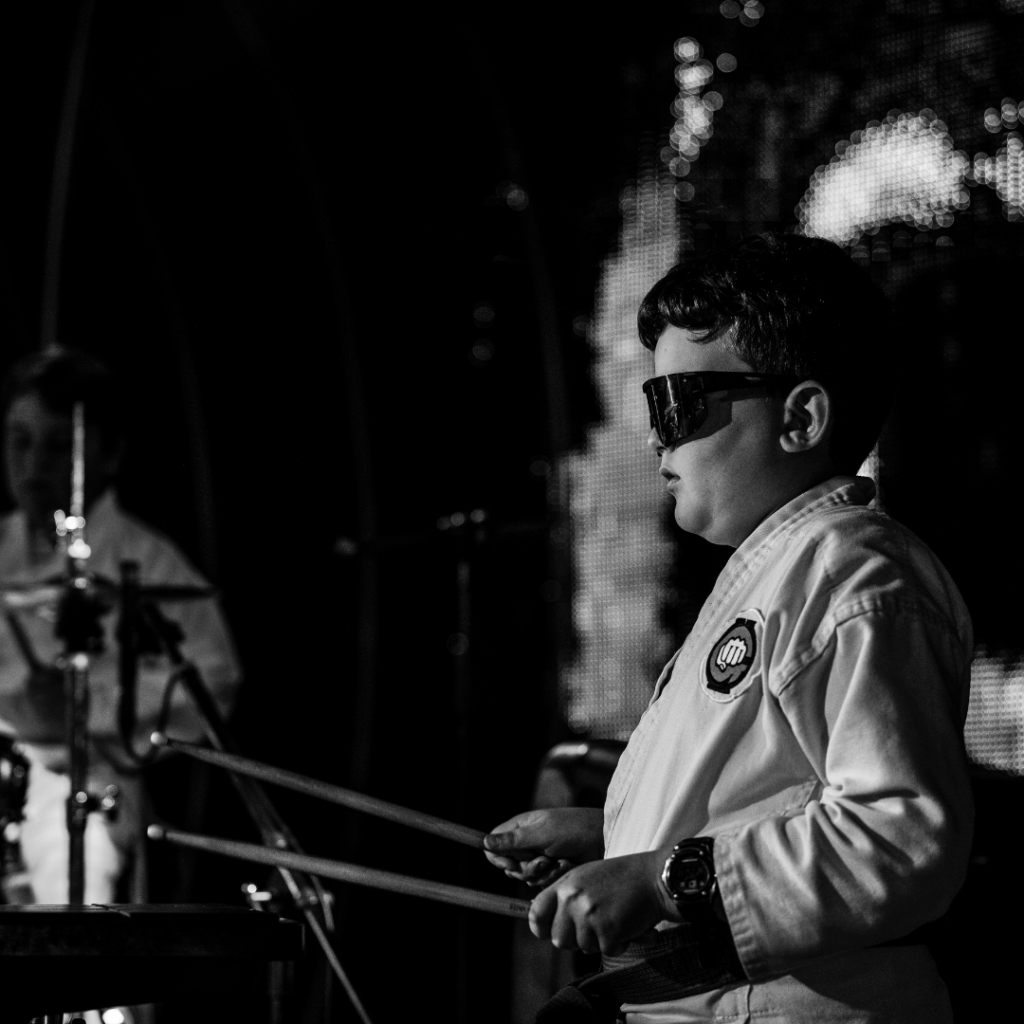
At School of Rock Parktown North, we believe that learning music should be fun, social, and purposeful. Our model combines individual lessons with band rehearsals and live-performance opportunities, giving kids a real chance to experience what it’s like to be in a rock band.

  • Performance-based learning: Students stay motivated, focused, and excited to practice because they’re working toward real shows.
  • Real-world experience: Our instructors are working musicians who teach both the mechanics of music and what it means to perform, collaborate, and connect.
  • Songs kids love: Rather than starting with strict theory, students learn using the music they enjoy, making the experience personal and meaningful.
  • Inclusive and supportive community: Beginners and experienced players alike are welcomed. We value progress, effort, and self-expression over perfection.
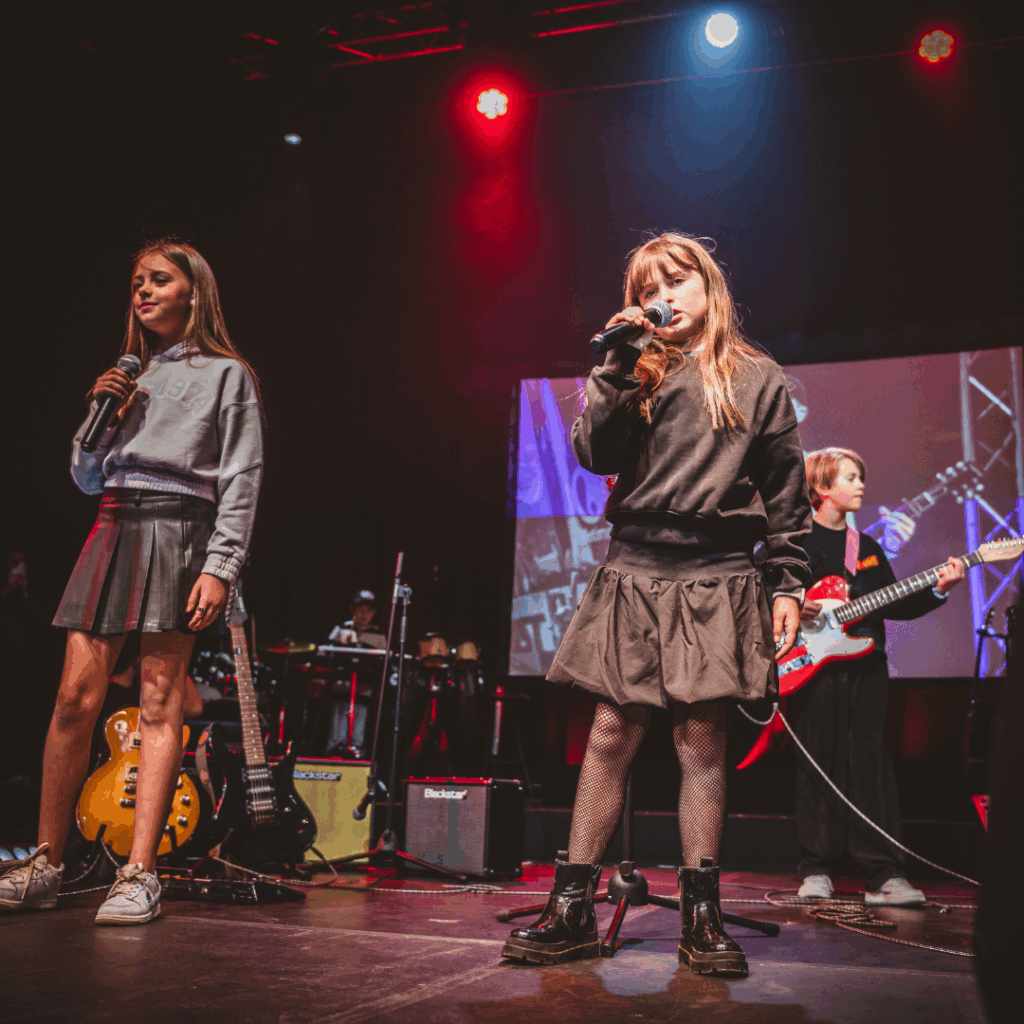
Photo Credit: mediaproductions_

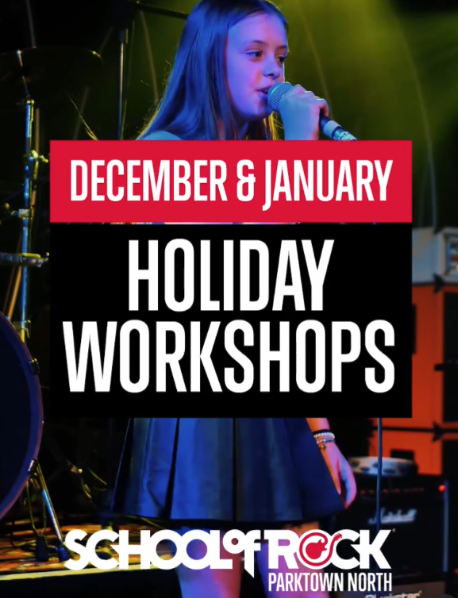
Holiday Workshops for Kids: December & January

This festive season, our Holiday Workshops give children a fun, structured way to explore music while school is out. Open to both new and current students during December and January, these workshops offer:

  • Hands-on experience with instruments, vocals, and group jams
  • Confidence-boosting exercises and creative challenges
  • Social connection and teamwork with new friends
  • Mini performances to end the holidays on a high note

Whether a child is picking up an instrument for the first time or expanding existing skills, our workshops provide inspiration, fun, and confidence through music. Please pop us an email at [email protected] or Whatsapp us on 074 322 2000 for more info and to book a slot! 

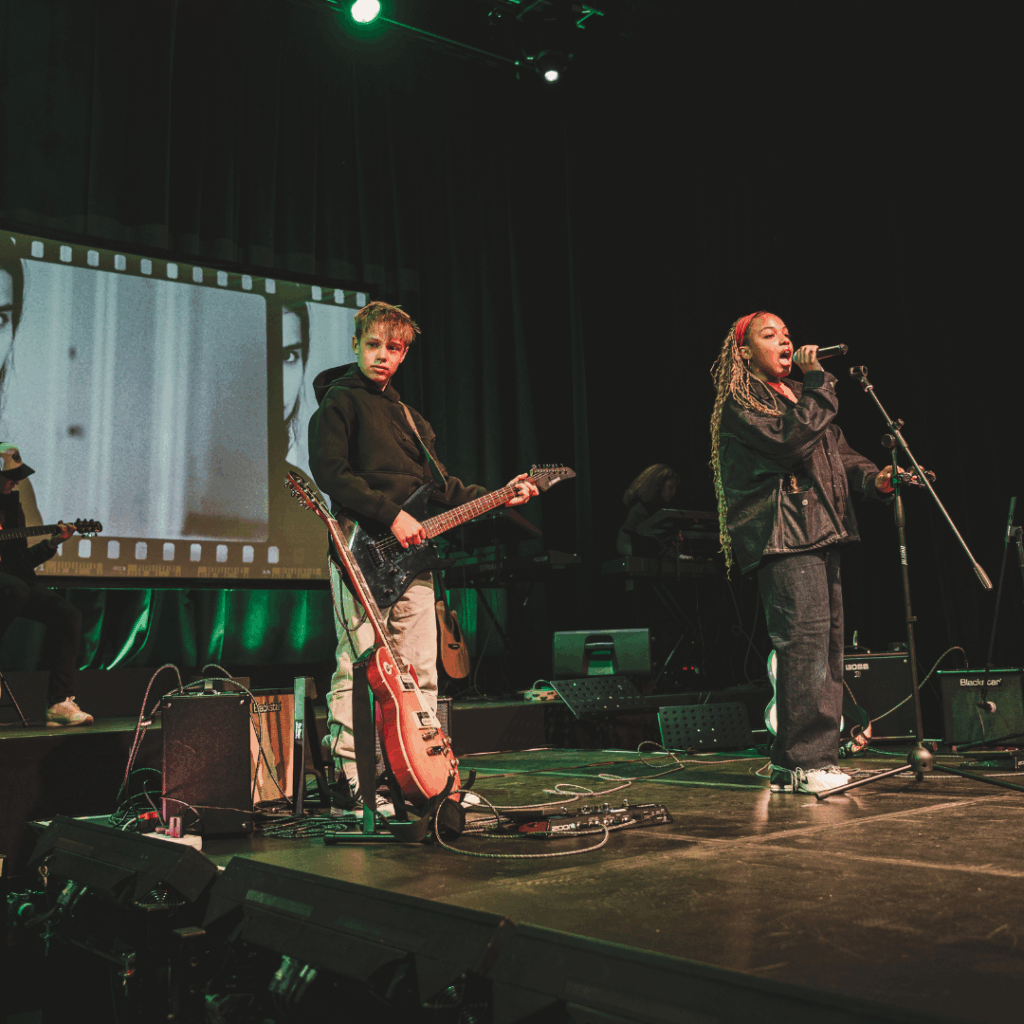
Photo Credit: mediaproductions_


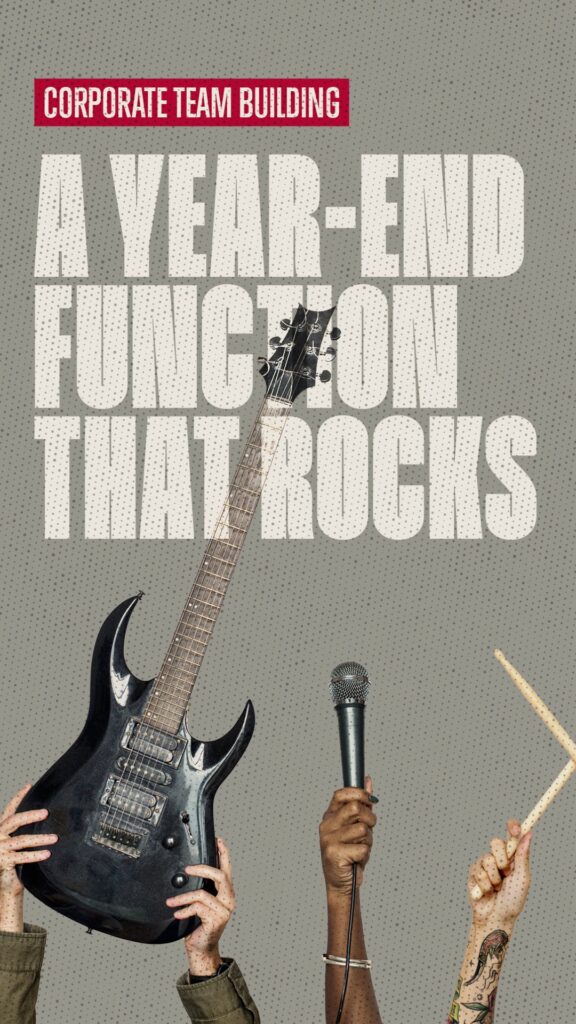
Corporate Year-End Workshops & Team- building events

School of Rock Parktown North also offers corporate and adult-focused workshops that are perfect for companies looking for a creative way to celebrate the end of the year. These sessions are designed to be fun, team-oriented, and stress-relieving:

  • Try instruments, vocals, and rhythm exercises in a relaxed, fun setting
  • Strengthen teamwork, communication, and collaboration
  • Take a creative break from work and enjoy a stress-free musical experience

These workshops offer a unique, memorable way to close out the year; combining music, collaboration, and a little bit of festive cheer. Reach out at [email protected] or Whatsapp us on 074 322 2000 for more details. 

A Great Time to Start (or Re-Start)

With the new year around the corner, there’s no better time to explore what music can offer. Whether you or your child has never touched an instrument, are looking to deepen skills, or want a creative team-building experience, School of Rock Parktown North is ready to welcome you all with open arms.

Let music be more than a gift this holiday!

Stimulus Maksima!
Scroll to Top