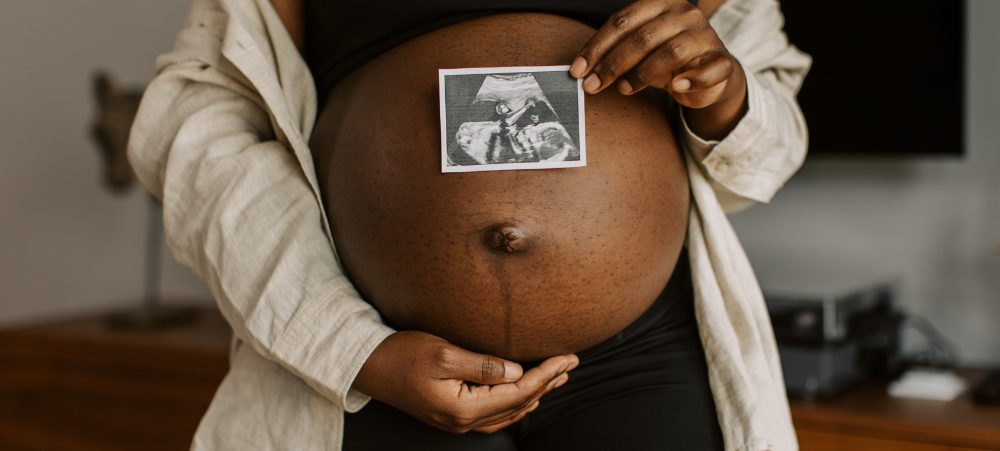

The big day has come – baby is here and you’re finally settling in at home. Did you ever expect to be feeling so overwhelmed, so tired and so drained?
With huge emphasis being put on baby and baby’s needs, it’s very easy for mom to slip into the background. But… taking good care of yourself is so important.
Your body is now, after delivery, going through a major recovery process. Your uterus is shrinking, your hormones are changing (yet again!), your energy is being depleted at a rapid rate, and your body is producing milk! This is all happening whilst you’re trying to focus on getting baby fed, endless piles of washing and perhaps even taking care of a toddler – it’s no wonder that you’re placing your health and wellbeing at the bottom of the list!
Through your pregnancy, and after childbirth your body’s reserves become depleted. They become even more depleted as you try to function on very little sleep and interrupted mealtimes. It’s important to note that key nutrients, such as chromium and iodine, are essential for regulating your blood sugar levels and your metabolism. Your blood sugar levels directly impact your energy levels. Iodine is transferred directly from mom to baby through lactation and is vital to support baby’s brain and nervous system function. Calcium, iron and folate are also necessary to combat fatigue, helping to form red blood cells and helping in their proper function, as well as the development and maintenance of bones and teeth. This is why it is important to continue to supplement your diet with multi-vitamins after having delivered your baby.
As this amazing body of yours begins to heal itself, it is advisable for you to supplement your nutritional requirements with a great multi-vitamin supplement for at least the first three months after delivery. Make sure that you keep all scheduled postpartum visits to your doctor and whilst your body does most of the healing work, be patient, it doesn’t happen overnight.
Take a look at what your body needs:
- Chromium, which helps to regulate your blood sugar through enhancing insulin effectiveness. Blood sugar levels can be quite erratic after delivery. This is why chromium is vital to help stabilise your energy levels and metabolism.
- Iodine is particularly important when breastfeeding. It is essential for the production of thyroid hormones that regulate your metabolism. It also supports baby’s brain and nervous system function, transferred directly from mom through her breastmilk. Insufficient iodine in mom leads to insufficient iodine in baby and may potentially increase the risk of long-term cognitive and psychomotor impairments.
- Protein, iron, vitamins and minerals are necessary to help repair damaged tissue and restore blood volume as well as support your immunity and help balance blood glucose levels.
- Iron to support your energy levels! Iron also helps with the production of healthy red blood cells which aid in oxygen transportation.
- Folate aids in the repair of damaged tissue due to delivery. Folate also contributes to the production of healthy red blood cells, and baby’s overall development, particularly if you are breastfeeding.
- Calcium. During your pregnancy and whilst breastfeeding, baby draws heavily on mom’s store of calcium for its own bone development. A calcium deficiency in mom may result in the development of osteoporosis due to depleted bone density.
- Complex carbohydrates are necessary to provide sustained energy through balancing blood sugar levels, improving digestion and managing your weight, as well as healthy fats like Omega3 DHA to help improve your mood.
- If you are breastfeeding, fluids, protein, calcium, sufficient calories and Omega3 fats are absolutely vital for milk production.
It goes without saying that nourishing your body now that your baby has been born, is just as important as it was during your pregnancy. Great nutrition helps your body to heal, contributes to iron replenishment as well as helping to promote postpartum weight loss. Just think about it, no need for special diets, just choosing healthy foods and a great multivitamin supplement, to support your nutritional needs!
Focusing on your physical health through a nutritional diet and a reliable multivitamin supplement, will help you to sleep better – when you can get it. Remember to sleep when baby sleeps, especially when you first bring baby home. Don’t forget about your mental health, which through stress is going to be pushed to its limits. Again, a balanced and nutritious diet will help to regulate your stress levels.
Some key nutrients and food that you can focus on are:
- Chromium – derived from whole grains, broccoli, lean meats such as beef and chicken, potatoes and seafood such as mussels and oysters.
- Iodine – derived from seafood such as fish, oysters, shrimp and seaweed as well as dairy products such as eggs, yoghurt, milk and cheese. Iodised salt is also a major source.
- Protein – derived from meat, poultry, fish, eggs, legumes and dairy products.
- Iron – derived from red meat, green leafy vegetables, beans and fortified cereals.
- Calcium & Vitamin D – derived from dairy products and fortified plant milk.
- Fibre – derived from fruits and vegetables as well as whole grains.
- Healthy Fats – derived from oily fish such as salmon and sardines.
- Fluids – stay hydrated by drinking plenty water, even more important if you are breastfeeding.
- Continued use of pre-natal vitamin supplements.
This is where a good multivitamin plays a huge role.
Take a comprehensive multivitamin supplement for before, during, and after pregnancy that offers essential vitamins, minerals (like active folate, iron, iodine, calcium), and Omega-3s (DHA & EPA), for mom and baby’s health.
Please note: The information in this article is for general informational purposes only and does not replace professional medical advice. Always consult your doctor or healthcare provider before starting any supplements during pregnancy.
References available upon request from Parenting Hub.
This article was sponsored by iNova Pharmaceuticals. The views and content are that of Parenting Hub and not necessarily of iNova Pharmaceuticals.

- Beyond Pregnancy – The Role of Supplementation in Postnatal Health - February 16, 2026
- Choosing the Right Prenatal Supplement - February 12, 2026
- The Science Behind Prenatal Supplementation - February 9, 2026