
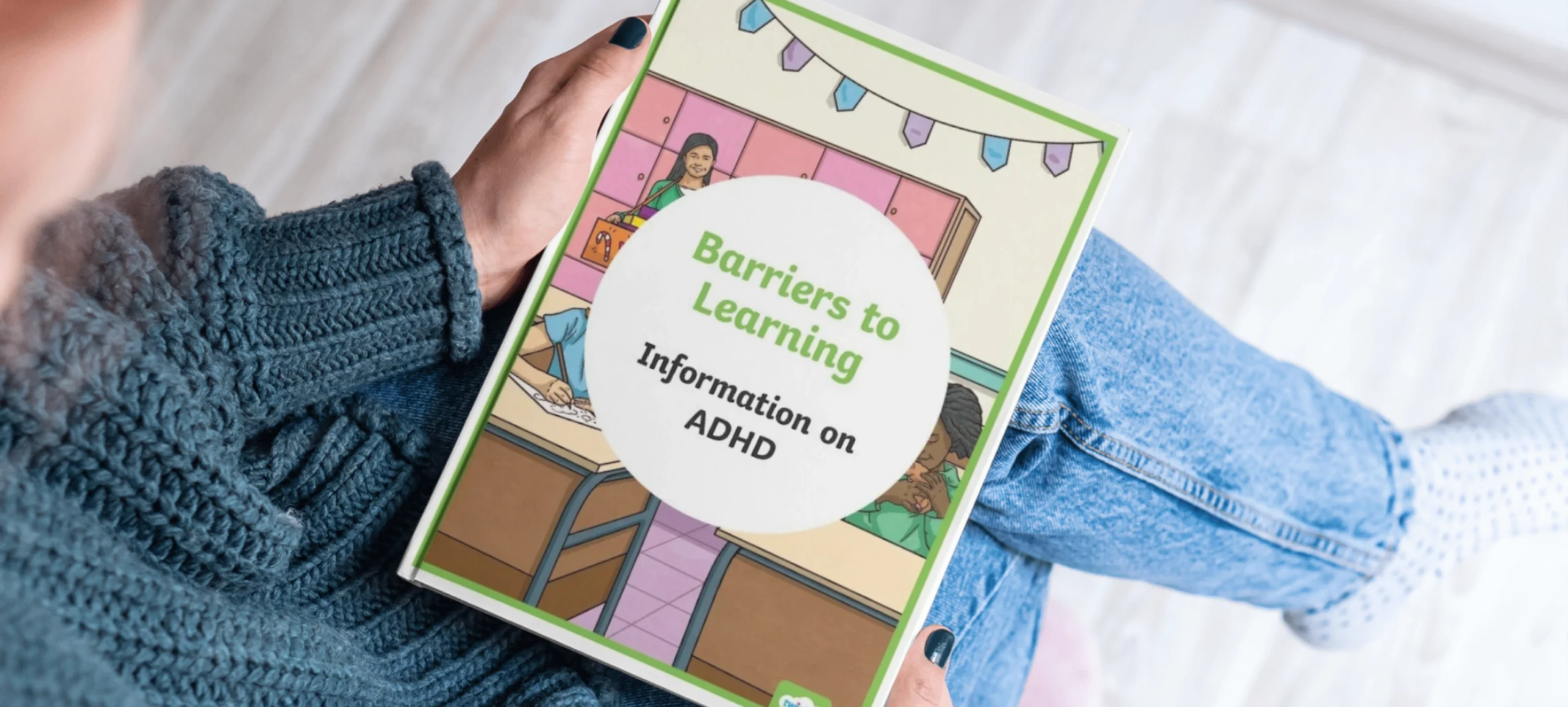
Breaking Barriers: Helping Your Child Shine

Every child is a little star with their own way of learning and growing. But sometimes, those learning journeys come with a few speed bumps, and that’s perfectly okay! Whether your child is finding it tricky to focus, struggling to read, or facing sensory challenges, recognising these hurdles is the first step to supporting them.

What Are Barriers to Learning?

Barriers to learning can show up in lots of ways. Maybe your child has ADHD, dyslexia, or struggles with numbers (dyscalculia). Perhaps they face sensory challenges like hearing loss or a visual impairment. Emotional hurdles, like anxiety or attachment issues, can also make focusing a bit harder.

For some children, conditions like autism or foetal alcohol syndrome call for extra-special strategies to help them succeed. But here’s the thing: these challenges don’t define your child! With a bit of understanding and the right tools, they can absolutely thrive.

Small Changes, Big Differences

Supporting your child doesn’t have to mean massive changes. Sometimes, it’s the little things that make the biggest difference—like adding a quiet corner at home, trying a new way to explain a tricky concept, or working with their teacher to adjust classroom strategies.

Finding help can sometimes be challenging. At Twinkl, we believe every child deserves to feel confident and capable. That’s why we’ve put together resources to help parents and teachers work through barriers to learning. 

You’re not alone on this journey! Twinkl’s resources are here to help you every step of the way. Whether you’re looking for advice about ADHD, dyslexia, or even anxiety, we’ve got booklets packed with practical tips and ideas.

How Twinkl Can Help

We know that supporting children with different needs can sometimes feel overwhelming. That’s why we created the Barriers to Learning Information Booklet Series—a collection of handy, easy-to-read guides made especially for South African parents and teachers.

Here’s what you’ll find in these booklets:

  • Mind Maps: A quick and clear overview of each challenge.
  • Top Tips: Practical advice to support your child at home or in the classroom.
  • Indicators and Signs: Wondering if your child needs extra help? We’ve got you covered.
  • Adaptation Strategies: Ideas for tweaking teaching methods and daily routines to suit your child’s needs.

These booklets are your go-to guide for creating an inclusive and supportive environment where every child feels seen, heard, and valued.

Let’s Break Barriers Together

At the heart of it all, we just want children to feel confident, happy, and ready to take on the world. Together, we can create a learning environment that celebrates every child’s uniqueness.

So, why wait? Head over to Twinkl and check out our Barriers to Learning series. Let’s work together to help every child shine bright and feel unstoppable!

Twinkl

Leave a Comment

Your email address will not be published. Required fields are marked *

Unlocking the power of reading

READING … It has been said that in Grade 0 – 3 a child learns to read and from Grade 4 up, they read to learn. Learning to read is different from learning to communicate. Children are born with the inherent ability to learn to communicate, but they are not born with the inherent ability to learn to read. As such, teaching reading needs to be systematic and intentional. 

Sadly, for many of our children, they miss out on the foundations of learning to read which impacts negatively on their ability to learn throughout life. Although accurate statistics are hard to come by, the evidence is conclusive that South Africa’s rate of illiteracy in our schools it frighteningly high. In 2021, the Progress of International Literacy (PIRLS) study reported that 80% of students in South Africa, in Grade 4 were illiterate! This is beyond frightening and we need to systematically and intentionally intervene to turn the tide of growing illiteracy. 

In a world dominated by screens and soundbites, the art of reading seems to be fading into the background. Yet, it’s importance remains as crucial as ever. Learning to read properly isn’t just about deciphering words on a page, it’s about unlocking a world of possibilities, expanding horizon and empowering individuals to navigate the complexities of life with confidence and insight.

The Gateway to Knowledge

Reading is a key that opens countless doors to knowledge, wisdom and imagination. From textbooks to literature, news articles to scientific papers, reading with comprehension allows a person to access to a wealth of information. Mastering the skill of reading is paramount! It takes a child beyond the doors of their classrooms into a world of possibilities. 

 Once you learn to read, you will be forever free.” — Frederick Douglass


Empowering Critical Thinking

Reading isn’t merely about absorbing words. It’s about engaging with ideas, analyzing perspectives and challenging assumptions. Proper reading comprehension cultivates critical thinking skills essential for navigating an ever increasingly complex world. Student who can read effectively are better equipped to evaluate information critically, discern fact from opinion, and form their own well-informed judgments.

Fostering Empathy and Understanding

Literature has the power to transport readers into the lives of others, which fosters empathy and understanding. Through the pages of novels, short stories and poems, children encounter diverse characters and perspectives, gaining insights into different cultures, experiences and emotions. These literally journeys broaden children’s worldview and cultivate empathy, which is a vital attribute for building harmonious relationships and thriving in a multicultural society.

Enhancing Communication Skills

Reading also extensively is a cornerstone of success in both academic and professional realms. Reading extensively exposes students to various writing styles, vocabulary and sentence structures, which enhances their own language proficiency. Furthermore, exposure to well-written texts serves as a model for developing coherent arguments, articulating thoughts clearly and communicating ideas persuasively. These are skills which are invaluable in academic essays, presentations and other everyday interactions.

 “Children are made readers in the laps of their parents.” -Emilie Buchwald

Fuelling Imagination and Creativity

Books are portals to boundless worlds limited only by one’s imagination. Through the pages of fiction, students embark on fantastical adventures, explore distant galaxies and immerse themselves in richly imagined landscapes. Reading stimulates creativity, igniting the imagination and inspiring individuals to think innovatively. For students nurturing creativity through reading fosters a sense of possibility and fuels their aspirations for the future.

Building Resilience and Grit

The journey of learning to read proficiently is often fraught with challenges – encountering unfamiliar works, grappling with complex concepts and overcoming moments of frustration. Through perseverance in the face of these obstacles that resilience and grit are forged. Students who persist in honing their reading skills develop the confidence to tackle academic challenges head-on and the resilience to navigate setbacks with determination.

Cultivating Lifelong Learning

Reading is not merely a skill to be mastered in school but is lifelong companion on the journey of personal growth and self-discovery. Students who cultivate a love for reading are more likely to become lifelong learners, continuously seeking out new knowledge and experiences beyond the confines of formal education. Whether delving into non-fiction to expand the expertise or losing themselves in the pages of fiction for pure enjoyment, the habit of reading enriches their lives immeasurably.

In an age dominated by rapid technological advancements, the ability to read properly remains a timeless and indispensable skill. For children, mastering this skill is not just about meeting their academic requirements but about equipping them with the tools needed to thrive. By unlocking the power of reading, children embark on a journey of discovery, a journey that transcends the confines of the classroom and shapes the course of their lives. 

 And all this begins by parents developing a love of books in their children!

Twinkl
Discover the Magic of Twinkl Literary Classics for Little Learners

Step into a world of wonder and imagination with the Twinkl Literary Classics for Little Learners range — a beautifully curated collection of timeless tales thoughtfully adapted to ignite a love of reading in young children. This range offers a gentle introduction to some of literature’s most cherished stories, designed to nurture curiosity, empathy, and a lifelong passion for books.

Why Introduce Classic Literature to Little Learners?

In an age where digital distractions are everywhere, sharing classic stories with children opens a door to rich storytelling traditions, diverse cultures, and timeless life lessons. These beloved tales connect readers to historical contexts, moral dilemmas, and universal themes, helping children explore complex emotions and understand the world through different perspectives.

Reading classic literature at a young age can also enhance language development and vocabulary, introducing children to beautiful, expressive language they may not encounter elsewhere. The vivid imagery and memorable characters spark imagination and creativity, encouraging children to dream big and think beyond their immediate surroundings.

Moreover, these stories help build resilience and moral reasoning as children witness characters navigating challenges, making difficult decisions, and growing through adversity. This not only fosters empathy but also empowers young readers to see themselves as capable of kindness, bravery, and perseverance in their own lives. 

Thoughtfully Adapted for Young Readers

The Twinkl Literary Classics for Little Learners range carefully reimagines classic tales to suit young audiences. We’ve simplified intricate subplots, adjusted complex themes, and ensured the language remains accessible and engaging for early readers — all while preserving the heart and essence of each original story. 

Sensitive and Age-Appropriate Storytelling

We understand that some classic tales touch on challenging themes like loss, conflict, or hardship. Rest assured, any sensitive content has been handled with care, softened to align with the emotional maturity of younger readers. When pivotal to the plot, these themes are presented gently, providing an opportunity for meaningful conversations without overwhelming little minds.

Shared Reading and Meaningful Conversations

Reading these stories together can be a special bonding experience. As you turn the pages with your child, you can explore big ideas, answer curious questions, and encourage thoughtful discussions. This shared experience helps foster critical thinking and emotional growth, allowing children to reflect on the story’s characters, choices, and underlying messages.

Sparking a Lifelong Love of Literature

Above all, the Twinkl Literary Classics for Little Learners range is designed to inspire joy and wonder. We hope these adaptations become treasured favourites in your home, laying the foundation for a lifetime of literary exploration. After all, stories have the power to captivate, comfort, and empower — and every child deserves the chance to discover the magic of books.

The range of Twinkl Literary Classics for Little Learners can be found here: https://www.twinkl.co.za/l/yxsux

Twinkl
Helping Your Child Learn a Lot of Work Before Exams: Tips and Tricks for Parents

As exam time approaches, many parents wonder how to help their children revise a large amount of work without becoming overwhelmed. Whether it’s content-heavy subjects like Natural Sciences or History, or skill-based ones like Maths and English, it’s all about working smarter—not harder.

Here are some tried-and-tested tips to help your child tackle their revision effectively and with confidence.

1. Break it Down into Manageable Chunks

Trying to learn everything at once can feel impossible. Help your child divide their work into small, manageable sections. Use a study timetable to plan what to revise each day. Focus on one topic at a time rather than trying to do everything in one sitting.

2. Make Use of Visuals

Children often remember things better when they can see the information. Encourage them to use:

  • Mind maps
  • Diagrams
  • Colour-coded notes
  • Flashcards

These tools not only make studying more fun, but also help learners make connections between ideas and recall them more easily in exams.

3. Repetition is Key

Revisiting information multiple times helps move it from short-term to long-term memory. Encourage regular review of previously studied topics instead of cramming the night before.

4. Talk It Out

Some children learn best by talking things through. Encourage your child to explain what they’ve learned to you, a sibling, or even a pet! If they can teach it clearly, they probably understand it well.

 5. Keep it Active

Sitting still for hours can make anyone lose focus. Try these methods to keep your child actively engaged in their learning:

  • Use post-its on the wall
  • Match definitions to terms
  • Create songs, rhymes or silly acronyms to help remember facts
  • Try a “brain break” game every 20–30 minutes

6. Balance Work and Rest

More work doesn’t always mean better results. A tired or stressed child won’t retain information easily. Make sure your child gets:

  • Enough sleep
  • Regular snacks and meals
  • Time for fun and physical activity
  • Quiet time to relax

A well-rested brain is a ready-to-learn brain.

7. Use Reliable Resources

Having access to quality, age-appropriate resources can make all the difference. Twinkl offers everything you need for exam revision in one place:

  • “How to” pages that simplify tricky topics
  • Study notes to reinforce classwork
  • Twinkl Exam papers to practise answering exam-style questions

These resources help your child feel prepared, organised, and supported as they work through large sections of content. You can find all Twinkl’s practice assessments, tests and exams here: https://www.twinkl.co.za/l/p0upw

You don’t have to be a teacher to help your child succeed—you just need to be present, patient, and encouraging. Praise the effort, guide the process, and remind them that it’s okay to take breaks and ask for help. With good preparation and your support, they’ll go into their exams feeling confident and capable.

Twinkl
Scroll to Top